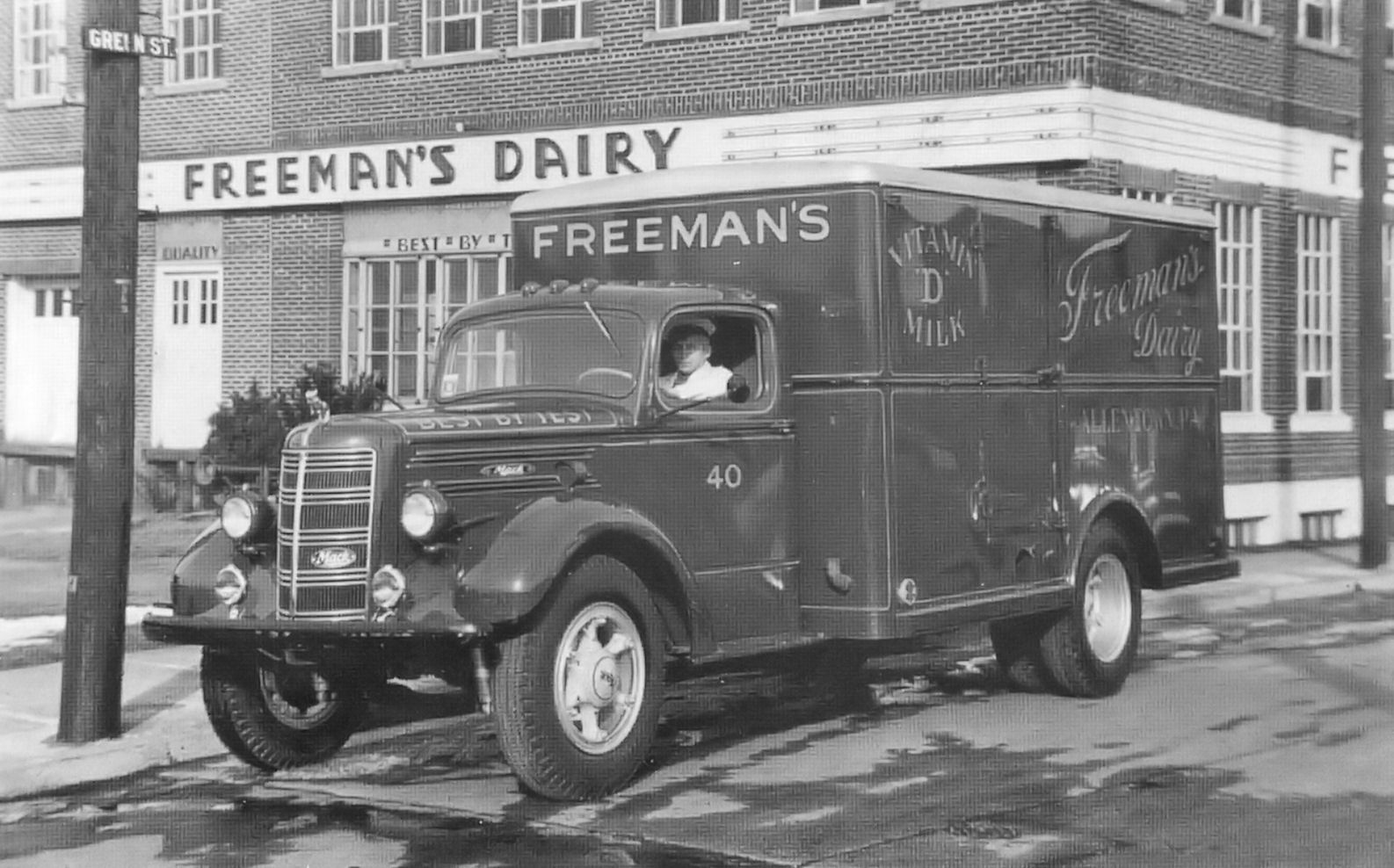
The thing I remember about the milkman in 1962 is that nobody was ever home when he came. He arrived in the early morning, let himself into a box on the step, took the empties and left the full ones, and the whole transaction happened without a word being exchanged or any money changing hands. It worked on a standing order and a running account, and the striking thing in hindsight is how much trust was built into something so routine that nobody thought about it.
The Service Existed Because the Product Would Not Keep
Start with the reason, because the convenience is not the point. Milk in that period had a short usable life, and a household had no way to extend it much beyond a couple of days.
Which means a family needed milk delivered constantly rather than bought occasionally, and that daily requirement is what made a dedicated route economic. The service was not a luxury layered onto shopping – it was the only practical way to keep a perishable in a house that could not store it.
Like our content? Follow us for more.
The Insulated Box on the Step Did the Hard Part
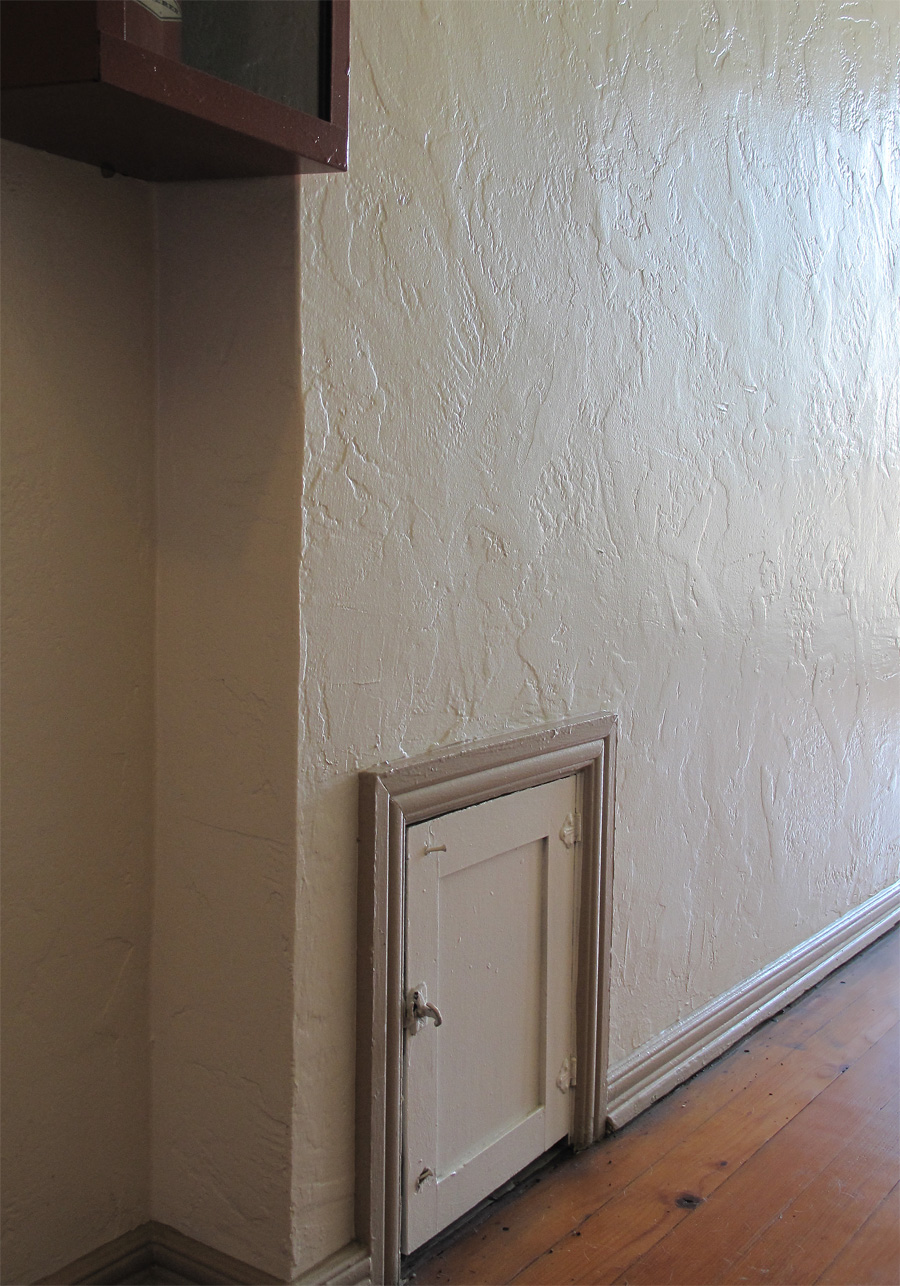
The metal or wooden box beside the door is the piece of equipment everybody forgets, and the whole system depended on it.
Its job was to hold a temperature for a few hours between a pre-dawn delivery and whenever somebody got up – insulating the bottles from morning sun, keeping them out of sight and off the ground, and sheltering them from animals. Without that box the delivery had to be met in person, which would have made the route impossible to run at speed.
Delivery Happened Before Anybody Was Awake on Purpose
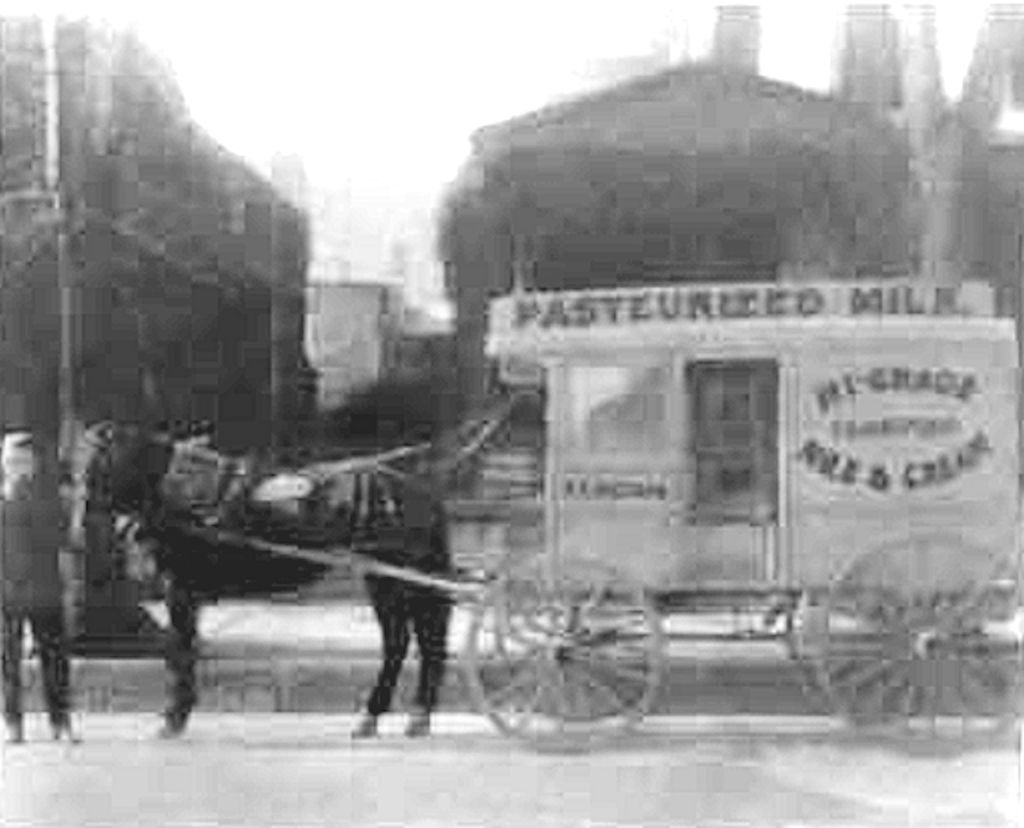
The early hour was not tradition. It was the only window in which a perishable could be left outside a house and still be cold when it was taken in.
Running the route in darkness also meant empty streets, no traffic and no interruption, so a carrier could cover far more houses per hour than at any other time of day. The unsociable hour was the thing that made the economics work.
Returning the Bottle Was Part of the Deal
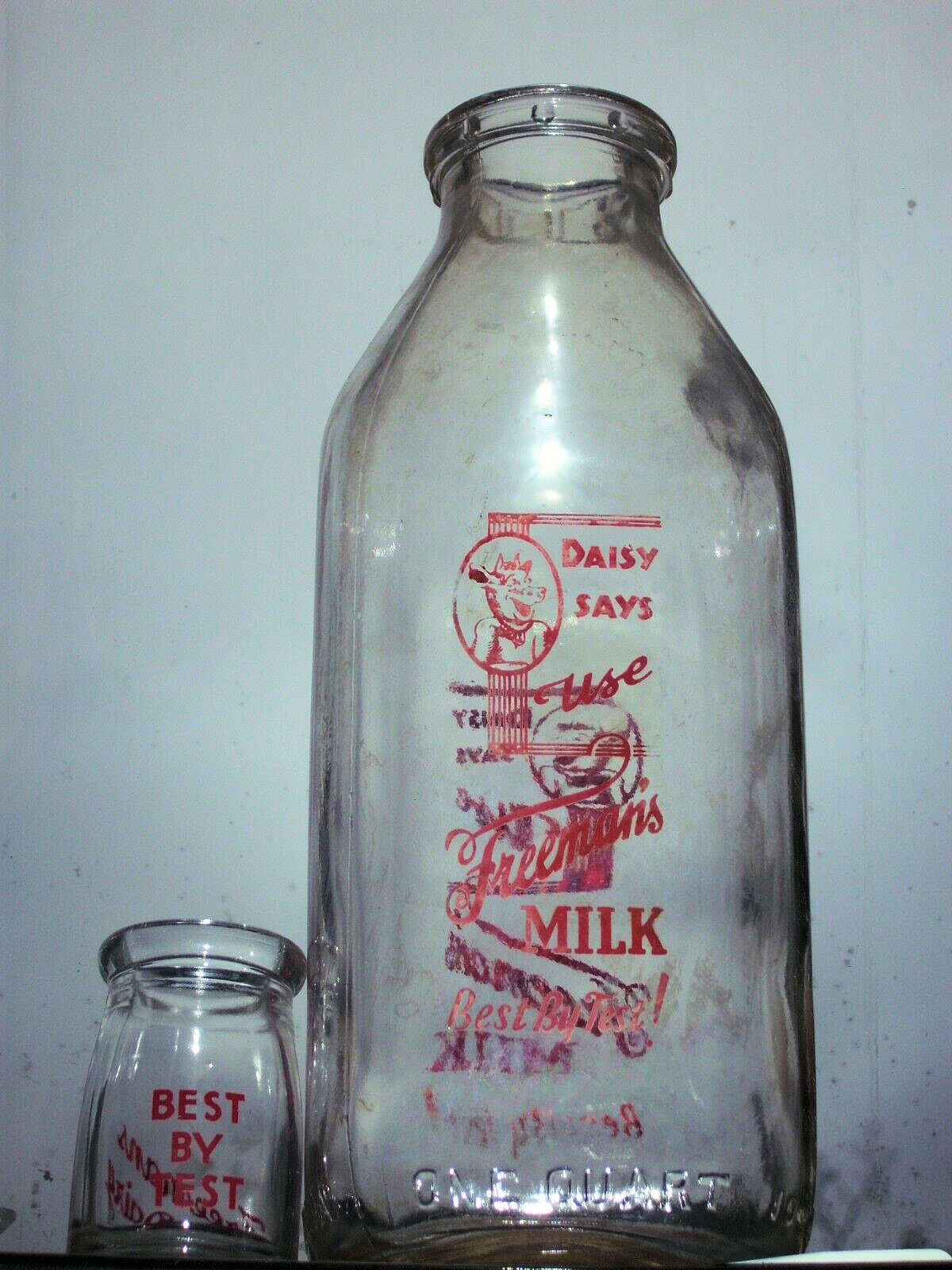
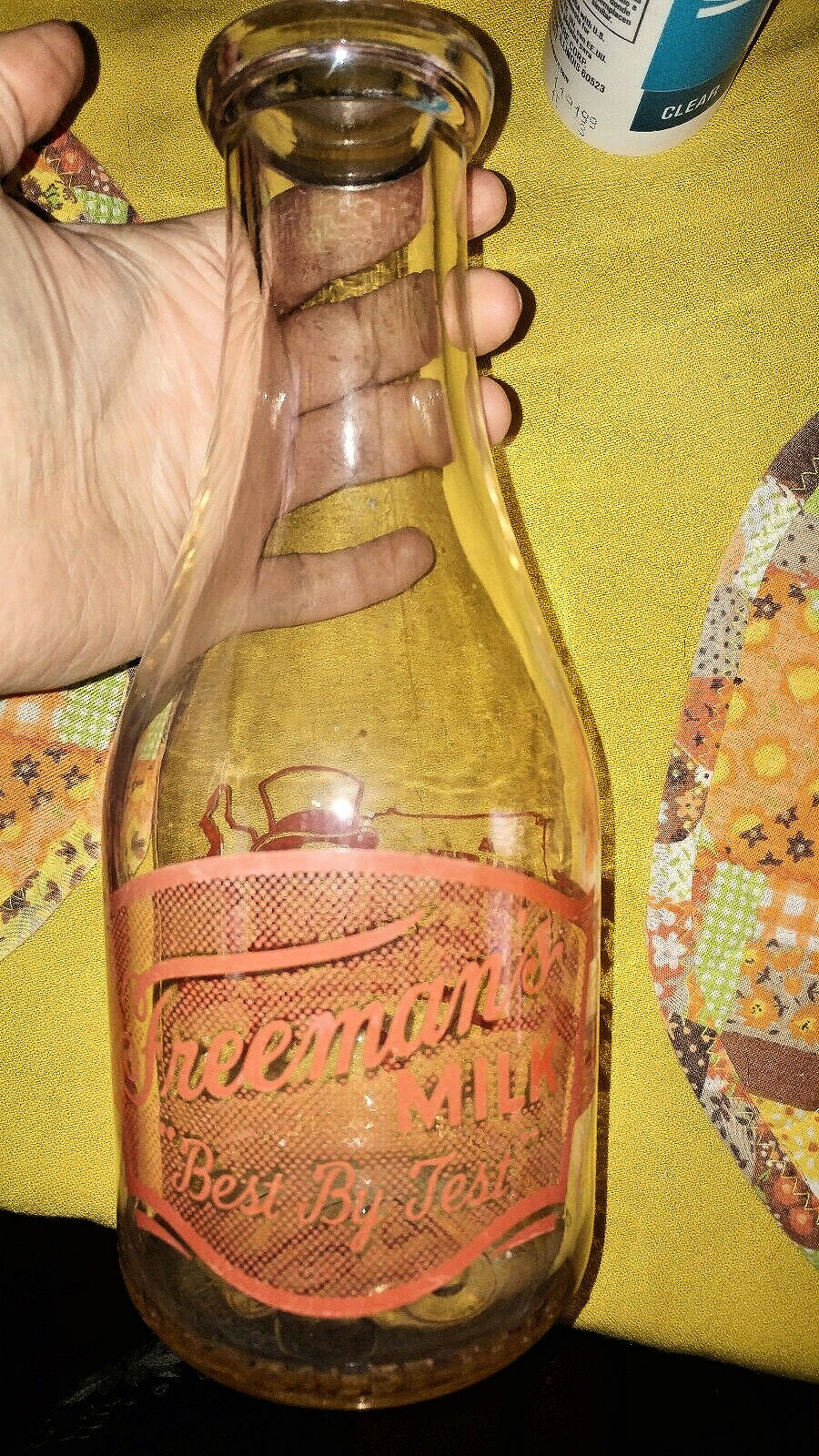
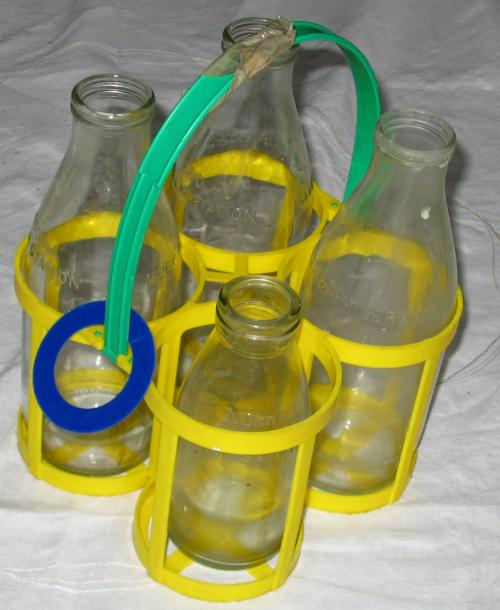
The glass bottle was not packaging in the modern sense. It was equipment, owned by the dairy, loaned to the household and expected back.
That changes the whole relationship with the container. A bottle was washed, set out and collected for reuse dozens of times, which means the household was performing a step in the dairy’s own process – and a family that failed to return bottles was not being wasteful but was effectively holding the dairy’s property.
The Standing Order Replaced the Decision
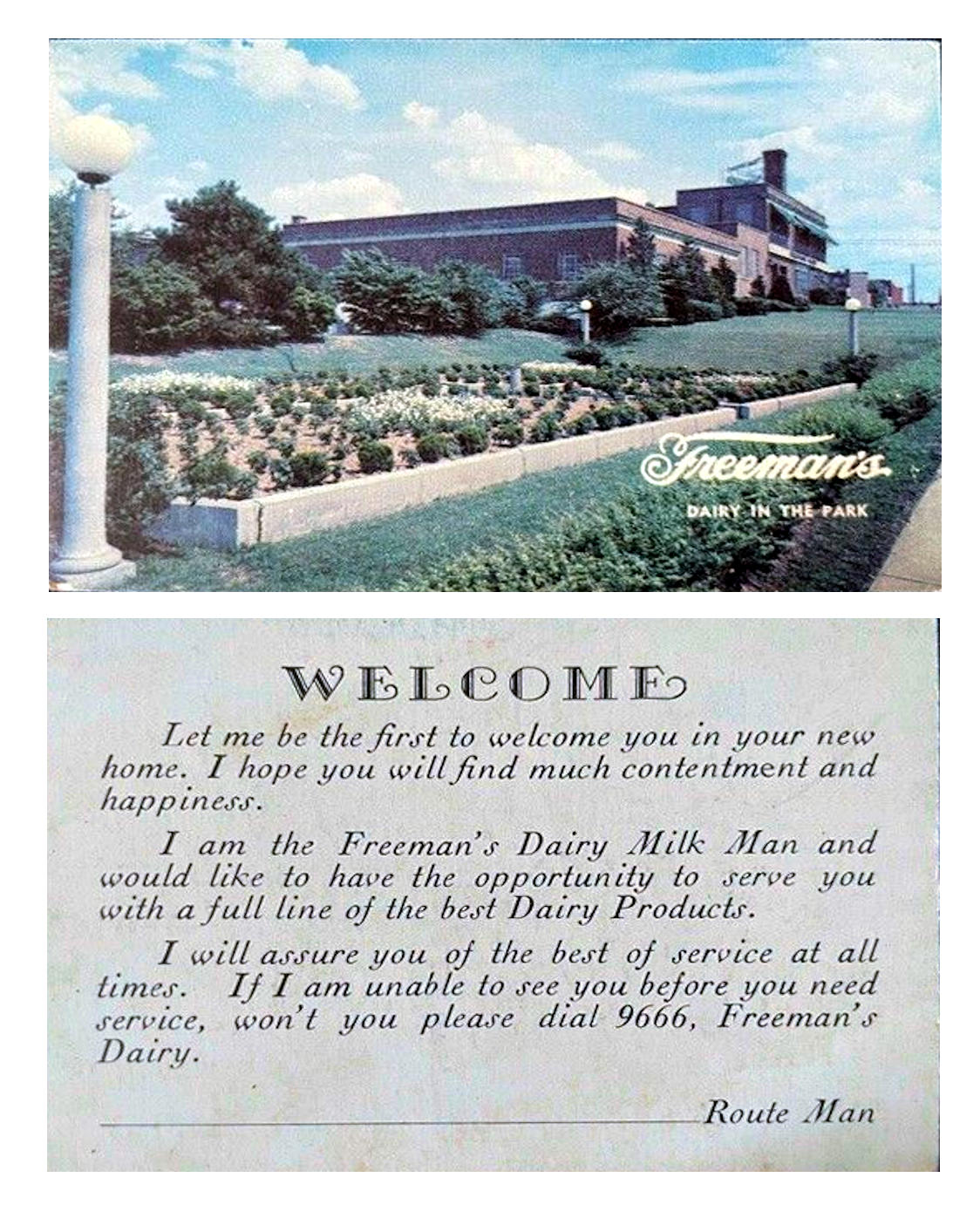
A household did not order milk. It had an order – a standing quantity, delivered on set days, changed only by exception.
This is the part that has disappeared entirely from how anybody buys anything. Consumption was assumed rather than chosen, so the default was delivery and the active decision was to change it. Nobody decided to buy milk on a Tuesday; milk simply arrived on Tuesday unless somebody had said otherwise.
A Note in the Empty Bottle Was the Whole Communication Channel
Changing the order meant writing it down and putting the paper where the carrier would find it, which in practice meant rolled inside an empty bottle or tucked under the box lid.
That is a genuinely elegant arrangement. The message travels in the container that is already going back, it cannot be missed because the carrier has to handle that bottle anyway, and it needs no appointment, no telephone call and nobody awake at either end.
Nobody Paid at the Door
Payment happened weekly or monthly on an account, settled separately from the delivery – which is why the delivery itself required no interaction.
Separating the goods from the money is what allowed the whole thing to run silently at five in the morning. A transaction that had to be paid for at the moment of handover could not possibly have worked on a sleeping street, and the account is the piece of financial plumbing that made the silence possible.
The Route Was Run on Memory, Not on Paperwork
A carrier knew what every house on the route took, which days, and where the box was.
That is several hundred small facts held in one person’s head, and it is why a substitute carrier produced a noticeably worse morning. The route’s efficiency lived in the carrier rather than in any record, which is the same pattern as the paper route, the rural postal route and every other walked circuit of the period.
The Carrier Noticed Things Nobody Else Did
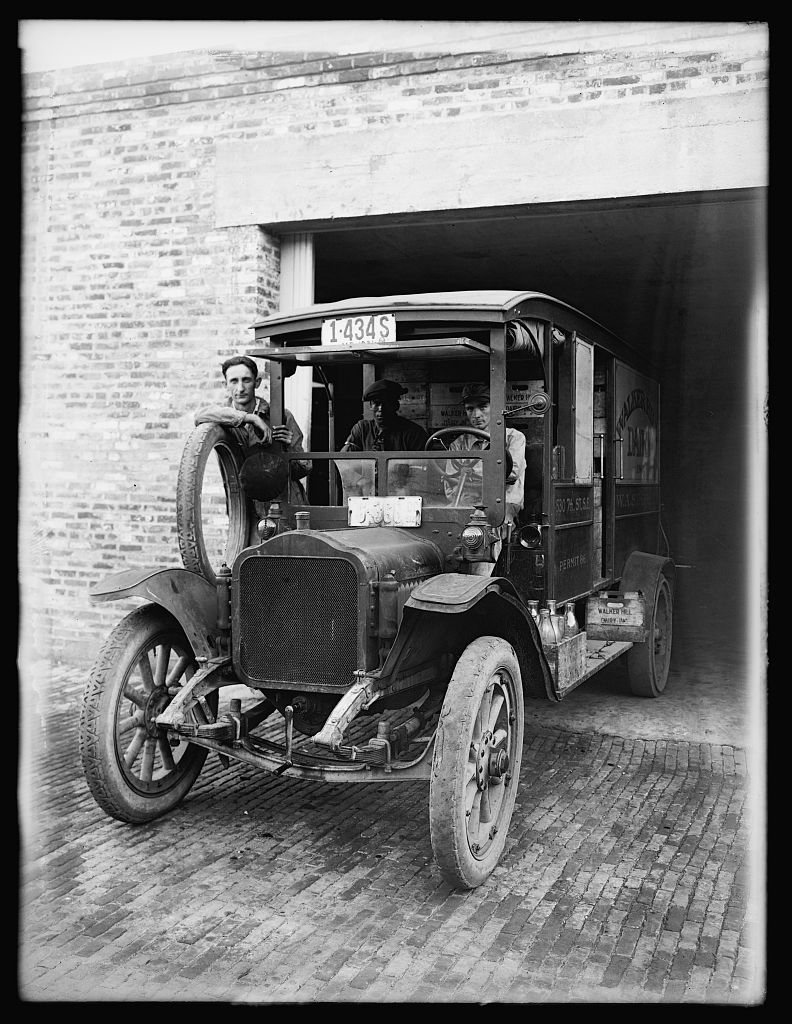
Visiting every house on several streets before dawn, every day, produces a particular kind of awareness.
Bottles untouched from the day before, a box left open, a light on at an odd hour – a carrier saw the pattern of a street and noticed when it broke. That was not a formal duty and it was real, and more than a few households were checked on because the milk had not been taken in.
Children Were Sent Out to Bring It In
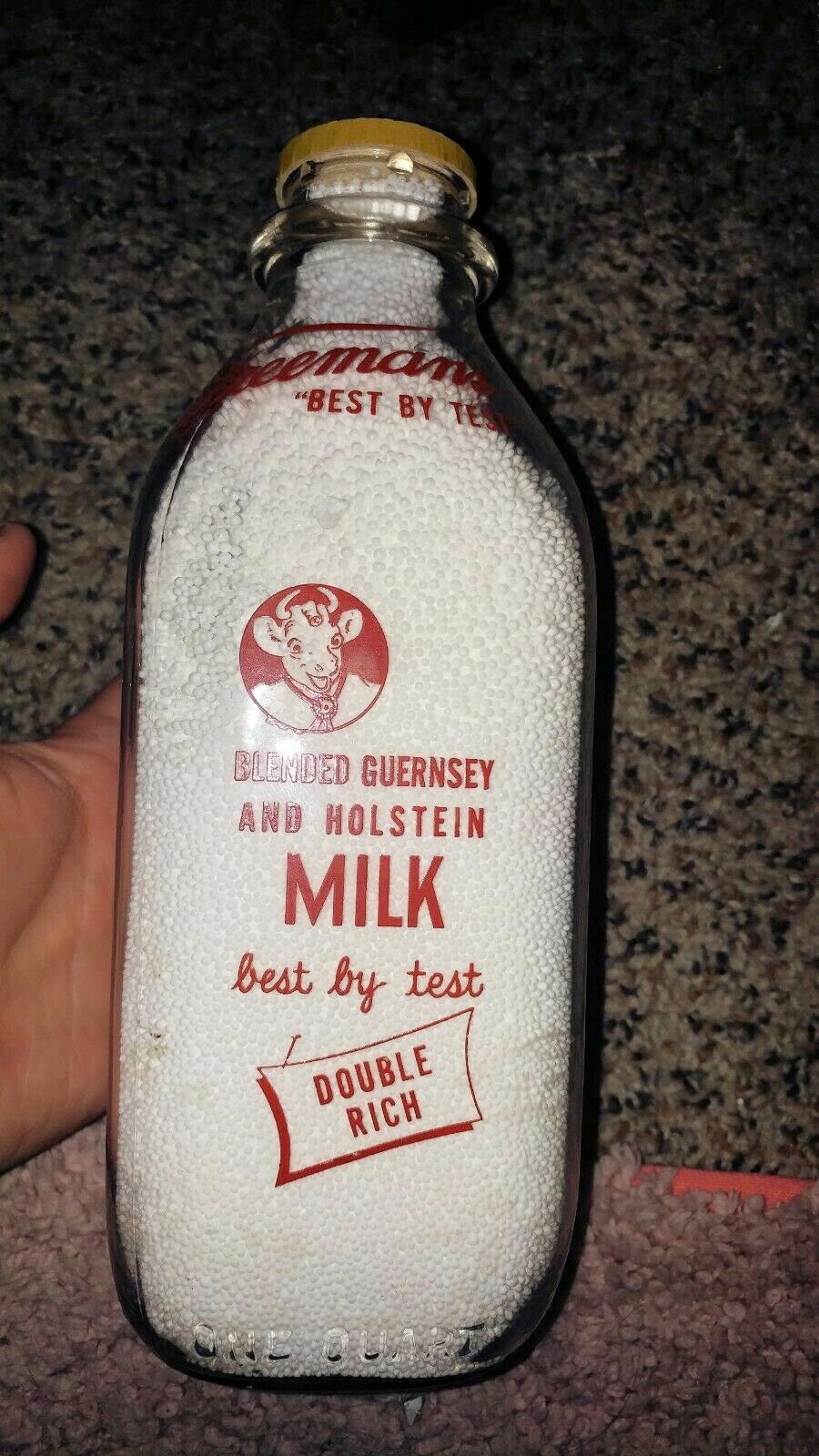
Fetching the bottles before breakfast was a standing chore handed to whoever was up, which usually meant a child.
It is a good example of how household tasks were allocated: the job needed no judgement, took two minutes, and had to happen at a fixed time every single morning – which is exactly the profile of work that gets handed down. The consequence of forgetting was immediate and visible, which made it a chore children actually remembered.
Cream Rising to the Top Was a Visible Fact of the Product

Milk that had not been homogenised separated in the bottle, with the cream standing in a distinct layer at the neck.
That layer was a routine part of the morning – poured off, shaken back in or fought over, depending on the household. It also meant the product was legible in a way a modern carton is not: you could see what was in it, see that it had separated, and see how much cream the bottle had.
Freezing Weather Was the Route’s Worst Enemy
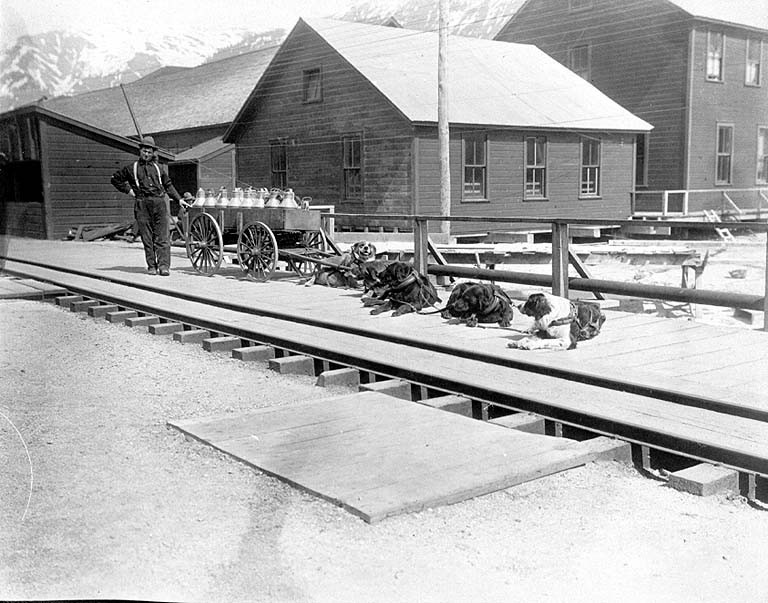
A bottle left out in hard frost will freeze, and freezing milk expands and pushes the closure up out of the neck.
Which is why winter delivery had to be met more promptly and why the insulated box mattered most in the season it was least pleasant to go outside. A carrier could do everything right and still lose the delivery to the weather if nobody collected it in time.
The Dairy Was Local Because It Had To Be
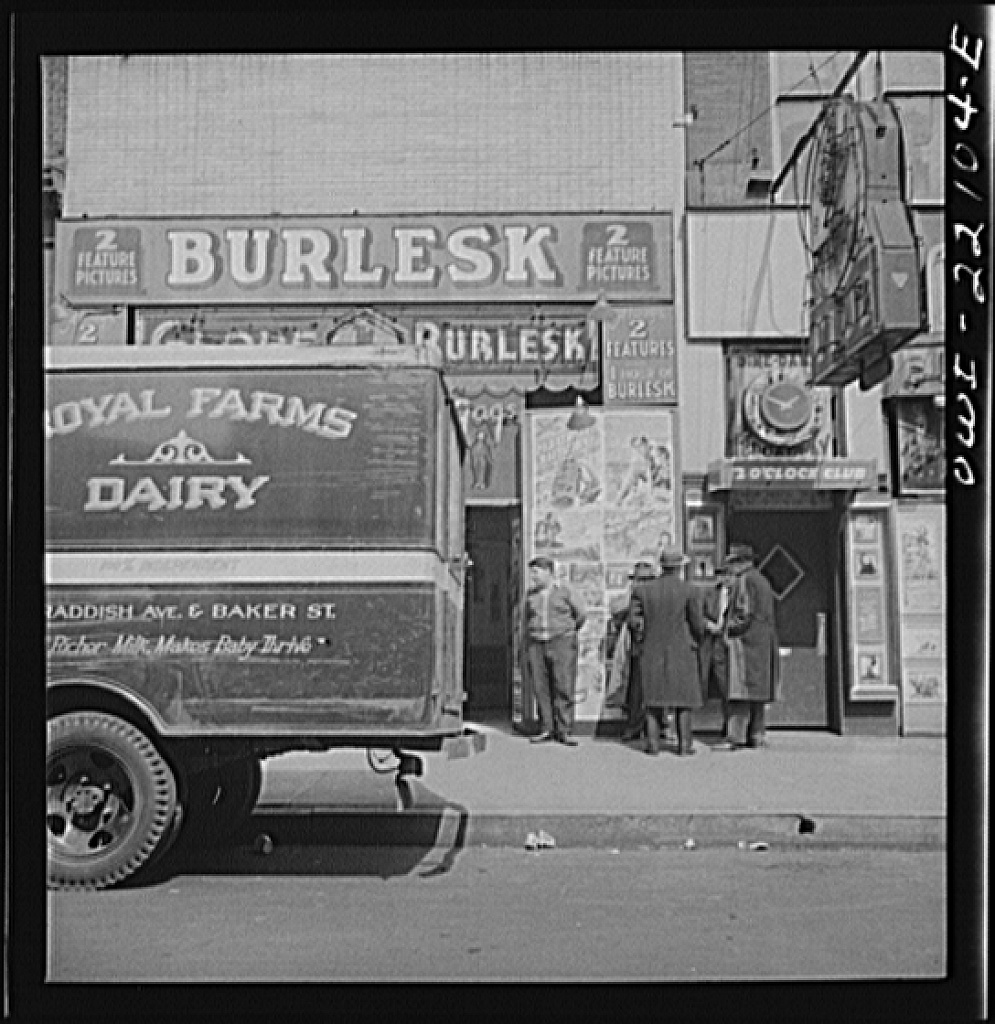
Short product life plus daily delivery means the supply had to be close, so the dairy serving a neighbourhood was usually within a short drive of it.
That geography is the thing that changed most. A perishable with a two-day life cannot travel far, so the whole structure – local herd, local dairy, local route – was dictated by the product rather than chosen for any romantic reason.
The Route Carried More Than Milk
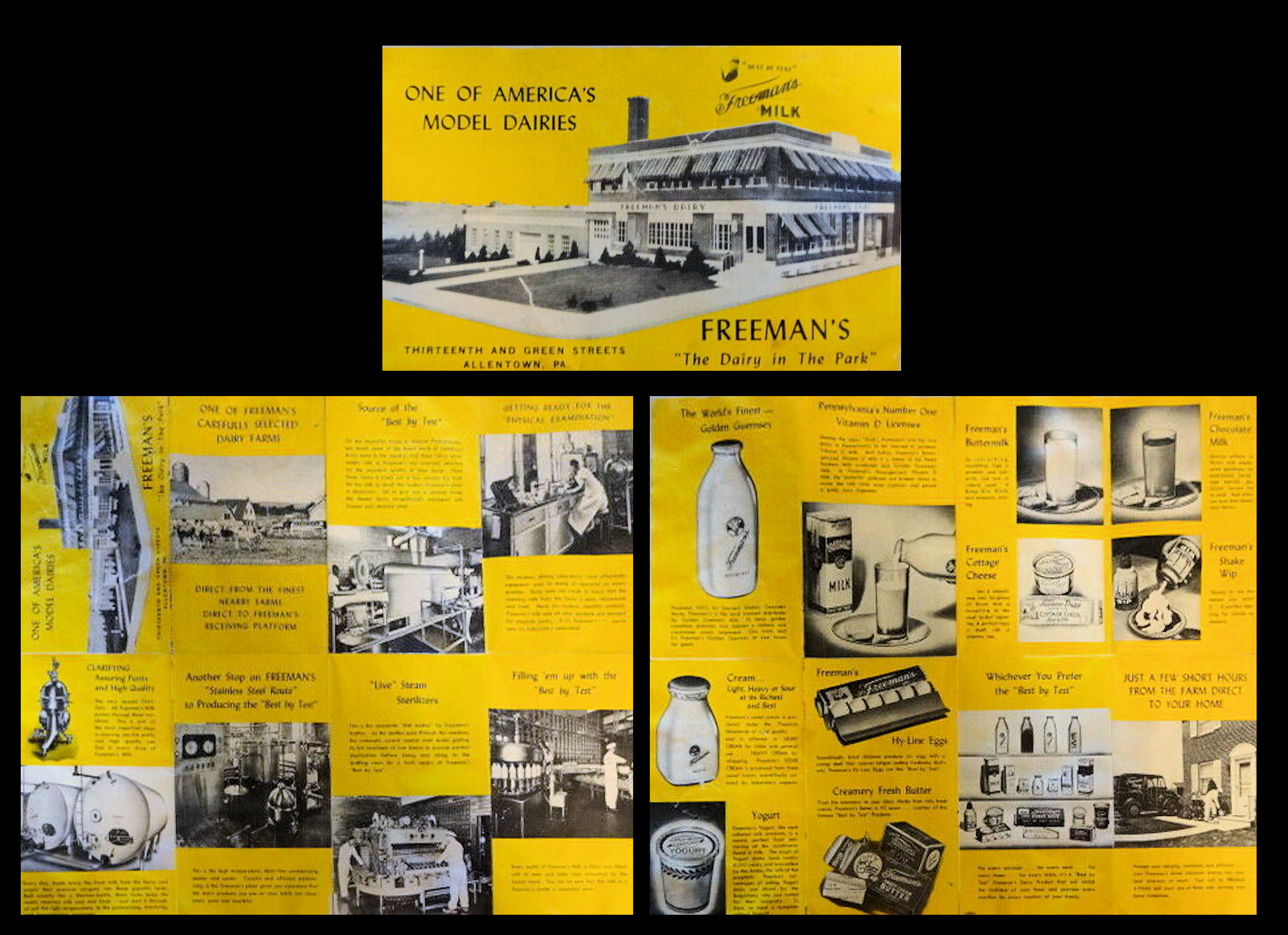
A dairy route visiting a hundred houses every morning is an expensive thing to run for one product, so the truck carried a short list of others – eggs, butter, cottage cheese, sometimes bread or orange juice.
That is sound economics rather than generosity. The marginal cost of adding a second item to a delivery already being made is close to nothing, so widening the product list spread the cost of the route across more revenue – and it also made the service harder to replace, because a household now depended on it for several things rather than one.
Refrigeration at Home Removed the Daily Requirement
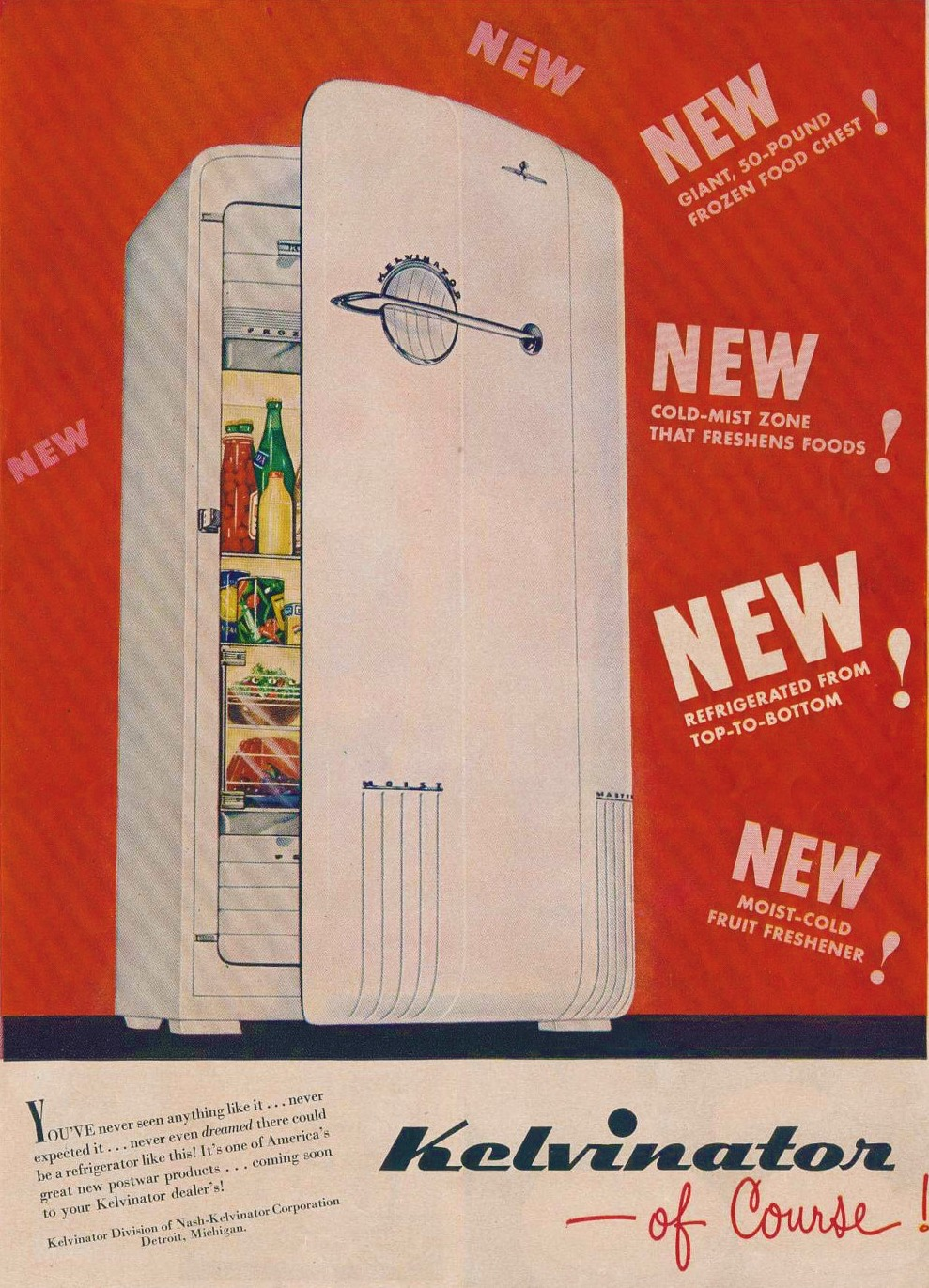
Once a household could reliably keep milk cold for a week, the reason for daily delivery evaporated.
This is the decisive change and it is worth stating precisely: the refrigerator did not make delivery less convenient, it made delivery unnecessary. A weekly purchase can be carried home with the rest of the shopping, and a service built entirely on a daily need has nothing left to do.
Then the Supermarket Made It Cheaper to Fetch It Yourself
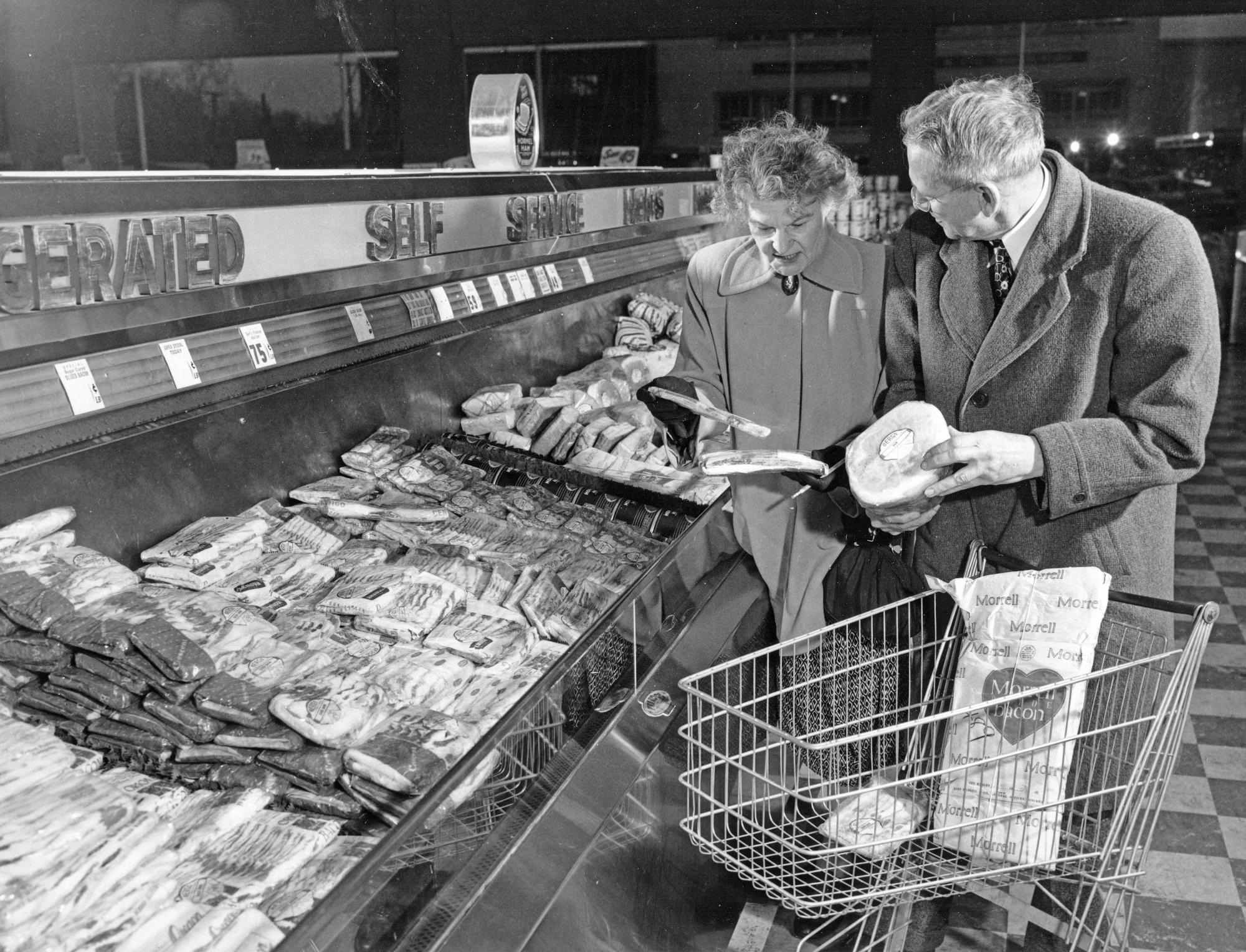
The second change finished the job. Milk sold alongside everything else, in a container nobody had to return, bought on a trip a household was making anyway.
A dedicated route visiting a hundred houses to deliver one product cannot compete with a shelf in a shop the customer is already standing in. So the route did not fail on service – it failed because the household had absorbed the delivery, the storage and the container disposal, and was no longer paying anybody to do those things.
And What Went With It Was the Account and the Open Box
The useful thing to notice is what the arrangement assumed, because none of it would be designed that way now.
A dairy left goods on an unattended step before dawn, extended credit to every household on the route without checking anything, lent out its own containers and relied on getting them back, and ran the whole operation on one person’s memory of several hundred standing orders. The household, for its part, left a box unlocked, trusted a stranger with the side of the house and wrote its instructions on a scrap of paper in a bottle. The service did not end because that trust broke. It ended because a refrigerator and a shop made the whole apparatus unnecessary – and the trust simply went out of use along with it.
Like our content? Follow us for more.