The tapestry of American history is woven not only with the iconic structures that still stand but also with the magnificent landmarks tragically obliterated by catastrophe. These lost attractions, often testaments to national ambition and engineering prowess, vanished in moments of intense fire, sudden collapse, or calculated destruction. They leave behind cultural voids, enduring lessons in preservation, and a powerful sense of bygone splendor.
Here are eight unforgettable American attractions forever claimed by disaster, categorized by the forces that sealed their fate.
1. The 1893 Chicago Ferris Wheel
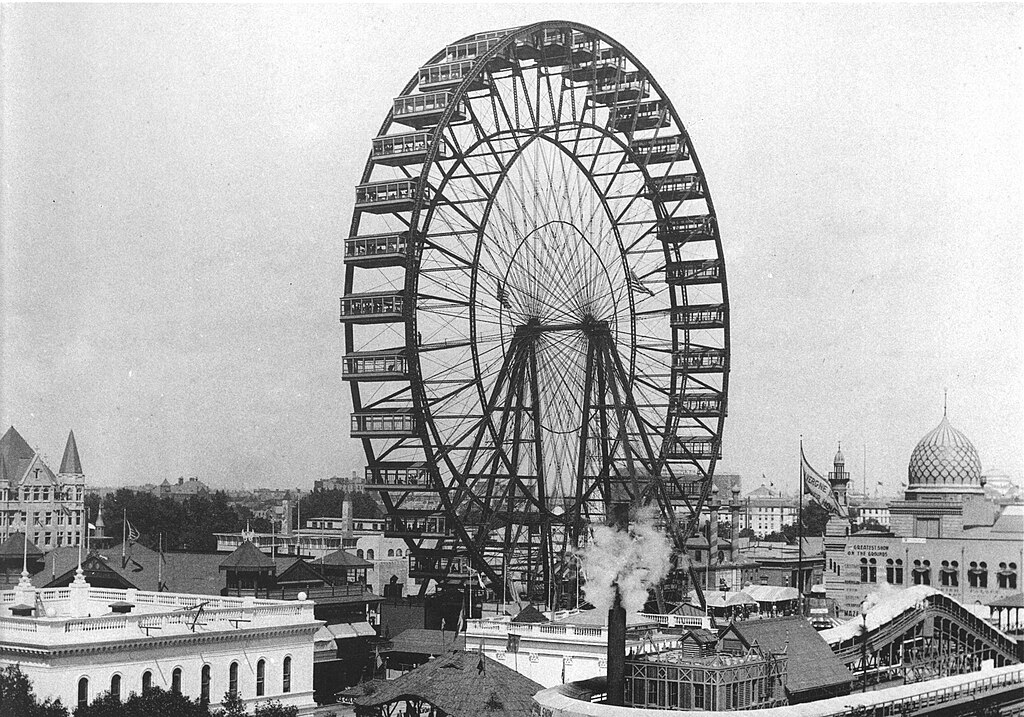
The original Ferris Wheel, constructed for the 1893 World’s Columbian Exposition, was a 260-foot engineering marvel that symbolized America’s ingenuity. After the fair, it faced years of challenging relocation efforts and financial instability. Despite its fame, maintenance costs became prohibitive. In a dramatic conclusion in 1906, the enormous structure was deliberately destroyed using explosives. The resulting demolition marked an abrupt and total end to the landmark that had once embodied Chicago’s soaring ambitions.
2. Crystal Palace at the New York World’s Fair
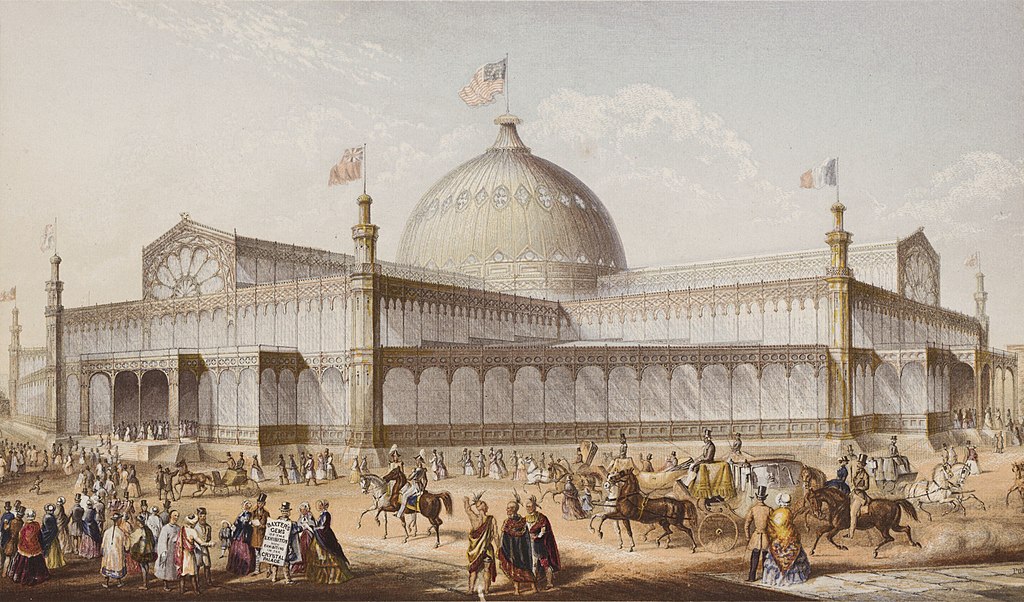
Unveiled in 1853, the Crystal Palace was a revolutionary marvel of glass and iron—a spectacular showcase of early American industrial achievements, inspired by its British counterpart. It quickly became a focal point for national admiration and grand exhibitions. Despite its architectural splendor, the structure harbored persistent structural vulnerabilities. In 1858, a sudden, all-consuming fire erupted. Fueled by its own materials, the entire palace disintegrated within minutes into a glittering, shocking inferno, extinguishing a major symbol of the nation’s progress before stunned onlookers.
3. The Old Summer White House in Warm Springs
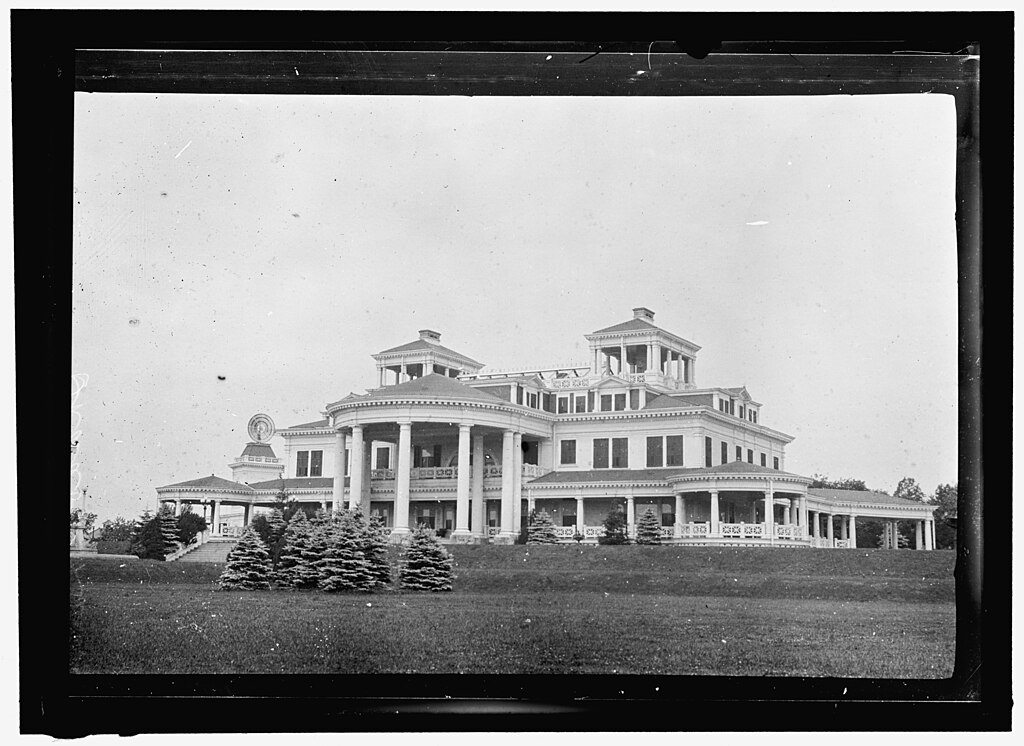
Known as the “Little White House,” this beloved retreat in Warm Springs, Georgia, was deeply personal to President Franklin D. Roosevelt, serving both as a therapeutic haven during his struggle with polio and an informal presidential office. Built simply from wood and brick, it contained decades of profound history. A significant fire in 1941 devastated major sections of the estate. Although the main residence was reconstructed, the intimate, original charm and architectural authenticity were permanently lost, surviving only in photographs and memory.
4. The Colossus Roller Coaster at Six Flags Magic Mountain
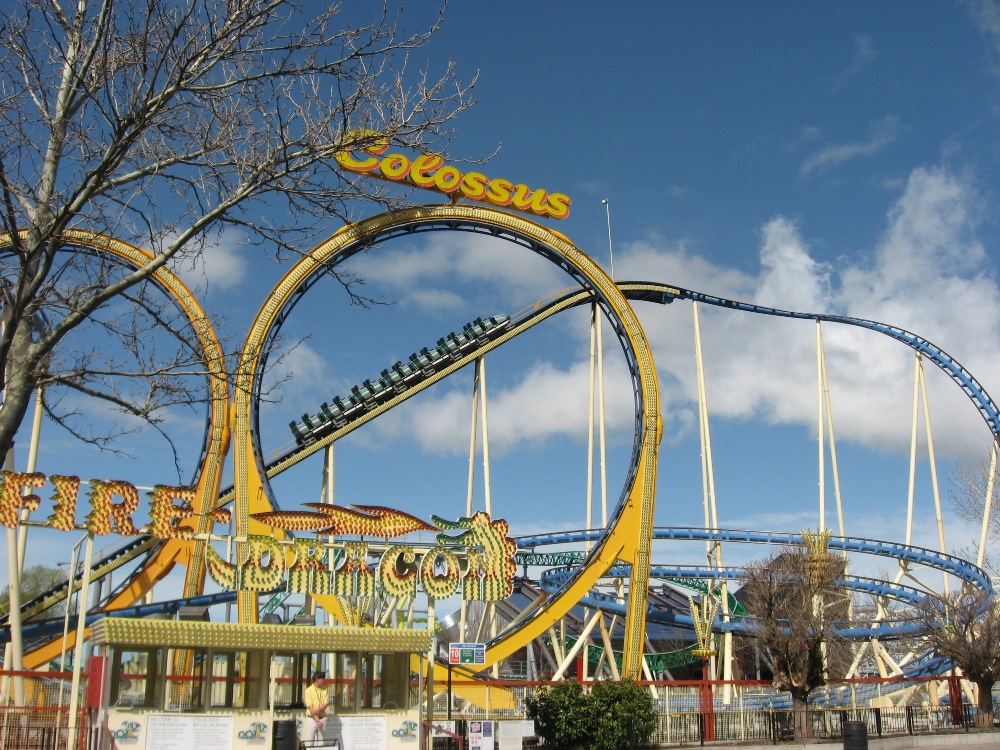
When it opened in 1978, the Colossus instantly claimed the title of the world’s tallest and fastest wooden coaster, its monumental twin-track design becoming a cultural fixture. After providing thrills for millions, the structure suffered a fire during a 2014 renovation project. The blaze quickly consumed a large segment of the wooden support frame. The original wooden Goliath was permanently lost. Although the park later adapted the remaining skeleton into a new hybrid coaster, the disaster marked the definitive end of the initial all-wooden masterpiece.
5. The San Francisco Cliff House (1909 Version)
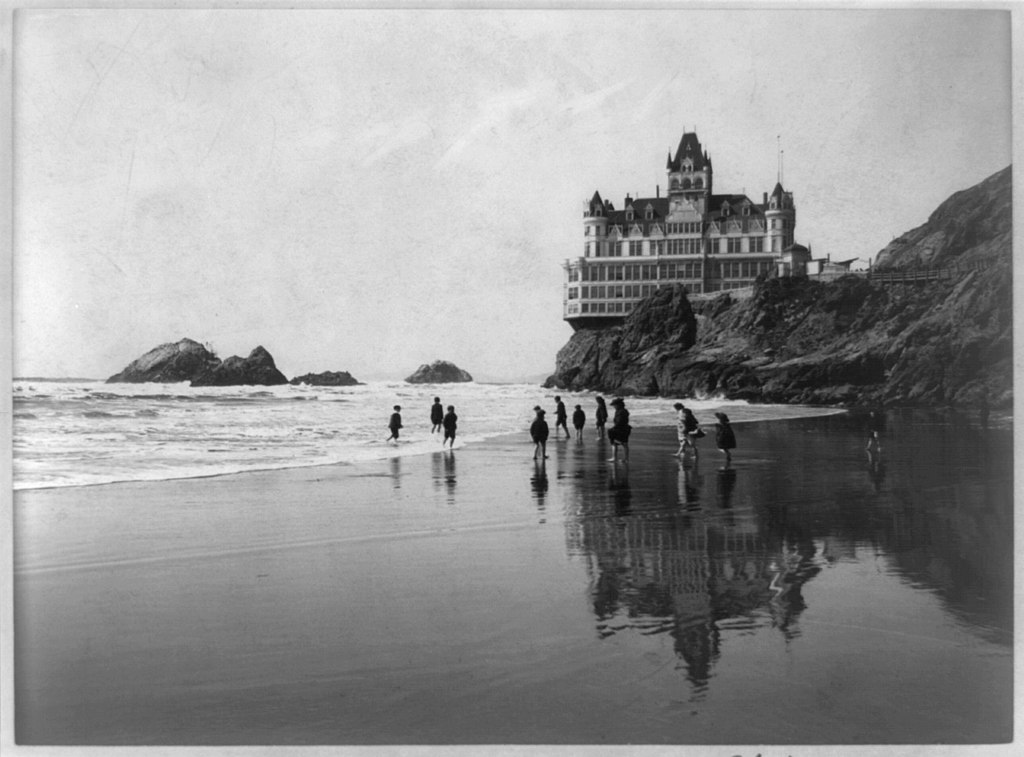
Perched dramatically above the Pacific, the magnificent 1909 Cliff House was a revered West Coast institution, having survived the loss of earlier iterations to fire. This third, iconic structure felt intrinsically linked to San Francisco’s coastal identity. However, continuous exposure to harsh storms and inevitable structural decay severely compromised the building over time. Ultimately, it had to be razed after inspectors concluded the damage was too great, erasing another cherished landmark that had resisted every threat except the slow, persistent power of nature.
6. The MGM Grand Hotel Atrium (Original 1980 Structure)
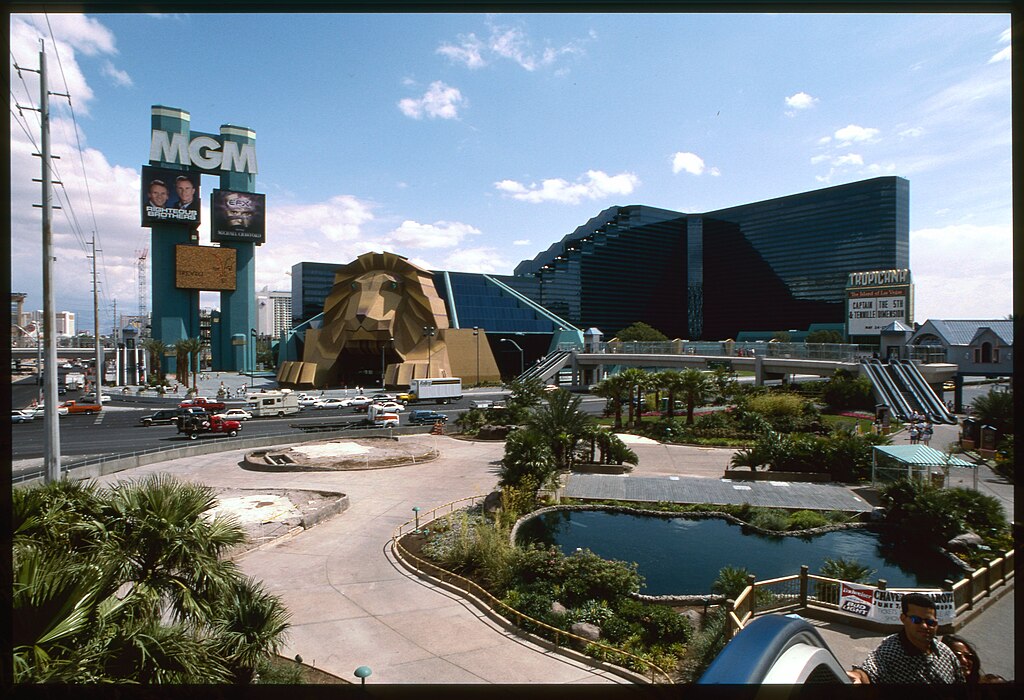
The initial iteration of the MGM Grand in Las Vegas featured a colossal atrium and casino area that was considered an attraction in its own right, emblematic of the city’s early grandiosity. In November 1980, a catastrophic blaze—one of the deadliest hotel fires in U.S. history—ignited. Rapidly spreading due to highly combustible decorative materials, the flames left the atrium and expansive casino floor irreparably damaged. The tragedy led to sweeping reforms in national fire safety codes, but the original, dazzling architectural centerpiece was ultimately abandoned and redesigned.
7. The Hindenburg Docking Mast at Lakehurst
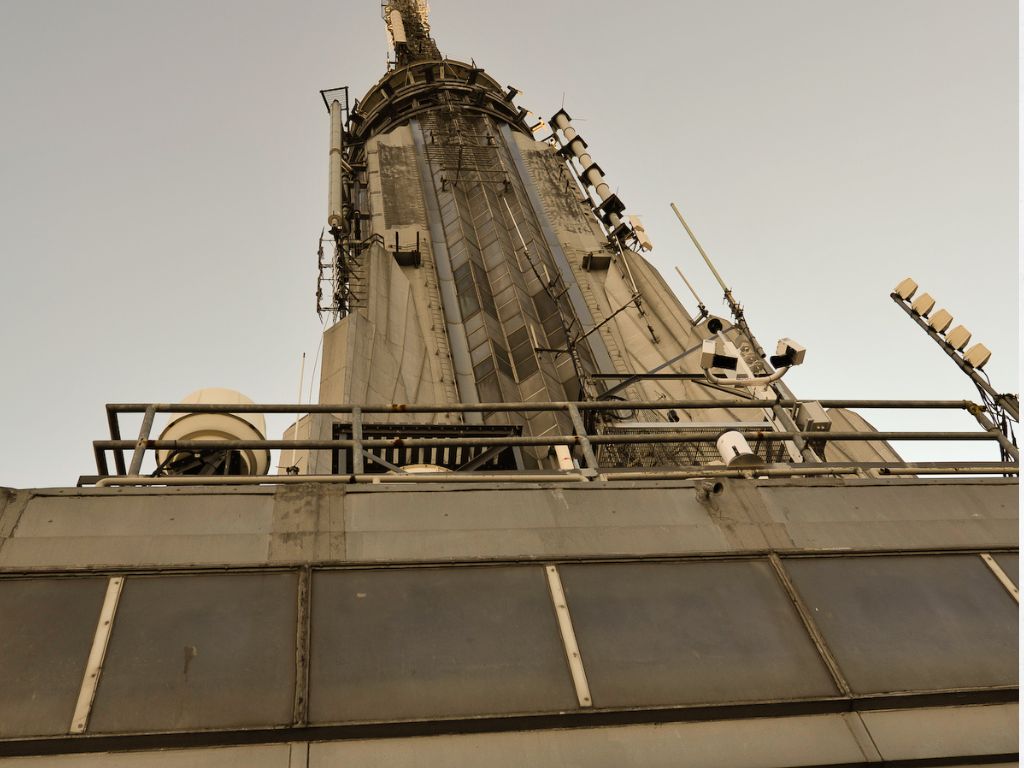
The towering mooring mast at the Lakehurst Naval Air Station was a pivotal landmark in aviation history, having facilitated the notorious arrival and subsequent explosion of the Hindenburg in May 1937. Following the airship disaster, the adjacent infrastructure was deemed structurally unsound. Over the next two decades, persistent damage from storms and natural decay further weakened the mast. Its eventual demolition removed the last significant physical link to one of history’s most globally broadcast transport tragedies, closing the book on the American rigid airship era.
8. The Big Tree Lodge at Glacier National Park
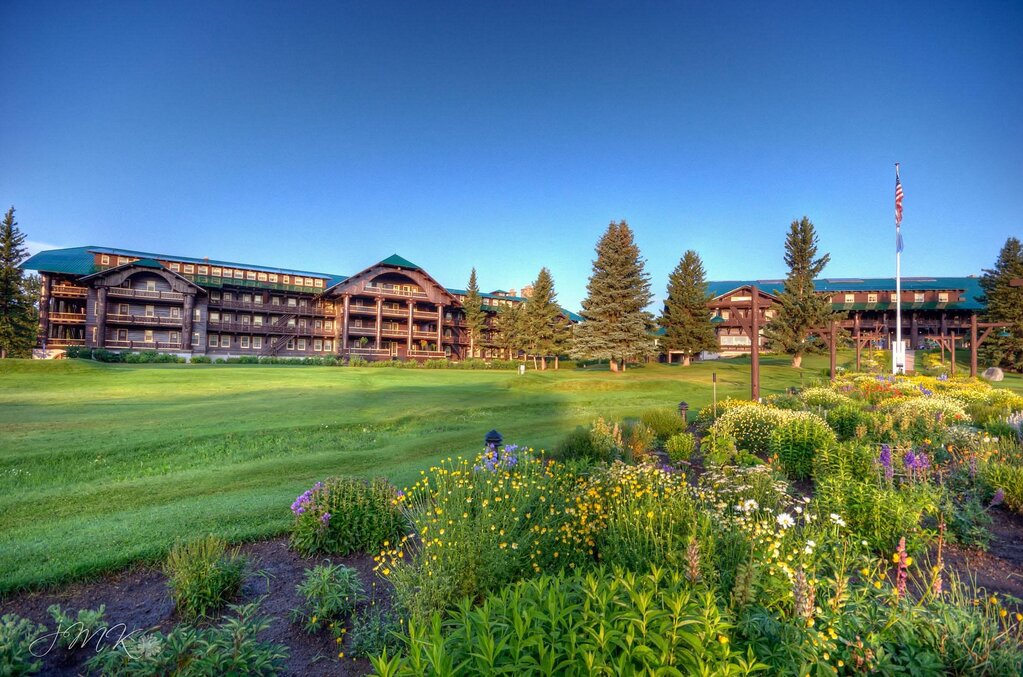
Located deep within Montana’s wilderness, the Big Tree Lodge (originally Glacier Park Lodge) was an archetypal timber landmark, supported by massive, authentic Douglas fir columns. It served as a beloved gateway and welcomed travelers for generations seeking the mountains’ beauty. During a severe fire season in 2003, intense heat and swirling ember storms inflicted critical damage upon the historic wings of the lodge. While parts were salvaged, the blaze consumed irreplaceable original timber features, stripping away the early 20th-century character and authenticity.