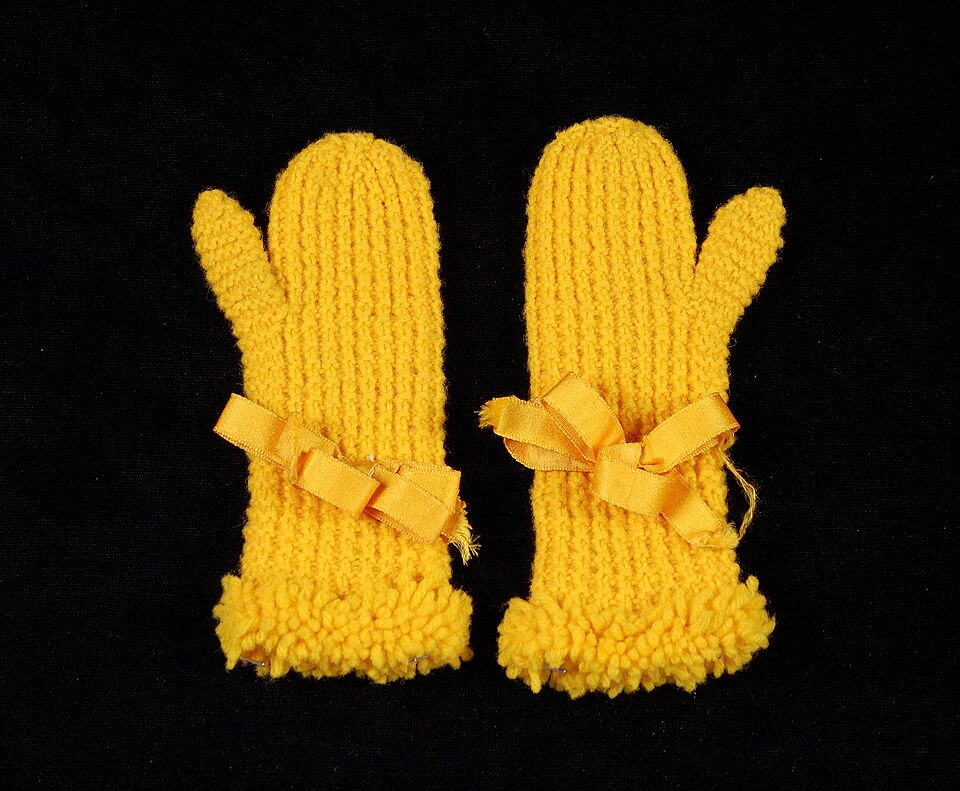
The string existed because a child will lose anything detachable.
That is the engineering problem, stated plainly, and the answer to it is elegant. A mitten taken off gets set down, and anything a child sets down in a schoolyard is gone. But two objects joined by a cord and threaded through the coat become one object – and one object cannot be put down separately without the child noticing. A loss problem becomes a non-problem.
And it was worth solving because of what a mitten cost. When they were knitted at home, replacing one meant hours of somebody’s evenings, so losing one was losing that labour – and the person who had spent those evenings took it personally in a way nobody does now. Here are fourteen things every child knew.
1. The String Existed Because a Child Will Lose Anything Detachable
A mitten taken off is set down, and anything set down by a child in a schoolyard is gone, so the solution was to make it impossible to set down separately.
Replaced cheaply, repeatedly.
Start with the actual engineering problem, because it is a real one and the answer is elegant. Two separate objects can be lost independently; two objects joined by a cord and threaded through the coat become one object that cannot be put down without the child noticing – which converts a loss problem into a non-problem.
Like our content? Follow us for more.
2. A Lost Mitten Cost Several Evenings of Somebody’s Time
When mittens were knitted at home, replacing one meant hours of work, which is why their loss was treated as a serious domestic failure.
A trivial purchase.
The economics are what made this worth solving and they have inverted completely. A hand-made item represents real labour, so losing one is losing that labour – and the person who had spent the evenings making it took the loss personally in a way nobody does now.
3. The Cord Ran Up One Sleeve, Across the Back and Down the Other
The string passed through the coat rather than round the neck, which kept it out of the way and made it impossible to remove without taking the coat off.
Not applicable.
The routing is the part people get wrong when they describe this and it matters a great deal. Through the sleeves is safe and invisible; around the neck is neither – and the difference between those two arrangements is the difference between a good idea and a bad one.
4. It Had to Be Long Enough to Reach and Short Enough Not to Dangle
The cord was measured so both hands could be used freely with the mittens on, and so a removed mitten hung at the cuff rather than on the ground.
Not applicable.
The length is a genuine design calculation and it was done by eye on each child. Too short and the arms cannot be stretched out; too long and a dangling mitten drags in snow or catches on things – so the dimension was fitted to the person and redone as they grew.
5. The Mittens Were Never Identical and Nobody Minded
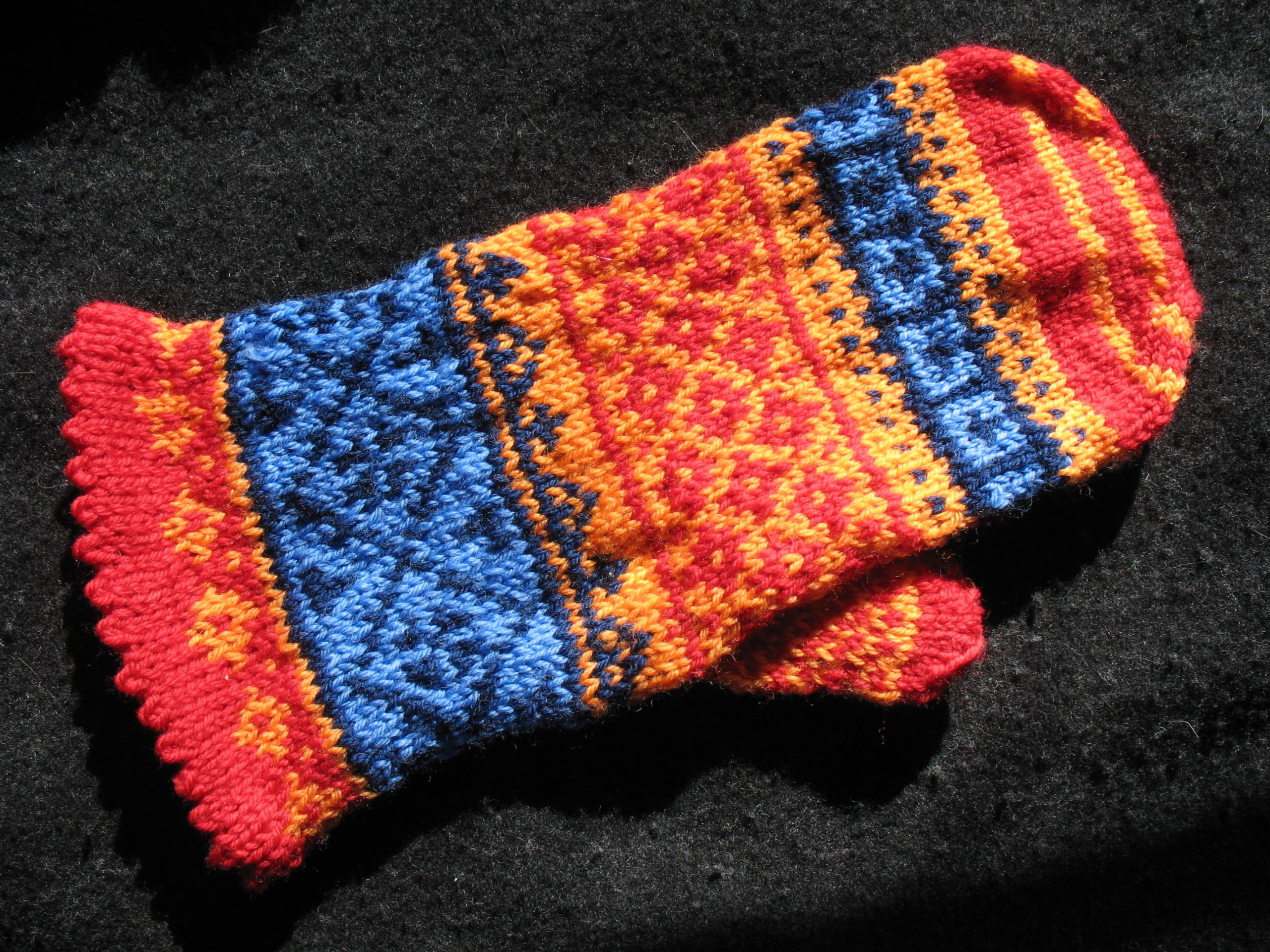
Hand-made pairs differed slightly, and replacements were made from whatever yarn was available, which produced odd pairs as a matter of course.
Matched pairs, always.
The acceptance of mismatch tells you how these were valued and it is a sensible attitude. Function came before appearance, so a replacement mitten in a different colour was a perfectly good mitten – and the result is the mixed pairs visible in every photograph of the period.
6. Mittens Beat Gloves for Children for a Real Reason
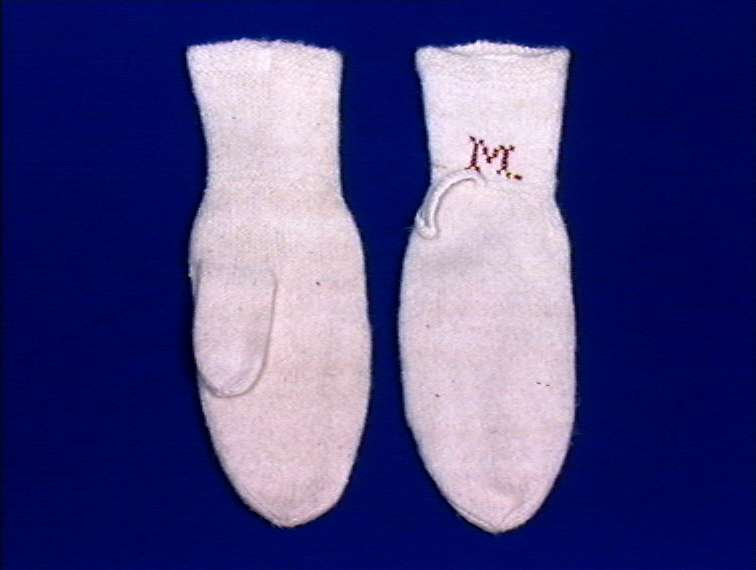
Fingers together in one chamber share heat, while fingers separated into individual tubes each lose heat independently.
The same physics.
The thermal argument is the reason children wore mittens rather than gloves and it is straightforward. Reducing the surface area exposed per unit of warm flesh keeps hands warmer, which is why a single chamber beats five – at the cost of being able to hold things properly.
7. Wet Mittens Were the Whole Afternoon’s Problem

Wool mittens packed with snow became soaked, heavy and cold, and a child outside in wet mittens is in genuine difficulty quite quickly.
Waterproof shells.
The wetting is the honest limitation of the entire arrangement and it had no good answer. Wool holds warmth when damp better than most fibres, but packed snow against a knitted surface melts and soaks through, after which the mitten is doing very little.
8. Drying Them Was a Fixed Part of Coming Indoors
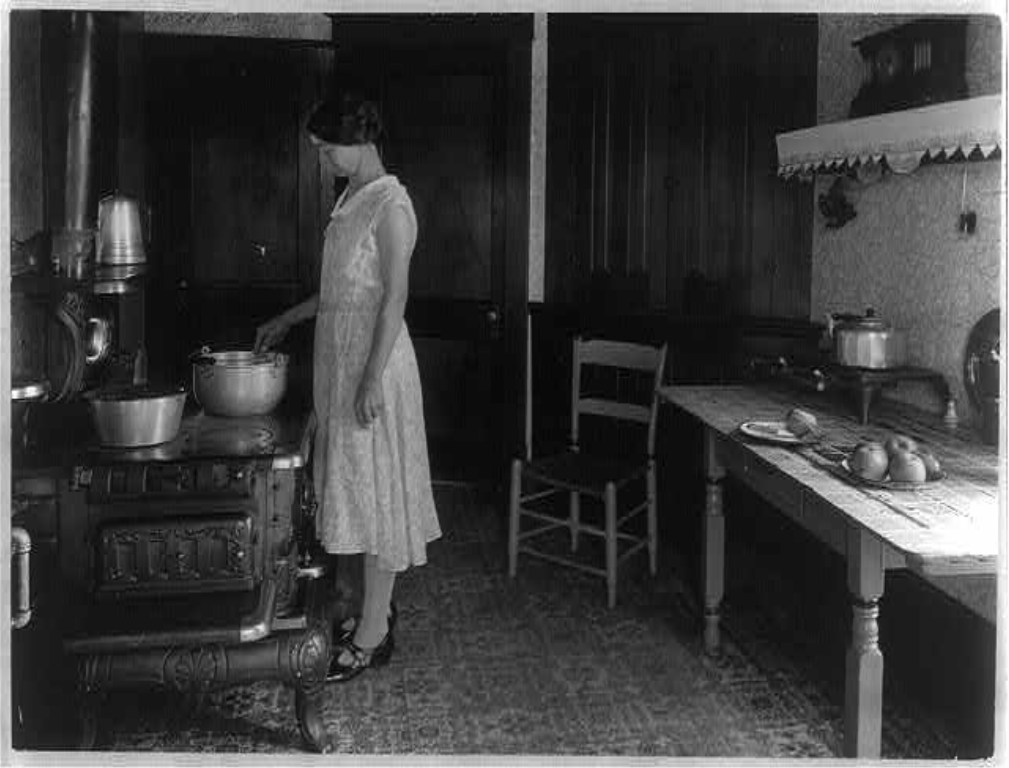
Mittens went onto a rack, a line behind the stove or a radiator the moment a child came in, because they had to be dry before the next outing.
Not applicable in the same way.
The drying arrangement is a small piece of household infrastructure and it existed in every house with children. A garment that must be dry twice a day needs a dedicated warm place, which is why there was always a rail, a hook or a line in the warmest corner.
9. A Second Pair Was a Luxury That Solved Everything
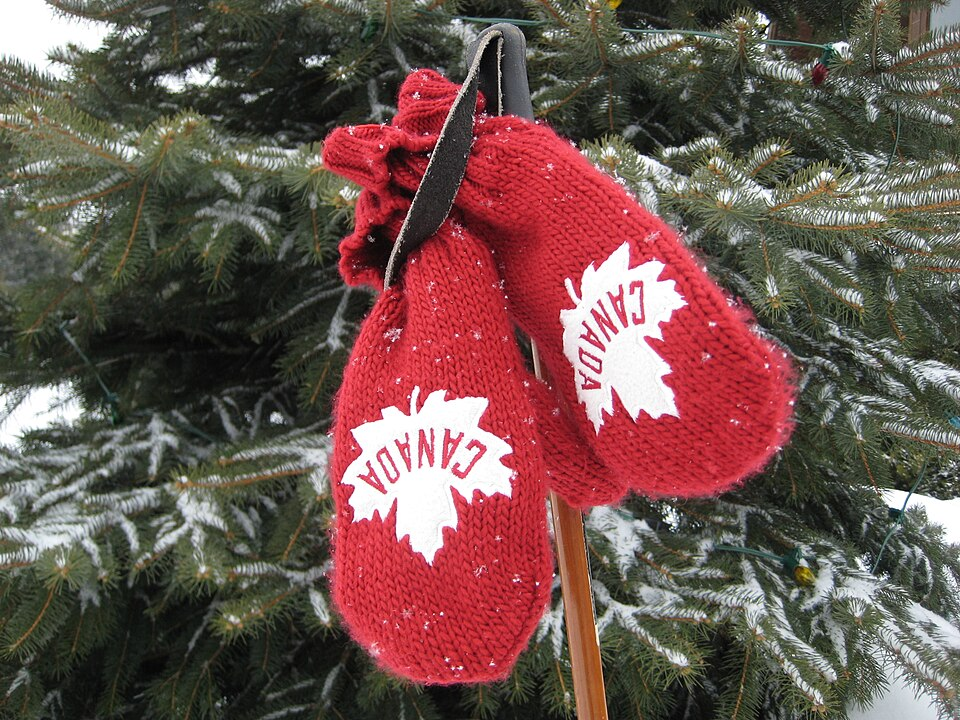
Households that could manage two pairs per child removed the drying bottleneck entirely, which is why a spare pair was a real gift.
Not applicable.
The spare pair is the simplest possible solution to the wet problem and it was not always available. Doubling the stock means one set can dry while the other is worn, so the constraint was never the drying time but the number of pairs a household owned.
10. Thumbs Were Where They Wore Out
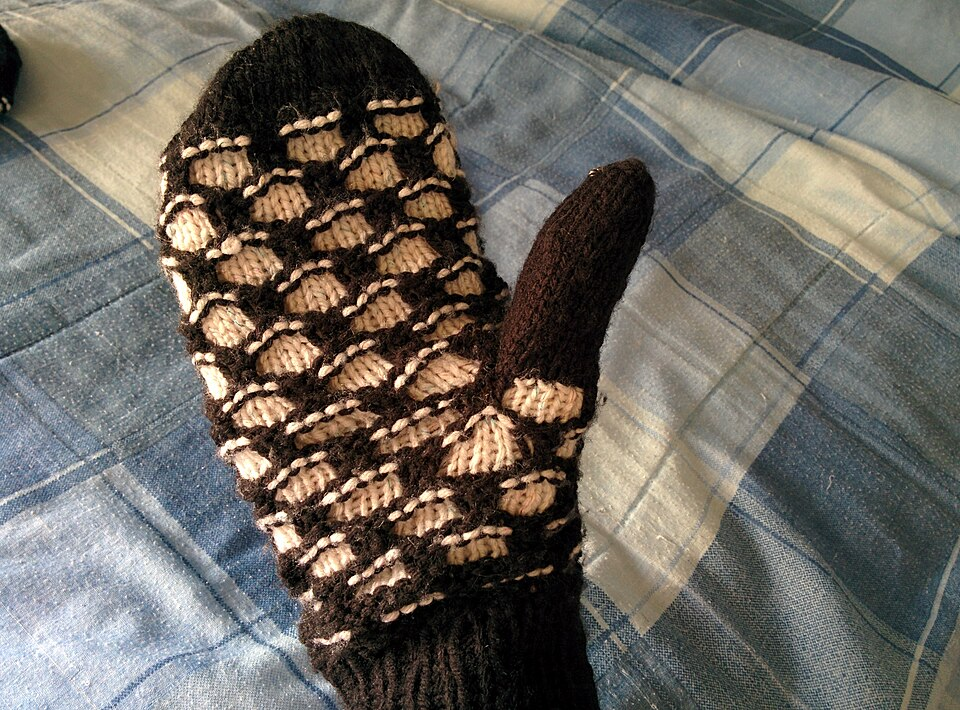
The thumb takes the gripping and the abrasion, so it went first, which is why so many surviving mittens have a differently coloured thumb.
Discarded.
The wear pattern is predictable and the repair is visible on survivors. A thumb that fails while the rest of the mitten is sound gets replaced rather than the whole thing – which is why a mended mitten announces where the work went.
11. They Were Knitted in Quantity Before Winter
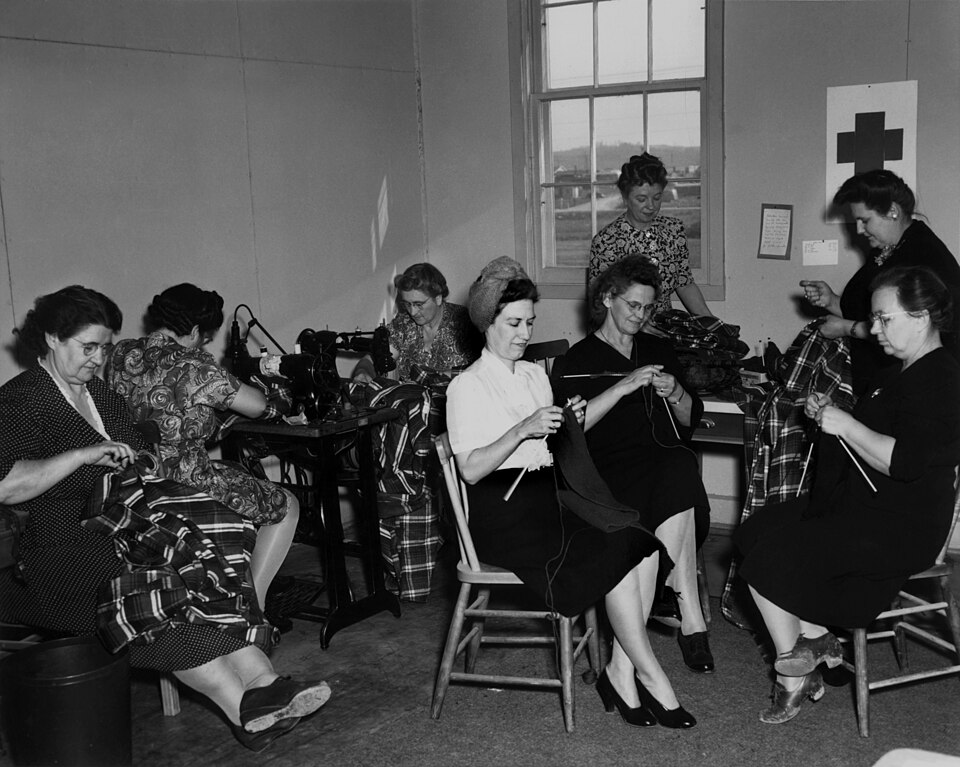
Mittens were produced in advance during autumn, in several sizes, because they were consumed steadily through the cold months.
Not applicable.
Producing a stock ahead of need is how all of this household work was organised and it was deliberate. A consumable item that fails at unpredictable times needs a reserve, so the autumn work built inventory rather than meeting an immediate demand.
12. The String Was Also a Small Humiliation
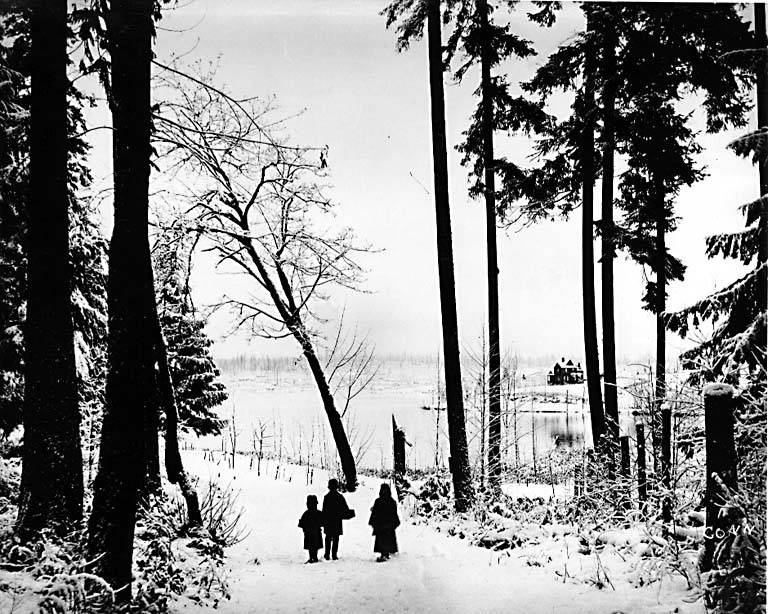
Older children objected to the cord as something for the very young, and taking it out was a milestone they argued for.
Not applicable.
The social meaning is the part that makes this memorable and it was real. A visible marker of being too young to be trusted with your own belongings is something a child wants removed, which turned a practical cord into a question of status.
13. Then Cheap Gloves Made Losing One Irrelevant
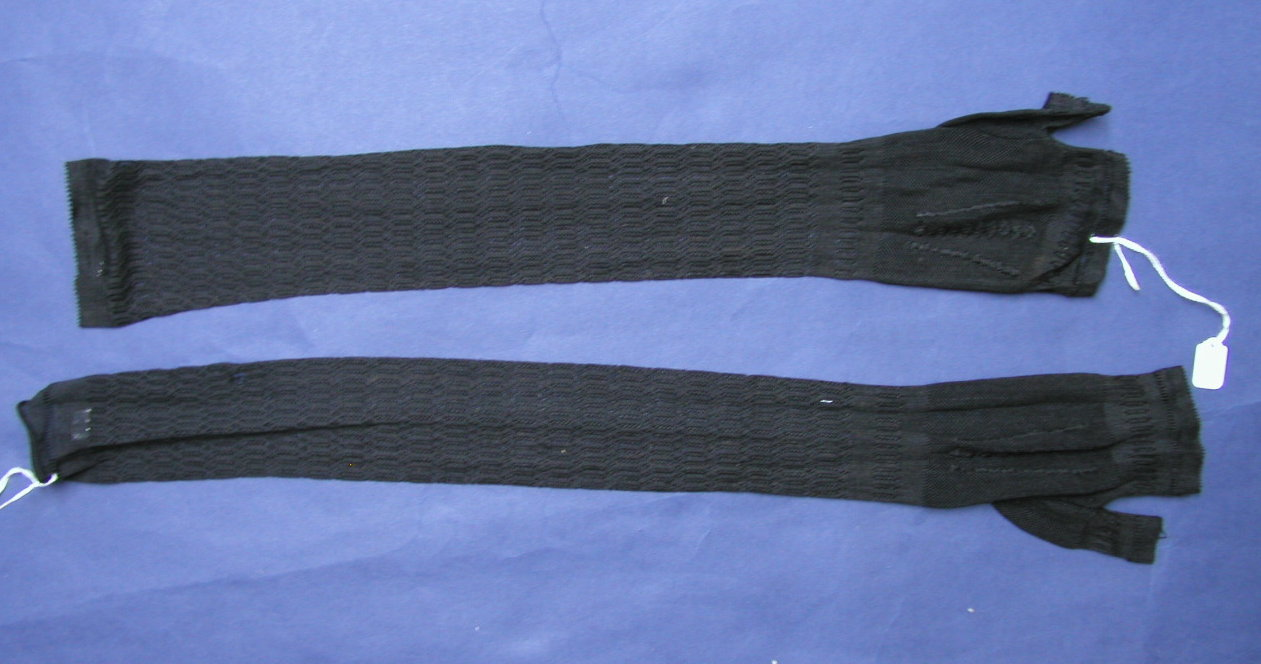
Inexpensive manufactured mittens and gloves meant a lost one could simply be replaced, which removed the reason for the cord entirely.
Universal.
The ending is purely economic and it is worth being clear about. The cord existed because replacement was expensive in labour; once replacement became trivial, tethering the things to the child solved a problem that no longer existed.
14. And by 1964 the Cord Was a Thing Grandmothers Did
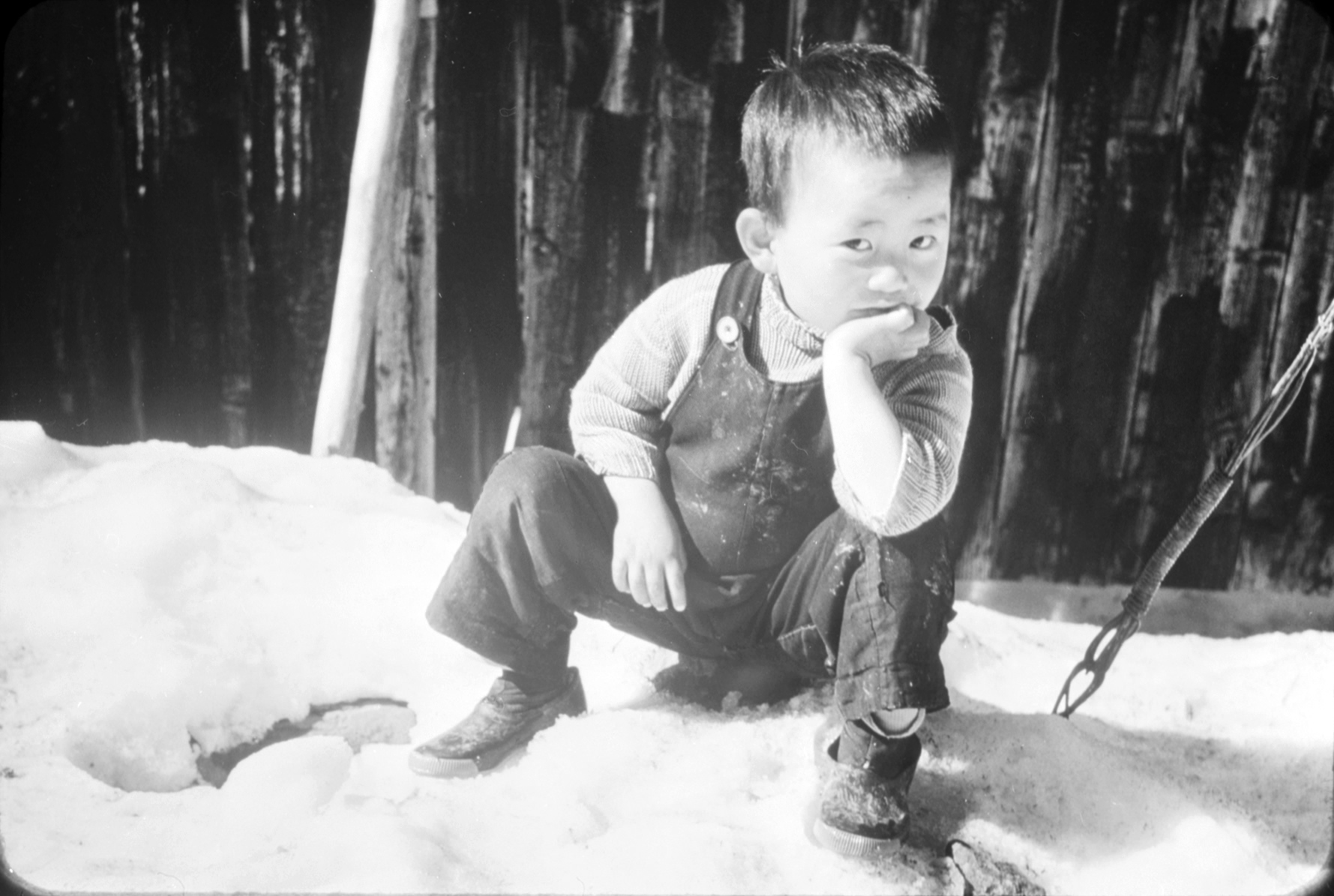
Strings through sleeves survived here and there, understood as an old-fashioned precaution rather than as the obvious answer it had once been.
Gone.
And what deserves the last word is that this was a loss-prevention system with a correct answer. Two separate objects can be lost independently, so joining them with a cord through the coat makes them one object that cannot be set down without the child noticing – and the cord had to be long enough to let the arms stretch out and short enough that a removed mitten hung at the cuff rather than dragging in snow, which is a dimension fitted to a specific child and redone as they grew. It mattered because a hand-knitted mitten was several evenings of somebody’s work, which is also why thumbs were replaced rather than mittens and why mismatched pairs were entirely normal. The real limitation was never loss at all – it was that packed snow soaks a knitted mitten through, which is why every house with children had a warm rail and why a second pair was a genuine gift.
It Was a Loss-Prevention System With a Correct Answer
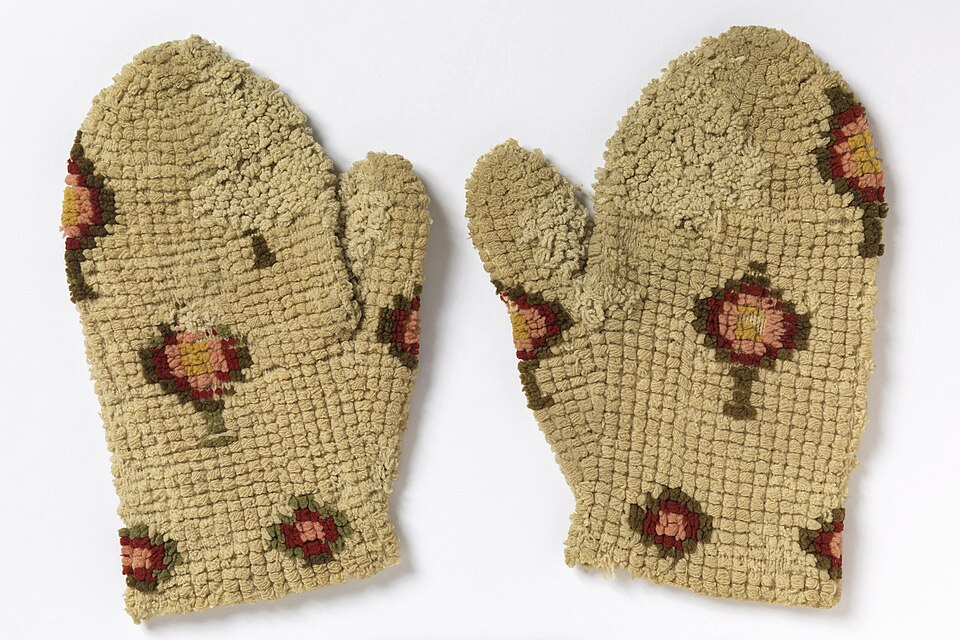
Mittens on a string get remembered as a slightly comic precaution, and it is actually one of the neatest solutions to a real problem in all of childhood.
The problem first. A mitten taken off is set down, and anything set down by a child away from home is gone. Two separate objects can be lost independently of each other, which doubles the chances.
The answer is to stop them being two objects. A cord between them, threaded up one sleeve, across the back and down the other, makes a single thing that cannot be put down without the child noticing – and the routing matters enormously. Through the sleeves it is invisible and out of the way. Around the neck it is neither of those, and that distinction is the difference between a good idea and a bad one.
The length was a genuine design calculation, done by eye for each child. Long enough that both arms can stretch out freely with the mittens on; short enough that a removed mitten hangs at the cuff instead of dragging in the snow or catching on things. Fitted to a person, and redone as they grew.
Why it mattered is economic and the economics have completely inverted. A hand-knitted mitten represents several evenings of somebody’s work, so losing one destroys that work. Which also explains two things about surviving mittens: thumbs were replaced rather than whole mittens, because the thumb takes the gripping and the abrasion and fails first, and mismatched pairs were entirely normal, because a replacement made from whatever yarn was available is a perfectly good mitten. Function came before appearance, and the mixed pairs are visible in every photograph of the period.
There is also a reason children wore mittens rather than gloves, and it is straightforward physics. Fingers together in one chamber share their heat; fingers separated into five tubes each lose heat independently. A single chamber keeps hands warmer at the cost of being able to hold things properly – which for a child is the right trade.
But the real limitation of the whole arrangement was never loss. It was water.
Wool mittens packed with snow soak through, become heavy and cold, and a child outside in wet mittens is in genuine difficulty fairly quickly. Wool holds warmth when damp better than most fibres, which helps, and packed snow against a knitted surface melts and gets through anyway, after which the mitten is doing very little.
So drying was fixed infrastructure. Mittens went onto a rack, a line behind the stove or a radiator the moment a child came indoors, because they had to be dry before the next outing – which is why every house with children had a rail, a hook or a line in the warmest corner.
And the simplest answer to that was a second pair, which was not always affordable. Doubling the stock lets one set dry while the other is worn, so the constraint was never drying time – it was how many pairs a household owned. A spare pair was a real gift.
Production worked the way all of this household work worked: in advance, in quantity, in several sizes, through the autumn. A consumable that fails at unpredictable times needs a reserve, so the work built inventory rather than answering demand.
The part that makes it memorable, though, is social. Older children objected to the cord as something for the very young, and having it taken out was a milestone to be argued for. A visible marker of being too young to be trusted with your own belongings is exactly the kind of thing a child wants gone – so a practical arrangement became a question of status.
Then the economics flipped. Inexpensive manufactured mittens meant a lost one could simply be replaced, and tethering them to the child solved a problem that had stopped existing.
Which is the honest ending. The cord was never sentimental. It was a correct solution to an expensive problem, and it disappeared the moment the problem got cheap.
If somebody did this for you, the cord was measured against your own arms.
That is why it let you reach, and why the mitten hung at your wrist.
Like our content? Follow us for more.