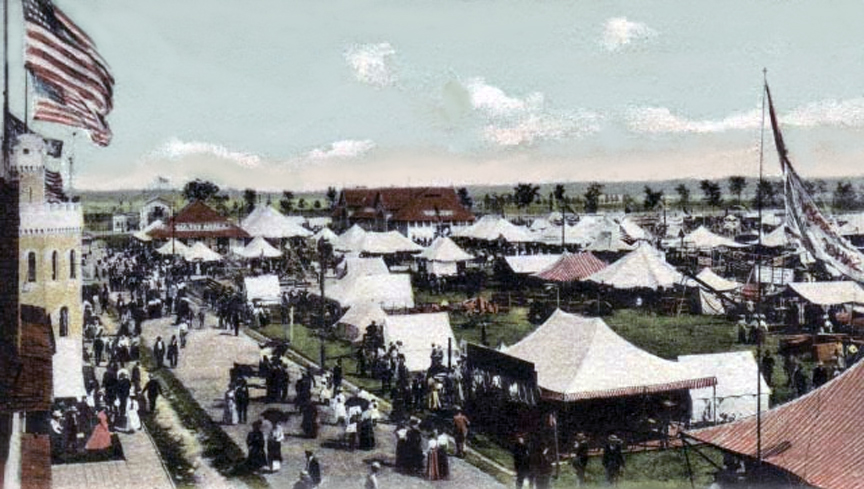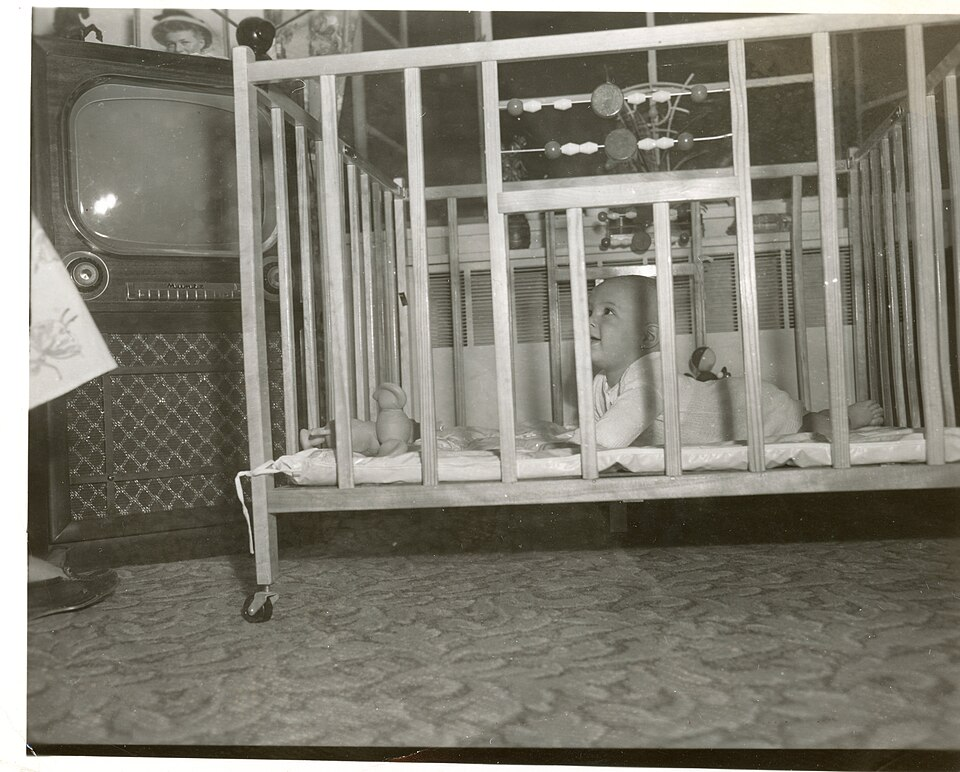
Watching television in 1965 was a two-person job in our house, and one of those people was usually standing on a chair. Somebody had to turn the antenna while somebody else watched the picture and shouted. That arrangement sounds absurd now, and it was completely rational, because the signal arriving at a set was a faint radio wave and the aerial was the only part of the system you could actually do anything about.
The Picture Came Out of the Air and That Was the Whole Problem
Start with what a television was receiving, because everything else follows from it. A broadcast signal is a radio wave that has travelled tens of miles, weakened the entire way, and arrived at a house at a tiny fraction of its original strength.
The set could amplify what it got, and it could not create what it did not get. So the quality of the picture was decided before the signal ever reached the chassis – which means the antenna was not an accessory. It was the most important component in the system.
Like our content? Follow us for more.
Rabbit Ears Were Two Rods Tuned by Length
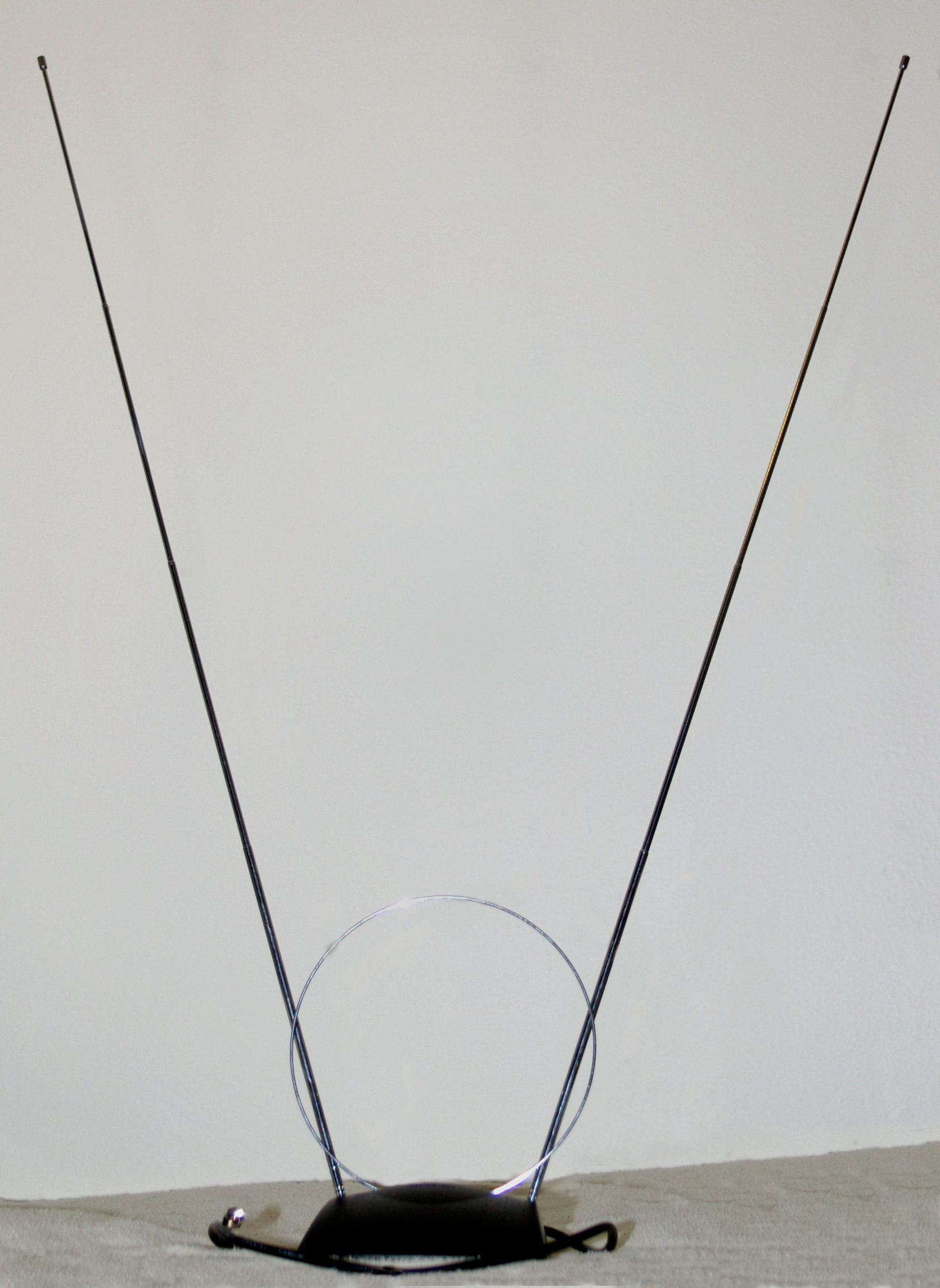
The indoor aerial everybody remembers was a pair of telescoping rods on a swivel base, and both of its adjustments did real work.
Pulling the rods out changes their length, and an aerial responds best to a wavelength related to its own dimensions – so extending them was literally tuning. The channel you were watching determined how far out they should be, which is why the correct setting was different for different channels and why there was no single right position.
The Angle Mattered Because the Signal Had a Direction
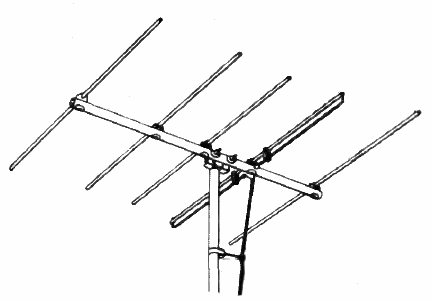
Pulling the rods into a V and swinging that V was the other adjustment, and it existed because broadcast signals arrive from somewhere.
An aerial is directional: it picks up best along certain axes and poorly along others. Pointing the V toward the transmitter put the strong axis where the signal was, which is why the rods ended up in a different arrangement for a station in one city than for a station in another.
Every Channel Needed a Different Setup
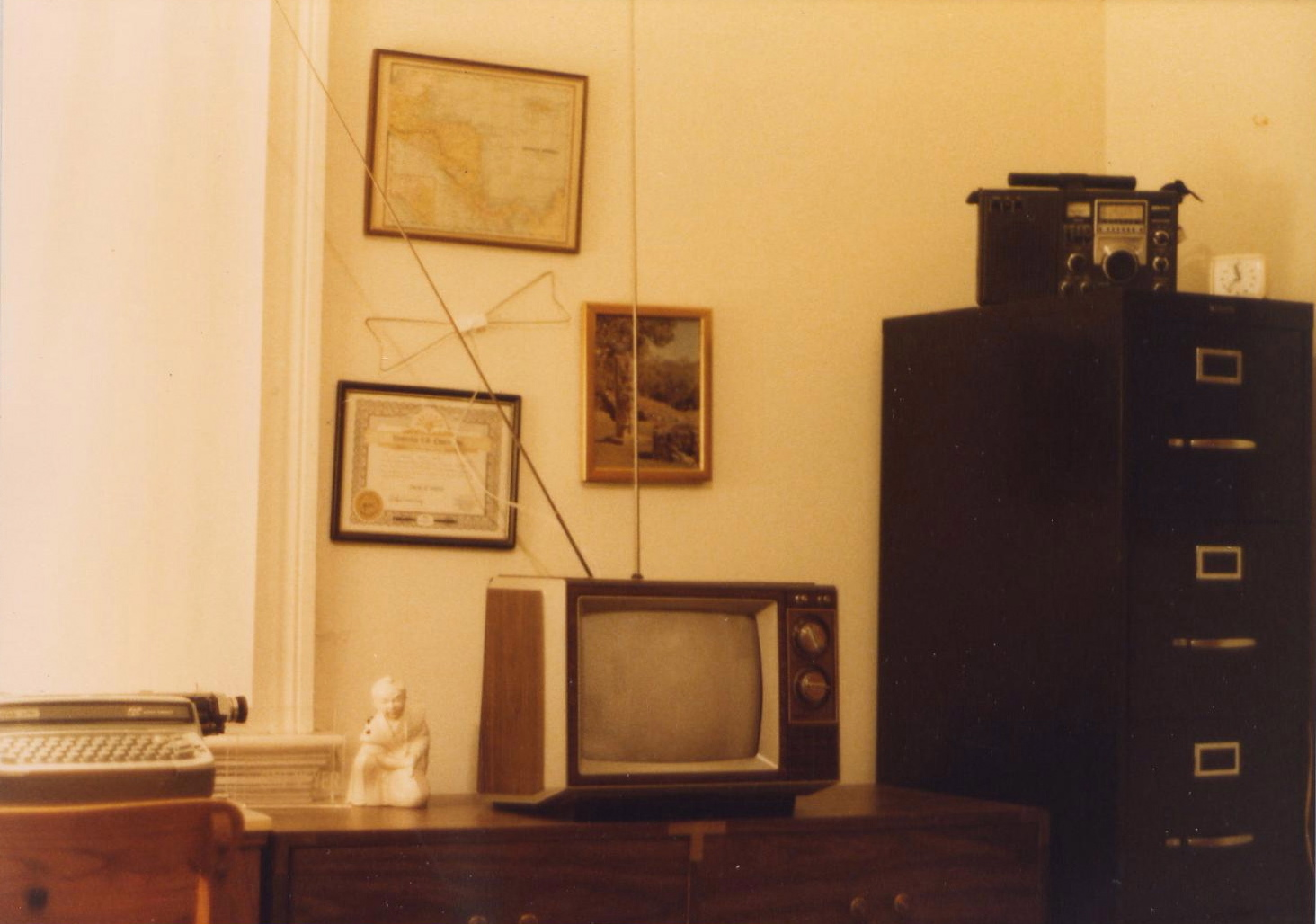
A household with three or four watchable stations had three or four aerial positions, and changing channel meant changing the aerial.
Nobody wrote this down and everybody in the house knew it. The rods went wide and low for one station, tall and narrow for another, and turned toward the window for a third – a set of physical presets held entirely in family memory and demonstrated rather than explained.
Ghosting Was a Signal Arriving Twice
A faint second image offset to one side is the most diagnosable fault in the whole system, and it has an exact cause.
The signal reached the house by two paths – directly, and bounced off a hill or a building – and the reflected copy arrived microseconds later, which the set drew slightly further across the screen. Moving the aerial changed how much of the reflection it picked up, so ghosting was fixed by aiming rather than by any adjustment on the set.
Snow Was Not Interference, It Was Absence
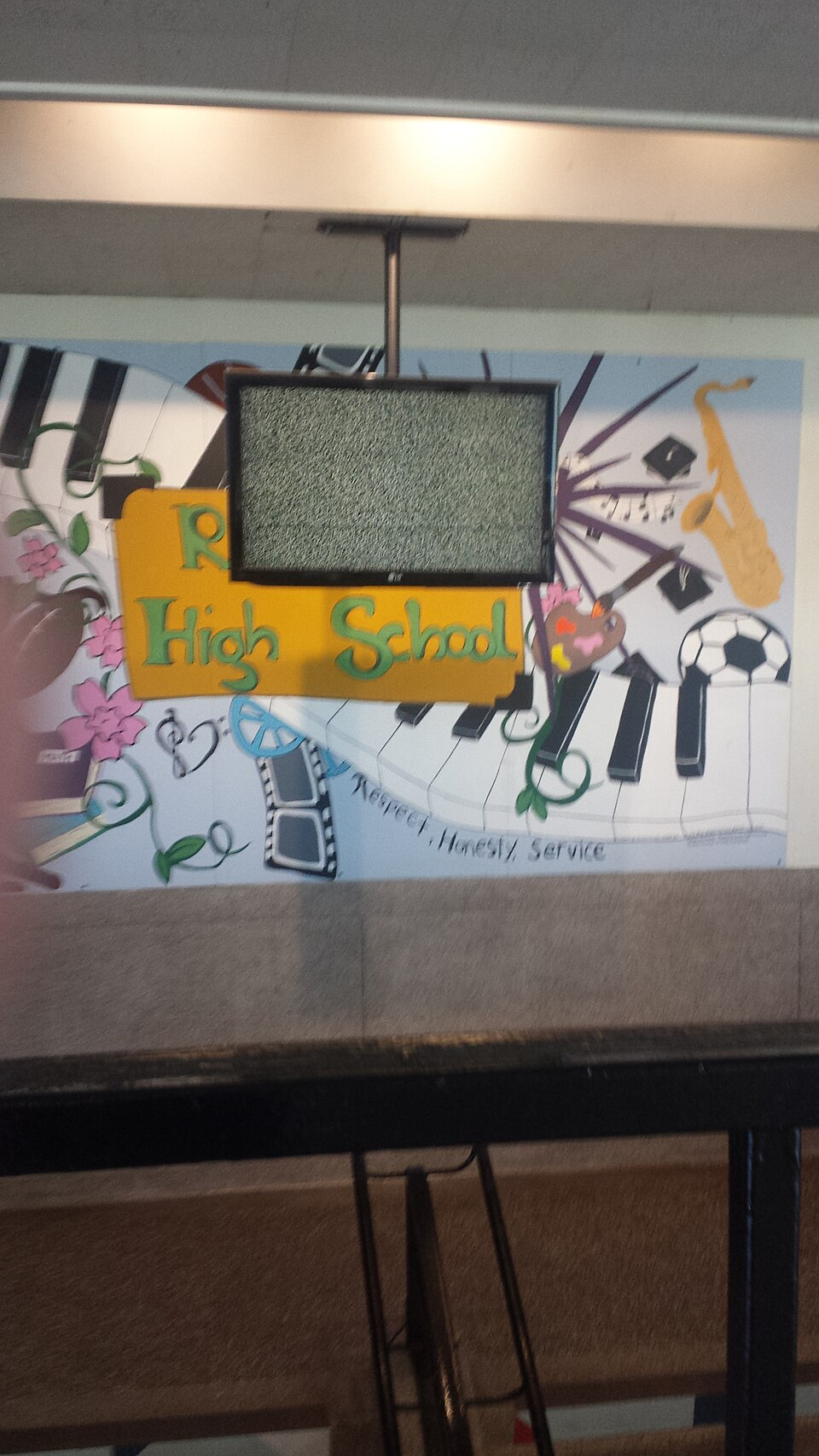
The grey speckle everybody called snow was not something arriving. It was what the set displayed when almost nothing was arriving.
That distinction matters because it tells you which problems can be solved. Snow means too little signal, and the only remedies are a better aerial, a higher one or an amplifier. Turning up the contrast makes the snow brighter and the picture no clearer, which every household discovered for itself.
The Rooftop Aerial Was a Serious Piece of Equipment
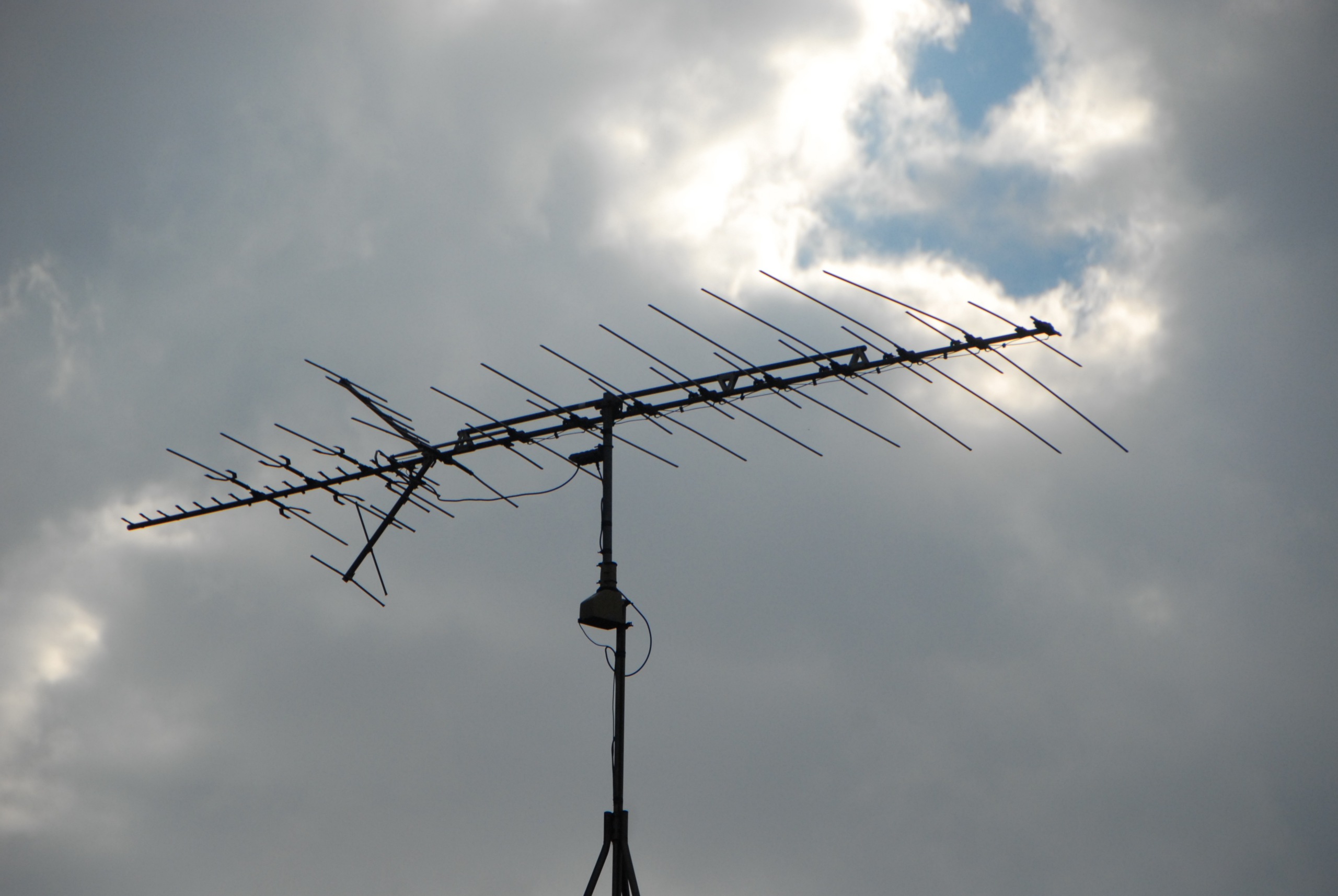
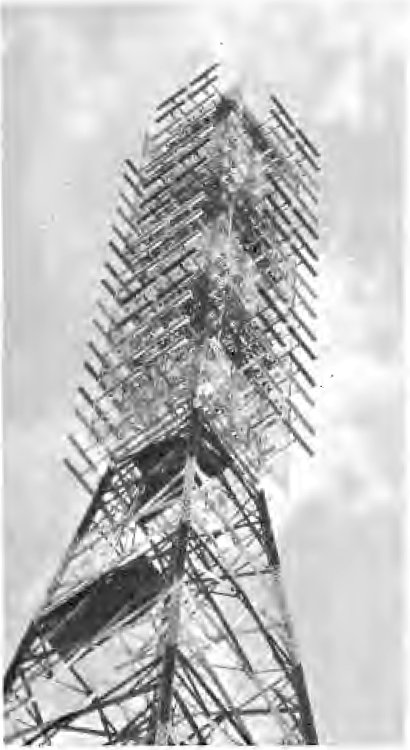
Outdoor aerials were large, tuned assemblies on a mast, and they were installed rather than bought.
Getting the thing above the roofline put it clear of the building and the trees, which is worth more than almost any other improvement, and an outdoor aerial also had far more elements collecting signal than two indoor rods. Which is why a house with one got a picture an indoor aerial could not match on any setting.
A Rotator Was the Luxury Fix
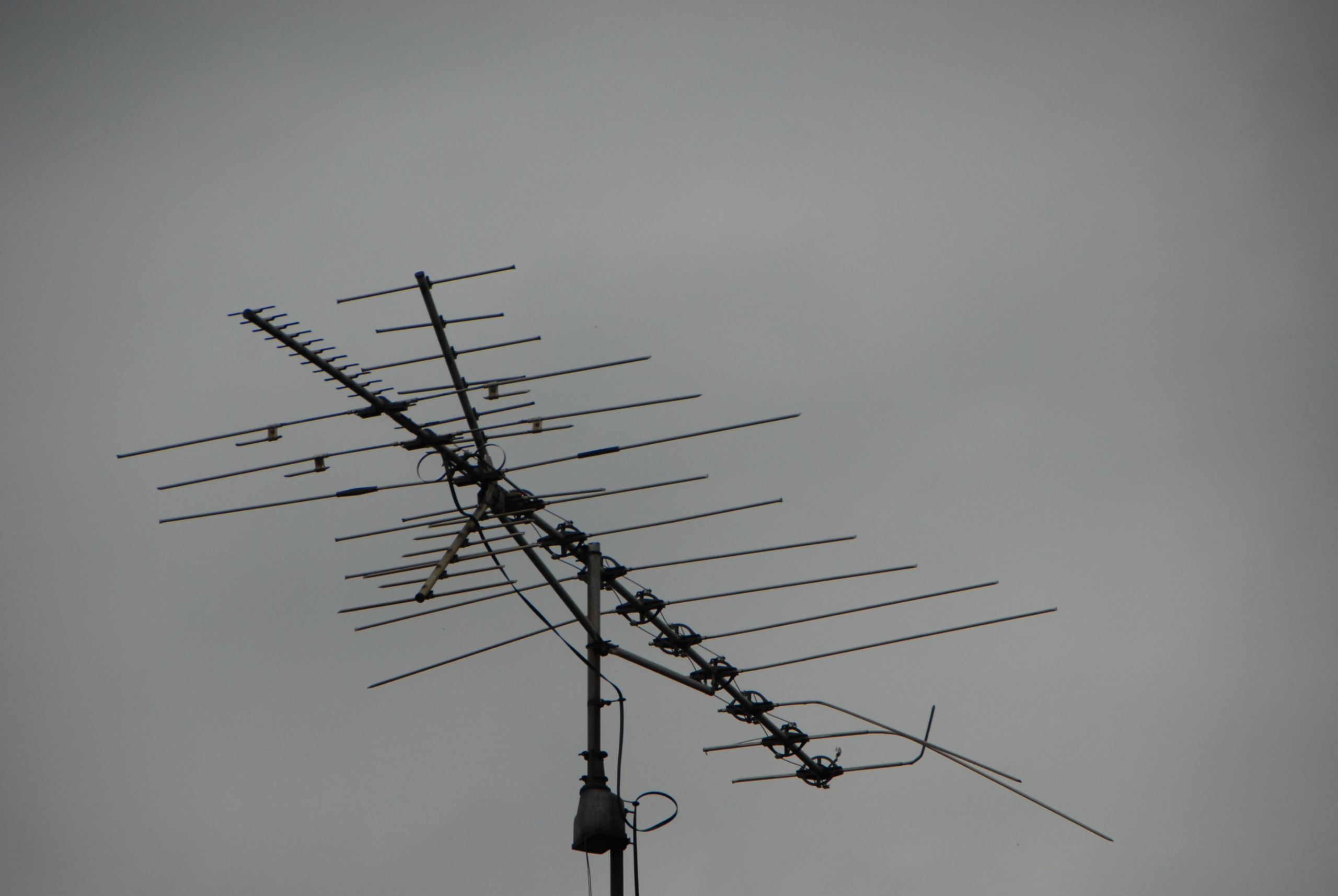
Because an outdoor aerial is directional and fixed to a mast, it points at one transmitter – so the better installations added a motor and a dial indoors.
That little box with a compass face on it is one of the most satisfying devices of the period: you turned a knob in the living room and the aerial on the roof swung round, slowly, while the picture came in and went out. It solved the channel-by-channel problem completely, for anybody who could pay for it.
Tin Foil Was Not a Joke, It Was Physics
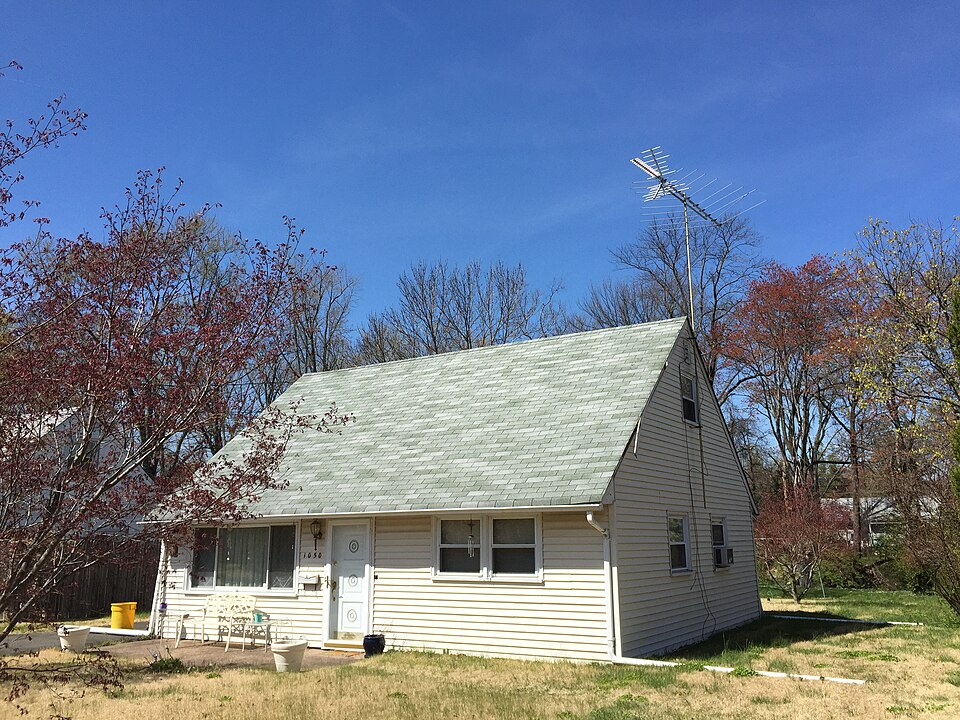
Wrapping foil around the tips of the rods genuinely helped sometimes, and there is a real reason rather than a superstitious one.
Adding conductive material changes the aerial’s effective size and shape, which shifts what it receives best. It was crude, it was unpredictable and it occasionally worked – which is exactly the profile of a fix a household arrives at by trial and keeps because it was observed to help.
Weather Changed What You Could Watch
Reception varied with the atmosphere, the season and the time of day, and households tracked it without knowing why.
Signals travel differently through air of different temperature and humidity, and distant stations that were unwatchable in the afternoon could come in clearly at night. So a family’s channel options were not fixed – the set of things it was possible to watch changed from evening to evening.
The Set Had to Warm Up Before Any of This Mattered
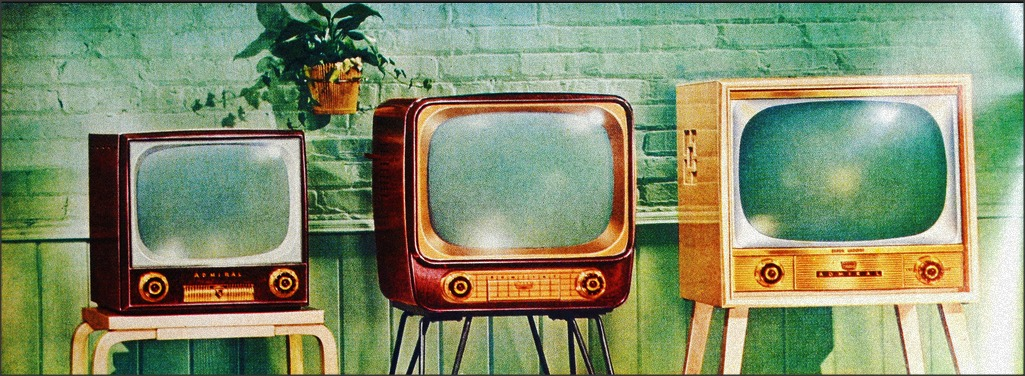
A television of that period took a while to produce a picture, because its valves had to reach working temperature.
That delay shaped the evening in a small way: you turned the set on before the programme started, and the sound often arrived before the image. Nobody found this inconvenient, because the alternative – instant switching – did not exist to be compared with.
Vertical and Horizontal Hold Were Controls You Actually Used
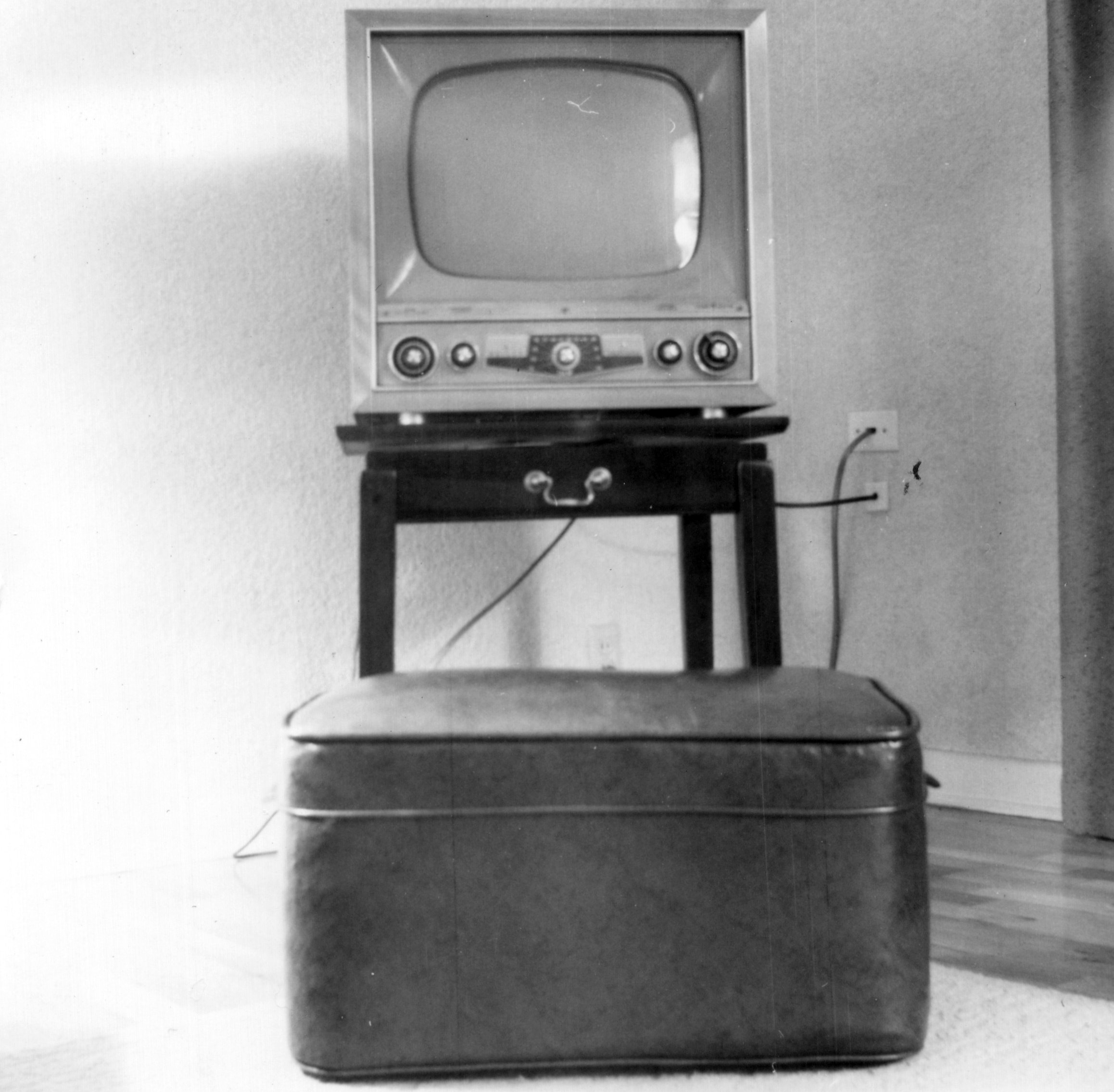
Two knobs on the set existed to re-synchronise the picture, and they needed adjusting often enough that everybody knew where they were.
A rolling picture or one torn into diagonal bands was the set losing track of where each frame began, and the hold controls nudged it back. These were not service adjustments hidden behind a panel – they were household controls, used by children, as routine as volume.
Antenna Wire Ran Through the House on Its Own Terms
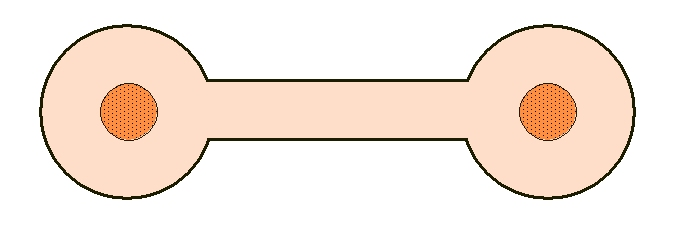
The flat twin lead from aerial to set was part of the furniture, and where it ran affected the picture.
The wire picks up and loses signal depending on what it is near, so it was routed away from metal, kept off radiators, stapled along skirting and shoved under rugs. A household ended up with a permanent length of cable crossing a room, and moving the set meant re-solving the whole routing problem.
Everybody in the House Was Part of the System
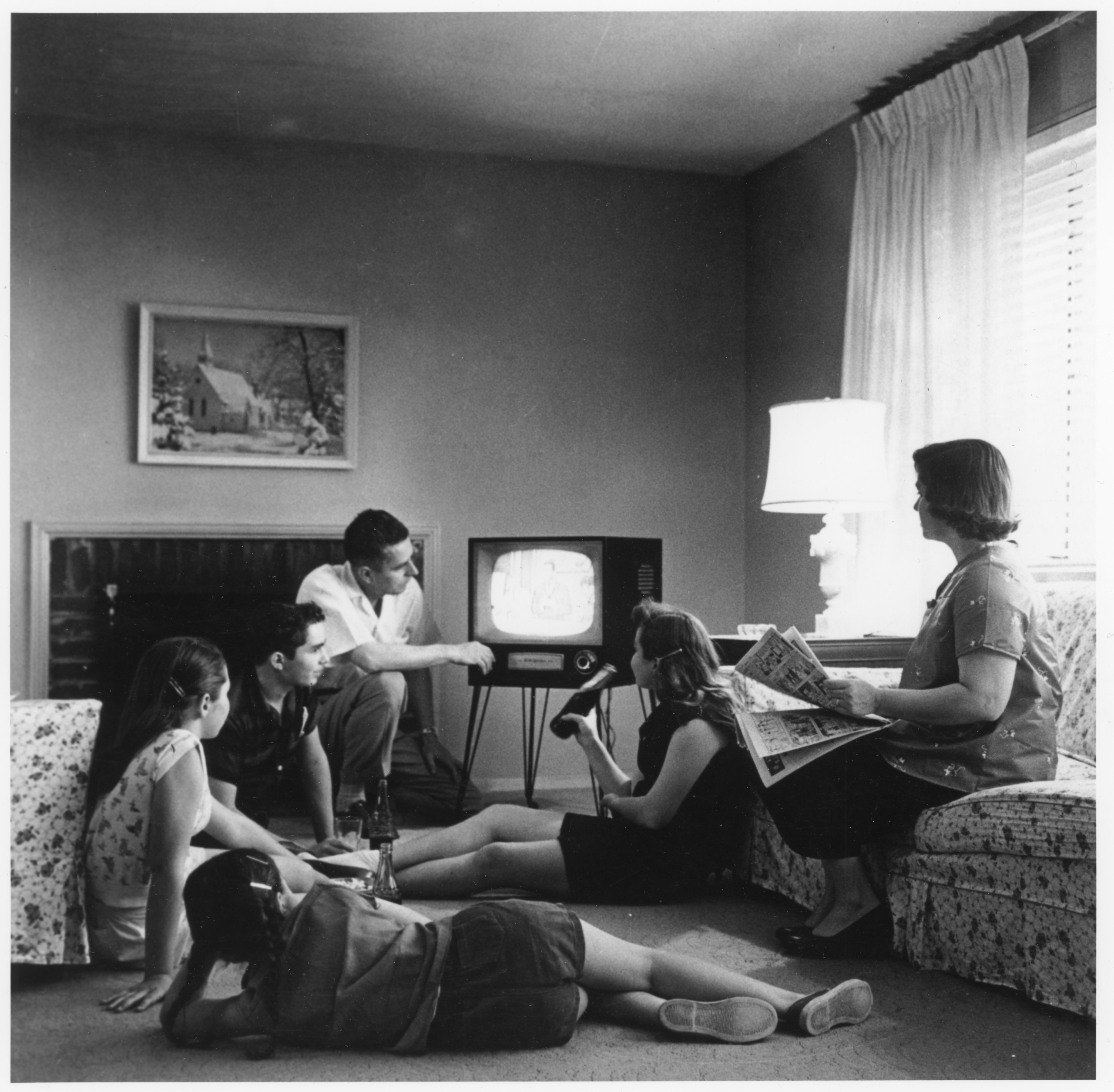
The reason the two-person arrangement persisted is that it was the only feedback loop available.
The aerial had to be adjusted where it was and judged where the screen was, and those were two different places. So somebody turned and somebody watched and they talked – which made tuning a television a cooperative household activity rather than a thing one person did.
Three Channels Meant Everybody Watched the Same Thing
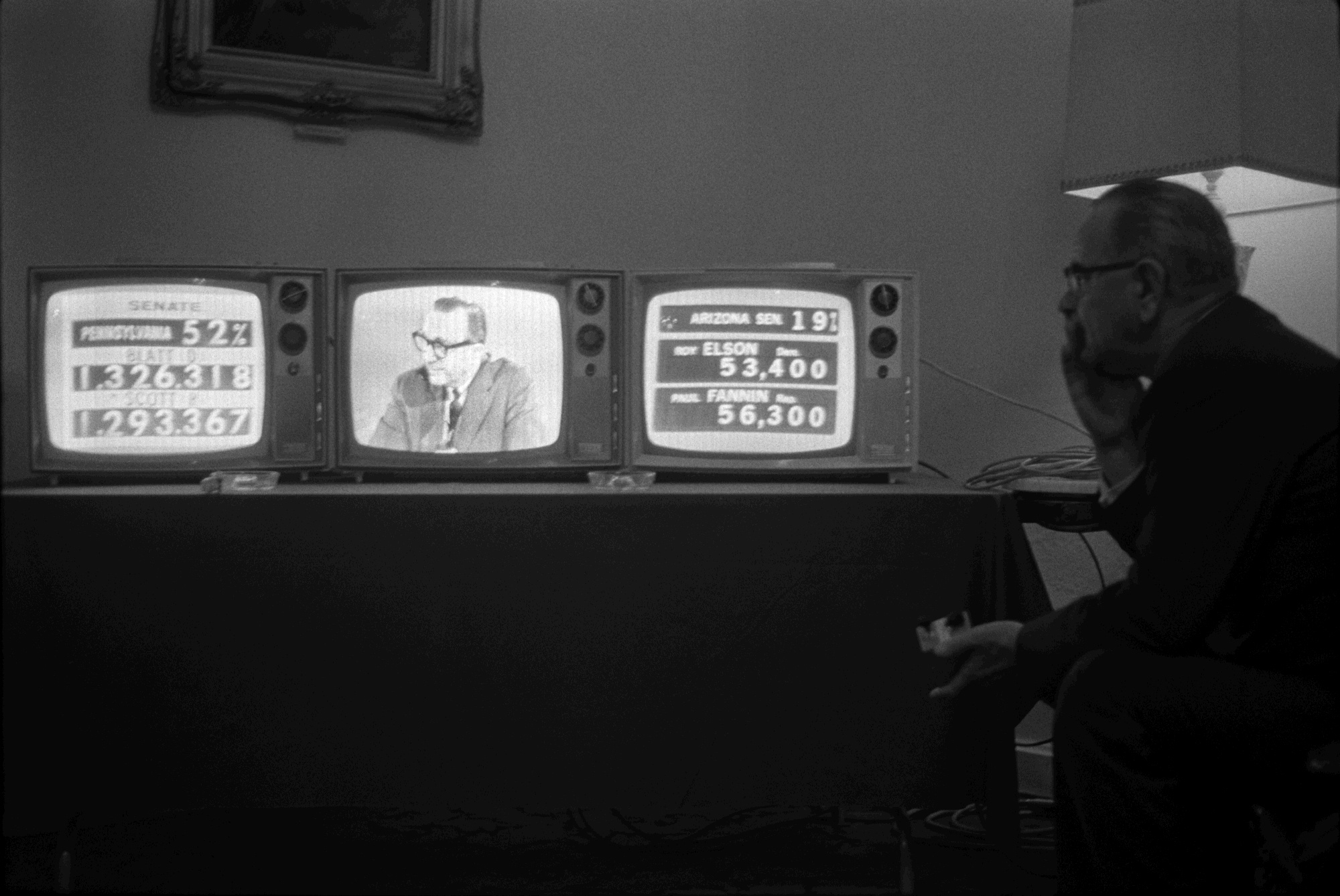
The scarcity that made reception so important had a second consequence, and it is the one people remember most.
With a handful of watchable stations, a household’s choice was small and the country’s viewing was concentrated. Everybody had seen the same programme the night before, which made television a shared reference in a way it structurally cannot be now – not because people were more united, but because there was almost nothing else on.
Cable Removed the Weather and the Aiming at Once
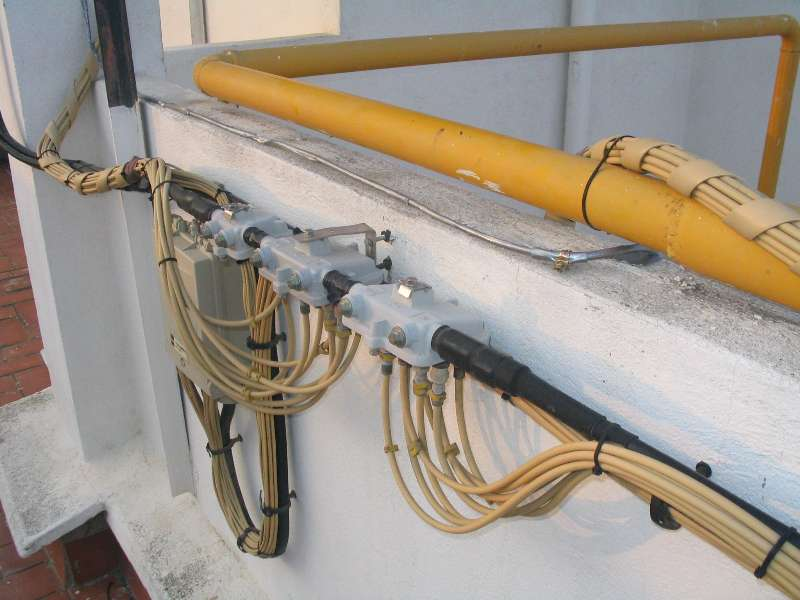
A signal delivered by wire does not vary with the atmosphere, does not arrive by two paths and does not need pointing anywhere.
That is the decisive change, and it removed the entire skill set in a single step. No aiming, no ghosting, no seasonal variation, no foil, no rotator – and no need for anybody to stand on a chair while somebody else shouted from the sofa.
Then the Antenna Became Invisible Rather Than Obsolete
The interesting part of the ending is that the aerial did not disappear. It moved out of sight.
Signals are still received over the air by plenty of households, and the equipment is still directional and still cares about obstructions – but it is installed once by somebody else, it sits in an attic or on a pole and nobody touches it again. The physics did not change at all. What changed is that the adjustment stopped being the household’s job, and a whole body of practical knowledge about wavelength, direction and reflection went quietly out of use in a generation.
Like our content? Follow us for more.