The remarkable thing about the summer fete is how standardised it was without anyone standardising it. The same stalls appeared in the same order in places that had never compared notes. Here are twelve.
1. The Bunting, Strung Slightly Too Low
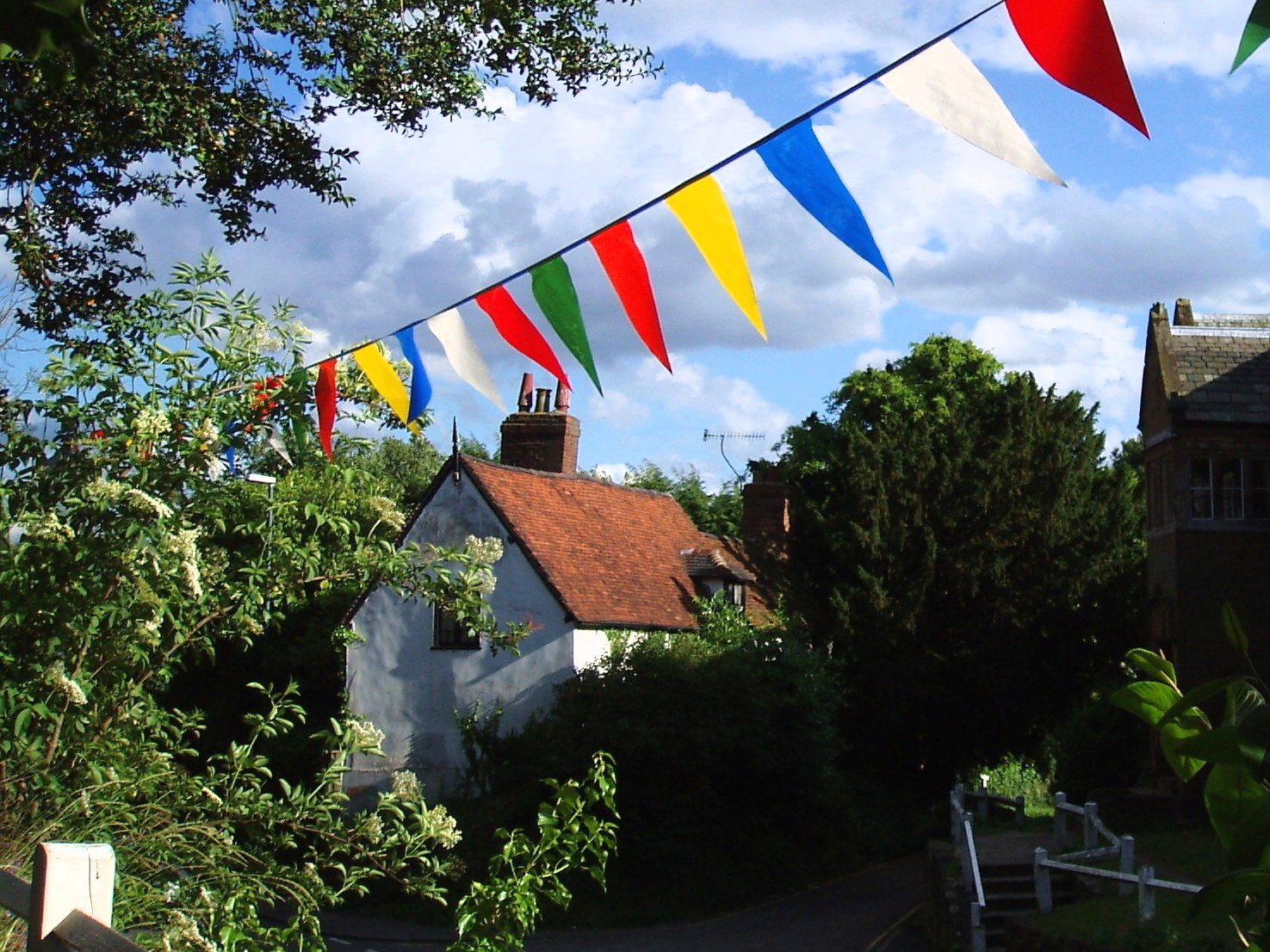
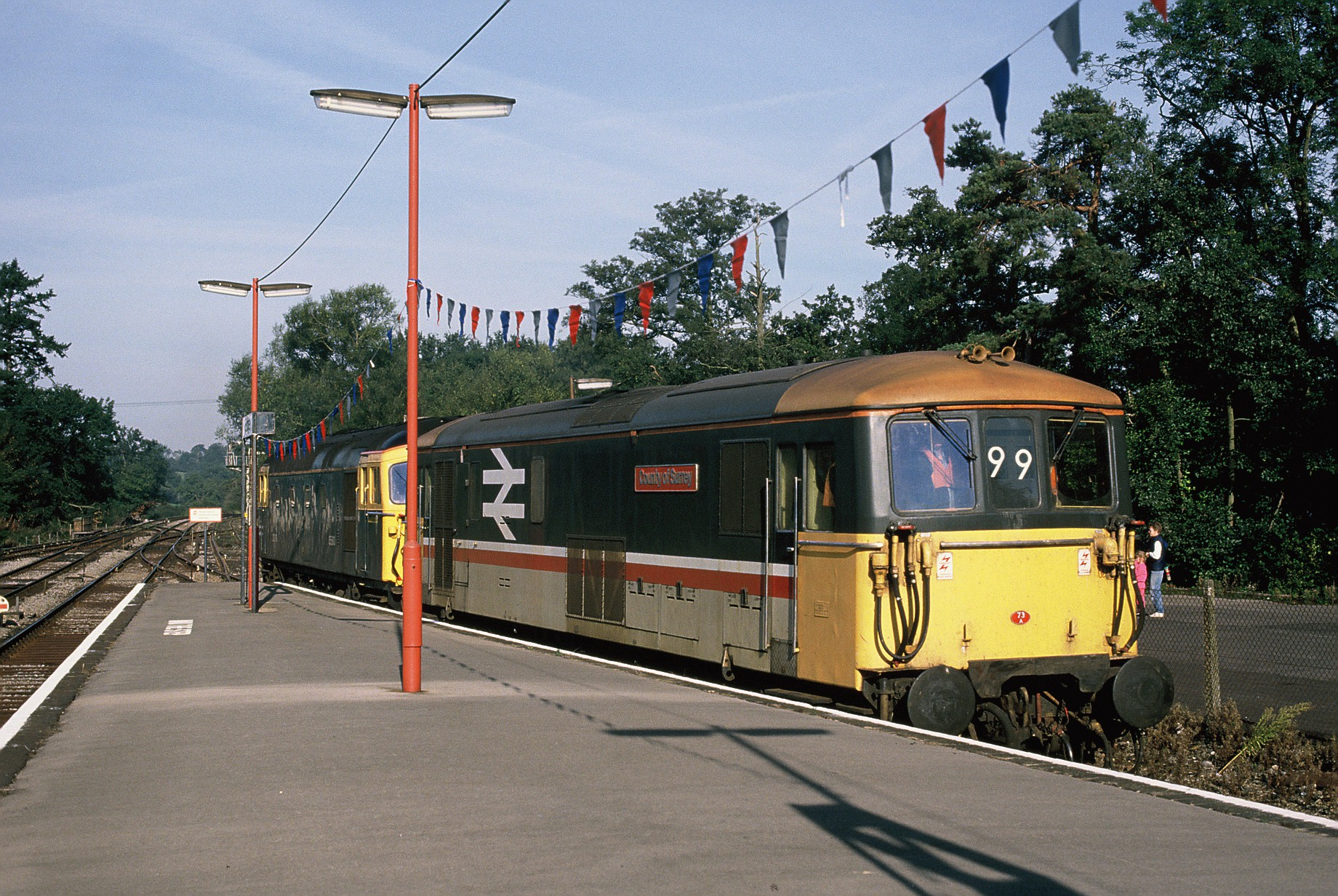
Triangular flags on a string, put up by two people on stepladders, sagging in the middle and catching taller adults across the forehead.
It was stored in a box for the rest of the year and reused until it disintegrated. The bunting is the fete decoration that signalled the whole event from the road.
Like our content? Follow us for more.
2. Guessing the Weight of the Cake
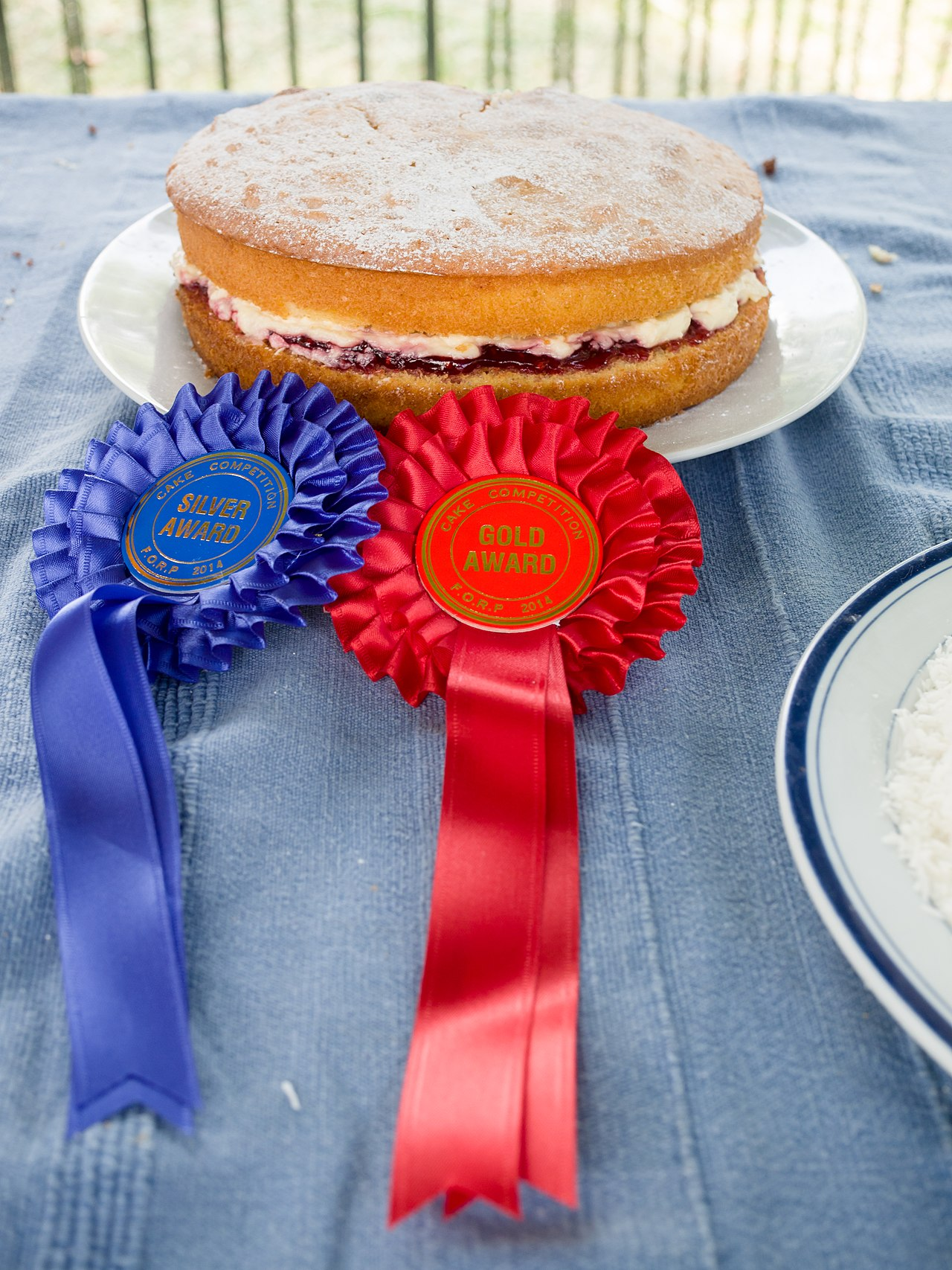
A cake on a table with a sheet of paper beside it, on which people wrote a weight in pounds and ounces and paid for the privilege of a guess.
Nobody had any idea and everyone was confident. Guessing the weight of the cake is the fete stall that ran entirely on unfounded self-assurance.
3. The Tombola
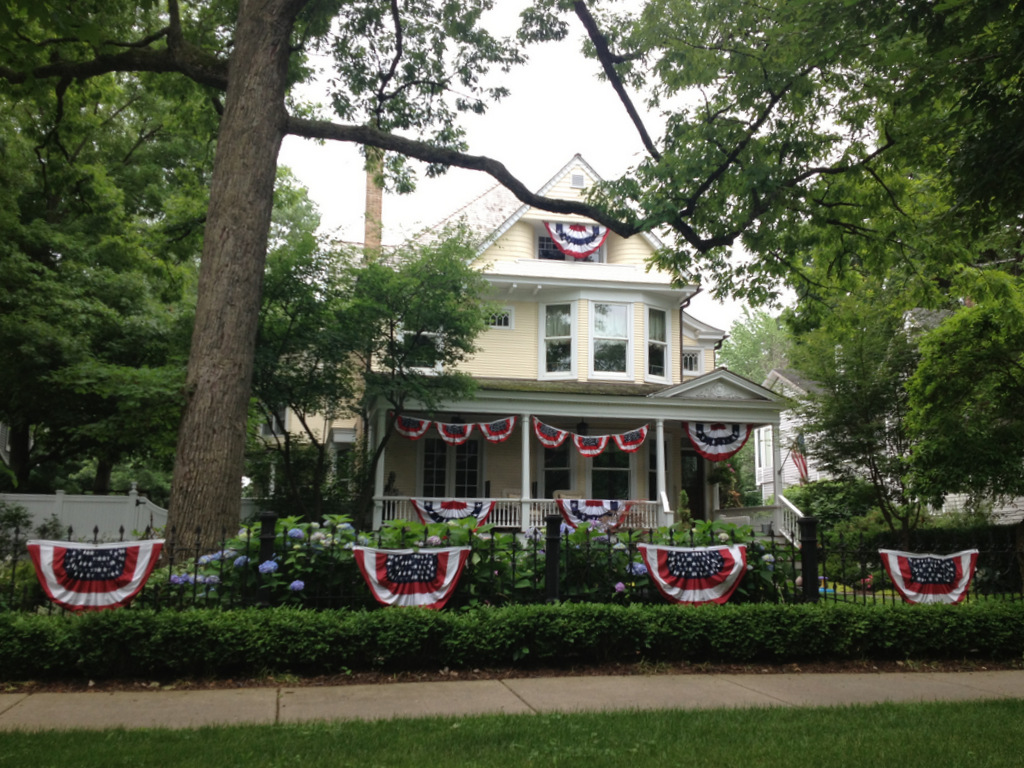
A drum of folded tickets, a table of prizes, and a rule about which final digits won, producing a great many losing tickets and the occasional bottle of something.
The prizes had visibly been donated from cupboards. The tombola is the fete stall where the prizes were other people leftovers.
4. The Cake Stall and Its Politics
Home baking sold by the slice, with an unstated hierarchy about whose sponge sold first and a quiet competitive edge under the surface.
Everything was gone within forty minutes. The cake stall is the fete institution with the most unspoken rivalry attached.
5. The Bric-a-Brac Table
Household objects donated by everyone, priced in small coins, consisting largely of items that had been bought at the previous year fete.
A certain vase circulated for years. The bric-a-brac table is the fete stall where the same objects came back annually.
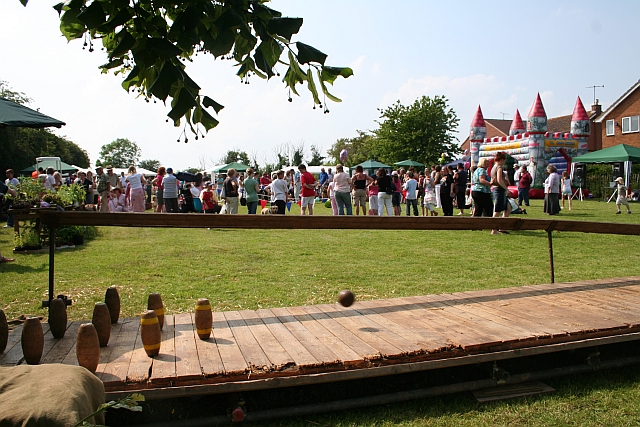
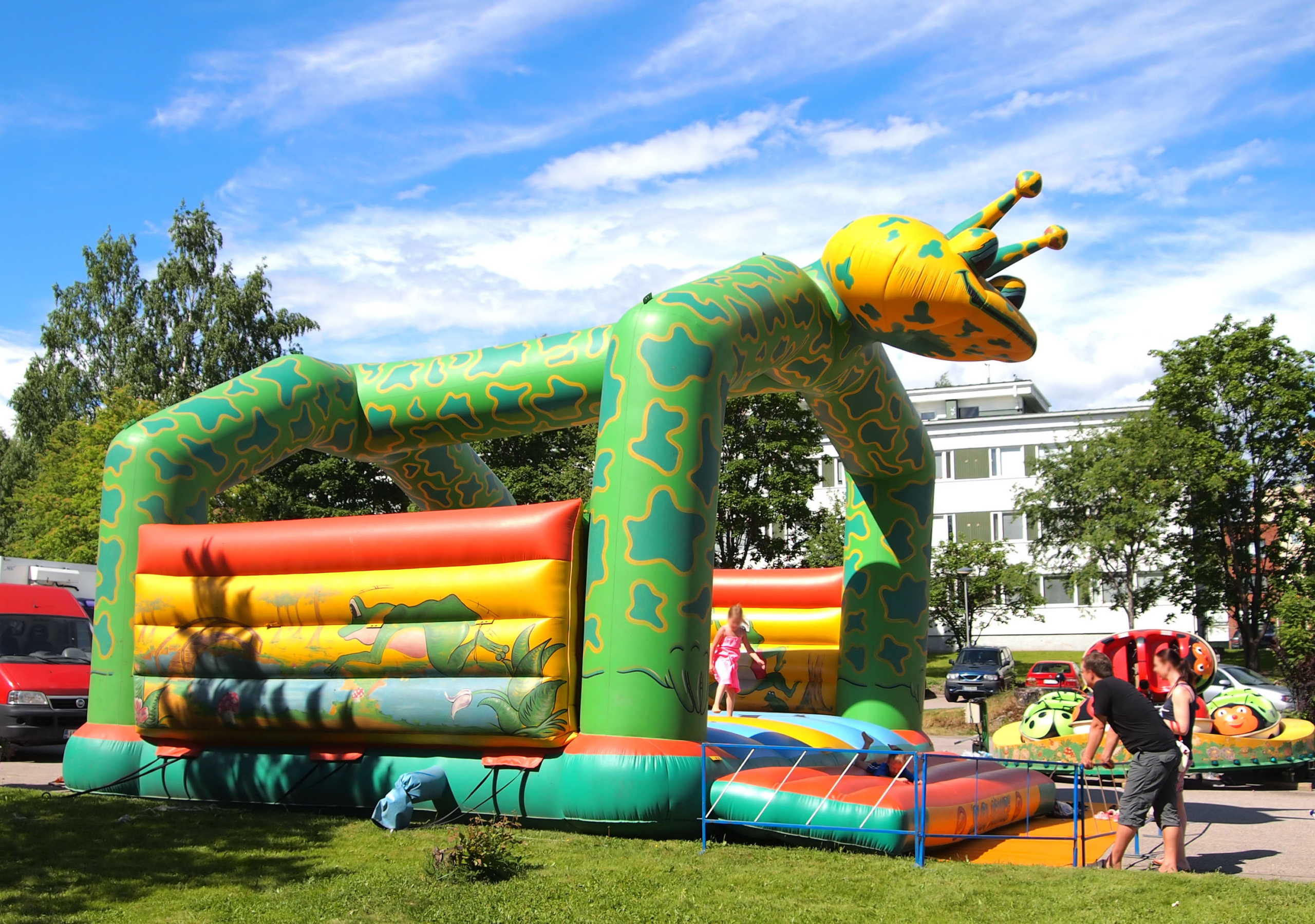
6. The Bouncy Castle and the Queue for It
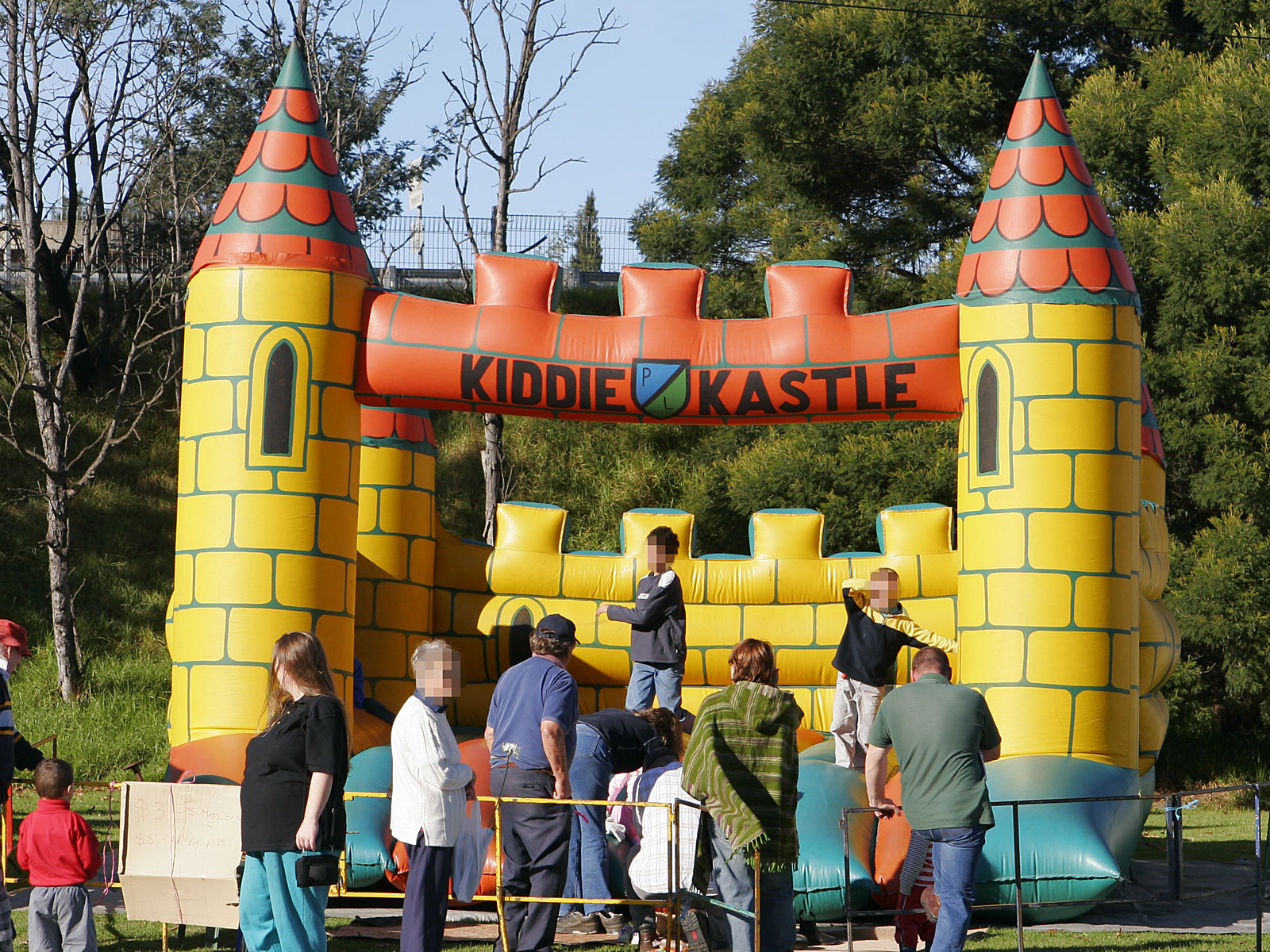
An inflatable arriving on a trailer, inflated by a generator, and immediately monopolised by children who did not leave it for three hours.
Shoes were piled at the entrance in a heap nobody could untangle afterwards. The bouncy castle is the fete attraction that solved the childcare question for the afternoon.
7. Somebody Local Opening It
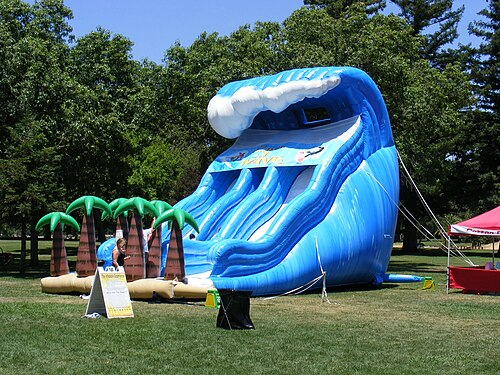
A brief speech from a headteacher, a councillor, or a person who had lived in the area a very long time, delivered through a microphone that was not working properly.
Attendance for the speech was substantially lower than attendance for the stalls. The opening speech is the fete formality everyone arrived slightly after.
8. The Raffle Drawn at the End
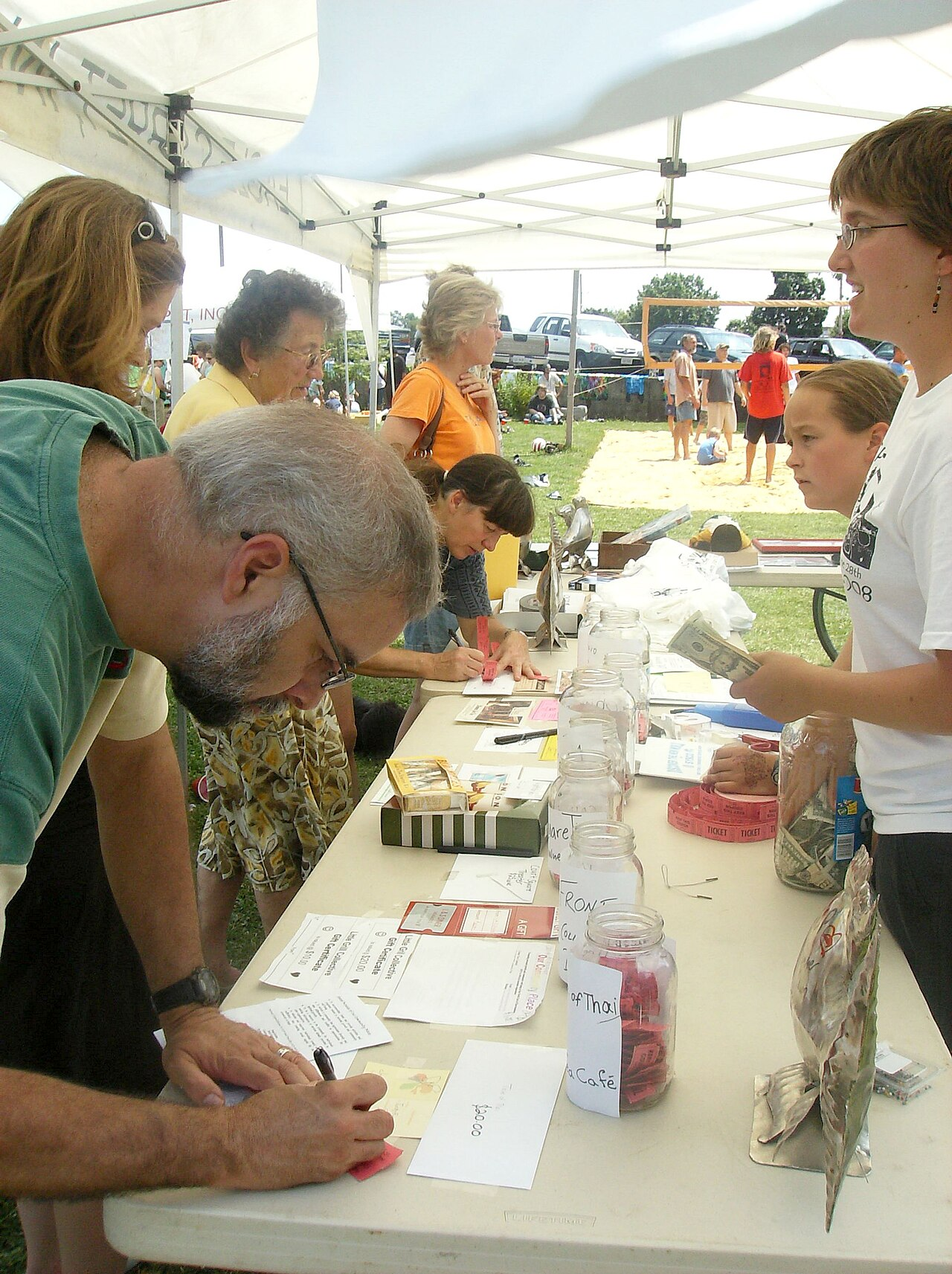
Tickets sold throughout the afternoon from a book, with the draw held late so that people stayed, and prizes read out to a crowd that had mostly dispersed.
Winners were frequently absent and their prizes taken home by neighbours. The raffle is the fete event designed to keep everyone there until the end.
9. The Tea Urn
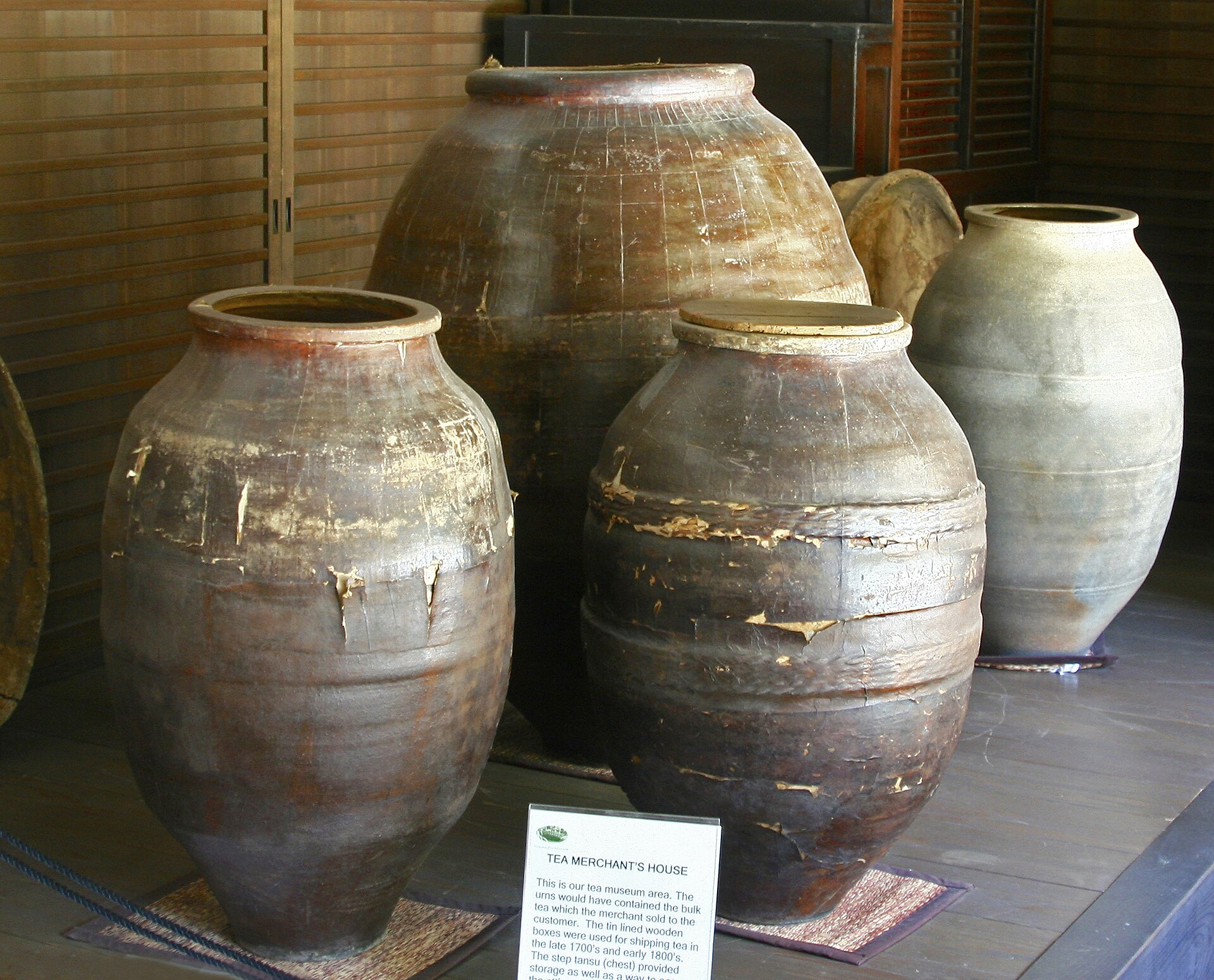
An enormous metal urn dispensing tea into polystyrene cups, operated by two people who did not leave that position all afternoon.
It was the single busiest stall and made the most money. The tea urn is the fete stall that steadily outperformed everything else.
10. Throwing Wet Sponges at Somebody
A teacher, a vicar or a volunteer sitting in a frame while children paid a small sum to throw a wet sponge at them, entirely willingly on all sides.
It raised a startling amount. Throwing wet sponges is the fete activity that would be difficult to explain to anyone who had not seen it.
11. The Weather Being the Whole Story
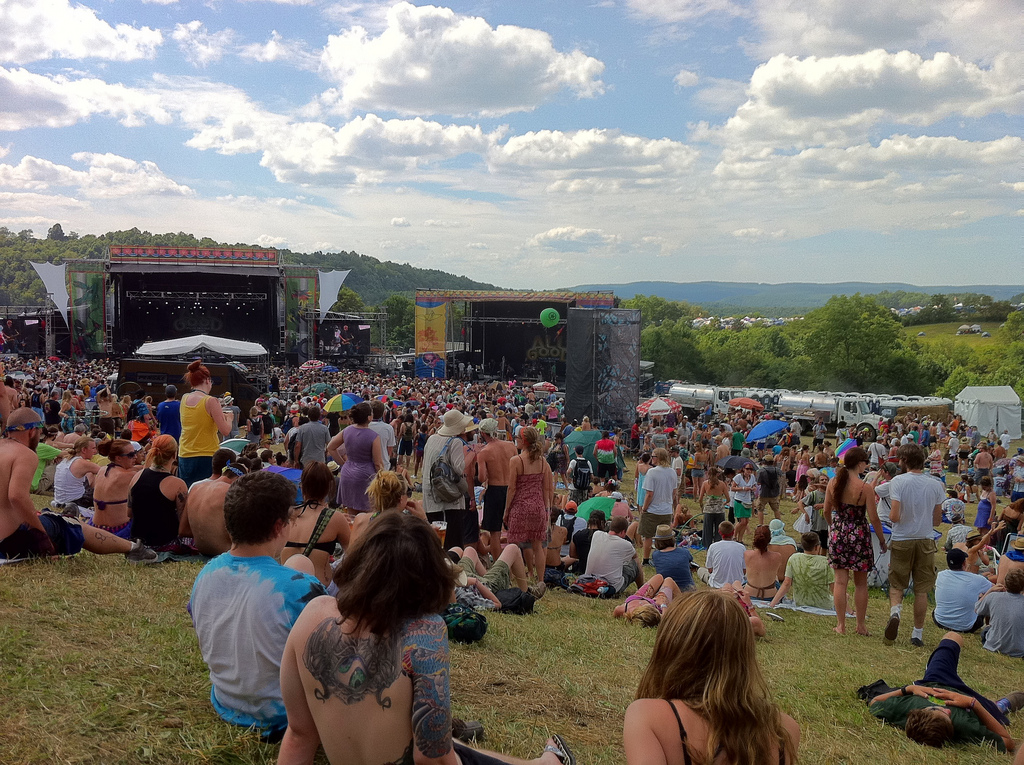
The event was outdoors with no contingency beyond a marquee, so the afternoon was determined entirely by whether it rained.
Committees watched forecasts for a fortnight. The weather is the fete variable that nobody could do anything about and everybody discussed.
12. The Total Announced at the End
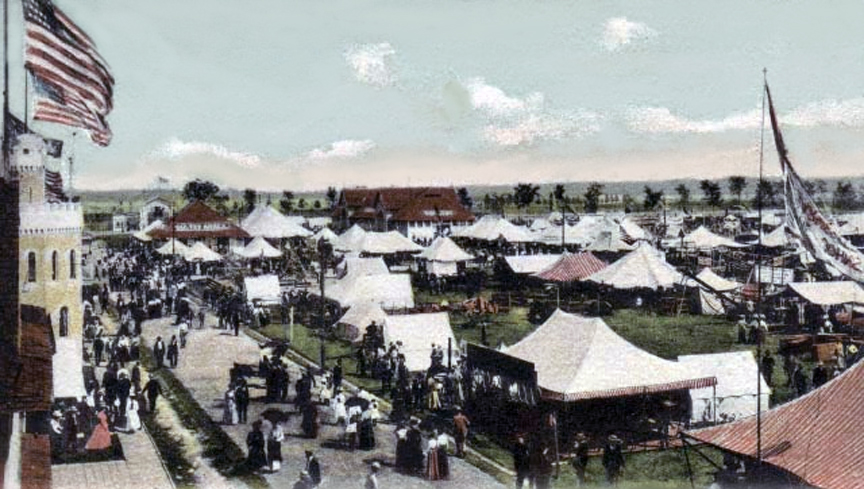
A figure was arrived at, announced, and greeted with applause – modest in absolute terms and the entire point of the exercise.
It went toward a roof, a minibus, some equipment or a fund. The total announced at the end is the fete conclusion that justified the whole afternoon.
Trestle Tables and a Modest Total
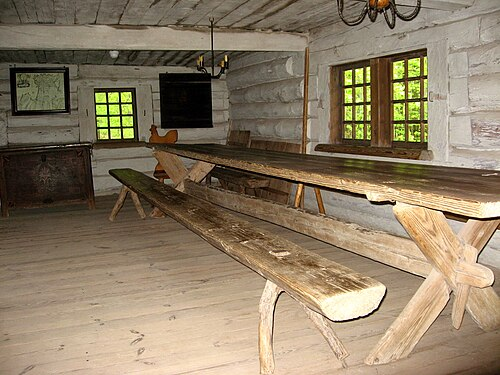
The fete was a community assembling itself for an afternoon to raise a sum that would not cover a fortnight of anything, and doing it every year regardless.
The money was never really the point, or not the whole point. An afternoon where a few hundred people who lived near each other stood in a field, bought each other cakes and threw sponges at a volunteer did something that a direct debit does not, and most places that still hold one know exactly why they bother.
Like our content? Follow us for more.