

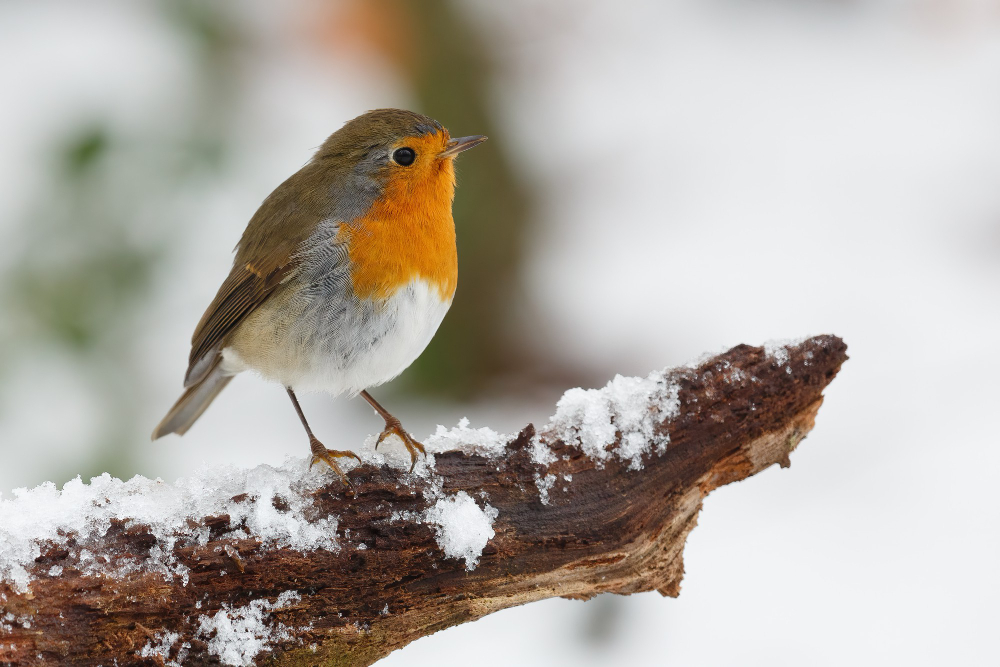
It fights to the death, and the red breast is a threat rather than a decoration. Here are sixteen.
1. It Will Fight Another Robin to the Death
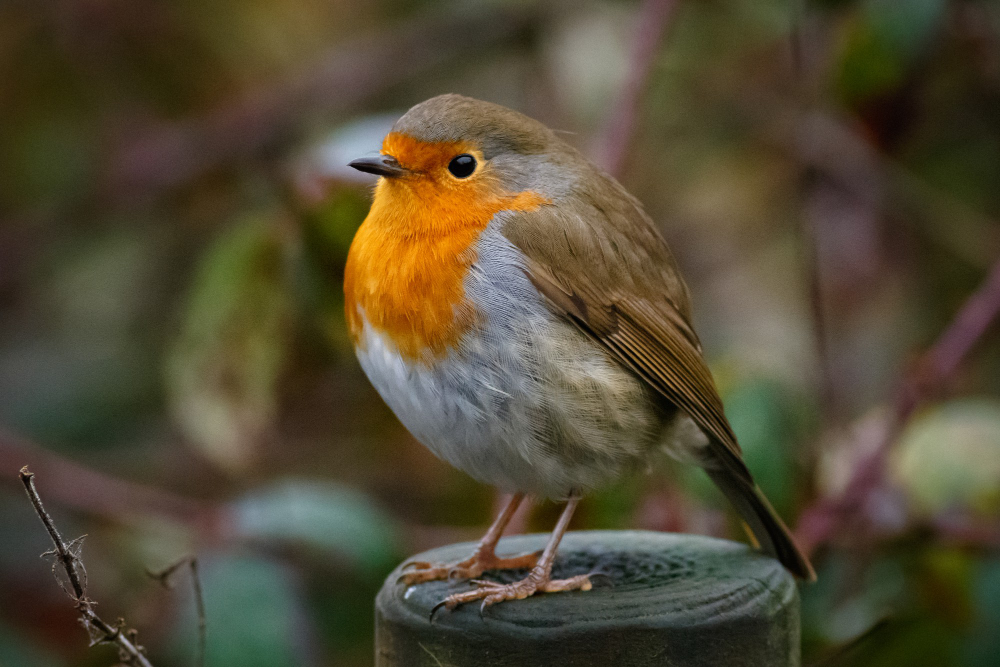
The friendly garden bird of the Christmas card is one of the most violently territorial animals anybody is likely to see from a kitchen window, and fights between robins frequently end with one of them dead.
A substantial share of adult robin mortality is caused by other robins – a figure commonly put at around one death in ten. Not predators, not weather, not starvation. Other robins. Two birds will lock together, go to the ground, and keep at it until one is killed or driven off badly injured.
Like our content? Follow us for more.
2. The Red Breast Is a Threat, Not a Decoration
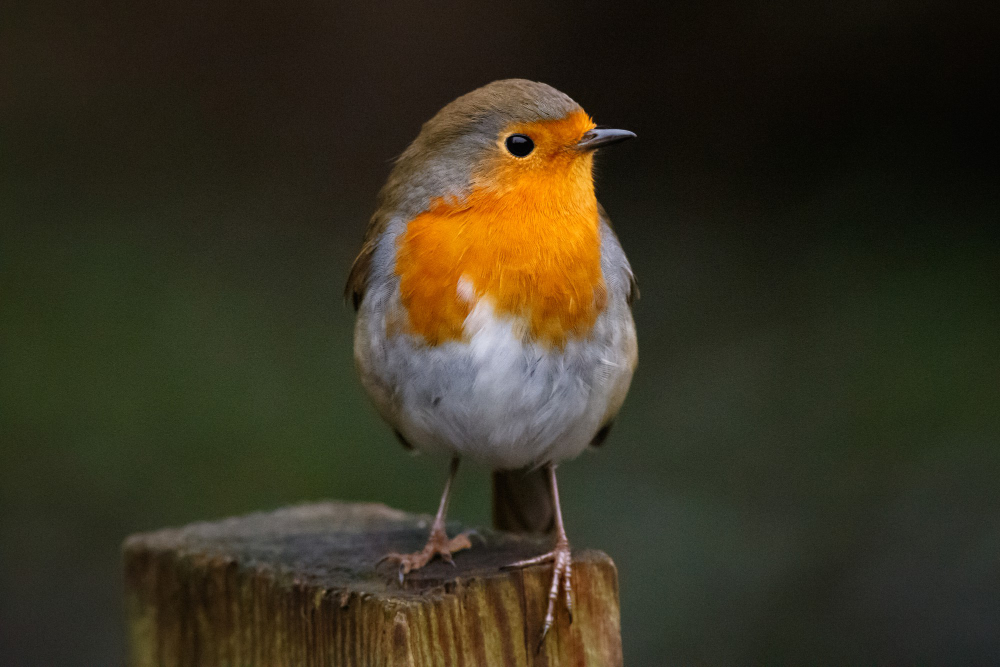
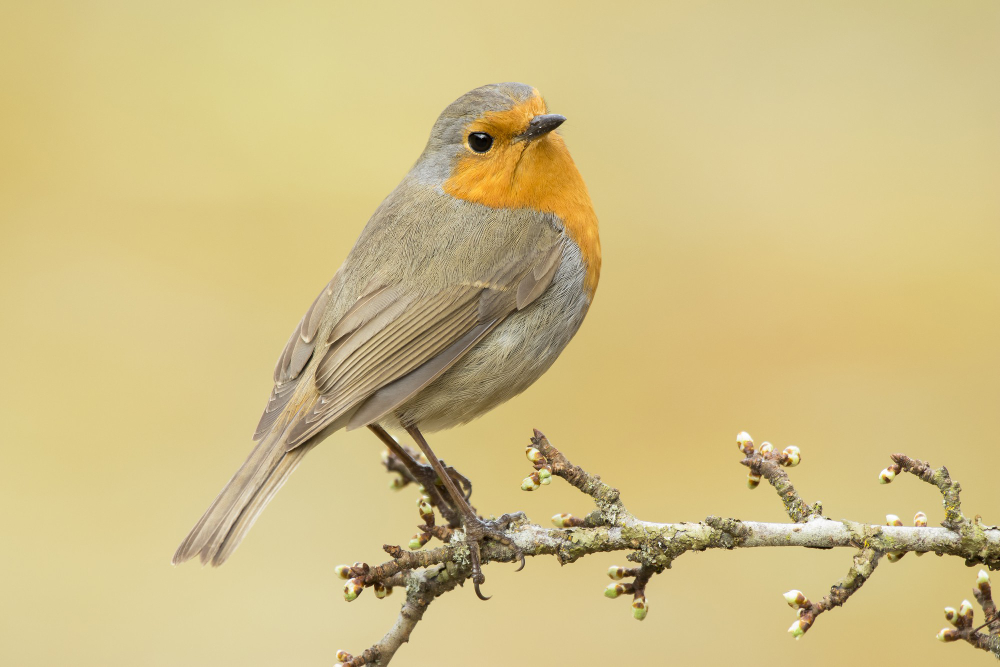
The orange-red front is a weapon in the sense that a raised fist is a weapon. A robin defending ground faces an intruder, puffs the breast out, stretches upward and sways from side to side to present as much red as possible.
The whole display exists to be seen and understood, and it usually works – most territorial disputes are settled by it without contact. Which means the red is not there to look pretty and is not there to attract a mate. It is there to make another robin leave.
3. A Robin Will Attack a Bundle of Red Feathers With No Bird Attached
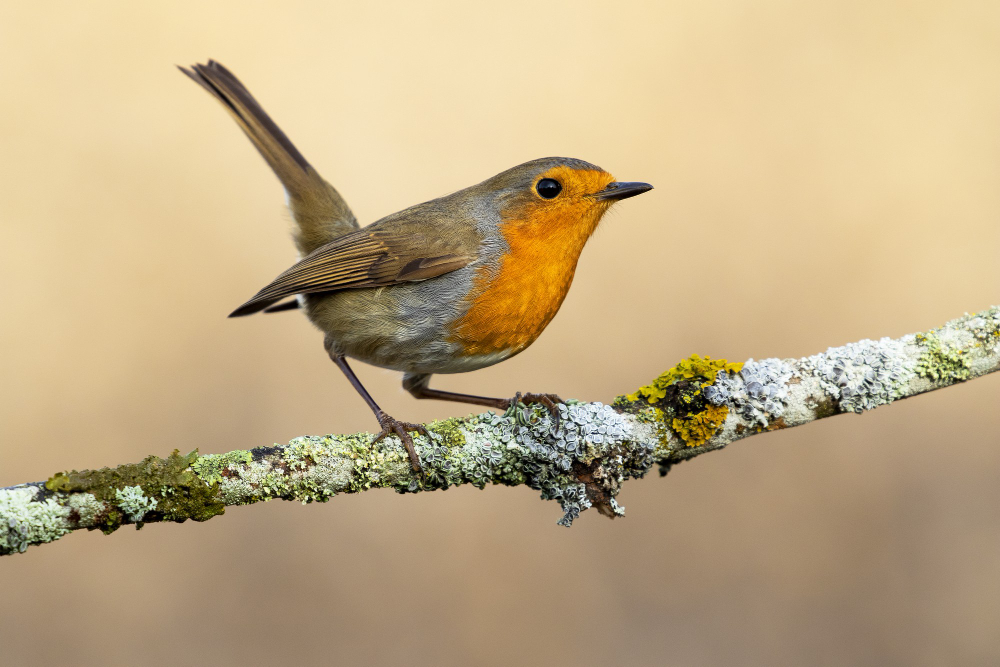
This was tested directly, and the result is the clearest demonstration anybody has of a bird responding to a signal rather than to an animal.
A stuffed robin placed in a territory was attacked. Then a bunch of red breast feathers, mounted on a wire with no head, no body, no tail and nothing resembling a bird, was attacked just as furiously. And a complete, perfectly lifelike young robin, which has no red, was ignored. The bird is not recognising a rival. It is responding to a patch of colour in the wrong place.
4. It Follows You Round the Garden Because You Are Standing In for a Pig
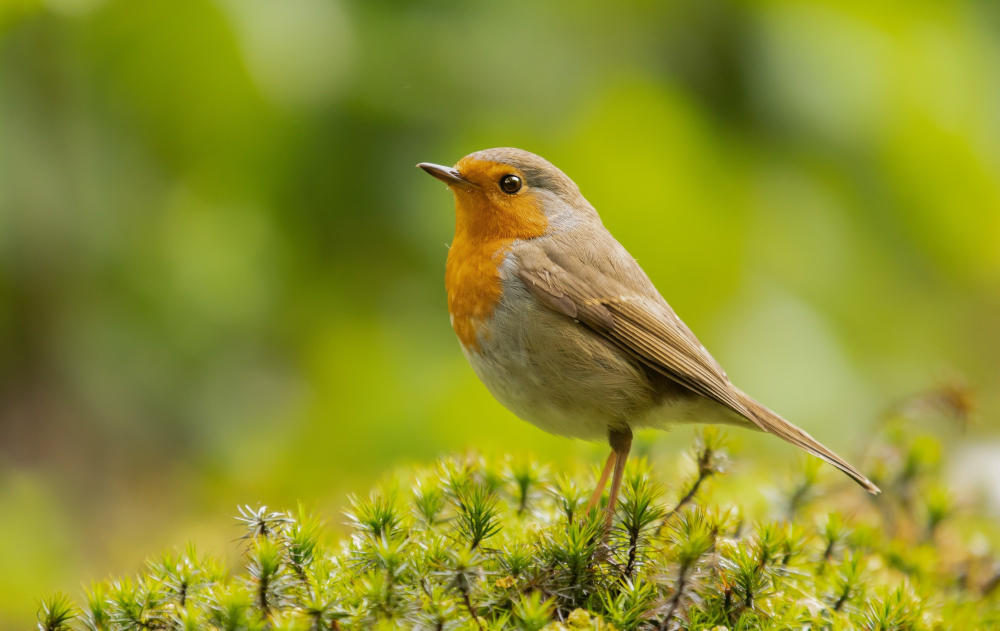
Everybody who digs has had a robin arrive within a minute and work the turned soil a metre from their feet, and the usual explanation is that the bird is tame or has learned that people mean food.
The real answer is older than gardening. In European woodland, robins followed large animals that disturbed the ground – wild boar rooting through leaf litter, turning up invertebrates. The behaviour is ancient, specific and entirely instinctive. A person with a spade is simply the available large rooting mammal, and the robin is doing what it has always done.
5. It Holds a Territory Alone All Winter, Which Almost Nothing Else Does
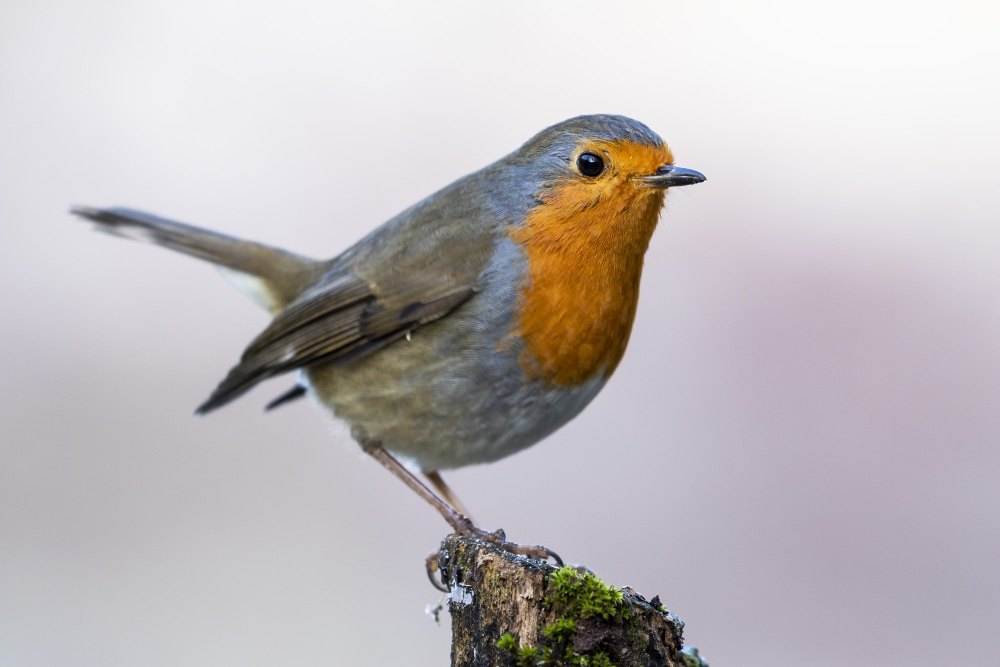
Most small birds stop defending ground once breeding is over and spend the winter moving about, frequently in loose groups. Robins do the opposite.
Each bird holds an individual winter territory and defends it alone, against everything including its own mate from the previous season. Which is why there is exactly one robin in a garden in January rather than several, why it is always in the same place, and why it is so conspicuous in the one season when almost every other small bird has stopped bothering to be.
6. Both Sexes Do It, and Both Sing
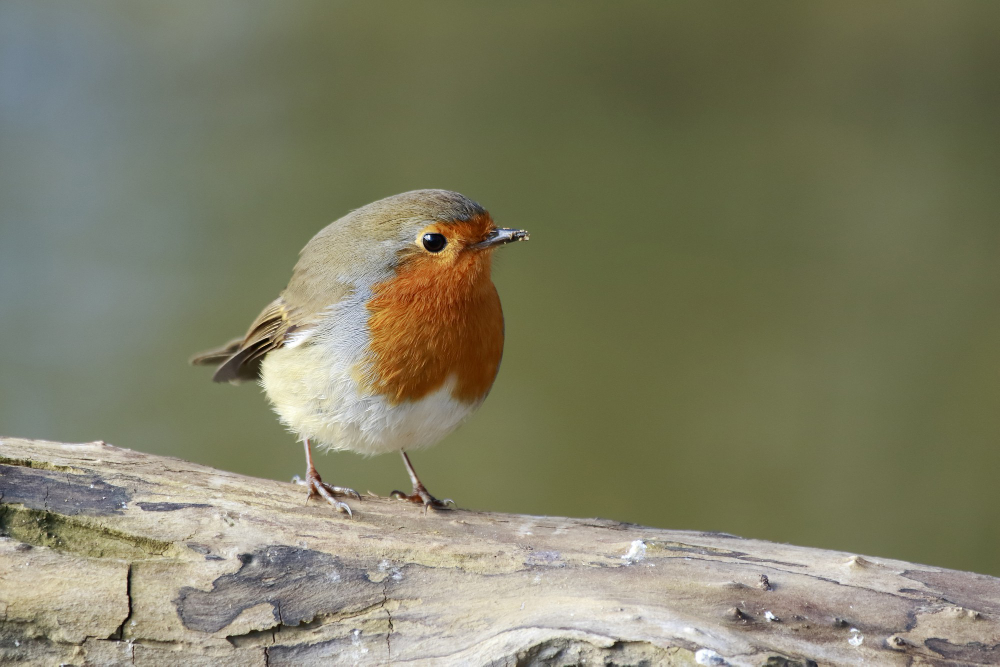
Female robins hold and defend winter territories of their own, and they sing to do it. This is unusual enough among small birds to be worth stating plainly.
Which also means that the bird singing in a garden in midwinter is as likely to be female as male, and that there is no way to tell by looking. The sexes are effectively identical in appearance – same size, same red, same everything – which is itself uncommon and makes the whole species harder to read than people assume.
7. It Sings in the Middle of the Night Under Streetlights
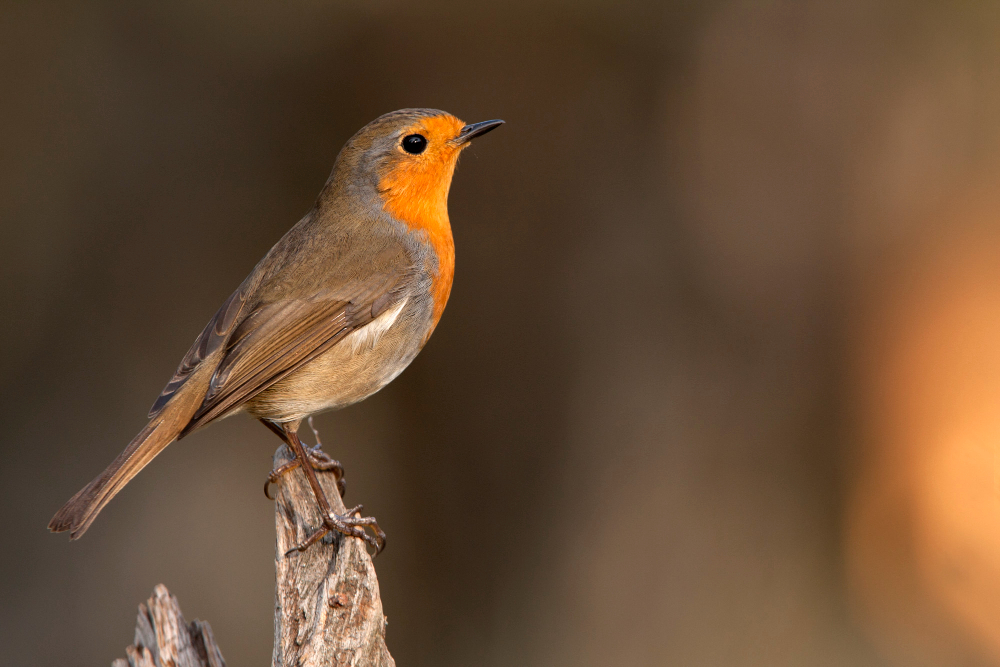
A bird singing loudly at two in the morning in a town is, in the great majority of cases, a robin, and the calls to report something strange or ominous are a regular seasonal event.
Robins respond to artificial light by extending their singing into the dark, and the loud nocturnal song is one of the most frequently misidentified sounds in a city. There is nothing wrong with the bird and nothing unusual happening to it beyond the lighting.
8. It Is Tame in One Country and Impossible to Approach Everywhere Else
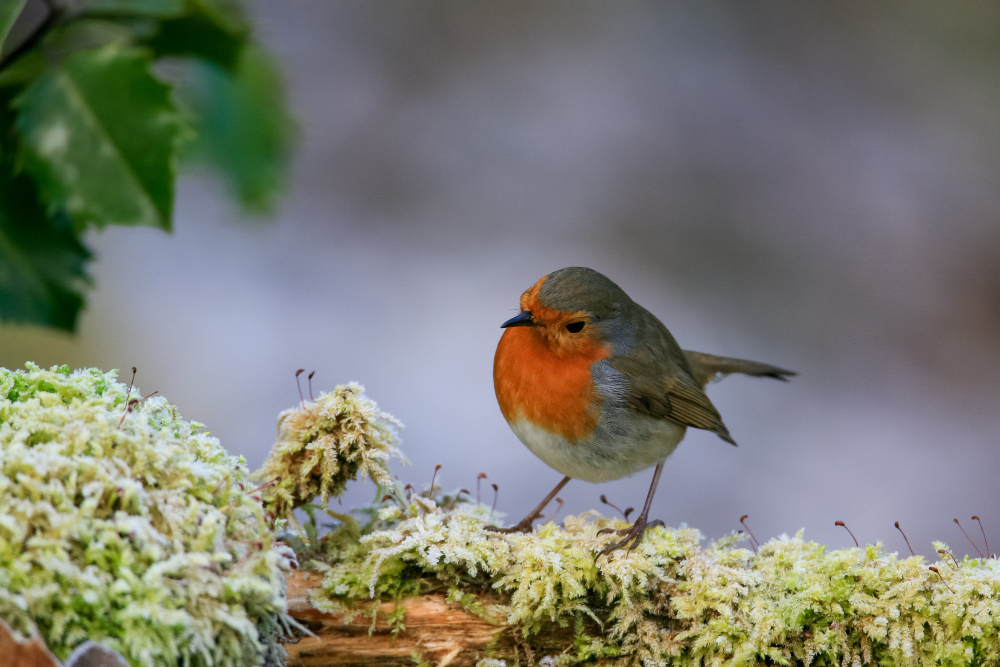
Here is a difference that surprises everybody who notices it. The robin that comes within a metre of a gardener is a British phenomenon. Across most of continental Europe, the same species is a shy, skulking woodland bird that disappears when a person appears.
Same bird, same genes, utterly different behaviour. Visitors from the continent frequently find British robins startling, and British visitors to European woodland frequently cannot work out where all the robins have gone – they are there, in similar numbers, and they are hiding.
9. And the Explanation Is Not a Flattering One
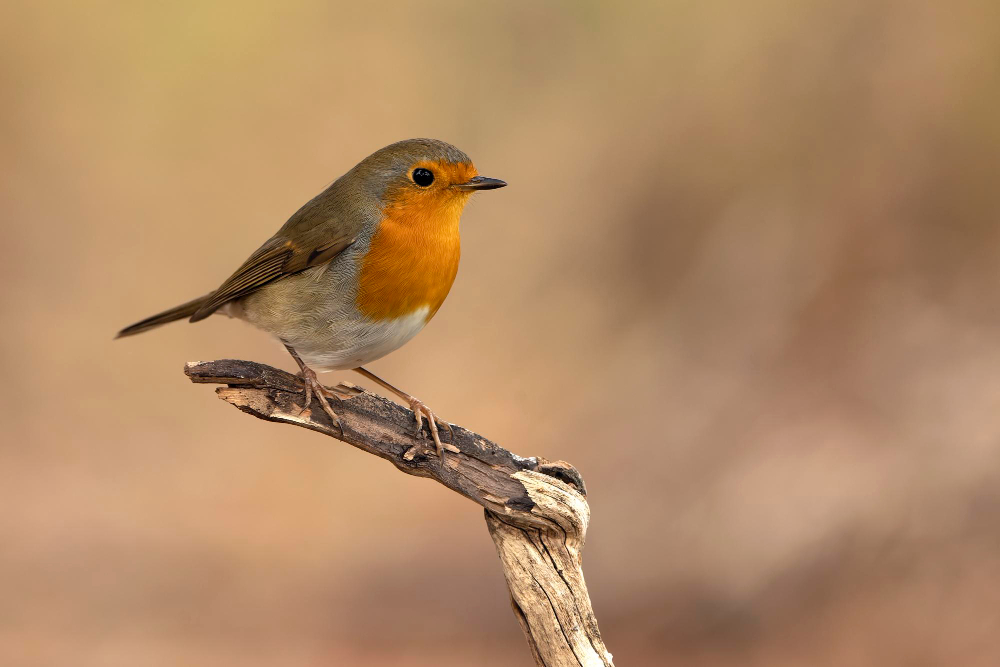
The standard account of that difference is about what happened to robins in each place.
Across much of continental Europe small birds, robins among them, were trapped and shot for food and for the cage-bird trade over a very long period, in some regions well into living memory. In Britain they were not, and were instead protected by custom and sentiment to an unusual degree. A population under centuries of persecution learns to avoid people; a population that is left alone does not. The tameness everybody finds charming is a measure of how safe the bird has been.
10. It Will Nest in Absolutely Anything
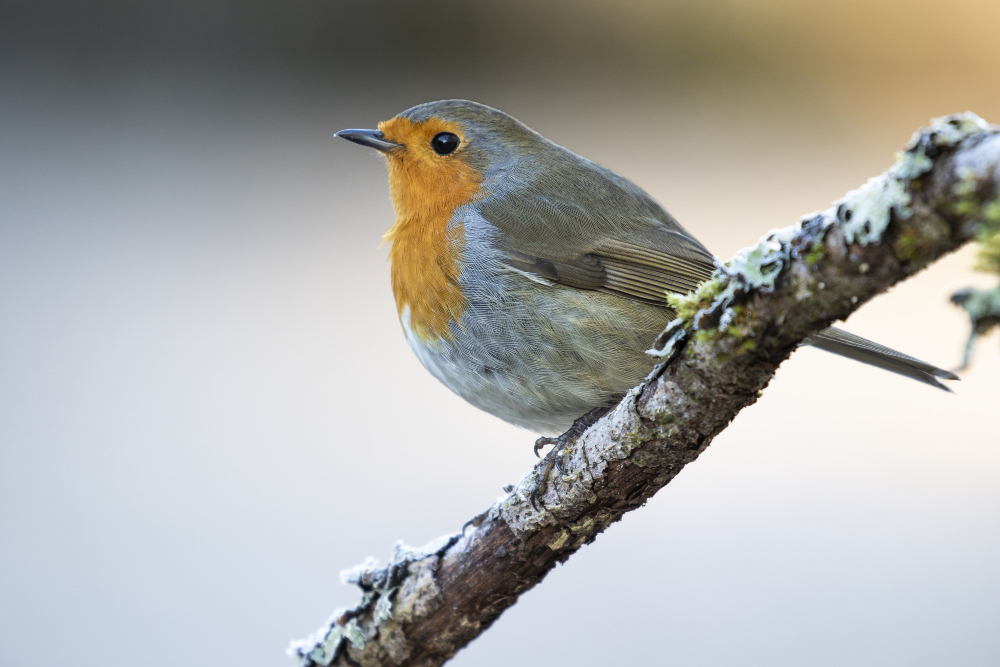
Robins are among the least particular nesters there are, and the list of recorded sites is close to comic: a kettle, a boot, a coat pocket on a peg, a letterbox, an unused engine, a watering can, a bag of pegs, a toolbox left open for a fortnight.
The requirement appears to be a concealed cavity at low level with a clear approach, and almost anything satisfying that will do. Which is why the discovery of a nest in something is such a common experience – not because robins seek out odd places, but because they have essentially no standards about what the cavity is.
11. The Young Have No Red at All
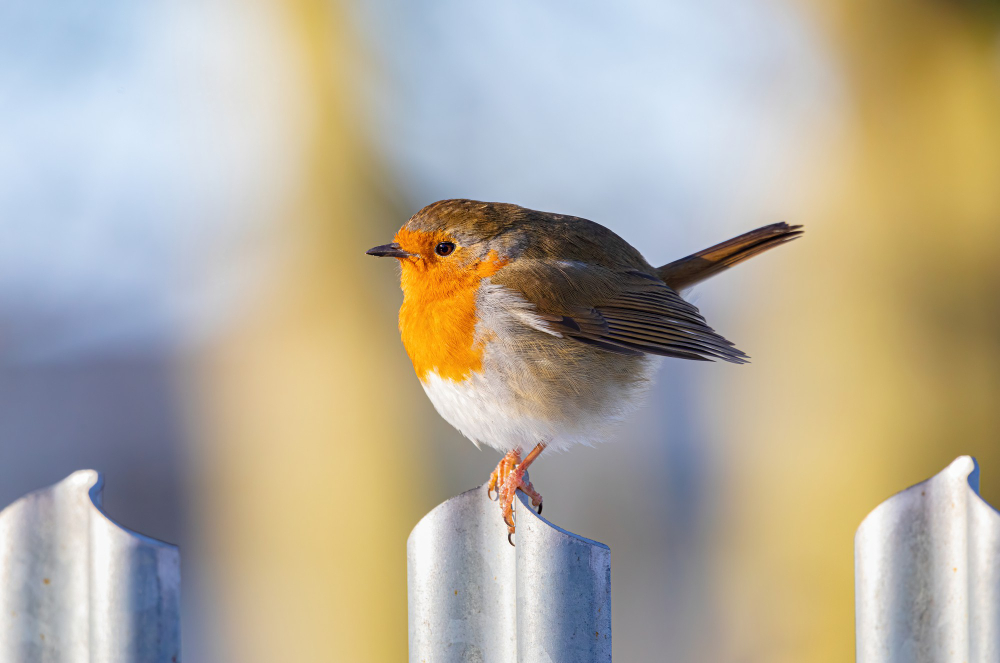
A juvenile robin is speckled brown all over, with no red anywhere on it, and is routinely reported as an unfamiliar bird by people who have had robins in the garden their whole lives.
It is round, scaly-looking, mottled buff and brown, and completely unlike the adult. The red comes in gradually over the first few months, and until it does the bird looks like a different species altogether.
12. Which Is Exactly What Keeps Them Alive
Put the third item and the eleventh together and the reason for the brown juvenile becomes obvious. Adult robins attack red. A young bird with no red does not trigger the response.
So the juvenile plumage is not simply undeveloped – it is protective, and it allows a young bird to move through a landscape full of extremely aggressive adults, including its own parents once they have stopped feeding it, without being attacked. The red arrives only when the bird is ready to hold ground of its own and needs the threat display to do it.
13. It Is on the Christmas Card Because of the Postmen
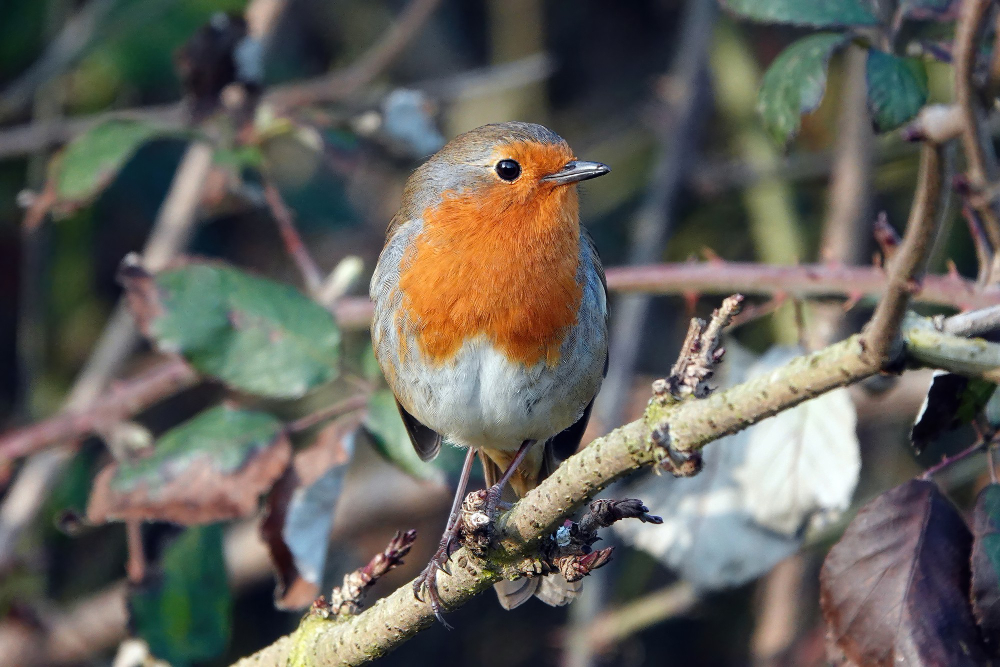
The association is not ancient folklore and it is not about the bird being conspicuous in winter. It comes from the uniform of the Victorian postal service, whose deliverers wore red and were nicknamed robins.
When sending cards at Christmas became general, the bird that shared its name with the man who brought them turned up on the cards themselves, as a visual joke that then outlived its own explanation by a century and a half. Almost nobody now using the image knows it refers to a postman.
14. There Is a Second Song, and It Is Very Quiet
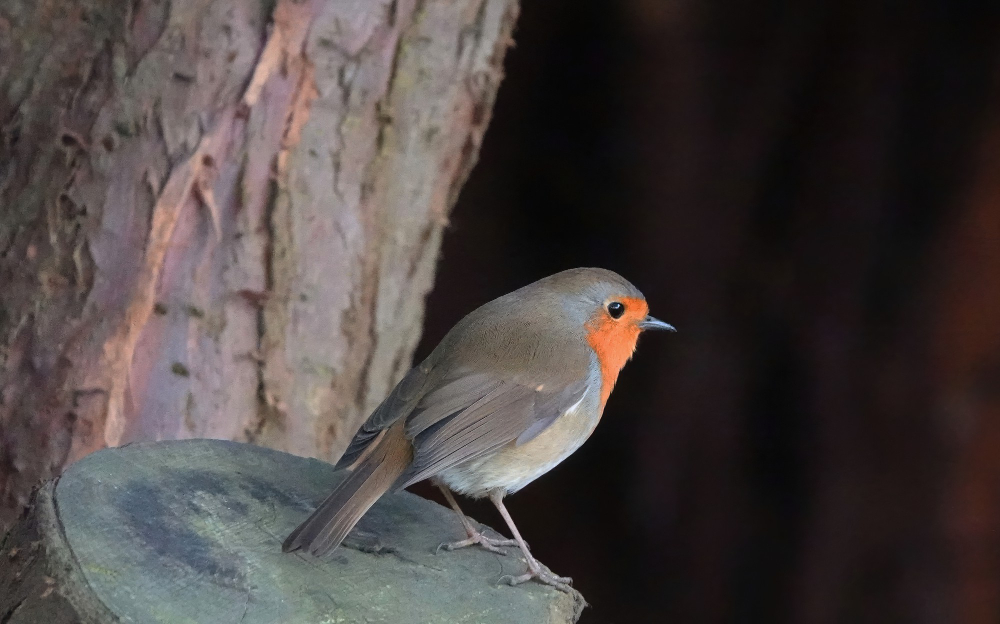
Everybody knows the loud territorial song. Far fewer people have heard the other one: a quiet, rambling, extended warble delivered at low volume, audible only from a few metres away.
It is produced close to another bird rather than broadcast, which is the opposite of what the loud song is for, and it is easy to miss entirely because it does not carry. People who have stood still near a robin for long enough frequently describe hearing something they could not identify and did not realise was the same bird.
15. Most of Them Die in Their First Year
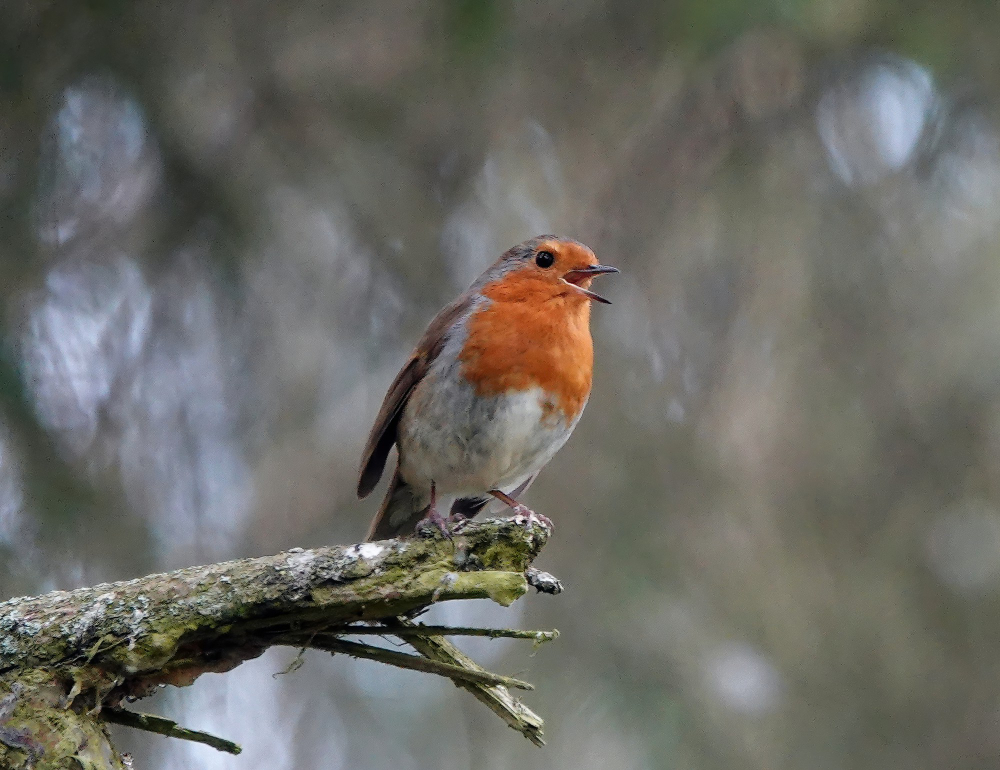
The mortality figures are harsh. Something in the region of three-quarters of robins do not survive their first twelve months, and the average life expectancy across the whole population is little more than a year.
Which sits oddly against the impression the bird gives of being a permanent fixture. A robin that reaches adulthood may live several years and the record for a ringed individual runs to well over a decade, but the typical outcome is a short life, and the population is sustained by a very large number of young of which most are gone within a year.
16. The One in Your Garden Is Probably Not Last Year’s
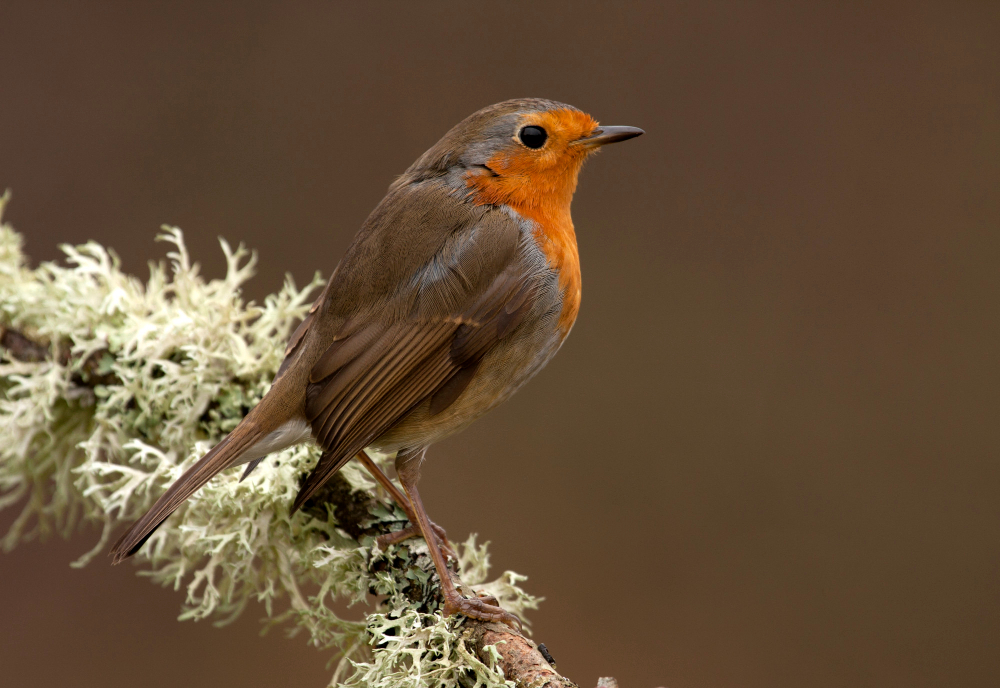
Follow that arithmetic and it produces the item nobody enjoys. The robin that appears to have been in the garden for years, that seems to know you, and that arrives when you start digging, is statistically unlikely to be the same bird it was two winters ago.
It is far more likely to be a succession of different individuals, each of which held that territory for a while, each of which behaved identically because the behaviour is instinctive rather than learned, and each of which was replaced quickly when it died because a vacant territory does not stay vacant. The continuity is real. It is just not the continuity of one bird.
A Signal Rather Than a Bird
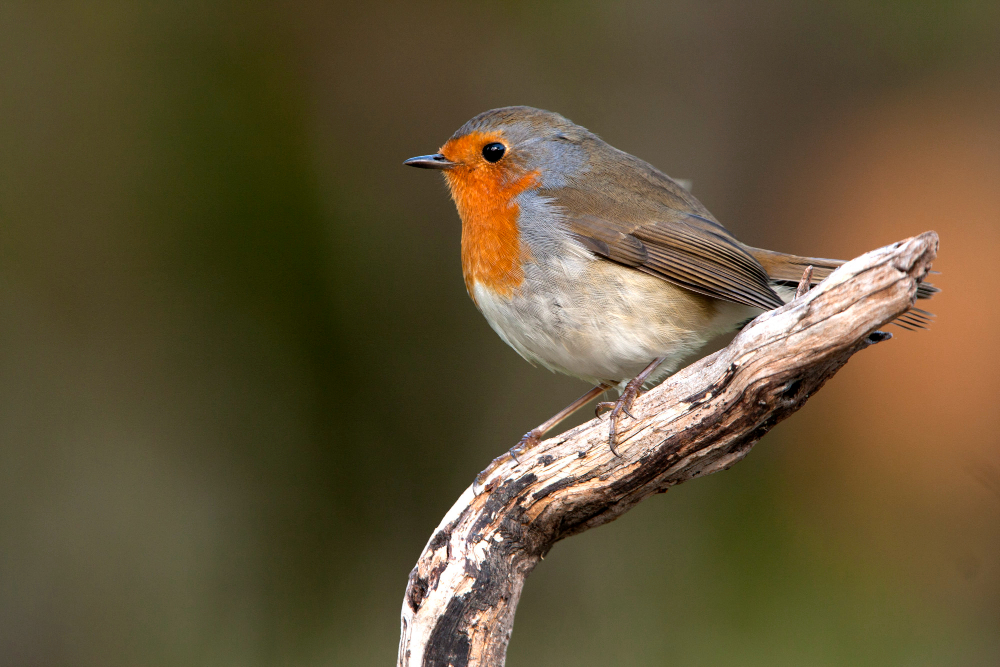
Fights between robins killing about one adult in ten, a red breast that exists to make another robin leave, a bundle of feathers attacked as readily as a rival, a following behaviour inherited from woodland pigs, a winter territory held alone by either sex, and brown juveniles whose lack of red is what protects them.
The third and twelfth items are the pair that explain the bird. A robin will attack a bunch of red feathers mounted on a wire with no head and no body, and will completely ignore a perfect lifelike model of a young robin, because what it is responding to is a patch of colour rather than an animal. Which is also why juveniles are speckled brown with no red on them at all: it is not immaturity, it is camouflage against their own species, and it lets a young bird survive in a landscape full of adults that would otherwise try to kill it.
Like our content? Follow us for more.
