

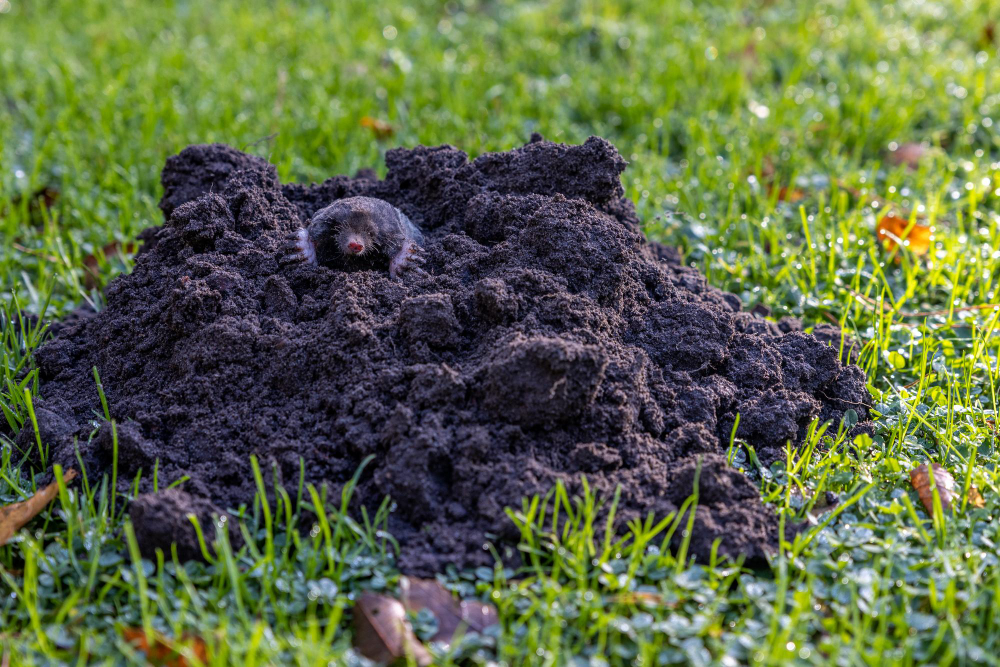
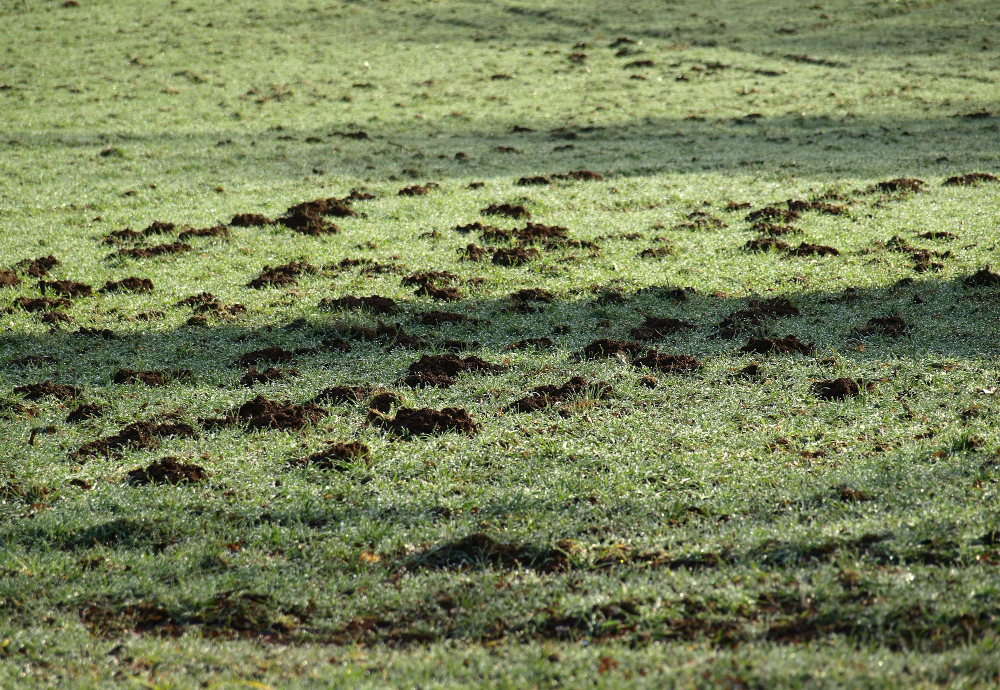
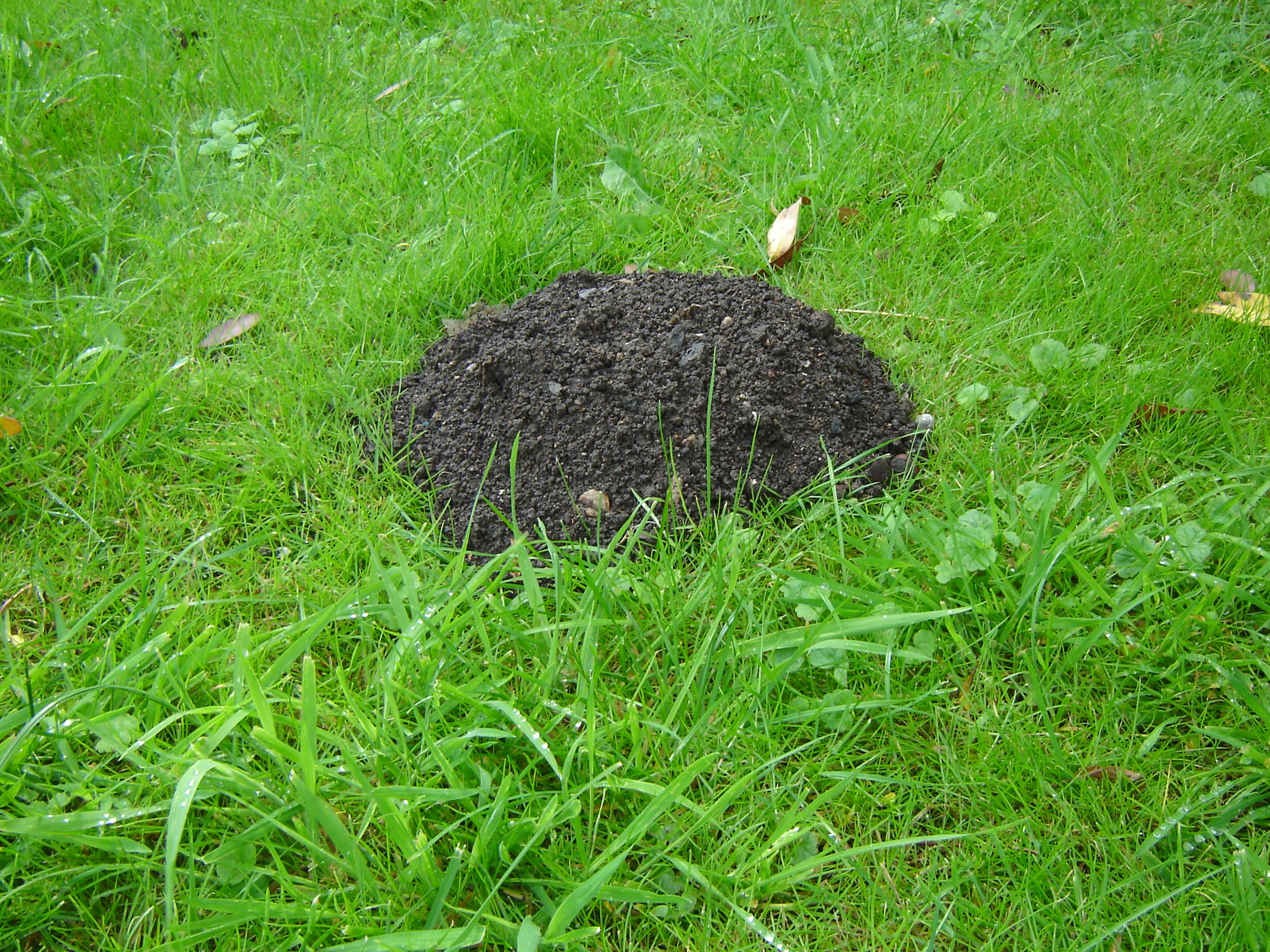
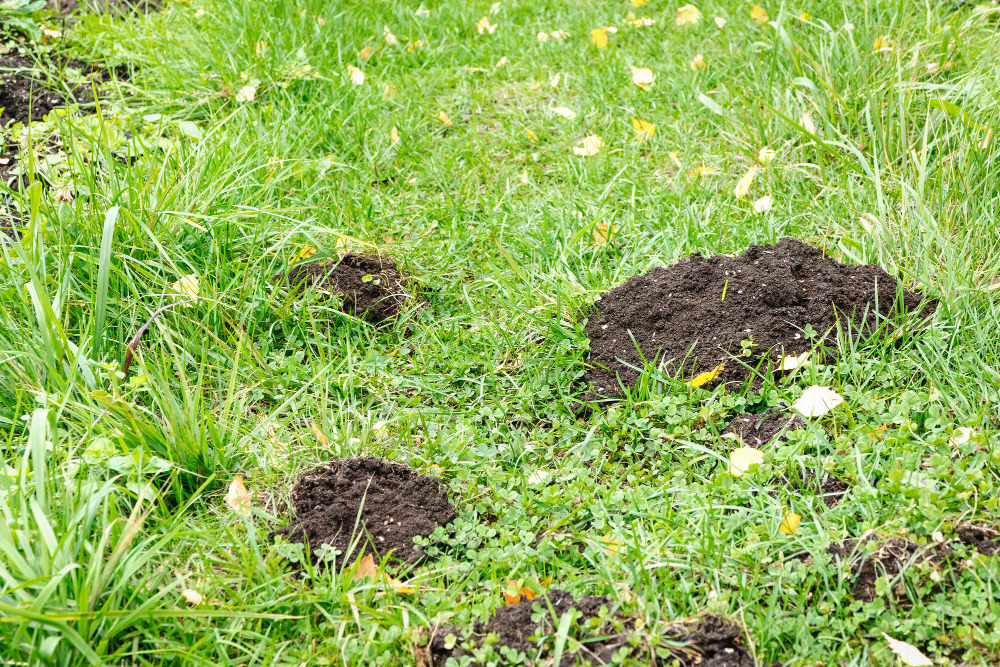
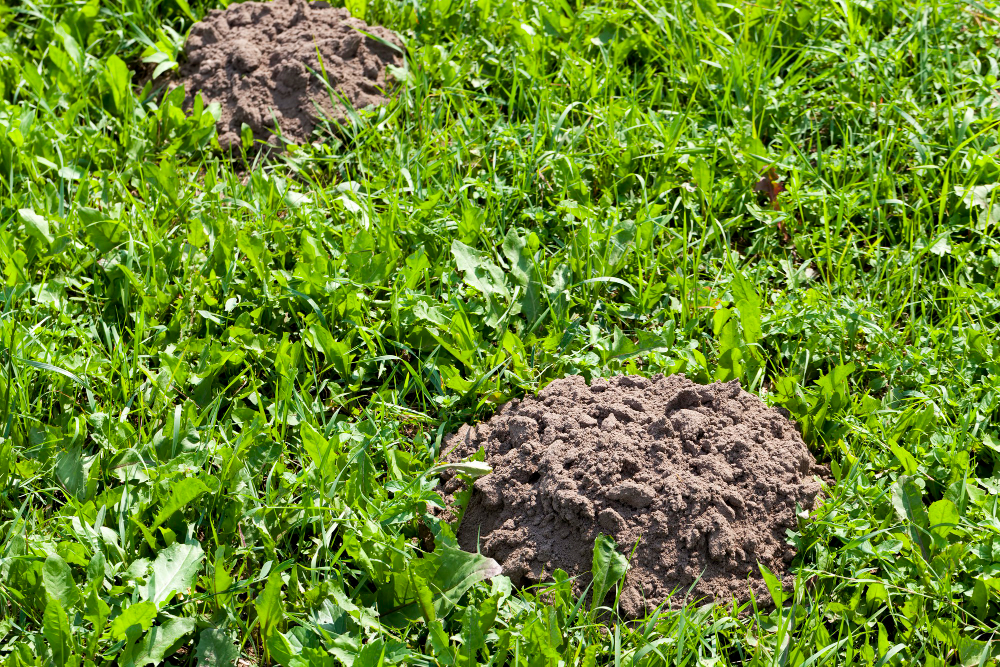
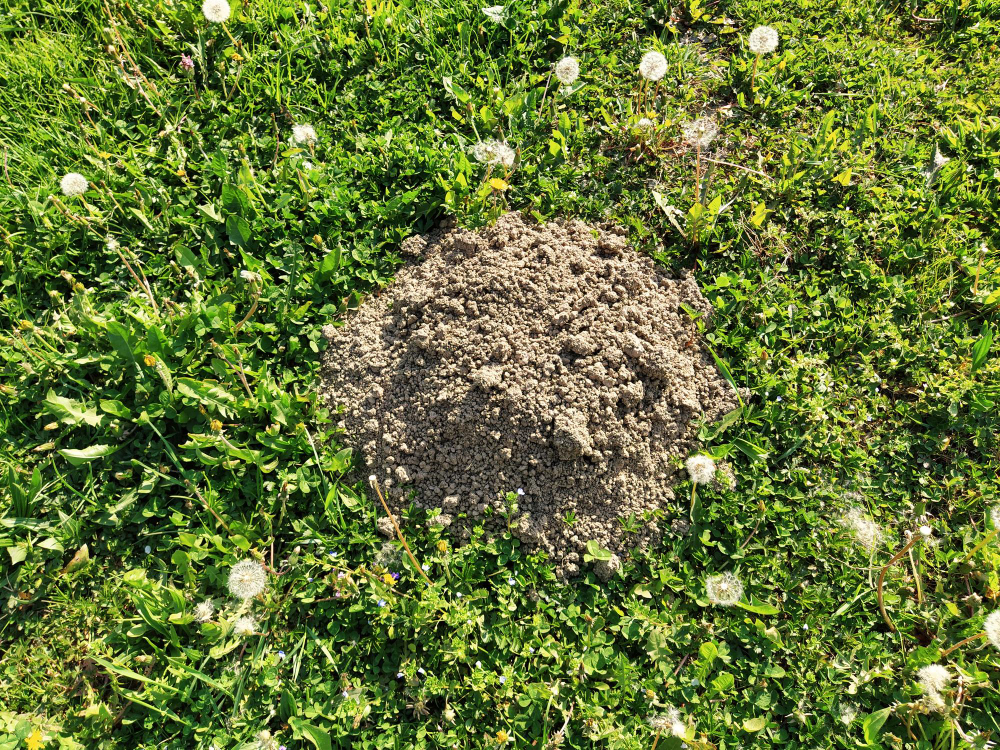
The molehill is the spoil heap, not the home. Here are seventeen.
1. The Molehill Is a Spoil Heap, Not a Home
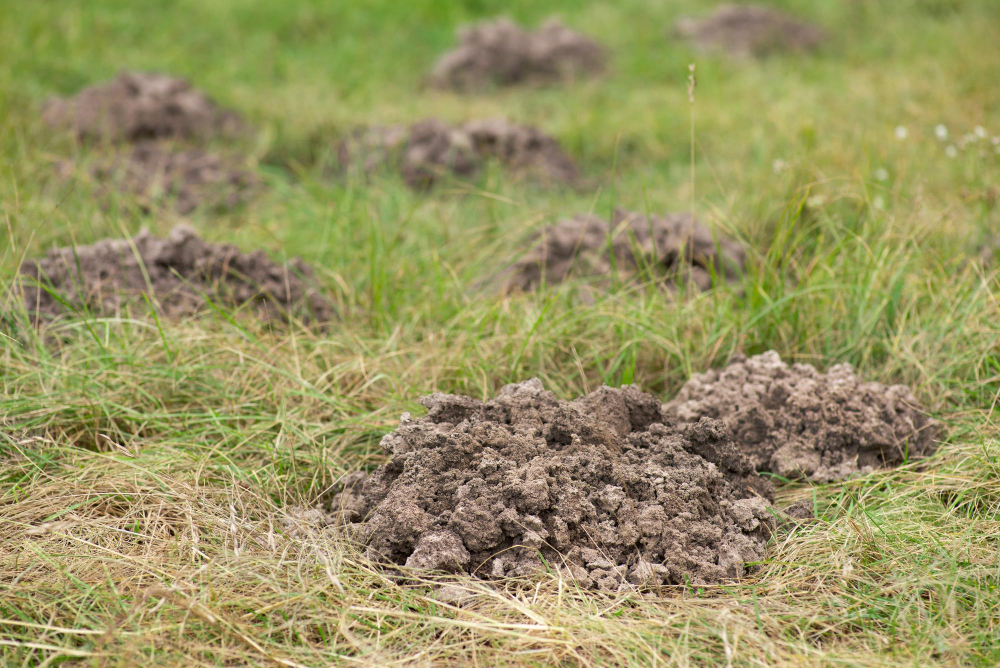
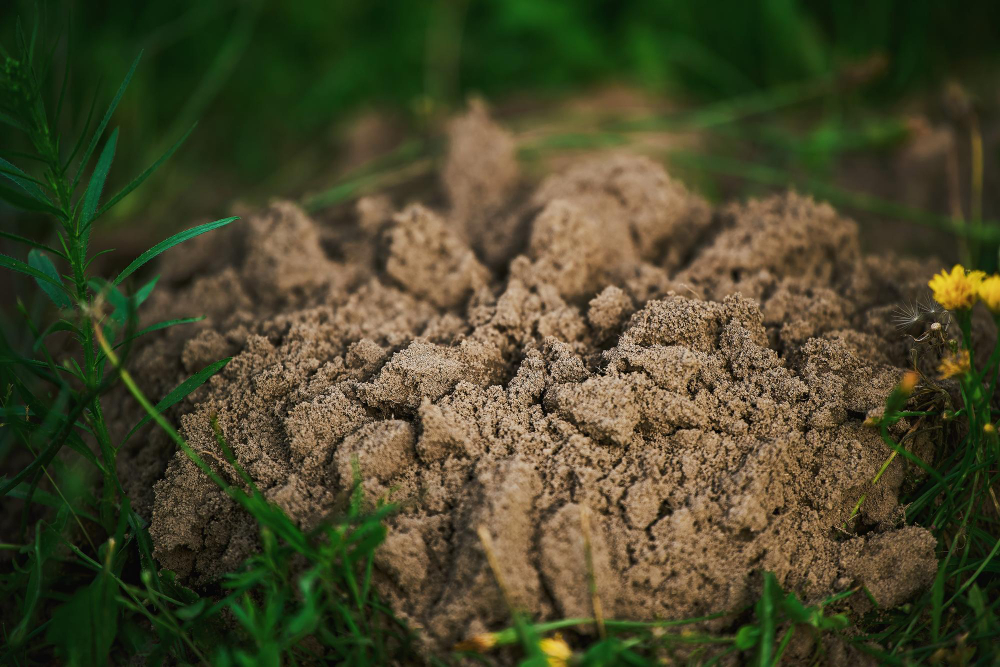
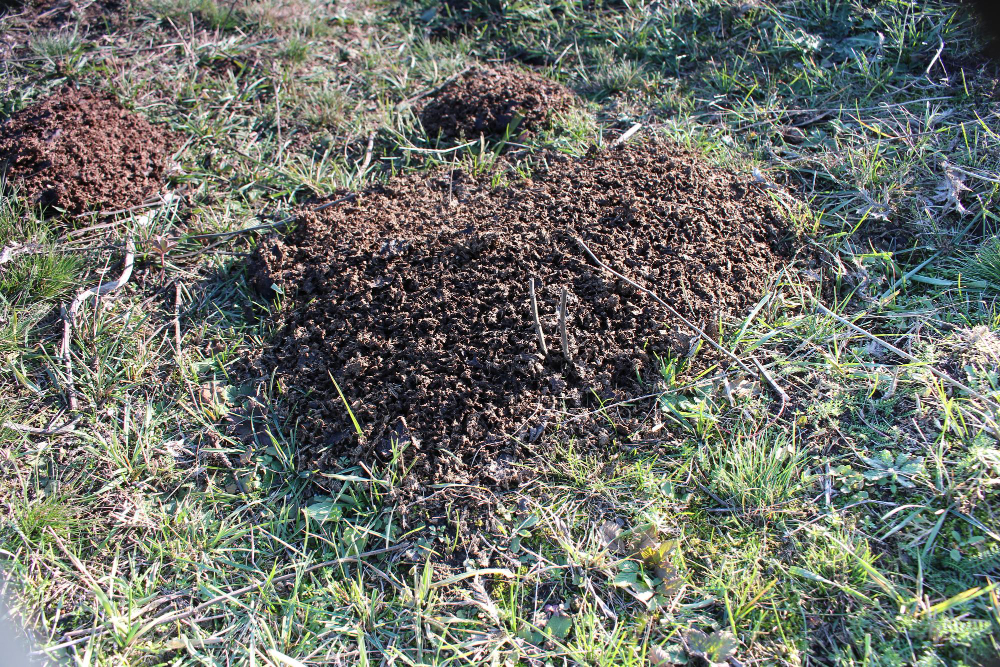
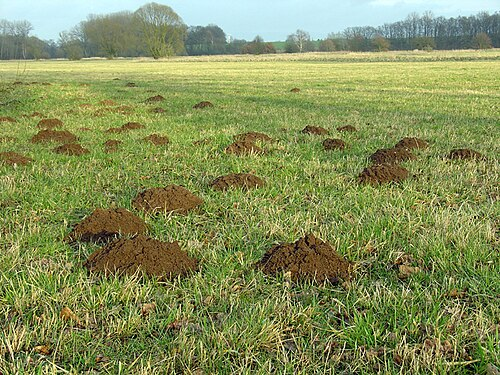
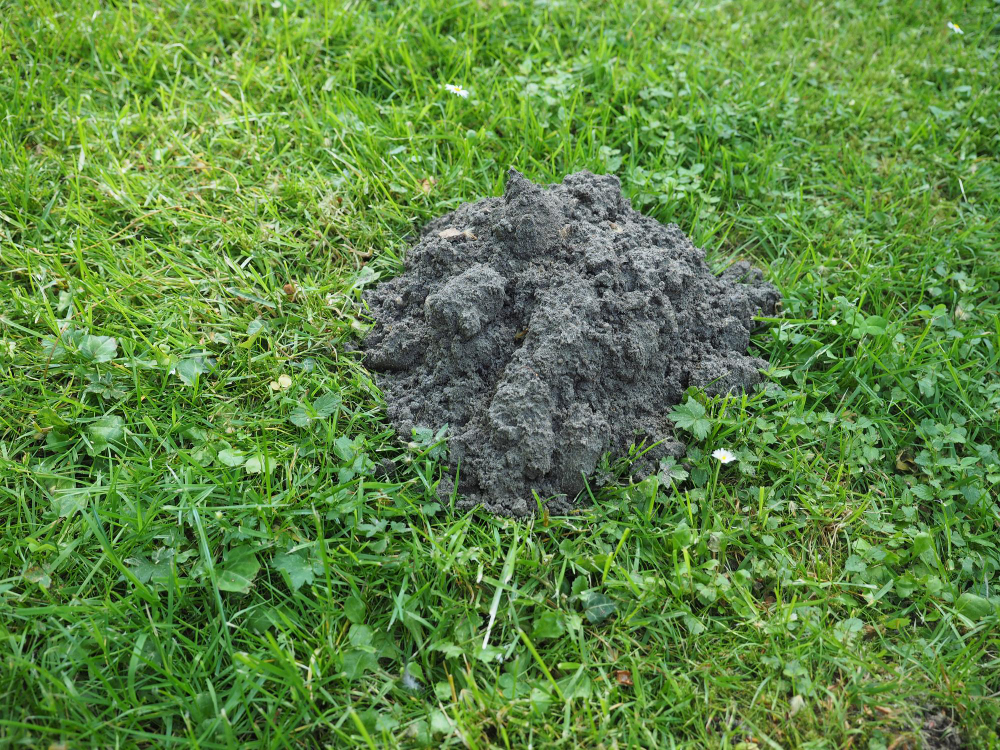
A molehill is the earth a mole has pushed up out of the way, dumped on the surface because there was nowhere else to put it. Nothing lives in it.
The tunnel runs along below, and the hill is simply the exit point of a vertical shaft used to get rid of the diggings. Which means a lawn covered in molehills is not a lawn covered in mole houses. It is a lawn with one animal under it and a row of discarded wheelbarrow-loads on top.
Like our content? Follow us for more.
2. The Tunnels Are the Trap, Not the Route
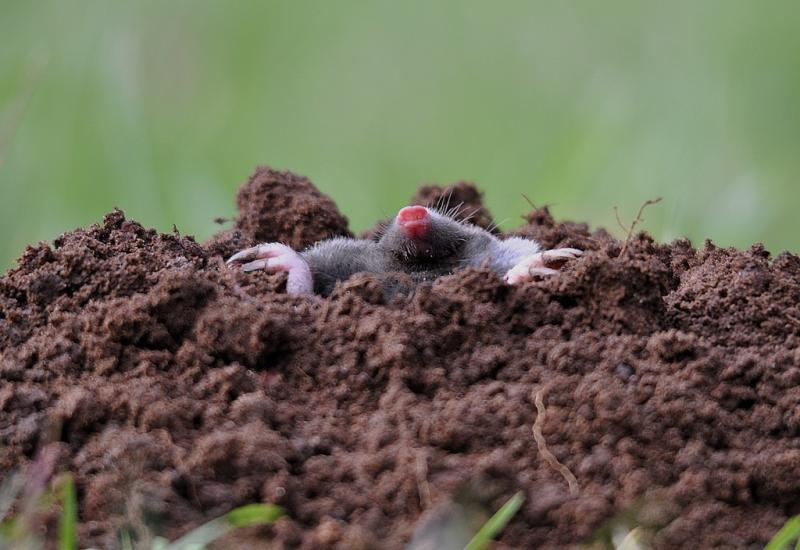
The permanent tunnels are not corridors the mole walks along to get somewhere. They are a trap that collects food, and the mole patrols them to empty it.
Worms and other invertebrates moving through the soil fall into the open tunnel and cannot climb out of the smooth walls. The mole runs the circuit several times a day collecting whatever has dropped in. It is a trapline, and the mole is a trapper rather than a hunter.
3. It Is Not Blind
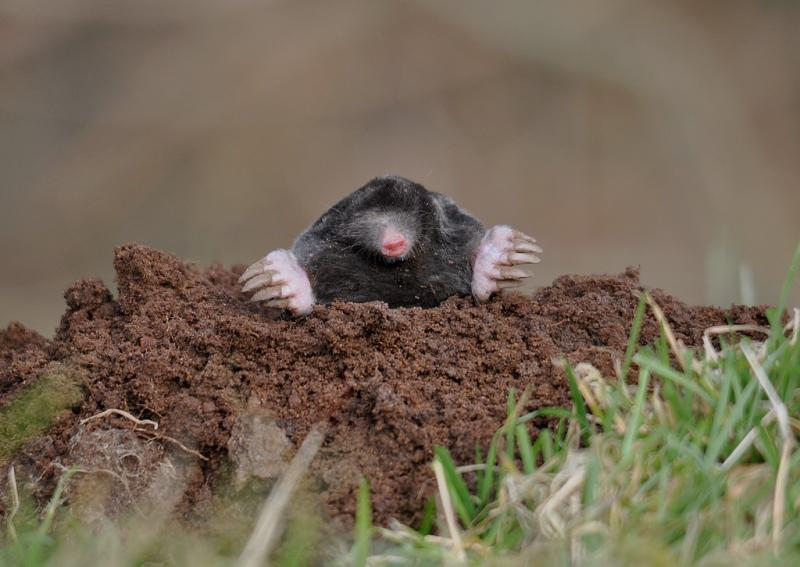
Moles have eyes, they work, and they are usually hidden in the fur rather than absent. The blindness is folklore.
What the eyes cannot do is resolve detail, and there is nothing underground to resolve. They detect light and little else, which is exactly the sense an animal needs in order to know that a tunnel has been broken open and that something has got in.
4. It Bites the Heads Off Worms and Keeps Them Alive
This is the item that stops people in their tracks. A mole with more worms than it can eat bites through the front end to immobilise them and stores them in a chamber, where they stay alive for weeks.
The bite disables the worm without killing it, so it cannot burrow away and does not rot. Larders containing several hundred have been dug up. It is food storage using live animals as the packaging, and it is done by something most people picture as a simple digging machine.
5. Its Fur Has No Grain
Stroke a mole either way and it feels the same, because the hairs stand straight up out of the skin rather than lying in a direction.
The reason is reversing. An animal in a tunnel barely wider than itself has to be able to go backwards as readily as forwards, and fur with a lie would be rubbed the wrong way and would jam. No grain means no wrong direction, which is why moleskin became a byword for a particular kind of smoothness.
6. The Front Feet Are Turned Permanently Outward
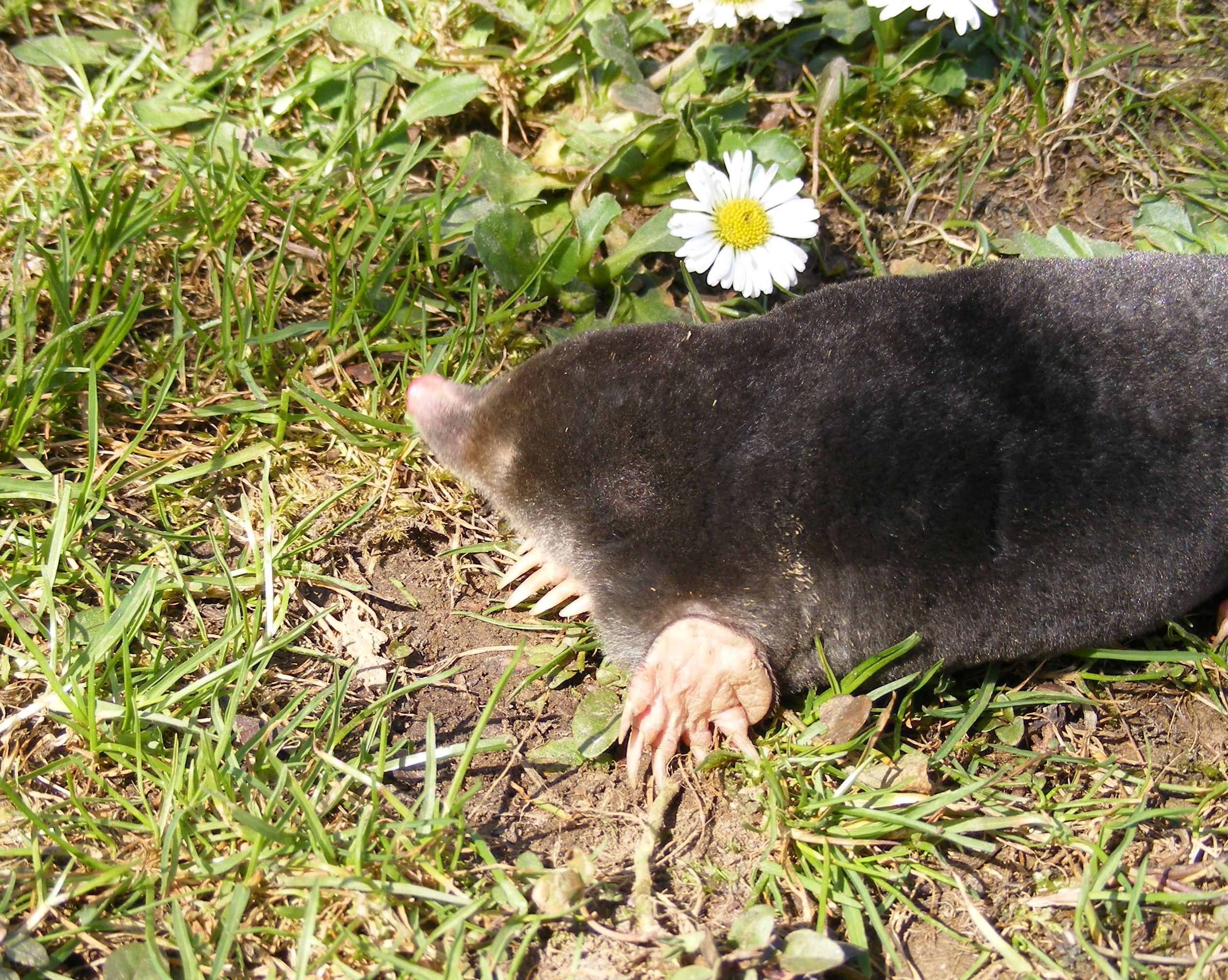
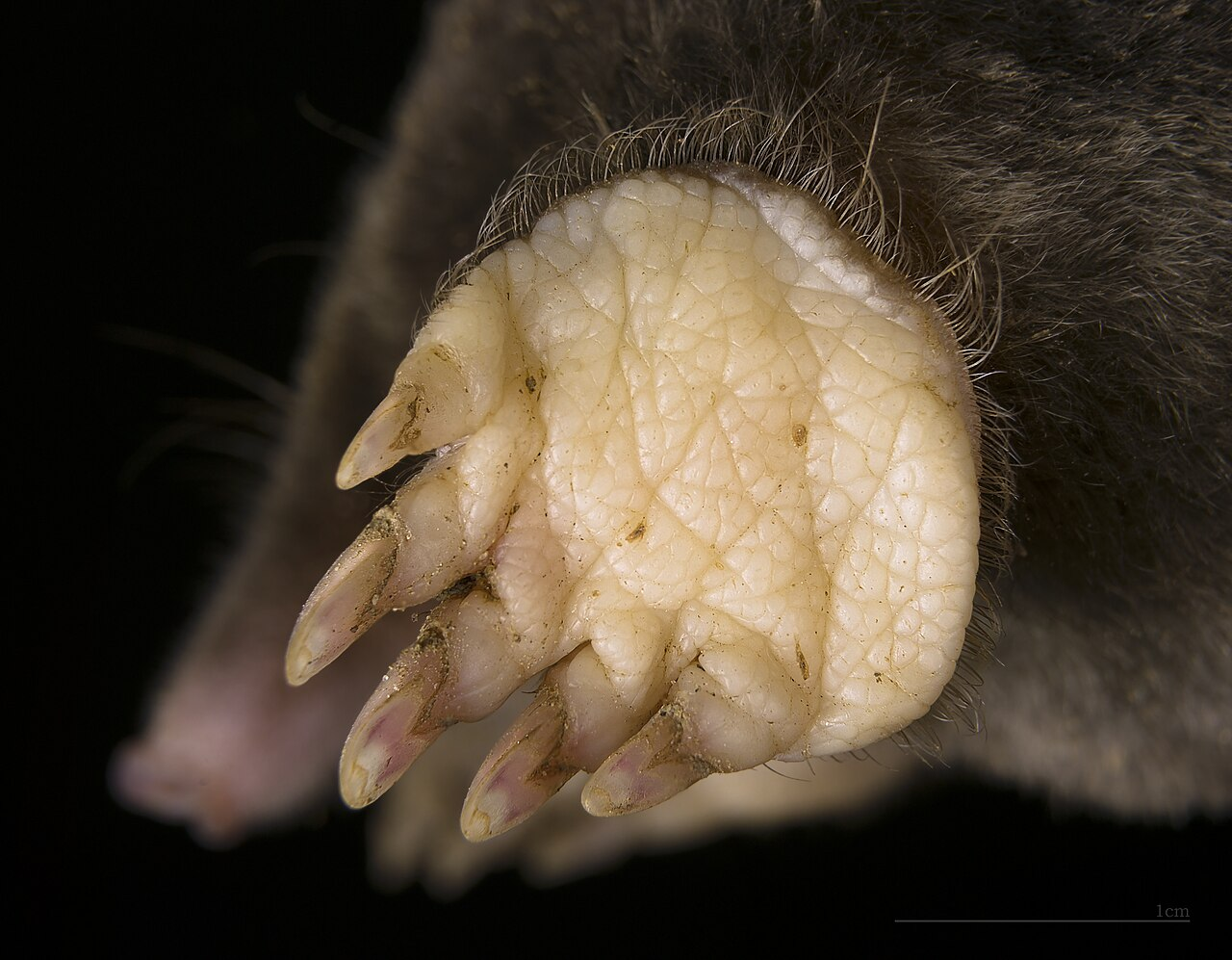
A mole’s hands face sideways, palms out, held like a swimmer about to do breaststroke. They are not adapted feet so much as a pair of spades mounted on a cylinder.
The digging stroke is a sideways sweep rather than a scrape forward, pushing soil out past the shoulders and behind. And the shoulders are enormous relative to everything else: a very large proportion of the animal’s muscle is in the front end, driving two outward-facing shovels.
7. It Has an Extra Thumb That Is Not a Finger
On each front foot there is an additional sickle-shaped bone alongside the thumb, which widens the digging surface and is not a digit at all.
It develops differently from the real fingers and from different tissue, arriving later in development from a modified wrist bone. Which makes it one of the clearer examples of an animal acquiring an extra tool by repurposing a bone it already had rather than growing a new finger.
8. It Can Reuse Its Own Breath
Soil air is poor in oxygen and rich in carbon dioxide, and a mole working in a closed tunnel is breathing something no surface mammal would tolerate.
Its blood carries an unusual form of haemoglobin that holds on to oxygen more tightly and tolerates high carbon dioxide, so it can keep extracting oxygen from air it has already breathed once. The tunnel is not ventilated and does not need to be.
9. It Is Almost Entirely Solitary and Will Fight to the Death
Moles do not live in colonies. One tunnel system belongs to one animal, which defends it, and encounters between adults are brief and extremely violent.
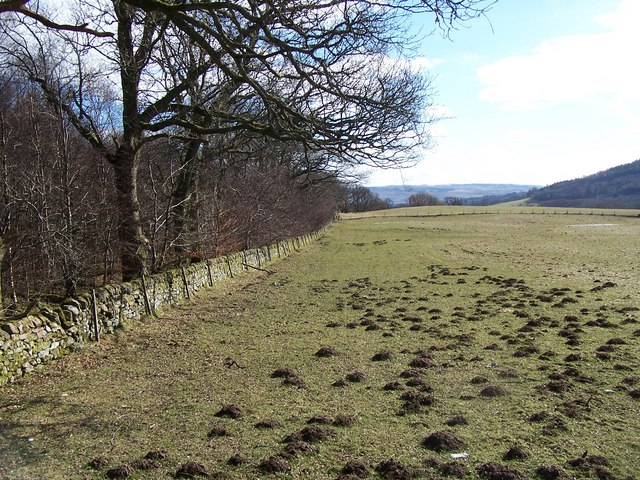
Which is why a field full of hills is not evidence of a population explosion. A single mole maintains a system of a surprising extent, and the hills accumulate over weeks. What looks like an infestation is frequently one resident doing housekeeping.
10. Which Means the Breeding Season Is a Problem for It
An animal that attacks anything it meets has an obvious difficulty once a year, and it is solved by a short, specific truce.
For a brief period in spring the males abandon the territorial behaviour, leave their systems and tunnel considerable distances overland and underground looking for females. The rest of the year the arrangement reverts, the young are driven out, and everybody goes back to being intolerable.
11. The Young Are Evicted and Have to Cross the Surface
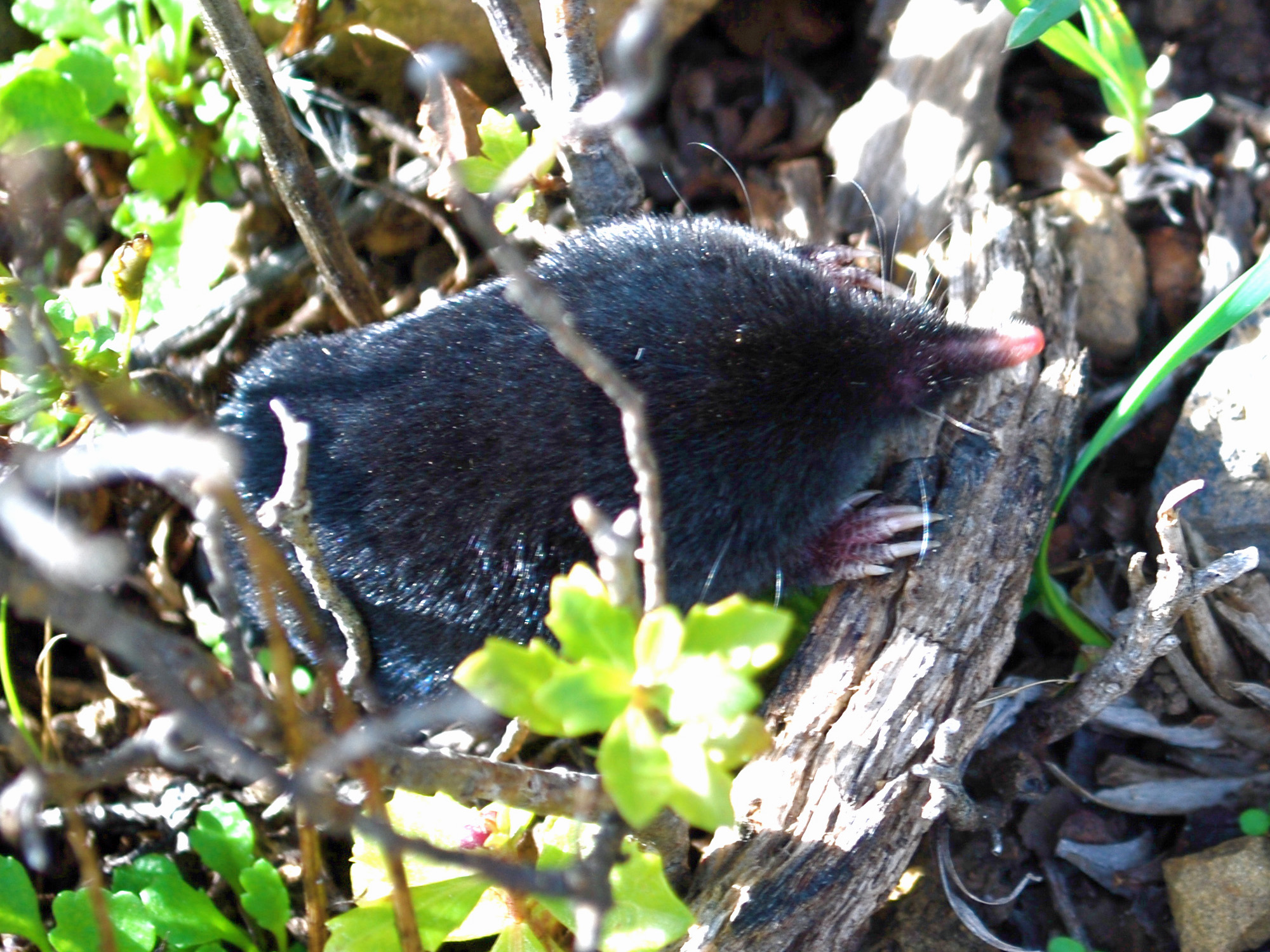
Juvenile moles are forced out of the mother’s system within a couple of months and must find unoccupied ground, which frequently means travelling above ground in the open.
This is the point at which the species is most vulnerable and most visible, and it is when almost all mole sightings happen. A mole seen walking across a lawn in early summer is usually a young one that has been thrown out and has nowhere to go.
12. It Swims, Competently
Moles swim, and they do it well enough that it is a normal part of dispersal rather than an emergency measure.
The same forelimb stroke works in water as in soil, which is not a coincidence – the digging motion is a breaststroke. This is how moles reach ground separated by a ditch or a stream, and it is one of the reasons they turn up in places that look isolated.
13. It Has to Eat Constantly or Die
A mole cannot go long without food. Its metabolism is high, its food is low in energy, and a day or two without eating is fatal.
Which explains behaviour that otherwise looks frantic: the repeated patrols, the storing of surplus, the continuous extension of the tunnel network into new ground. None of it is industriousness. It is an animal running a very small margin.
14. The Deep Tunnels and the Shallow Ones Do Different Jobs
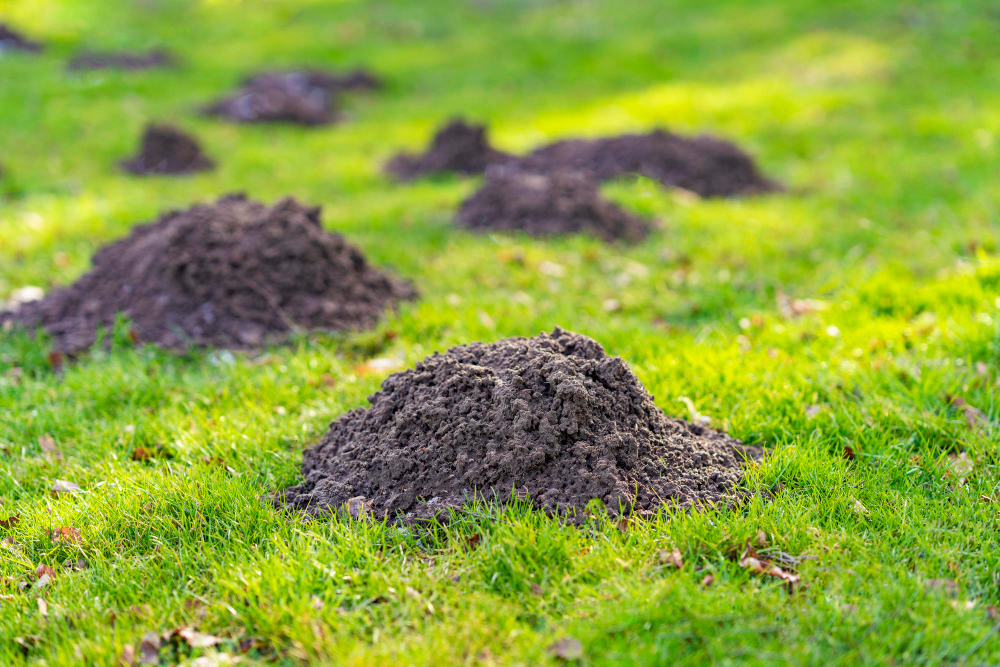
A mole system has two layers. Shallow runs just under the surface are the productive trapline; deep tunnels well below are the permanent infrastructure.
The shallow ones are where the worms are in warm wet weather and they are frequently abandoned and replaced. The deep ones hold the nest and the larder and are used for years. Which is why molehills appear in new places and then stop, while the animal remains exactly where it was.
15. Fresh Hills Mean Cold or Dry Weather
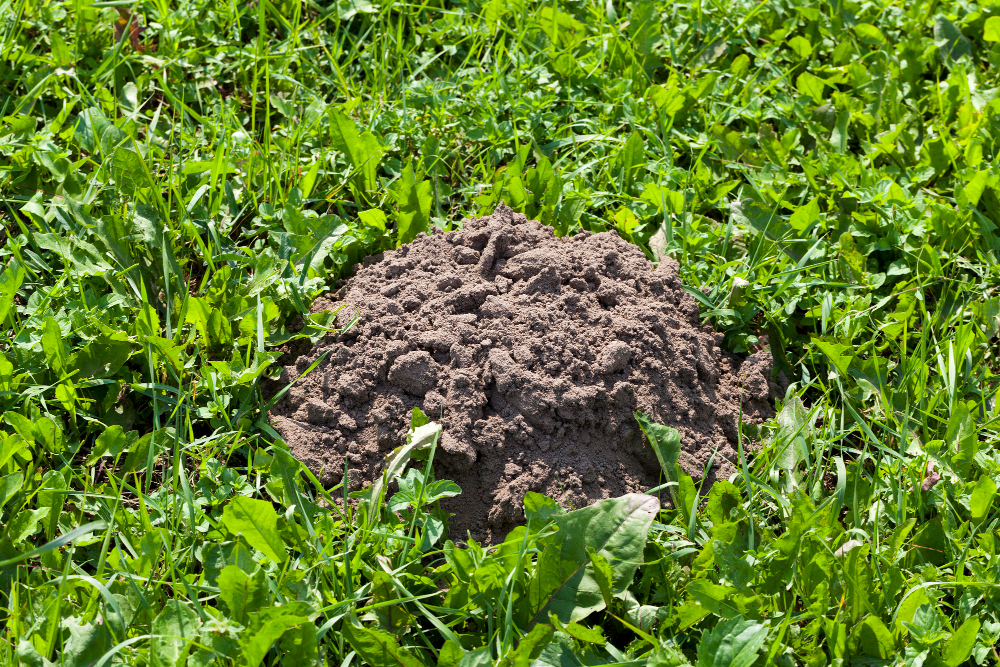
A sudden outbreak of new molehills usually means the worms have gone down and the mole has followed them, not that a new mole has arrived.
In cold or drought the invertebrates retreat deeper, the shallow trapline stops producing, and the animal has to dig new tunnels at depth. Digging at depth produces spoil, and spoil has to come to the surface. The hills are a report on soil conditions rather than on mole numbers.
16. It Can Detect a Worm Through Soil Without Seeing or Hearing It
The snout is the instrument. It is covered in thousands of minute touch organs, packed at a density comparable to the most sensitive human skin, and it reads the soil directly.
A mole works by pushing its nose into the ground ahead and feeling what is there, including vibration from something moving a short distance away. It is also strongly suspected of detecting the faint electrical fields of prey, and it certainly navigates a lightless three-dimensional space with no reference to vision at all.
17. Hardly Anybody Has Ever Seen One
For an animal whose work is visible in every field and garden across whole continents, direct sightings are remarkably rare, and most people go a lifetime without one.
It is solitary, it is subterranean, it is active in short bursts around the clock rather than at a predictable hour, and it comes to the surface mainly as a juvenile being evicted. Which produces an unusual situation: a familiar animal, universally recognised by name and by its spoil heaps, that almost no one has laid eyes on.
An Animal Known Entirely by Its Rubbish
A spoil heap mistaken for a house, tunnels that work as traps rather than routes, eyes that function but cannot resolve, worms disabled and stored alive, fur with no grain so it can reverse, an extra bone standing in for a thumb, and blood that can reuse its own exhaled air.
The first and second items together rearrange the whole picture. The hill is the rubbish, not the residence – it is the earth that had to go somewhere. And the tunnel underneath it is not a corridor the animal travels along to get somewhere; it is a trap. Worms fall into it, cannot climb the smooth walls, and the mole walks the circuit several times a day collecting them. It is not a digger looking for food. It is a trapper emptying a line.
Like our content? Follow us for more.
