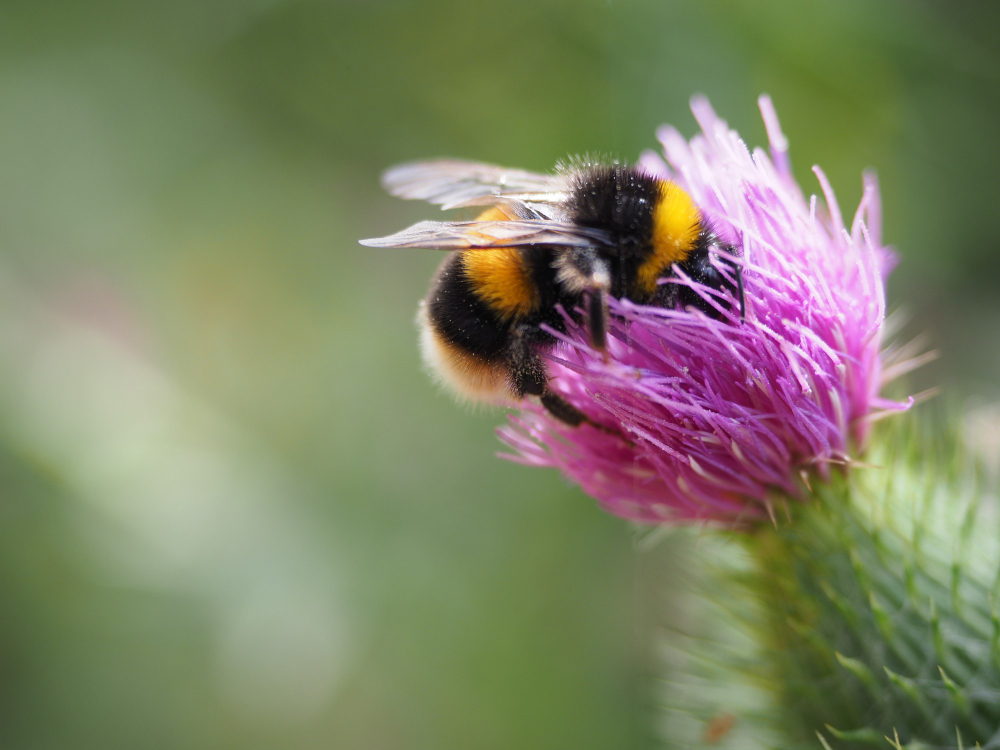
The flight paradox was never real. It shivers to warm up, and the colony dies every autumn. Here are fifteen.
1. The Story That It Should Not Be Able to Fly Is Nonsense
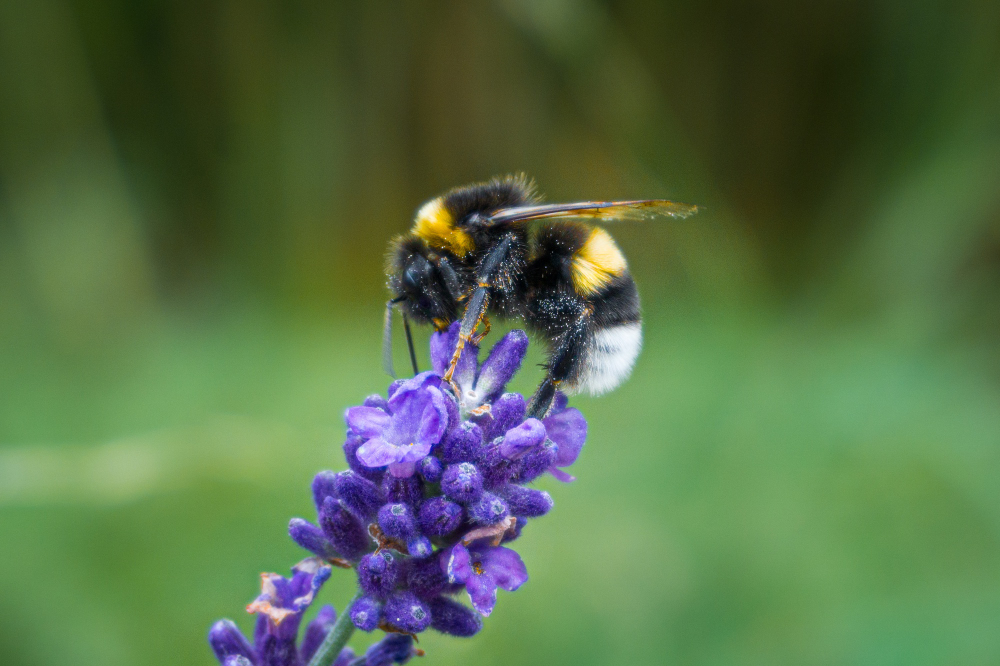
There was never a paradox. The claim traces to a calculation from the early twentieth century which applied the mathematics of a fixed aerofoil – a rigid wing held still in a moving airstream – to an insect that flaps.
That was the error, and it was an error about the method rather than a discovery about the bee. A flapping wing and a fixed wing generate lift in different ways, and using the equations for one on the other produces a wrong answer about anything. The result was repeated for decades as proof that science could not explain something, when what it actually demonstrated was that somebody had used the wrong formula.
Like our content? Follow us for more.
2. The Wings Do Not Work Like an Aeroplane’s
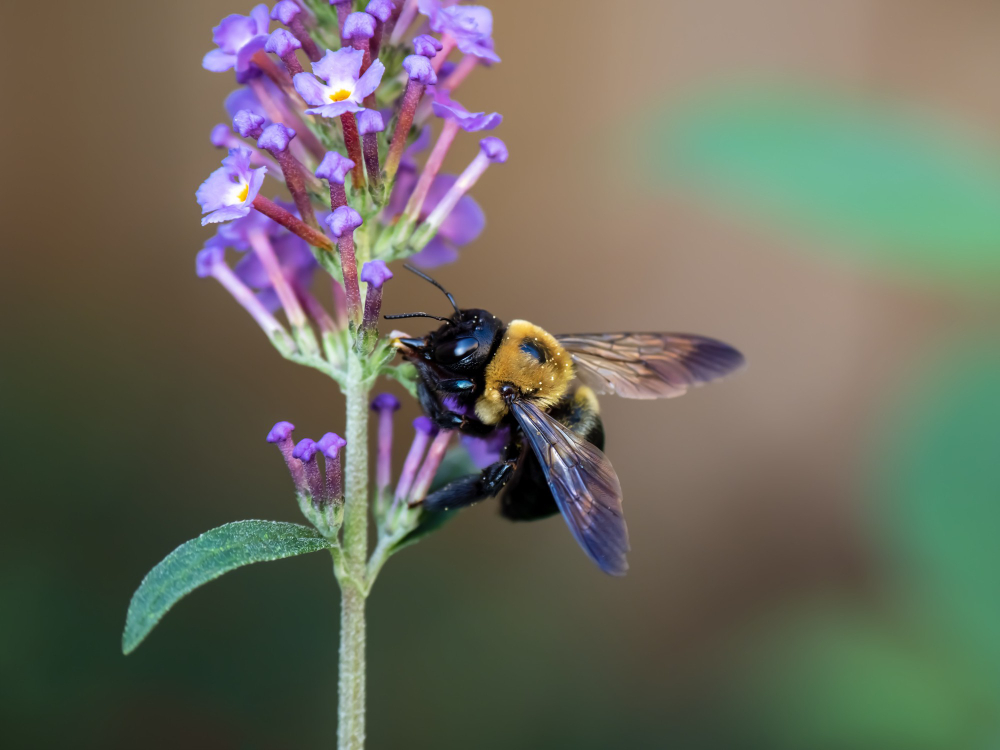
A bumblebee’s wing does not cut forward through still air. It sweeps back and forth, rotating at each end of the stroke, and it works by deliberately making and keeping a swirl of air on its leading edge.
On a fixed wing that swirl would break away and the wing would stall. On a wing that is reversing many times a second it stays attached and sits there producing lift, and the wing also recaptures energy from the disturbed air left by the previous stroke. It is a fundamentally different way of staying up, and it generates far more lift than the fixed-wing arithmetic allows for.
3. It Can Shiver Without Moving, and It Has to Before It Can Fly
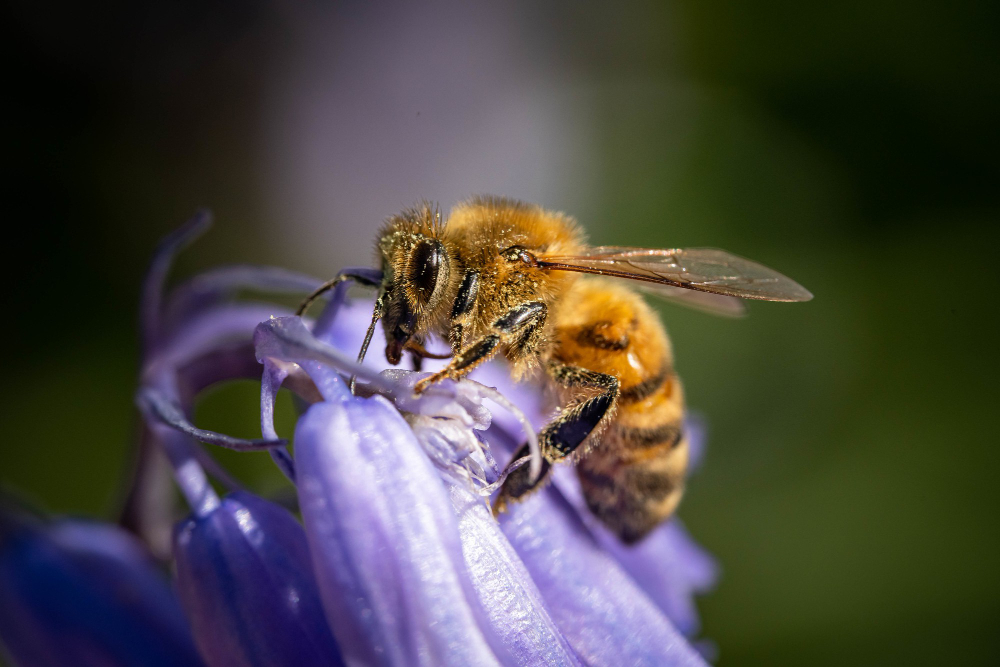
A bumblebee cannot take off cold. The flight muscles only work above about thirty degrees, so on a cool morning the bee has to heat its own chest up before anything can happen.
It does this by disconnecting the muscles from the wings and running them against each other, which produces heat and no movement. That is what a stationary bumblebee making a low buzz is doing: it is not warming up in the sun, it is generating its own warmth internally, and the audible buzz is the shiver.
4. Which Is What the Fur Is For
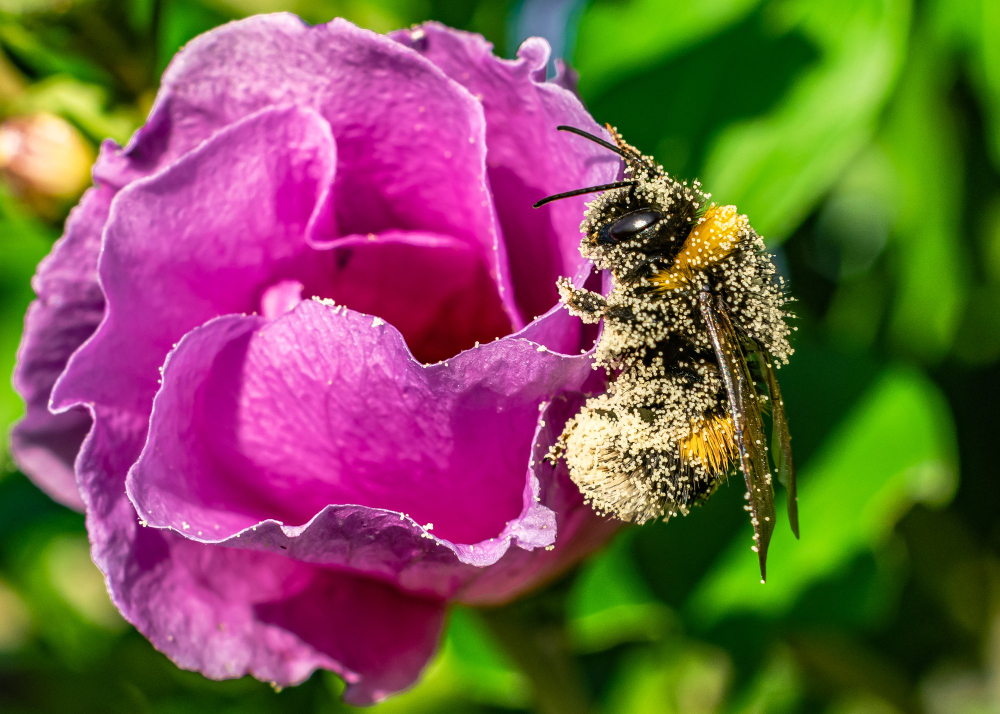
The coat is insulation. A bee that has gone to the trouble of heating its own chest to thirty degrees has an urgent interest in not losing that heat to the air, and a dense layer of hair is how it keeps it.
Which is why bumblebees are furry and honeybees are comparatively not. The fur is not about pollen collection, although pollen sticks to it. It is a thermal jacket wrapped around a heated engine, and it is the reason the animal looks the way it does.
5. And Why It Is Out in Weather Nothing Else Will Fly In
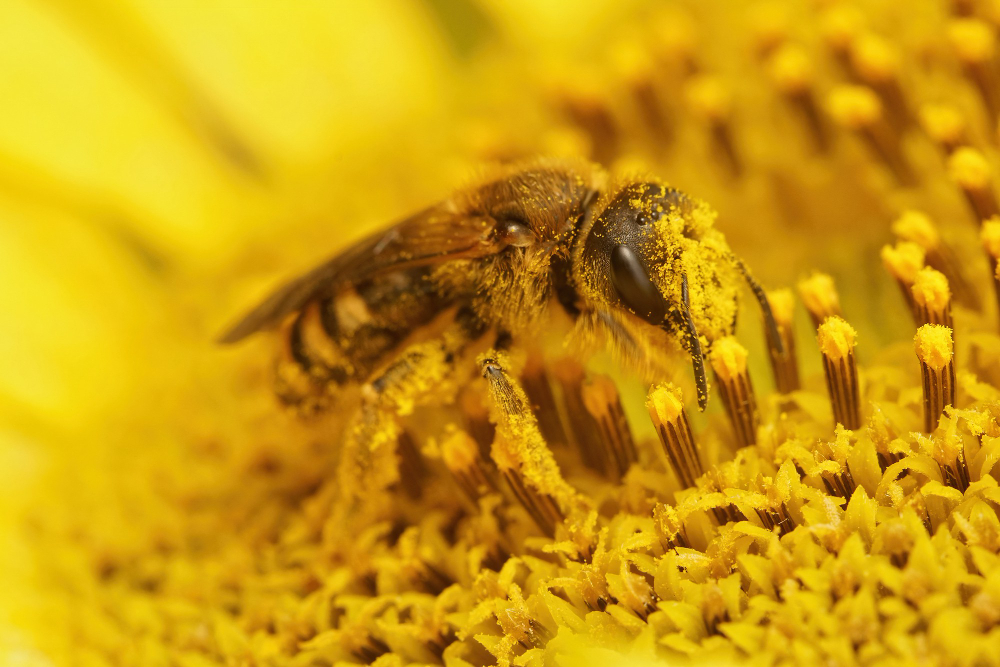
On a cold grey day in early spring, when nothing else is moving, the large bee working its way along a wall is a bumblebee, and it has the flowers to itself.
Being able to warm up independently of the weather opens up the whole shoulder of the year and the whole edge of each day. Bumblebees forage earlier in the morning, later in the evening, earlier in the year, further north and higher up mountains than bees that have to wait for the sun, and in conditions that would ground almost any other pollinator.
6. It Makes Almost No Honey
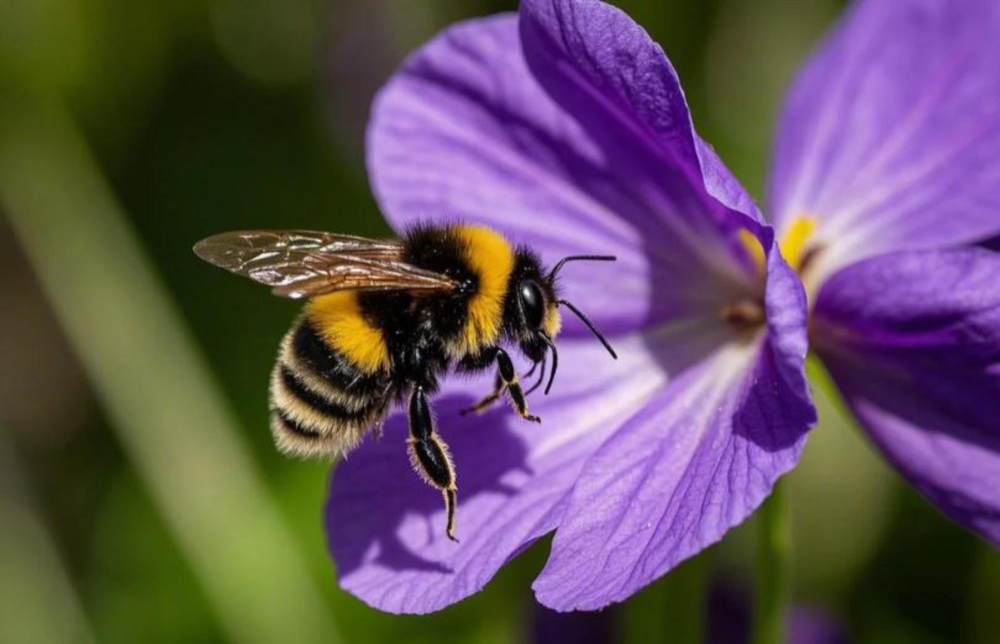
A bumblebee nest contains a few small wax pots of nectar – enough for a couple of days of bad weather – and nothing resembling a harvest.
The reason is that it has no reason to store. A colony that will not exist in three months does not need a winter supply, so it keeps a small buffer against rain and spends everything else on raising young. There has never been any prospect of keeping bumblebees for honey, because there is no honey.
7. The Entire Colony Dies Every Autumn
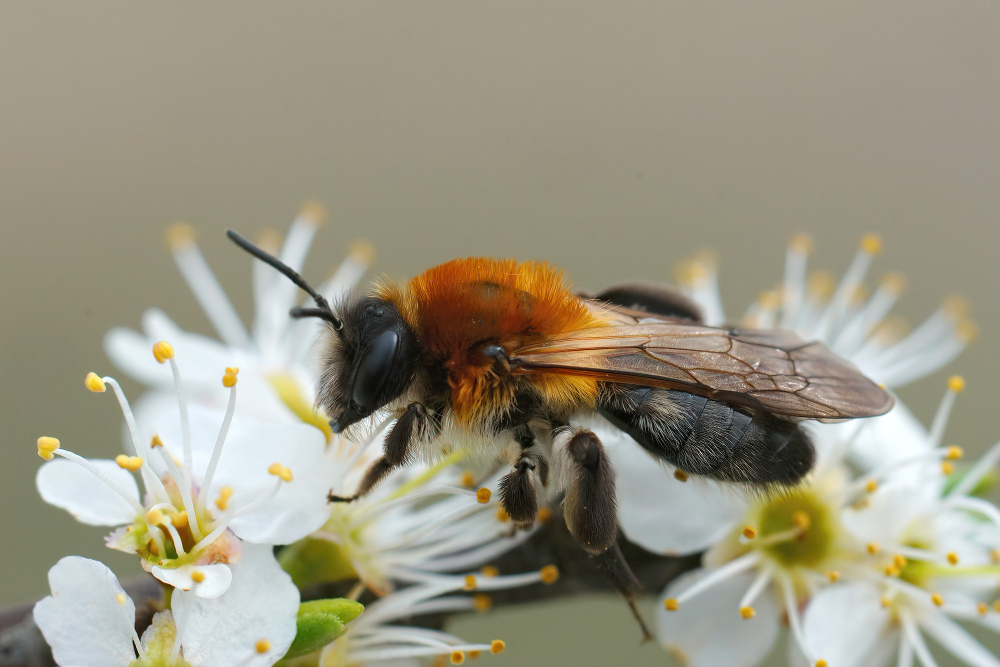
This is the fact that reorganises everything else. A bumblebee nest is an annual structure. In autumn the workers die, the old queen dies, the nest is abandoned and nothing is reused.
Which means a bumblebee colony has no history and no institutional memory. Everything it knows, it works out within one season. And it explains why the nests are small, why the stores are minimal and why nobody has ever found a bumblebee nest that has been there for years – the whole enterprise is built and finished inside a single summer.
8. One Queen Restarts It From Nothing
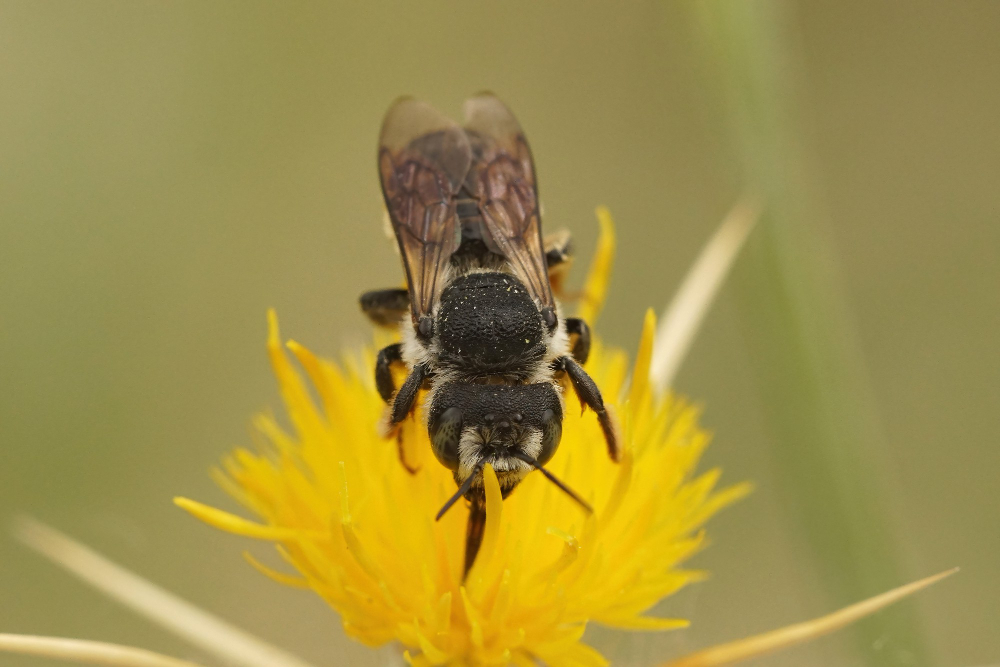
The only survivor of the autumn is a mated queen, and in spring she does the entire job alone: finds a site, builds the first cells, lays, forages, and incubates the brood with her own body heat.
For several weeks she is a solitary insect doing the work of a colony, with no help and no margin. If she fails – and most do – the colony never exists. Every nest of a few hundred bees you see in July is the result of one insect’s successful solo effort in April.
9. The Nest Is Dozens of Bees, Not Thousands
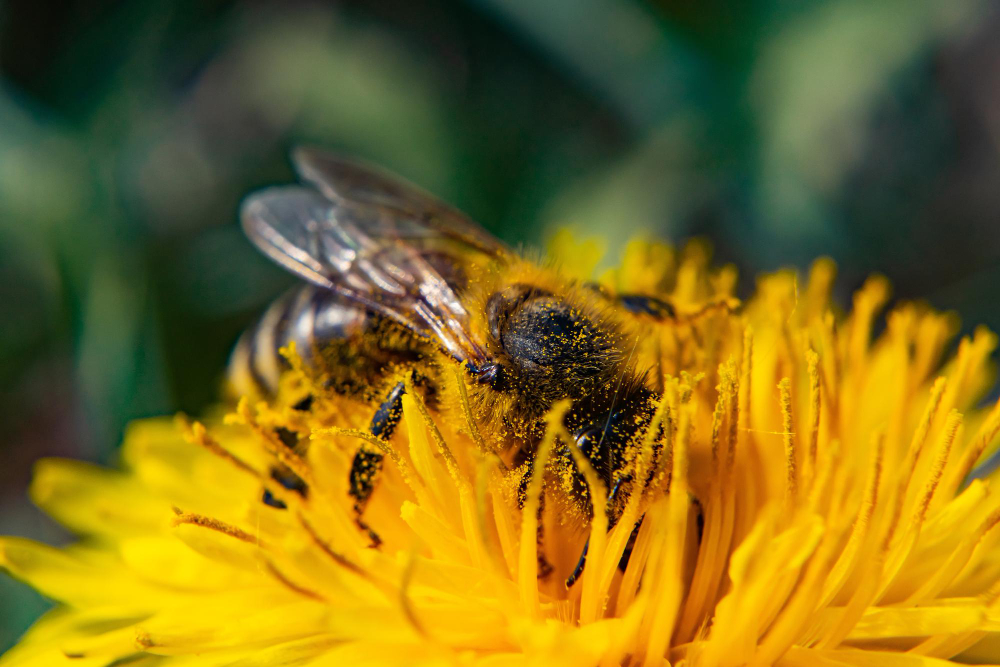
A bumblebee colony at its peak contains somewhere between a few dozen and a few hundred individuals, depending on the species. A honeybee colony contains tens of thousands.
So the mental image borrowed from honeybees is wrong by two orders of magnitude. A bumblebee nest is a small untidy cluster in a cavity – a hole in a bank, an old mouse nest, the base of a wall, a compost heap, a bird box – with no regular structure and no stacked sheets of comb.
10. It Shakes Flowers to Get the Pollen Out
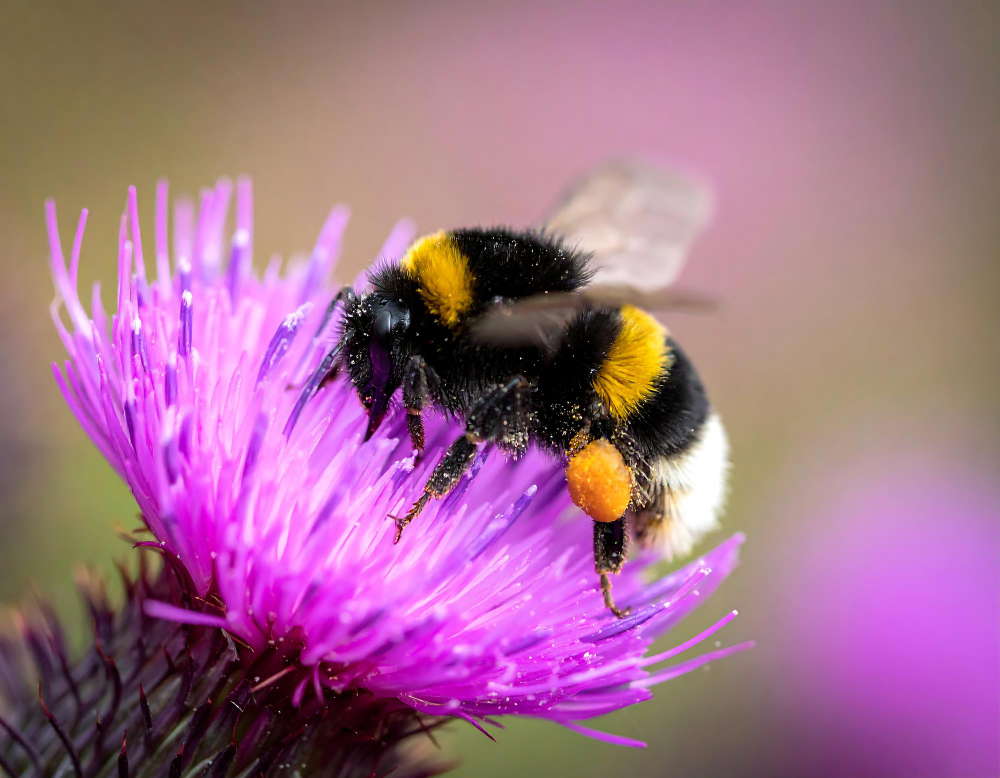
Some flowers do not release pollen when visited. They hold it inside tubes that open only at a tiny pore, and nothing falls out unless the flower is vibrated at the right frequency.
A bumblebee lands, grips the flower, disconnects its flight muscles and buzzes – and the pollen is shaken out in a cloud. It is the same muscle trick used for warming up, aimed at a different problem, and the resulting high note is audible and distinct from flight. Honeybees cannot do it at all.
11. Which Is Why Some Crops Depend on It Specifically
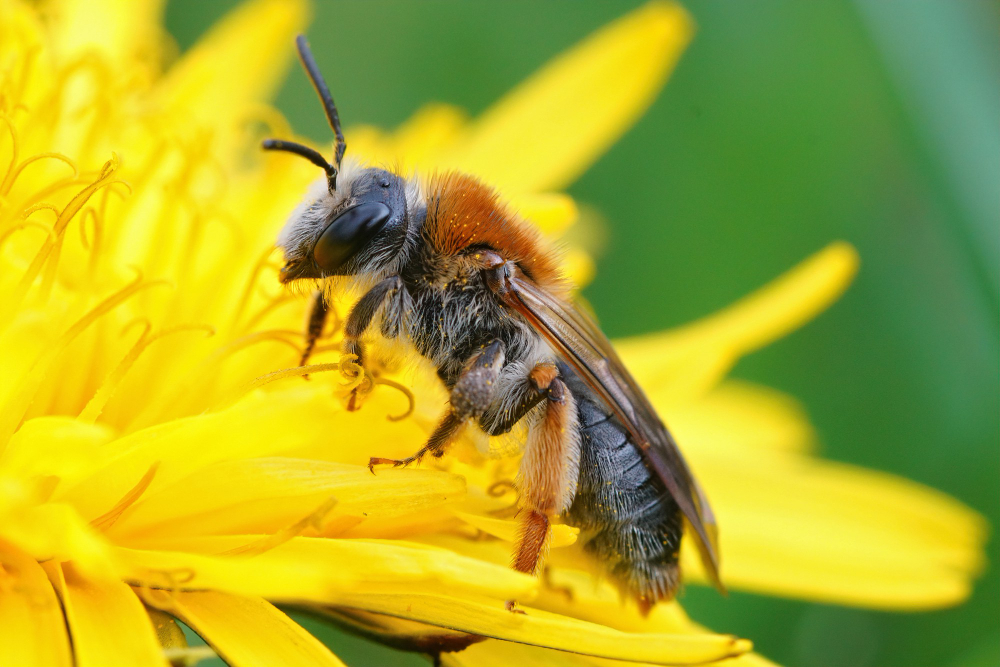
Tomatoes are the clearest case. A tomato flower holds its pollen in exactly that kind of closed tube, so a tomato crop visited only by honeybees sets badly.
Which is why commercial growing under glass buys in bumblebee colonies and puts them inside the greenhouse, and why the fruit set measurably improves when it does. For a long period the alternative was a person walking the rows vibrating each flower by hand, which gives a reasonable sense of what the insect is replacing.
12. The Queen Spends Winter Alone Underground, Already Pregnant
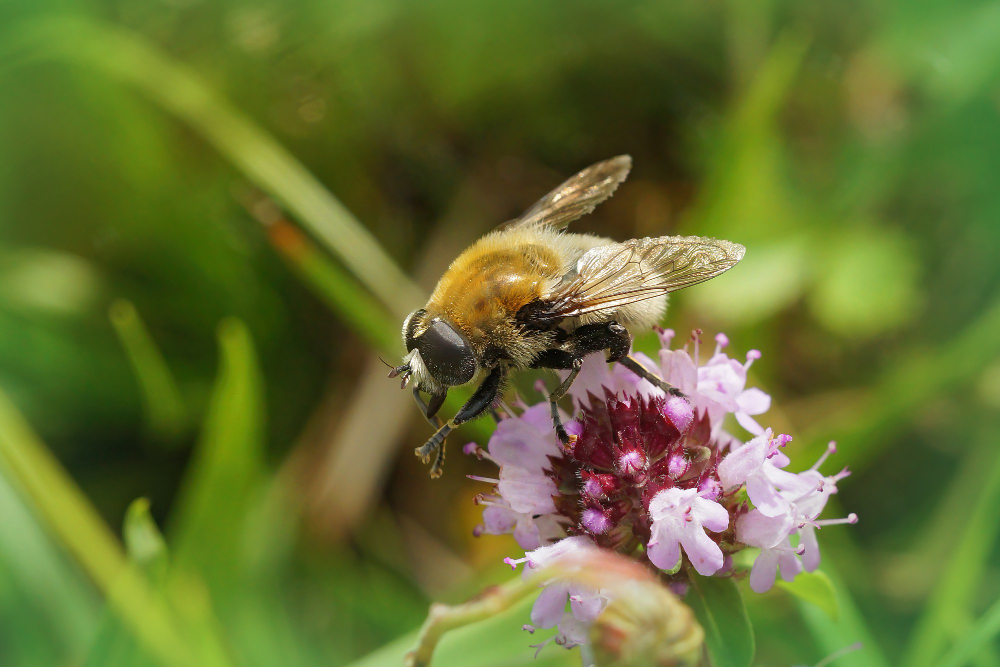
New queens mate in late summer, and then each one digs a shallow chamber in soil – often in a bank or under a hedge – and spends several months there on her own.
She is carrying everything the next colony will be. No nest, no workers, no stores, no company: one insect in a hole, holding the entire genetic future of a colony that does not yet exist, for most of the length of a winter. A very large share of them do not survive it.
13. Some Bumblebees Are Parasites on Other Bumblebees
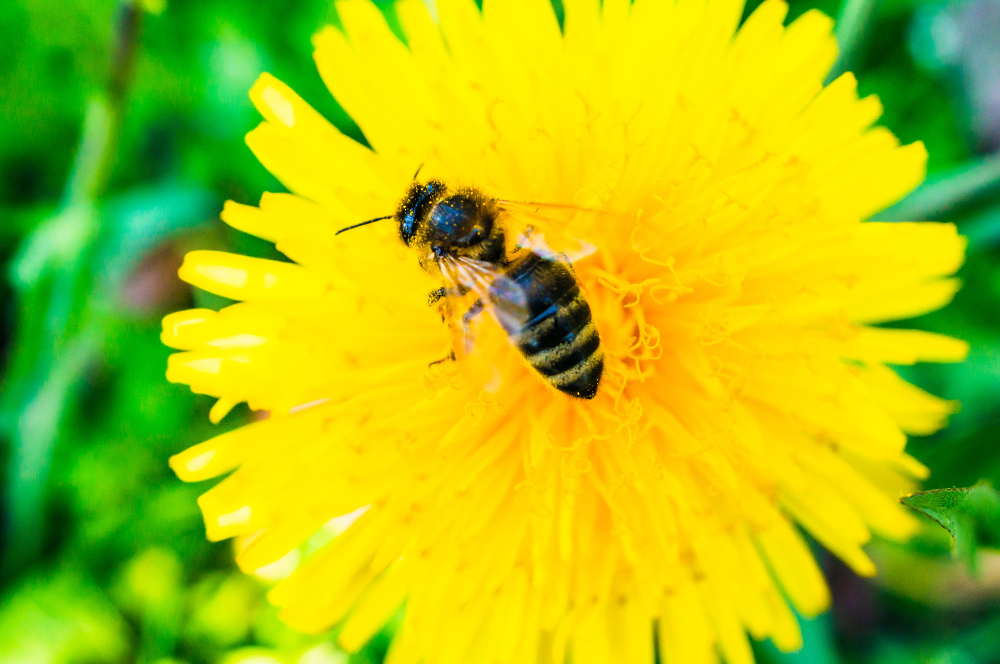
There is a whole group that has no workers of its own and never builds a nest. The female finds another species’ colony, gets in, kills or subdues the resident queen, and takes over.
The host workers then raise her offspring instead of their own, and they do it willingly, because she has acquired the chemical signature of the nest. These cuckoo bumblebees look much like the species they target, which is part of how they get in, and they are far more common than almost anybody realises.
14. The Males Leave and Never Come Back
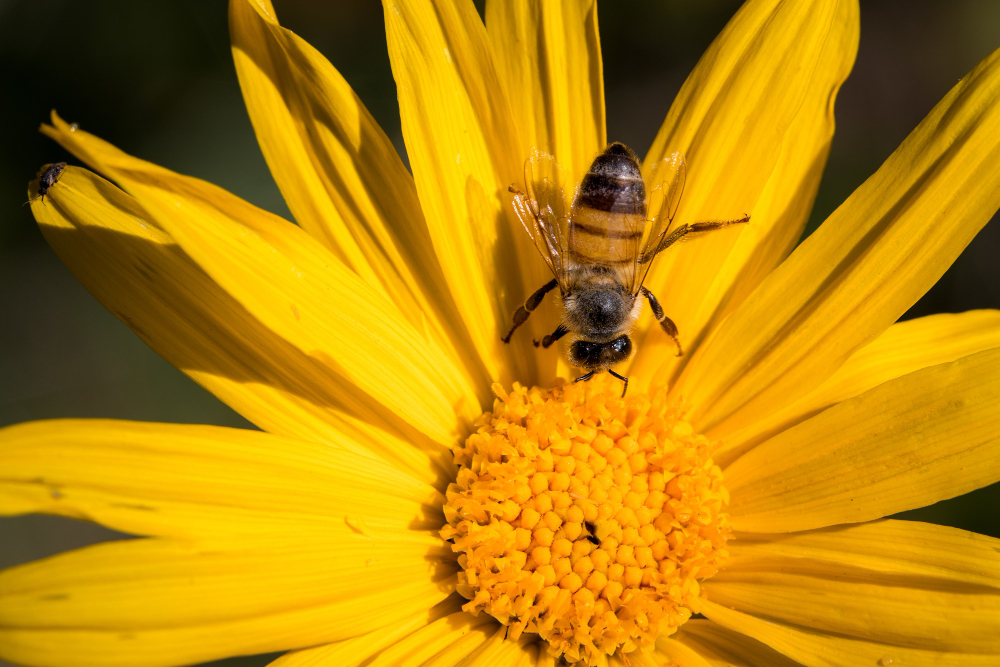
Male bumblebees do no work at all. They do not forage for the colony, do not help with young, and have no role in the nest.
They leave within days of emerging and do not return. After that they feed themselves on flowers, patrol routes looking for new queens, sleep out in the open on vegetation, and die – all within a few weeks. A male bumblebee asleep in a flower in late summer is a common sight and is an insect at the end of its entire purpose.
15. Tongue Length Decides Which Flowers It Can Use
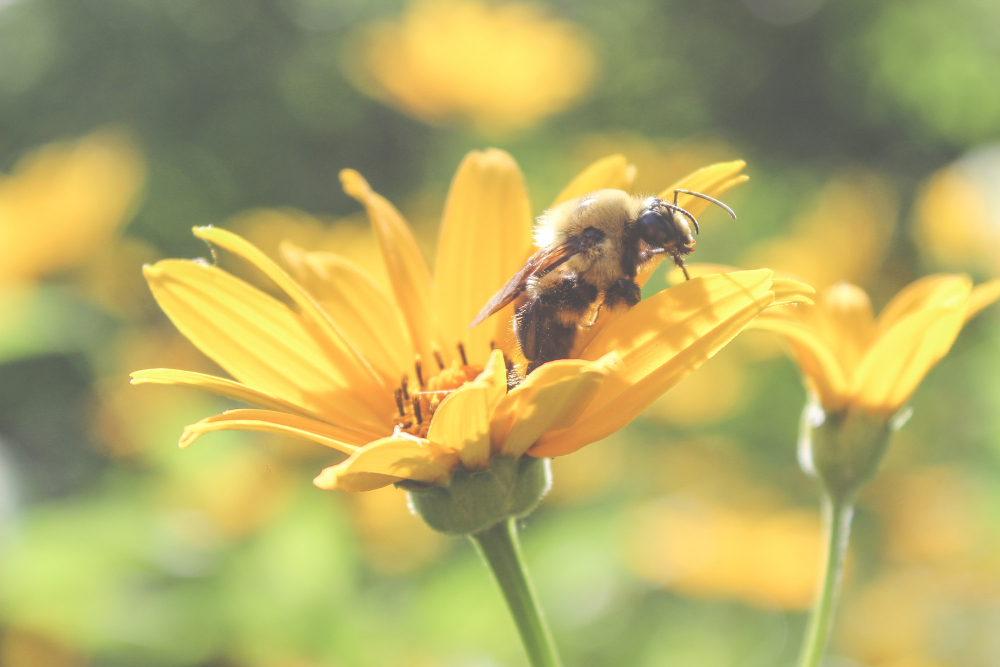
Bumblebee species have markedly different tongue lengths, and that single measurement determines which flowers each can feed from.
Short-tongued species work open, shallow flowers. Long-tongued species reach into deep tubular ones nothing else can empty. Which means the species are not interchangeable and a garden full of flowers is not automatically a garden full of food – and it is the long-tongued specialists, tied to deep flowers of the kind that grew in old flower-rich grassland, that have declined the most sharply.
A Furry Engine That Heats Itself
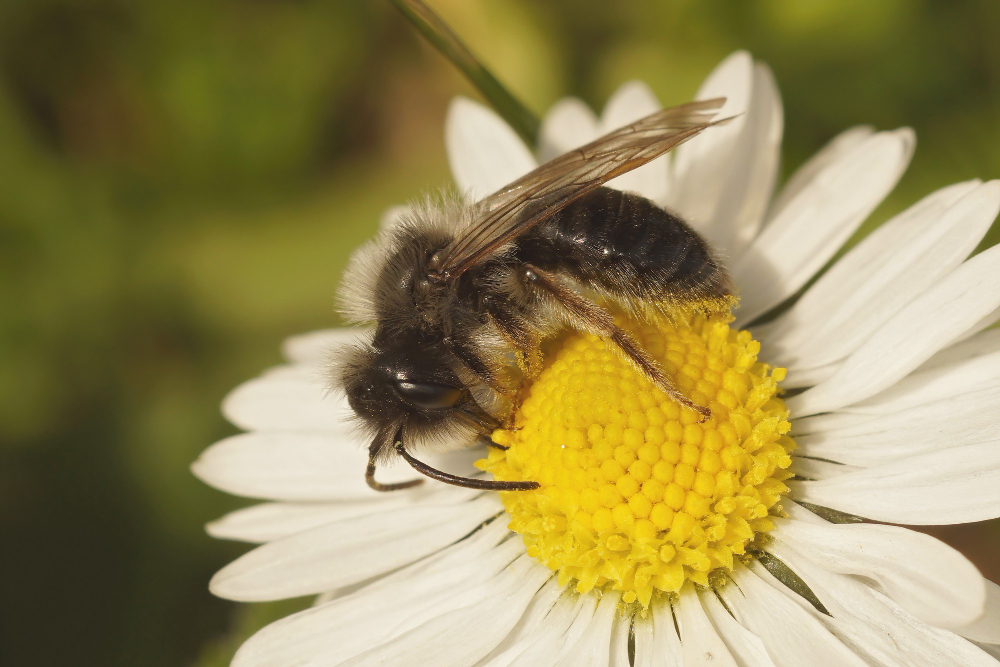
A flight paradox that was only ever a misapplied equation, wings that keep a vortex instead of cutting through air, muscles run against each other to make heat, fur as a thermal jacket, almost no honey, a colony that dies every autumn, and one pregnant queen alone in a hole all winter.
The third and tenth items are the same trick doing two different jobs, and together they are the most useful thing to know about the animal. A bumblebee can disconnect its flight muscles from its wings and run them against each other. Pointed at itself, that produces heat, and it is how the bee warms its chest to thirty degrees before it can take off on a cold morning. Pointed at a flower, the same vibration shakes pollen out of tubes that will not release it any other way – which is why tomatoes need bumblebees and honeybees are no use to them.
Like our content? Follow us for more.