The underlying operation is always the same: bacteria convert milk sugars into acid, the acid changes the proteins and the product keeps. What differs is which bacteria, at what temperature, and what happens afterwards. Here are sixteen.
1. Souring Was Always About Keeping It
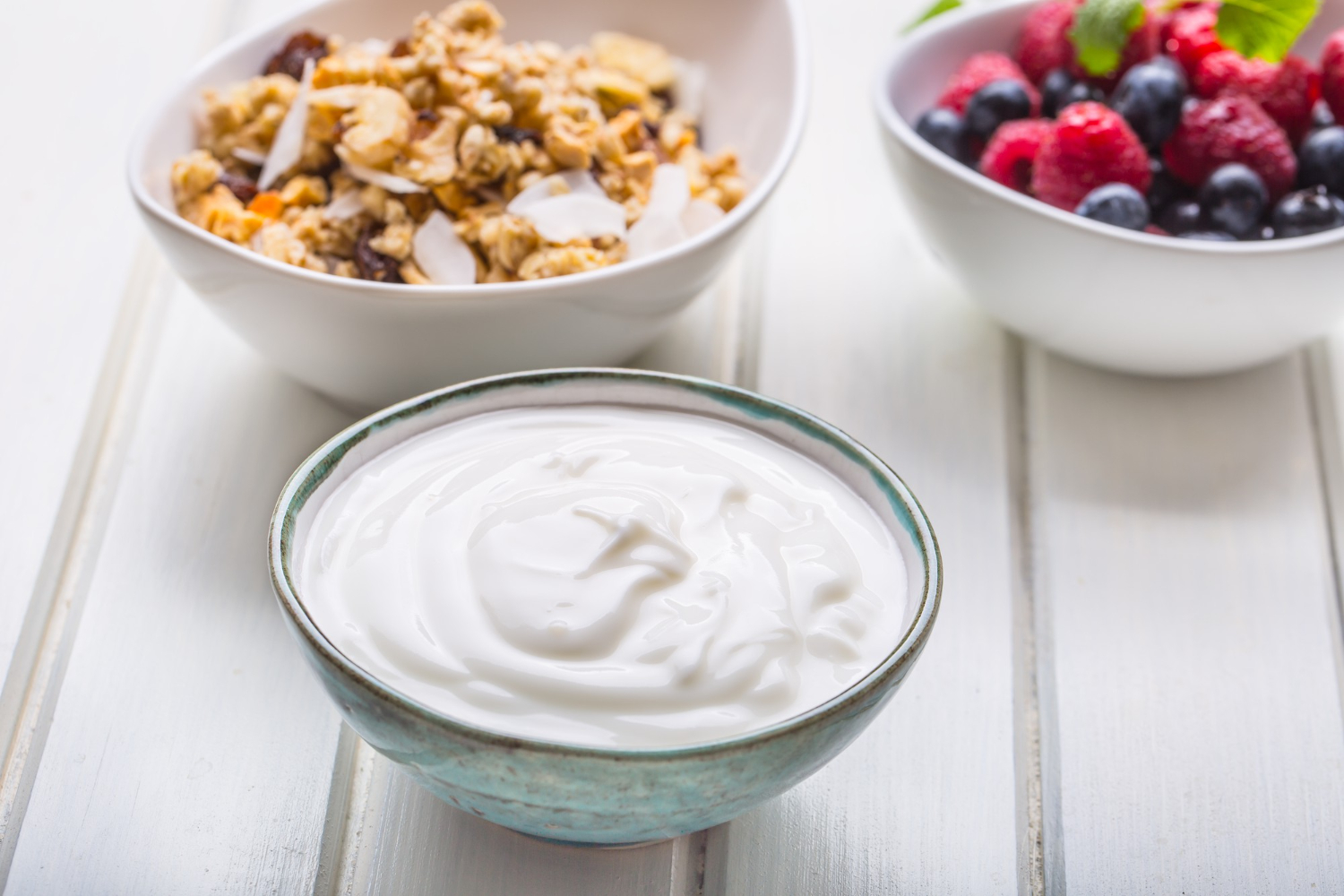
Acidifying milk makes it inhospitable to the organisms that would spoil it, which is why every dairying culture arrived at some version of this long before refrigeration existed.
The flavour was a consequence rather than the objective. Preservation is the reason cultured dairy exists at all.
Like our content? Follow us for more.
2. Different Bacteria, Different Product
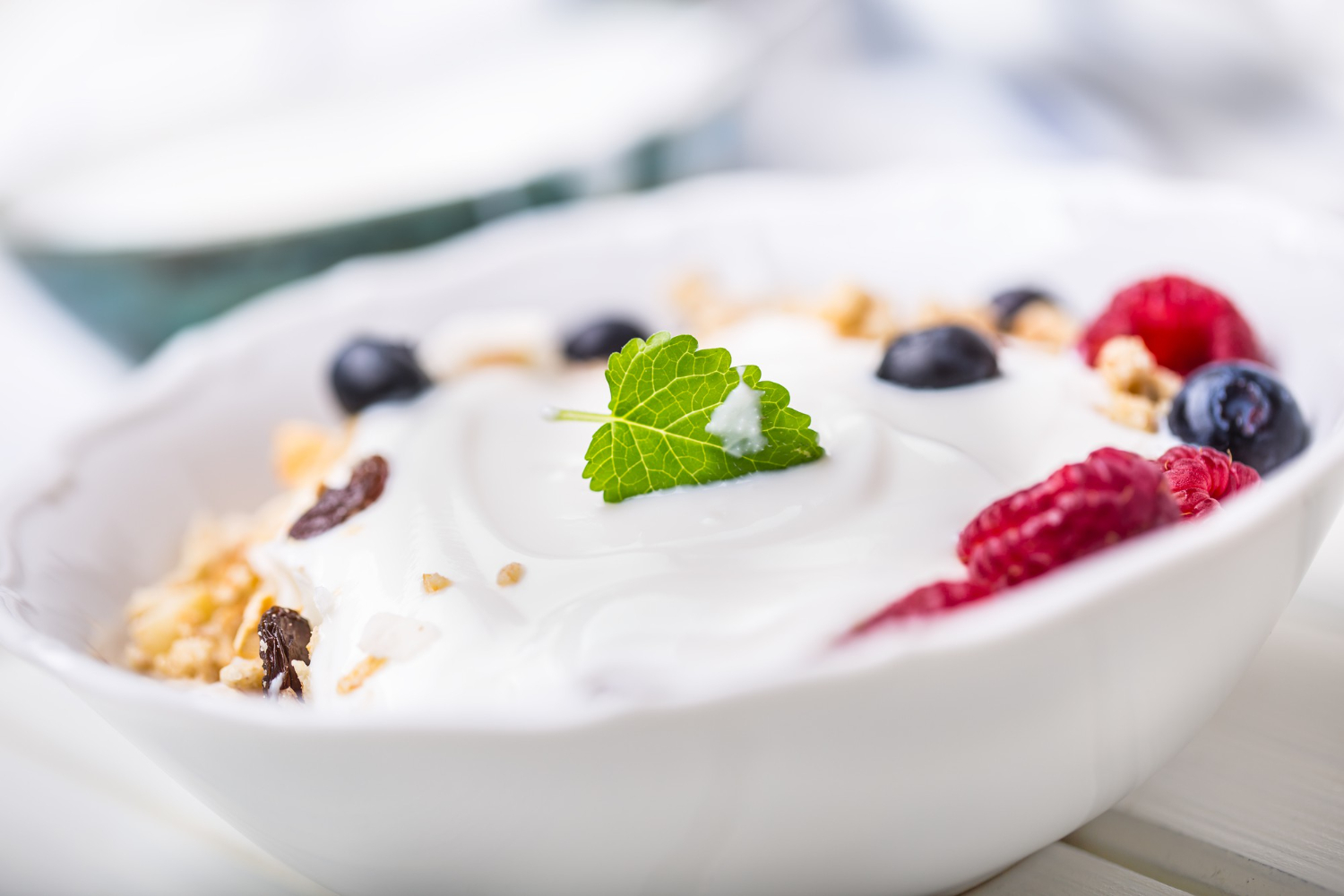
The specific community of organisms determines the acids produced, the texture, the tartness and the aroma, which is why regional versions differ so much despite an identical starting material.
A culture is effectively a recipe that reproduces itself. Bacterial community is the variable that makes each tradition distinct.
3. Warm Climates and Cool Climates Diverged
Some cultures work at ambient temperature and others require sustained warmth, which meant hot regions and cold regions developed different products from the same principle.
The available temperature selected the organisms. Climate is the factor that split the traditions geographically.
4. Straining Changes Everything
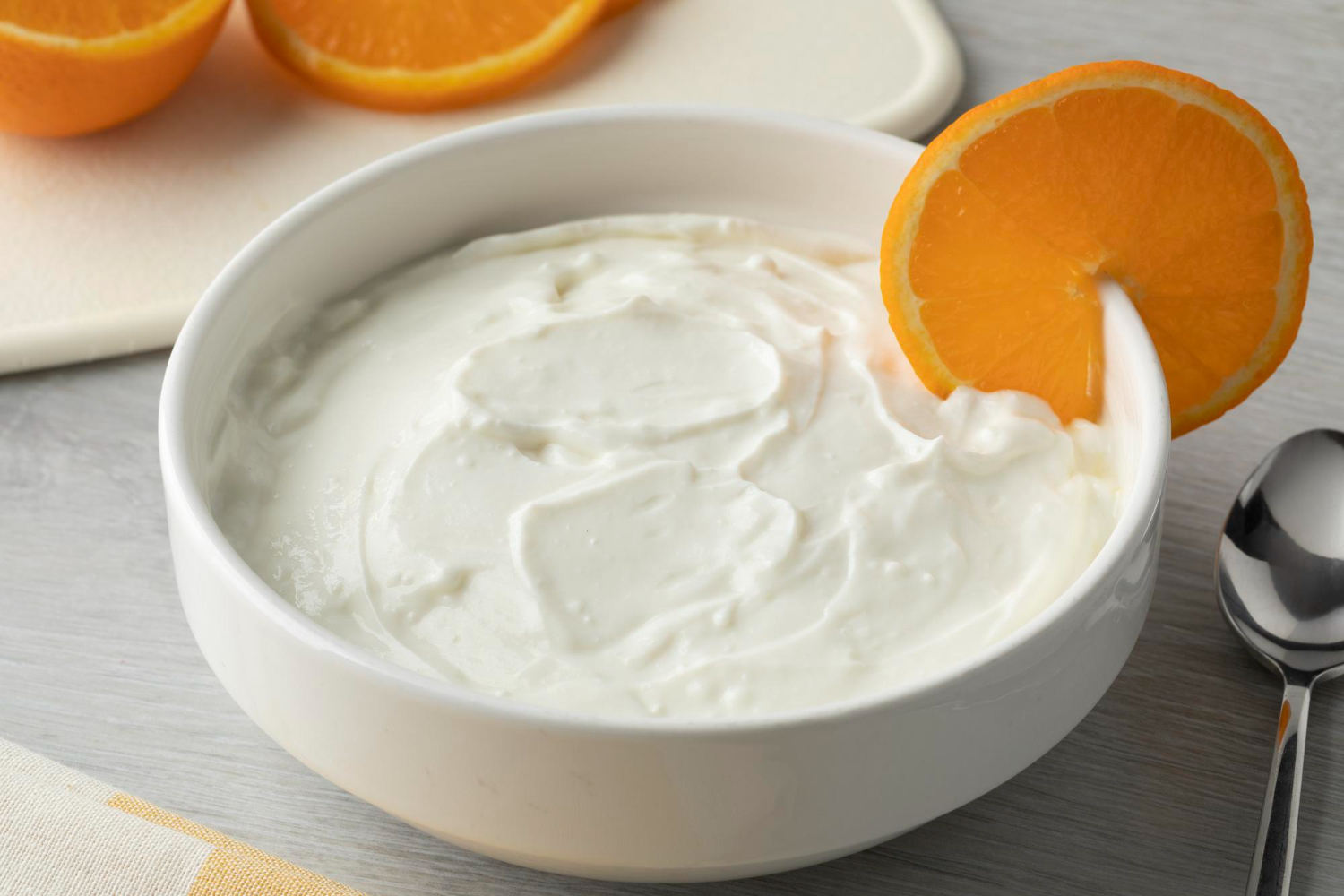
Removing whey concentrates the solids, and the longer it strains the thicker it becomes, producing a whole family of products from one batch depending on when you stop.
Thin, thick, spoonable and sliceable are the same thing at different stages. Straining time is the single variable behind an entire product range.
5. The Whey Is Not Waste
The liquid drained off carries protein, acidity and flavour, and traditions across the world use it for cooking, soaking grains, baking and drinking rather than discarding it.
Throwing it away loses a substantial fraction of the batch. Whey is the by-product that most traditions treated as a product.
6. Thinned Back Down Again
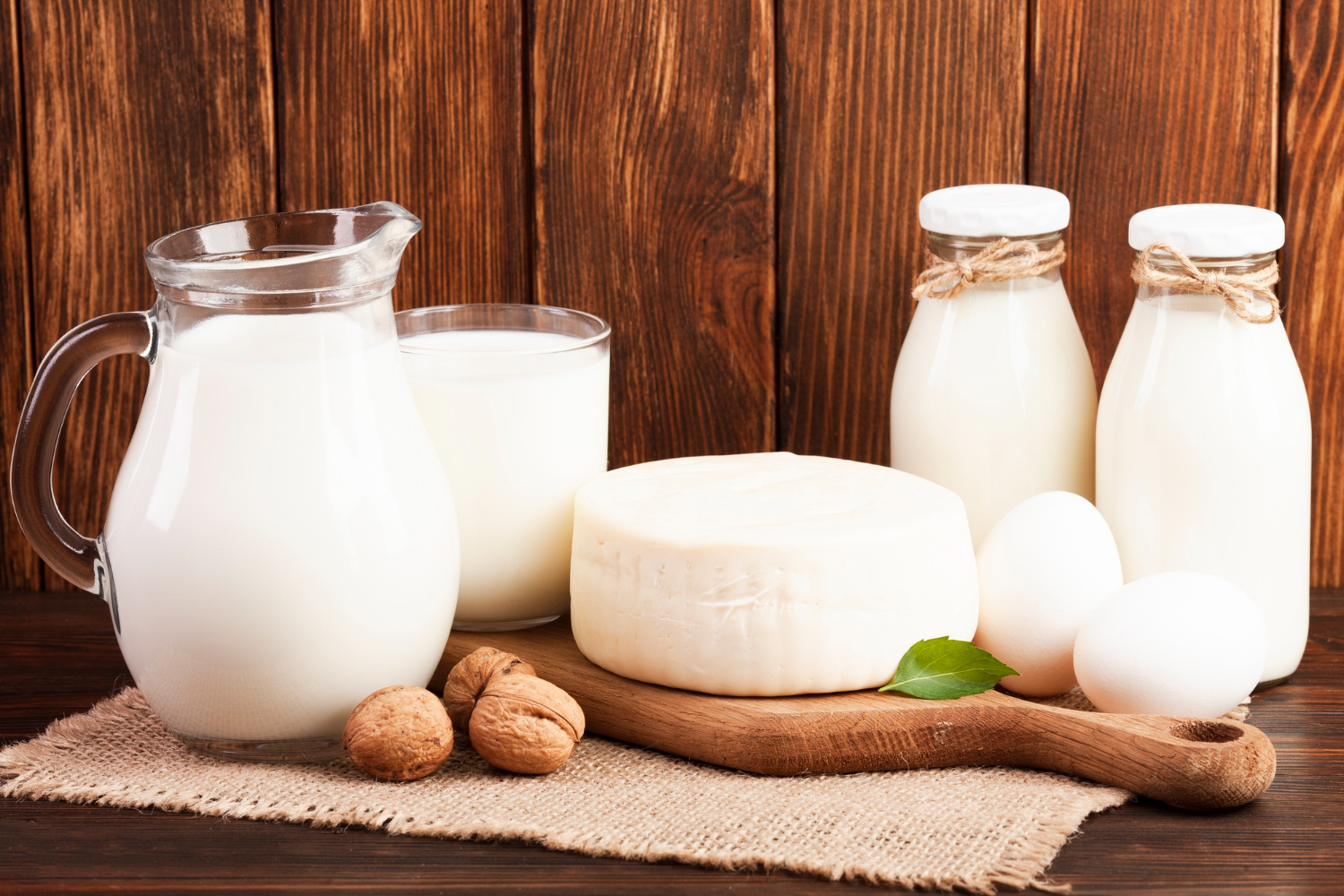
Several regions take thick cultured milk and thin it with water and salt, producing something served alongside rich or spiced food rather than eaten with a spoon.
The dilution is deliberate and the salt is essential to it. Thinned cultured milk is the form designed to sit beside a meal.
7. Fermenting in a Skin or a Gourd
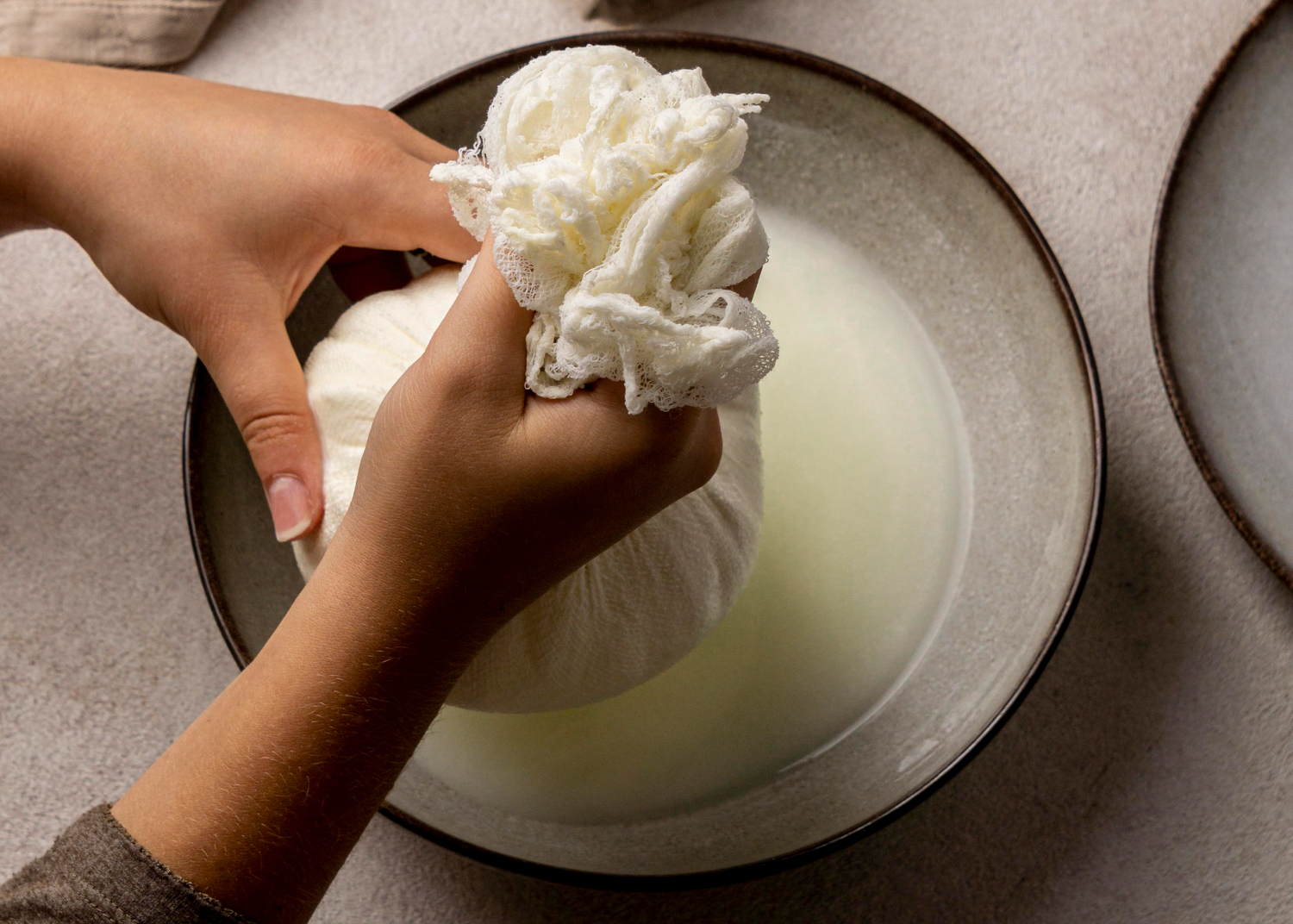
Traditional vessels made from hide, wood or gourd carry their own resident organisms and contribute character that a sterile container cannot.
The vessel is part of the culture in both senses. Traditional vessels are the equipment that participates in the fermentation.
8. Not All Milk Behaves the Same
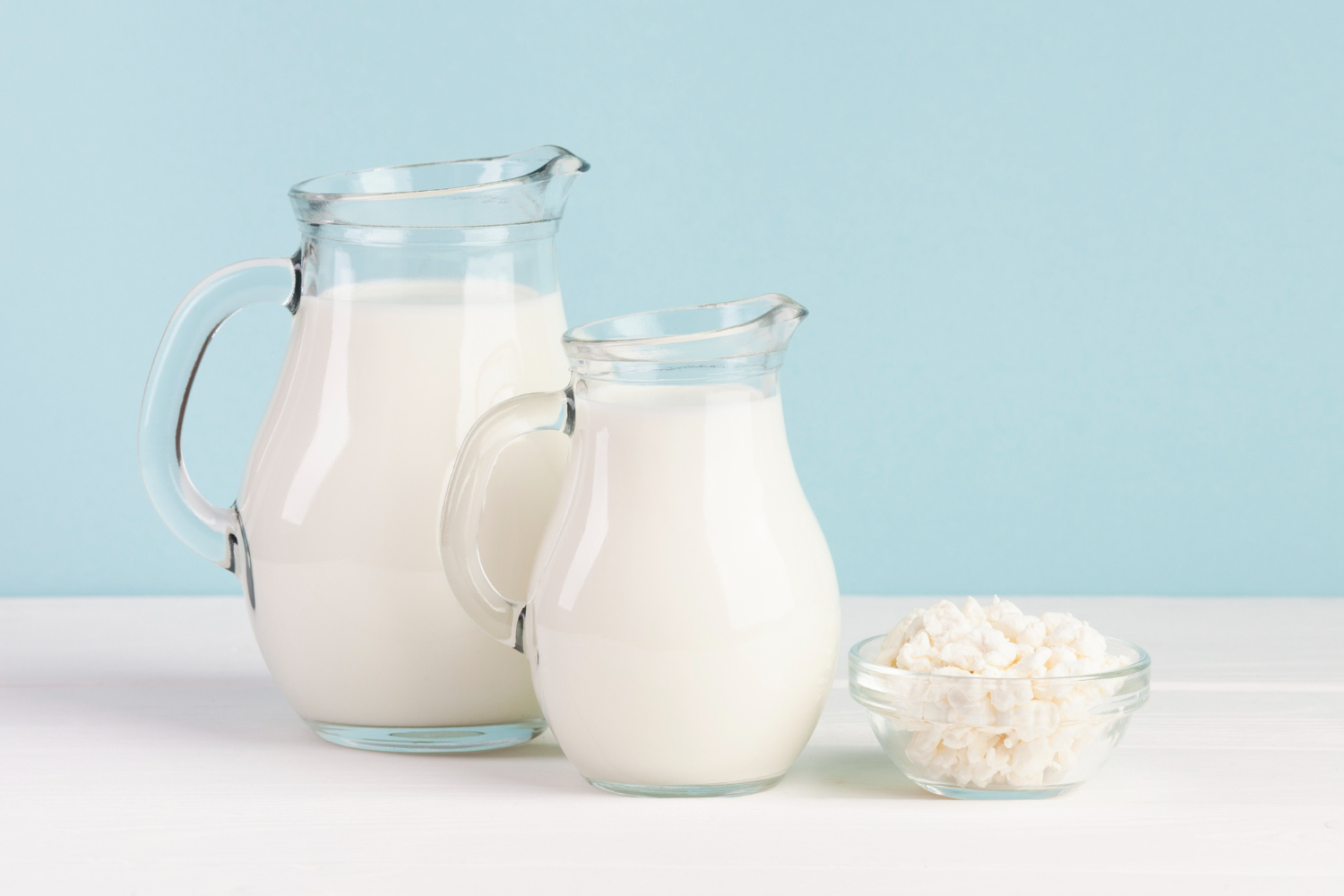
Sheep, goat, buffalo, camel, yak and mare milk differ substantially in fat and protein composition, so each ferments differently and produces products that cannot be replicated with cow milk.
The animal determines what is possible. Milk source is the variable that made regional traditions unrepeatable elsewhere.
9. Salting and Drying for the Long Term
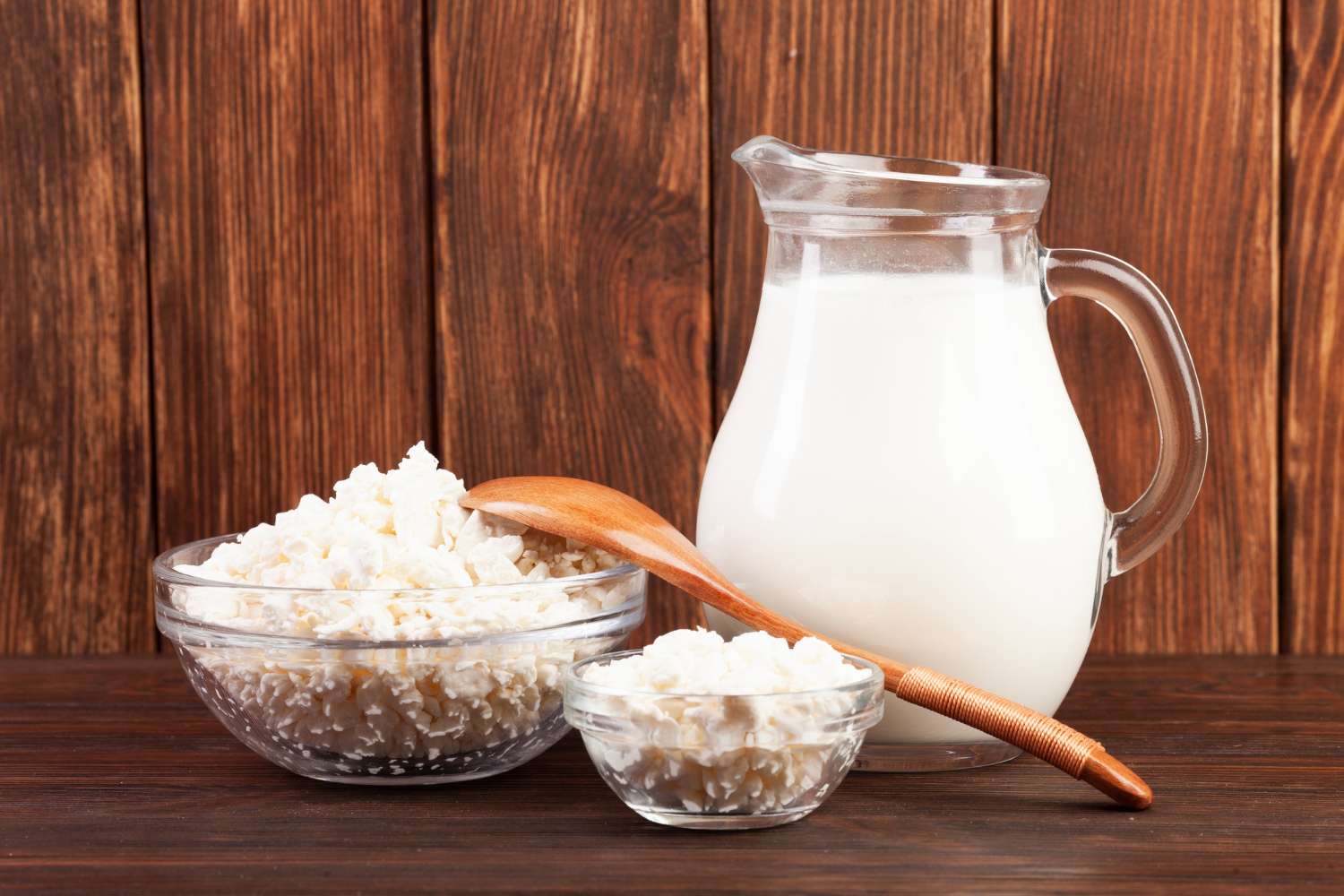
Where cultured dairy had to last months rather than weeks, it was salted, pressed and dried into hard forms that keep almost indefinitely and are reconstituted or grated.
Some are hard enough to require a hammer. Dried cultured dairy is the version made for a winter rather than a week.
10. Souring the Cream Before Churning
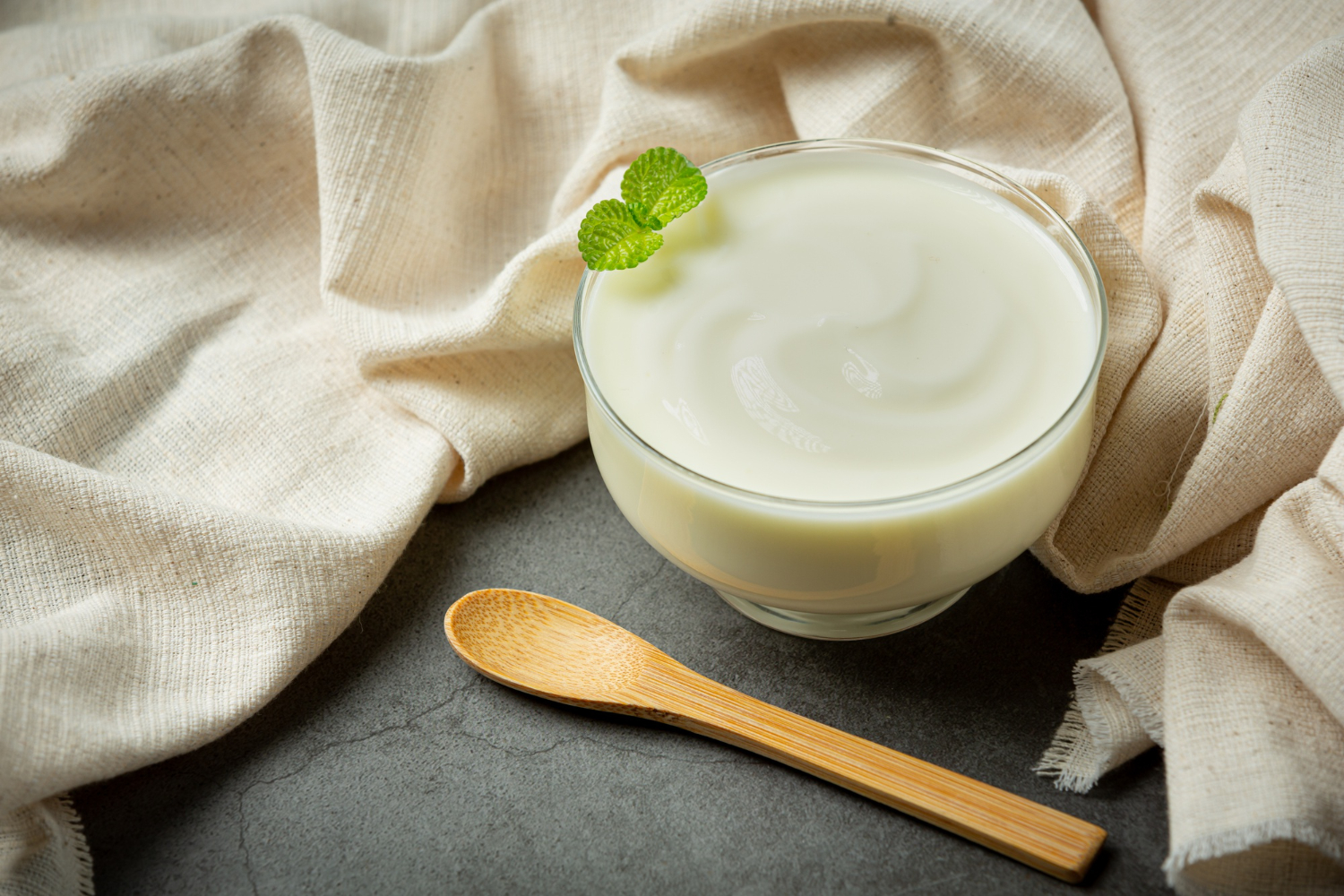
Culturing cream before making butter changes the flavour completely and produces something quite different from butter made from sweet cream.
It was the normal method before mechanised dairying made the other approach practical. Cultured butter is the older product that is now the specialist one.
11. Buttermilk Is What Is Left
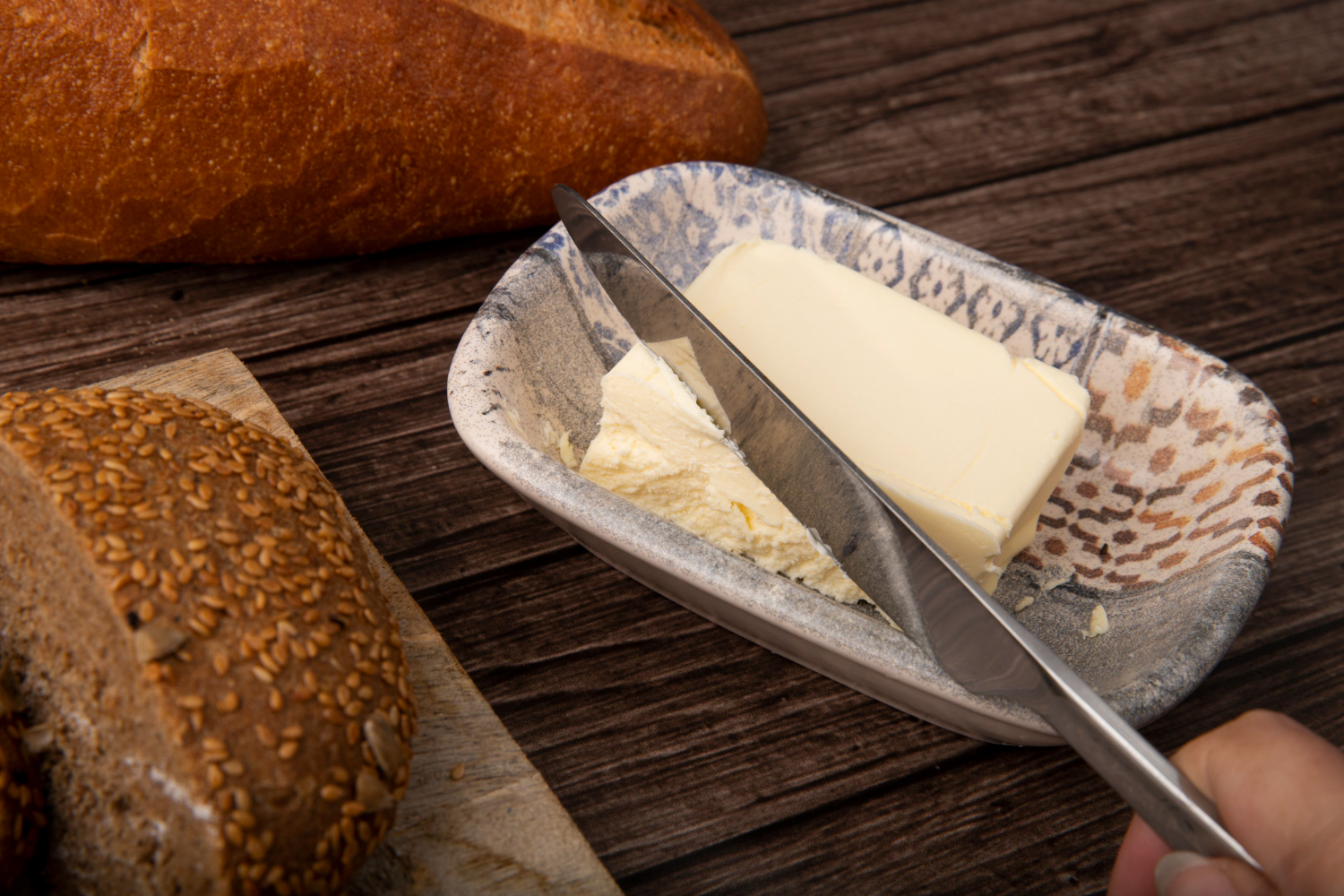
The liquid remaining after churning is itself a cultured product, tangy and useful, and traditions across many regions drink it or cook with it rather than treating it as residue.
The modern shop version is generally made differently from the traditional by-product. Buttermilk is the leftover that became its own ingredient.
12. Some of It Is Slightly Alcoholic
Where yeasts work alongside the bacteria, small quantities of alcohol and carbon dioxide are produced, giving a faint fizz and a distinctive character.
The quantities are very small and the fizz is the noticeable part. Yeast-and-bacteria products are the ones that are mildly effervescent.
14. Savoury Rather Than Sweet
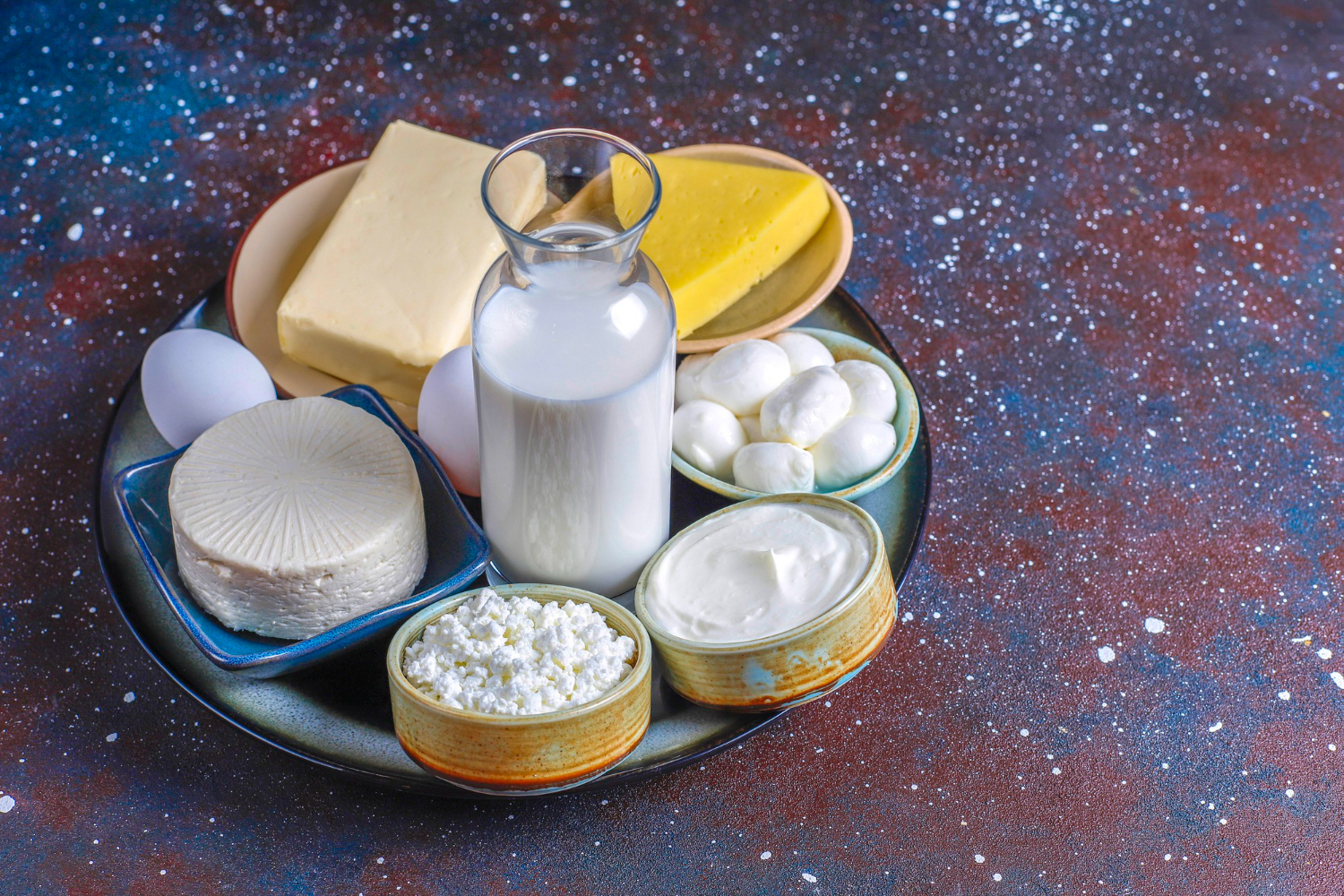
Across most of the world cultured dairy is a savoury ingredient – in sauces, with grains, alongside meat, in soups – and the sweetened dessert version is a comparatively local convention.
The default is not what many people assume it is. Savoury use is the global norm that surprises visitors.
15. It Splits If You Boil It
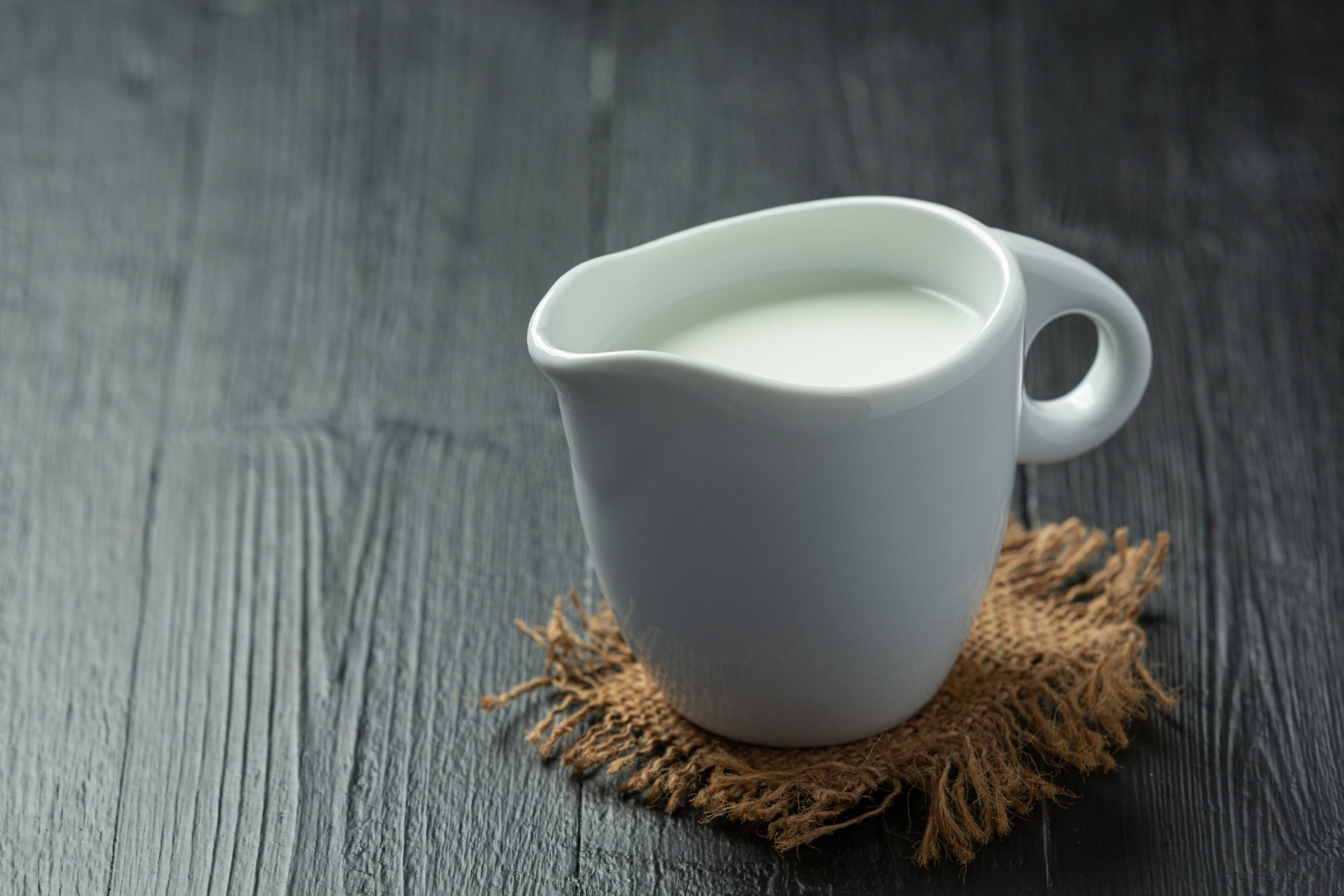
Cultured dairy separates when heated too fast or too far, which is why traditions using it in hot dishes have specific techniques for stabilising or adding it at the end.
Every cuisine using it has solved this problem in some way. Heat sensitivity is the constraint that shaped how it is cooked with.
16. The Culture Gets Handed On
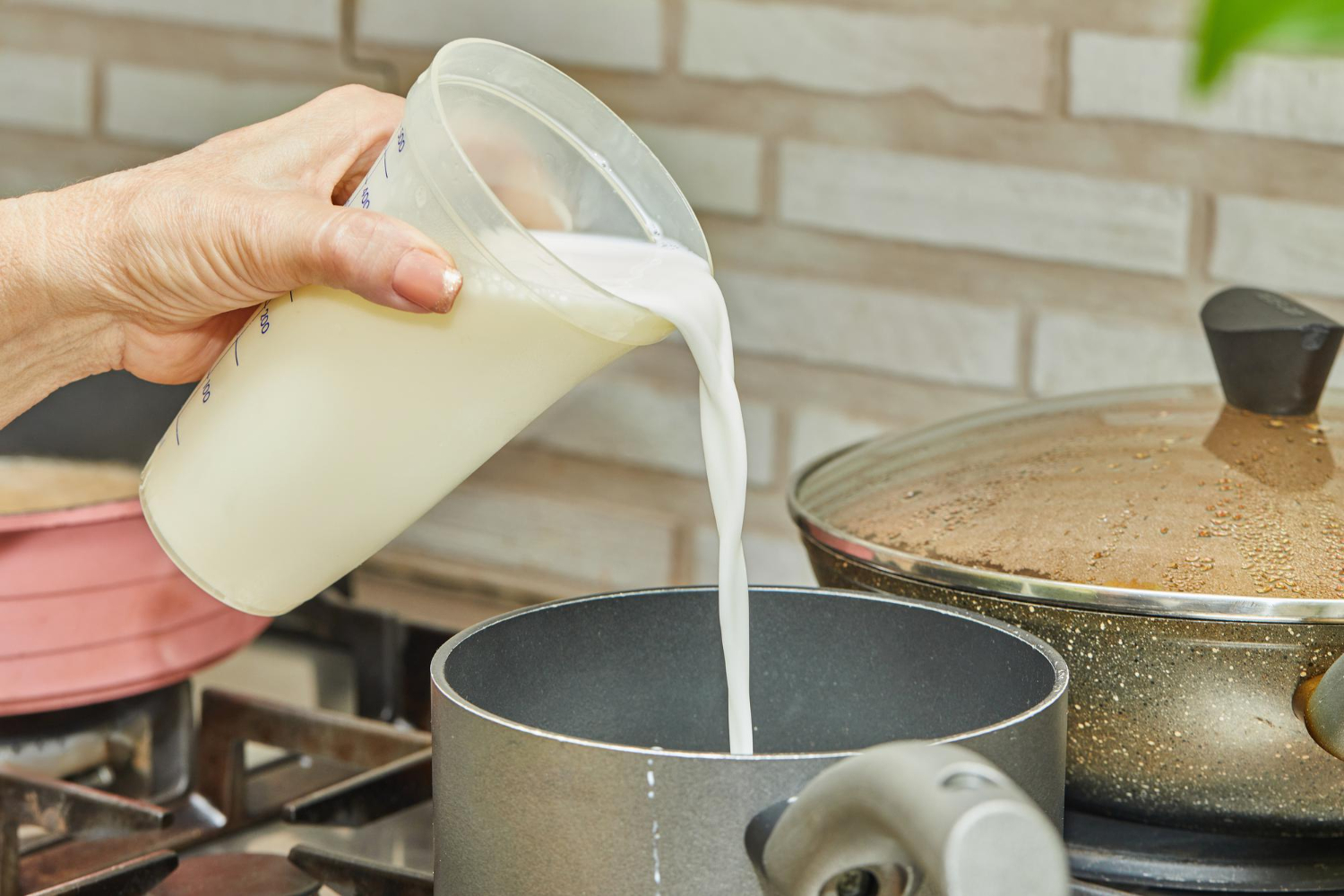
Traditions maintaining a live culture pass it between households and generations, so the organisms in use may have been continuously alive for a very long period.
It is inherited rather than purchased. The handed-on culture is the ingredient with a longer history than the household using it.
Bacteria, Time and What You Do Next
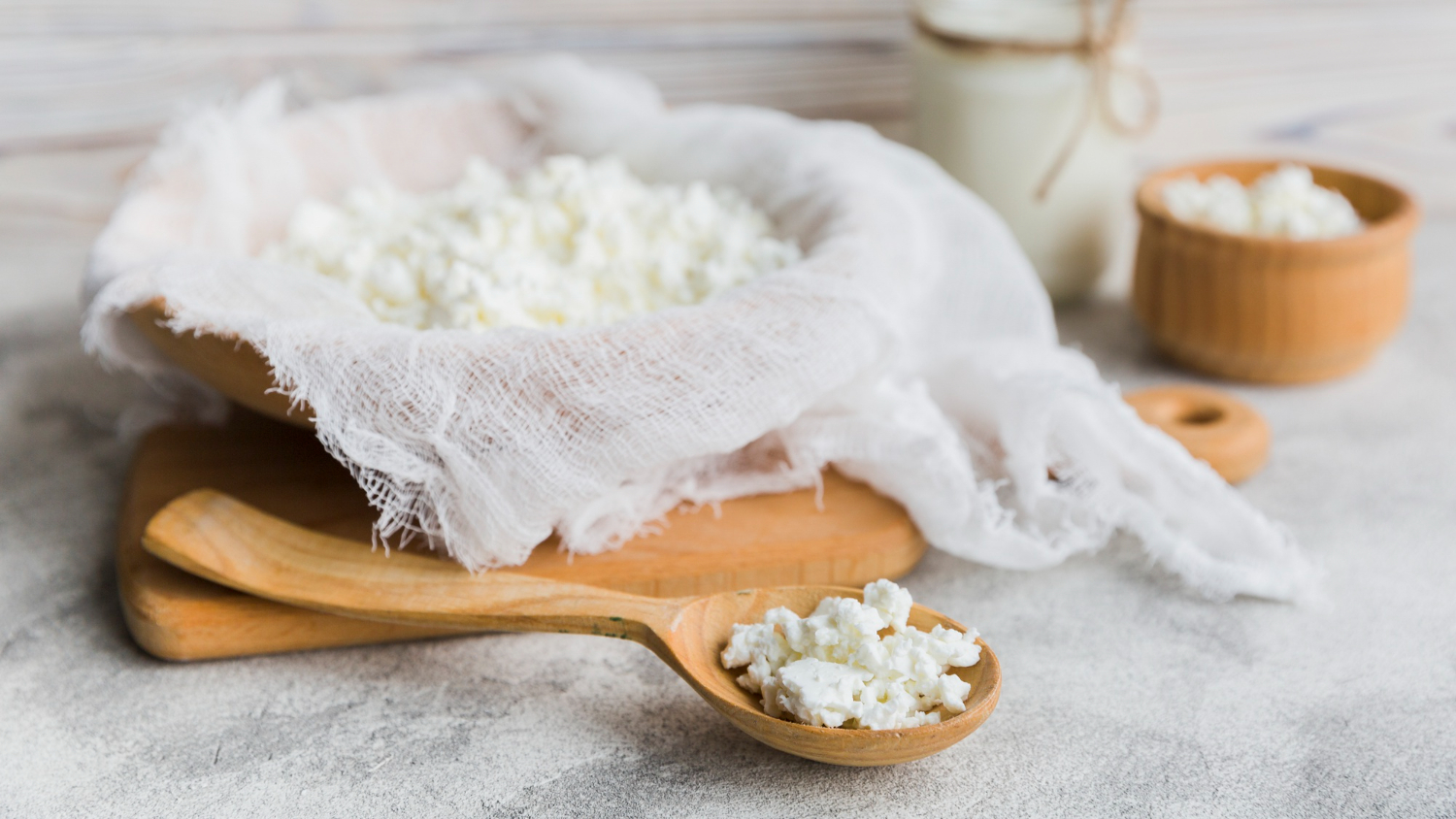
The operation is identical everywhere and the outcomes are not. Which organisms, what temperature, how long, whether you strain, whether you salt, whether you dry – six decisions producing hundreds of traditions.
What is striking is that this was worked out independently everywhere people kept animals, without anybody knowing that bacteria existed. Somebody noticed that milk left in a particular container went sour rather than bad, that the sour version kept, and that it tasted better – and then several thousand years of refinement produced everything above.
Like our content? Follow us for more.