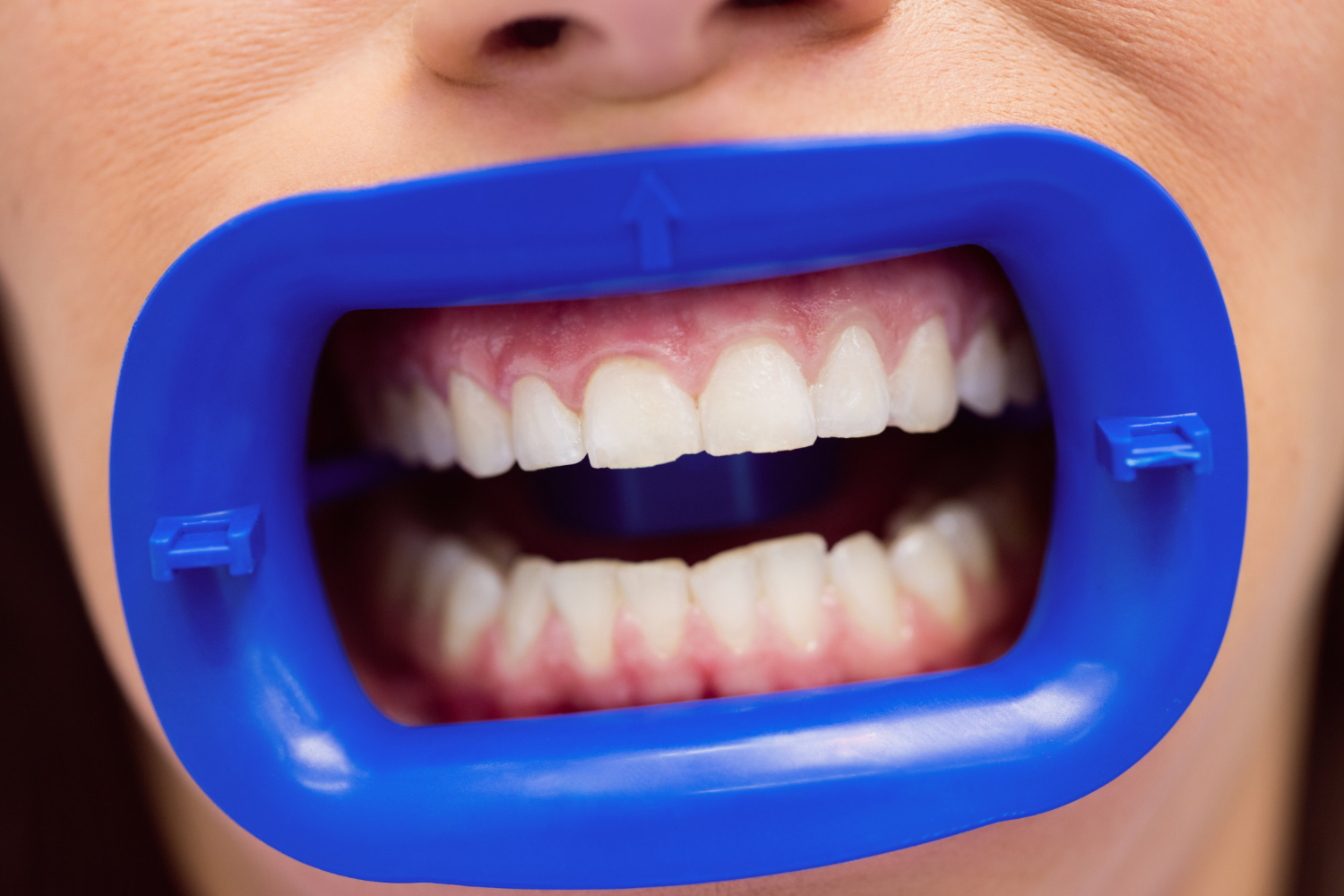
There is a category of biological feature that only makes sense as a leftover, and the third molars are the most familiar example.
They appear late, typically in the late teens or early twenties, long after every other adult tooth has arrived. In a substantial proportion of people they do not have room to emerge properly, and end up angled, partly erupted or entirely trapped in the bone.
The result is one of the most routine surgical procedures anywhere. A tooth that appears in adulthood, does not fit, and frequently has to be removed is not a design anyone would defend.
The interesting question is not why we have them. It is why they stopped fitting, and the answer appears to be a change in us rather than in them. Here is the current picture.
Start with the original function, which is straightforward.
Molars grind. The teeth at the back of the jaw are broad and flat-topped, and their job is to reduce tough material to something swallowable, which takes considerable force and considerable surface area.
A diet consisting largely of raw plants — roots, leaves, stems, fibrous material, nuts, and raw meat — requires an enormous amount of chewing. More grinding surface is straightforwardly useful, so a third set of molars was worth having.
There is a wear argument too. Teeth abrade, and a coarse diet containing grit wears them down substantially over a lifetime. Additional molars arriving in adulthood, once the earlier ones had taken years of punishment, provided capacity when it was needed.
None of that is controversial. The molars made sense.
The Explanation That Is Not Quite Enough
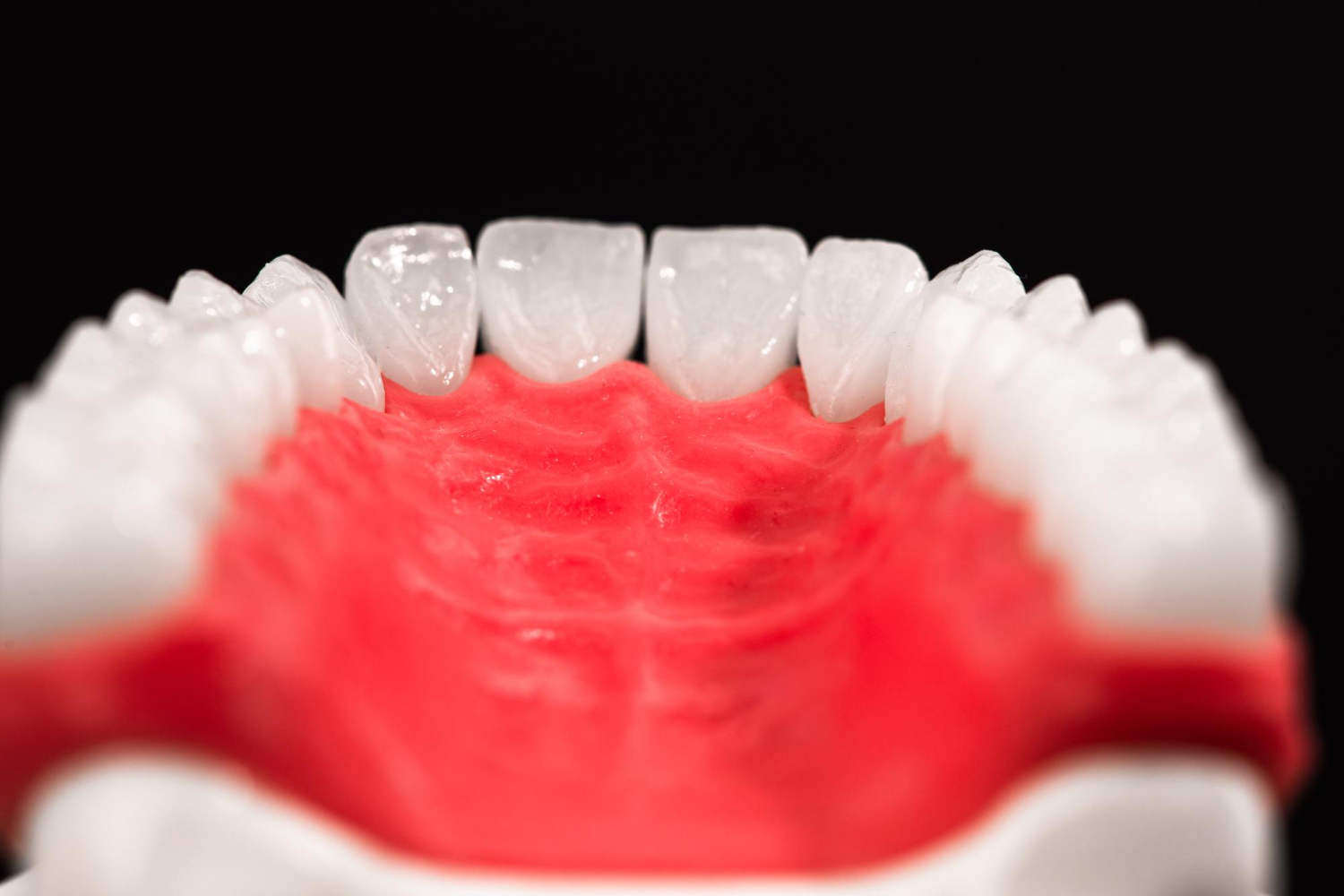
The standard account says diet changed, chewing demands fell, the teeth became unnecessary and are now vestigial.
That is true as far as it goes and it does not explain the actual problem.
Vestigial structures usually shrink or disappear. If third molars were simply no longer needed, the expectation would be that they would get smaller, or fail to form at all, over generations.
Something like that does happen. A proportion of people are born without one or more third molars entirely, and the frequency varies substantially between populations — it is high in some East Asian populations and substantially lower in others.
But that is not the general experience. Most people grow four full-sized third molars that are perfectly good teeth. They are not shrunken or degraded. They simply do not fit.
Which points at the other half of the equation. If the teeth are the same and the space has gone, the jaw must have changed.
Like our content? Follow us for more.
The Jaw Got Smaller
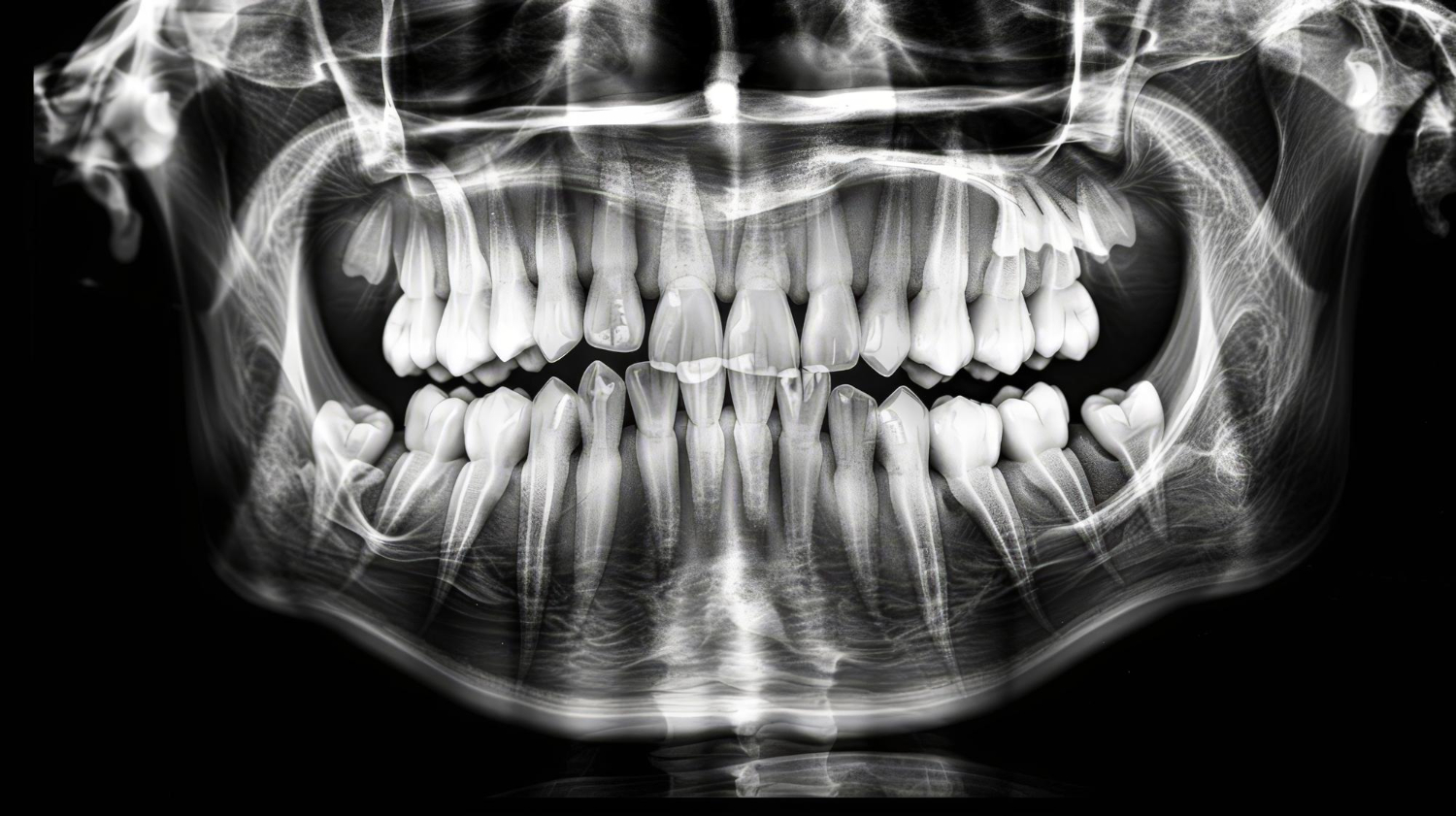
This is the part that reframes the whole subject, and the evidence comes from comparing skulls across time.
Skeletal remains from hunter-gatherer populations generally show larger jaws relative to tooth size, with the full complement of teeth erupting in alignment and impaction being comparatively rare. Skulls from agricultural and industrial populations show smaller jaws, more crowding, and substantially more of the problems familiar from a modern dental practice.
The shift correlates with the adoption of farming rather than with any particular genetic event, and it appears in different populations at different times — tracking when each adopted agriculture rather than following a single date.
That timing is the strongest part of the argument. A change appearing independently in unrelated populations, each time shortly after the same shift in subsistence, is more plausibly a response to the shift than a coincidence.
Why Chewing Might Build the Jaw
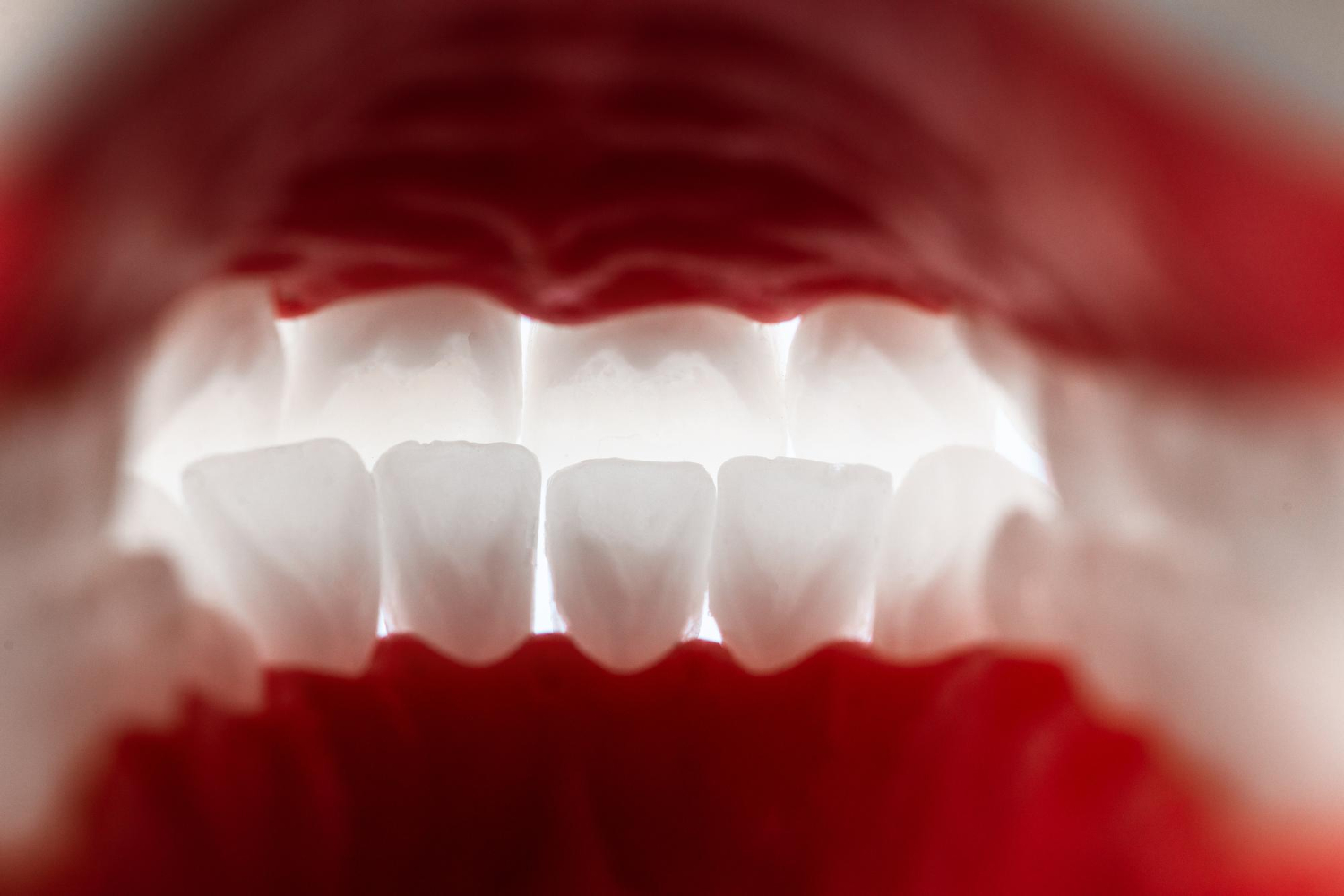
The mechanism proposed is developmental rather than genetic, and it is the truly interesting idea.
Bone responds to load. This is well established elsewhere in the body: bone that is regularly stressed grows denser and stronger, and bone that is not loses mass. The skeleton adjusts to what is being asked of it.
The jaw appears to work the same way. Sustained heavy chewing during childhood and adolescence, while the bone is still growing, may stimulate the jaw to develop to a greater size — and a diet of soft, cooked, processed food supplies far less of that stimulus.
On this account, the jaw is not genetically smaller. It is developmentally smaller, because the mechanical signal that would have grown it is largely absent in childhoods spent eating soft food.
That would explain why the teeth are unchanged. Tooth size is determined largely by genetics and is fixed before eruption; jaw growth is more responsive to use. Change the diet and one variable moves while the other does not, and the mismatch appears within a generation rather than over millennia.
It is important to state clearly that this is a leading hypothesis rather than a settled fact. It is well supported by the skeletal record and by the general principle of bone remodelling, and it is difficult to test directly in humans for obvious reasons. Genetic factors in jaw size are real and substantial, and nobody is claiming diet is the only variable.
Why This Is Better Than the Vestigial Story
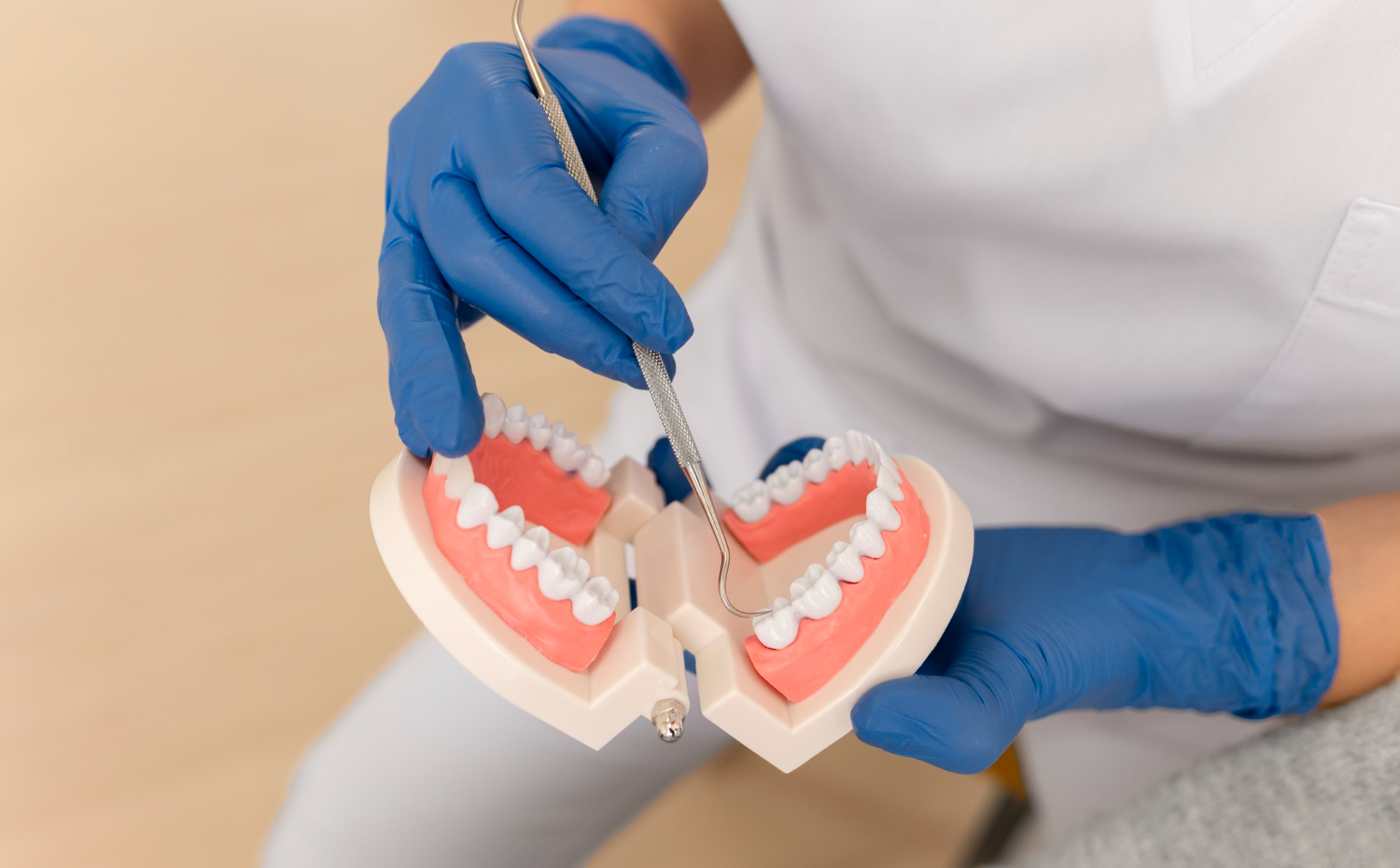
The distinction matters more than it might appear.
If third molars are simply an evolutionary leftover, then the problem is a slow mismatch between ancient anatomy and modern life, and nothing much follows from it.
If the jaw is shrinking developmentally in response to what children eat, then this is not evolution at all. It is a change occurring within individual lifetimes, in response to an environment that changed very recently.
That places it alongside a set of other conditions that appear to have become substantially more common since industrialisation, and it suggests the useful question is about development rather than about ancestry.
It also explains something the vestigial account struggles with: why the problem is so widespread and so consistent, appearing across populations with quite different genetic backgrounds, on a timescale far too short for meaningful evolutionary change.
The Same Pattern Elsewhere in the Body
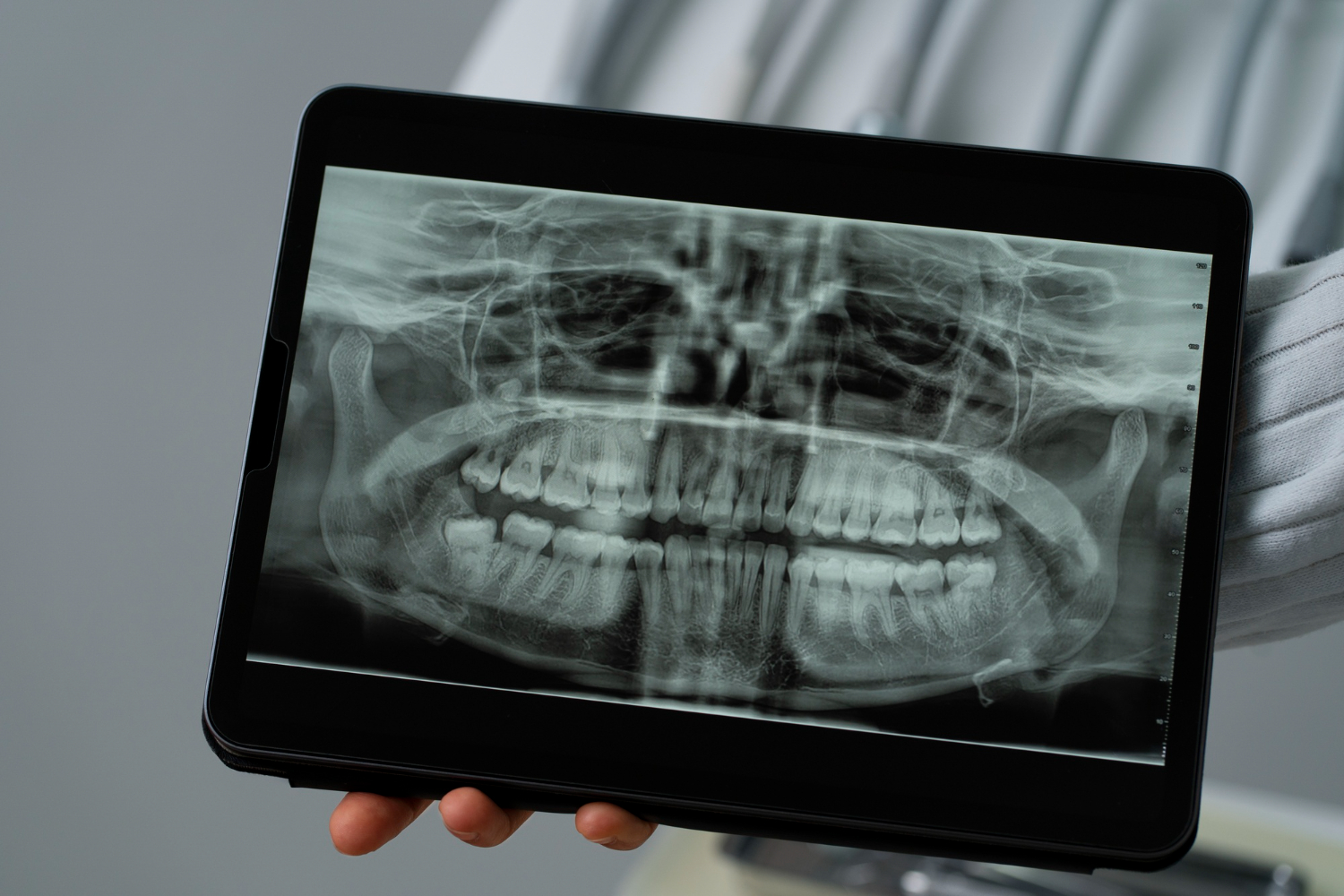
If the jaw argument is right, it should not be an isolated case, and it does not appear to be.
Bone throughout the skeleton responds to mechanical load during growth. The general principle is well established: loaded bone becomes denser and thicker, unloaded bone does not develop the same way, and the effect is strongest while growth is still occurring.
Comparative skeletal work has found that limb bones from hunter-gatherer populations are generally more robust than those from agricultural and later populations, in a pattern tracking activity rather than ancestry. The same people who chewed harder also walked further and carried more.
That makes the jaw finding less surprising. It is not a special claim about teeth; it is the same responsiveness observed in a bone that happens to have teeth in it, and that happens to have a fixed-size structure it must accommodate.
The teeth are the reason the jaw case is noticeable. A slightly less robust limb bone causes nobody any trouble. A slightly smaller jaw containing the same number of teeth produces a visible, common and expensive problem, because tooth size did not move with it.
Which suggests the useful framing is not that something went wrong with our teeth, but that one bone in the body has a rigid requirement attached to it, and is the only place where a developmental change becomes immediately obvious.
What This Does Not Mean
Some caution is necessary here, because this subject attracts a great deal of unsupported advice.
The finding that jaw development responds to mechanical load does not translate into any recommendation about diet, chewing, exercises or products. Claims of that kind circulate widely and are not supported by the evidence that supports the underlying observation.
Nothing here is guidance about anybody’s teeth. Whether a particular set of third molars should be removed, monitored or left alone is a clinical judgement that depends on the individual, and belongs with a dentist rather than with an article about human evolution.
The honest summary is that a general pattern in skeletal populations across millennia does not tell anyone anything actionable about their own jaw.
An Old Tooth in a New Head
What makes the subject worth understanding is what it says about the relationship between bodies and circumstances.
The third molars are not a mistake. They were useful for a very long time, in a mouth that had room for them, in an animal that spent several hours a day chewing tough material.
Nothing about the tooth has changed. What changed is the environment the tooth develops in — softer food, less loading, less growth stimulus, less room.
Which means the familiar framing is backwards. It is not that we have inherited a tooth we no longer need. It is that we have built, within a few thousand years and largely within individual lifetimes, a jaw that no longer accommodates a tooth we still grow perfectly well.
The tooth is doing exactly what it always did. The head around it is the part that changed.
Like our content? Follow us for more.