The heat does not exist in the seed. It is created on demand when the cell structure is broken and water is present, and it is unstable from the moment it appears. Here are fifteen things that follow.
1. The Powder Has No Heat At All
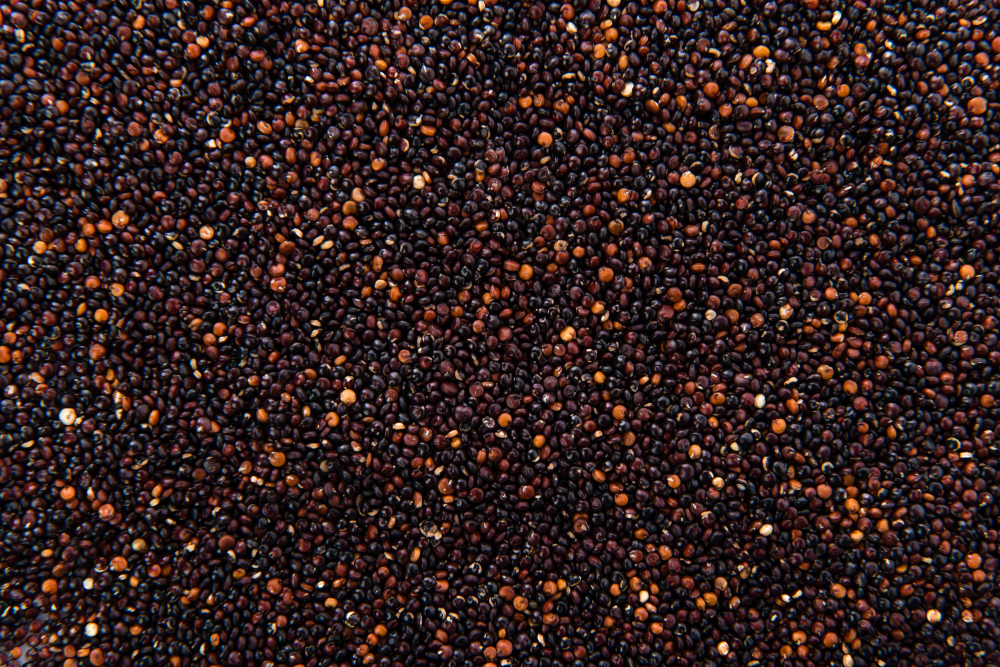
Dry mustard is truly inert – it can be tasted dry and produces nothing, because the two components that generate the pungency are held apart and cannot react without water.
Nothing is being released. Dormant chemistry is the fact the whole subject rests on.
Like our content? Follow us for more.
2. Water Starts the Reaction
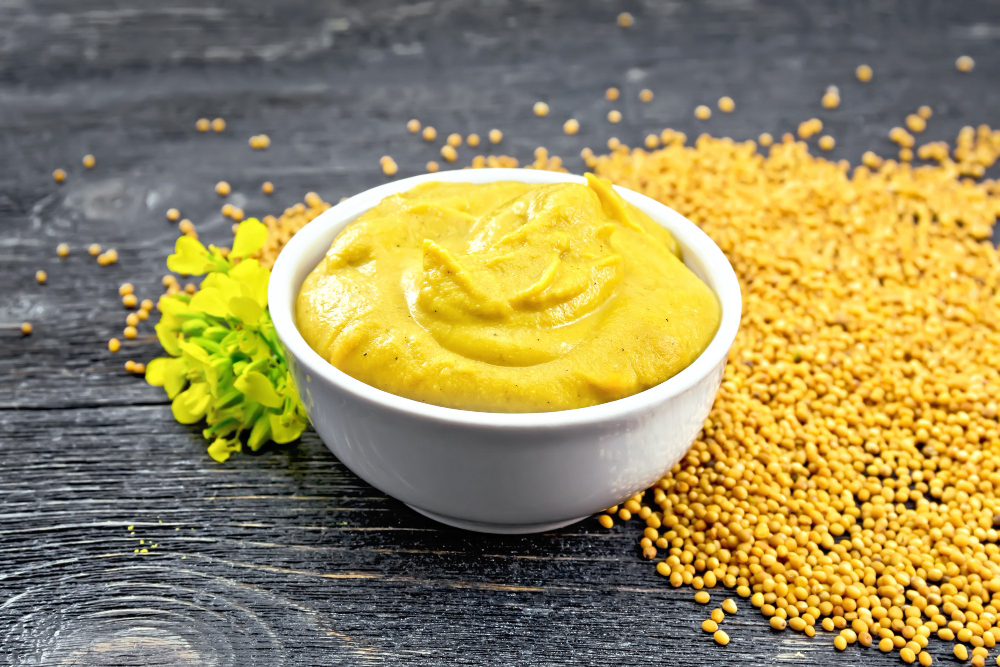
Adding liquid allows an enzyme to reach the compound it acts on, and the pungent substances are manufactured within a minute or two.
You are running a reaction rather than dissolving a flavour. Enzymatic generation is what mixing mustard actually does.
3. The Peak Comes Quickly
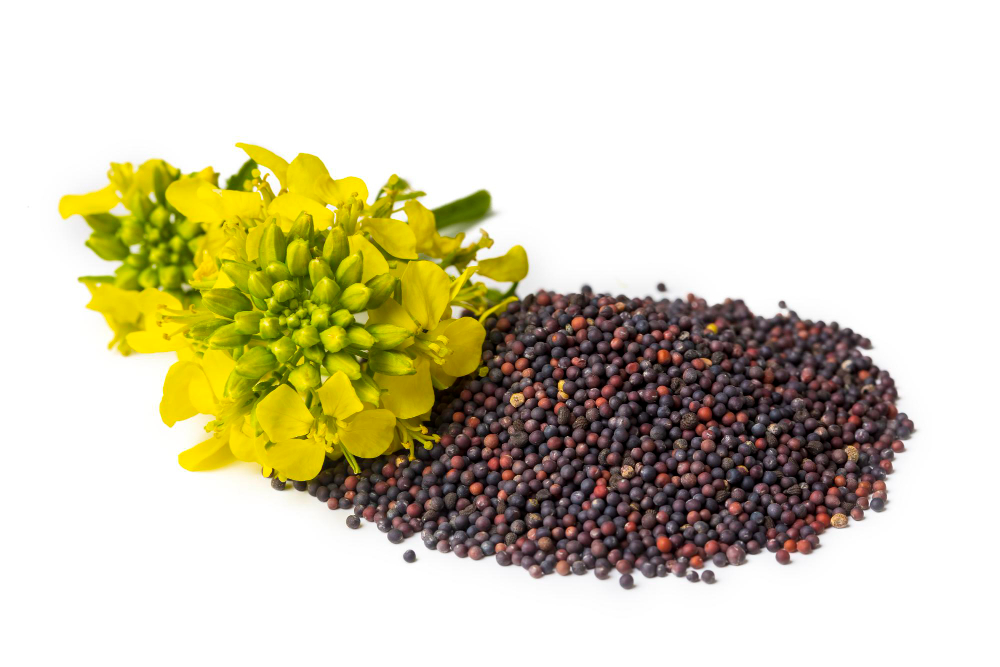
The reaction proceeds rapidly once started, so freshly mixed mustard reaches maximum heat within a few minutes and is at its fiercest then.
Waiting does not improve it. Rapid onset is why mustard is mixed shortly before use.
4. And Then It Fades
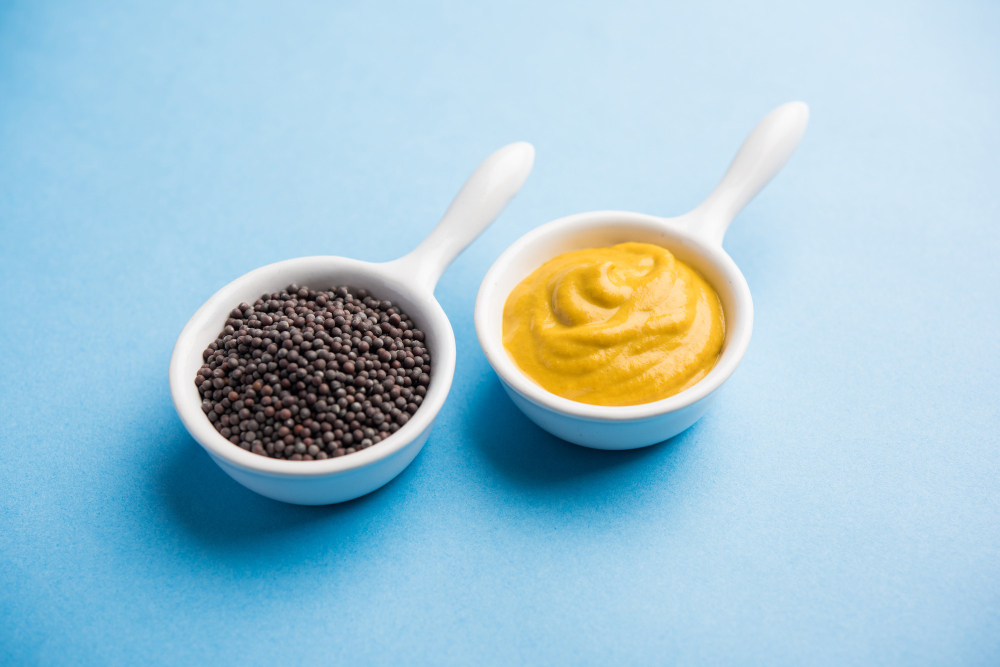
The compounds produced are volatile and escape into the air continuously, which means mustard made with water alone loses most of its heat within about an hour.
It is evaporating rather than degrading. Volatile loss is why fresh mustard does not keep.
5. Acid Stops the Clock
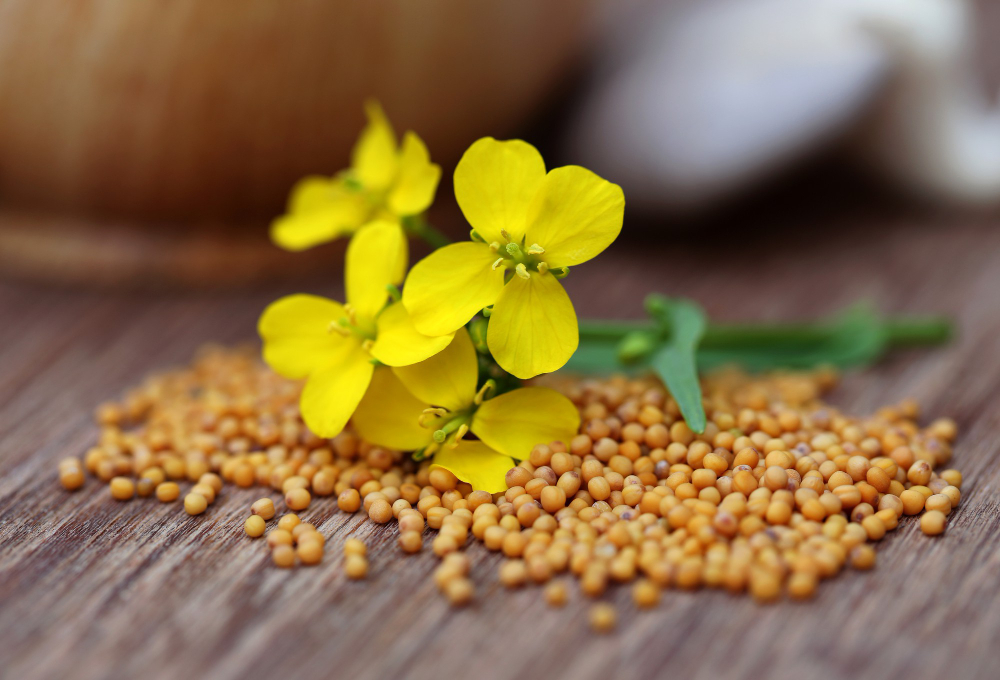
Adding vinegar slows the enzyme and stabilises what has been produced, which is why acid-based preparations retain their heat for months.
The trade is that they never reach the same peak. Acid stabilisation is the compromise every jar represents.
6. So When You Add the Acid Matters
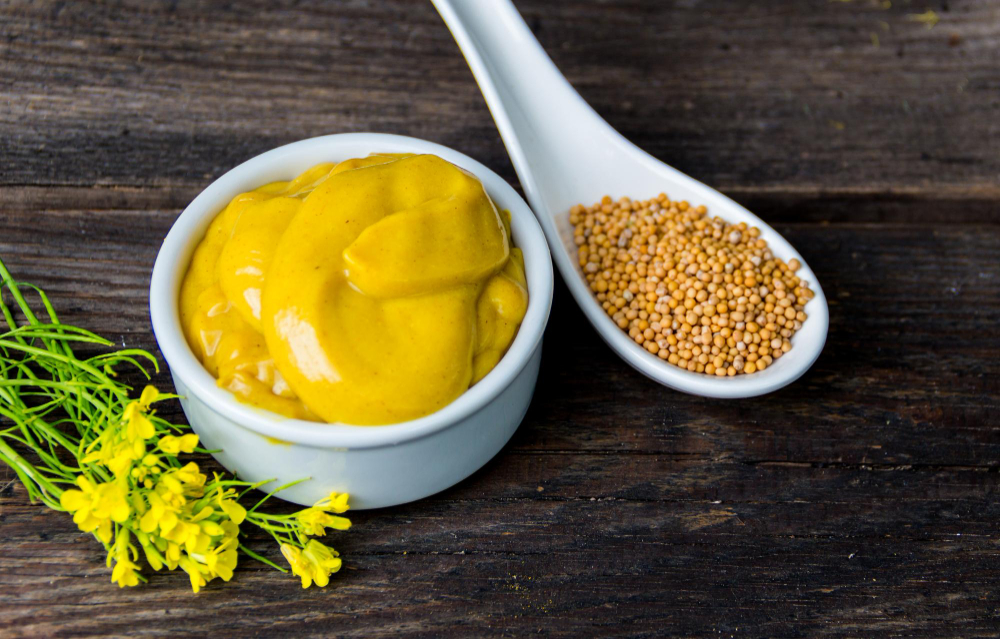
Adding vinegar immediately arrests the reaction early and produces a milder result; allowing the reaction to run first and adding acid afterwards preserves a hotter one.
The same ingredients produce different products. Timing of acidification is the decision behind mustard styles.
7. Hot Water Destroys It Entirely
The enzyme is a protein and is denatured by heat, so mustard mixed with hot liquid never develops pungency and tastes flatly bitter instead.
The heat is prevented rather than removed. Thermal denaturation is the commonest way to ruin it.
8. You Feel It in the Nose
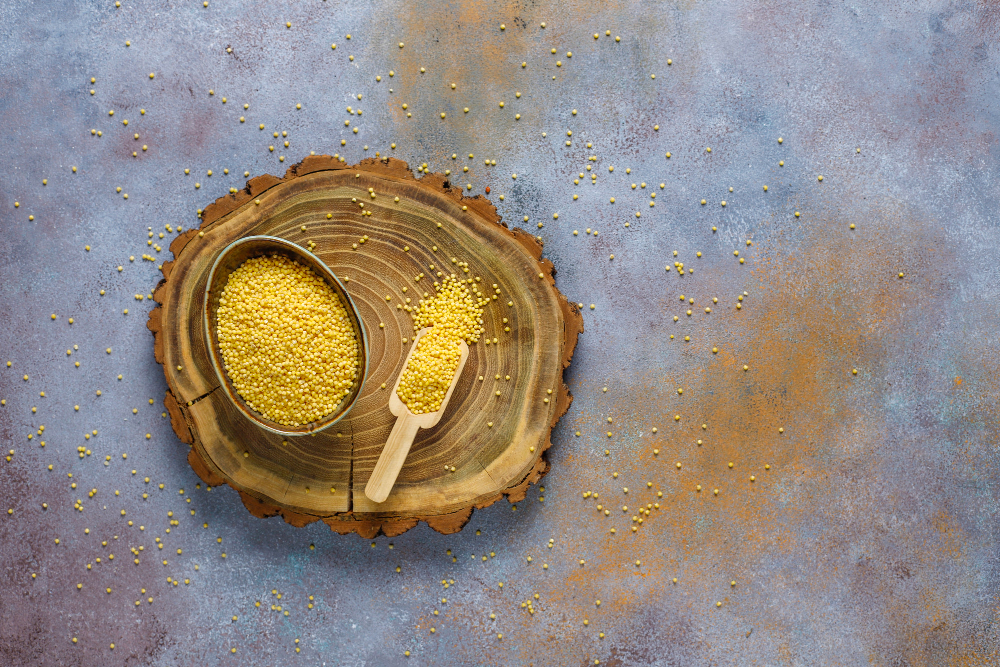
The compounds are volatile and rise, which means they act on the nasal passages rather than on the tongue – producing a sensation quite unlike any other pungency.
That is why it clears rather than burns. Nasal action is what distinguishes it from chilli heat.
9. And Why It Passes So Fast
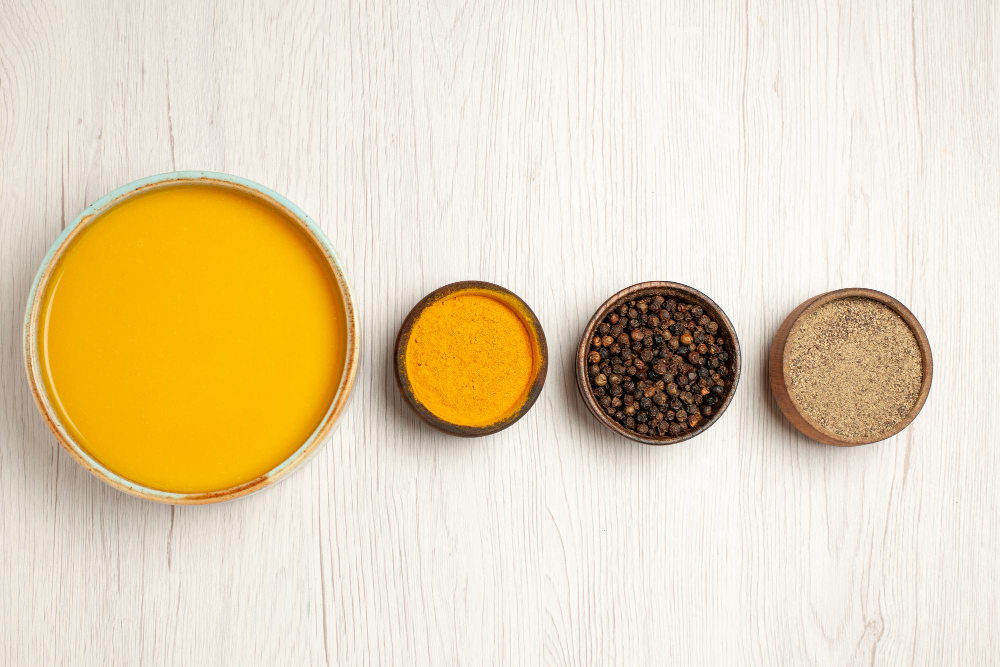
Because the sensation depends on volatile compounds reaching the nose, it ends as soon as they have dispersed – which is seconds rather than minutes.
Chilli heat persists and this does not. Rapid clearance is the direct result of the delivery route.
10. Different Seeds Give Different Results
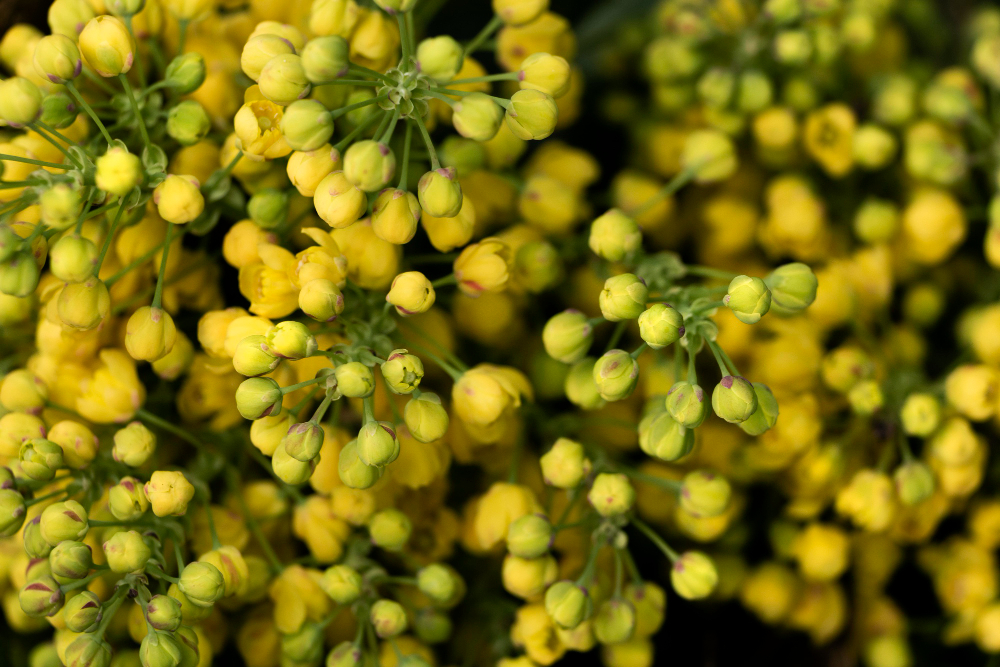
The species used produce different compound profiles – some generating a sharper nasal heat and others a slower, hotter, more tongue-based effect.
Blending them produces the range available. Species variation is why mustards differ before anything is done to them.
11. Horseradish and Wasabi Work the Same Way
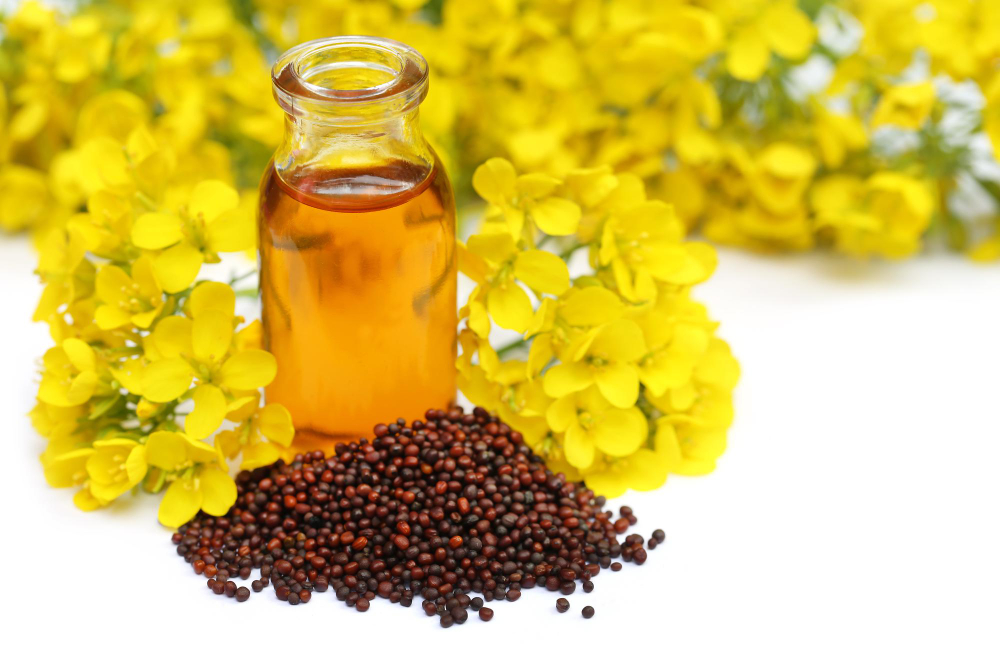
Both belong to the same plant family and produce pungency by the identical mechanism – an enzyme meeting a stored compound on cell damage, generating volatiles that act on the nose.
The chemistry is shared and the plants are different. Family mechanism is why the three sensations resemble each other.
12. Grinding Determines How Much Reacts
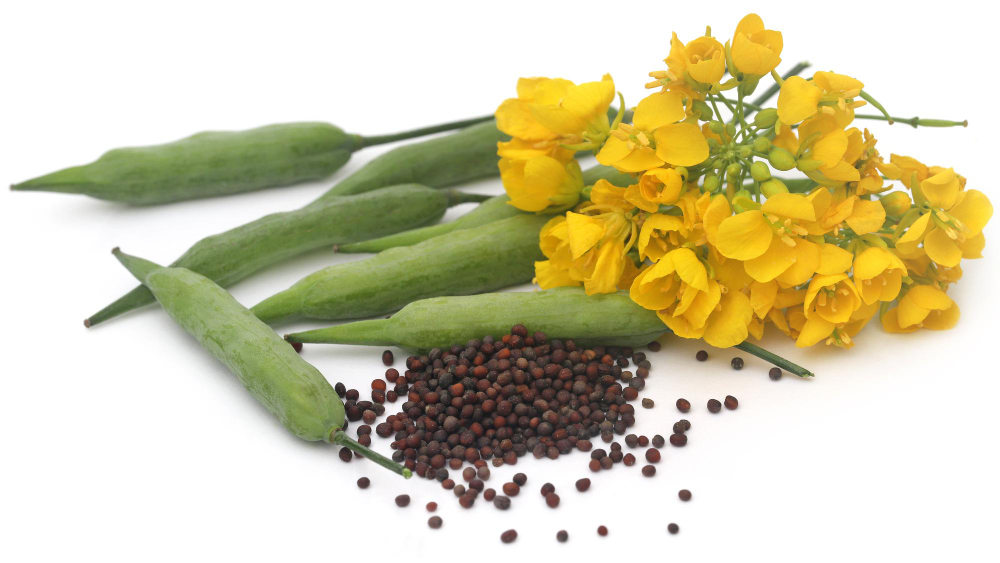
Finer grinding ruptures more cells and exposes more material, producing a stronger reaction; whole and coarsely cracked seeds react only where broken.
That is why grainy preparations are milder. Particle size is a direct control on intensity.
13. Whole Seeds Do Almost Nothing
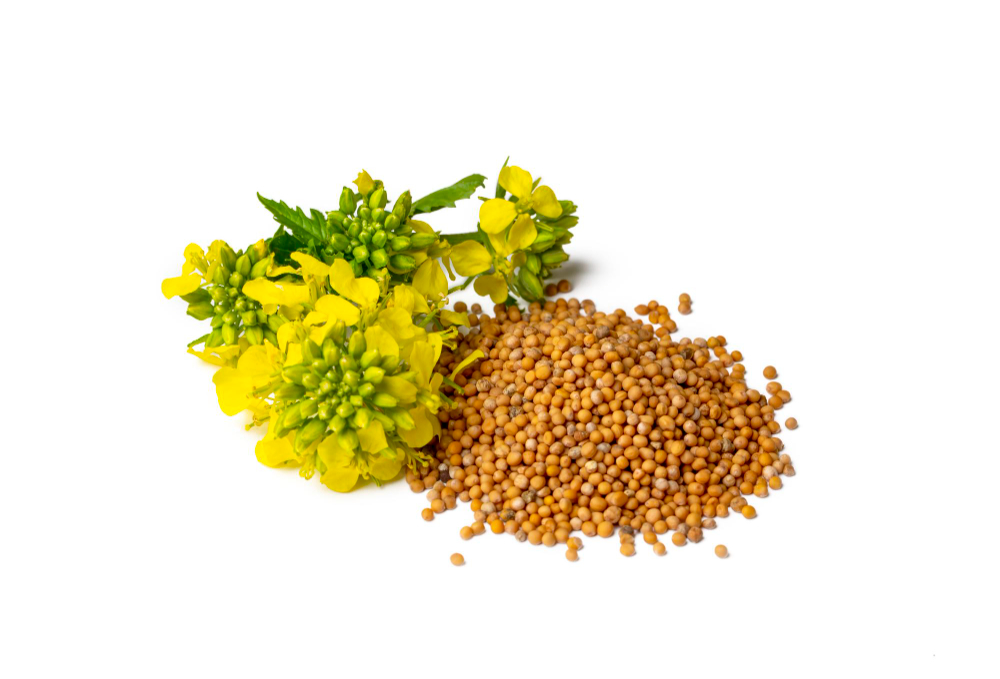
An intact seed passes through largely unreacted, contributing texture and a mild flavour rather than heat, which is why whole-seed preparations behave so differently.
The structure has to be broken. Intact seeds are the version with the chemistry switched off.
14. It Loses Heat in the Jar Regardless
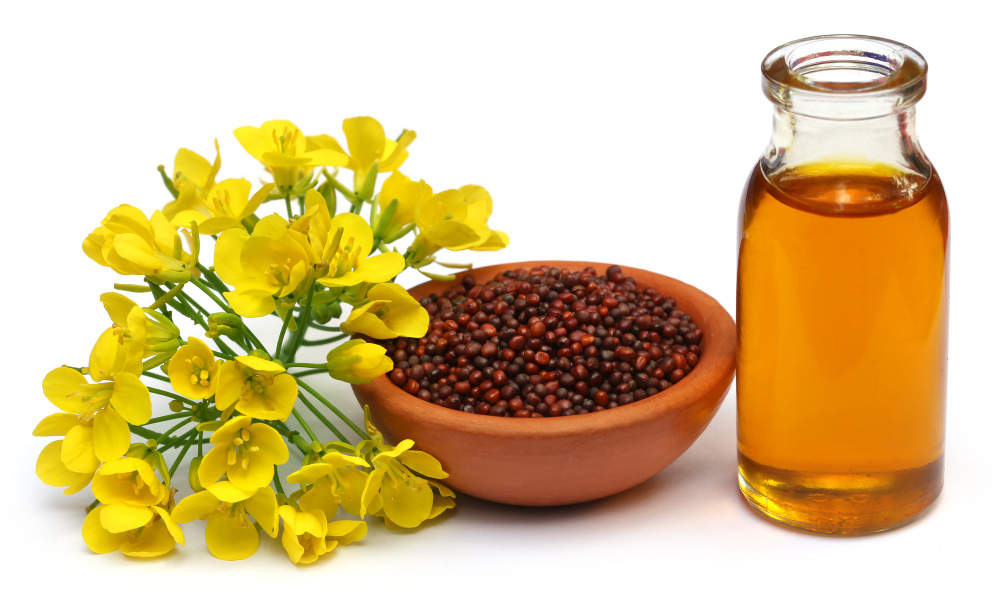
Even acid-stabilised preparations decline over months as volatiles escape each time the container is opened and as the compounds slowly break down.
An old jar is a different condiment. Gradual decline is why mustard has a useful life rather than a shelf life.
15. Cooking It Removes the Point
Adding mustard to something hot drives off the volatile compounds immediately, leaving the other flavours behind without the pungency.
That is sometimes wanted. Heat-driven loss is why mustard is generally added at the end.
Manufactured on Contact and Escaping Immediately

An enzyme and a compound kept apart in a dry seed, brought together by water, producing volatiles that peak within minutes and leave within the hour unless acid holds them.
The pairing worth knowing is items four and five. Mustard mixed with water is far hotter than anything in a jar and lasts about an hour; mustard made with vinegar is milder and lasts for months – and the difference is not the recipe but when the reaction was stopped.
Like our content? Follow us for more.