A seat is a set of trade-offs rather than a preference, and which trade-off matters changes completely between a short hop and an overnight journey. Here are ten things worth weighing.
1. Decide Whether You Need to Get Out
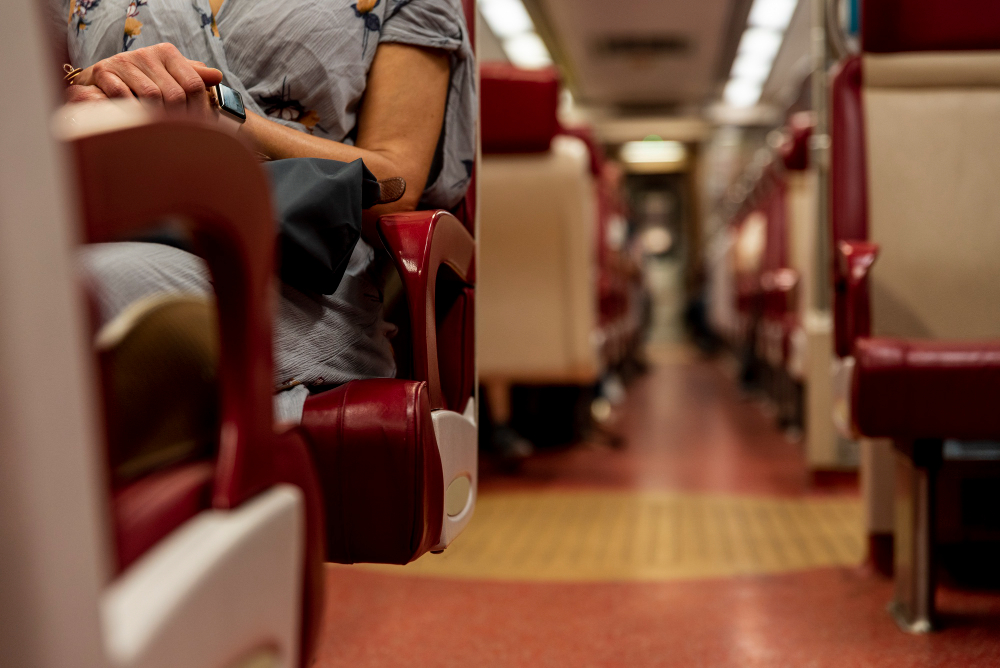
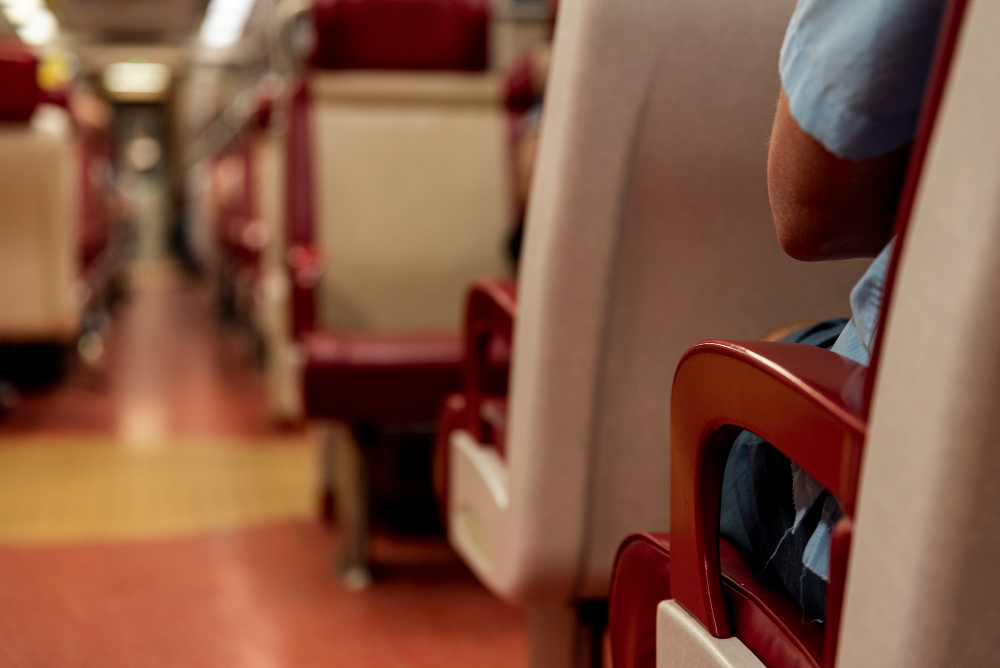
The single biggest division is whether you will want to leave your seat. If you will, an aisle removes every obstacle; if you will not, a window removes every interruption.
Everything else is secondary to this. Movement expectation is the first question to answer.
Like our content? Follow us for more.
2. Journey Length Changes the Answer
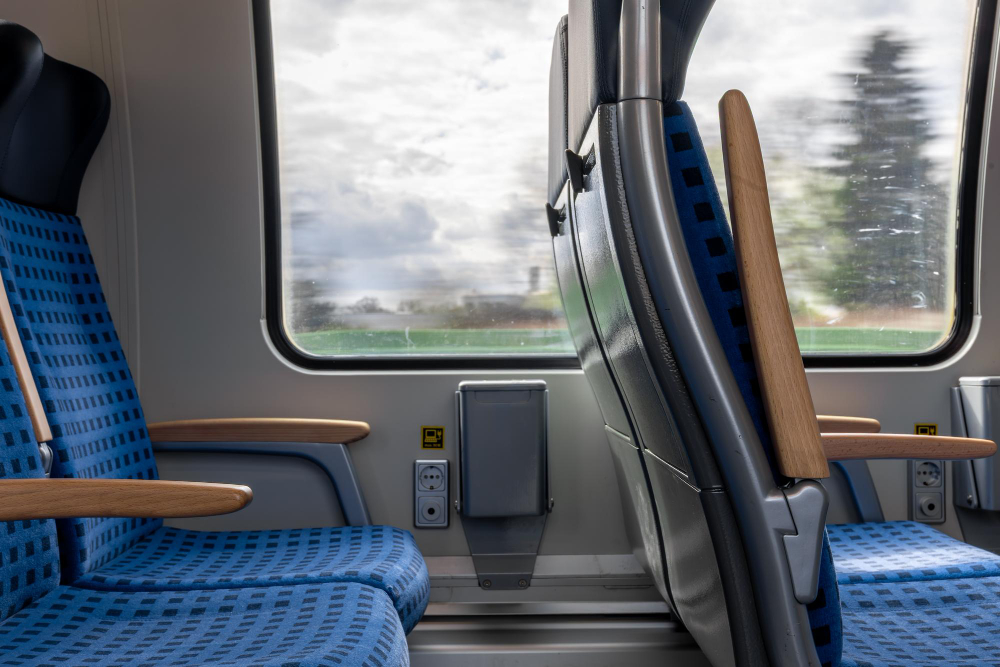
On a short journey the view and the quick exit matter most; on a long one, legroom, light control and the ability to lean matter far more.
The right seat differs by duration. Trip length reweights every other factor.
3. The Window Is Not Always a Window
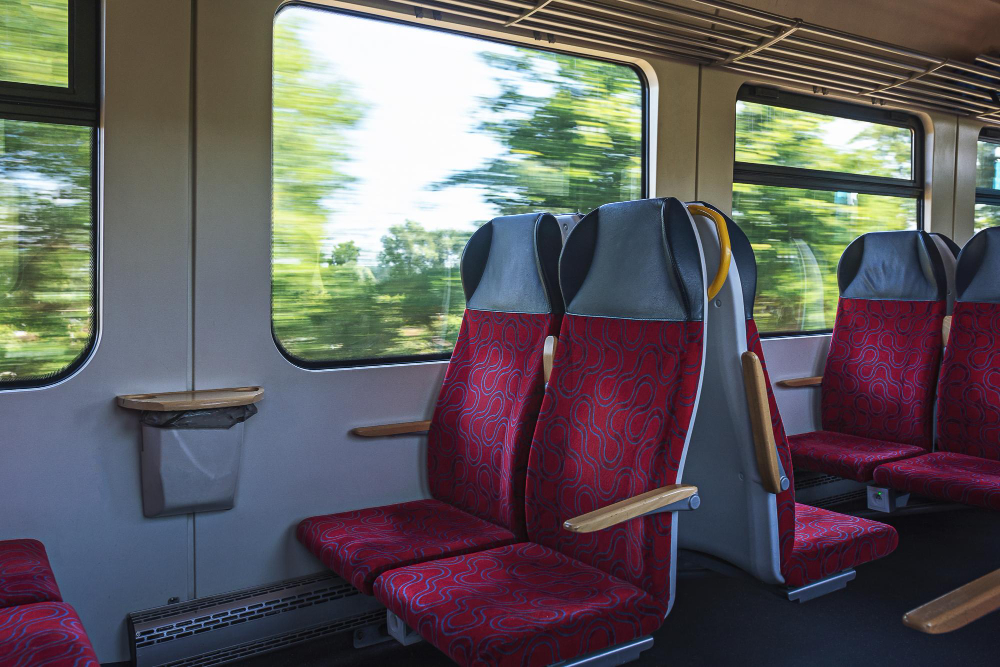
Seat rows and window positions do not always align, so a seat sold as a window can face a blank panel or a support, which is worth checking on a layout rather than assuming.
It is a common disappointment. Window alignment is not guaranteed by the label.
4. Extra Legroom Comes With Costs
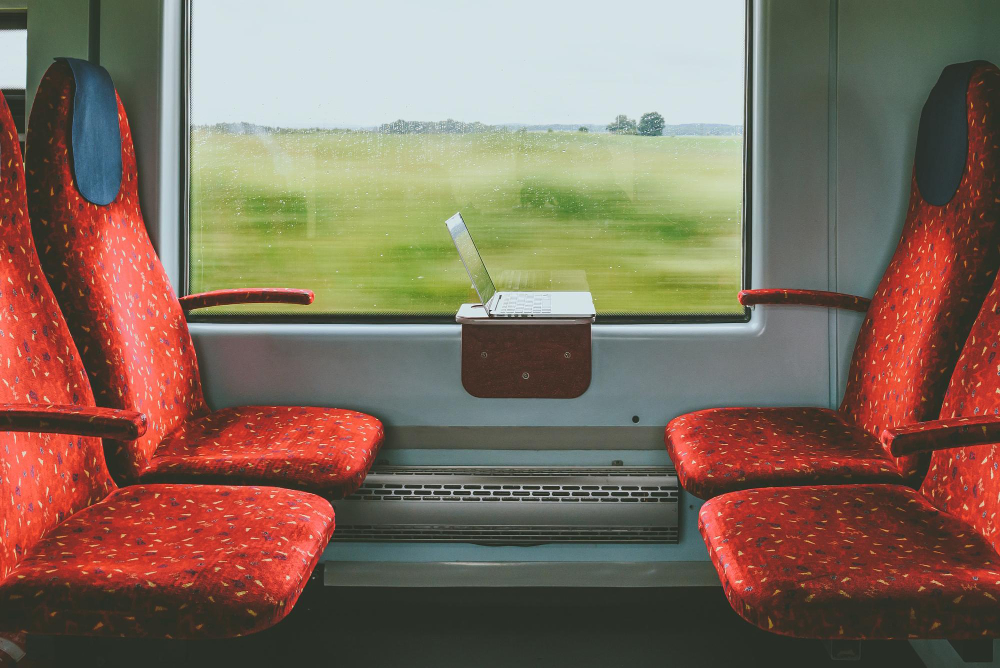
Seats with more space in front are frequently colder, have nowhere to put anything during departure and arrival, and sometimes have fixed armrests that reduce width.
The space is real and so are the trade-offs. Bulkhead and exit rows are not simply better.
5. Facing Forward Suits Most People
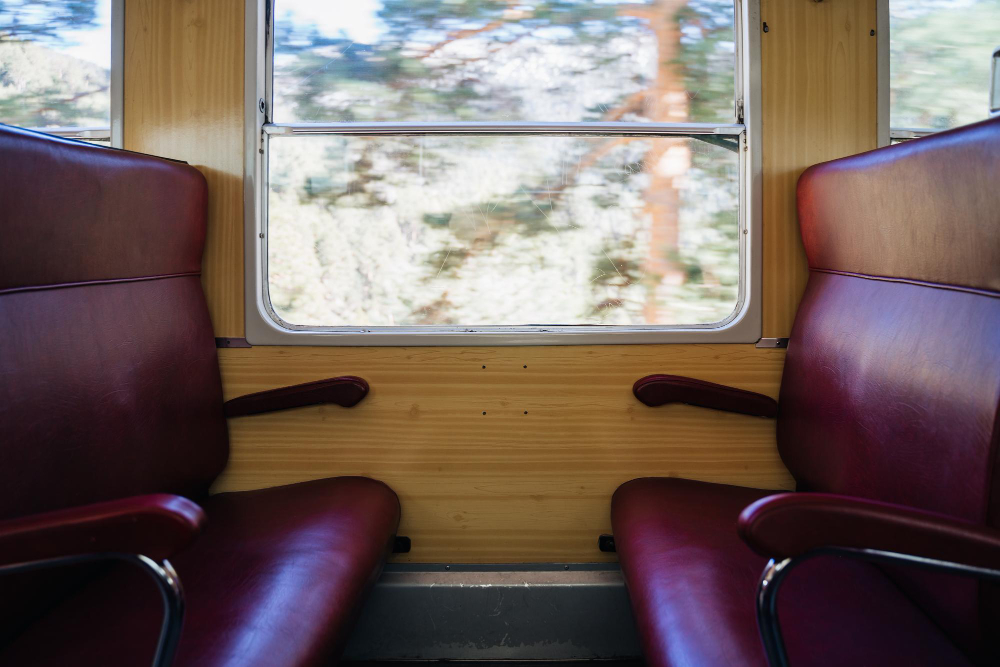
Where seats face both ways, most travellers prefer to face the direction of travel, and on a long journey that preference becomes more pronounced.
It is worth stating when booking. Direction preference is easy to arrange in advance and hard to fix later.
6. The Back Is Busier Than It Looks
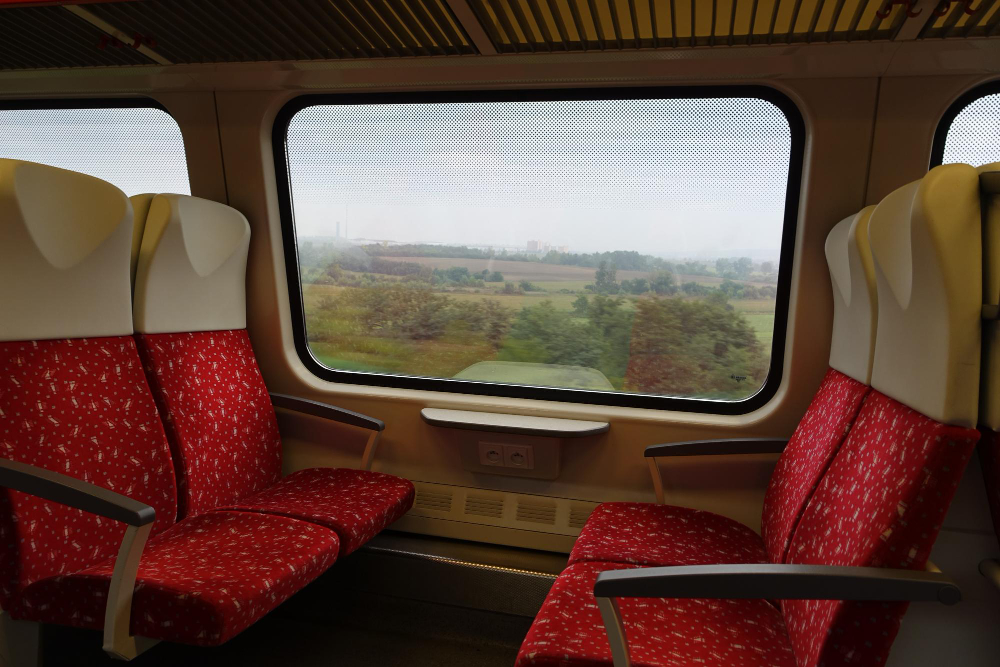
Seats near facilities, doors or service areas involve constant passing traffic, noise and light, which is a poor trade for whatever proximity offers.
Proximity is rarely worth it. Adjacent facilities are a reliable source of disturbance.
7. Storage Is Part of the Seat
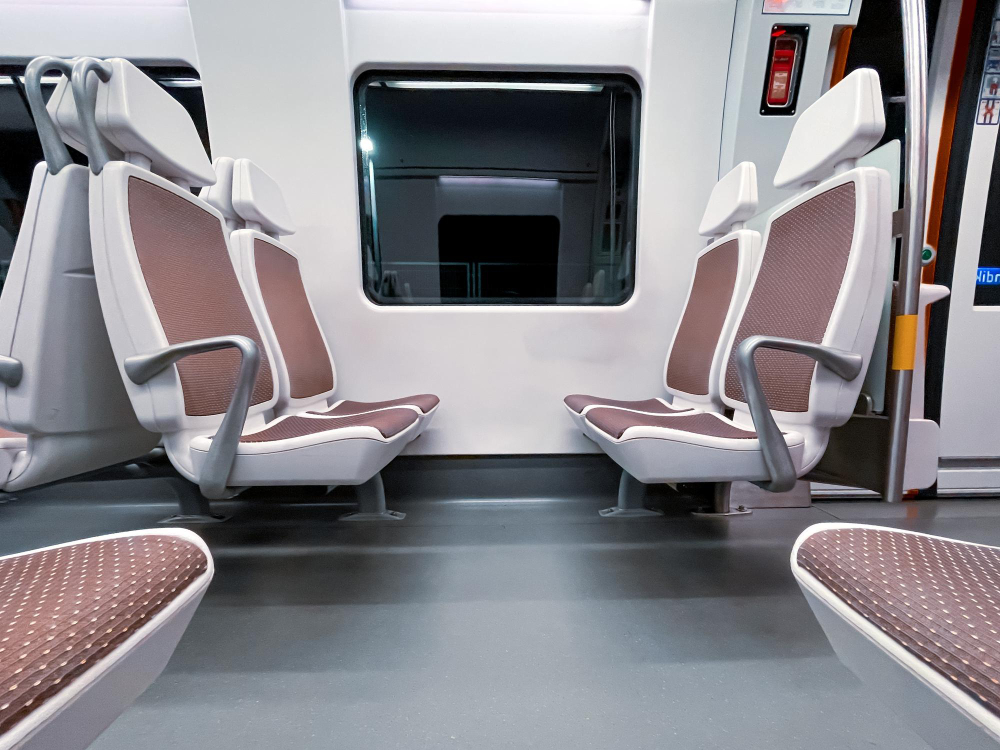
Where your bag will go, whether it is reachable, and whether you will have to move it are all determined by where you sit, and that matters more on a full service than on an empty one.
It is worth thinking about before boarding. Luggage access is a seat property, not a separate problem.
8. Travelling in a Pair Changes the Maths

Two people in a three-seat row can leave the middle empty and improve their chances substantially, and two facing seats with a table suit a different kind of journey than two side by side.
The arrangement matters as much as the position. Group geometry is worth choosing deliberately.
9. Some Requirements Should Be Arranged Directly

Anybody who needs to move frequently, needs particular access, or is travelling with somebody who does should arrange it with the operator rather than relying on a general rule.
Operators have provisions that booking screens do not show. Direct arrangement is more reliable than guesswork.
10. Choosing Early Costs Nothing

Seat selection is almost always easier and freer the earlier it is made, and leaving it to check-in reduces the choice to whatever nobody else wanted.
It takes two minutes at booking. Early selection is the cheapest improvement available.
A Set of Trade-Offs Rather Than a Preference

Whether you will need to get out, a duration that reweights everything, a window that may not align, extra legroom with real costs and storage that comes with the seat.
The first item resolves most of the argument. Window or aisle is not a matter of taste – it is a question of whether you expect to leave your seat, and answering that honestly settles the choice faster than any other consideration.
Like our content? Follow us for more.