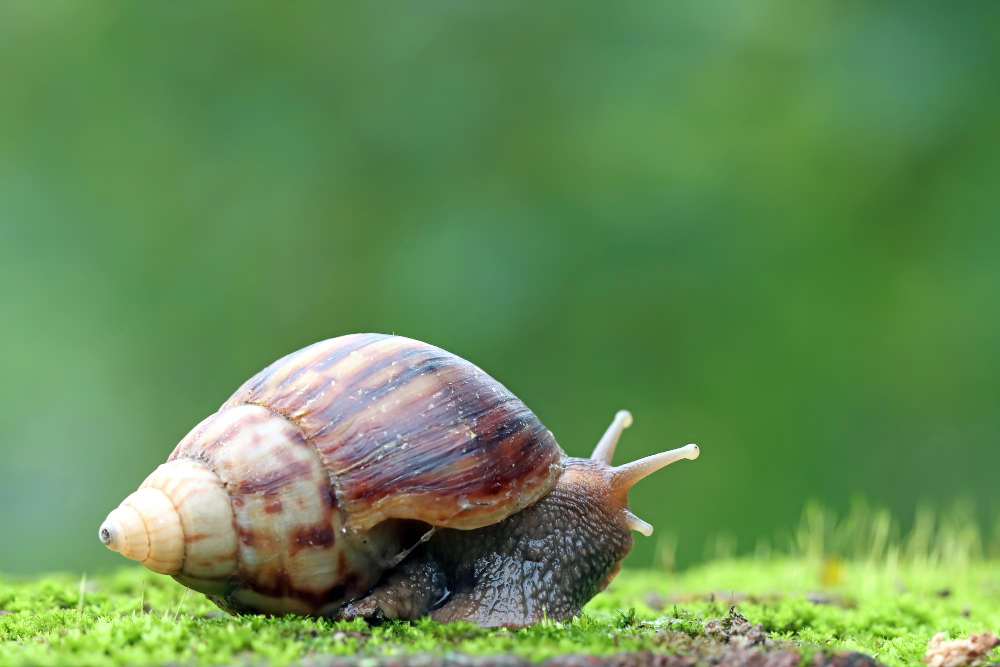
One foot, one shell it cannot leave, and thousands of teeth. Here are fifteen.
1. It Moves by Sending a Wave Along One Foot
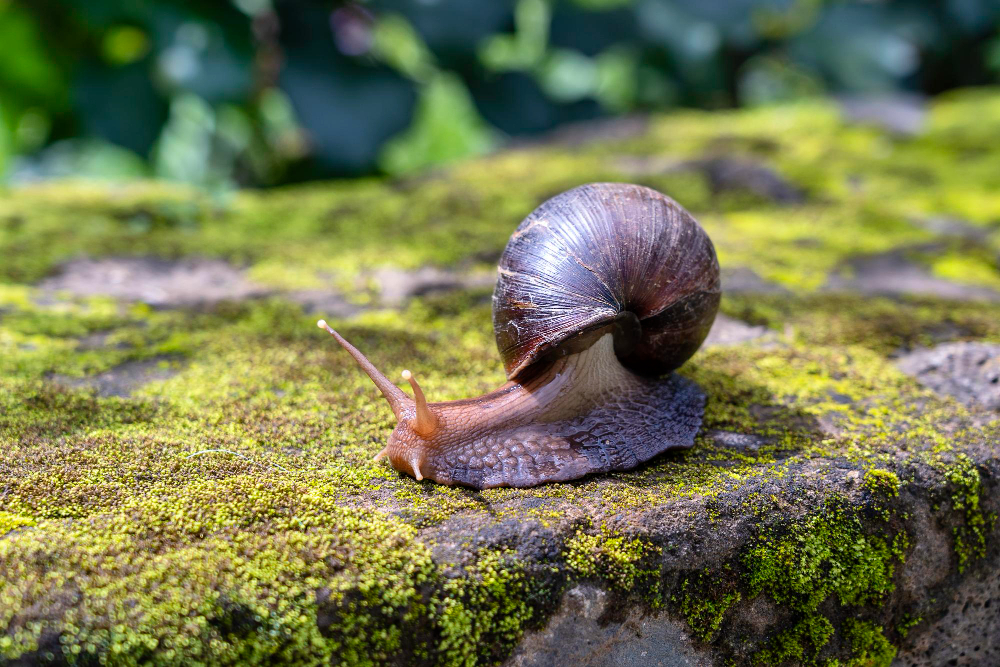
Bands of muscle contract in sequence from back to front along the underside, so parts of the foot lift and advance while others stay anchored.
You can watch the wave travelling if you put one on glass and look from below.
Like our content? Follow us for more.
2. The Slime Is a Liquid and a Solid at Once
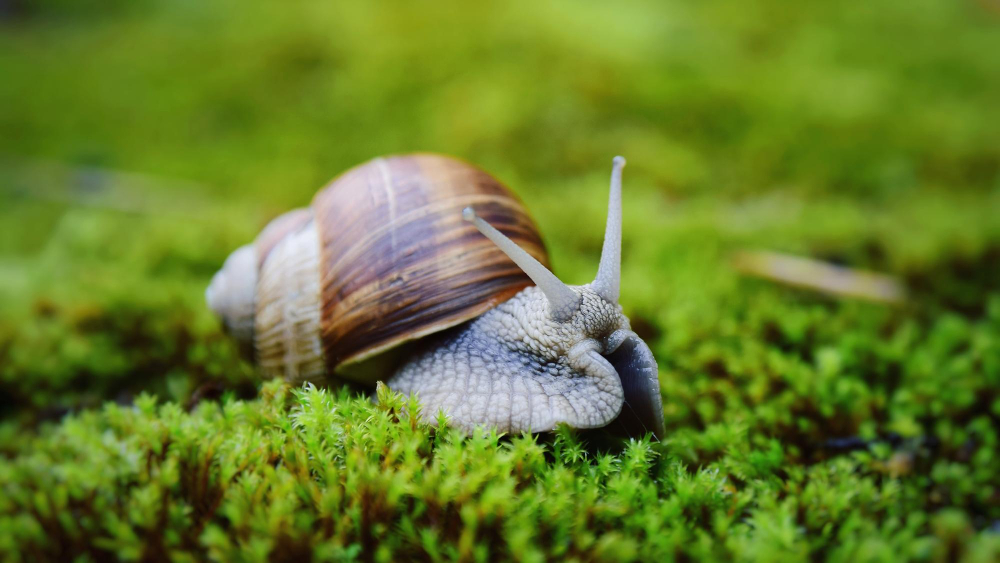
Under pressure the mucus thins and flows, letting the foot slide; at rest it stiffens and grips.
This is why a snail can be stuck firmly to a wall and moving at the same time.
3. Which Is How It Climbs Straight Up Glass
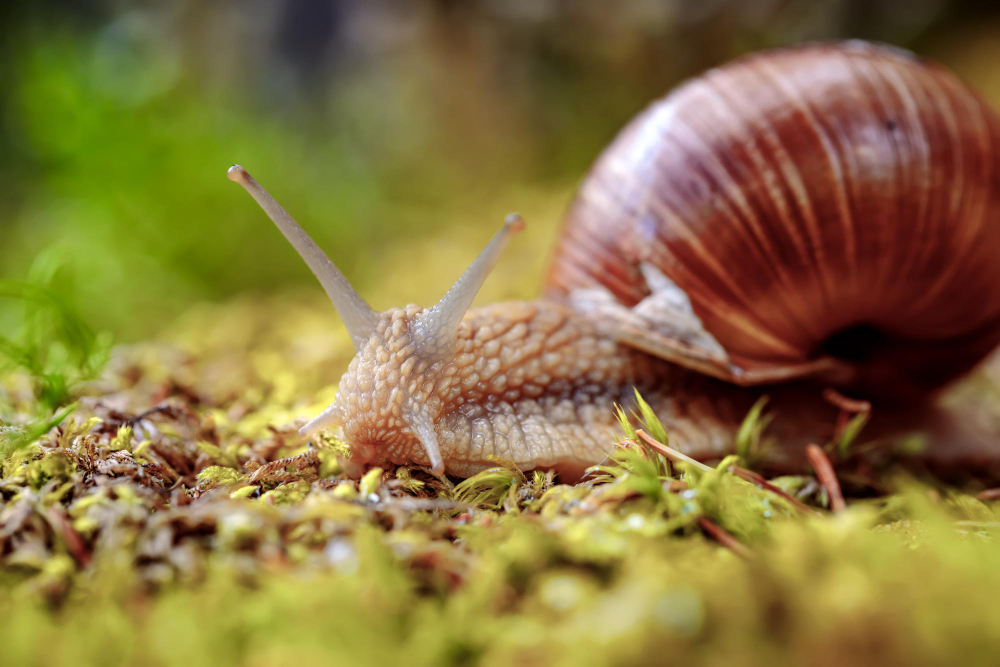
The mucus acts as an adhesive rather than a lubricant, and the animal is effectively gluing and unglueing itself continuously.
Weight is not the constraint. Adhesion is, and there is plenty of it.
4. It Can Cross a Blade Without Being Cut
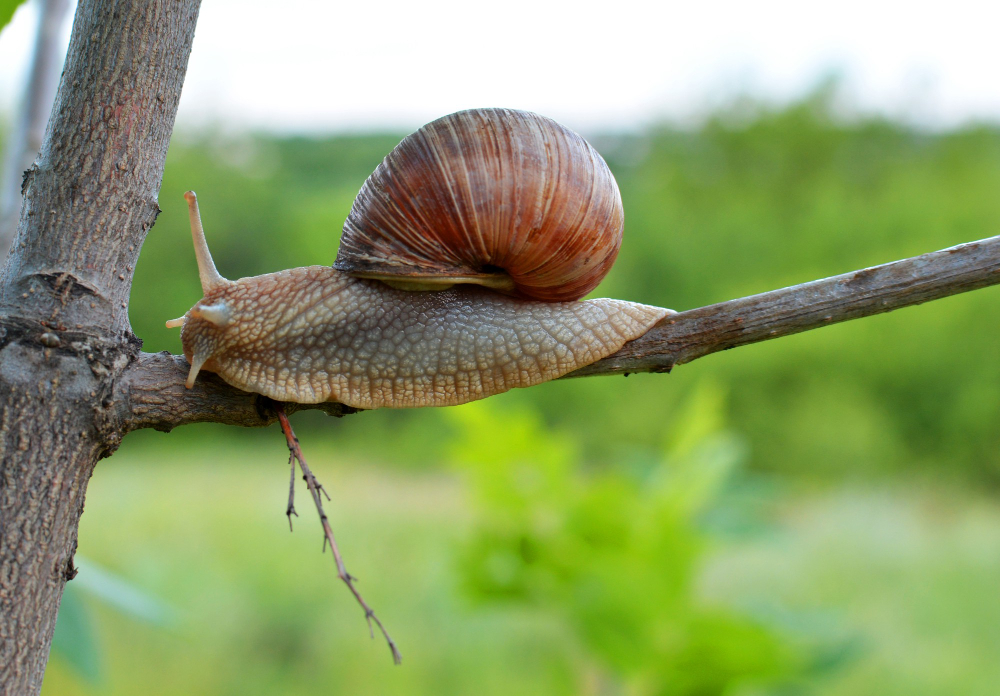
The mucus layer holds the foot clear of the surface it is travelling on, so the foot never contacts a sharp edge directly.
The often-repeated demonstration works because of the slime, not because of the foot.
5. Making the Slime Is the Expensive Part
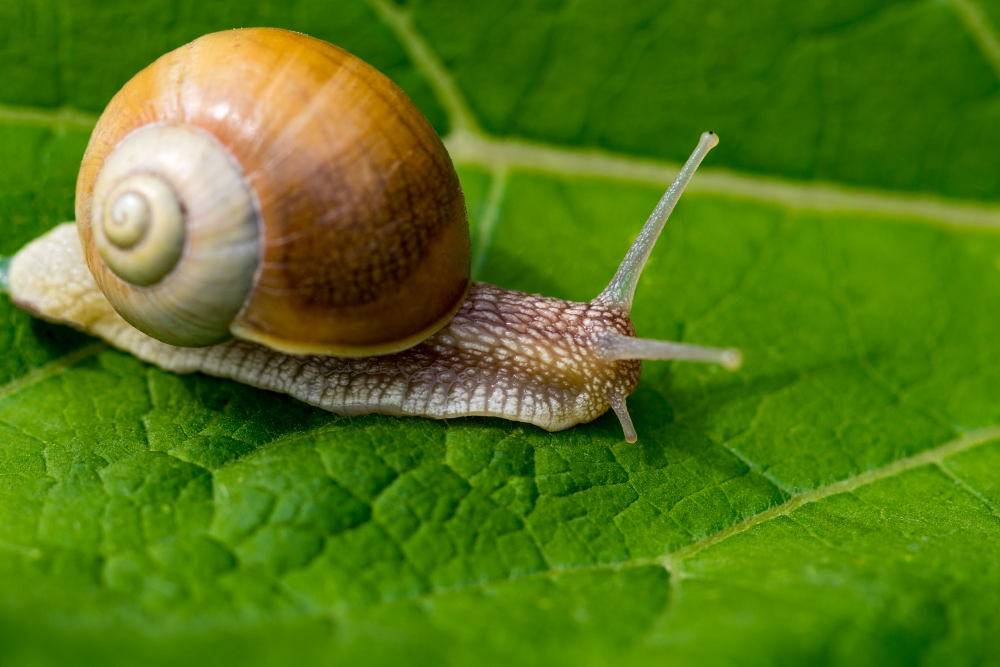
Mucus production is a substantial drain on water and energy, which is the main cost of moving at all.
Snails routinely follow existing trails to reuse somebody else’s.
6. The Shell Is Attached, Not Worn
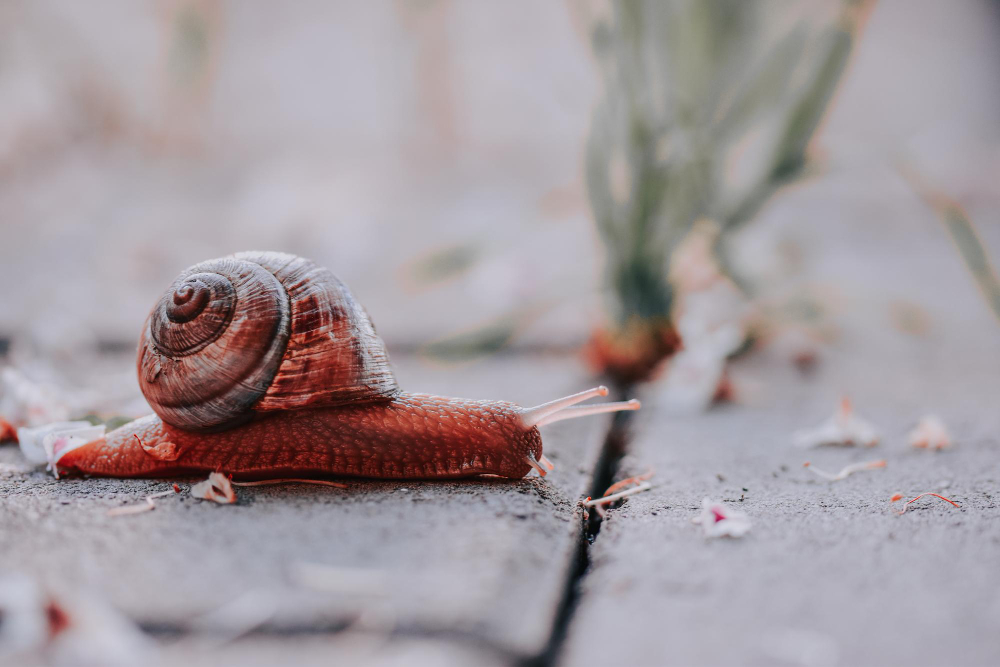
It is not a house the animal climbed into. It grows from the body, is joined to it by muscle, and cannot be removed.
A snail separated from its shell does not survive it.
7. The Shell Grows From the Opening
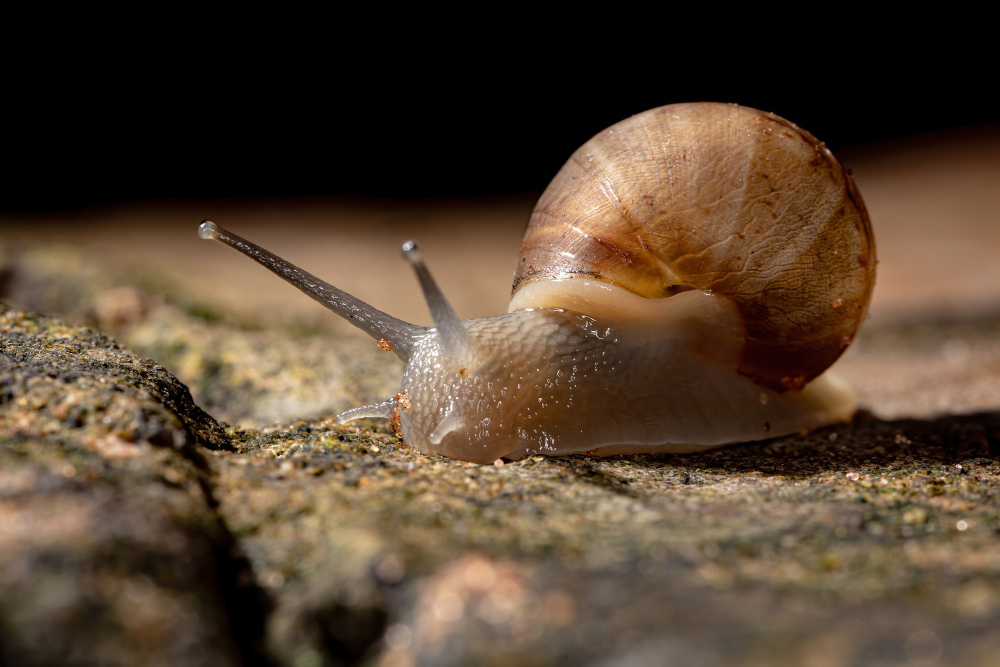
New material is added at the lip, so the shell enlarges in a spiral without any part of it being rebuilt.
The spiral is a record of growth, and the growth lines are readable.
8. Which Means It Needs Calcium From Somewhere
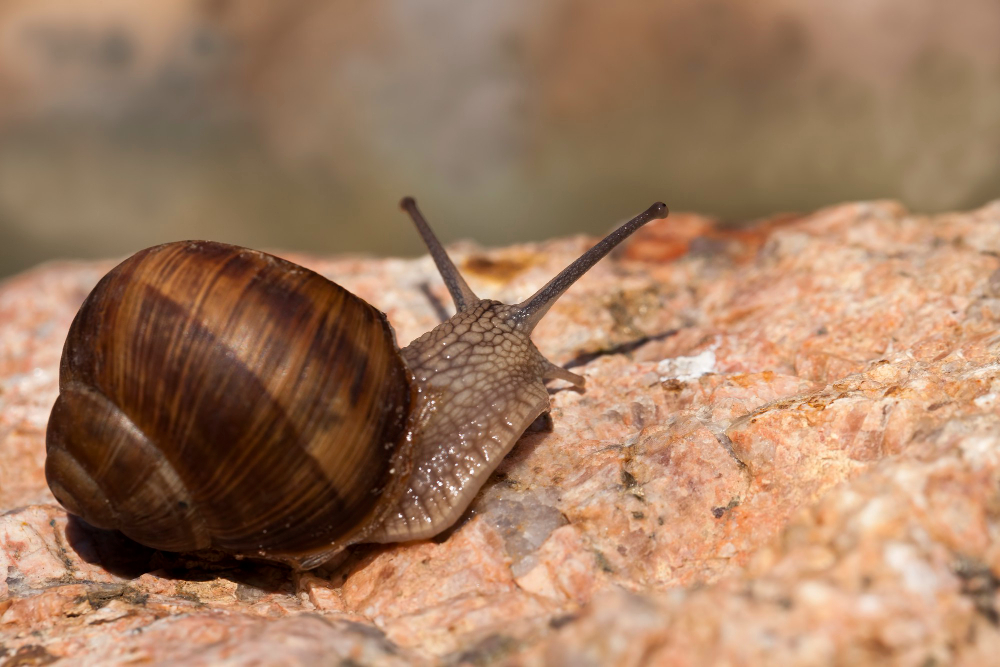
The shell is largely calcium carbonate, and the animal has to find it in soil, in plants or by rasping at stone and old shells.
Snails are scarce on acidic ground for this reason alone.
9. Almost All of Them Coil the Same Way
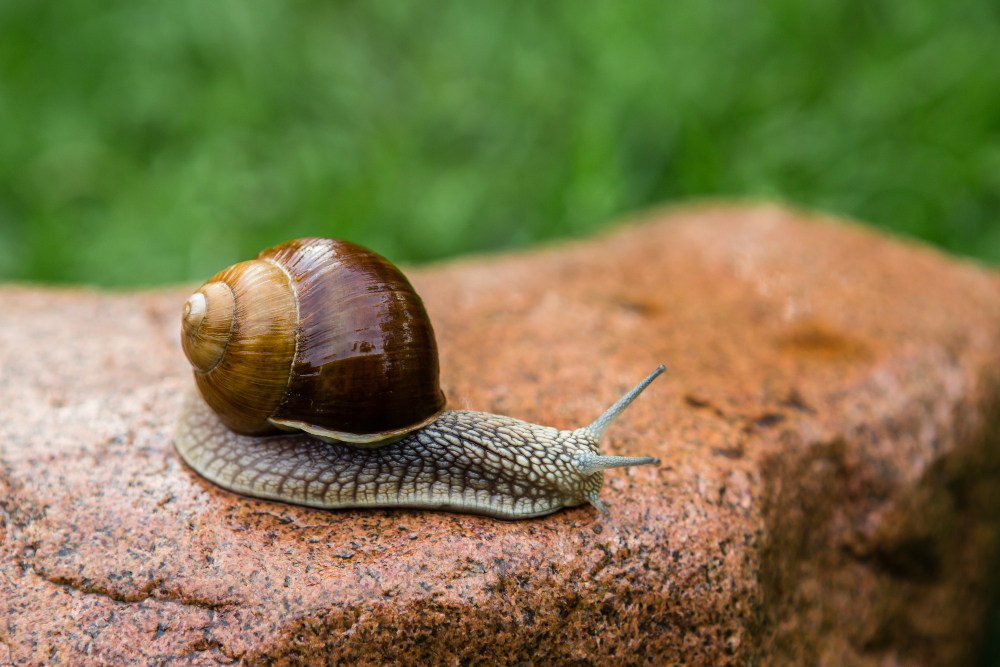
Viewed from above, the great majority spiral clockwise, and the direction is set genetically.
A reversed individual is rare and usually cannot mate with normal ones, because the anatomy no longer lines up.
10. The Mouth Contains a Toothed Ribbon
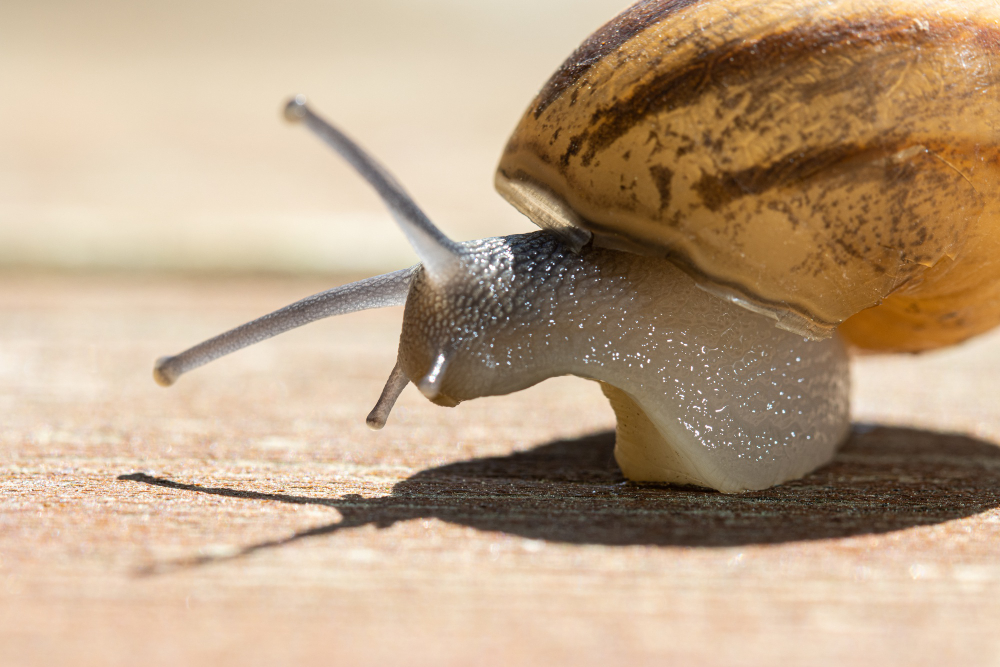
A flexible band called a radula is drawn across the food like a rasp, carrying rows of tiny teeth numbering in the thousands.
They wear out and are continuously replaced from the back.
11. You Can Hear It Eating
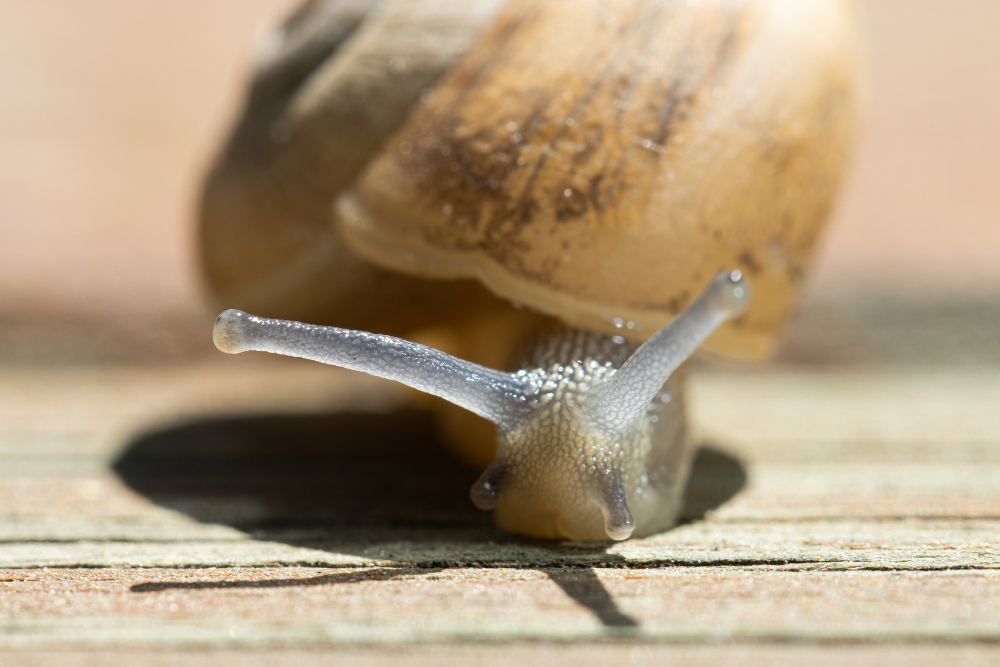
The rasping of the radula on a firm surface is loud enough to be audible in a quiet room, a faint rhythmic scraping.
Anybody who has kept one in a tank has heard it.
12. It Breathes Through a Single Hole
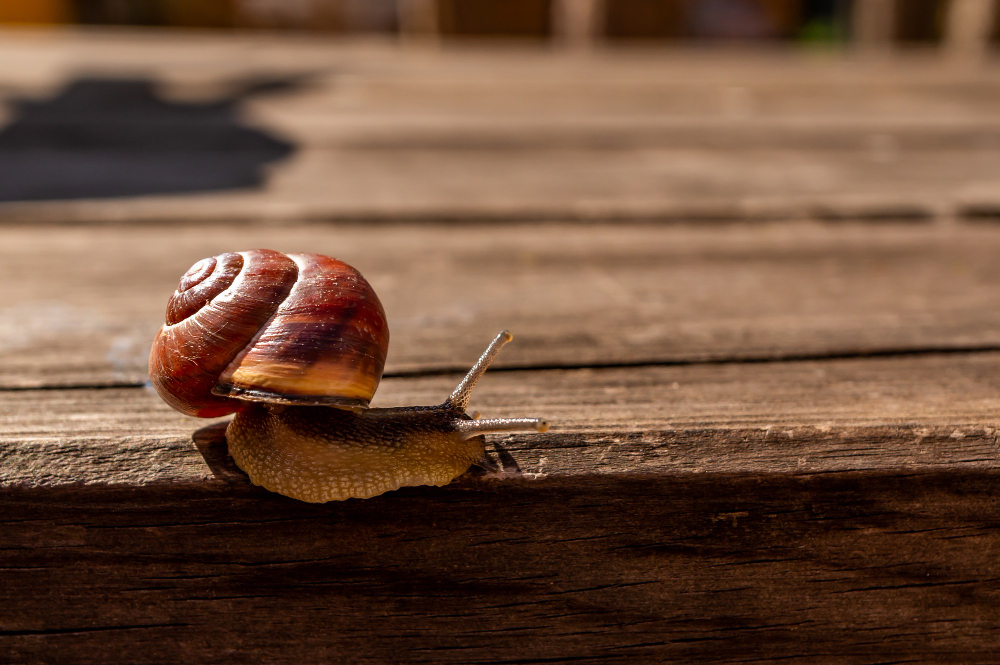
A land snail has a lung-like cavity opening through one pore on the side of the body, which visibly opens and closes.
Watch the shell opening and you can see it working.
13. It Seals Itself In and Waits
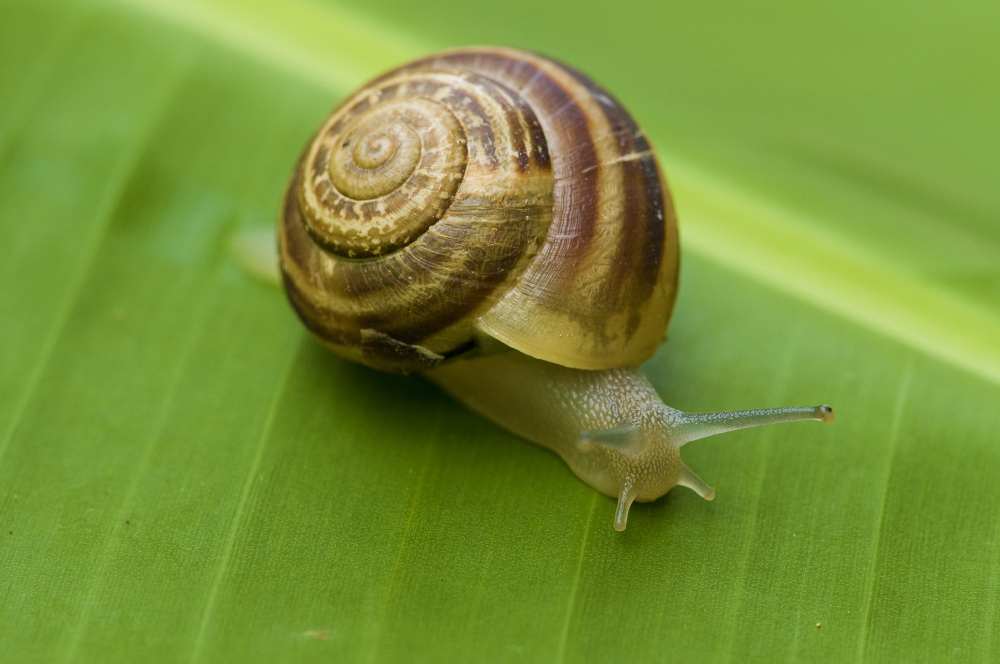
In drought or cold, a snail withdraws and secretes a membrane across the shell opening to stop water escaping.
Some species can sit sealed for months, and specimens have revived after far longer.
14. Which Is Why Salt Is Lethal
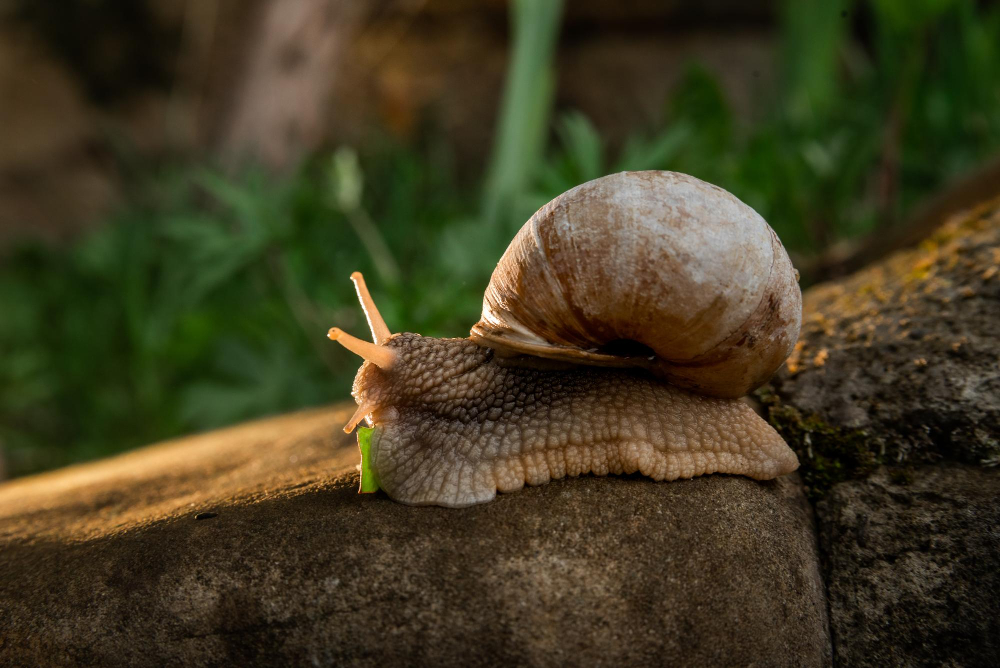
Salt draws water out through the moist exposed body surface, and a snail has very little water to spare.
It is dehydration rather than any chemical effect.
15. A Slug Is a Snail That Gave Up the Shell
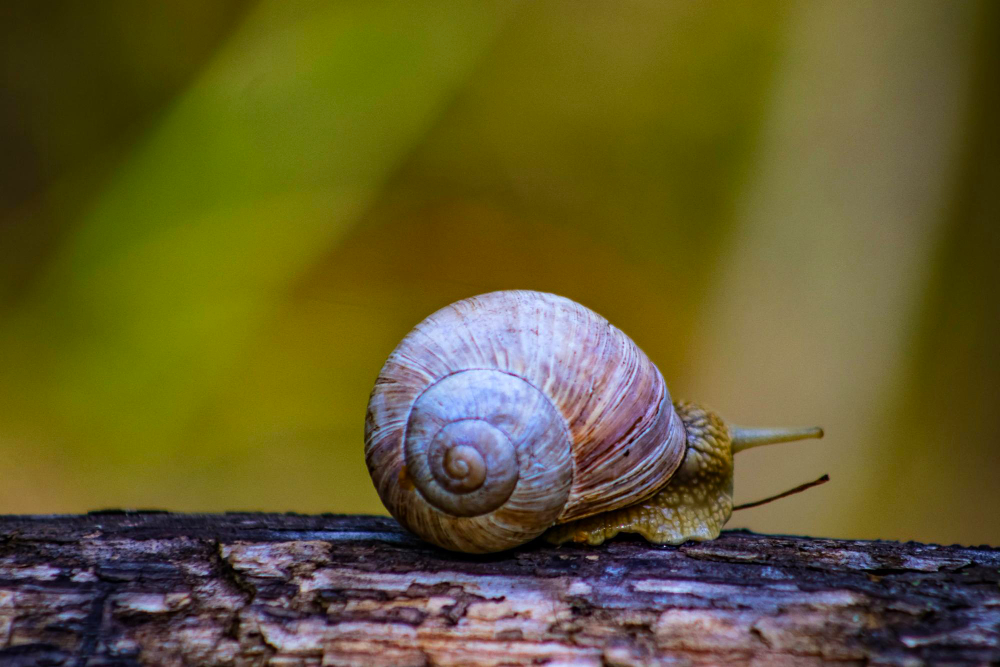
Slugs evolved from shelled ancestors and lost the shell repeatedly in different lineages, retaining a small internal remnant.
Losing it costs protection and buys access to every crack and crevice a shell will not fit through.
One Foot, One Shell and a Ribbon of Teeth
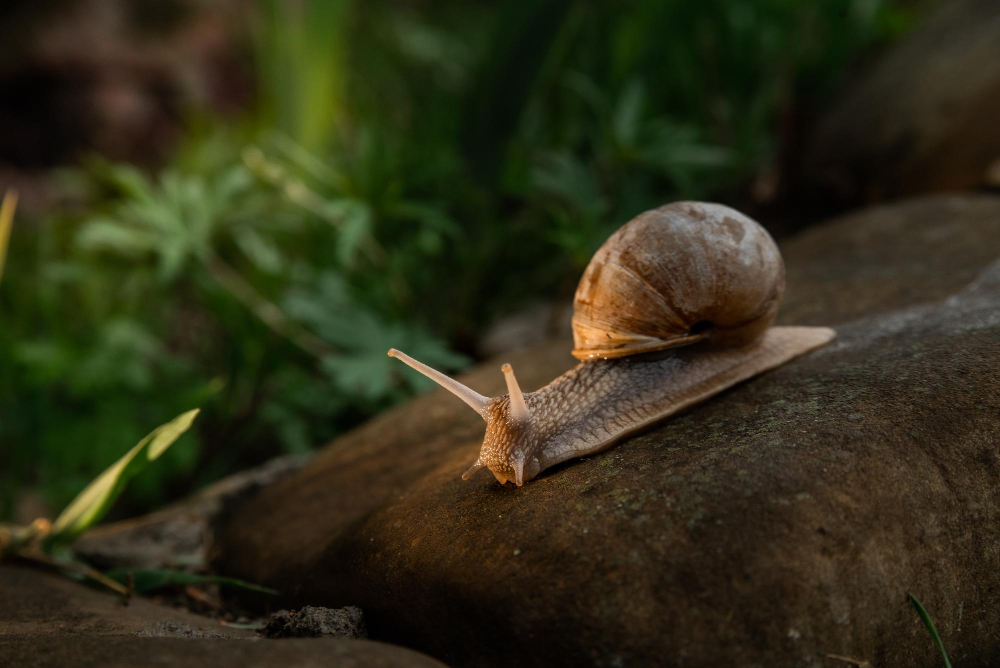
A wave of muscle doing the walking, mucus that is glue and lubricant at once, a shell joined to the body and grown at its lip, a rasping ribbon of thousands of teeth and a sealed door for waiting out a drought.
The second item is the one that makes the rest possible. Snail mucus changes its behaviour depending on the force applied to it, flowing when squeezed and setting when left alone, which is how one animal can be firmly stuck to a vertical pane and walking up it in the same instant.
Like our content? Follow us for more.