

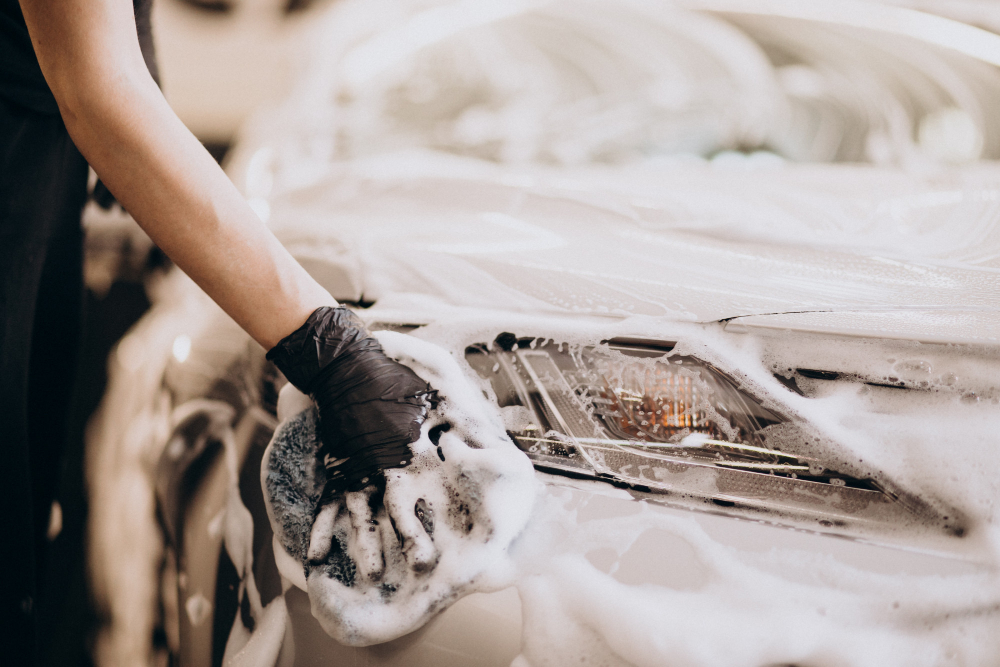
It measures the car first, reuses the water, and the brushes are not brushes. Here are twelve.
1. The Machine Measures the Car First
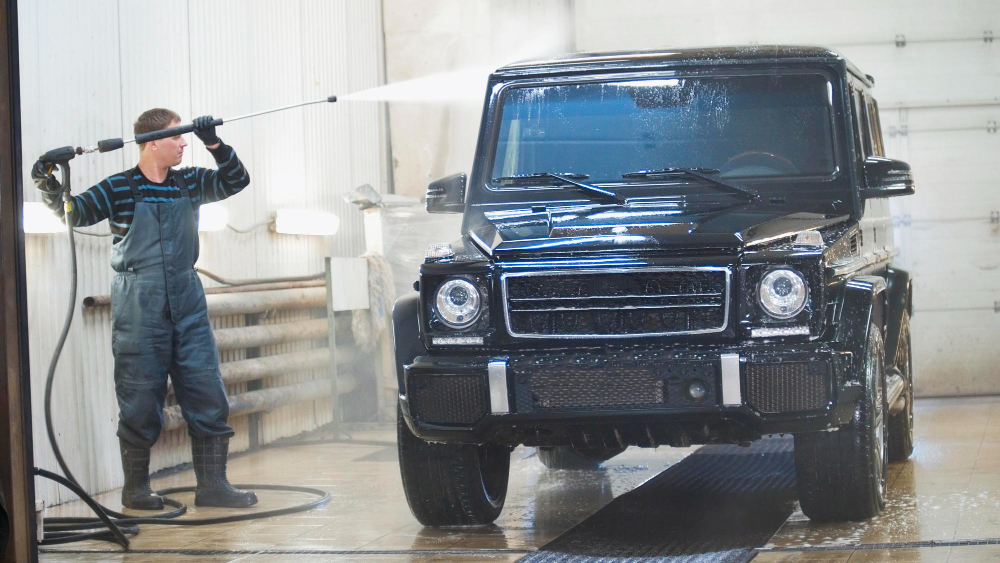
Before anything moves, a set of sensors builds a profile of the vehicle: its length, its height, where the windscreen starts, where the roof ends and where the back begins.
Everything that follows is driven by that profile. The equipment does not run a fixed programme; it runs a programme shaped to the car in front of it, which is why an estate and a hatchback get visibly different treatment.
Like our content? Follow us for more.
2. The Brushes Are Not Brushes
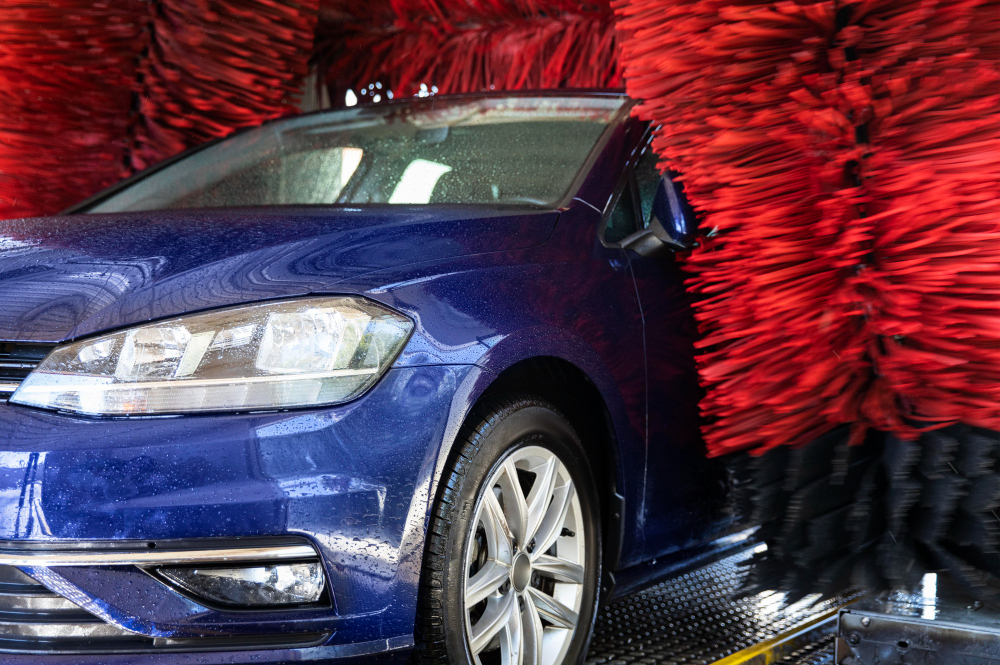
The large rotating cylinders are not bristles. They are strips of soft material hanging from a core, and they work by being flung outward by rotation and dragged across the surface.
They are closer to a mop than a brush, and the cleaning is done by the material sliding across the paint carrying water and detergent, not by anything scrubbing.
3. The First Generation Really Did Wreck Paintwork
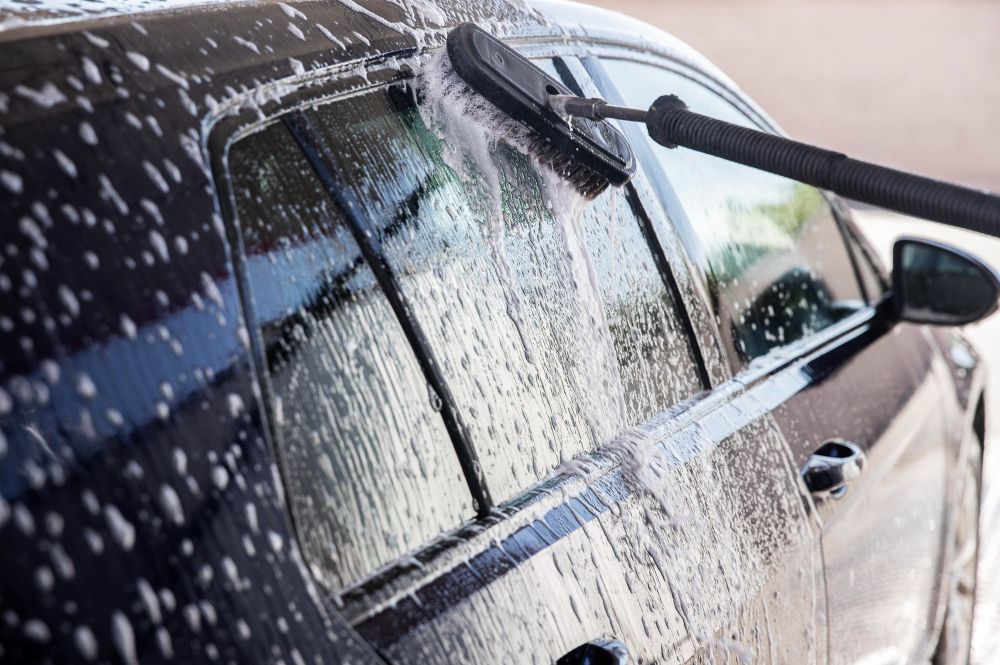
Early machines used stiff nylon bristles, and the reputation they earned was deserved. Nylon holds grit, and grit dragged across paint under pressure leaves a pattern of fine scratches.
The characteristic haze of swirl marks on cars of that era is a direct record of it, and it is the reason a generation of drivers refused to use these machines at all.
4. Which Is Why They Became Cloth and Foam
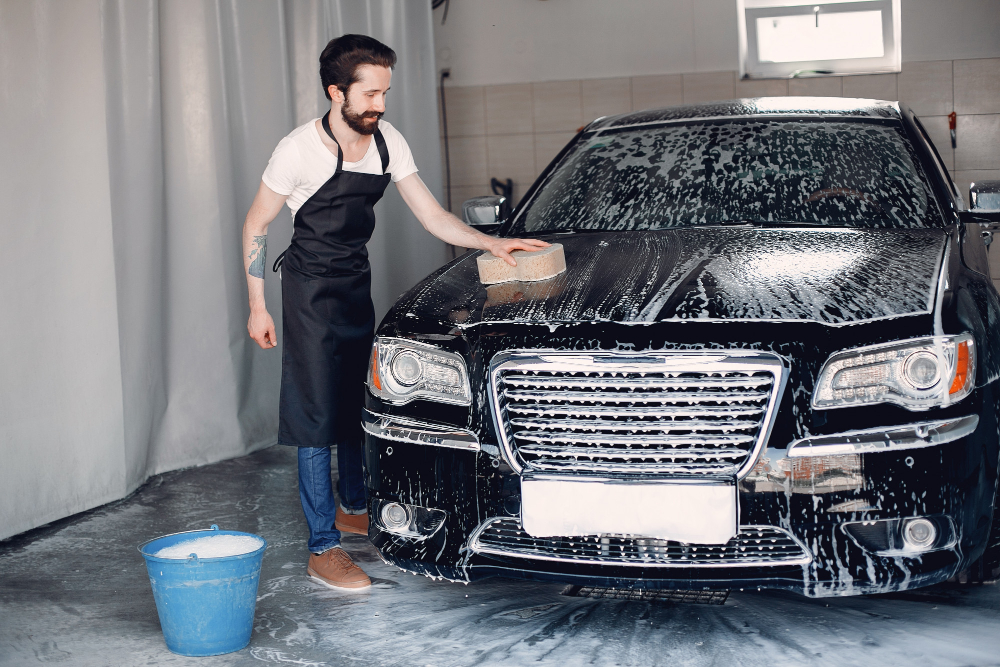
The industry moved to closed-cell foam and to soft fabric strips, which do not retain grit in the same way and release it when they flex.
The material is also continuously flooded with water while rotating, so anything picked up is washed out rather than carried round to the next panel. The design problem was never cleaning; it was not transporting dirt.
5. The Pre-Soak Does Most of the Work
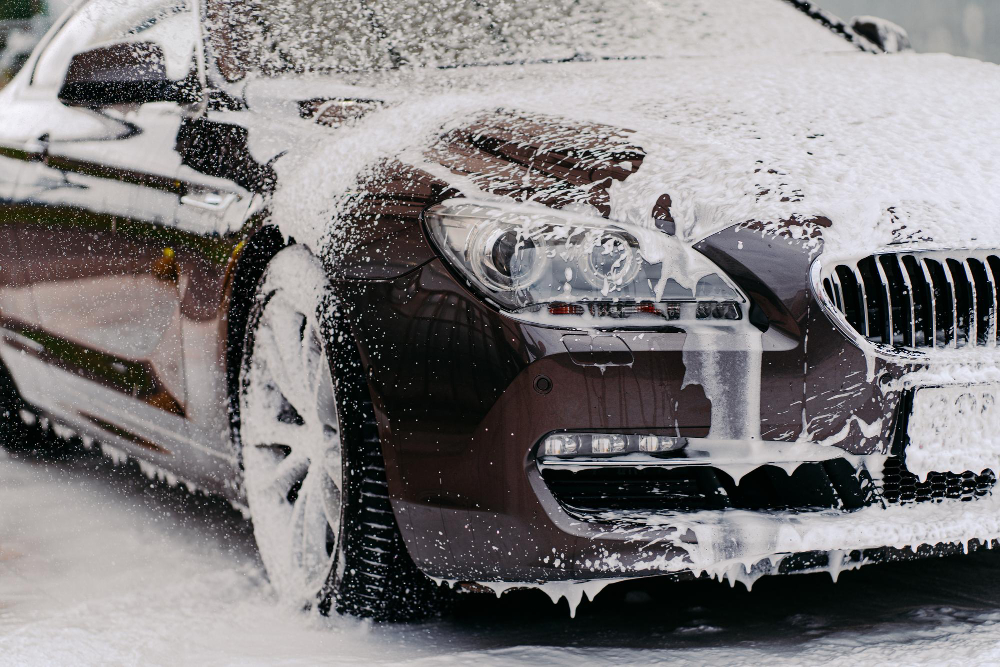
The first arch sprays a chemical that loosens road film and softens dirt, and then nothing touches the car for a period while it works.
That dwell time is the single most important stage. Material that has been chemically loosened can be moved with very little mechanical force, and a machine that skipped it would need to rub much harder.
6. Most of the Water Has Been Used Before
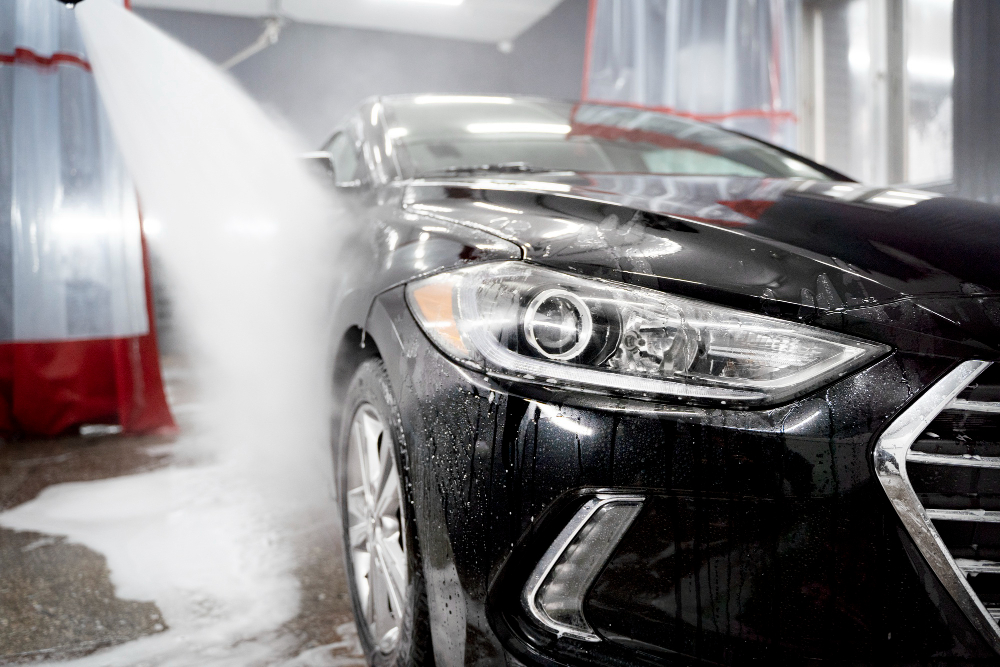
A wash uses a substantial volume, and the great majority of it is recovered from the floor drains, settled to drop out grit, filtered and used again.
Which is counter-intuitive but is why a commercial wash commonly uses less fresh water per car than washing one on a driveway, where every litre is new and all of it runs into a drain.
7. But the Final Rinse Never Is
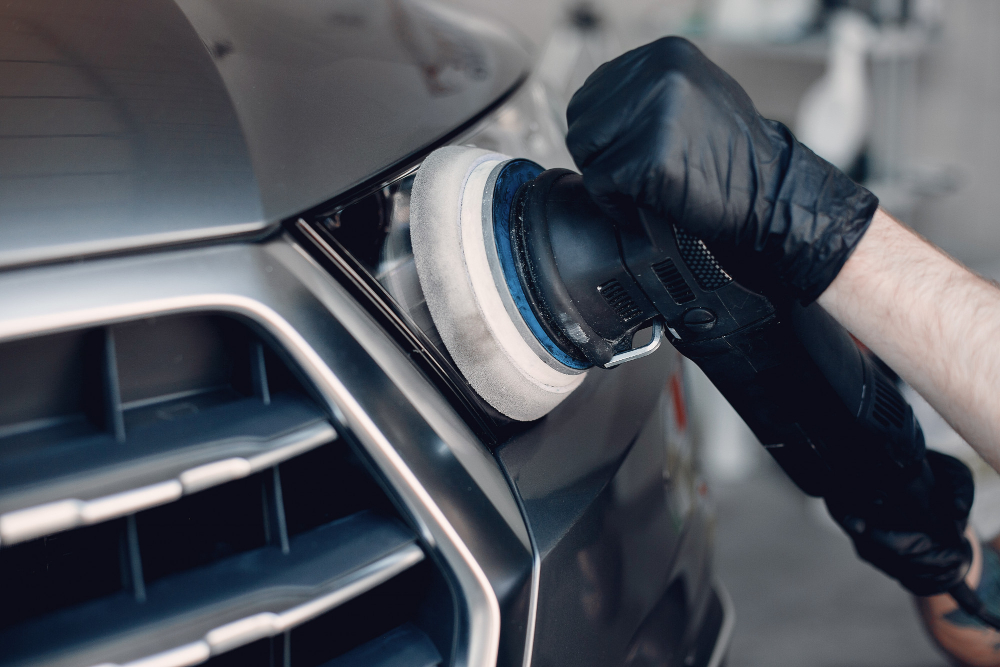
The last rinse is always fresh water, and in many installations it is treated to remove dissolved minerals before it is used.
The reason is spotting. Water containing dissolved solids leaves those solids behind when it evaporates, as a visible deposit. Removing them means the water can be allowed to dry on the car without marking it, which is what makes the next stage possible.
8. The Dryer Is Not Drying the Car
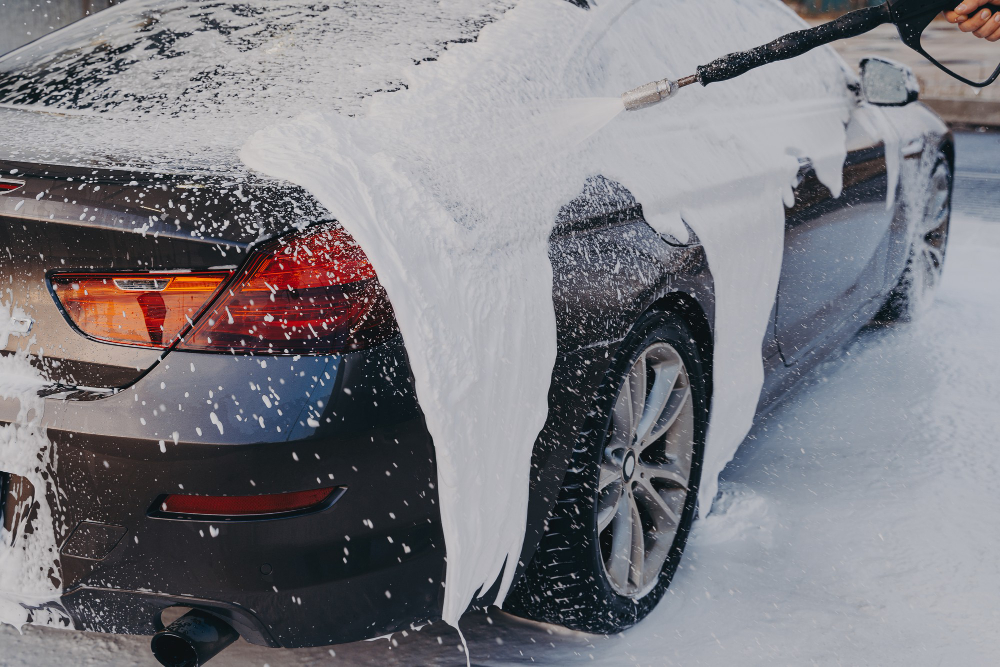
The large blowers at the exit are not evaporating anything. There is nowhere near enough energy or time for that.
They are physically pushing water off the surface in sheets, which is why they are aimed at angles and sequenced front to back, and why the only places left wet are the ones the airflow cannot reach.
9. A Rollover and a Tunnel Are Different Machines
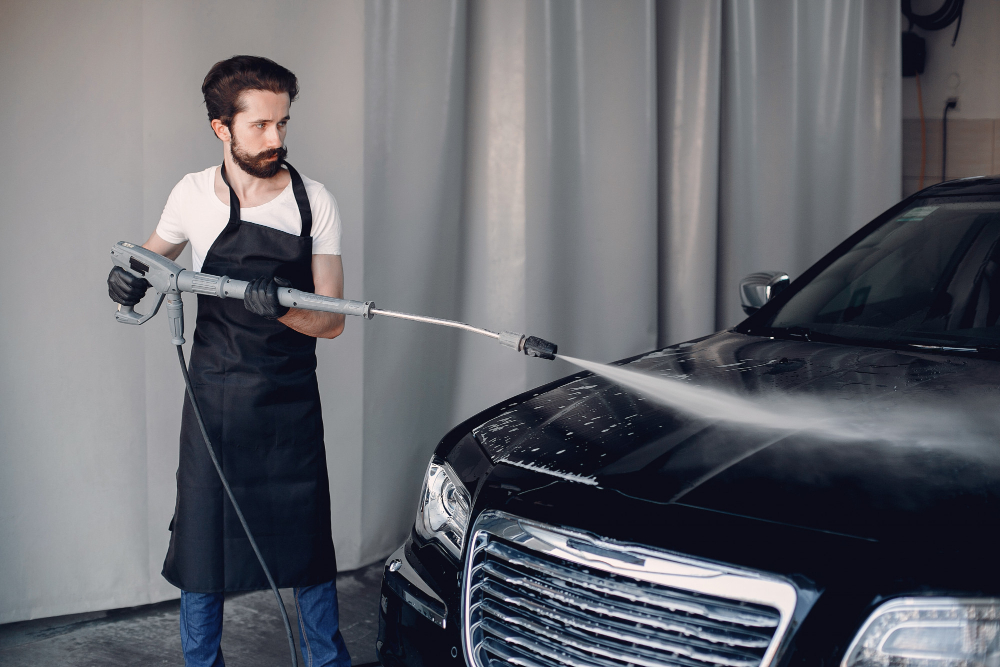
In one, the car stays still and the equipment travels over it on a gantry. In the other, the car is pulled along a conveyor past fixed equipment.
The gantry type fits a single bay and handles one car at a time. The tunnel type can process a continuous queue, which is why one is found at a filling station and the other is a business in its own right.
10. The Wing Mirrors Are the Standing Problem
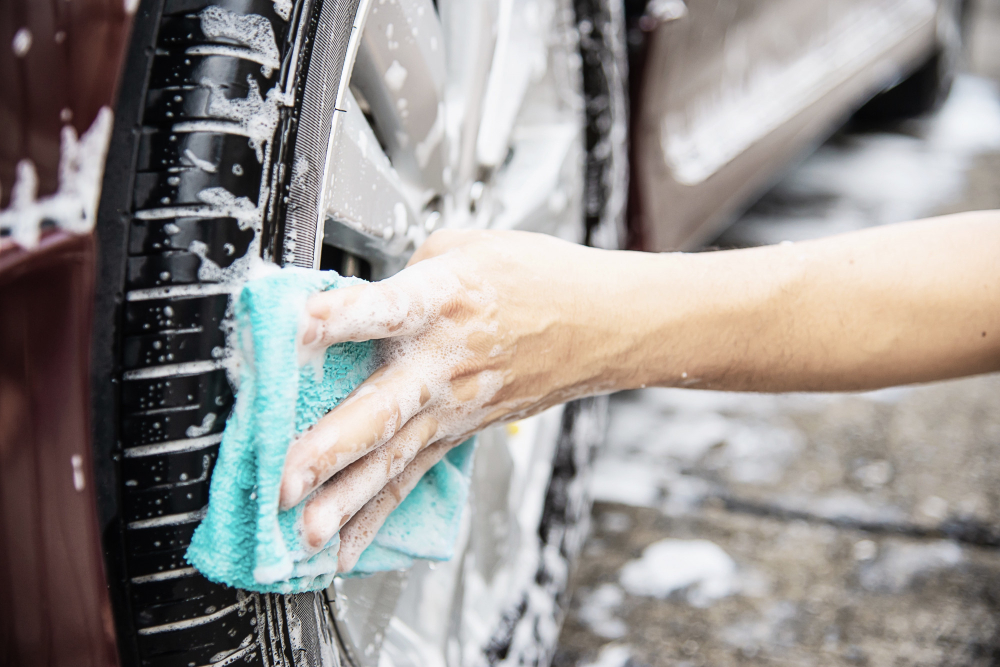
Anything projecting from the side of a vehicle is in the path of equipment moving along it, and mirrors are the most commonly damaged component by a wide margin.
Which is why machines are designed with yielding mountings and pressure limits, and why the instruction to fold them in exists. It is not caution; it is the one part of the car the geometry cannot easily accommodate.
11. The Coloured Foam Is Mostly Theatre
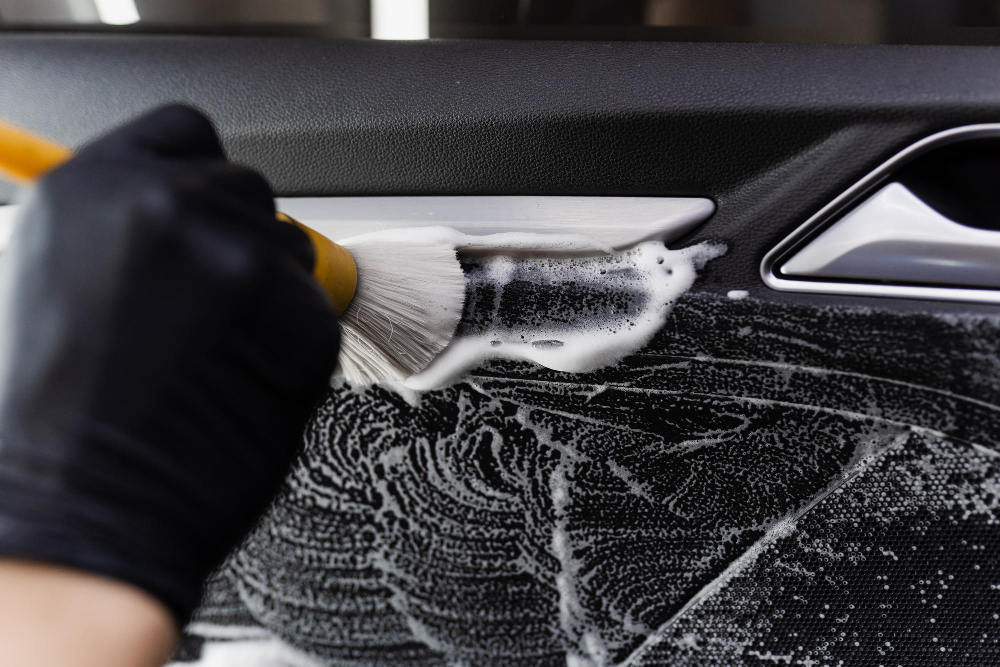
The arch that applies a bright foam in stripes is applying a conditioner or a wax, and the quantity of actual product involved is small.
The colour and the volume of foam are there to make the stage visible, because a customer sitting in a car cannot otherwise tell whether anything has happened. It is a user interface rather than a cleaning step.
12. Which Is Why the Hand Wash Came Back
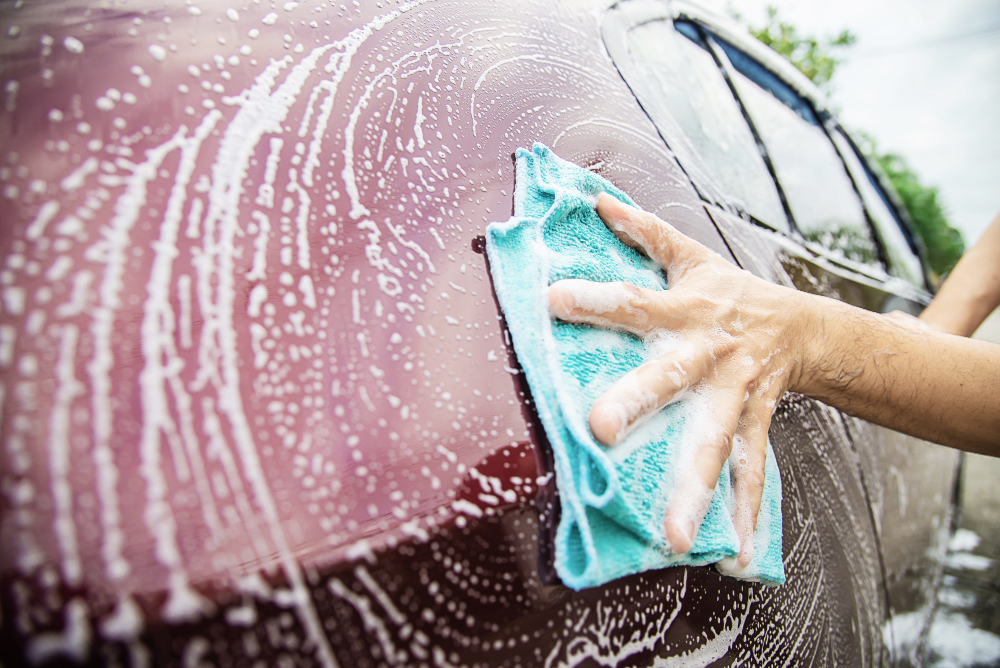
After decades of automation, hand washing returned on a large scale, and the reason is a combination of the lingering reputation of the nylon era, lower set-up costs than a tunnel, and the fact that a person can reach the places airflow and gantries cannot.
It is the one part of the story that is not about technology at all. The machine does the panels extremely well, and everything awkward is still done by somebody with a cloth.
A Programme Shaped to the Car in Front of It
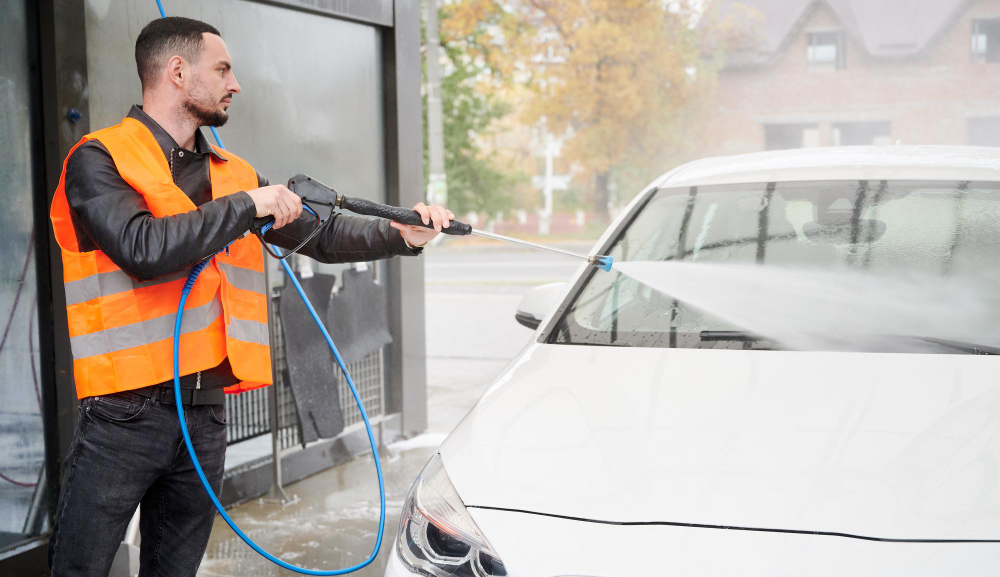
Sensors building a profile before anything moves, cylinders of foam rather than bristles, a chemical stage doing most of the work, water used several times over, and blowers pushing water off rather than drying it.
The sixth item is the one that surprises people most. A commercial wash recovers the water off its own floor, settles the grit out, filters it and uses it again – which means that washing a car in a machine commonly consumes less fresh water than washing it on a driveway, where every litre is new and all of it goes straight down the drain.
Like our content? Follow us for more.
