Count the Bones
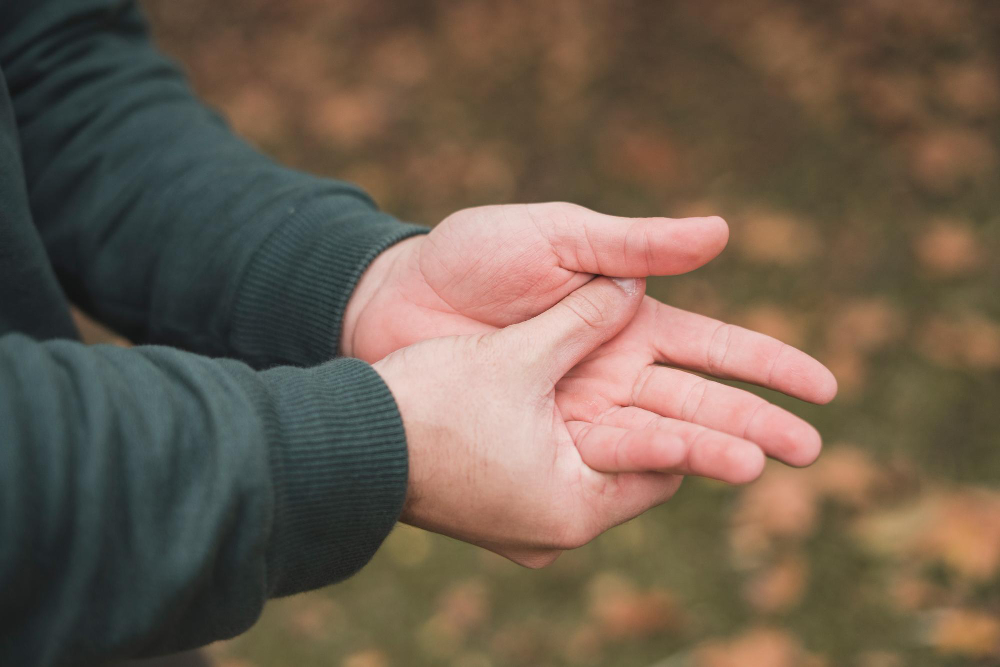
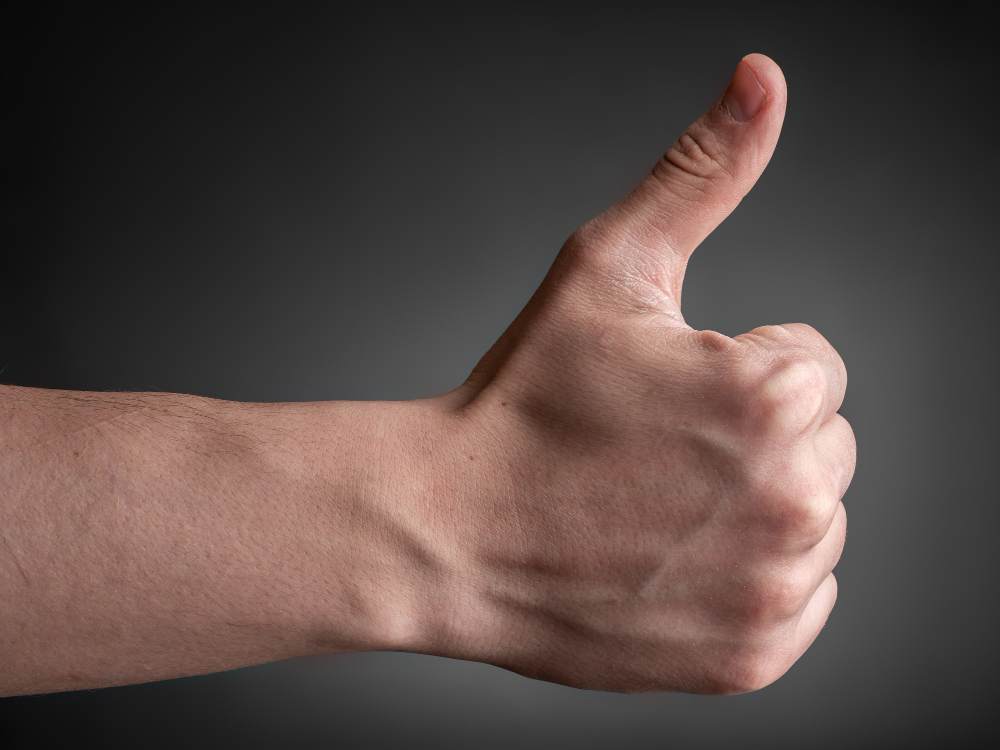
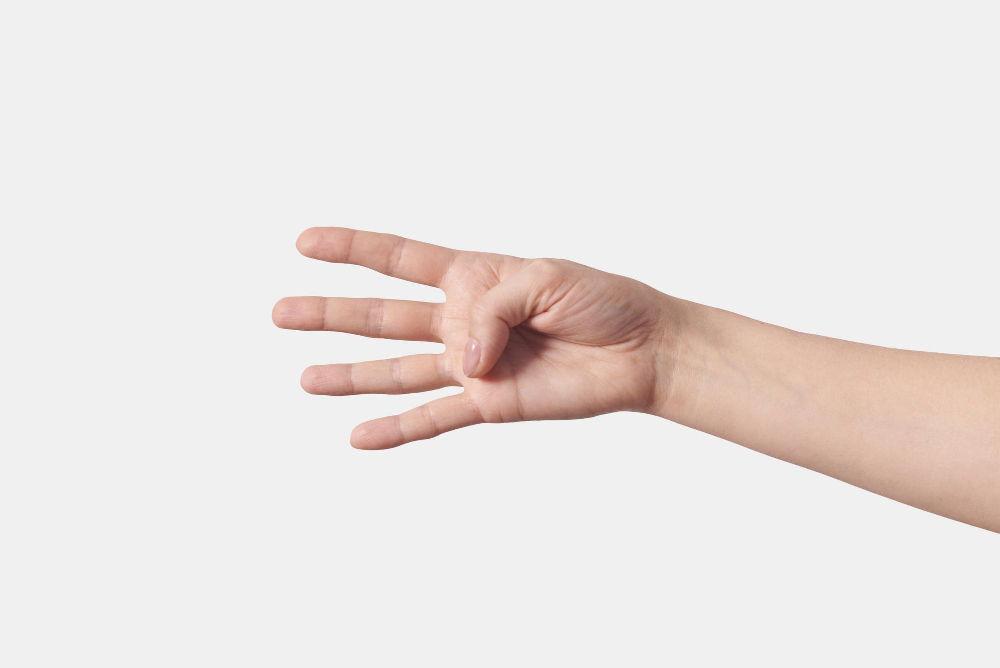
Hold a hand out and look at the creases. Each finger has three visible segments and therefore three bones beyond the knuckle. The thumb has two.
That is not a reduction or a shortening. It is a different arrangement, and it is consistent across every human being and across the primates generally. The thumb is built to a different specification from the other four digits, and the bone count is the first and most easily checked sign of it.
It also sits in a different place. The four fingers emerge from the hand in a row, roughly in a plane, pointing broadly the same way. The thumb emerges lower down, from the side, rotated so that its pad faces across the palm rather than in the same direction as the fingertips.
That rotation is the whole thing. A thumb that pointed the same way as the fingers would be a short fifth finger and nearly useless. Pointing across them, it can be brought to meet any of them, and the hand becomes a device that can grip.
Like our content? Follow us for more.
The Joint at Its Base Is Shaped Like a Saddle
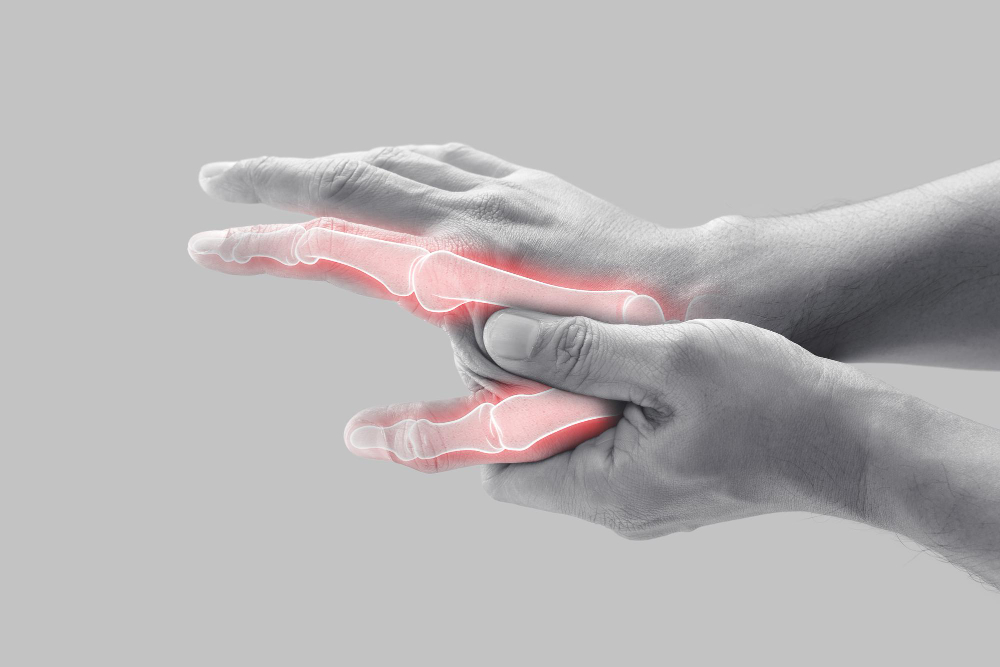
The joint that matters is not the one at the knuckle. It is the one at the base of the thumb, where it meets the wrist, and it is a shape found nowhere else in the human body.
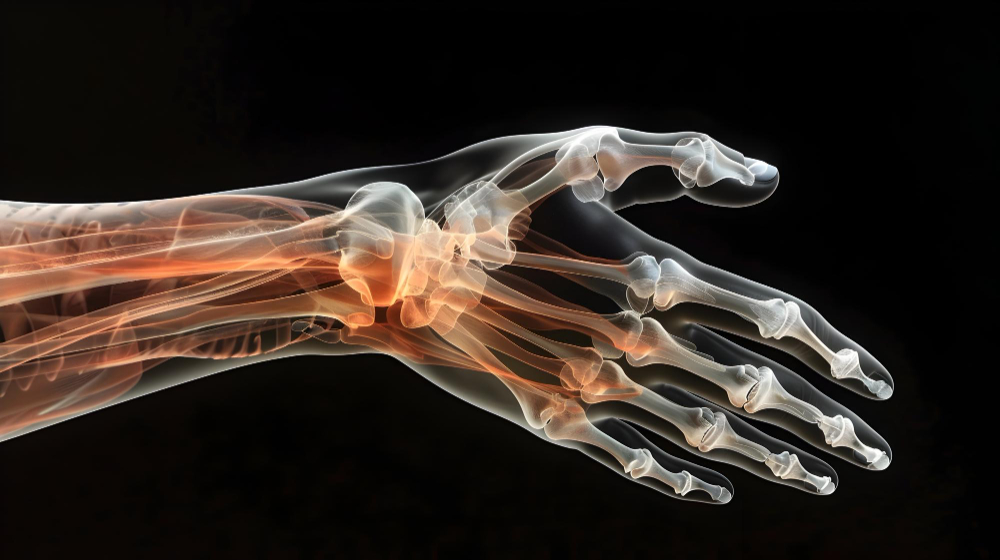
Most joints are either a ball in a socket, which rotates freely in several directions, or a hinge, which goes one way. This one is a saddle: one bone end is concave in one direction and convex in the perpendicular direction, and the other is the reverse, so the two sit across each other like a rider on a horse.
The consequence is a joint that can swing in two independent directions and also rotate a certain amount about its own axis, while remaining far more stable than a ball joint of the same size. It permits the thumb to sweep across the palm and simultaneously twist, which is the motion required to bring its pad flat against a fingertip.
That combination of mobility with stability is the mechanical problem the thumb exists to solve, and it is why the joint is also the one that wears out. Decades of loading a joint that is deliberately mobile produces a very common and very specific kind of arthritis at exactly that spot, and it is one of the clearest cases in the body of a design trade having a predictable long-term cost.
Opposition Is Not Just Touching
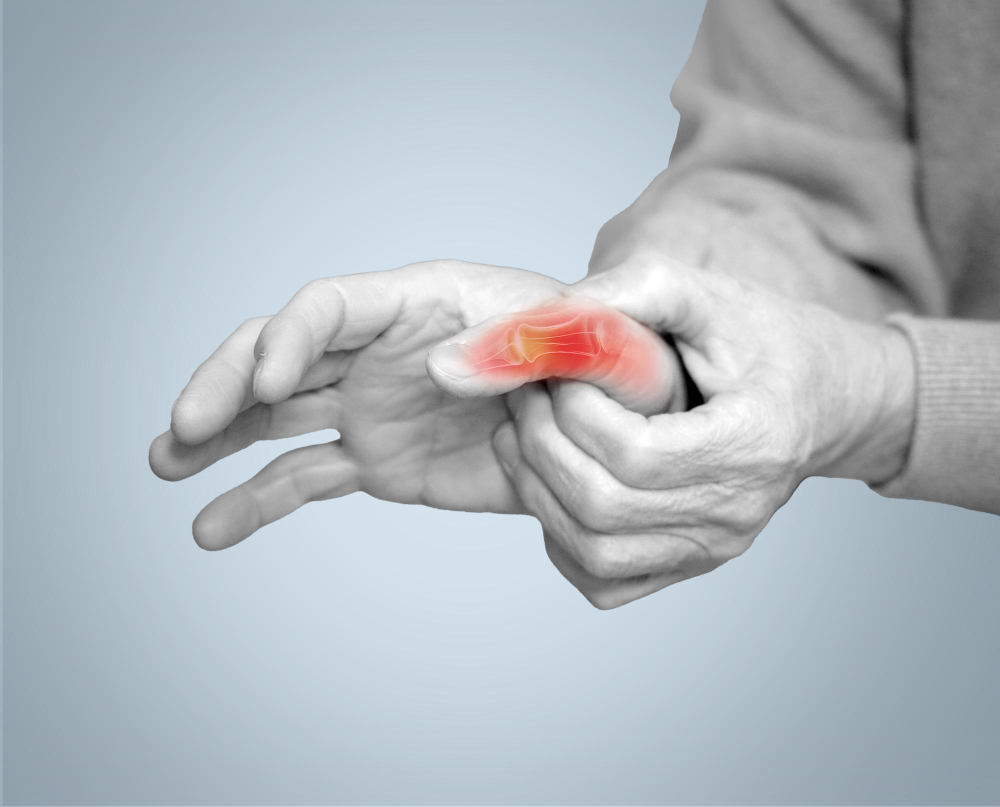
The word for what a thumb does is opposition, and it is routinely described as the ability to touch the thumb to the fingers. That description is incomplete in a way that matters.
True opposition requires three things to happen at once: the thumb swings away from the palm, it rotates about its own long axis, and it travels across the hand. The result is that the pad of the thumb meets the pad of a finger flat, pulp to pulp, with both surfaces parallel.
That is a far more demanding movement than touching, and it is what allows a precise grip on something small. Many animals can bring a thumb-like digit against the side of a finger. Very few can bring the flat of one pad against the flat of another, and the ones that can are the ones that manipulate objects.
The practical demonstration is that if the rotation is lost, the touching remains and the useful grip does not. A thumb that reaches a fingertip edge-on can hold a handle and cannot pick up a pin.
It Has Its Own Muscles, in the Palm
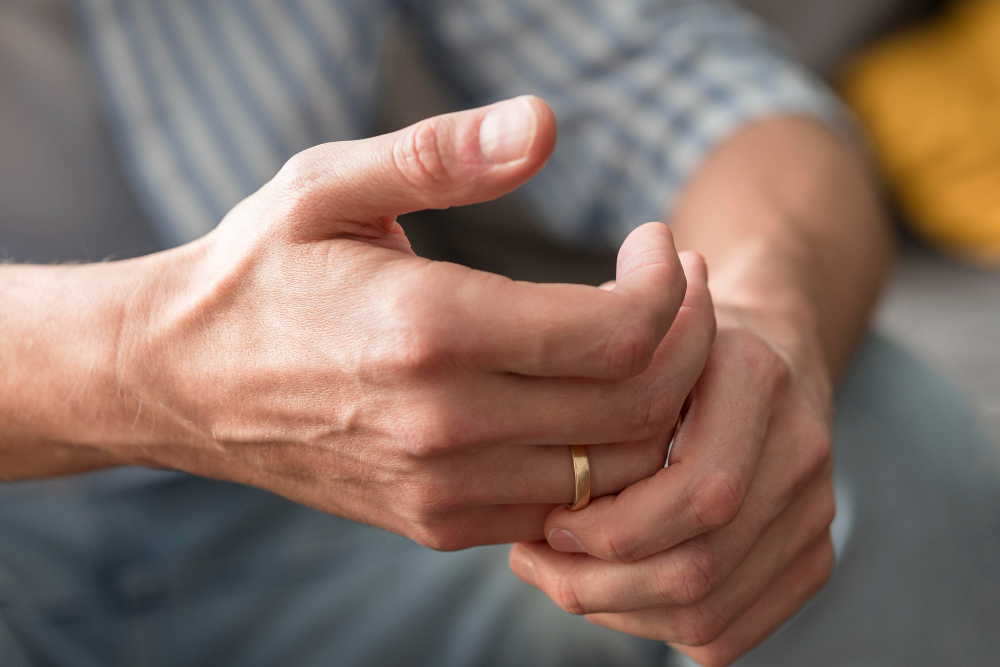
The bulge at the base of the thumb on the palm side is not padding. It is a group of muscles that exist solely to move the thumb, and no other digit has anything comparable.
There are several of them, arranged to pull the thumb in different directions, and together they are the reason that part of the palm is noticeably thicker than the opposite side. One of them is dedicated specifically to the opposing rotation described above, and it exists for no other purpose.
The fingers are mostly operated by muscles in the forearm, pulling on long tendons that run through the wrist. The thumb has those as well, but it additionally has its own local motor group, which gives it independent fine control and considerable strength at close range.
This is why the thumb can be both delicate and powerful. The forearm muscles supply the force for a hard pinch and the palm muscles supply the positioning, and the two systems work on the same digit simultaneously.
Two Fifths of the Hand
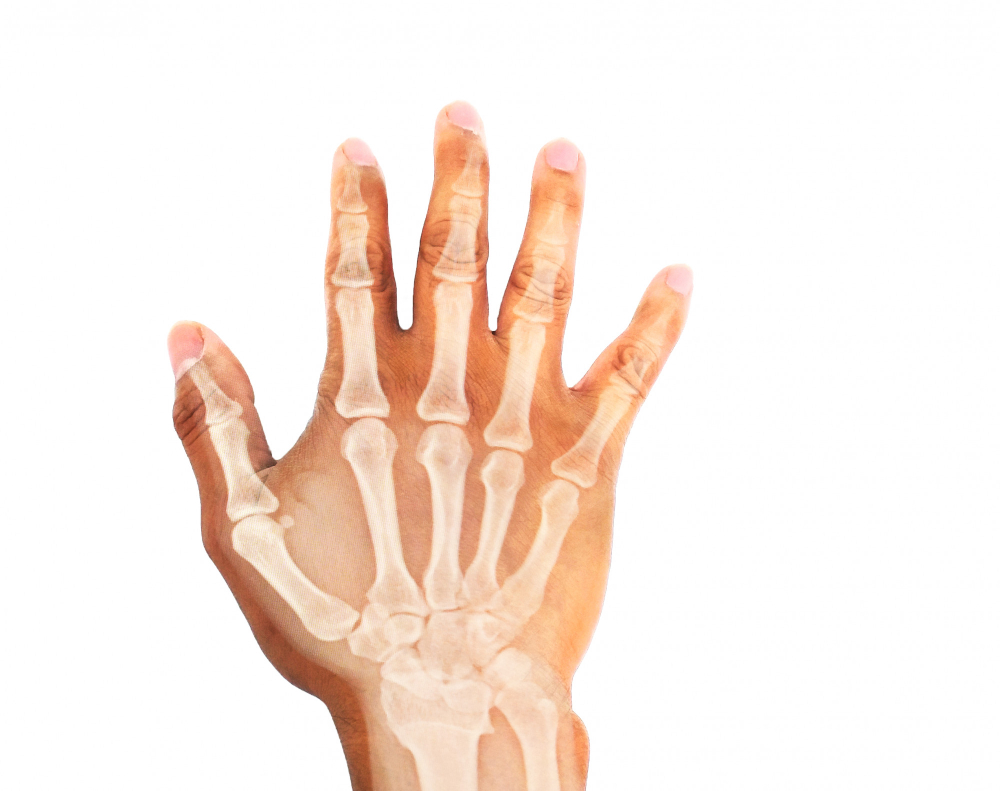
Assessments used in reconstructive surgery and in disability evaluation consistently place the thumb at something in the region of forty per cent of the total function of the hand, with the four fingers sharing the remainder.
That figure is startling the first time it is heard and it survives examination. Almost every grip a hand performs uses the thumb either to oppose the fingers or to stabilise against them. Writing, holding a cup, turning a key, using a tool, fastening a button and picking anything up all require it. A hand without it retains a hook and loses almost everything else.
Which is why the loss of a thumb is treated as a far more serious injury than the loss of a finger, and why the reconstructive response is so elaborate. Surgeons will move a toe to the hand, or relocate an index finger into the thumb position, or lengthen the remaining stump, because restoring opposition is worth a great deal of surgery.
It is also why the apparently trivial observation that the thumb is set apart from the other digits is the single most consequential fact about the human hand.
What It Actually Enabled
The standard account is that an opposable thumb made tool use possible, and that is true but too simple, because a number of animals use tools without one.
The more specific claim is better supported. The combination of a long, strong, fully rotating thumb with relatively short fingers permits two particular grips: a pad-to-pad pinch capable of exerting real force, and a grip in which an object is held across the palm and controlled by the thumb pressing against it.
Those two are what allow a stone to be struck accurately against another stone with force, which is the operation underlying the manufacture of a cutting edge. Holding something and hitting it precisely is the problem, and the thumb is the solution.
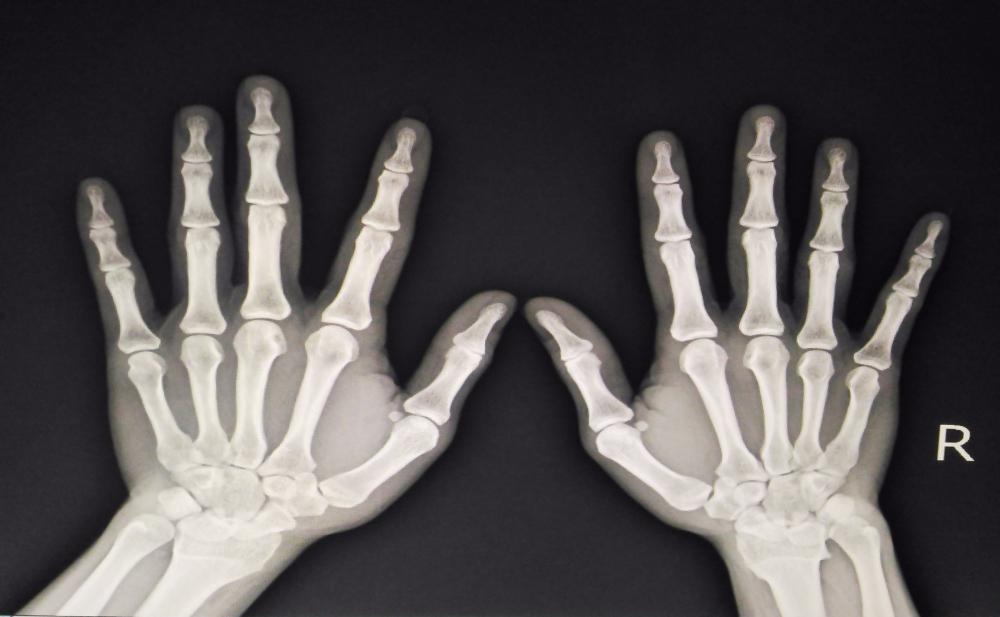
The skeletal evidence is read this way. Changes in the proportions of the thumb, the breadth of its fingertip and the size of the muscle attachments at its base are among the features used to argue about which fossil hands were capable of forceful precision gripping, and they are considered alongside the tools found with them.
None of which means the thumb caused anything. It means that one of the specific capabilities a hand needs for that kind of work is supplied by a digit built differently from the rest.
Other Animals Solved It Differently
Several animals grip well without a human thumb, and the ways they manage are a useful check on how special the arrangement really is.
Some primates have a thumb that opposes but is comparatively short and weak, suited to gripping branches rather than manipulating objects. Several tree-dwelling species have reduced the thumb substantially, because a long thumb gets in the way of a hand used as a hook for swinging.
Other animals have evolved extra parts. A giant panda grips bamboo using an enlarged wrist bone that works against its fingers, which is not a thumb at all but performs a comparable job. Koalas have two opposable digits rather than one. Several birds grip effectively with no thumb-like structure in the limb at all, using a foot instead.
The pattern is that opposition is useful enough to have been arrived at repeatedly by different means, and that the human version is unusual less for existing than for being long, strong, highly rotational and attached to a hand with short straight fingers. It is the combination rather than any single feature.
The Things It Does Badly
For completeness, and because it is rarely mentioned, the design has costs beyond the joint wear already described.
The thumb is the most exposed digit, sitting out from the side of the hand, and it is accordingly the one most often injured. It is also the one whose injuries matter most, which is an unfortunate pairing.
Its nail grows more slowly than the others, which is a reliable and slightly odd observation with no fully agreed explanation, though it correlates with the general finding that nail growth tracks the length of the underlying digit.
And it is poorly suited to repetitive small movements against resistance, which is a comparatively recent problem. A joint engineered for mobility and loaded thousands of times a day in a narrow range is being used in a way nothing in its history prepared it for.
None of this is advice and no reader should interpret any discomfort from it. It is here because a part of the body described purely in terms of what it made possible is being described incompletely. The thumb is an unusually mobile joint carrying an unusual share of the work, and both halves of that have consequences.
A Digit Built to a Different Specification
So the thumb is not a finger that happens to be positioned differently. It has two bones instead of three, a joint shape that occurs nowhere else, its own muscle group in the palm, a rotation the other digits cannot perform, and a share of the hand’s function that approaches that of the other four combined.
Everything that makes a hand more than a hook comes from one digit being built to a different specification and then set at an angle to the rest. It is the most consequential right angle in the human body, and it is sitting at the end of your arm where you can look at it.
Like our content? Follow us for more.