The shiny-things story is false and was tested. The nest has a roof. Here are fifteen.
1. It Does Not Steal Shiny Things, and Somebody Checked
The reputation is close to universal: a bird that cannot resist anything that glints, and carries off rings, coins and keys to a hoard. It is the single most widely known fact about the species and it is wrong.
It has been put to the test directly, by offering magpies shiny objects alongside dull ones in situations where they were feeding. The result was the opposite of the story. The birds were wary of the shiny items, approached them less, and in several trials avoided that part of the feeding area altogether. What they display toward an unfamiliar glittering object is caution, which is the ordinary response of a clever animal to something new.
Like our content? Follow us for more.
2. The Myth Has a Traceable Origin, and It Is Not Ornithology
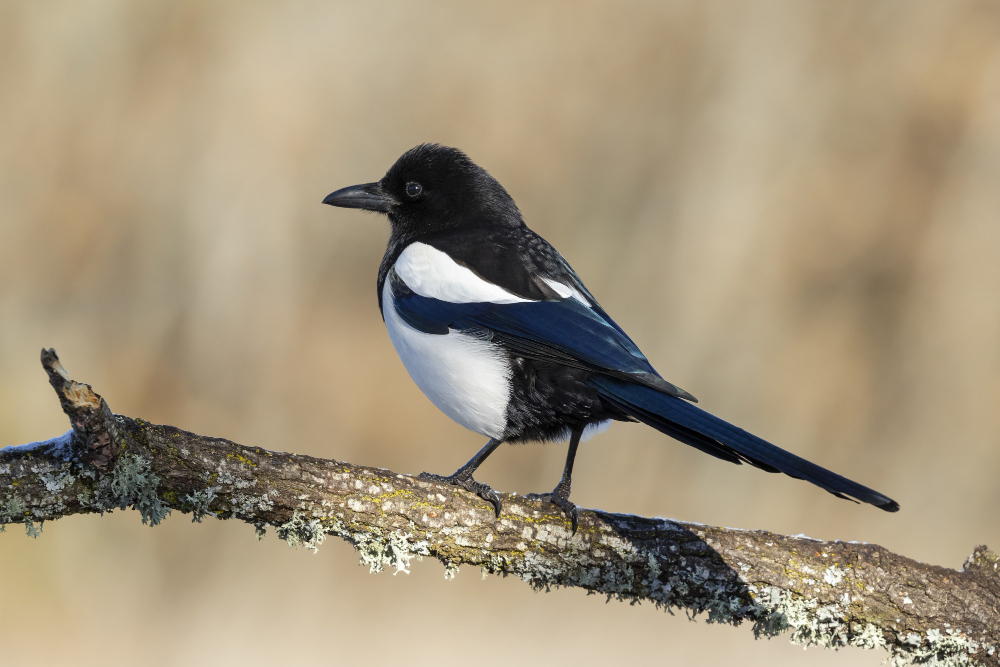
Stories about magpies and theft circulated in European folklore well before anybody wrote them down carefully, but the version that became fixed worldwide came from the stage.
An extremely popular early nineteenth-century opera, built on an earlier play, turns on a servant accused of stealing silver which has in fact been taken by a magpie. It was performed everywhere, its overture became one of the best-known pieces of music of the century, and the title alone did the work. A bird acquired a criminal record from a piece of musical theatre and has never shaken it off.
3. The Black Is Not Black
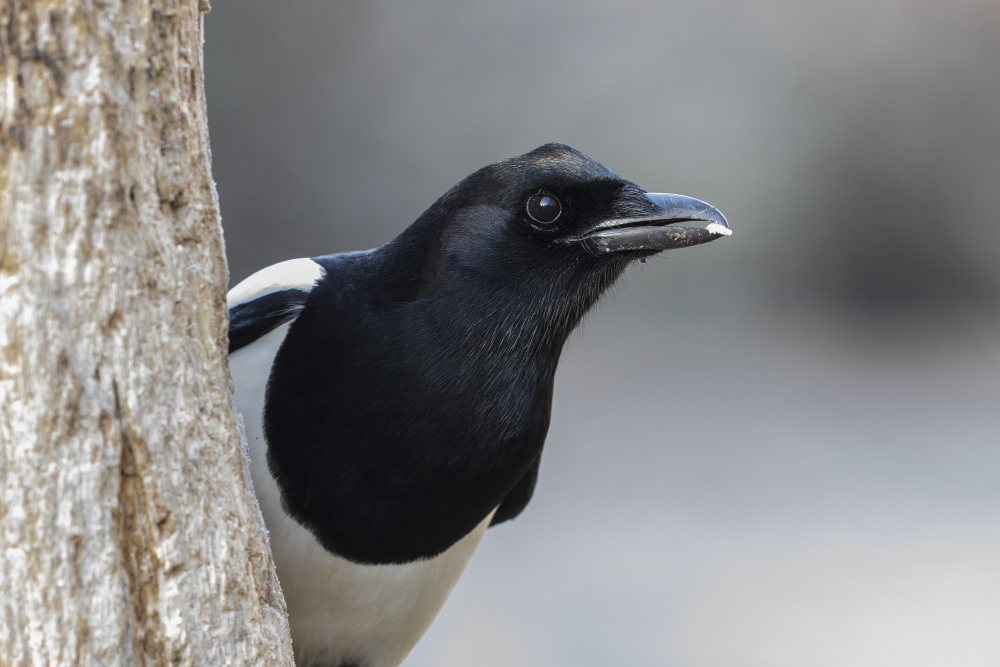
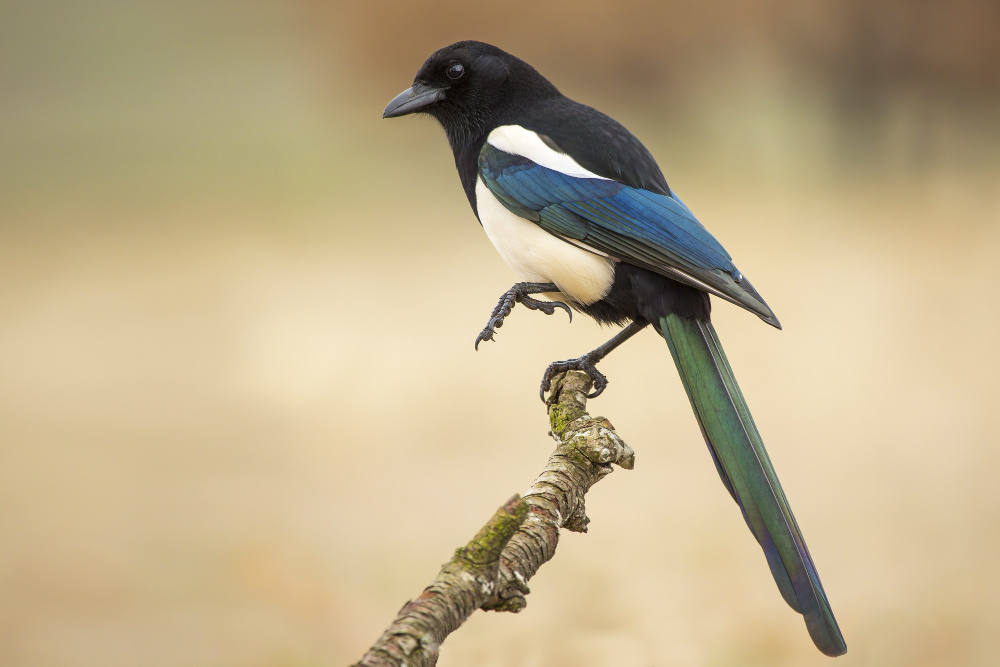
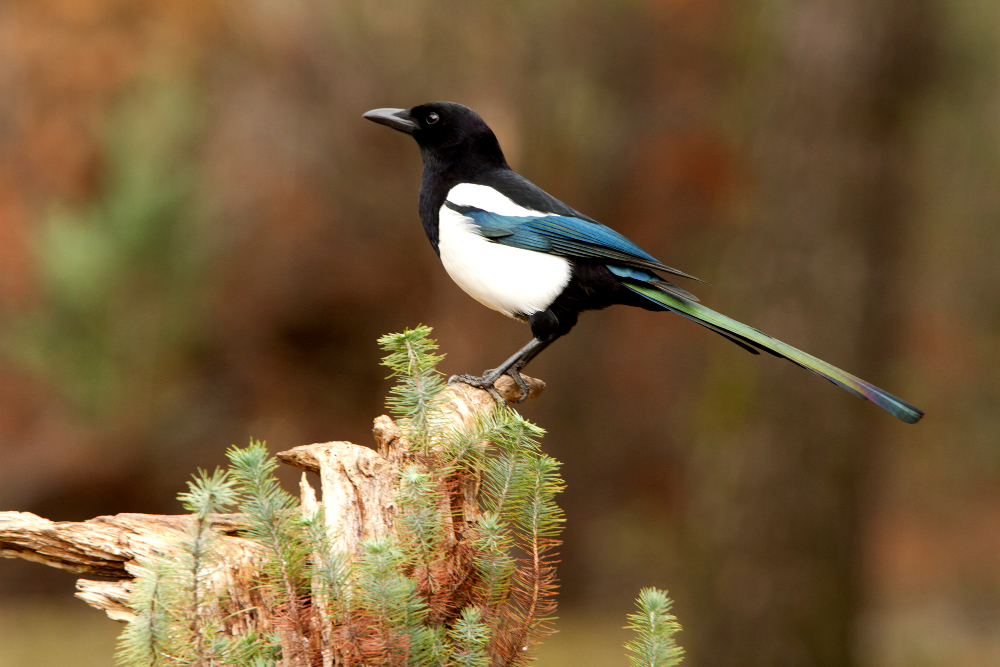
Look at one in direct sunlight rather than against a grey sky and the dark parts are not dark at all. The tail runs deep green shading to bronze and purple, the wings show a strong blue, and the whole bird changes colour as it turns.
Most people have simply never seen this, because the bird is usually viewed in flat light or in silhouette, where it reads as a plain black-and-white shape. Which is the first clue that the familiar magpie is a worse version of the actual one.
4. It Is One Half of a Pair That Stays Together
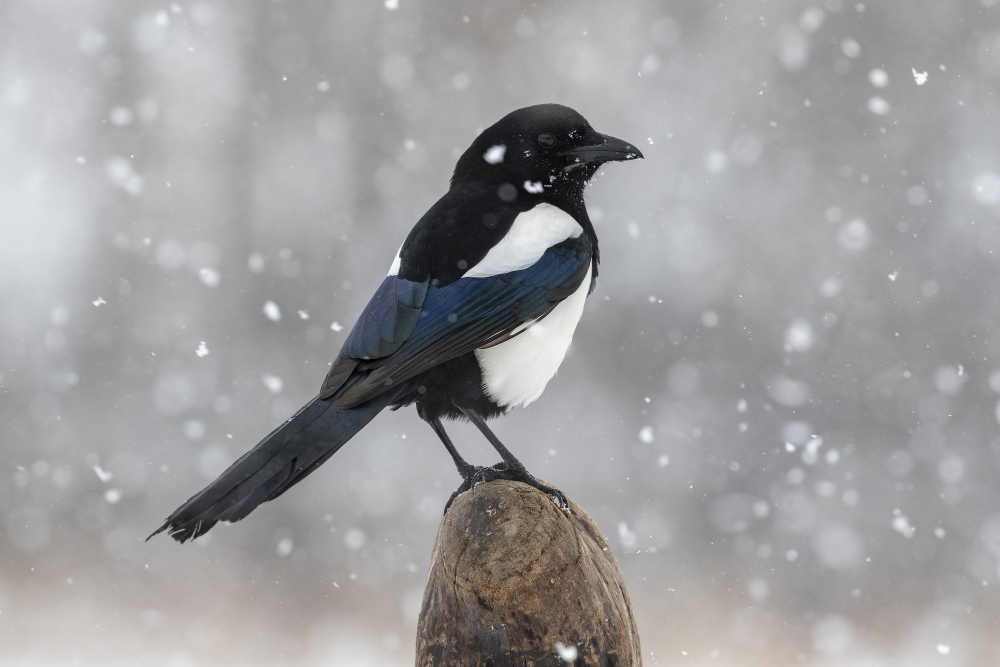
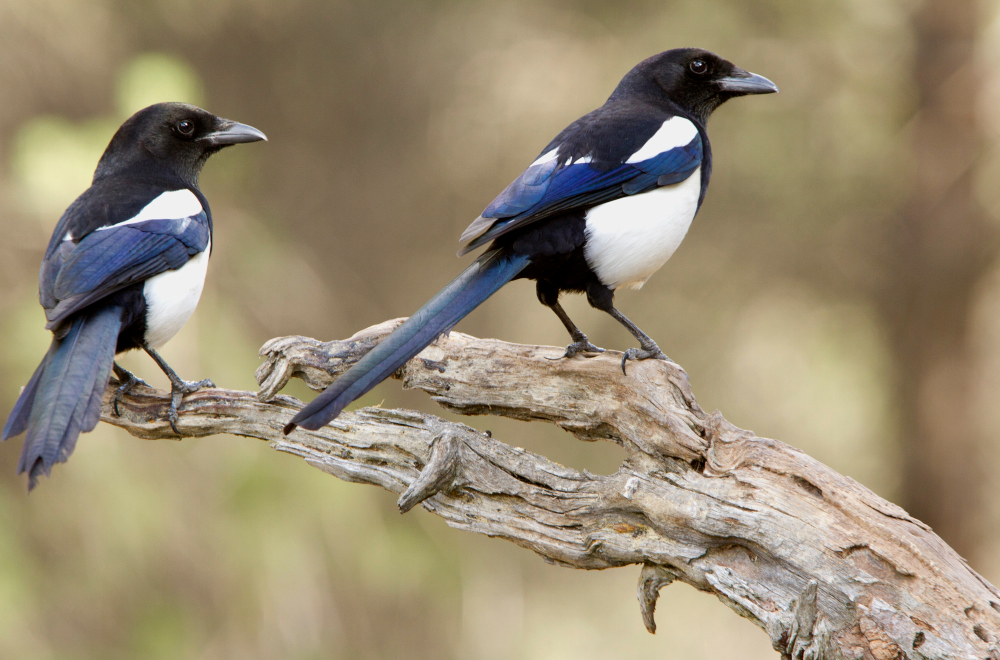
Magpies form long-term pairs, frequently lasting for life, and they do not separate outside the breeding season.
They also hold a territory all year rather than claiming one each spring and abandoning it. So a magpie on a particular lawn is very likely the same individual you saw there last year and the year before, with the same partner, occupying the same few hundred metres. They are neighbours rather than visitors.
5. The Nest Has a Roof on It
This is the detail that ought to be famous and is not. A magpie nest is not an open cup. It is a large domed structure with a canopy of sticks built over the top and an entrance in the side.
Almost nothing else in the hedgerow does this. The roof is a defence against exactly the kind of raiding from above that magpies themselves practise, and it means the nest is identifiable from a long way off in winter: a conspicuous ball of twigs high in a bare tree, far bigger than the bird that made it.
6. And Building It Takes Weeks
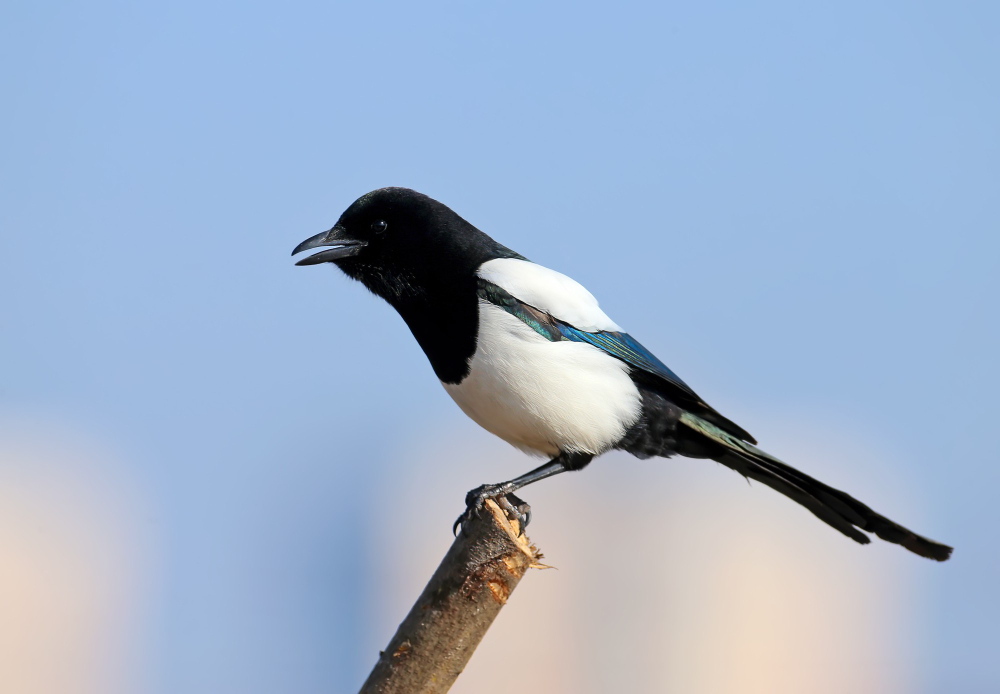
The structure is assembled stick by stick, each one carried in the beak and placed, and a completed nest contains an enormous number of them – frequently well over a thousand.
The work can run for a month or more, and the pair do it together. There is usually a mud cup inside the stick structure and a lining inside that, so the thing is built in three distinct layers with different materials. Birds also frequently build more than one and use only the best, which means the hedge ends up with decoys in it.
7. One for Sorrow Is Unusually Widespread
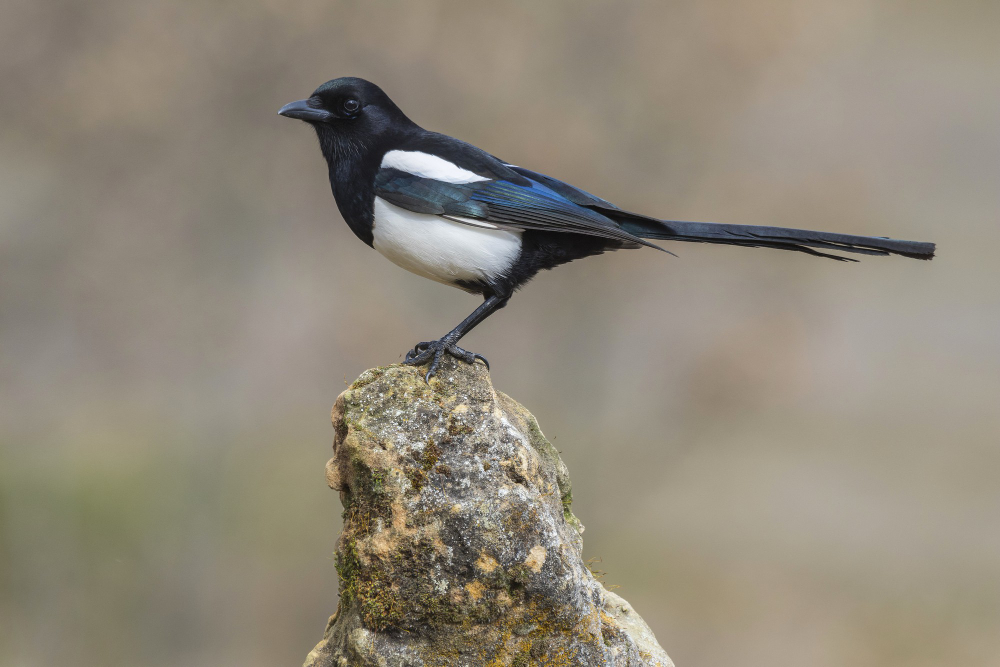
The counting rhyme is known across an entire continent in dozens of versions, which is remarkable for a piece of folklore attached to a single common bird, and the superstitious behaviour attached to it has outlasted almost every other bird omen.
People who hold no supernatural beliefs whatsoever still salute, greet or acknowledge a lone magpie, frequently while explaining that they do not believe in it. It is one of the most durable surviving pieces of everyday superstition there is, and the thing being warded off is specifically the single bird.
8. And a Lone Magpie Once Meant Something Specific
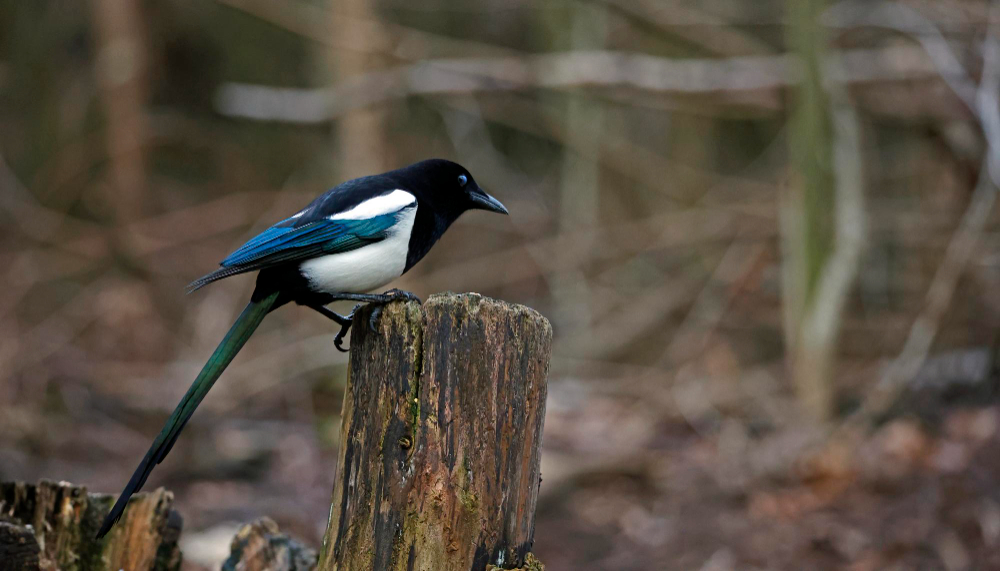
The focus on the number has an entirely practical reading, which is the sort of thing that makes folklore more interesting rather than less.
Because the birds pair and stay paired, one on its own was traditionally taken as a bird that had lost its mate – and therefore as a visible instance of something having gone wrong. Two together was the normal, settled, healthy arrangement. Whatever anybody thought it predicted, the underlying observation was accurate: a single magpie in the breeding season is unusual, and frequently means its partner is sitting on eggs out of sight.
9. It Is Also a Good Omen on the Other Side of the World
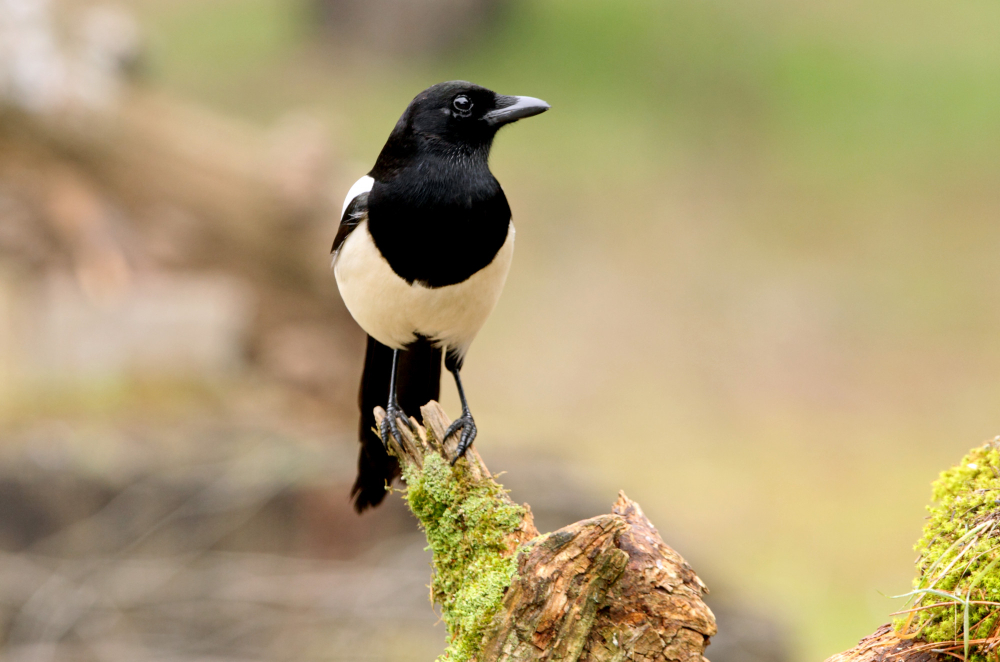
The sorrow reading is regional, not universal, which is worth knowing before treating it as something the bird inspires naturally.
In several East Asian traditions the magpie is firmly a bird of good fortune, associated with happiness, good news and the arrival of visitors, and appears in that role in art and on decorative objects over a very long period. The same bird, the same behaviour, the opposite conclusion – which suggests the reputation says more about the people than the animal.
10. They Gather in Numbers That Look Like Meetings
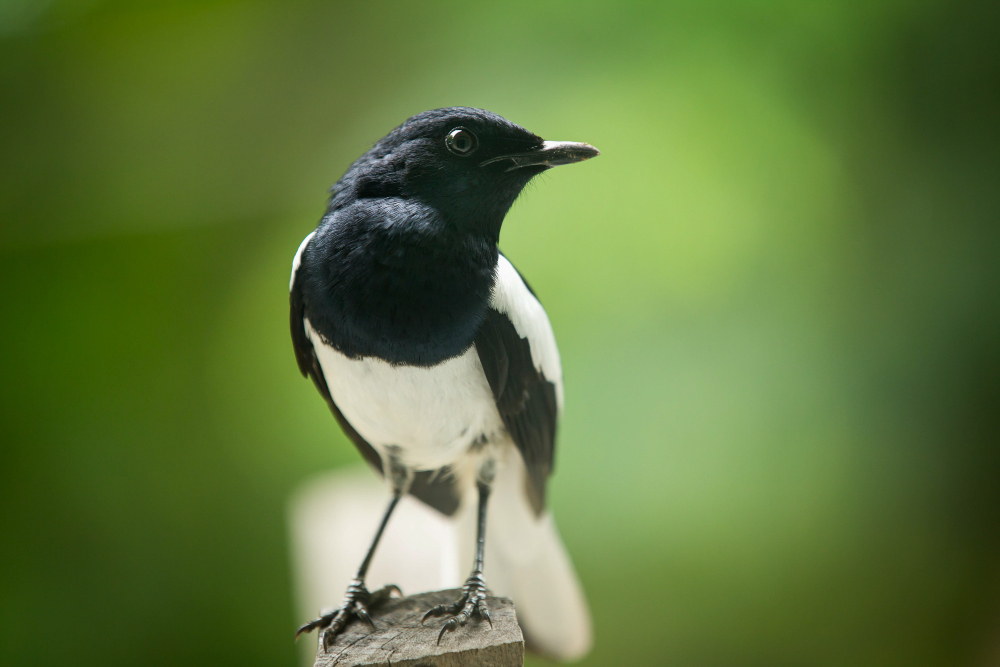
In late winter and early spring, groups of magpies assemble in one place – a dozen or more in a single tree or field, calling, chasing, displaying and moving about – and then disperse.
These gatherings have been remarked on for centuries and were traditionally read as parliaments or trials, with a verdict delivered at the end. The current understanding is less dramatic and still not fully resolved: they appear to involve unpaired birds assessing territories and each other, and established pairs defending their ground against exactly that. It is a property dispute rather than a court.
11. They Mob, and They Are Extremely Good at It
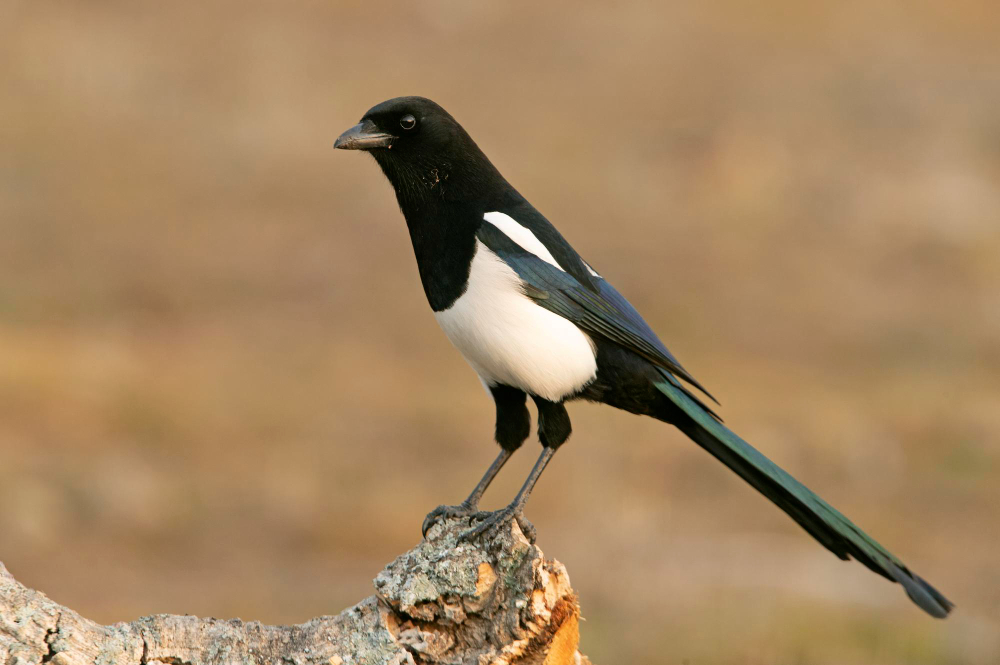
A cat in the open, a bird of prey in a tree or a fox crossing a garden will frequently find itself being followed by two or three magpies making a great deal of noise from just out of reach.
This is deliberate harassment, and it works. It advertises the predator’s position to everything in earshot, it is persistent, and it is conducted at a careful distance. Much of what people interpret as magpies being aggressive is magpies conducting an organised nuisance campaign against something they have decided should leave.
12. The Diet Is Mostly Not the Thing They Are Blamed For
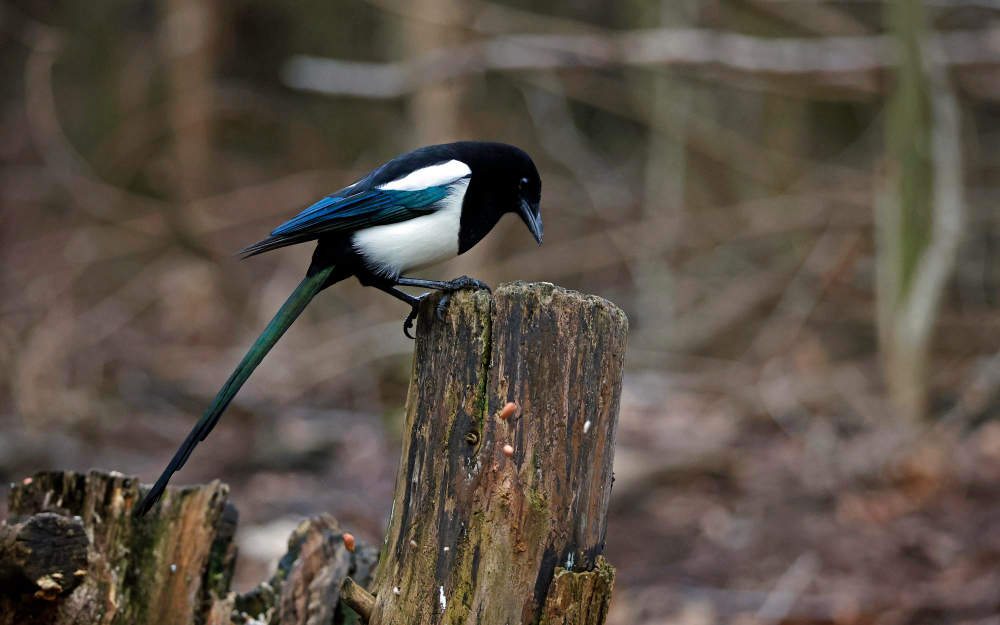
Magpies are blamed, loudly and frequently, for the loss of smaller birds, and the raiding of nests is the behaviour everybody associates with them.
They do take eggs and nestlings, and it is a real part of their behaviour in spring. But across the year the great bulk of the diet is invertebrates, with seeds, grain, fruit and scavenged scraps making up most of the rest, and the long-running attempts to connect magpie numbers with declines in songbird numbers have repeatedly failed to find the relationship. The reputation again outruns the evidence.
13. The Tail Is Half the Bird
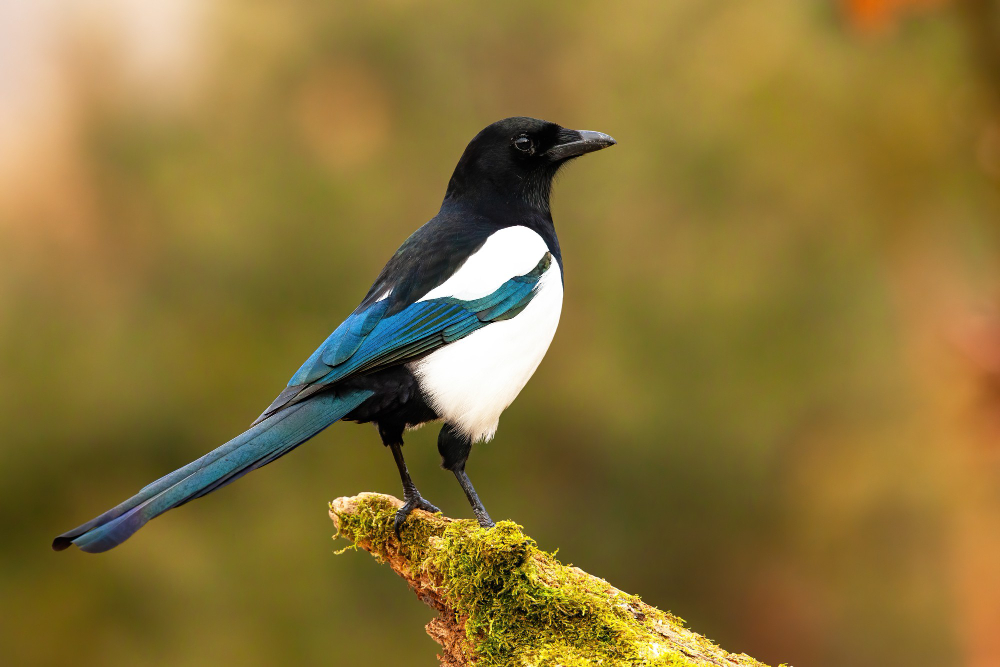
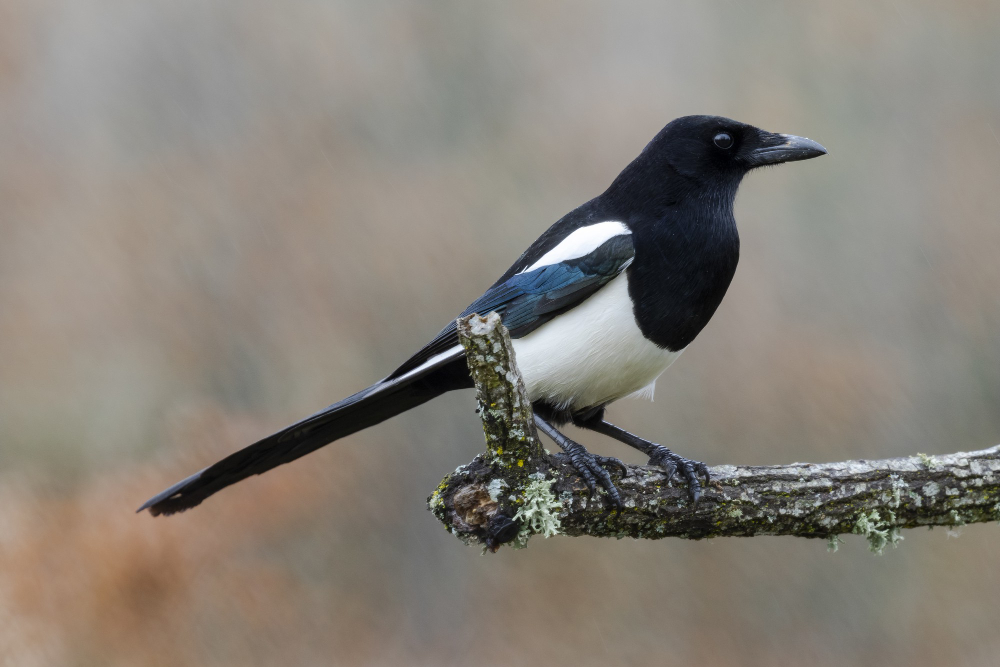
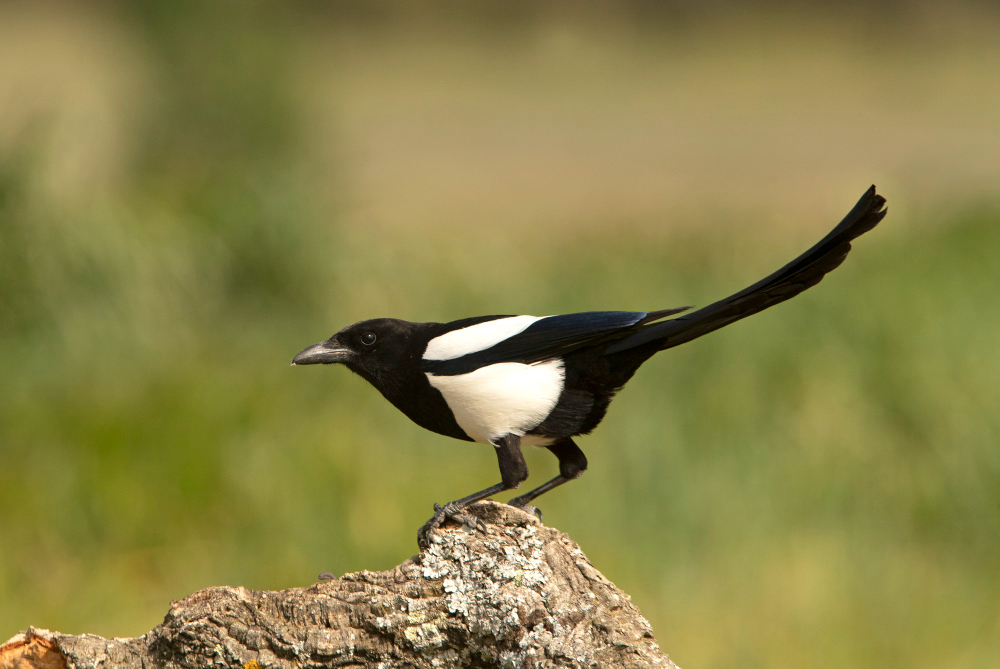
Measured end to end, roughly half of a magpie is tail. It is longer than the body, it is graduated so the central feathers project well beyond the rest, and it is the single most distinctive thing about the outline.
Which has consequences the bird pays for. That much tail is a substantial structure to carry and to keep in condition, and it is the first thing to get damaged. A magpie with a short or ragged tail is not a different species and is not young – it has had an accident.
14. Which Buys Manoeuvrability and Costs Distance
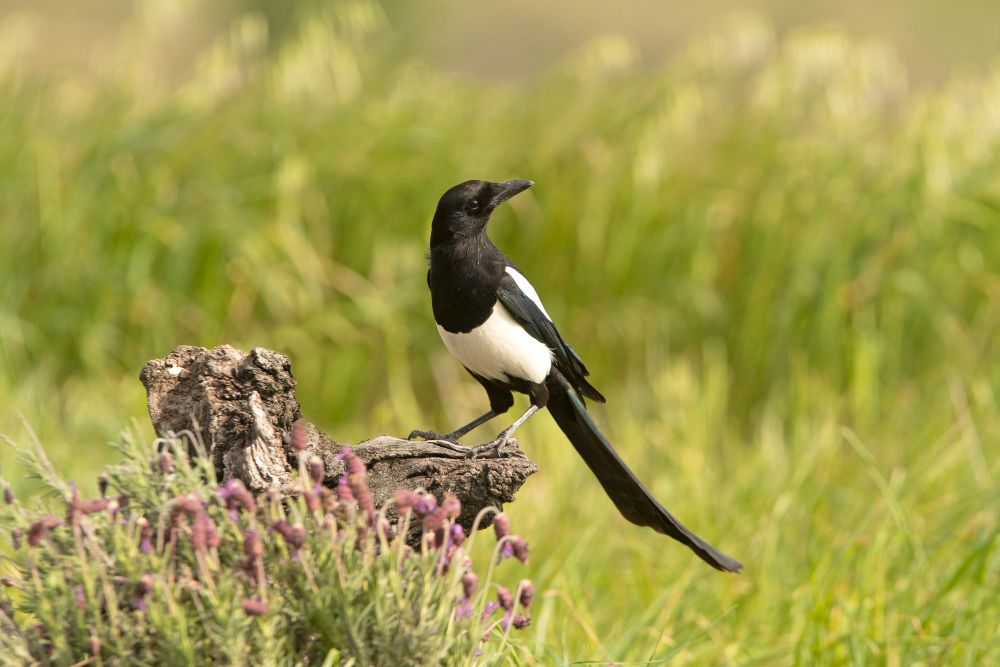
A long graduated tail is a steering device. It allows very tight turns, abrupt changes of direction and precise landings in cluttered places – inside a hedge, among branches, on a narrow ledge – which is exactly the environment the bird works in.
The price is efficiency over open ground. The flight is a distinctive laboured flap-and-glide that looks like hard work, and magpies do not undertake long journeys. They are not migratory, they rarely move far from where they hatched, and a bird built to thread a hedge is not built to cross a sea.
15. A Young One Looks Like a Different Bird
Newly fledged magpies have very short tails, which makes them dumpy, round and oddly proportioned, and they are regularly reported as some unfamiliar species or as an injured adult.
They are also clumsy, noisy, follow their parents about demanding food, and spend a lot of time on the ground. Every year a quantity of entirely healthy young magpies are picked up by well-meaning people on the strength of looking wrong, when the only thing missing is several centimetres of tail that has not grown yet.
A Bird With Somebody Else’s Reputation
A shiny-object thief that avoids shiny objects, a criminal record issued by an opera, a black that is green and blue and purple, a domed nest with a roof and a thousand sticks in it, a lone bird that once meant a lost partner, and half a bird’s length of tail bought at the cost of ever going anywhere.
The first two items together are the useful pair. The defining fact about magpies is false, it was tested directly and came out backwards – the birds were wary of shiny things rather than drawn to them – and the reason everybody believes it is a piece of musical theatre from the early 1800s in which a magpie takes the silver and a servant is blamed. The opera was a sensation, its overture is still played, and a wild animal has been carrying the charge ever since.
Like our content? Follow us for more.