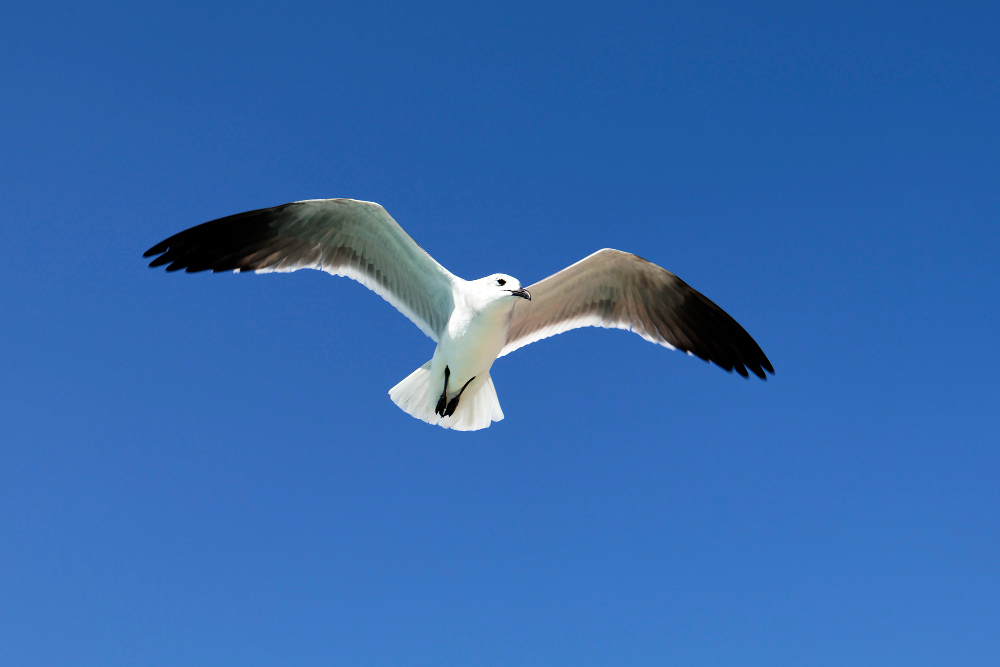
It watched you first, and it picked you on purpose. Here are eleven.
1. There Is No Such Bird as a Seagull
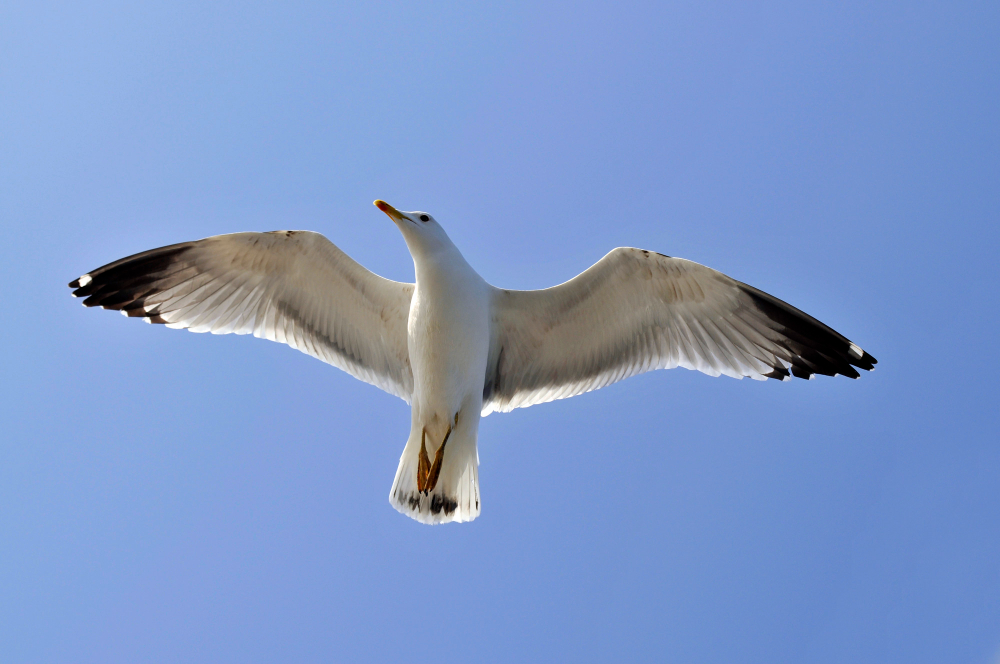
The word covers several dozen distinct species with different sizes, diets, ranges and behaviour, and no ornithologist uses it.
The ones involved in the famous incidents on seafronts are usually one or two large species, and the smaller ones standing nearby, which take no interest in anybody’s lunch, get the blame equally.
Like our content? Follow us for more.
2. And It May Have Nothing to Do With the Sea
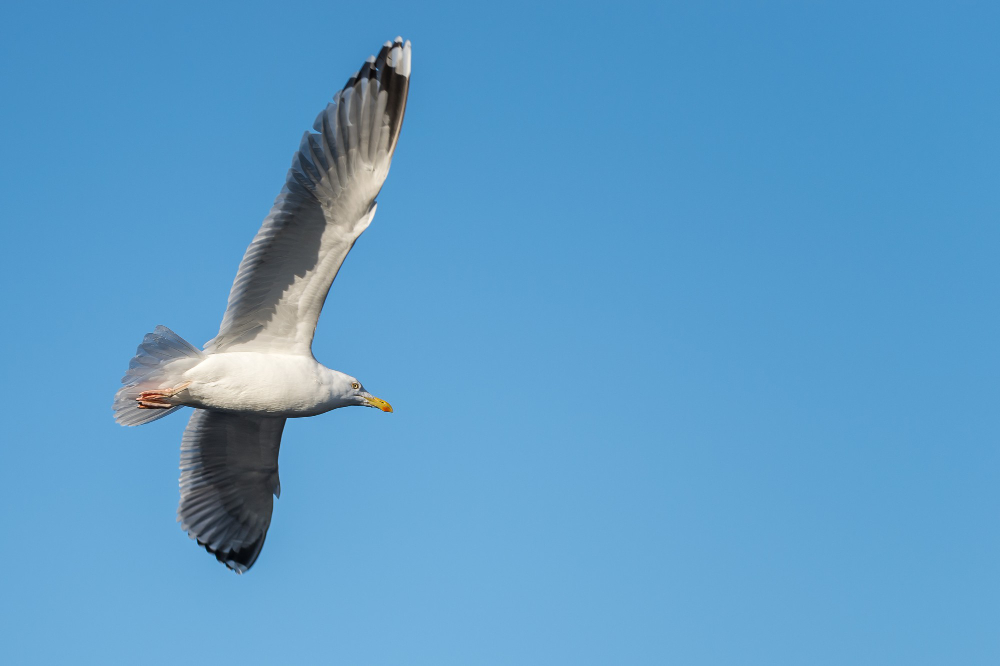
Several of the species casually called seagulls now nest in large numbers well inland, on buildings, in towns, and at landfill sites, and may never go near open water.
A flat roof with a parapet is, from a gull’s point of view, an excellent cliff ledge: inaccessible to ground predators, with a good view and a drop in front of it.
3. It Can Drink Salt Water
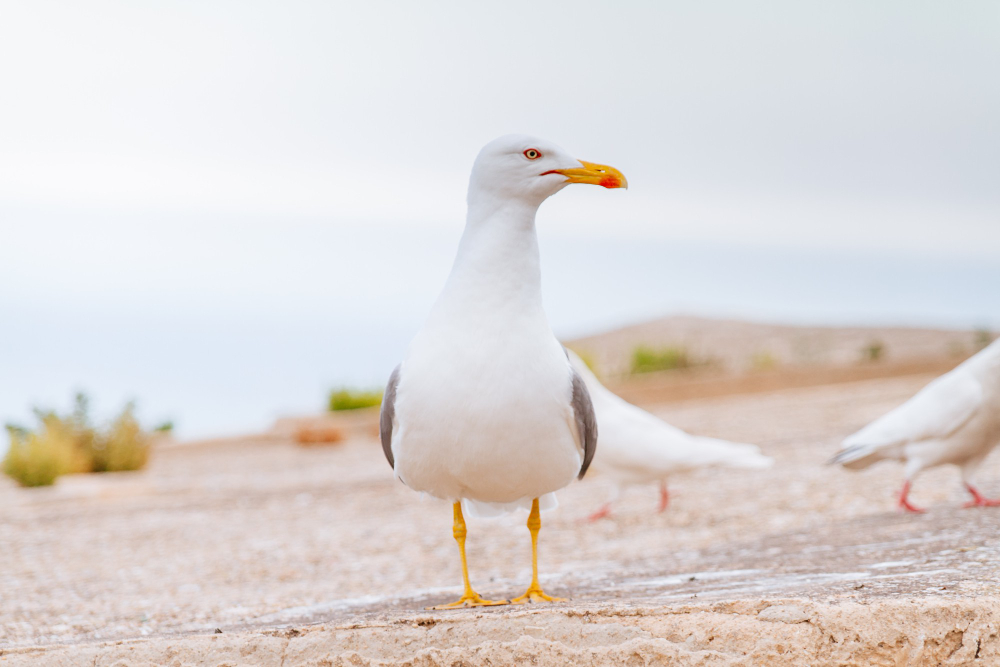
Gulls have paired glands above the eyes that extract salt from the blood and excrete it as a concentrated solution, which drips out of the nostrils.
Which means they can drink seawater and survive on it, and the characteristic head-shake is them clearing the salt away. Almost no land bird can do this.
4. It Watched You Before It Moved
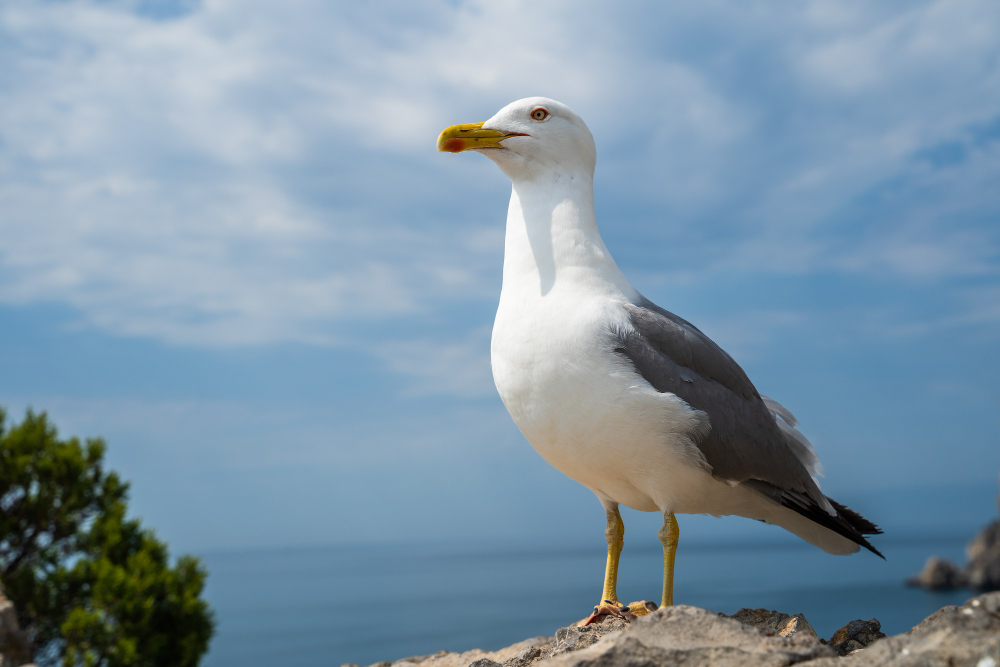
This is the finding that changes how the whole thing reads. Gulls spend a considerable time observing people before approaching, and they specifically attend to where a person is looking.
Experimental work has found that a gull approaches food far more slowly, and frequently abandons the attempt, if a person is looking directly at it. The staring contest is not folklore; it measurably works.
5. So It Picked You on Purpose
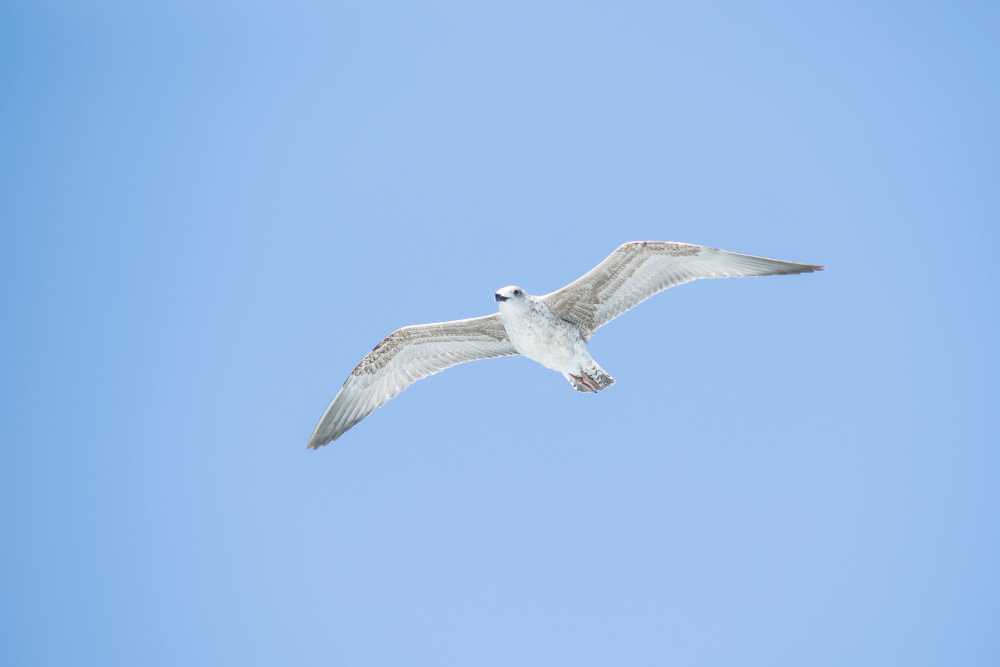
A bird that assesses whether people are paying attention will preferentially approach the ones who are not, which is why the victim is always somebody absorbed in a conversation or a phone.
It is not random and it is not bad luck. It is a selection made on the basis of observed behaviour, several minutes before anything happened.
6. It Also Watched What You Were Eating
Gulls have been shown to prefer food they have seen a person handle, over identical food that nobody touched.
Which means the bird is using human behaviour as information about what is worth eating. From its point of view, people are a reliable guide to where the edible things are.
7. It Learned What a Paper Bag Means
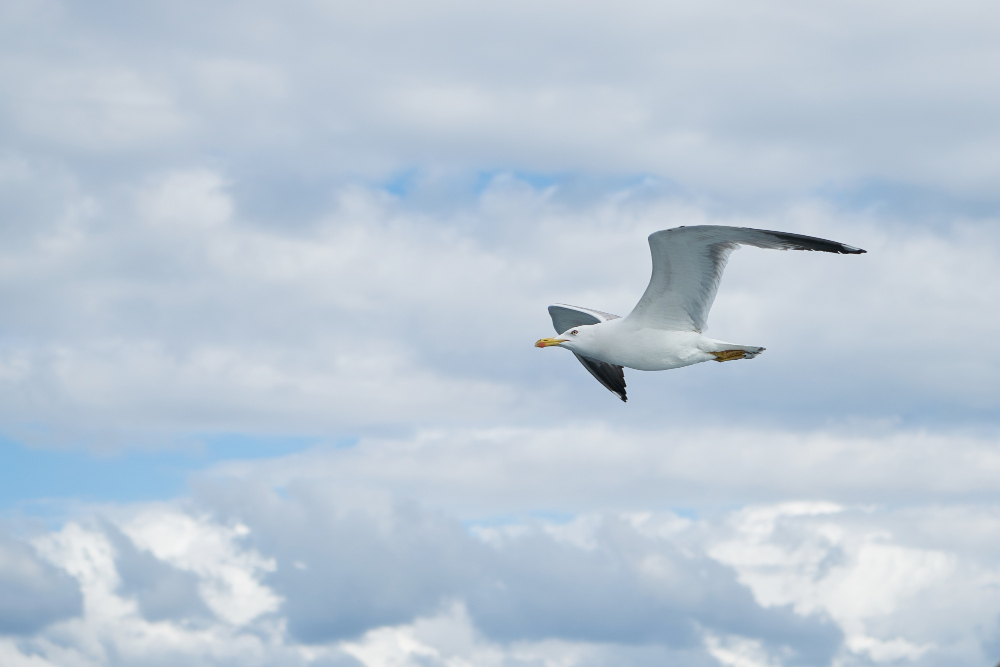
The association between particular packaging, particular sounds and the presence of food is learned individually and quickly, and it is why a rustle produces an immediate response from birds that were apparently asleep.
These are long-lived animals with good memories, and an individual working a promenade may have twenty years of accumulated experience of exactly which objects contain food.
8. The Noise Overhead Is a Map, Not a Mob
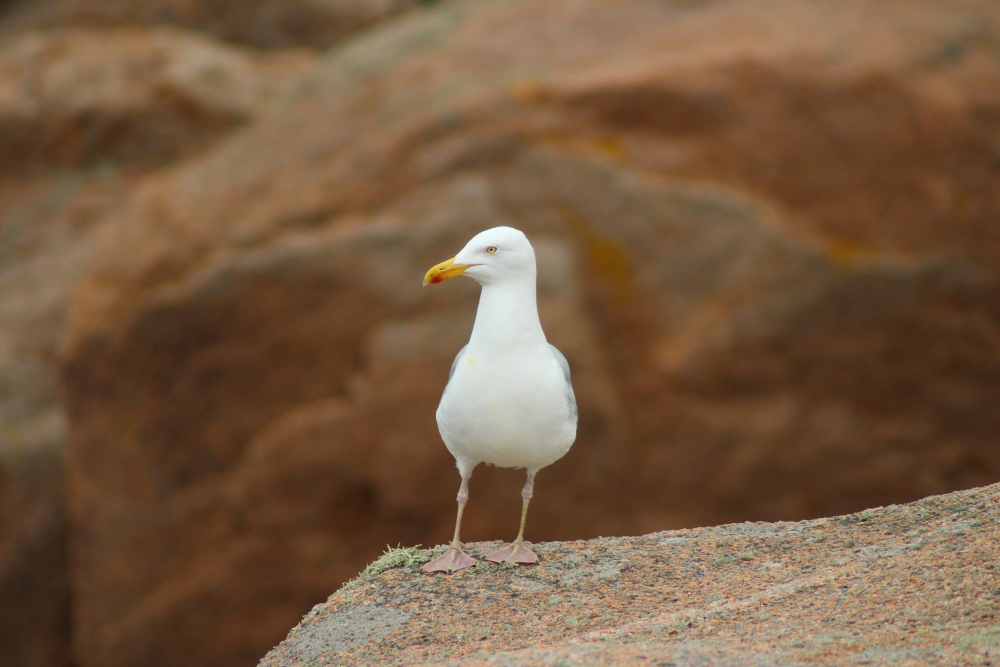
A gull colony on a roof is extremely loud, and the calls are doing specific jobs: long calls establishing territory, alarm calls, begging calls from young and contact calls between pairs.
It is not undirected noise. It is several dozen simultaneous conversations in a species that nests in dense colonies and has to keep track of a specific mate, a specific nest and a specific patch of roof.
9. The Dive at Your Head Is About the Chick
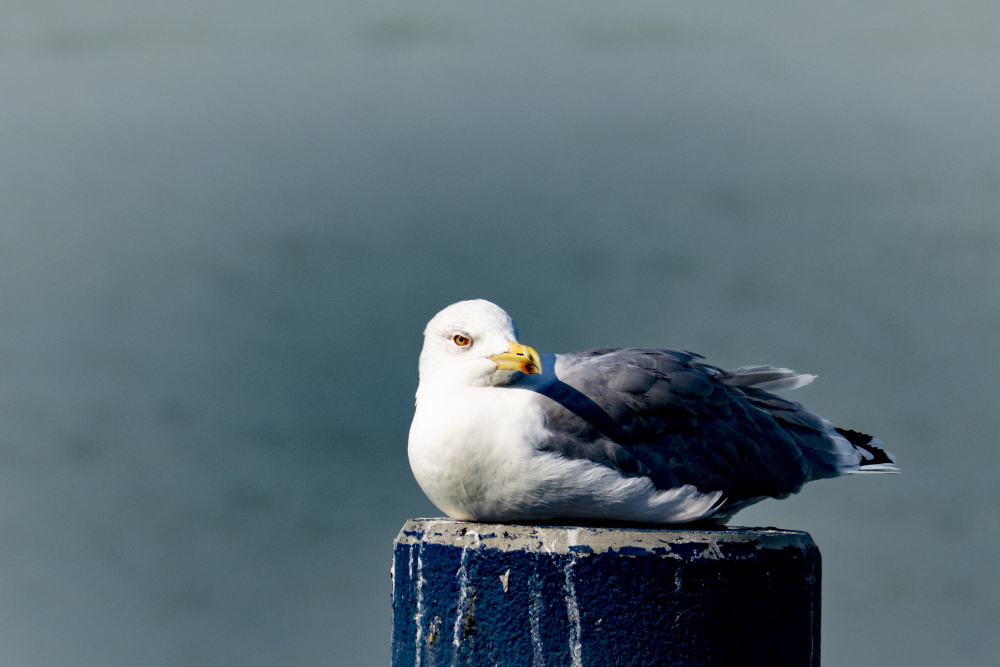
Low passes over somebody’s head in early summer are nest defence, directed at anybody who has walked within a certain distance of a chick that is frequently on the ground and invisible.
The behaviour stops when the young have fledged. It is also why it appears suddenly in a street where nothing happened the previous week, and why it is always the same stretch of pavement.
10. The Brown Ones Are Not a Different Bird
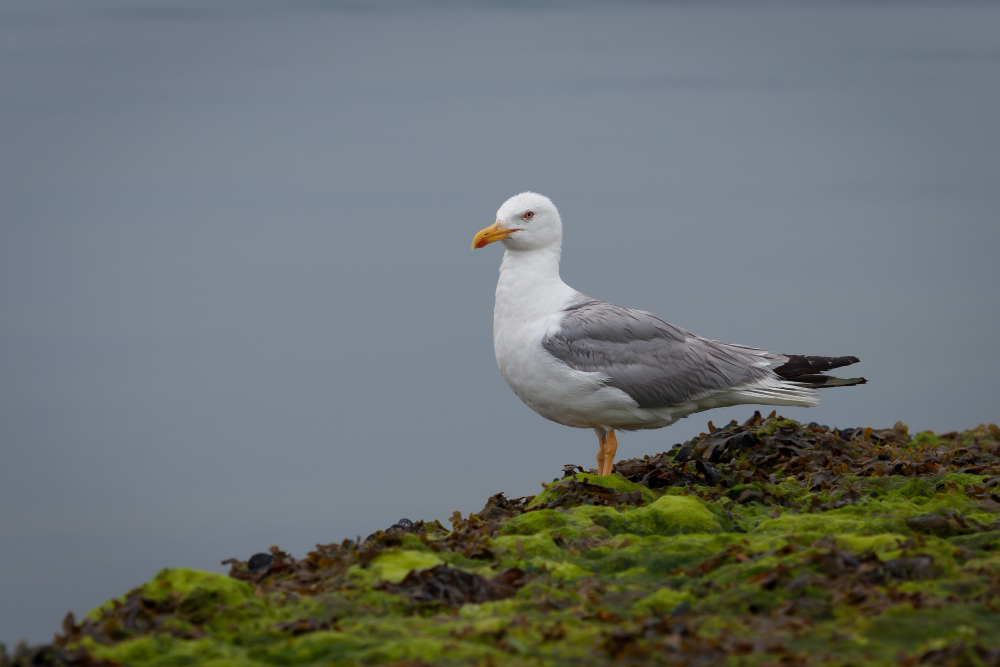
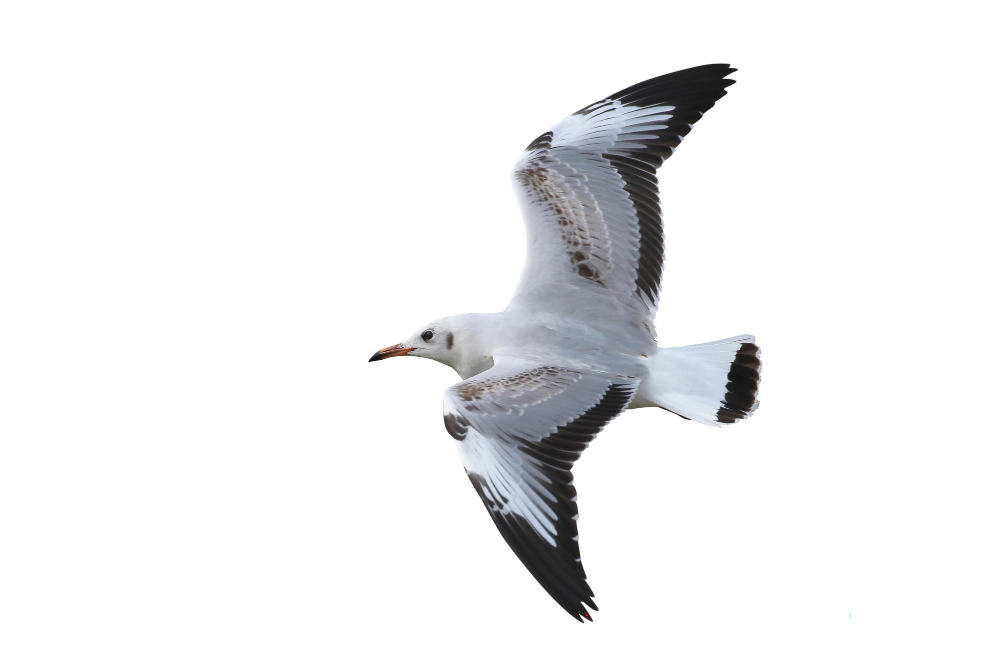
Young large gulls are mottled brown and take several years to acquire adult plumage, passing through a sequence of intermediate appearances.
Which is why seafront flocks seem to contain several unrelated species. Most of what looks like variety is the same bird at four different ages.
11. Their Numbers Are Falling, Not Rising
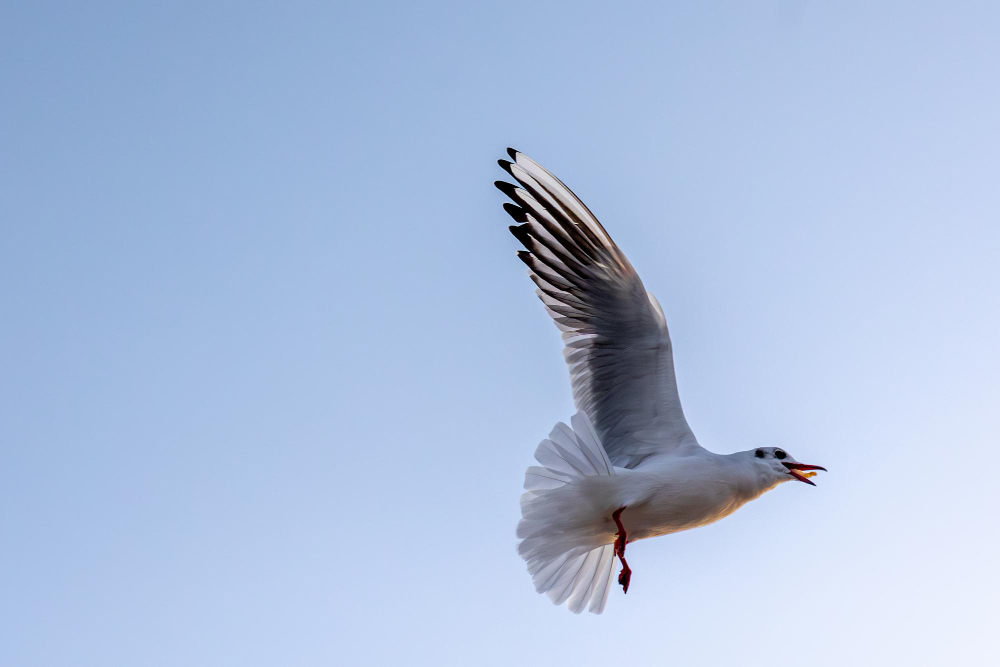
This is the part that contradicts everything the experience suggests. Several of the species involved have declining populations and some are of conservation concern.
What has increased is how many of them live alongside people. A species moving from inaccessible coastal cliffs onto town roofs becomes far more visible while becoming less numerous, and the impression of an explosion is a change of address rather than a change in population.
A Long-Lived Animal That Has Been Paying Attention
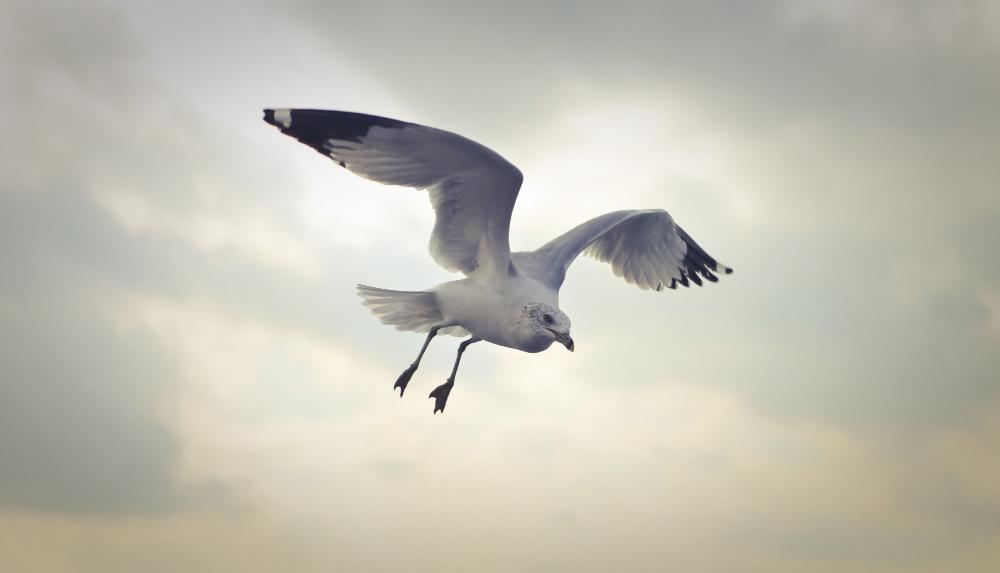
Not one species but dozens, frequently nesting nowhere near the sea, able to drink seawater through glands above the eyes, and selecting its target by watching which people are looking.
The fourth and fifth items together are the ones worth knowing. Gulls watch where people are looking and approach far more cautiously when somebody is looking back – so the bird that took your food had already assessed the people nearby and selected the one who was not paying attention. It was not unlucky. You were chosen.
Like our content? Follow us for more.