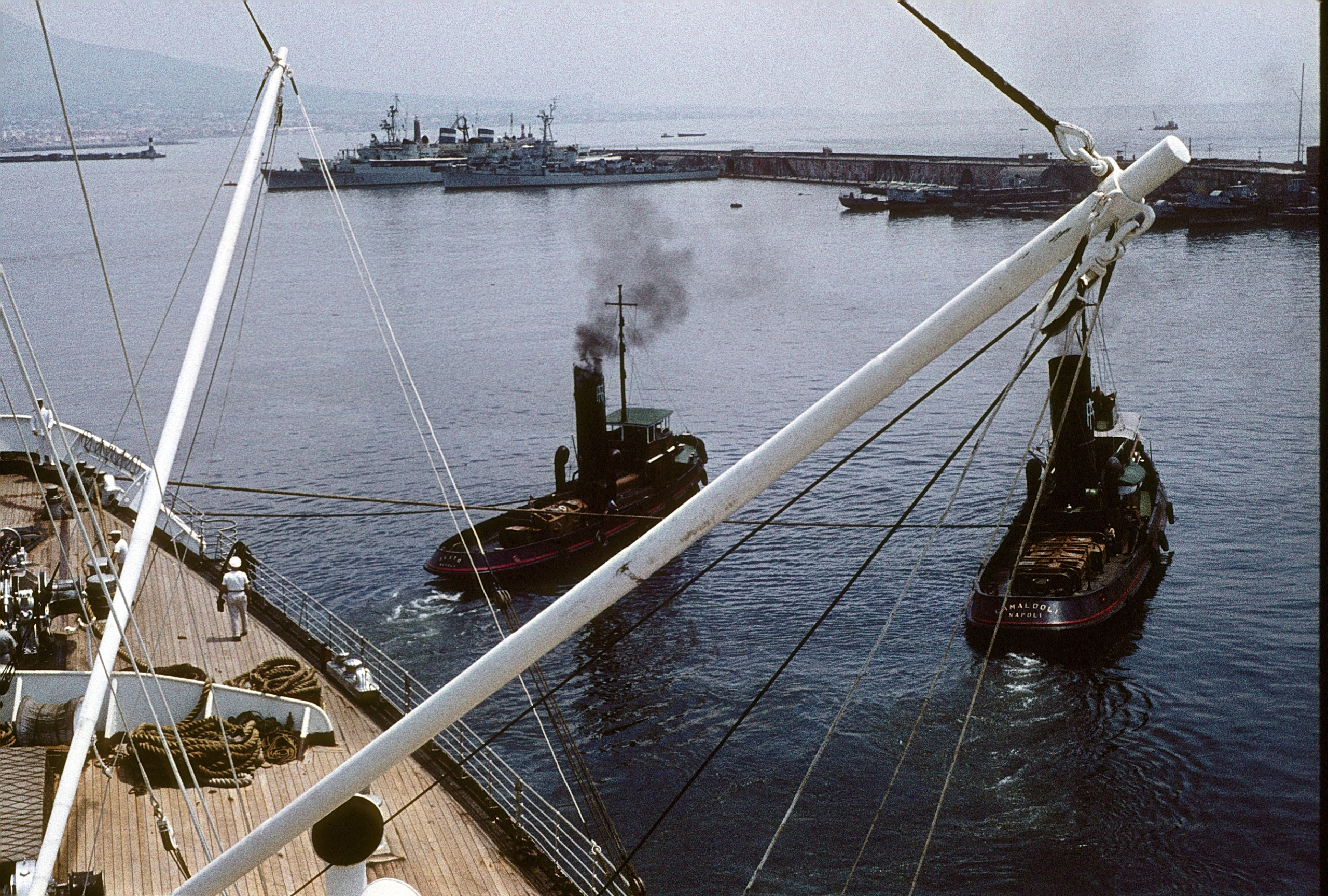
In 1960 a harbour tug was positioned against a moving ship by a master judging everything by eye from a wheelhouse with a compass and an engine telegraph, with a delay of several seconds between his decision and the engine responding.
The crew worked an open wet deck with a line through it carrying more force than anything else in the harbour, and the two things most likely to kill them – a parting line and being pulled over sideways by their own tow – had no name on any diagram and no mark on any deck.
Here are ten things that were ordinary on a tug in 1960, and what each one became.
1. The Tow Line Was the Thing That Killed People
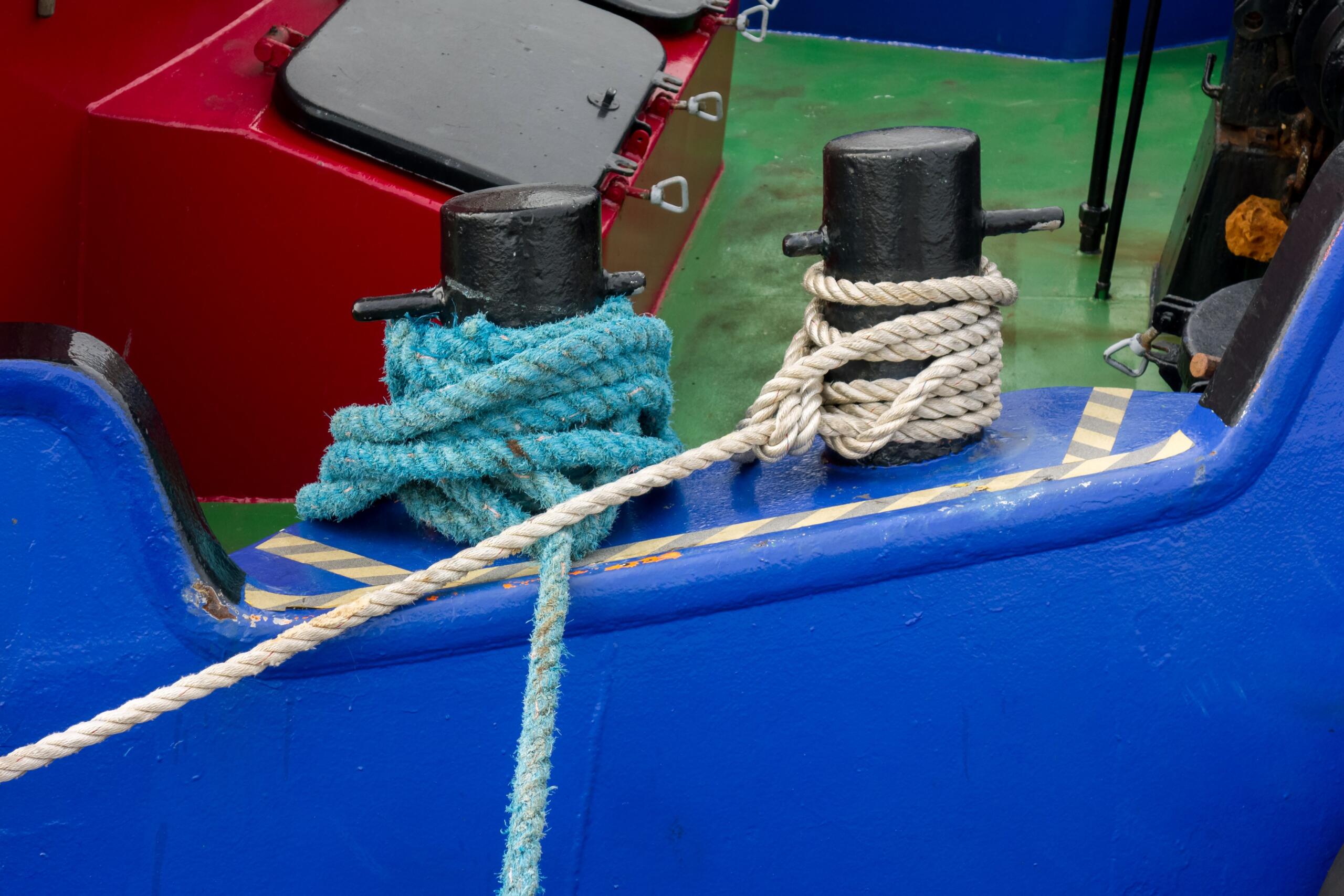
A tug under load has an enormous force running through a line a few inches thick. If that line parts it recoils across the deck at a speed nothing can be done about, and the area it sweeps – the snap-back zone – will kill anybody standing in it.
Snap-back zones are now marked on tug decks, crews are trained to stay out of them, synthetic lines are specified with known breaking loads and discard criteria, and line handling is designed so that people are not required to stand where the line will go. It remains the defining hazard of the work, and every tug crew in the world knows exactly where not to be.
Like our content? Follow us for more.
2. Girting Could Capsize the Boat in Seconds
A tug pulled sideways by its own tow line – girting, or girding – can be dragged over and capsized faster than the crew can react. It happens when the ship being assisted moves in a direction the tug cannot follow, and it has sunk a great many tugs with their crews aboard.
Gog ropes and later quick-release towing hooks, which let the line be let go instantly from the bridge, were the first answer. Modern tractor and azimuth stern drive tugs, which can apply thrust in any direction and move sideways, changed the geometry fundamentally. The hazard has not been eliminated – it is the thing tug masters are most careful about – but the vessel can now get out of positions that used to be fatal.
3. The Master Judged Everything by Eye From a Wheelhouse With No Instruments
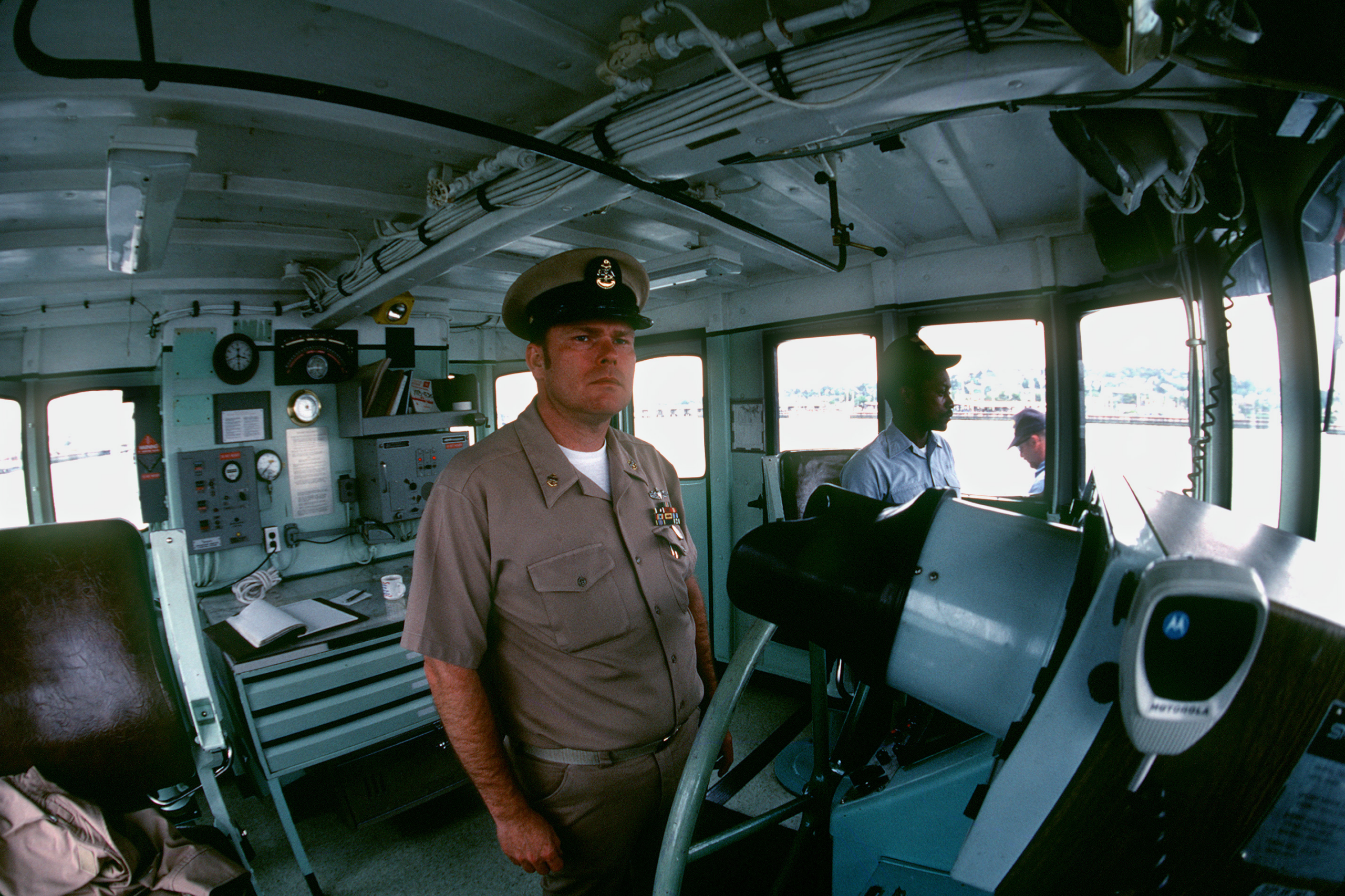
Positioning a tug against a moving ship in a current, judging the closing speed, the lead of the line and the pivot point of the vessel being assisted, was done by eye and experience from a wheelhouse with a compass, an engine telegraph and very little else.
Modern tugs have radar, satellite positioning, electronic charts, bollard pull displays, line tension monitoring and direct radio to the ship’s bridge and the pilot. The judgement is still the master’s and always will be, but it is informed by numbers rather than entirely by eye. Line tension monitoring in particular turned an invisible variable into a reading.
4. The Engine Room Was Hand-Controlled Through a Telegraph
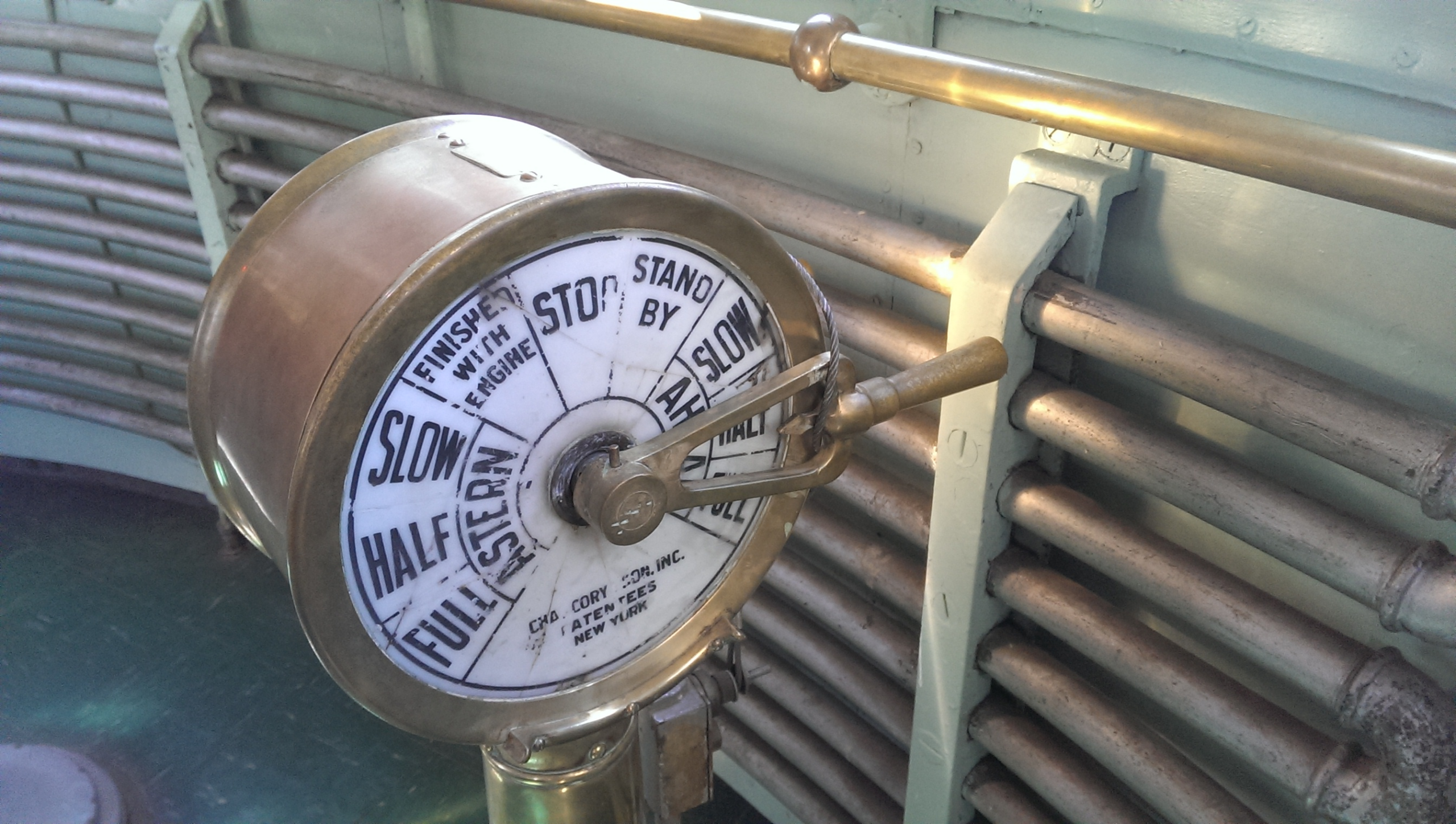
The master rang an order on the engine telegraph and an engineer below executed it, which introduced a delay of seconds between the decision and the thrust – during manoeuvres measured in metres and seconds.
Bridge control of the engines removed the delay and the engineer from the loop, and modern propulsion responds immediately and in any direction. The telegraph delay is difficult to appreciate now: a tug master was making decisions several seconds ahead of the boat, continuously, in confined water beside a ship many times his size.
5. Crews Lived Aboard for Weeks in Very Small Spaces
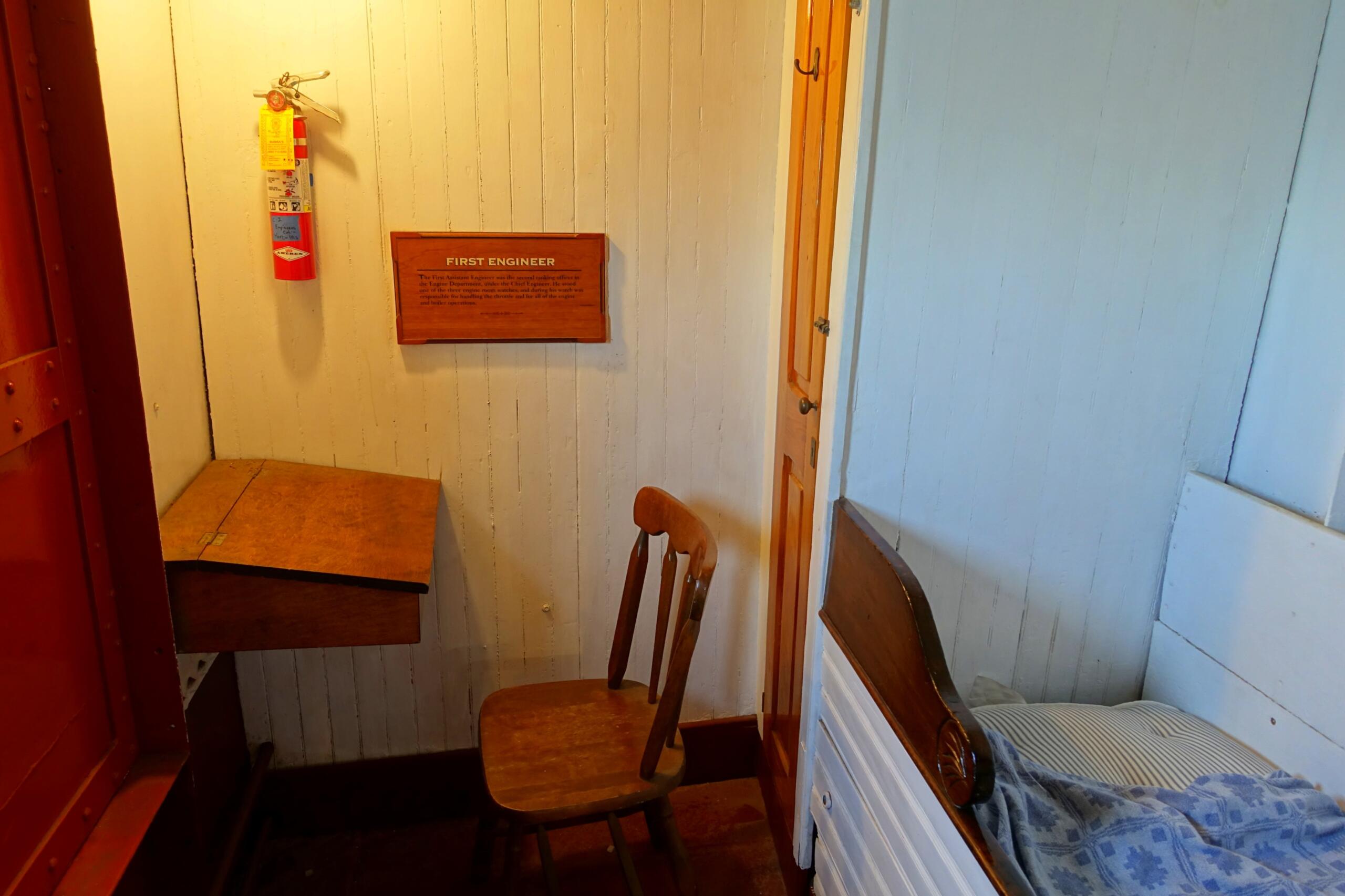
Harbour and coastal tugs carried crews who lived aboard in cramped accommodation, with the engine beneath them, on tours of weeks. The boat was small, it moved constantly, and there was nowhere to go.
Accommodation standards covering space, ventilation, noise and sanitary facilities now apply, and many harbour operations run day crews who go home. The international convention governing seafarers’ conditions reaches tug crews as it does any other vessel, which it did not meaningfully do in 1960.
6. Towing Gear Was Natural Fibre and Then Steel Wire, Both of Which Fail Badly
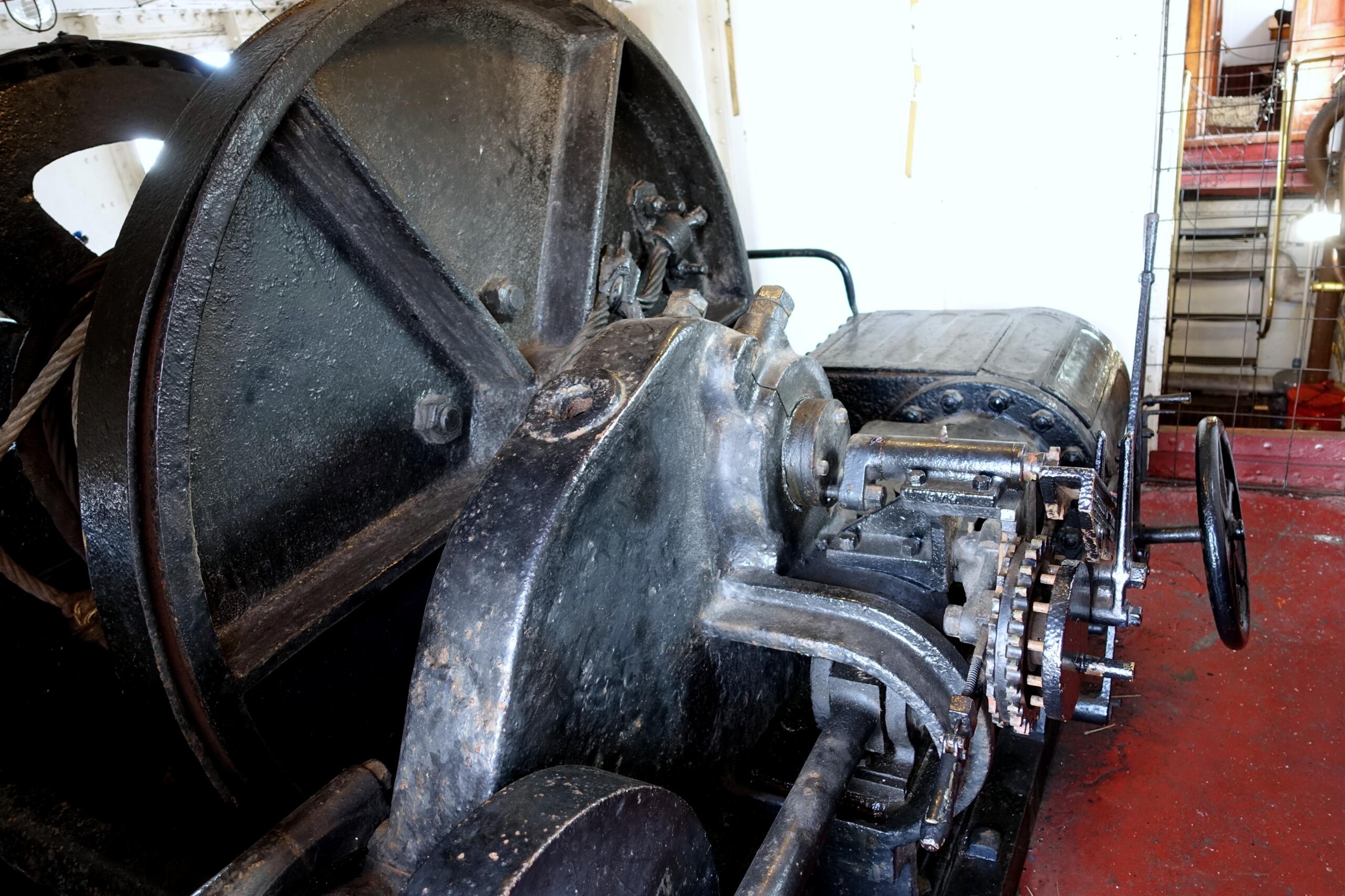
Manila and sisal lines rotted invisibly from the inside. Steel wire ropes developed broken strands that cut hands and failed without warning, and a parting wire recoils with even less mercy than a fibre line.
High-modulus synthetic ropes with published breaking loads, date stamping, inspection schedules and defined discard criteria replaced both for most towing work. They are lighter, stronger for their size and float, which matters when a line goes in the water. The failure mode is better understood and the inspection is a record rather than a glance.
7. Working Decks Were Open, Wet and Had Very Little to Hold On To
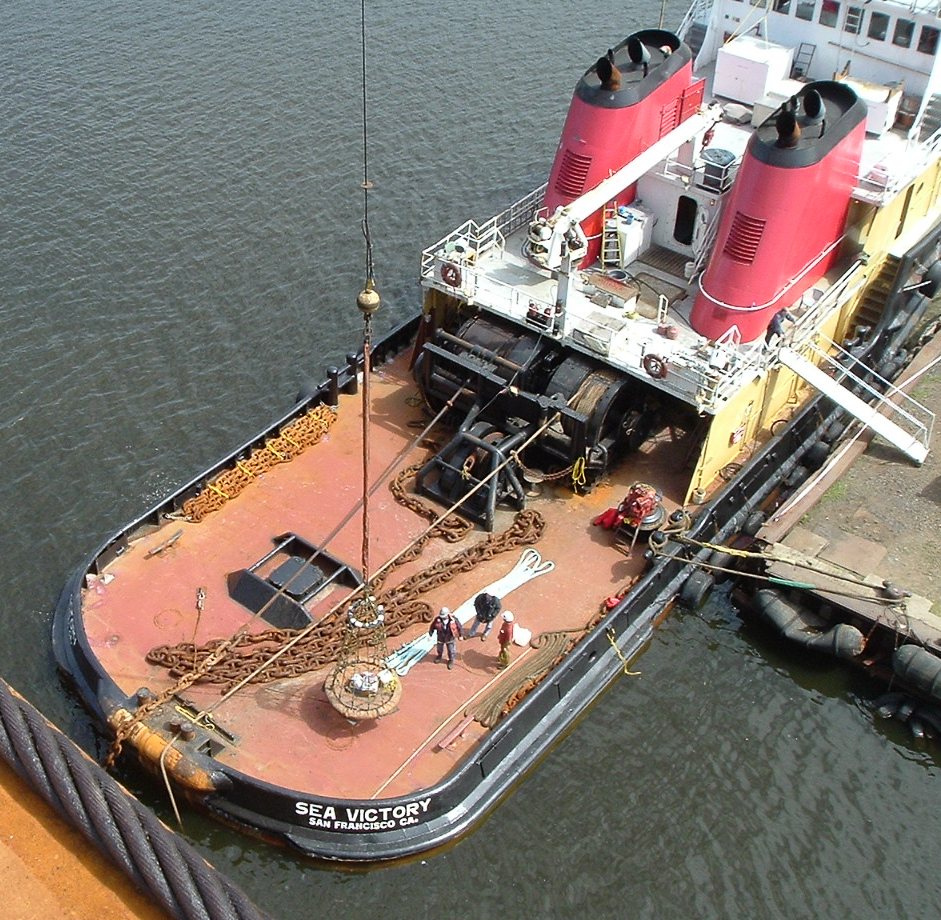
A tug deck in a seaway is a small wet steel platform that pitches and rolls more violently than a large ship, with towing gear across it, and in 1960 with limited guard rails, no non-slip surfacing worth the name and nothing much to clip onto.
Deck layout is now designed around keeping people clear of the gear, with non-slip surfacing, proper rails, controlled access to the working deck during operations, and in many cases remote-controlled winches that remove the need for anybody to be out there at all while under tow.
8. Fire and Rescue Were Part of the Job Without Being Part of the Training
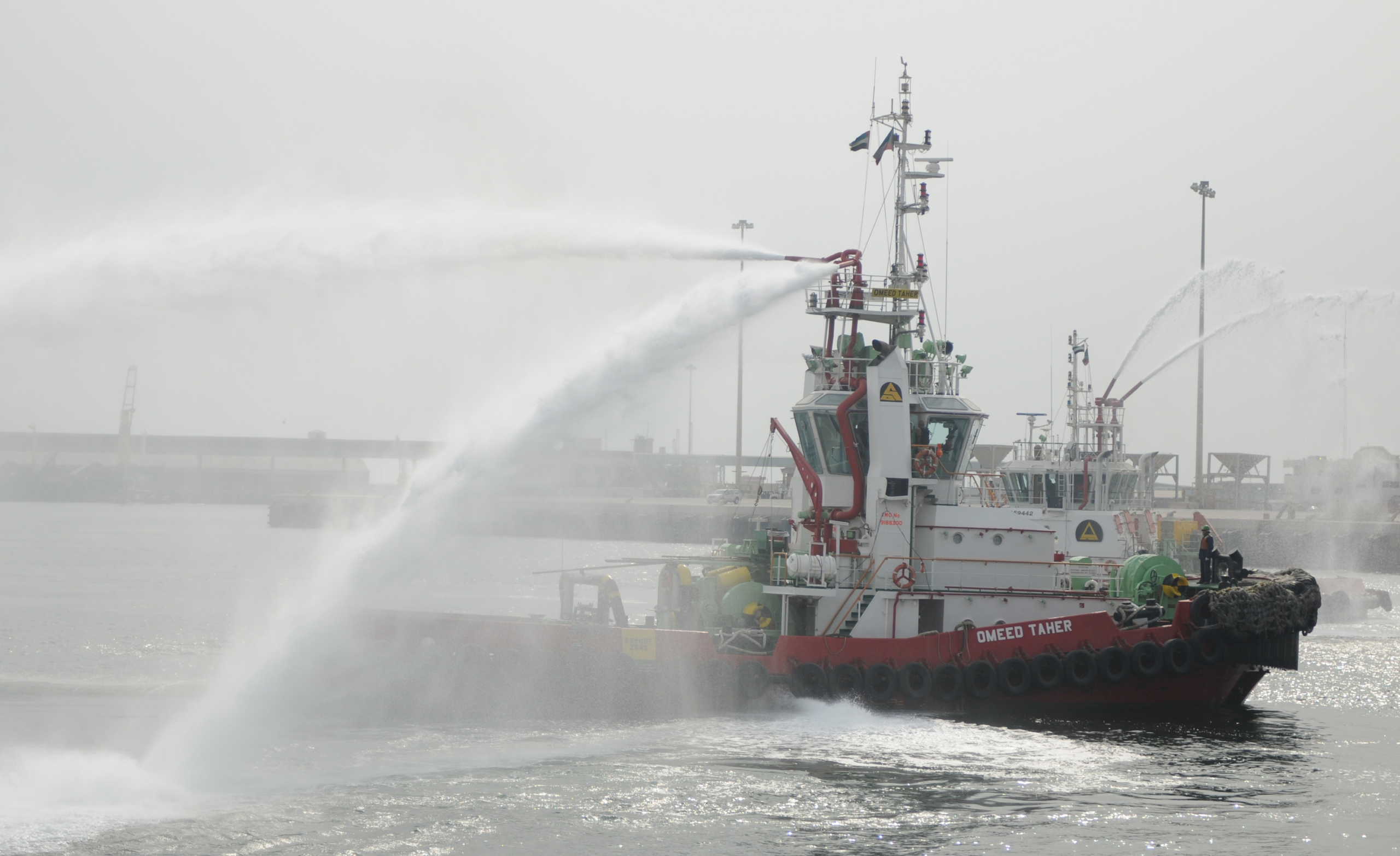
Tugs were the first vessels to a ship fire, a grounding or a vessel in trouble in the harbour approaches, because they were there and they were powerful. Crews did it with whatever equipment the boat happened to carry.
Dedicated firefighting tugs with classed monitor capability, trained crews, defined roles within port emergency plans and proper protective equipment are now standard in significant ports. The willingness was always there; what arrived was the equipment, the training and a plan that says who does what before anything happens.
9. Harbour Towage Was a Local Business Run by People From the Port
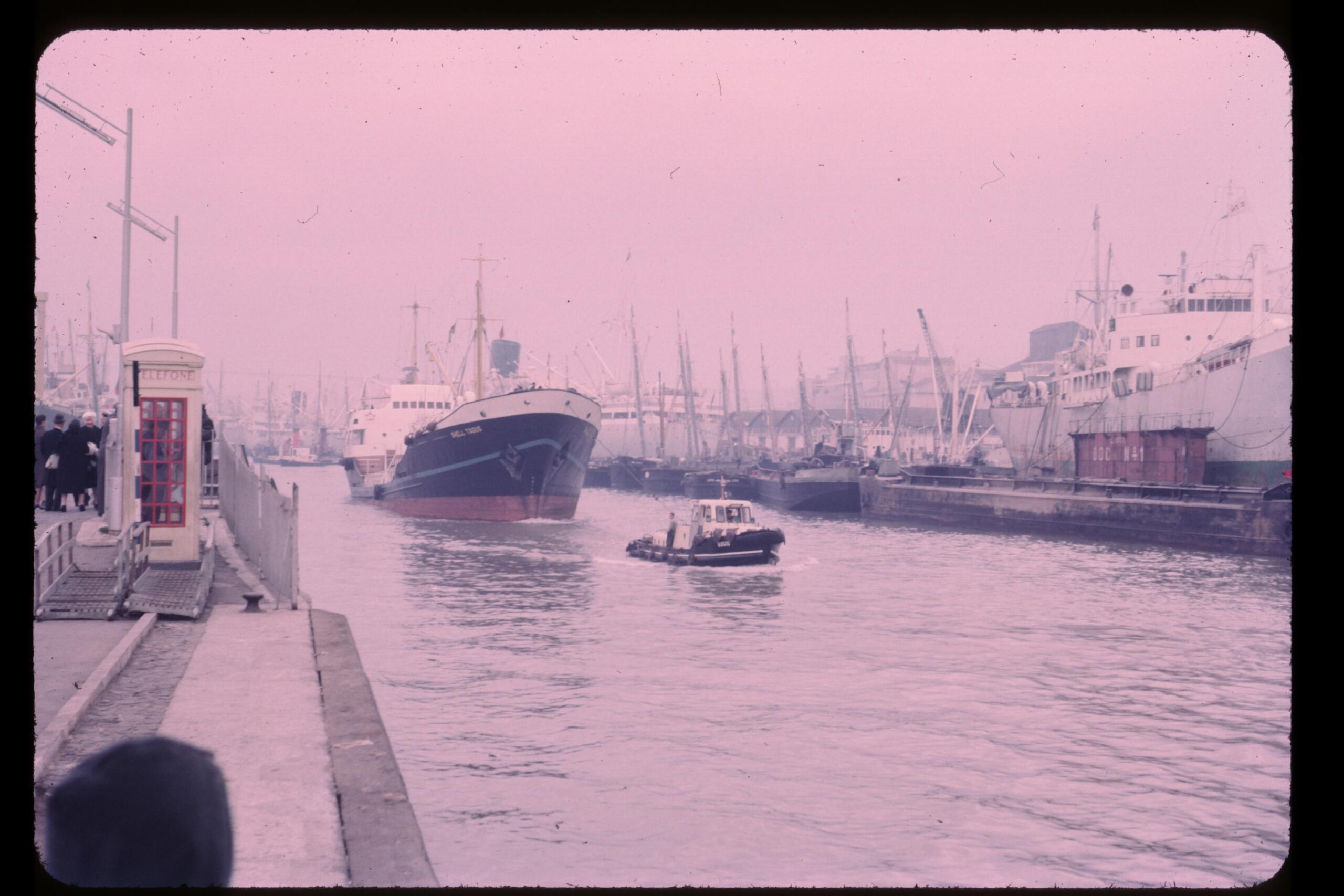
Tug companies were frequently family or locally owned, crewed by men from the same streets, operating a handful of boats in one harbour, with the knowledge of that specific water held entirely in the heads of the masters.
Consolidation into large international towage groups changed the ownership almost completely, and crews now frequently work for a company operating in dozens of ports. Local knowledge is still essential and is still the thing that makes a tug master valuable, which is why the crews remain overwhelmingly local even where the ownership is not.
10. Nobody Imagined Ships Would Get This Big
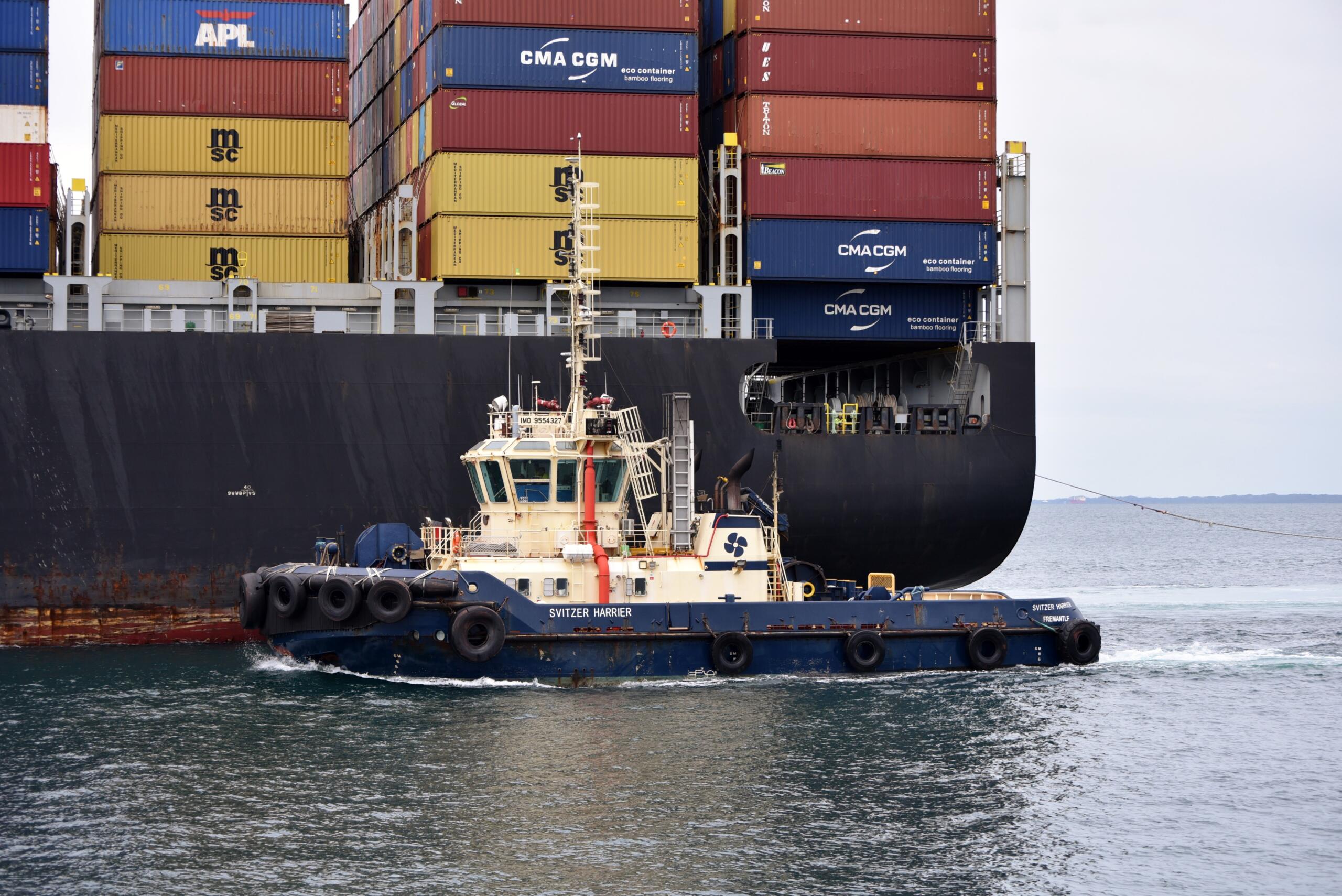
A tug in 1960 was assisting vessels of a size that a boat of a few hundred tons and a couple of thousand horsepower could meaningfully influence.
Ship sizes grew by an order of magnitude, and tugs grew and changed propulsion entirely to keep up – bollard pull figures that would have been inconceivable, omnidirectional thrust, and escort towage where a tug acts as a brake and a steering force on a loaded tanker at speed. The boat became far more capable because the thing it was pulling became far larger, which is a relationship that has held for a century and shows no sign of changing.
Two Hazards and Two Answers
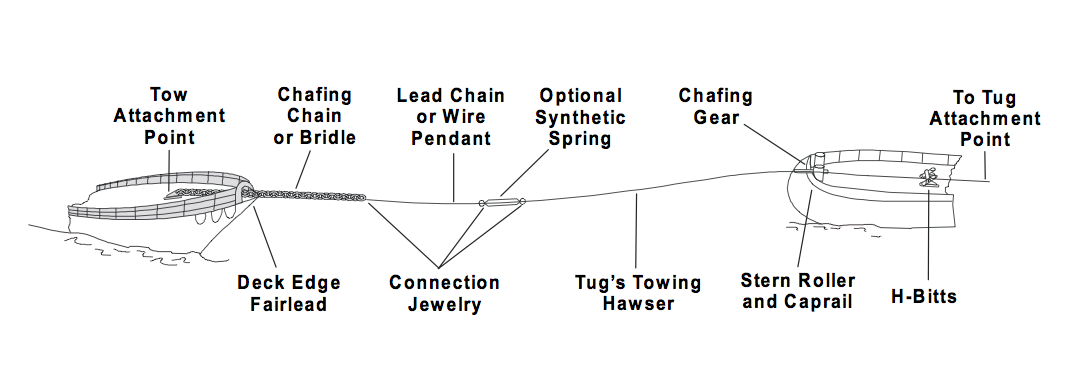
The whole of tug safety comes down to two mechanisms, and the answers to them are instructive because they are completely different in kind.
The parting line was solved by information and discipline. Nothing can stop a loaded line recoiling if it breaks, so the answer was to work out exactly where it would go, paint that area on the deck, train everybody to stay out of it, and design the gear so nobody needs to be there. It is a hazard that was managed by knowing its shape.
Girting was solved by engineering. A conventional tug with a propeller at the back can be pulled sideways into a position it cannot recover from, and no amount of training fixes a geometry problem. The quick-release hook helped. What actually solved it was rebuilding the boat – azimuth drives and tractor configurations that let a tug apply thrust in any direction and move out of trouble sideways.
Those two answers – mark the danger and train around it, or redesign so the danger cannot arise – are the two options available in every dangerous trade in this series. The second is always better and is almost always more expensive, which is why it usually arrives second and usually only after the first has been shown not to be enough.
If you grew up near a working harbour, the tugs are what you watched, and everybody has a view about which one was the good one.
Which port, and are any of the old boats still afloat?
Like our content? Follow us for more.