In 1960 a lifeboat crew was summoned by explosions fired over the town, assembled from whatever jobs they happened to be doing, and launched down a slipway or into the surf off a beach.
They went out in oilskins and cork lifejackets, in a boat that in many cases would not right itself if it capsized, frequently with no reliable radio and no position for whatever they were looking for.
Here are twelve things that were ordinary for a lifeboat crew in 1960, and what became of each one.
1. The Crew Was Summoned by Firing Explosive Signals Over the Town
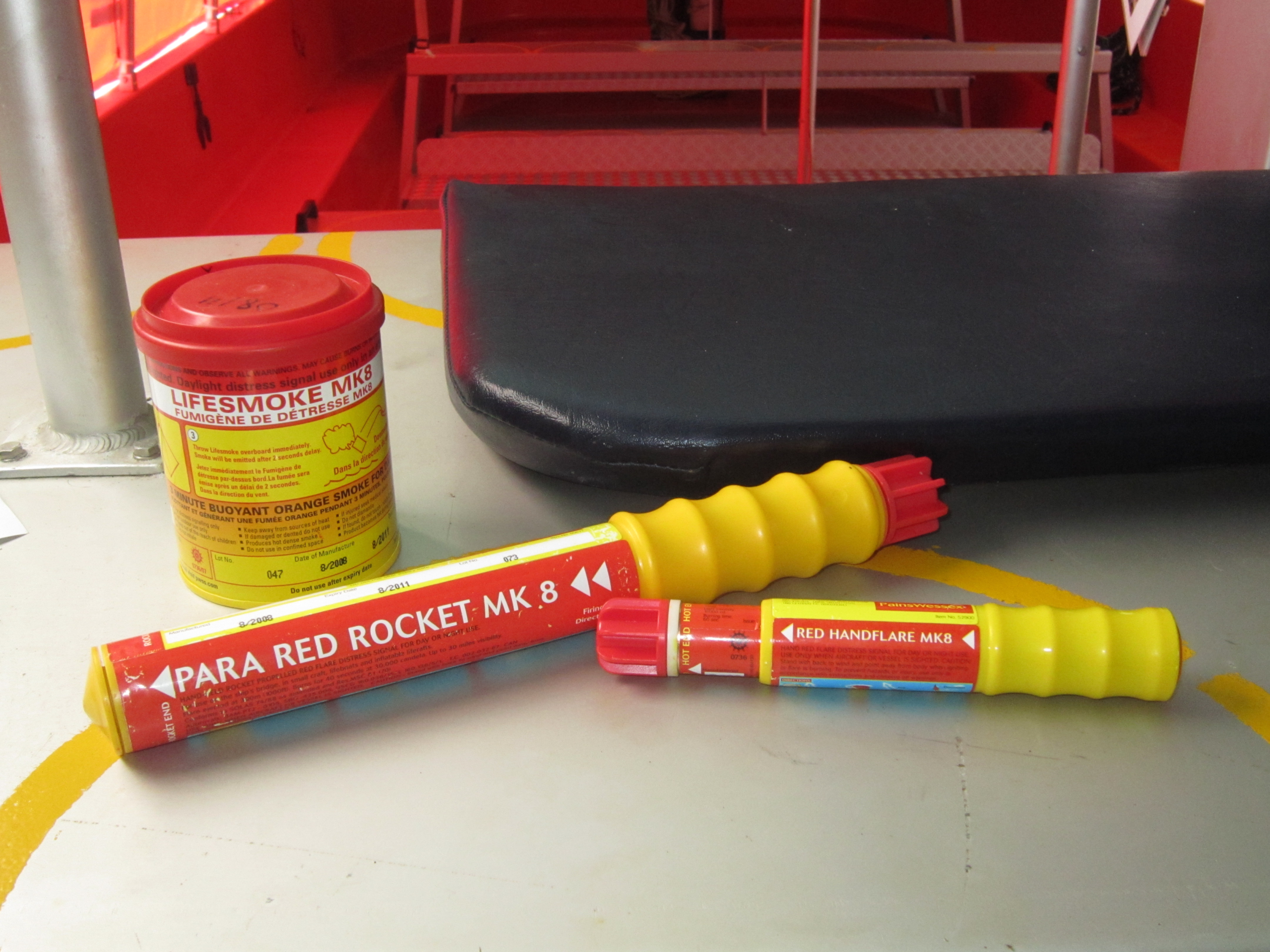
A call-out was signalled by firing maroons – loud aerial reports set off from the station – which were audible across the whole town and told everybody at once that the boat was going out.
Pagers, and then mobile phones, replaced them. The maroons told the crew, and they also told the entire community that something was happening at sea, which meant the families knew before anybody had spoken to them. Several stations retained them for years purely because the town expected to hear them.
Like our content? Follow us for more.
2. The Crew Were Volunteers With Other Jobs and They Left Them
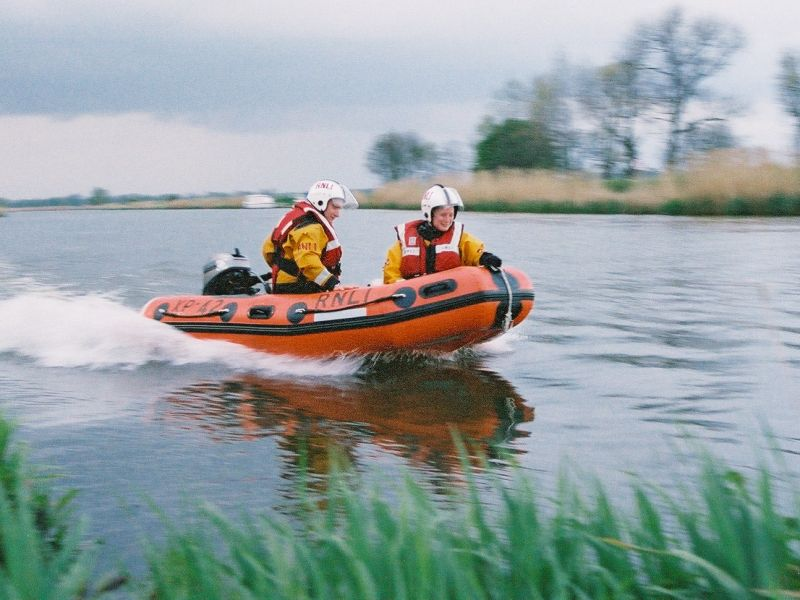
Crew members were unpaid volunteers – fishermen, builders, publicans, shopkeepers – who stopped whatever they were doing and ran. Employers accepted it because the whole town accepted it.
The volunteer basis has not changed and remains the foundation of the service, which is worth stating plainly because almost everything else on this list has. What has changed is training, which is now extensive and formal, where in 1960 it was largely seamanship the crew already possessed from their own working lives.
3. The Boat Was Launched Down a Slipway or Dragged Into the Surf
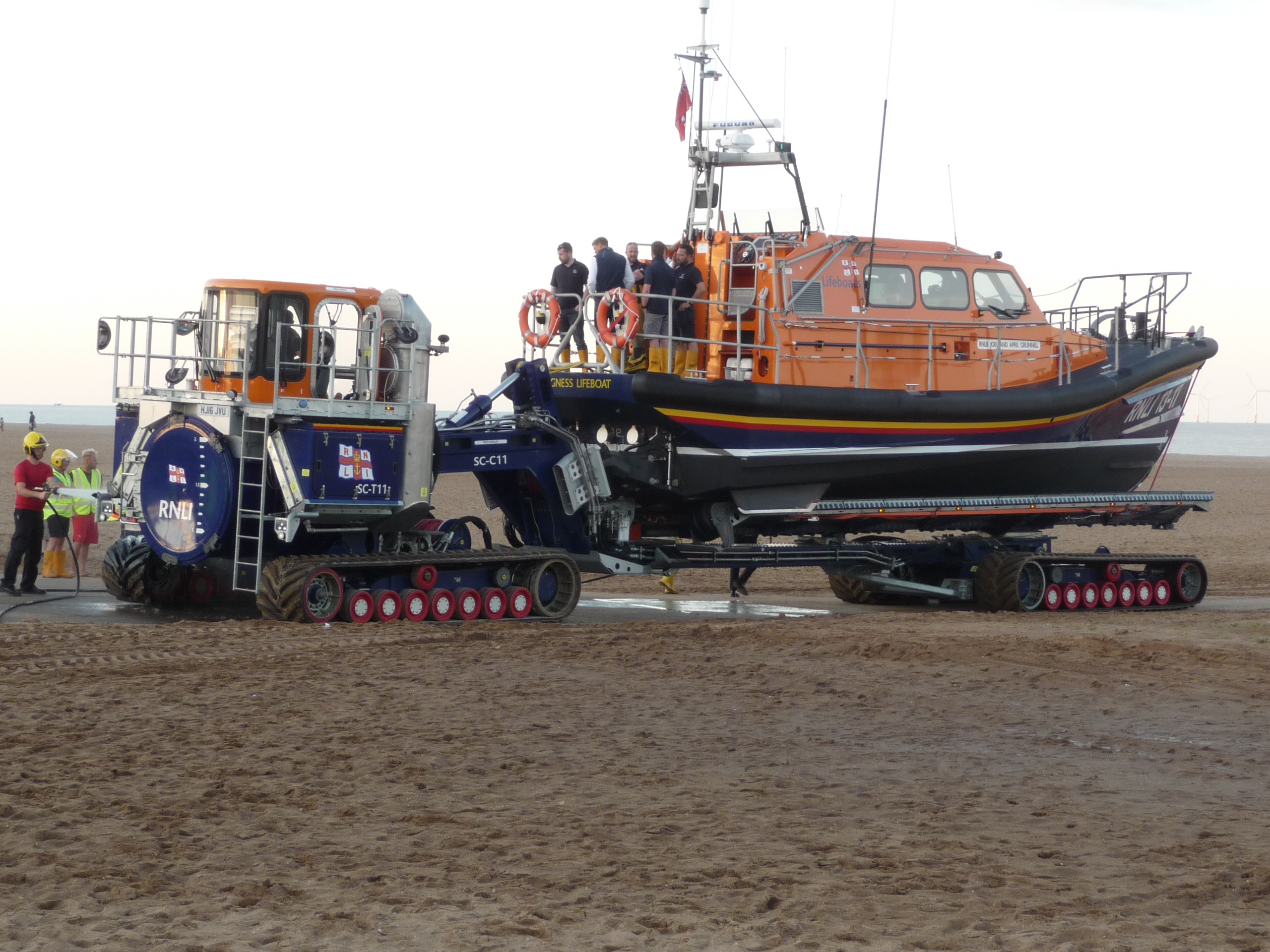
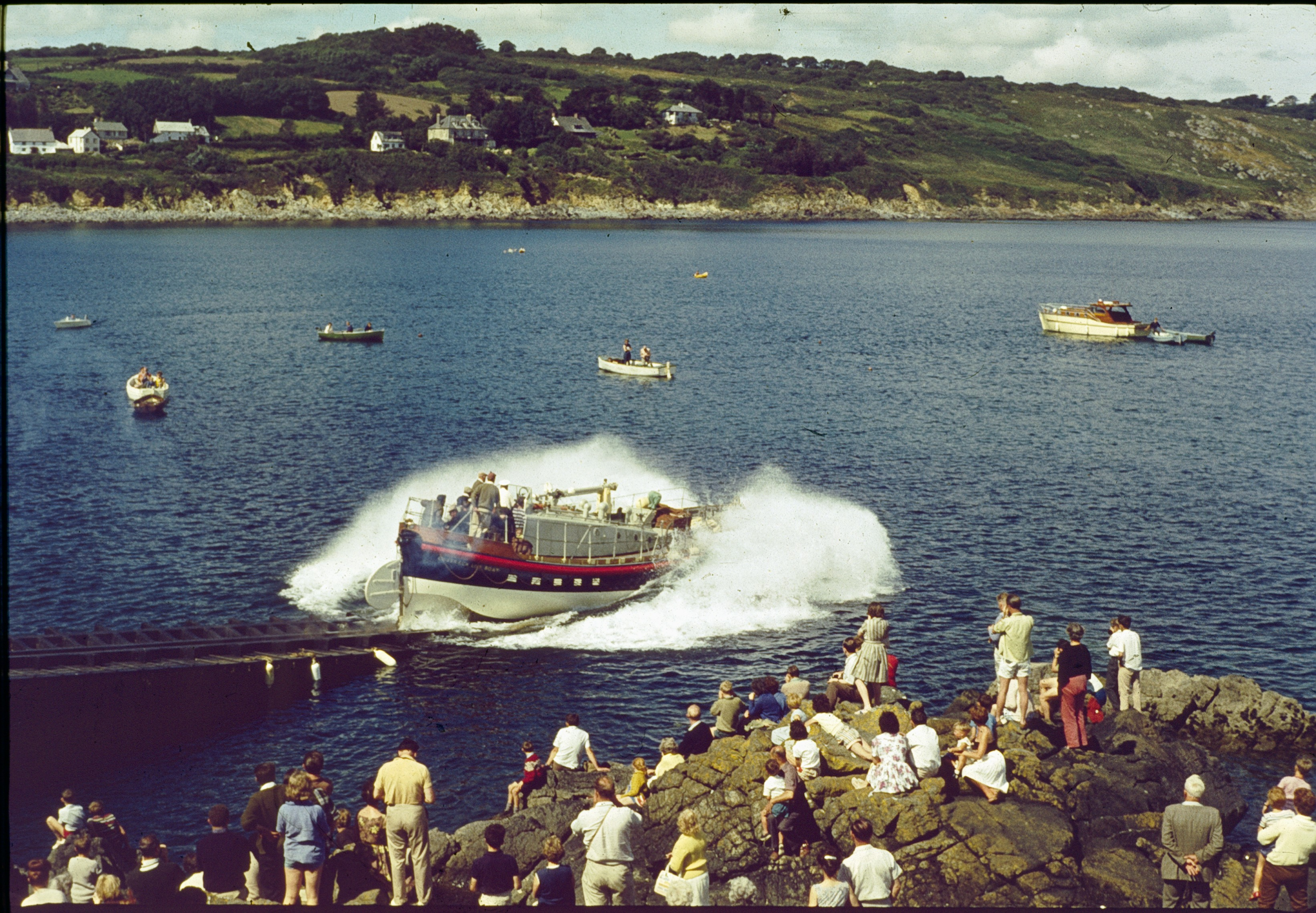
Launching meant releasing the boat down a slipway into the sea, or on many stations hauling it on a carriage across a beach into the surf – originally with horses, later with a tractor, with men working in the water at the carriage.
Slipway and carriage launching continue at many stations with far better equipment, and inshore craft on trailers have changed the picture substantially. Beach launching into surf is still among the more demanding routine operations anywhere, and it was formerly done by men standing waist-deep holding a carriage steady in breaking water.
4. There Was No Radio Worth Relying On and No Position to Go To
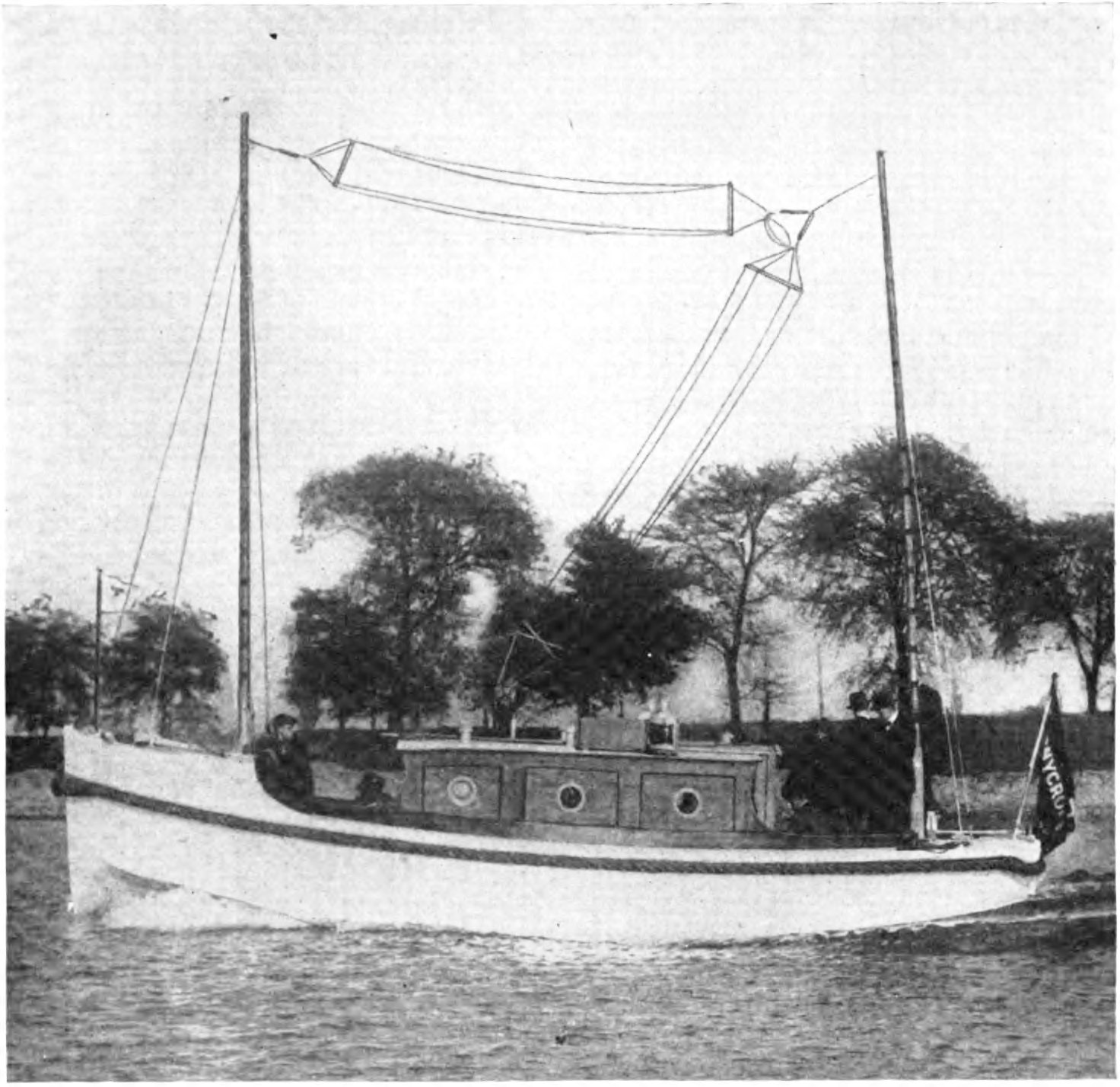
Early call-outs gave a direction and a guess. Communication with a casualty was frequently impossible, and the boat searched visually, working a pattern, in whatever visibility there was.
Radio, radar, satellite position reporting, emergency beacons that transmit a location automatically, and coordinated search management by a rescue centre have transformed the odds. The single biggest improvement in sea rescue is not the boats – it is knowing where to go, which in 1960 was frequently unknown until somebody saw something.
5. The Crew Wore Oilskins, Jerseys and a Cork Lifejacket
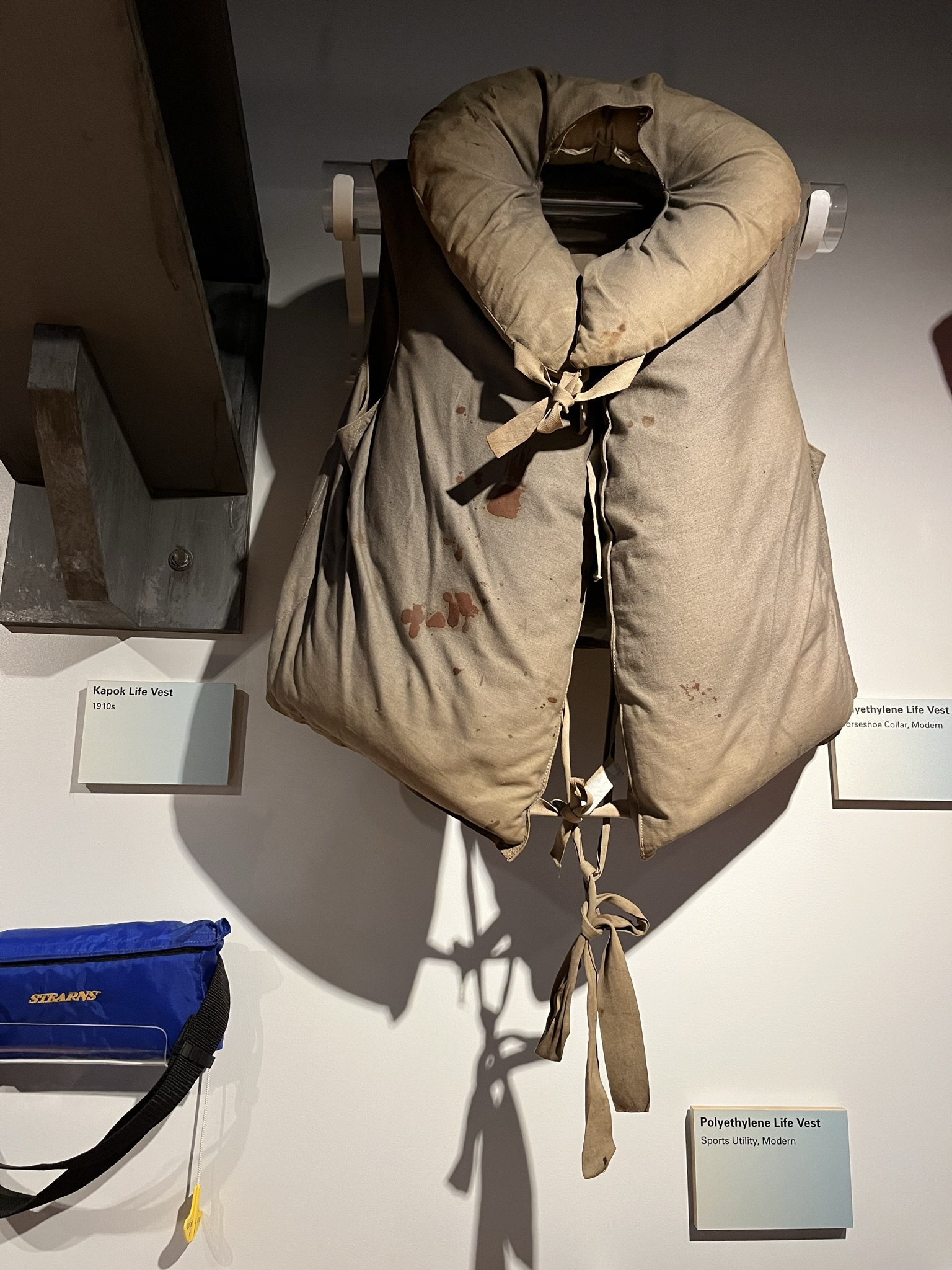
Protective clothing was oilskin over wool. The lifejacket was kapok or cork, bulky, and offered buoyancy and nothing else. Immersion in cold water was survivable for a short time and everybody knew roughly how short.
Immersion suits, thermal layers, integrated harnesses, automatically inflating lifejackets with crotch straps and spray hoods, and personal locator beacons are now standard. Hypothermia protection is the clearest single advance in crew survivability, and in 1960 there essentially was none.
6. The Boat Was Not Self-Righting for Most of This Period
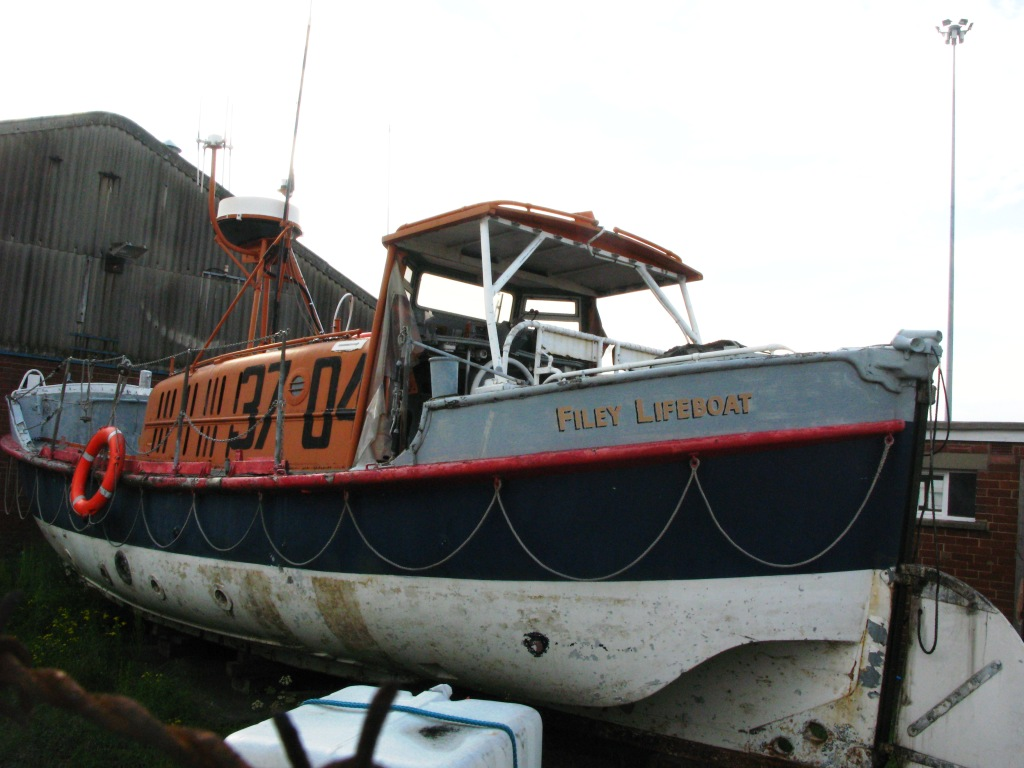
Many lifeboats of the era would not right themselves if capsized. A capsize in a self-righting boat is a violent event that the boat recovers from; in a non-self-righting boat it is usually the end.
Self-righting is now universal in the fleet, achieved through hull form, watertight integrity and buoyancy distribution rather than by adding anything. The transition followed a small number of disasters in which entire crews were lost, and those losses are the reason the design requirement exists.
7. The Coxswain Decided, and That Was the Whole Command Structure
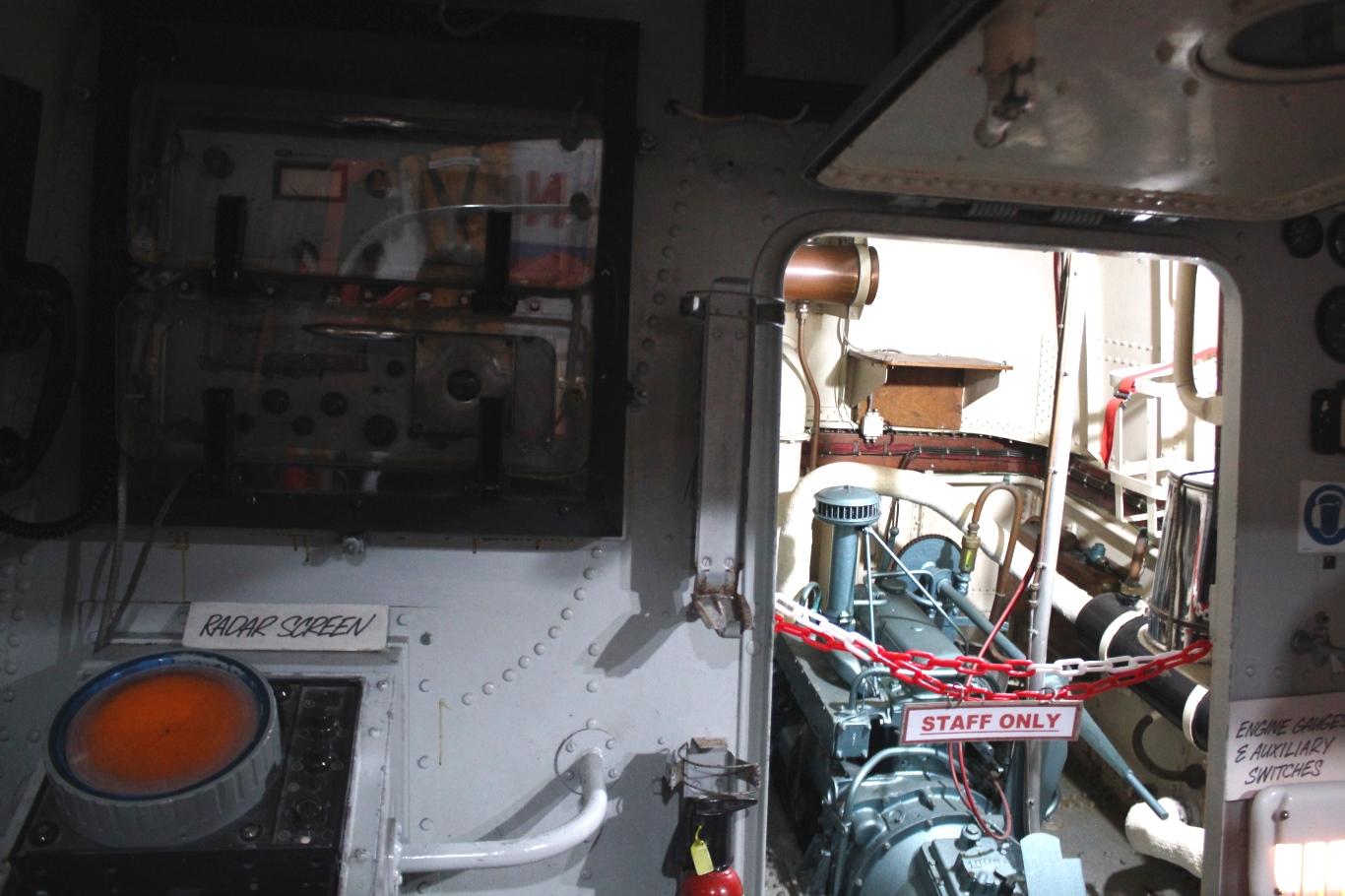
The coxswain made the decisions – whether to launch, how to approach, when to turn back – on his own judgement, at sea, with no way to consult anybody and no procedure to follow.
Shore-based coordination, defined operational limits, risk assessment and command support have changed the framework, though the coxswain’s judgement at the scene remains decisive and always will. What has gone is the isolation of it: in 1960 the decision was made by one man who could not ask anybody anything.
8. Launching Decisions Were Made Without Weather Information
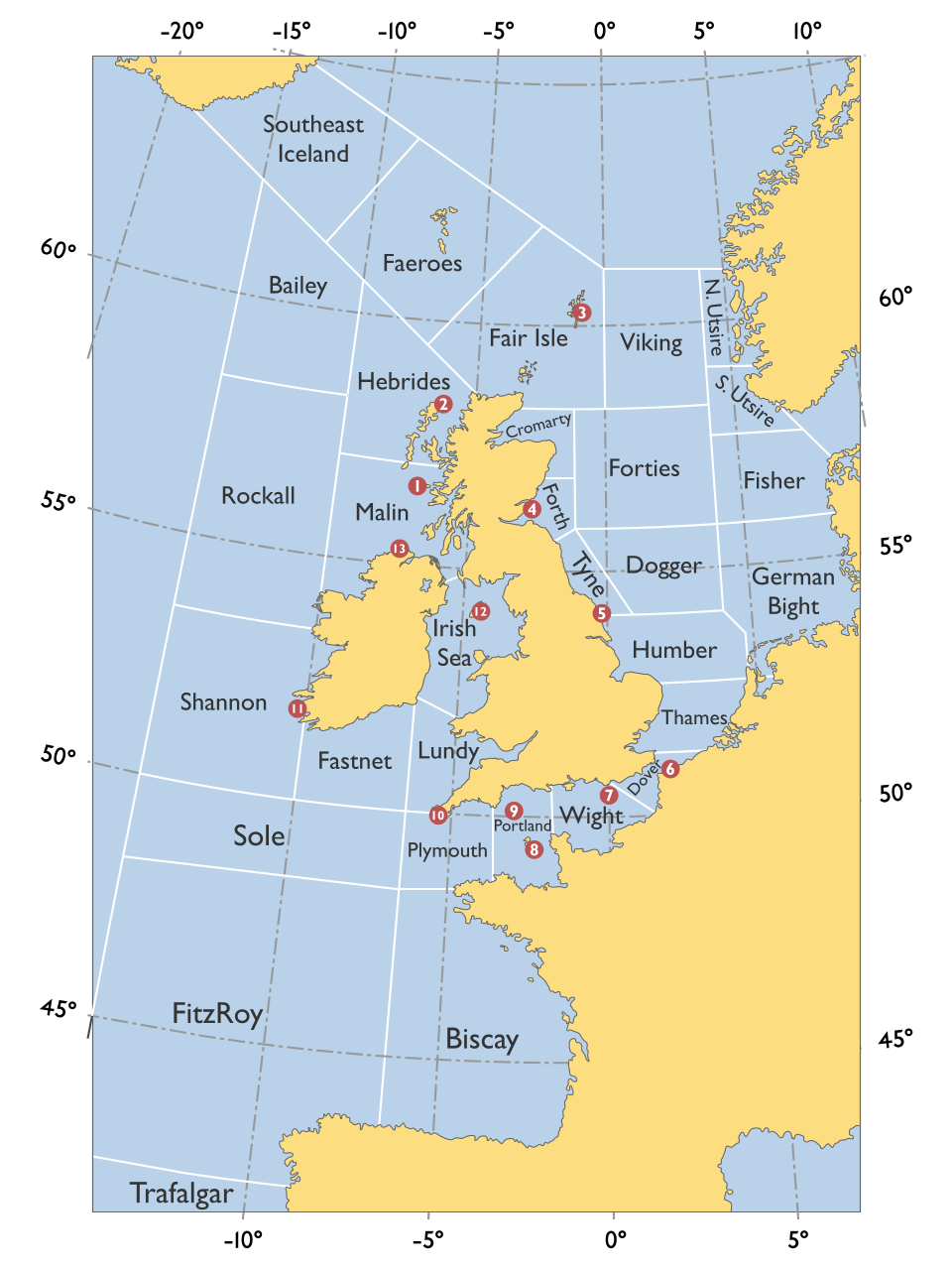
Forecasting was coarse and local observation was what there was. A boat launched into conditions that could not be predicted with any precision and might be considerably worse offshore than the sea looked from the slipway.
Detailed forecasting, wave and wind data, and defined limits for each class of boat now inform every launch. The combination of no forecast, no position for the casualty and no radio is what made 1960 service fundamentally different in kind rather than merely less comfortable.
9. The Station Was Funded by the Town and Run by the Town
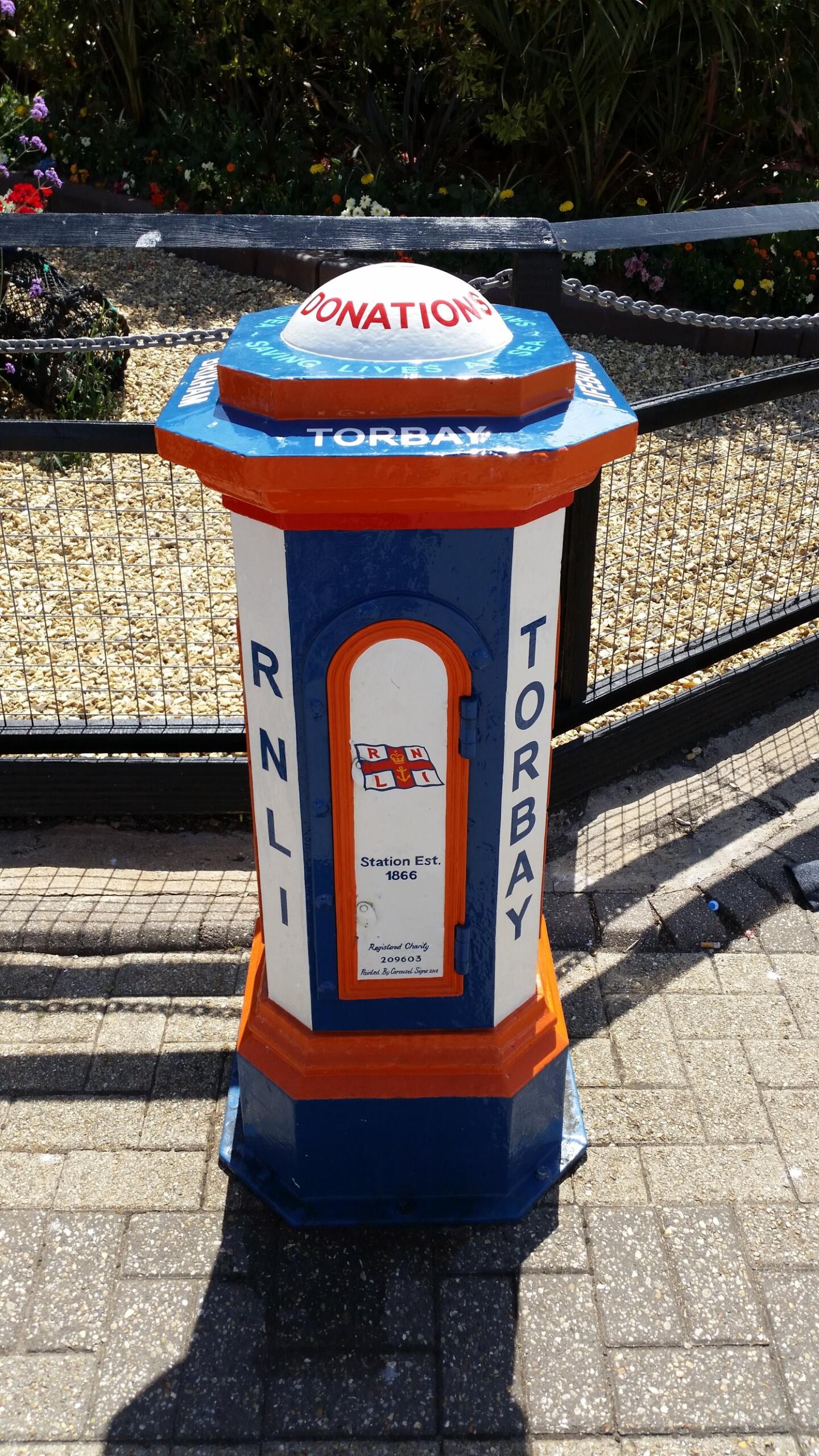
Stations depended on local fundraising – collections, flag days, fetes, shop boxes – organised by committees of local people, with the crew and their families at the centre of it.
Charitable funding remains the basis of the service in many places, with national campaigns alongside local effort. The local committee was an institution in its own right, and the station was as much a community organisation as an emergency service, which is still true and still unusual.
10. Crews Were Men From the Same Few Families for Generations
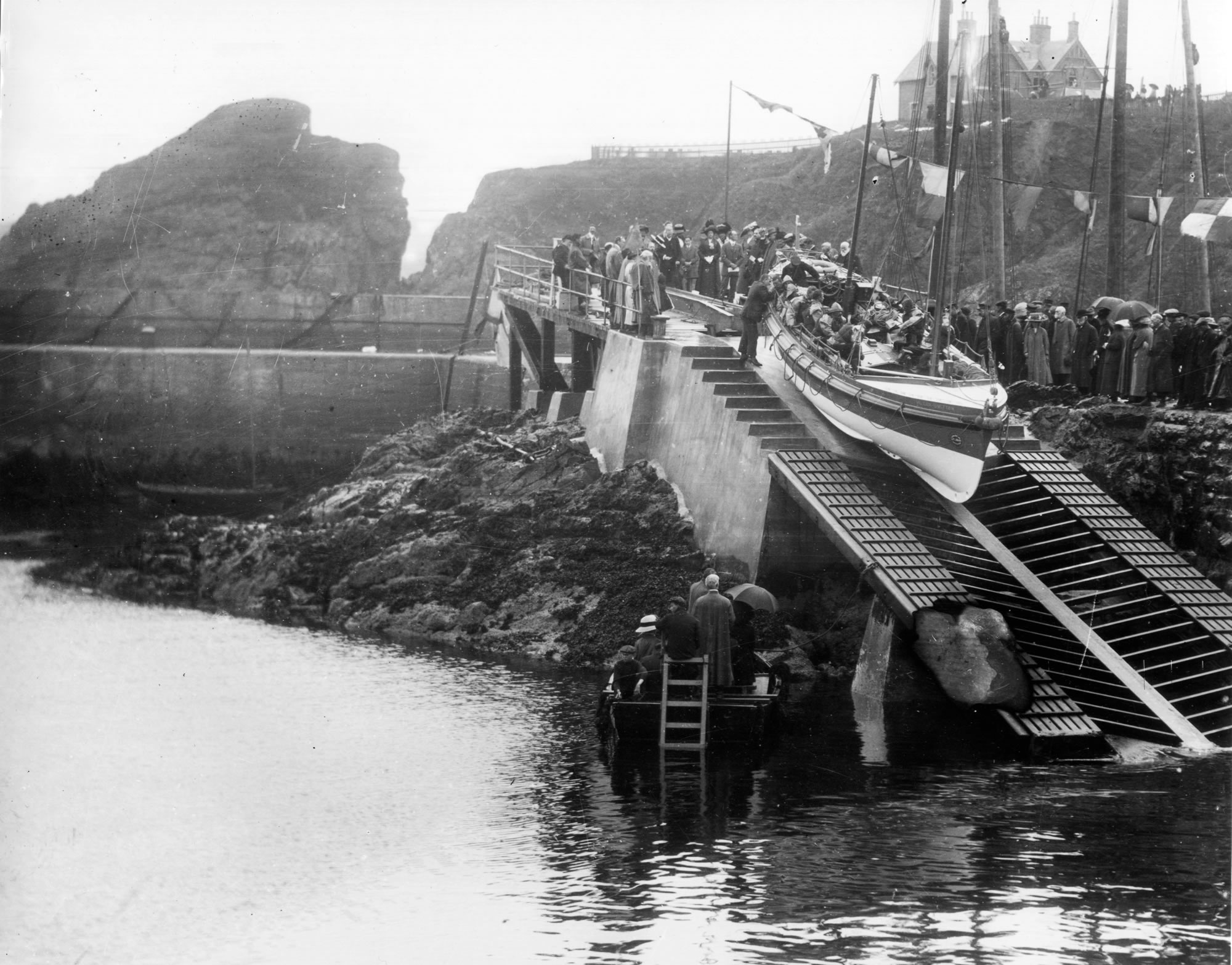
Crew membership ran in families, and a station’s list over a century would show the same surnames repeatedly, with sons joining the boat their fathers had crewed.
Recruitment is now open and crews are drawn far more widely, including women, who were excluded from most sea-going crews until well after this period. The family tradition persists in many stations alongside the broader recruitment, and the memorials in the coastal churchyards are the reason the surnames matter.
11. Going Out Was Understood to Be Genuinely Dangerous
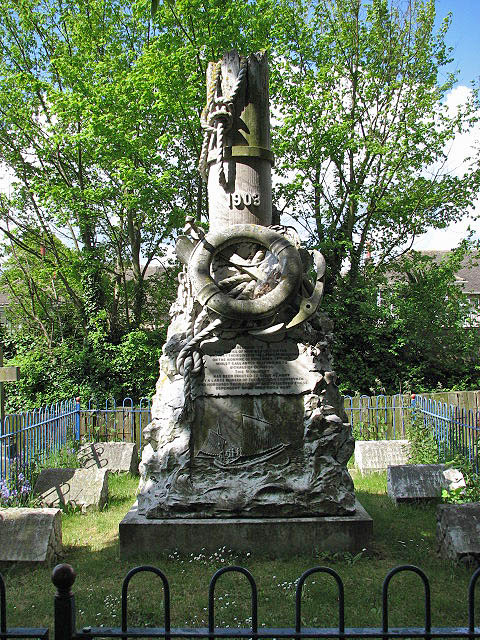
The risk was not notional. Whole crews were lost, more than once, in living memory of 1960, and every station’s community knew it and launched anyway.
Modern boats, equipment, training and shore support have reduced the risk very substantially, and it has not been eliminated and cannot be. The losses in the historical record are what every subsequent safety requirement was written in response to, which is the ordinary pattern of maritime safety and is sobering when you see the dates.
12. Nobody Expected the Helicopter
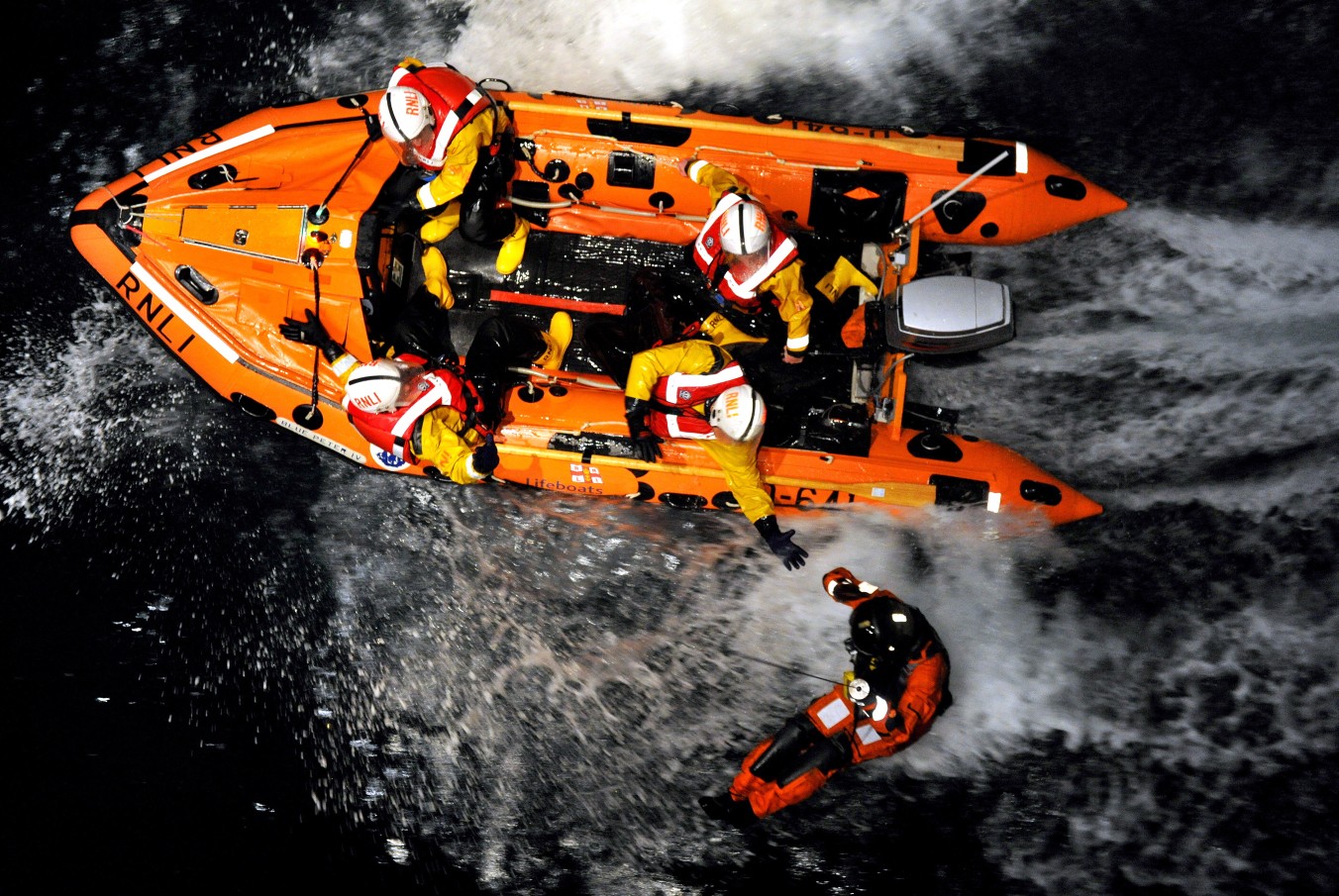
In 1960 sea rescue meant a boat. The idea that a casualty would frequently be lifted directly off a deck or out of the water by aircraft was not part of how the service was organised.
Helicopter rescue became a central part of the system and changed what a lifeboat is for – the boat now frequently works with aircraft rather than instead of them, and the division of a job between them is decided by the coordinating centre. It is a rare case of a new capability complementing an old one rather than replacing it, which is why the boats are still there and still launched by volunteers who stop what they are doing and run.
The Biggest Change Was Knowing Where to Go
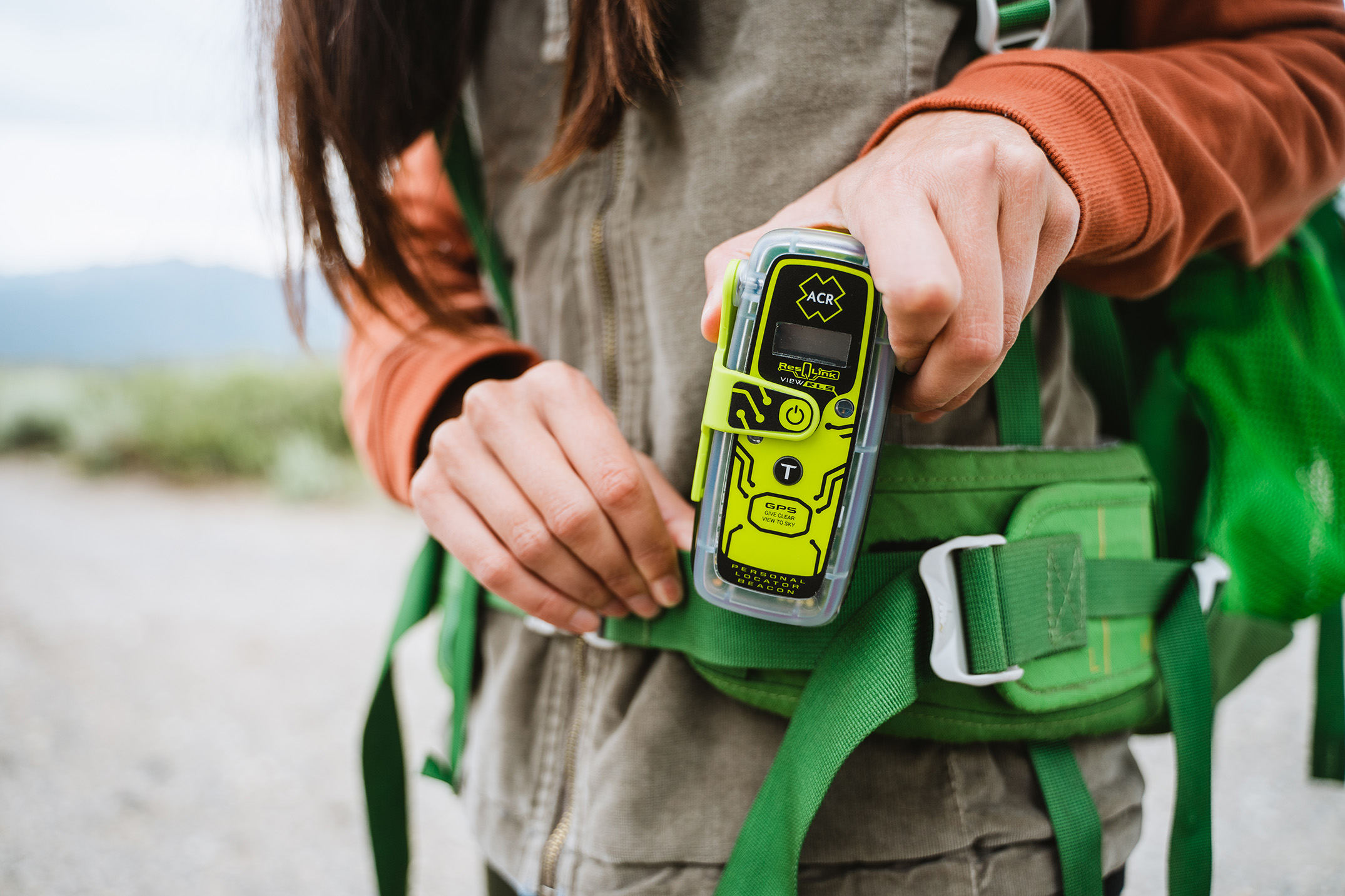
Everything about modern sea rescue looks like better boats, and the boats are enormously better. But the change that saved the most lives is not in the boat at all.
In 1960 the usual situation was that something had gone wrong somewhere offshore and nobody knew exactly where. A casualty might have no radio, or a radio that could not reach anybody, or no time to use it. The information reaching the station was frequently a direction, an approximate distance and an account from somebody onshore who had seen something.
So the boat went out and searched. Visually. In whatever weather had caused the emergency, in whatever visibility there was, working outward in a pattern, for as long as the fuel and the crew lasted. An enormous proportion of the effort went into looking rather than rescuing, and a proportion of the failures were not failures of capability but of arithmetic – the sea is very large and a person in it is very small.
What changed that was not horsepower. It was emergency beacons that transmit a position automatically, satellite reporting, radar, radio that works, and a coordination centre holding the whole picture and directing everything in the area at once.
Give a 1960 crew in a 1960 boat an exact position, and their outcomes improve dramatically. Give a modern crew no position, and theirs get much worse. The boat matters, the clothing matters, the self-righting hull matters – and the single largest factor is information.
Which is why the most important piece of safety equipment on a small boat is the one that tells somebody where you are.
If you grew up in a station town you will remember the maroons and what the street did when they went off.
The crews are still volunteers, and they still stop what they are doing and run.
Like our content? Follow us for more.