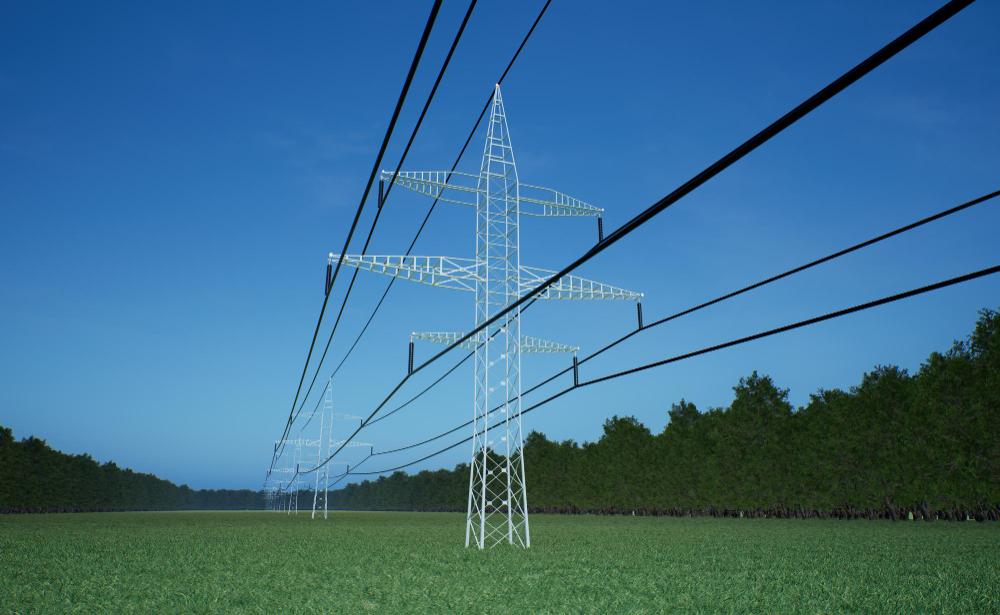
Almost every visible feature of a transmission line is a solution to one of two problems: keeping the electricity in the wire, and keeping the wire in the air. Here are twelve.
1. High Voltage Is About Waste
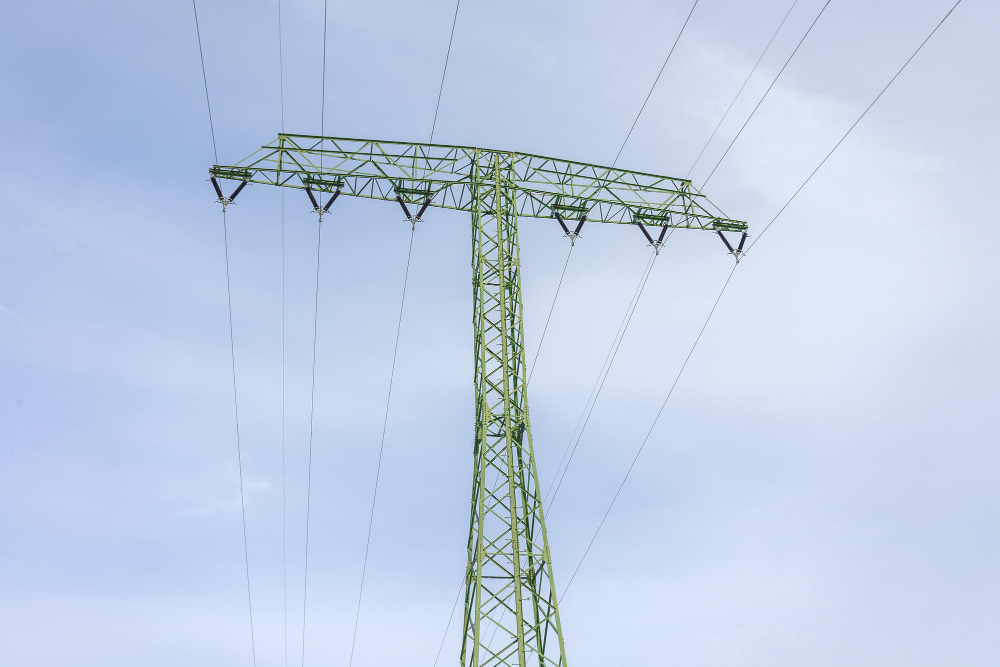
Energy lost as heat along a line depends on the current flowing, so sending the same power at a much higher voltage and a much lower current wastes far less.
The voltage is chosen to reduce losses. Loss reduction is why transmission voltages are so high.
Like our content? Follow us for more.
2. Which Is Why Transformers Exist
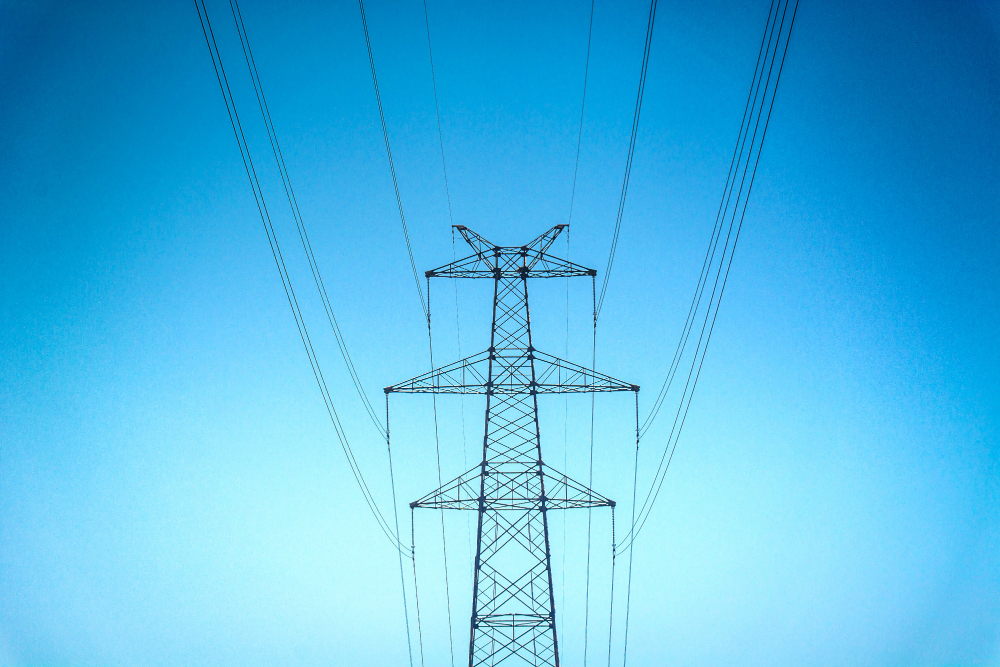
Voltage is raised for the journey and lowered again before it reaches anything that uses it, which is what the substations at each end are doing.
Nothing uses electricity at transmission voltage. Voltage conversion is the price of efficient transport.
3. The Wires Are Not Insulated
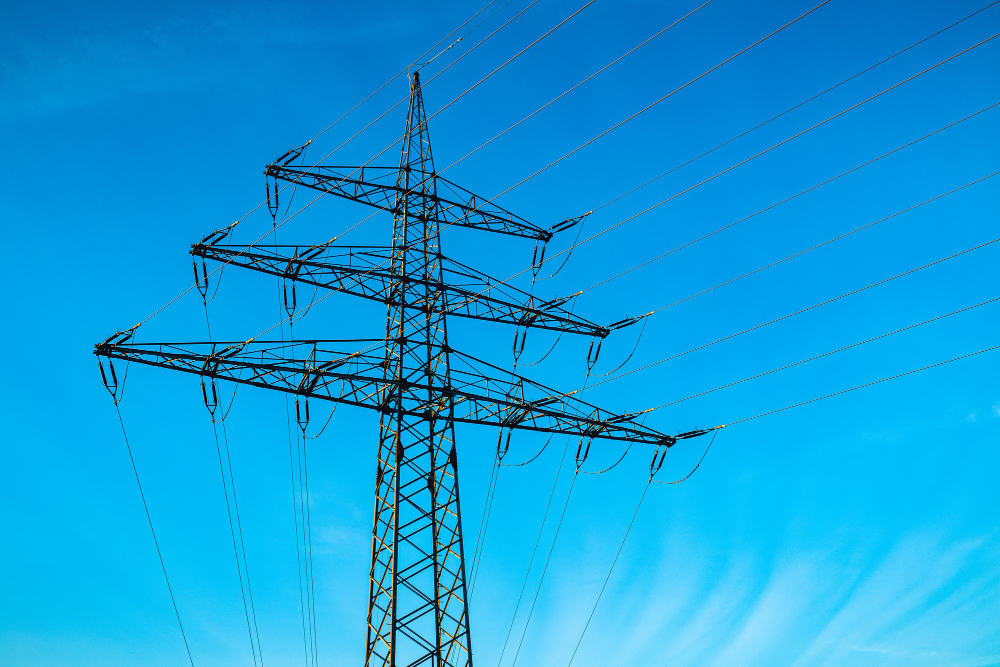
Transmission conductors are bare metal, because insulating them would add enormous weight and cost, and air does the job perfectly well at a sufficient distance.
The gap is the insulation. Air as insulator is why the geometry looks as it does.
4. So the Spacing Is the Design
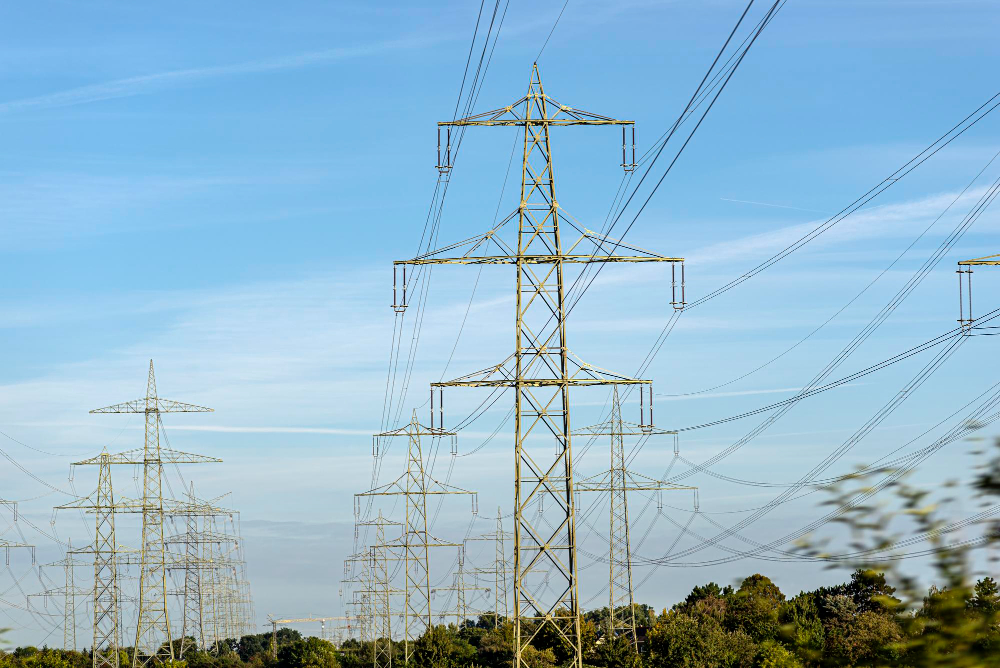
The distance between conductors, between conductors and the tower, and between conductors and the ground is what keeps the electricity where it belongs.
Everything is spaced deliberately. Clearance is the primary safety feature.
5. The Glass Discs Are the Insulators
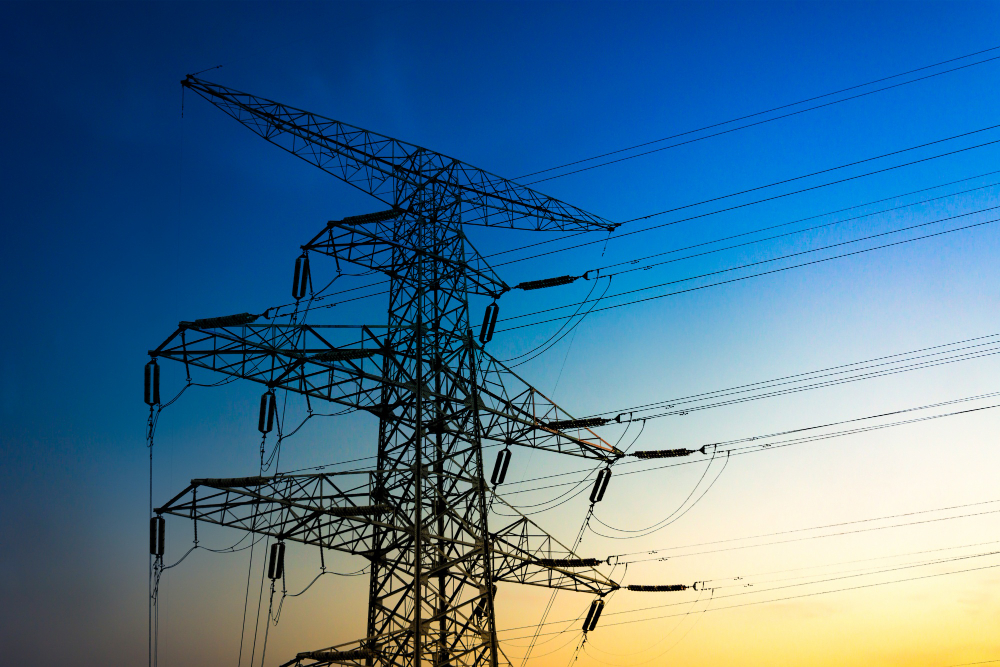
Where a conductor attaches to a tower it must be held without the electricity following the steel to earth, which is the job of the stack of glass or ceramic discs.
Their length reflects the voltage. The insulator string is the one insulated part.
6. The Conductors Are Aluminium Over Steel
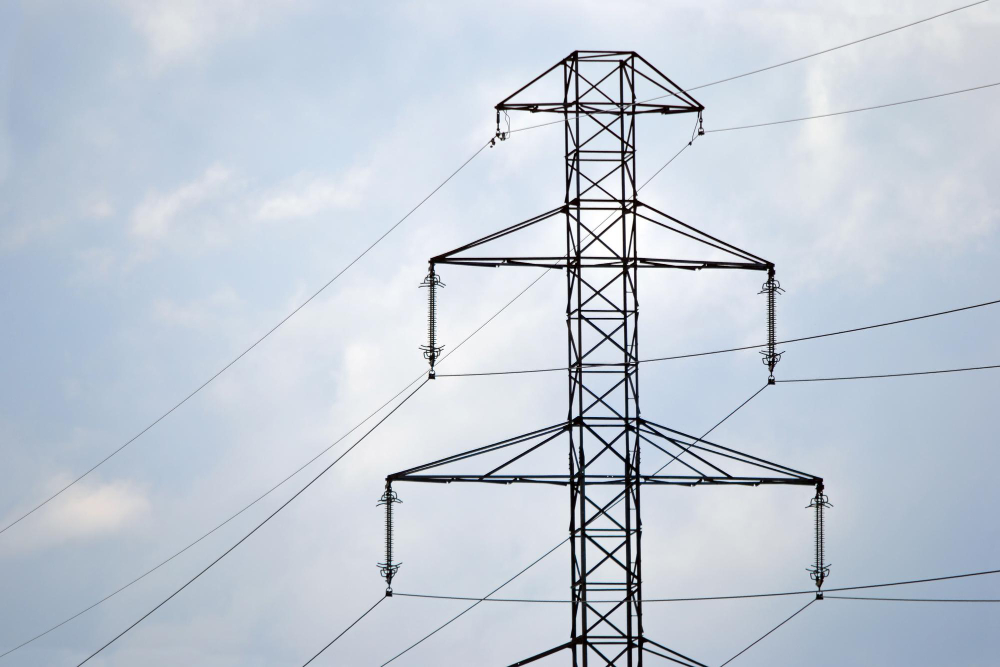
The wire is generally aluminium for conductivity and lightness, wrapped around a steel core that provides the tensile strength to span the distance.
Two metals doing two jobs. Composite construction is why the cable can be both light and strong.
7. They Sag on Purpose
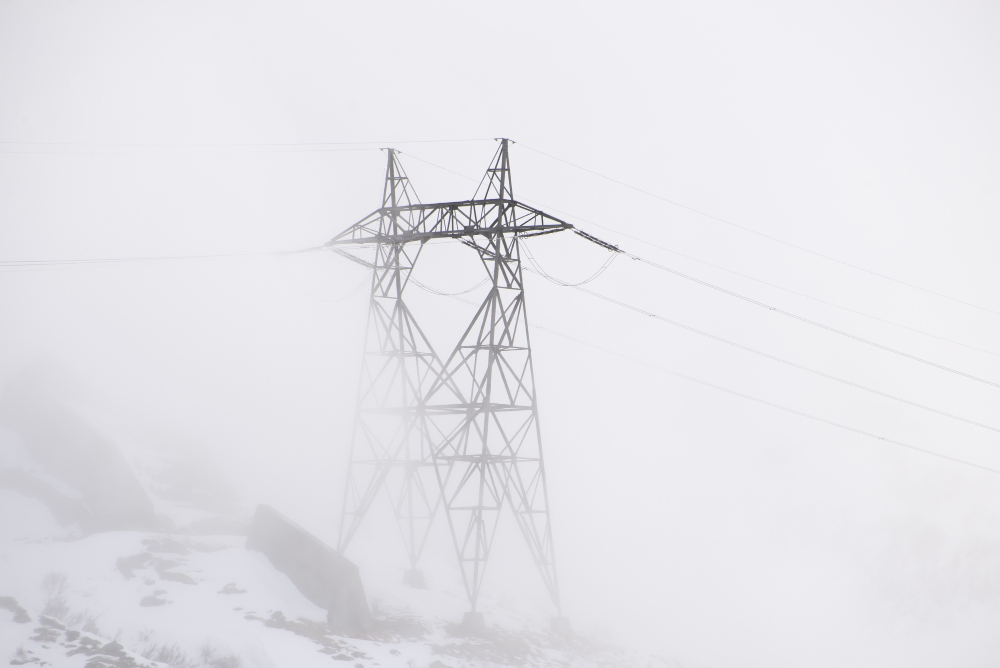
Conductors are strung with deliberate slack, because a taut wire would be under enormous tension and would break as it contracted in cold weather.
Tightness would be dangerous. Designed sag is what accommodates temperature change.
8. And They Sag More When Busy
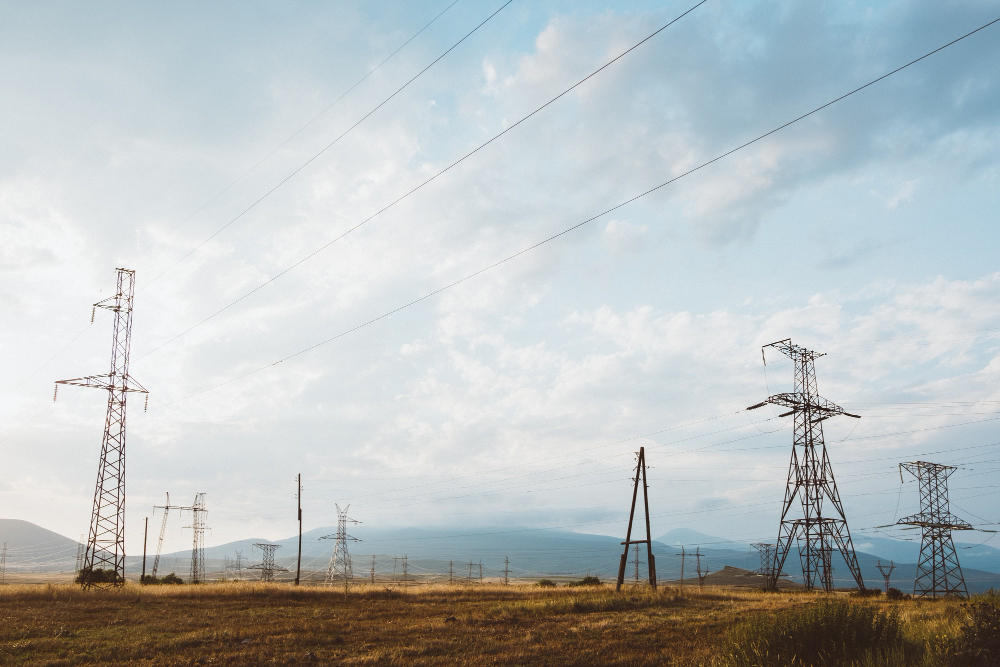
A conductor carrying more current warms, expands and hangs lower, so the clearance beneath a line is greatest on a cold quiet day and least on a hot busy one.
The line moves with demand. Thermal sag is why clearances are designed for the worst case.
9. The Lattice Uses the Least Metal
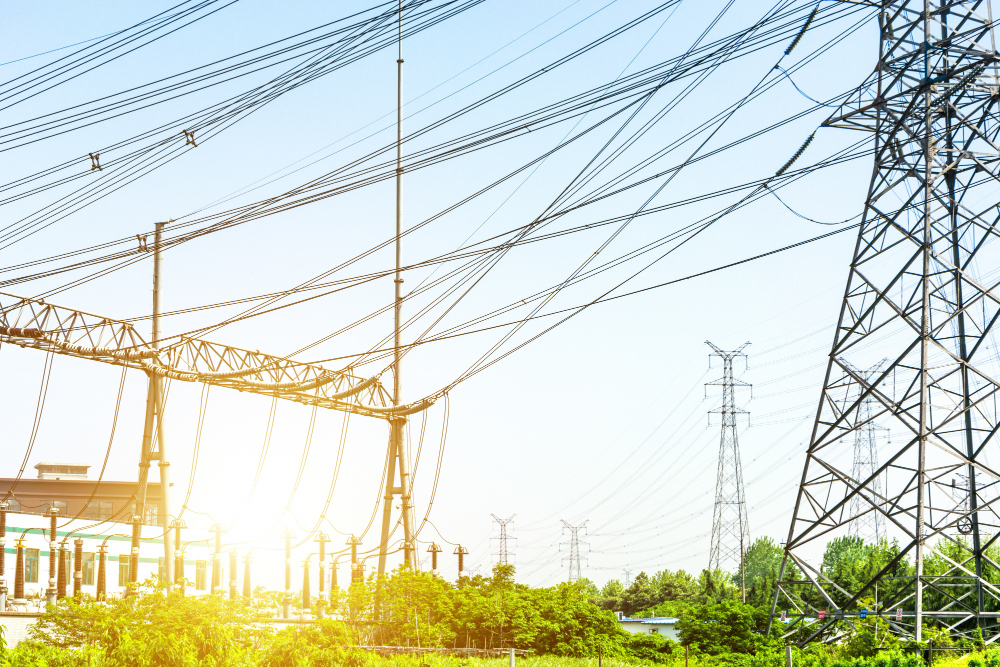
An open framework of small members provides great strength for very little material and lets wind pass through rather than pushing against a solid surface.
A solid tower would need far more steel. Lattice construction is efficiency made visible.
10. The Wires Come in Threes
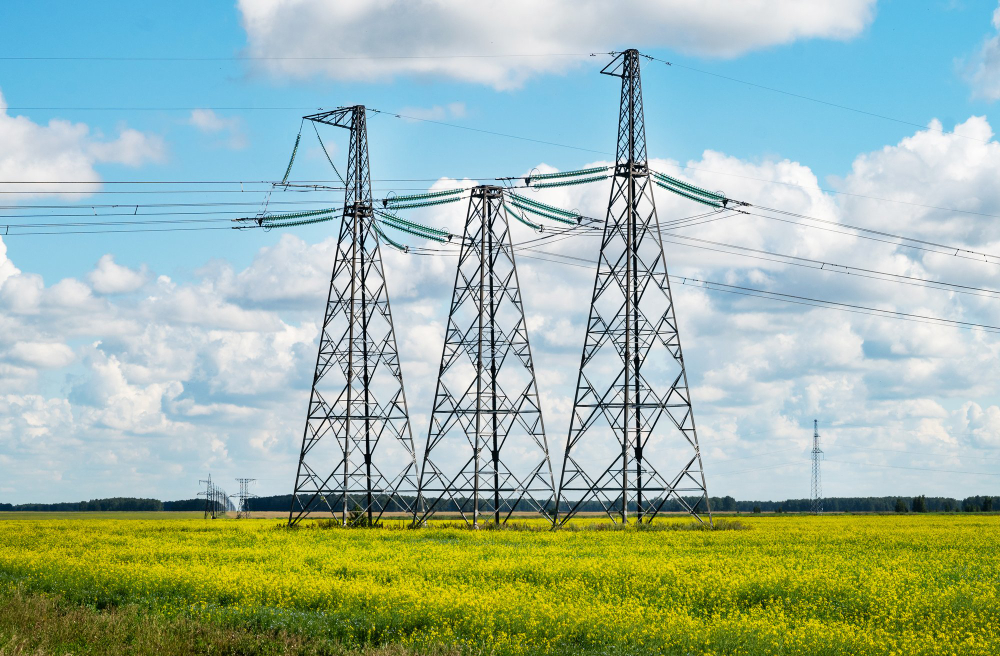
Transmission uses three separate circuits phased apart, which delivers power more efficiently than two conductors would, so the wires are grouped in threes.
Count them and they divide by three. Three-phase transmission explains the arrangement.
11. The Wire at the Very Top Carries Nothing
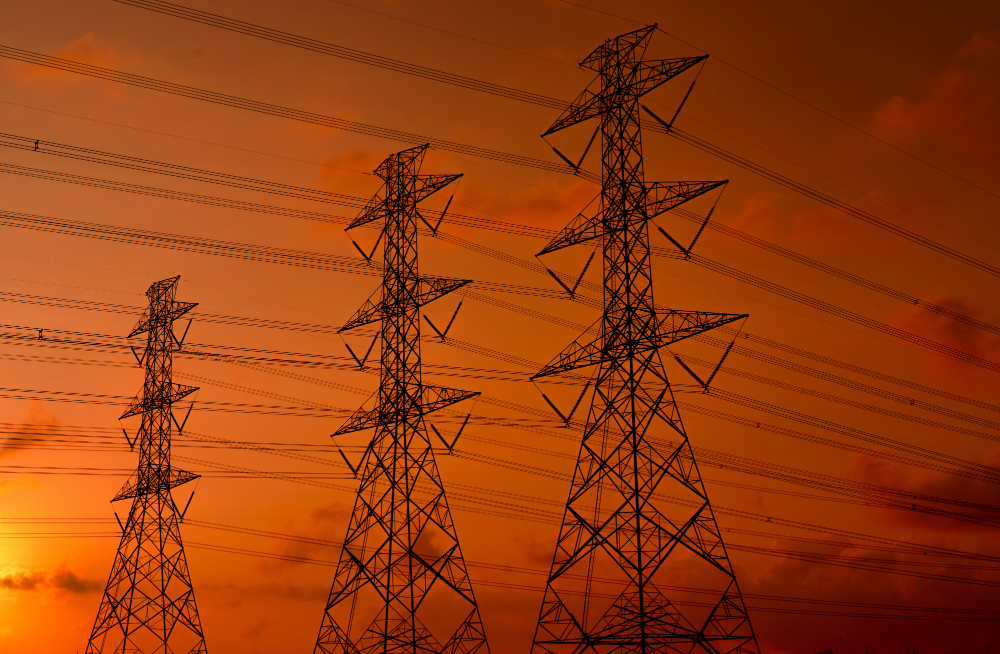
A thin line above all the others is not a conductor but a shield, positioned to intercept lightning and carry it safely down the tower to earth.
It protects the working wires. The earth wire is the least conspicuous and most important line.
12. The Buzzing Is Air Breaking Down
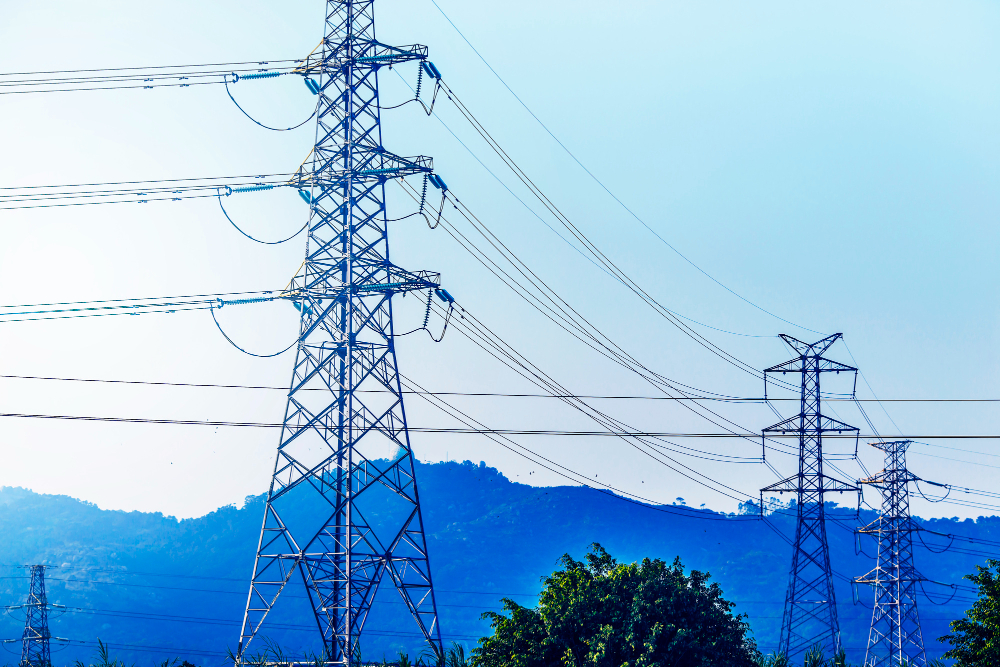
The crackling heard near lines in damp weather is electrical discharge ionising the air immediately around the conductors, which wastes a little energy and makes noise.
It is worse when wet. Corona discharge is the sound of the insulation being pushed.
Bare Metal Held Apart by Air
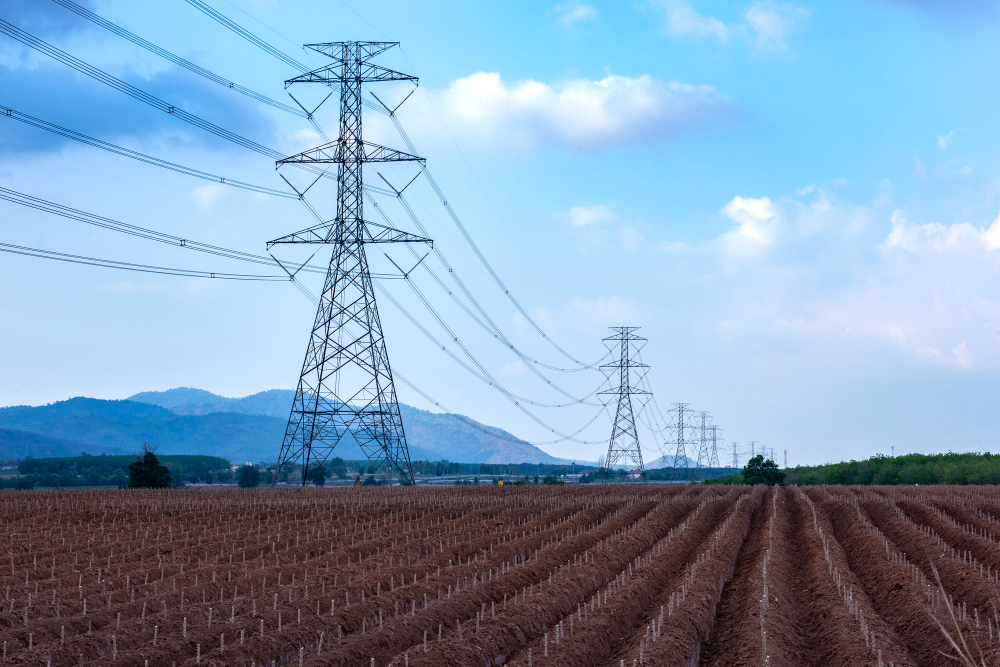
Voltage raised to cut losses, conductors with no insulation at all, spacing doing the insulating, deliberate sag that increases with demand and a top wire that carries nothing.
One necessary note: overhead lines are lethal, and electricity at these voltages can jump a gap without anything being touched. Warning signs and official guidance around them exist for that reason and are the only advice this article offers.
Like our content? Follow us for more.