Every other preservation method makes food hostile to spoilage organisms. This one removes them entirely and then locks the door. Here are fifteen consequences.
1. The Order Is Seal First, Then Heat
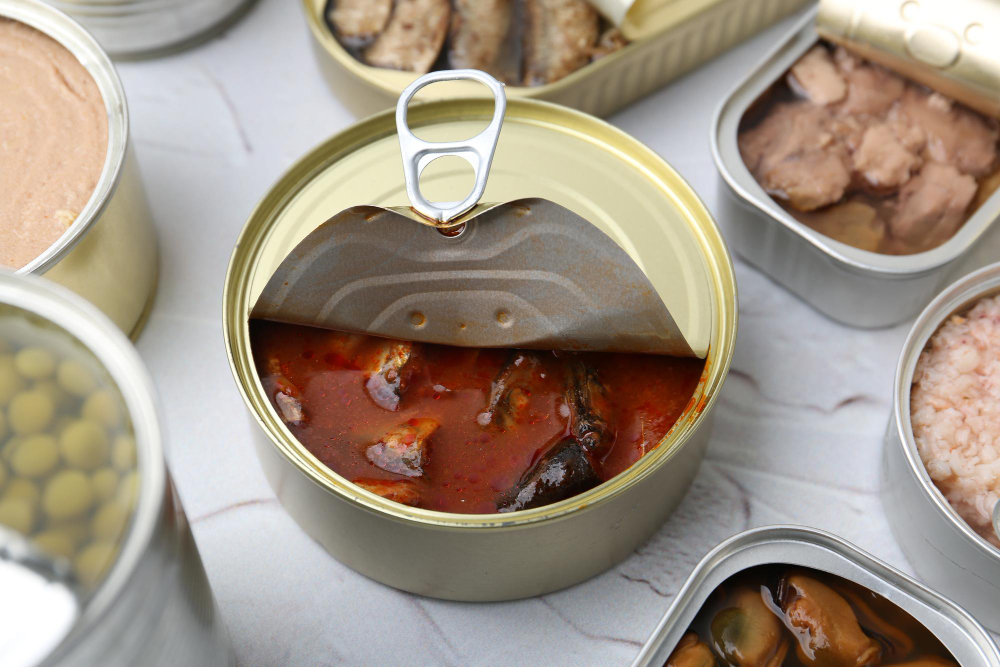
Food is put into the container and the container is closed, and only then is the whole thing heated – so anything that survives is sealed in with nothing able to join it.
Heating first would let organisms back in. Sealing before heating is the entire principle.
Like our content? Follow us for more.
2. The Seal Does the Preserving
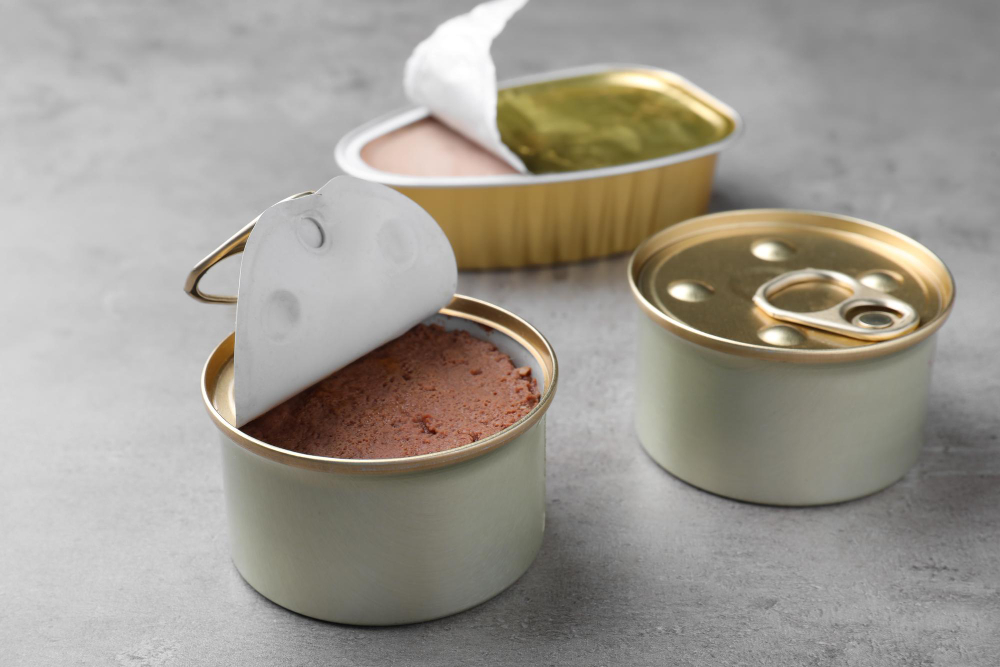
Heat destroys what is inside at that moment; the seal is what keeps the food preserved indefinitely afterwards by preventing recontamination.
Heat alone only delays spoilage. The barrier is what makes it permanent.
3. Which Is Why a Damaged Tin Matters
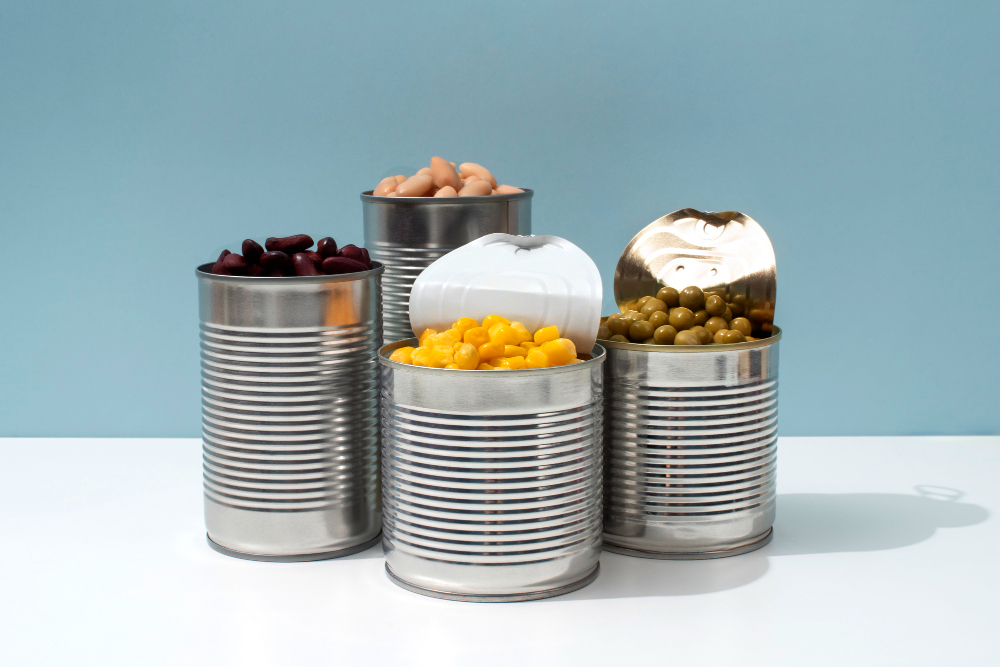
Any breach of the seal – a puncture, a deep dent on a seam, corrosion through – ends the protection completely, regardless of how well the contents were processed.
The integrity is all or nothing. A compromised seal is a compromised tin.
4. Low-Acid Food Needs More Than Boiling
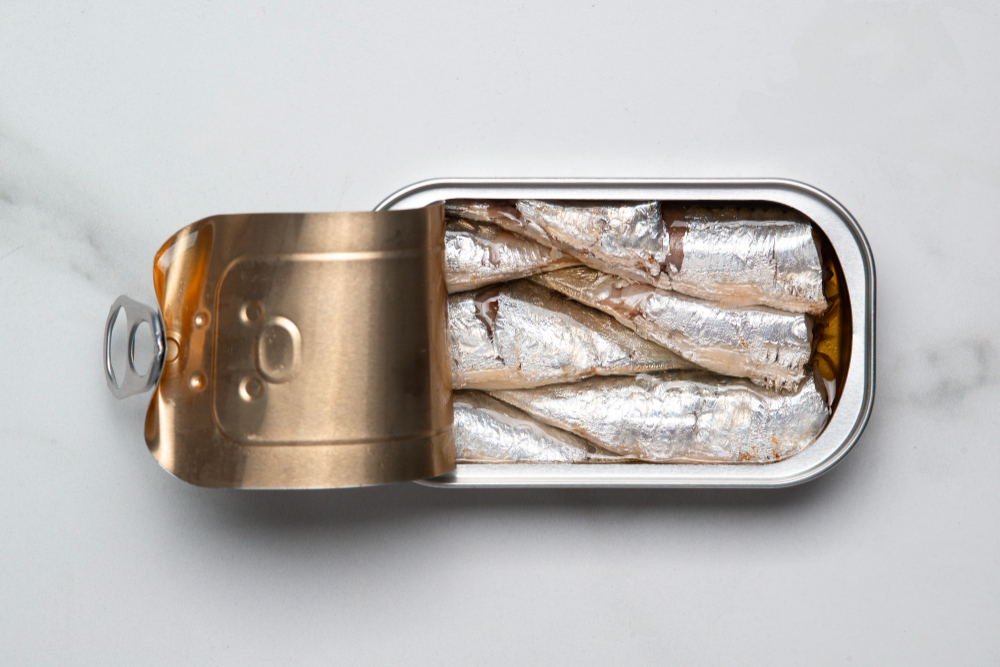
The most resistant organisms survive the temperature of boiling water, so foods that are not acidic must be processed hotter, which requires pressure.
Simple boiling is not sufficient. Pressure processing is what makes low-acid canning possible.
5. And Acidic Food Needs Less
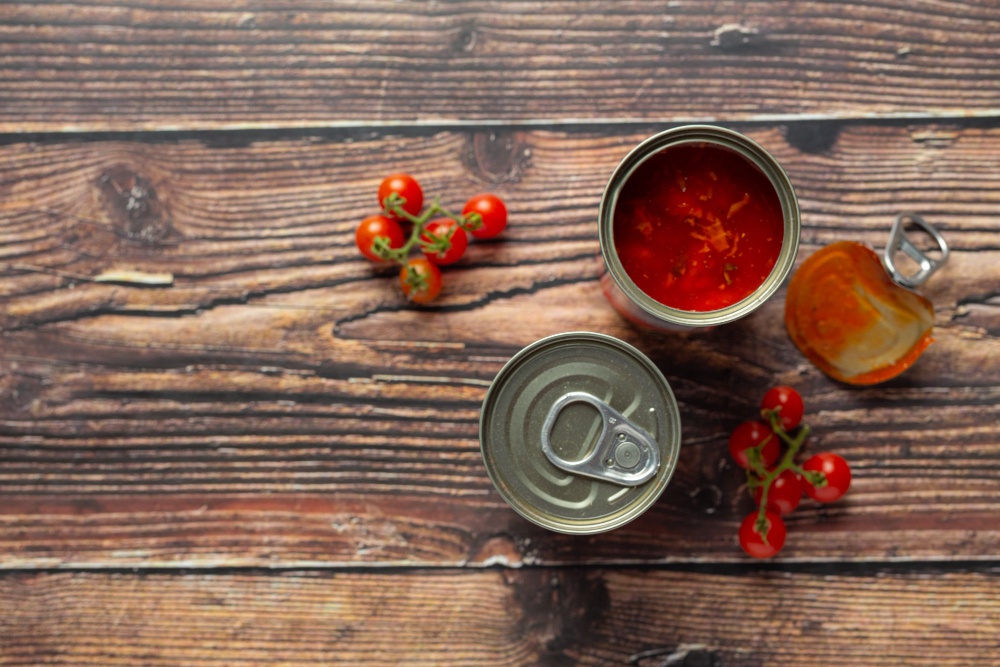
Acidity prevents the most dangerous organisms from growing, so acidic contents can be processed at lower temperatures and still be safe.
Acidity does part of the work. Two different processes exist for two categories of food.
6. The Tin Is Mostly Steel
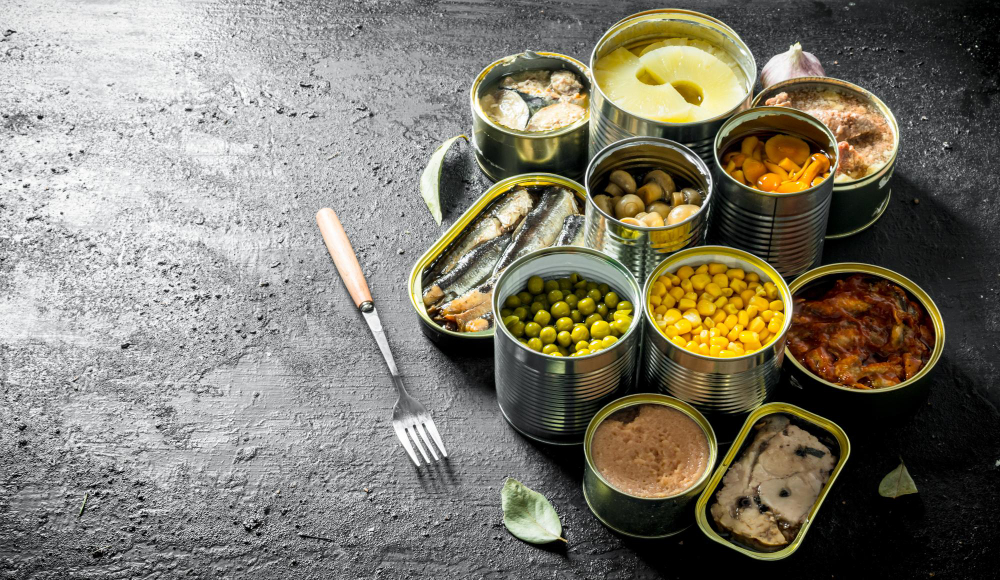
A can is steel with an extremely thin coating inside, because bare steel would react with the contents and because steel alone is cheap and strong.
The tin in the name is a very thin layer. Lined steel is what the container actually is.
7. The Lining Is What Meets the Food
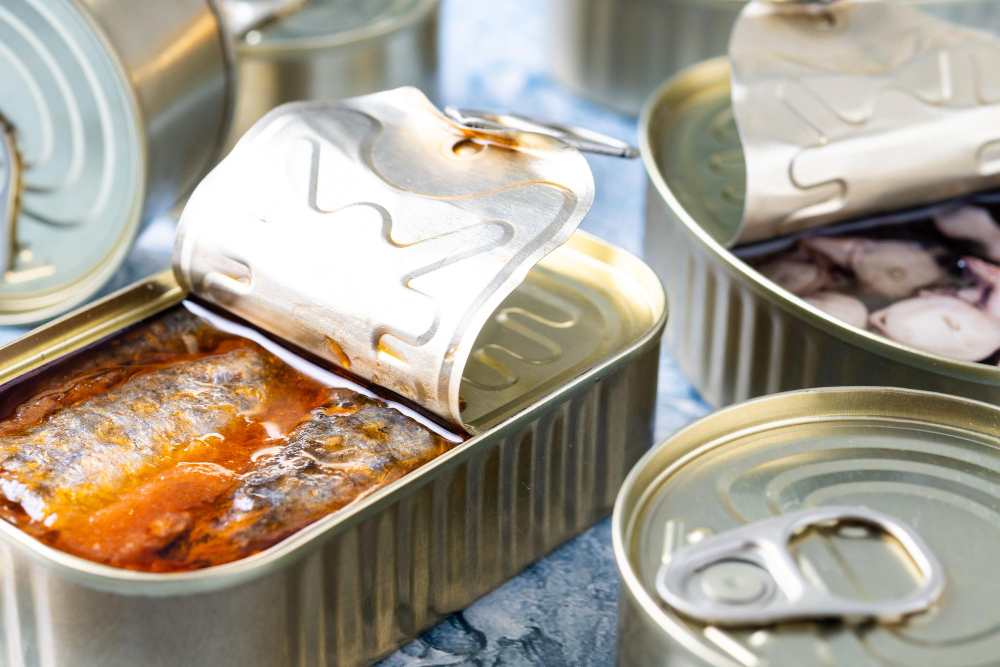
A thin metallic or polymer layer separates the contents from the steel, and its condition determines how long the contents remain unaffected.
It is a few micrometres thick. The interior coating is the working surface.
8. Acidic Contents Attack It Slowly
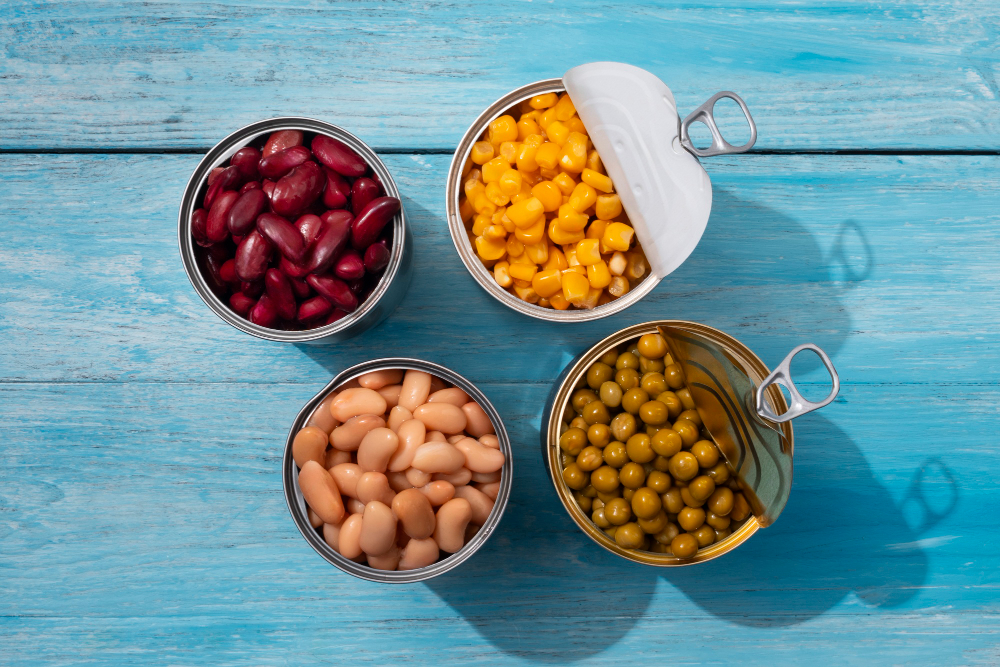
Acidic foods gradually work on the lining over years, which is why acidic products carry shorter recommended lives than low-acid ones.
Chemistry sets the shelf life. Acid attack is the limiting factor on storage.
9. The Ends Are Curved Inward
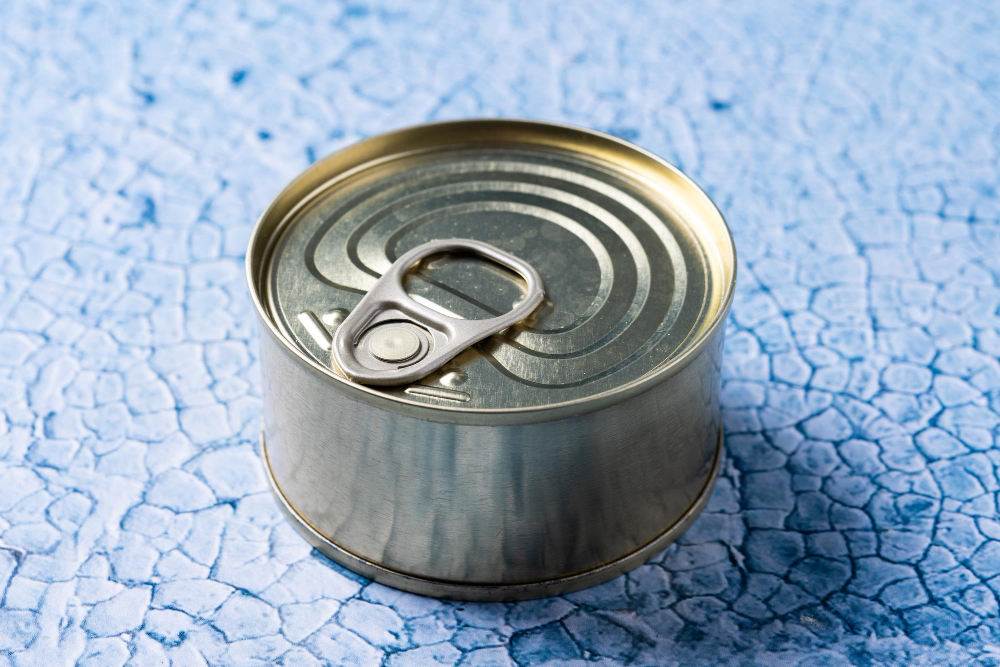
As a sealed tin cools, the contents contract and leave a slight vacuum, which pulls the ends inward – so the concave shape is evidence the seal is intact.
It should be slightly hollow. Vacuum formation is a sign the process worked.
10. Which Is Why a Bulge Is a Warning
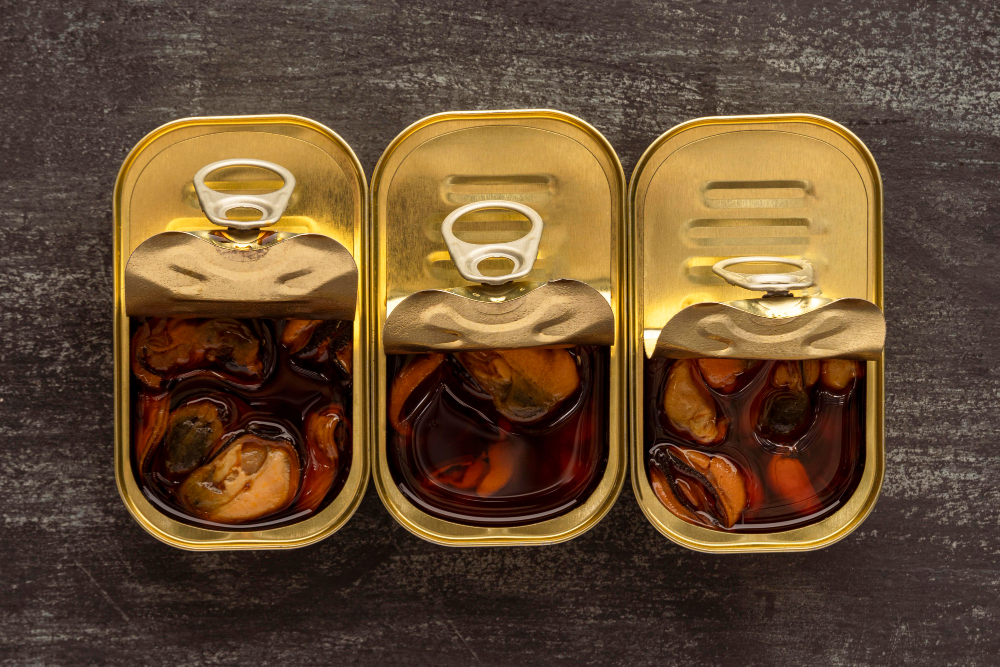
A tin with ends pushed outward has gas being produced inside, which means something is growing in there – and such a tin should not be opened or eaten.
It is the opposite of the intended state. Bulging indicates a failure, and food-safety guidance is the thing to follow.
11. The Ridges Are Structural
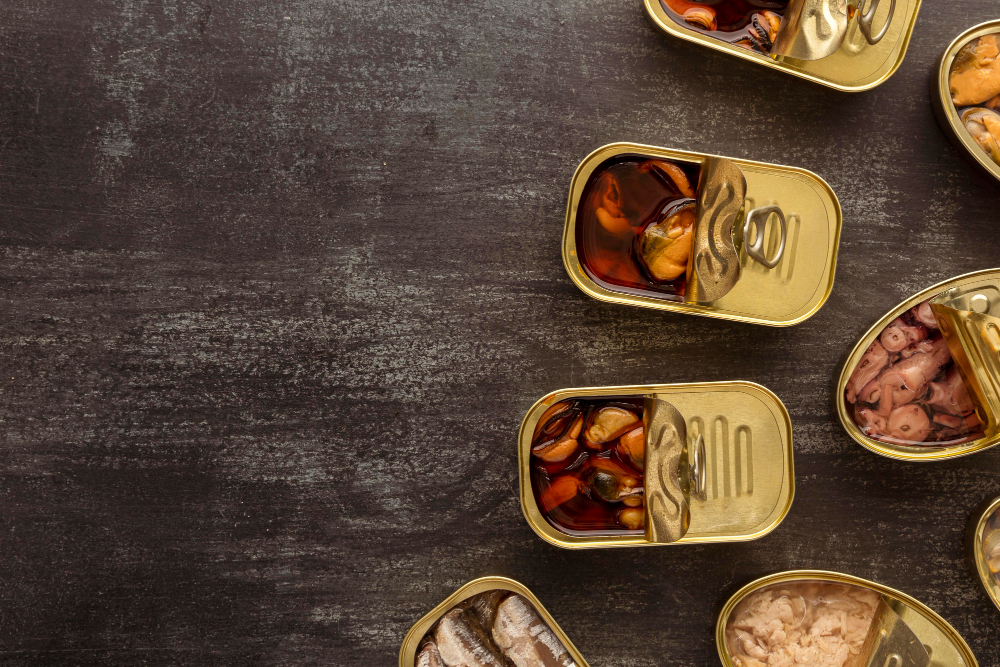
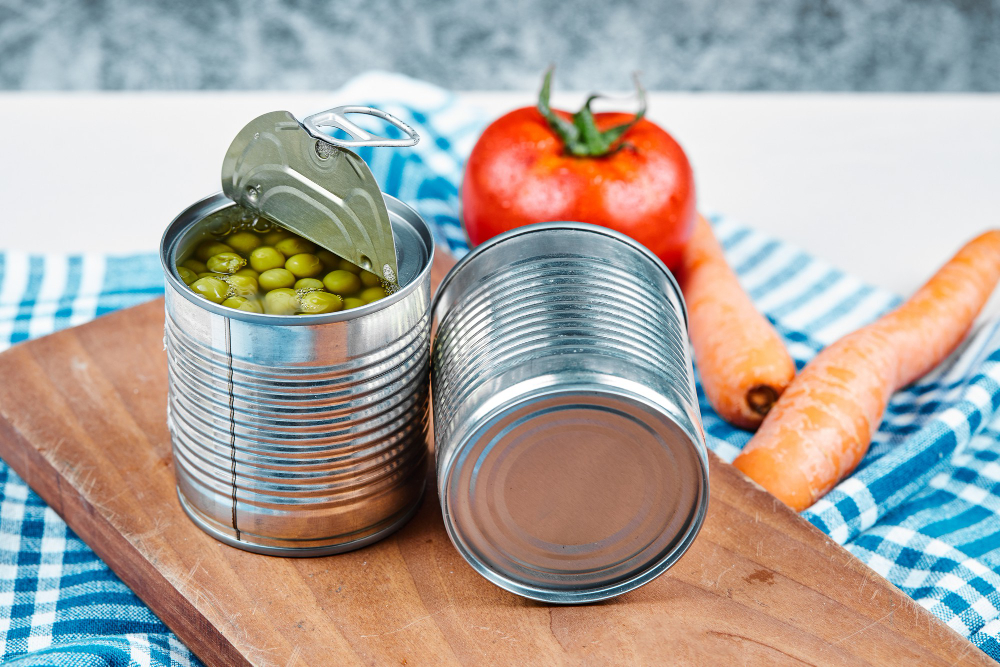
The rings pressed into the sides of a tin stiffen it against the pressure changes of processing and against being crushed, in the same way corrugation stiffens sheet metal.
They are engineering rather than decoration. Stiffening ribs let the wall be thinner.
12. The Contents Are Already Cooked
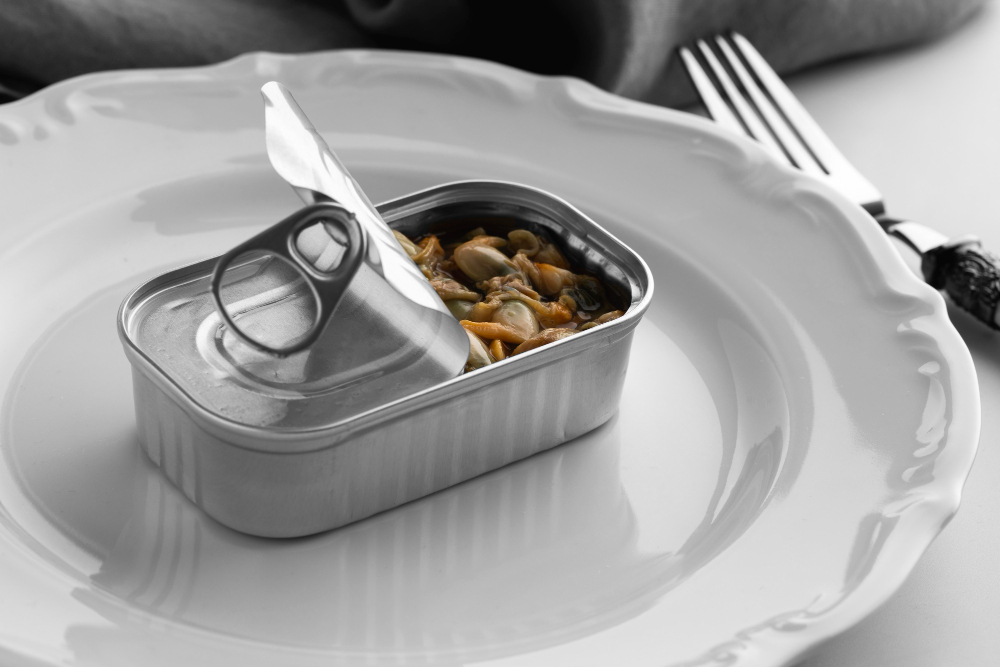
The processing heat cooks the food thoroughly, which is why canned vegetables are soft and why tinned food needs only warming rather than cooking.
It was cooked in the tin. Process cooking is why textures differ from fresh.
13. The Date Is Usually About Quality
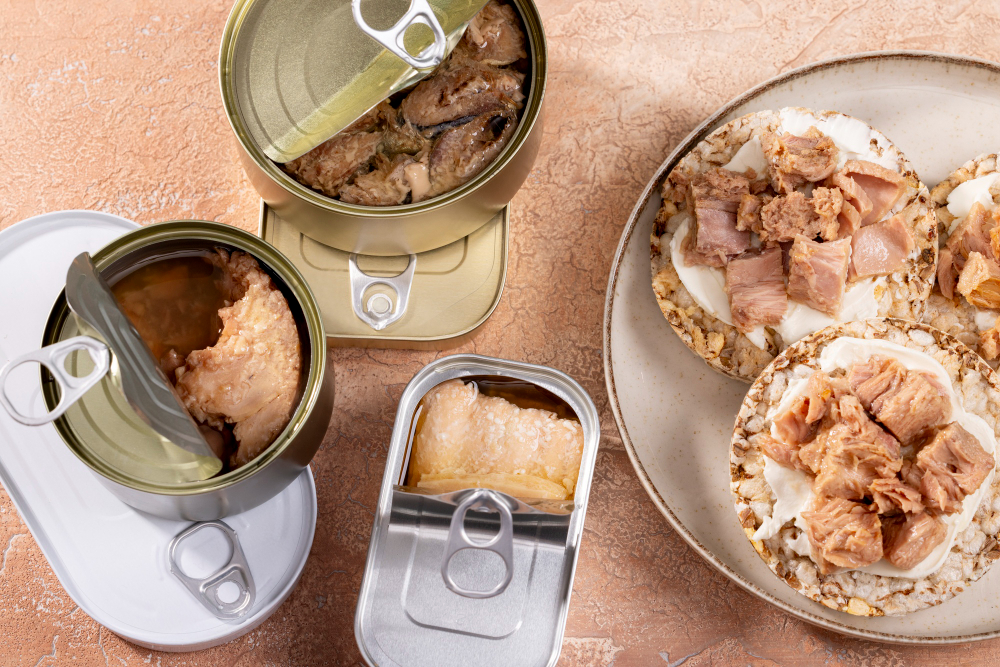
For most canned goods the date indicates how long the contents stay at their best rather than the point at which they become unsafe, since an intact seal continues to protect.
Safety and quality are different questions. Best-before dating is frequently misread.
14. It Was Invented Before Anybody Knew Why It Worked
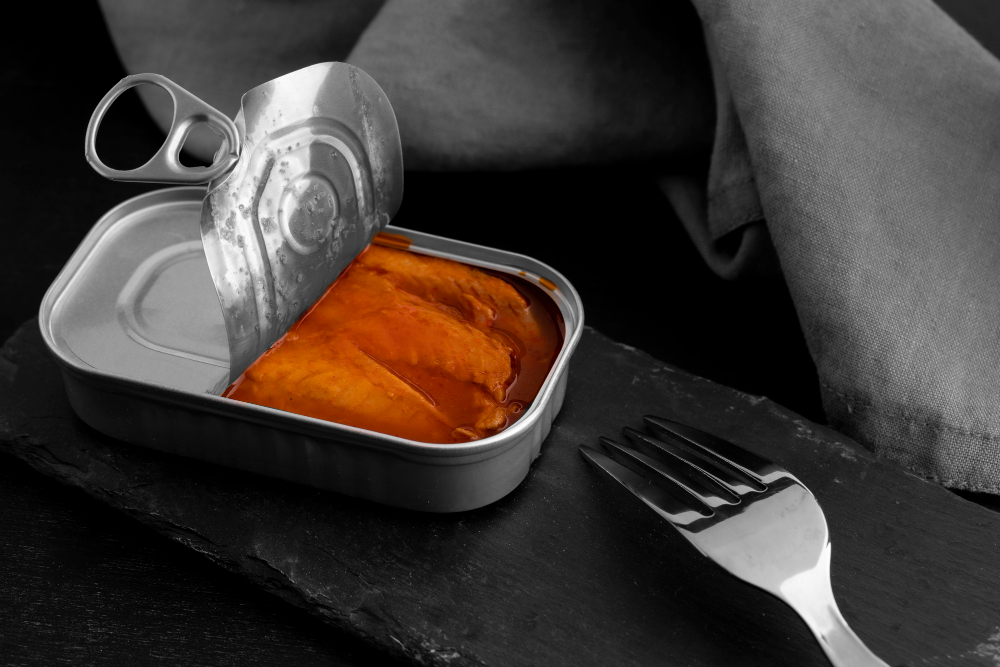
The method was developed as a practical solution to feeding people at a distance, decades before the existence of microorganisms explained why sealing and heating preserved anything.
It worked before it was understood. Empirical invention preceded the theory entirely.
15. And the Opener Came Much Later
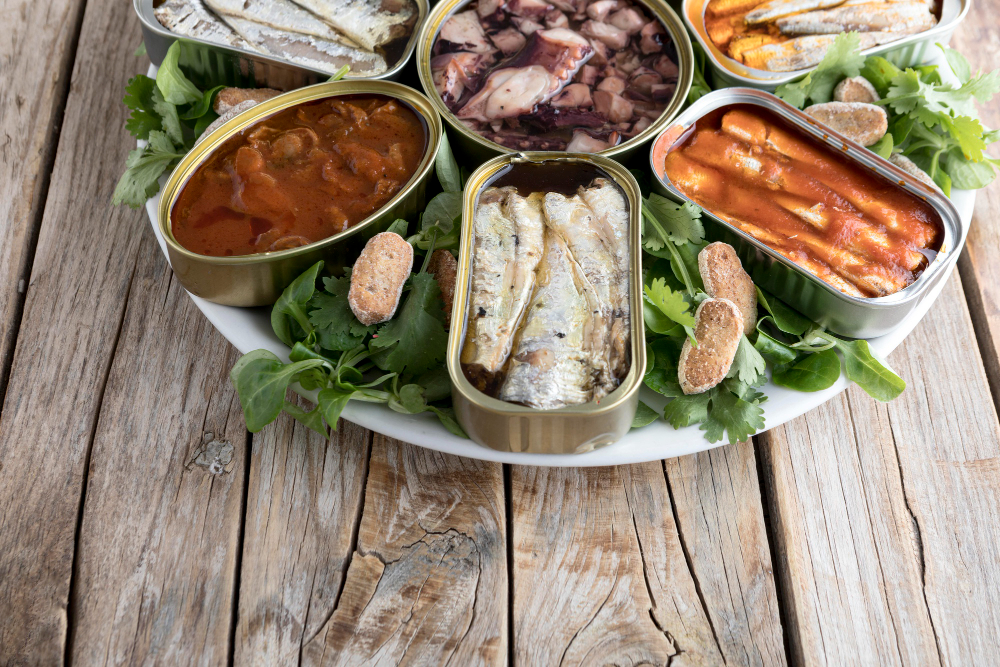
Early cans were heavy and had to be opened with whatever tools were available, and a dedicated opener arrived long after the container itself was in wide use.
The container outpaced the tool. The delayed opener is one of the odder gaps in invention.
Everything Killed, Then the Door Locked
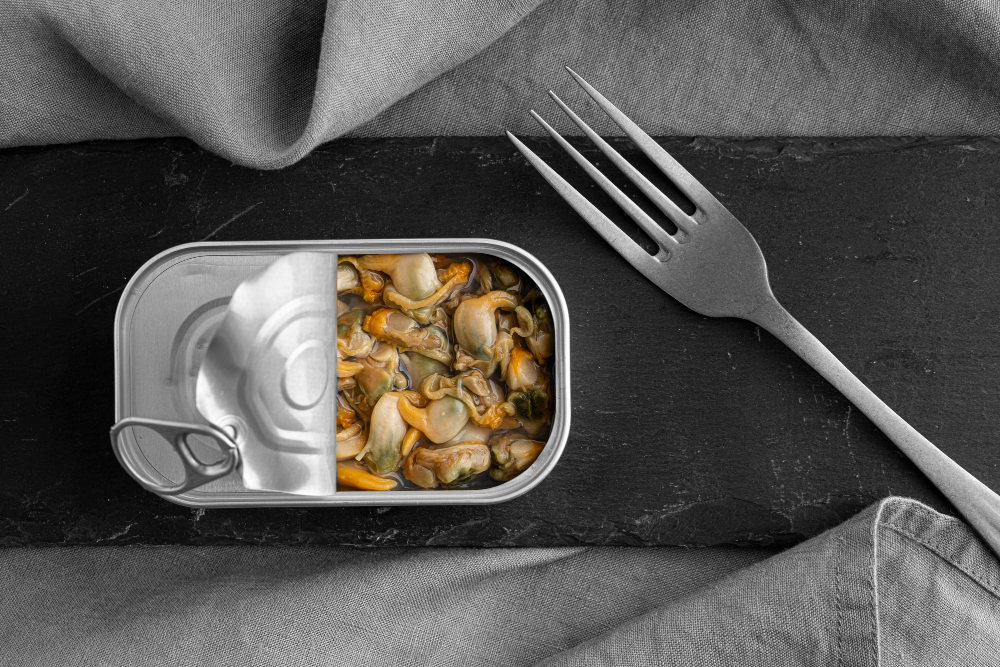
Food sealed before it is heated, a barrier that does the preserving, acidity deciding how hot the process must be, a vacuum pulling the ends inward and a bulge meaning something is growing.
One necessary note: home preserving of low-acid foods carries real risks if done incorrectly, and nothing above is guidance on doing it. Current food-safety advice on home canning, and on what to do with a damaged or bulging tin, is the thing to follow.
Like our content? Follow us for more.