

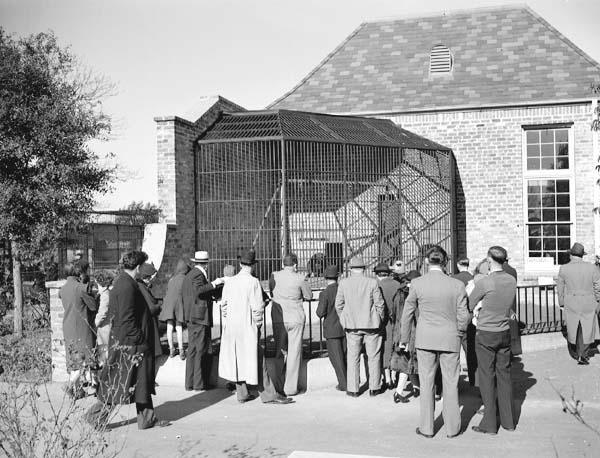
In 1960 a zoo was a civic amenity that nobody questioned, stocked by buying animals from dealers who caught them in the wild, and housed in tiled rooms behind bars designed to be hosed out.
The public fed the animals whatever they had brought. Children rode the large ones. Social species were kept alone. And there was nothing in any enclosure for an animal to do.
Here are twelve things that were ordinary at a zoo in 1960, and what each one became.
1. The Animals Were Behind Bars in Tiled Rooms
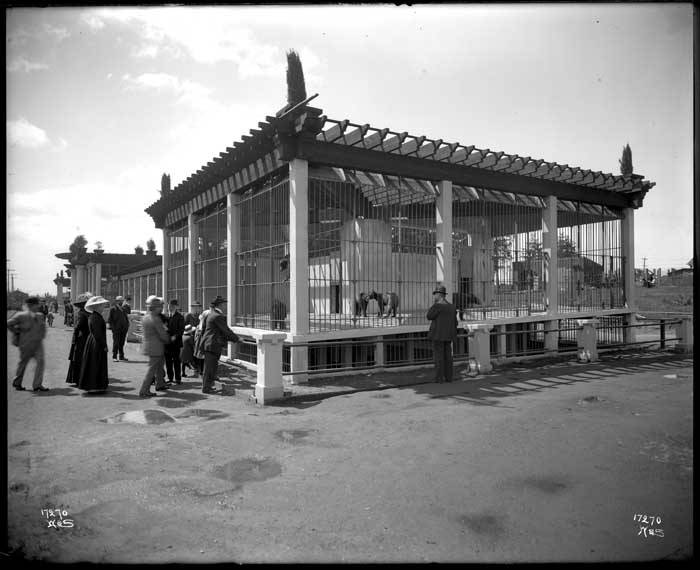
Enclosure design in 1960 was built around cleaning and visibility. Concrete floors, tiled walls, iron bars and a drain – easy to hose out, easy to see into, and bearing no relationship to anything the animal had evolved to live in.
Moated and barrier-free enclosures, naturalistic substrates, planting, climbing structures and spaces animals can withdraw into are now standard, and the tiled cage is the single clearest marker of the old model. The design was not cruelty by intention – it was a hygiene-first approach by people who believed a clean animal was a well-kept animal, and who had no framework at all for psychological need.
Like our content? Follow us for more.
2. The Public Fed the Animals Whatever They Had Brought
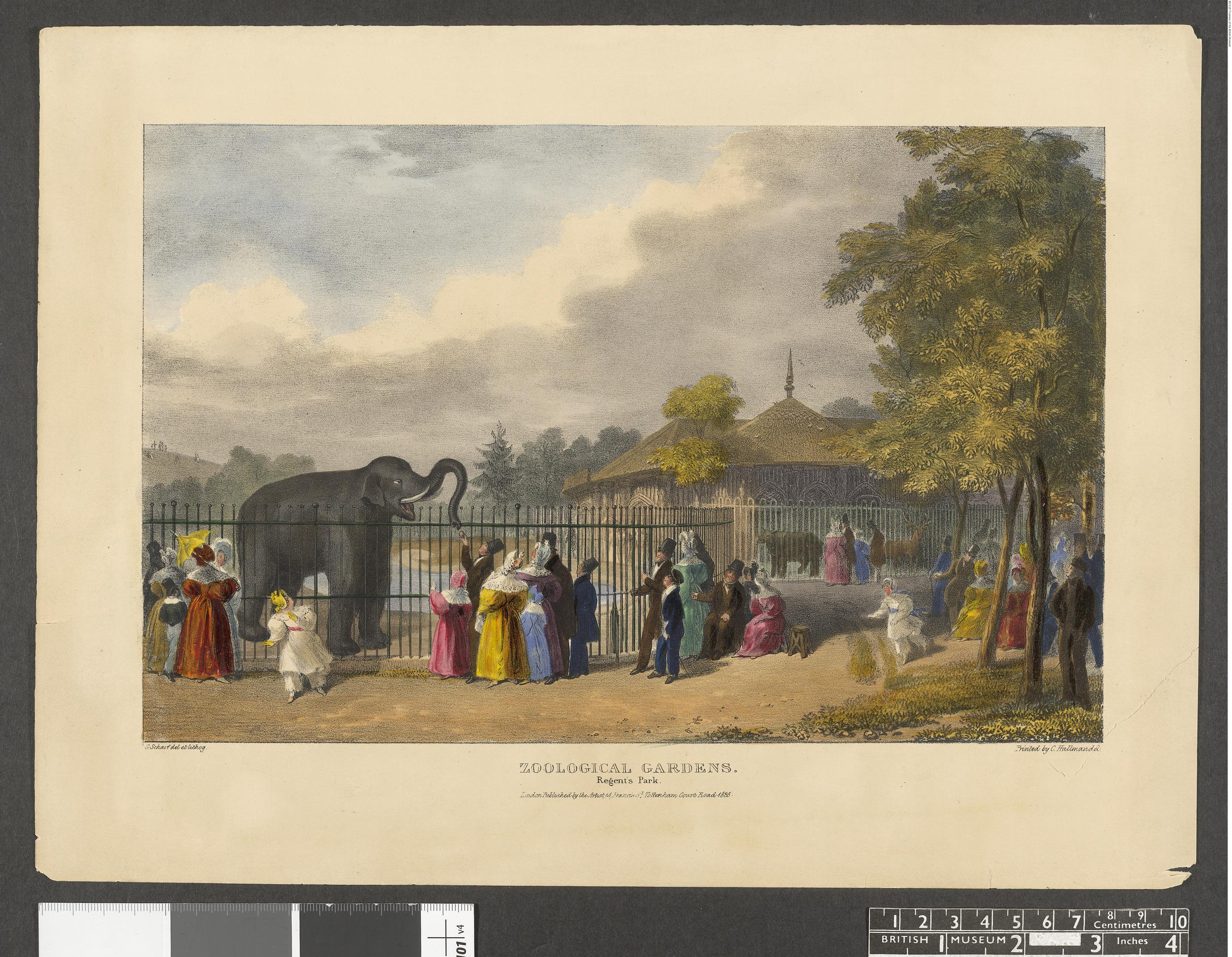
Feeding the animals was part of the day out. Buns, sweets, crisps, sandwiches and anything else to hand went over the barrier, and in many places the zoo sold food specifically for the purpose.
Public feeding is now prohibited almost universally, because diet is managed to a specification per animal and uncontrolled feeding causes digestive disease, obesity, dental damage and death from unsuitable or wrapped items. It is the change that visitors of a certain age find most startling, because handing a bun to an elephant was the entire point of the visit.
3. Tea Parties and Animal Performances Were a Scheduled Attraction
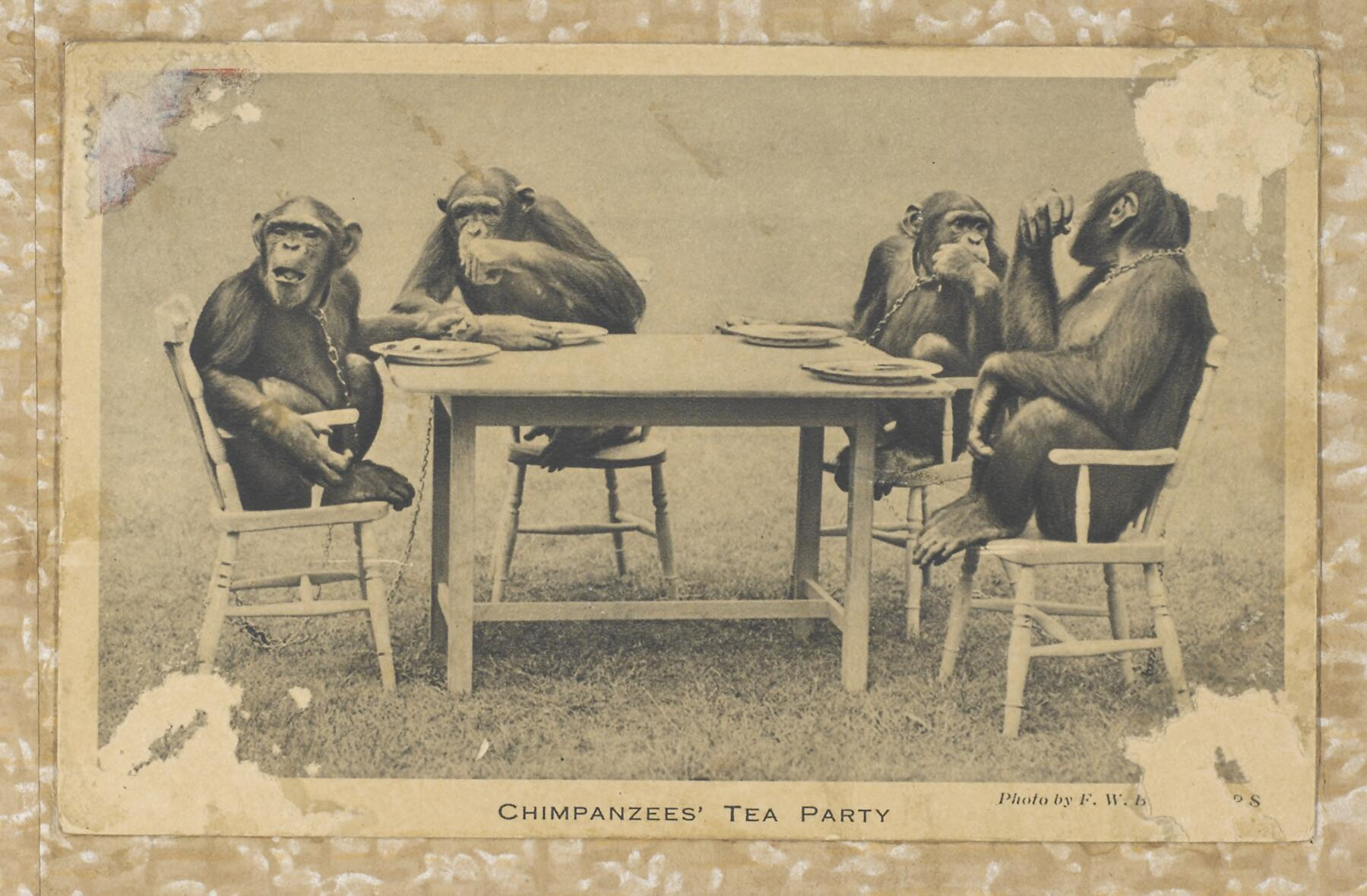
Some zoos ran organised performances in which animals were dressed, seated at tables and given food and drink in imitation of human behaviour, at advertised times, with a keeper presenting.
These ended, and the reasoning that ended them is instructive. They required animals to be handled and trained in ways that caused problems as the animals matured, they presented a wholly false picture of the species to the public, and they could not be reconciled with any educational purpose. The institutions that ran them have in several cases since published accounts of why they stopped.
4. Children Rode the Large Animals
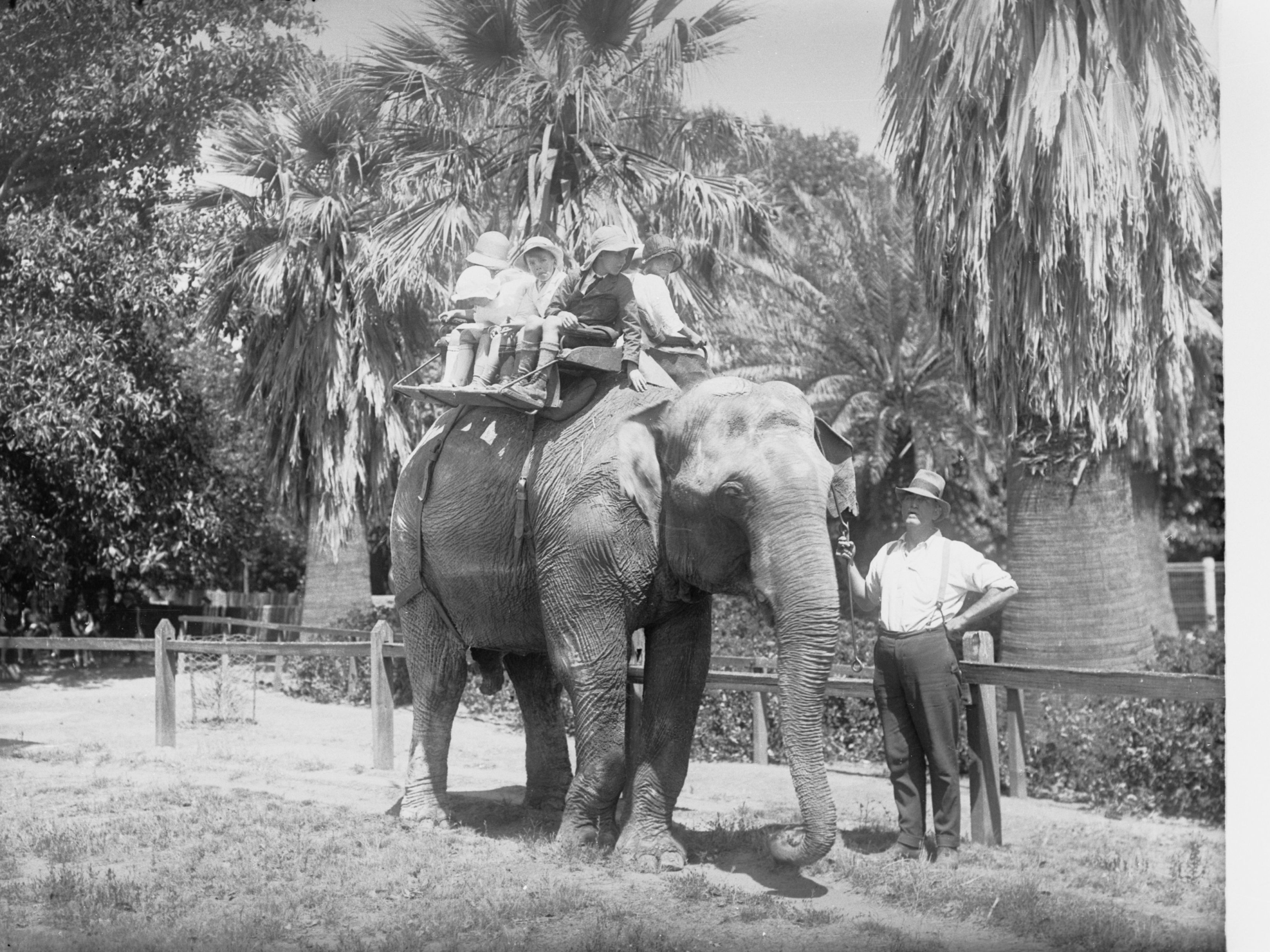
Elephant and camel rides, and pony and donkey rides, operated as paid attractions, with animals working a circuit for hours during opening times.
Riding of large wild animals has ended at mainstream zoos, on grounds of visitor safety, animal welfare and the handling regime required to make an animal reliable enough to carry children. The handling methods necessary to produce that reliability are the part of it that could not survive examination.
5. Animals Were Bought From Dealers Who Caught Them in the Wild
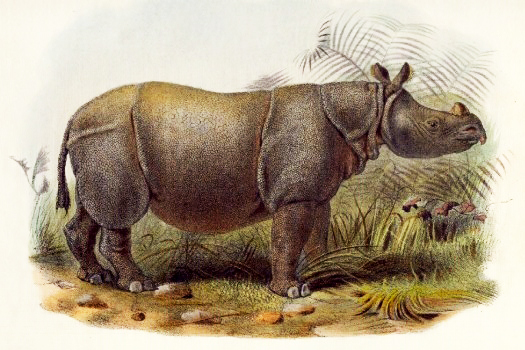
Stocking a zoo meant buying from commercial animal dealers, who obtained specimens from the wild. Mortality in capture and transport was high and largely unrecorded.
International trade regulation, captive breeding and coordinated population management between institutions replaced wild collection for almost all species. This is the most consequential single change, because it converted zoos from net consumers of wild animals into populations that largely sustain themselves – which is the precondition for anything they now claim about conservation.
6. Enclosures Held One Animal Where the Species Lives in Groups
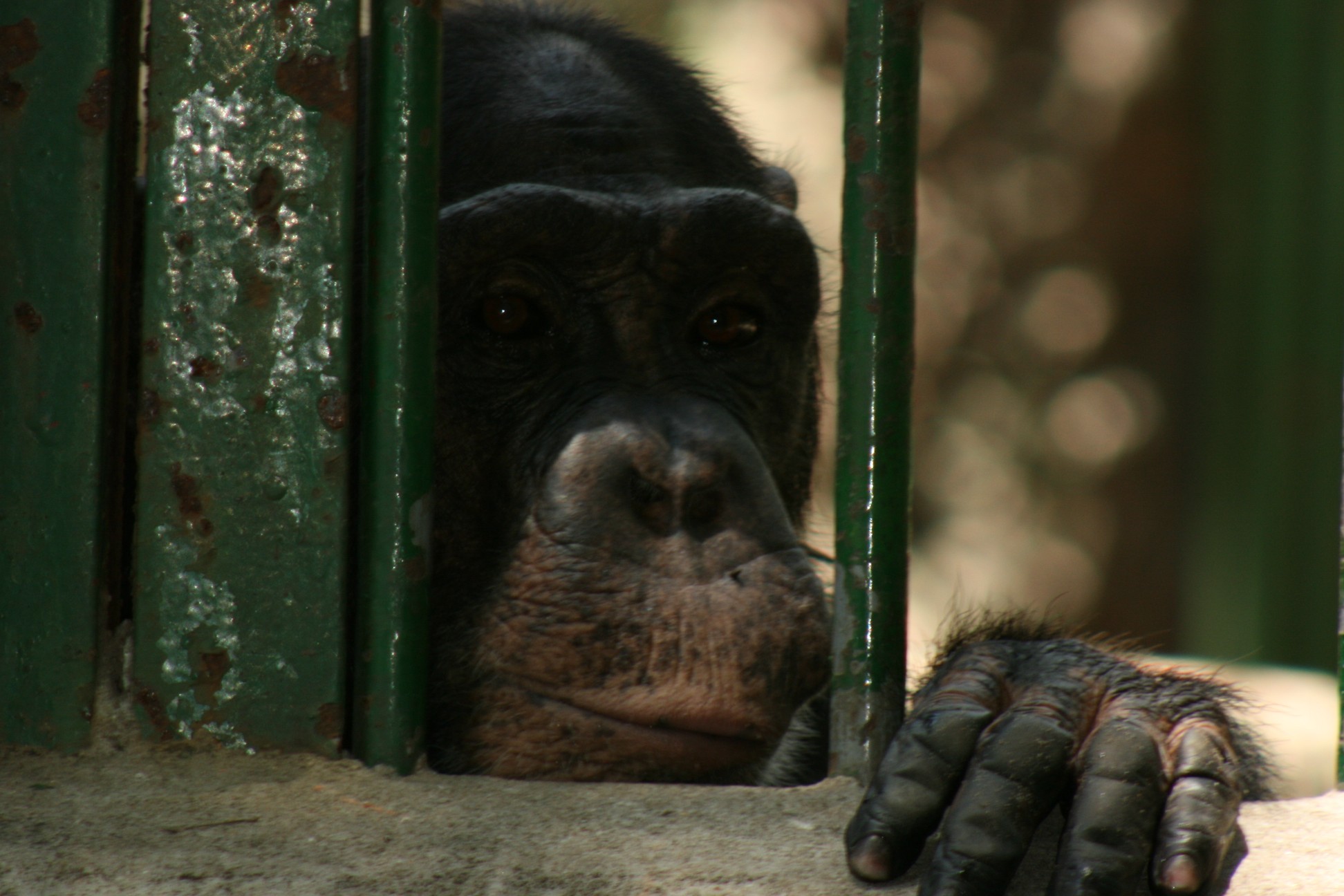
Social species were routinely kept singly, because the enclosure was sized for display rather than for a group and because the social requirements of most species had not been studied.
Group composition is now a central part of husbandry, informed by field research, and solitary housing of a social animal requires specific justification. The animals kept alone in 1960 were frequently the most popular exhibits, which is its own commentary on what visitors could and could not perceive.
7. There Was Nothing in the Enclosure to Do
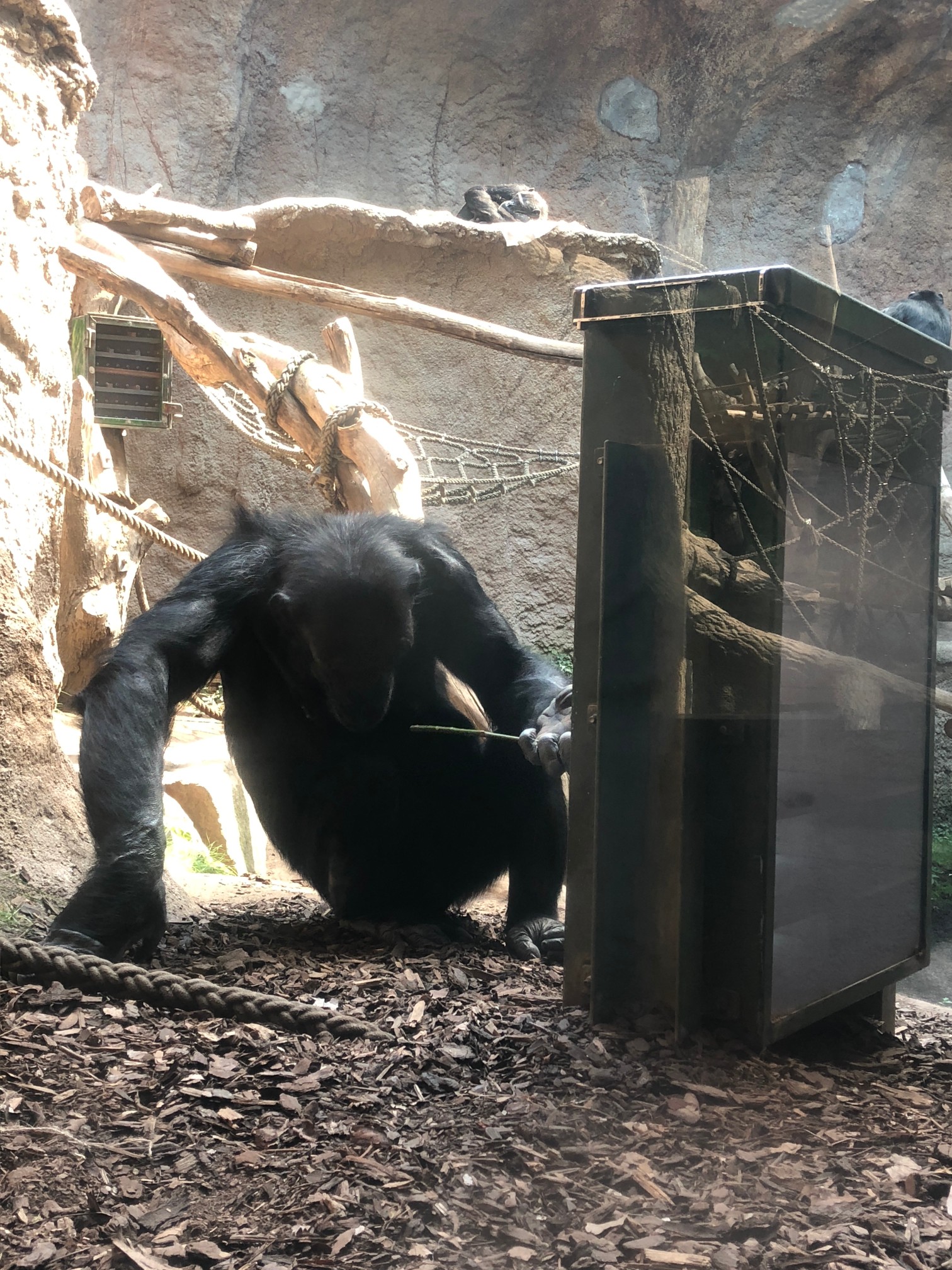
An enclosure contained the animal, water, food at feeding time and nothing else. Repetitive pacing and swaying were common, visible, and widely interpreted as the animal being content or simply as what that animal did.
Environmental enrichment – structures, foraging problems, scent, novelty, choice and control over the animal’s own environment – is now a managed discipline with its own research literature. The recognition that those repetitive behaviours were signs of a problem rather than features of the species is one of the most significant shifts in the whole field.
8. The Keeper Was Expected to Go In With the Animals
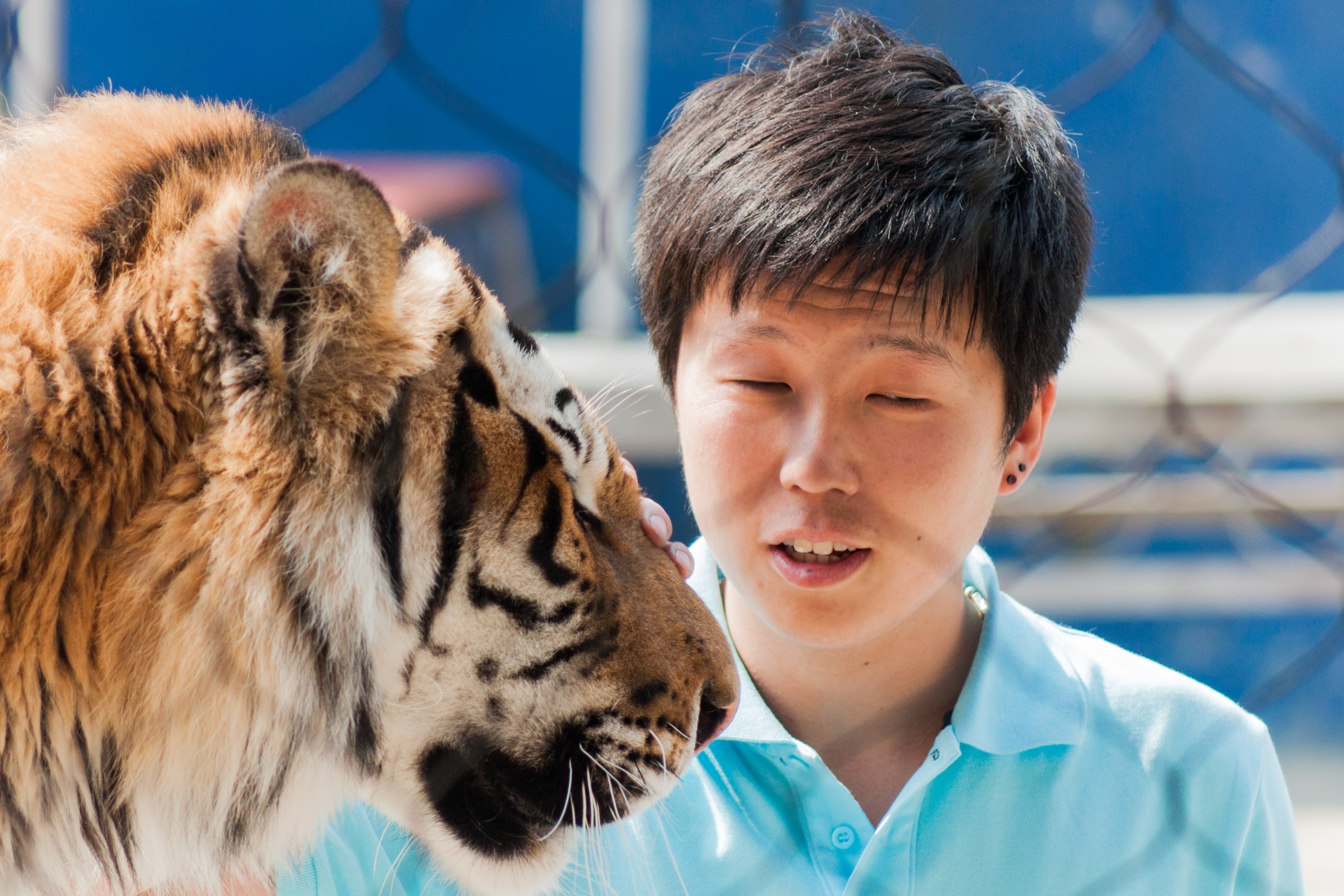
Keepers entered occupied enclosures routinely to clean and feed, including with large and dangerous species, relying on familiarity with individual animals and on their own judgement.
Protected contact – working through barriers with no shared space, using training to move animals voluntarily between areas – is now standard for dangerous species. The old method depended entirely on the keeper’s reading of a particular animal’s mood on a particular day, and the accident record across the profession is what changed it.
9. Keepers Learned the Job Entirely From Other Keepers
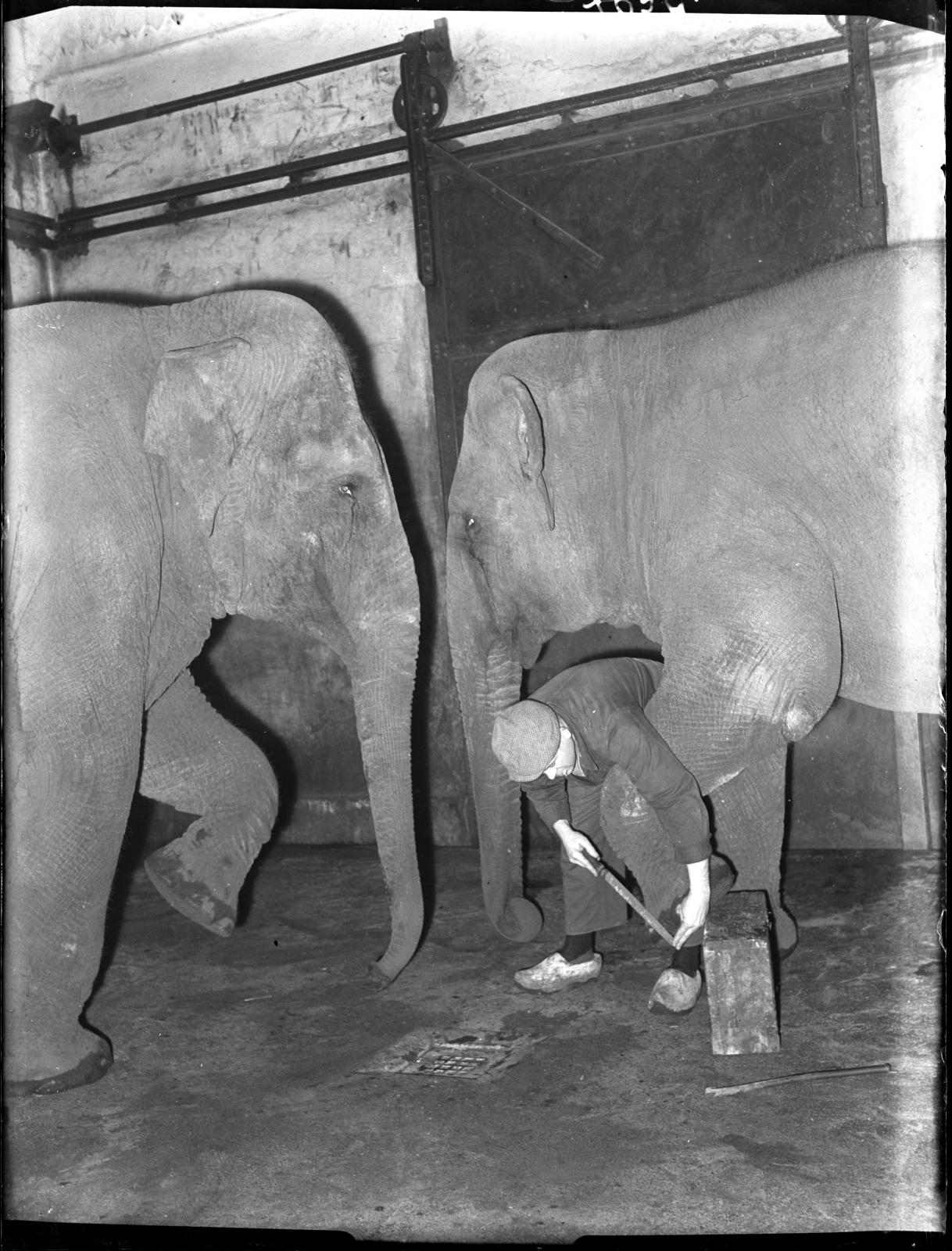
There was no formal qualification. A keeper started as a labourer, was allocated to a section, and learned from the man who had been there longest – with knowledge that was detailed, practical and completely unwritten.
Animal management qualifications, species husbandry manuals, published guidelines and coordinated training have formalised it. Something real was lost with the oral tradition, because a keeper of thirty years knew individual animals in a way no manual captures – and the manuals exist because that knowledge died with the keeper every time.
10. Winter Quarters Were Indoors, Dark and Small
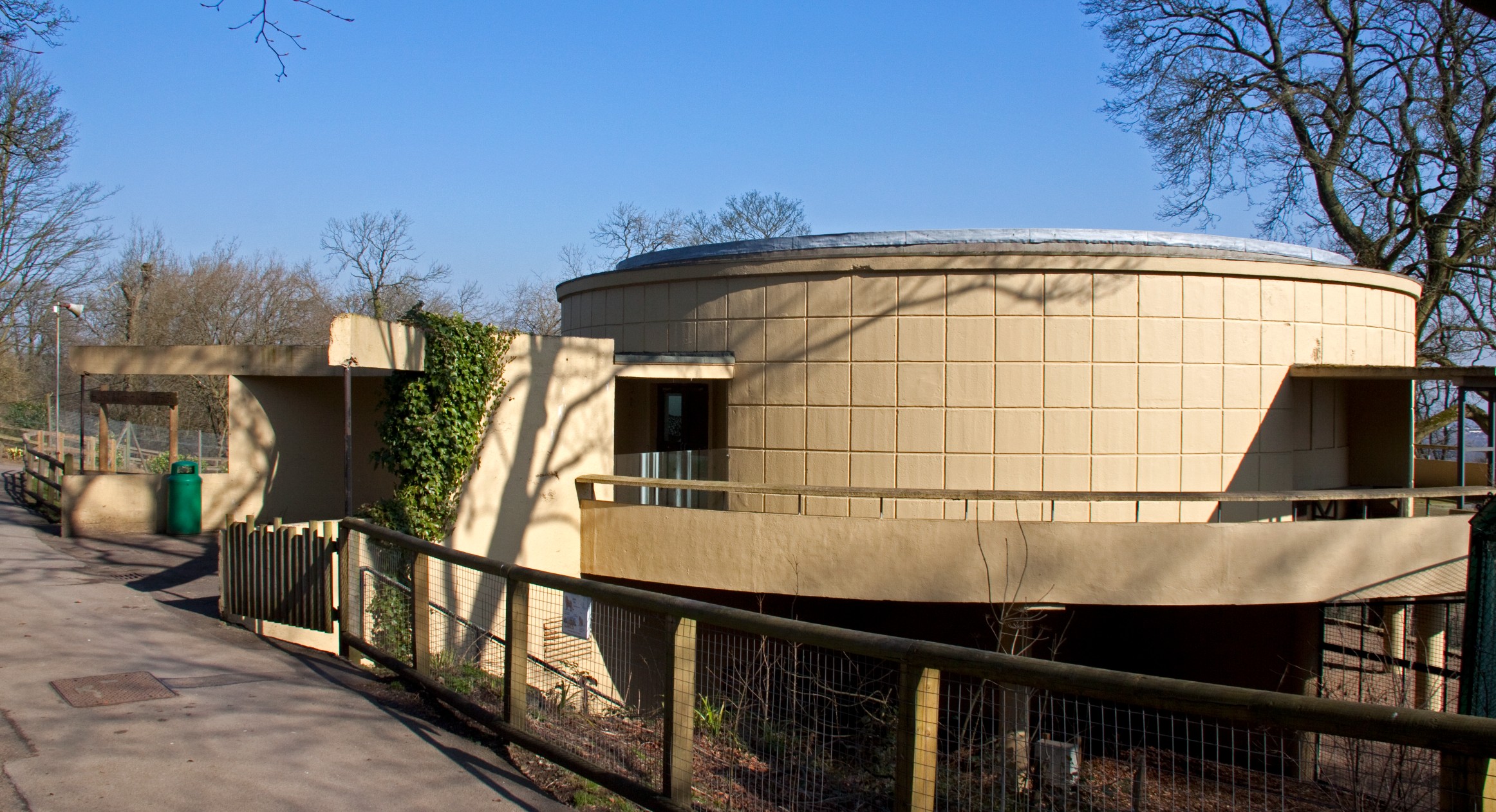
Species from warm climates were moved into heated indoor houses for the winter, and those houses were substantially smaller and darker than the summer enclosures, for months at a time.
Indoor provision is now designed to the same standards as outdoor space, with daylight, enrichment and room to move, and species unsuited to a climate are increasingly simply not kept there. The winter house was the part of the zoo the public never saw, and it was where the animals spent half the year.
11. Nobody Was Keeping Records That Could Answer Anything
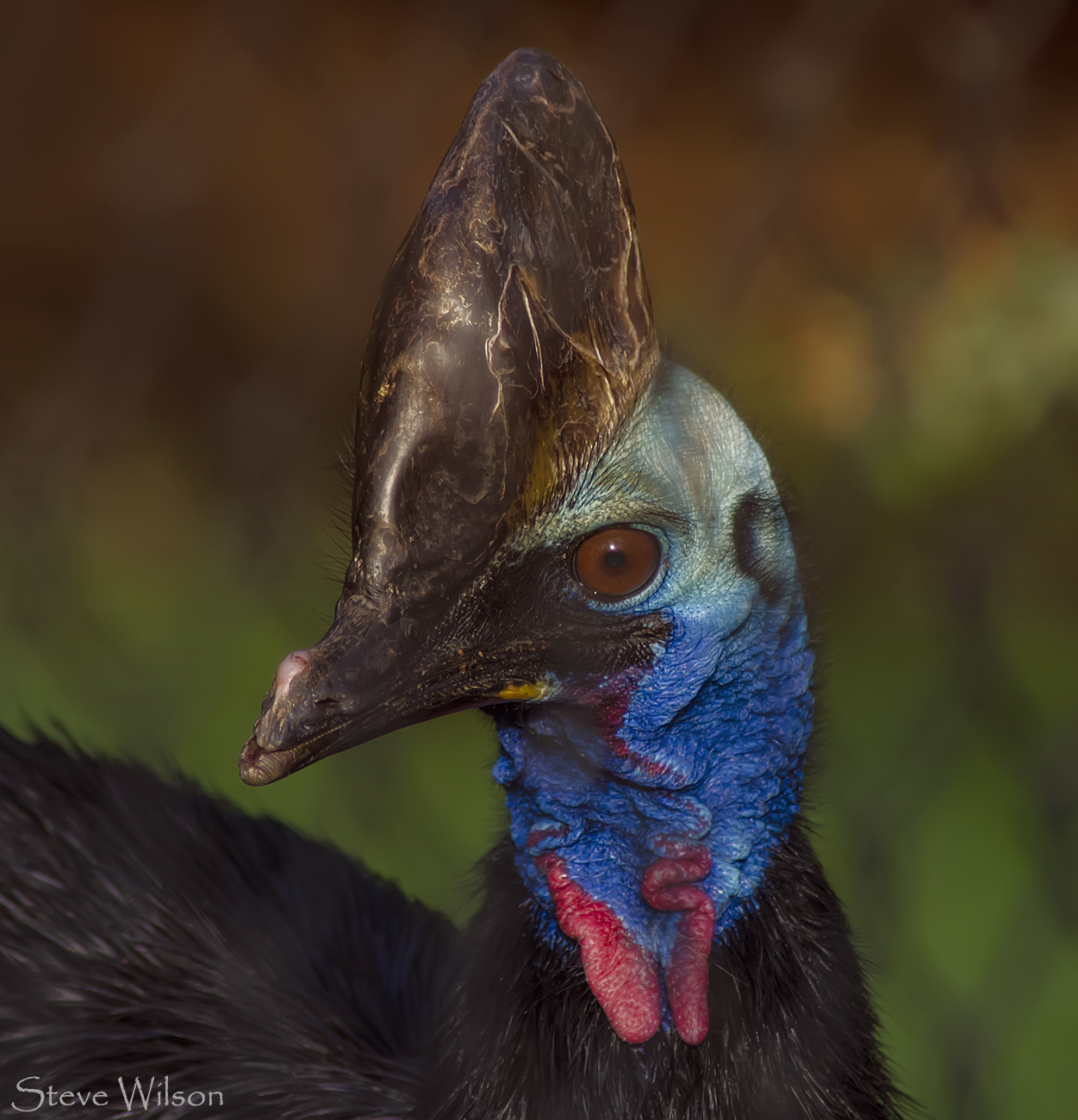
Record-keeping varied from careful to nonexistent. Ages, origins, parentage and medical histories were frequently unknown, and when an animal died the information went with it.
International studbooks, shared databases and standardised record systems now track individual animals across institutions and generations. Without them, captive breeding would be impossible – you cannot manage the genetics of a population you have not documented – so the dull administrative change is the one everything else rests on.
12. Nobody Thought the Zoo Would Have to Justify Itself
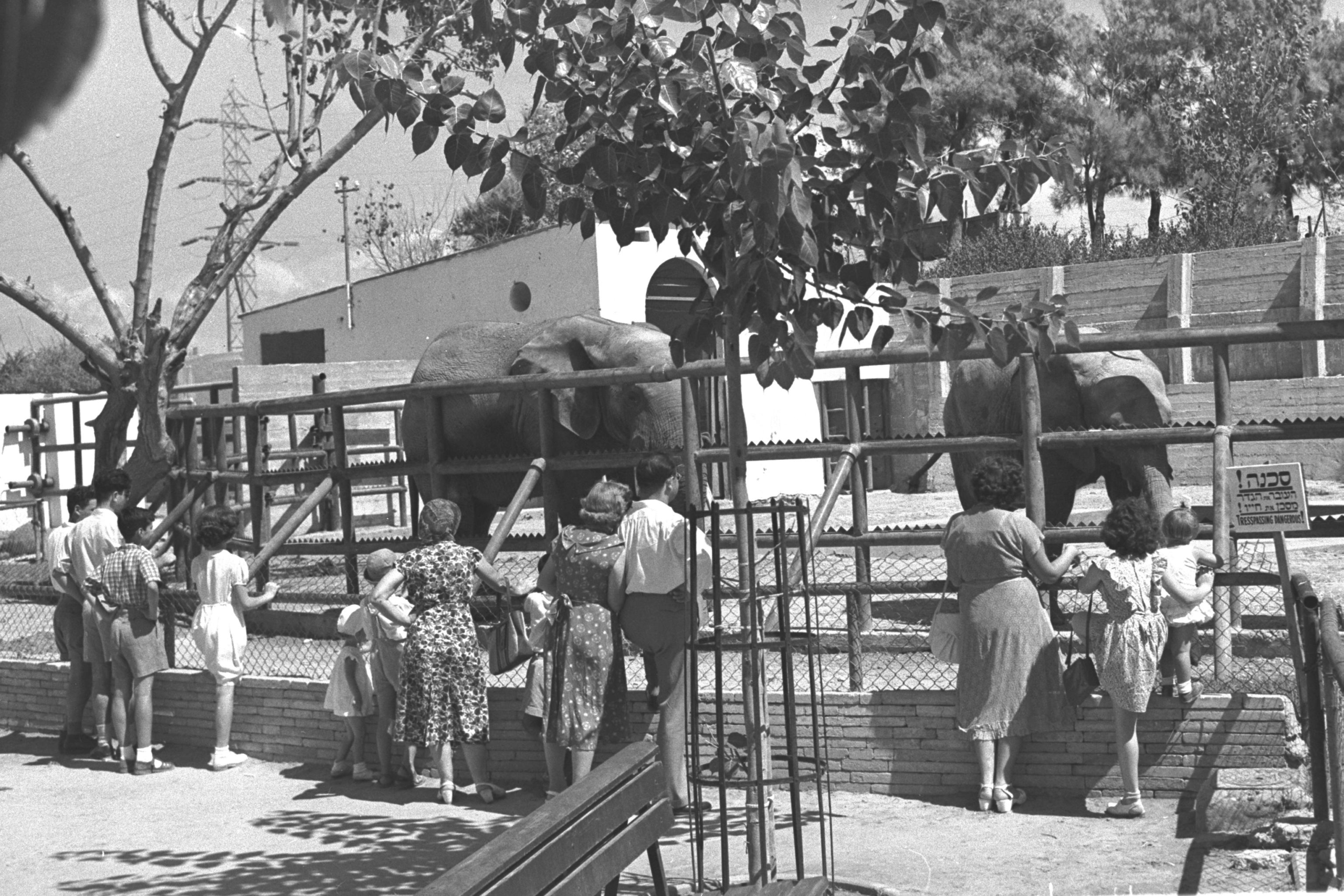
In 1960 a zoo was an uncontroversial civic amenity, like a park or a swimming baths, and the question of whether it should exist was not being widely asked.
It is now asked constantly, and the institutions have reorganised themselves around answering it – captive breeding of threatened species, field conservation funding, research, education, and in some cases a decision to stop keeping particular species altogether. The serious arguments on both sides are genuinely unresolved: the conservation and research case is real and so is the objection that it cannot justify every animal in every collection, and the debate is not settled by pointing at the worst practice of 1960 or at the best practice of today.
The Record-Keeping Was the Turning Point
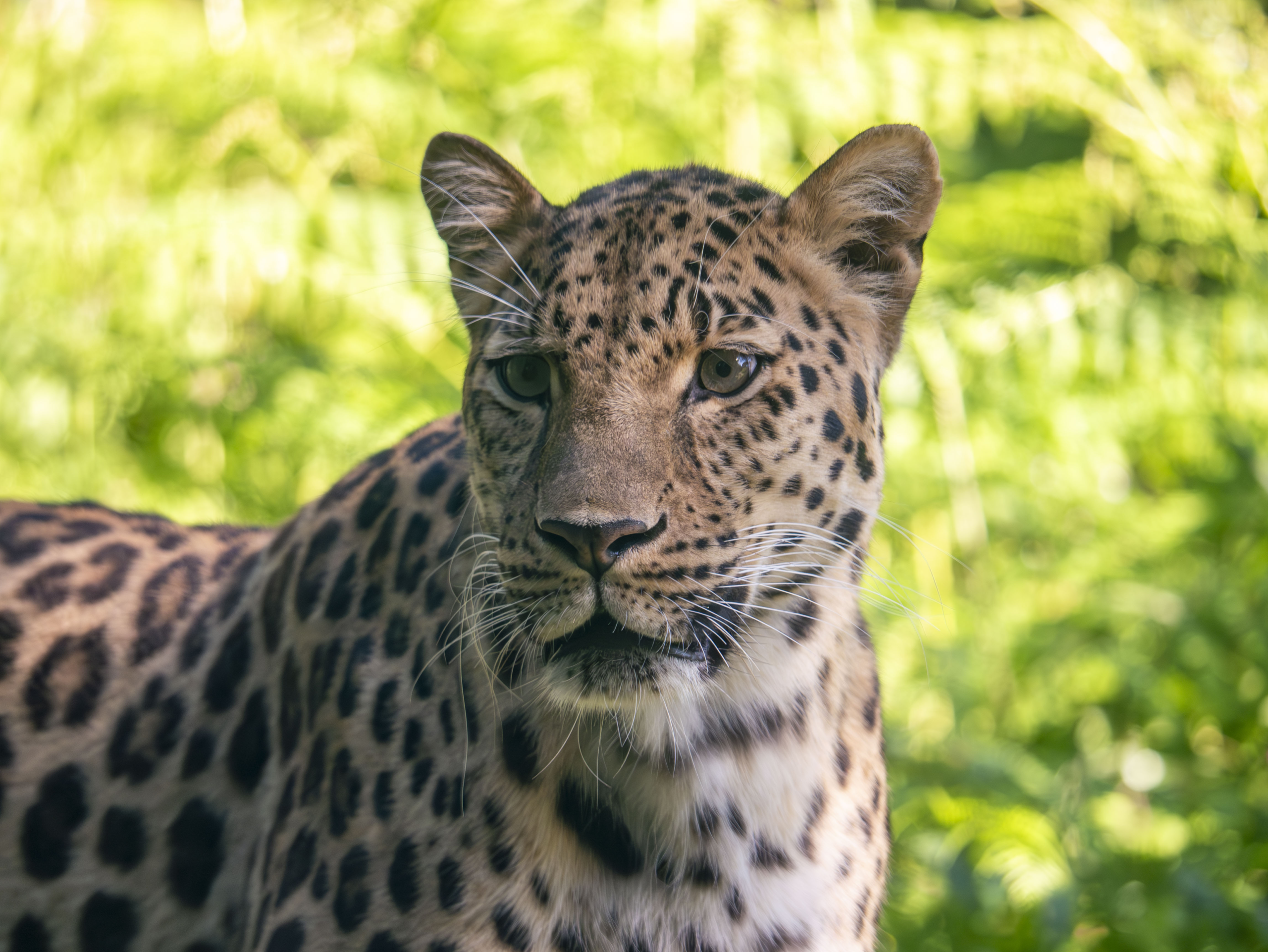
The change that made everything else possible is the least interesting one on the list, which is why it is worth ending on.
In 1960 a great many zoo animals had no documented age, origin or parentage. They had been bought from a dealer, they arrived, and what happened before that was unknown. When one died, whatever anybody had learned about it was lost.
You cannot breed a captive population on that basis. Managing genetics across generations requires knowing who is related to whom, across every institution holding the species, over decades – which requires standardised records, shared between organisations that were previously competitors, maintained indefinitely.
That work was done. Studbooks were established per species, databases were built, institutions agreed to pool information and to move animals between collections according to what the population needed rather than what each zoo wanted to display.
Once that existed, buying wild-caught animals from dealers stopped being necessary for most species – which removed the thing that had made zoos a drain on wild populations, and which is the foundation of every conservation claim made since. It also made it possible to answer questions about welfare and longevity with data instead of impressions.
Almost nothing about it is visible to a visitor. It is filing. And it is the difference between a collection of animals and a managed population, which is the difference the whole argument about zoos now turns on.
If you remember feeding buns to an elephant, that was genuinely how it worked, and it was stopped for good reasons.
What do you remember from the zoo you were taken to?
Like our content? Follow us for more.
