In 1960 a shoe began as a hide cut by hand with a knife by the highest-paid man in the building, because the value of the whole operation depended on how little of it he wasted.
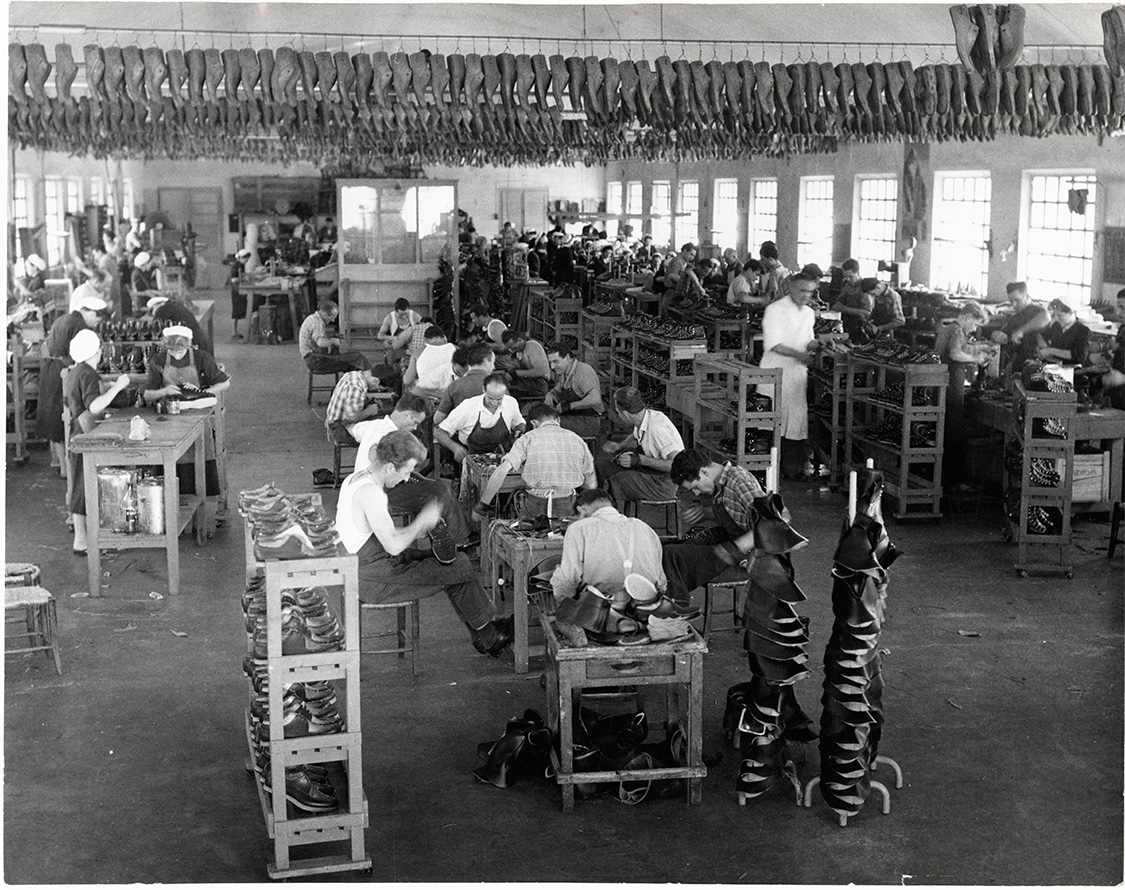
It was then stitched by women on piecework in a separate room, built around a wooden form held in thousands, assembled with solvent cements brushed on by hand, and finished on abrasive wheels in a cloud of leather dust.
And a large part of the machinery doing it was rented, on a fee charged per pair.
Here are fifteen things that were ordinary in a shoe factory in 1960, and what became of each one.
1. The Leather Was Cut by Hand With a Knife and the Cutter Decided Everything
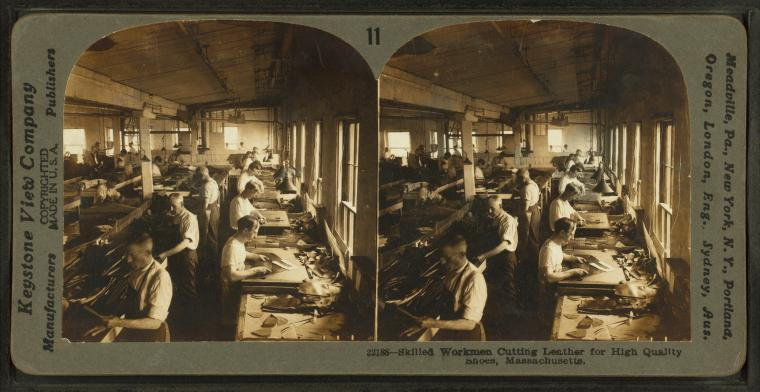
The first operation was clicking – cutting the upper pieces out of a hide with a hand knife against a pattern. A hide is irregular, stretches differently in different directions, and has flaws, and the cutter had to place every piece to get the maximum number of good ones out of it.
Clicking presses, then computer-controlled cutting with camera scanning of the hide, took over. The clicker was the highest-paid worker in the factory because the value of the whole operation turned on how much of each hide he wasted, and the judgement involved – reading stretch direction and hiding flaws where they would not show – took years to acquire.
Like our content? Follow us for more.
2. The Uppers Were Sewn by Women on Machines in a Separate Room
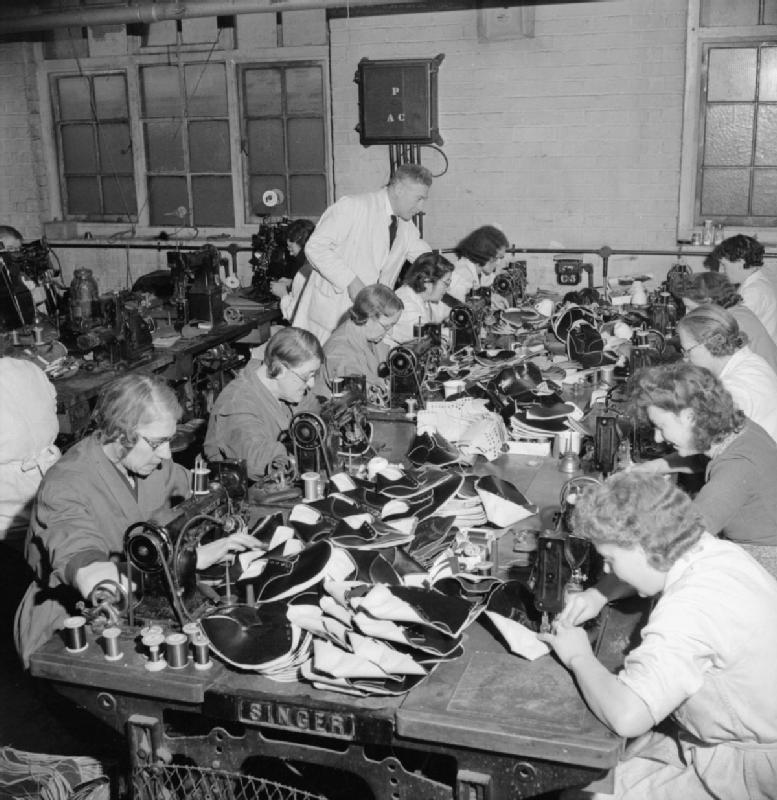
Closing – stitching the cut pieces into an upper – was done by women at industrial sewing machines, on piecework, in a room physically separate from the rest of the factory and with its own hierarchy and pay structure.
Automated stitching handles some of it, but closing remains the most labour-intensive operation in shoemaking, which is precisely why it was the first thing to move to lower-wage countries. The closing room was the largest single concentration of women’s industrial employment in a great many towns.
3. The Shoe Was Built Around a Wooden Last and the Lasts Were Everywhere
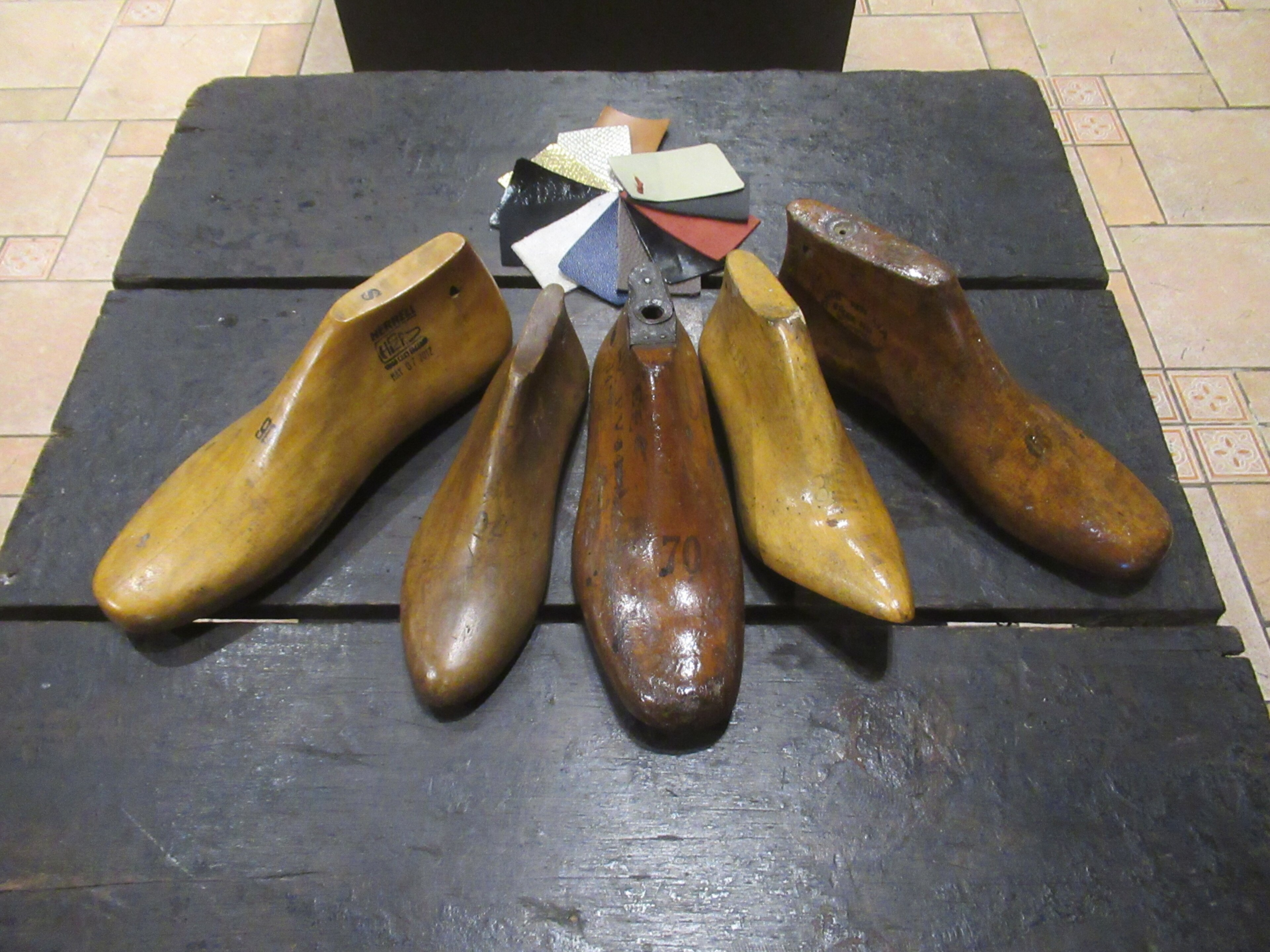
A last is a foot-shaped form that the shoe is constructed on. A factory held thousands of them in every size and fitting, in wood, and a change of style meant a new set of lasts for the whole size range.
Plastic lasts replaced wood and the range held has narrowed enormously, which is why width fittings have largely disappeared from the market. The capital tied up in lasts was one of the biggest barriers to changing a style, and it is a large part of why shoe designs moved slowly.
4. The Adhesives Filled the Air and Nobody Thought About It
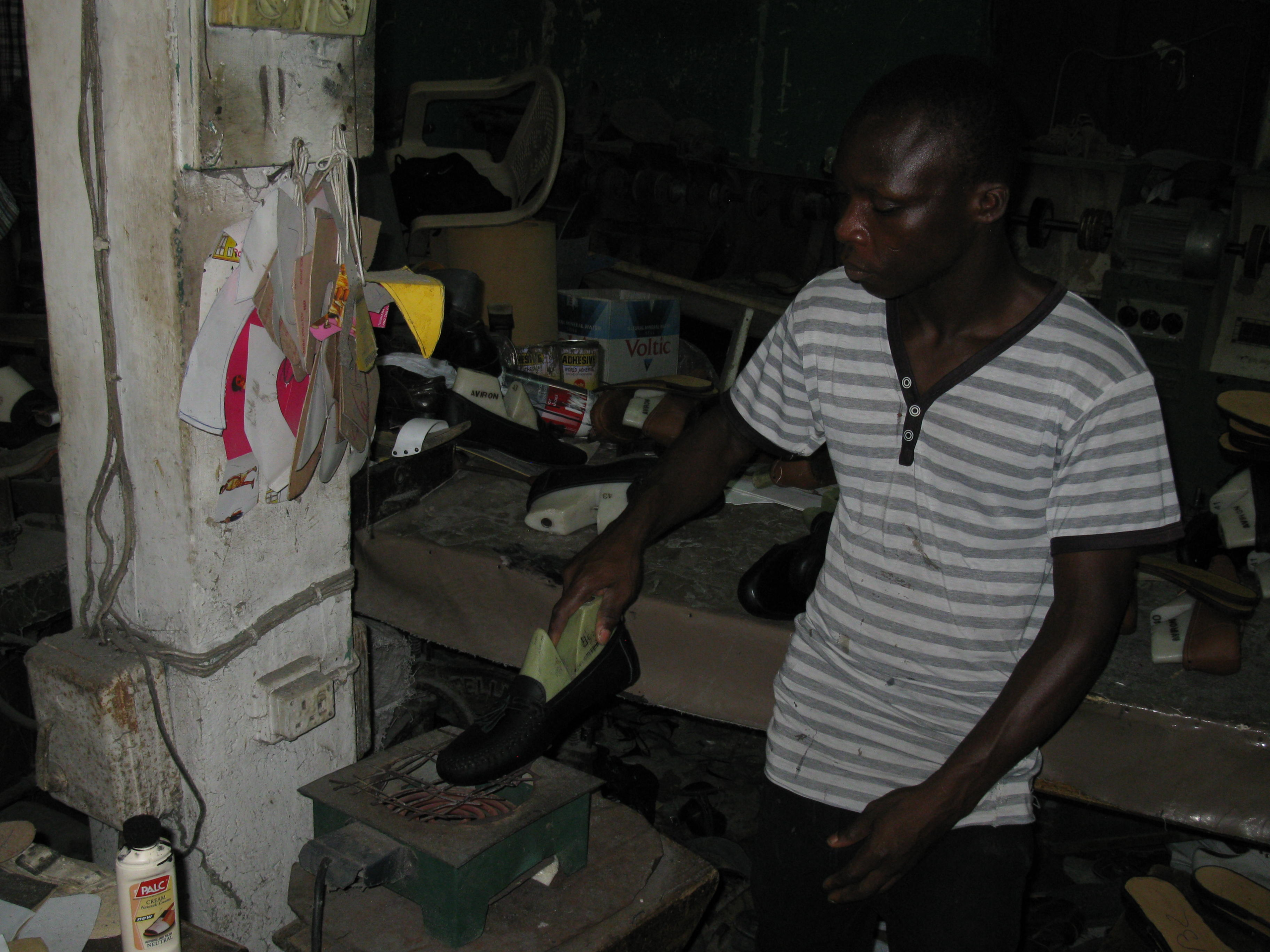
Solvent-based cements were brushed on by hand in quantity at several stages, in rooms with no extraction, and the smell was the defining characteristic of the building.
Water-based adhesives, local extraction, enclosed application and exposure limits have substantially changed this. Included here as occupational history only. Anybody with that work history should raise it with their own doctor rather than with an article.
5. Almost Every Operation Was Paid by the Piece
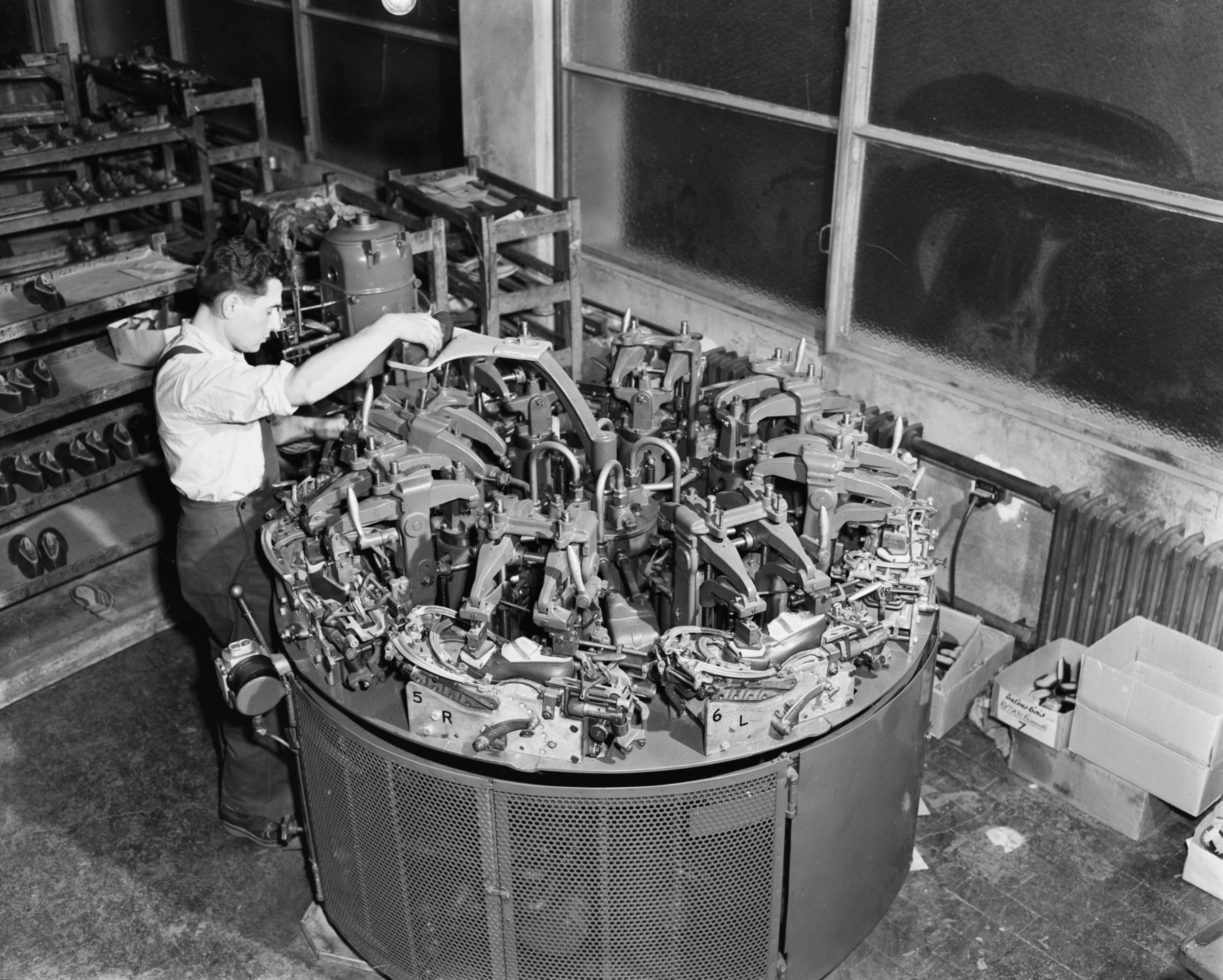
Workers were paid per unit of work completed, with rates set for each operation, and a worker’s earnings depended directly on speed. Rates were renegotiated whenever a process or a style changed.
Hourly and salaried structures replaced it in most places. Piecework in shoemaking produced extremely high individual skill and extremely high pressure at the same time, and it meant that any improvement to a machine triggered an argument about the rate before it could be used.
6. The Welt Was Stitched by a Machine Nobody Could Explain
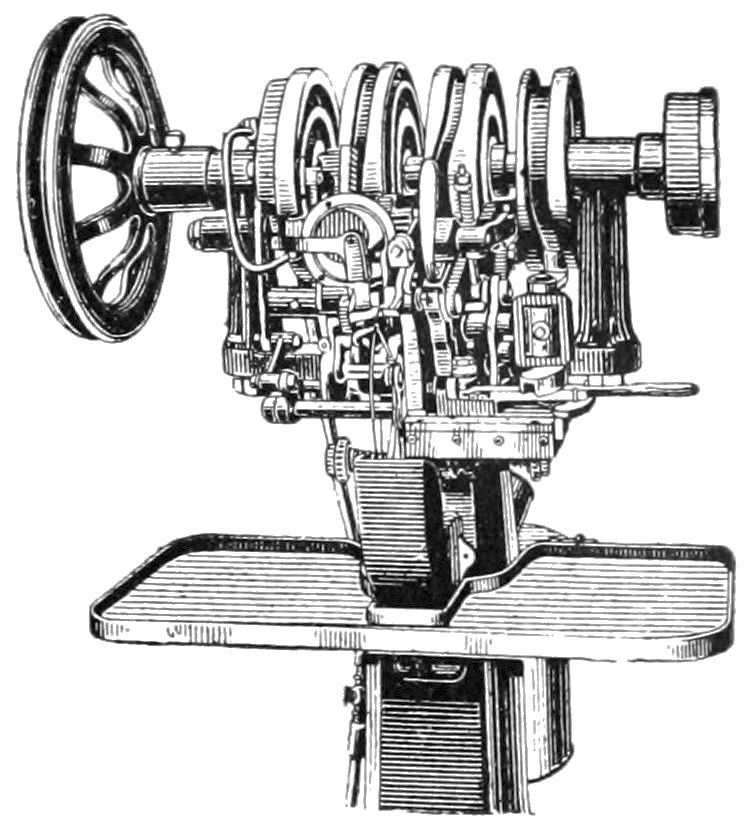
The better construction method stitched the upper, insole and a strip of leather together, then stitched the sole to that strip – a sequence performed by a large and complicated machine that could sew a curved seam through several layers of leather.
The machines are still made and still used for quality footwear, and the construction is still the mark of a repairable shoe. The machine is a genuine piece of mechanical ingenuity from the nineteenth century, and the men who set and maintained them were a trade of their own within the factory.
7. The Machines Were Rented, Not Owned
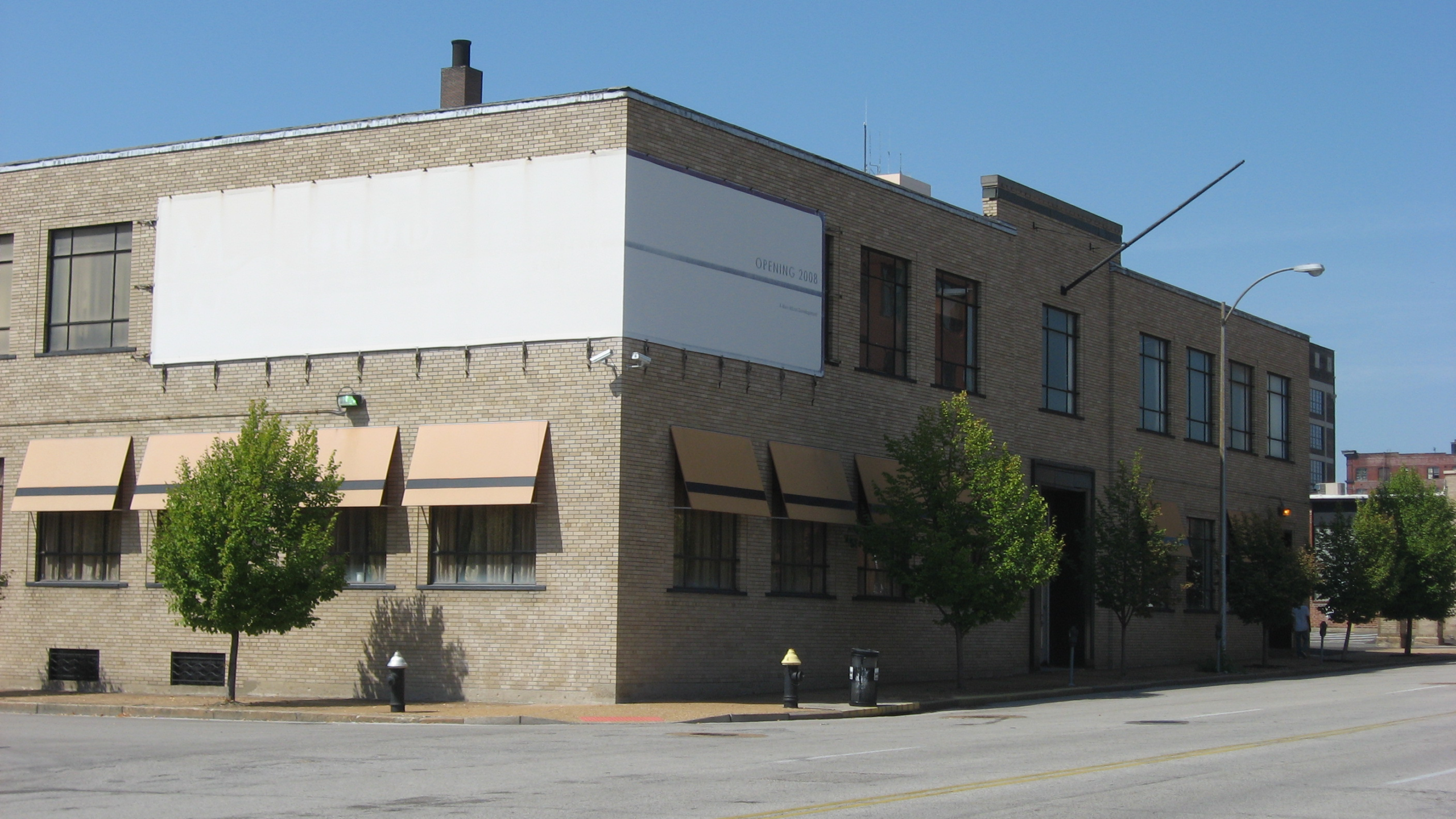
A large part of the machinery in a shoe factory was leased from the machine manufacturer on a per-pair royalty, rather than purchased – so the factory paid a fee on every shoe it made.
That business model was eventually broken up by competition authorities in several places. It gave a small number of machinery firms extraordinary power over the whole industry, including over which methods a factory could use, and it is one of the more striking examples of control exercised through leasing rather than ownership.
8. The Soles Were Leather and the Factory Had a Tannery Relationship
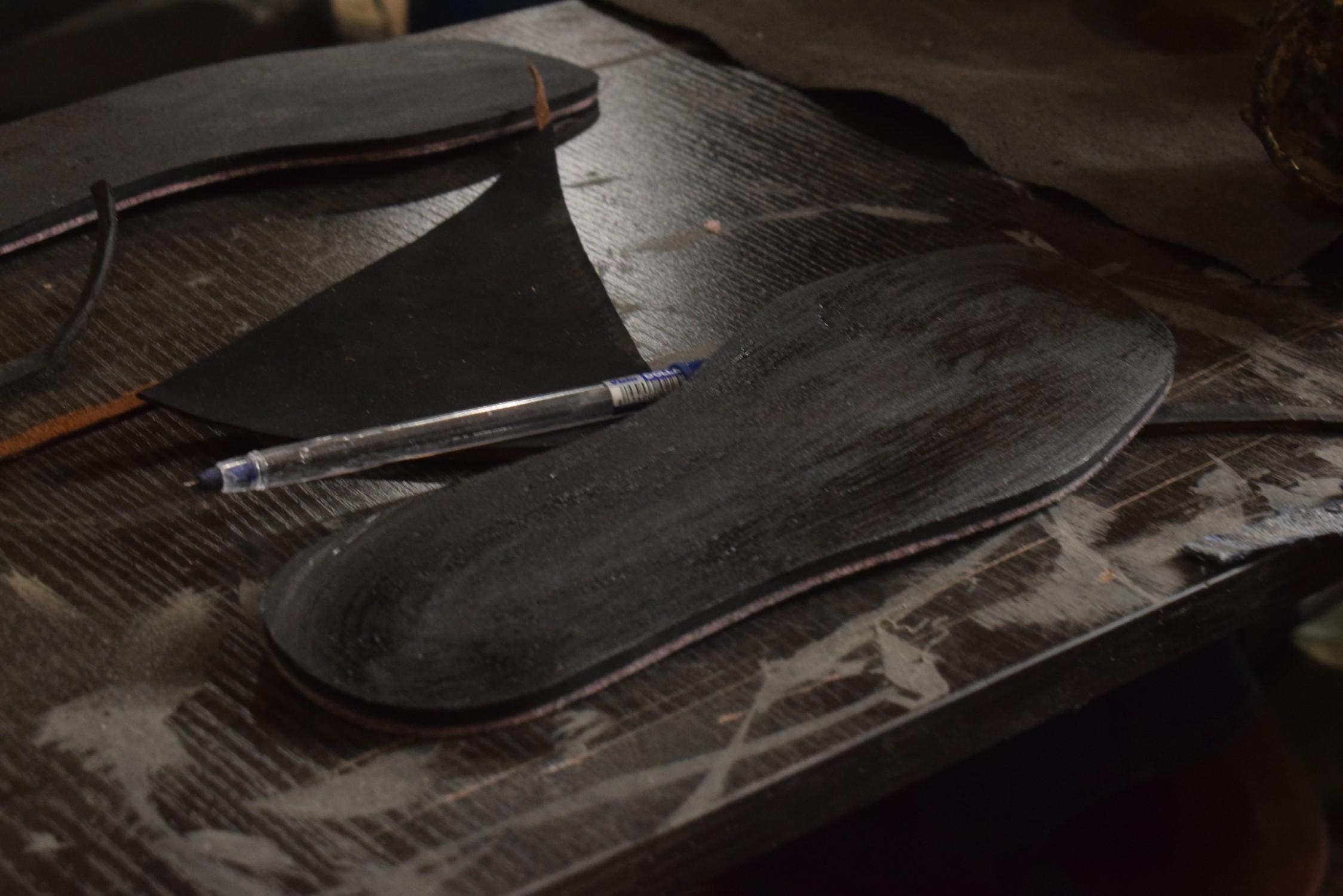
Soles were cut from thick leather, and a factory’s output depended on a reliable supply of hides of consistent quality, which meant a close and frequently generations-old relationship with particular tanneries.
Synthetic and moulded soling units displaced leather for most footwear, and the tanneries closed in parallel with the factories. Leather soles survive at the top of the market and are now a specified feature rather than the default.
9. The Dust From Sole Trimming Covered Everything
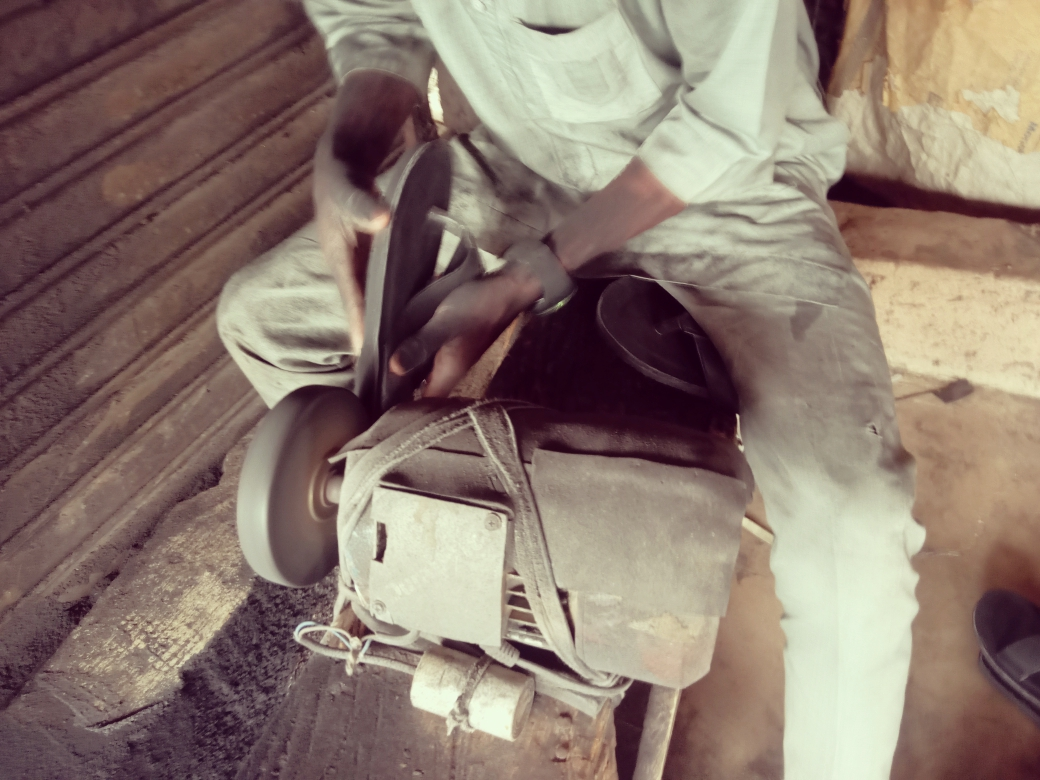
Finishing a sole meant trimming and buffing it on rotating abrasive wheels, which produced leather and rubber dust continuously in a room where several men did nothing else.
Extraction at the wheel, enclosure and respiratory protection are now standard. This is stated as occupational history only and no condition is named; anybody who did this work should discuss it with their own doctor.
10. The Factory Made Shoes for Somebody Else’s Name
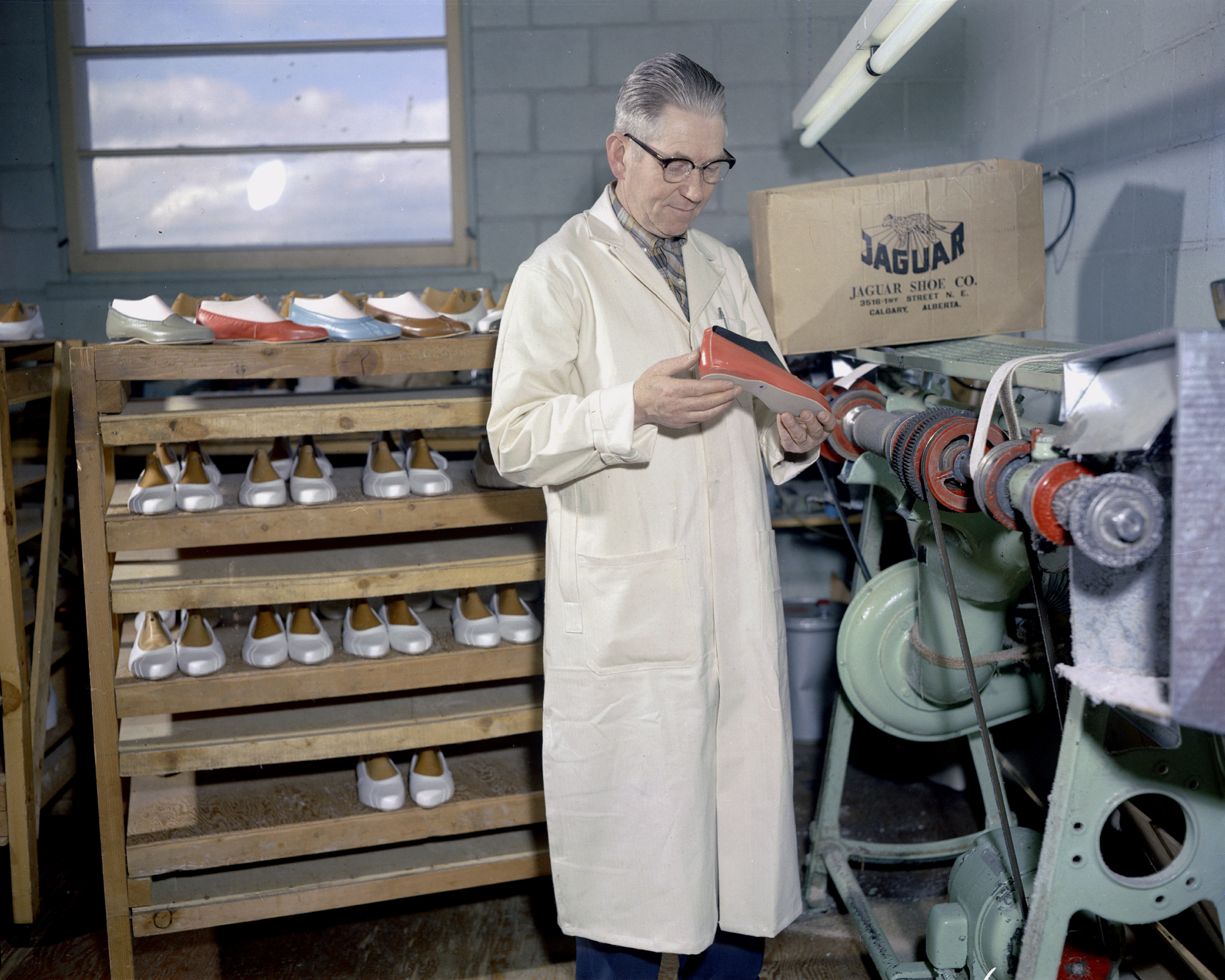
A great deal of output was made to order for retailers and brands that had no factories, under their labels – so the people making the shoes had no connection to the name on them.
This is now the dominant model worldwide rather than a sideline, and the geography has changed completely. It also means the closure of a factory was frequently invisible to customers, because the brand continued unaffected with production moved elsewhere.
11. Children Left School at Fifteen and Walked Into the Factory
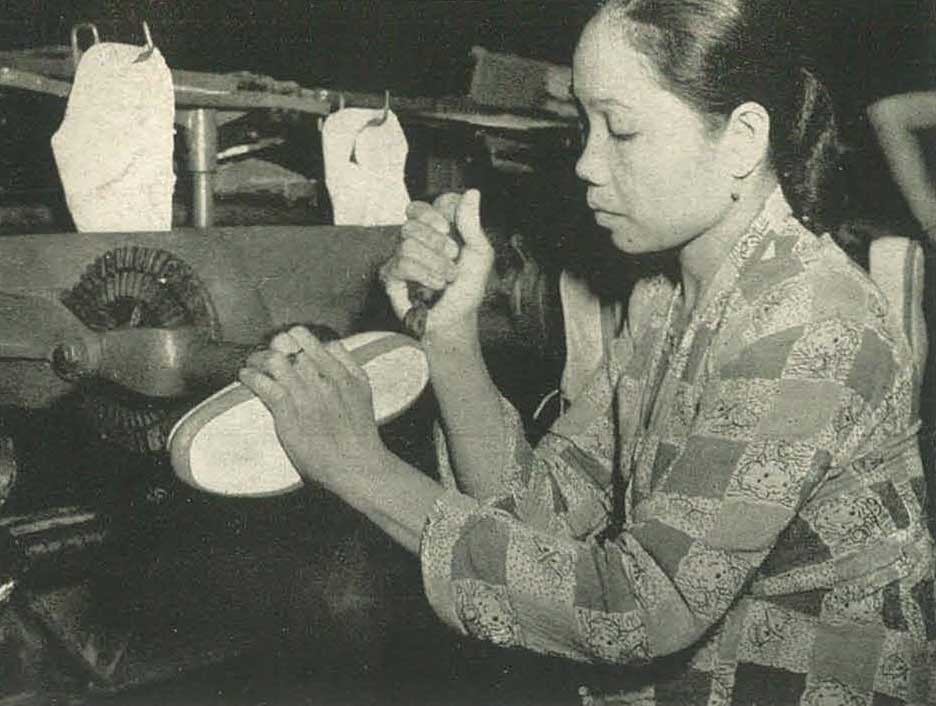
In a shoe town the factory was the default destination. School ended, the factory was hiring, and a young person started on the simplest operation and worked up through the sequence.
Raised school leaving ages, the collapse of the industry and the disappearance of that progression route ended it. The skill ladder was real – clicking and closing were genuinely skilled and well paid – and its disappearance removed a path from school to a skilled trade that did not require anybody to leave the town.
12. The Whole Town Was Shoes and So Was the Next One
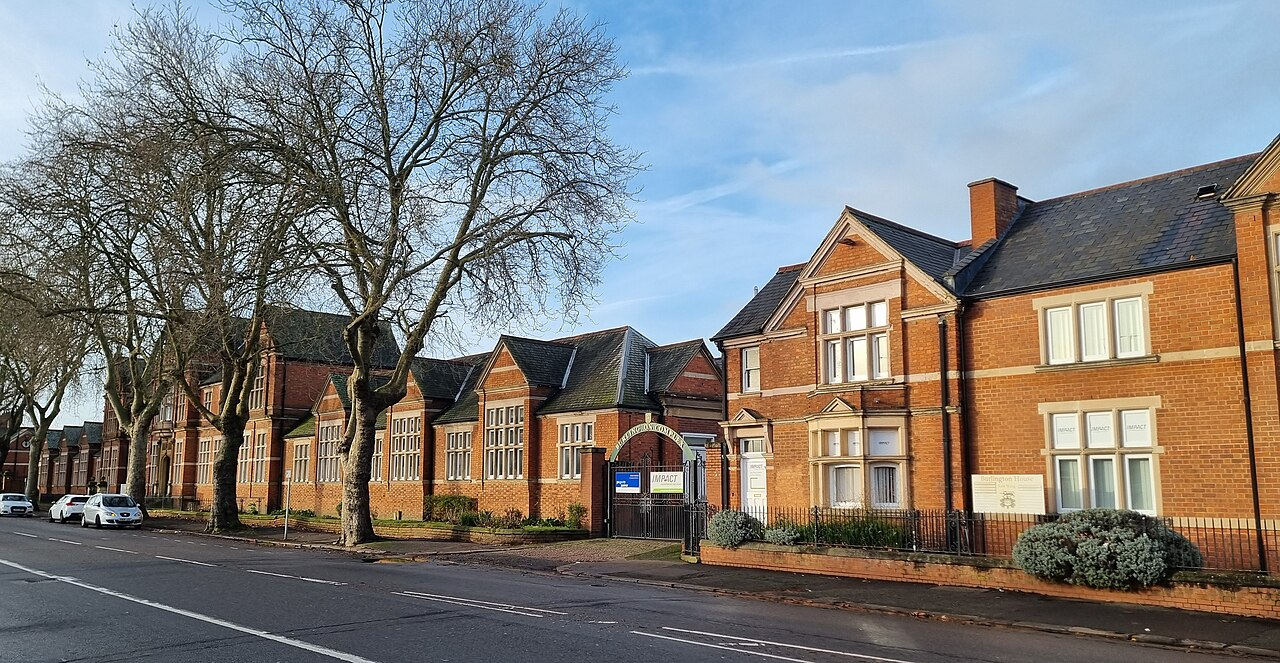
Shoemaking concentrated geographically to an extreme degree, with dozens of factories in a single district, plus the tanneries, last makers, machinery agents, box makers and specialists that served them.
Imports from much lower-cost producers ended it over roughly two decades, and because the concentration was so extreme the collapse was concentrated too. The districts affected lost not one employer but an entire interlocking economy, and the recovery in most of them has been partial at best.
13. Nobody Measured What Went Into the River

Tanning, dyeing, finishing and cleaning operations across a shoemaking district discharged into local watercourses with minimal treatment, and the rivers in those districts were known for it.
Discharge consents, effluent treatment and the closure of the industry itself transformed the watercourses, and several rivers in former shoe and leather districts now support fish for the first time in a century. It is one of the clearer environmental improvements attributable partly to regulation and partly to deindustrialisation, and honesty requires crediting both.
14. Nobody Thought the Shoes Would Come From the Other Side of the World

In 1960 making shoes near where they were sold was obvious – the product is bulky, sizing is specific, and styles changed with the seasons, all of which seemed to require local manufacture.
Containerised shipping, which made bulk irrelevant to cost, and much lower labour costs elsewhere ended that logic within about twenty years. Every one of the reasons local manufacture seemed necessary turned out to be soluble, and the one that was not – the cost of the labour in the closing room – was the one that decided it.
15. The Factories Are Flats and the Last Makers Went First
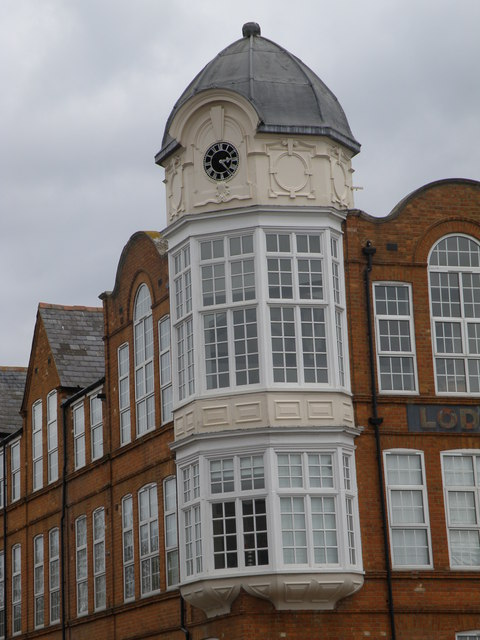
When the industry contracted, the specialist suppliers went before the factories did, because a last maker or a box maker serving twenty factories cannot survive the loss of fifteen of them.
That sequence is the lesson worth keeping. An industrial district is a network, and it fails from the specialists inward, which means the last factories were trying to operate without the supply chain that made them viable. The buildings are now flats and offices, usually with the maker’s name left on the brickwork, and the trade that supported them had already gone some years before.
It Failed From the Edges Inward
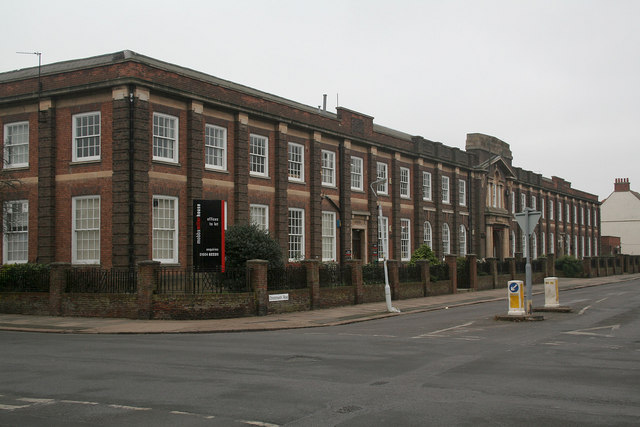
The detail in this list that explains the most is the order in which things closed.
A shoemaking district was not a collection of factories. It was a network: factories, plus tanneries supplying hides, plus last makers, plus machinery agents, plus box and carton makers, plus heel and sole specialists, plus the people who serviced the welt machines, all within a few miles and all dependent on the aggregate volume of the whole district.
When imports began taking market share, the factories contracted. Each one that closed removed a slice of demand from every specialist serving it. And a last maker supplying twenty factories cannot survive losing fifteen of them, because the business has fixed costs and no other customers – so the specialists failed at a lower threshold than the factories did.
Which means the surviving factories then had to operate without their supply chain. Lasts had to be bought further away, at higher cost and longer lead times. Machine servicing became a visit rather than a phone call. Hide supply became a contract with a distant tannery instead of a relationship with one up the road.
Every one of those changes made the remaining factories less competitive, which closed more of them, which removed more specialists. The collapse accelerated itself from the outside in, and by the end the industry was not being out-competed on manufacturing – it was trying to manufacture without the infrastructure that had made it possible.
That pattern applies to every concentrated industrial district, and it is why they fail much faster than the headline competitive disadvantage would suggest.
If you or your family worked in shoes, you will know which operation and which room.
And in most of those towns the maker’s name is still on the brickwork of the flats.
Like our content? Follow us for more.