In 1955 the hop harvest was brought in by families who came out from the cities every autumn, lived for a month in one-room huts with a fire outside, and were paid by the bushel.
Children picked from the moment they could reach. The rate was argued over daily. Everybody’s hands went black and stayed black.
And almost everybody who did it describes it as a holiday.
Here are sixteen things that were ordinary at the hop harvest in 1955, and what happened to each one.
1. Whole Families Came Out From the City for a Month and Lived in Huts
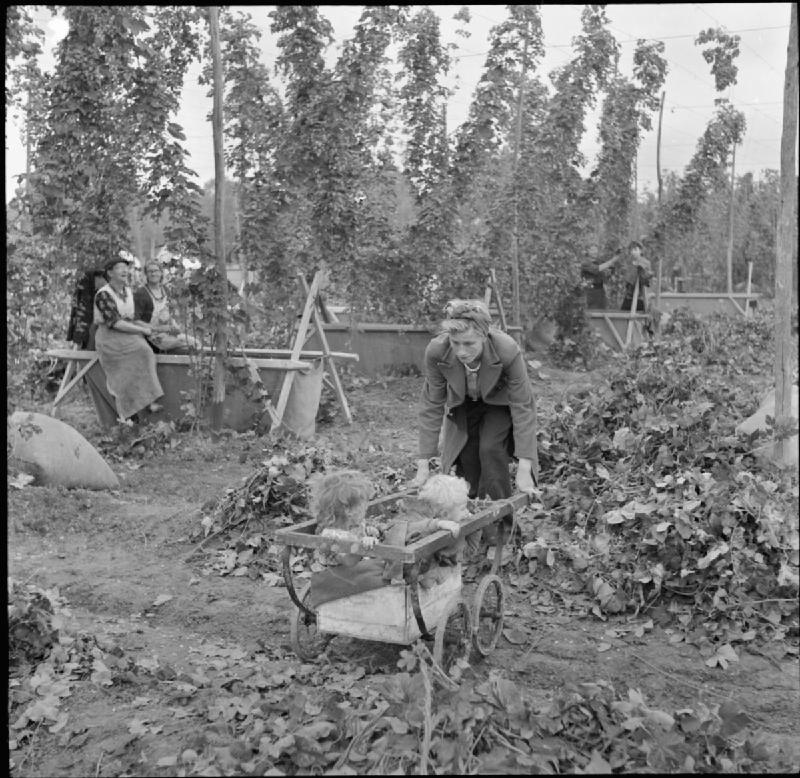
Hop picking was done by families who travelled out from industrial cities every autumn, stayed for several weeks in accommodation provided on the farm, and went home when the harvest was in. The same families returned to the same farms for generations.
Mechanical picking machines, introduced from the 1950s onwards, removed the need for a large temporary workforce within about fifteen years. It was the last mass seasonal migration of its kind, and the people who did it describe it almost universally as a holiday – which is a remarkable thing to say about a month of agricultural piecework.
Like our content? Follow us for more.
2. The Accommodation Was a Single Room With a Straw Mattress
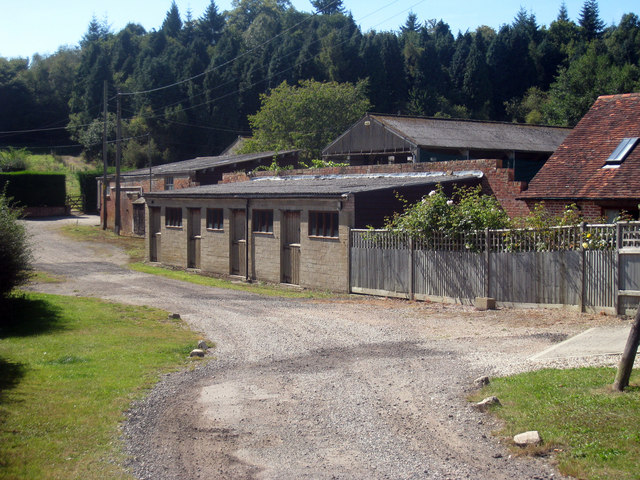
Pickers were housed in rows of brick or corrugated-iron huts, one room per family, with a fire outside, a straw-filled mattress, and water from a standpipe shared by everybody.
Agricultural worker accommodation is now subject to standards covering sanitation, cooking facilities, heating and occupancy. The huts were basic beyond anything that would now be permitted, and the people who stayed in them compared them not to a modern standard but to the terraced housing they had come from, which is the context that makes the enthusiasm comprehensible.
3. Children Worked, and That Was the Whole Point
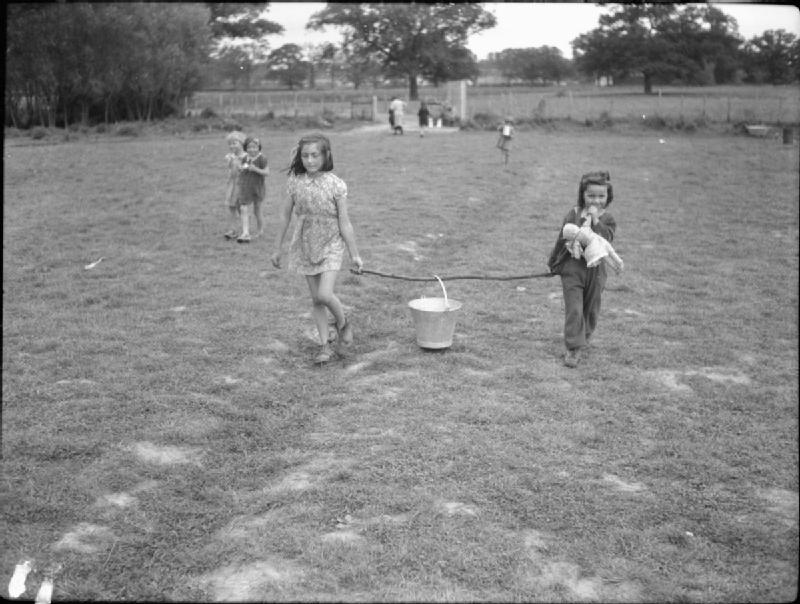
Payment was by volume picked, so a family’s earnings depended on how many hands it had. Children picked from the moment they were able, and the school holidays in hop districts were arranged around the harvest.
Child labour legislation and compulsory schooling ended it, and mechanisation removed the demand. It is worth being clear that this was economically necessary work for the families involved rather than a charming rural tradition – and also that the children who did it overwhelmingly remember it as the best weeks of the year, which both things being true at once is the honest position.
4. The Hops Were Picked Into a Long Cloth Bin and Measured by a Man With a Basket
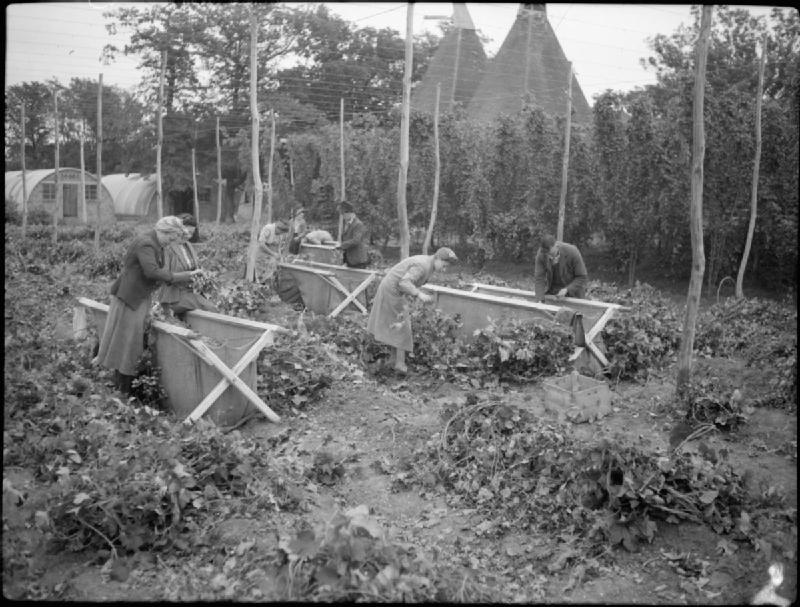
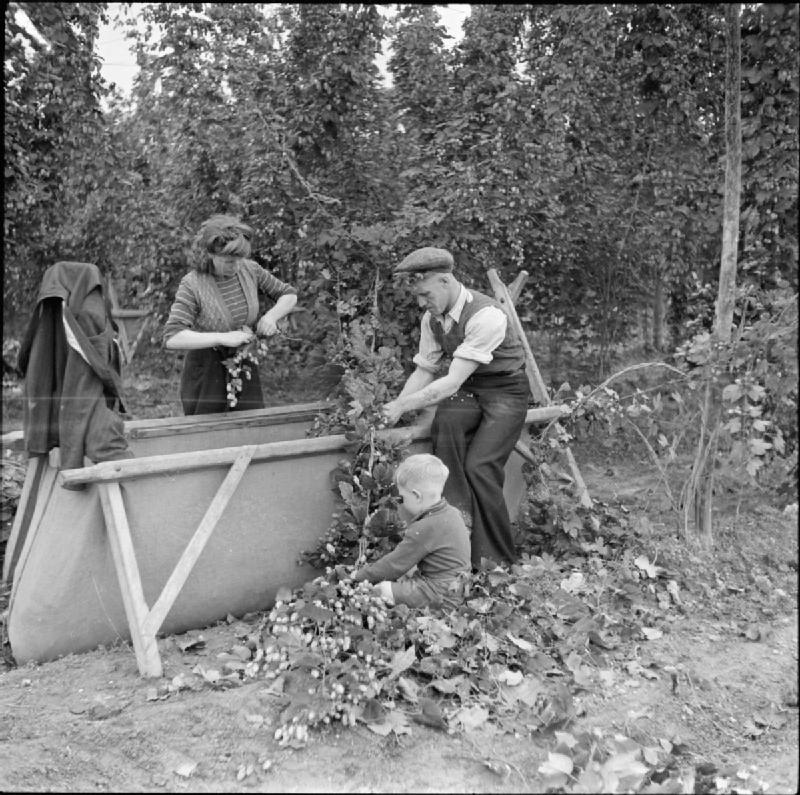
Pickers worked along rows, pulling the bines down and stripping the hops into a long sacking cradle slung on a frame. A measurer came round with a bushel basket, scooped the hops out, and recorded the count in a book against the family’s name.
Machine picking strips the whole bine mechanically and the measuring system went with it. The relationship between the picker and the measurer was the single most consequential one in the field, because he decided how loosely the hops sat in the basket, and there was no appeal.
5. Pay Was Argued Over Every Single Day
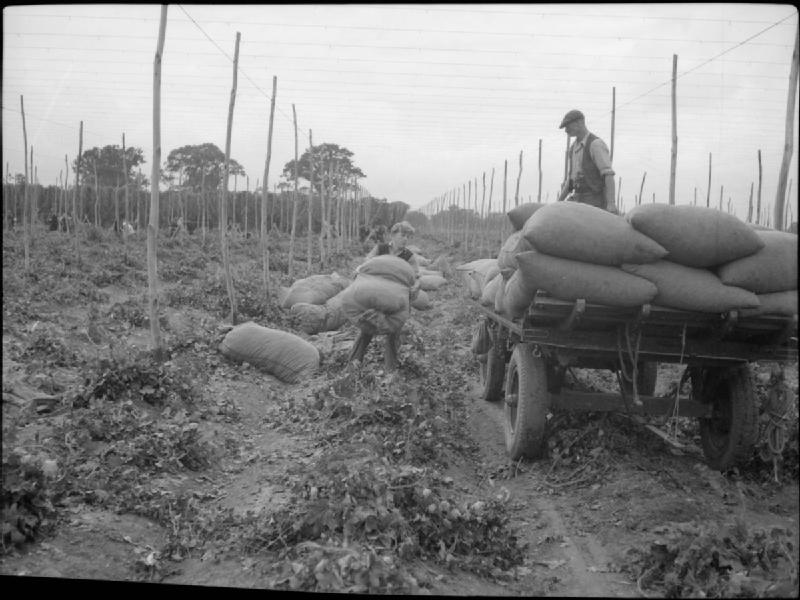
The rate per bushel was set by the farm and could be adjusted during the harvest. Pickers negotiated, complained, and occasionally stopped work over it, and the rate varied with how the crop was going and how many pickers had turned up.
Agricultural minimum wages, written terms and statutory holiday and sick provision replaced the daily negotiation. The system gave the farm almost all the power and gave the pickers one weapon, which was leaving – and since the farm needed them for a specific fortnight, that weapon occasionally worked.
6. Everybody’s Hands Went Black and Stayed Black
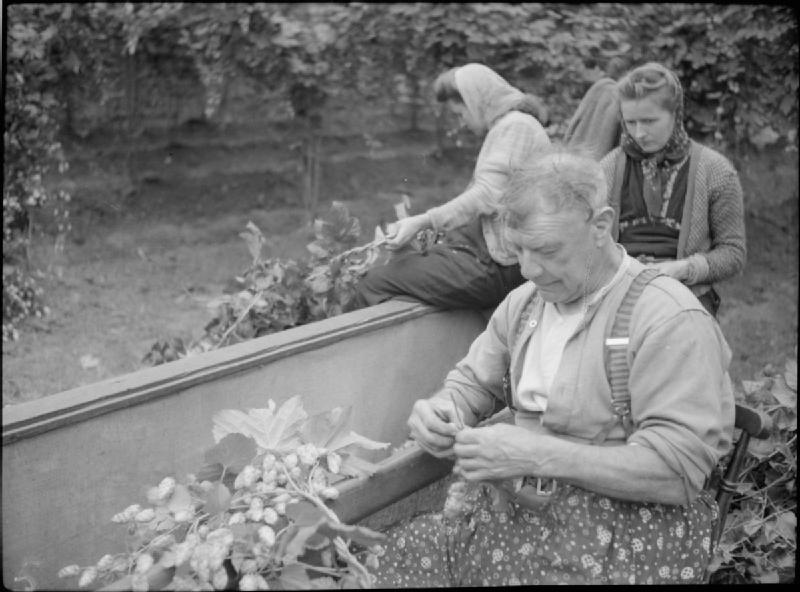
Hop resin stains skin a deep brown-black that will not wash off, and after a few days of picking a person’s hands and forearms were discoloured for the duration and for some time afterwards.
Machine picking means nobody handles the raw hops in quantity. The stain was the visible mark of the season, it identified pickers instantly when they went into the local town, and in some places that identification was used as a reason to refuse them service – which is a part of the story that sits awkwardly beside the nostalgia.
7. The Bines Were Trained Up Strings on a Frame Twenty Feet High
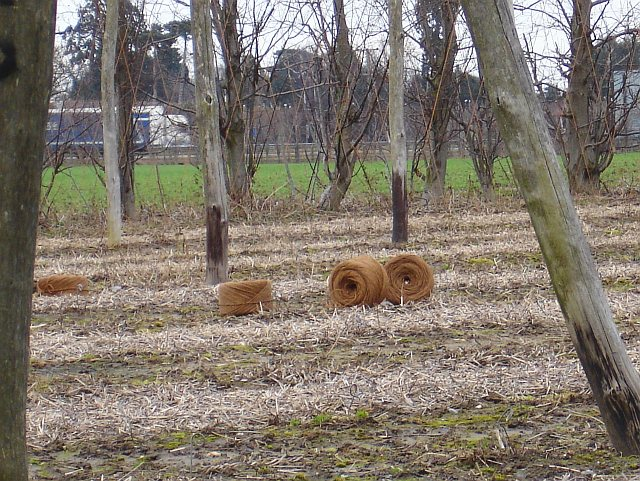
Hops grow up strings suspended from a wirework carried on tall poles, and the strings had to be set every spring by men working from stilts or long poles, walking the rows and tying.
Stringing is now done from machinery and with mechanical aids, though it remains one of the more awkward jobs in the crop. The men who did it on stilts – walking between rows on wooden legs, with their hands free to tie – are one of the genuinely startling images in the agricultural record, and the practice was still current within living memory.
8. The Hops Went Straight to a Kiln and Were Dried Over a Fire
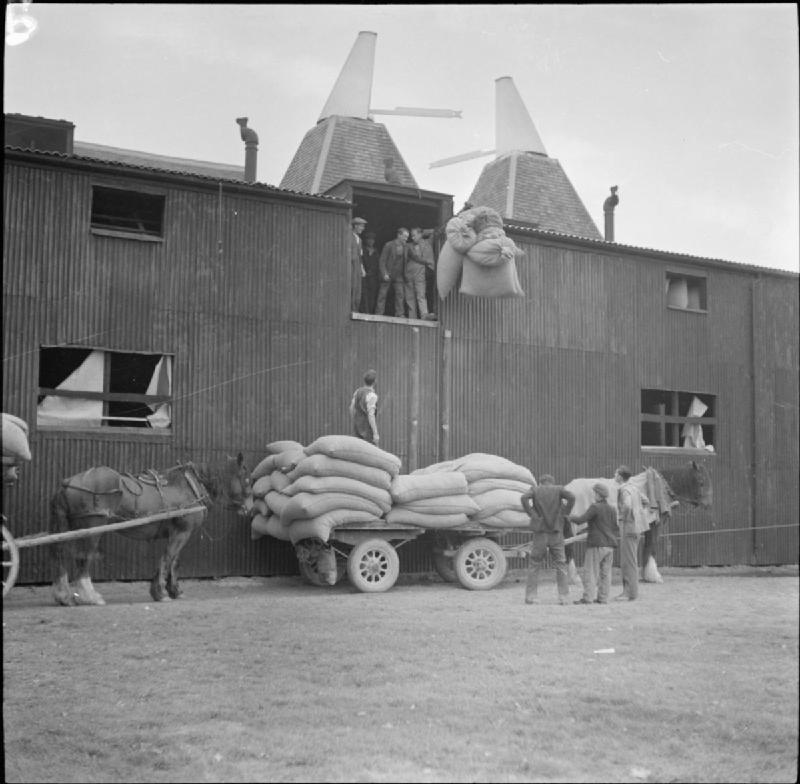
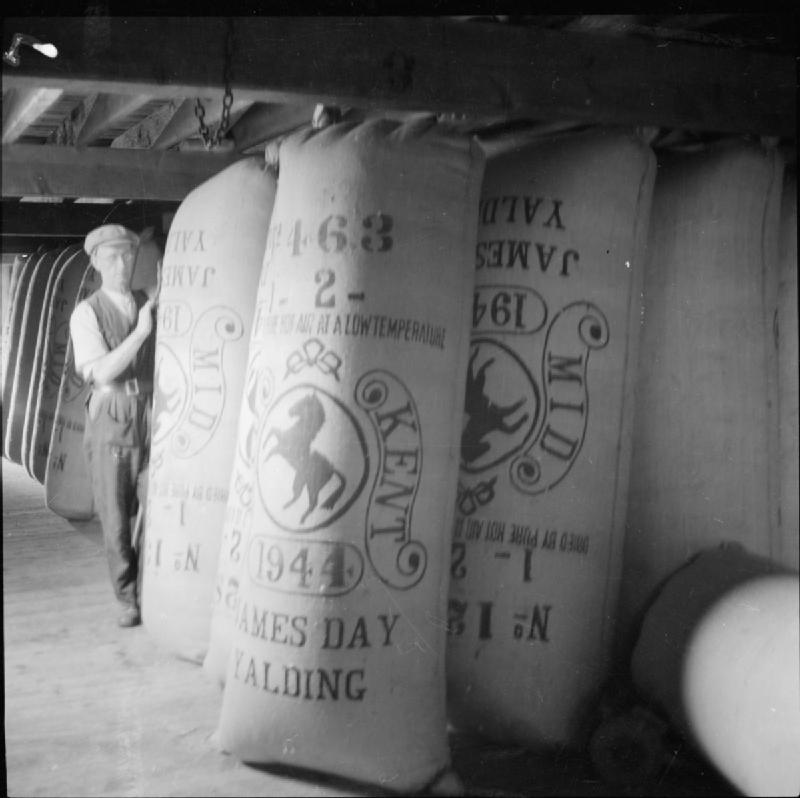
Picked hops spoil quickly, so they went within hours to an oast or kiln – a building with a drying floor above a furnace – and were spread, dried for several hours, and then cooled and pressed into tall sacks.
Indirect heating, controlled airflow, temperature monitoring and mechanical handling replaced the open fire and the shovel. The drier sat up all night watching the load and judging it by feel and smell, and getting it wrong ruined the crop – which is why that job went to the most experienced man on the farm and not to the strongest.
9. The Dried Hops Were Trodden Into the Sack by a Man Standing in It
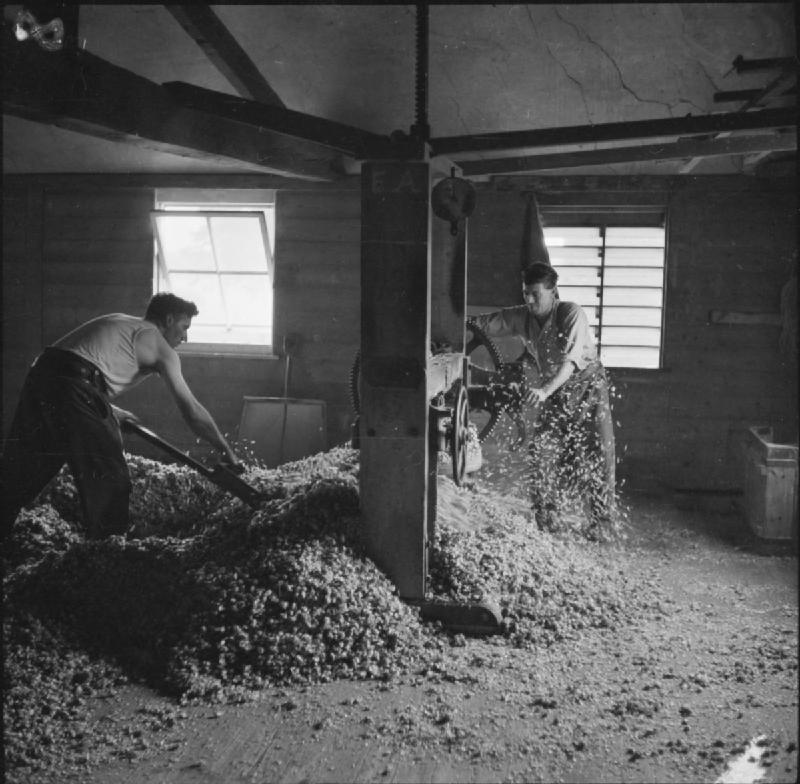
Pressing the dried hops into a tall sack was done by a man standing inside it, treading them down as they were fed in from the floor above, until the sack was full and solid.
Hydraulic baling presses replaced him. Treading was skilled in a way that sounds improbable – packed unevenly, the sack would not stand, would not stack and would not travel – and it was also, for obvious reasons, done by somebody who then smelled of hops permanently.
10. Sulphur Was Burned in the Kiln and Nobody Wore Anything
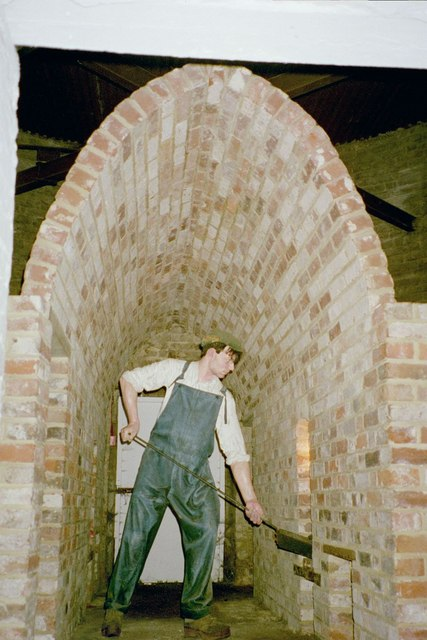
Sulphur was commonly burned beneath the drying floor to improve the colour and keeping quality of the hops, which meant the kiln atmosphere contained sulphur dioxide while men worked in and around it.
The practice declined substantially and is heavily restricted or absent in modern production, and respiratory protection, extraction and exposure limits govern anything comparable. This is included as occupational history only. Anybody with that work history should raise it with their own doctor rather than with an article.
11. The Farm Had a Shop, a Pub Arrangement and Its Own Economy for a Month
Farms ran a canteen or shop for the duration, local pubs and traders geared up for the influx, and in many districts the whole seasonal economy was built around several weeks of pickers with money to spend.
The infrastructure dissolved when the pickers stopped coming, and a good many village shops and pubs in hop districts lost a significant part of their annual trade at the same moment. Mechanisation of a harvest does not only remove the harvest jobs – it removes everything that had grown up to serve the people who did them.
12. Everybody Sang, and Somebody Always Had an Instrument
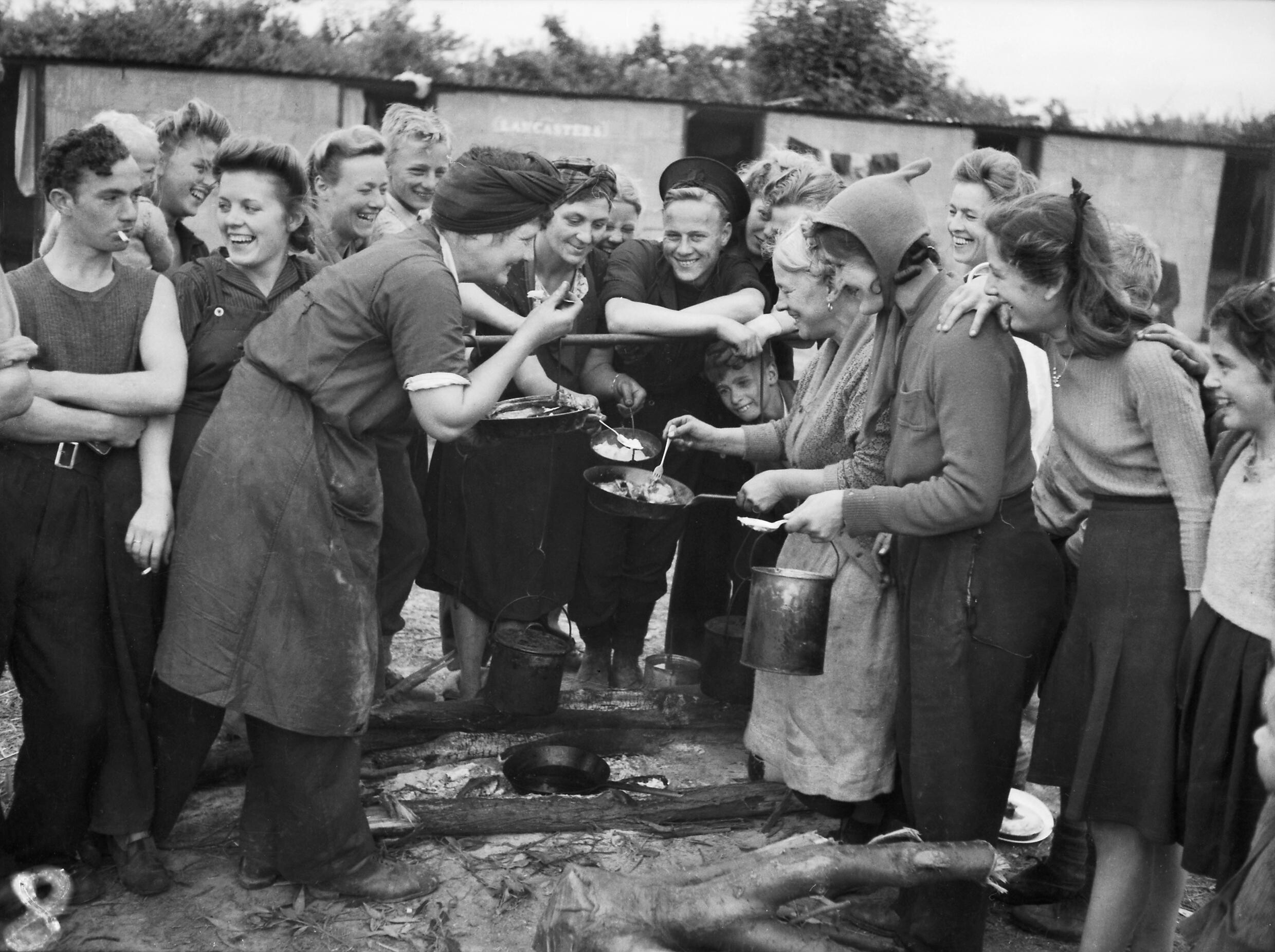
Evenings were spent round fires outside the huts, and the singing is the single most consistently reported detail in every account of hop picking from every district.
It is also the part that cannot be reconstructed. A month of several hundred people from the same few streets of the same city, living together away from home with nothing to do after dark, produced a social intensity that no modern seasonal work arrangement comes close to, and it is why the accounts read like holiday memories rather than work records.
13. The Trains Ran Specially and Were Full

Special trains carried pickers and their belongings out at the start of the season and back at the end, with families bringing bedding, cooking equipment, prams and in some cases furniture.
Those services ended with the harvest that justified them, and several of the lines themselves closed shortly afterwards. The scale is the striking thing: a scheduled transport operation existed purely to move a city’s worth of families to a farming district and back, once a year, every year, for decades.
14. The Last Weeks of the Harvest Were a Known Deadline for Everything
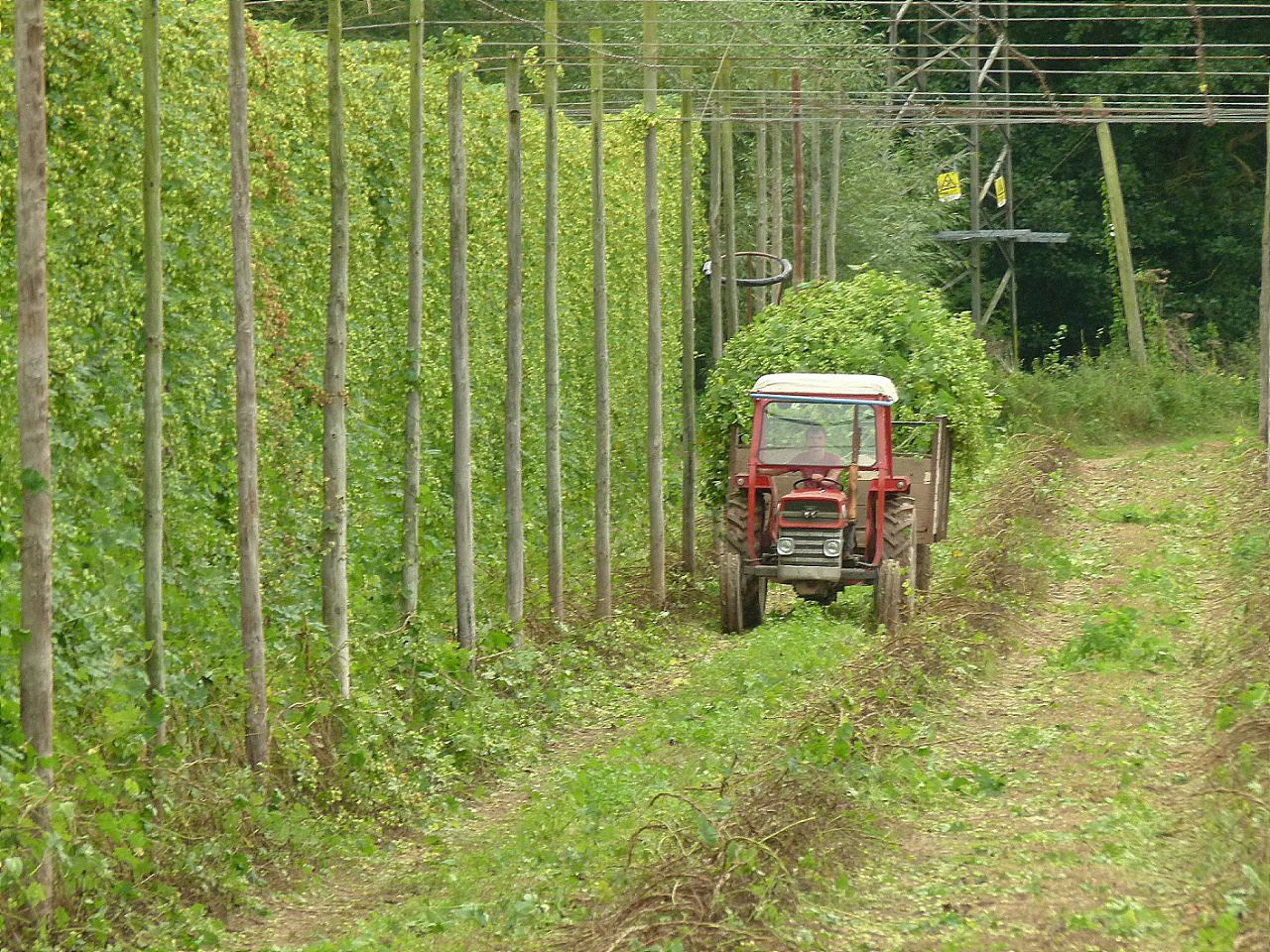
Hops have to come in within a short window when they are ready, and the entire year on a hop farm was organised around that fortnight. Everything else – repairs, planting, building – happened in relation to it.
Mechanisation widened the window somewhat and dramatically reduced the labour required within it, but the fundamental constraint has not changed, and hop harvest is still the fixed point in the year. What changed is that missing it is now a machinery problem rather than a people problem.
15. Nobody Thought the Machines Would Work
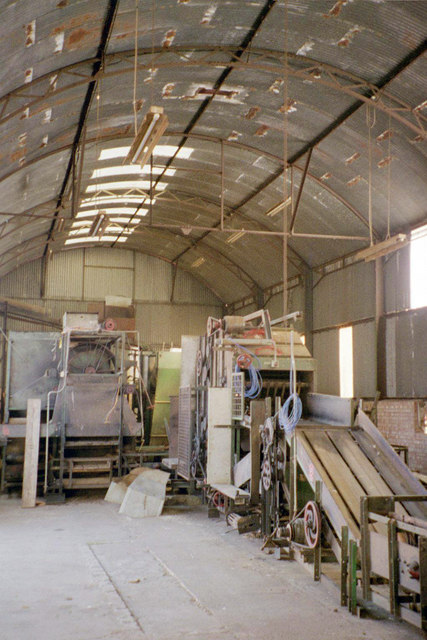
Early mechanical pickers were widely expected to fail, because stripping a delicate flower off a bine without destroying it looked like something only hands could do.
They worked, and within about fifteen years hand picking had essentially ended. The transition was faster than almost anybody in the industry predicted, and the reason was not that the machines picked better – they did not, initially – but that they picked adequately without requiring several hundred people to be housed, fed and managed for a month.
16. The Huts Are Still There in the Hedges
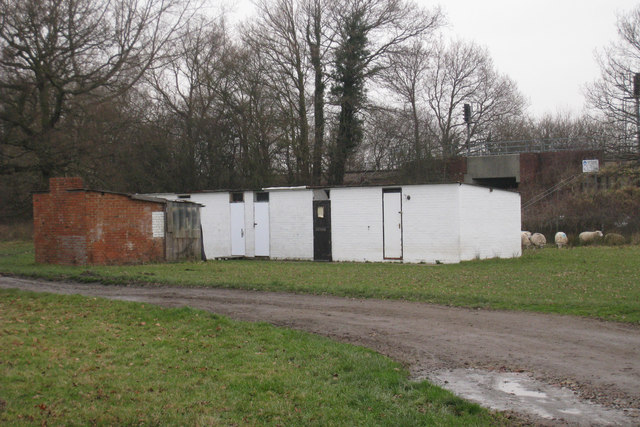
When the pickers stopped coming, the hut rows were left standing, and a great many of them simply stayed where they were at the edges of fields.
Some have been demolished, some converted into stores or holiday accommodation, and a surprising number are still standing empty with their doorways and chimney stacks intact. They are the physical remains of the last mass seasonal migration in the country, they are almost entirely unmarked, and the families who stayed in them hold annual reunions that are still going.
Two True Things That Do Not Fit Together
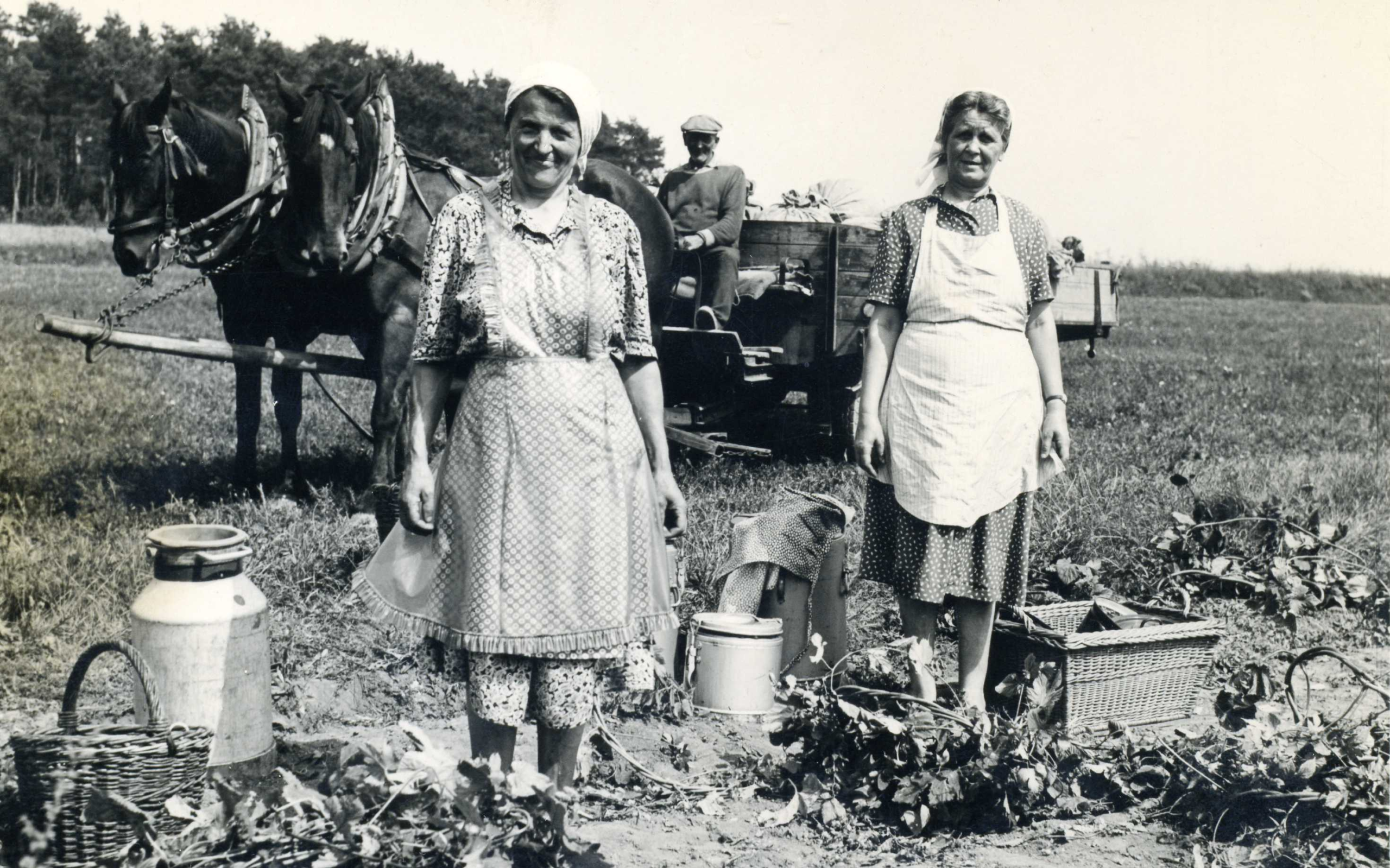
The difficulty with hop picking is that the two honest accounts of it contradict each other, and both are correct.
The first account is the documentary one. Several hundred people per farm, housed one family to a room in unheated huts with a standpipe and an outside fire. Payment by volume, at a rate the farm could change mid-harvest. Children working because the family’s earnings depended on the number of hands. Sulphur burned in the kilns. Hands stained for weeks, and in some towns that stain used as grounds to refuse service.
The second account is the one you get from the people who were there. It was the best month of the year. It was the only time the family left the city. It was fires and singing and other children and being outdoors and a sense of the whole street having moved somewhere else together.
Neither account is sentimental distortion. The conditions really were below anything now permitted, and the experience really was the high point of the year – because the comparison was not a modern standard of living, it was a terraced house in an industrial city, and against that comparison a month in a field was genuinely a release.
That is worth holding onto when reading about any of this kind of work. The conditions can be indefensible and the memories can be fond, and the explanation is not that people were mistaken about their own lives. It is that they were comparing it to something we have forgotten to include in the picture.
If your family went hop picking, you may still know which farm and which hut.
The reunions are still happening, and the huts are still in the hedges.
Like our content? Follow us for more.