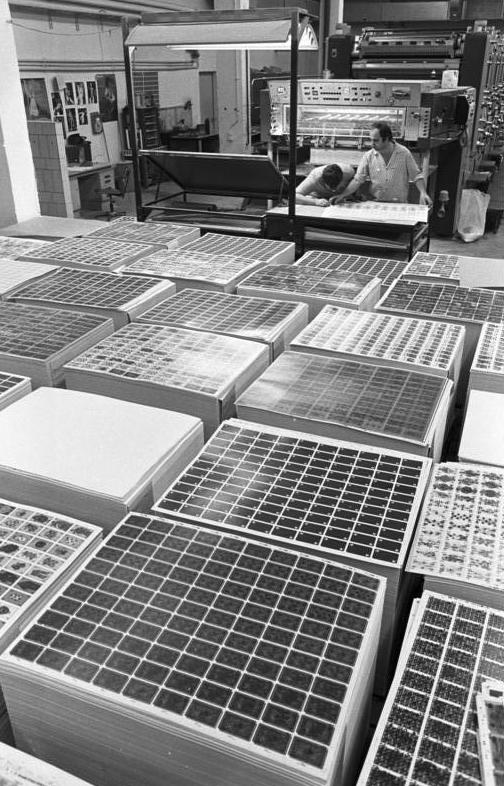
In 1960 a playing card was two layers of paper laminated with a black core so that no light could pass through it, cut with the paper grain running the same way on every card, printed one colour at a time with registration measured in fractions of a millimetre.
The finish was embossed between rollers so the cards would slide over each other. The corners were rounded in a separate operation. The best packs had their edges gilded by hand. And somebody looked at every single card.
Here are seventeen things that were ordinary in a playing card factory in 1960, and what became of each one.
1. The Card Was Two Sheets of Paper Glued Back to Back With Black in Between
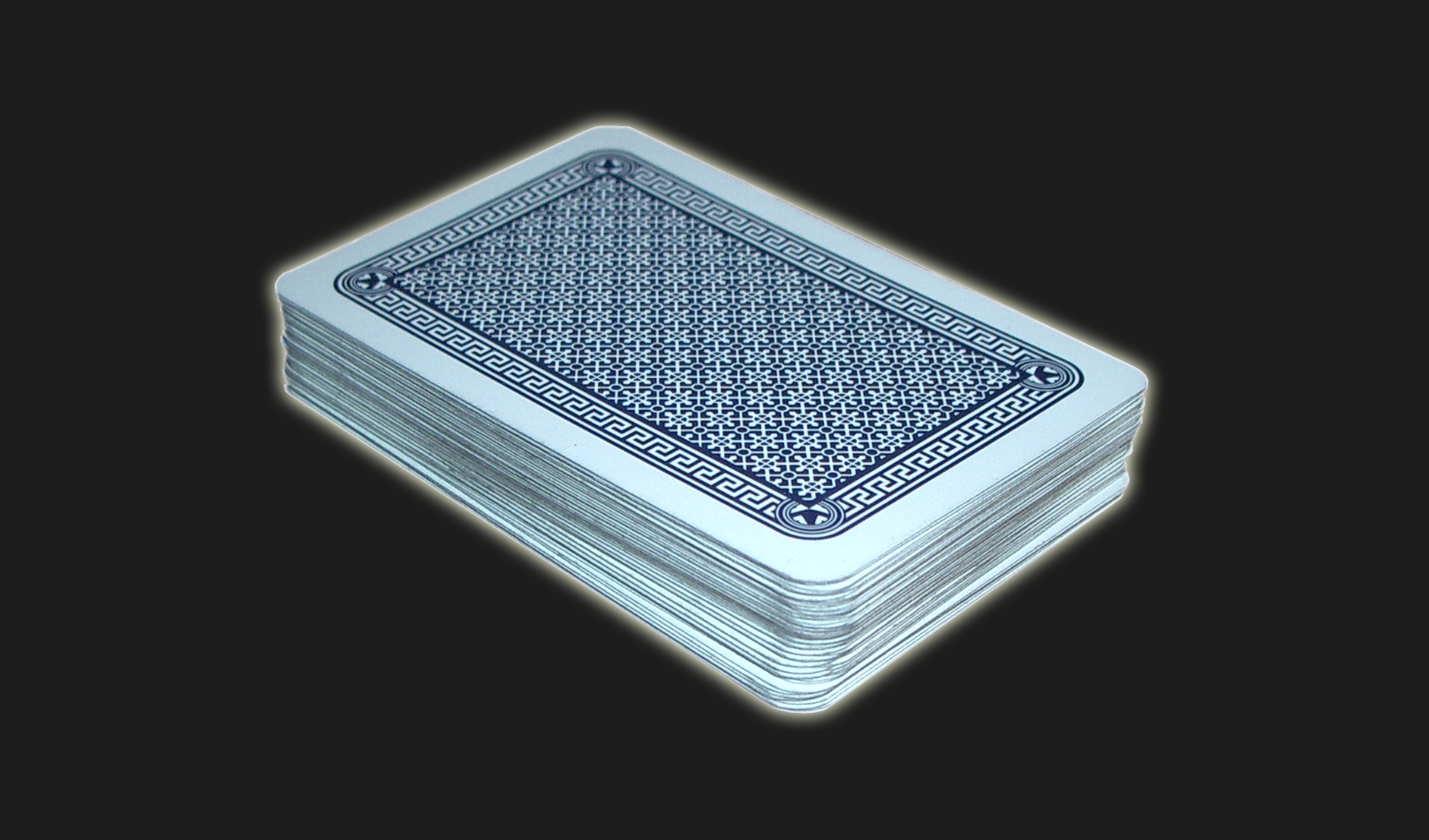
A playing card is not card. It is two layers of paper laminated with adhesive, with a thin layer of black or dark paste between them, and the black layer exists solely so that no light passes through.
Still exactly how a quality card is made. The opaque core is the whole reason a card cannot be read from the back under a strong light, and a single-ply card held up to a lamp shows its face through – which is why no serious card has ever been made from one sheet.
Like our content? Follow us for more.
2. The Grain of the Paper Decided Which Way the Card Bent

Paper has a direction, and cards were cut so that the grain ran the same way on every card in a pack – because a pack of cards whose grain runs inconsistently bends unevenly, shuffles badly and wears differently.
Unchanged and still specified. Grain direction is also why a card bends more easily one way than the other, why a dealt card lands flat or flutters, and why an old pack develops a curve in a consistent direction rather than at random.
3. The Printing Was Done in Several Passes and Had to Register Exactly
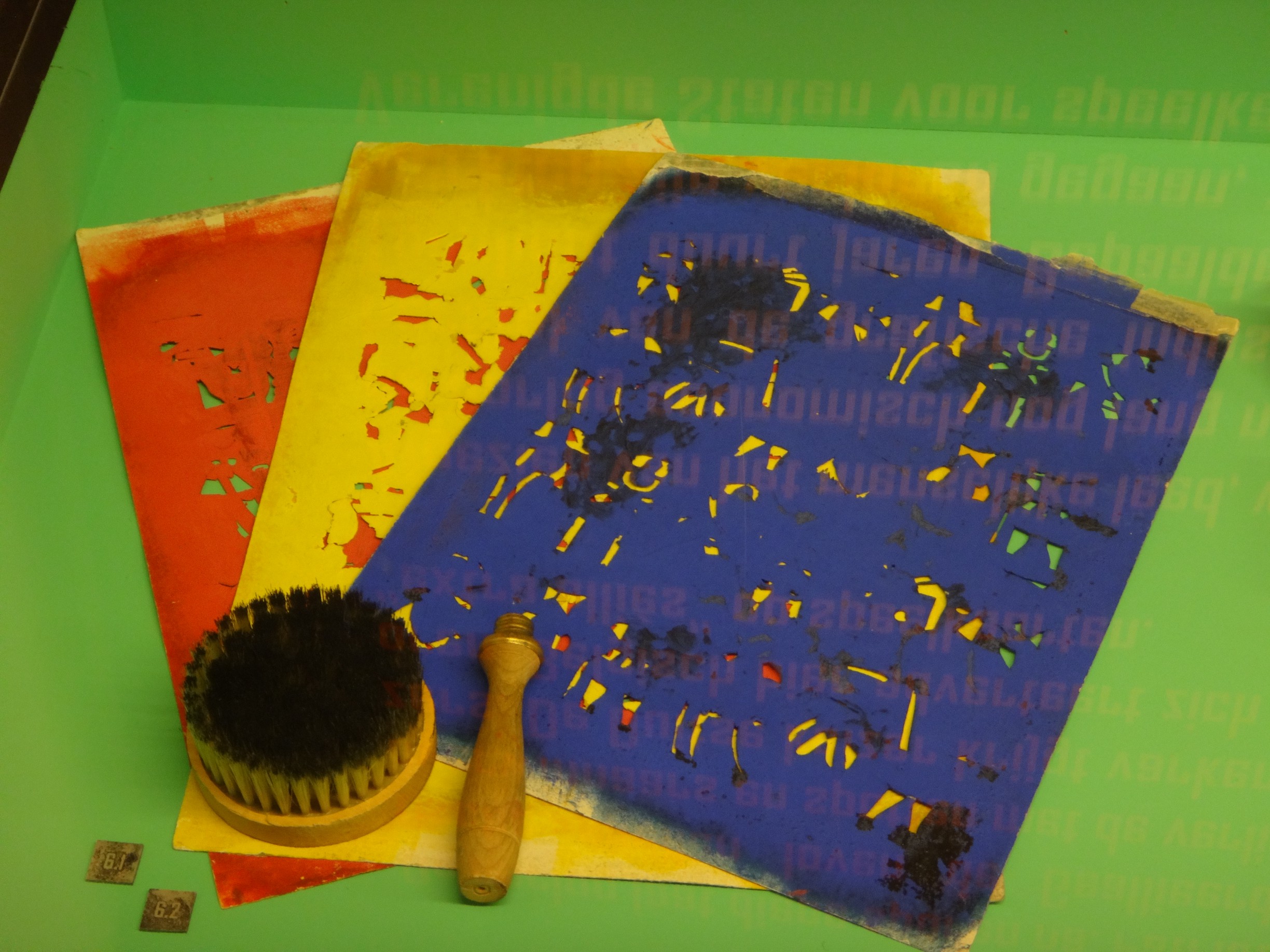
Each colour was printed separately, so a card went through the press once per colour, and the sheets had to align to within a fraction of a millimetre or the red and the black would not sit together.
Modern multi-colour presses lay everything down in one pass with automatic registration. Misregistration on period cards is visible if you look – a faint red halo beside a black line – and it is the quickest way to tell a cheaply printed pack of that era from a good one.
4. The Backs Were Designed So Nothing Gave the Card Away
A card back pattern has to be symmetrical in both directions, so that a card gives no information about which way up it is, and it has to have a white border, so that a card whose edge is slightly damaged does not become identifiable.
Both conventions are still followed and the white border is now also a manufacturing tolerance. A back design that is not symmetrical can be read by somebody who notices which way the pattern runs, and a borderless back means every cut variation shows as a different-width edge of pattern – which makes individual cards distinguishable from behind.
5. The Finish Was Applied and Embossed and It Was the Expensive Part
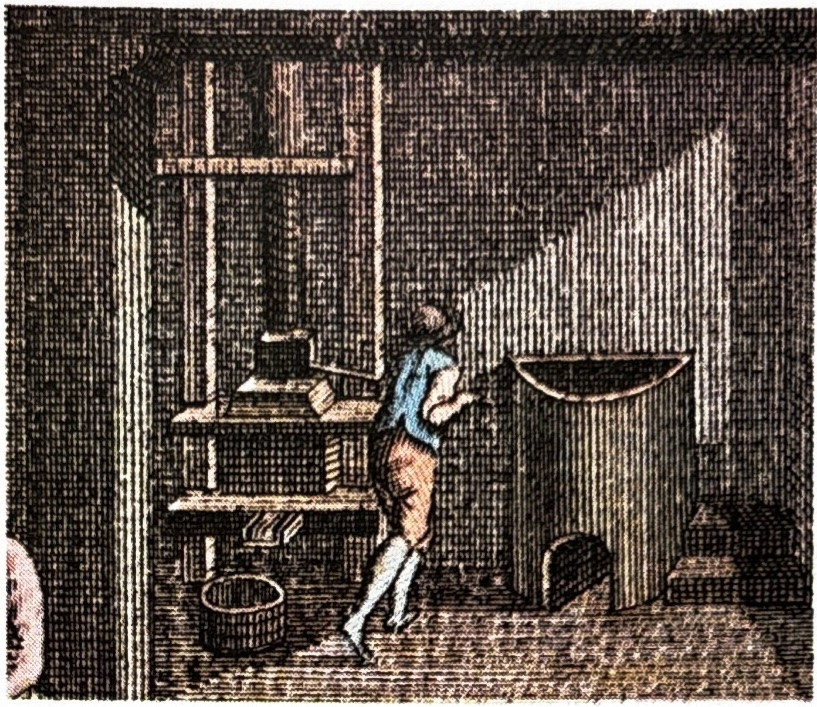
Cards were coated and then passed between rollers that pressed a fine texture into the surface, which reduces the contact area between two cards and is what allows a pack to be shuffled rather than sticking together.
Still done and still the difference between a good pack and a bad one. The embossing is why cards slide over each other, why a cheap smooth pack becomes unusable when slightly damp, and why a pack that has lost its finish feels sticky long before it looks worn.
6. Every Card Was Cut Out Individually and the Corners Were Rounded Separately
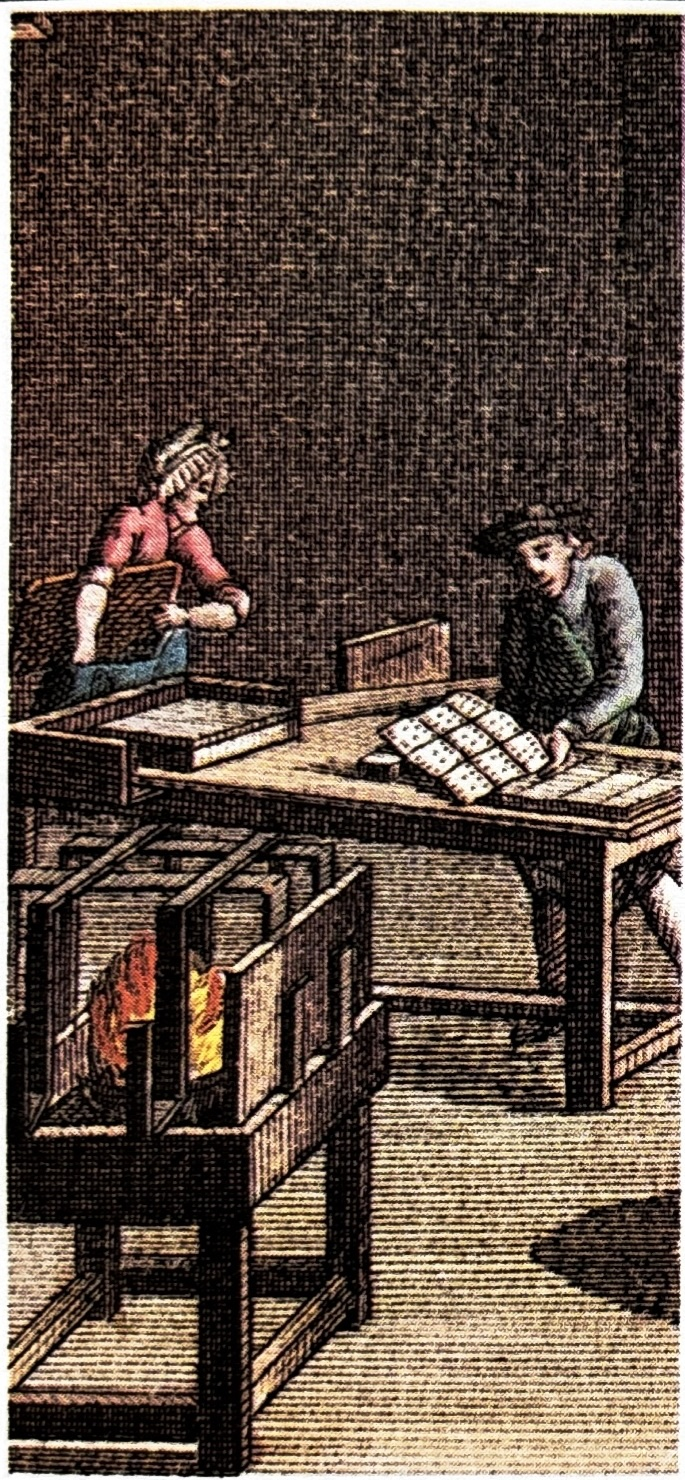
Printed sheets were cut into individual cards and then the corners were rounded in a separate operation on a machine that cut all four at once, because a square corner bends over, splits and marks the card permanently.
Automated cutting handles both operations. The rounded corner is one of those features so universal it looks inevitable, and square-cornered cards were normal before it – they wore out at the corners within a few games and the wear made them identifiable.
7. The Pack Was Sorted and Checked by Hand by Somebody Who Looked at Every Card
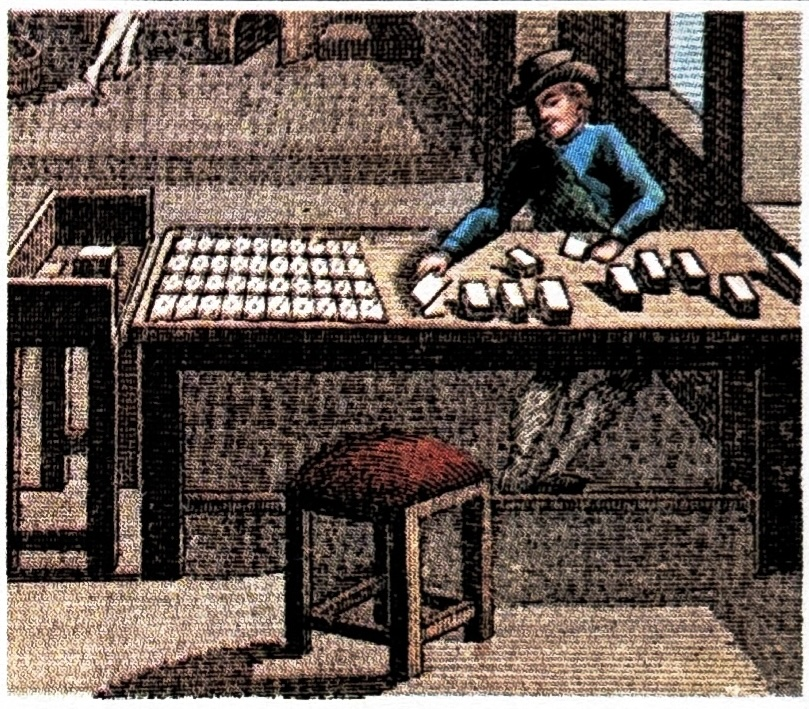
Completed packs were assembled, counted, and inspected – every card examined for print faults, damage, missing pips and misaligned backs, by people doing nothing else.
Automated optical inspection does it now, and the stakes explain why it was ever worth a person. A pack with a fault is not merely imperfect: a card with a distinguishable mark is a marked card, and a single defective pack reaching a casino or a club is a reputational problem out of all proportion to its value.
8. The Gaming Trade Had Its Own Specification and Its Own Paranoia
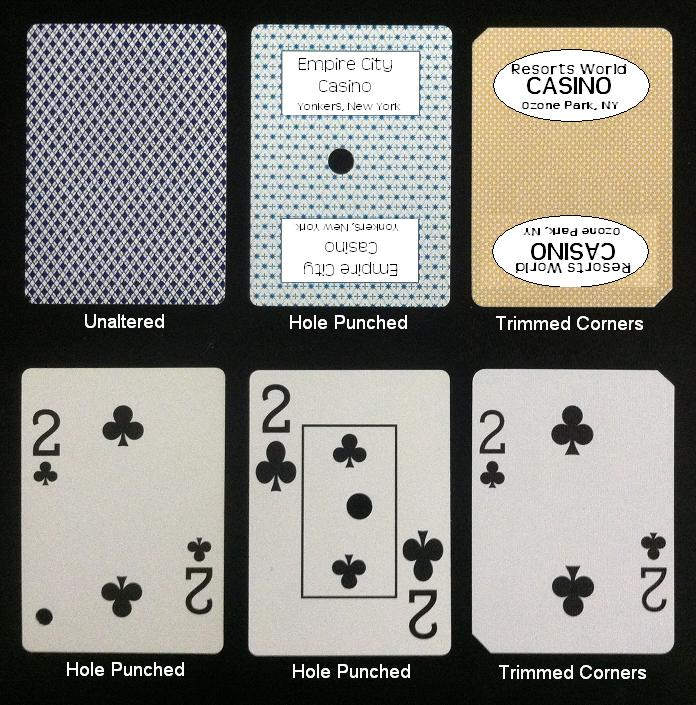
Cards for gambling establishments were made to tighter tolerances, were frequently printed with coded information identifying the batch, and the handling, storage and destruction of them was controlled.
Those controls have tightened considerably, with sealed packaging, tamper evidence, barcode tracking and documented destruction after use. The industry’s problem is unusual: it is manufacturing an object whose entire value depends on being indistinguishable from its siblings, for a customer who assumes somebody is trying to cheat them.
9. The Edges Were Gilded by Hand on the Best Packs
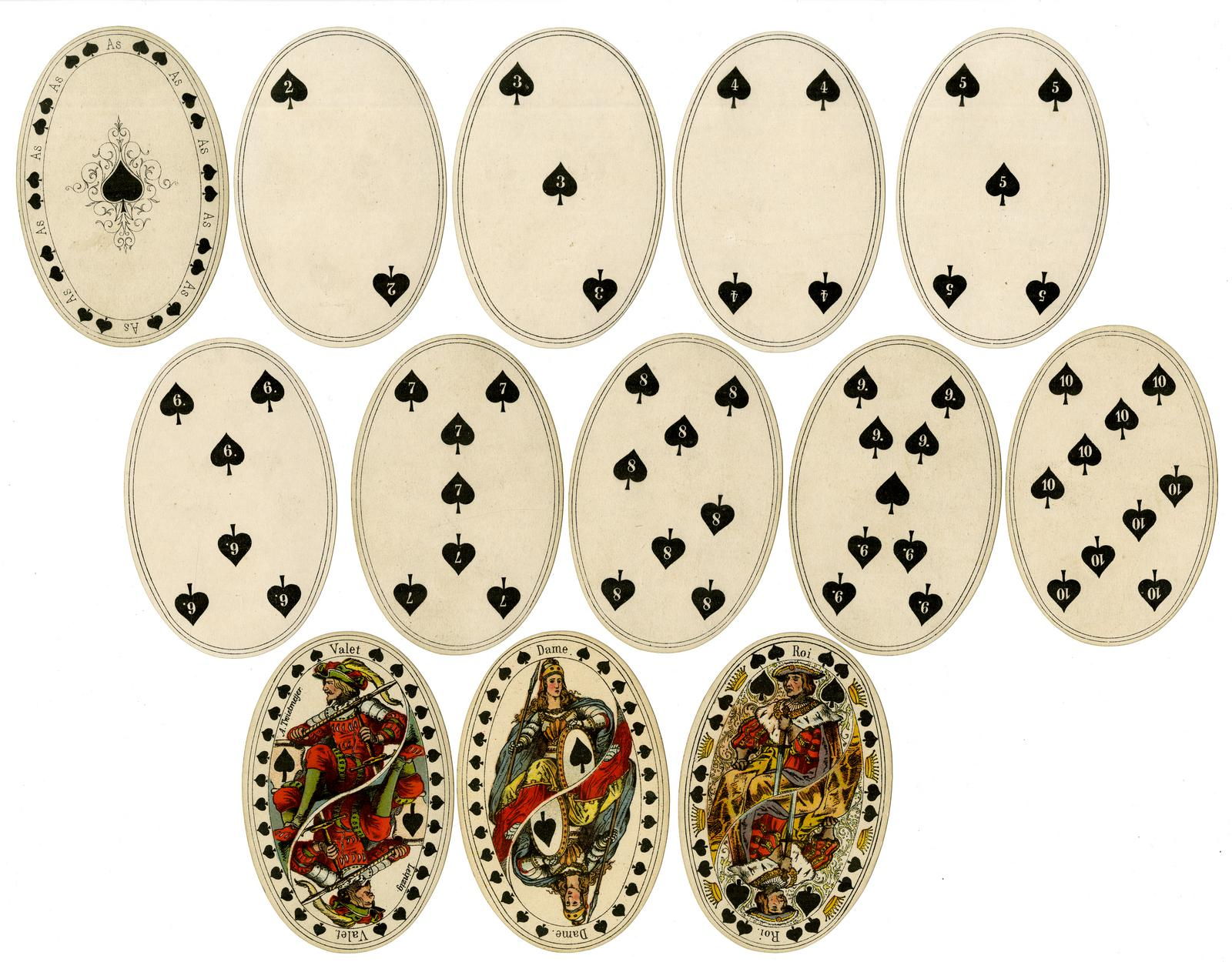
Premium and presentation packs had their edges gilded – gold or silver leaf applied to the cut edges of the assembled block – by hand, as a finishing operation.
Gilt edges are still produced for premium and collectors’ packs. The gilding was functional as well as decorative on a boxed pack, because a sealed gilt block shows immediately if individual cards have been removed and replaced – the edge pattern no longer lines up.
10. The Factory Also Made the Box and the Box Mattered
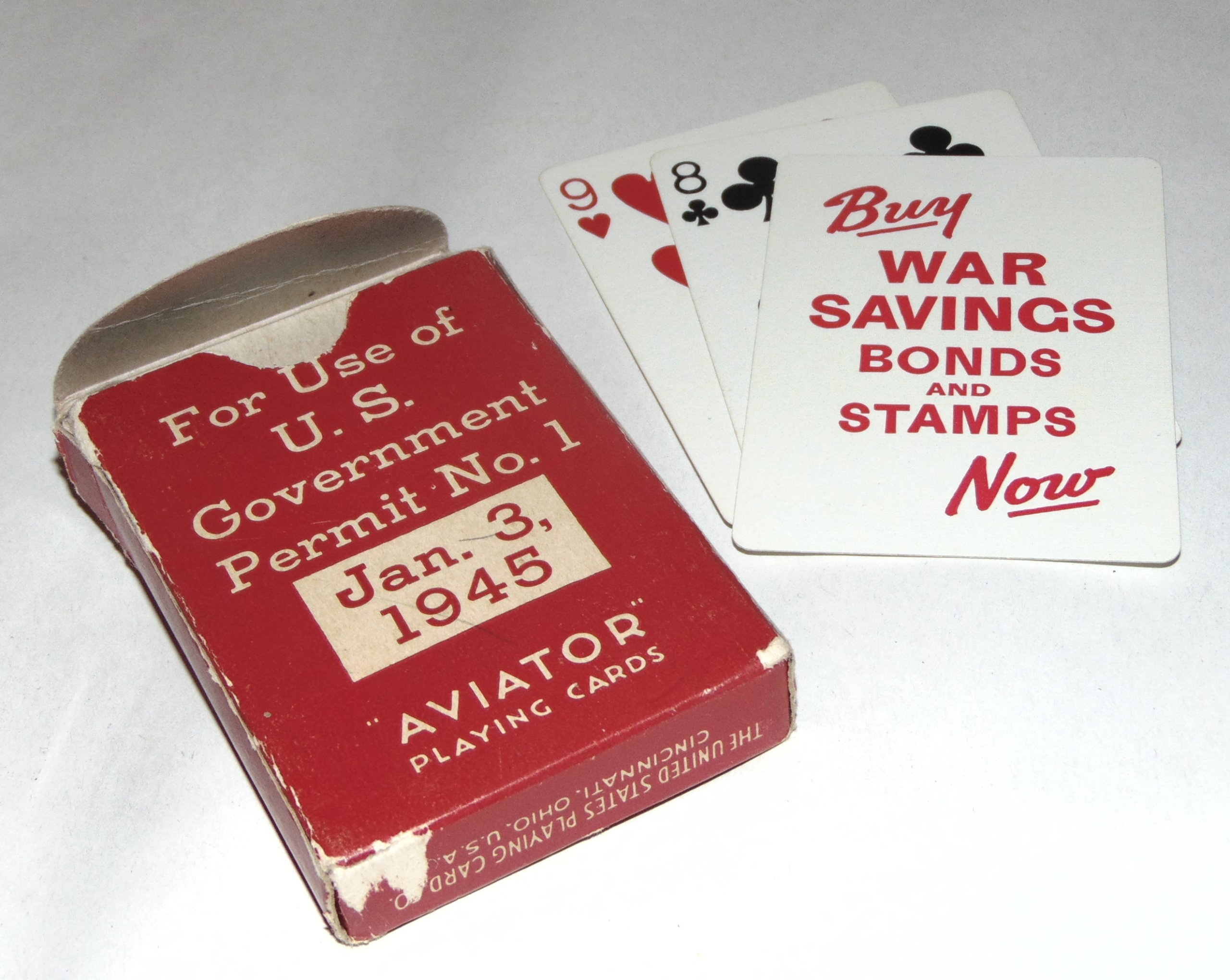
The tuck box was printed, cut, creased and glued in the same building, and its fit was a specification – tight enough to hold the cards without them falling out, loose enough to get them out without bending them.
Automated box making and shrink wrapping replaced it. The box is the reason most packs survive at all, and the tax or duty stamp that sealed it on packs of various periods is now the thing collectors use to date them.
11. Nobody Was Expected to Keep a Pack Very Long
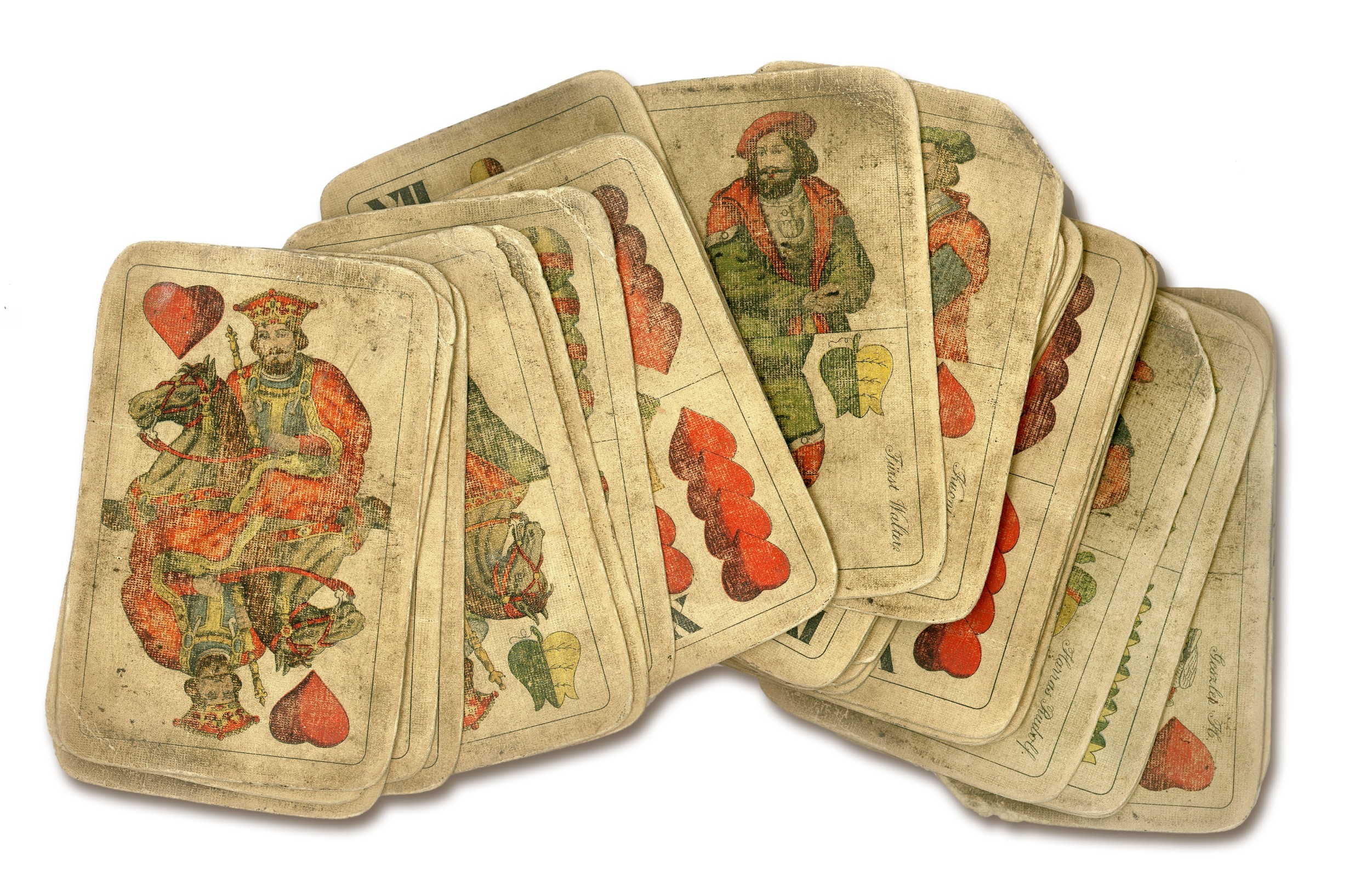
Cards wear. The finish rubs off, the corners soften, the edges fray, and a pack in regular use becomes unfit within months because worn cards become identifiable.
Unchanged, and the wear is the point rather than a defect. A pack that has been played with is a pack in which individual cards can be told apart, which is why serious play uses new packs and why the replacement market has always been the business – cards are a consumable disguised as an object.
12. The Trade Was Concentrated in a Few Firms and Was Secretive

Playing card manufacture was dominated by a small number of long-established firms, with their own paper specifications, finishes and designs, and considerable secrecy about all three.
Consolidation reduced the number further and the secrecy persists, because the finish and the stock are what distinguish a premium pack and are not patentable in any useful way. It is the same position as the chocolate formulation – protected by not telling anybody rather than by any legal mechanism.
13. Nobody Thought the Pack Would Become a Collectable
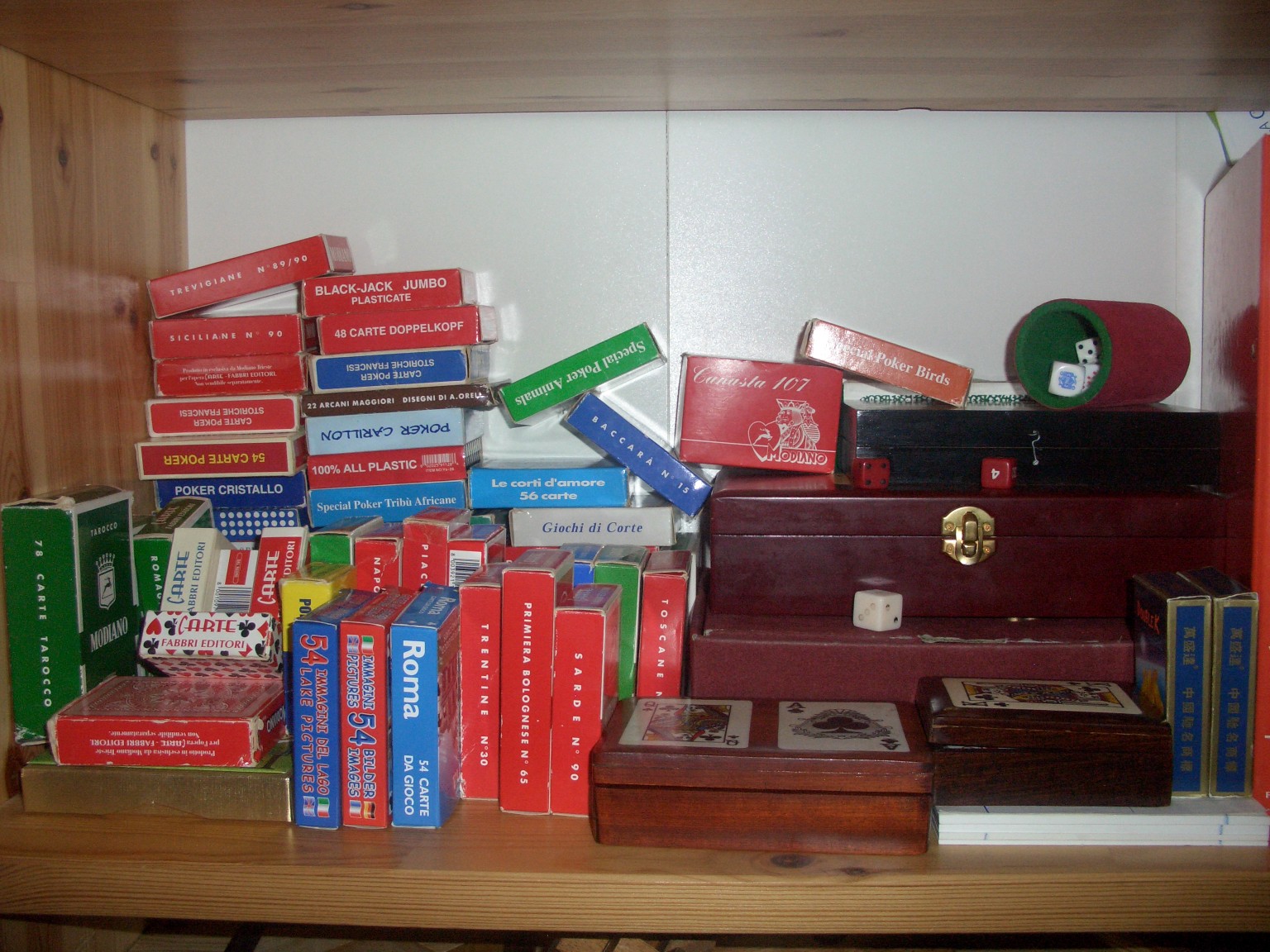
A pack of cards was a cheap consumable sold to be used up and thrown away.
Period packs, particularly complete with box and duty stamp, are now collected, and the designs of this era are reproduced deliberately. The survival rate is low precisely because they were consumables, which is what created the value – and the packs that survived are overwhelmingly the ones somebody never got round to opening.
14. The Design Became Frozen and Nobody Can Change It
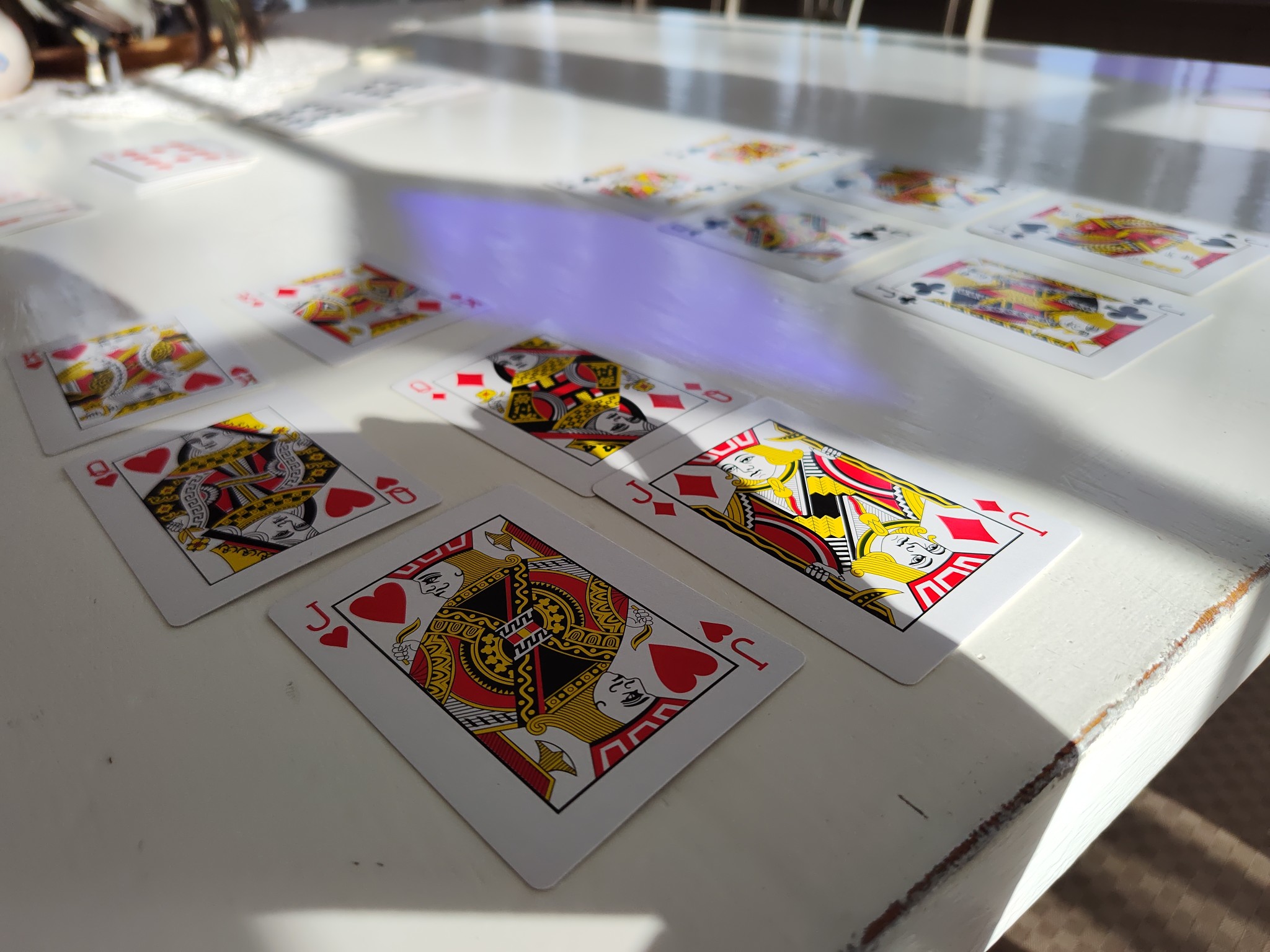
The court cards, the pip layouts, the proportions and the conventions were already centuries old and settled by 1960, and a manufacturer who altered them found that customers rejected the result.
Still true. Attempts at redesigning the standard pack have been made repeatedly and have consistently failed in the mass market, because the pack is read at speed by people who have memorised it, and any change makes a familiar object slower to use. Novelty packs sell as novelties and the standard design is unaltered.
15. The Machines Were Built for This and Nothing Else
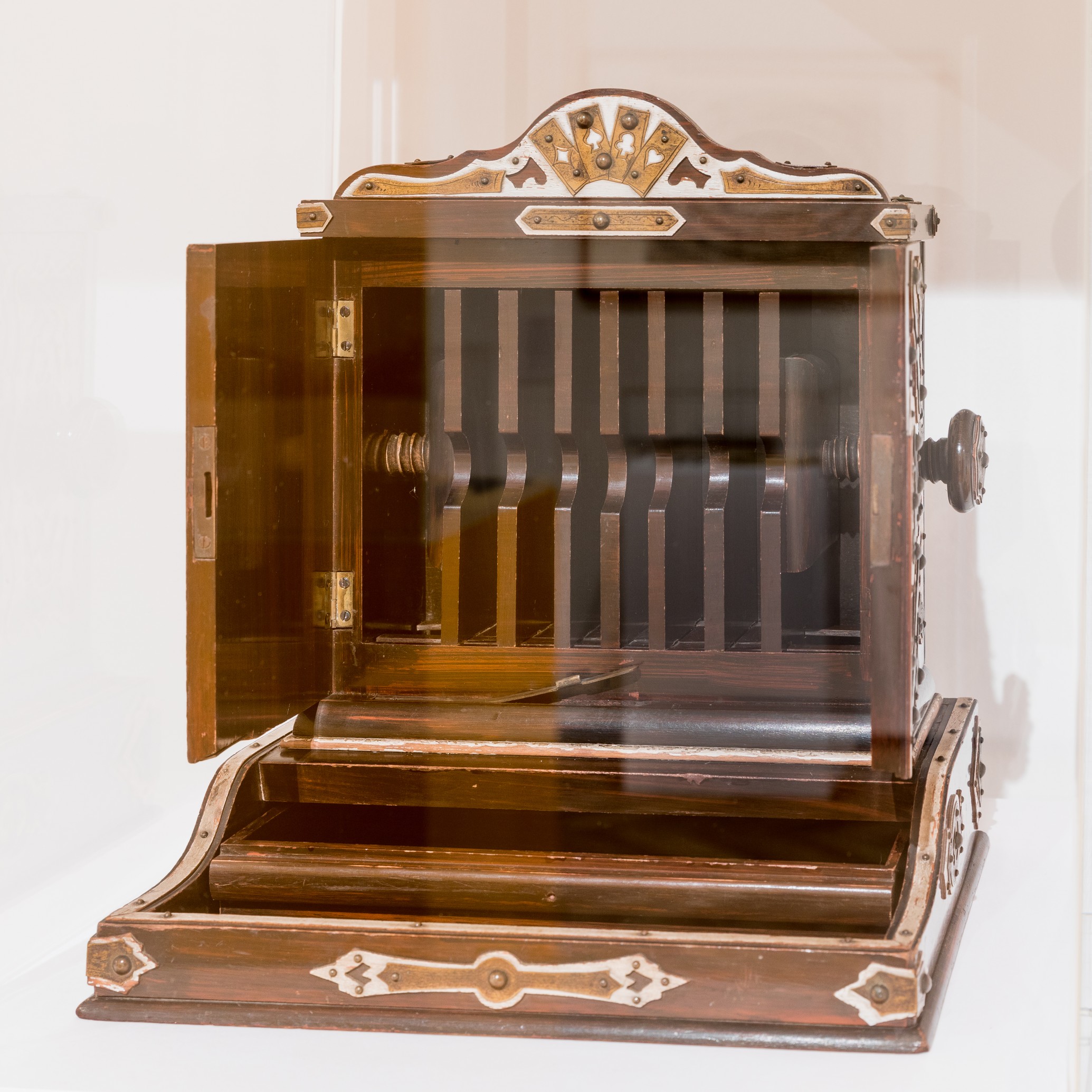
Card manufacture required purpose-built equipment – laminating, finishing, embossing, cutting, corner rounding and collating machines made for playing cards specifically.
Modern equipment is similar in principle and the specialisation is unchanged. A card factory cannot be repurposed and nothing else can make cards, which is a substantial barrier to entry and the main reason the trade remained in so few hands.
16. The Product Has to Be Identical and That Is the Whole Difficulty
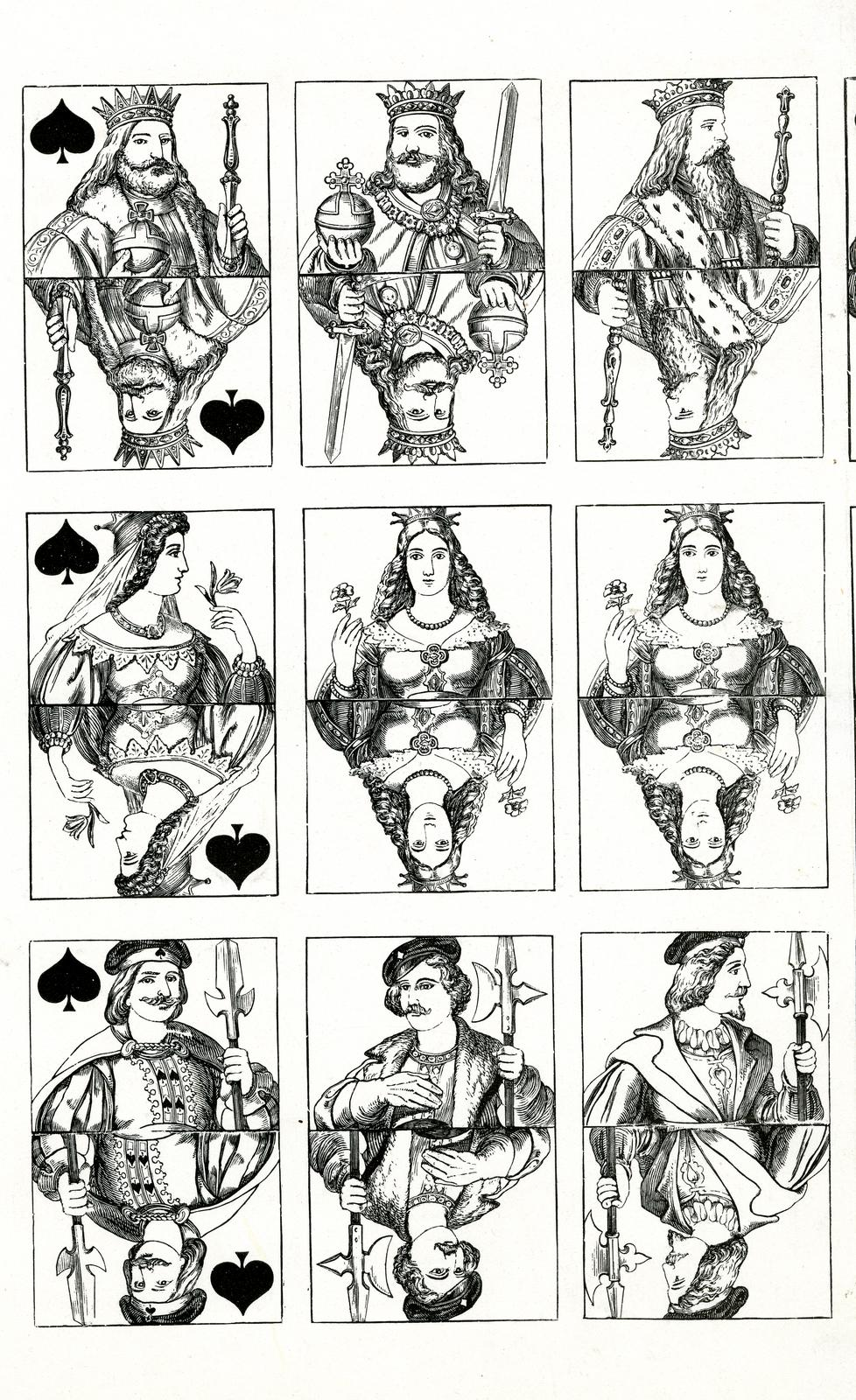
Every other manufacturer in this series was trying to make a product that was good. A card maker is trying to make fifty-two objects that are good and indistinguishable from each other.
Which is a genuinely different and harder specification, and it is unchanged. A card that is marginally thicker, marginally differently cut or marginally differently printed is a defective card not because it is bad but because it is identifiable – and a pack is only as good as its most distinctive member.
17. The Packs Are Still Being Made the Same Way
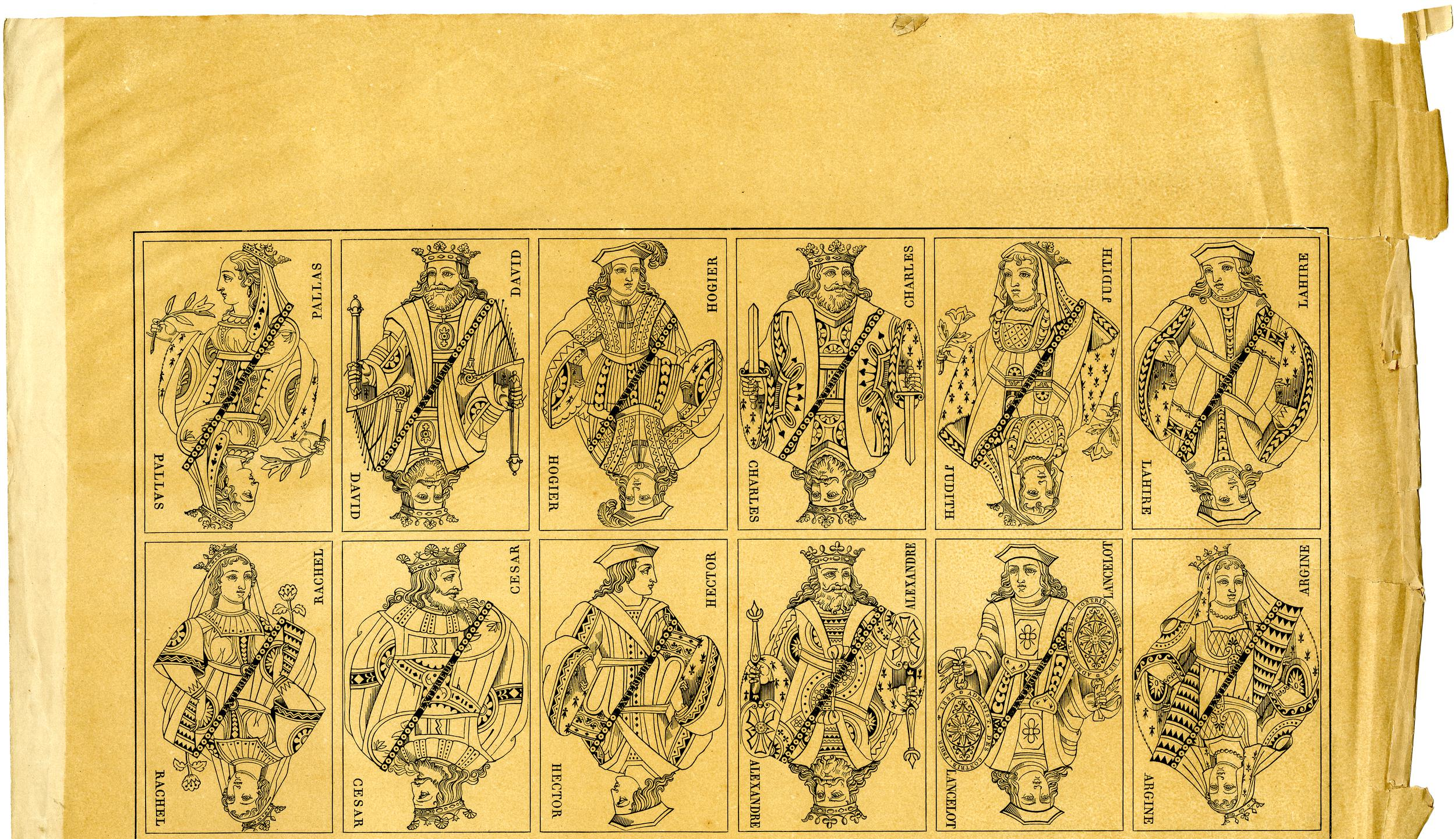
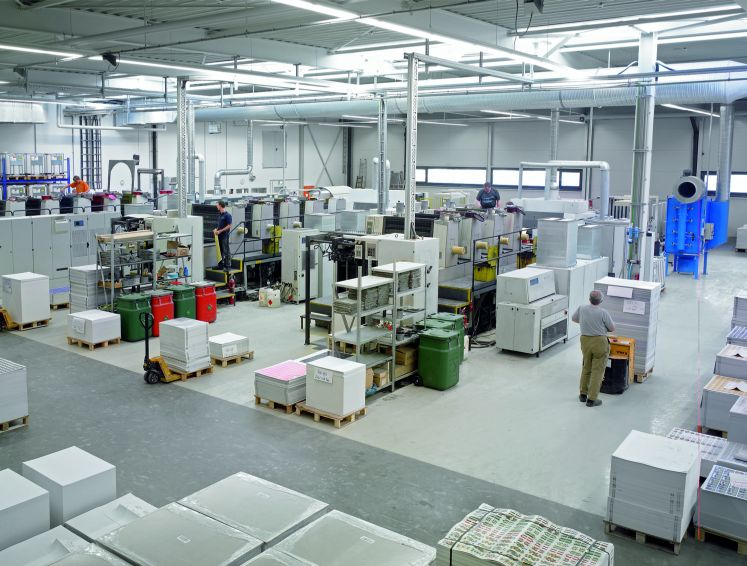
Lamination with an opaque core, controlled grain, registered printing, embossed finish, rounded corners and hand-checked assembly.
All of it still happens, with better machinery, because the requirements have not changed in any respect. It is one of the few trades in this series where a 1960 specification is still the specification – the cards in a drawer today are made to the same description, for the same reasons, against the same adversary, which is somebody looking at the back of a card and trying to work out what is on the front.
Making Fifty-Two Things That Nobody Can Tell Apart
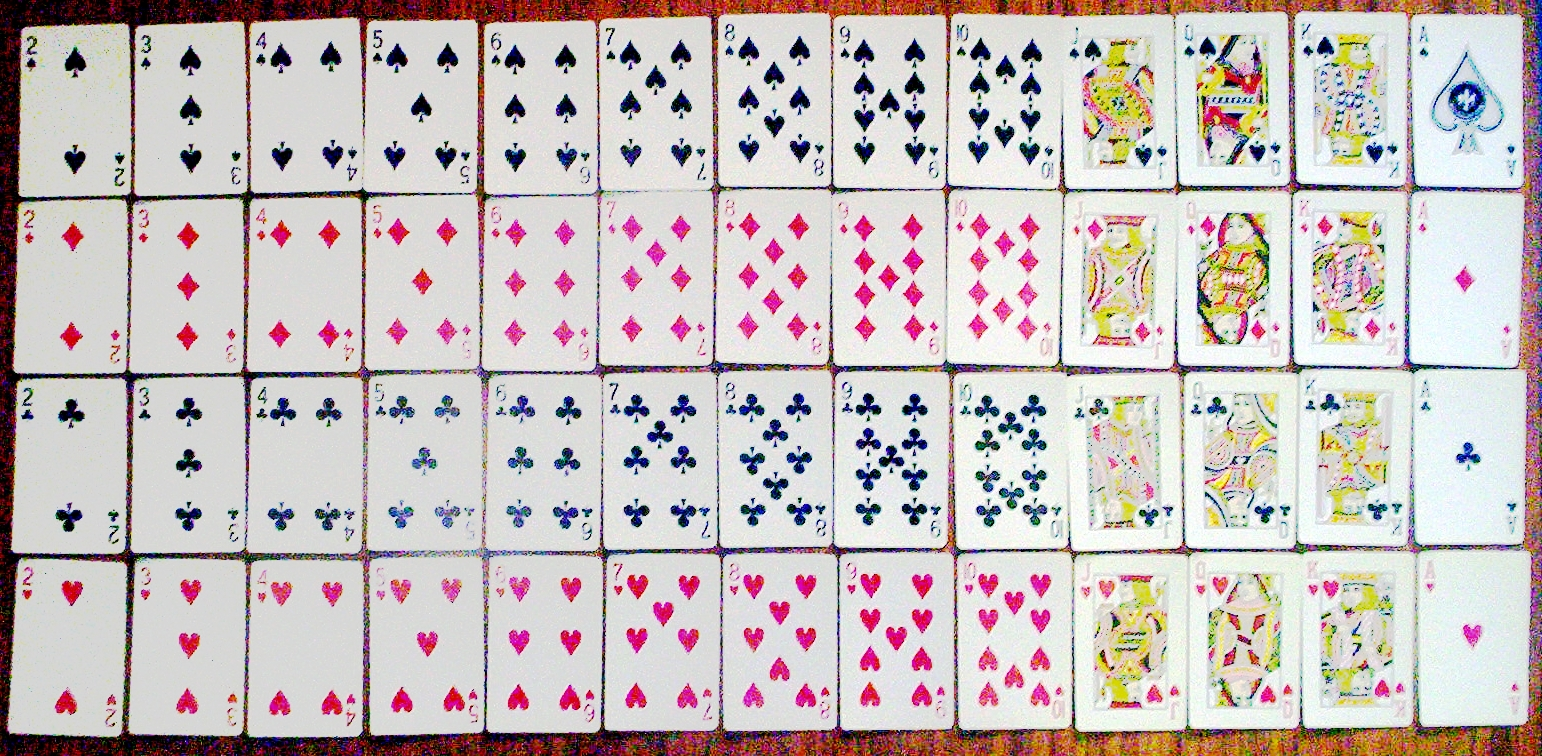
This trade has a specification unlike anything else in this series, and it is worth stating plainly because it inverts the usual idea of manufacturing quality.
Every other maker in these pieces was trying to produce a good object. A card maker is trying to produce fifty-two objects that are each good and – this is the whole point – indistinguishable from one another from behind.
That changes what a defect is. A card that is a fraction of a millimetre thicker than its neighbours is not a slightly worse card – it is a marked card, because it can be found in a shuffled pack by touch. A back whose pattern sits a hair off centre is a marked card. A corner rounded slightly differently, a spot of ink, a scuff on the finish, a cut edge showing a different width of border: every one of those is a card that can be identified without seeing its face.
So the entire production process is organised around uniformity rather than around excellence, and the inspection is looking for difference rather than for poor quality. A pack of fifty-two mediocre but identical cards is fit for purpose. A pack of fifty-one beautiful cards and one slightly different one is worthless for any game where it matters.
That also explains the wear. A pack in use accumulates individual histories – this card got bent, that one got a drink on it – and at some point the cards become distinguishable, which means the pack is finished regardless of how well it still functions as an object.
Which makes playing cards a consumable that looks like a possession, manufactured against an adversary rather than to a standard, and judged not by how good the best card is but by how little the worst one stands out.
If you worked in a card factory you will know what the embossing rollers sounded like and what the inspectors were looking for.
And if there is an old pack in a drawer at home, hold one up to a lamp and see whether the face shows through.
Like our content? Follow us for more.