In 1960 organ pipe metal was melted and poured across a long bench to cast a sheet, planed to thickness, cut to a pattern and rolled into a pipe – and the proportion of tin to lead in that alloy was a decision about how it would sound, taken before anything was shaped.
Every pipe was then voiced individually by hand, by ear, on a bench. The instrument was voiced again after installation, because the room is part of it. The action was a train of wooden rods the player could feel. And the firm expected to maintain the thing for a century.
Here are eleven things that were ordinary for an organ builder in 1960, and what became of each one.
1. The Pipes Were Cast as Sheets on a Bed of Sand
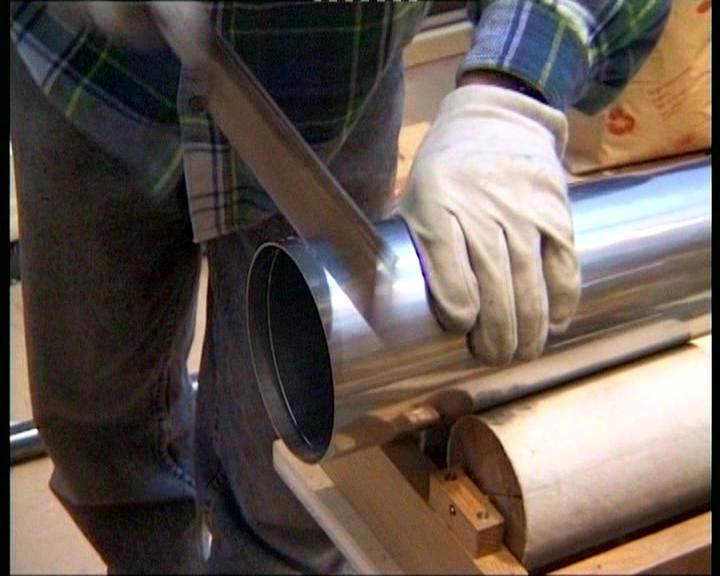
Organ pipe metal – an alloy of tin and lead – was melted and poured across a long flat casting bench covered with cloth or sand, producing a sheet which was then planed to thickness, cut to a pattern and rolled into a pipe.
Still done this way by builders making pipes in house, with rolled commercial sheet used elsewhere. The alloy proportion changes the sound – more tin is brighter and harder, more lead is warmer and softer – so the metal is a tonal decision taken before anything is shaped, which is not true of any other instrument.
Like our content? Follow us for more.
2. Every Pipe Was Voiced Individually by Hand
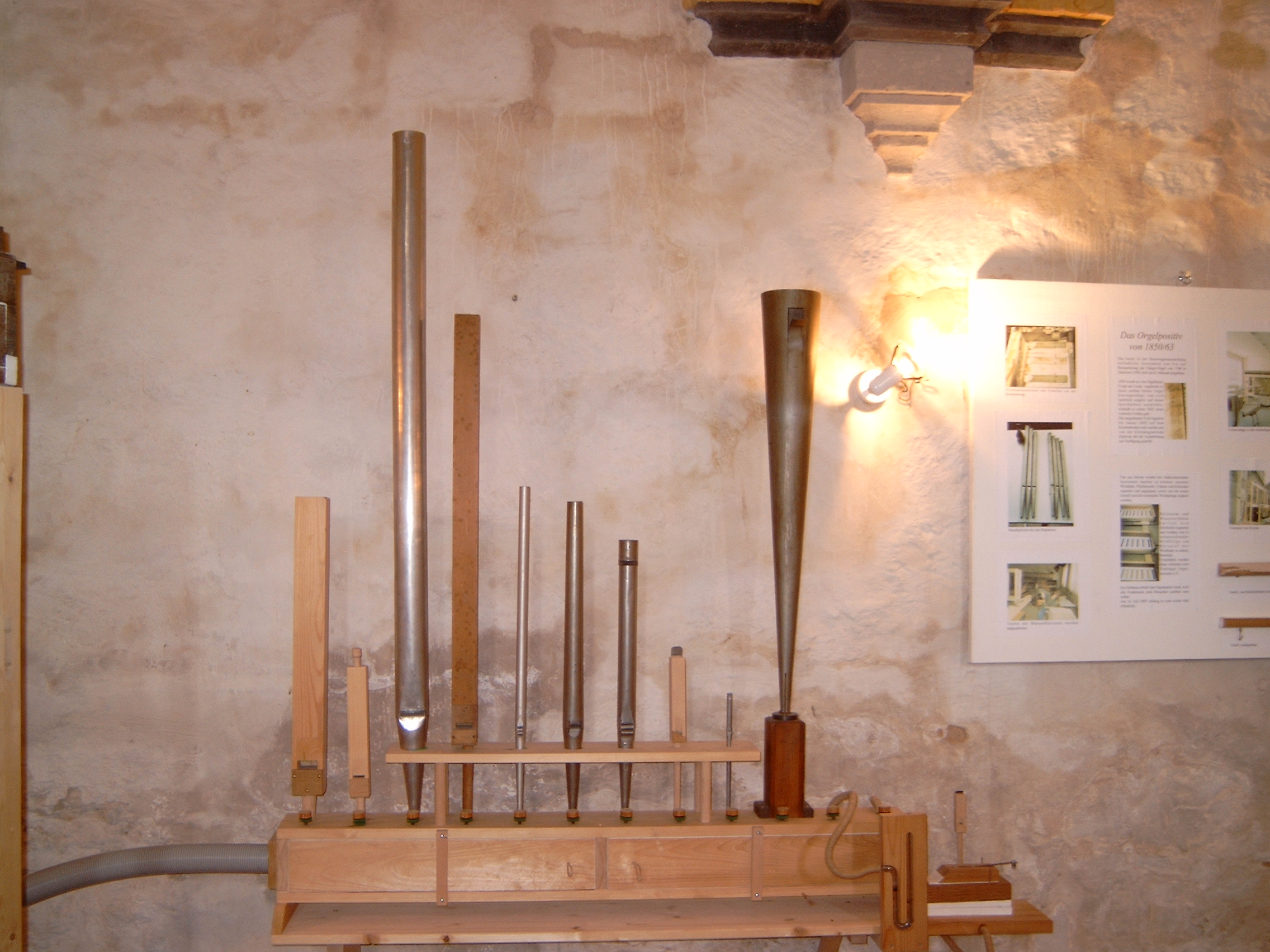
A finished pipe does not sound right. A voicer adjusts the mouth, the lip, the windway and the languid with small tools, blowing the pipe on a bench, until it speaks correctly – and then does it again for every one of the thousands in the instrument.
Unchanged and still entirely by ear. Voicing is the operation that makes an organ sound like itself, it cannot be measured into existence, and a rank of pipes voiced by one person has a coherence that the same pipes voiced by several does not.
3. The Instrument Was Voiced Again After Installation
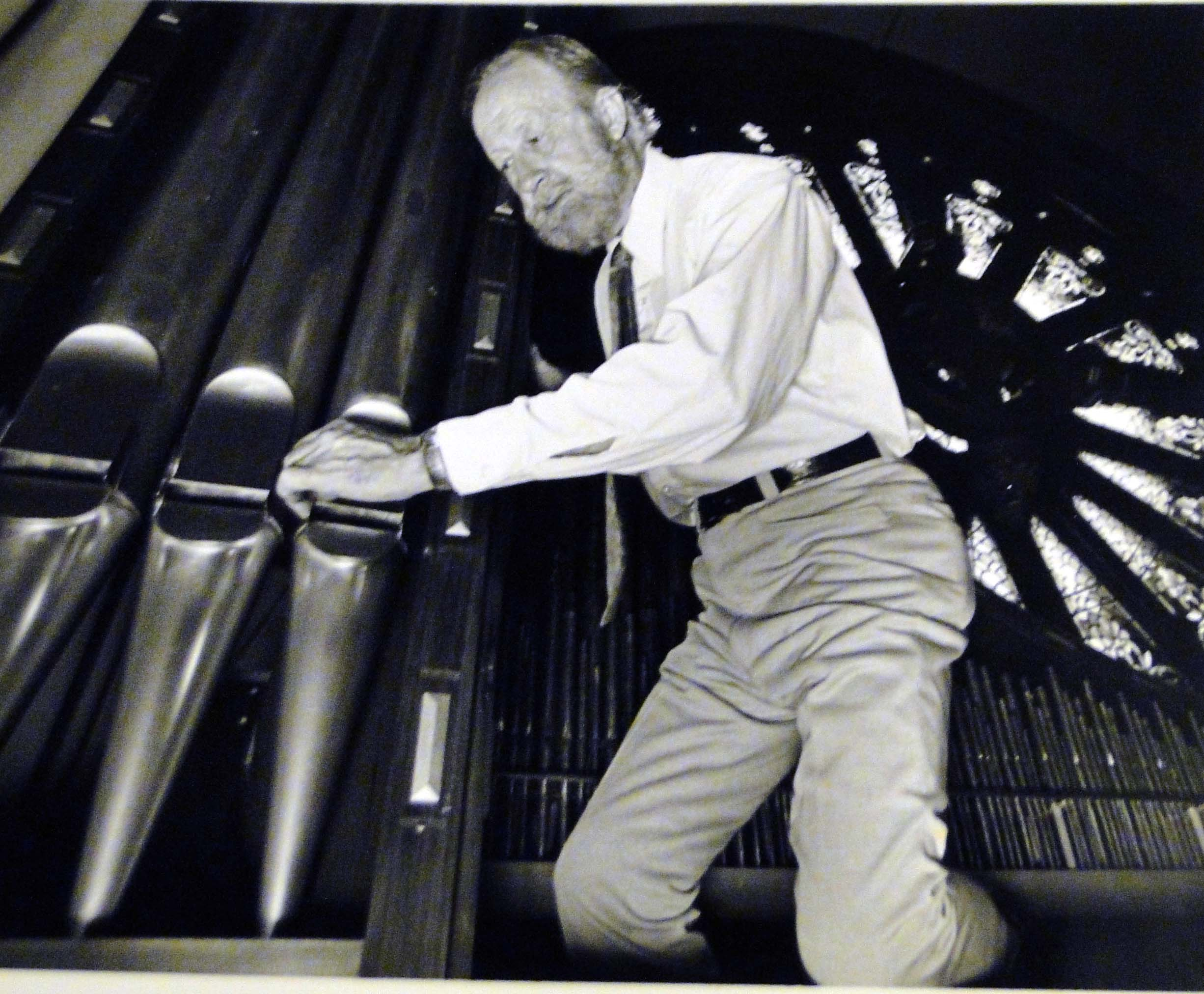
An organ is voiced on the bench and then finished in the building, because the room is part of the instrument – its size, its surfaces and its reverberation change what every pipe does.
Still essential. This is the fundamental difference between an organ and every other instrument: it is built for one room, cannot be moved without being revoiced, and an organ relocated to a different building is a different instrument that happens to be made of the same parts.
4. The Wind Was Raised by Hand Within Living Memory
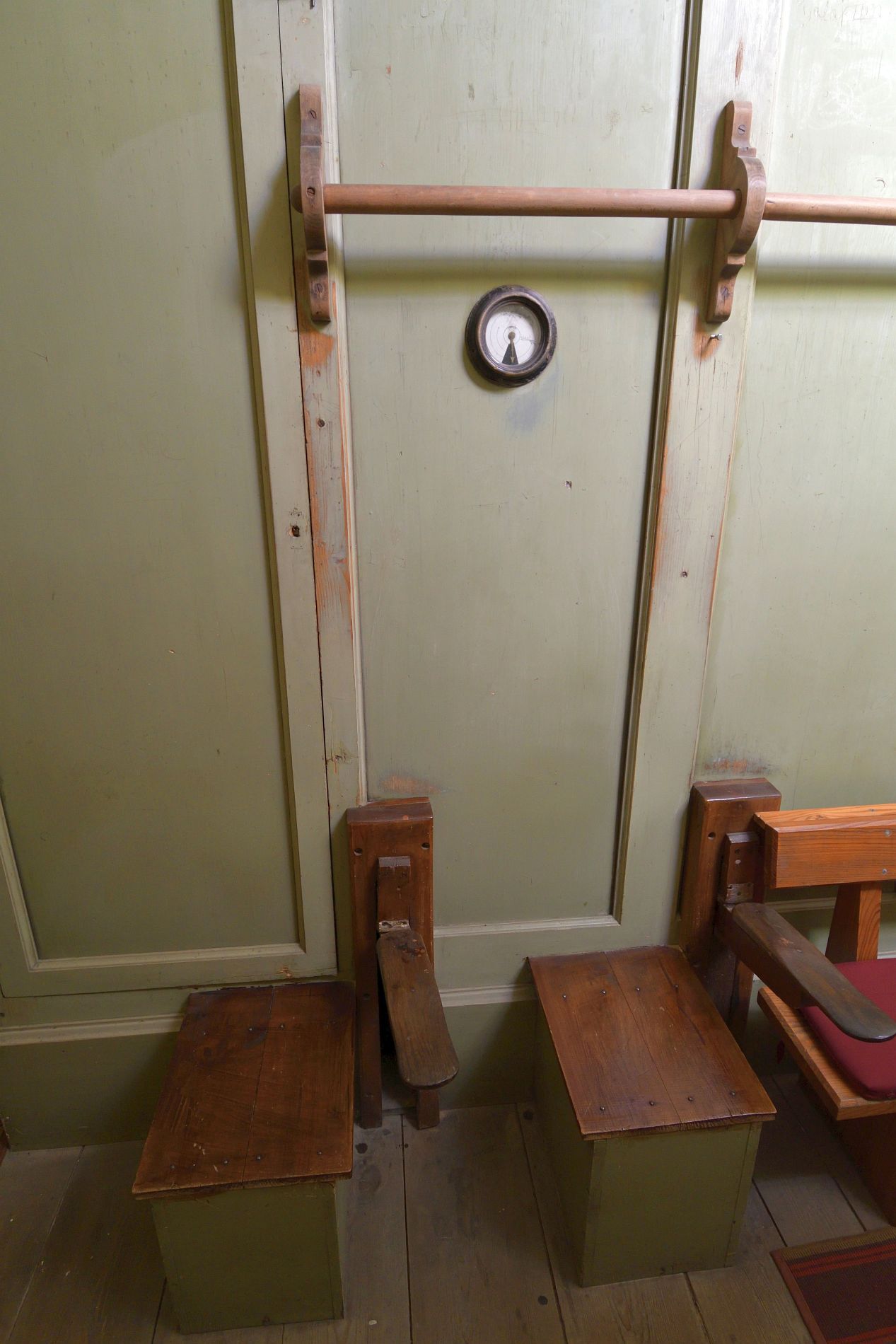
Before electric blowers, the wind came from bellows pumped by a person, and the organ blower was a job – frequently a boy, behind the instrument, out of sight, working for the length of a service.
Electric blowers made the job redundant and are now universal, with hand-blowing retained on some historic instruments. The blower’s existence is why organ music of earlier periods is written as it is – the wind supply was finite and variable, and an organist who used too much was heard to run out.
5. The Action Was Mechanical and You Could Feel the Pipe Open
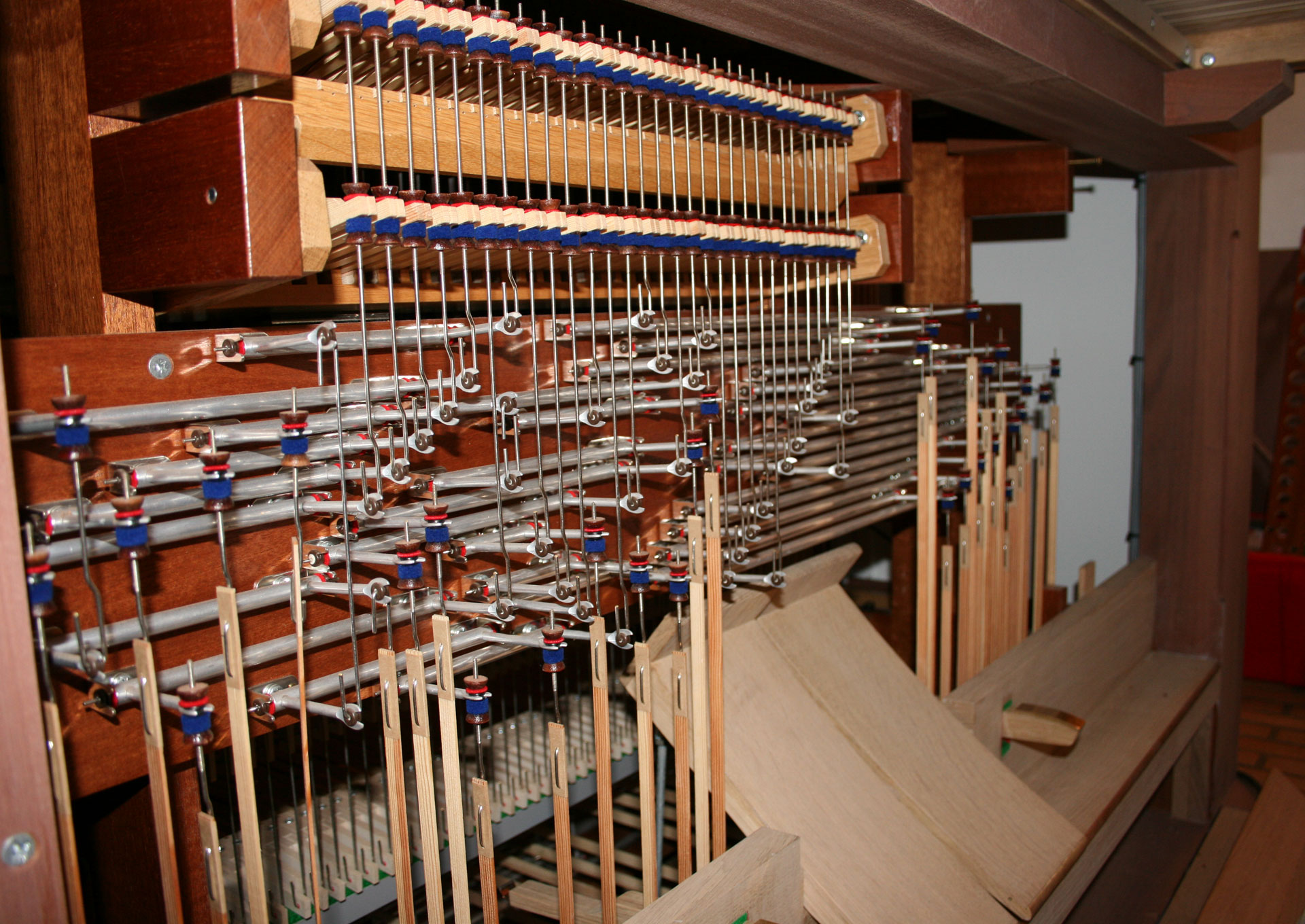
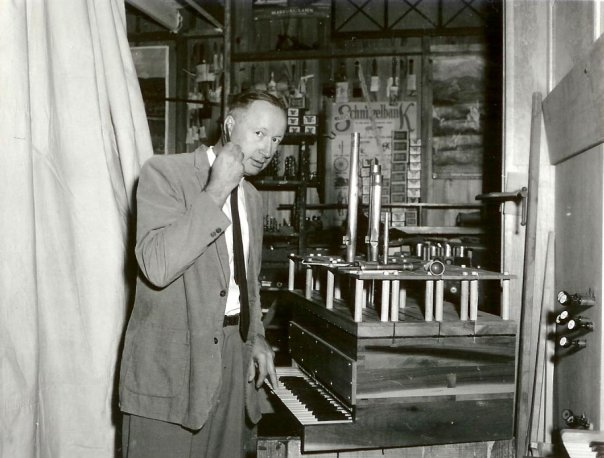
A tracker action connects each key to its pallet by a direct train of wooden rods and levers, so the player is physically opening the valve and can feel the moment it releases.
Electric and electro-pneumatic actions decouple the key from the pipe entirely, allowing consoles to be placed anywhere and instruments to be far larger. Mechanical action has had a substantial revival, because the feel of the pallet is genuine information the player uses, and that feedback disappears the moment a switch is substituted.
6. The Casework Was Made by Joiners to Match the Building
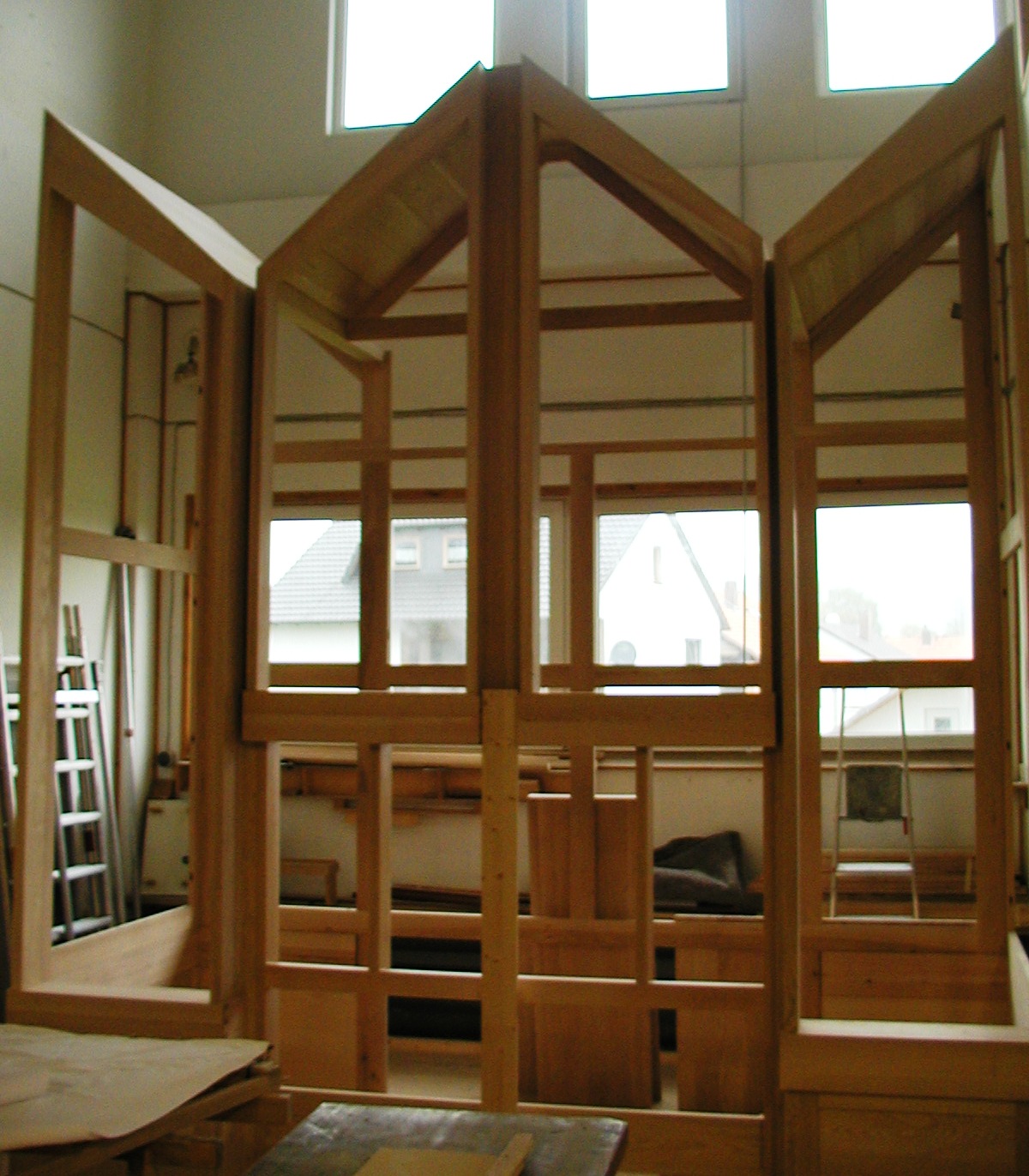
The visible case was a substantial piece of architectural joinery, designed for the specific building, made by the firm’s own joiners, and it is also acoustically functional rather than decorative.
Still made this way for new instruments. The case projects and blends the sound of the pipes inside it, which means removing a case, as was fashionable for a period, changes the instrument – a number of organs were acoustically damaged by being exposed in the name of modernism.
7. The Leather Was a Consumable With a Known Life
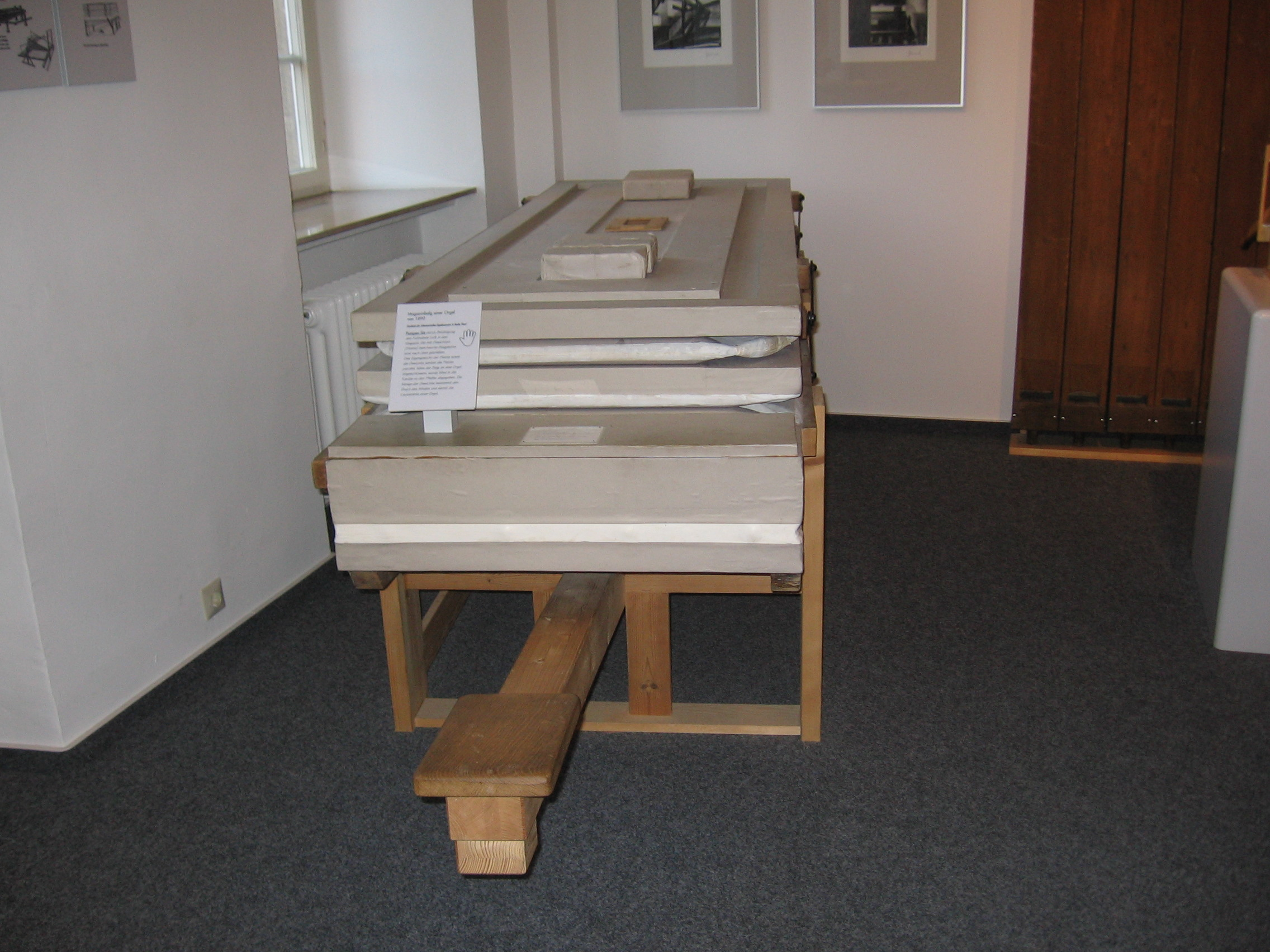
Bellows, reservoirs, pneumatic motors and pallet facings used leather, which hardens, cracks and leaks over decades, making a full releathering a predictable periodic rebuild.
Synthetic materials are used in some rebuilds and leather remains standard for most. The releathering cycle is the organ’s equivalent of a roof – a known, expensive, non-optional job arriving every several decades, and instruments are lost when an institution cannot fund one.
8. The Tuning Moved With the Temperature of the Building
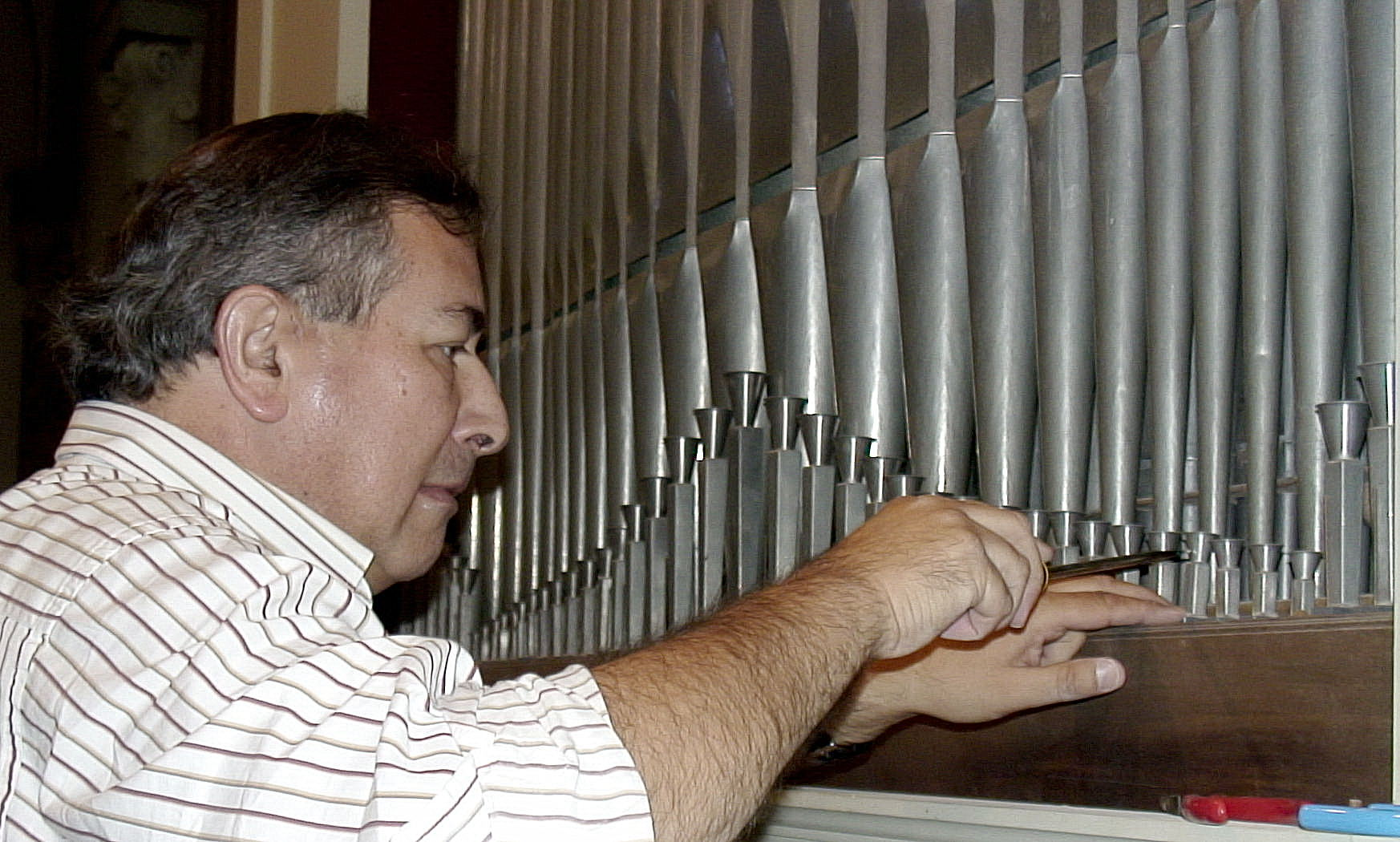
Pipe pitch depends on the temperature of the air in the pipe, so an organ goes sharp as a building warms and flat as it cools, and the reeds and the flues drift at different rates.
Unchanged and unsolvable. It is why organs are tuned to a stated temperature, why a cold church produces an instrument that is noticeably out with itself, and why heating a building quickly before a service is a reliable way to make the organ sound wrong.
9. The Firm Expected to Maintain the Instrument for a Century
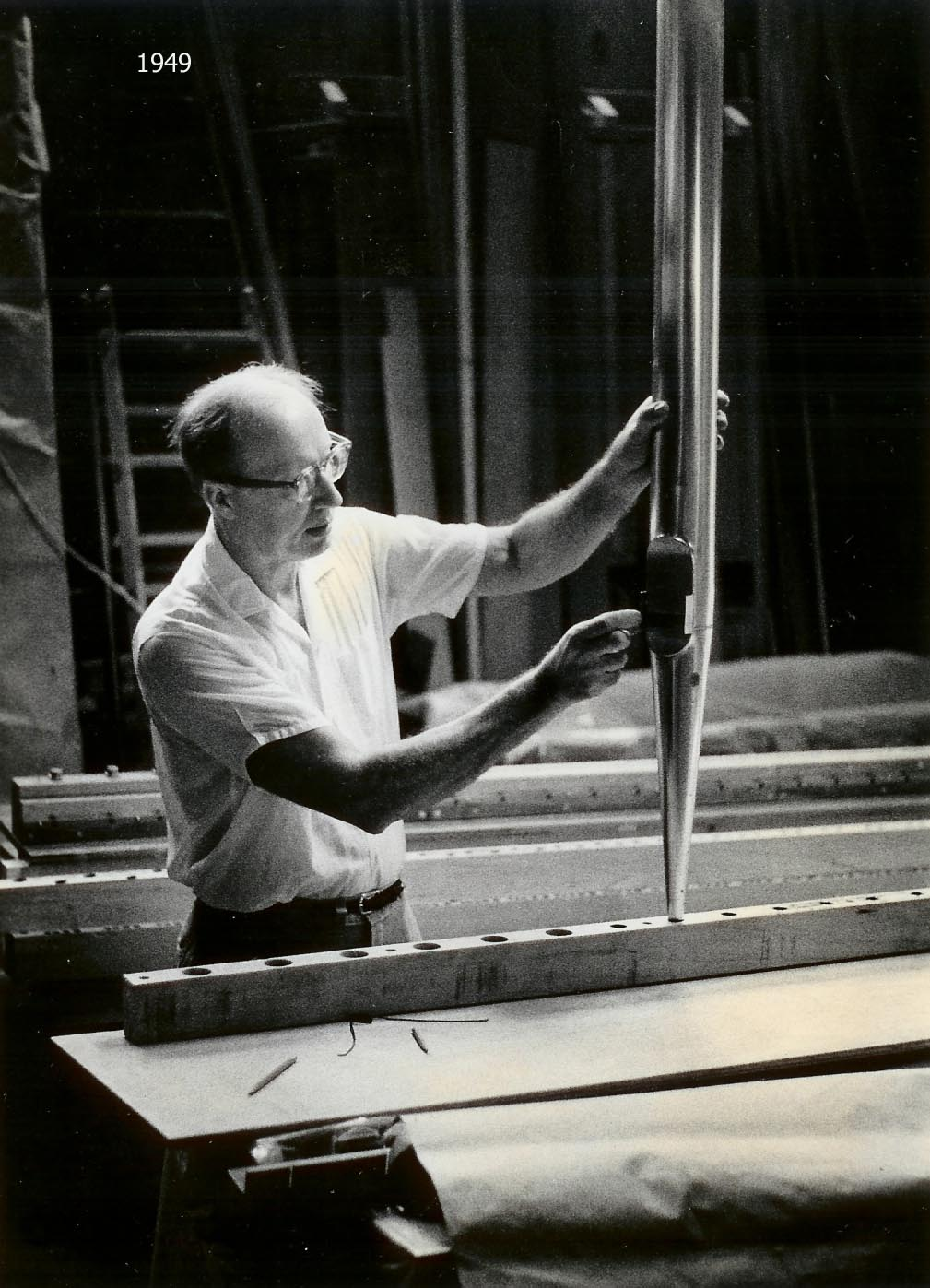
An organ was sold with the assumption of an ongoing relationship – tuning visits, repairs and eventual rebuilding – by the firm that built it, over generations.
Maintenance contracts remain the industry’s backbone and the firms are fewer. An organ builder’s business is not really selling instruments; it is a very small number of extremely large sales supporting a continuous maintenance practice, which is a commercial structure closer to a professional service than to manufacturing.
10. Nobody Thought an Electronic Instrument Would Be Accepted
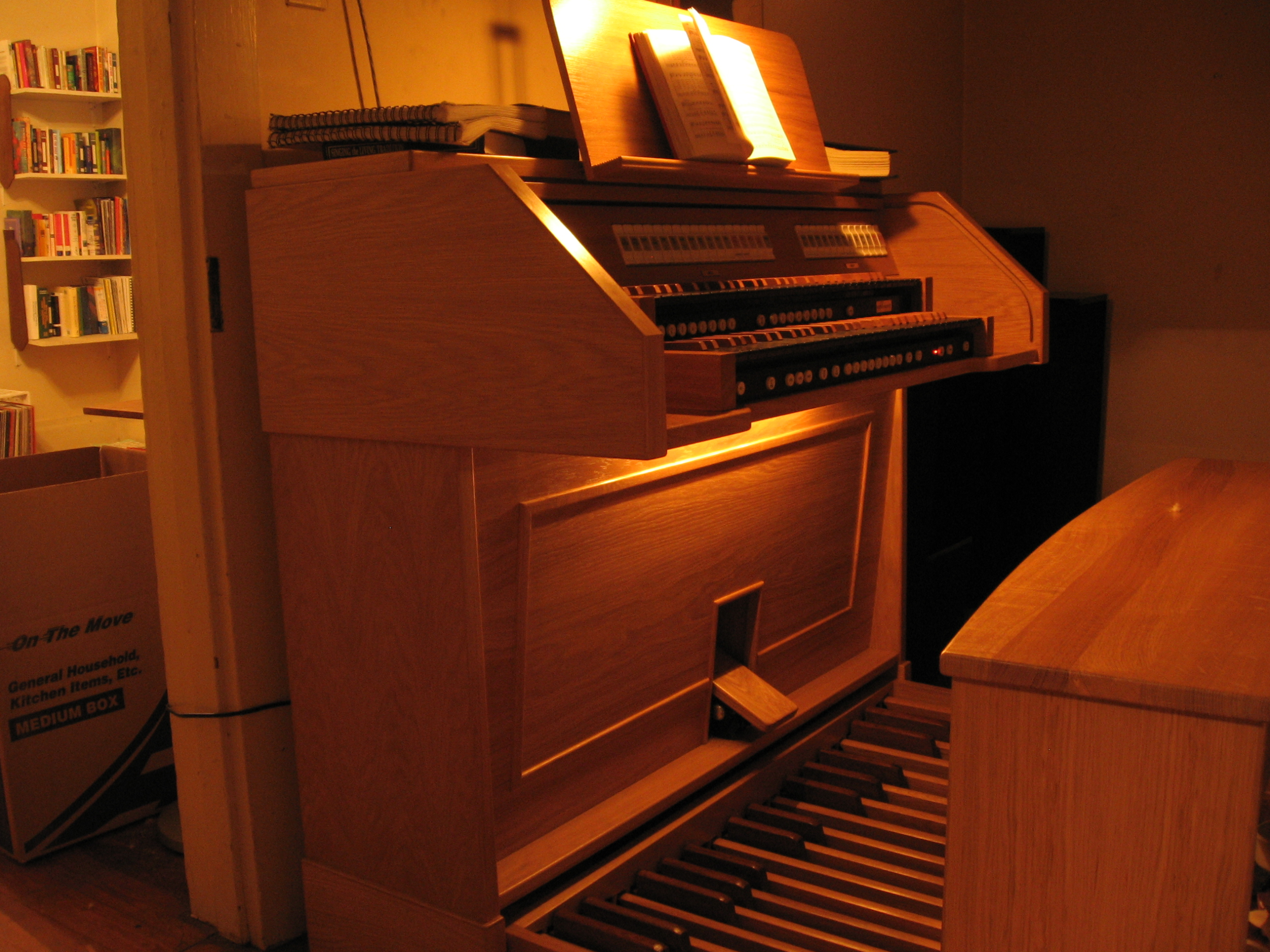
Electronic substitutes existed by 1960, were regarded within the trade as obviously inferior, and were expected to be rejected by anybody who could hear.
They took a very large share of the market, because they cost a fraction of the price, need no space, require no tuning and no releathering, and are adequate for a great many purposes. The pipe organ survived as the choice where the building, the budget and the purpose justify it, which is a much smaller market and one that has not disappeared.
11. The Instruments Are Still There and Are the Problem
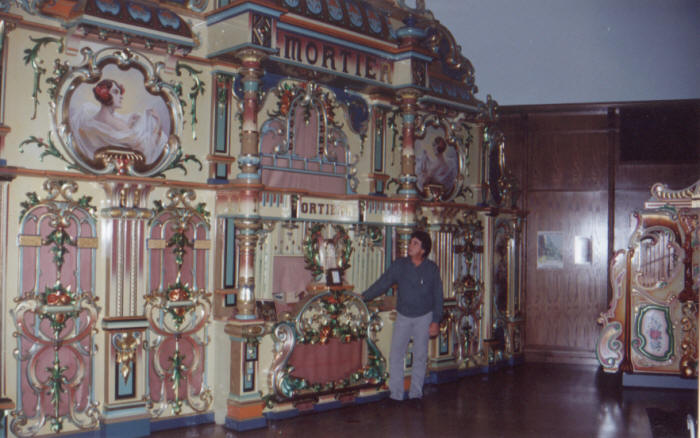
An organ properly built and maintained lasts centuries, so the stock of existing instruments is enormous relative to demand for new ones.
Which is the trade’s permanent condition. The surviving work is overwhelmingly restoration, rebuilding and maintenance of instruments built by firms that no longer exist, in buildings whose congregations have shrunk, funded by appeals. The craft is intact, the skills are being transmitted, and what it is mostly doing is looking after what the nineteenth century left behind.
The Only Trade in This Series That Was Not Overtaken
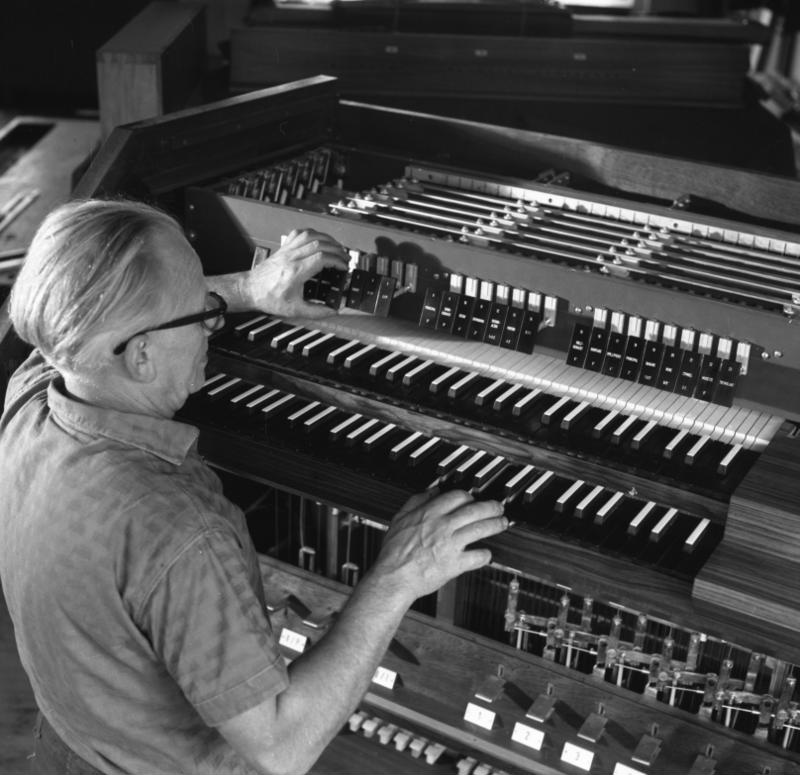
Almost every piece in this series describes a craft being automated, relocated, substituted or abolished. This one is the exception, and it is worth being precise about why.
Pipe metal is still cast on a bench. Pipes are still voiced individually by hand and by ear. Instruments are still finished in the building they are built for. Cases are still made by joiners. Leather is still used, and still has to be replaced every few decades. Actions are still built both mechanically and electrically, and the mechanical ones have come back rather than gone away.
The reasons are specific rather than sentimental. Every instrument is different, because every building is different, so there is no product to make in volume and nothing for a production line to reproduce. The output is measured in a handful of instruments a year from a firm. And the central operation – voicing – is a judgement made by ear against a room, which is not a measurement problem and has resisted every attempt to turn it into one.
What did change is the market. Electronic substitutes took the volume, church attendance fell, and the number of new instruments ordered dropped to a fraction of what it was. The craft was not beaten on its own ground; the ground shrank.
So the trade now exists at small scale, doing work that is largely restoration, maintaining an enormous inherited stock with skills that are continuous rather than recovered – unlike the record pressers, the maltsters, the glove cutters and the boatbuilders in these pieces, who all had to be rescued.
It is the one trade here where somebody from 1960 could walk into the workshop tomorrow and start work.
If you have sat in a church and felt the building shake, that was the room doing it as much as the instrument.
And somebody voiced every single one of those pipes, by ear, one at a time.
Like our content? Follow us for more.