In 1960 a brush was filled with animal hair – pig bristle, horsehair, badger, squirrel – each chosen for a specific stiffness and taper, cleaned, combed, sorted by length and aligned root to tip before anything was assembled.
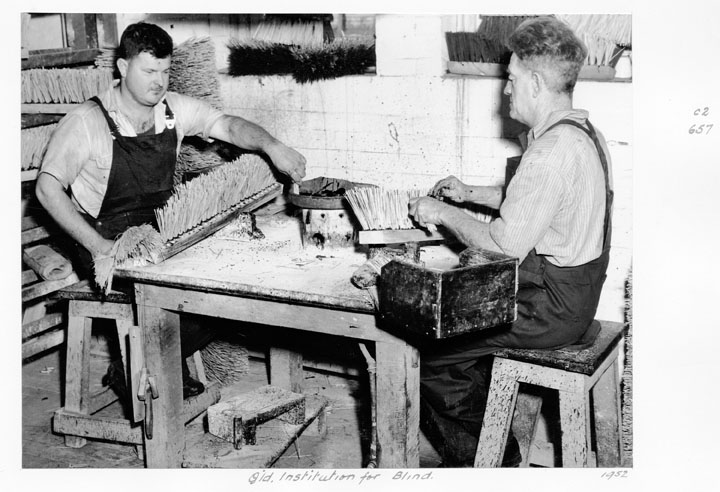
The stock was drilled with a pattern of holes and each tuft was doubled over a wire and drawn into a hole individually, by hand, for every hole on every brush. A great deal of that work was done by blind workers in dedicated workshops.
And every household owned a dozen different brushes for a dozen specific jobs.
Here are ten things that were ordinary in a brush factory in 1960, and what became of each one.
1. The Bristles Were Animal Hair and the Source Mattered Enormously
Brush filling used pig bristle, horsehair, badger, squirrel, goat and various others, each chosen for a specific stiffness, length, taper and ability to hold liquid, with the best paintbrush bristle coming from particular regions and commanding a high price.
Synthetic filaments engineered to specified stiffness, taper and absorbency replaced most of it. Natural bristle has a split end and a natural taper that holds and releases paint in a way plain synthetic filament did not, which is why it took decades for synthetics to compete on quality rather than only on price.
Like our content? Follow us for more.
2. The Hair Was Dressed, Sorted and Blended Before Anything Was Made
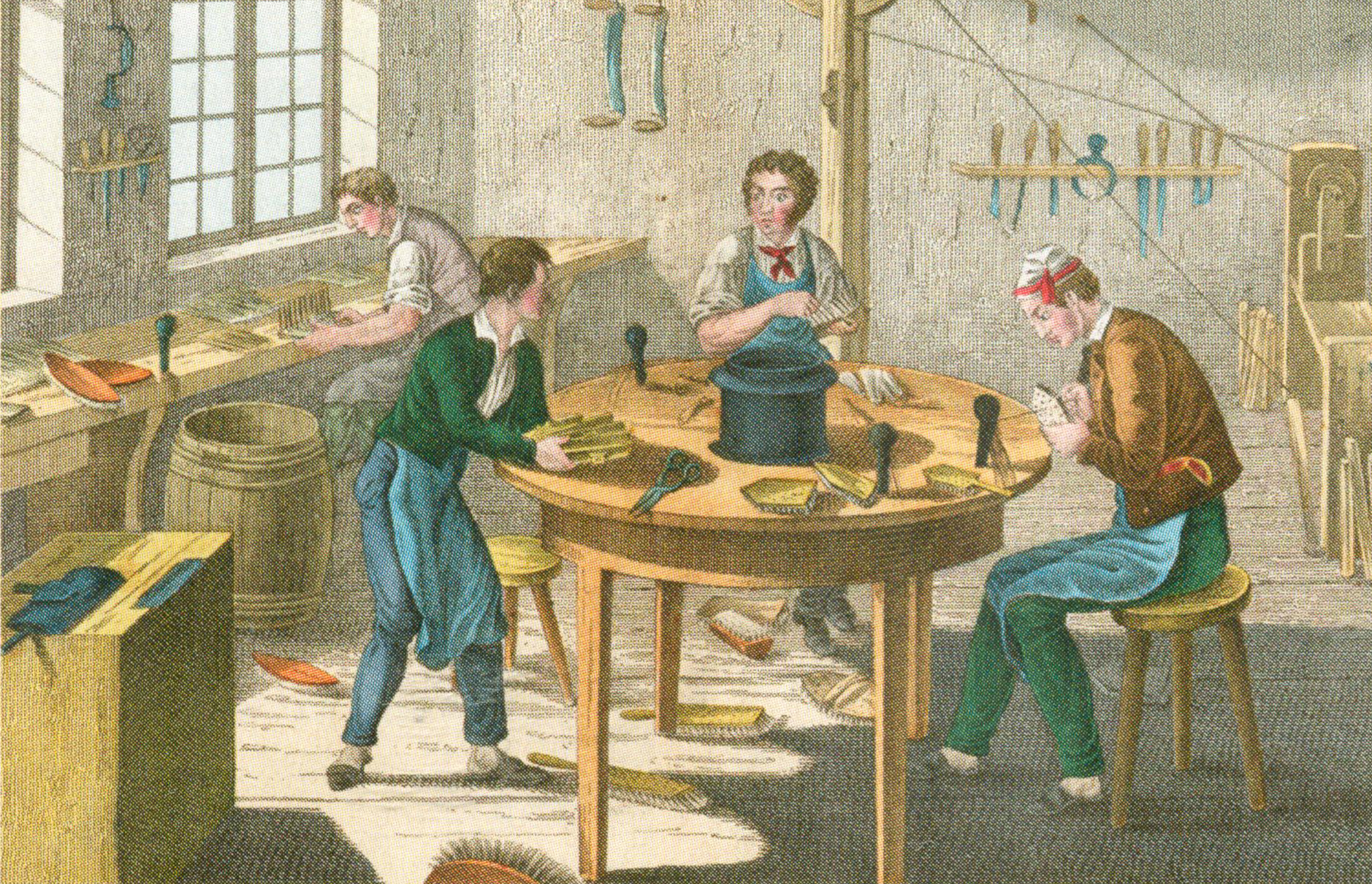
Raw hair arrived mixed and had to be cleaned, combed, sorted by length, aligned root to tip, and blended to a specification – a substantial preparatory industry in its own right before a single brush was assembled.
Synthetic filament arrives cut to length, aligned and consistent, which eliminated the whole preparation stage. Dressing bristle was dirty, smelled strongly, and was among the less pleasant jobs in a trade that was generally regarded as unpleasant.
3. Brushes Were Filled by Hand, Tuft by Tuft, Through Drilled Holes
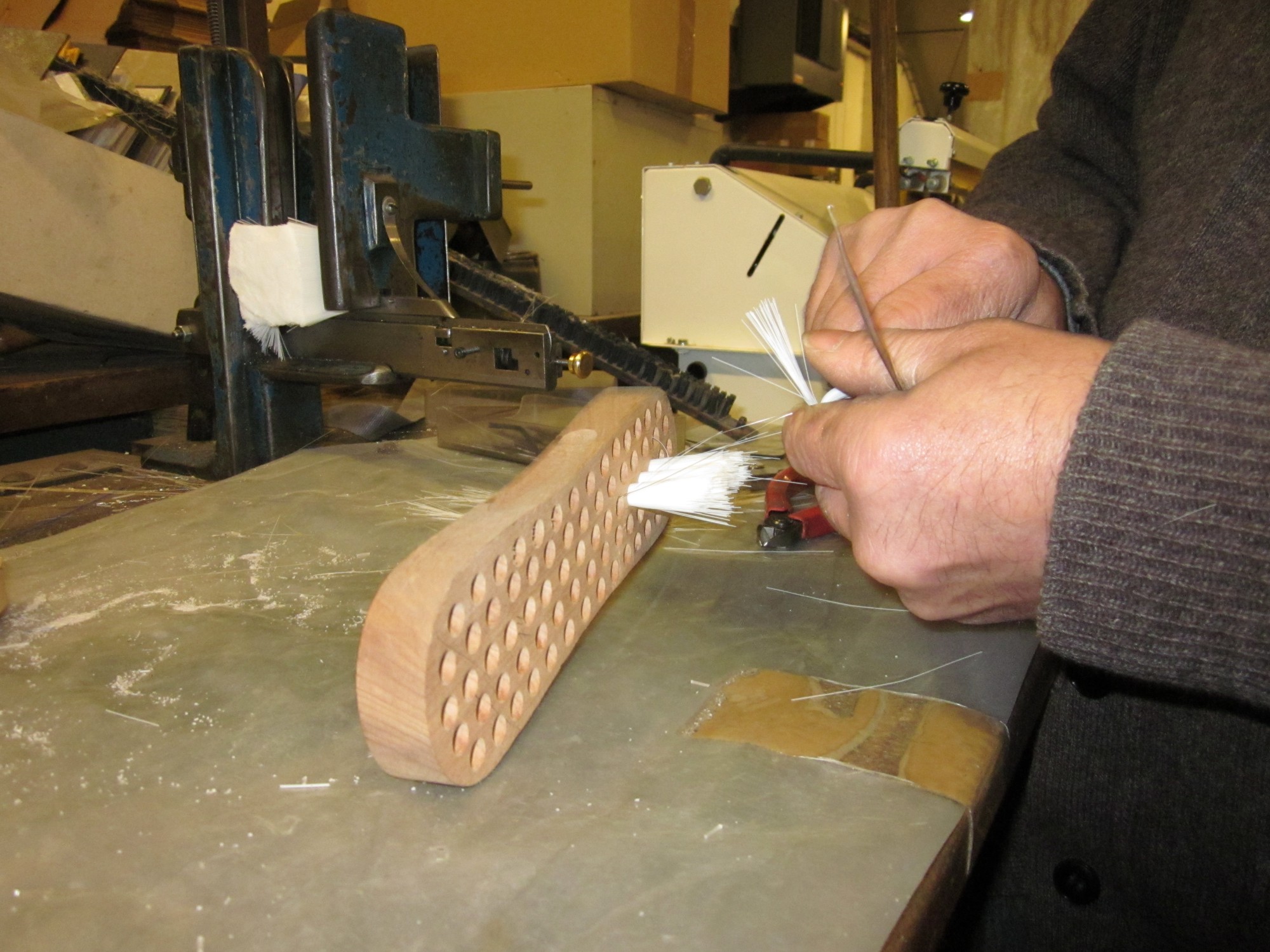
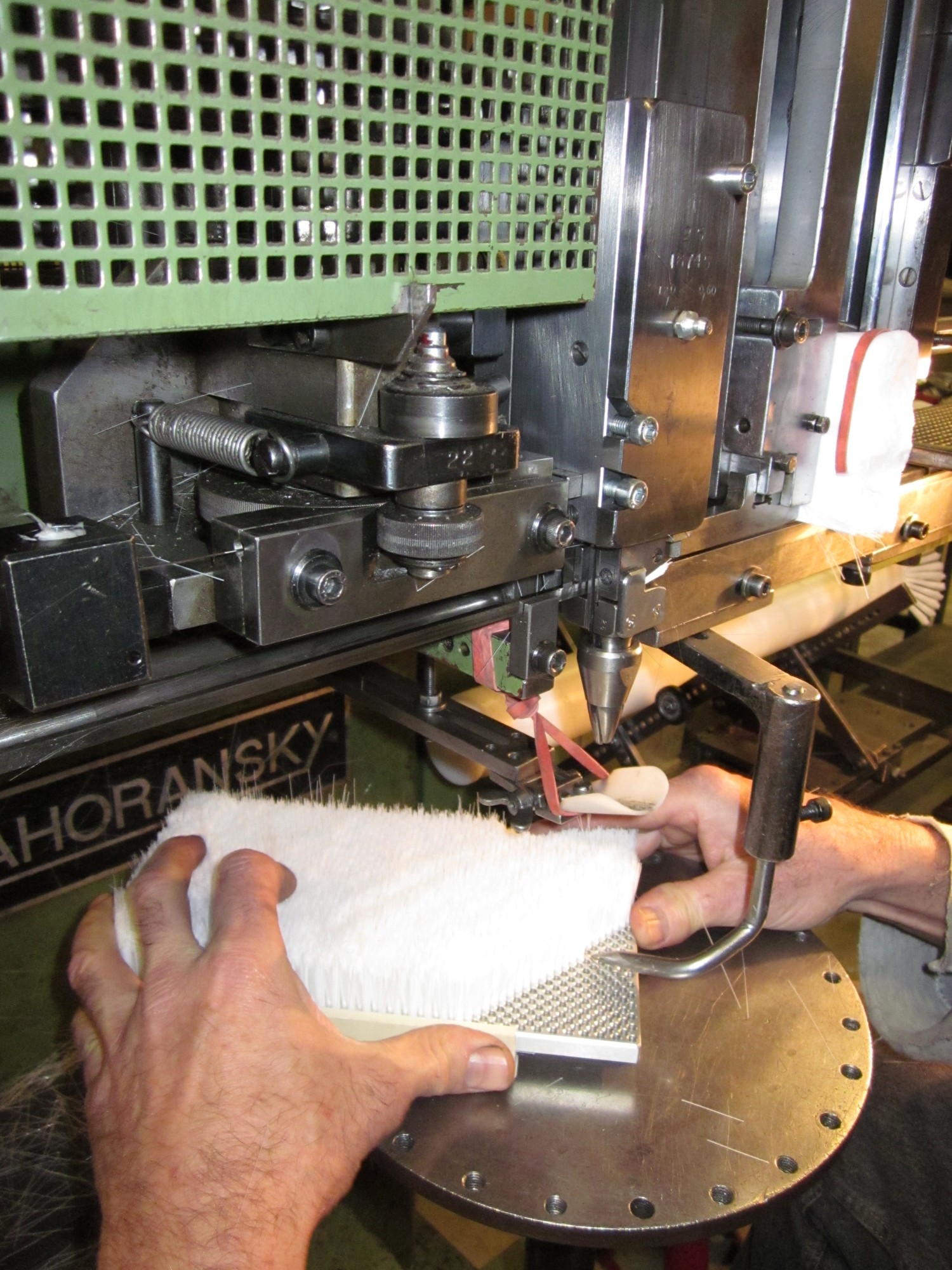
A brush stock was drilled with a pattern of holes, and a filler took a tuft of bristle, doubled it over a wire or a cord, and drew it into each hole individually, securing it – for every hole, on every brush.
Automated machines drill, fill and trim at high speed. Hand drawing was piecework, was done largely by women and in many places by outworkers at home, and a filler’s output was counted in thousands of tufts rather than in brushes.
4. A Great Deal of the Work Was Done by Blind and Disabled Workers
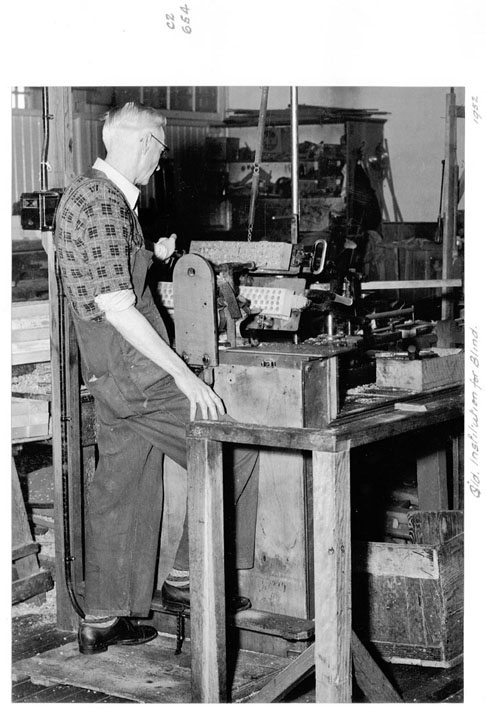
Brush making was, for a long period, one of the principal trades taught to and performed by blind workers, organised through dedicated workshops and institutions, because the work is tactile and repetitive and can be done to a high standard without sight.
Those workshops largely closed as mechanisation removed the hand work and as employment policy shifted decisively towards inclusion in ordinary workplaces rather than segregated provision. The history is genuinely double-edged: the workshops provided skilled paid work and independence where there was otherwise very little, and they were also segregated institutions, and both of those are part of the record.
5. The Paintbrush Was Expected to Be Cleaned and Kept for Years
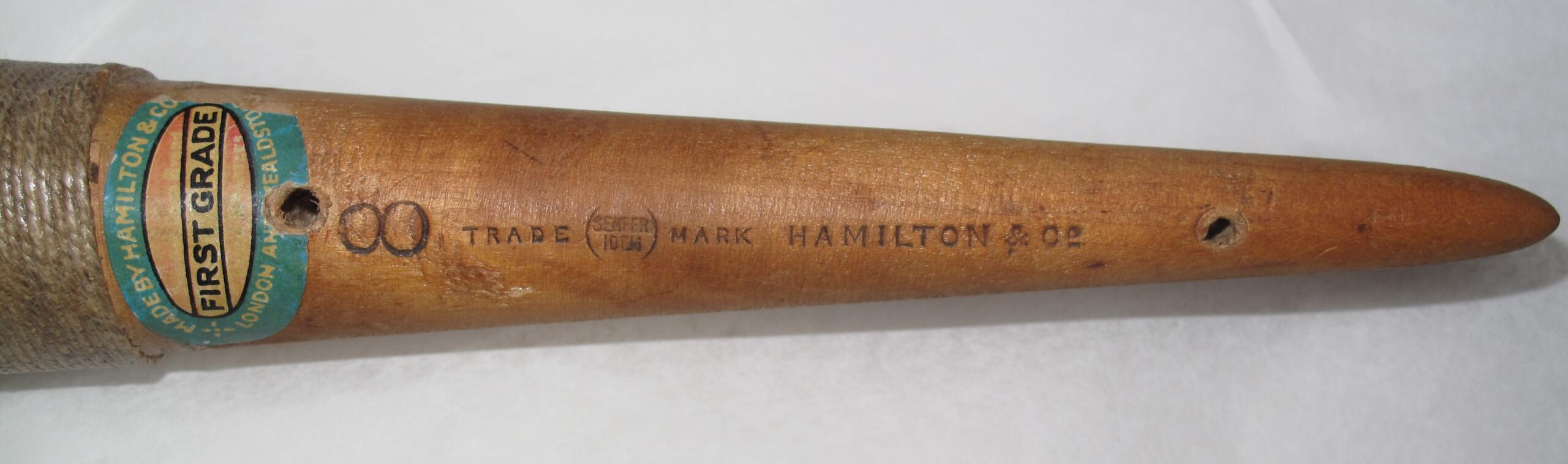
A good paintbrush was an expensive tool that a tradesman owned personally, cleaned properly after every use, stored hanging, and kept for a working lifetime.
Cheap brushes turned painting into a consumable-tool activity for most domestic users, while trade users still buy good brushes and still look after them. A properly maintained natural bristle brush improves with use as the tips wear in, which is the opposite of nearly every other tool and is why throwing one away is a genuine waste.
6. Every Household Had a Dozen Different Brushes for Specific Jobs
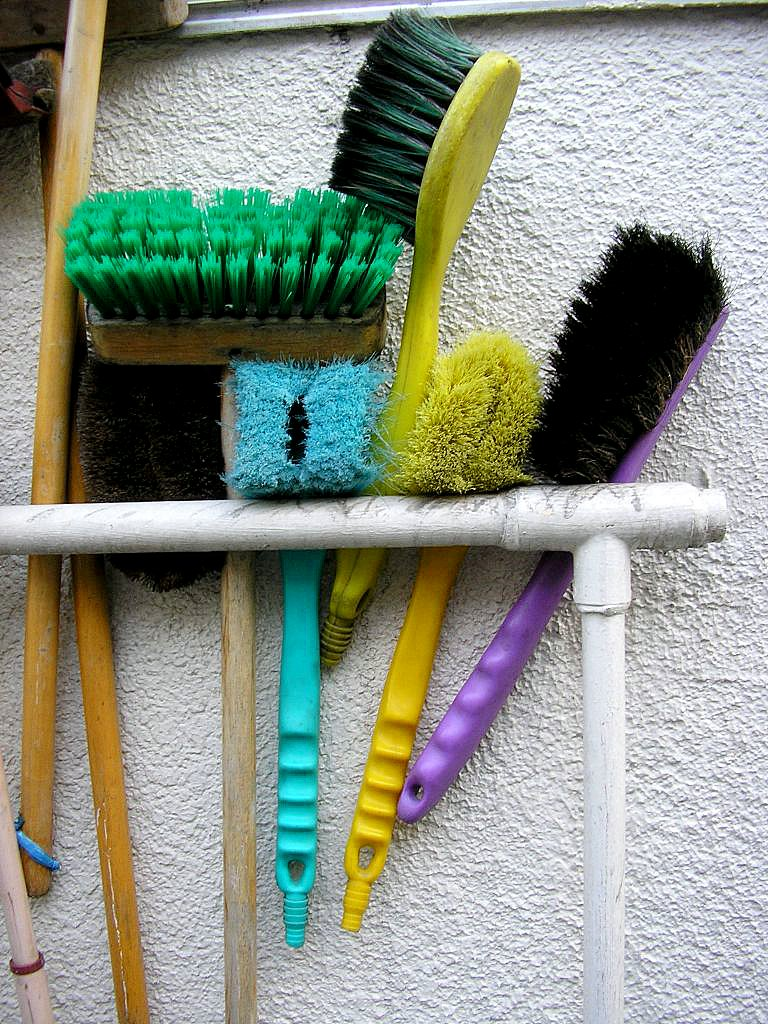
Scrubbing brush, bannister brush, hearth brush, clothes brush, hat brush, shoe brushes in several grades, bottle brush, nail brush, hand brush and dustpan – each a separate purpose-made object.
Vacuum cleaners, synthetic cloths, detergents, washing machines and changed domestic practice removed most of the categories. The clothes brush and the hat brush went with the convention of brushing outerwear daily, which disappeared alongside the hat itself in the same decade.
7. The Trade Smelled and Nobody Pretended Otherwise
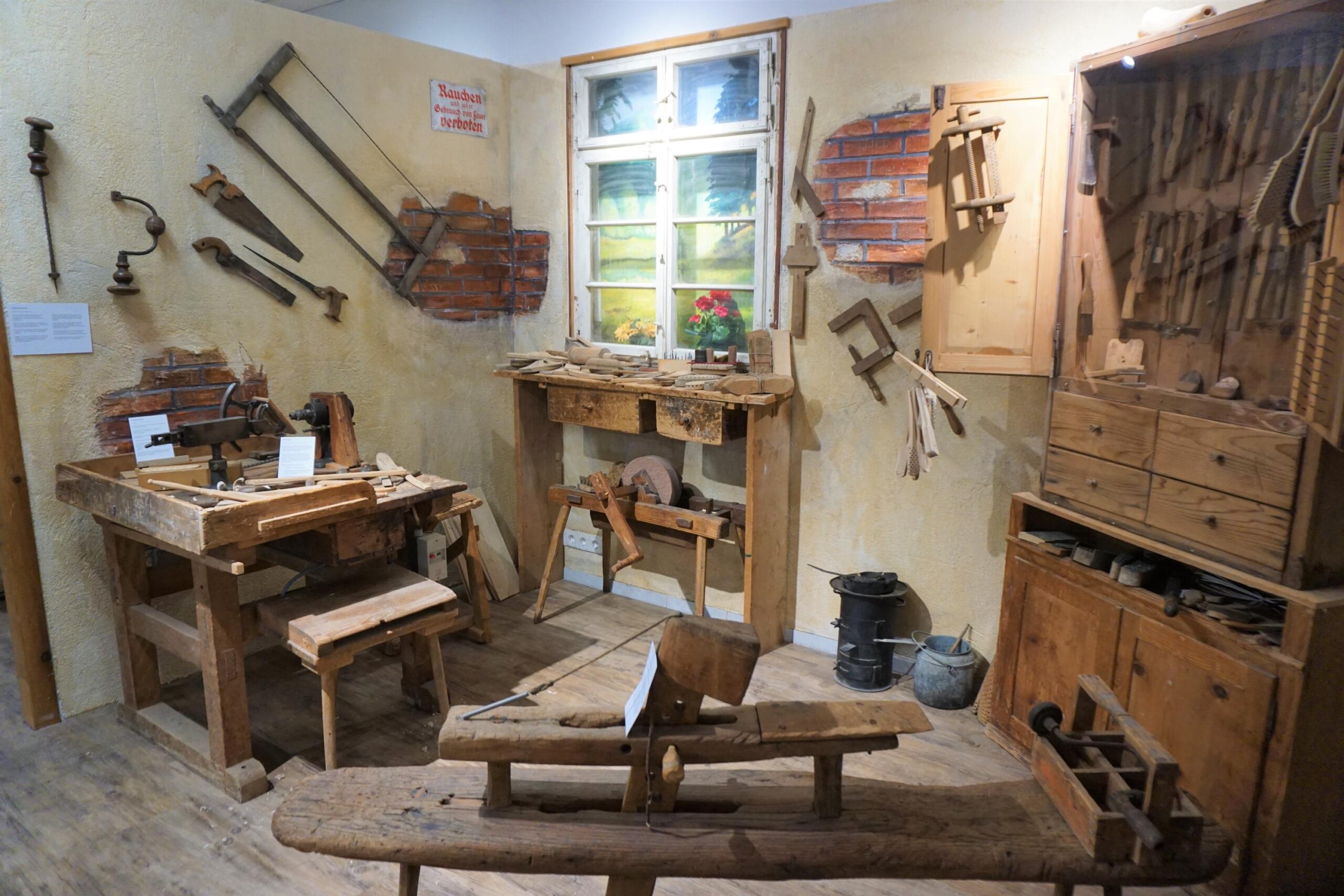
Processing animal hair – washing, boiling, dressing – produces a powerful and unpleasant smell, and brush works were sited accordingly.
Synthetic materials removed it almost entirely. It belongs with the tannery and the glue works among the trades that nobody has ever described as having smelled pleasant, and the siting of them at the edge of towns is still visible in street names and land use.
8. Anthrax Was a Real Occupational Risk in Living Memory
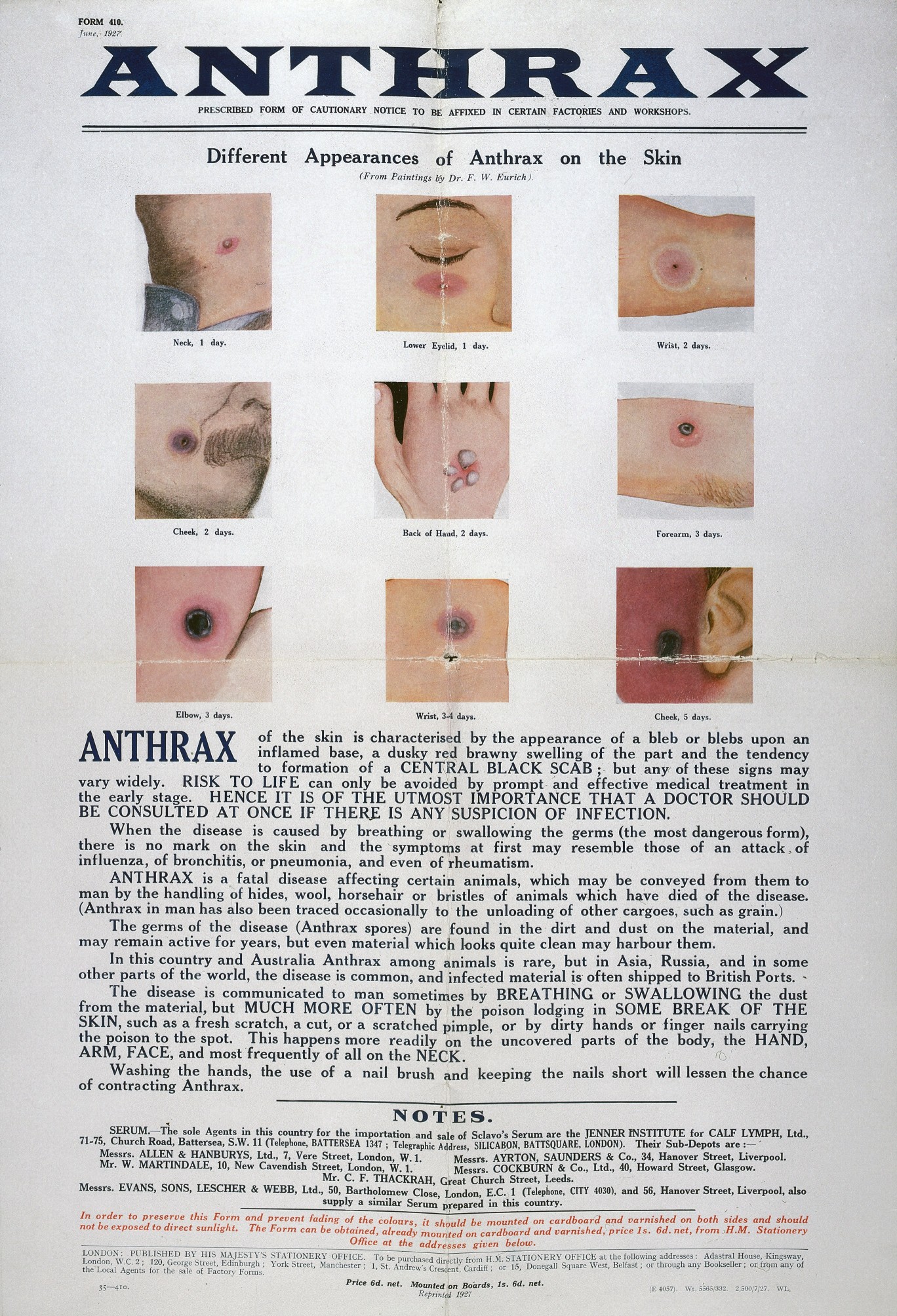
Imported animal hair carried a recognised risk of infection, and brush and hair processing workers were among the occupational groups affected, with the hazard understood and regulated well before 1960.
Disinfection requirements for imported hair, control measures, vaccination for at-risk workers and the shift to synthetic materials removed it from the trade. This is stated as occupational history. No symptom, treatment or current risk guidance is given, and anybody with a concern about their own work history should raise it with their own doctor.
9. Nobody Thought a Brush Could Be Made in One Piece
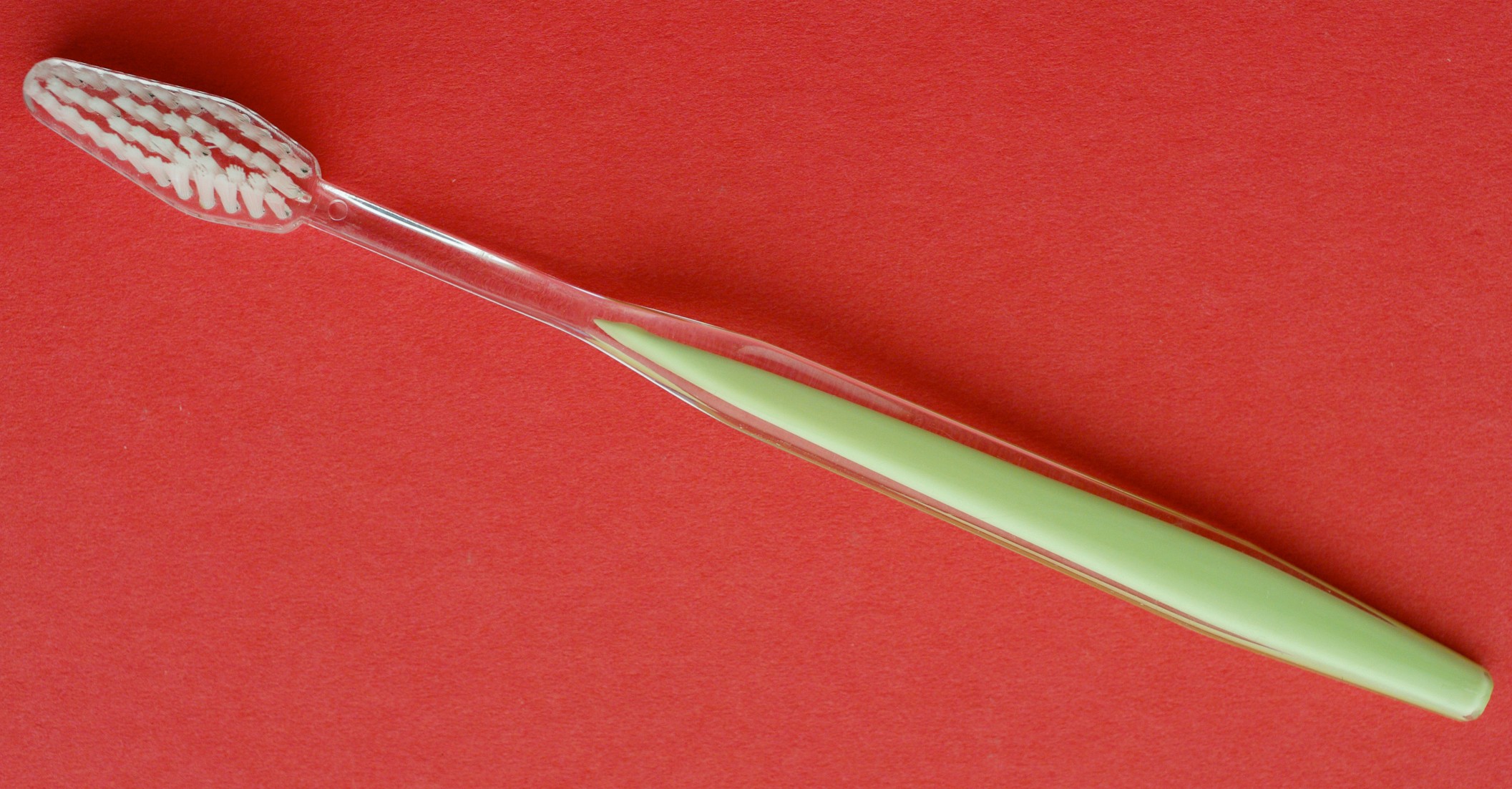
A brush was a stock, a filling, a binding and sometimes a handle – several materials assembled, by definition.
Injection moulding with integral filament anchoring produces brushes in essentially one operation, and fused or stapled synthetic construction removed the drilling and drawing entirely. The one-piece moulded brush is cheaper by an enormous margin, is not repairable or refillable, and is adequate for most of what brushes are now used for.
10. The Brush Survived Everything Because Nothing Else Does the Job
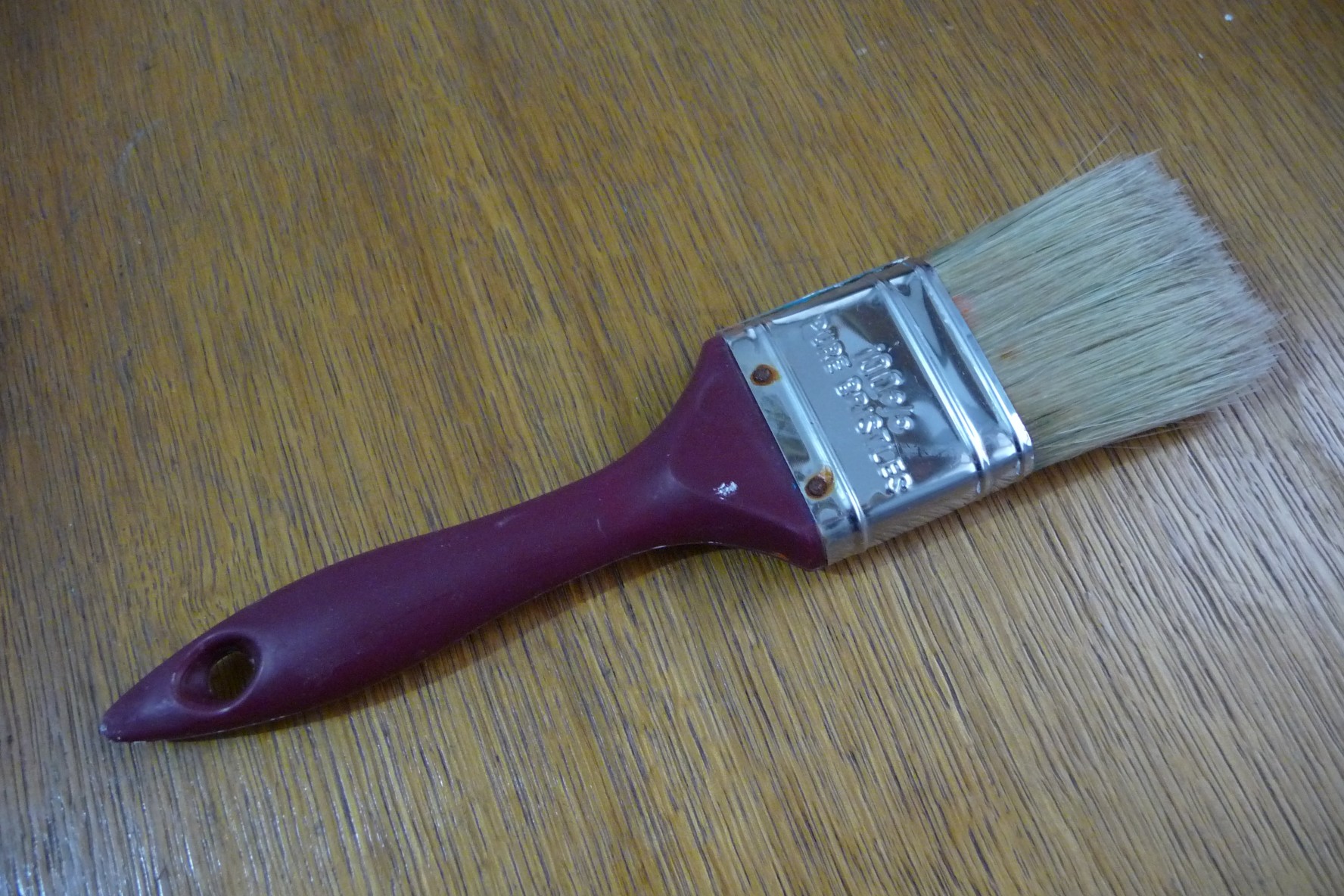
A brush is a set of flexible fibres held at one end, and it reaches into irregular surfaces, carries liquid, sweeps, polishes and scrubs by conforming to whatever it is applied to.
Nothing has replaced it. Vacuum cleaners took the floor, cloths took the wiping, rollers and sprayers took large flat paint areas – and every one of those left the brush doing the edges, the corners, the detail and the difficult bits. It is one of the oldest tool forms there is, it is in every house and every trade, and it has survived by being the thing that gets used when the better method runs out.
The Tool That Nothing Replaced
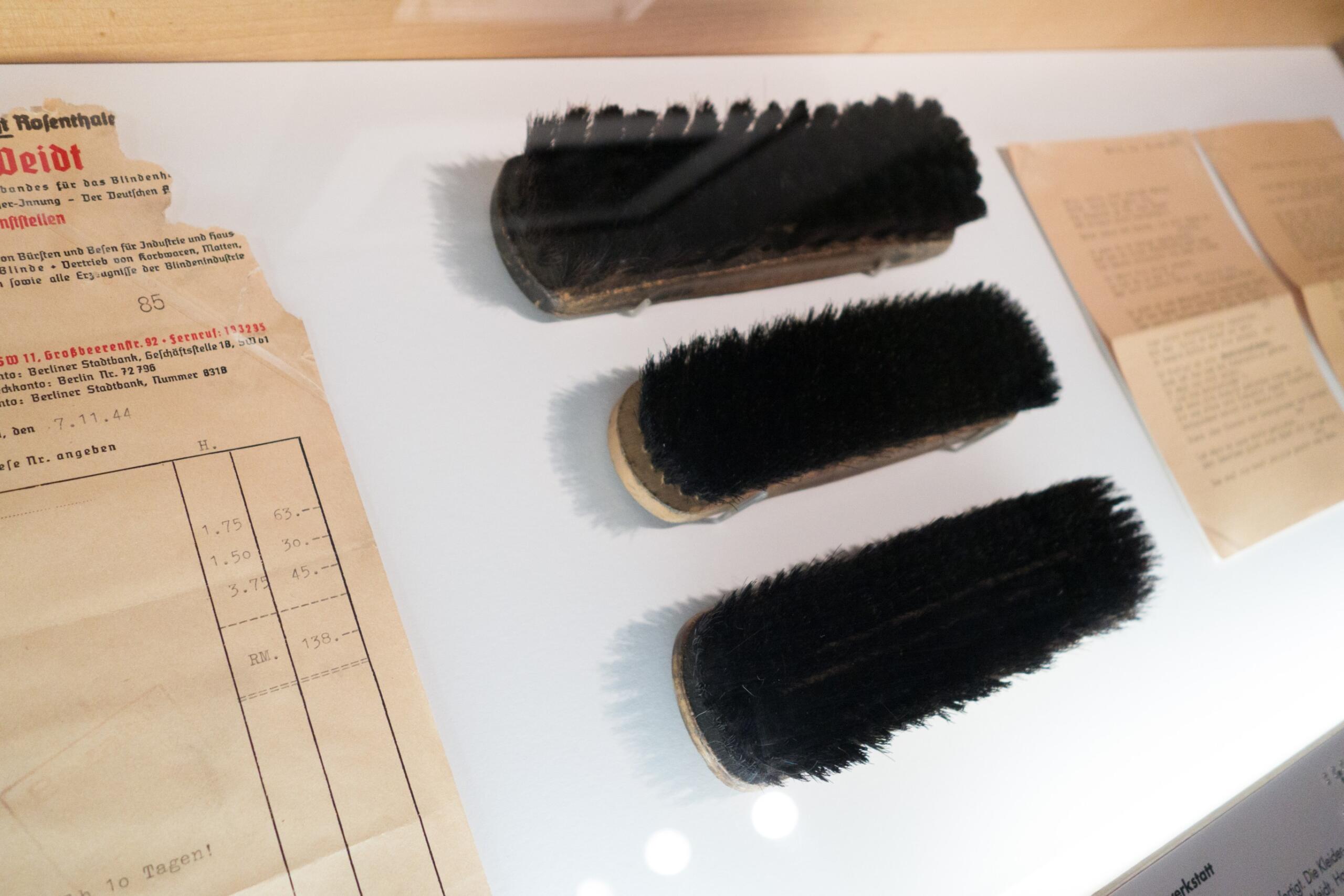
Of all the objects in this long run of pieces, the brush is the one that has been attacked from the most directions and lost the least ground.
The vacuum cleaner took floor sweeping. Synthetic cloths and detergents took most of the wiping and much of the scrubbing. Washing machines took the clothes brush. Rollers took the large flat areas of paint, and sprayers took the rest of them. The hat brush and the clothes brush went when people stopped brushing outerwear daily.
Each of those removed a whole category of brush from ordinary life, and the brush is still in every house and every trade, because every one of those better methods left something behind.
A roller cannot cut in to an edge. A vacuum cleaner cannot get into a corner or a stair tread properly. A cloth cannot reach into a surface that is not flat. A spray cannot be applied to one small area without masking everything around it. And nothing at all gets into the inside of a bottle, the tread of a shoe, the teeth of a comb or the gaps in a radiator.
That is the brush’s position, and it is a strong one. It is the tool that conforms – a set of independent flexible fibres that take the shape of whatever they are pressed against, reach into irregularity, and carry liquid into places a flat surface cannot go.
Every specialised replacement does one job better and leaves the awkward remainder, and the awkward remainder is permanent. Which is why a device that is essentially a handful of fibres tied to a stick has survived every technology that has ever been pointed at it, and will be in the cupboard long after most of the things in these pieces are only photographs.
If you still have a good paintbrush that somebody looked after, that brush is better now than when it was bought.
And there is a brush within about three metres of wherever you are reading this.
Like our content? Follow us for more.