

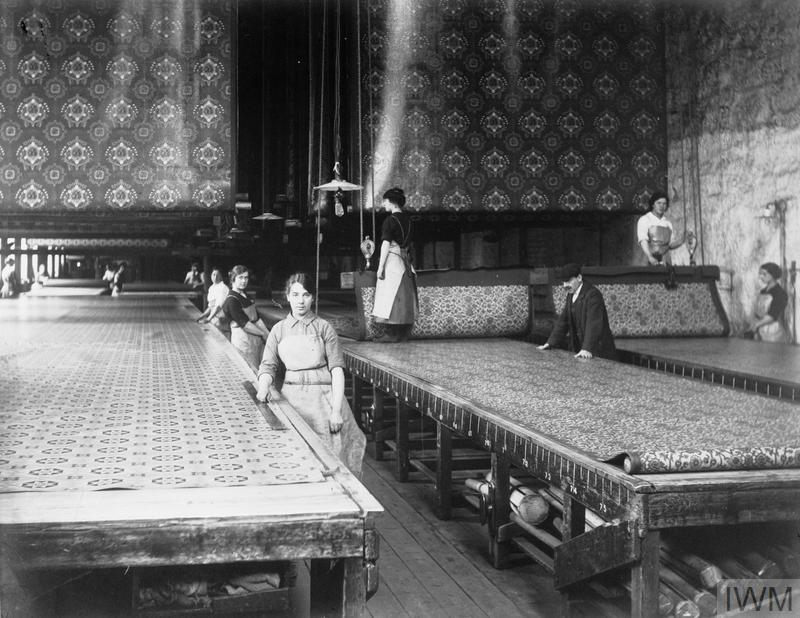
In 1960 making linoleum began by hanging sheets of cloth in tall heated towers and pouring linseed oil onto them, then waiting weeks while the oil took up oxygen and turned into a rubbery solid.
That solid was milled with pine resin, ground cork and wood flour, rolled onto a woven backing under heat and pressure, and then hung in stove rooms for several more weeks to cure. The whole works smelled of it. And the best grades had the pattern running right through the thickness.
Here are fifteen things that were normal in a linoleum works in 1960, and what became of each one.
1. Linoleum Was Made of Linseed Oil, and the Name Says So
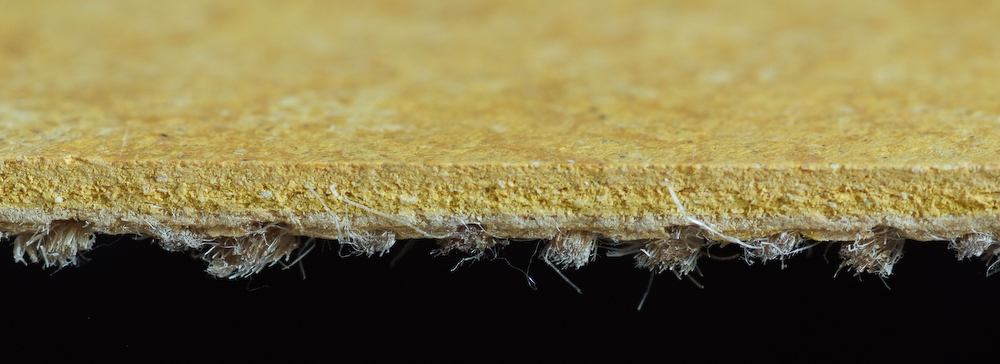
Linoleum is not a plastic and never was. It is made from linseed oil that has been oxidised into a tough rubbery solid, mixed with natural resin, wood flour and ground cork, and pressed onto a woven backing.
Still made from exactly those materials, which is why it is now marketed as a natural product. The name is a straightforward description – linseed oil is the whole basis of the material – and the fact that almost everybody now uses the word to mean cheap vinyl sheet is one of the more complete cases of a brand term being taken over by its replacement.
Like our content? Follow us for more.
2. The Oil Was Oxidised by Hanging Cloth in Towers for Weeks
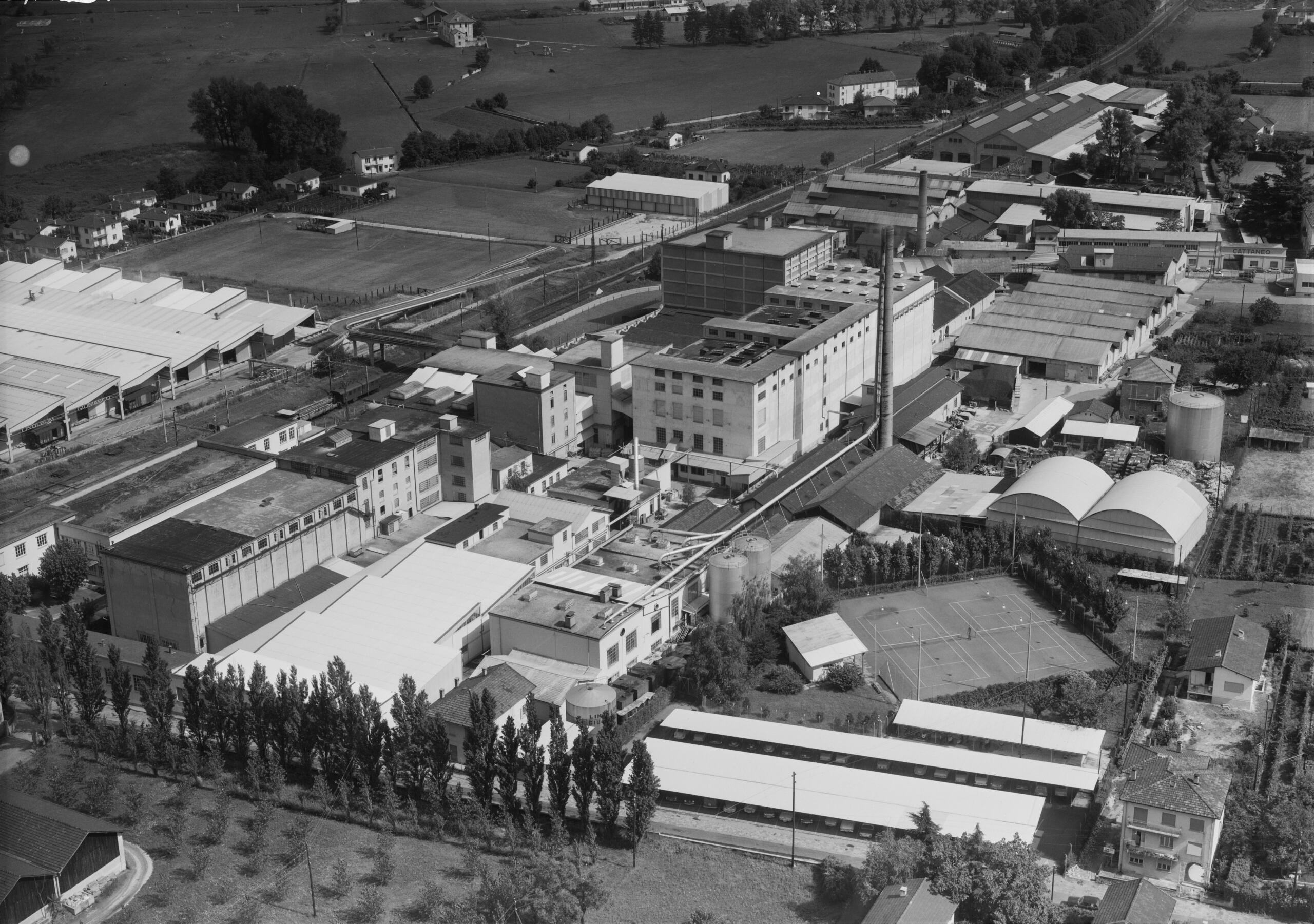
Making the base material meant spraying or pouring linseed oil onto sheets of fabric suspended in tall heated towers and leaving it to take up oxygen from the air, building up layer on layer over a period of weeks until a thick rubbery skin had formed.
Accelerated oxidation in controlled reactors, in a fraction of the time. The towers were the defining structure of a linoleum works and the reason the buildings were so tall: the process could not be hurried, so the only way to make more was to hang more cloth, higher.
3. The Oxidation Generated Its Own Heat and Could Catch Fire
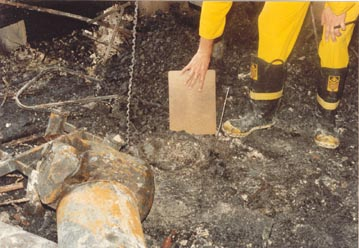
Oil taking up oxygen gives off heat, and a mass of oil-soaked cloth that cannot shed that heat will get hotter until it ignites without any external flame.
Controlled oxidation with monitored temperature and ventilation. The hazard is the same one that makes oily rags dangerous in a domestic garage, scaled up to an entire building, and it was understood and managed rather than discovered – the tower design, the spacing of the cloths and the airflow were all about getting the heat away.
4. The Mix Was Ground Cork, Wood Flour and Resin, and the Recipe Set the Feel
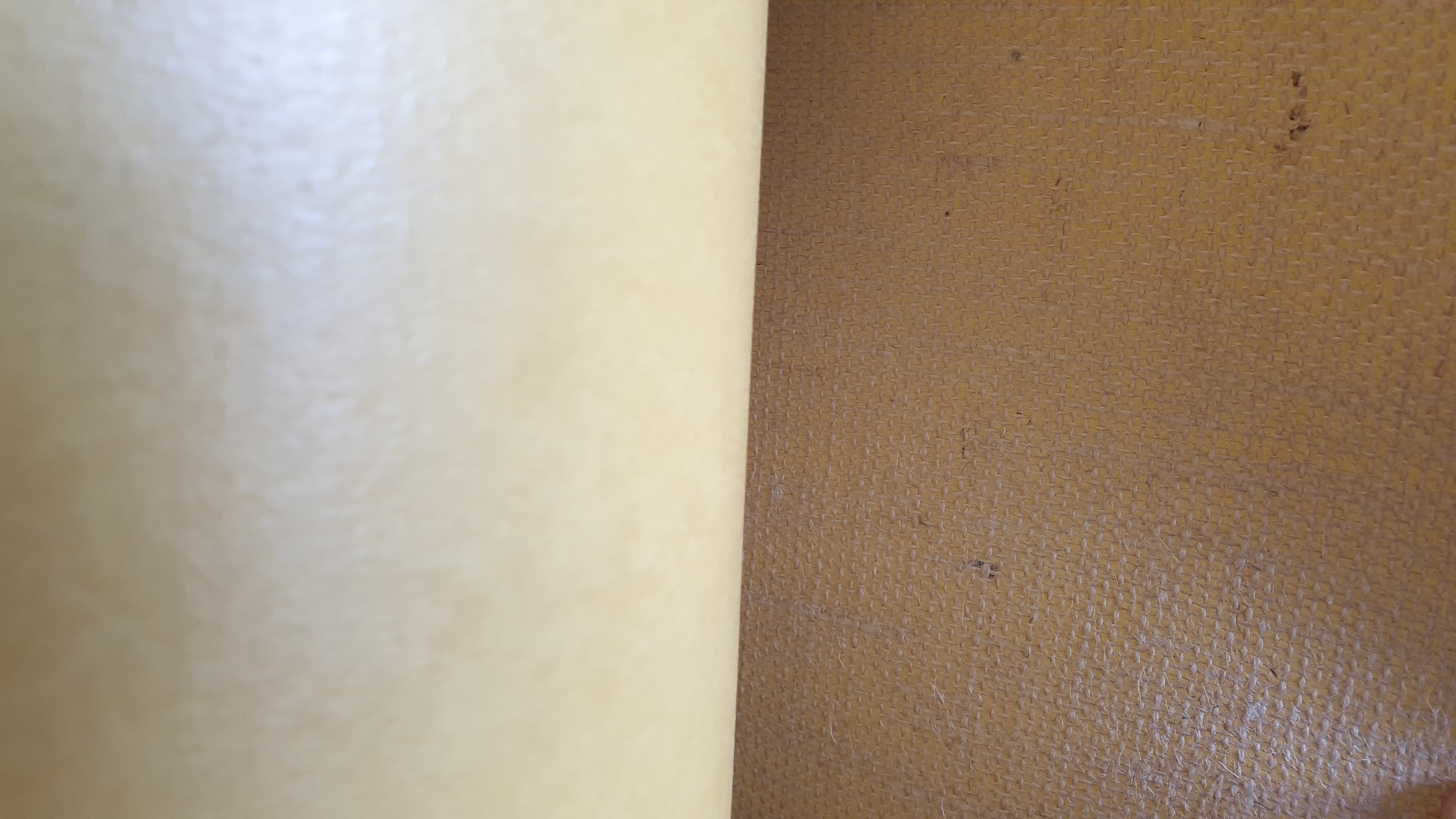
The oxidised oil was milled together with pine resin, finely ground cork and wood flour, and the proportions determined whether the finished floor was hard and dense or softer and warmer underfoot.
Still the same four ingredients in controlled proportions. Cork is why linoleum feels warm and slightly resilient rather than cold and hard like tile, and why it was specified for places where people stood all day – the material has a measurable give that comes from ground-up bark.
5. It Was Rolled Onto the Backing Under Heat and Enormous Pressure
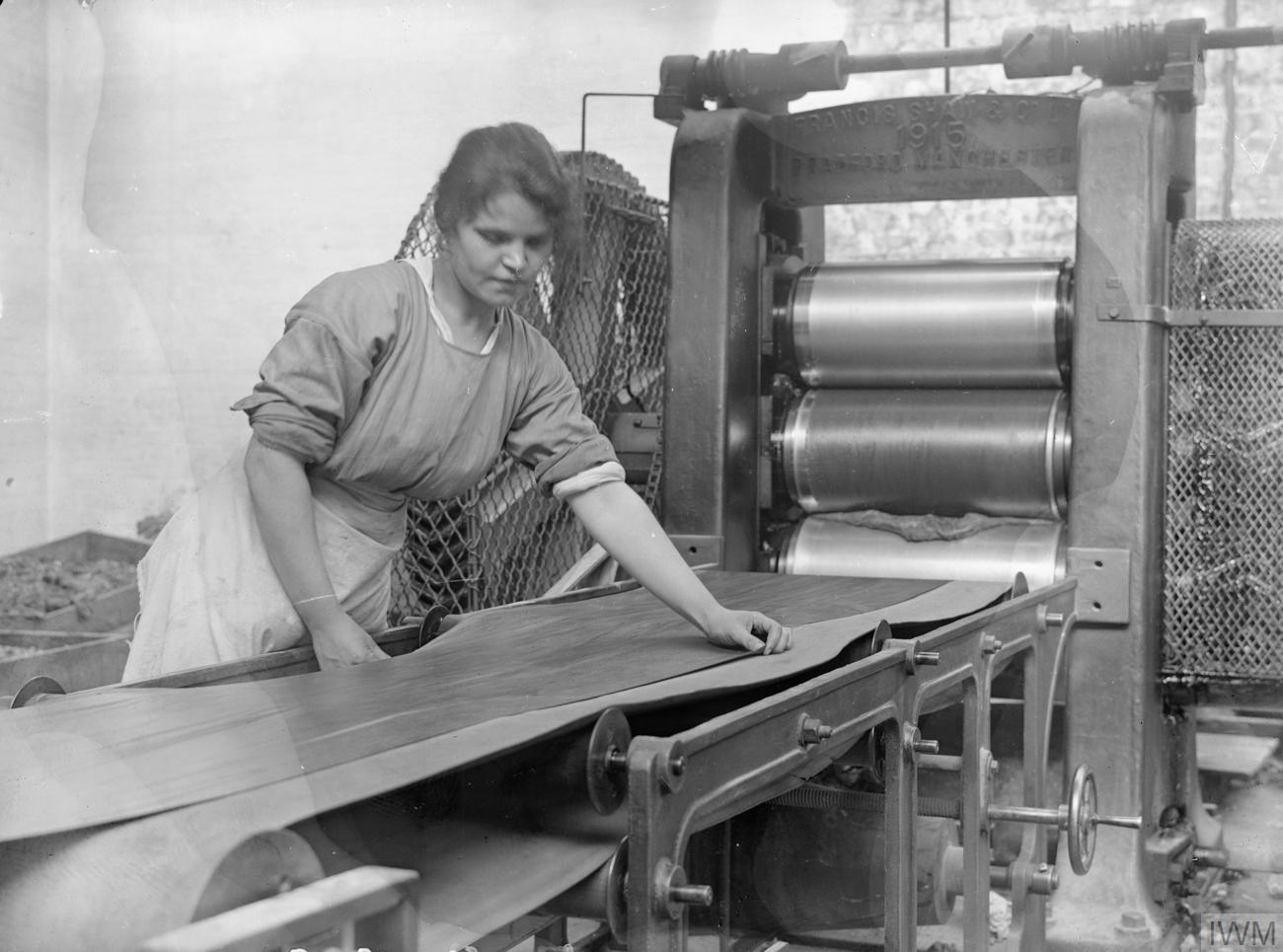
The warm mix was fed between heavy heated rollers together with a woven backing cloth, which forced the compound into the weave and produced a continuous sheet of the required thickness.
Continuous calendering with precise thickness control. The backing is what gives linoleum its dimensional stability, and the bond between compound and cloth is mechanical rather than adhesive – the mix is physically pressed into the weave rather than glued to it.
6. Then the Whole Thing Hung in Heated Rooms for Weeks to Cure
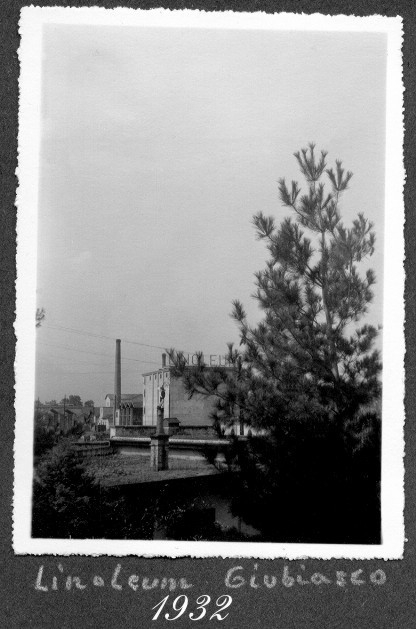
Freshly made sheet was hung in long loops in stove rooms at moderate heat for several weeks, during which the material finished hardening and became stable enough to sell.
Controlled curing in far less time. The stoving rooms held an enormous amount of stock in progress, which meant a linoleum works had months of production value hanging in its buildings at any moment – a working capital problem that was one of the trade’s structural weaknesses.
7. Inlaid Linoleum Had the Pattern Through the Full Thickness
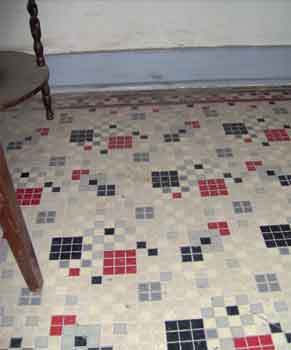
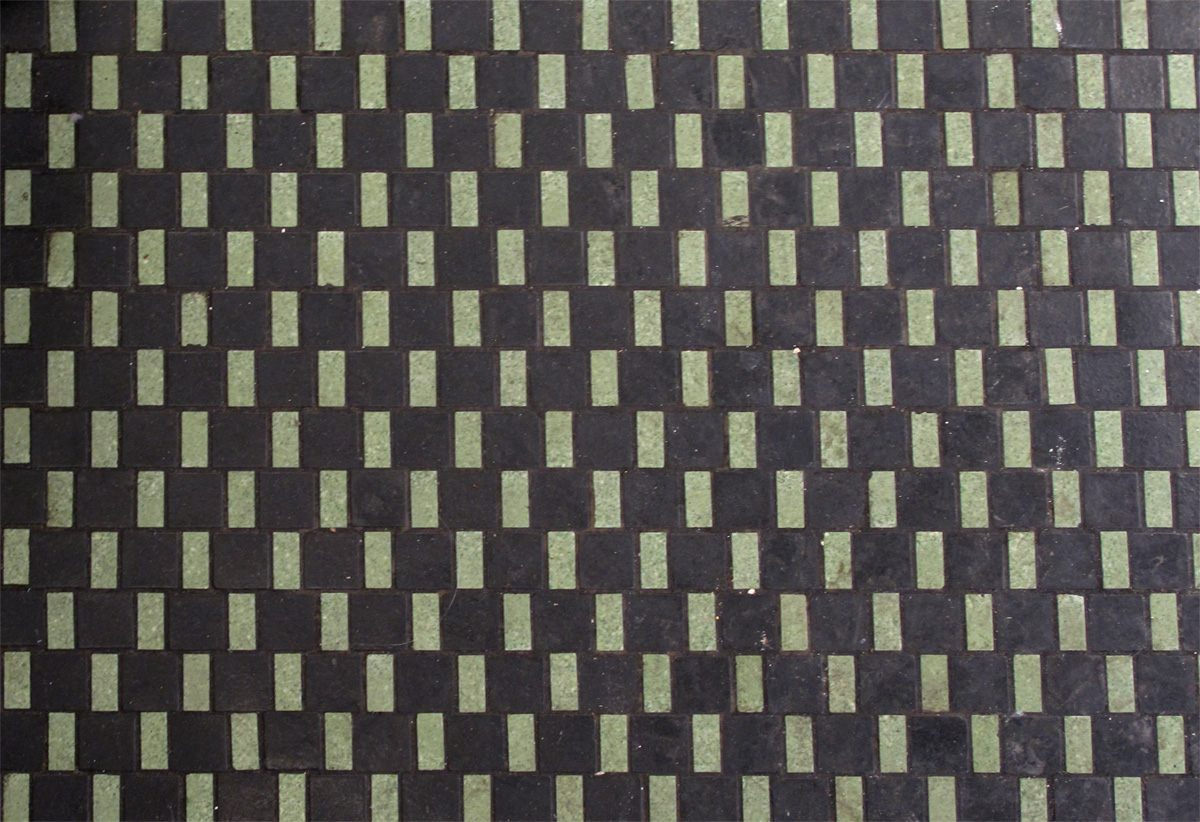
The best grades were inlaid: the pattern was built up from pieces of coloured compound assembled to the full depth of the sheet, so the design went right through and could not wear off.
Still the premium construction and still made. An inlaid floor could be scrubbed for fifty years and the pattern would be unchanged, which is why inlaid linoleum survives in public buildings while everything laid over it has been replaced two or three times.
8. Printed Linoleum Had the Pattern on Top and It Wore Away
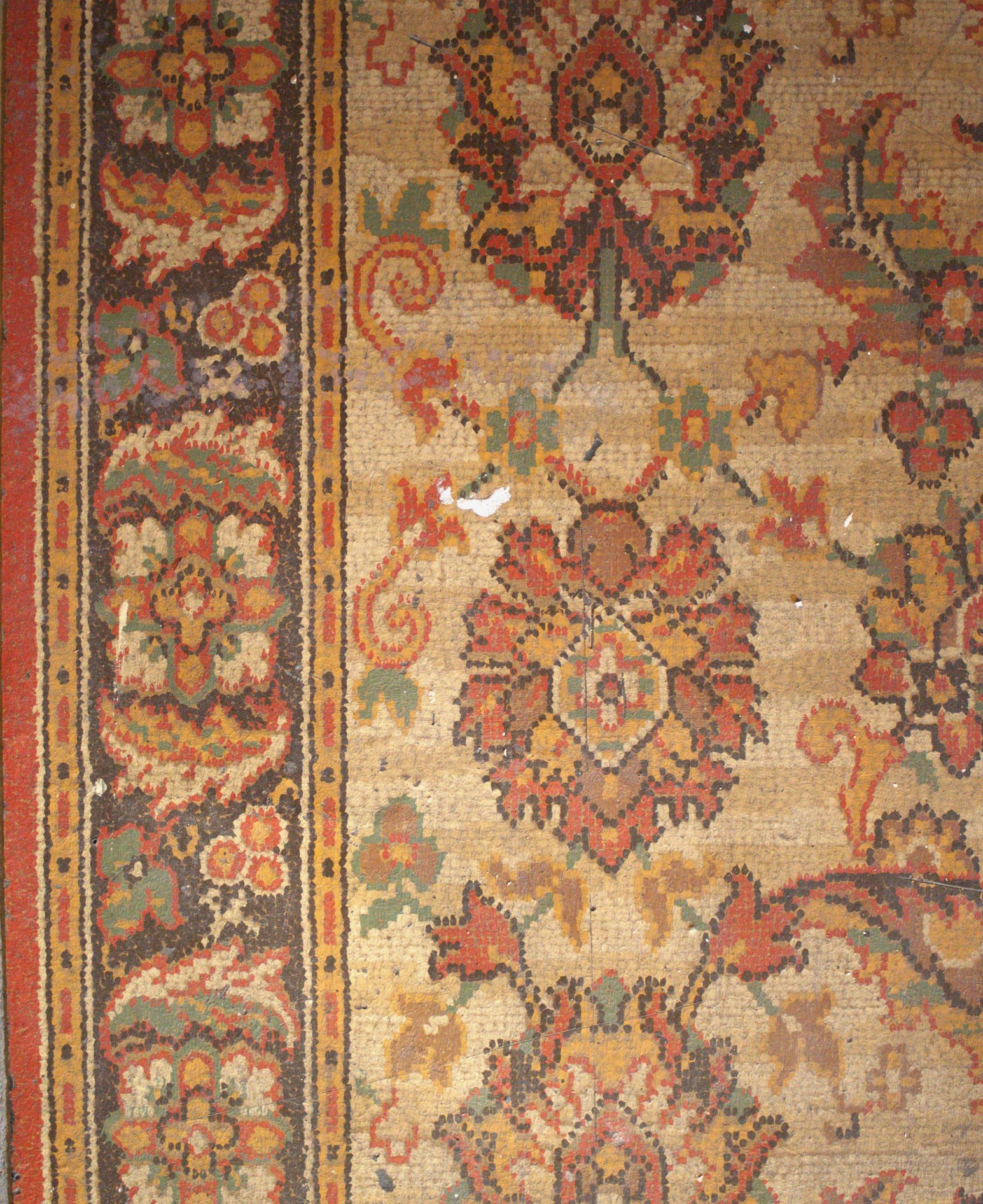
The cheap grades had the design printed onto the surface of plain sheet, which looked identical in the shop and wore through to the brown compound underneath along every walked line.
The same distinction exists in vinyl between through-pattern and printed-with-wear-layer products. The worn pathway across a printed floor – darker in the middle of the room, pattern intact under the furniture – is the single most recognisable sign of a cheap mid-century floor, and it is a straightforward consequence of where the pattern was.
9. The Thick Plain Grade Was Specified for Institutions by the Mile
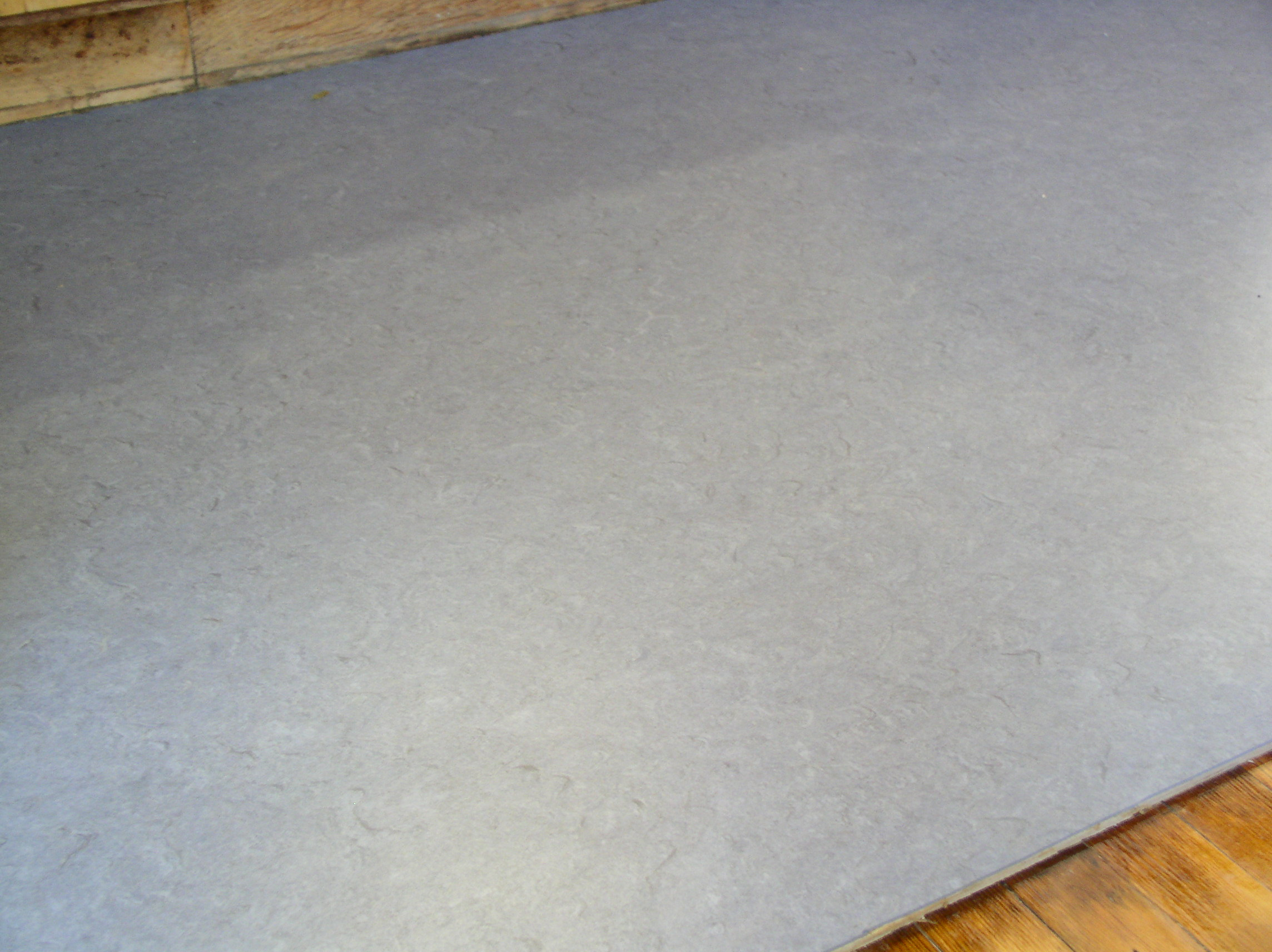
Heavy plain linoleum in dark colours was the standard floor for hospitals, schools, ships, offices and public buildings, chosen because it was hard-wearing, could be washed repeatedly and could be repaired in sections.
Linoleum is still specified in healthcare and education for much the same reasons, alongside modern alternatives. The institutional specification was the industry’s volume business, which meant the trade’s fortunes were tied to public building programmes rather than to domestic taste.
10. The Smell Was the Trade’s Signature and People Either Liked It or Did Not
Oxidising linseed oil and pine resin produce a strong, distinctive smell that permeated the works, the warehouses, the shops that sold it and every room it was laid in for weeks afterwards.
Unchanged, and now used as a selling point for a natural material. It is one of the most strongly remembered smells of mid-century buildings, and because linoleum continues to off-gas mildly for its whole life, an old school corridor with the original floor still smells of it decades later.
11. Laying It Was a Skilled Trade With Its Own Tools and Its Own Rules
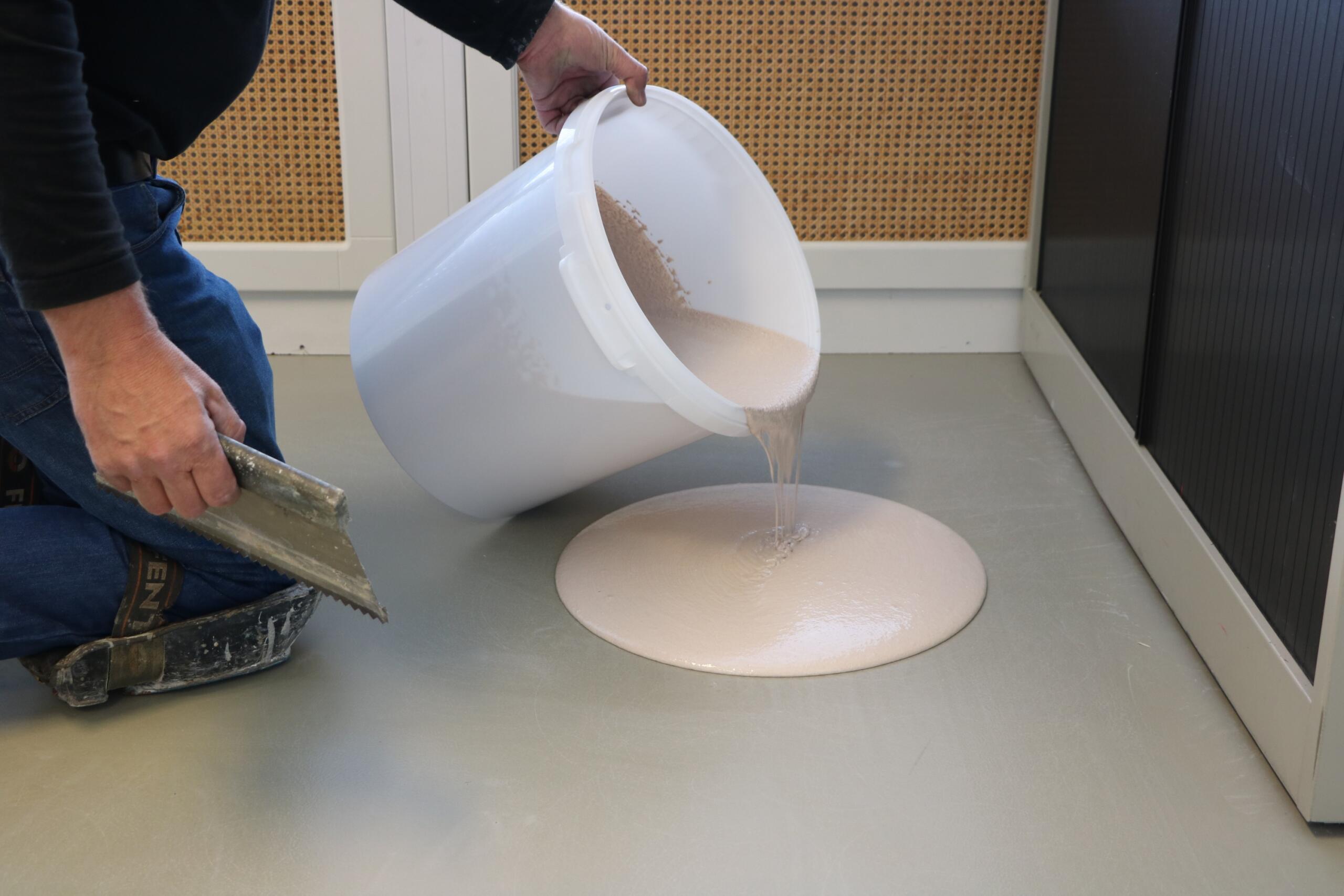
Floor layers had specialist knives, scribers, seam tools and templates, and the work involved cutting complex shapes to fit a room with no straight walls, welding or seaming joints and dressing edges.
Still a skilled trade with the same core techniques, now including heat welding of seams. Scribing a sheet to an irregular wall without the sheet being cut too short is the whole craft, and there is no second chance on a piece of material that size.
12. The Material Had to Sit in the Room Before It Could Be Laid
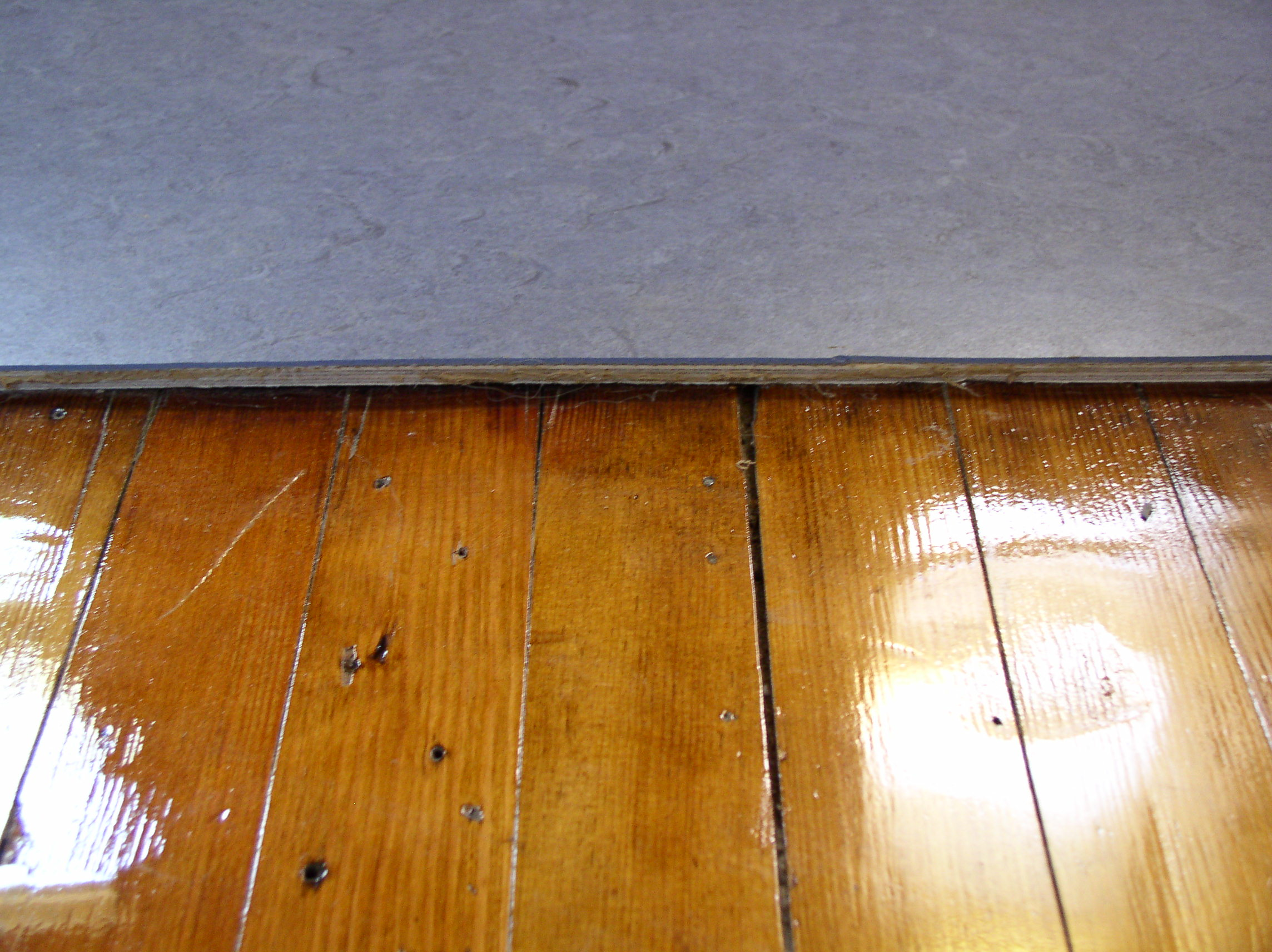
Linoleum expands and contracts with temperature and humidity, so rolls were brought into the room and left for a day or more to acclimatise before being cut, or the finished floor would buckle or gap.
Exactly the same requirement, stated in every manufacturer’s instructions and skipped constantly. A floor laid cold in a warm room grows and lifts at the edges; one laid warm in a cold room shrinks and opens the seams – and in both cases the fault appears weeks later and gets blamed on the material.
13. It Came in Set Widths and the Pattern Had to Be Matched Across Them
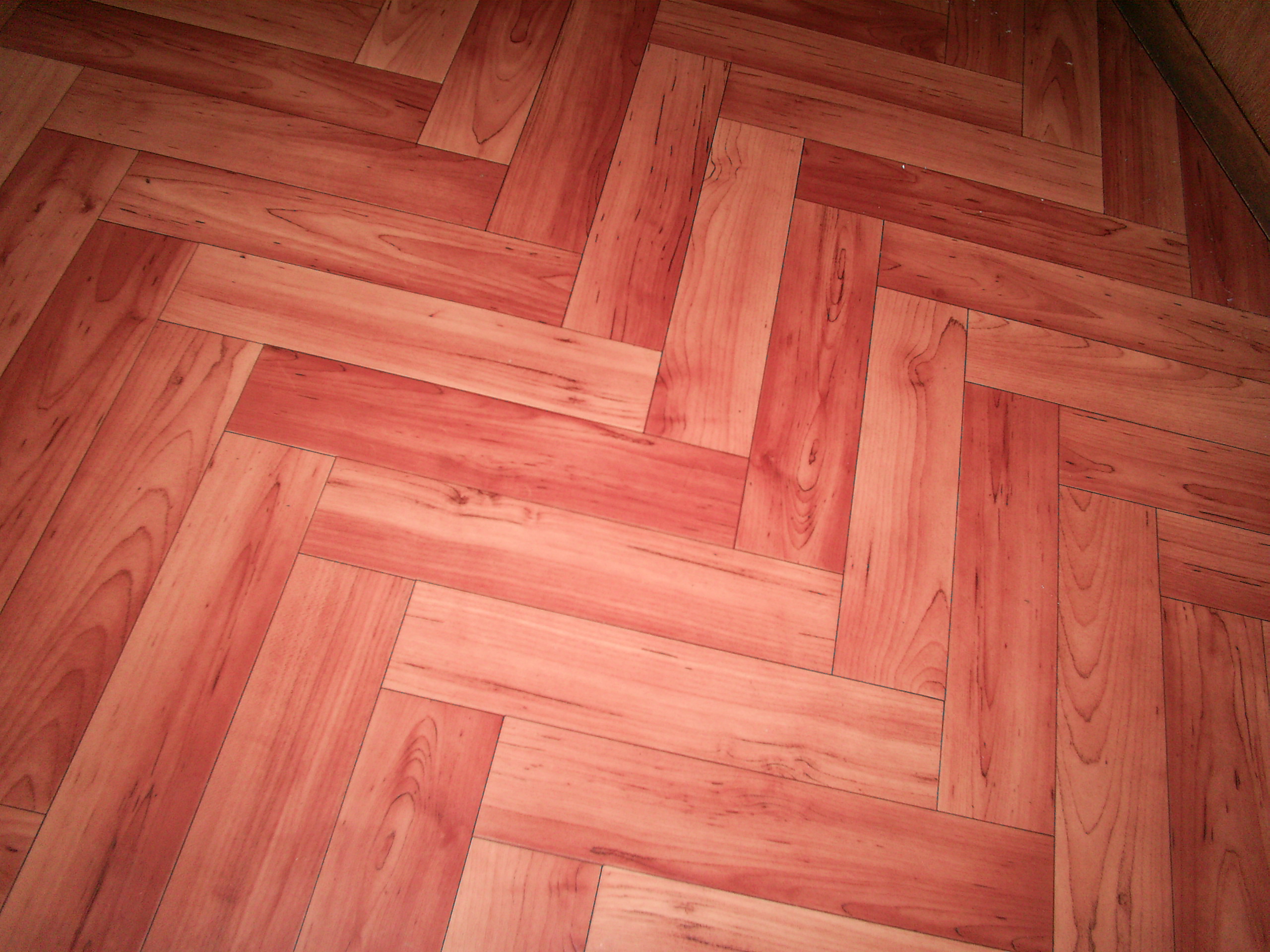
Sheet came in standard widths, so any room wider than that needed a seam, and a patterned floor meant matching the design across the joint as well as fitting both pieces to the walls.
Wider sheet goods reduce the number of seams, with the same matching problem where they occur. The seam placement decision was the layer’s judgement: putting it in the wrong place in a room is a visible error that lasts as long as the floor does.
14. Nobody Believed a Thin Plastic Sheet Could Replace It
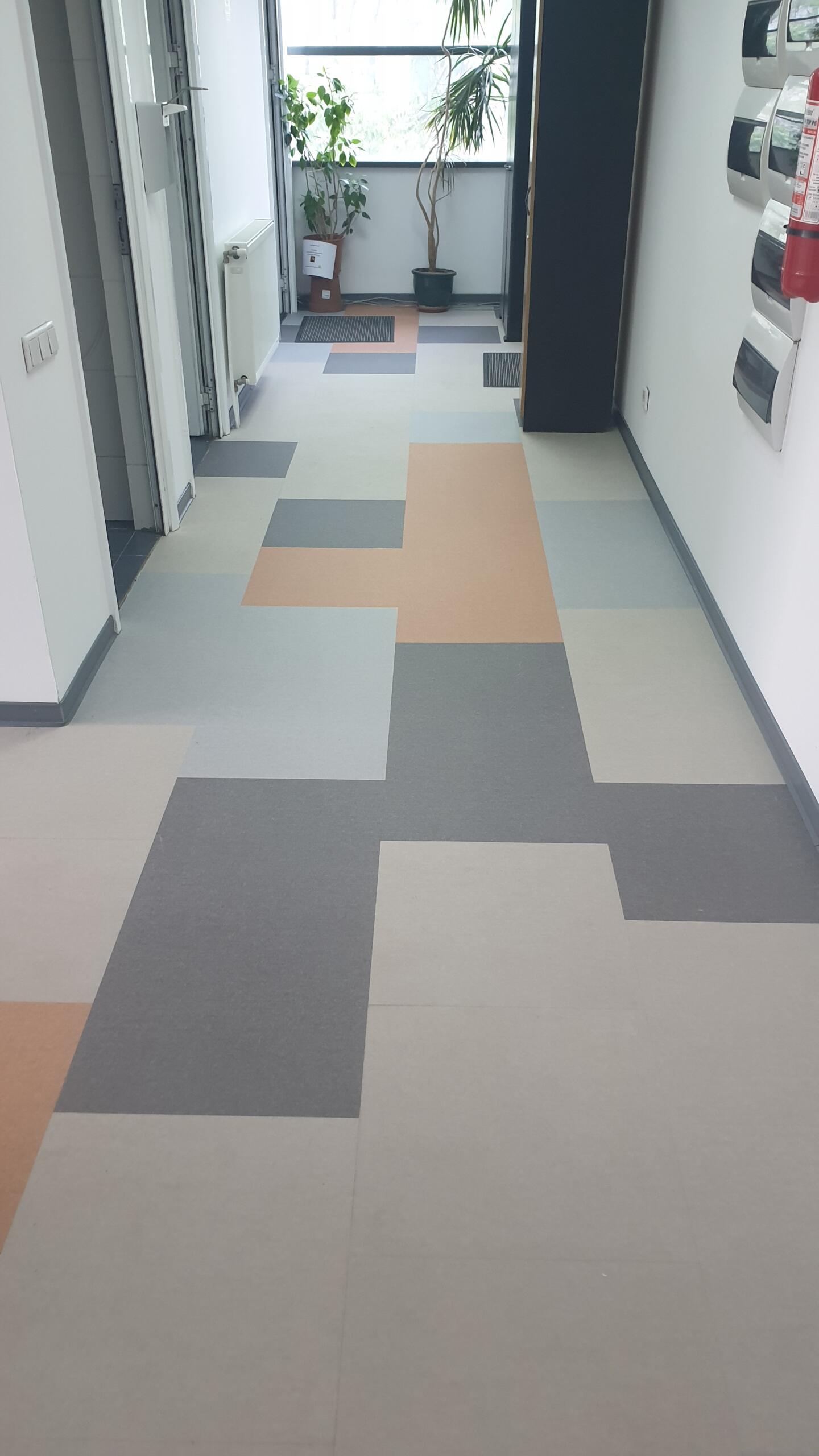
In 1960 linoleum was the default resilient floor, and the vinyl sheet beginning to appear was regarded as a thin, cold, inferior product that would not last.
Vinyl took the market comprehensively within about fifteen years. It was cheaper, lighter, came in brighter colours, needed no weeks-long oxidation or curing, and did not have to be hung in a tower for a fortnight – and it was good enough. The trade’s judgement about the product’s quality was largely correct and completely beside the point.
15. It Came Back, and the Reason Is the Material It Is Made Of
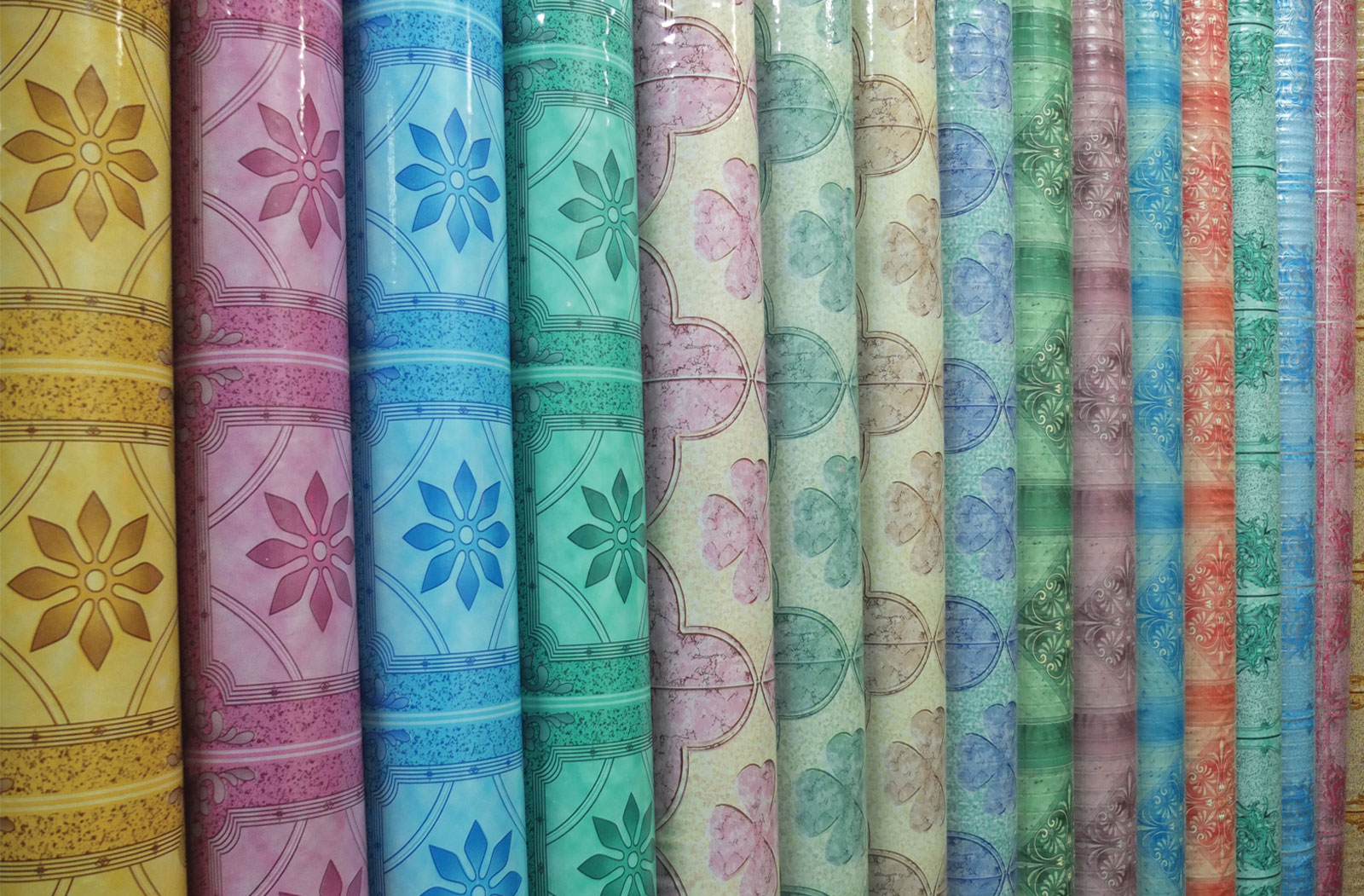
By the later twentieth century most linoleum plants had closed and the word had been taken over by the vinyl that replaced it.
Linoleum is now a specified premium floor, chosen in healthcare, education and architectural work, and the argument for it is precisely the thing that made it slow and expensive to make: it is built from linseed oil, pine resin, cork, wood flour and jute rather than from petrochemicals. The industry that lost on cost in 1965 is selling on composition in the present – which is the same material, the same process and an entirely different argument.
The Word Was Stolen by the Thing That Killed It
There is a detail in this story that is worth sitting with, because it is unusually complete.
Linoleum is a specific material with a specific composition: oxidised linseed oil, pine resin, ground cork, wood flour, on a woven backing. The name is a description of the first ingredient. For about a century it was the standard resilient floor across the industrialised world, and it was made by a process that took the better part of two months from oil to saleable sheet.
Vinyl sheet flooring arrived and destroyed it inside fifteen years – cheaper, lighter, faster to make, brighter, and good enough.
And then the word went too. Almost everybody now says linoleum, or lino, to mean vinyl sheet flooring. People say it in shops. People say it about floors that contain no linseed oil at all and never did. The term for the material has been transferred wholesale onto the product that replaced it, which means the surviving manufacturers of the real thing have to explain, every time, that their product is not the thing their product’s name now means.
That is a more thorough defeat than being outsold. A competitor took the market and then took the name on the way out.
The odd postscript is that the material has come back – specified in hospitals, schools and architectural work, sold on exactly the composition that made it slow and expensive to produce. The towers are gone and the oxidation happens in reactors, but it is the same four ingredients.
It just has to be sold now as something other than lino.
If you went to school in a building older than you are, you walked on this – and you can probably still remember the smell of the corridor.
That smell was linseed oil, and it was coming out of the floor.
Like our content? Follow us for more.

