What the Number Is Actually For
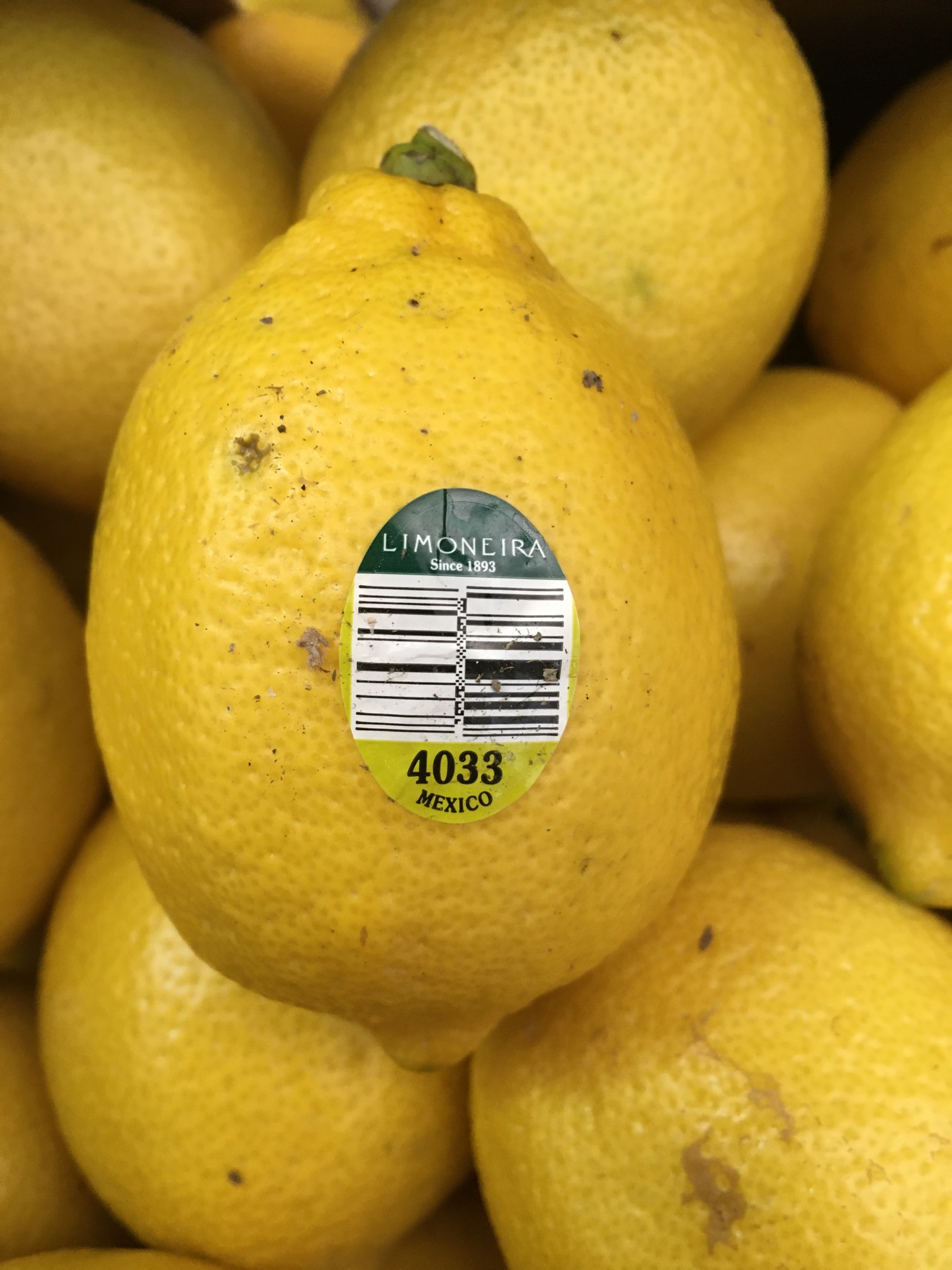
The number on that sticker is a Price Look-Up code, and the clue is in the name: it exists so that the person at the till can charge you correctly.
This sounds trivial until you consider the problem it solves. Loose produce has no barcode. A till operator faced with a pile of apples has to know which variety it is, because one costs considerably more than another, and the two can be effectively identical to anybody who is not a fruit specialist. The same applies to a conventionally grown lemon and a certified organic one, which look exactly alike and carry very different prices.
So the trade gave every commercially significant item of fresh produce a number. The operator reads the number, types it in, and the till applies the right price. That is the entire original purpose, and it is why the codes are on individual pieces of fruit rather than on the crate – the crate gets separated from its contents the moment the display is stocked.
The system is maintained internationally so that the same number means the same thing wherever the fruit is sold, which matters because produce crosses a great many borders between the tree and the shelf. The numbering is voluntary rather than legally mandated in most places, but it is close to universal in practice, because a retailer who cannot price the stock cannot sell it.
Like our content? Follow us for more.
The First Digit Is the Part Worth Knowing
Here is the part almost nobody is told.
A code of four digits – 4011, say, which is the one most often quoted because it has meant yellow bananas for decades – indicates conventionally grown produce. That is the ordinary case and the overwhelming majority of what is on sale.
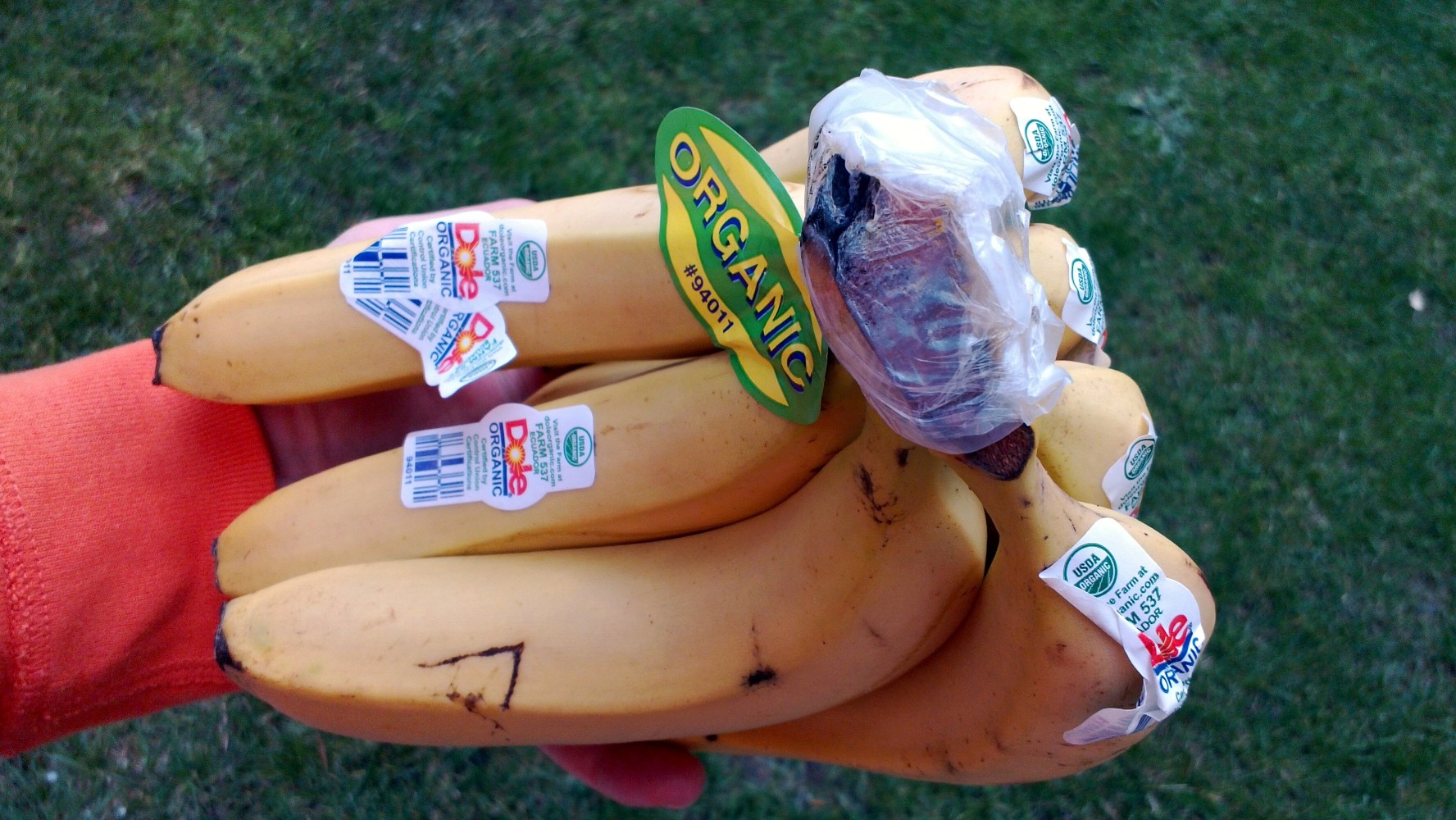
A code of five digits beginning with 9 indicates certified organic. The same fruit, the same variety, the same four digits, with a 9 added at the front. An organic banana is 94011.
That single digit carries information the fruit itself cannot give you, because organic and conventional produce of the same variety are not visually distinguishable. You cannot tell by looking, by smell, by feel or by taste. The price label on the shelf tells you, but labels get moved, displays get mixed and loose fruit gets put back in the wrong place by other shoppers constantly. The sticker travels with the individual item, which makes it the most reliable thing in the display.
So if you have ever stood in front of two bins of apples wondering whether the person before you put theirs back in the right one, the sticker settles it.
The Thing People Repeat About the Number 8 Is Not Right
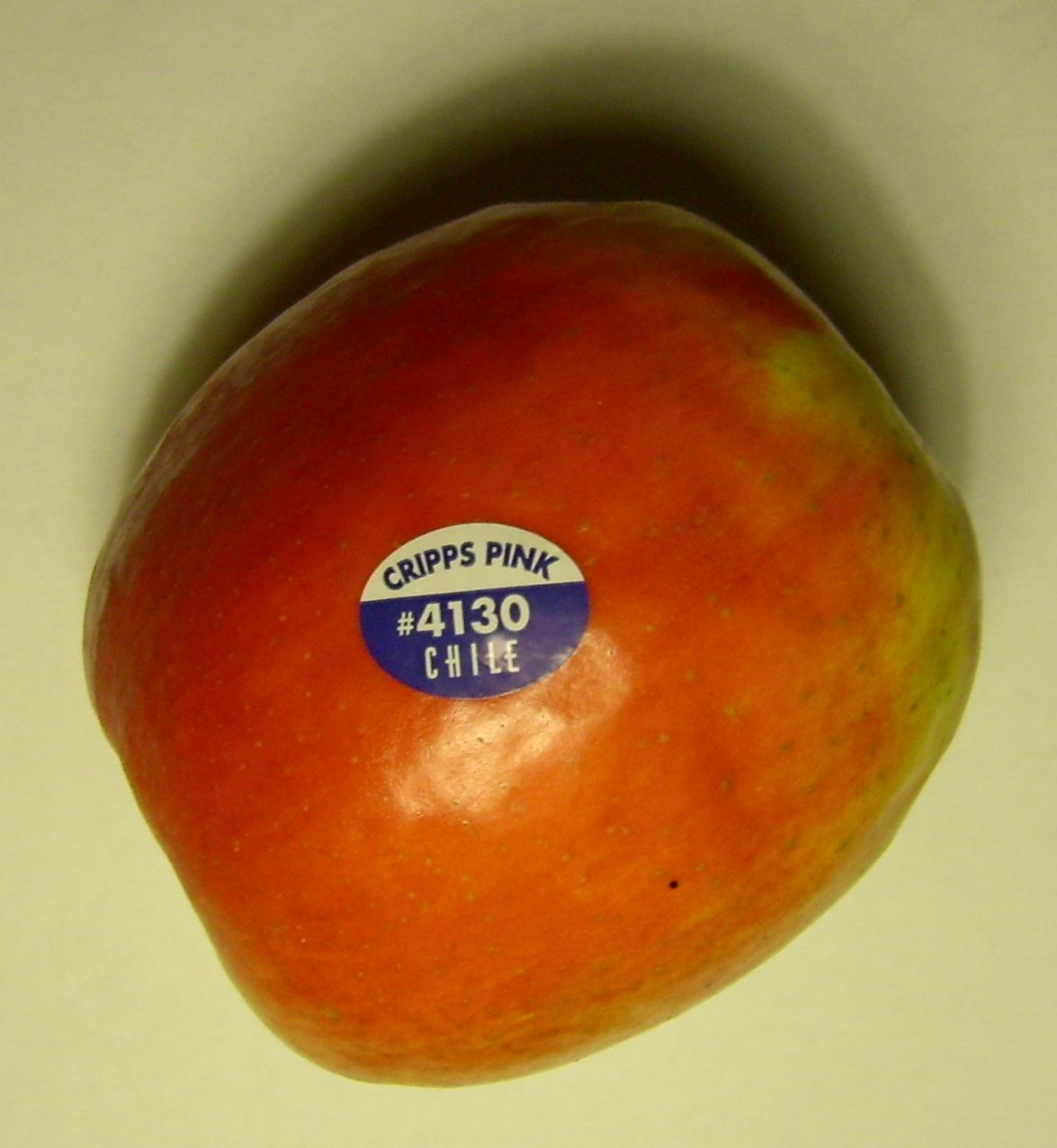
There is a widely circulated claim that a five-digit code beginning with 8 identifies genetically engineered produce. It gets repeated confidently and it is worth correcting, because it is close enough to the truth to be believable and wrong in a way that matters.
The 8 prefix was indeed reserved for genetically engineered produce when the coding system was laid out. The trouble was that it was essentially never used. Retailers did not ask for it, suppliers did not apply it, and the practical demand for the category simply did not materialise in the way the system’s designers had anticipated.
Meanwhile the four-digit conventional range was running out of numbers, because the number of distinct varieties and sizes in commercial trade kept growing. So the body that administers the codes released the 8 prefix and reallocated it to expand the ordinary conventional range.
The consequence is that a code beginning with 8 today tells you nothing about genetic engineering. It means conventionally grown produce, in a number drawn from a block that happens to have had a different intended meaning once.
If you want to know whether something is genetically engineered, the labelling rules where you live are the thing to read. The sticker was never going to tell you.
Why It Is Stuck to the Fruit and Not to the Bag
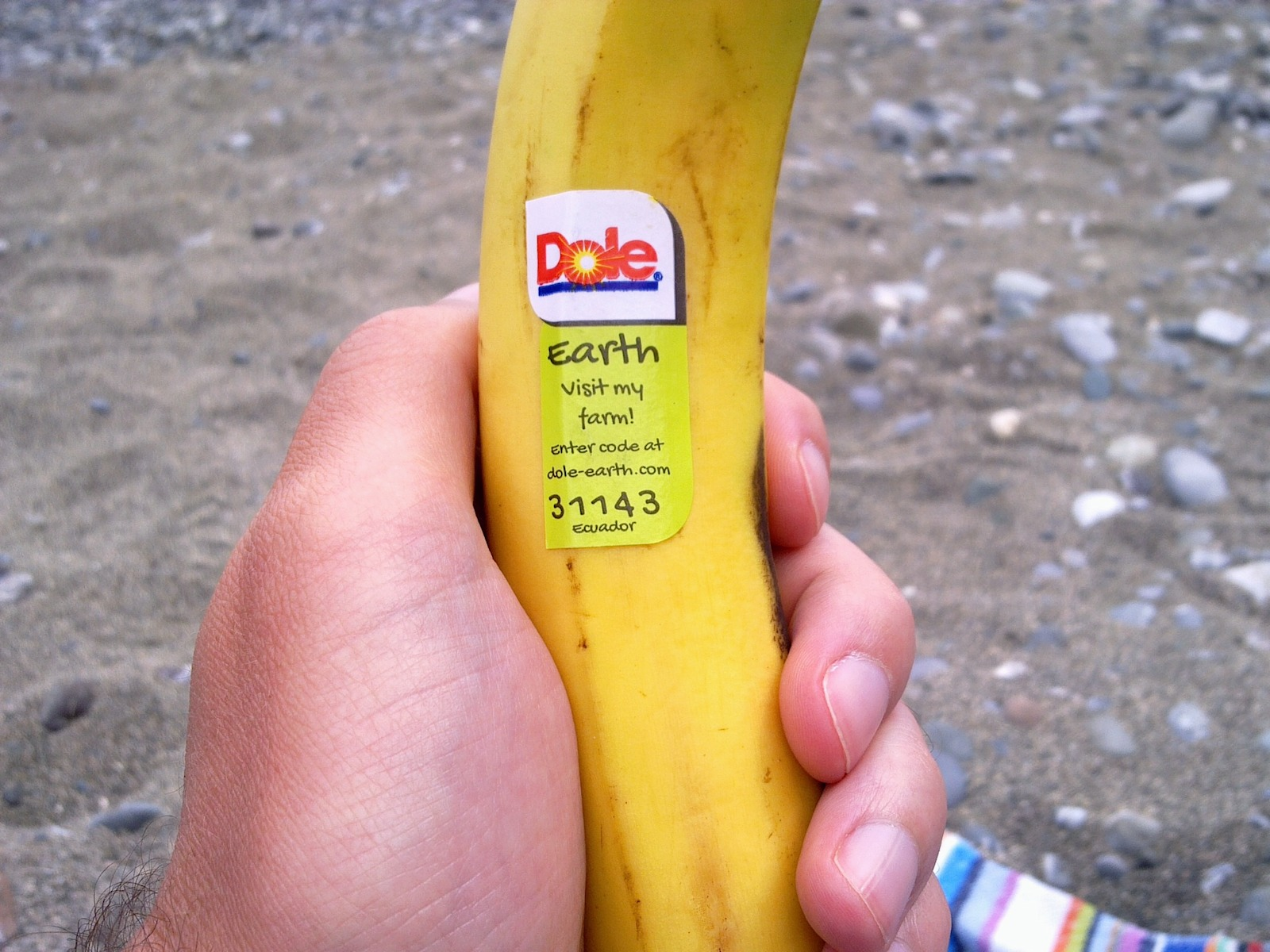
Putting an adhesive label on an individual piece of fruit is a slightly strange thing to do, and the reasons are more interesting than they look.
The sticker has to survive the journey. Produce is washed, graded, chilled, packed, shipped, unpacked, stacked, handled by shoppers and handled again at the till, and the label has to be legible through all of it, including condensation. That rules out anything that comes off when damp.
It also has to be removable without taking the skin with it, which is a real constraint on soft fruit. A pear’s skin will tear. So the adhesives are formulated to grip firmly on a slightly waxy, cool, damp surface and still release cleanly, which is a harder specification than most packaging has to meet.
The adhesives used are made to food-contact standards, because they are in direct contact with something people eat. That does not make the sticker itself food. It is paper or plastic film with glue on it, and it is not meant to be eaten – if one goes down with a mouthful of apple it is not a cause for alarm, but there is no reason to leave them on.
And they go on individually because the alternative is pricing by bag, which takes the choice of how much to buy away from the customer.
The Stickers Are a Genuine Nuisance at the Other End
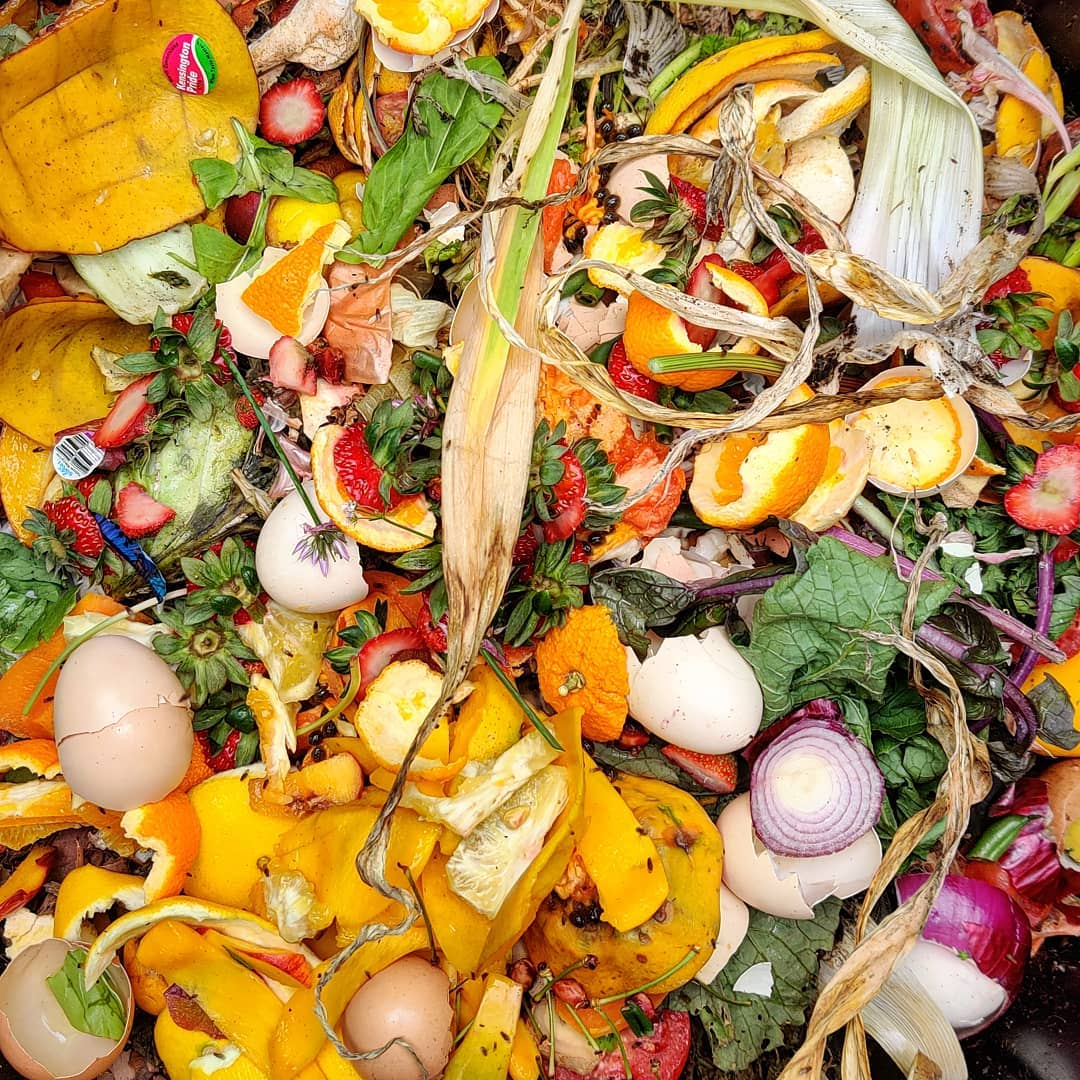
The small plastic label that solves the pricing problem creates a different problem later.
Fruit peel and cores are among the most compostable things a household produces, and a great deal of it now goes into collections intended for exactly that. The sticker goes with it. A plastic film label with a synthetic adhesive does not break down in a composting process, which means it has to be screened out mechanically, and the screening is imperfect.
The result is that commercial composting operations deal with a steady contamination of small plastic fragments arriving on otherwise ideal feedstock. The individual sticker is trivial. The aggregate, across every piece of fruit sold, is not.
This has pushed the trade in two directions. The first is compostable labelling – paper or plant-based films with adhesives that will break down – which is increasingly common and costs more. The second is doing away with the label entirely by marking the fruit’s skin directly with a laser, which removes a very thin layer of the outer surface to leave a visible mark without breaking the skin or affecting shelf life.
Laser marking is in use on some lines in some markets and is spreading slowly, mostly on firm-skinned produce such as avocados and citrus, where there is enough surface to work with.
The Code Is Also a Rough Guide to the Variety
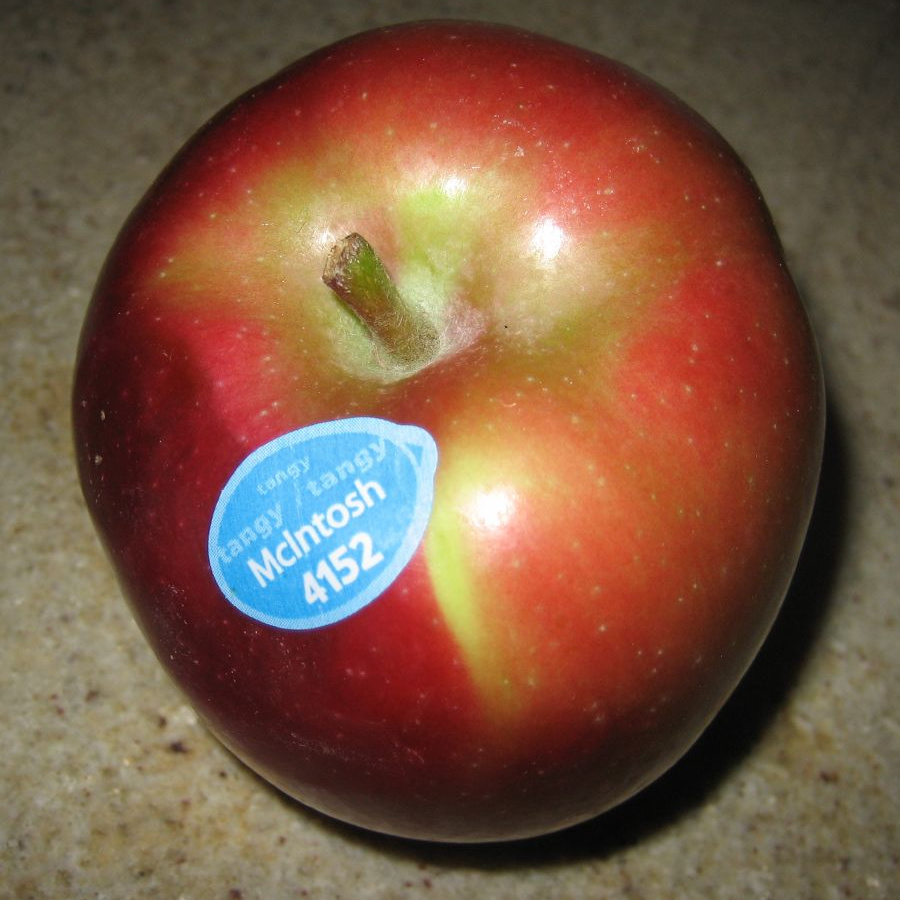
Because the codes distinguish varieties, sizes and sometimes growing methods, the number is quietly more specific than most shoppers realise.
Apples are the clearest case. A supermarket may carry eight or ten named varieties, and each has its own code, as do the different size grades of the same variety in some cases. The number on the sticker therefore identifies not just the fruit but which fruit – which is useful if you have ever bought an apple you liked very much, failed to note what it was called, and been unable to find it again.
The same is true of citrus, pears, avocados, tomatoes and the whole range of items where variety drives both price and eating quality. If you find something you like, the sticker is the most reliable record of what it was, because the shelf label may change next week and the variety name may not appear on it at all.
It is also how price differences that look arbitrary turn out not to be. Two bins of apparently identical tomatoes at noticeably different prices are frequently two different varieties, and the codes will differ.
What the Sticker Is Really Telling You
The sticker exists for the retailer, not for you. It is a pricing tool, designed to let somebody at a till charge correctly for an item with no barcode, and everything about it follows from that – the adhesive, the size, the placement, the international consistency.
But because it was built to be unambiguous for the shop, it ended up being informative for the shopper. The four-or-five digit distinction tells you how the fruit was grown. The number itself tells you what variety you have. And it is physically attached to the individual item, which makes it the one piece of information in the produce aisle that cannot be made wrong by somebody putting something back in the wrong place.
Which is a decent illustration of something that comes up repeatedly with everyday objects: the most reliable information available is often a by-product of somebody else’s administrative problem. Nobody designed that sticker to help you shop. They designed it so the till would balance.
It just happens that a system precise enough to price a lemon correctly is also precise enough to tell you exactly which lemon you are holding.
Like our content? Follow us for more.