

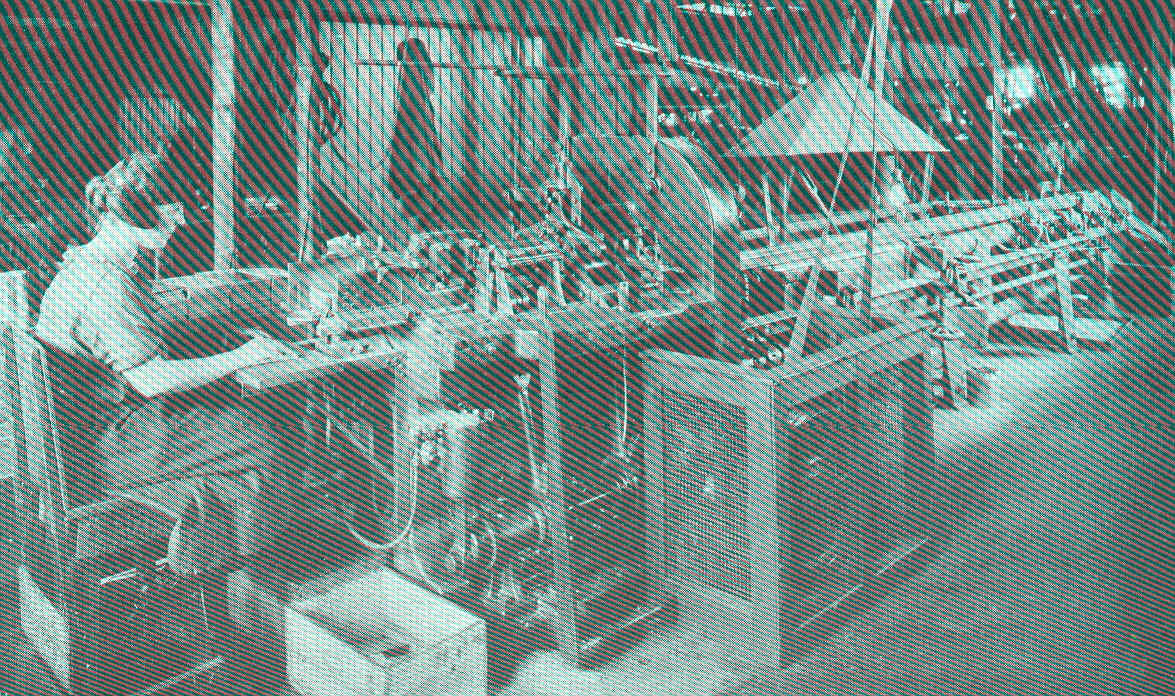
In 1960 a decorated tin was printed flat. Sheets of tinplate went through a press one colour at a time, and each colour had to be baked hard in an oven before the next could go on.
Only then were the sheets cut and stamped into shape, which is why the images on old tins distort around the corners. The edges were rolled over because a cut tinplate edge will open a hand. The seams were soldered with a lead alloy. And the press shop was the dangerous part of the building.
Here are fifteen things that were normal in a tin box factory in 1960, and what became of each one.
1. The Pictures Were Printed Onto Flat Metal Sheets Before Anything Was Bent
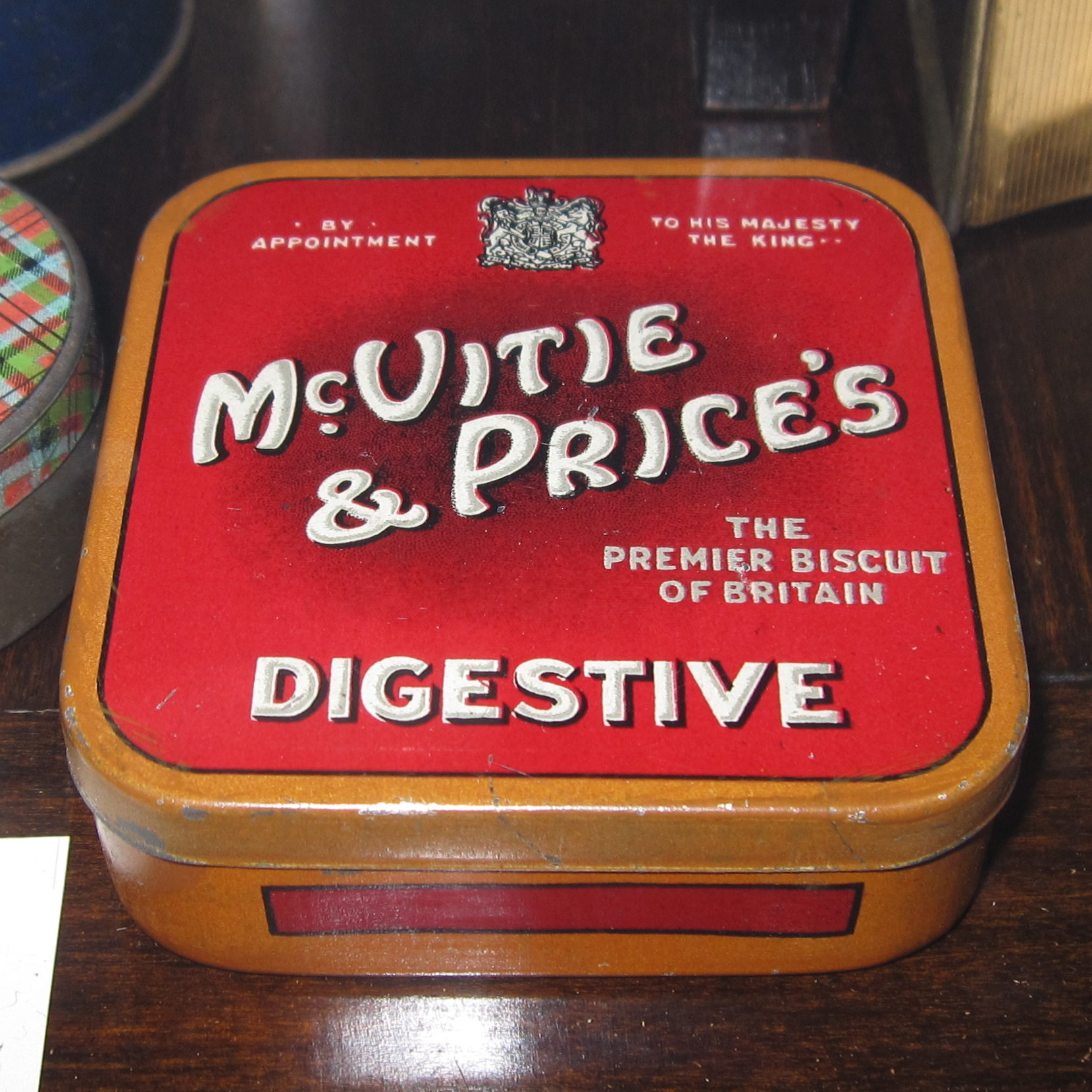
Decorated tins were printed while still flat: sheets of tinplate went through a press that laid down each colour in turn, exactly like printing on paper, and only afterwards were they cut and formed into boxes.
Still the sequence, on high-speed lines with digital platemaking and ultraviolet curing. Printing first and forming second is why the designs on old tins distort around the corners and up the sides: the image was laid on a flat sheet and then stretched and compressed by the press tools that gave the tin its shape.
Like our content? Follow us for more.
2. Every Colour Had to Be Printed, Dried in an Oven and Printed Again
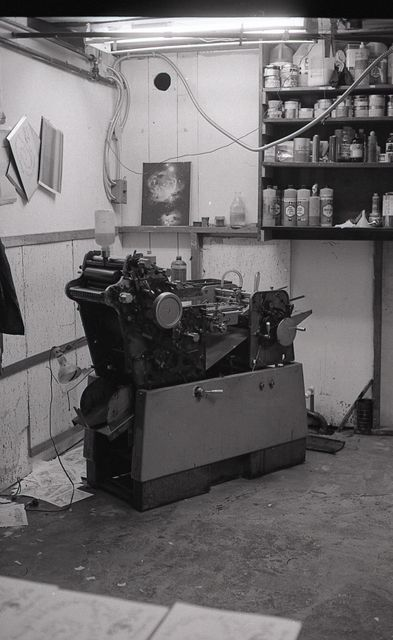
Ink on metal does not soak in, so each colour had to be baked hard in an oven before the next could go on, and a six-colour design meant six passes through the press and six trips through the stoving oven.
Inline curing between stations, with the whole sequence continuous. The repeated baking is the reason tinplate printing was slow and expensive compared with paper, and why cheap tins carried few colours while the elaborate ones were a deliberate statement of expense.
3. The Metal Was Steel With a Microscopically Thin Coat of Tin
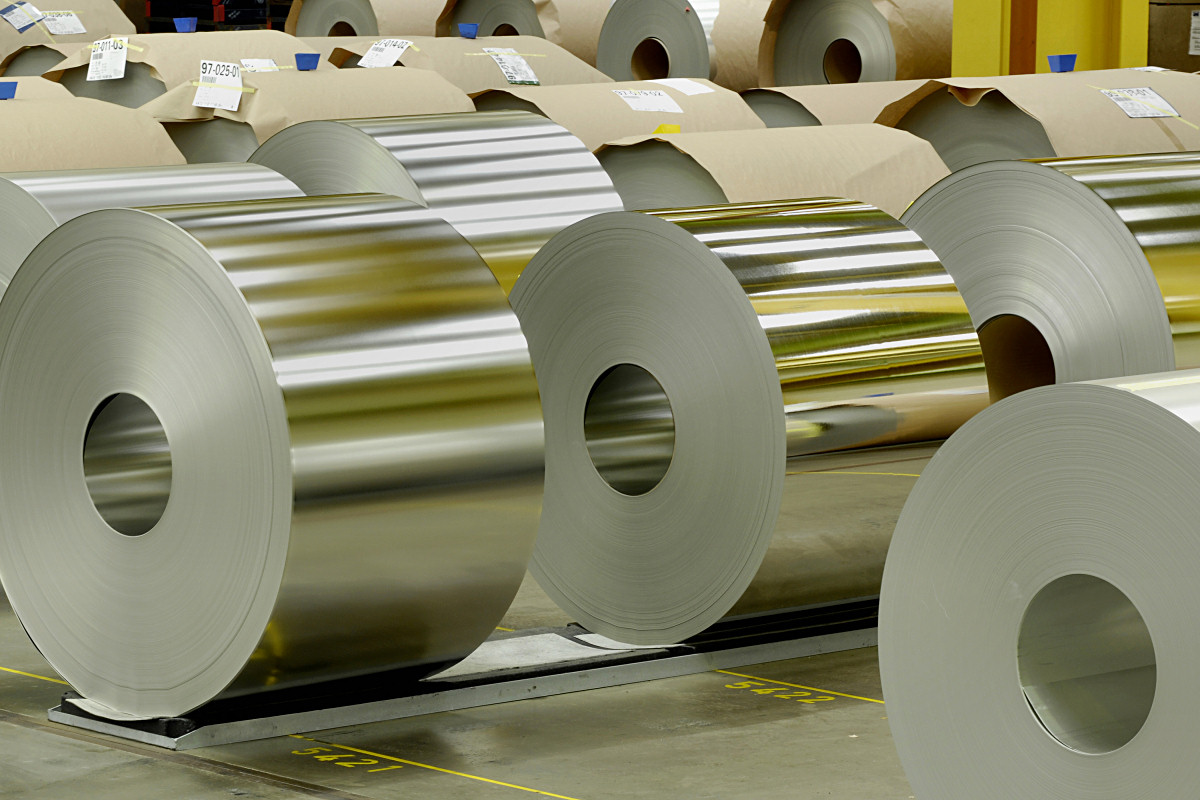
Tinplate is not tin. It is thin mild steel electroplated with a coating of tin a few thousandths of a millimetre thick, which gives corrosion resistance, a bright printable surface and no metallic taste against food.
Still exactly that, with thinner steel and more precisely controlled coatings. The thinness of the tin layer is the thing people get wrong: there is so little of it that a scratch through to the steel will rust, which is why every dented old tin has rust exactly along the dent.
4. A Base Coat of White Went On First or the Colours Looked Wrong
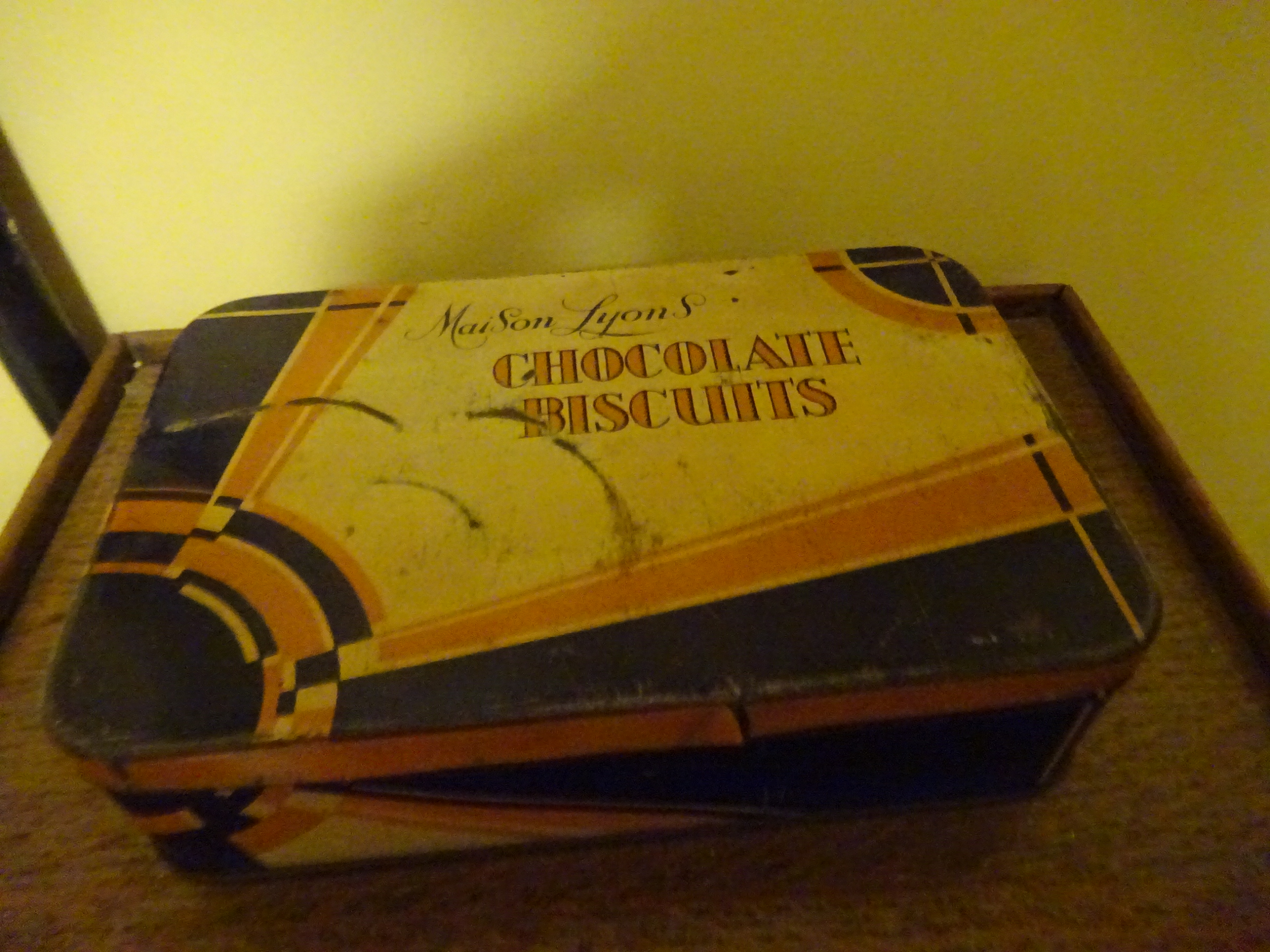
Printing colour directly onto bright metal produces a dull, metallic-looking result, so sheets were given a coat of white enamel and stoved before any image went on, to give the inks something to sit on.
Unchanged in principle, with better coatings. Where the makers wanted the metal to show through – gold and silver effects, highlights – they left the white off and printed transparent inks straight onto the tin, which is how old tins get those glowing metallic areas that cannot be reproduced on paper at all.
5. The Boxes Were Formed by Stamping Them Out Under Enormous Pressure
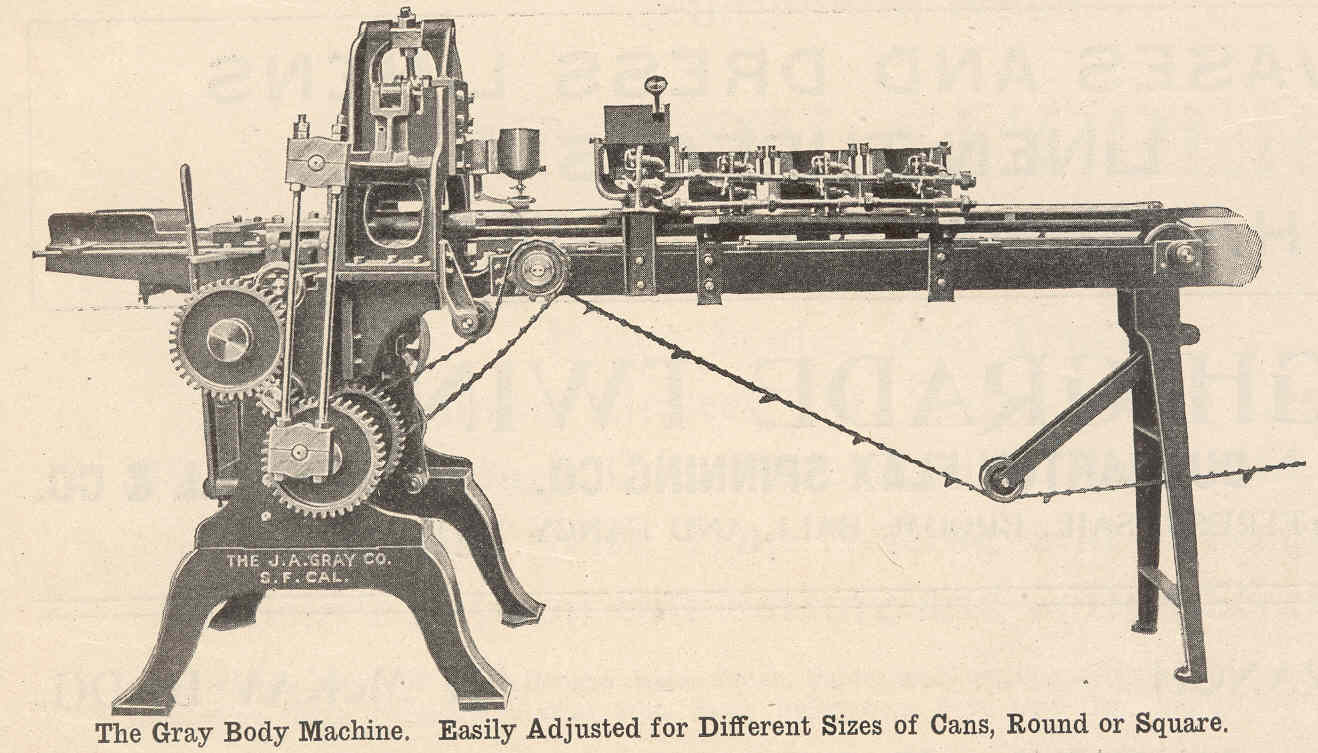
Lids, bases and shaped bodies were pressed from flat blanks in heavy power presses, with the metal drawn into shape in one or several stages, and the tooling for each shape was made in-house.
Automated presses with guarding, sensors and automatic feed. The press shop was the dangerous part of the works: unguarded presses operated by hand feeding, cycling continuously, with the operator’s hands going into the tool area on every stroke – and the injuries that resulted were common enough to be unremarkable.
6. The Edges Were Rolled Over Because a Cut Tinplate Edge Will Open a Hand
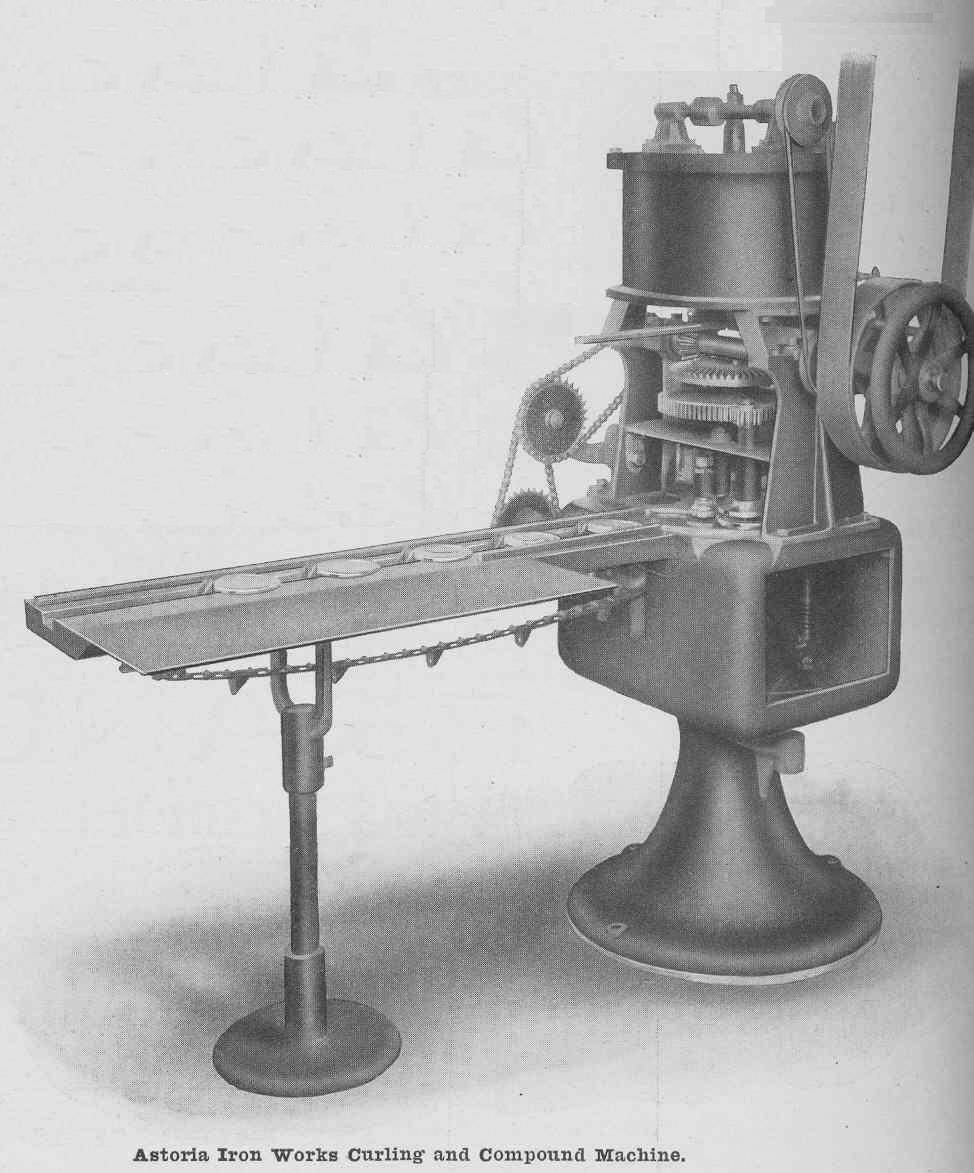
Every exposed edge was curled, hemmed or wired – rolled over on itself or around a wire – because sheared tinplate has an edge genuinely capable of a deep cut.
Mandatory and tested, with edge safety part of the standards for anything sold for domestic use. The curl is doing two jobs: removing the sharp edge and stiffening what would otherwise be a floppy rim, which is why a tin lid holds its circular shape.
7. The Seams Were Soldered by Hand or by Machine With Lead Solder
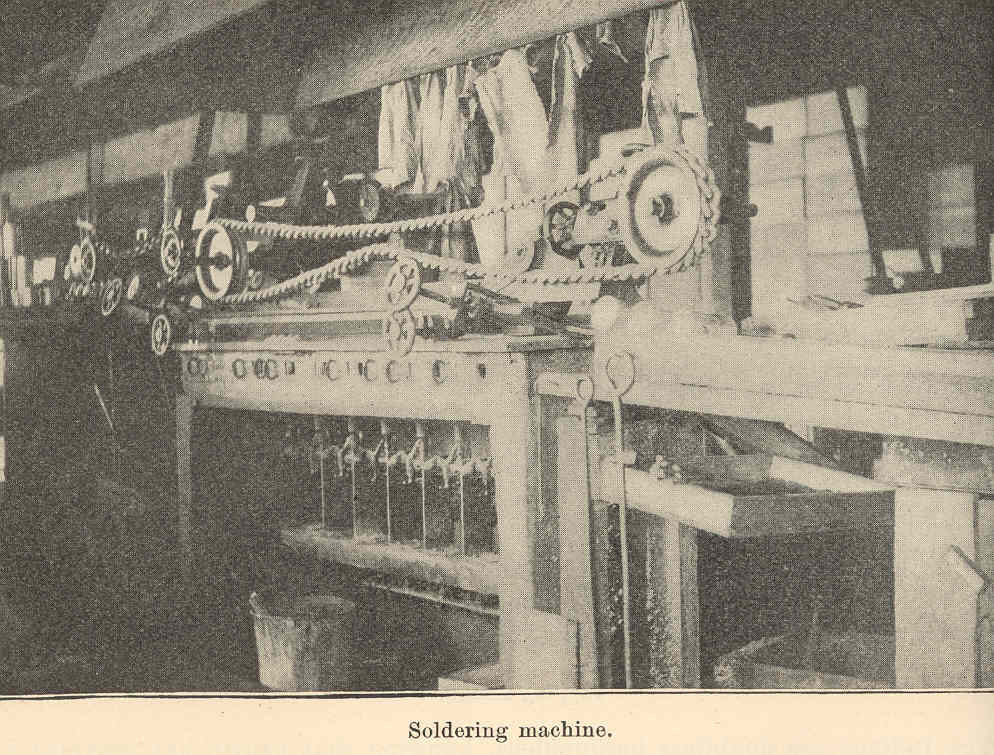
Cylindrical tins had their side seams locked and then soldered, and the solder used through most of the period was a lead-tin alloy applied with a flux.
Welded side seams with no solder at all, which became standard once the health case against lead solder in food packaging was accepted. The change was one of the significant packaging reforms of the later century and it happened quietly, because the consumer could not see the seam and had no idea it had changed.
8. The Lid Fit Was the Whole Reputation of the Factory
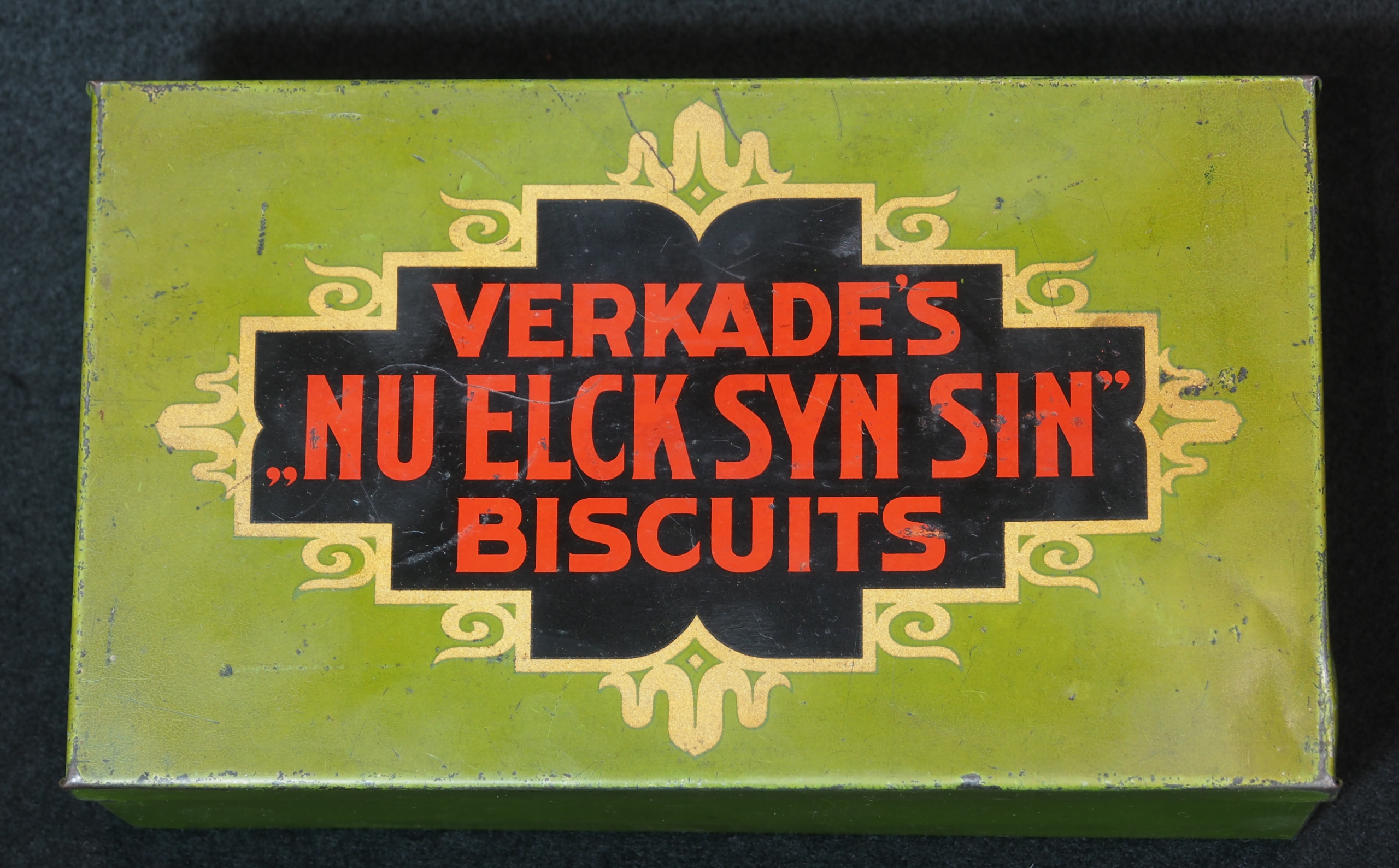
A tin’s lid had to go on easily, stay on when the tin was carried, come off without a tool and do all three after years of use, and achieving it depended on press tooling accuracy measured in hundredths of a millimetre.
Automated dimensional checking on every batch. The lid is what people actually remember about old tins – the ones that needed a coin and the ones that came off with a sigh – and the difference between them is entirely tool wear in the press shop.
9. The Design Work Was Done by Artists on Staff
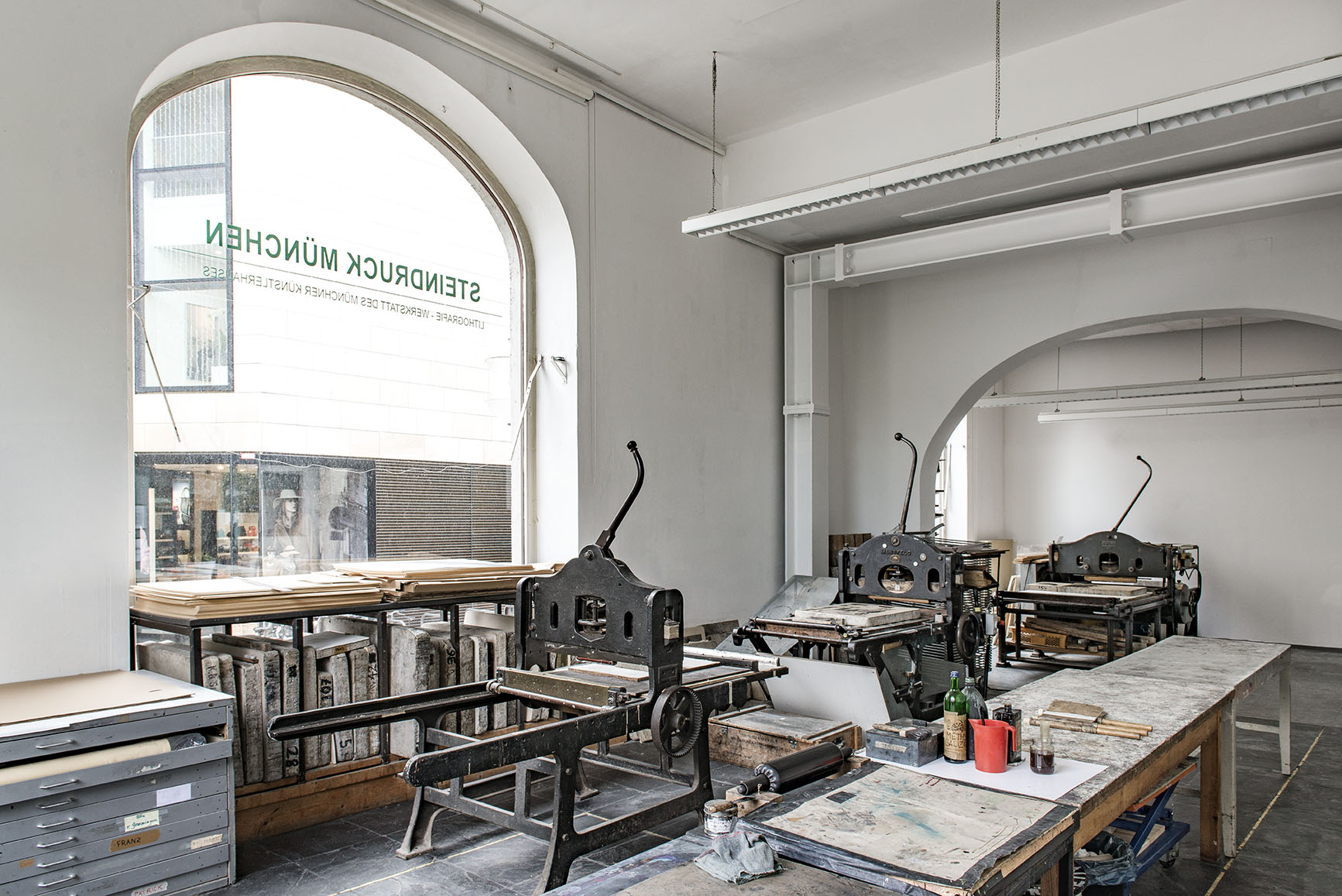
Tin decoration was drawn and painted by hand by designers employed by the printer, who had to work within the colour count, understand how the image would distort in the press and separate the artwork into printing colours themselves.
Digital design and automated separation. The constraint produced the style: the flat areas, strong outlines and limited palettes of old tins are a direct consequence of designing for a small number of opaque baked inks on a stretched metal surface.
10. An Enormous Share of the Output Was Biscuits, Tobacco and Sweets
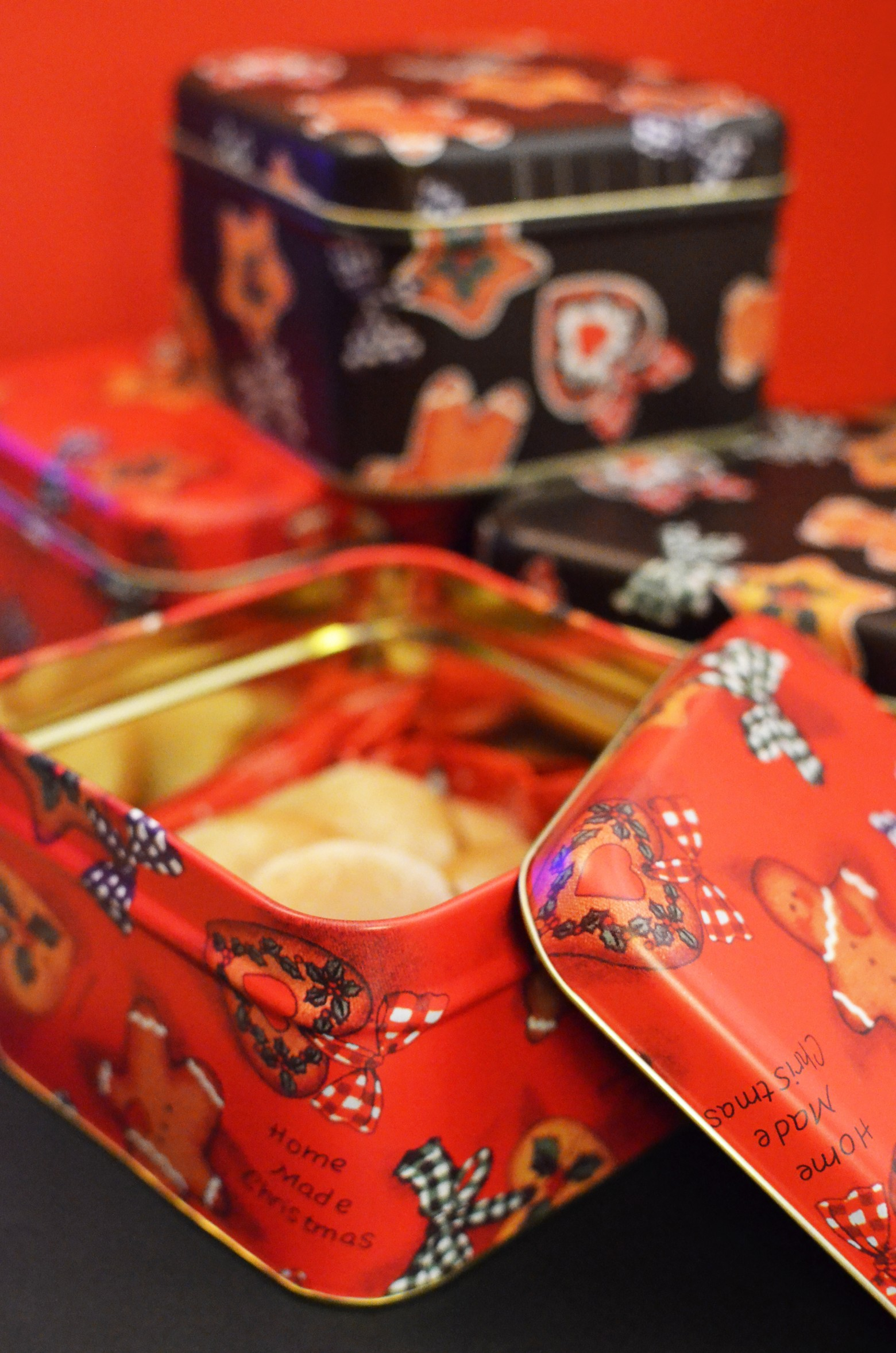
The trade’s bread and butter was food and tobacco packaging, where the tin kept the contents dry and airtight and the decoration did the selling on a shop shelf.
Those markets went almost entirely to plastic film, laminates and card. Airtightness was the functional argument and decoration the commercial one, and the tin lost both at once when printed laminates arrived that could do the first adequately and the second brilliantly at a fraction of the weight.
11. Novelty Shapes Were a Serious Part of the Business
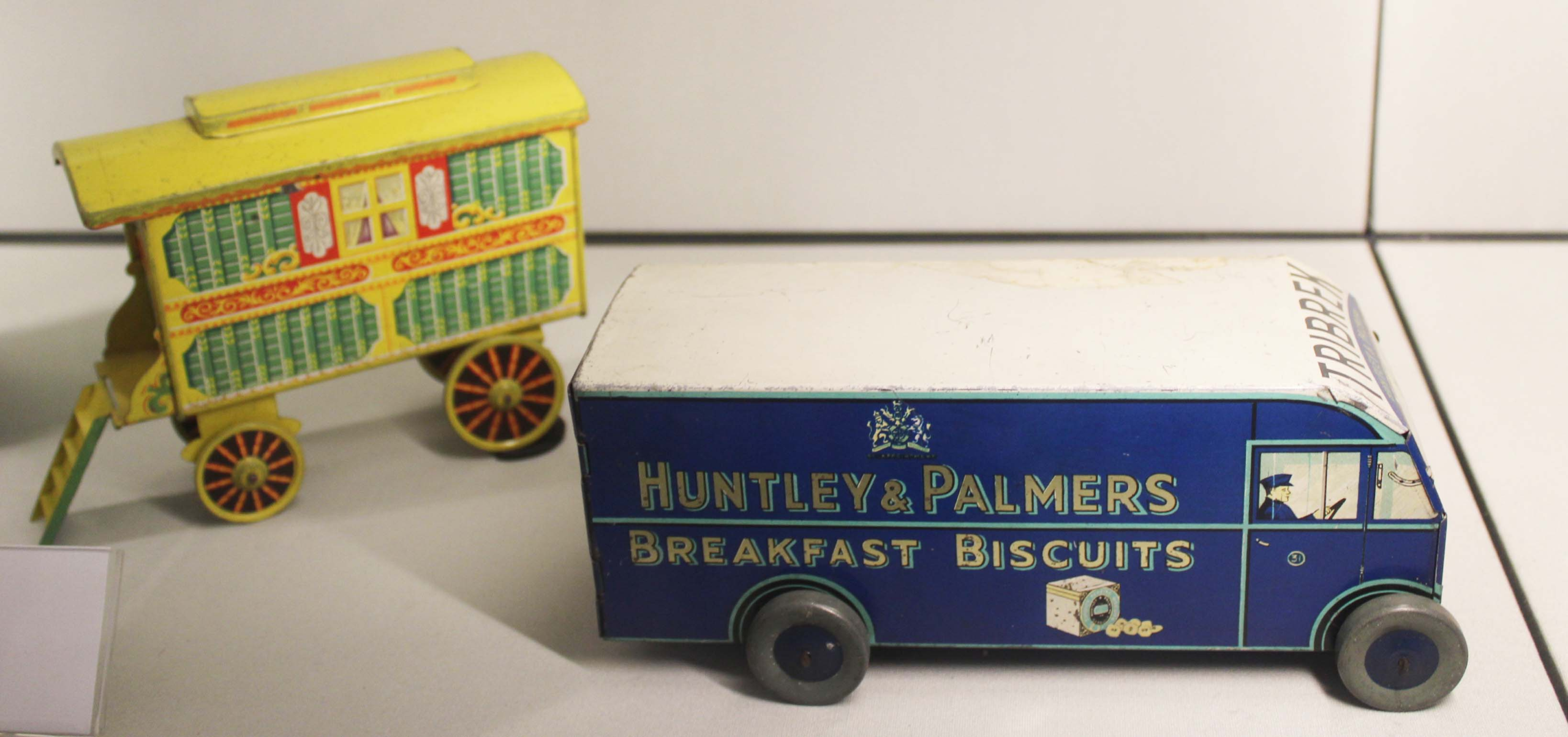
Factories made tins shaped as books, chests, buses, cottages, drums and globes, pressed in multiple parts with hinges, handles and feet added, specifically so the container would be kept after the contents were eaten.
Essentially a seasonal and premium niche. The strategy was explicit and it worked: a tin that becomes a sewing box or a biscuit tin at the back of a cupboard is an advertisement that stays in the house for forty years, and nobody has found a packaging material since with the same property.
12. The Factory Made Its Own Press Tools and That Was the Real Asset
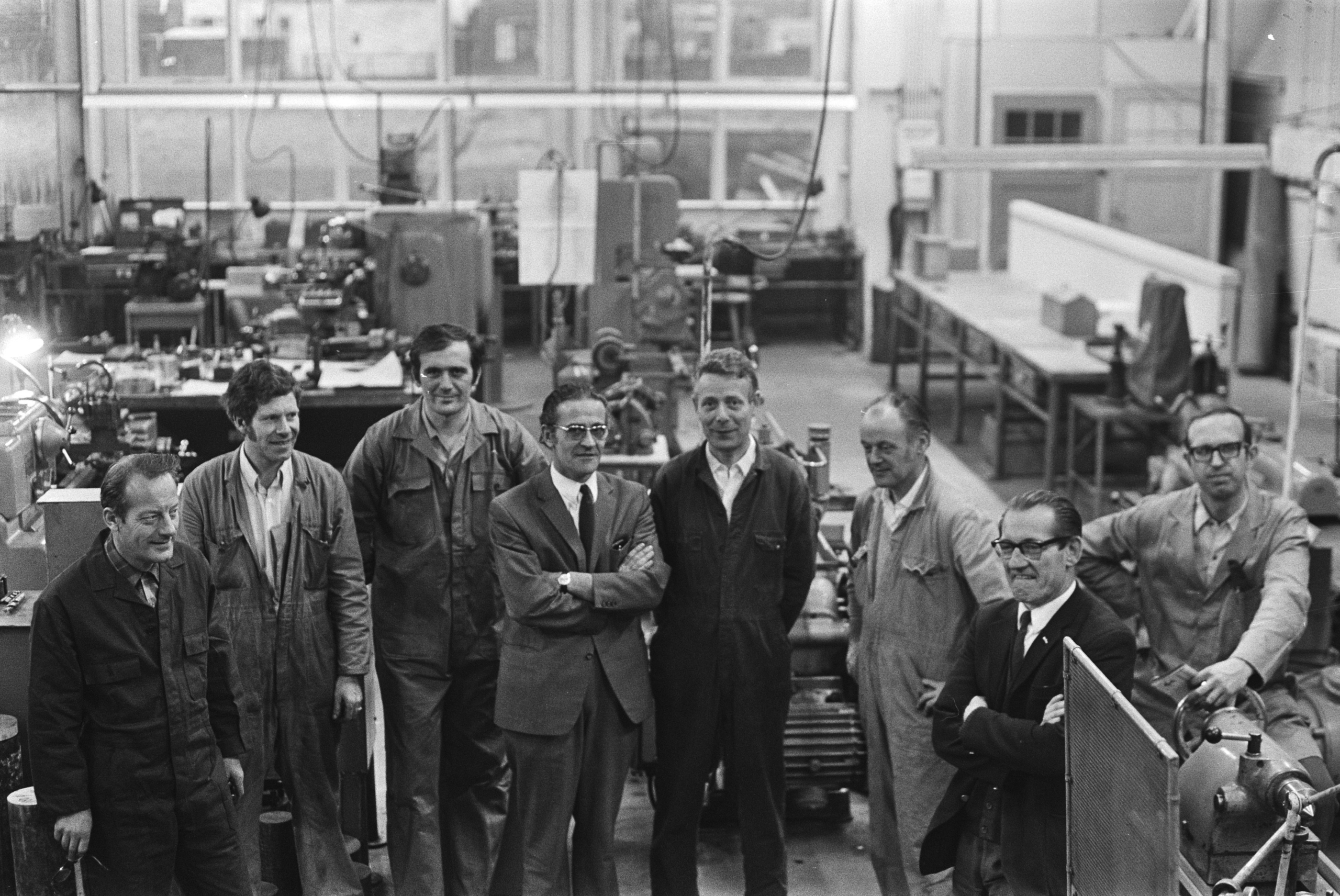
Tooling for every tin shape, every lid and every embossing was designed and cut in the works’ own toolroom by toolmakers who were the highest-skilled people on site.
Tooling is now bought in or produced by specialist suppliers with computer-controlled machining. The toolroom was the thing that could not be replaced quickly, and when these works closed the toolmakers were the people other industries hired immediately.
13. The Printing Was Good Enough to Be Used for Something Else Entirely
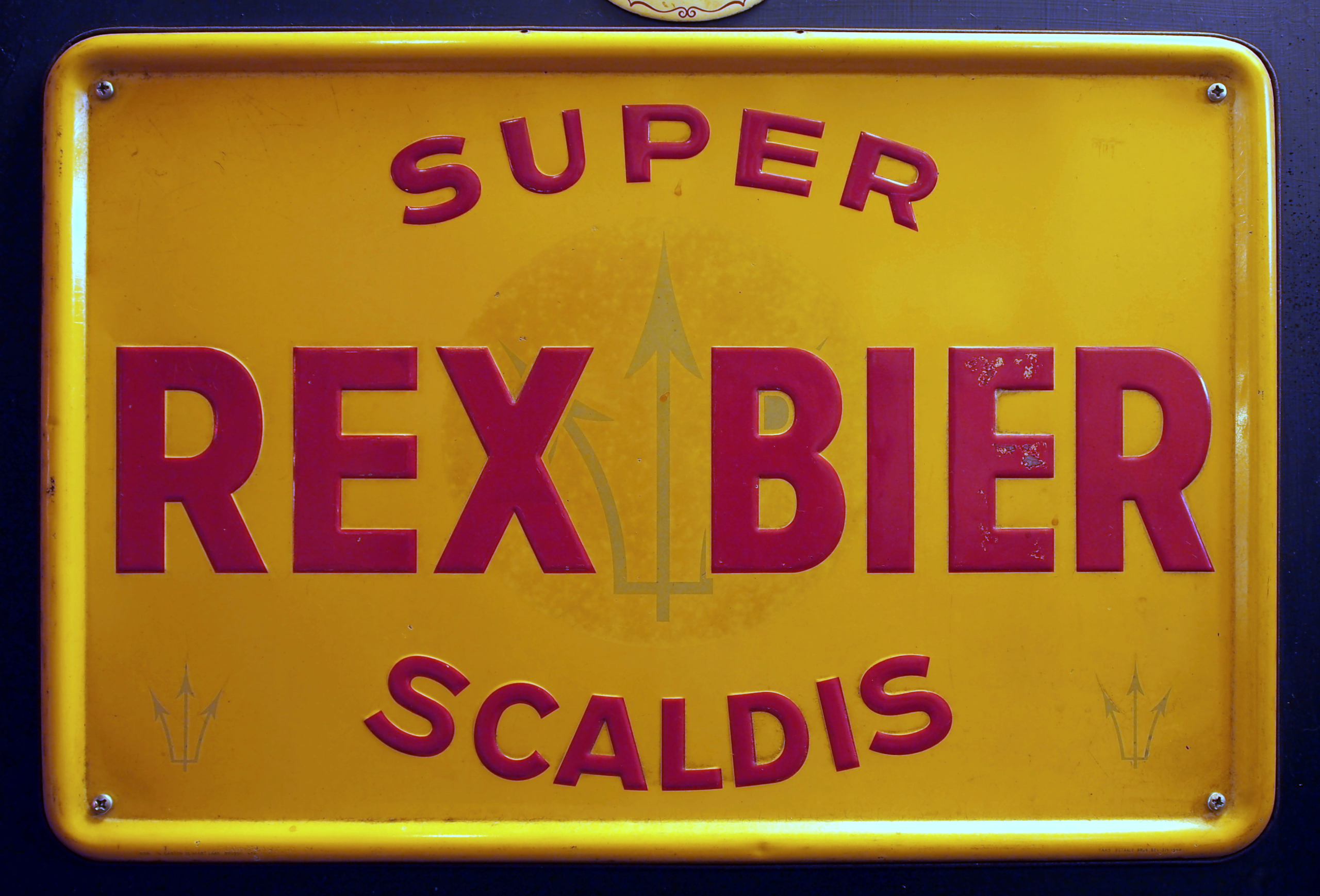
The quality of multi-colour lithography on metal was high enough that the same works printed signs, trays, advertising display pieces and mechanical toys alongside the packaging.
The surviving trade is concentrated in signage, premium packaging and industrial containers. The breadth is why the collapse was survivable for some firms: a works that could print anything flat and bend it had somewhere to go when biscuit tins stopped selling.
14. Nobody Thought a Bag Could Replace a Box
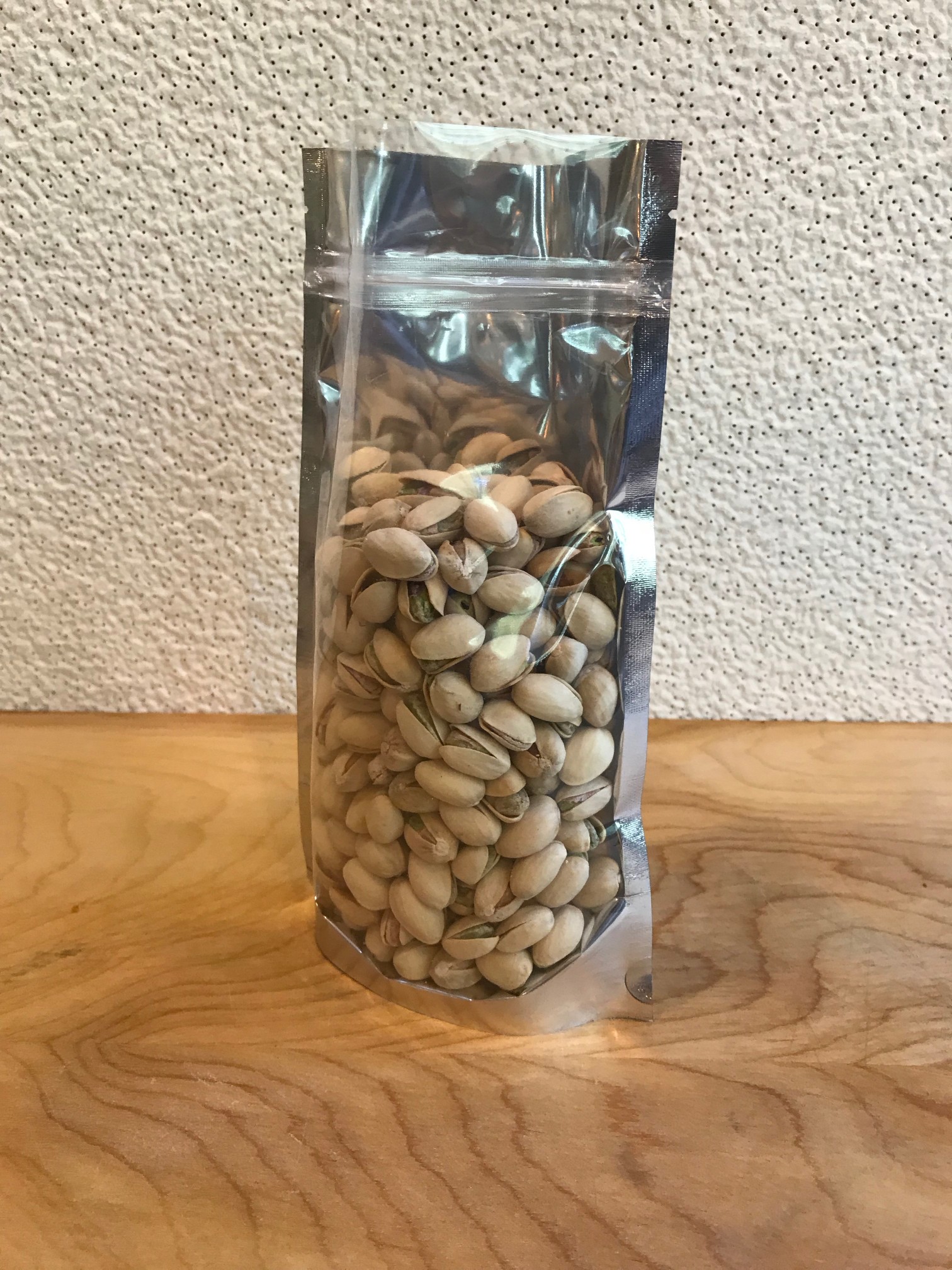
In 1960 the idea that biscuits would be sold in a plastic sleeve, or tobacco in a foil pouch, was not taken seriously in a trade built on the proposition that a container should be rigid and reusable.
Flexible packaging took the overwhelming majority of the volume. The argument the trade lost was about weight and cost rather than quality: a laminate pouch does the job adequately, costs a fraction, weighs almost nothing to ship and is thrown away – which turned out to be what retailers and manufacturers wanted.
15. The Tins Are Still in People’s Houses, Full of Something Else
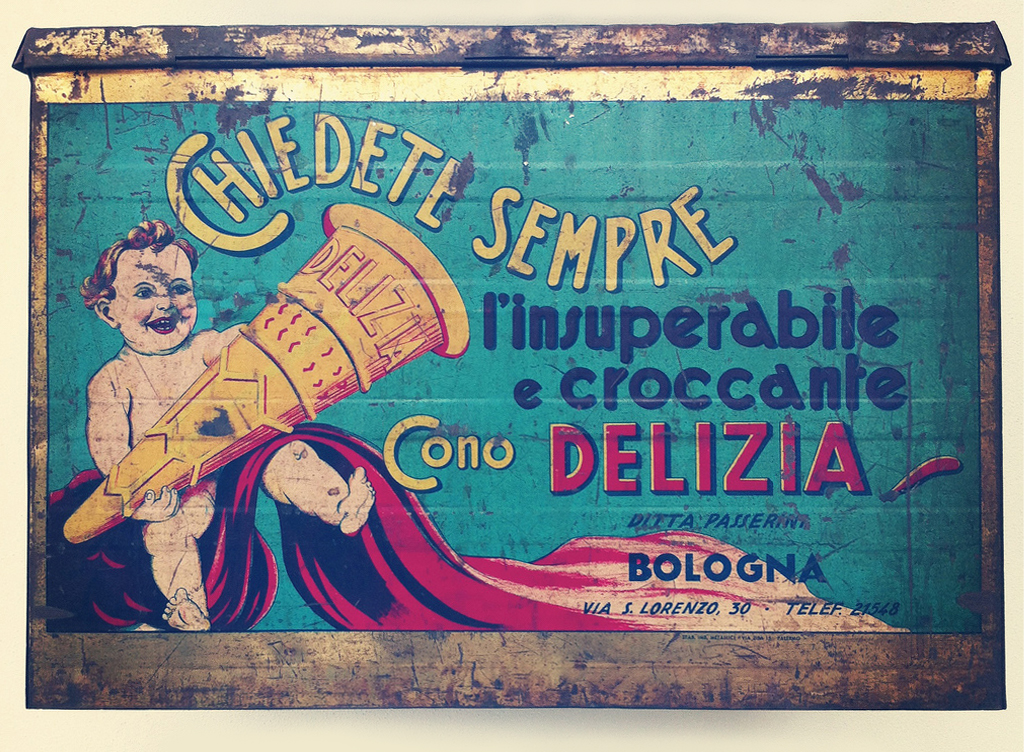
The decorated tin was built to be airtight, rigid, printable and durable, and it succeeded so comprehensively that the containers outlived the companies, the products and in many cases the entire industry.
Unchanged and quietly remarkable. There is a tin in a very large proportion of households that has not contained its original product for decades and is now full of buttons, screws, photographs or documents – which is the trade’s real monument, and the exact opposite of what packaging is now designed to do.
The Packaging Was Designed to Be Kept, and That Was the Whole Strategy
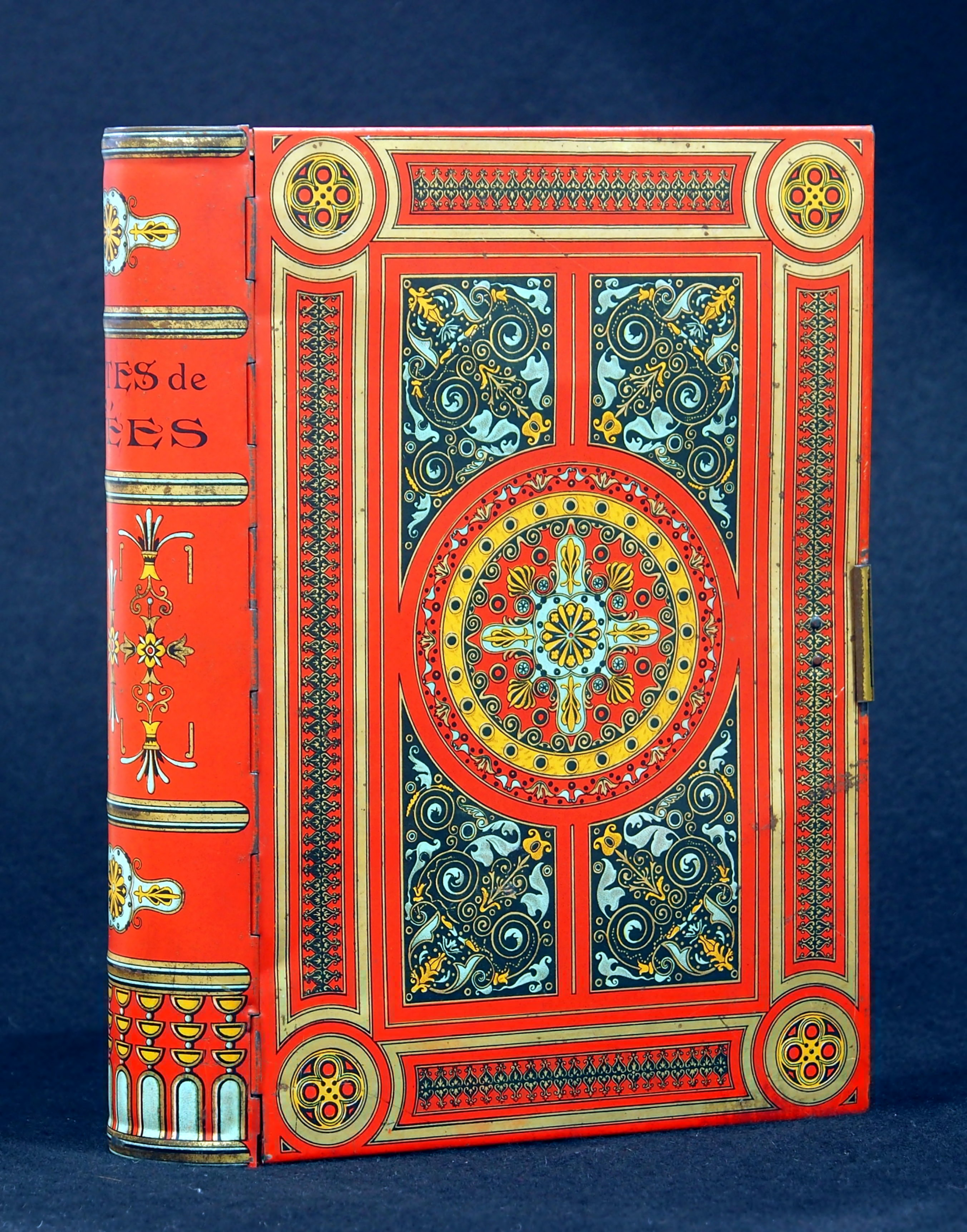
The tin box trade was built on a proposition that modern packaging has completely abandoned: that the container should be worth keeping.
This was not sentiment. It was marketing, and it was deliberate. A manufacturer paying for a pressed, lithographed, lead-soldered tin with a well-fitting lid was buying something the customer would not throw away – and a container that stays in the house is an advertisement that stays in the house. The novelty shapes make the logic explicit. Nobody needs a biscuit tin shaped like a cottage. They need somewhere to put buttons, and a cottage gets kept.
The economics worked because the alternatives were bad. Paper and card could not keep biscuits dry. Glass was heavy and broke. So a rigid printed metal box was both the functional answer and the promotional one, and the two reinforced each other.
What ended it was not a better container. It was a cheaper one that was good enough. A printed laminate pouch keeps biscuits adequately dry, costs a small fraction, weighs almost nothing to transport, and prints beautifully. On every measure the retailer cared about it won, and on the one measure the tin won – being worth keeping – nobody was paying.
The result is that the industry’s products outlived the industry in a very literal sense. Walk into almost any house and there is a tin in it that has not held its original contents for thirty or forty years and is now full of screws, buttons, photographs or documents. The company may be gone. The factory is probably flats. The tin is in the cupboard.
Which makes it, by some distance, the most successful packaging ever made – and commercially, the wrong answer.
There is a tin in your house that is older than you think and has not contained what it says on the lid since before you were born.
And somebody designed that picture by hand, in a fixed number of colours, knowing it would be stretched out of shape.
Like our content? Follow us for more.
