Two weeks, no phone calls, and a tower somebody built last summer. Here are twelve.
1. You Were Put on a Bus and Nobody Heard From You for Two Weeks
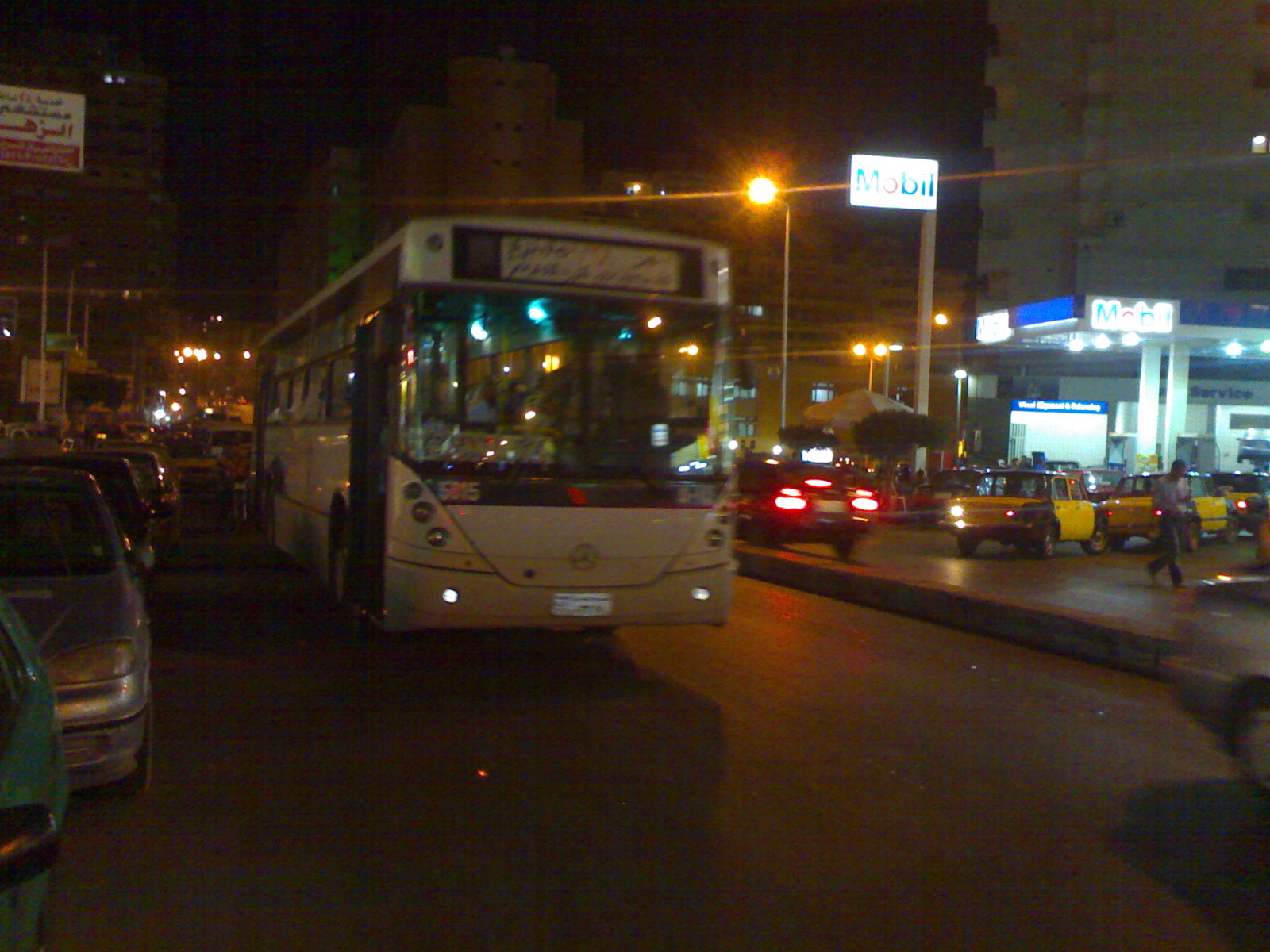
There was no telephone call home. Contact was by letter, which took days each way, and a camp of two hundred children had one line in the director’s office for emergencies only.
The silence was not incidental, it was policy, and several camps required a signed acknowledgement that there would be no calls. The reasoning was that contact prolonged homesickness, which has some support, and the effect was two weeks in which a parent truly did not know how their child’s day had gone.
Like our content? Follow us for more.
2. The Counsellors Were Seventeen and Had Been There One Week Longer Than You
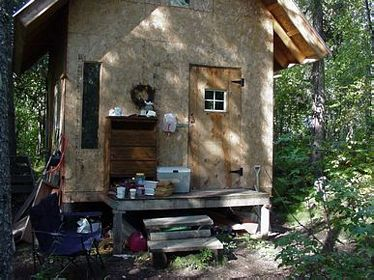
Staff were overwhelmingly teenagers, frequently former campers, hired for the season with a short orientation and placed in charge of a cabin of eight to ten children.
The age gap between a counsellor and the oldest campers was sometimes two years. It worked largely because the hierarchy was social rather than professional, and the modern model of background checks, certified training and adult supervisory layers is a complete reconstruction of the role.
3. Swimming Was Governed by a Tag Board and Two Teenagers on a Chair
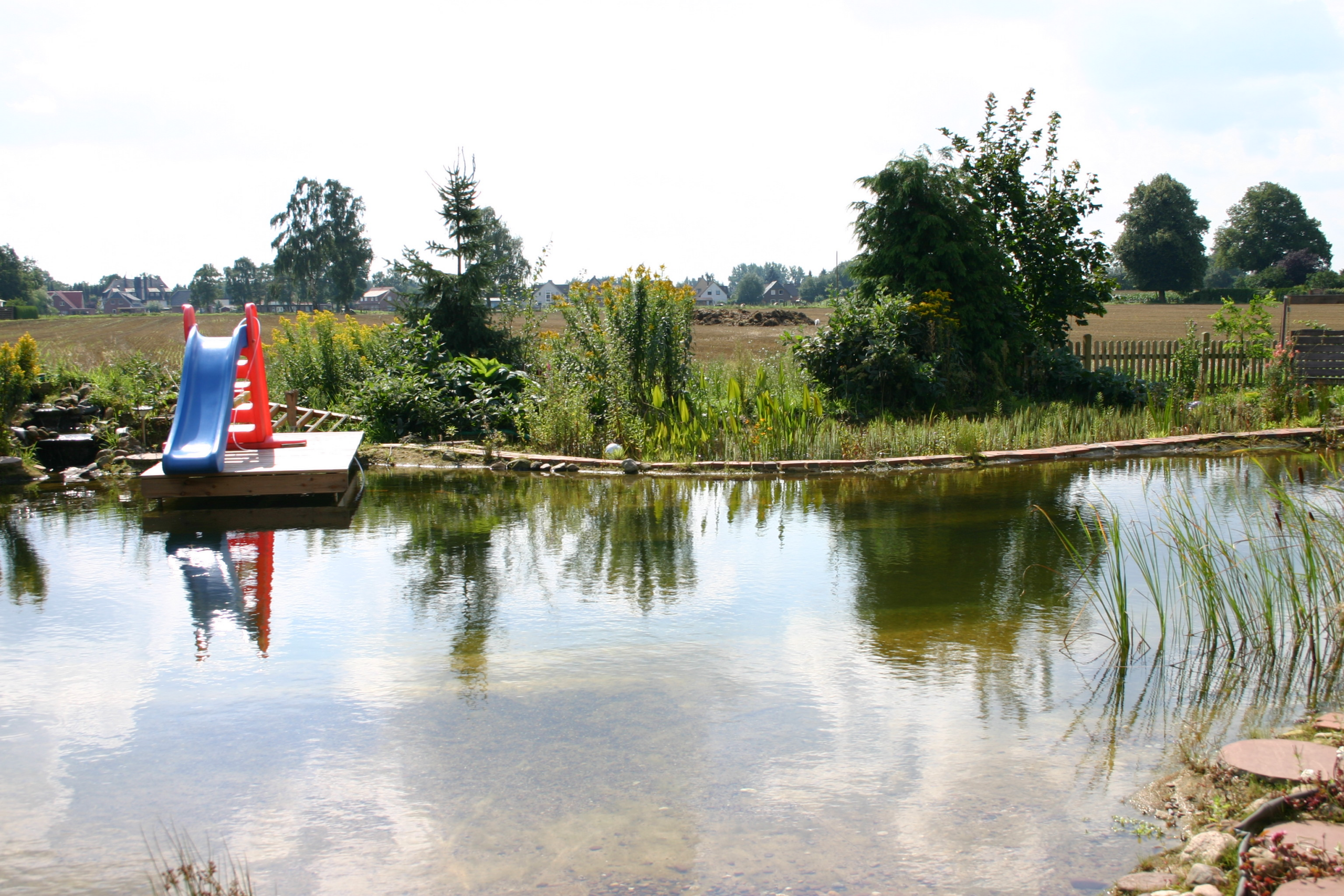
The waterfront ran on a buddy system and a physical board of tags: you moved your tag on entering the water and back on leaving, and a whistle periodically stopped everything for a count.
The tag board is very good engineering. It is a physical, visible, self-updating record of exactly who is in the water, it fails safe, and it needs no electricity and no literacy. Versions of it are still in use, which is unusual for anything on a list like this.
4. You Climbed a Wooden Tower and Jumped Off Into a Lake
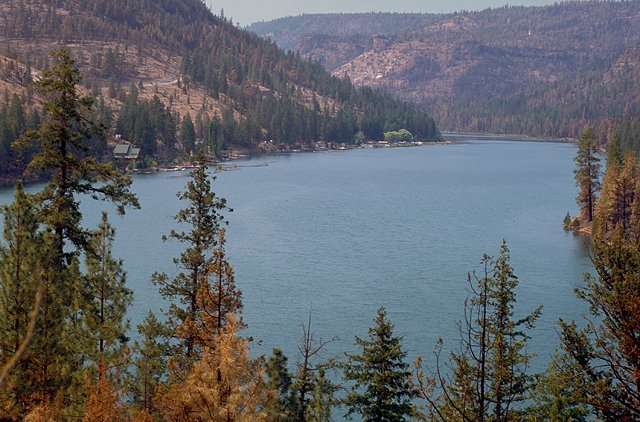
Platforms, towers, rope swings and diving boards were built on site, from timber, by staff, over water of a depth that had been estimated rather than surveyed.
Almost all of it has gone, and the reason is the insurance market rather than any campaign. Once liability carriers began specifying what could be built and what depth had to be certified, structures that had stood for thirty years came down in a single season.
5. Archery Was Taught by Somebody Who Had Learned It the Previous Summer
Edged tools, bows and in some camps small-bore rifles were taught as ordinary activities, by seasonal staff, to children of a wide range of ages.
The instruction was more careful than the modern reader expects and the certification behind it was essentially non-existent. What changed was not the activity, which continues under formal qualification regimes, but who was permitted to supervise it.
6. Everybody Was Issued the Same Tin Plate and Washed It Themselves
Meals were served from a central kitchen onto durable dishware, and the washing-up was done by the campers on a rotating duty roster, in large sinks, in cold water.
Chore rotas were central to the model rather than incidental to it. The camp was presented as a small society with work attached, and the duty list was the mechanism – which is why so many adults remember camp as the first place anybody expected anything of them.
7. Mail Was Read Aloud at a Daily Assembly and So Was Who Had None

Letters were distributed publicly at a fixed time, names were called, and the absence of a letter was as visible as its arrival.
It is the small cruelty everybody remembers and nobody designed. The public distribution was simply efficient, and its effect on the child whose name was not called was not considered until much later, when most camps moved to private delivery.
8. Homesickness Was Treated as Something to Be Endured Rather Than Addressed
The prevailing approach was that it passed, that attention prolonged it, and that the correct response was activity and distraction.
The modern approach is close to the opposite: that it is normal, that it should be anticipated and discussed before departure, and that acknowledging it shortens it. The reversal is one of the clearest examples on this list of a confident institutional position overturned by looking at outcomes.
9. Sunburn Was a Rite of Passage and Nobody Applied Anything
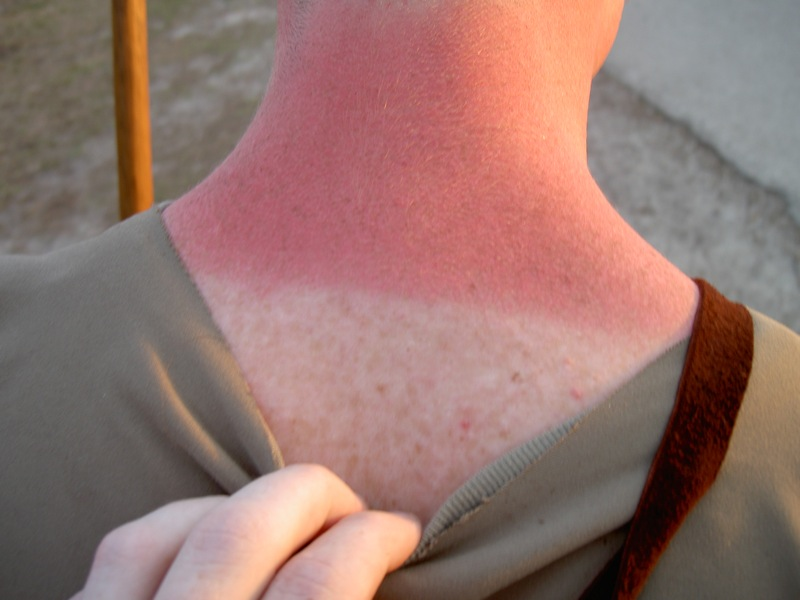
Protection was minimal to absent across whole weeks of outdoor activity, and a serious burn in the first days was treated as an expected part of the experience.
It is the item that has changed most completely in practice and least in the telling. Routine application, scheduled reapplication, shade provision and documented procedure are now standard, and the shift happened within one generation of staff.
10. The Cabin Had No Electricity and You Walked to the Latrine With a Torch
Sleeping accommodation was deliberately basic – canvas or timber, no power, no insect screening in many cases – and sanitation was a separate building some distance away.
The austerity was intentional and ideological rather than economic. The camp movement was built on the belief that discomfort and self-reliance were the point, and the facilities were basic on purpose in a way that a modern parent reading a brochure would not assume.
11. The Final Night Involved a Fire, a Ceremony and Something Nobody Could Explain
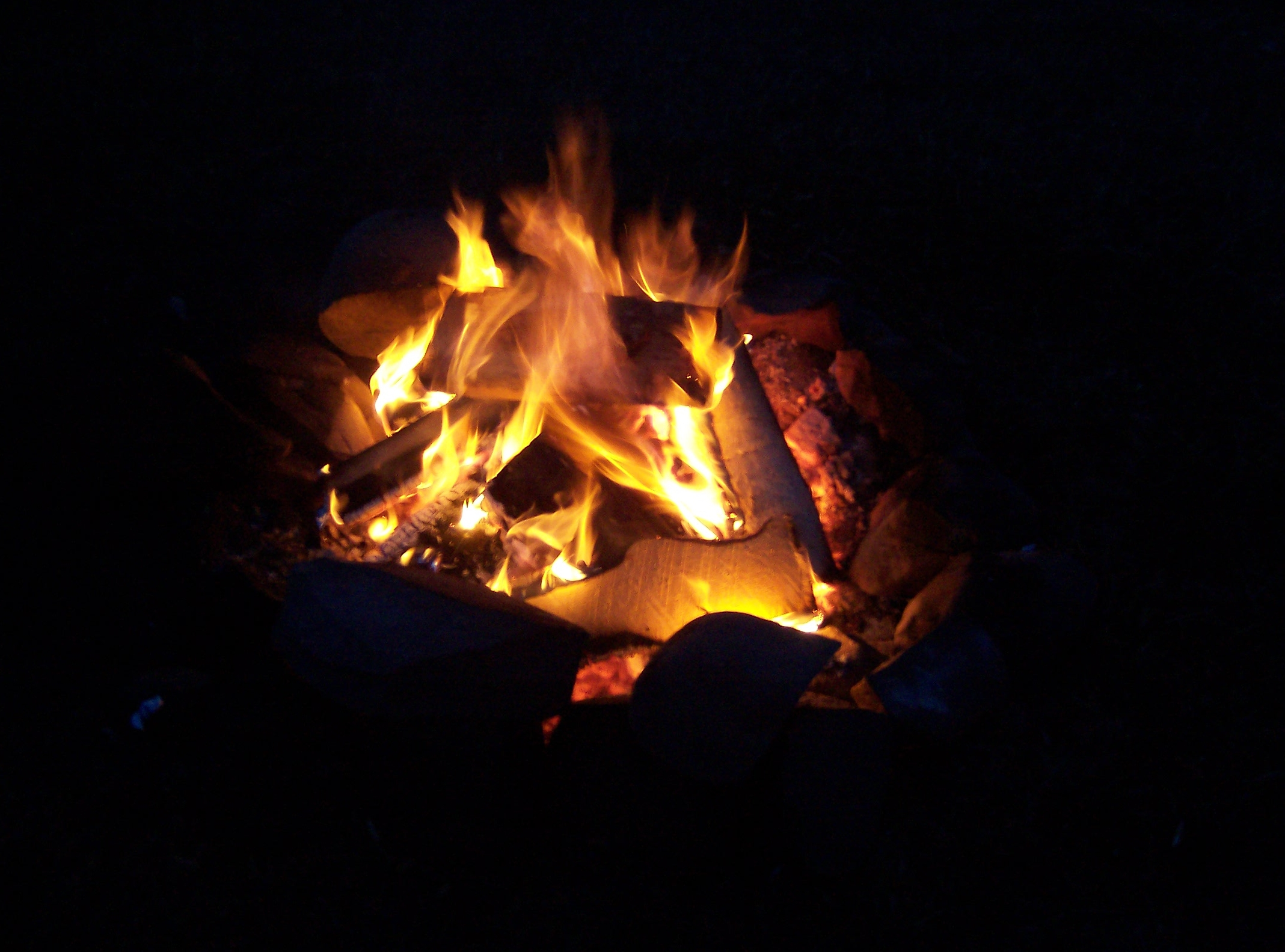
Closing rituals – fires, songs, awards, candles on water, invented traditions with invented histories – were universal and were taken entirely seriously.
The invented-tradition quality is the most interesting thing about camp as an institution. A two-week programme generated ceremonies that participants believed to be ancient, and that belief is a substantial part of why the memory holds so strongly decades later.
12. Almost Every Change Here Came From an Insurance Underwriter
Read the list again. The tower, the waterfront structures, the unqualified instruction, the staffing ratios, the sun protection and the contact policy.
None of them were altered by a public campaign or a change in what parents wanted. They were altered by the conditions attached to liability cover, which specified qualifications, ratios, certified depths, documented procedures and recorded consent – and a camp that could not meet them could not open. The underwriter did more to reshape American childhood summers than any educator did.
The Underwriter Did It
The honest conclusion from this list is unglamorous and almost never stated. American summer camps did not modernise because educators learned something or because parents demanded it. They modernised because liability insurance became a condition of operating, and the carriers wrote specifications.
The pattern is visible in every item. Qualified instruction for activities with edged tools or projectiles. Certified water depth for anything you jump off. Documented staff ratios and background checks. Recorded sun protection procedure. Written consent and contact policy. Each of those is an insurance requirement before it is a pedagogical position, and camps that could not satisfy them did not get cover and therefore did not open.
Two things on the list were reconsidered on the merits rather than imposed: the handling of homesickness, which was reversed by looking at outcomes, and the public reading of mail, which was quietly dropped once anybody thought about the child whose name was not called.
And one thing survived because it was already right. The tag board does exactly what a modern system would be designed to do, with a piece of plywood.
Everybody who went remembers the last night and the silence of the first week. The first was invented on purpose and the second was policy, which is a strange thing to learn forty years later.
Like our content? Follow us for more.