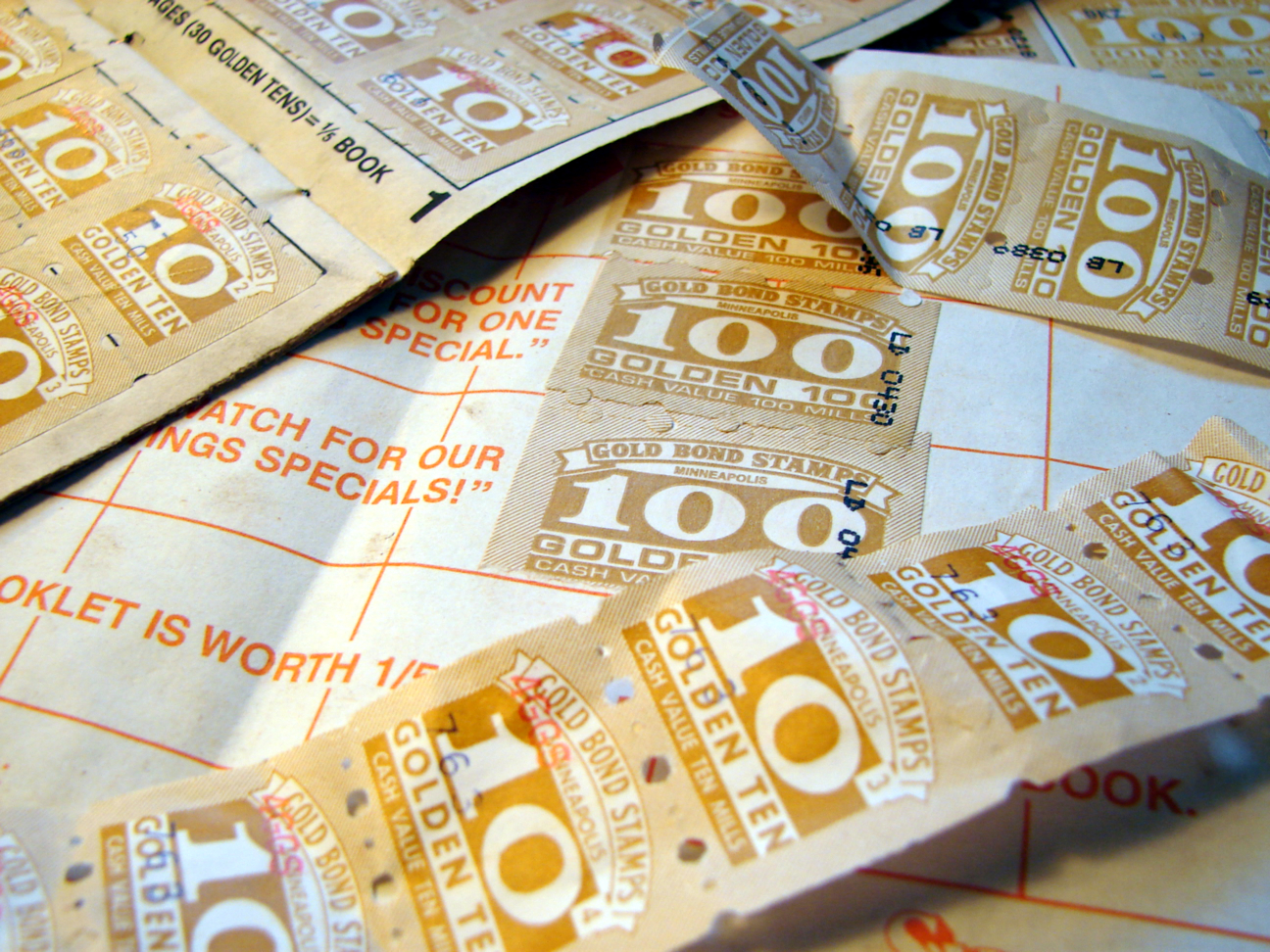
Gummed stamps licked into a book, redeemable for things but never for cash. Here are ten.
1. You Were Given Stamps With Every Purchase and You Licked Them Into a Book
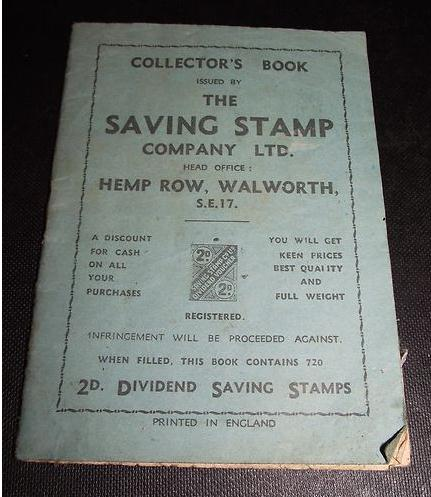
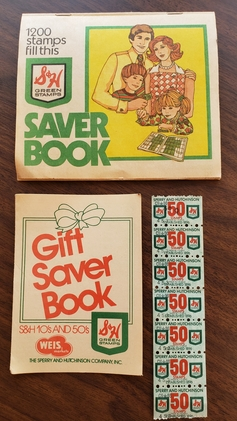
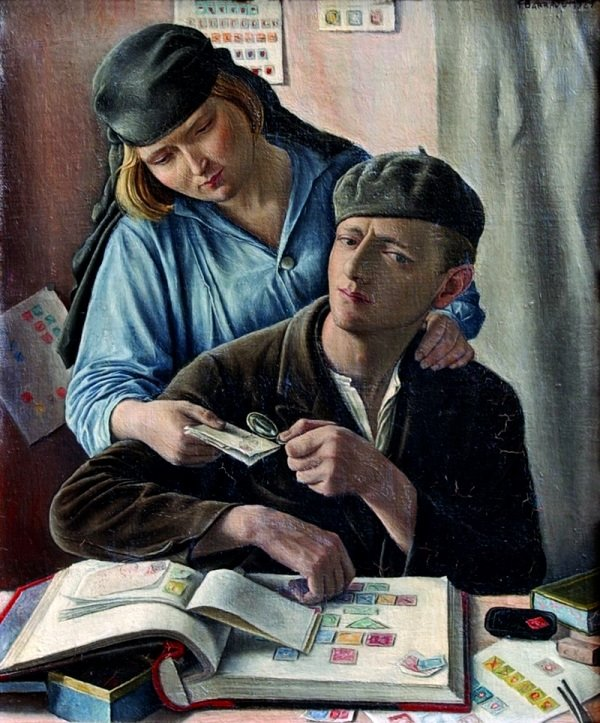
Spend money at a participating shop or filling station and you were handed a number of small gummed stamps proportional to what you had spent. They went home with the shopping, and at some point somebody sat down and stuck them in.
The books were supplied free and held a set number per page and a set number of pages. Filling one took weeks or months depending on the household. The sticking-in was a domestic job of exactly the same character as polishing shoes or doing the ironing – a repetitive task done at a table in the evening, frequently delegated to whichever child was available.
Like our content? Follow us for more.
2. They Were Not Money and Could Not Be Spent
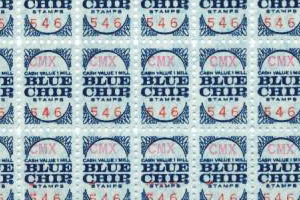
A trading stamp had no value as currency. You could not pay with it, no shop would take it for goods, and an individual stamp was worth nothing at all on its own.
Value existed only in a completed book, and only at the one place that would accept it. Which made it a very odd instrument – something issued in enormous volume, hoarded carefully, treated as valuable, swapped between households, and completely worthless to anybody who did not have the rest of the set and access to the right counter.
3. A Full Book Bought a Thing, Never Cash
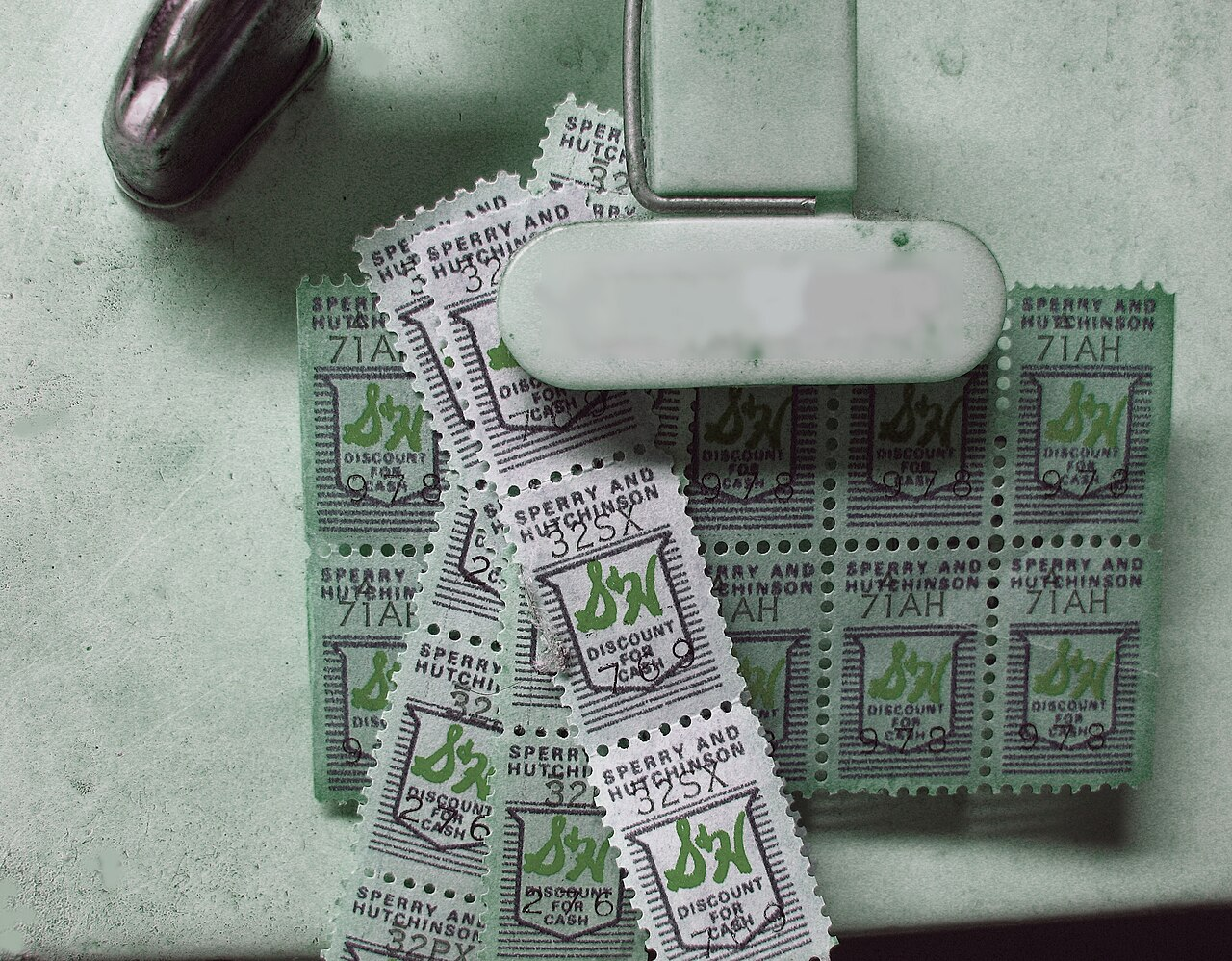
Completed books were exchanged at a redemption shop or by post, against a catalogue of goods: a travel clock, a set of saucepans, a transistor radio, a tennis racket, a canteen of cutlery, a toaster.
And it was always goods. Cash redemption was not offered, which is the single most important design feature of the whole arrangement. Giving an object rather than money kept the operator’s margin inside the scheme, it made the reward feel larger than its cash equivalent, and above all it meant that anybody short of a book was going to carry on shopping at the same places to finish it.
4. It Was a Loyalty Scheme Eighty Years Before the Phrase Existed
The mechanism is identical to a modern points programme in every respect that matters: a reward proportional to spend, accrued over time, redeemable only within a closed system, and designed to make switching shops feel like a loss.
And it is old. Schemes of this kind were operating in the late nineteenth century and were enormous through the middle of the twentieth. Nothing about the concept is modern; the only new part is that the accounting moved from a paper book on a kitchen table into a database, which removed the licking and nothing else.
5. The Maths Was Deliberately Difficult
Nobody could tell you what the stamps were worth, and that was not an accident. Working it out required knowing how many stamps you got per unit of spend, how many stamps filled a book, how many books the object cost, and what the object would have cost in a shop.
Four pieces of information, none of them presented together anywhere. People who have done the arithmetic since generally arrive at an effective discount of a few per cent – real but modest, and far smaller than the perceived value of being handed a free saucepan. The whole scheme depended on a reward that felt substantial and was difficult to price.
6. It Became a Parallel Currency That People Hoarded and Gave Away
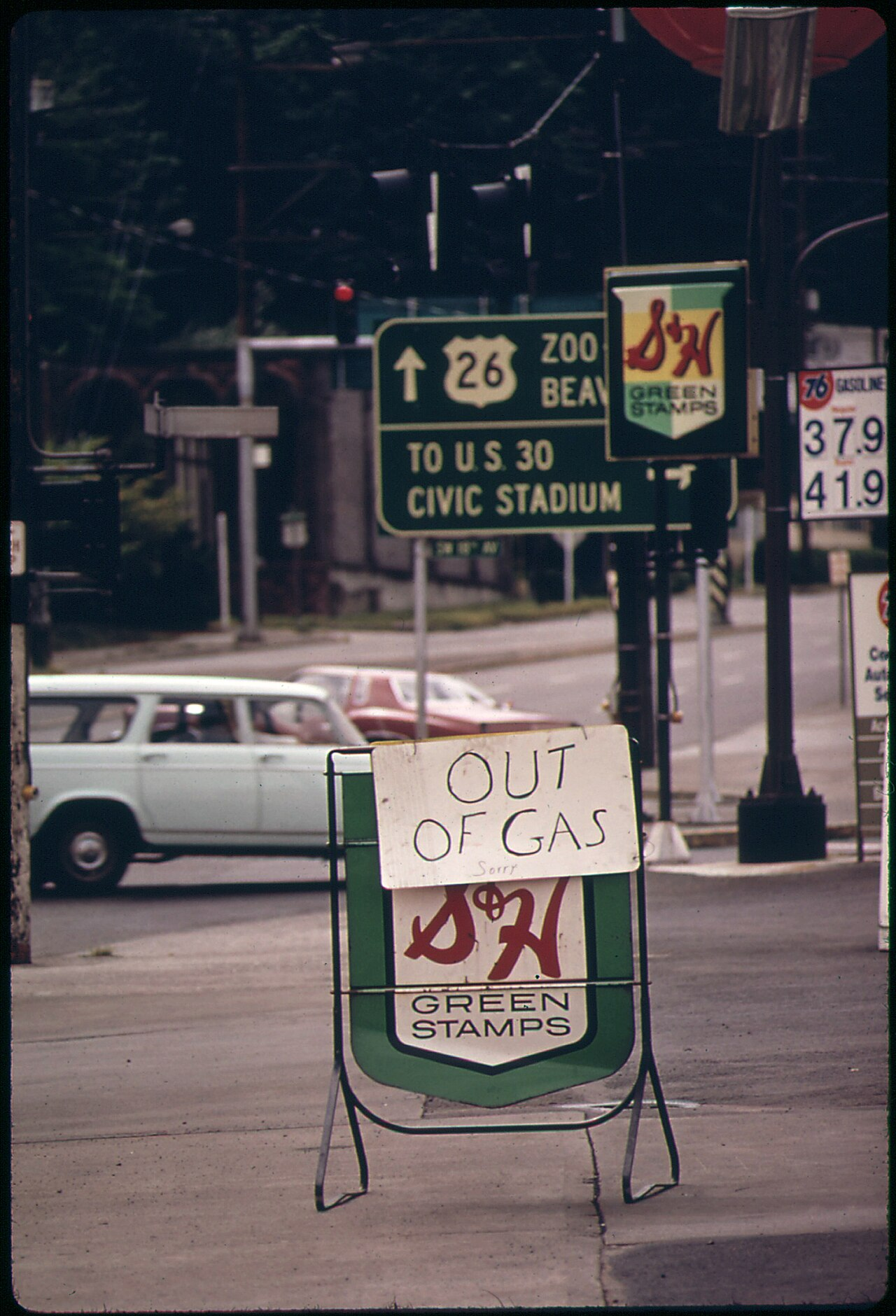
Despite having no monetary value, stamps behaved socially exactly like money. They were saved in tins, counted, swapped between neighbours to complete books, given to children as small change, pooled by families saving for one large item, and collected in quantity by churches, schools and charities raising funds.
There was also a secondary economy of loose stamps, part-filled books and odd pages, traded informally on the basis of a value everybody understood and nobody had set. For something that was not money, an enormous amount of behaviour grew up around it that was indistinguishable from money.
7. Licking Them Was the Whole Experience
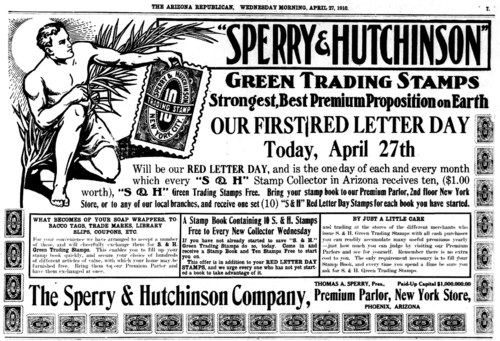
The backs were gummed, and that gum is what people actually remember – the taste, the particular dryness of the tongue afterwards, and the mild horror of a large sheet still to do.
Households developed methods: a saucer of water, a damp sponge, a flannel, one person licking while another positioned. Doing a hundred at a sitting was unpleasant and everybody did it anyway. If the scheme has a single sensory memory attached to it, it is not the catalogue or the goods. It is the taste of the glue.
8. Then One Grocer Worked Out That Lower Prices Beat Them
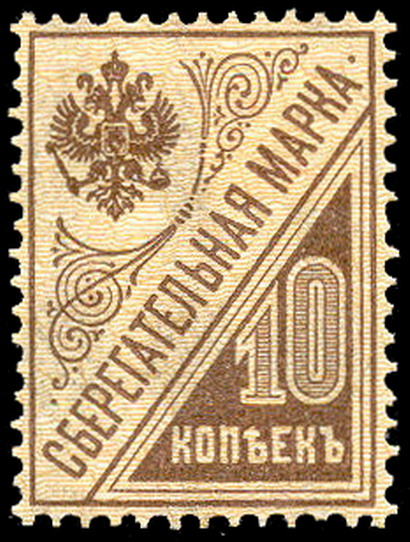
The collapse was fast and it came from a competitor rather than from customers losing interest. A large grocery chain calculated that the money being spent on stamps would buy more goodwill if it were simply taken off the prices, dropped the scheme, and cut prices across the board instead.
It worked immediately and spectacularly. Market share moved, rivals had to follow, and the stamp operators lost the retail partnerships the entire model depended on within a remarkably short time. The scheme did not fail because it was a bad deal. It failed because somebody demonstrated that customers preferred the discount delivered as a lower number on the shelf.
9. The Redemption Catalogue Outlived the Stamps
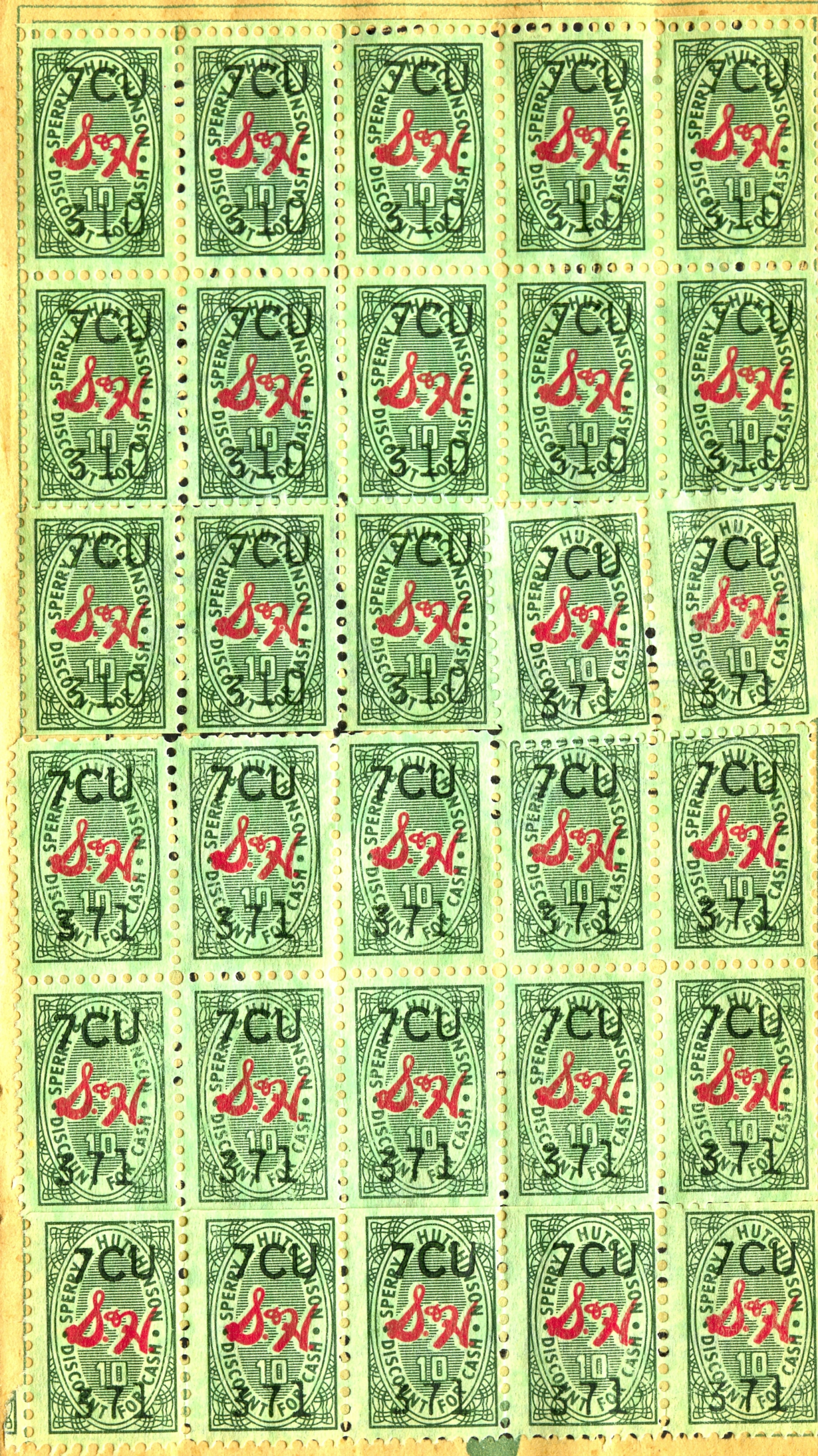
One of the stranger consequences is that the catalogue survived the scheme that created it. A redemption operation already had a warehouse network, a printed catalogue, a counter system and premises on every high street – everything a retailer needs except customers paying money.
So it became a retailer. The stamps went, the catalogue stayed, and the business carried on selling the same goods from the same shops for cash instead of for books. A great many people who spent years looking things up in that catalogue have no idea that its original purpose was to be the far end of a stamp scheme.
10. It Did Not End, It Moved Into Your Phone
The paper version is gone and the mechanism has never been more widespread. A card or an app that accrues a reward proportional to spend, redeemable only within one company’s system, at a rate the customer cannot easily calculate, is precisely what is described in the first five items of this list.
The differences are that the accrual is automatic, the arithmetic is even harder to see, and the operator now also receives a detailed record of everything you buy – which is a return the stamp companies would have found extraordinary. The gum is the only part that actually disappeared.
A Currency That Was Not Money and Behaved Exactly Like It
Stamps issued in proportion to spend and licked into a free paper book, worthless individually and valuable only when complete, redeemable for objects but never for cash, with an effective discount of a few per cent that no customer could calculate, and an end brought about by one competitor cutting prices instead.
The third item contains the whole design. You could never have the money. Redemption was in goods only, and that one rule did three jobs at once: it kept the operator’s margin inside the scheme, it made a free saucepan feel like more than its cash value, and it guaranteed that anybody halfway through a book would keep shopping in the same places to finish it. Every loyalty programme since has kept that rule, for the same three reasons.
Like our content? Follow us for more.