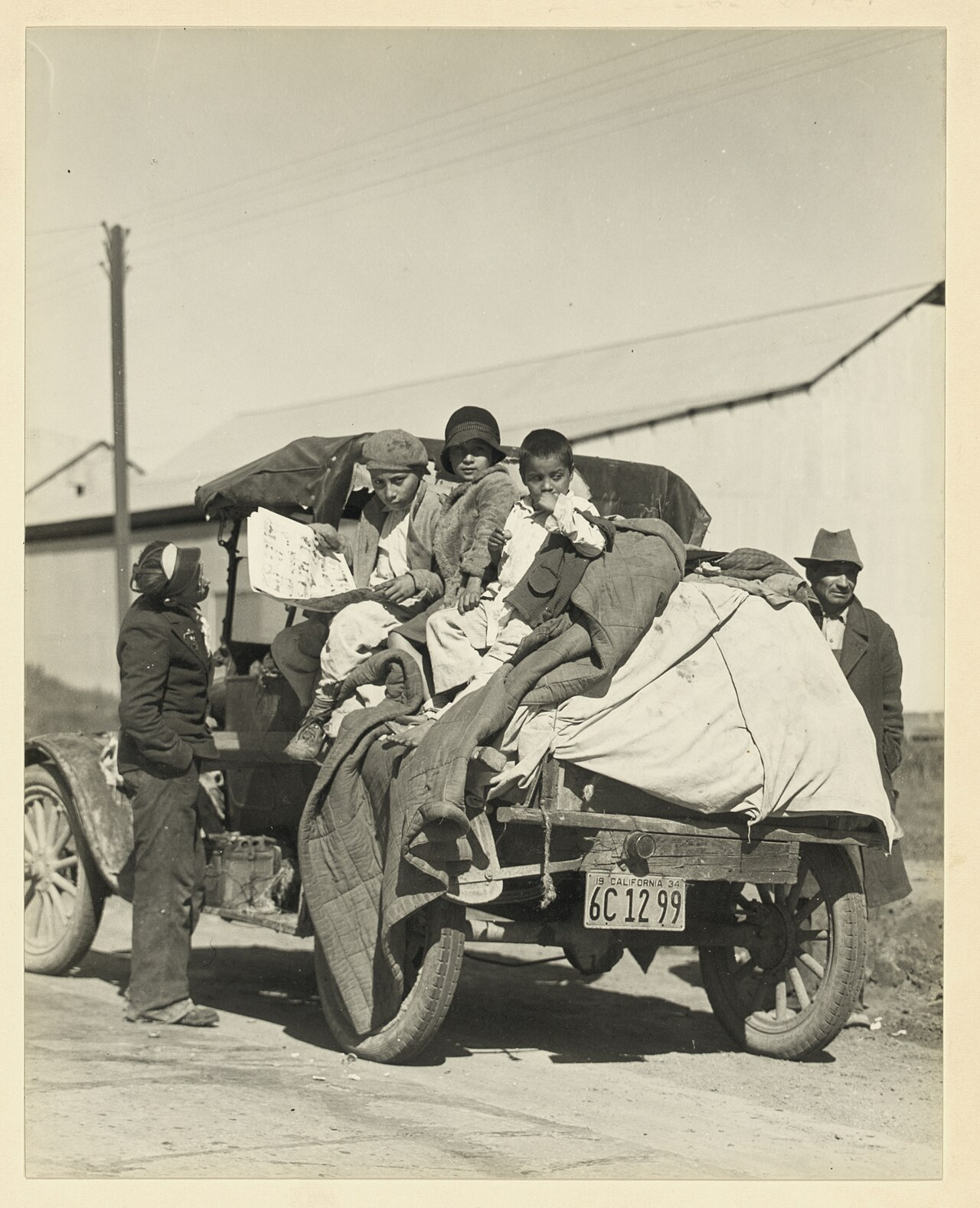
It is one of the most vivid shared memories in American life: sitting on the wheel well with your back against the cab, or flat on the ribbed bed looking straight up at the branches going past, on the way to a lake or a field or somebody’s house a few miles down the road.
And the standard assumption about it is wrong. Most people believe it went the way of the unbelted bench seat – prohibited nationally sometime in the 1980s, now a thing you only see in old photographs. In fact there is no national prohibition, a substantial number of states permit it outright or with minor conditions, and the reason the practice survived has very little to do with nostalgia or lax enforcement. It survived because of hay.
Why There Is No National Rule
The first thing to understand is structural, and it explains most of the confusion.
Vehicle equipment in the United States is regulated federally. What a vehicle must have – belts, airbags, lighting, structural performance – is set nationally, because a manufacturer cannot build fifty different versions of the same truck.
How a vehicle may be operated is regulated by the states. Speed limits, licensing, who may sit where, what restraints must be worn by whom: all of that is state traffic law. There is no federal seating rule, and there could not easily be one, because traffic policing is a state and local function.
So the question of whether a person may ride in an open cargo bed is answered fifty-one different times, by fifty-one different legislatures, each weighing it against local conditions. And in a great many of those jurisdictions the local conditions include a large agricultural sector whose daily work depends on exactly that practice.
The Agricultural Core
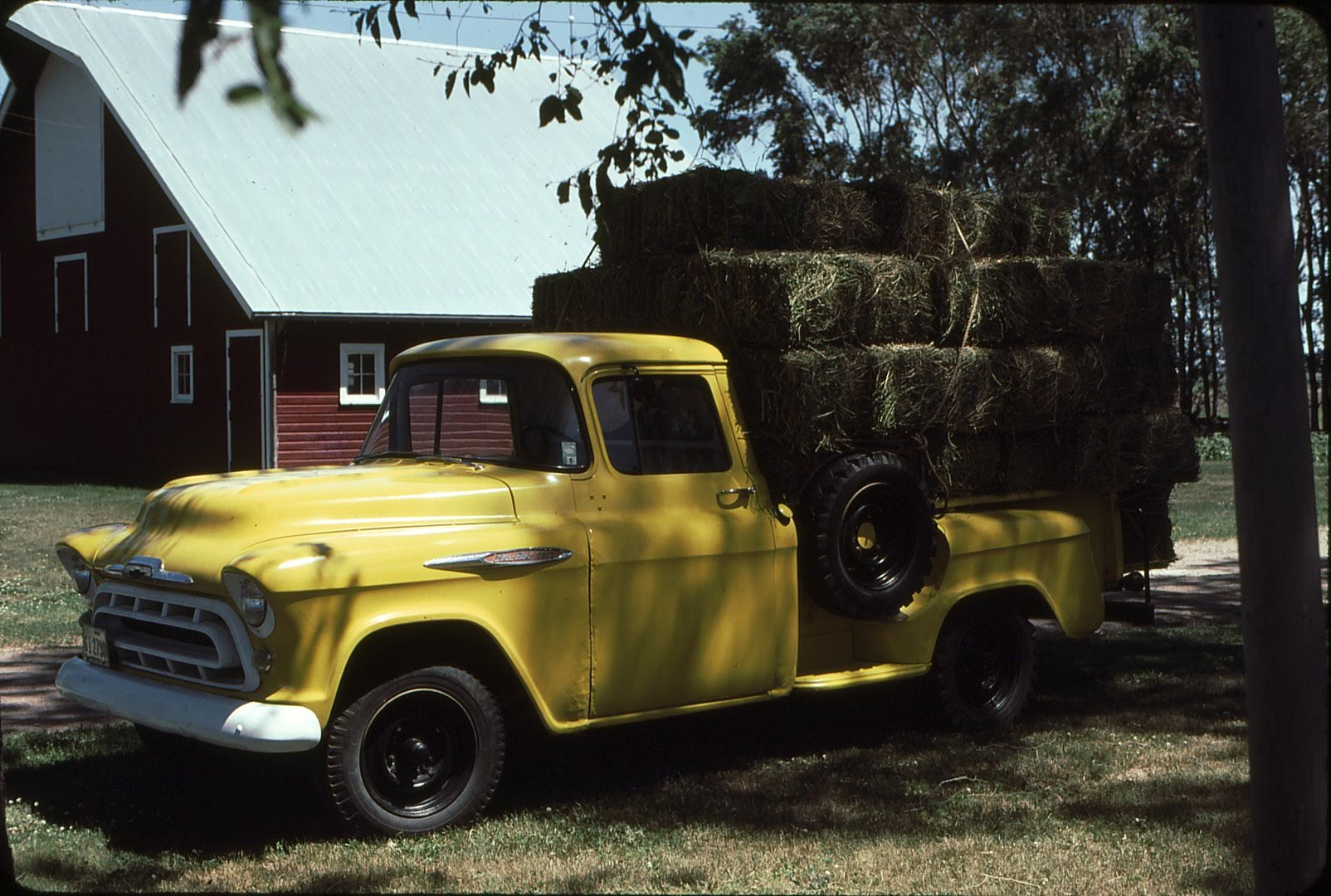
Here is the thing the memory obscures. Riding in the bed of a truck is not primarily a recreational activity. It is, and has always been, a working method.
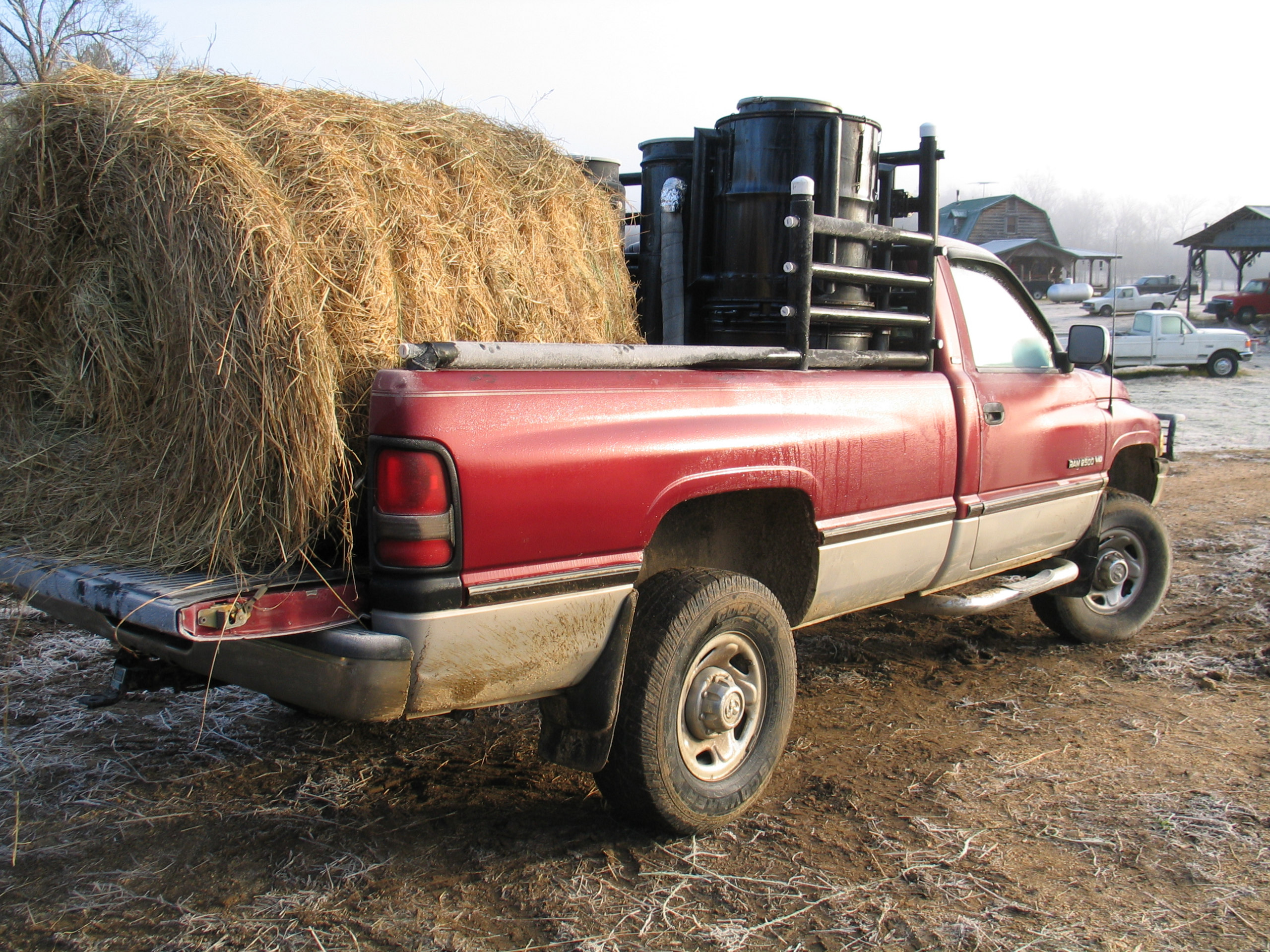
On a farm or a ranch, a pickup is the general-purpose vehicle, and a substantial share of the work requires people in the back rather than in the cab. Moving a crew between fields. Riding out to a fence line with the tools in the bed and the hands sitting on them. Stacking and riding a load of hay bales. Feeding stock from a slowly moving truck, which requires somebody in the bed throwing feed while somebody else drives. Checking irrigation. Moving pickers through rows.
None of that is substitutable. You cannot feed cattle from the cab, and you cannot put a six-man crew inside a two-seat truck. For a working farm, a rule prohibiting passengers in the bed is a rule prohibiting a basic operation.
Which is why, when states began writing restrictions on bed riding, almost every one of them wrote an agricultural exemption at the same time – and typically more than one. Exemptions for farm use. Exemptions for vehicles on a farm or between parcels. Exemptions on roads below a certain speed limit. Exemptions for unpaved roads. Exemptions for parades and for hunting. Exemptions for any trip where no other seating is available.
The practical result is a legal landscape in which the activity is restricted in principle and permitted in a wide range of the circumstances where it actually happens.
What the Rules Look Like in Practice
The variation across states is remarkable for something this specific, and it falls into rough bands.
Some states place no restriction at all on who may ride in a cargo bed. In those jurisdictions the practice is simply lawful, for adults and children alike, on any road.
Some prohibit it only below a stated age, which varies considerably from one state to the next, so the same family driving across a state line can go from compliant to not without the vehicle changing in any way.
Some permit it only below a speed threshold, or only on roads with a speed limit under a stated figure, which has the effect of allowing it on back roads and prohibiting it on highways.
Some require the bed to be enclosed by sides of a minimum height, or require the tailgate to be up, or require the occupant to be seated on the floor rather than on the sides or the wheel wells.
And nearly all of them carve out agriculture, parades, hunting and emergencies.
The point is not the detail, which changes, but the pattern: this is not a prohibition with exceptions. It is a patchwork in which the activity remains legal across a great deal of territory, and in which the exceptions were designed to protect a specific working use rather than to create a loophole.
The Physics, Which Is Not Complicated
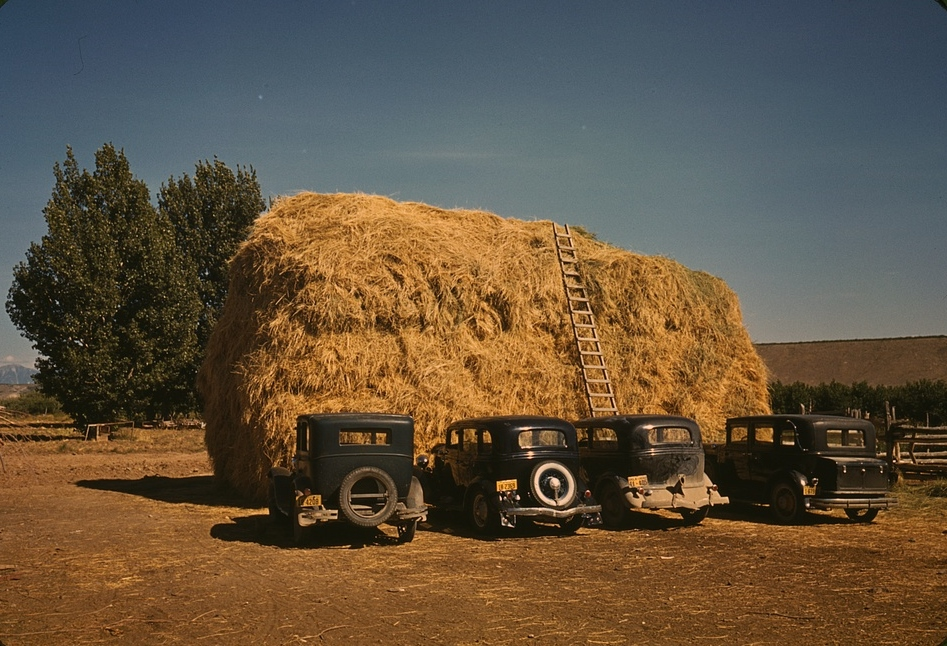
The reason the practice attracts attention at all is that an unrestrained occupant in an open bed is in an unusual situation, and the mechanics are worth stating plainly without any appeal to statistics.
A restrained occupant inside a vehicle is coupled to it. When the vehicle changes speed or direction, the belt and the seat transmit that change to the person at the same rate, and the structure around them manages the energy.
An unrestrained occupant in an open bed is not coupled to the vehicle at all except through friction and whatever they are holding. The truck can change direction faster than a seated person can. There is nothing between the occupant and the outside, no structure around them, and the bed sides are below the center of mass of a seated adult.
That is the entire engineering content of the question, and it is why every set of restrictions, however permissive, tends to cluster around the same three variables: speed, enclosure and whether the occupant is seated low.
Those are the three things that change the coupling. Lower speed reduces the forces. Higher sides raise the restraint. Sitting on the floor rather than the rail lowers the center of mass below the barrier. The rules are, whatever their politics, aimed at the right quantities.
Why the Memory Is So Universal
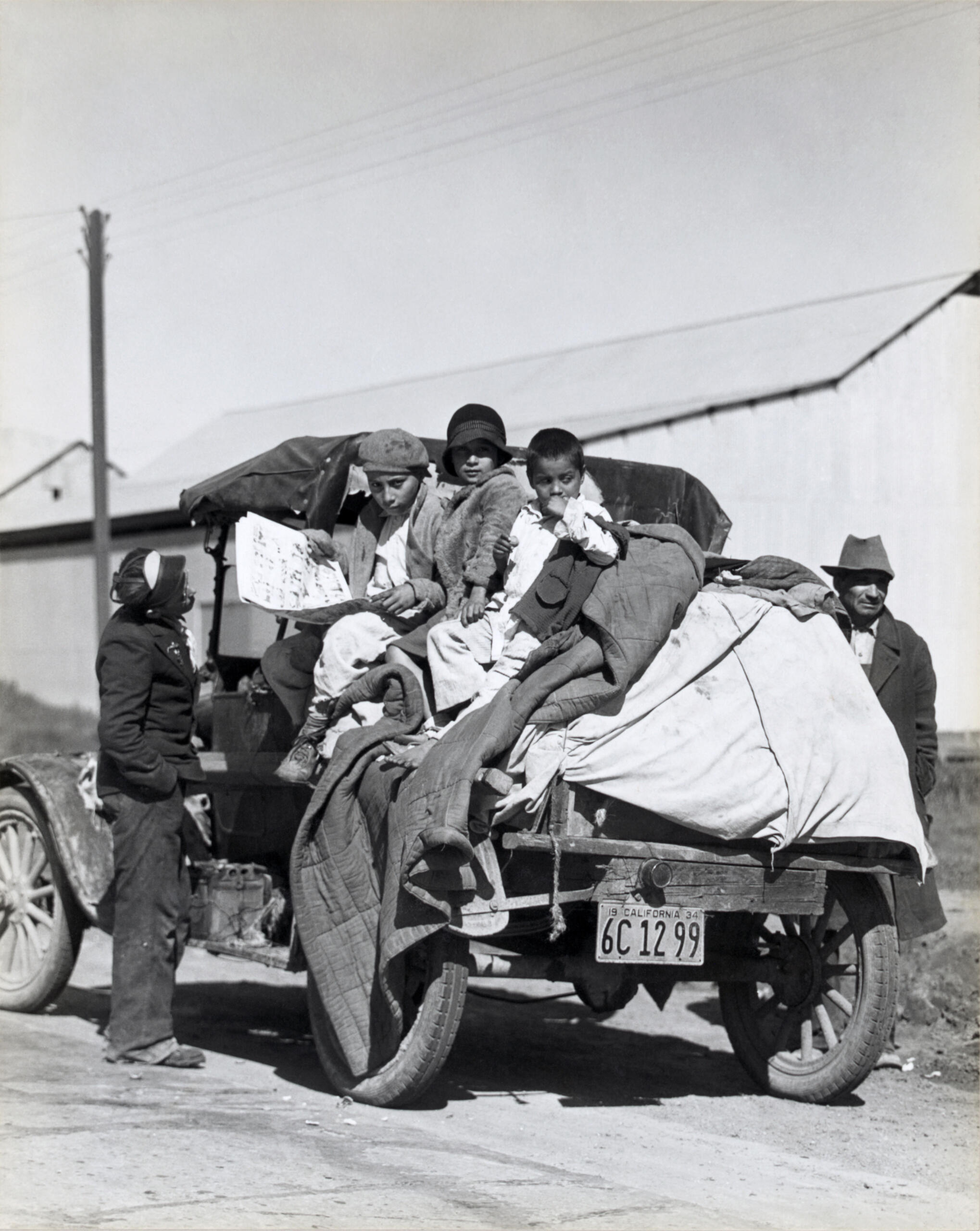
It is worth explaining why nearly everybody has this memory even though the activity was always, in the main, a work practice.
The pickup was not a specialist vehicle in postwar America. It was the second vehicle in an enormous number of households, including suburban ones, because it was cheap, durable and useful. A household that owned one used it for everything – hauling, moving, dump runs, Christmas trees – and when there were more people than seats, the surplus went in the back. With a bench seat in a two-door cab, the capacity indoors was three. A family of five with a pickup had two people in the bed by arithmetic.
Add to that the fact that the trip was almost always short and slow: to the lake, to the field, down a dirt road, around the block, to the dump. The circumstances that made it feel safe at the time were the same circumstances that the surviving legal exemptions describe.
So the memory and the law are closer together than they look. People remember doing it on a slow road on a short trip, and a slow road on a short trip is very often precisely where it is still permitted.
The Reason It Never Became a National Issue
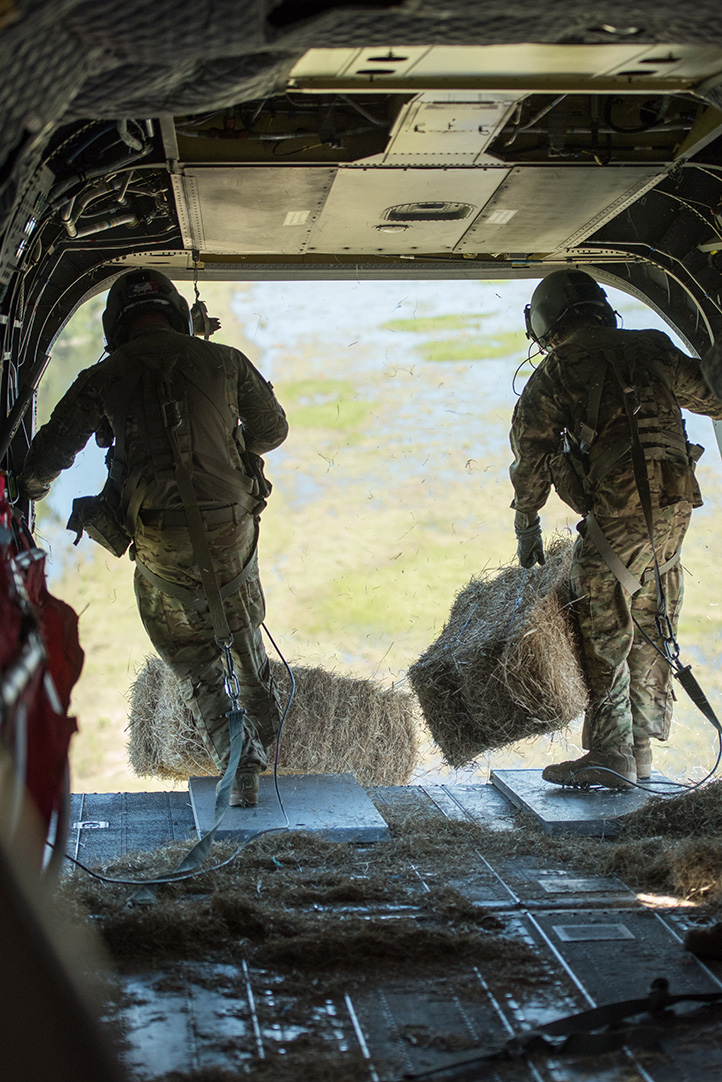
One final question is why this never got the treatment that unbelted seating inside a vehicle got.
Part of the answer is that the federal lever did not fit. The national government regulates what manufacturers build, and it used that lever hard – belts, then mandatory belt use campaigns, then airbags, then child restraint standards. There is no equipment change that addresses a person sitting in a cargo bed, because the cargo bed is doing exactly what it was designed to do. You cannot engineer the bed out of a pickup.
Part of it is that the constituency on the other side was coherent and sympathetic. Opposition to a bed-riding ban was not a lobby for recreational risk. It was farmers and ranchers pointing out that the proposal would make an ordinary part of their working day illegal, in states where agriculture is a dominant interest.
And part of it is simply that the activity is not visible in the places where national rules get written. It happens on county roads, not interstates, and mostly in states with low population density and considerable legislative sympathy for rural work.
The result is one of the clearest surviving examples of a safety question the United States never nationalized, left in fifty pieces, each shaped by the local balance between a working method and a hazard.
The Honest Summary
So the short answer is that riding in the back of a pickup is not a vanished practice. It is a regulated one, regulated unevenly, and still lawful for children in a meaningful share of the country under conditions that vary at every state line.
It survived because the practice is agricultural before it is recreational, because the exemptions written to protect that work are broad, because no federal equipment standard could touch it, and because the people who needed it kept saying so in legislatures where they were listened to.
Which makes it a slightly different kind of nostalgia from the rest. Most of the things people remember from that era and assume are banned really are. This one mostly is not. The sky going past over the tailgate is still legal in a great many places, and the reason is a hay bale.