Almost every one of these was the official advice at the time. Here are seventeen.
1. She Put the Baby to Sleep on Its Stomach Because That Was the Official Advice
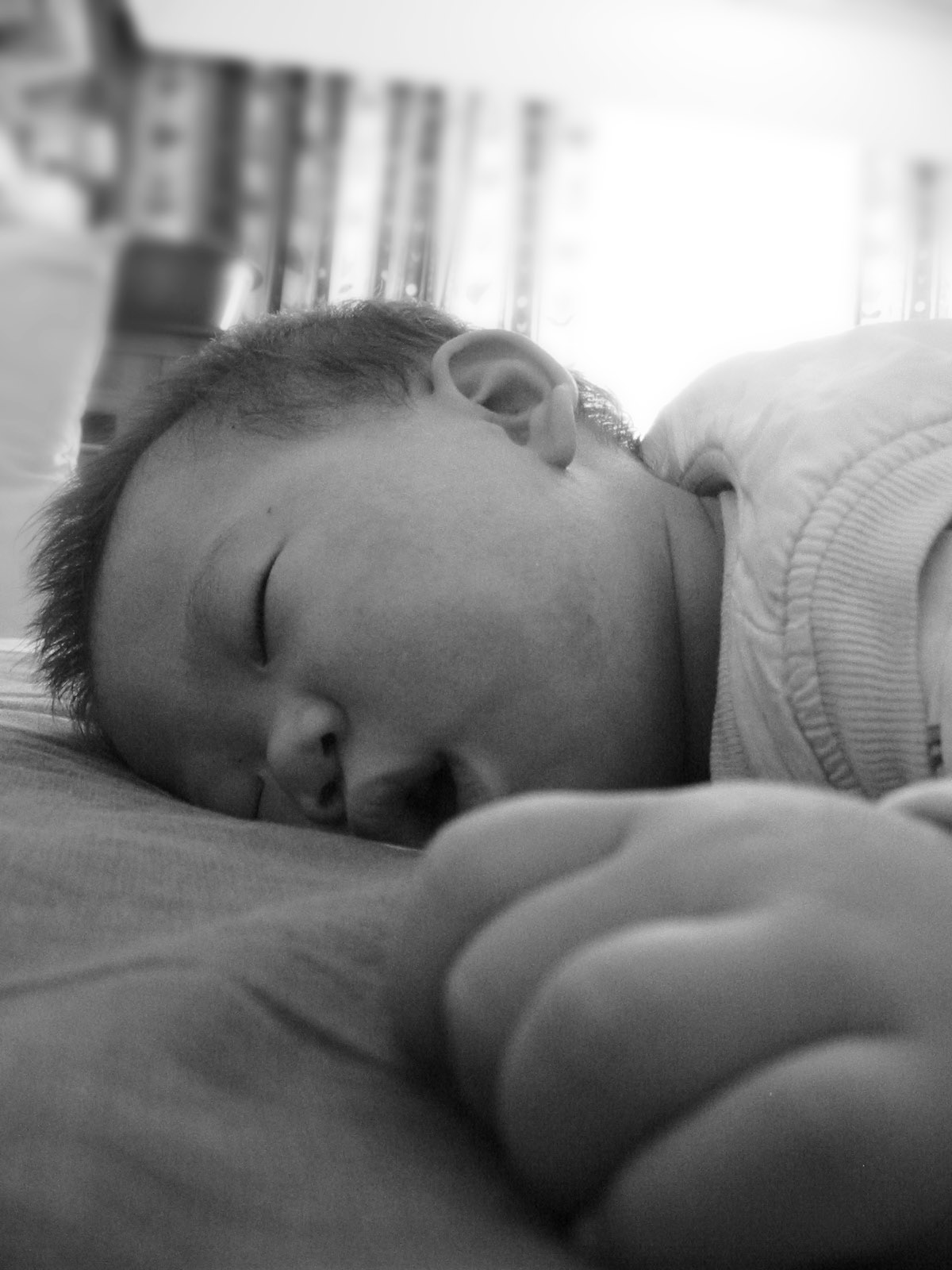
Stomach sleeping was not a lapse, it was the instruction, printed in the childcare manuals every American mother owned and repeated by pediatricians for decades on the reasoning that a baby on its back might choke.
The guidance was reversed entirely in the 1990s and the campaign that followed is one of the most successful public health reversals on record. A mother who followed the advice exactly in 1963 was doing the opposite of what she would be told today, and she was doing it because she was conscientious.
Like our content? Follow us for more.
2. She Drove With the Baby on Her Lap and the Car Had Nowhere Else to Put It

There was no child seat because there was no standard, no requirement and in most vehicles no anchor point, so an infant travelled in an adult’s arms in the front passenger seat.
The devices sold at the time as car seats were mostly designed to raise a child high enough to see out of the window. They were not restraints and were not tested as restraints. The entire apparatus of modern child passenger safety arrived after this generation of mothers had finished using it.
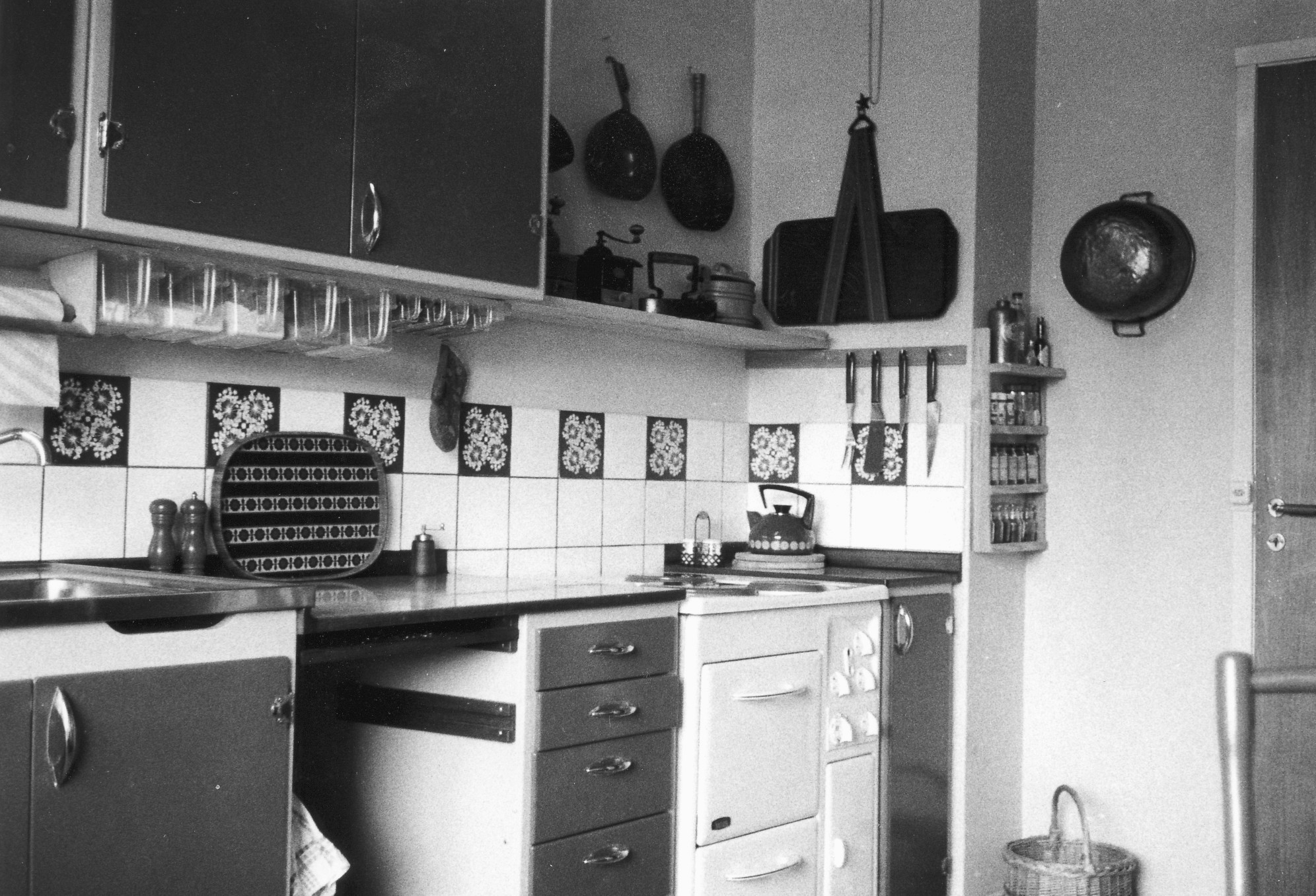
3. She Smoked Through the Pregnancy and Her Doctor Did Not Object
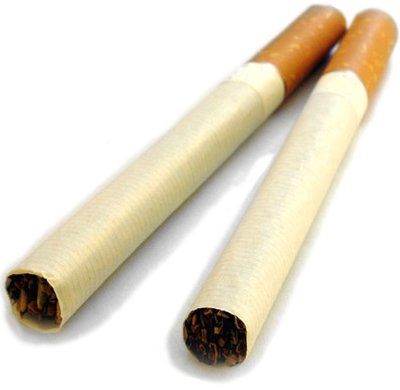
Smoking during pregnancy was common, socially unremarkable and frequently not discouraged, and in some cases it was actively suggested as a way to keep weight gain down.
This is the item that most reliably stops a modern reader, and it is worth being clear that it reflects what was known and advised at the time rather than any indifference. The advice changed, comprehensively, and it changed because the evidence arrived.
4. She Gave the Children Aspirin for a Fever Without Thinking About It

A children’s aspirin was the standard household response to a childhood fever, came in an orange-flavoured chewable form and sat in every medicine cabinet in the country.
Paediatric aspirin was withdrawn from that use after an association with a rare and serious condition in children recovering from viral illness was identified in the early 1980s. The bottle that had been the most ordinary object in the bathroom became one that is no longer given to children at all.
5. She Sent the Children Out in the Morning and Expected Them Back at Dinner
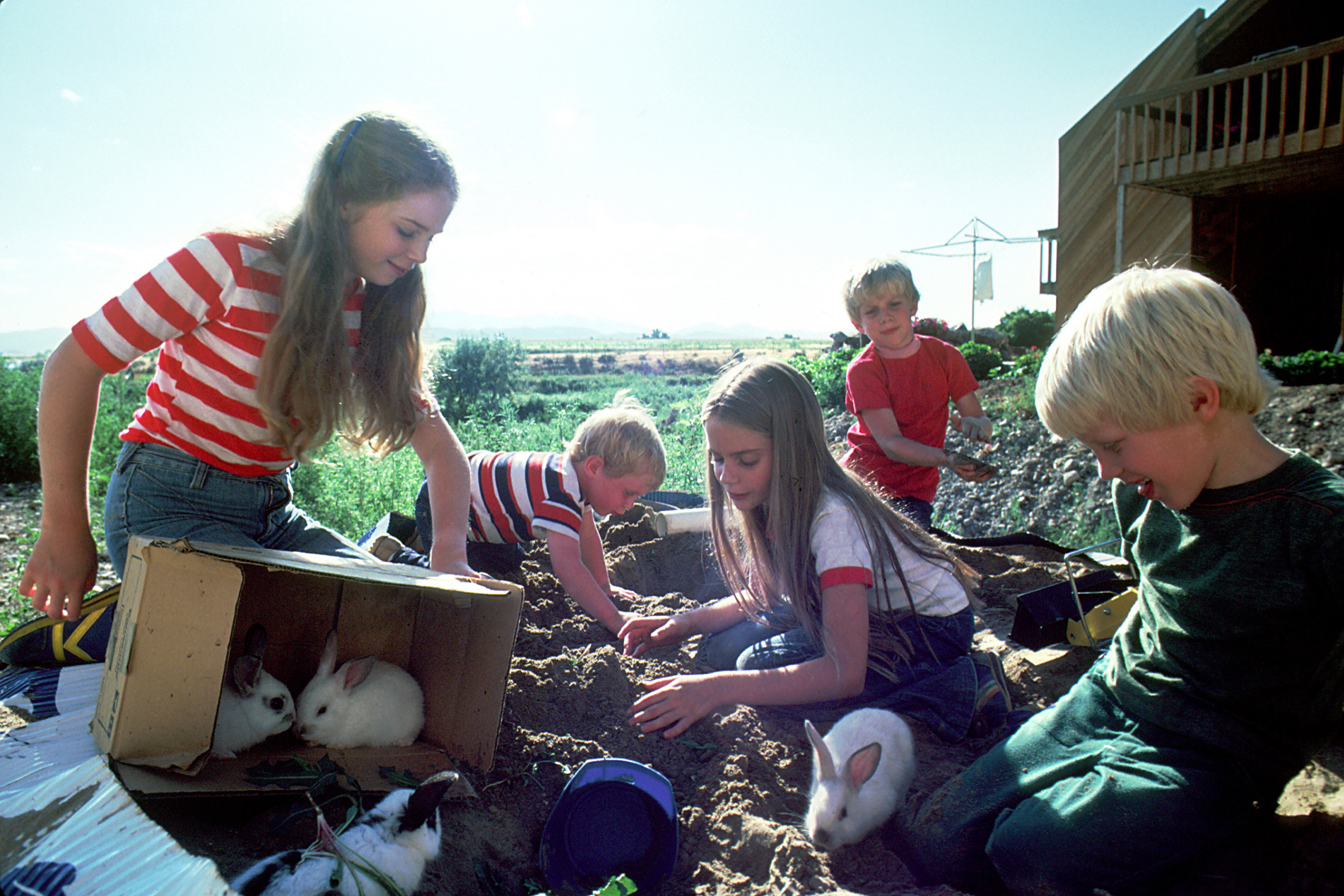
The expectation was not that she would know where they were. It was that they would be within shouting distance of somebody and would return when it got dark.
There was no mechanism for checking. No phone they carried, no way to reach a neighbour quickly, and no assumption that a parent should be able to locate a child at any given moment. The absence of that assumption is the single largest difference between then and now, and it was not a parenting style. It was simply the available technology.
6. She Spanked Them and So Did the School, With Her Written Consent
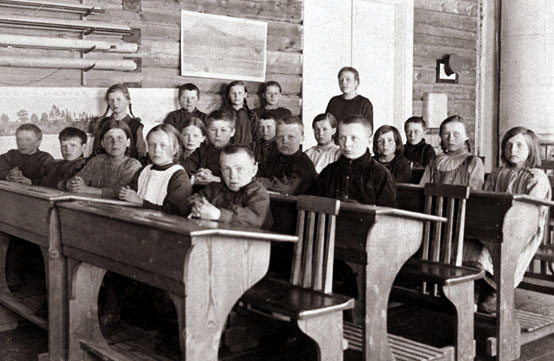
Corporal punishment at home was the norm rather than the exception, and the school’s authority to administer it was delegated by the parent as a matter of course.
Many districts kept a paddle and a procedure. A mother signing a form at the start of the year was agreeing to something that is now prohibited in schools across most of the country and that has shifted from a disciplinary method to a safeguarding concern.
7. She Served Dinner From a Can and It Was Considered Modern
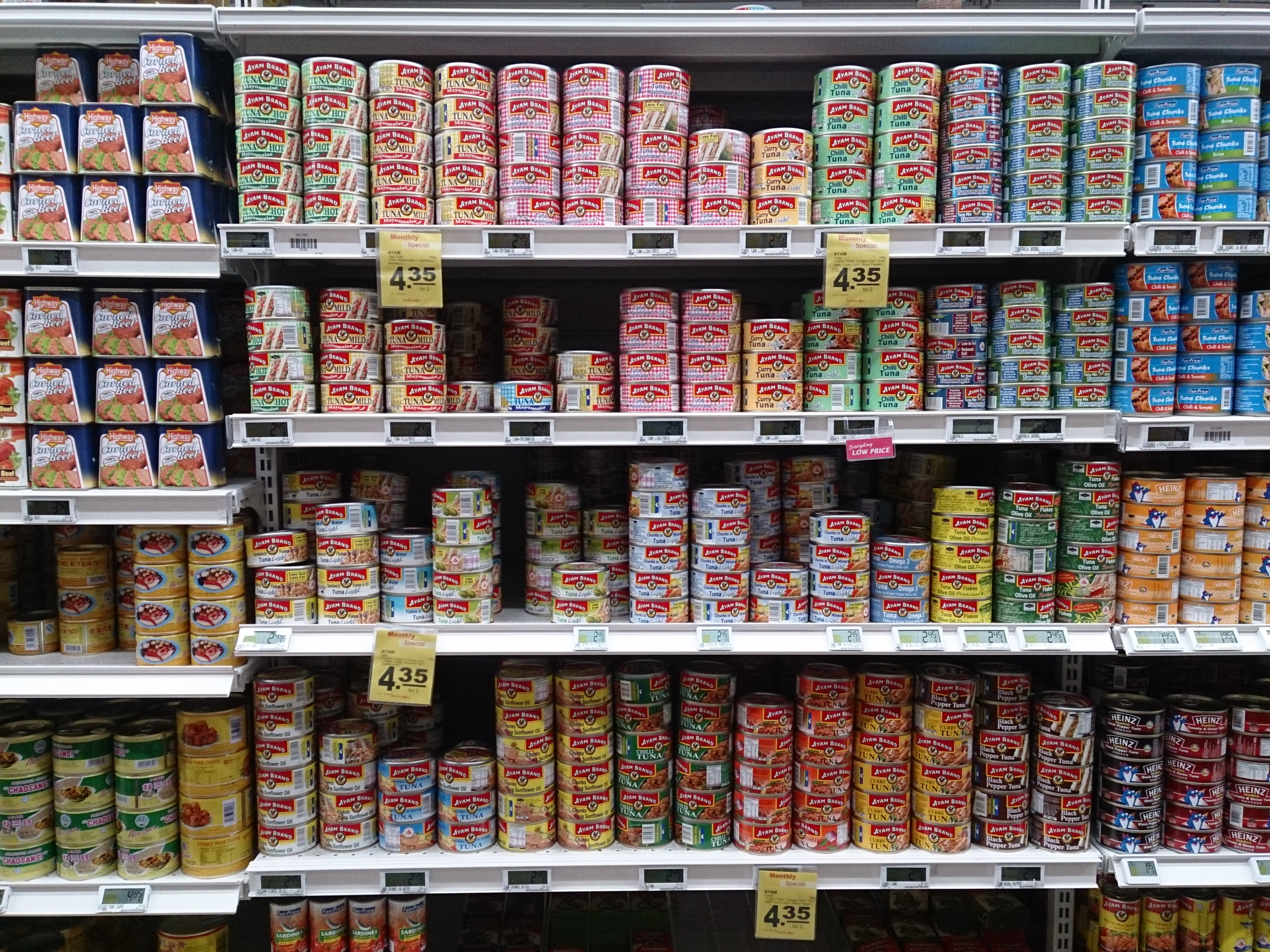
Canned and processed food was not a compromise or a shortcut in the 1960s American kitchen, it was the aspirational option, marketed as scientific, convenient and a step up from what her own mother had done.
The entire moral framing of convenience food has inverted since. A dinner assembled from cans, a packet and a tub of something whipped was a demonstration of being up to date, and the magazines she read presented it exactly that way.
8. She Used the Oven as a Heater and the Door Stayed Open
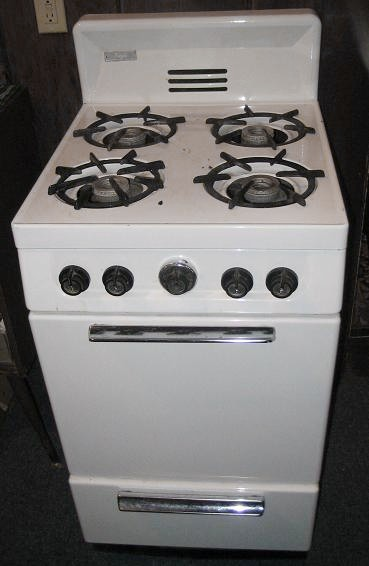
On a cold morning in a house with inadequate heating, the gas oven was lit with the door left open and the kitchen became the warm room where everybody sat.
This is now specifically and strongly warned against, for reasons involving combustion products in an unventilated room, and it was once an unremarkable domestic practice in millions of houses. The kitchen being the warm room is a direct consequence of it.
9. She Scrubbed the House With Chemicals That Are Now Controlled

The cleaning cupboard contained concentrated products, solvents and compounds that have since been reformulated, restricted or removed from household sale entirely.
Carbon tetrachloride as a spot cleaner, lye-based drain products at concentrations no longer sold, mercury compounds in some antiseptics, and lead in paint she sanded off the window frames herself. None of it was labelled in anything like the way it would be now.
10. She Weighed the Baby on the Kitchen Scale and Wrote It in a Book
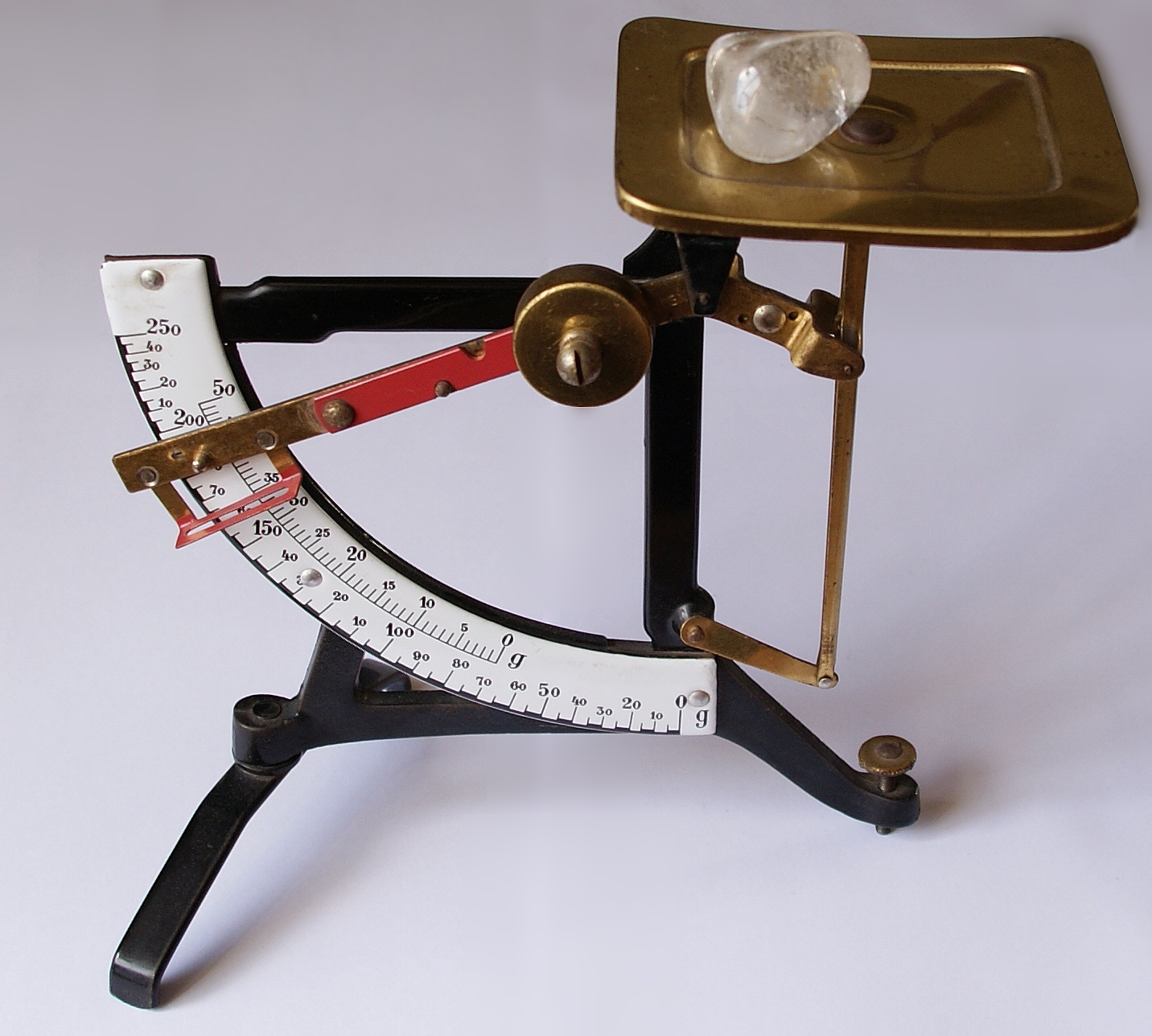
The clinic visit was occasional rather than scheduled, and in between a mother tracked growth herself with whatever she had, which was usually the scale she used for flour.
The dense schedule of well-child visits, developmental checks and standardised growth charting that structures modern early childhood did not exist in that form. A baby book with handwritten weights was the medical record for long stretches of a child’s first year.
11. She Took the Children to the Doctor Last Rather Than First
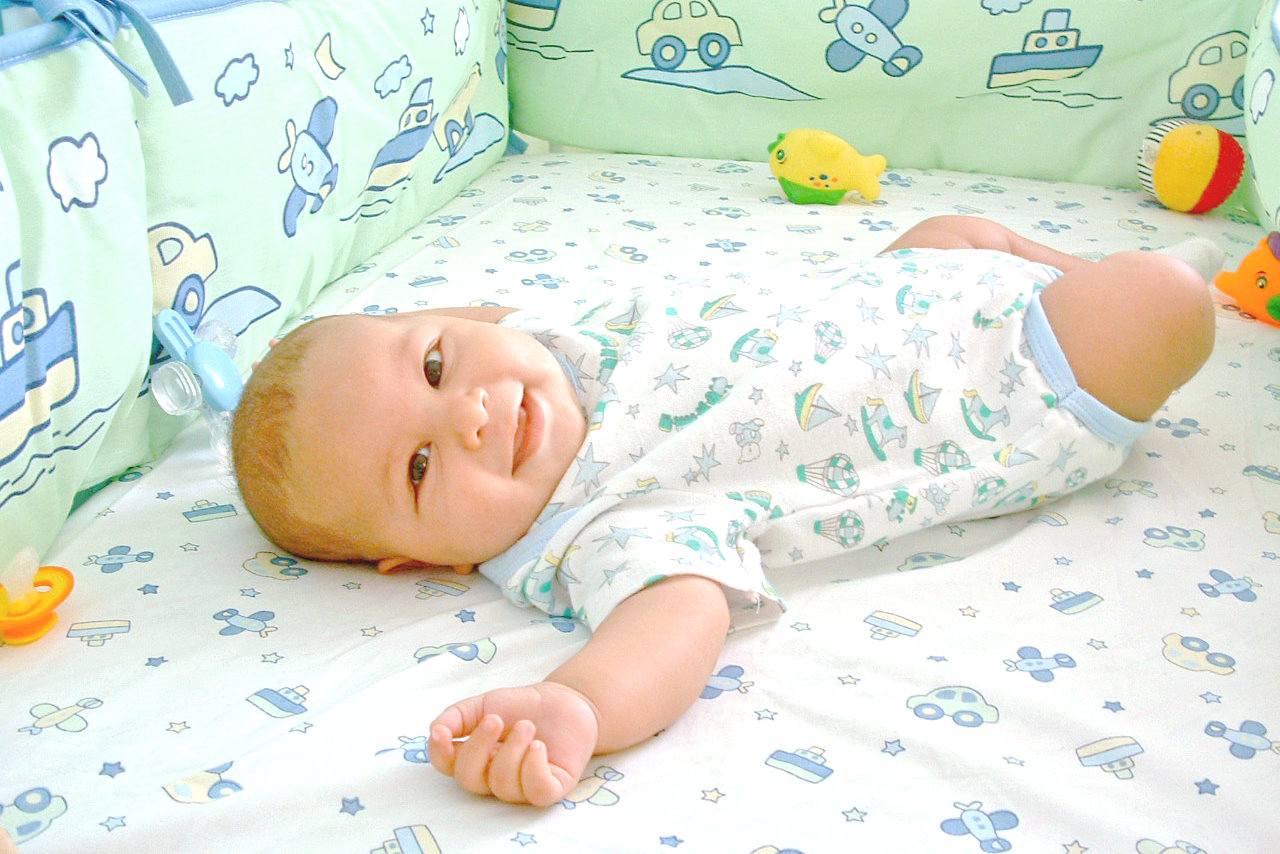
The threshold for a doctor’s visit was far higher, partly because of cost and partly because the expectation was that a mother would manage ordinary childhood illness herself.
She had a working knowledge of measles, mumps, chickenpox and whooping cough because she expected to see them, and she treated them at home in a darkened bedroom with a jug of water. Most of those illnesses are now rare enough that a young parent has never seen one.
12. She Had the Children Vaccinated in a Line at the School Gymnasium
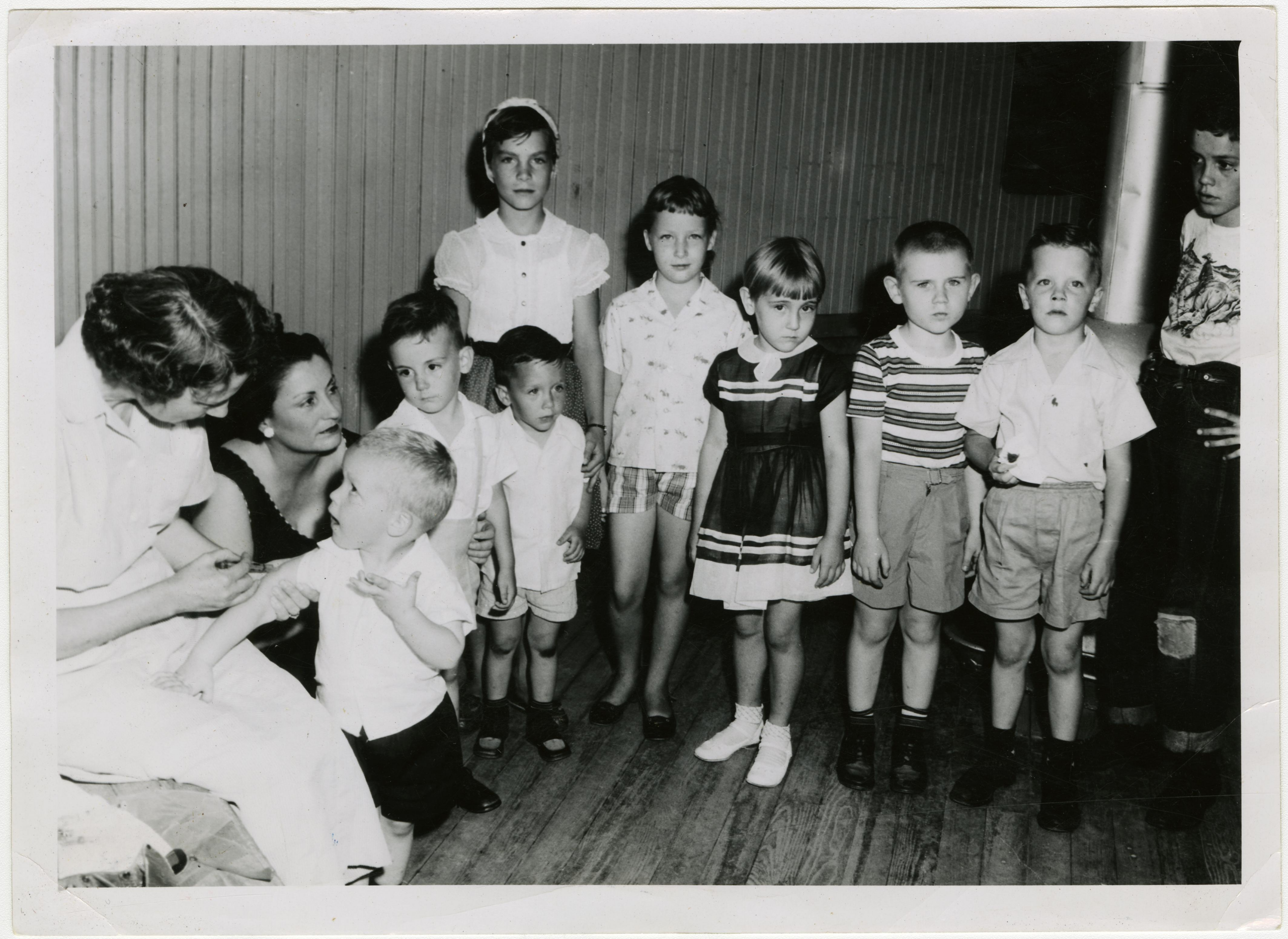
Mass vaccination was administered as a public event, with the whole school processed in an afternoon and the parent’s role limited to having signed something in September.
The sugar cube arrived that way for millions of American children. The modern model of individual appointments, individual consent conversations and individual records is a completely different delivery system, and the one she experienced was closer to a civic ceremony.
13. She Let Them Ride in the Back of the Truck to the Lake

If there were more people than seats, the surplus went in the open bed, sat on the wheel wells with their backs to the cab, and nobody regarded it as a decision at all.
It is the detail that most reliably produces disbelief now, and the surprising part is that it was never comprehensively outlawed. The practice remains legal in a substantial share of American states under varying conditions, largely because of exemptions written for agricultural work.
14. She Painted the Nursery Herself With Whatever Was in the Garage

Lead-based paint was in general household use for interiors well into the postwar period, and a mother decorating a child’s room was using it on cribs, window sills and woodwork.
The hazard was not identified as a domestic one for a long time, and the reason it eventually was has to do with chipping paint and the specific habits of small children. Every subsequent rule about lead in homes exists because of rooms painted in exactly this way, with exactly these intentions.
15. She Was Expected to Resign When She Married, and in Some Jobs She Had To
Marriage bars – formal policies requiring a woman to leave on marriage or on pregnancy – were still in operation in parts of American employment in the early 1960s.
This is the structural fact underneath every other item on this list. A mother’s day looked the way it did partly because her options had been narrowed by rules she had no part in writing, and the sequence of legal changes that removed those rules is what changed the American afternoon more than any advice about childcare ever did.
16. She Had No Way of Knowing Whether Any of It Was Right
There was one childcare manual in most houses, one doctor, one set of neighbours and no means of checking any of it against anything.
The modern parent’s problem is an unmanageable surplus of contradictory information. Hers was the opposite: a single authoritative source, followed carefully, which turned out on several significant points to be wrong. She was not careless. She was well informed by the standards available, and the standards moved.
17. Almost Everything on This List Was the Conscientious Option

Read back through it and the pattern is unmistakable. The stomach sleeping, the aspirin, the canned dinner, the vaccination line and the baby book were not corners being cut.
They were a mother doing what the manual, the doctor, the magazine and the school told her was correct, in a decade when all four spoke with one voice and that voice was frequently mistaken. The distance between 1963 and now is not a distance in care. It is a distance in information, and she was on the wrong side of it through no fault of her own.
A Distance in Information, Not in Care

The thread running through all seventeen is that they were the conscientious choices of their decade. The guidance changed on stomach sleeping, on aspirin, on smoking, on lead, on restraints and on discipline, and in every case it changed because evidence arrived that had not existed before.
What has not changed is the thing that is easy to miss when the list is read as a catalogue of alarming behaviour. A mother in 1963 read the manual, asked the doctor, signed the form and did what she was told, and she did it carefully. That is the same thing a mother does now. The only difference is which answers were available to be given.
The next time one of these comes up as evidence that people used to be reckless, it is worth remembering where the instruction came from. It came from the best authority available, and she followed it.
Like our content? Follow us for more.