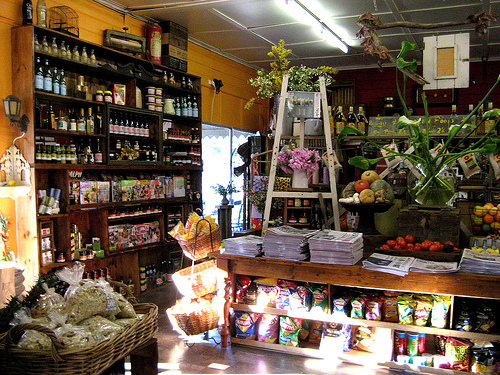
A note, the money, and the clerk read the note. Here are ten.
1. Cigarettes, With a Note, and the Change Came Back in a Paper Bag
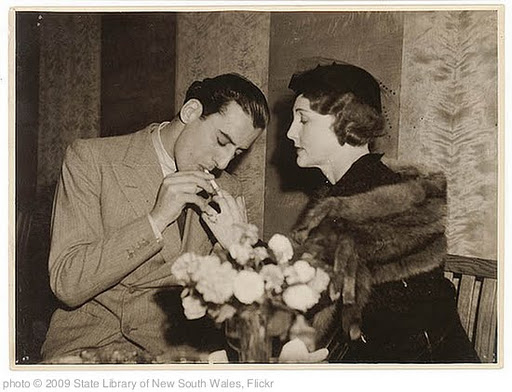
A child was sent to the counter with a written instruction and the money, the clerk read the note, and the packet went into the bag with the receipt.
There was no federal minimum purchase age in the United States for most of the period and the state picture was patchy and largely unenforced at the counter. The modern apparatus of a national minimum age, mandatory identification checks and retailer compliance inspection is almost entirely a product of the decades that followed.
Like our content? Follow us for more.
2. Beer, If the Note Said So and the Clerk Knew the Family

In a great many neighbourhood stores a child collecting a parent’s order could collect beer along with everything else, and the transaction was understood as the parent’s purchase rather than the child’s.
That reading is exactly what the law was later rewritten to foreclose. The shift was from asking who the alcohol was for to asking who was standing at the counter, and once the question changed the practice ended immediately and everywhere.
3. A Box of Ammunition From the Hardware Store
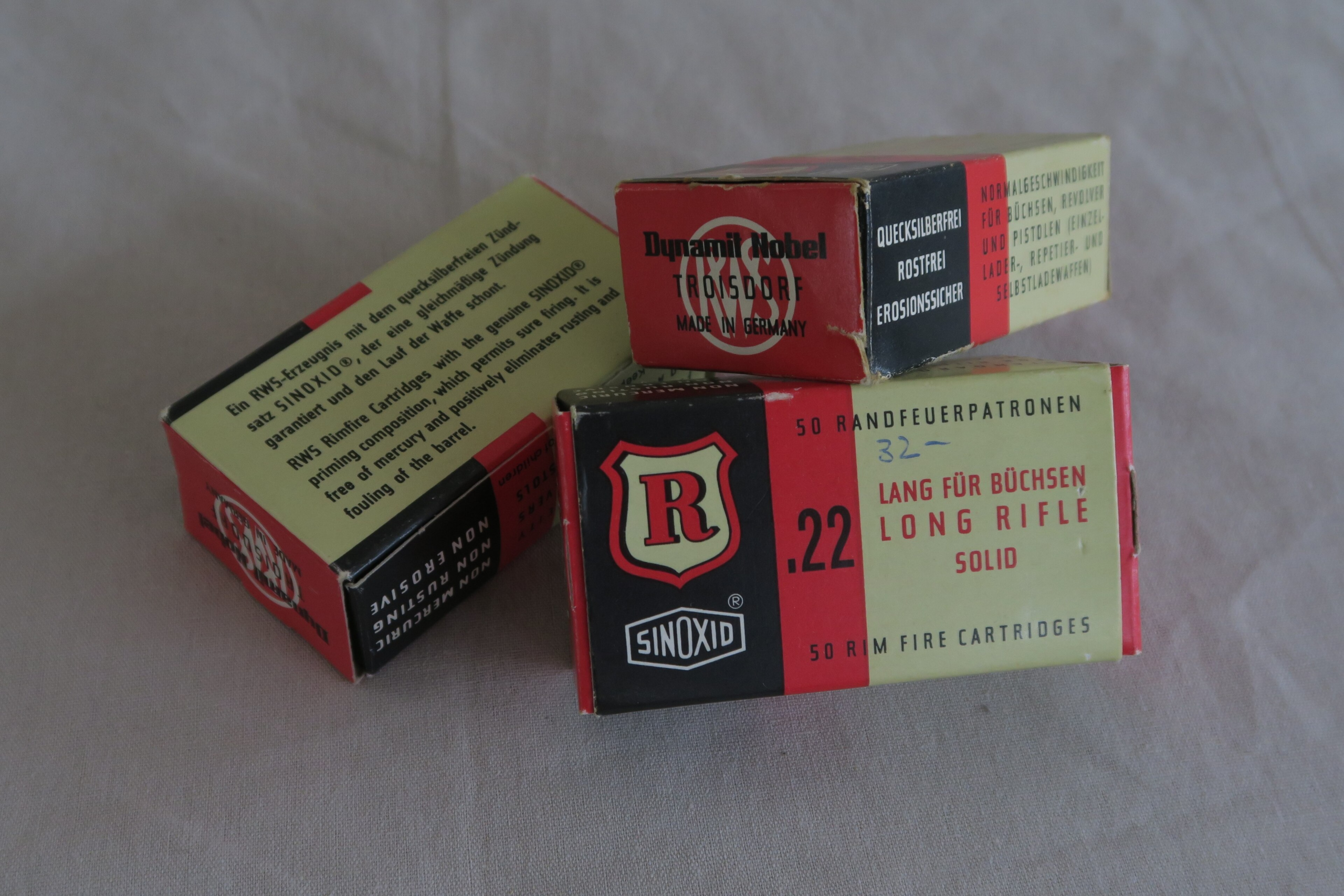
Shotgun shells and cartridges were general hardware in rural and small-town America, stocked beside the nails and the paint, and a child collecting them for a parent was an ordinary errand.
The sale is now subject to a federal minimum age and to identification requirements at the point of sale, and the hardware store is no longer where it happens. It is the item on this list where the regulatory distance travelled is greatest.
4. A Pocket Knife, Bought for Himself, With His Own Money

A folding knife was a normal possession for an American boy, bought from a counter display at the hardware or five-and-dime, and frequently carried to school without comment.
There is still no general federal age restriction on purchase, which surprises people, and the real change is elsewhere: possession on school grounds moved from unremarkable to a serious disciplinary and in many places legal matter, and that shift happened entirely separately from anything about buying one.
5. Model Glue and Solvent-Based Cement, In Quantity
Plastic model kits required a solvent cement, it was sold freely to children in hobby and dime stores, and nobody asked what it was for.
Age restrictions and reformulation followed once the inhalation question was recognised, and the ingredient most associated with it was removed from consumer products. The restriction was aimed squarely at the child purchaser, which is unusual on this list – most of the others were aimed at the parent’s transaction.
6. Lighter Fluid and a Box of Matches, For the Grill

Both were ordinary shopping, sold to anybody, and a child collecting them was collecting a household consumable like soap.
Child-resistant packaging requirements and point-of-sale restrictions arrived later, and the specific practice of sending a child for them ended as a matter of custom before it ended as a matter of rule.
7. Aspirin and a Bottle of Cough Syrup With Codeine
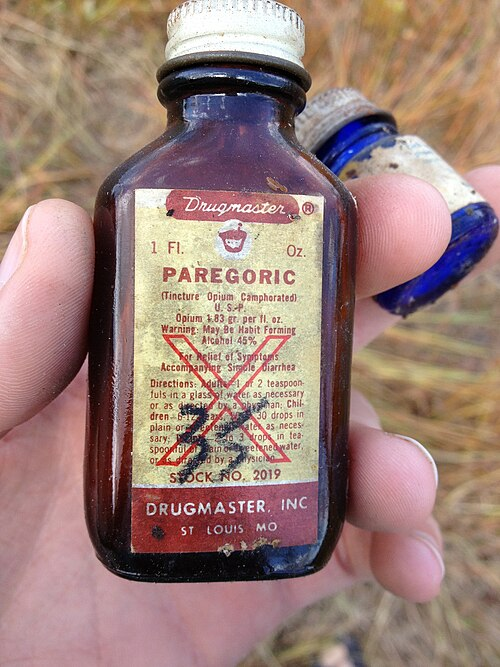
Both were off the shelf, neither required a prescription in many jurisdictions, and a child could buy them in whatever quantity the money allowed.
Pack size limits, age restrictions, behind-the-counter placement and in the case of codeine a complete rebuilding of the regulatory category all followed. The bottle a child could carry home is now in a different legal class entirely.
8. Caffeine Tablets From the Drugstore Counter
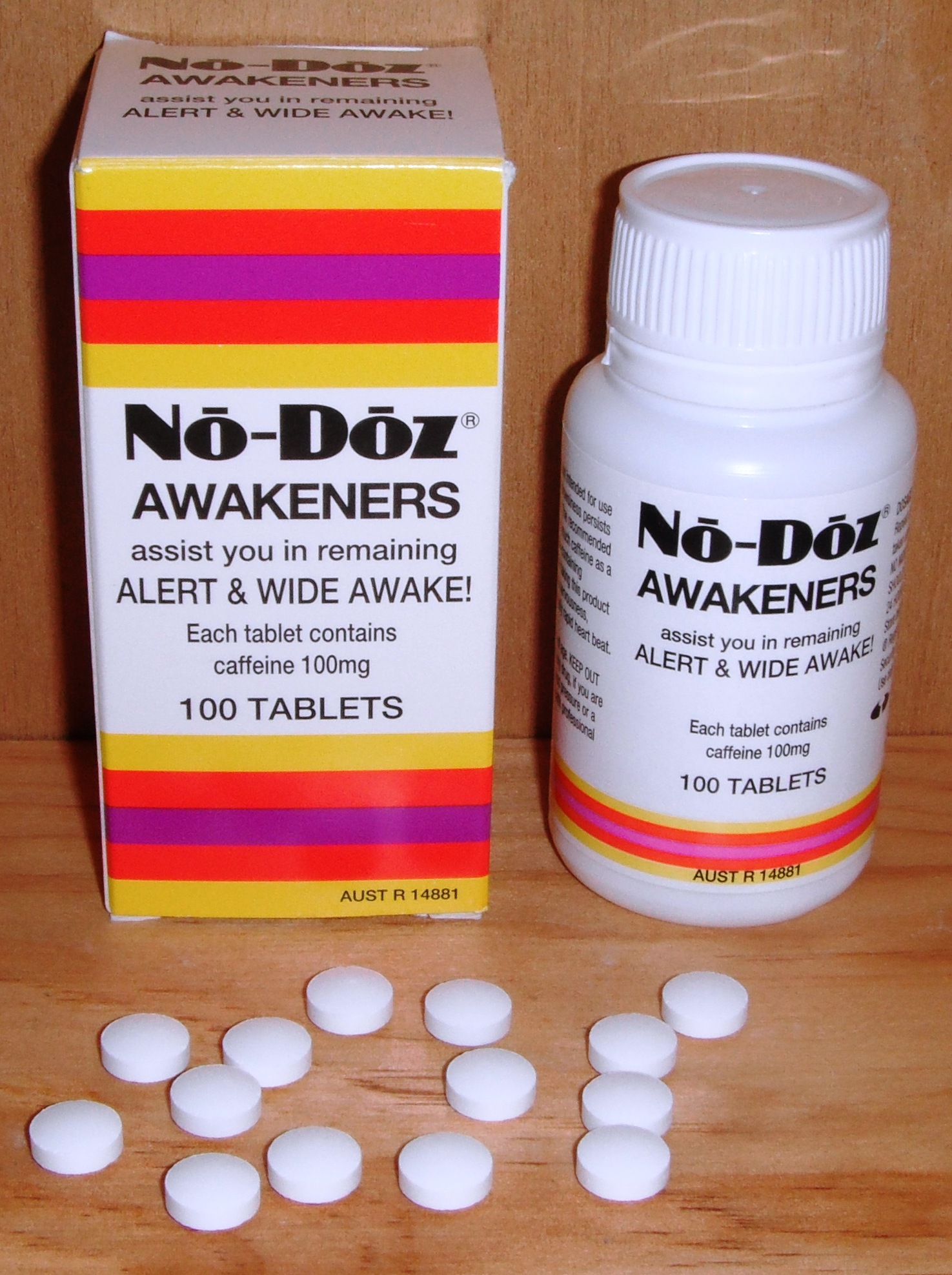
Stimulant tablets sold for staying awake were general merchandise, bought by students and by anybody driving overnight, with no restriction at all.
The regulatory attention came much later and focused on concentration and on packaging rather than on the compound. It is the item here that most people assume was always controlled and never was.
9. Firecrackers, Seasonally, From a Stand by the Road

Where they were legal they were sold from temporary stands, in the open, to whoever had the money, including children, with no age check and no supervision requirement.
The legal position varies enormously by state and always did, which is why this is the item people’s memories differ about most. Where it was permitted it was entirely unrestricted, and the subsequent change was toward age limits and licensed sale rather than toward prohibition.
10. A Gallon of Gasoline in an Open Can, For the Mower

The can was metal, it had no seal worth mentioning, and a child carrying it home from the filling station on foot was a routine sight.
Approved container requirements, spill-proof and flame-arrestor standards and in some places a minimum purchase age all arrived subsequently. The open can is the single most hazardous object on this list and it attracted the least comment at the time.
The Question Changed From Who It Was For to Who Was Standing There

Almost every item here turns on the same single legal move, and it is worth stating plainly because it explains the whole list.
In 1970 the operative question at an American counter was whose purchase this was. A child with a note and the exact money was transparently acting for a parent, the clerk could see that, and the transaction was treated as the parent’s. That reading was coherent and it was universally applied.
What replaced it was a rule about the person at the counter rather than the person who sent them. Once the test became who is presenting the money and how old are they, the note stopped mattering, and every errand on this list became impossible in the same instant – not through ten separate decisions, but through one change in the structure of the question.
The model glue is the interesting exception, because that restriction was aimed at the child as the intended user rather than at the transaction. It is the one item here that was never about the parent at all.
The clerk who read the note was not being careless. He was answering the question the law actually asked him, and he was answering it correctly.
Like our content? Follow us for more.