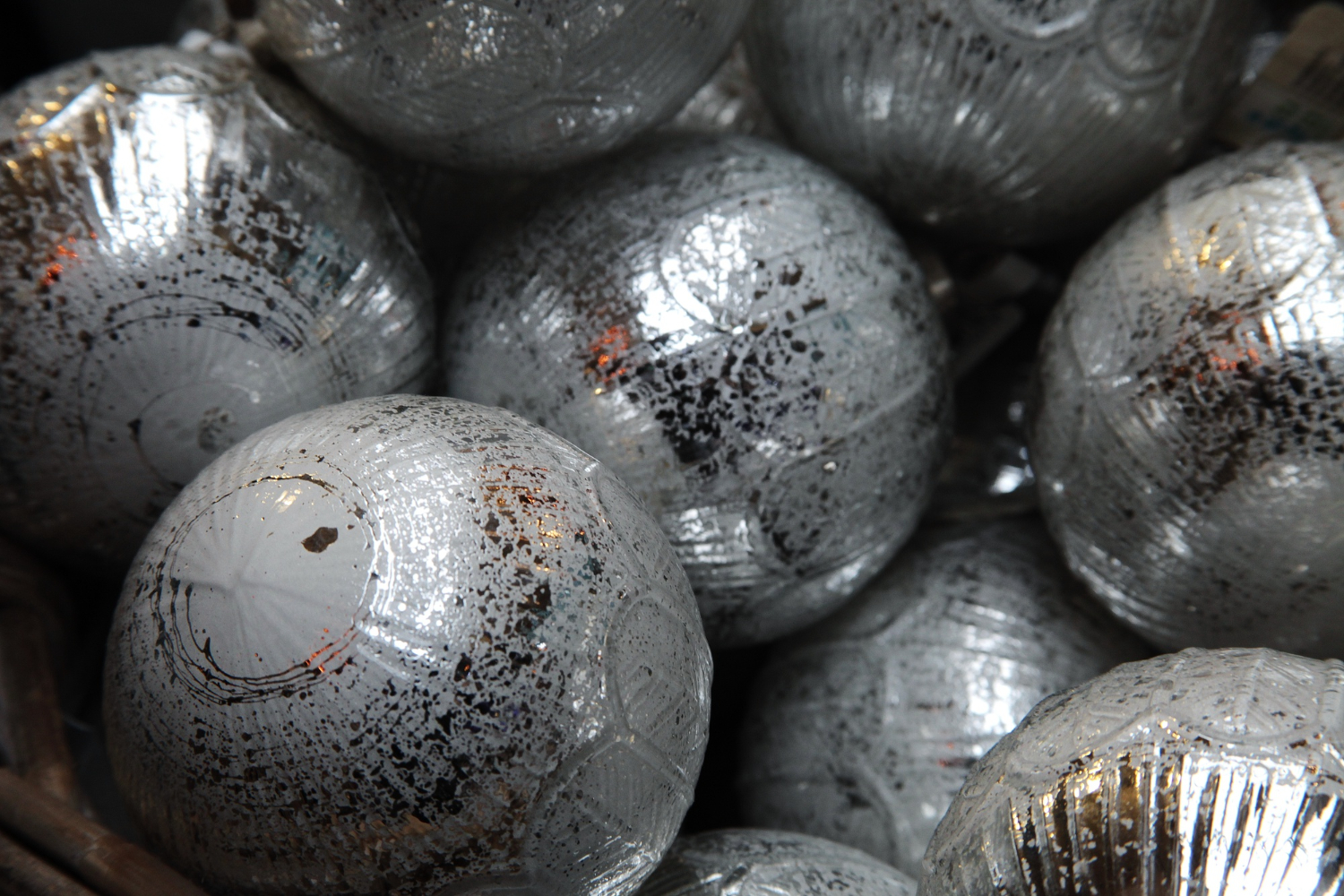
The counterintuitive fact underlying all of this is that mixing two soft metals frequently produces something substantially harder than either, and the reason is geometric. Here are twelve.
1. Why Mixing Makes Metal Harder
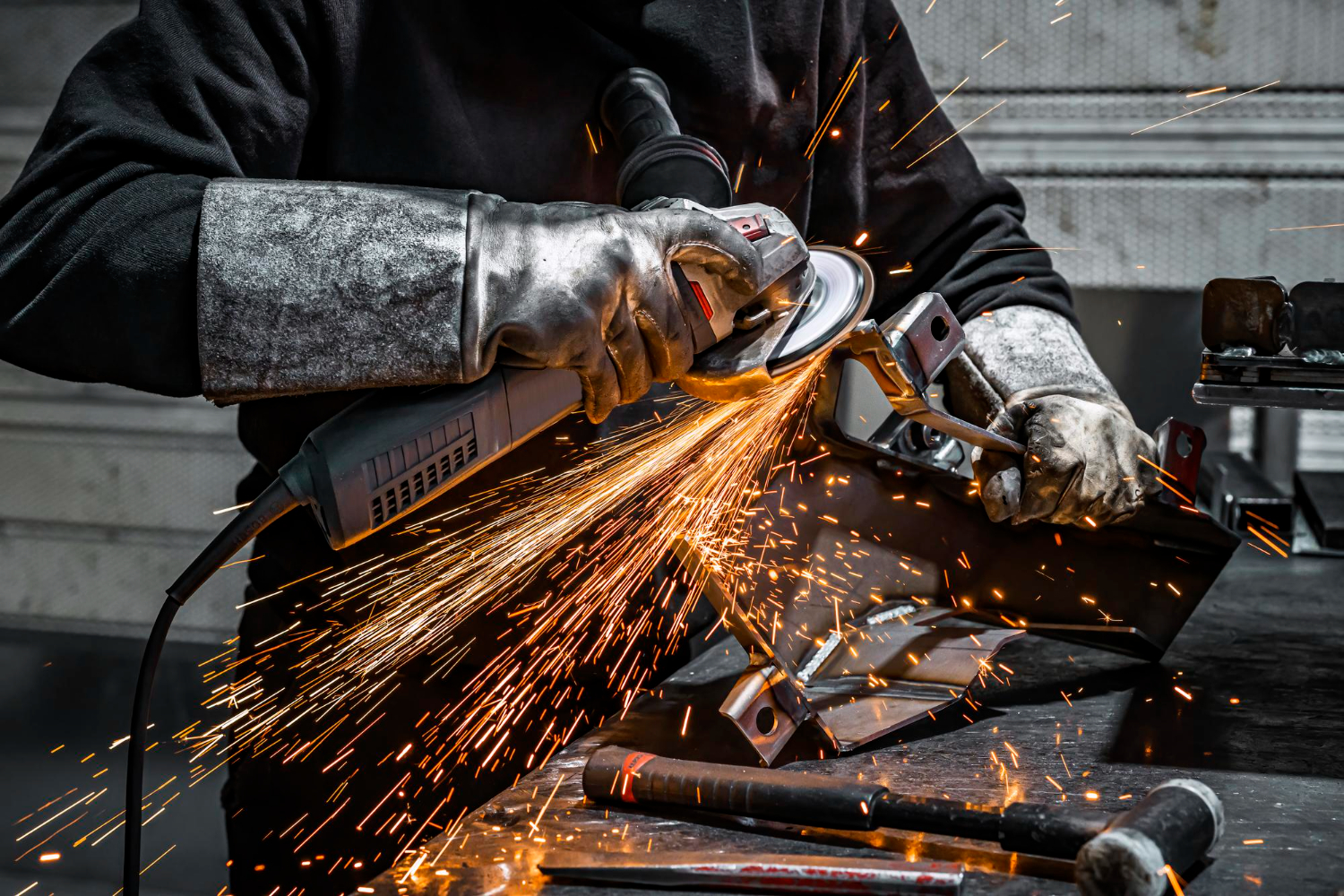
Metals deform because layers of atoms slide over one another along regular planes. Introduce atoms of a different size and those planes are disrupted, so the layers cannot slide as easily.
The alloy is harder than either component because it is less orderly. Disrupted planes are the reason alloying works at all.
Like our content? Follow us for more.
2. Bronze
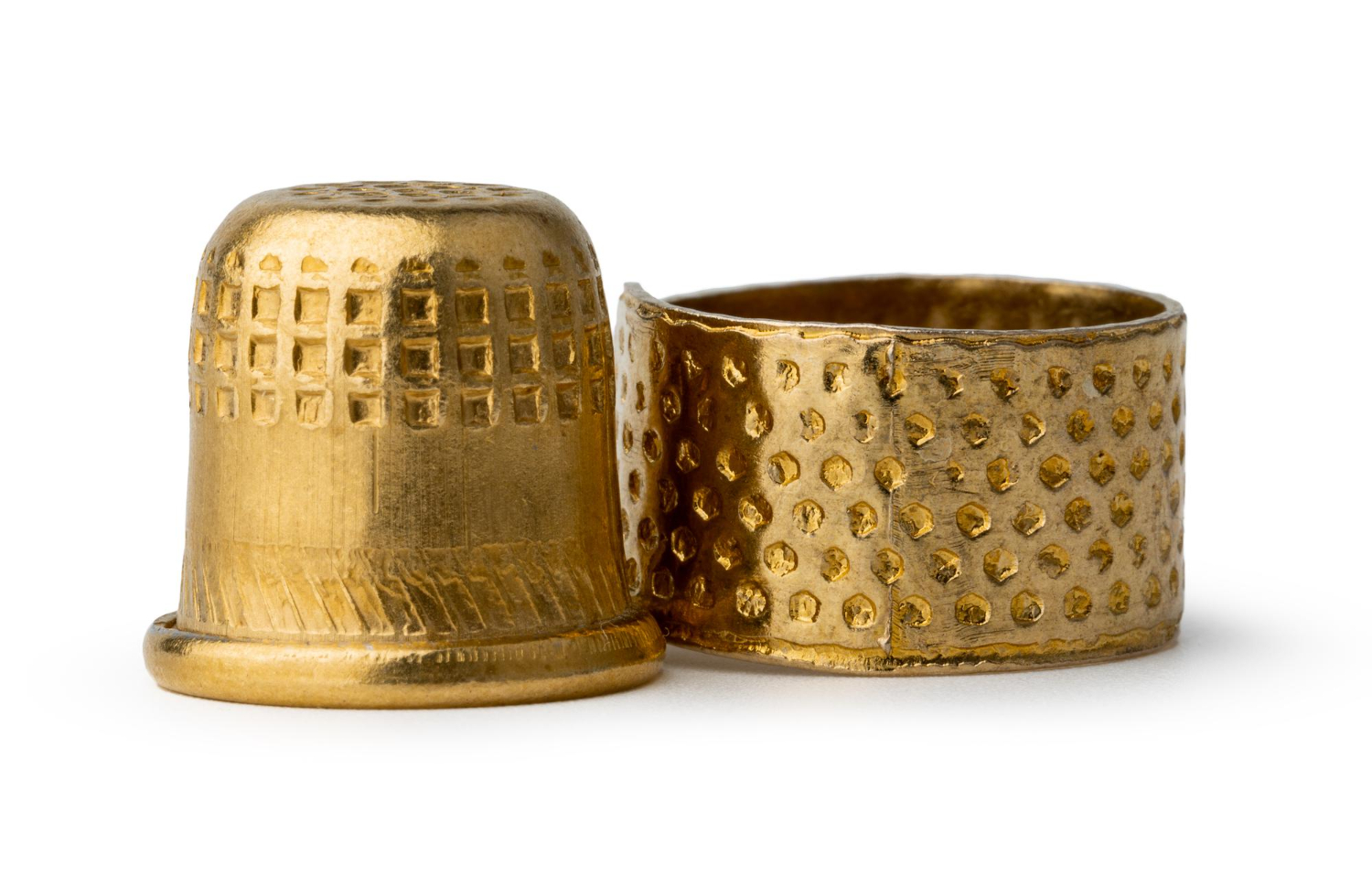
Copper with a proportion of tin, substantially harder than either metal alone, and the first alloy to transform what could be made.
The ores rarely occur in the same place, so bronze required long-distance trade before it required metallurgy. Bronze is the alloy that needed an economy before it needed a furnace.
3. Iron
More abundant than copper by an enormous margin and adopted much later, because working it requires far higher temperatures than a simple fire produces.
Availability was never the constraint; heat was. Iron is the metal that waited for better furnaces rather than better geology.
4. Steel
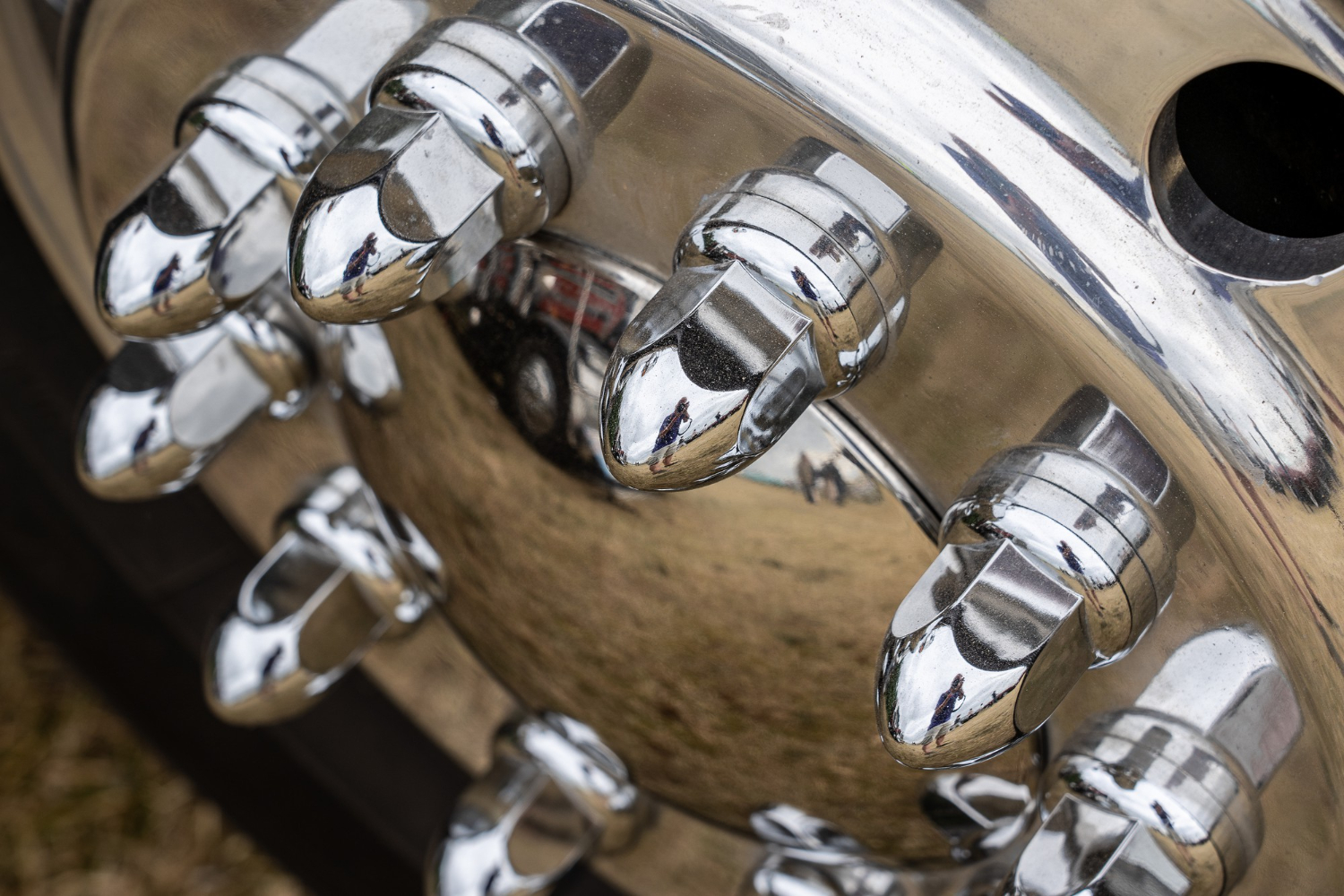
Iron with a small and carefully controlled quantity of carbon, which transforms it from soft and bendable into hard and springy.
The quantity is tiny and getting it right was the entire difficulty for most of history. Steel is the alloy defined by a very small number that had to be hit precisely.
5. Brass
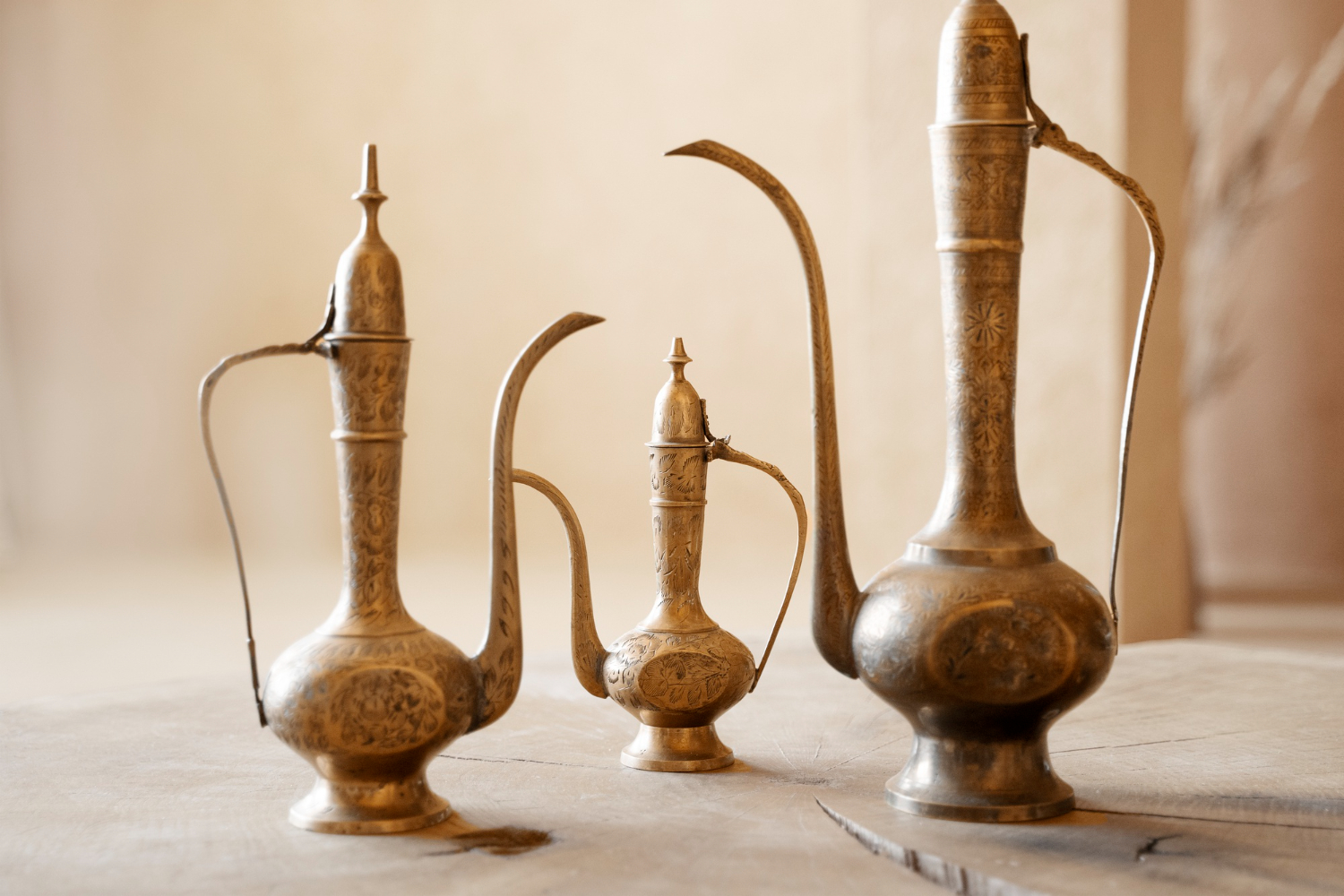
Copper and zinc, chosen for workability, corrosion resistance and appearance rather than for strength.
It machines cleanly and does not spark, which determined a great many of its applications. Brass is the alloy selected for how it behaves under a tool.
6. Solder
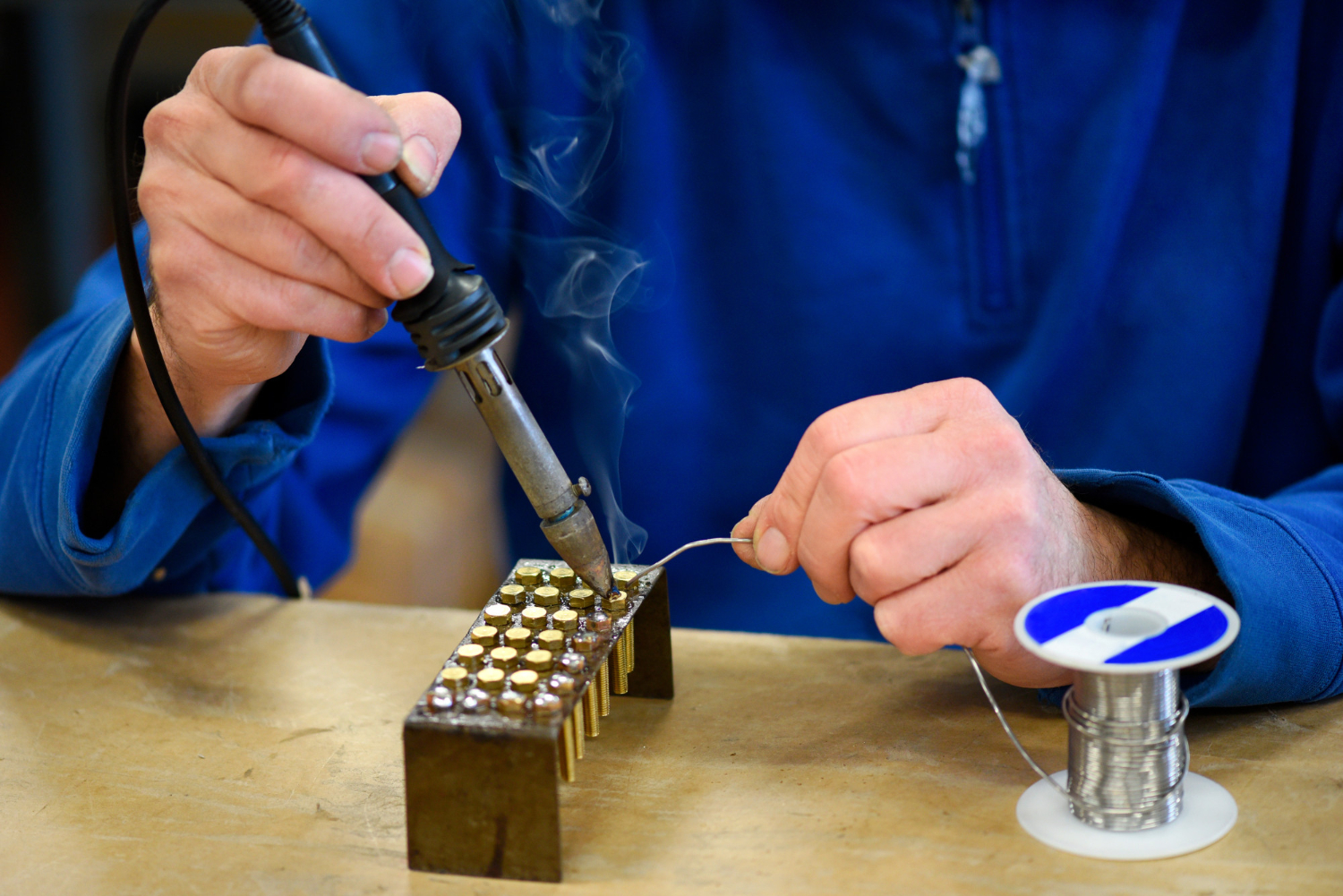
Alloys formulated specifically to melt at a low temperature, so that two other metals can be joined without either of them melting.
The whole point is to be the weakest thing present. Solder is the alloy designed to fail first, on purpose.
7. Pewter
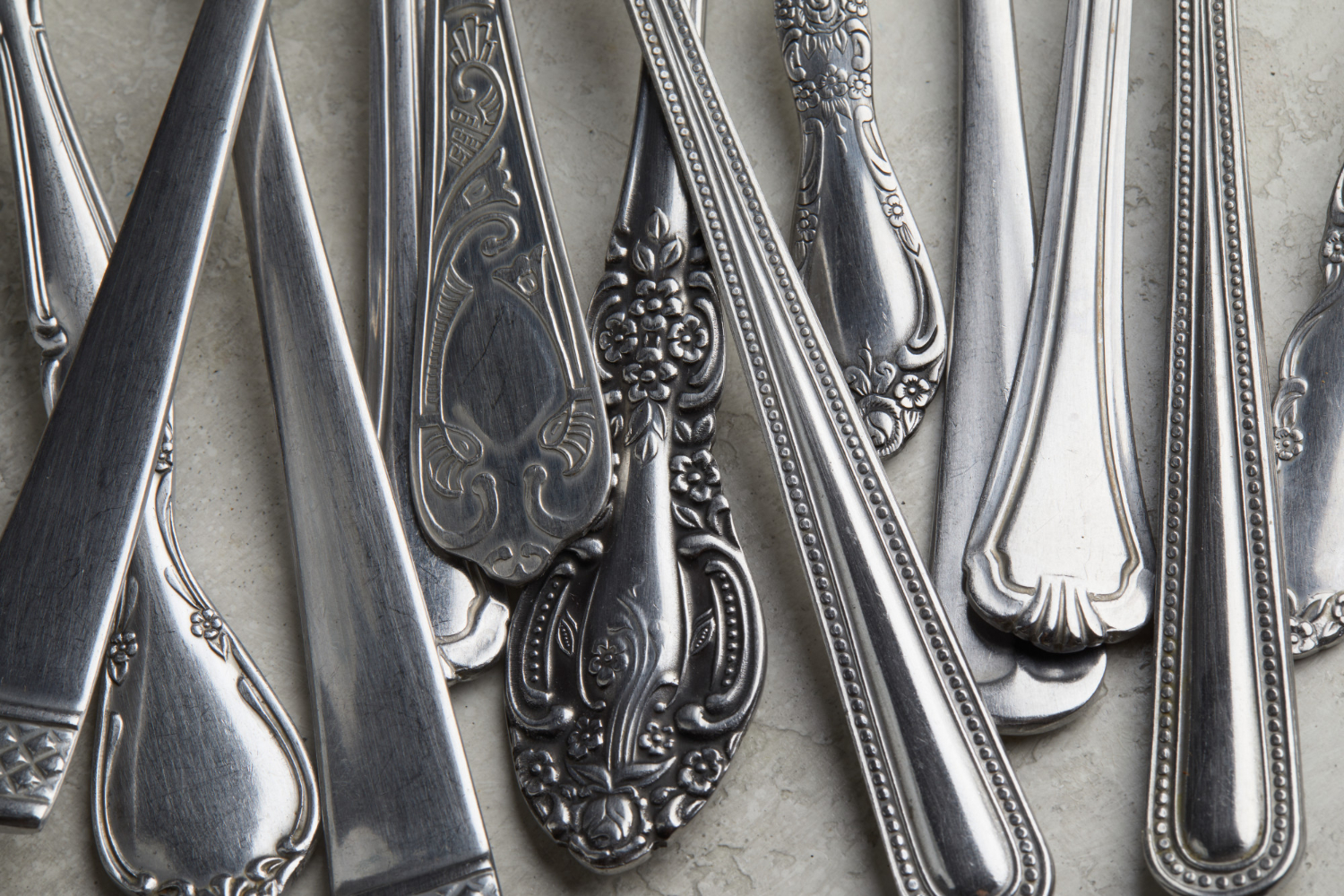
A tin-based alloy soft enough to work easily and to cast in fine detail, which made it the domestic metal for centuries.
Its softness is the feature rather than a limitation. Pewter is the alloy chosen because it does not resist being shaped.
8. The Corrosion-Resistant Alloys
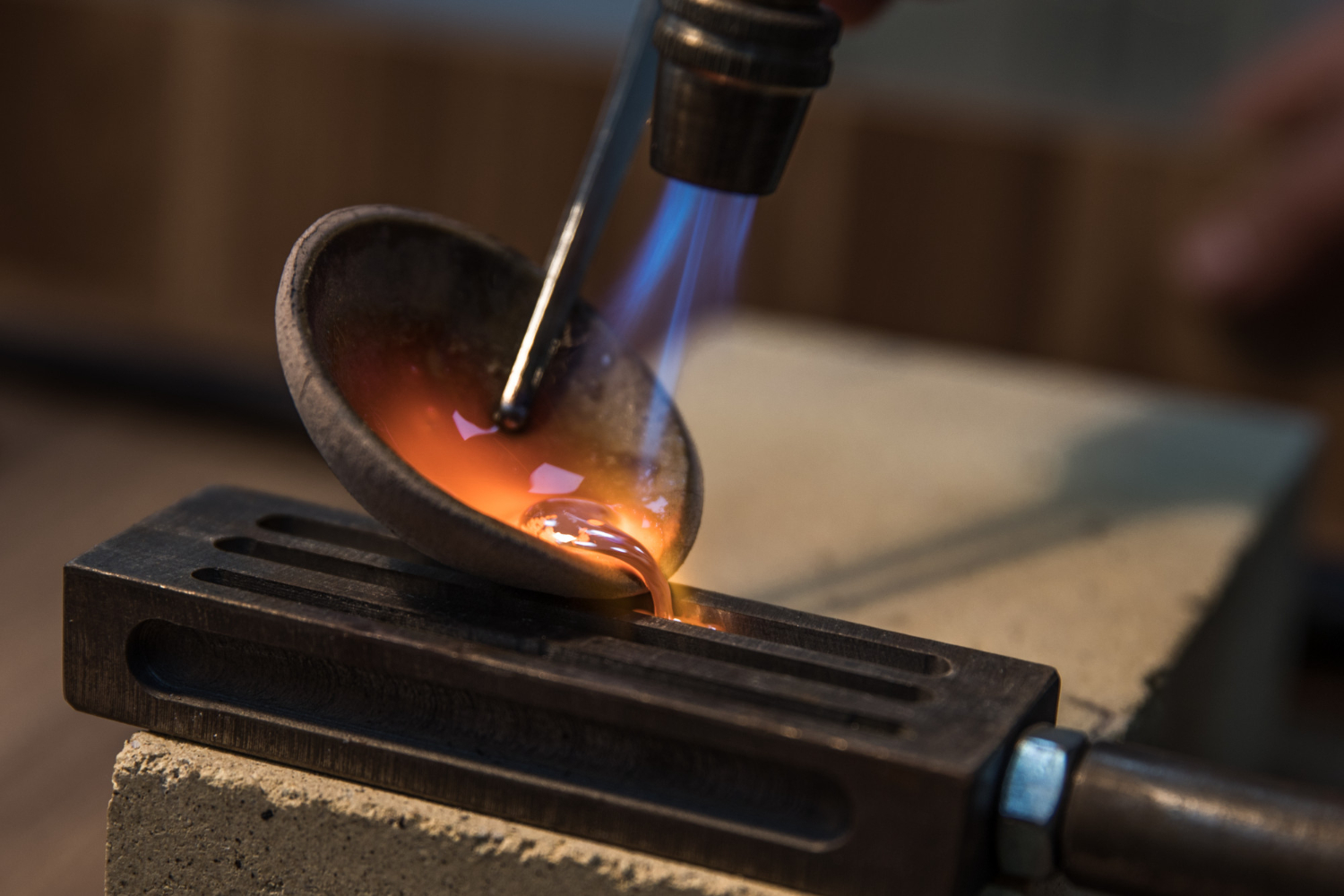
Some metals are alloyed specifically so that the surface forms a stable protective layer, sacrificing a little strength for the ability to survive weather and water.
The trade is deliberate and the property is entirely about the outermost fraction of a millimetre. Corrosion-resistant alloys are the metals chosen for their skin.
9. Gold, Which Is Too Soft on Its Own
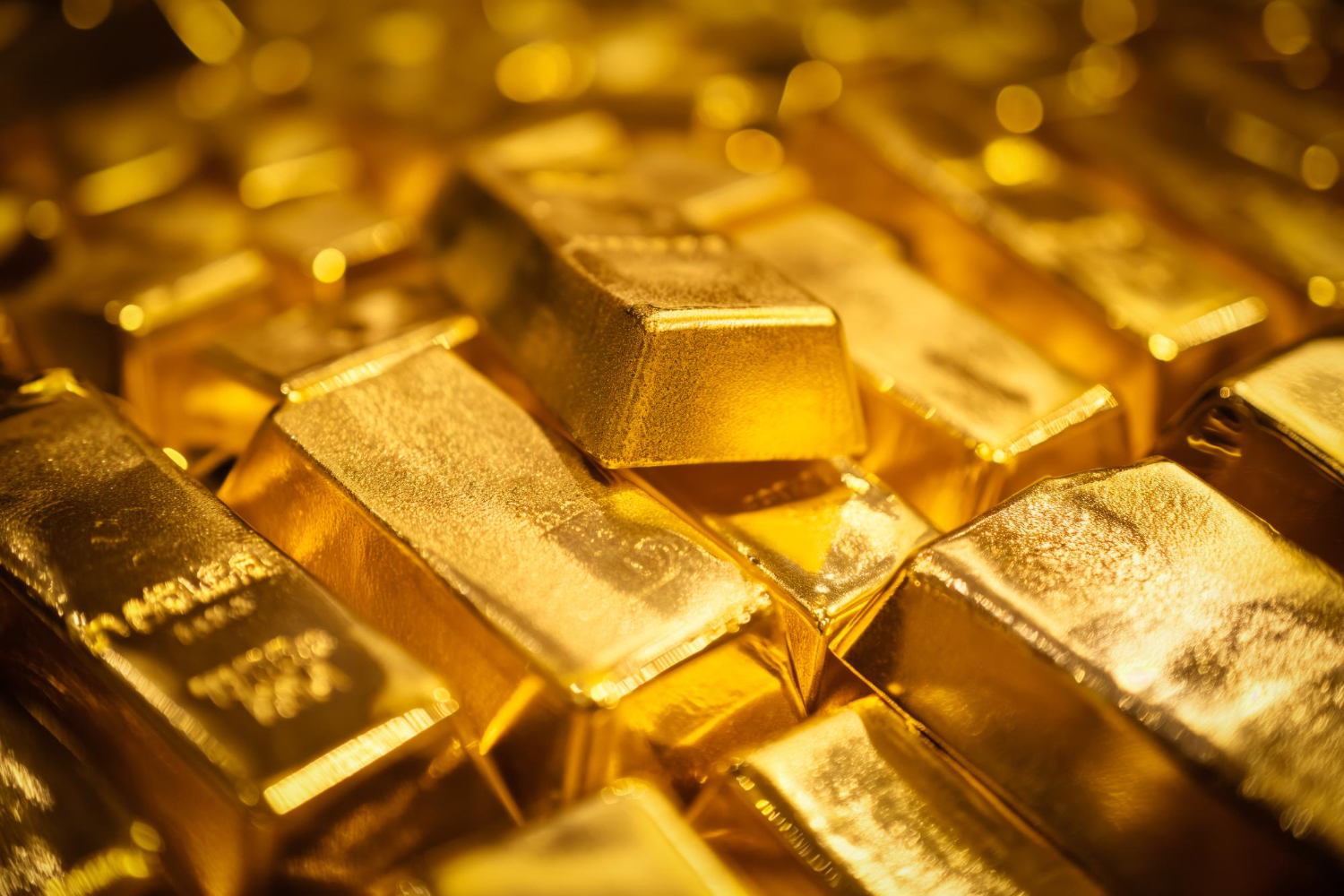
Pure gold is soft enough to mark with a fingernail and unsuitable for anything that will be handled, so it is alloyed to give it working hardness.
The carat figure describes how much gold remains after that necessary compromise. Gold alloys are the mixtures made because the desirable metal cannot do the job.
10. Aluminium
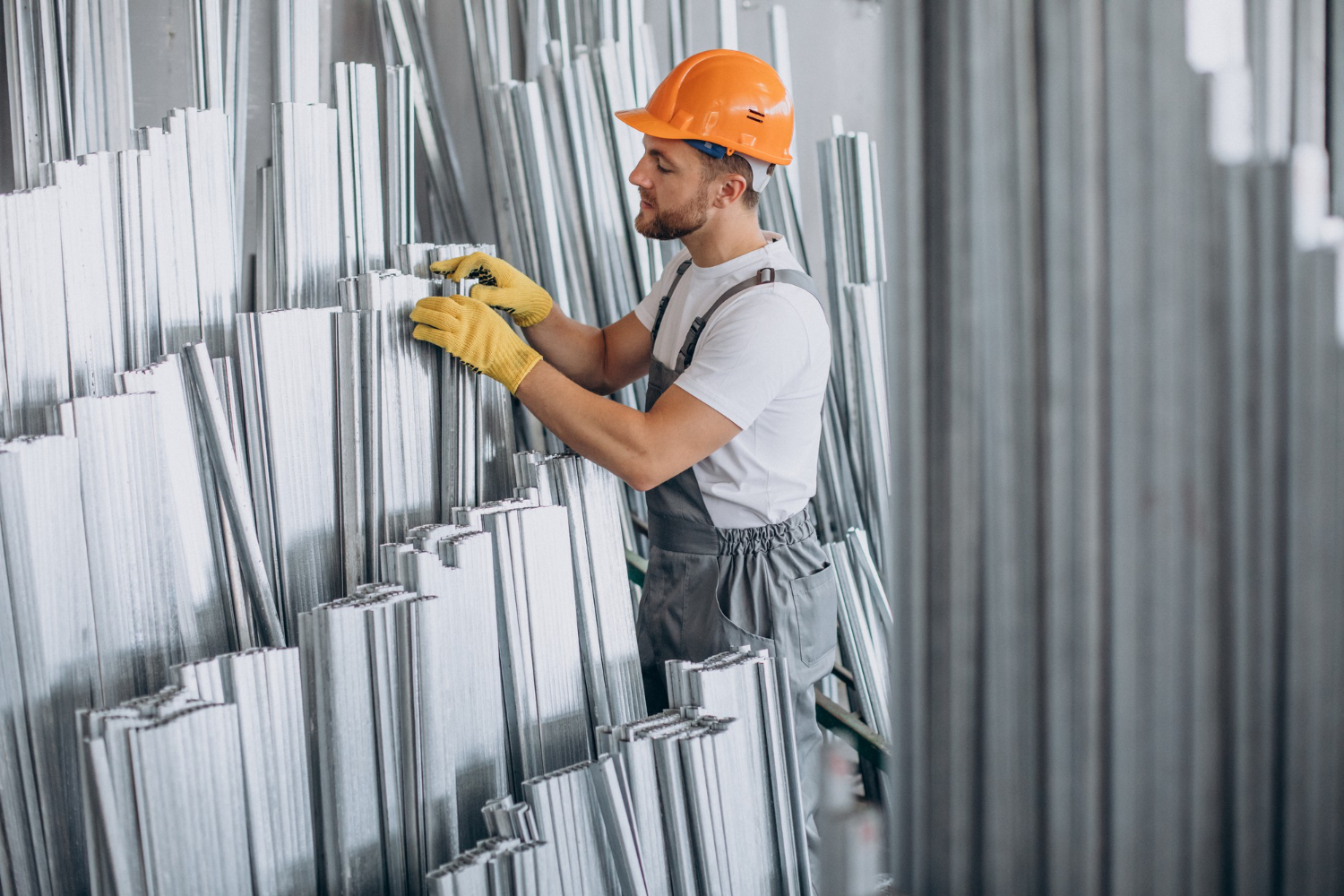
Common in the ground, extraordinarily difficult to extract, and consequently more valuable than precious metals until an electrical process made it cheap within a few years.
Its price collapsed by orders of magnitude in a generation. Aluminium is the metal whose value was determined entirely by a process rather than by scarcity.
11. The Metals Now Restricted
Some metals were adopted historically for truly useful properties – low melting point, workability, durability – and their use is now restricted for reasons unrelated to how well they performed.
Substitutes had to reproduce the properties without the material. Restricted metals are the cases where a good engineering answer became unavailable.
12. The Engineered Alloys
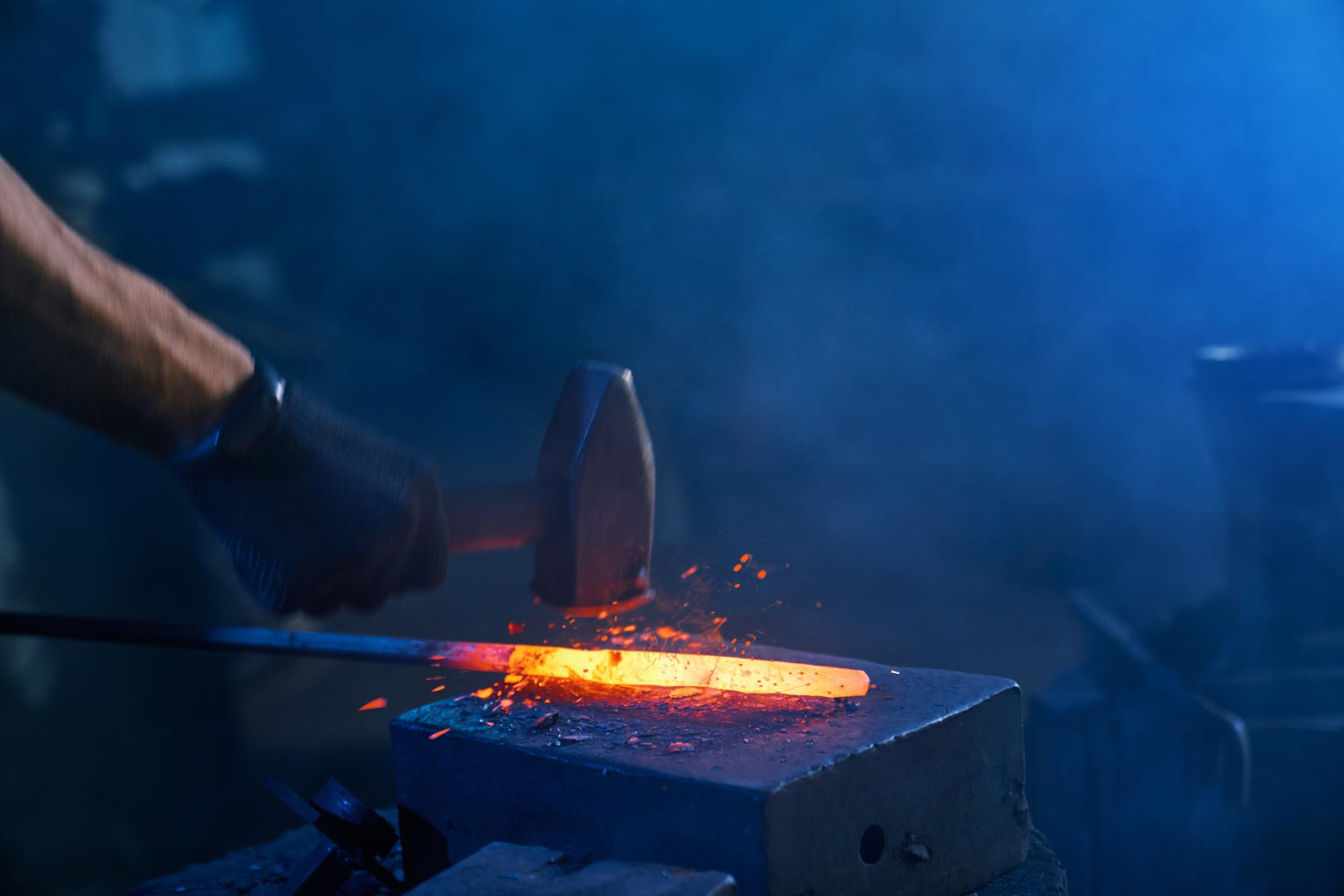
Modern metallurgy produces mixtures with properties no natural metal has – alloys that return to a remembered shape when heated, that resist extreme temperatures, or that are unusually light for their strength.
These are designed against a specification rather than discovered. Engineered alloys are the mixtures made to order rather than found.
Nothing Useful Is Pure
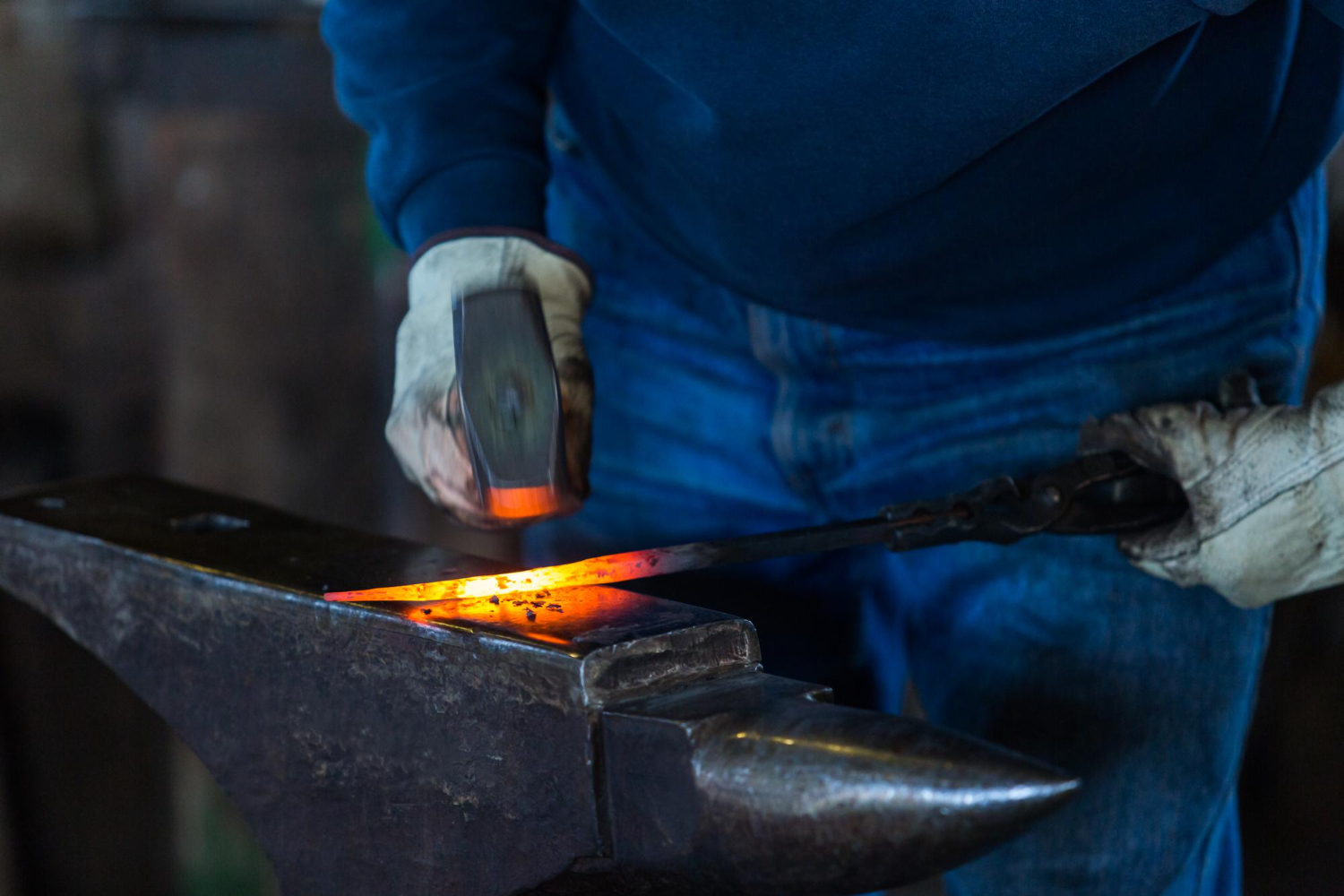
Every entry here is a compromise. Hardness against brittleness, strength against weight, workability against durability, cost against performance – and an alloy is simply the point on that scale somebody needed.
The idea worth carrying away is the first one. Mixing two soft metals to get a hard one looks like it should not work, and it works because disorder at the atomic scale prevents the sliding that lets metal bend. Almost the entire history of materials is people discovering that empirically, thousands of years before anybody could explain it.
Like our content? Follow us for more.