The common feature is that nobody is doing anything for most of the duration. The work is at the beginning and the end, and in between the food is changing without supervision. Here are seventeen.
1. Air-Dried Cured Meats
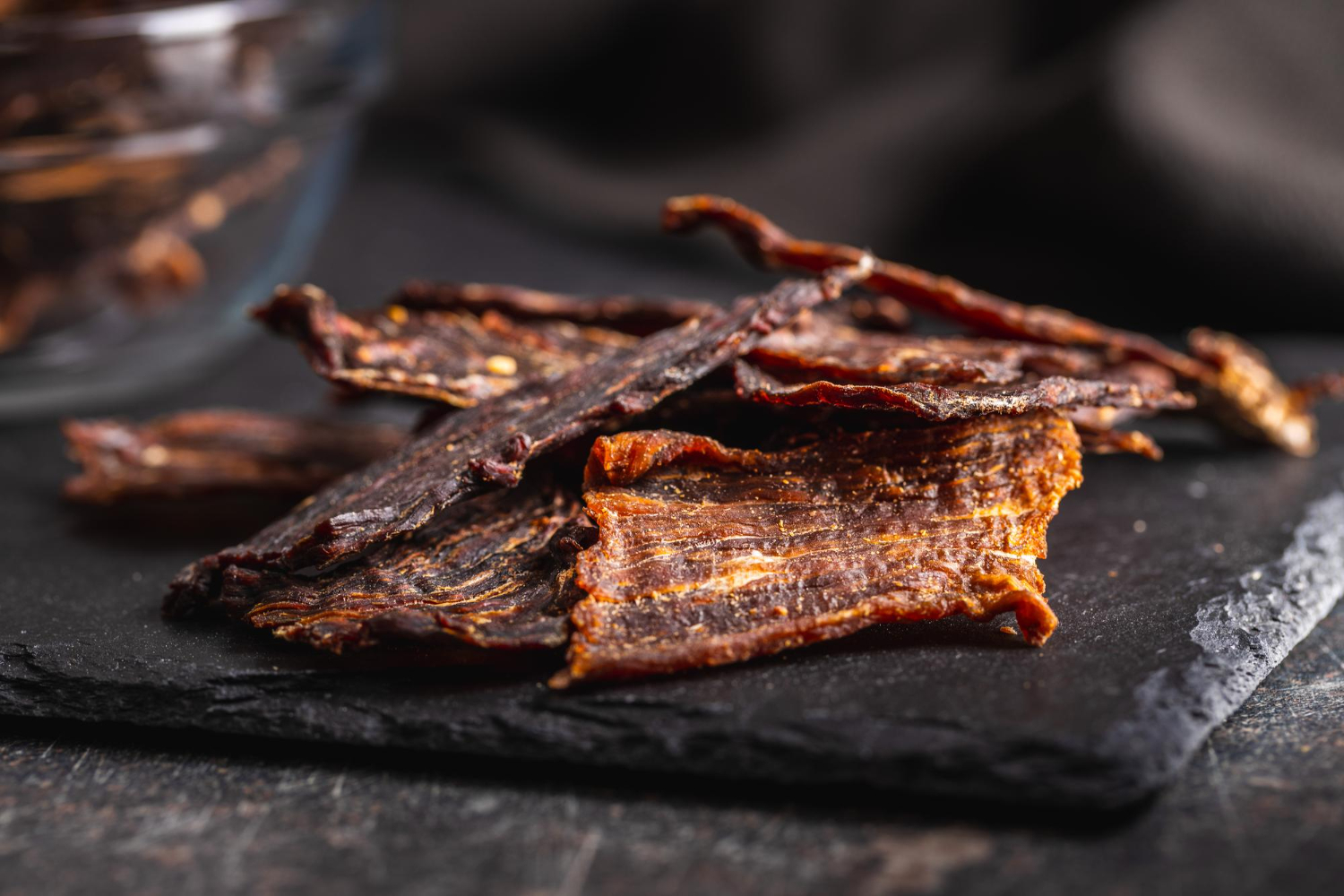
Salted, hung and left in controlled conditions for months or years, during which moisture leaves slowly and the flavour concentrates and transforms.
Nothing is added after the initial salting; everything that develops comes from time. Long-cured meats are the food where the entire process is subtraction.
Like our content? Follow us for more.
2. Hard Aged Cheeses
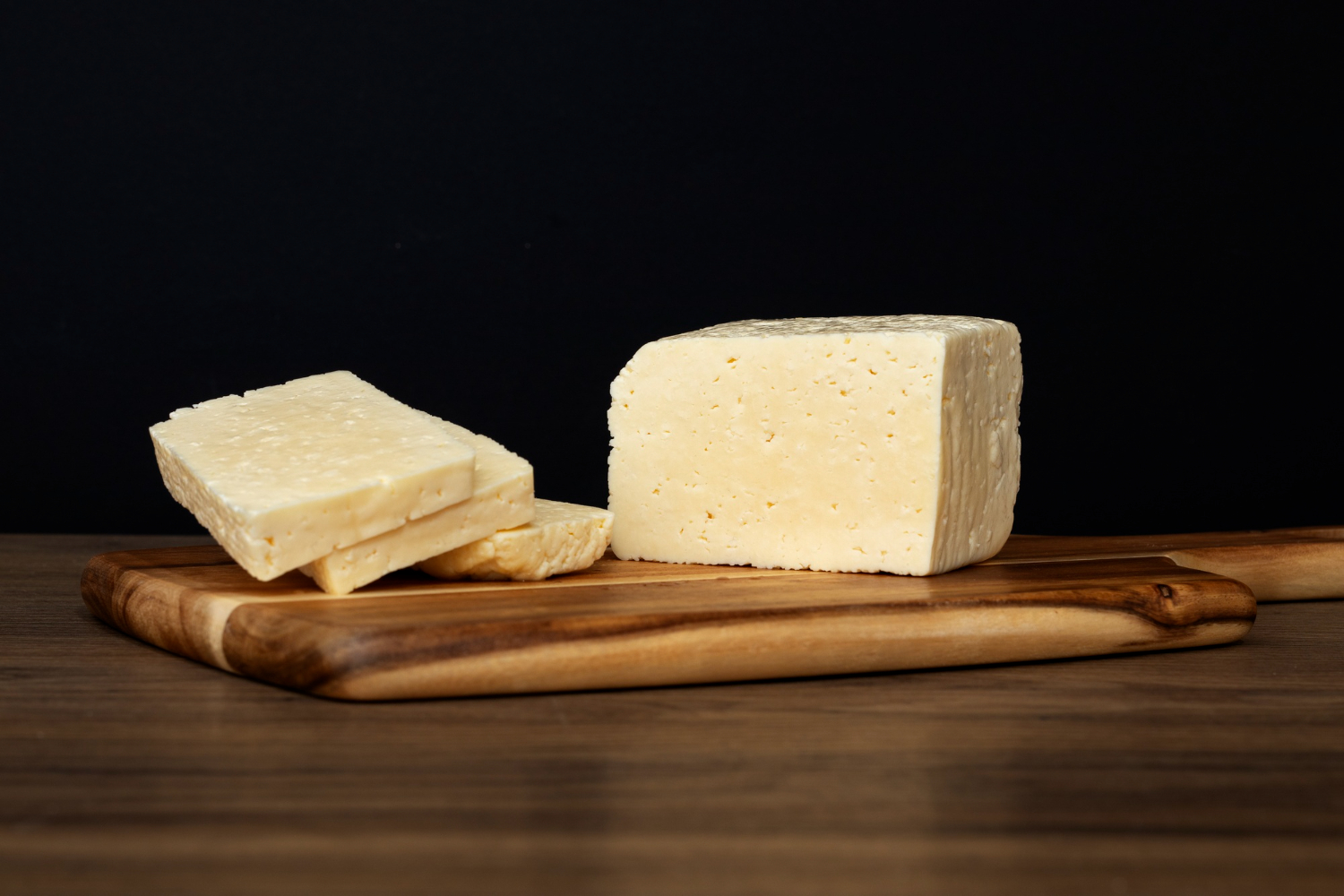
Cheeses matured over long periods develop crystalline texture and a depth that no young cheese has, through changes that cannot be accelerated.
Turning, brushing and monitoring continue throughout, sometimes for years. Aged cheese is the food where somebody is looking after it the entire time.
3. Fermented Bean and Grain Pastes
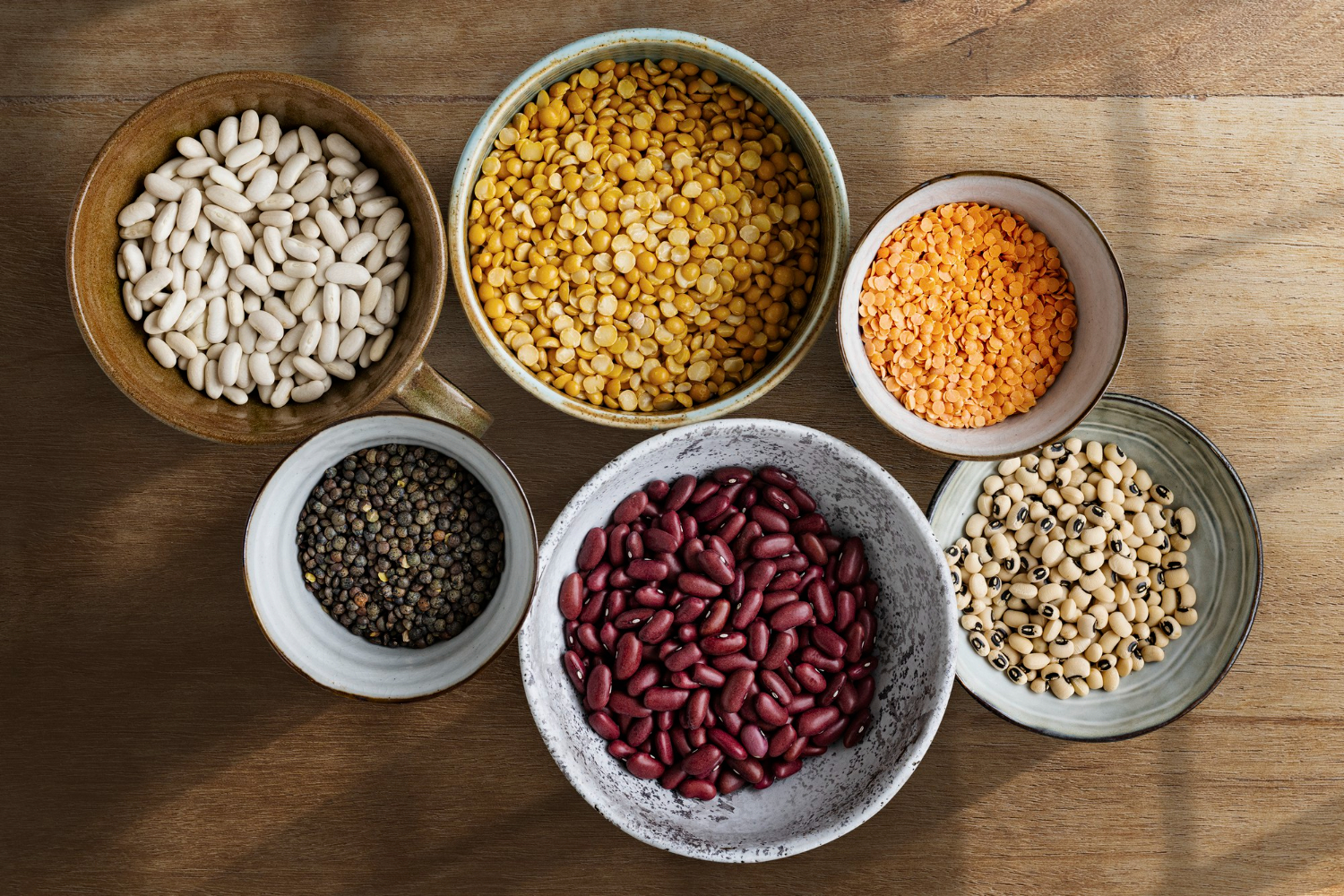
Salted mixtures left to ferment for months to years, developing an intense savoury depth used in very small quantities.
The longer versions are darker, stronger and treated as a different ingredient. Long-fermented pastes are the foods where duration determines the category.
4. Wood-Aged Vinegars
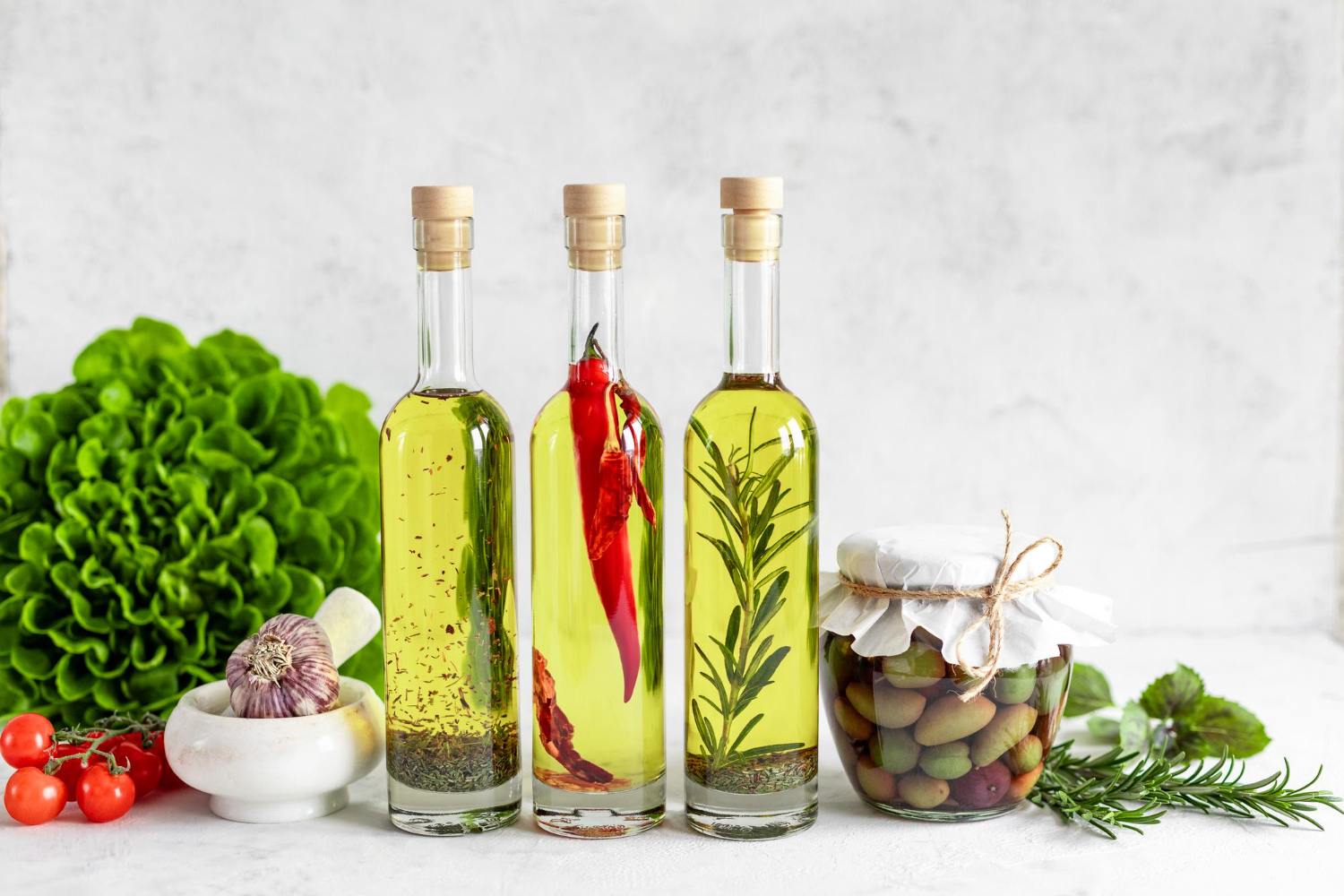
Some vinegar traditions transfer liquid progressively through a series of wooden barrels over many years, with the wood and evaporation both contributing.
The oldest examples represent decades of a family attending to barrels. Aged vinegars are the foods where the container is an ingredient over time.
5. Dried and Aged Fish Products
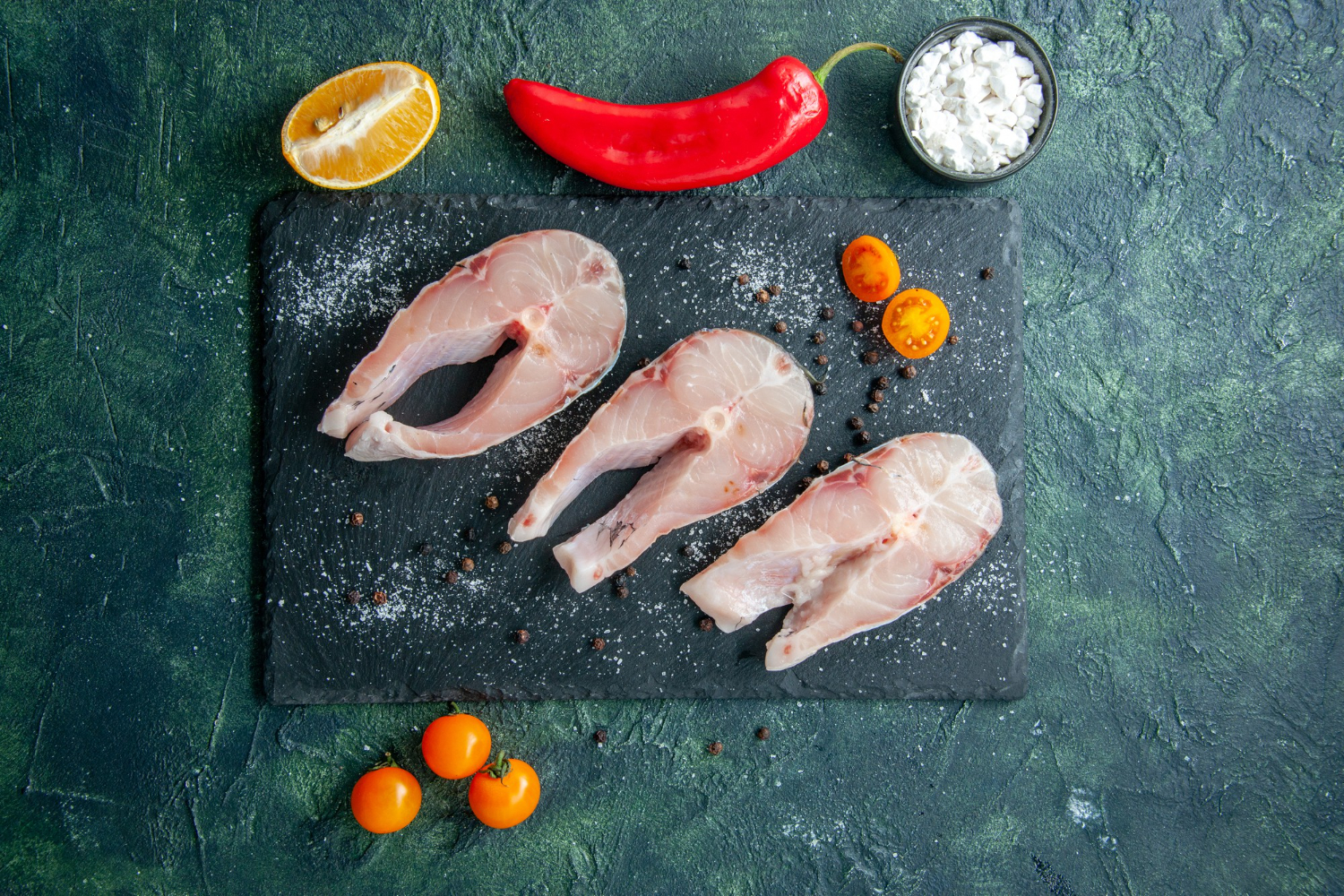
Fish salted, dried and in some traditions aged further, producing something hard, concentrated and entirely unlike the fresh material.
Rehydration afterwards is itself a multi-day process. Aged fish products are the foods that take days to undo as well as months to make.
6. Maintained Cultures
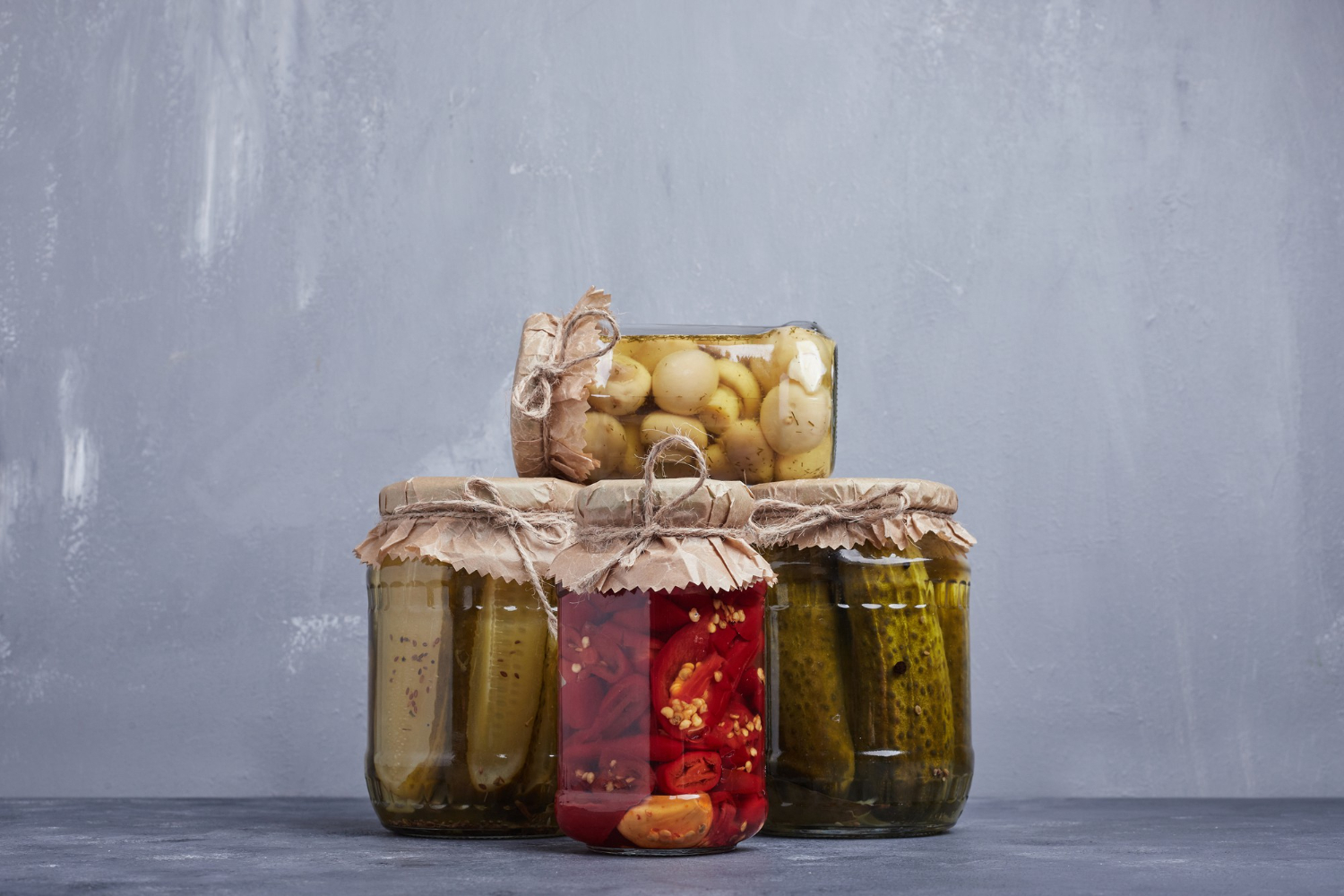
Some fermented foods depend on a living culture kept alive continuously and fed indefinitely, so the thing doing the work has a history longer than the dish.
It is inherited rather than produced. Maintained cultures are the foods where an ingredient is older than the cook.
7. Long Braises
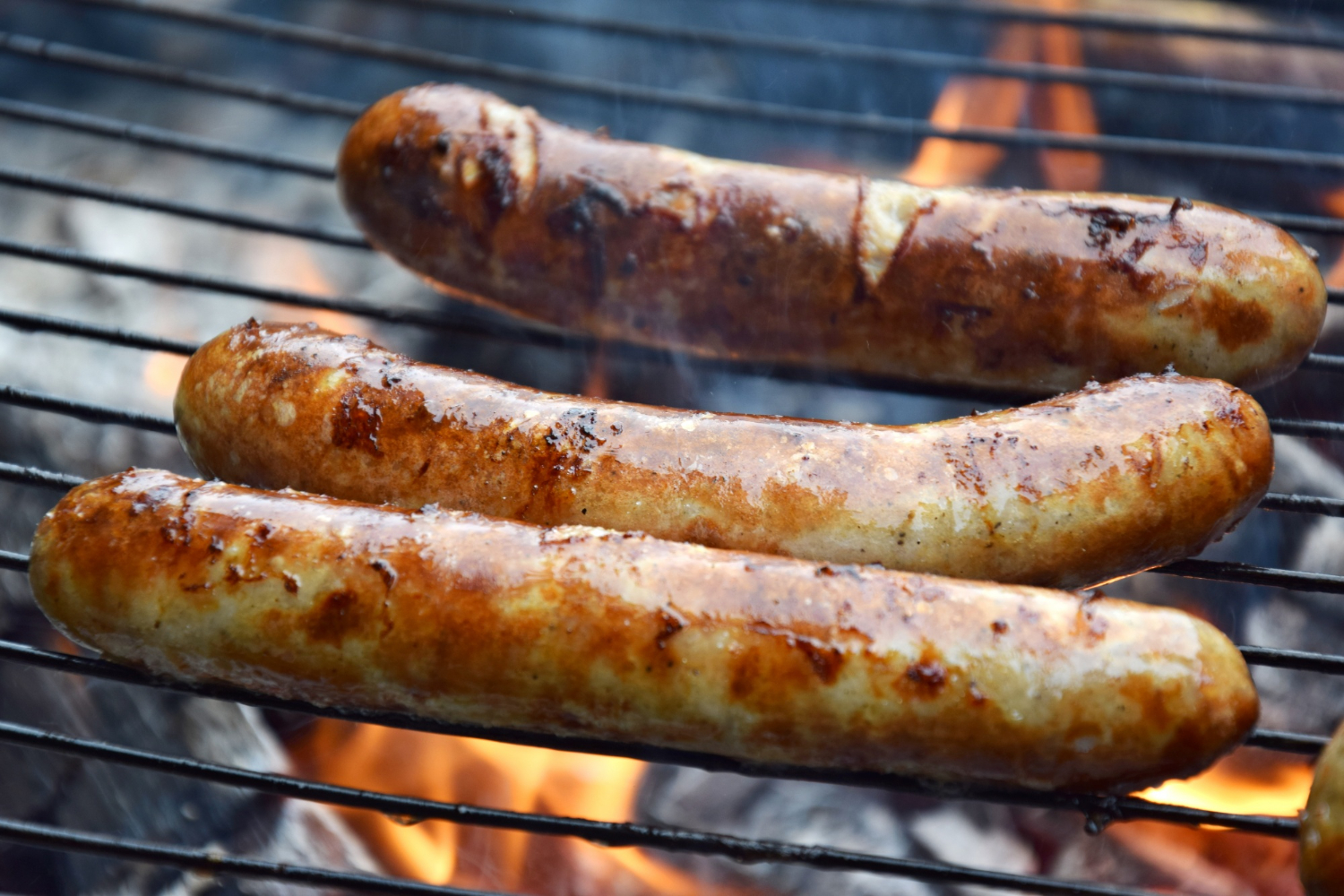
Tough cuts cooked at low temperature for most of a day, during which connective tissue converts and the texture changes completely.
It cannot be hurried with more heat; more heat produces a different and worse result. Long braises are the foods where time and temperature are inversely related.
8. Cured Then Aged
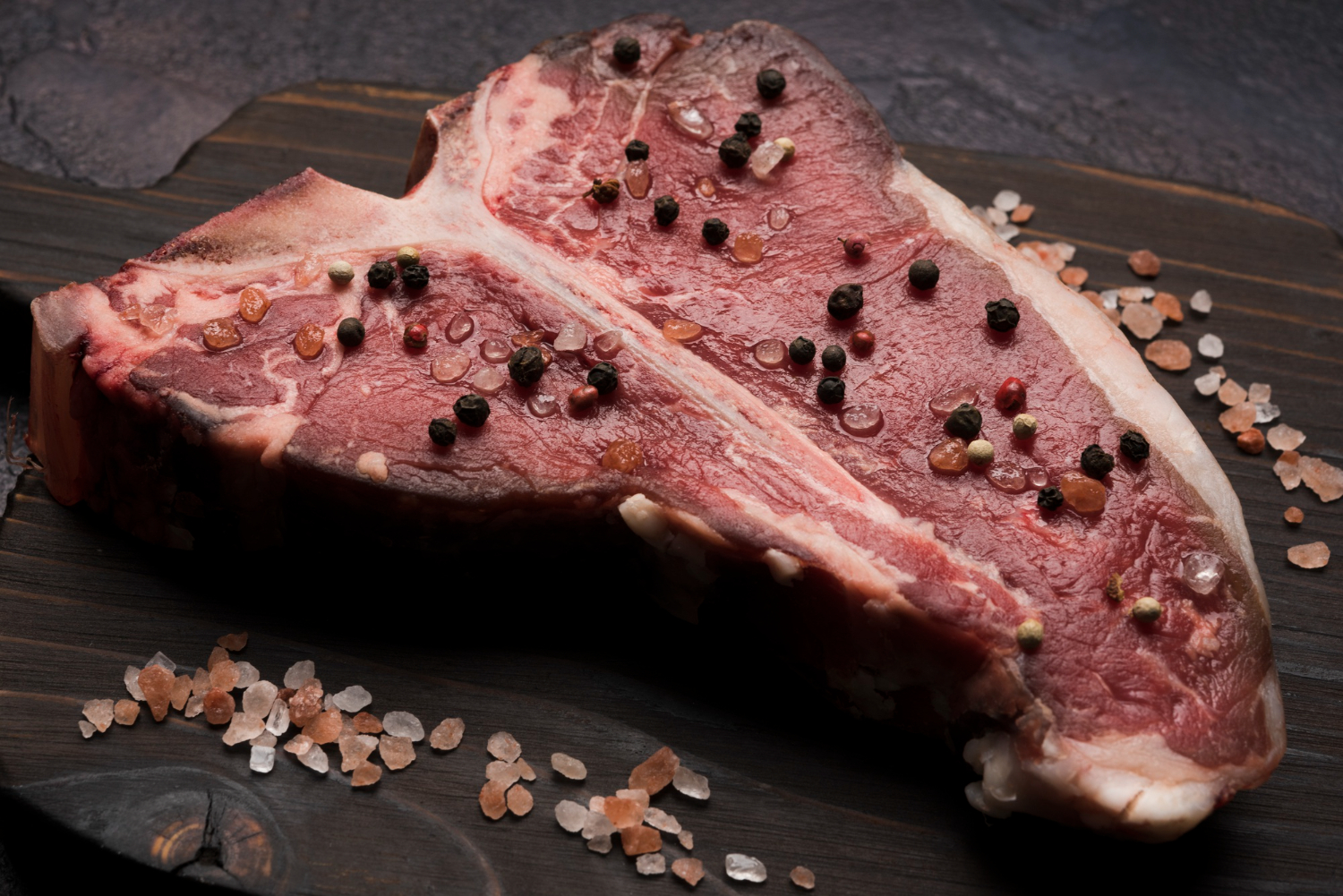
Several preparations involve a curing stage followed by a long resting stage, where the first step preserves and the second develops flavour.
The two are entirely separate processes with different purposes. Cure-then-age foods are the ones with two distinct waiting periods.
9. Candied and Preserved Fruit
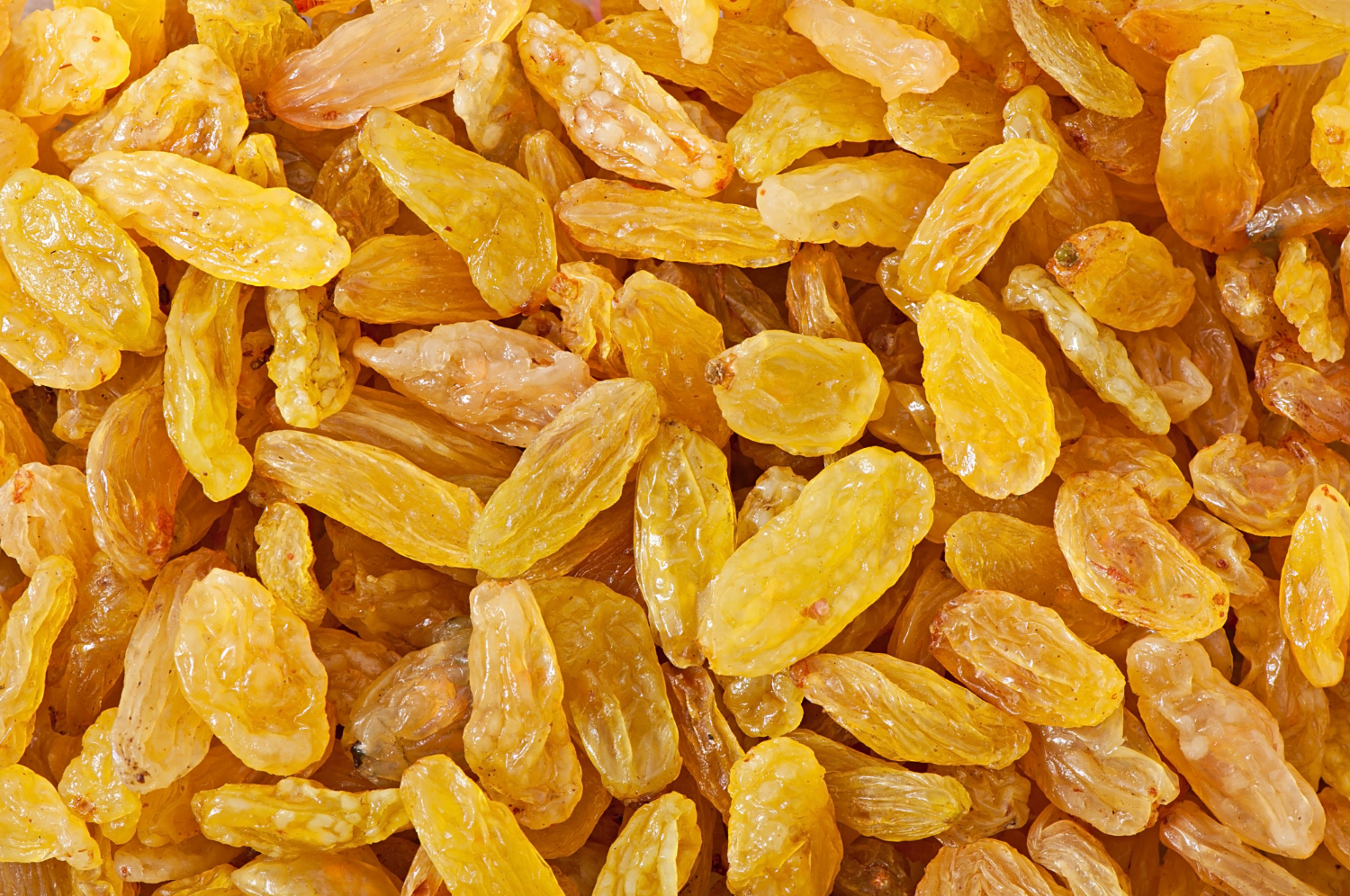
Fruit brought slowly through increasing sugar concentrations over days or weeks, so that it does not collapse and the sugar penetrates fully.
Doing it quickly produces a shrunken and unpleasant result. Candied fruit is the food where the gradient is the technique.
10. Long-Reduced Stocks

Bones and aromatics simmered for many hours until the liquid holds body and sets when cold, which is a physical change requiring duration rather than skill.
It is the least demanding difficult thing in any kitchen. Long stocks are the foods that require attention only at the start and the end.
11. Salt-Fermented Vegetables
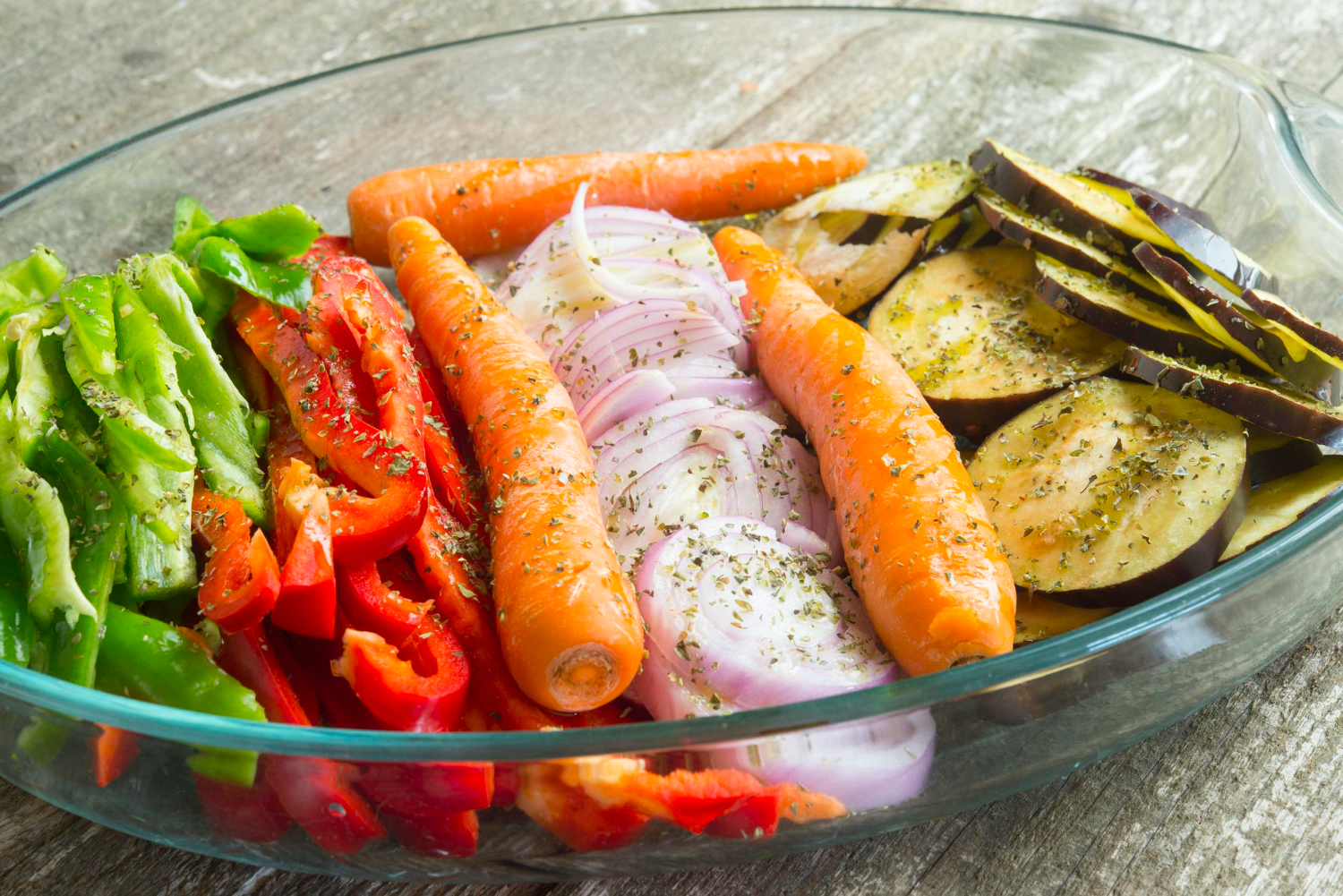
Vegetables salted and left to ferment over weeks or months, transforming in flavour, texture and keeping quality without any heat at all.
Different durations produce truly different products from the same vegetable. Salt-fermented vegetables are the foods where the calendar sets the variety.
12. Nixtamalised and Soaked Preparations
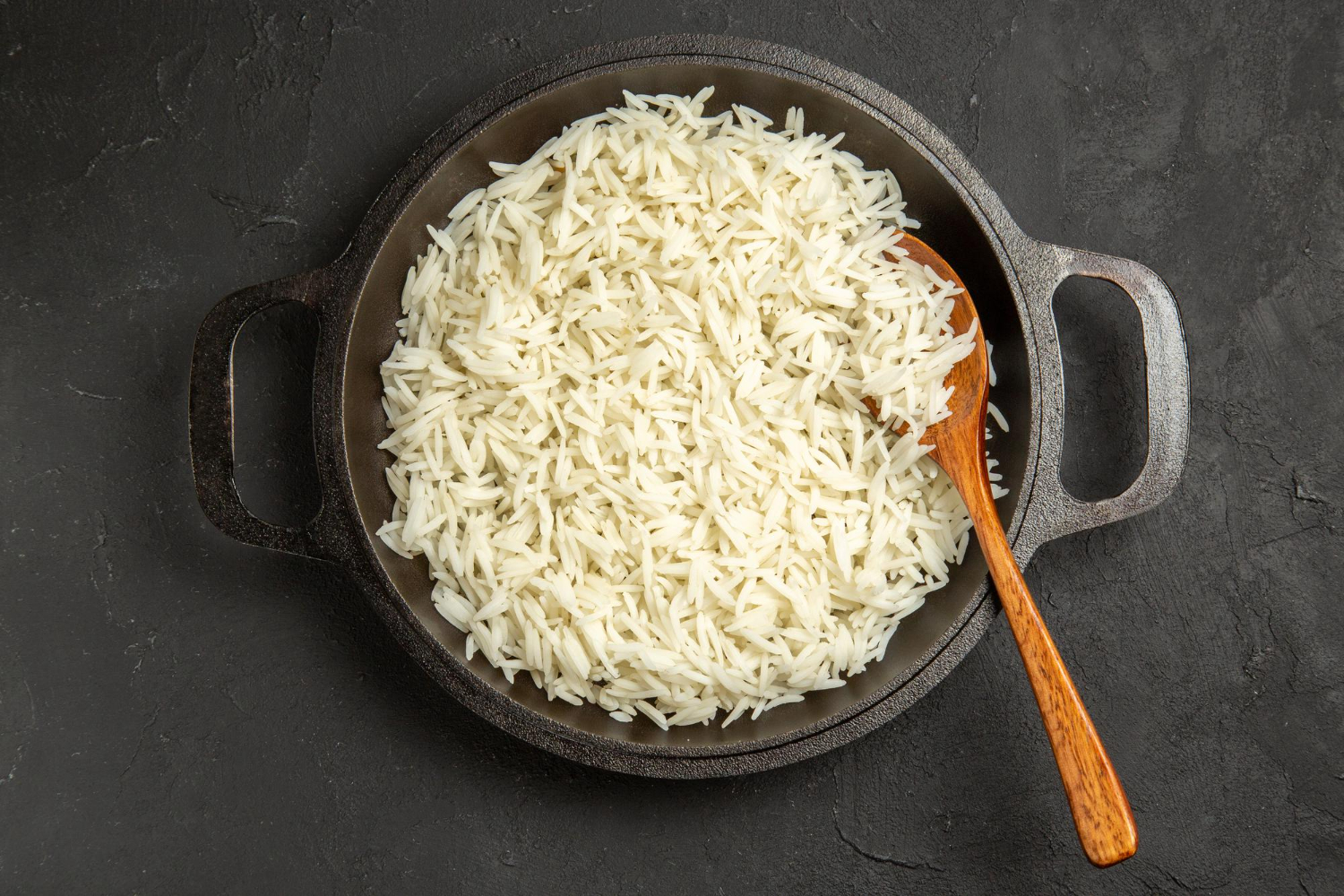
A number of staple foods require an overnight or multi-day soaking, alkaline treatment or steeping stage before they can be cooked at all.
The stage is invisible in the finished dish and essential to it. Soaked preparations are the foods with a hidden day at the beginning.
14. Dishes Made Deliberately a Day Early
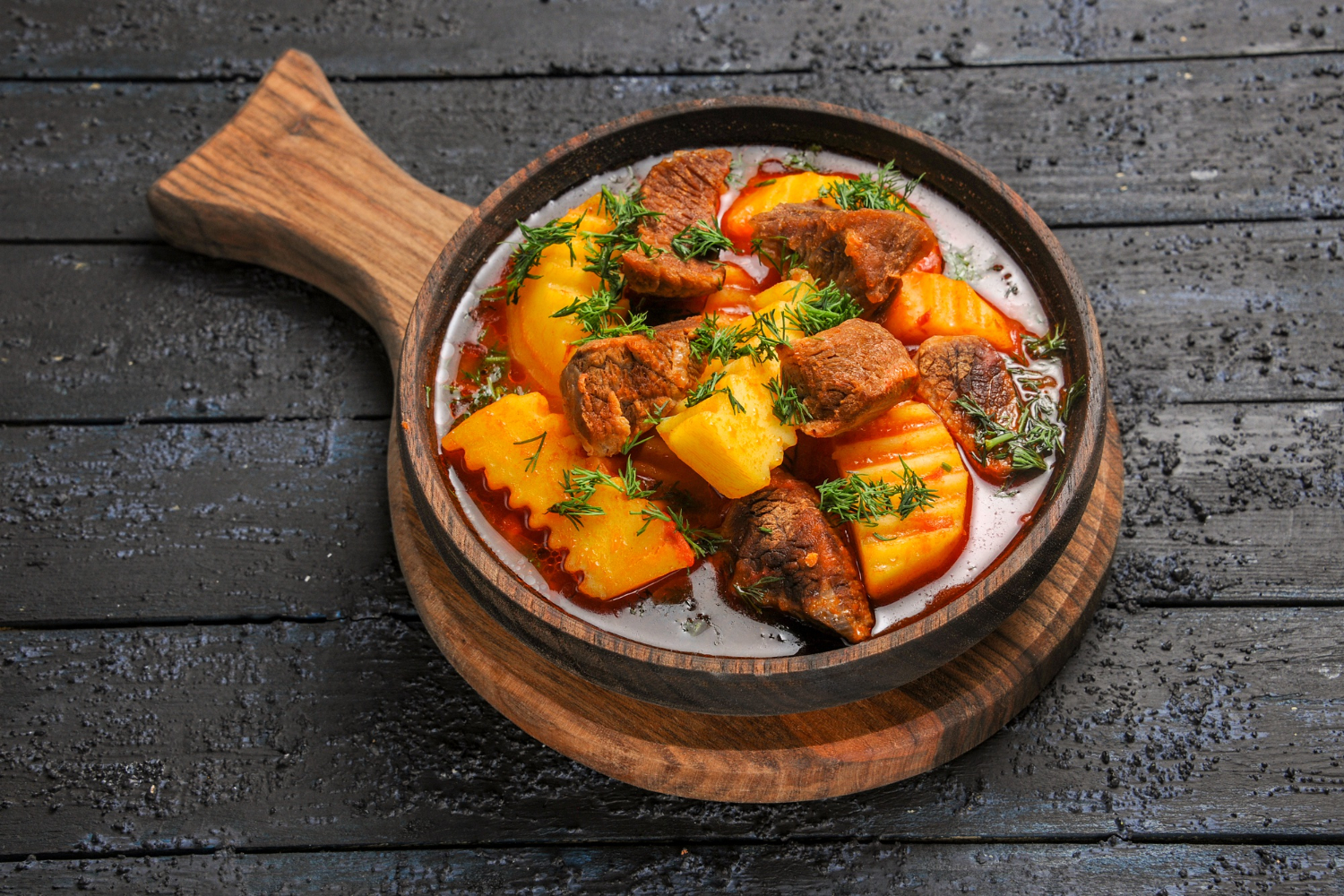
Several dishes are understood to be better the following day, so the recipe effectively includes an overnight interval as a step.
Serving it on the day is regarded as a compromise. Day-ahead dishes are the foods where the resting is written into the method.
15. Seasonal Preparations Spanning a Year
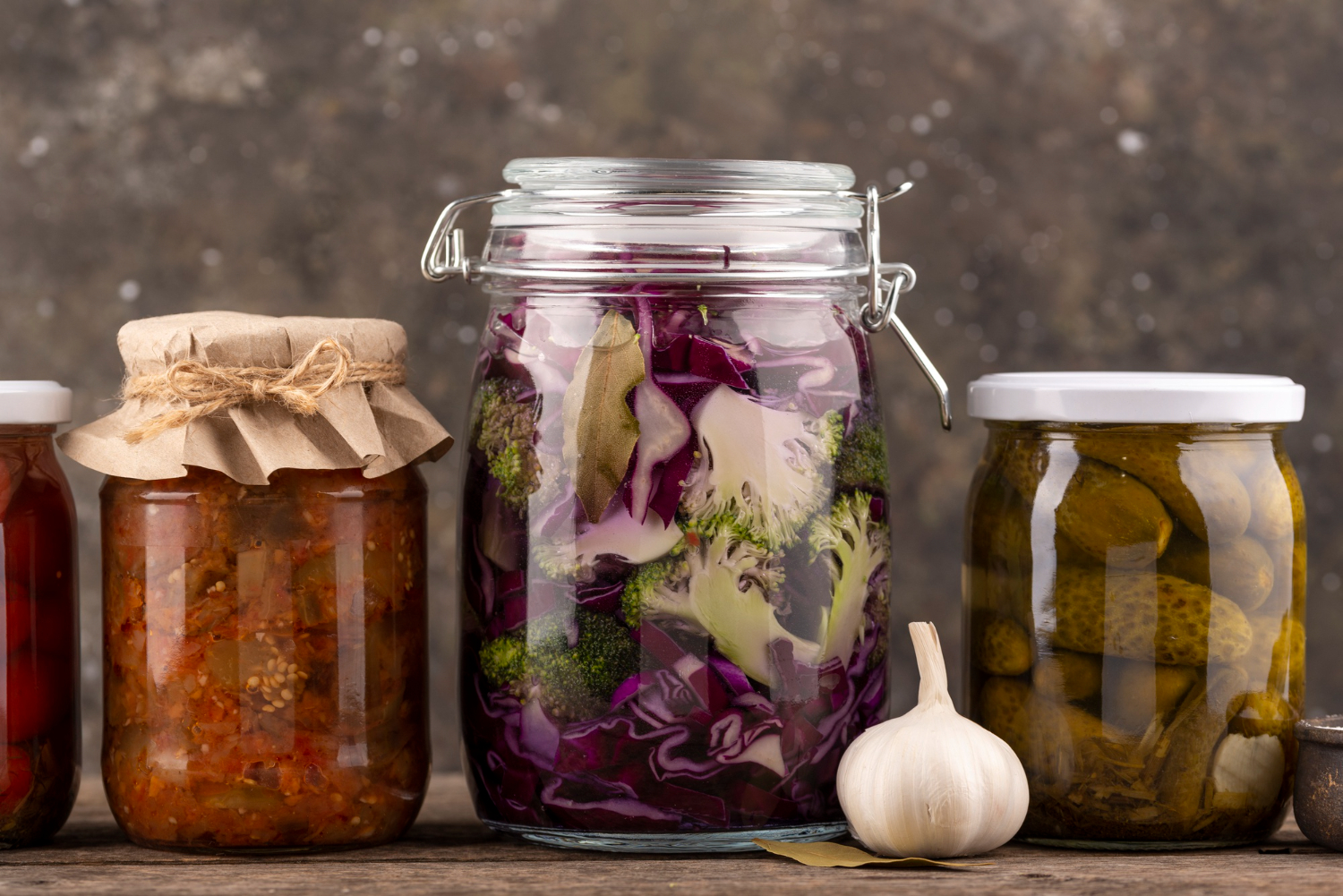
Some foods are begun at one point in the calendar and finished at another, so the production cycle is annual and missing the window means waiting twelve months.
The timing is set by the harvest rather than by anybody preference. Annual-cycle foods are the ones where the deadline is agricultural.
16. Pit and Earth Cooking for a Crowd
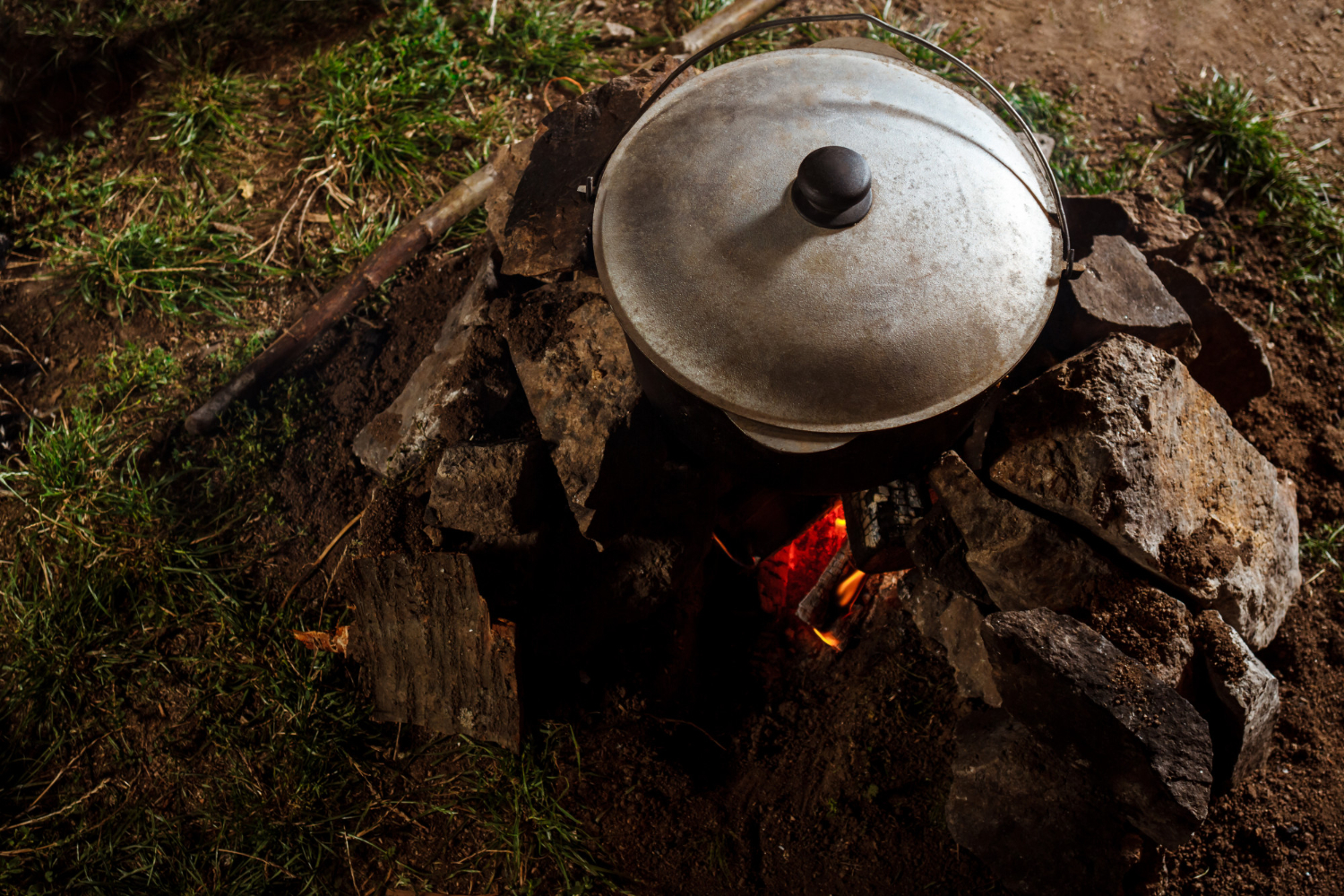
Large celebratory preparations cooked underground can take a day or more from lighting the fire to opening the pit, with the waiting itself becoming part of the occasion.
Nobody opens it early. Pit-cooked foods are the ones where the duration is a social event.
17. The Things That Cannot Be Rushed at All
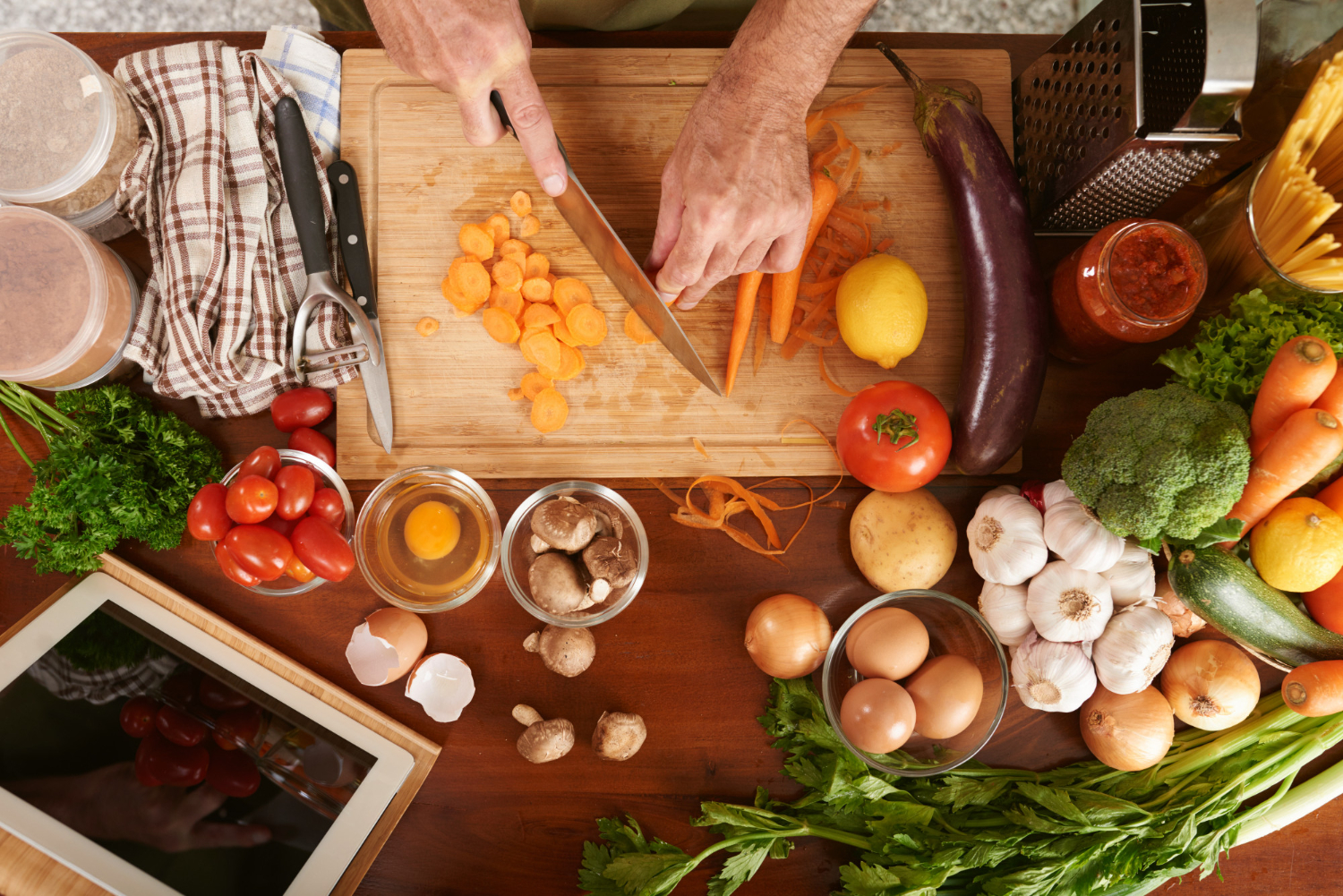
Across all of these, the recurring discovery is that attempts to accelerate the process produce something different rather than something faster.
Every shortcut has been tried by somebody and the traditional duration is generally what survived. Unhurryable foods are the ones where the time is not a cost but the method.
Waiting as a Technique
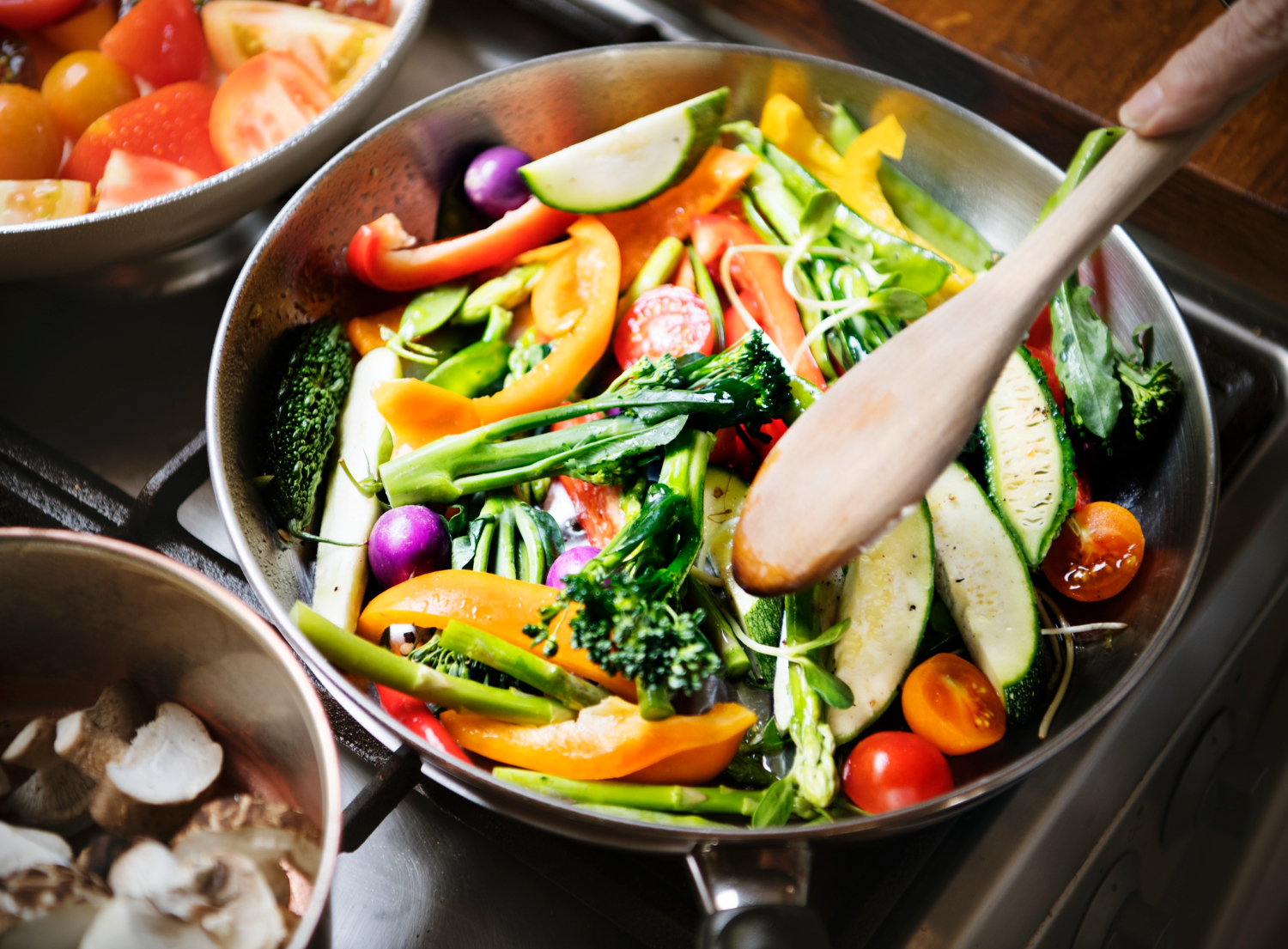
The unifying idea is that certain transformations depend on duration rather than on effort – enzymes, microbes, evaporation and slow chemical change all operate at their own pace and cannot be instructed to go faster.
What is striking is that every one of these was developed before anybody understood what was happening chemically. Somebody noticed that a thing left alone for long enough became better, worked out roughly how long, and passed the duration on – which means the times themselves are inherited knowledge, arrived at empirically and mostly still correct.
Like our content? Follow us for more.