The One Rough Part of a Smooth Object
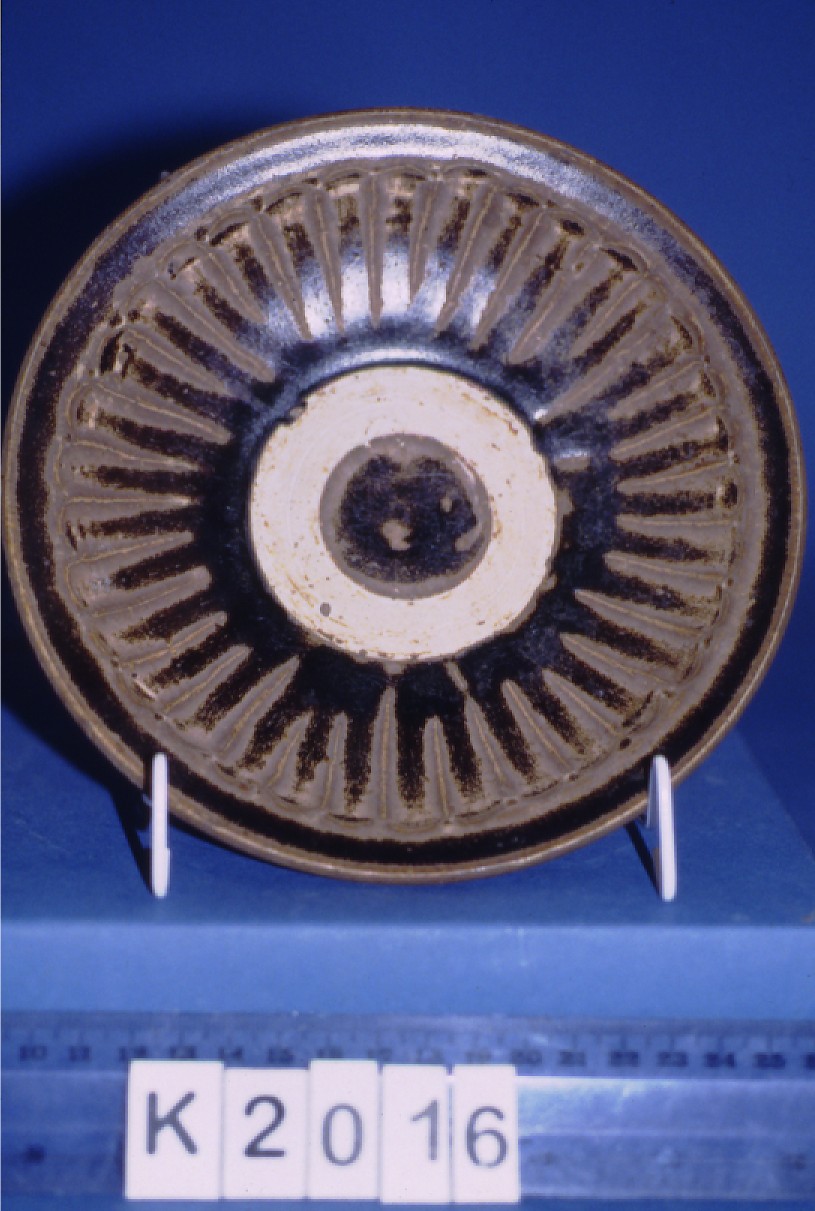
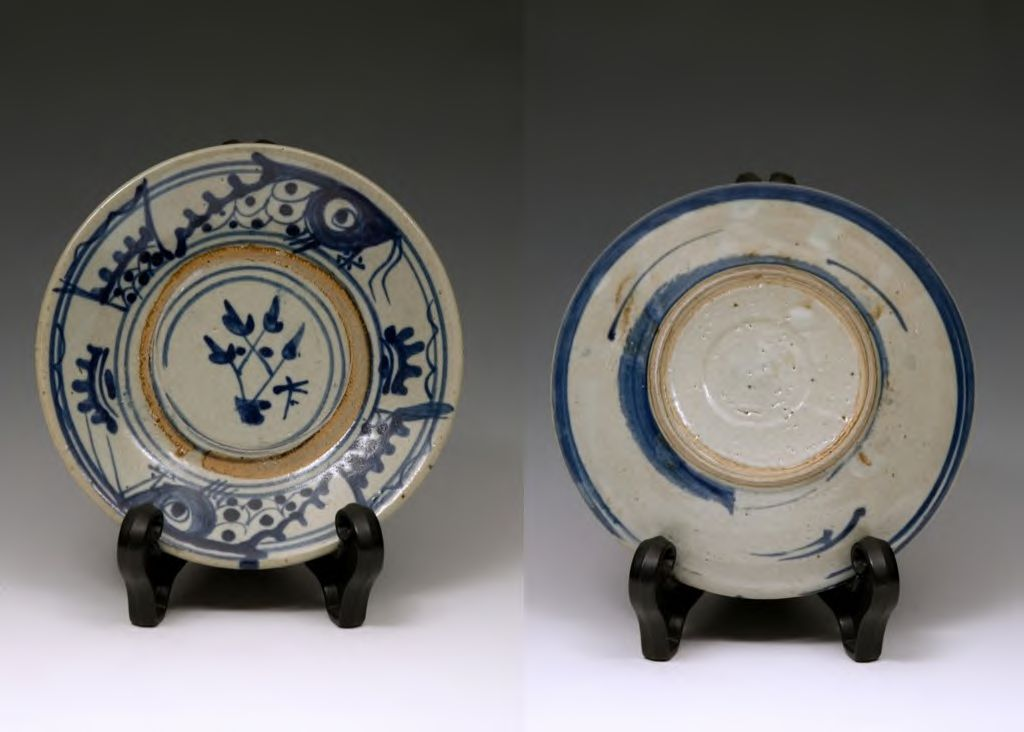
Turn a plate over and run a finger around the ring it stands on. On most crockery it is noticeably rougher than everything else – matte, slightly gritty, sometimes with small marks in it – while the rest of the plate is glassy and smooth.
This is not a saving on finishing and it is not wear. That ring was left deliberately bare, and the reason is that during firing the glaze on a plate is not a coating. It is molten glass.
Glaze is a layer of glass-forming minerals applied as a slurry and then taken to a temperature where it melts and flows into a continuous film. While it is in that state it behaves exactly as you would expect molten glass to behave: it wets whatever it touches and bonds to it as it cools. If the plate is standing on a glazed surface in the kiln, it welds itself to the kiln shelf.
So one part of the object has to be left unglazed, and the obvious candidate is the narrow ring it stands on, where nobody will see it and nothing will be eaten off it.
Like our content? Follow us for more.
Why There Is a Ring at All
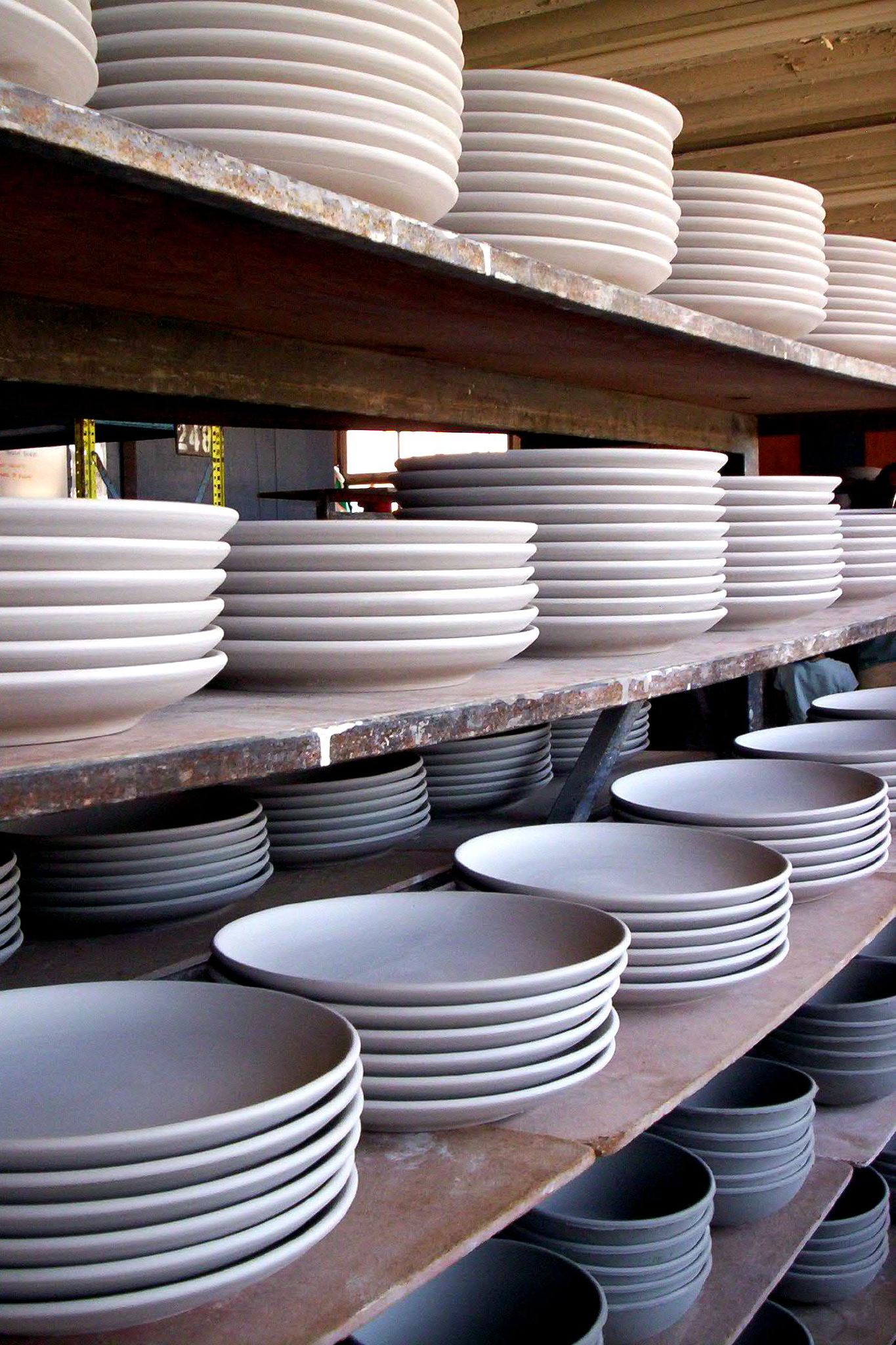
The raised ring – the trade calls it a foot ring – is doing several jobs at once, which is why it has survived in essentially the same form for a very long time.
The first is to make the plate stand on a narrow, defined line rather than on its whole underside. A flat-bottomed plate has to be perfectly flat to sit still, and ceramics do not come out of a kiln perfectly flat: they warp slightly as they shrink. A plate standing on a ring is stable even if the centre of its base is a little hollow or a little domed, because only the ring touches the table.
The second is to lift the base clear of the surface. That leaves an air gap under the middle of the plate, which slows heat transfer – a hot plate is less likely to mark a table, and a plate warmed in an oven stays warm slightly longer.
The third is to give something to grip. A ring provides a positive edge for a hand, for a stacking plate above it, and for the arm of a dishwasher rack.
And the fourth is simply that a defined ring is far easier to make unglazed neatly than a whole flat base.
The Marks in the Ring Are From the Firing
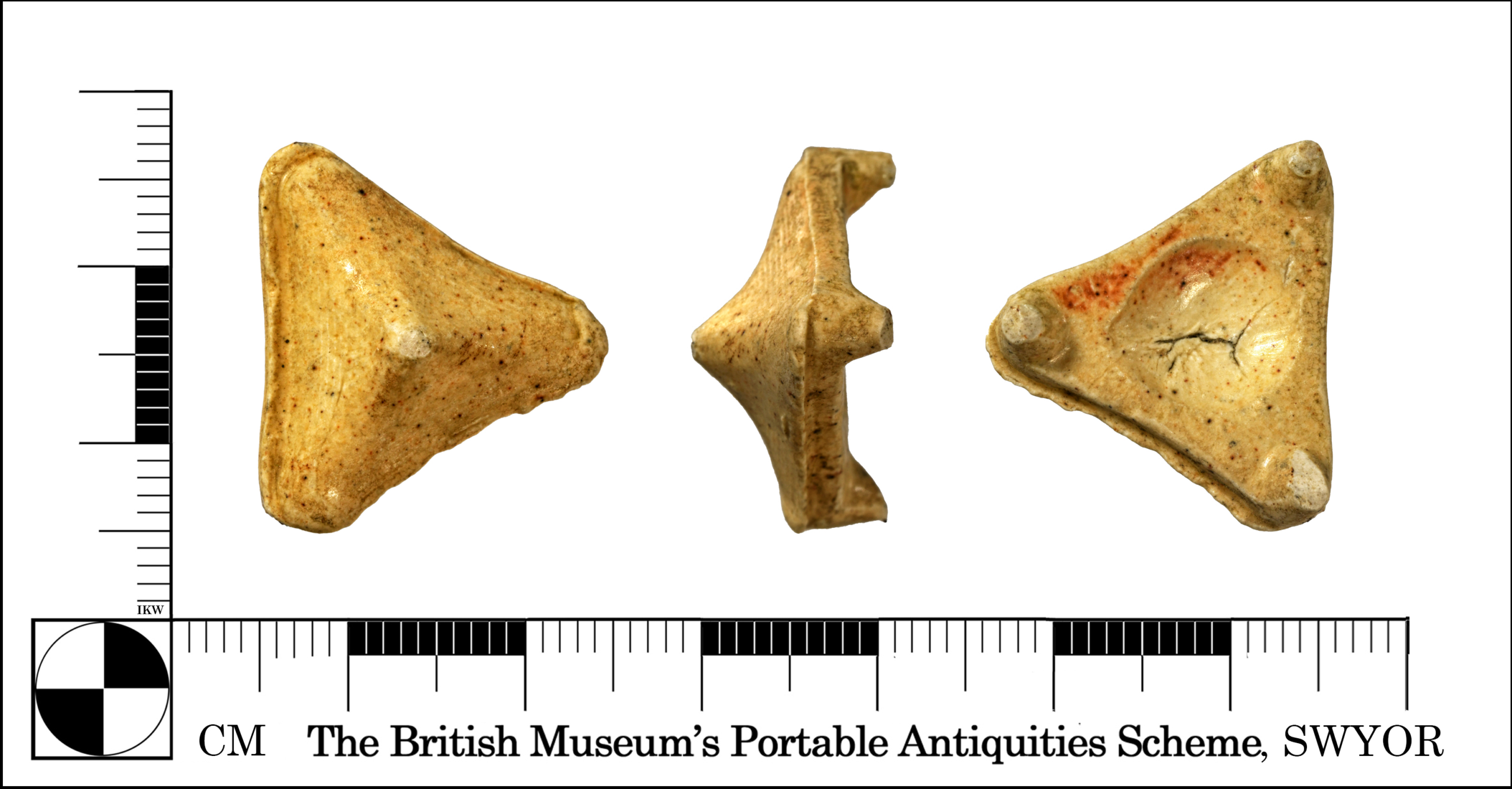
Look closely at the unglazed ring, or at the back of a saucer or cup, and you will sometimes see small blemishes – three little scars at even spacing, a faint ridge, or specks of grit.
Those are kiln marks. Fine ware is frequently fired standing on small refractory supports – points, pins or small triangular stilts – so that the piece is held clear of the shelf on the smallest possible contact area. The supports are knocked off afterwards and the tiny scars they leave are ground back, but on cheaper ware they are left visible.
On wares where the whole piece is glazed, including the base, those supports are the only thing holding it, and the marks are then on the glazed surface where they show as three small rough points. If you have a glazed-bottom plate with three odd blemishes in a triangle, that is what they are.
Grit in the ring comes from kiln wash, a refractory powder painted onto shelves specifically so that anything which does stick comes away with the wash rather than taking a piece of the shelf and the plate with it. It is a deliberate sacrificial layer, and traces of it get picked up by the foot.
The Ring Is Also Why Plates Scratch Tables
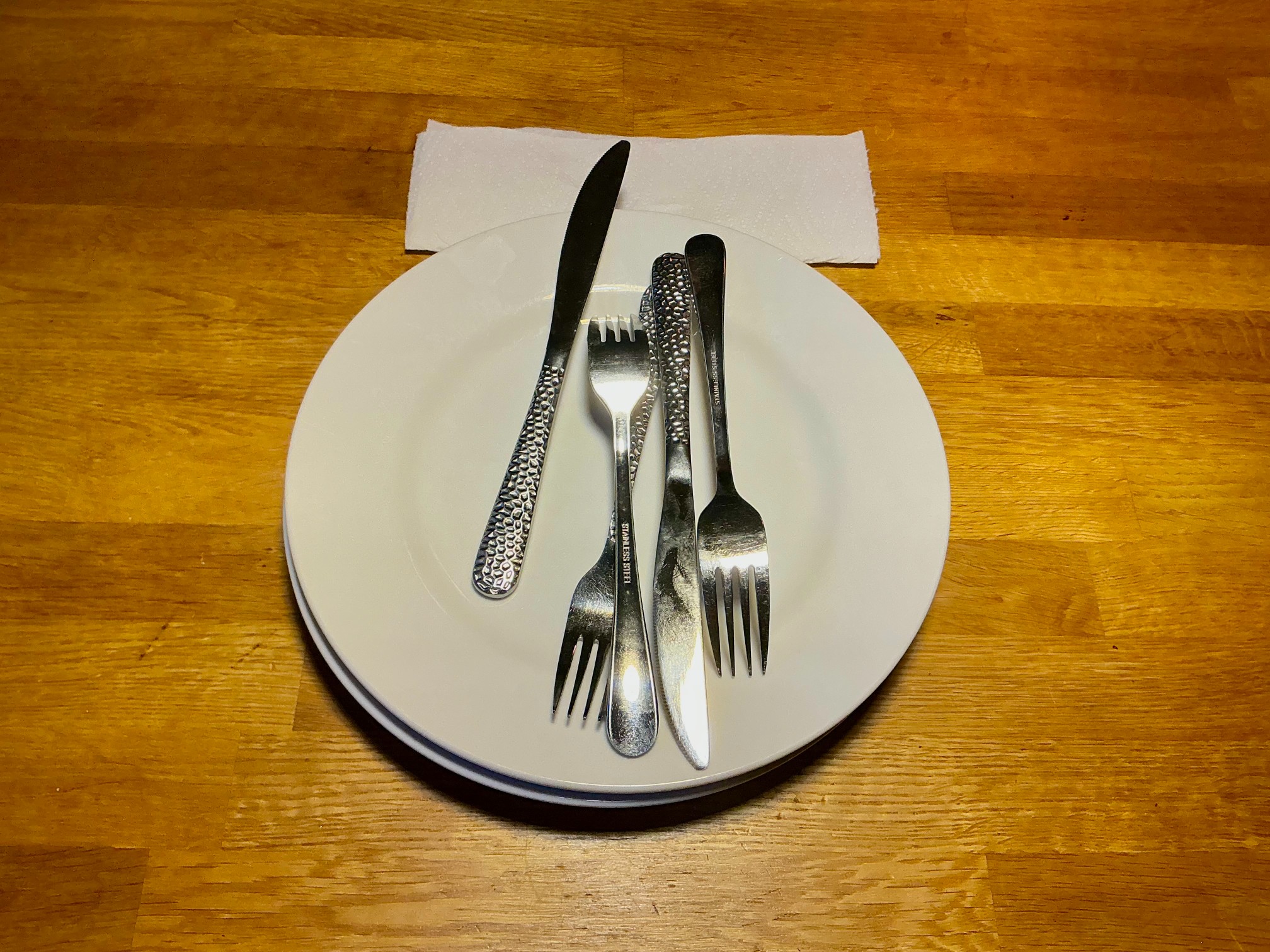
The feature that makes a plate stand properly is also the one that damages furniture, and it is worth knowing why.
Unglazed fired clay is hard and slightly abrasive – it is essentially a ceramic grinding surface with a rough texture. Dragged across a polished table, a varnished surface or a glass top, a foot ring will mark it. Dragged across another plate in a stack, it will leave grey rings on the glaze of the plate below, which is the commonest cause of the dull circular marks people find on the face of stored plates and assume is staining.
Two things follow from that. The first is to lift plates rather than slide them, both on furniture and when taking them off a stack. The second is that the grey rings on stored plates are usually not dirt at all but a deposit of ceramic and metal left by the ring above, and they will often come off with a mild abrasive cream or a melamine sponge after washing has failed.
Some better ware is finished with the foot ring lightly ground and polished for exactly this reason, which is one of the quiet differences between expensive and cheap crockery that nobody puts on the box.
What the Ring Tells You About the Ware
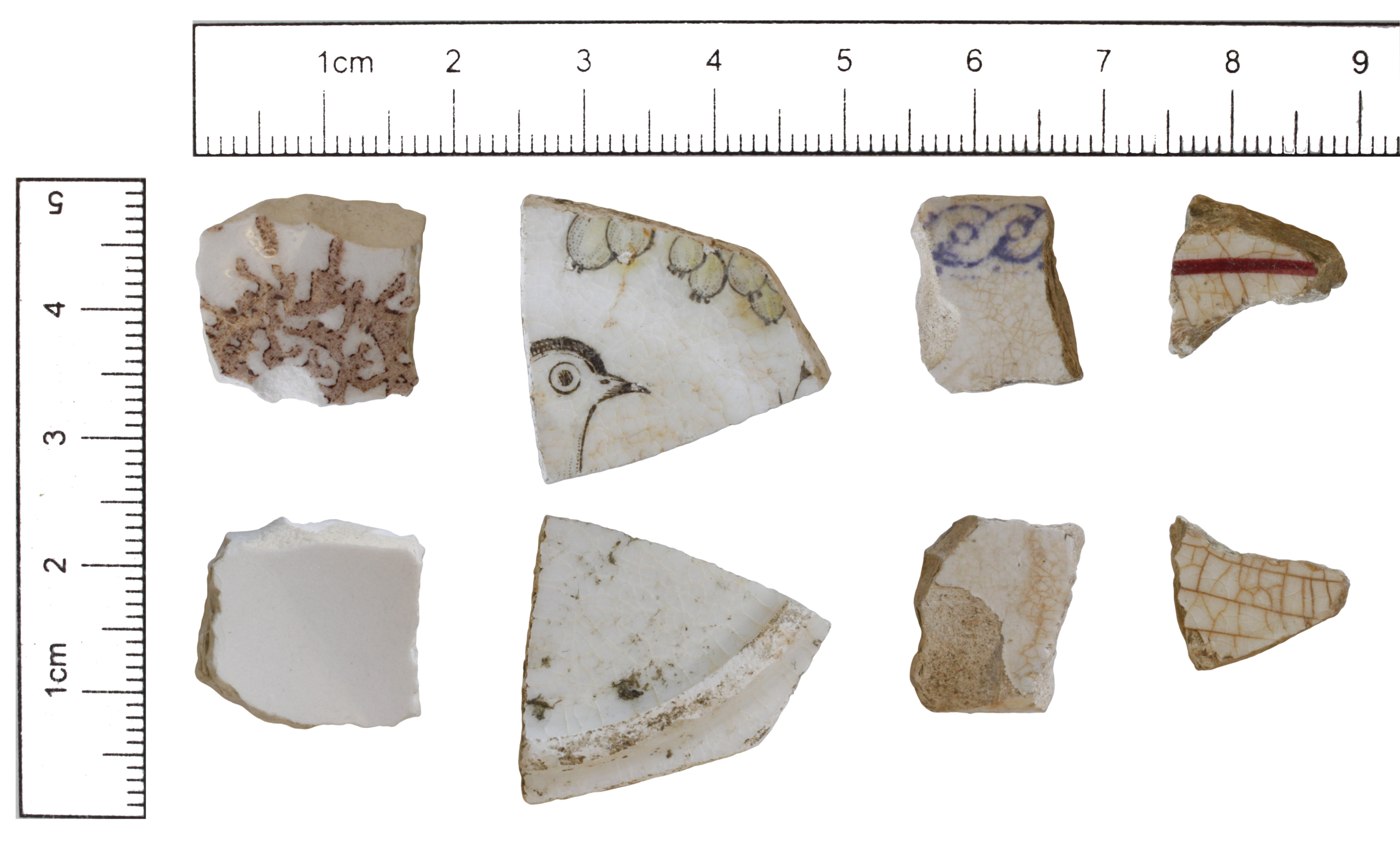
The unglazed foot is the one place on a finished piece where you can see what the body is actually made of, and it is the first thing anybody in the trade looks at.
The colour and texture of the exposed clay indicate the type. A very white, dense, almost glassy body that is slightly translucent at a thin edge indicates porcelain or bone china, fired high enough that the body has partly vitrified. A whitish but visibly porous, chalky body indicates earthenware, fired lower, which is why earthenware chips to reveal a dull interior and why it will slowly absorb water through a crack. A grey, buff or speckled dense body indicates stoneware.
That distinction matters in use. A vitrified body is far stronger, resists chipping, and does not take up water. A porous body is cheaper, lighter in feel, and will eventually craze and stain where the glaze is broken.
You cannot tell any of this from the glazed face, because the glaze is glass either way. The foot ring is the only window into the object, and it is there because of a firing problem rather than because anybody wanted to tell you anything.
The Ring Is Where Crockery Fails
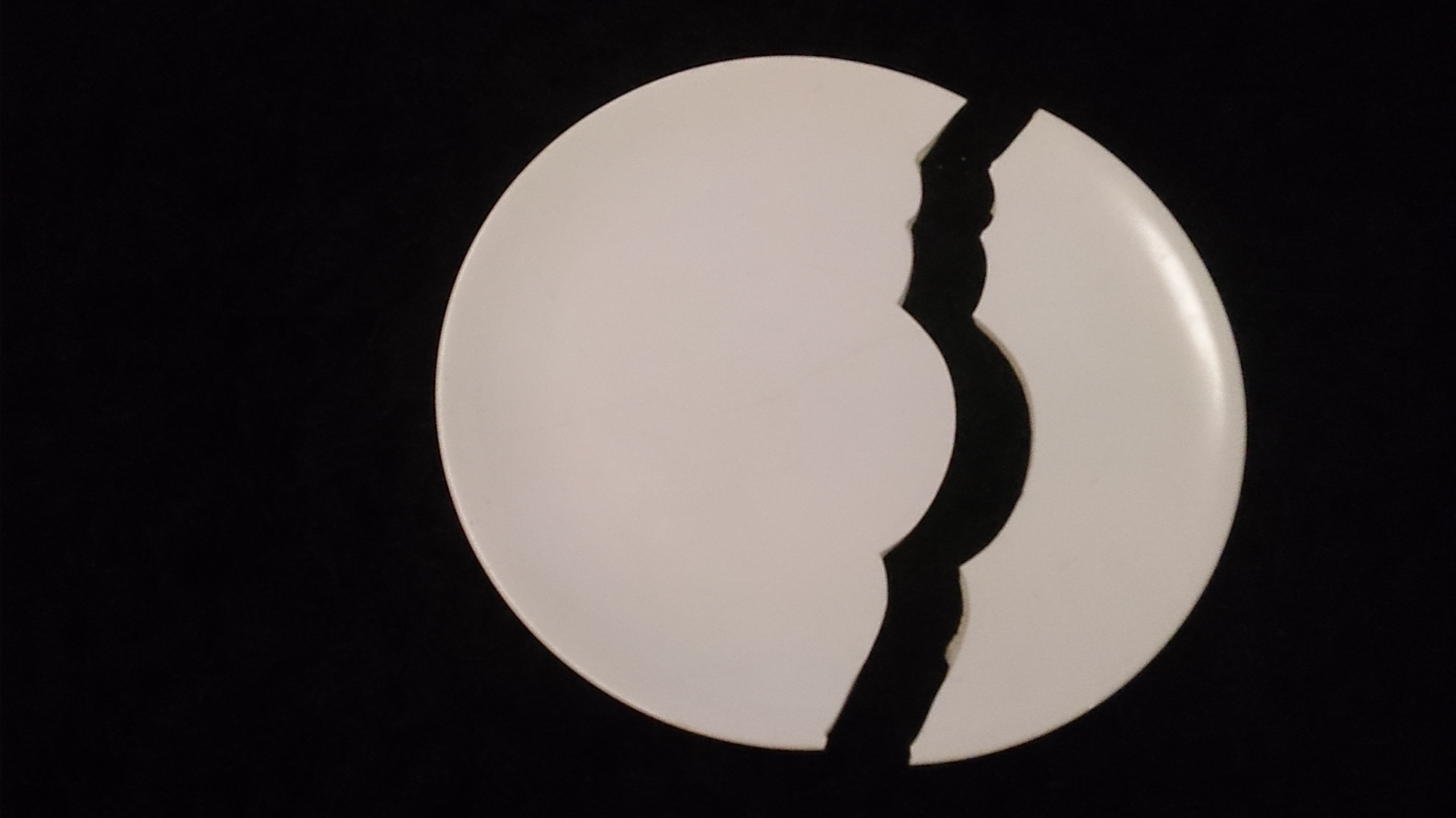
The foot ring also turns out to be the structural weak point, which is not obvious from looking at it.
A plate dropped flat usually survives. A plate dropped on its edge or set down hard on a corner of the ring frequently does not, because the ring concentrates the whole impact into a short arc of material with the unsupported base behind it. Chips in crockery are overwhelmingly on the foot ring and on the rim, and almost never in the middle of the base, for that reason.
The ring is also where cracks start in use. Putting a cold plate into a hot oven, or a hot plate onto a wet surface, produces uneven expansion, and the thickest part of the piece – the junction between the ring and the base – is where the stress concentrates because thick sections change temperature more slowly than thin ones. A crack that appears to run across a plate’s face has very often started at the foot and travelled.
And on porous bodies the unglazed foot is the way water gets in. Earthenware left standing in a sink absorbs water through the bare ring, which is why a cheap plate can feel heavier and take a long time to dry properly after soaking, and why long soaking is worse for earthenware than for porcelain.
So the ring is the part that touches the table, carries the impacts, concentrates the thermal stress and lets water in – all because glaze sticks to kiln shelves.
Why It Has Not Been Designed Away
Given that it scratches tables and collects grime, it is reasonable to ask why the foot ring is still here.
It persists because the alternatives are worse. Glazing the base and firing on stilts works, and leaves three marks on the surface the plate stands on, which are themselves small hard points that mark furniture more aggressively than a broad ring does. Firing on a bed of refractory sand works for some wares and leaves a gritty base. A completely flat glazed base cannot be fired at all without something to stand on.
There are also non-ceramic answers. Plenty of modern crockery has a thin applied foot – a band of silicone or a fired-on matte glaze formulated not to stick – and these do exist on premium ware.
But the standard foot ring remains the cheapest solution that works for every firing method, every body type and every kiln, and it brings the stability and the air gap along with it.
So the roughest part of the smoothest object in your kitchen is there because glass sticks to things. Everything else it happens to do well – standing level, insulating, stacking, being grippable, and quietly telling you what the plate is made of – came along afterwards, as a by-product of leaving one ring bare.
Like our content? Follow us for more.