

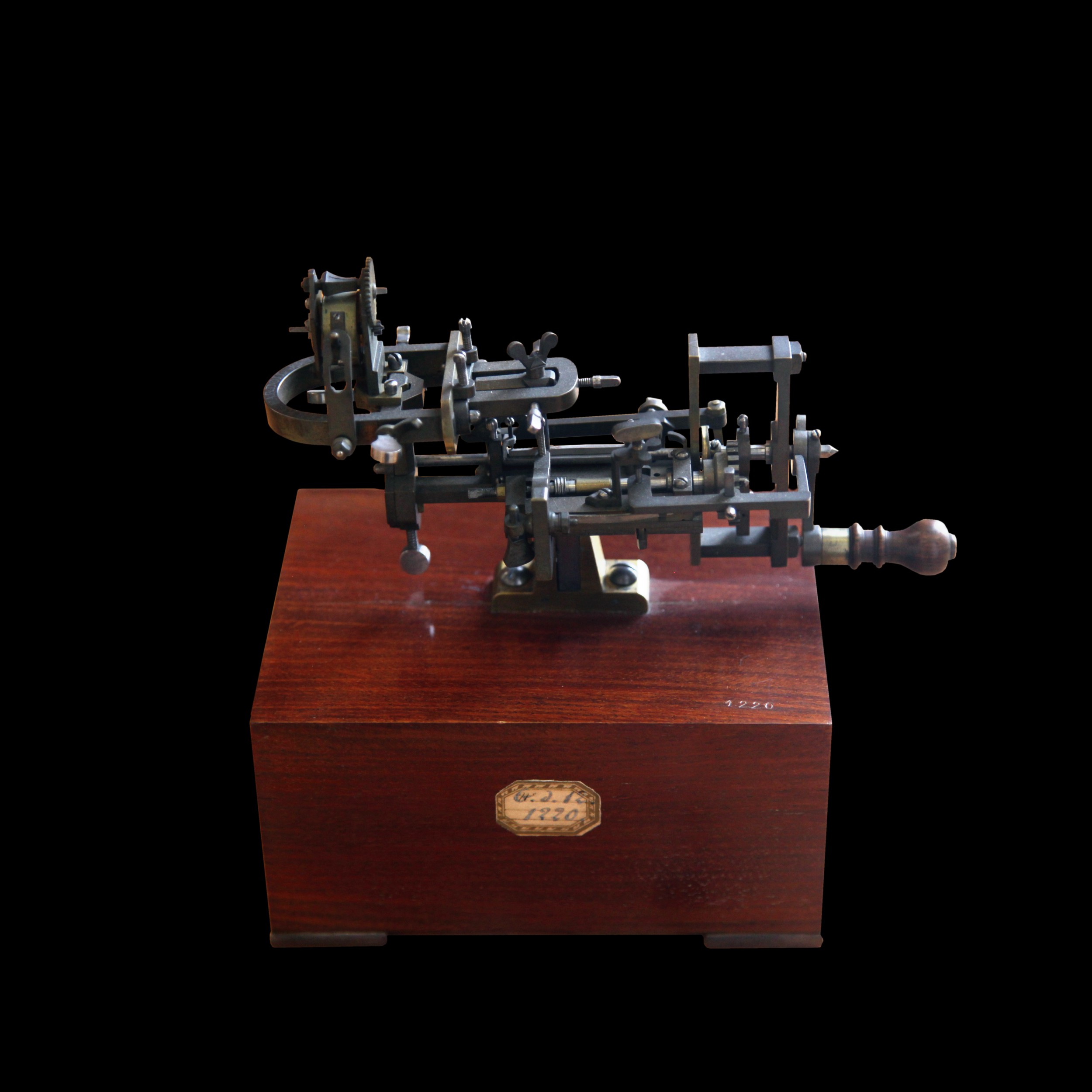
In 1960 a hand-cut file was made by laying a soft steel blank on a block of lead, setting a broad chisel across it, and striking it once with a hammer to raise a single row of teeth.
Then advancing the chisel by a hair’s breadth and striking again. Several thousand times, by feel, without a gauge, holding the angle throughout – after which the file was hardened, because teeth cannot be raised in steel hard enough to be useful.
Here are fourteen things that were normal in a file cutting works in 1960, and what became of each one.
1. The Teeth Were Cut One at a Time With a Chisel and a Hammer
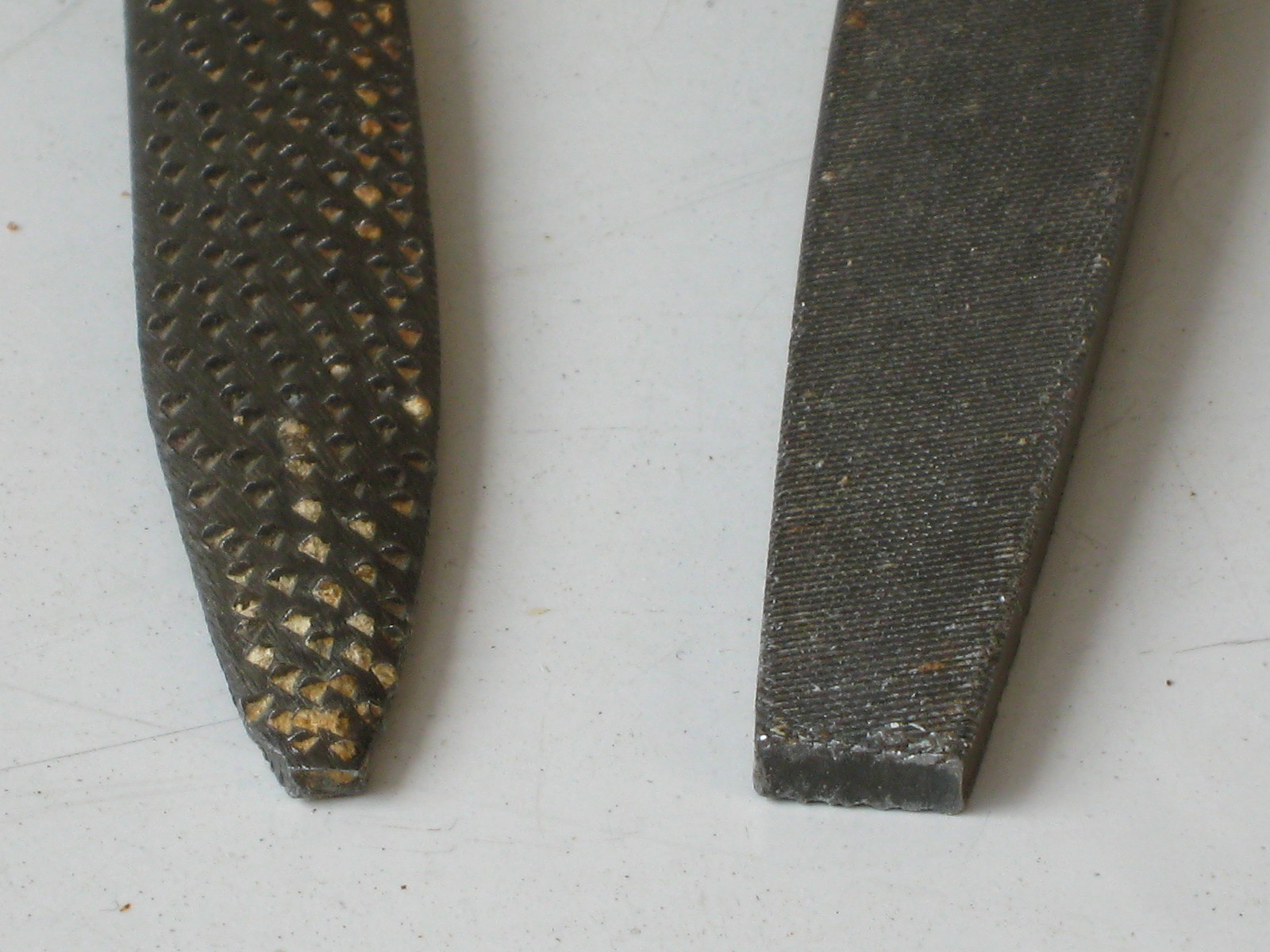
Hand file cutting meant laying a soft steel blank on a lead block, setting a broad chisel across it at a precise angle, striking it once with a hammer to raise a single row of teeth, advancing the chisel by a hair’s breadth, and striking again – several thousand times per file.
Machine cutting with mechanically advanced chisels, and increasingly files whose teeth are milled or formed rather than raised. The chisel does not remove metal: it displaces it, pushing up a burr that becomes the cutting edge, which is why a hand-cut tooth has a sharper edge than a milled one.
The rhythm is the part witnesses always described. A cutter worked at a steady pace with the chisel held in the left hand and the hammer in the right, advancing the chisel by feel against the previous row, and the spacing of the teeth on a finished file was as even as a machine would manage because the man’s hand had learned the distance.
Like our content? Follow us for more.
2. The File Rested on a Block of Lead While It Was Cut
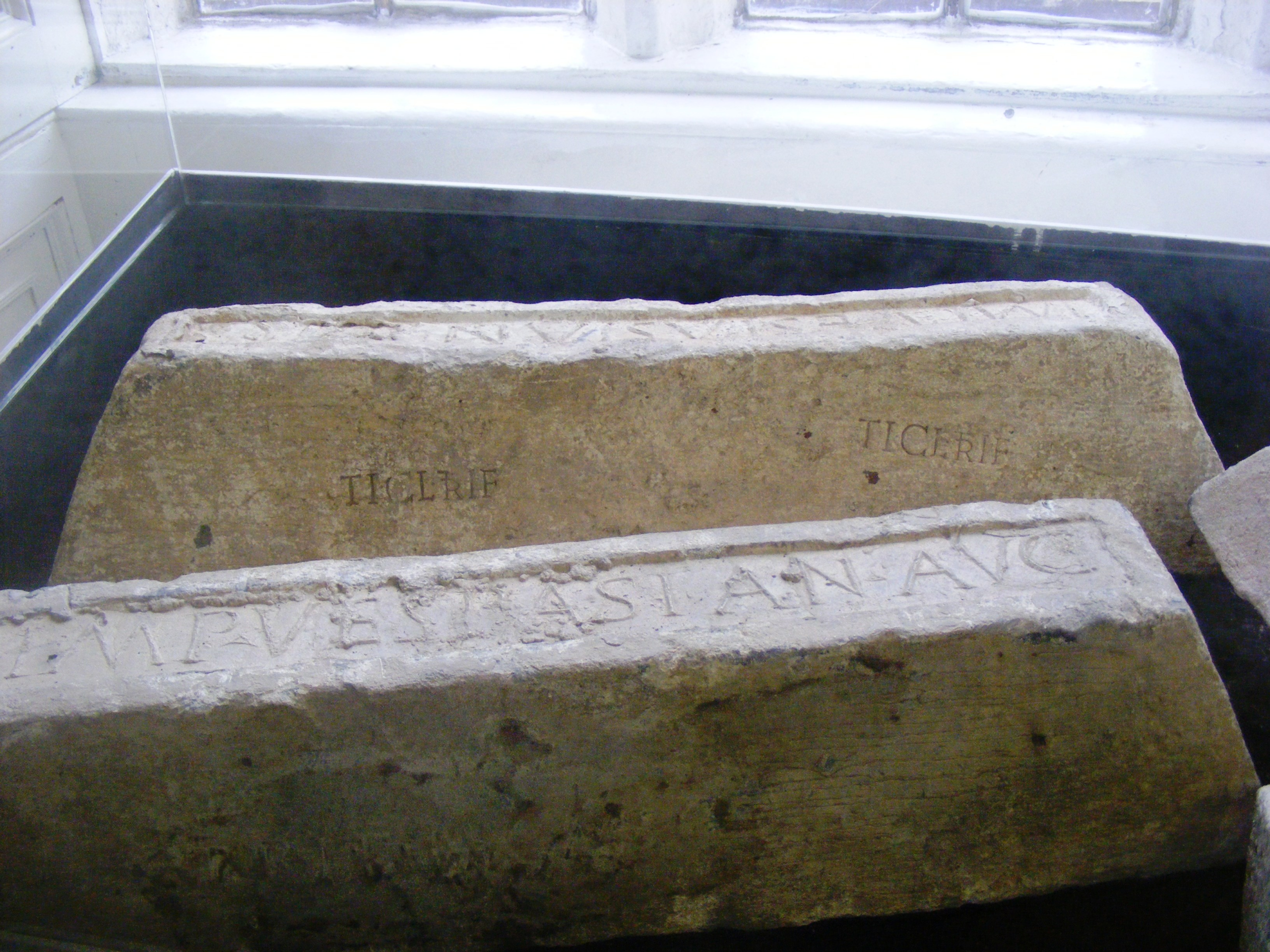
The blank sat on a lead bed, which supported it completely without being hard enough to damage the underside, and which deformed slightly under each blow so the blank did not bounce.
Supported in machine beds and fixtures. Lead was used because it combines support with give: a steel bed would transmit the blow straight through and ring, and anything softer would let the blank move.
The lead block is also the clearest health problem in the trade. Cutters worked over lead all day, the surface was dressed and renewed as it became marked, and the lead dust and fume that resulted were breathed in a workshop with little ventilation. It was a recognised hazard of the occupation and is the main reason the practice ended rather than being mechanised gradually.
3. The Angle of the Chisel Decided What the File Would Do
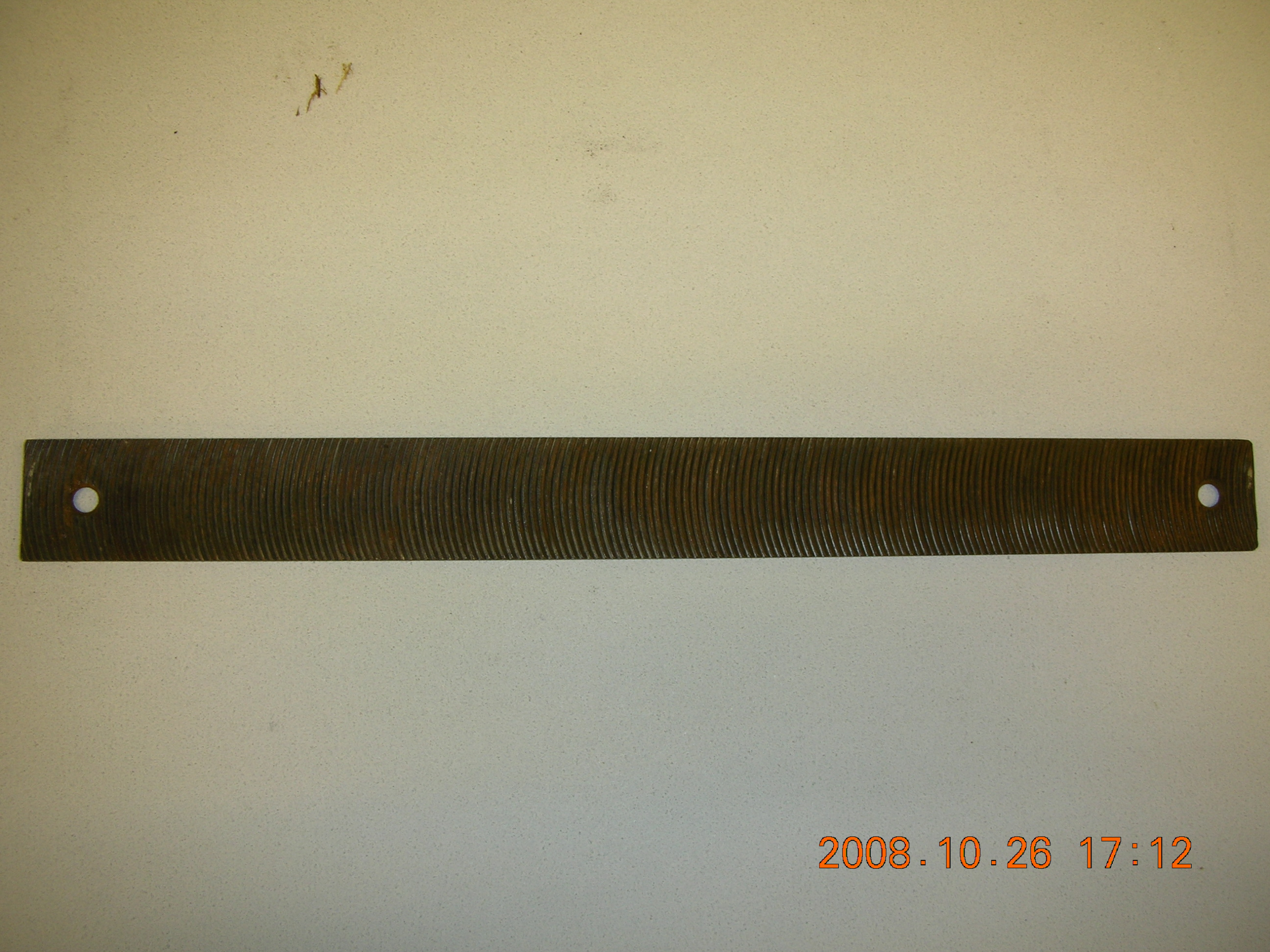
The angle at which the chisel was set across the blank determined the rake of the tooth, and the rake determined whether the file cut aggressively into soft metal or finely into hard metal, and whether it cleared its own filings or clogged.
Specified and held mechanically. A single degree of difference in rake changes the behaviour noticeably, which is why files were made in distinct cuts rather than in a continuous range, and why a file intended for brass is wrong for steel and the reverse.
This is the knowledge that made a file cutter skilled rather than merely practised. The correct angle varied with the file’s intended use, its coarseness, the steel it was made from and the material it would work, and the cutter set it by eye and held it for thousands of blows without a gauge.
4. Fine Files Were Cut by the Same Method, Only Smaller
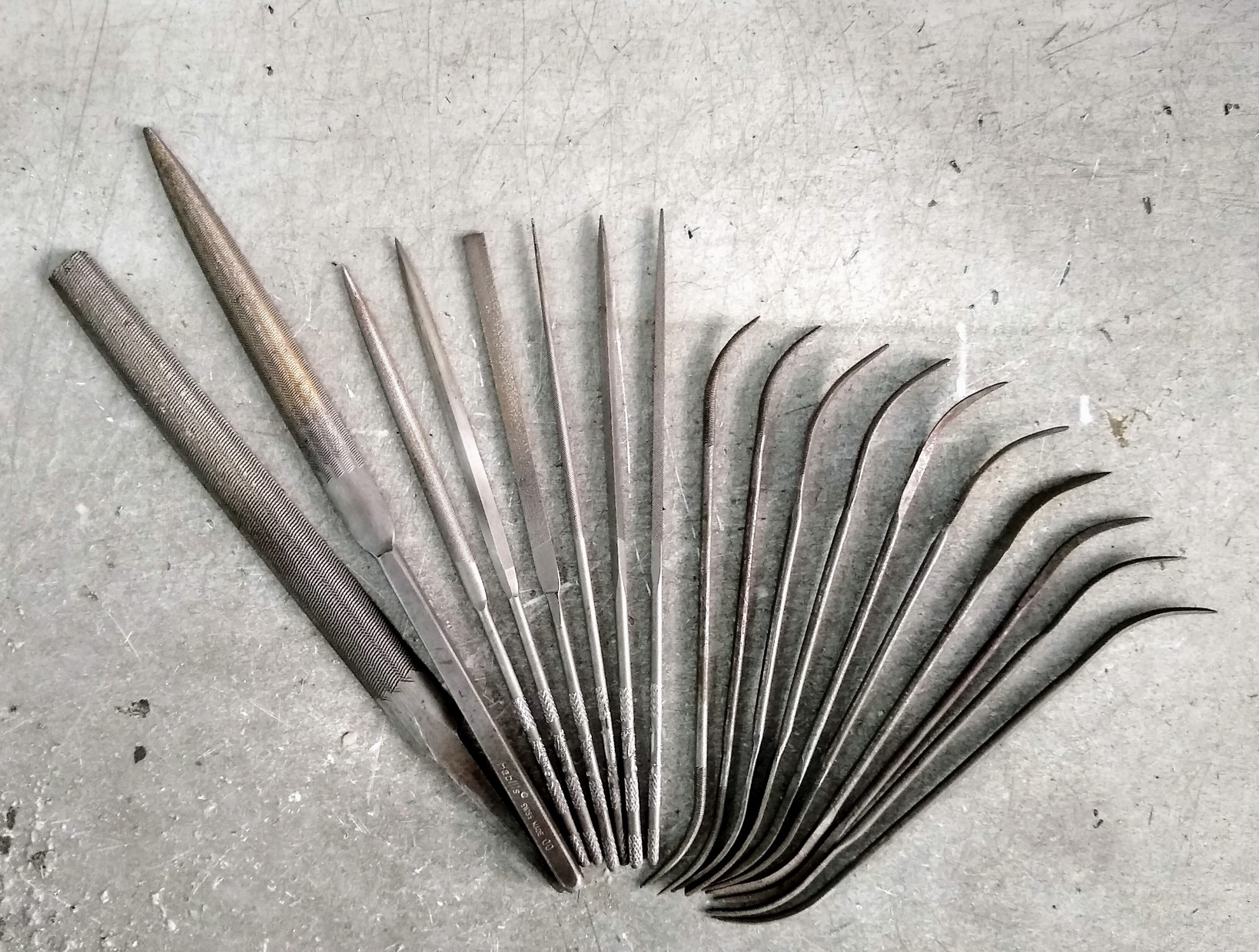
Coarseness was set by how far the chisel advanced between blows. A coarse file advanced a visible amount; the finest files advanced by an amount that is difficult to see at all, producing well over a hundred rows to the inch, cut by the same hand with the same hammer.
Machine cut and increasingly produced by other methods at the fine end. The finest hand-cut files represent an extraordinary quantity of individual blows, each one placed within a fraction of a millimetre of the last, and a single mis-struck row was visible and spoiled the file.
There is a reason this work commanded respect in the engineering trades. A fine file is a precision cutting tool with thousands of individual edges whose spacing and height determine the finish it leaves, and the whole thing was created by a person with a hammer hitting a chisel in the right place repeatedly for an hour.
5. The Second Course of Teeth Crossed the First

A double-cut file was cut twice: one set of rows at one angle, then a second set across them at a different angle, which breaks the continuous ridges into individual diamond-shaped teeth, each with its own point.
Still the standard construction for double-cut files. A single-cut file has continuous straight edges and leaves a smooth finish; a double-cut file has discrete points, removes material much faster and leaves a rougher surface.
The angles of the two courses are not the same, and that is deliberate rather than decorative. If they crossed at ninety degrees the teeth would be symmetrical and would tend to scratch in a regular pattern; crossing them at unequal angles staggers the points so no two follow the same line, which is what stops a file leaving tramlines.
6. The Blank Was Soft When Cut and Hardened Afterwards
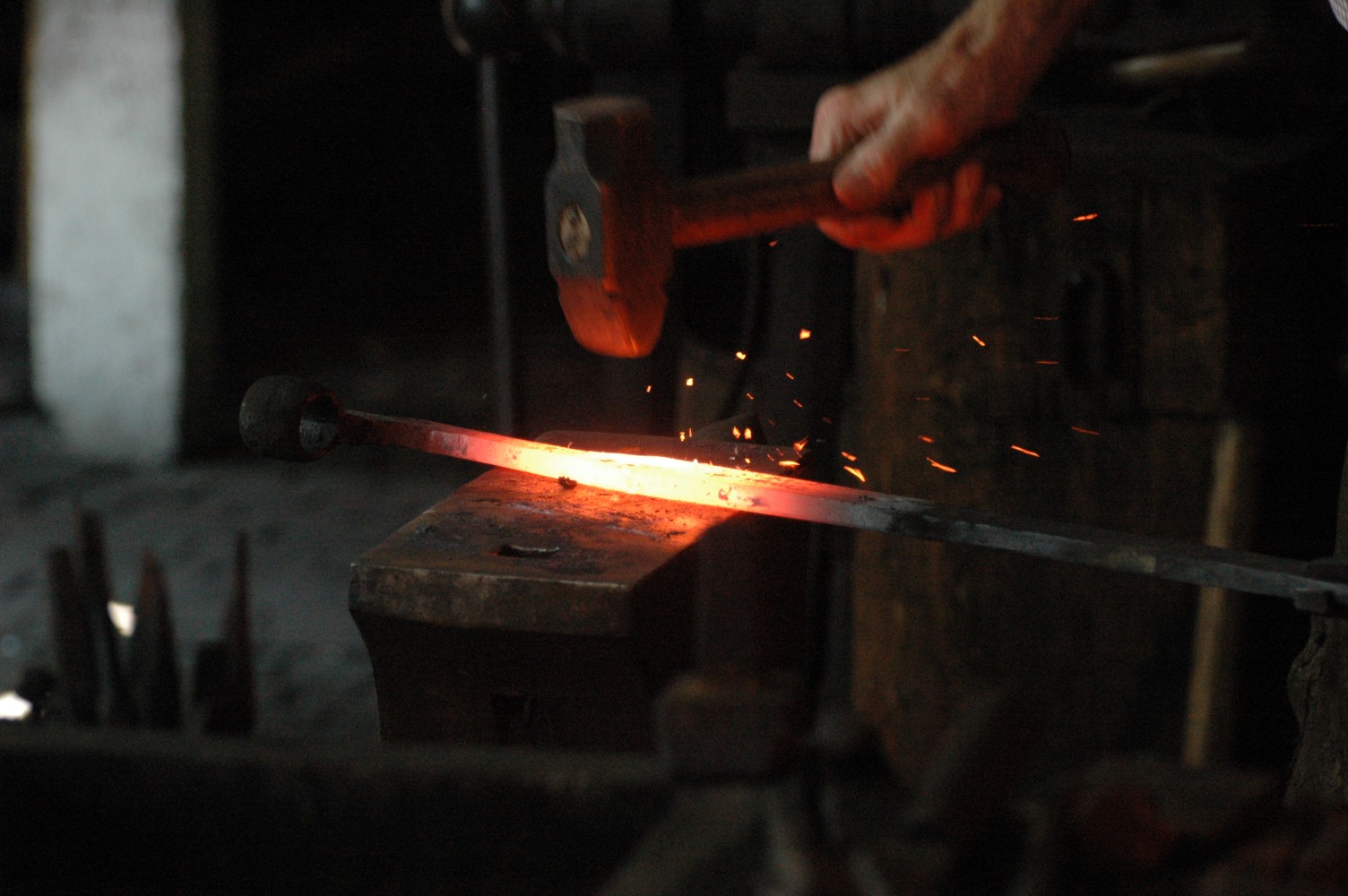
Files were cut in annealed steel soft enough to accept the chisel, then hardened by heating and quenching, which left the teeth hard enough to cut other metals.
The same sequence. Hardening a file after cutting is the step that makes everything else possible, because teeth cannot be raised with a chisel in steel hard enough to be useful – so the order of operations is fixed by the material.
Quenching was the moment the file was made or lost. A file is a long thin section with fine detail, and heating it unevenly or quenching it wrongly produced distortion, cracking, or soft spots where the teeth would collapse in use – so the hardener was as critical as the cutter and worked largely by colour and experience.
7. Files Were Sold With a Tang and No Handle
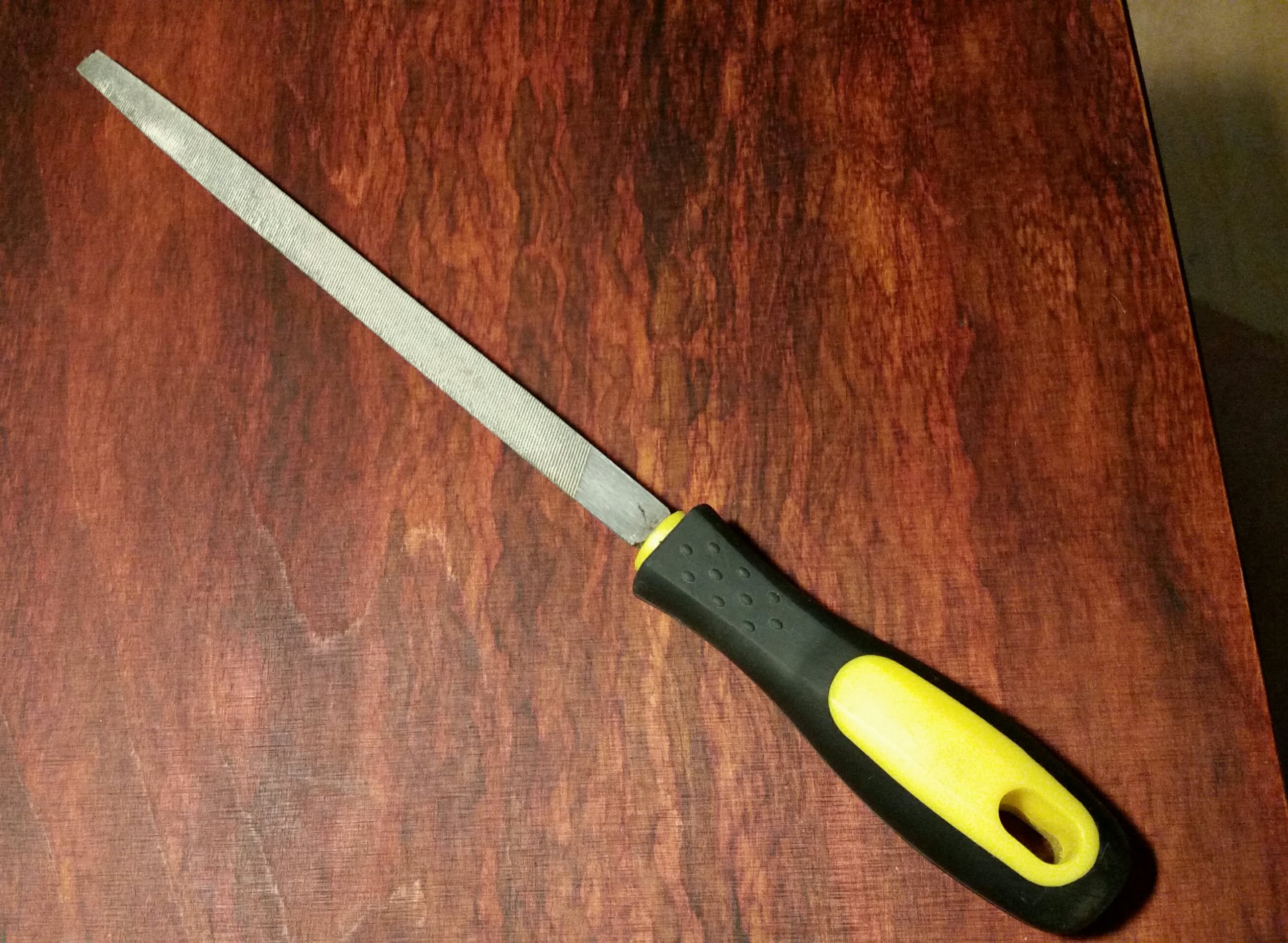
A file came as a bare tool with a pointed tang, and the user fitted their own wooden handle, which was bought separately and reused from worn-out files.
Mostly sold with handles fitted, though bare files and separate handles remain available. The separation existed because handles wore out at a different rate from files and because a tradesman had preferences about size and shape that a maker could not economically accommodate.
It also produced a genuine and long-recognised hazard. A file used without a handle presents a sharp tang towards the user’s palm, and a file that catches or snaps drives that tang into the hand – which is why using a file without a handle has been a standing prohibition in workshops for as long as there have been safety rules.
8. The Trade Was Concentrated and Frequently Done at Home
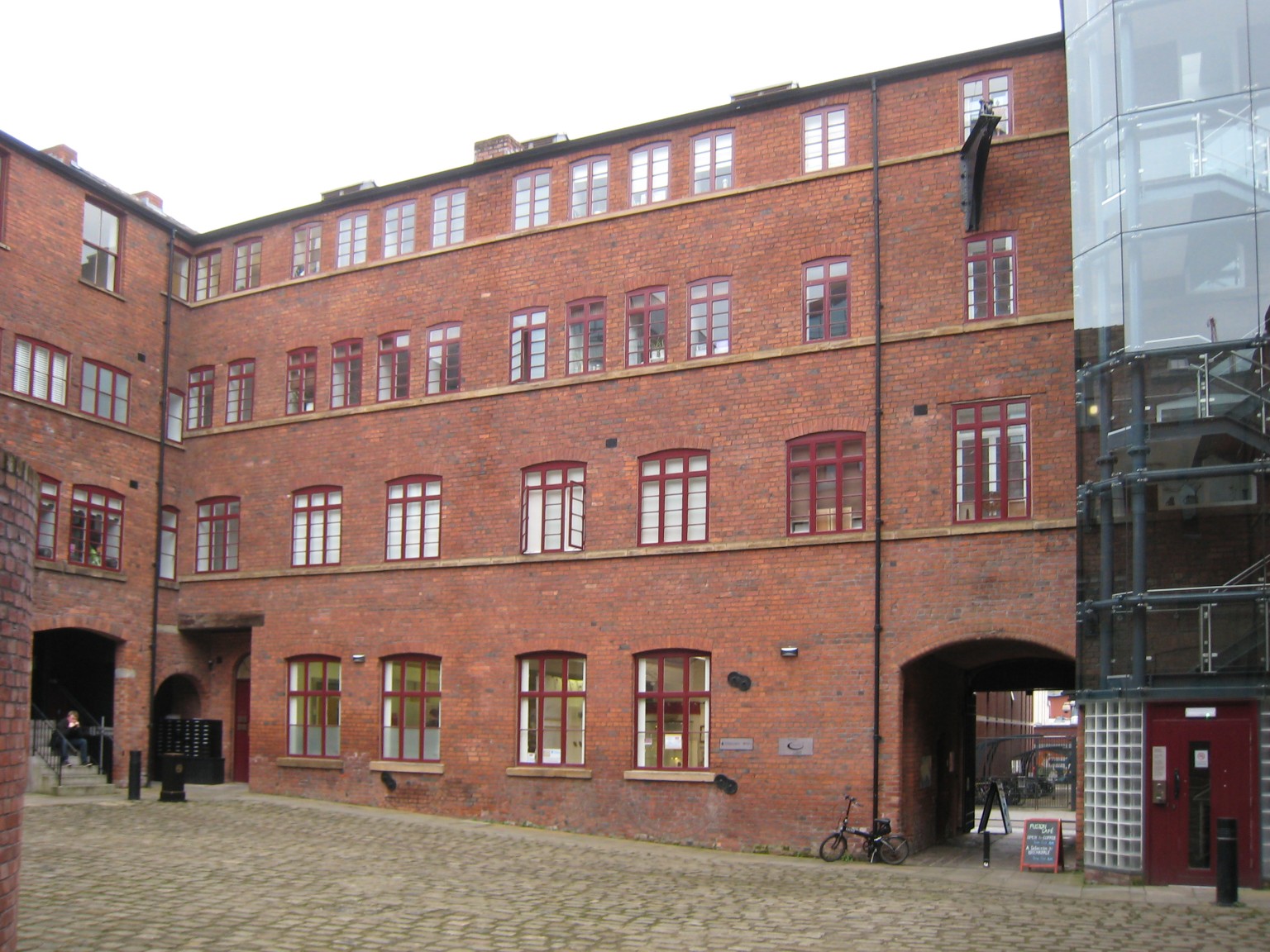
File cutting was heavily concentrated in particular districts, and a great deal of it was done by outworkers in small workshops attached to houses, paid by the dozen, with whole families involved.
Factory and overseas production. The outwork system meant a cutter owned his own tools, provided his own premises and light, and bore the cost of any spoiled work, while the firm supplied blanks and took finished files.
That arrangement recurs through this series and had the same effect every time. Paying by the piece for skilled hand work carried out in the worker’s own premises transferred the overheads and the risk onto the worker, kept the effective rate low, and left no capital in the business – which is why these trades vanished almost without trace when the work stopped.
9. Worn Files Were Recut Rather Than Thrown Away
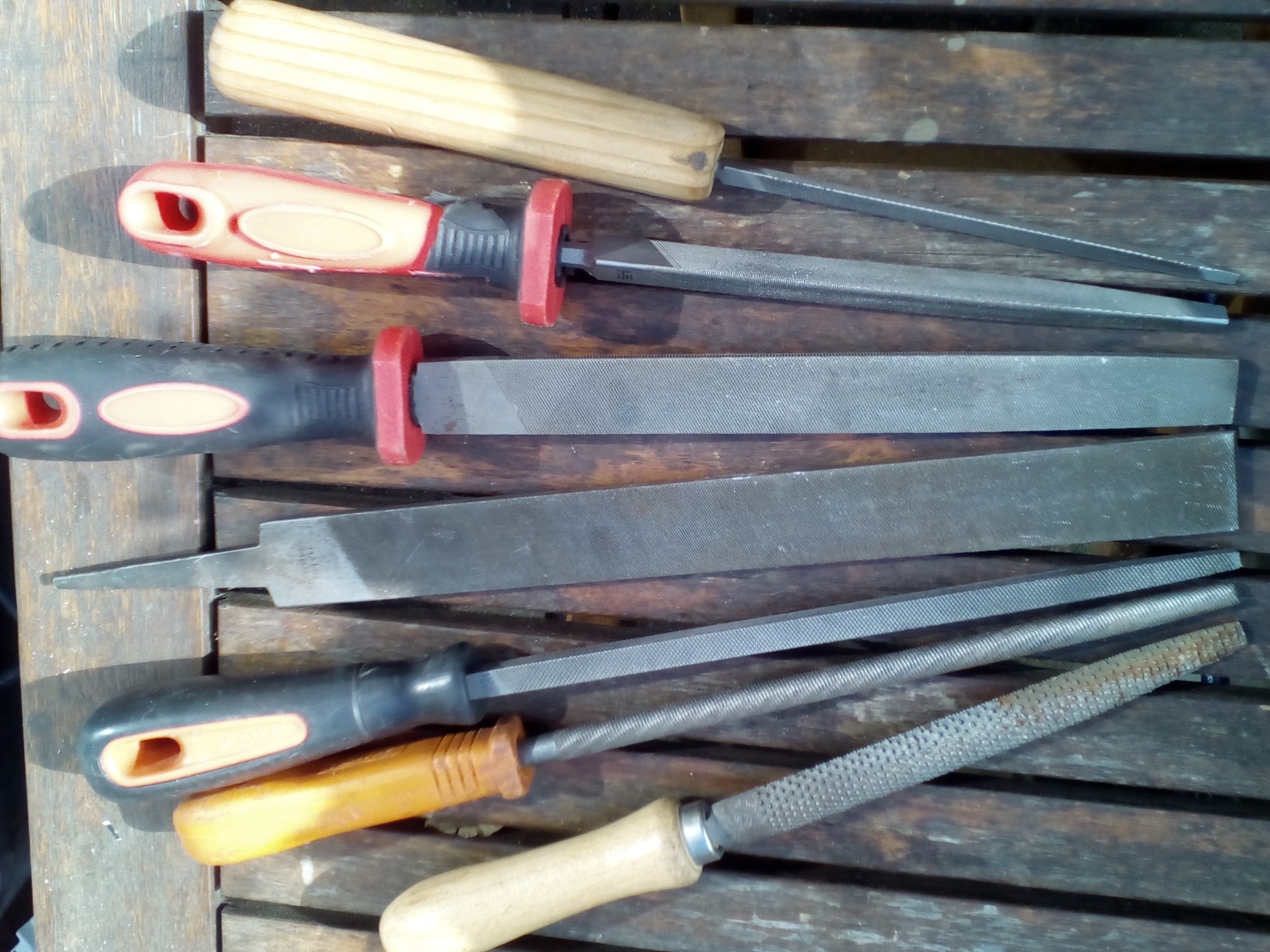
A blunt file was annealed to soften it, ground to remove the old teeth, and recut from scratch – a trade in its own right, with firms specialising in recutting rather than making.
Essentially gone, with chemical sharpening available and new files cheap enough that recutting is uneconomic. Recutting a file was skilled work on a used blank whose dimensions had changed, which made it harder in some respects than cutting a new one.
The disappearance of recutting is a precise marker of where the cost of hand labour crossed the cost of manufactured goods. There is nothing wrong with a worn file as a piece of steel, and the reason nobody recuts them is simply that a few minutes of skilled attention now costs more than a new file – which was not true in 1960 and is the whole story of this trade in one sentence.
10. Every Section and Profile Was a Separate Product
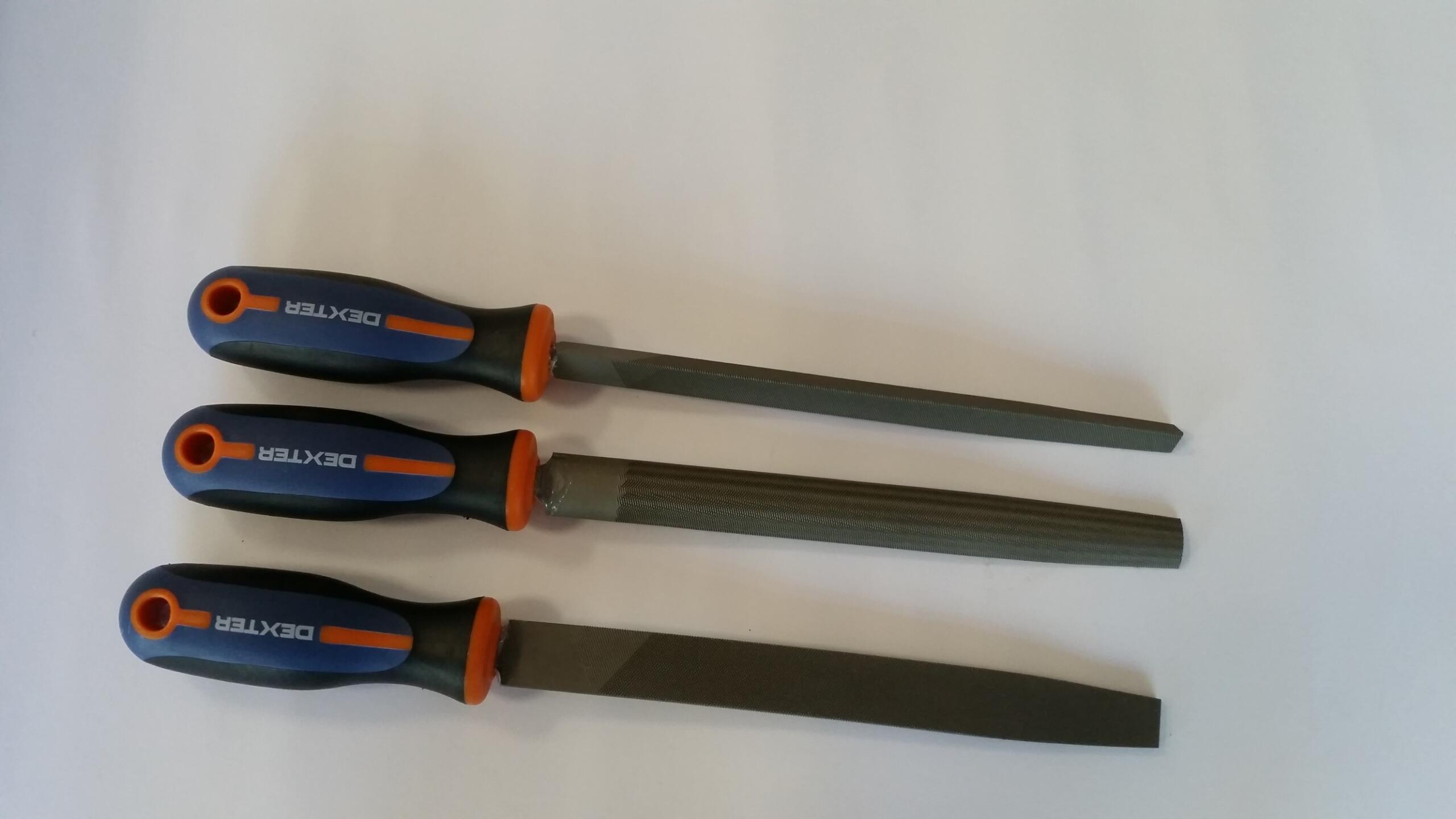
Files were made flat, half-round, round, square, triangular, knife-edged and in a long list of specialist sections, in many lengths, in several cuts, tapered or parallel, each needing its own blanks, its own chisels and its own technique.
The same enormous range, machine made. The variety was driven by the work: a file can only reach into a shape that matches its own section, so every recurring internal profile in engineering generated a file to fit it.
The specialist end of the range is where the hand trade survived longest. Odd sections in small quantities were never worth tooling up for, so a works with hand cutters could supply a dozen files of an unusual profile at a price no machine shop could match – and that was the last of the business to go.
11. Rasps Were Cut With a Punch Instead of a Chisel
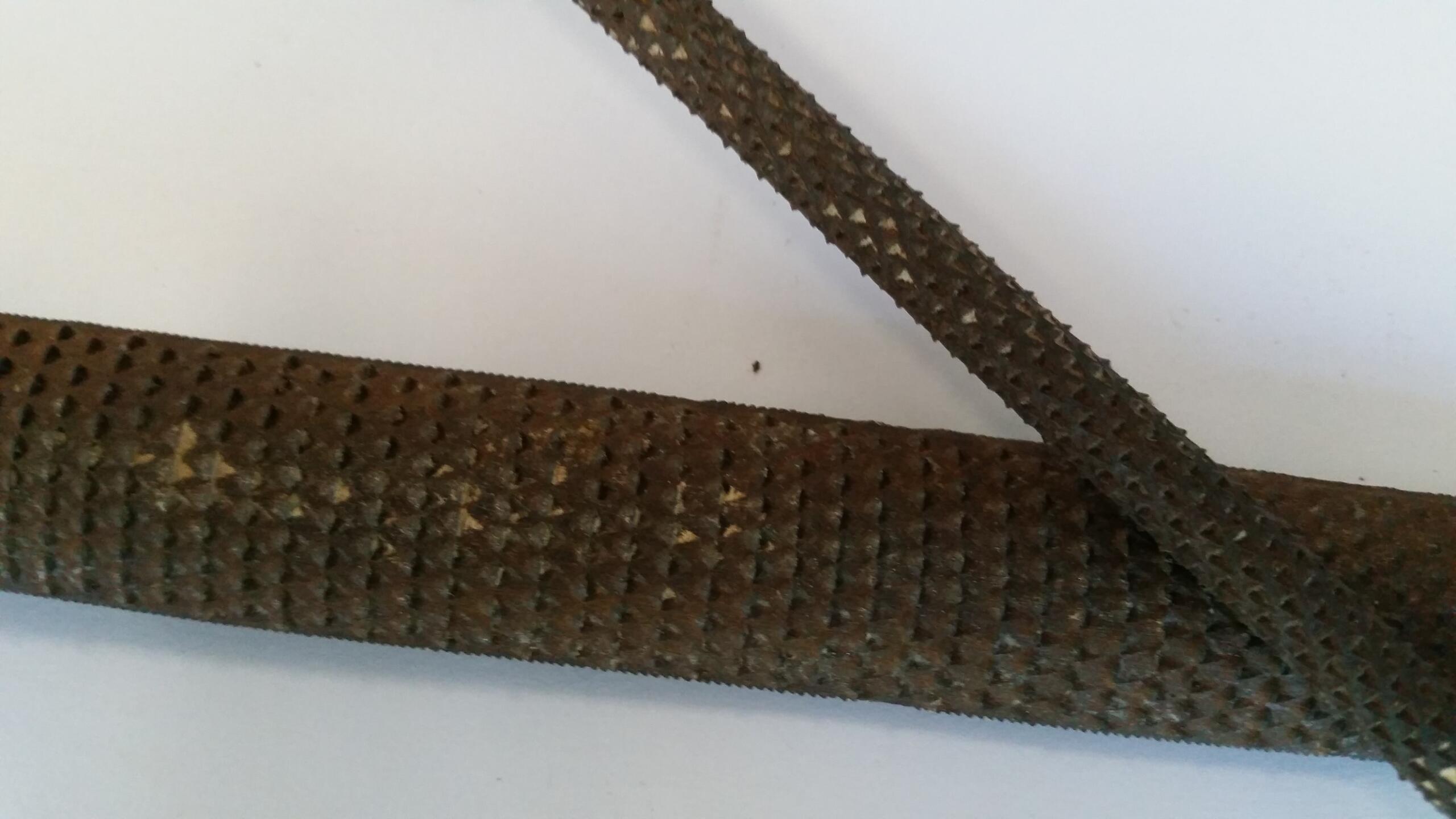
A rasp for wood or soft material has individual raised teeth, each punched up separately with a pointed tool rather than cut as a continuous row, in a staggered pattern so no two teeth follow the same track.
Still made this way, with hand-punched rasps a premium product for woodworking and farriery. The stagger is the essential feature: a rasp with teeth in line would cut grooves, while a randomised or offset pattern cuts a surface.
Hand-punched rasps are one of the few places this technique is still commercially alive. Makers advertise hand stitching specifically, because a human punching teeth produces a slight irregularity that cuts more cleanly than a perfectly regular machine pattern – the same argument that keeps hand-made tools in production across several of the trades in this series.
12. Then Machines, Imports and Abrasives Ended It Together
Hand cutting was already in decline by 1960, surviving on fine work, specialist sections and recutting, with machine-cut files dominating the volume.
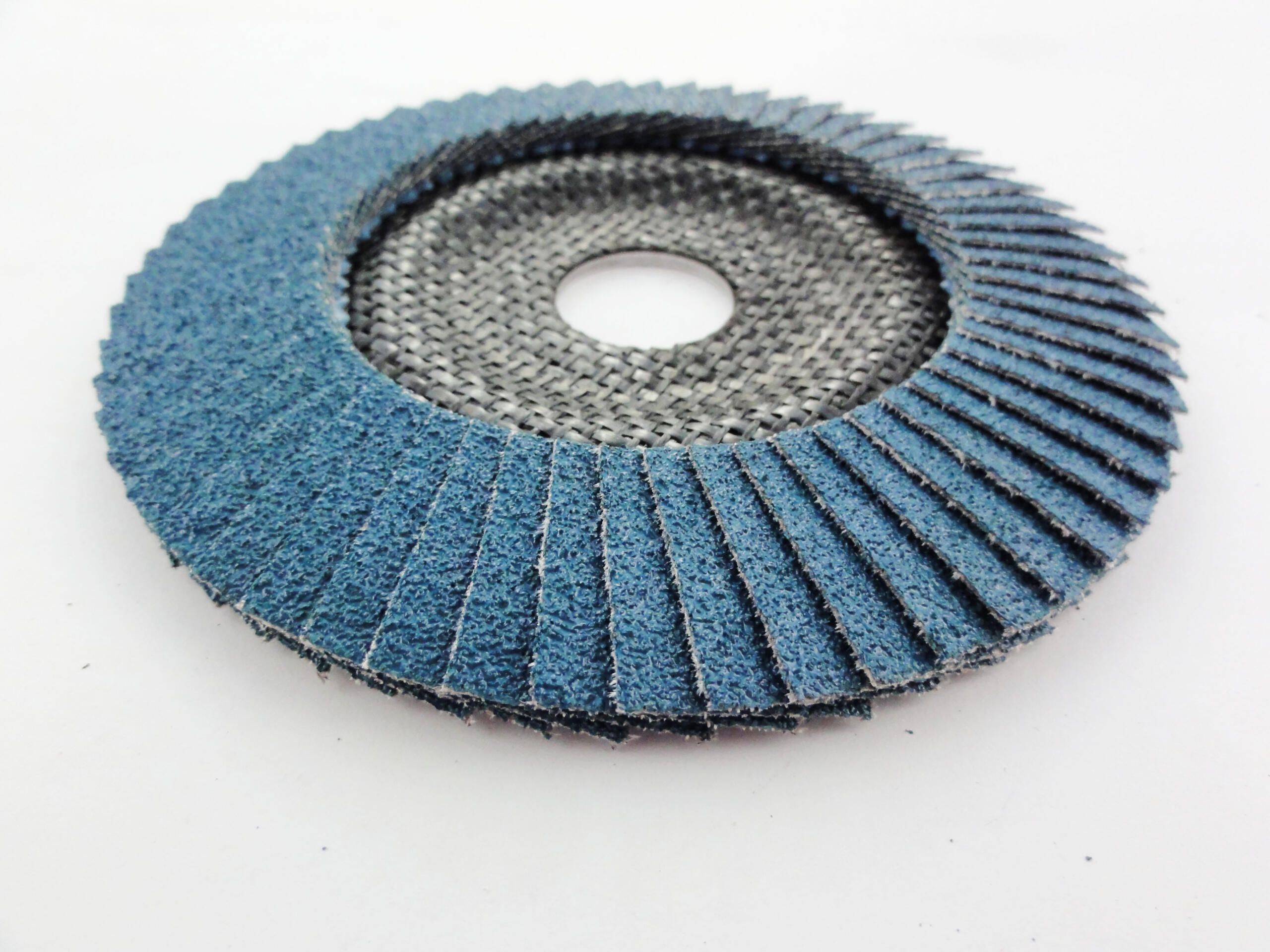
Machine production completed the displacement, imports undercut what remained, and – the change that mattered most – coated abrasives, powered sanders, grinders and rotary burrs took over much of the work files had done. The file did not just get cheaper to make; it got used less.
That third factor is the one usually left out. A file removes material slowly by hand, and a great deal of what it was used for in 1960 is now done with a belt sander, an angle grinder, a die grinder or an abrasive disc in a fraction of the time. The hand-cut file lost to the machine-cut file, and then the file itself lost to the abrasive – which is why even the machine-made file trade is a fraction of its former size.
13. A Good Hand-Cut File Still Outperforms Most of What You Can Buy
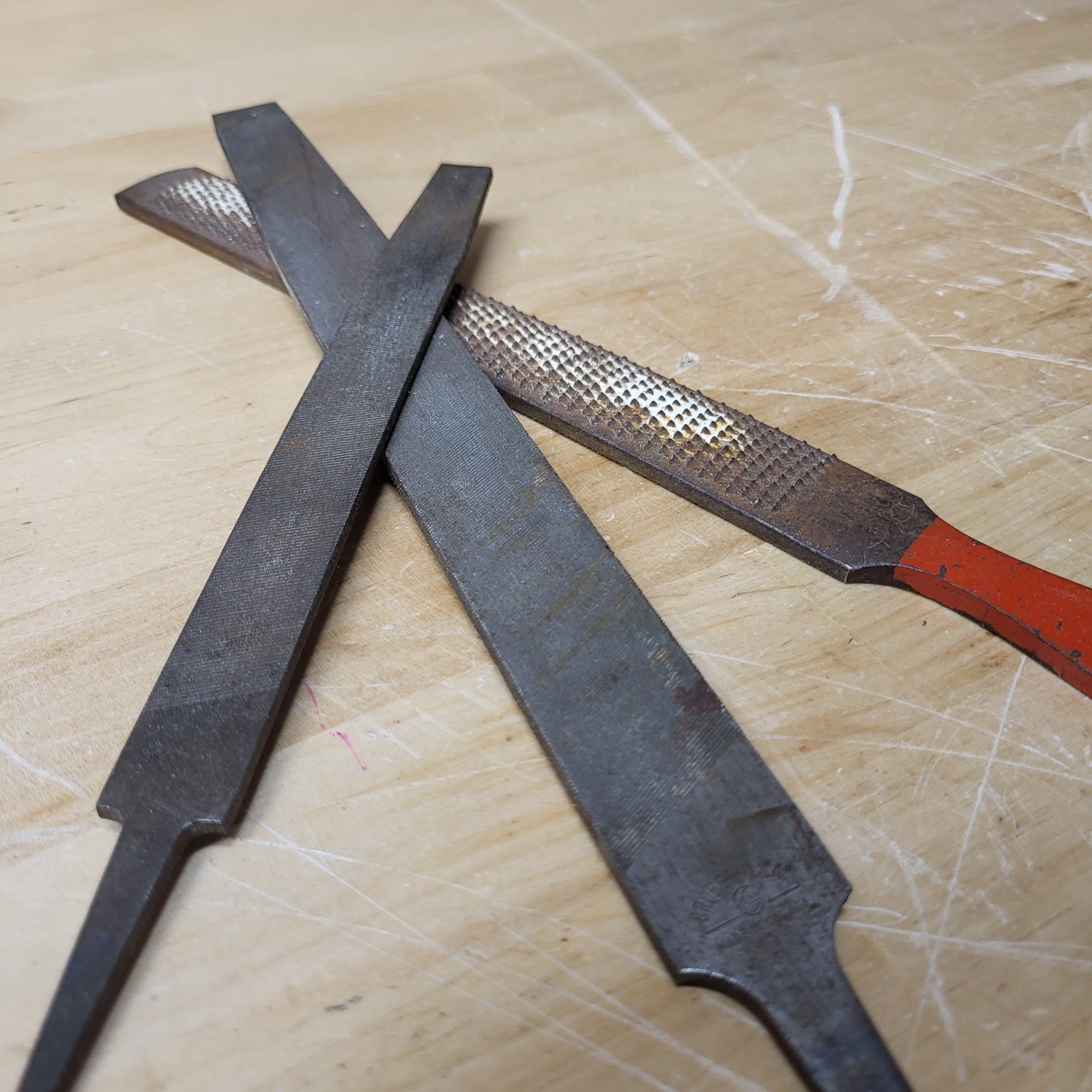
Hand-cut files were the standard of the trade and were judged by how cleanly they cut, how long they held their edge and how little they clogged.
Surviving hand-cut files and the small number still made are genuinely sought after by toolmakers, luthiers, gunsmiths and restorers, who report that they cut more cleanly and last longer than ordinary modern files. The displaced metal of a chisel-raised tooth forms a keener edge than a milled profile.
It is worth being careful about the claim, though, because survivor bias is doing some work. The hand-cut files that still exist are the good ones that were looked after, and the comparison is usually against a cheap modern file rather than against a good one. The physical argument for a raised tooth is real; the gap is probably smaller than the enthusiasm suggests.
14. The Skill Is Almost Entirely Gone and It Was Never Written Down

File cutting was learned by watching and doing over years, with the chisel angles, the hammer weight, the advance, the lead dressing and the hardening all held as practice rather than as documented procedure.
A very small number of people can still cut a file by hand, mostly as demonstration or heritage work rather than as production. Museums and craft organisations have recorded what they can, and a handful of makers maintain the technique.
The thing that was lost is not the idea – anybody can see that a chisel raises a tooth – but the calibration held in a person’s hand and eye. Knowing the right angle for a given file is written down. Holding that angle for three thousand blows while advancing a fraction of a millimetre each time, by feel, without a gauge, is not, and never was, and there is no way to put it on paper.
The File Lost Twice, and the Second Defeat Is the One Nobody Mentions
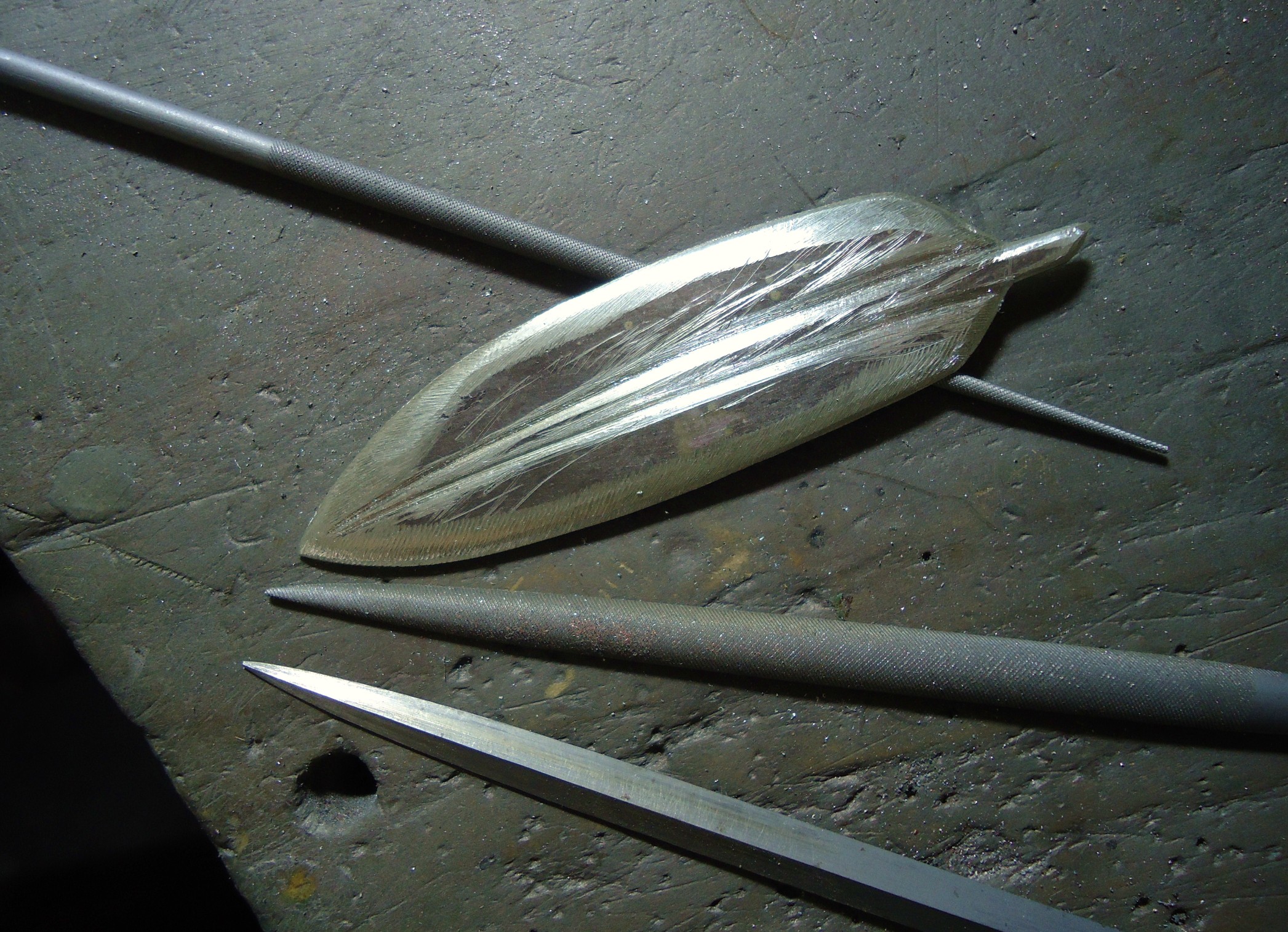
The usual account of this trade is that machines replaced hand cutters, and that is true but incomplete. The file was beaten twice, and the second defeat was far more damaging than the first.
The first was within the trade. Machine cutting raised teeth mechanically, faster and at lower cost, and hand cutting retreated to fine work, odd sections and recutting – the jobs where tooling up for a machine was not worth it. That is the familiar story, and it took decades.
The second defeat was the file itself losing its job.
Think about what a file was for in 1960. Removing material from metal and wood by hand: dressing a weld, fitting a part, cleaning up a casting, shaping a profile, truing an edge, taking a burr off. All of it slow, all of it by arm power, all of it skilled.
Then came cheap powered tools and, more importantly, cheap coated abrasives. A belt sander, an angle grinder, a die grinder with a burr, a flap disc, a random orbital sander – each of these does in seconds what a file did in minutes, on a surface a file could not reach, with no skill beyond holding it steady. Abrasive paper and abrasive discs became consumables cheap enough to throw away.
So the demand for files collapsed quite independently of who was making them. Even the machine-cut file trade is a fraction of what it was, because the operation the tool performs is now mostly done another way.
That is a pattern worth recognising, because it is easy to miss. When a craft disappears, the obvious suspect is a machine that makes the same thing more cheaply. Sometimes the real cause is that the thing stopped being needed – and a trade can be destroyed just as thoroughly by its product falling out of use as by a competitor making that product better.
The hand cutters lost to the machines. The machines lost to the grinder.
If there is an old file in a toolbox in your family, somebody may have raised every one of those teeth with a hammer.
And the reason nobody recuts it is that a few minutes of skilled attention now costs more than a new file.
Like our content? Follow us for more.
