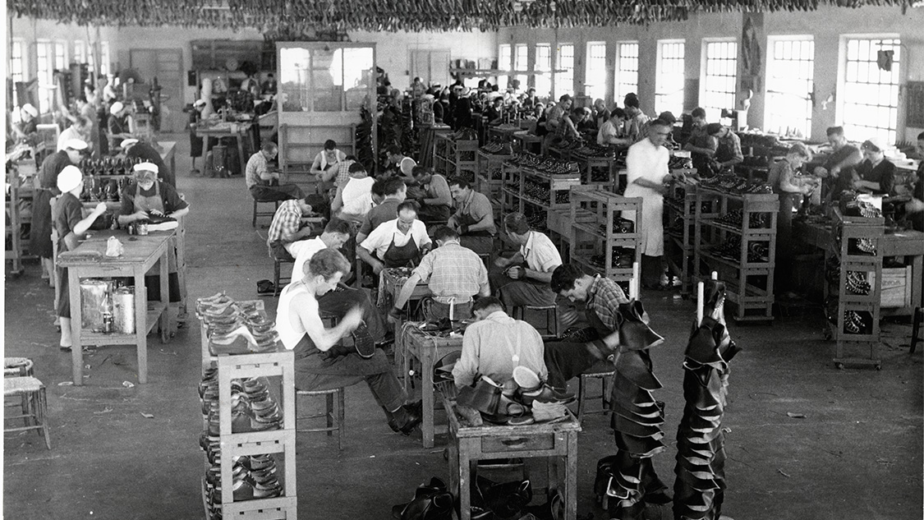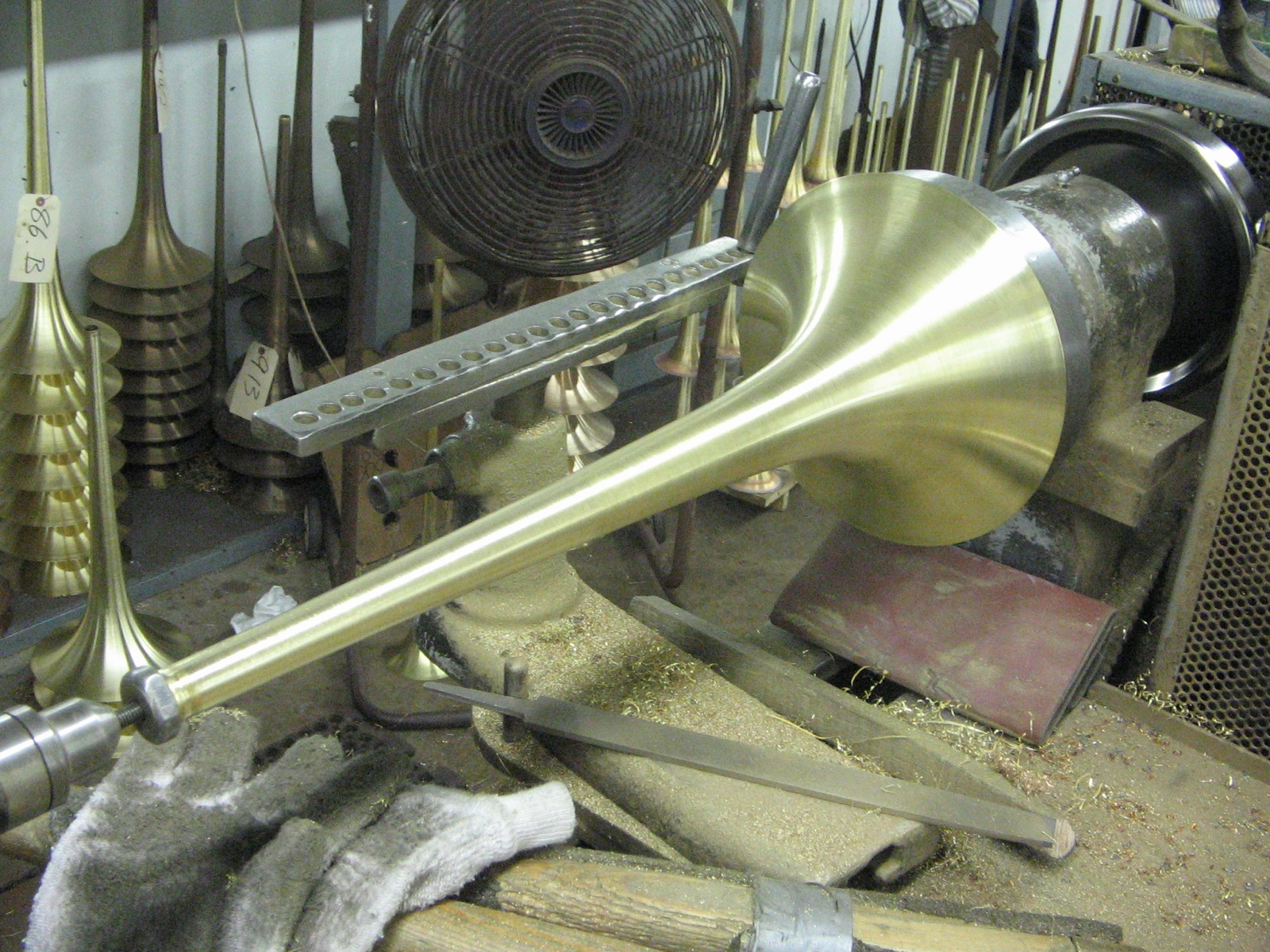
In 1960 a brass instrument was made almost entirely by hand. The tubing was filled with molten lead before bending so the walls would not buckle. The bell was spun over a wooden former by a man leaning a steel tool against it, controlling the wall thickness by feel.
The valves were lapped with abrasive until each piston matched its own casing and no other. Hundreds of joints were soft-soldered so they would be airtight and invisible. And every finished instrument was played by a musician before it was allowed out of the building.
Here are fifteen things that were normal in a brass instrument works in 1960, and what became of each one.
1. The Tubing Was Bent by Filling It With Molten Lead First
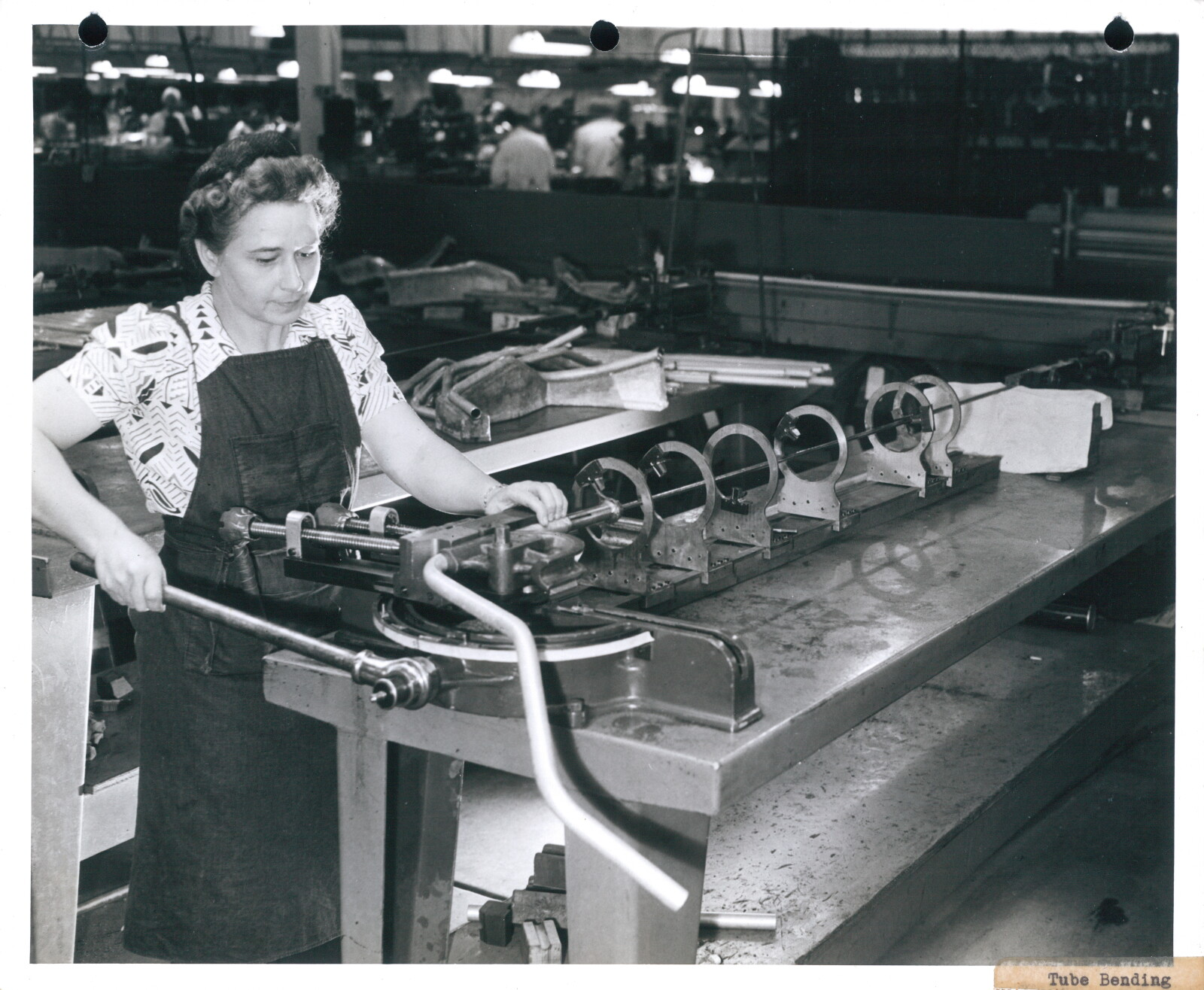
A brass tube bent empty will kink, flatten and wrinkle. So the tube was filled with molten lead or a low-melting alloy, allowed to set solid, bent around a former, and then heated to melt the filling out again.
Still done, now with bismuth and other lead-free alloys, or with water frozen solid, or with internal mandrels and hydraulic forming. The principle is unchanged: a thin tube needs internal support through the bend or the wall will buckle on the inside of the curve.
The lead was recovered and reused indefinitely, which made it cheap, and the health implications of handling molten lead daily in a poorly ventilated workshop were not a consideration at the time. That is the main reason the practice changed – not because the alloys bend better, but because the workshops stopped using lead.
Like our content? Follow us for more.
2. The Bell Was Spun Over a Wooden Former by Hand
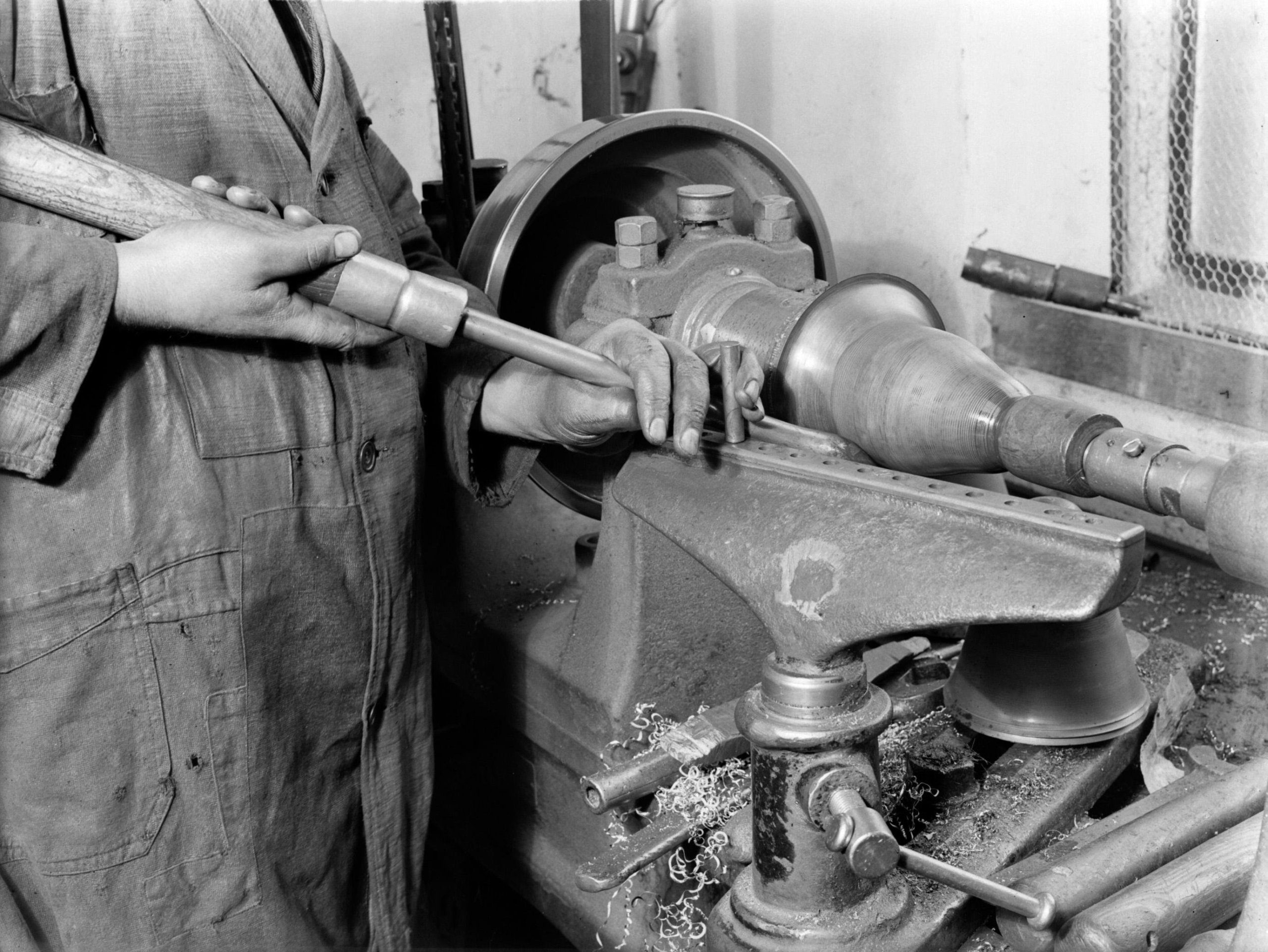
A bell began as a flat sheet cut to a developed shape, seamed into a cone, and then pressed over a shaped wooden mandrel on a lathe by a craftsman leaning a long steel tool against it, working the metal out to the final flare.
Still spun, with hydraulic assistance on some operations and hand spinning retained for better instruments. Spinning works the metal rather than cutting it, which means the bell’s wall thickness varies in a way the spinner controls by feel – thinner at the rim, thicker towards the throat.
That thickness distribution is one of the genuine differences between instruments and one of the hardest things to specify on a drawing. Two bells of identical profile with different wall thickness gradients behave differently under a player, which is why bell spinning remained a hand skill long after most comparable operations were automated.
3. The Rim Was Wired and the Garland Soldered Over It
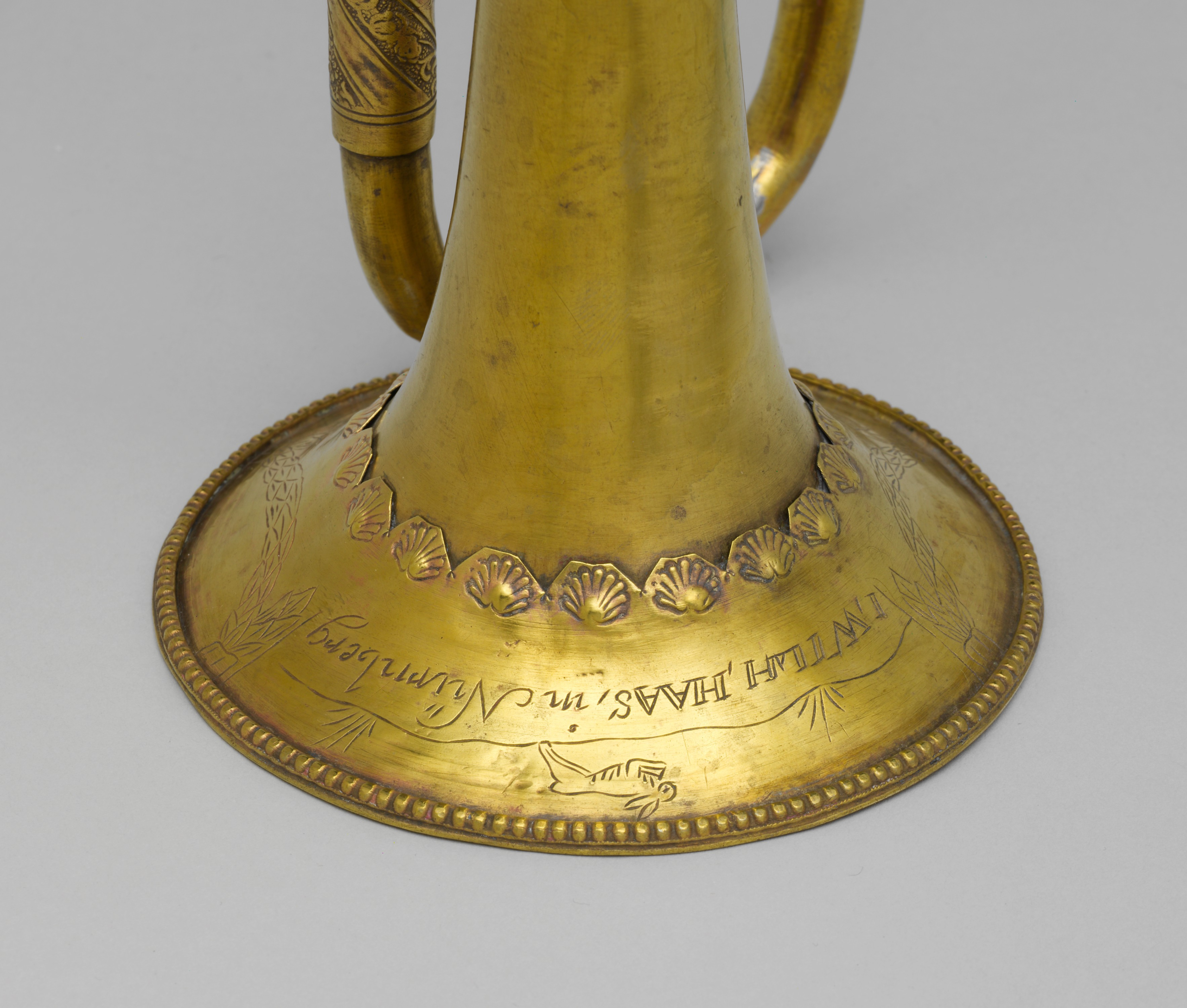
The edge of the bell was rolled over a wire to stiffen it, and on better instruments a decorative band – the garland – was soldered over the rim, frequently engraved with the maker’s name.
Unchanged on quality instruments, with the garland now also a branding surface. The wire is structural: a bell rim is a large thin circle of soft brass and without stiffening it would deform the first time the instrument was knocked or set down carelessly.
It is also why a damaged bell rim is an expensive repair. Straightening a wired and garlanded rim means working metal that is doubled, soldered and stiffened, without unsoldering the garland or kinking the wire – which is a considerably harder job than taking a dent out of a plain section of tubing.
4. Valves Were Lapped by Hand Until They Fitted and Nothing Else
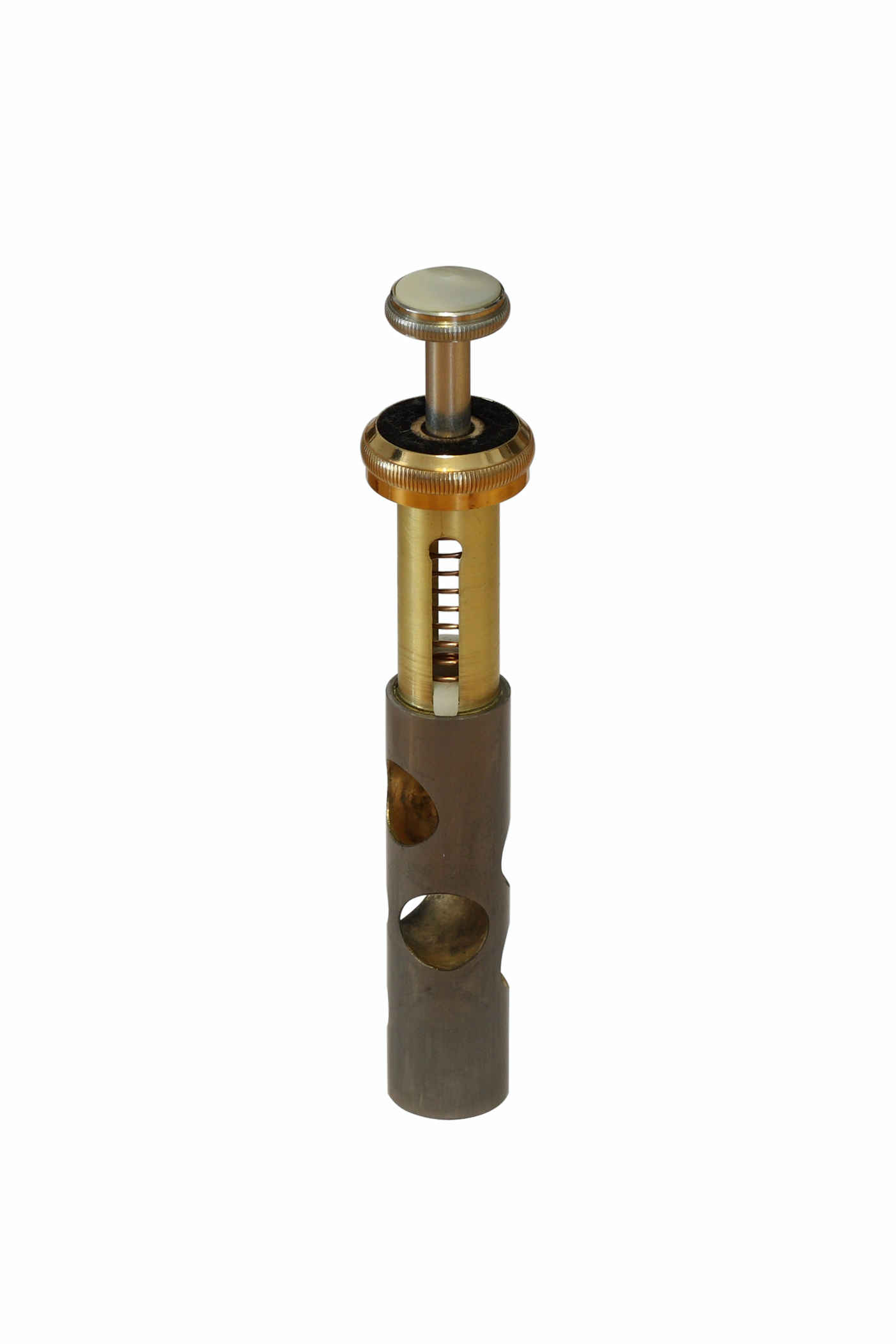
A piston valve has to slide freely in its casing with almost no clearance, because a gap leaks air and a tight fit seizes. The final fit was achieved by lapping – working the piston in its casing with a fine abrasive until the two surfaces matched each other exactly.
Still lapped, with far better machining beforehand so less hand work is needed. A lapped pair is matched to each other and to nothing else: swap two pistons between instruments of the same model and both will be wrong, which is why valves are numbered.
The tolerance involved is the reason brass instruments are so sensitive to dirt and to wear. A few thousandths of a millimetre of deposit makes a valve sluggish, and the same amount of wear makes it leak, which is why valve maintenance is a routine part of playing rather than an occasional repair.
5. The Valve Ports Had to Line Up or the Instrument Was Dead
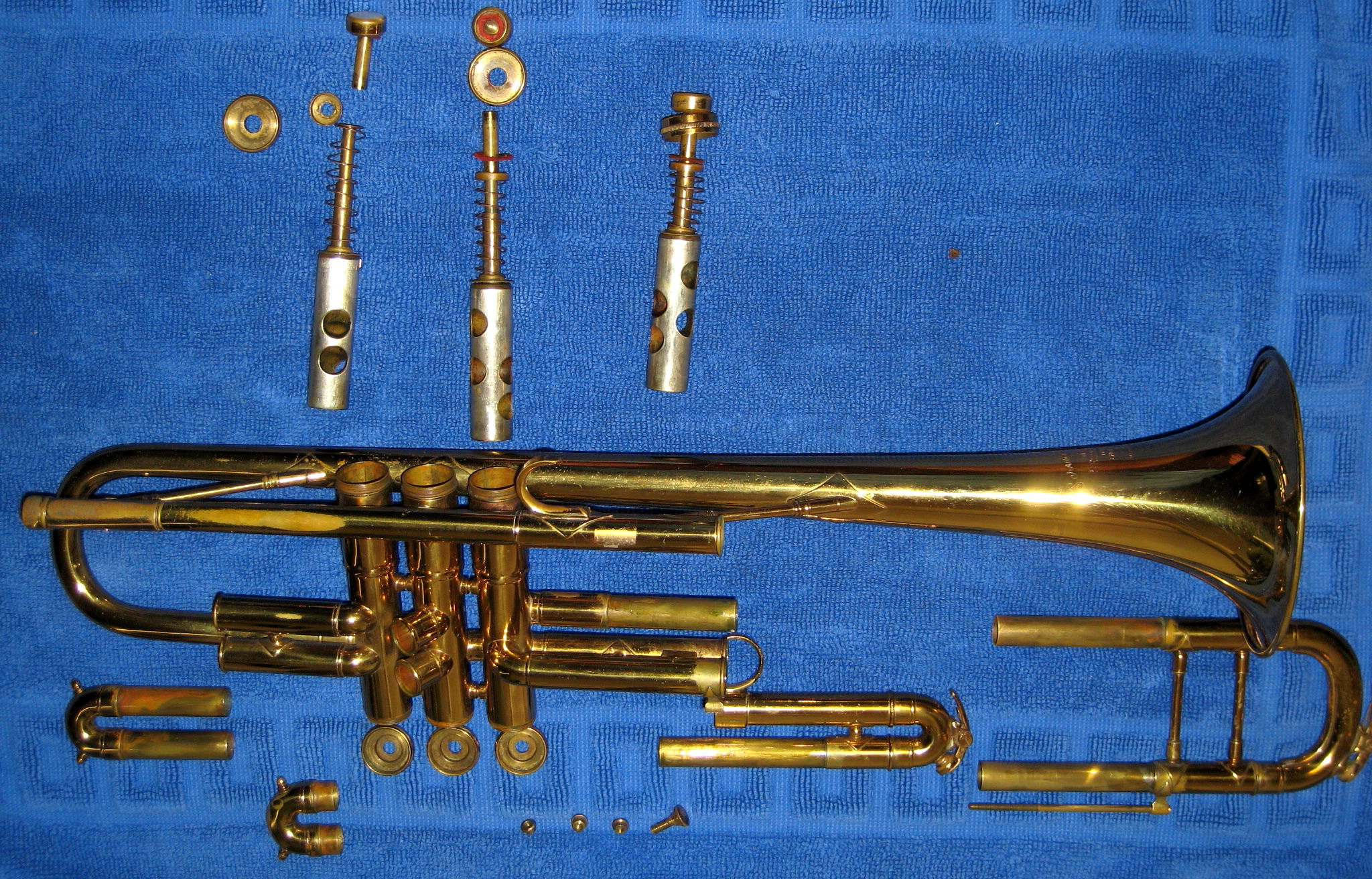
Each valve redirects the air through an additional loop of tubing, and the holes through the piston have to align exactly with the ports in the casing when the valve is up and when it is down. A misalignment of a fraction of a millimetre restricts the airway.
Machined to position with modern accuracy and checked by inspection. A player describes a misaligned instrument as stuffy or resistant, and a repairer diagnoses it by looking through the tubing at a light – a partially obstructed port is visible as a crescent of shadow.
This was the commonest manufacturing fault in cheap instruments and it is still the first thing a technician checks on a student horn that plays badly. It is also almost entirely invisible to the owner, which is why a beginner struggling with an instrument is sometimes struggling with the instrument rather than with themselves.
6. Slides Were Made as Matched Pairs and Fitted Together
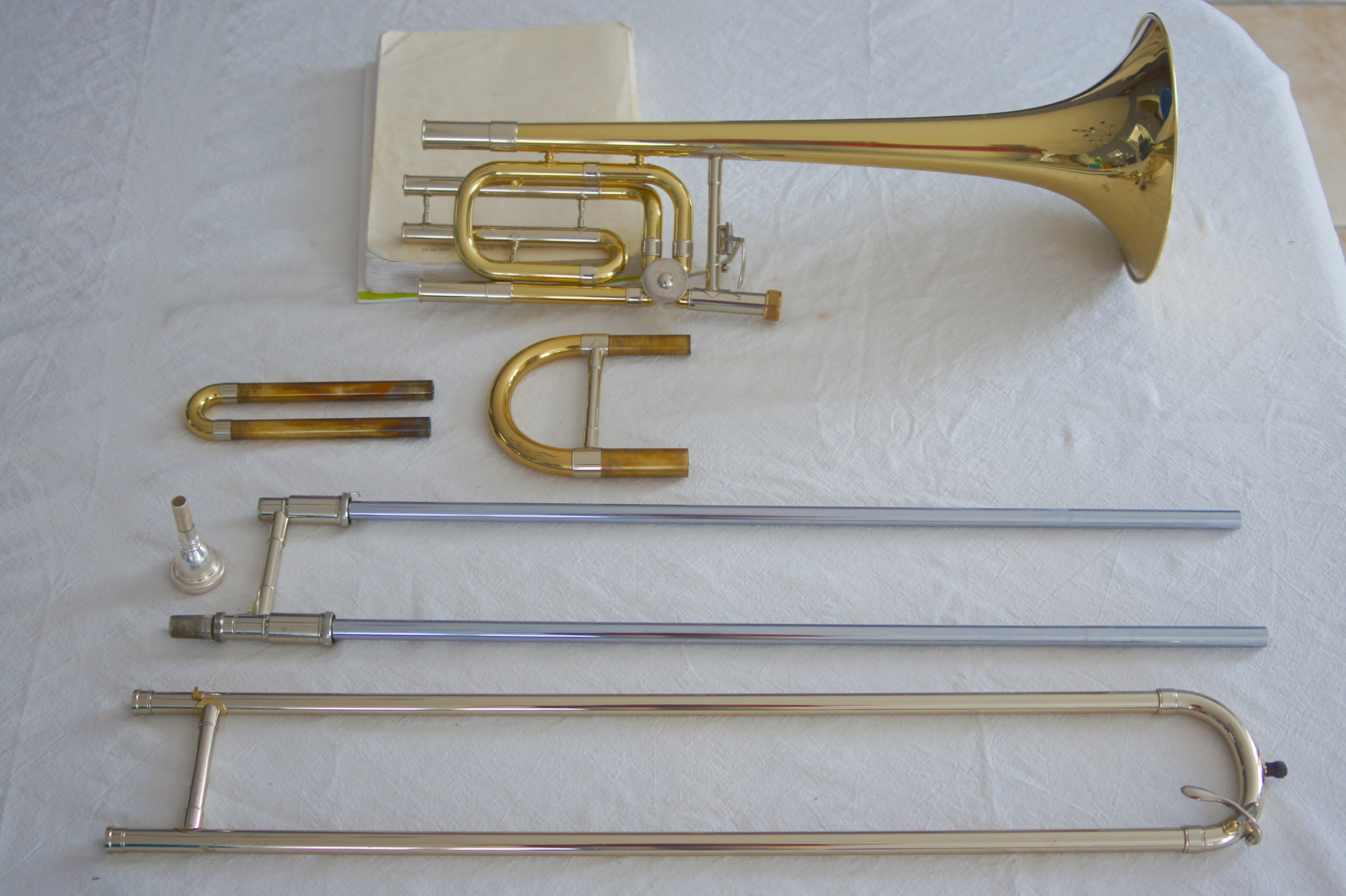
Tuning and valve slides consist of an inner tube sliding inside an outer, and the pair were drawn, sized and fitted to each other so they would move smoothly, hold their position and stay airtight with only grease between them.
The same construction and the same hand fitting at the top of the market. The seal is made by the fit and the grease, with nothing else – no gasket, no ring – which is why a slide that has been dented, corroded or forced never seals properly again.
The main slide on a trombone is the extreme case of this, being a precision sliding fit that the player moves constantly and rapidly while playing. It is the most demanding mechanical component on any brass instrument, it is why trombones are so vulnerable to being knocked, and it is why a bent trombone slide is effectively a new slide.
7. Everything Was Soft-Soldered and the Joints Were Meant to Vanish
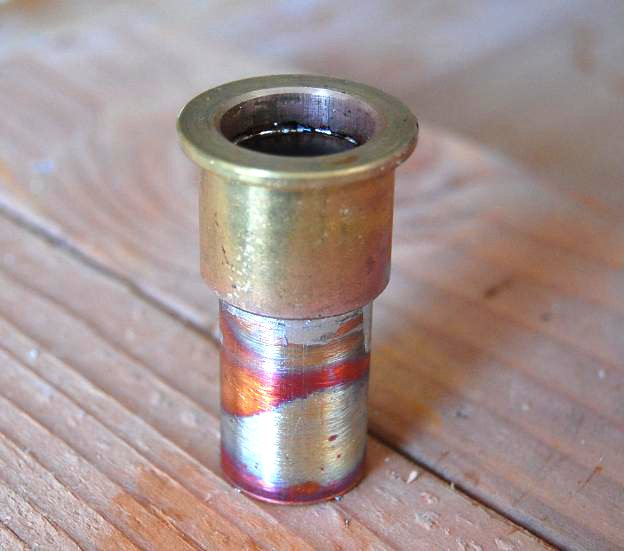
The assembly was held together with soft solder – low temperature, applied with a flame and a flux – at hundreds of joints, every one of which had to be strong, airtight and invisible under the final finish.
Unchanged. Soft solder is used rather than brazing because the temperatures involved would otherwise anneal and distort thin brass, and because a soft-soldered joint can be taken apart later for repair without destroying the parts.
That reversibility is the reason century-old instruments can be restored. A brass instrument is a collection of parts held together by a joining method that is deliberately weaker than the parts, so a competent repairer can unsolder a damaged section, replace it and resolder – which is not true of a welded or glued assembly.
8. The Finish Went On Last and Changed the Instrument’s Value Completely
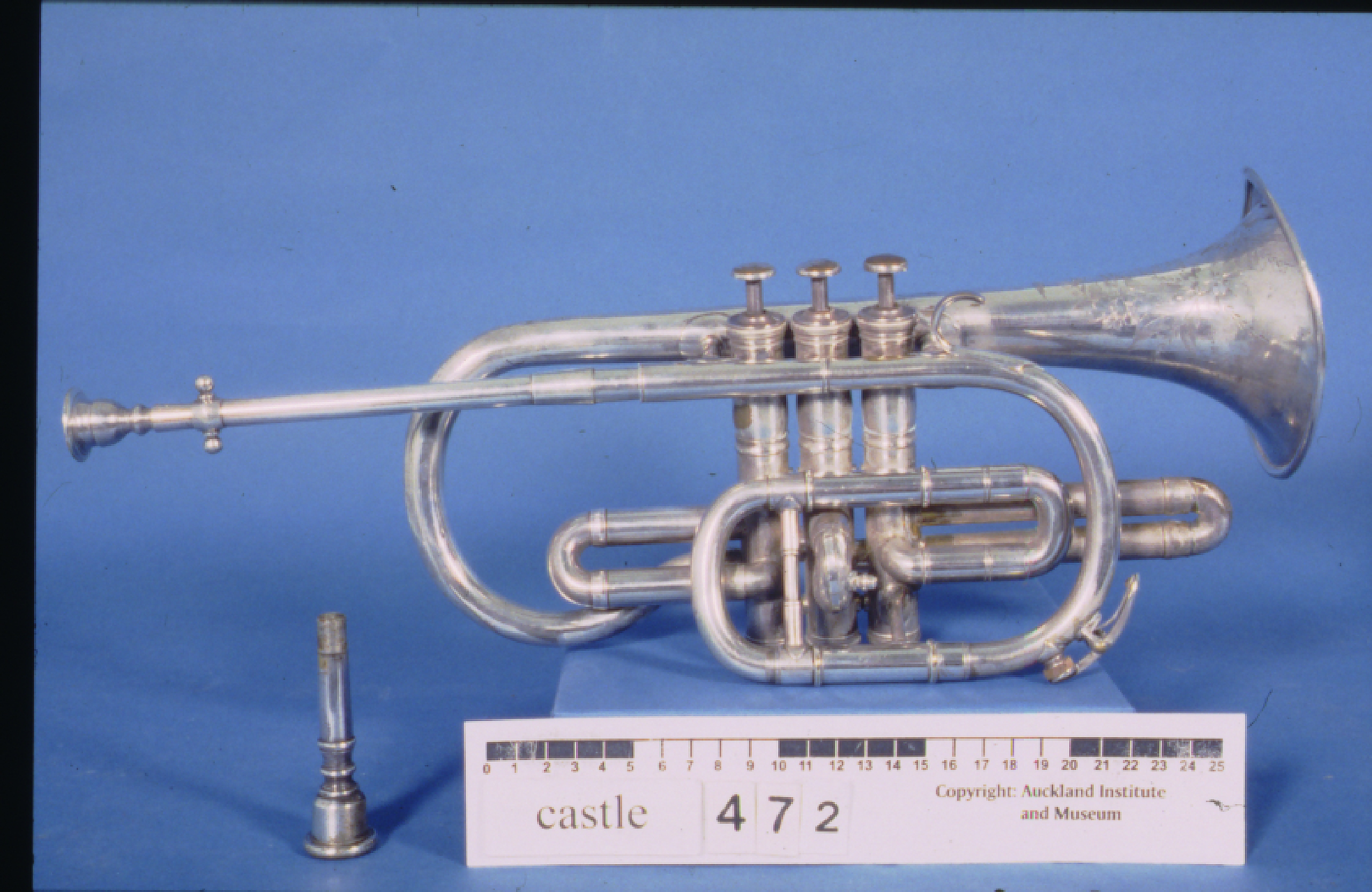
Instruments were finished in clear lacquer over polished brass, or silver plated, or in some cases gold plated on the bell interior, and the finishing department was the last and one of the largest operations in the works.
The same finishes, with modern lacquers and plating chemistry. Finish is partly protective – raw brass tarnishes continuously and is unpleasant to handle – and partly commercial, with plated instruments positioned above lacquered ones.
Whether the finish affects the sound is one of the longest-running arguments in the field, and it is not settled. Players report differences between lacquer and silver on the same model; blind testing produces mixed results; the physical mechanism by which a few microns of surface coating would alter the behaviour of a resonating air column is not obvious. It is a genuine disagreement rather than a question with a hidden answer.
9. Every Instrument Was Played Before It Left the Building

Finished instruments went to a tester – a competent player employed to play every single one, check the intonation across the range, feel for resistance or stuffiness, test every valve and slide, and reject or return anything that was not right.
Still done on quality instruments, alongside acoustic measurement. The tester’s judgement was the final quality gate and could not be replaced by inspection, because the faults that matter – a note that does not centre, a valve combination that is sharp, a general resistance – only appear when the instrument is blown.
It is one of the few manufacturing jobs in this series that required an artistic skill rather than a manual one. The tester had to be a good enough player to tell the difference between an instrument that was wrong and a day when their own playing was off, which is a harder discrimination than it sounds and the reason the job was held by experienced musicians.
10. Mouthpieces Were a Separate Industry Altogether
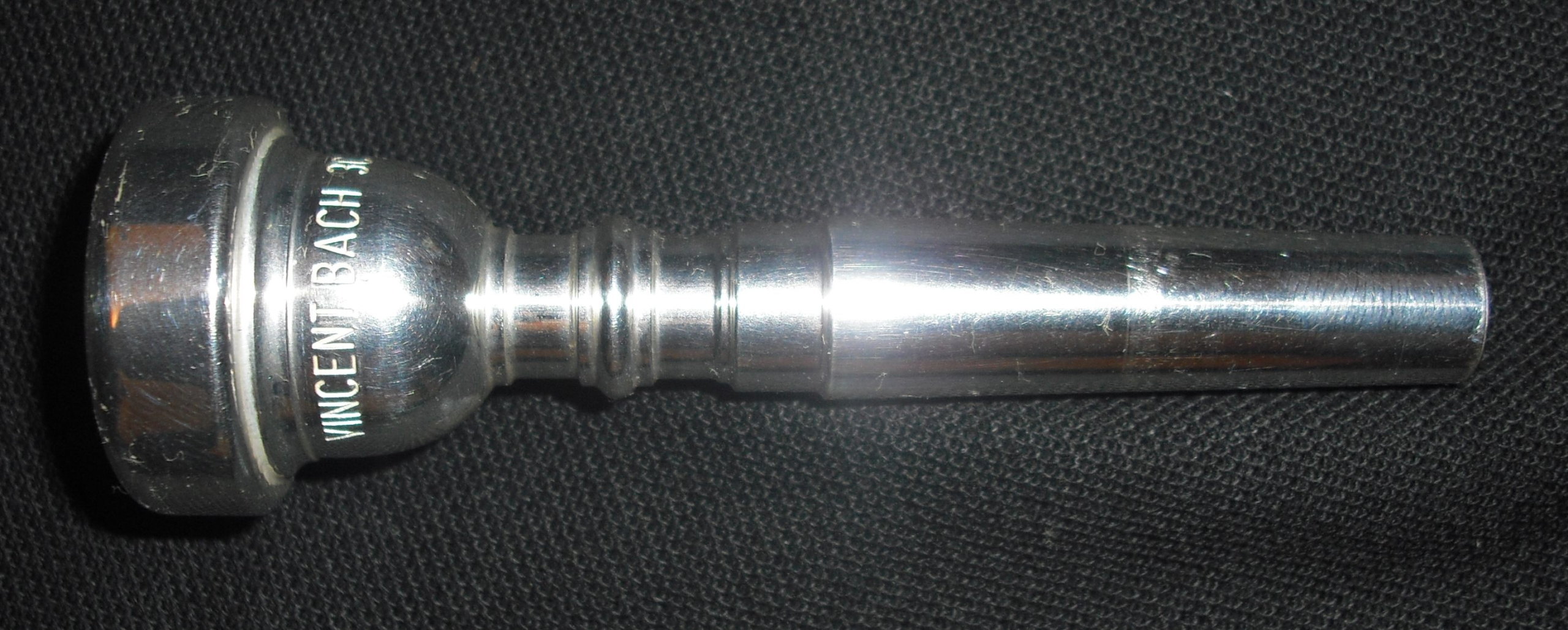
Mouthpieces were turned from solid brass stock on lathes, in a large range of rim contours, cup depths, throat diameters and backbore shapes, and were frequently made by specialist firms rather than by the instrument maker.
Still a specialist industry with an enormous catalogue and a substantial custom trade. The mouthpiece has more effect on how an instrument feels to its player than most of the instrument does, and it is the one component players routinely change.
This produces a commercial oddity worth noticing: the cheapest component in the package is the one that most alters the result, and manufacturers ship instruments with a serviceable generic mouthpiece knowing that any committed player will replace it. The instrument is the capital purchase and the mouthpiece is where the personal fit actually happens.
11. Dent Removal Was Assumed to Be Part of the Instrument’s Life
Brass is soft and instruments get knocked, so dent removal was built into the trade from the start, using burnishing balls drawn through the tubing, steel rods and mandrels inside, and hand burnishers outside.
Exactly the same tools and the same techniques, now alongside magnetic and hydraulic methods. Taking a dent out means stretching the metal back, not pushing it, and the metal in a dent has already been thinned – so a fully removed dent leaves a slightly thinner wall and sometimes a visible ghost.
The craft element is in knowing when to stop. Over-working a dent thins the brass further and can split it, and a technician making a judgement about whether to perfect a dent or leave a trace of it is weighing appearance against the remaining life of the tube – which is the same judgement a conservator makes about any repair.
12. Pitch Standards Had Shifted and Older Instruments Were Stranded
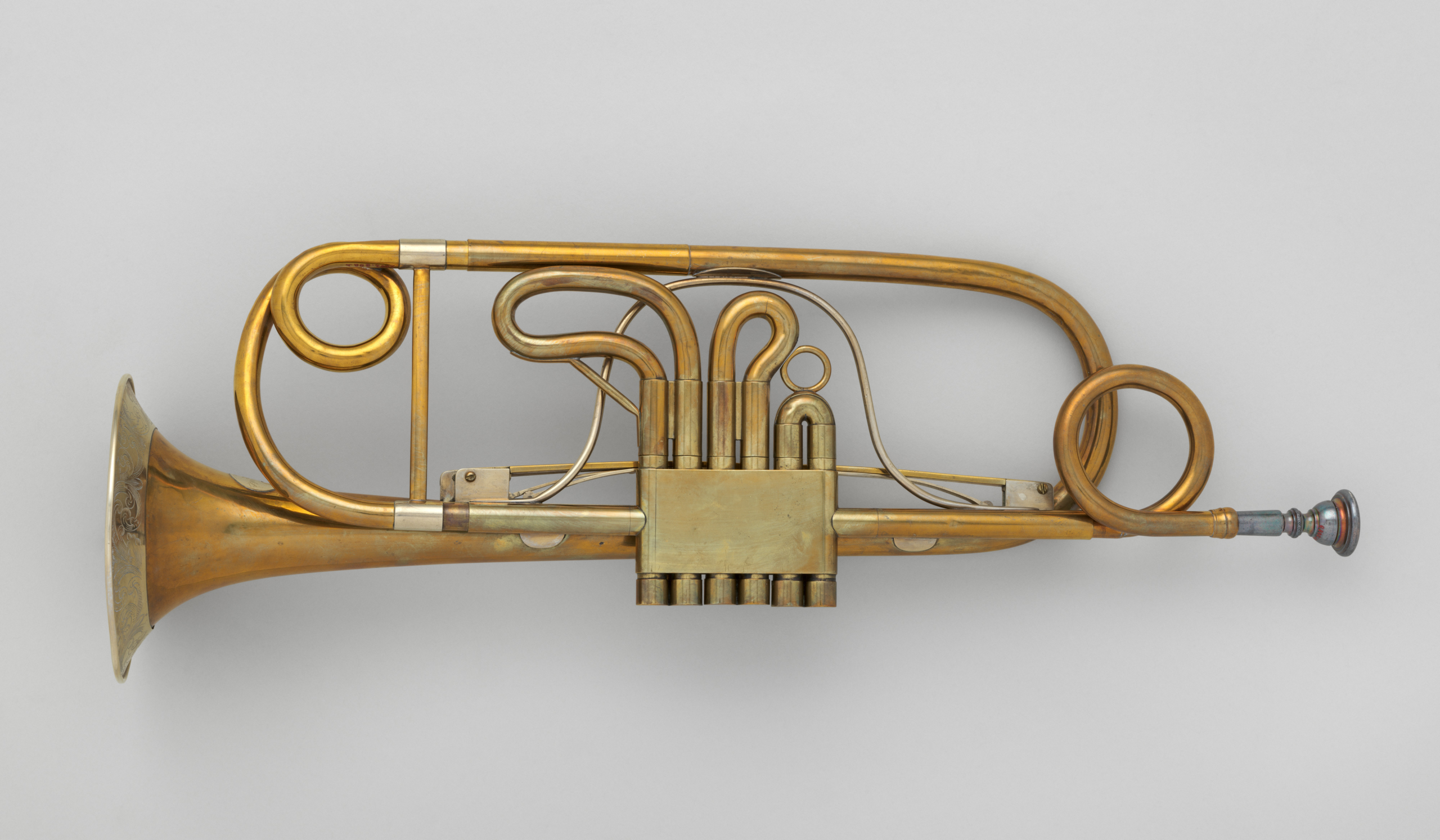
Concert pitch had moved over the preceding century, and instruments built to earlier standards were slightly flat or sharp relative to the standard that settled in the twentieth century, making them unusable in ensembles tuned to the new one.
Standardisation is now effectively universal and the problem applies only to historic instruments. The works of this period had a steady business in adjusting, re-tubing or replacing instruments made to superseded pitches, and in supplying bands whose existing stock was inconsistent.
It is a hidden reason a great many perfectly sound older instruments were scrapped rather than kept. An instrument that cannot play in tune with the group it was bought for has no use regardless of its condition, and the cost of correcting pitch frequently exceeded the value of the instrument – so they went for the value of the brass.
13. Student and Professional Instruments Were Genuinely Different Objects
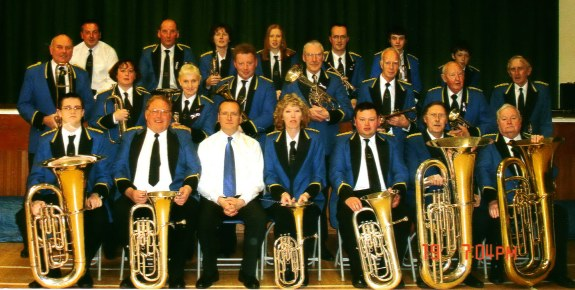
Works made several grades, differing in the number of hand operations, the quality of the valve fit and alignment, the bell spinning, the amount of hand finishing and the thoroughness of testing – not merely in trim.
The same tiering, with the gap narrowed by better machining at the bottom end. The difference was never mainly in materials, since the brass is similar, but in how much skilled labour went into the fit and the finish and how much was allowed to pass inspection.
That is why a good student instrument of this period can be excellent and a poor one can be genuinely unplayable, while modern budget instruments are far more consistent. Automated machining raised the floor dramatically, which has done more for beginners than any improvement at the top of the range.
14. Then Overseas Manufacture Took the Entire Student Market
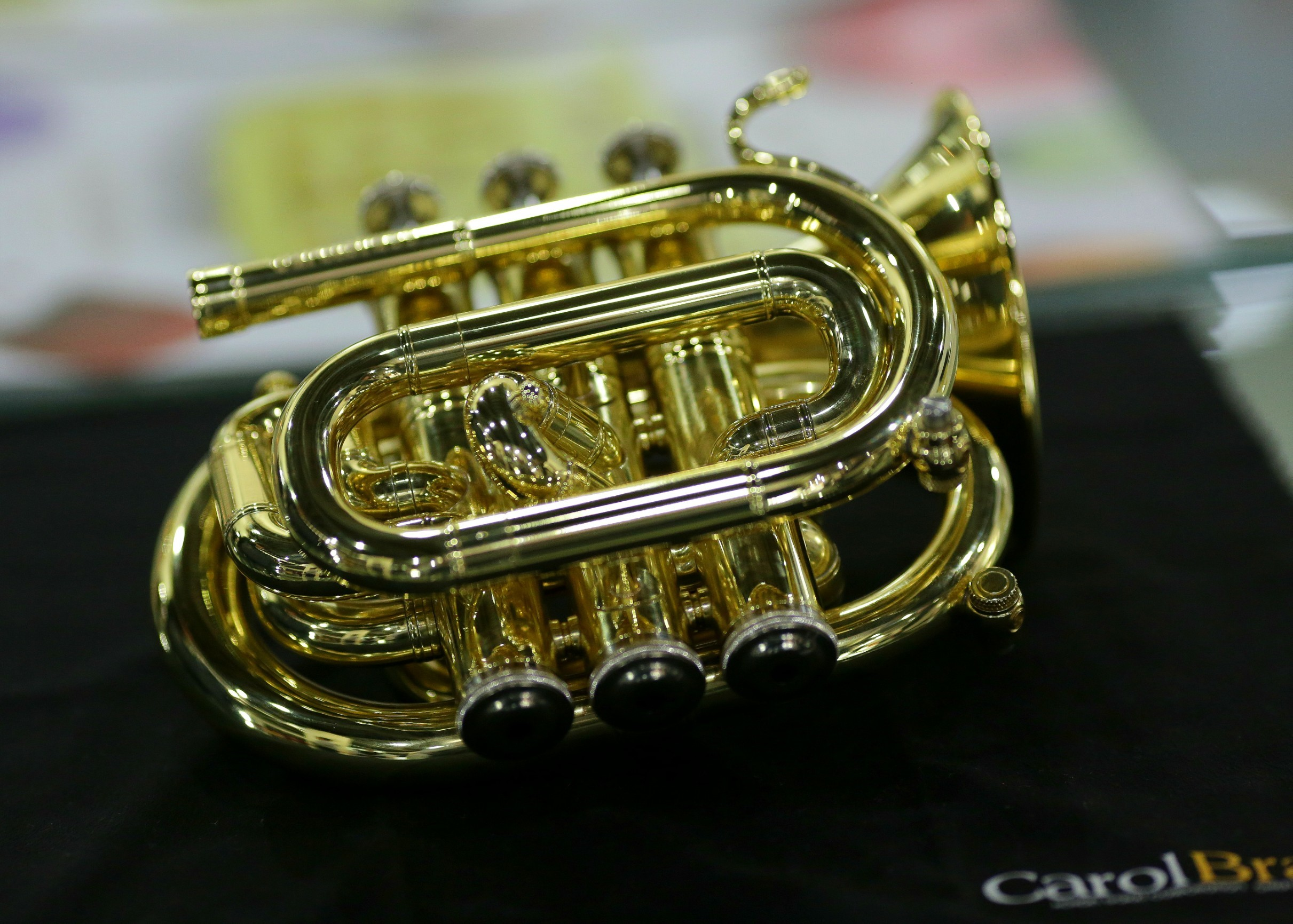
The volume of the business was in student and band instruments bought by schools, local authorities and parents, and that volume paid for the works, the apprenticeships and the capacity to make professional instruments at all.
Student instrument manufacture moved overseas comprehensively on cost, and the traditional works lost the business that had carried their overheads. Several closed; others reduced to small professional and custom operations; a few became repair and restoration specialists.
The structural damage was to training rather than to output. An apprentice learned on student instruments, where the work was repetitive enough to build skill and the stakes low enough to permit mistakes, and when that work left there was no longer a route by which a beginner became a bell spinner or a valve fitter – which is the quiet reason these skills are now scarce.
15. The Top of the Trade Is Still Doing It by Hand, Unchanged
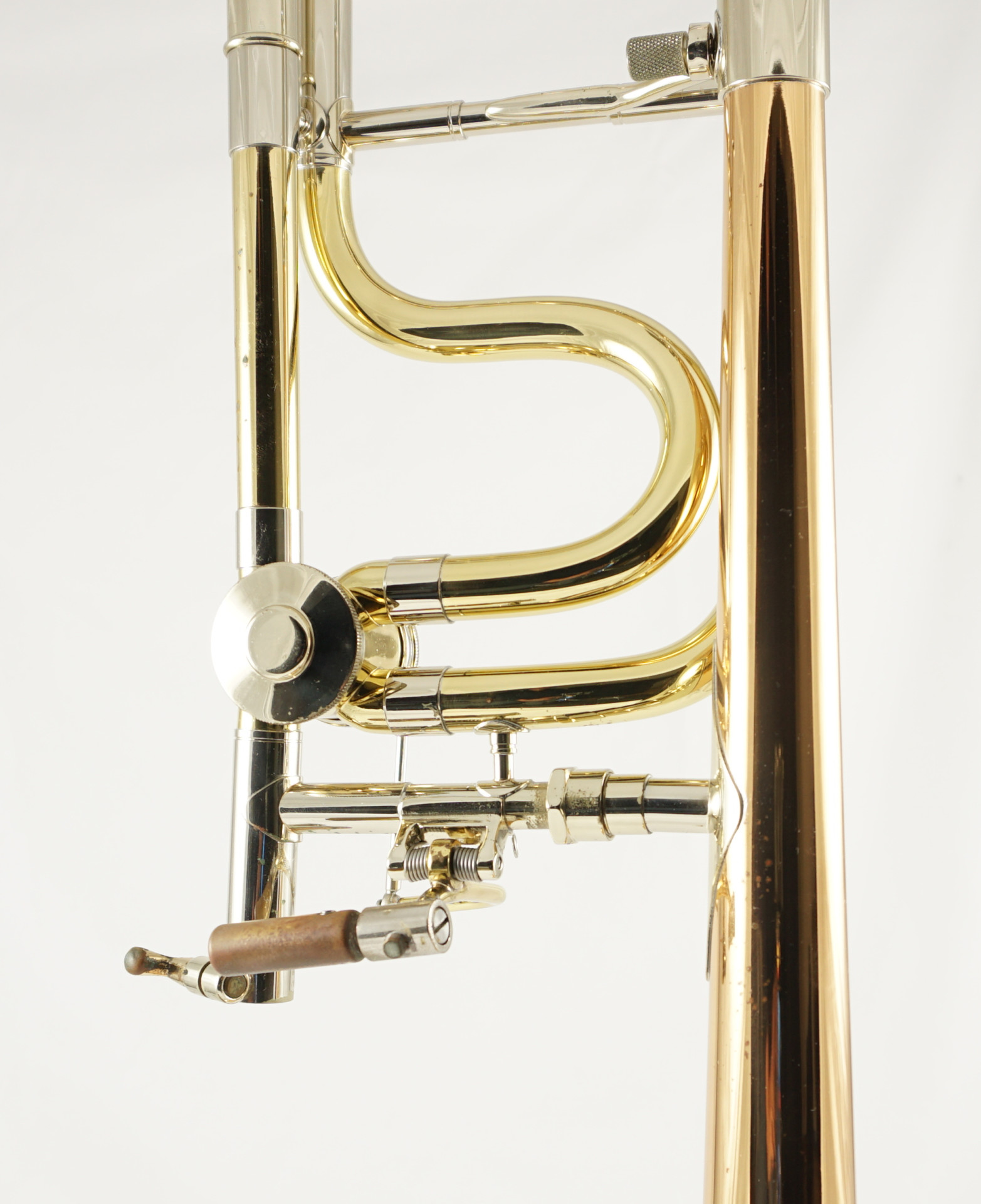
Professional instruments in 1960 were hand-spun, hand-lapped, hand-soldered, hand-finished and individually play-tested by a musician.
Professional instruments today are hand-spun, hand-lapped, hand-soldered, hand-finished and individually play-tested by a musician. Some operations have hydraulic or machine assistance and the lead has gone from the bending, but a player walking into a high-end brass workshop now would recognise almost everything in it.
This is one of the very few trades in this whole series where that sentence can be written honestly. The reason is the same one that kept hand-made cricket bats and millinery irons in production: nobody has found a method that produces a better result, only methods that produce an adequate result faster. Where the customer can hear the difference and is willing to pay for it, the hand work survives intact.
The Work Survived. The Way Into It Did Not
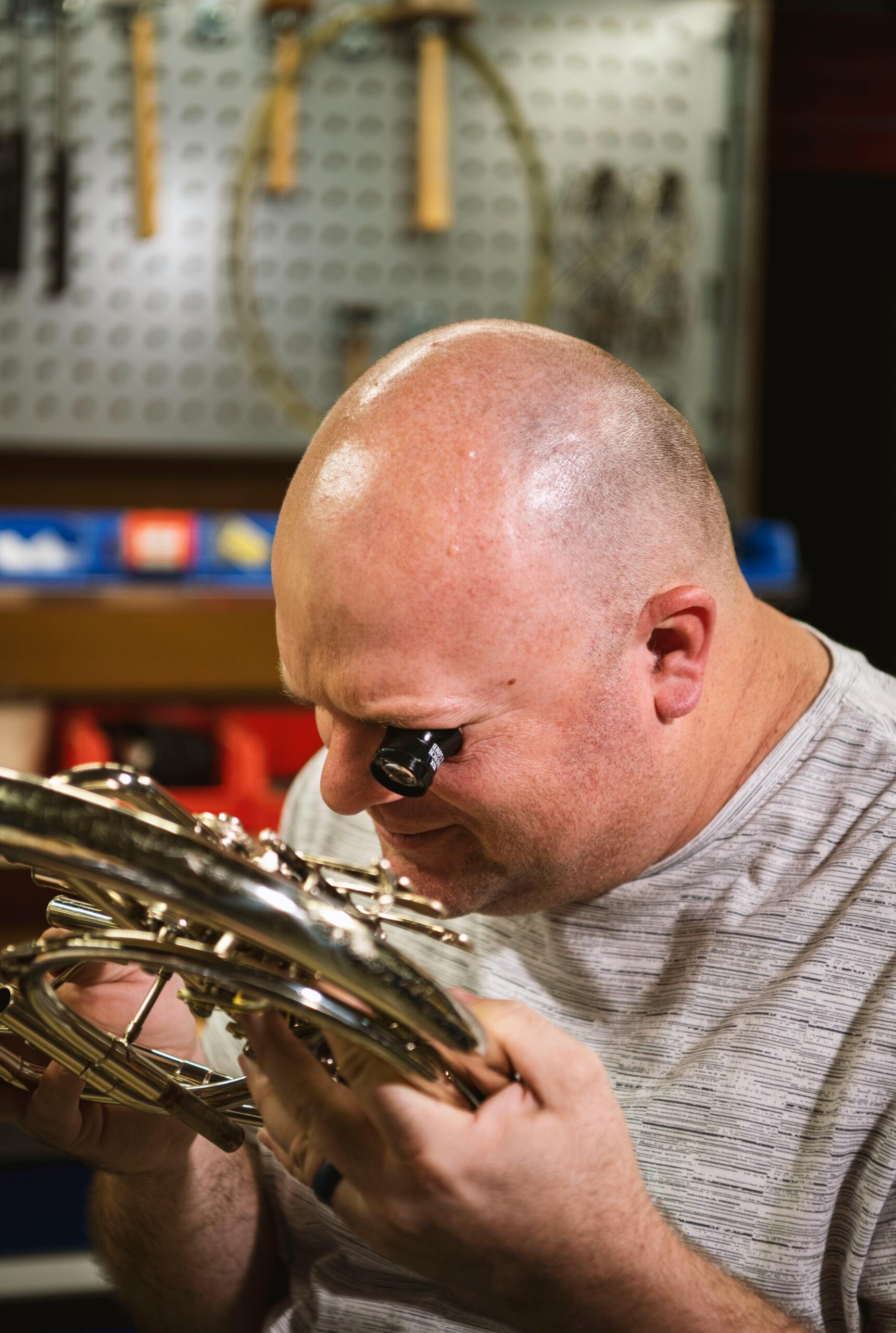
This is one of the few pieces in this series with a genuinely positive answer to the question of what happened to the craft. Walk into a high-end brass workshop today and you will find bells being spun by hand over formers, valves being lapped by hand, joints being soft-soldered with a flame, and finished instruments being played by a musician before they are approved. A maker from 1960 would recognise nearly all of it.
So the skills were not replaced by a machine. Something else happened, and it is less obvious and more serious.
The volume of this industry was never in professional instruments. It was in student and band instruments – bought by schools, local authorities, bands and parents, in quantity, every year. That business paid the rent, filled the order book and, critically, provided the work on which apprentices learned. A beginner did not start by spinning a bell for a principal trumpet. They started on hundreds of student instruments, where the operations were repetitive enough to build real skill and the consequences of a mistake were affordable.
When student manufacture moved overseas on cost, the output could be replaced by imports. The training could not. There was suddenly no body of forgiving, repetitive, paid work through which somebody became a bell spinner or a valve fitter, and the route from unskilled to skilled closed.
The result is the situation now: the craft is intact, practised at a very high level, and held by a small and ageing group of people, with no natural pipeline behind them. The instruments coming out of those workshops are as good as they have ever been. The question is who will be making them in thirty years.
That is a different failure from the ones elsewhere in this series, and arguably a harder one to fix. A lost technique can be reconstructed from instruments and documents. A lost training route cannot be reconstructed at all, because what it required was a market for ordinary work – and that market is not coming back.
If anybody in your family played in a band, their instrument was made by hand and play-tested by a musician before it was sold.
And if it was a student model, it is the reason somebody got to learn how to make the good ones.
Like our content? Follow us for more.