In 1960 a slide rule was a precision instrument. The scales were engraved into celluloid faced onto quartersawn hardwood that had been seasoned for years, and the lines were filled with pigment afterwards.
The slide was hand-fitted so it moved under light finger pressure with no lateral play at all. The cursor carried a hairline scribed into glass and set almost touching the surface to kill parallax. And the whole factory’s accuracy came from one machine in one room.
Here are sixteen things that were normal in a slide rule factory in 1960, and what became of each one.
1. The Scales Were Cut Into the Surface, Not Printed On It
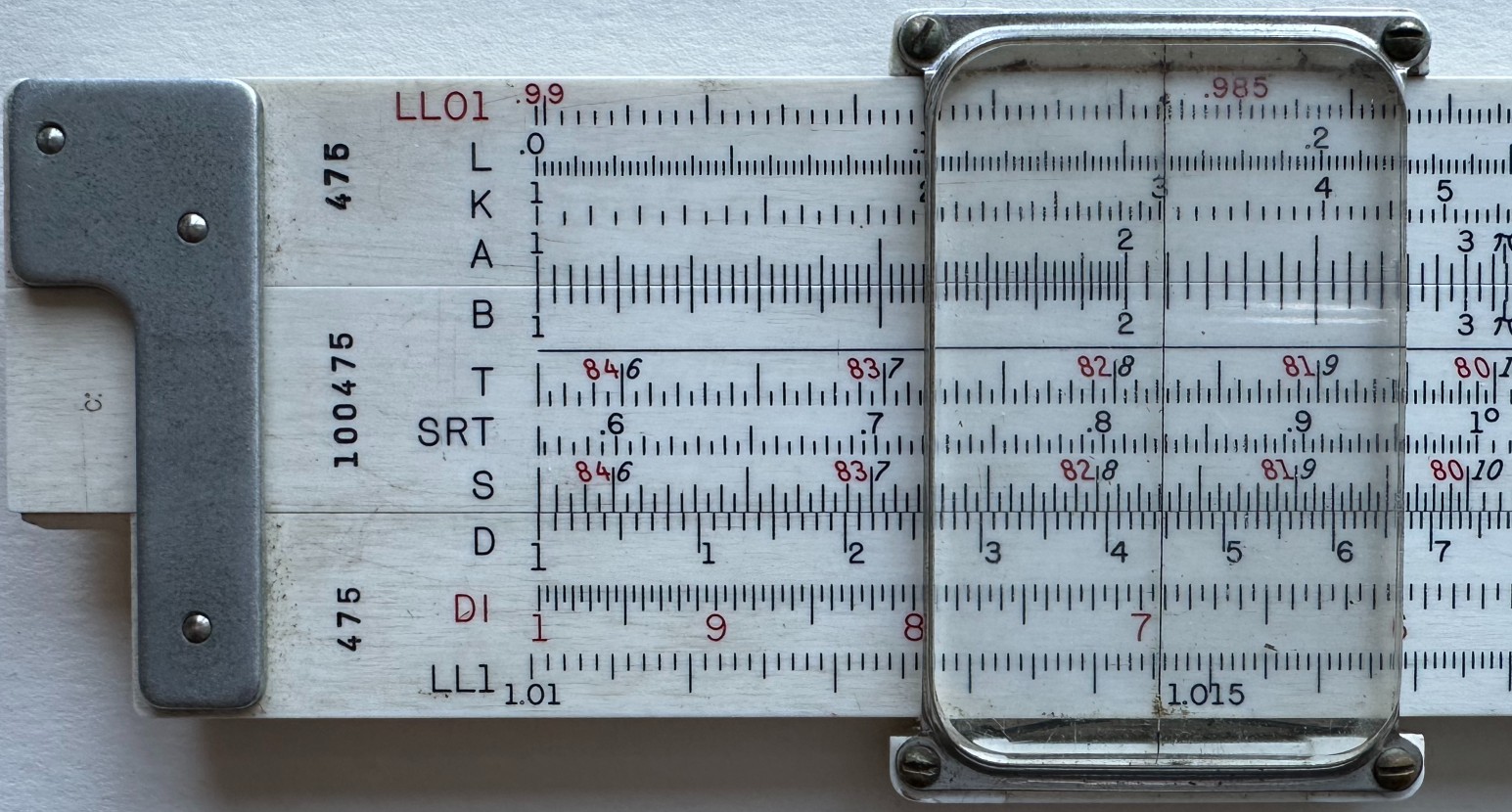
Every line and figure on a quality slide rule was engraved – a cutting tool physically removed material to a controlled depth – and the engraved grooves were then filled with pigment so they would read black against white.
Printing and laser marking would be the obvious methods now, if anybody were making them. Printing was used on cheap rules and was visibly inferior: printed lines sit on the surface, spread slightly at the edges, and wear off under a sliding cursor and a lifetime of handling.
The depth mattered as much as the position. An engraved line that is too shallow loses its pigment and fades; too deep and the pigment sits below the surface where the cursor hairline cannot be aligned against it accurately. The engraving depth was a specification like any other dimension, and it is one of the reasons a good rule from this period is still perfectly legible.
Like our content? Follow us for more.
2. The Whole Instrument Was Only As Accurate As One Machine
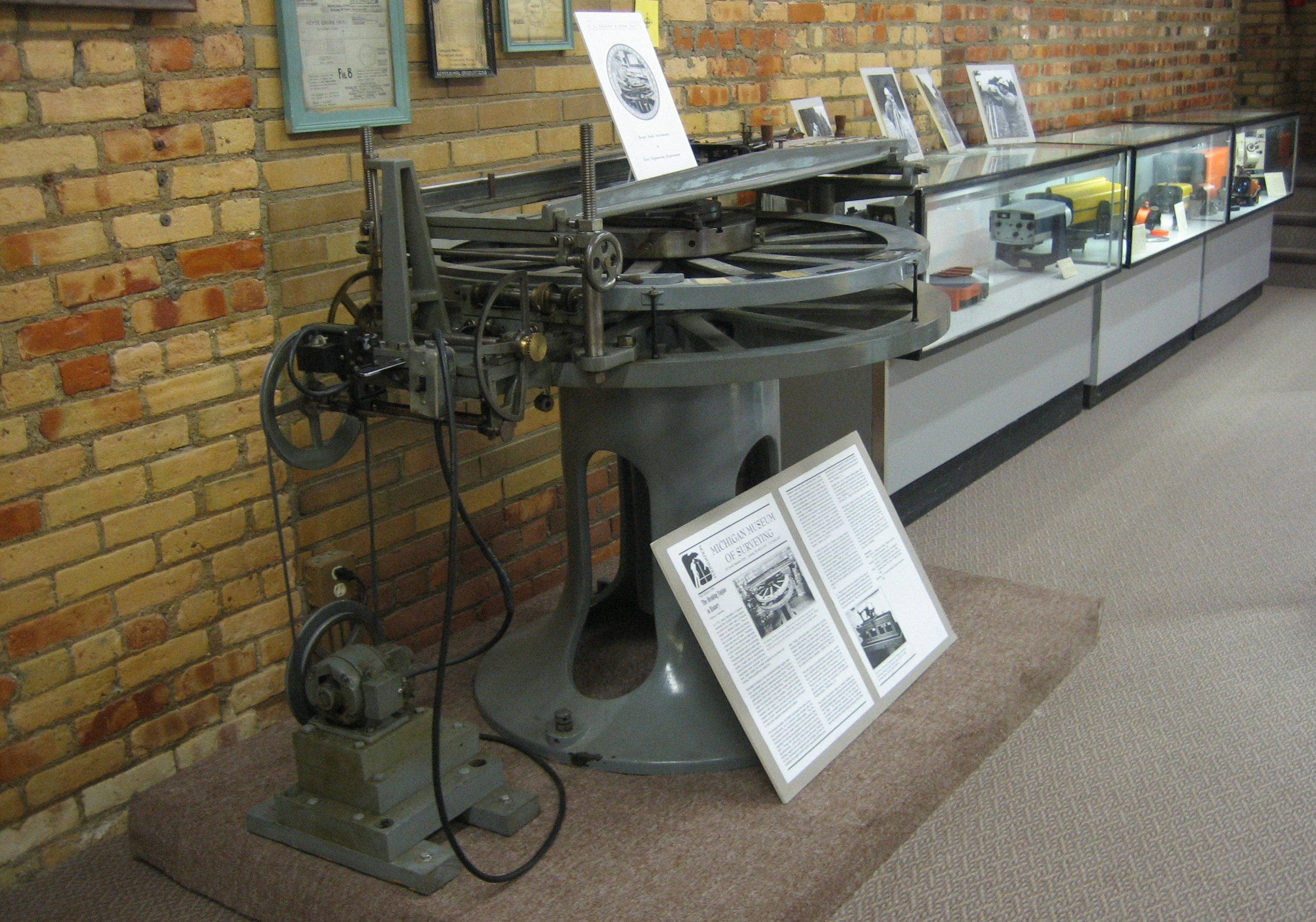
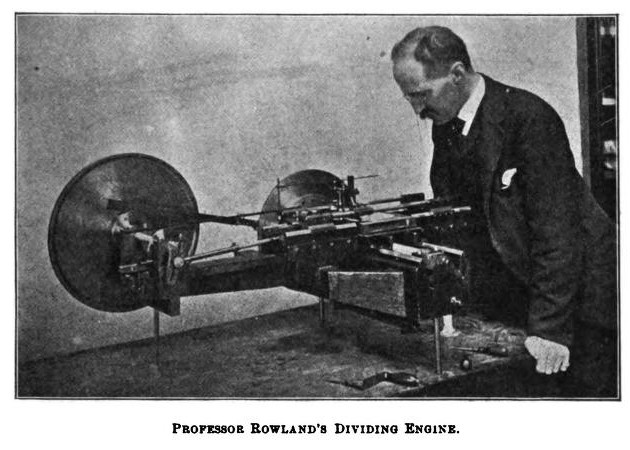
The scale divisions were laid out by a dividing engine – a precision machine that advanced the workpiece by exact increments and triggered the engraving cutter – and that single machine set the accuracy of every rule the factory produced.
Numerically controlled machines achieve comparable precision routinely. A dividing engine was the most valuable object in the building, kept in a temperature-controlled room, calibrated against reference standards, and operated by one or two people who were effectively its custodians.
This concentrated the firm’s entire reputation into one mechanism. A dividing engine that drifted produced thousands of rules with the same systematic error, and because a slide rule is used to check other people’s arithmetic rather than to be checked itself, such an error could propagate a long way before anybody noticed. Calibration records were therefore kept with a seriousness that looks excessive until you consider what the instrument was used for.
3. The Body Was Hardwood Faced With White Celluloid
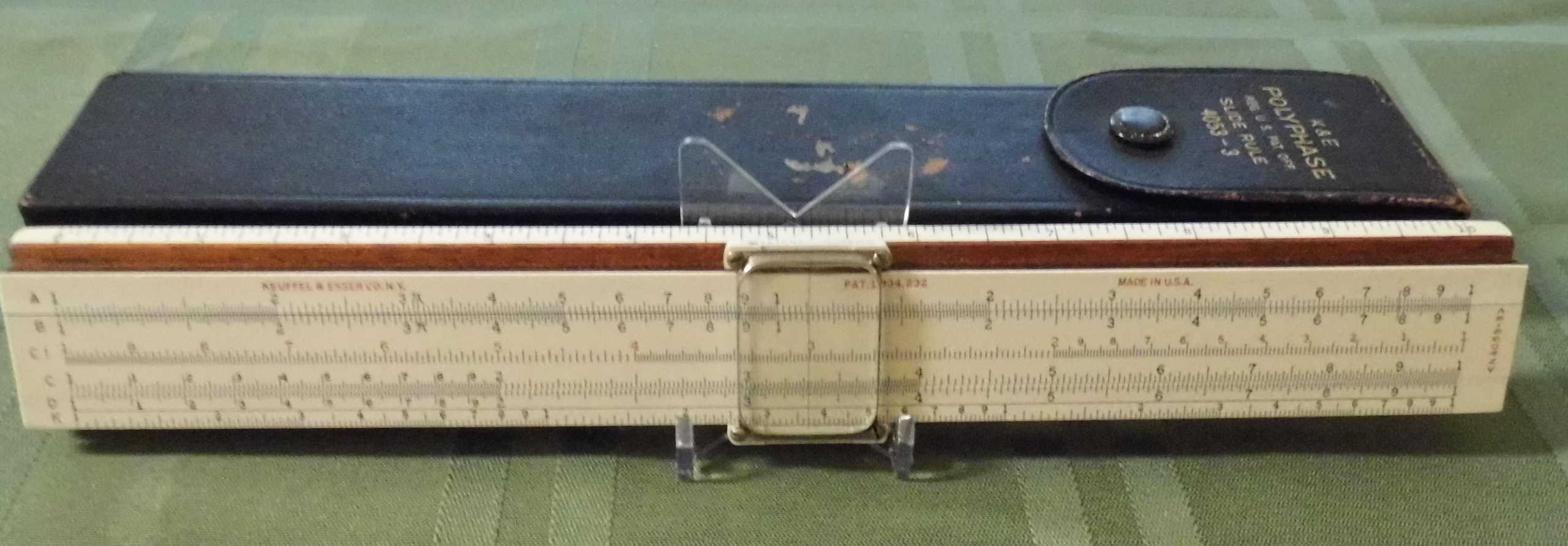
The classic construction was a mahogany or similar hardwood stock and slide, faced on the working surfaces with thin white celluloid sheet, cemented down and then engraved through into the facing.
Rules were later made entirely from moulded plastic or from aluminium with anodised and printed scales. The composite construction existed because neither material alone would do: wood is dimensionally stable in the right grain direction and pleasant to handle, and celluloid takes a fine engraved line and gives a white background that wood cannot.
The join between the two was the weak point and still is. A surviving rule of this type will frequently show the celluloid lifting at an end or a corner, or a fine crack running from an edge, because the wood and the facing respond to humidity differently over decades. It is the commonest fault in the instruments that survive, and it is a consequence of the construction rather than of mistreatment.
4. The Timber Had to Be Quartersawn and Seasoned for Years
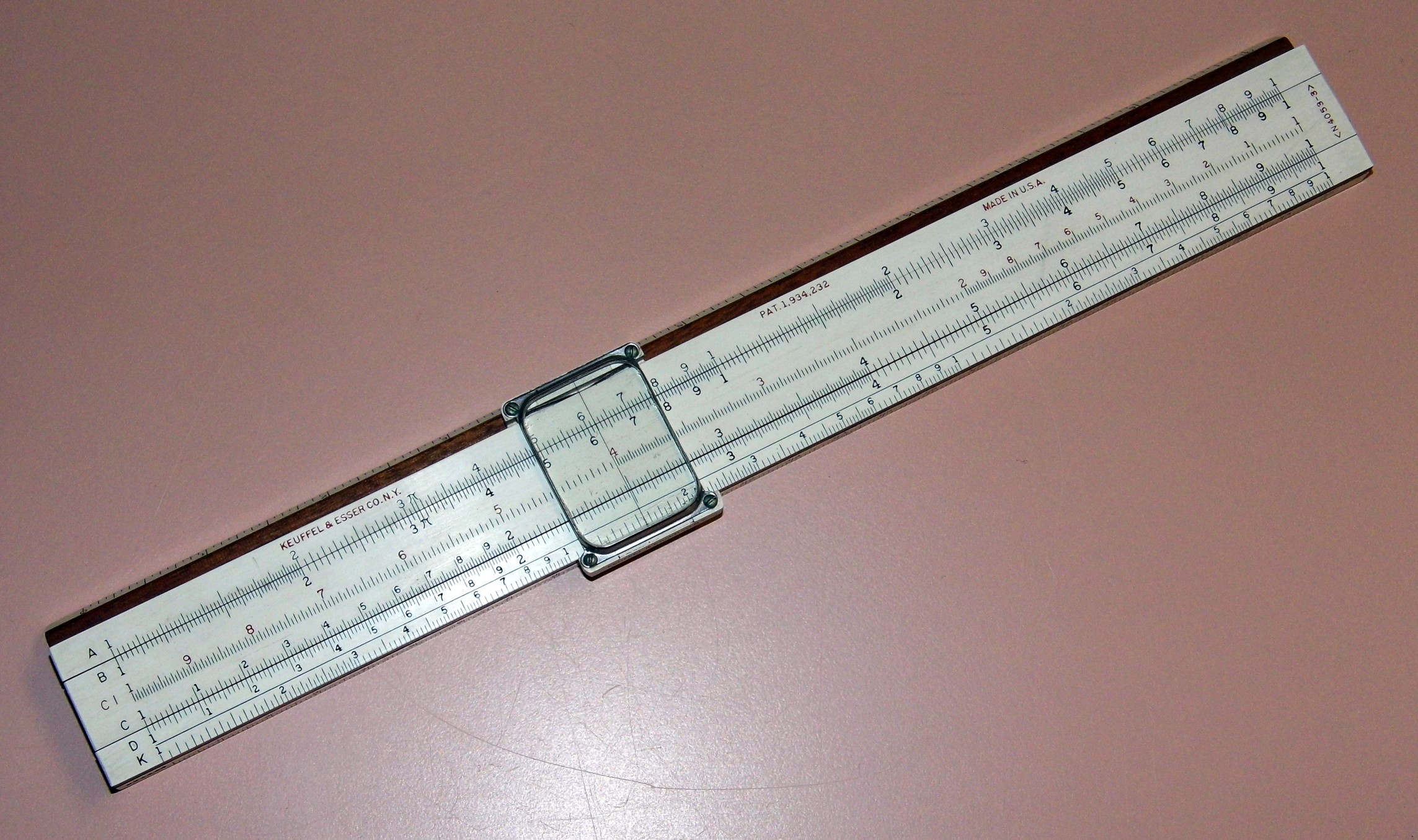
The wood was selected for straight grain, cut on the quarter so that seasonal movement occurred in the least harmful direction, and air dried for a long period before machining – frequently several years in stick.
Moulded and extruded materials have no seasoning requirement at all. The reason for the care was that the slide had to fit the stock to within a fraction of a millimetre and keep fitting it in a damp workshop in winter and a hot one in summer, which is a demanding requirement to meet in a hygroscopic material.
The stock of seasoning timber was therefore a major part of the company’s capital, sitting in a shed for years before it earned anything. It also set an absolute limit on how fast the business could grow: a sudden increase in demand could not be met, because the wood for it had needed to be cut three years earlier by somebody who had correctly guessed what was coming.
5. The Slide Had to Move Freely and Not Wobble at All
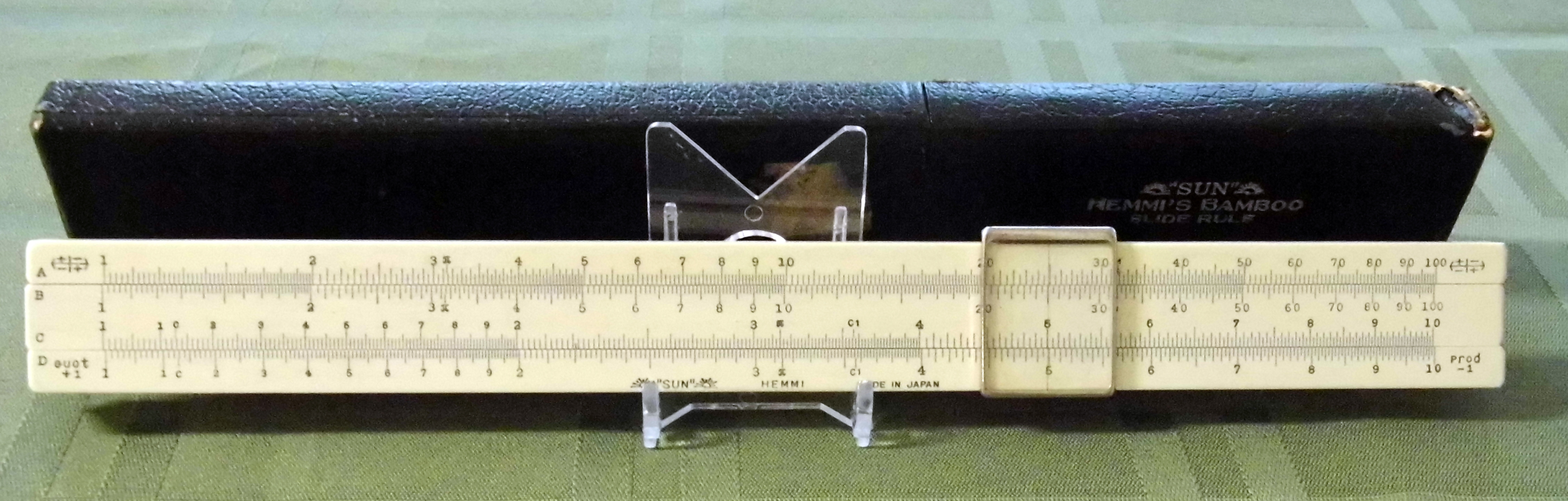
The fit between slide and stock is the whole instrument. It must slide with light finger pressure, stop exactly where it is put, and have no lateral play, because play means the scales are not aligned and the reading is wrong.
No modern equivalent. Achieving this meant hand fitting: the machined parts were brought to final fit by somebody working the slide, feeling where it bound, and removing a very small amount of material from the right place with a scraper or fine abrasive.
Better rules were made adjustable to cope with movement over time. The stock was built in two halves held by screws through springs or spacers, so a rule that had grown stiff or slack with the seasons could be reset by the owner with a screwdriver – a feature almost nobody who owns one today realises is there, and the reason an old rule that binds is usually adjustable rather than ruined.
6. The Cursor Carried a Hairline Scratched Into Glass
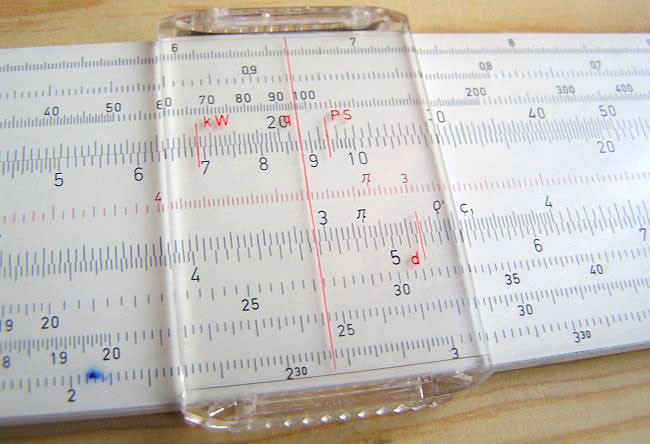
The sliding cursor was a frame carrying a glass or later plastic window with one or more fine lines scribed into it, used to carry a reading across from one scale to another.
No equivalent. The hairline had to be genuinely fine, exactly perpendicular to the scales, and positioned so it lay as close to the engraved surface as possible, because any gap between the hairline and the scale introduces a parallax error that changes the reading with the angle of the user’s eye.
That parallax problem explains a detail people notice and misread as wear. The underside of a good cursor glass is set down almost touching the celluloid, which is why cursors scuff the facing over decades of use and why the central band of a well-used rule is slightly polished. The scuffing is the price of the accuracy.
7. There Were Dozens of Scale Systems and They Were Not Compatible
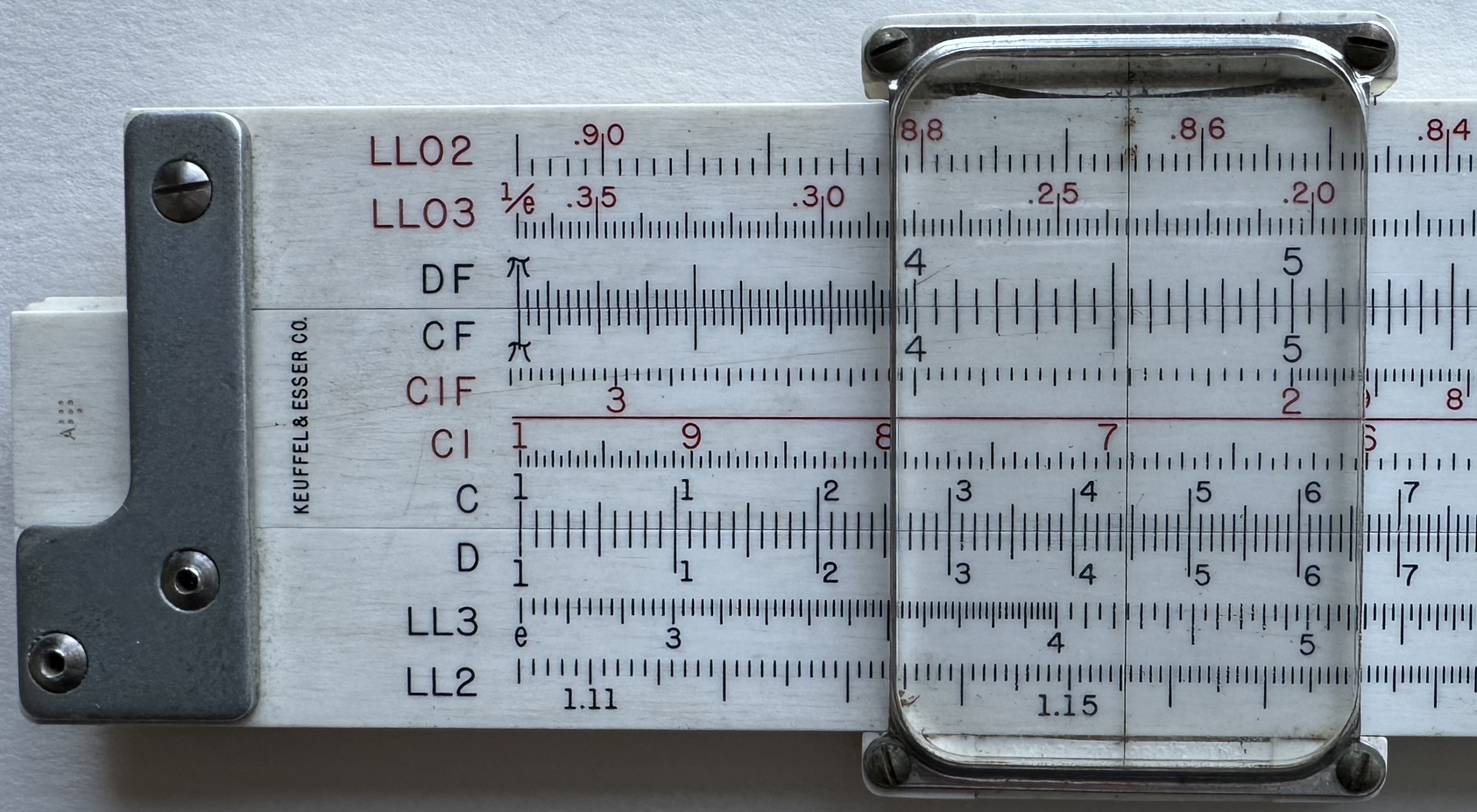
Rules carried different combinations and arrangements of scales – logarithmic, reciprocal, squares, cubes, trigonometric, log-log, folded variants – and manufacturers arranged them differently, labelled them differently, and placed them on different faces.
Irrelevant, since the instrument is gone. Learning a slide rule therefore meant learning a specific rule. Somebody fluent on one arrangement was clumsy on another, and borrowing a colleague’s rule was genuinely awkward.
This created a lock-in that manufacturers understood perfectly well. An engineer who had spent years becoming fast on one layout was unlikely to switch brands, and firms published their own instruction books, courses and wall charts to deepen that attachment. The scales were a standard in the mathematical sense and a proprietary arrangement in the commercial one.
8. Every Trade Had Its Own Specialist Rule

Beyond general-purpose instruments there were rules made for particular occupations, with scales for specific recurring calculations – structural, electrical, chemical, surveying, artillery, navigation, photography, timber measurement and many more.
Replaced first by programmable calculators and then by software written for each discipline. A specialist rule embedded the constants and relationships of a trade directly into its scales, so a routine calculation became a single setting rather than a sequence of steps.
They are the clearest demonstration of what the instrument really was: not a calculator but a physical embodiment of a formula. A rule with a scale for a particular relationship has that relationship built into its geometry permanently, which makes it fast, reliable and completely inflexible – and that trade-off is exactly the one that software later resolved in the other direction.
9. The Rule Gave You the Digits and You Supplied the Decimal Point

A slide rule returns a sequence of significant figures and nothing else. It does not tell you whether the answer is 1.47, 147 or 147,000 – the user has to know the order of magnitude from their own understanding of the problem.
Calculators and software return a complete number including its magnitude. This was not regarded as a limitation at the time but as a normal part of the discipline: you estimated the answer roughly before you calculated it precisely, because you had to in order to place the point.
The consequence is the most often cited argument in the instrument’s favour, and it is a real one. A user who has estimated the magnitude first will notice immediately if the answer comes out a thousand times too large, whereas a user reading a number off a screen has nothing to compare it against. The rule forced a sanity check that the calculator made optional.
10. Three Significant Figures Was the Accuracy and It Was Enough
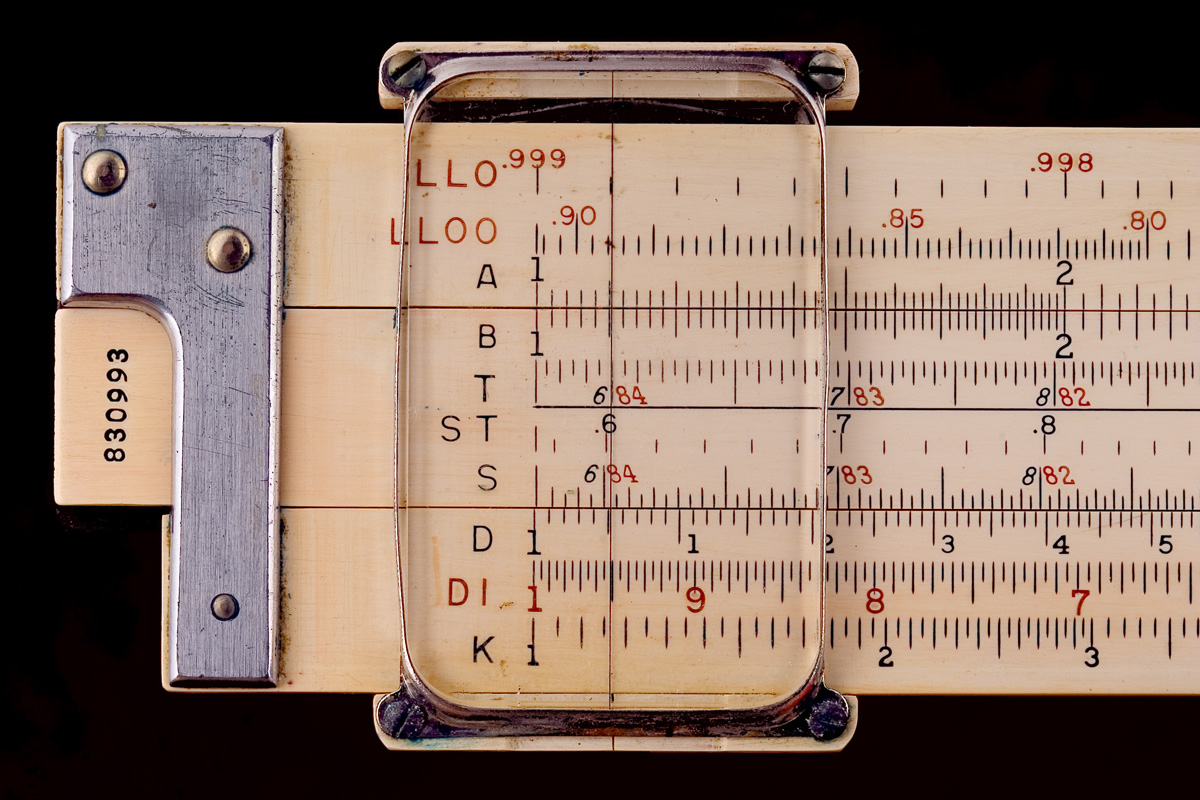
A ten-inch rule can be read to roughly three significant figures, with a fourth estimated between divisions by eye. That was the working precision of an enormous amount of twentieth-century engineering.
Arbitrary precision is available instantly and is frequently unjustified. Three figures was sufficient because the input data were rarely better than that: material properties, loads, dimensions and safety factors all carried uncertainty far larger than the fourth digit.
This is the part that engineers of the period defend most firmly, and the argument holds. Carrying ten digits through a calculation whose inputs are known to two is not precision but decoration, and the discipline of working to the accuracy your data actually justify was built into the tool. The calculator removed the constraint and, with it, the reminder.
11. They Were Sold in a Fitted Case With Documentation
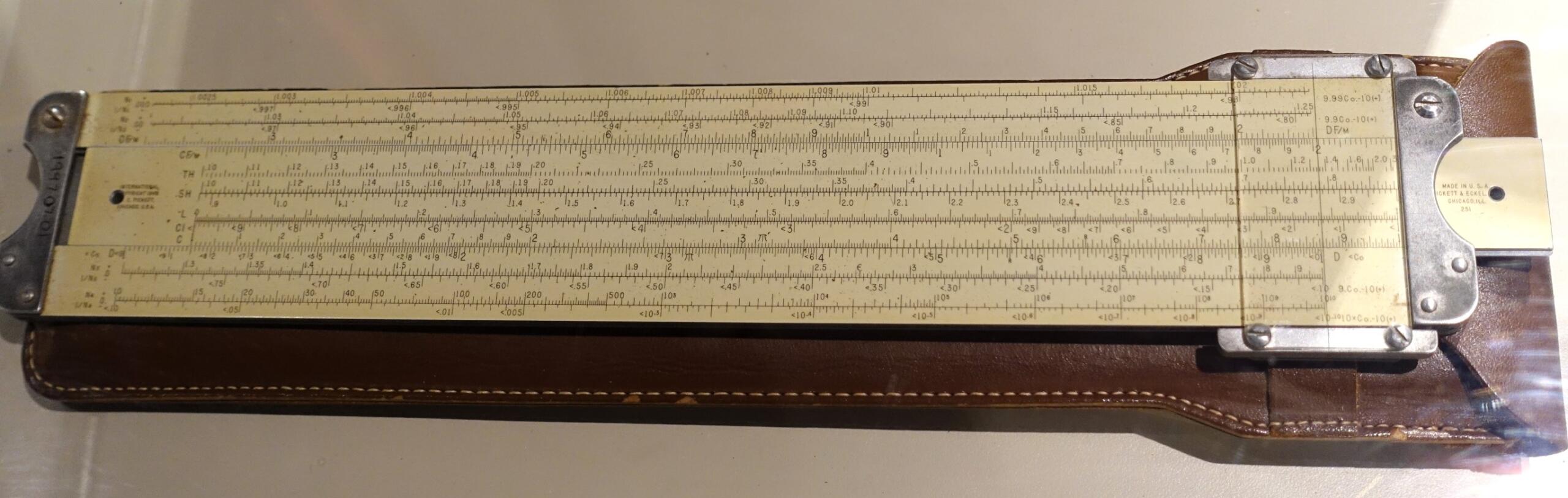
A rule was packaged in a leather or moulded case, with an instruction manual, scale charts and in some cases an individual accuracy certificate, and was bought once for a career.
Calculators and software are updated, replaced and subscribed to. The purchase was a considered one – a good rule cost a meaningful fraction of a month’s salary for a young engineer – and the instrument was expected to last decades, which it generally did.
The certificate is worth noting because it tells you what the product actually was. A firm selling a measuring instrument certified its accuracy against reference standards, in the same way an instrument maker would, and the serial number tied a particular rule to a particular calibration record. It was sold as a precision instrument rather than as a stationery item.
12. The Factory Also Made Circular and Cylindrical Versions
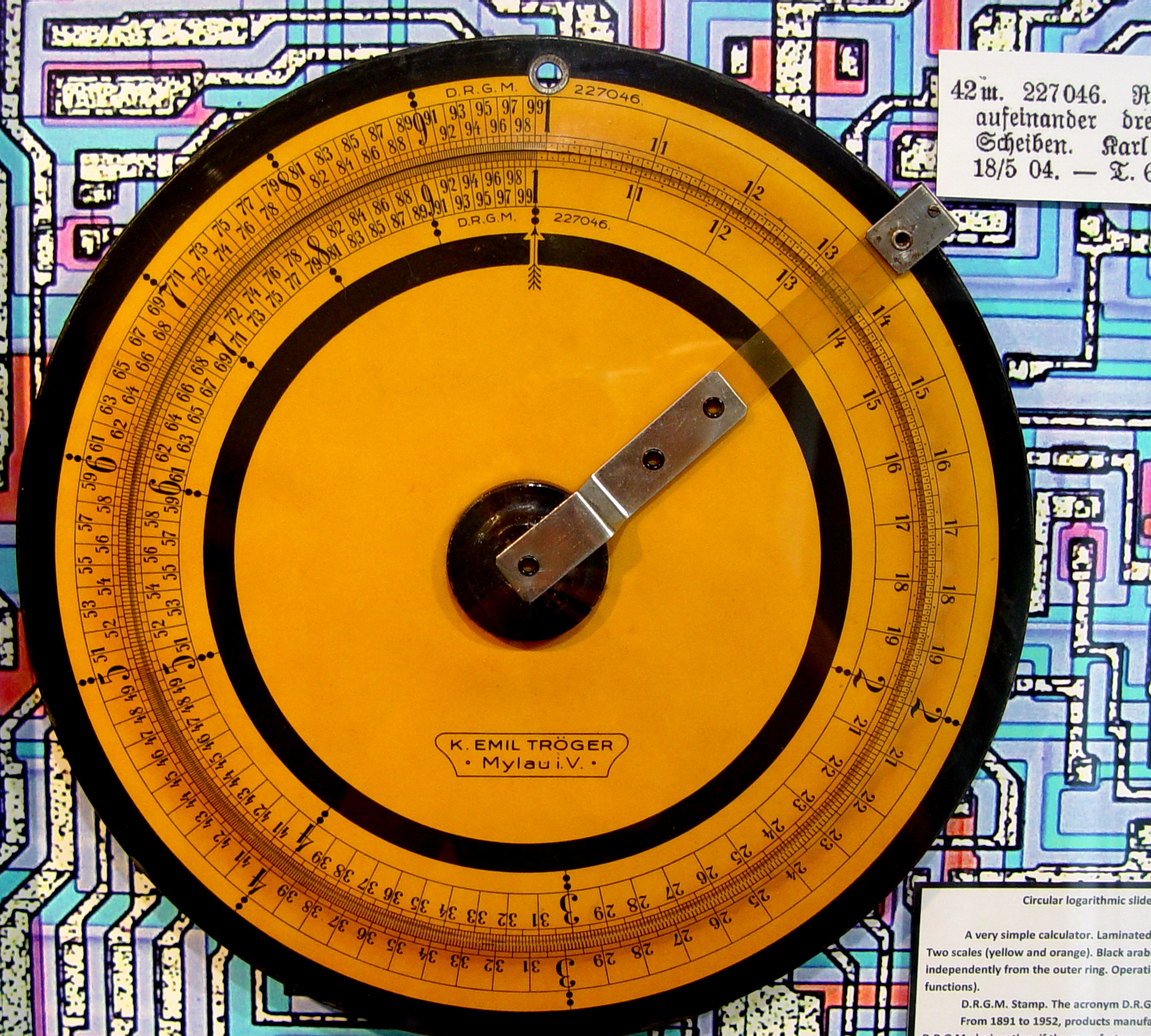
Scale length determines precision, so makers produced circular rules, spiral rules and cylindrical instruments that wrapped a very long scale into a compact object, giving four or five figures instead of three.
Gone with the rest. The engineering problem was the same one in a different geometry: a longer scale means finer resolution, and the question was how to carry it without an instrument a metre long.
These are the instruments most likely to baffle somebody finding one today, because a cylindrical calculator with a helical scale running around it does not look like a slide rule at all. They were expensive, specialised and genuinely capable, and they occupied the niche between the pocket rule and a full mechanical calculating machine.
13. The Instrument Taught a Feel for Numbers That Was Real
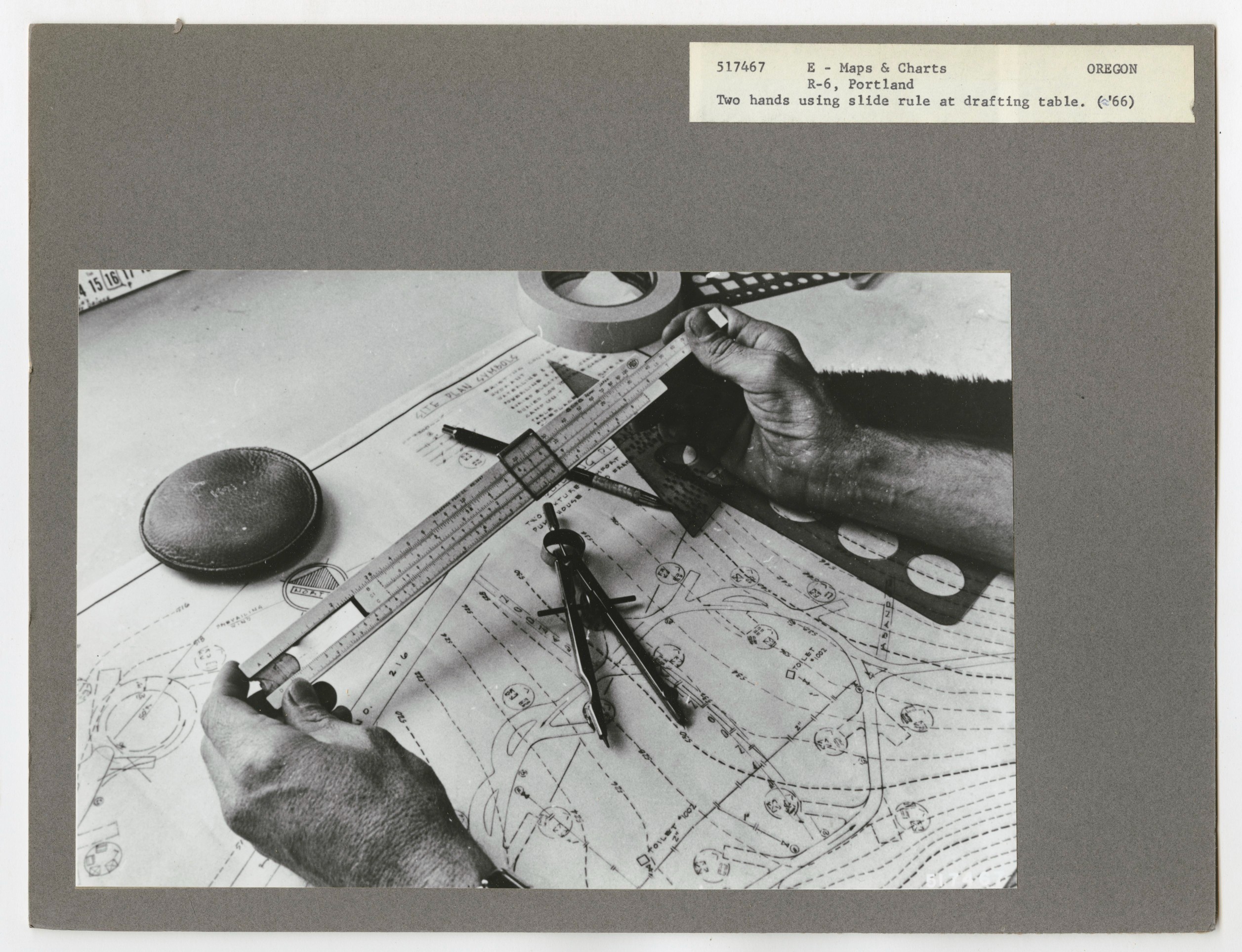
Using a slide rule means physically positioning quantities against each other, seeing a product as a distance, and watching an answer move as an input changes. Users describe acquiring an intuition for proportion and magnitude that came from the handling.
No equivalent in a keypad or a formula bar. The claim is made so often by people who learned on one that it deserves to be taken seriously rather than dismissed as nostalgia, and the mechanism is plausible: a tool that represents numbers spatially is likely to build spatial intuition about them.
The honest counterweight is that this is a difficult claim to test and the people making it are not a random sample – they are the ones who became engineers. What can be said without argument is that the instrument made certain errors impossible to miss, and that it required an estimate before every calculation, both of which are habits of mind rather than features of a device.
14. Nobody in the Trade Saw Four Years Coming
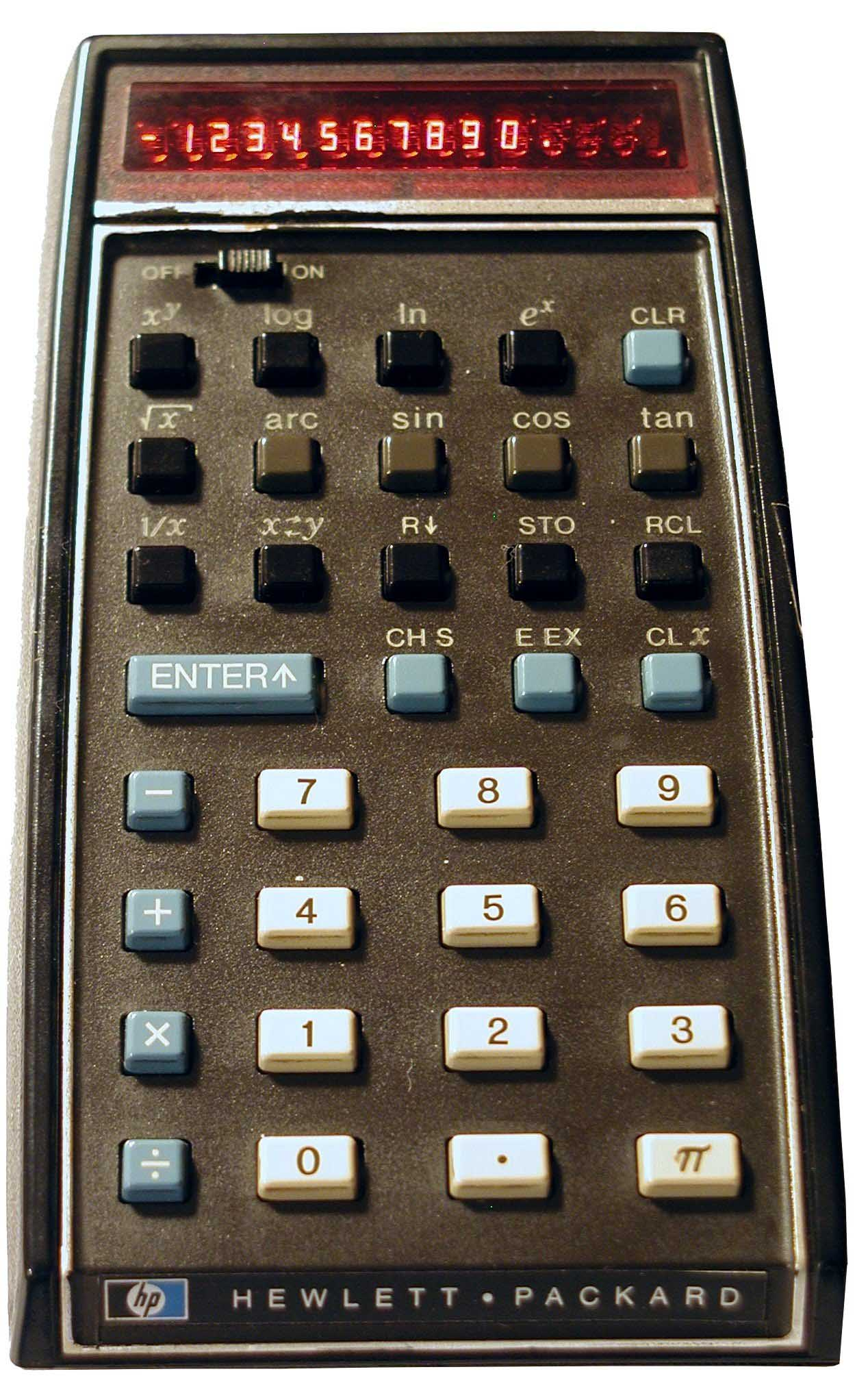
In 1970 the slide rule was the standard calculating instrument of every technical profession, taught in schools and universities, with established manufacturers, deep product ranges and no visible threat.
Electronic pocket calculators arrived, fell in price with astonishing speed, and displaced the slide rule almost completely within about four years. The manufacturers had time to see it coming and not enough time to do anything that mattered.
The speed is what makes this case exceptional even among the collapses in this series. Most trades here declined over fifteen or twenty years, which is long enough to diversify, retool or move upmarket. Four years is not. Firms with a century of accumulated precision-manufacturing skill went from full order books to closure inside a single product cycle, and several of them tried to sell calculators and discovered they had no advantage whatever in that business.
15. The Dividing Engines and the Seasoned Timber Were Worth Nothing
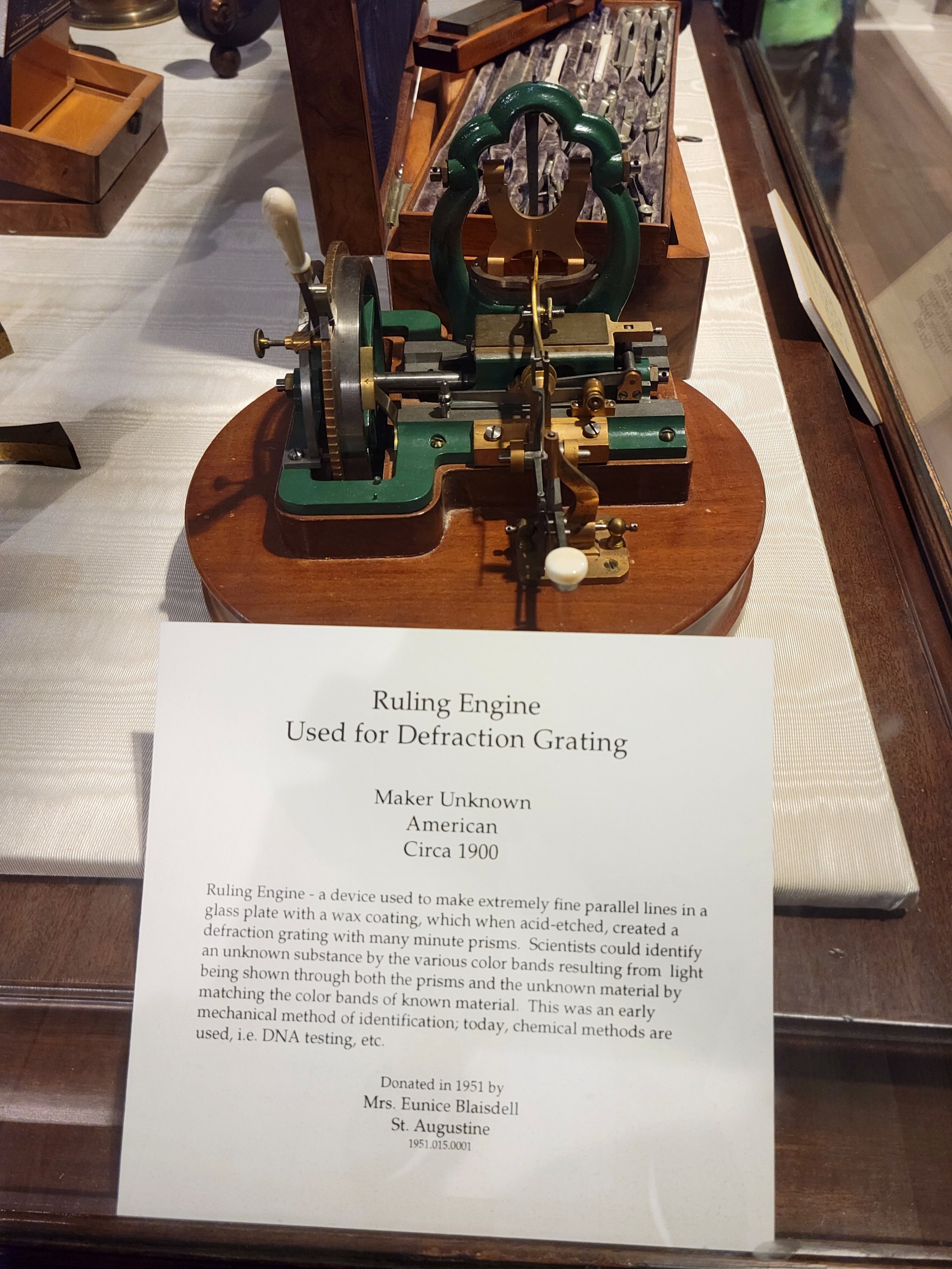
A slide rule works’ assets were a dividing engine, calibration standards, engraving machinery, hand-fitting skills and years of seasoning hardwood – a formidable collection of precision manufacturing capability.
All of it specific to a product that no longer had a market. Some firms redeployed into precision engraving, scales, dials and instrument marking; most did not, because the capability was narrow and the companies were small.
It is the same lesson as the pram works and the valve factory, and it is worth stating as a general rule rather than as a story about slide rules. Capital tied up in single-purpose precision tooling is immensely valuable right up to the moment the product is obsolete, at which point it is worth scrap – and the firms that survive a transition are the ones whose capability was broader than their product.
16. Then They Became Collectable, and the Good Ones Still Work
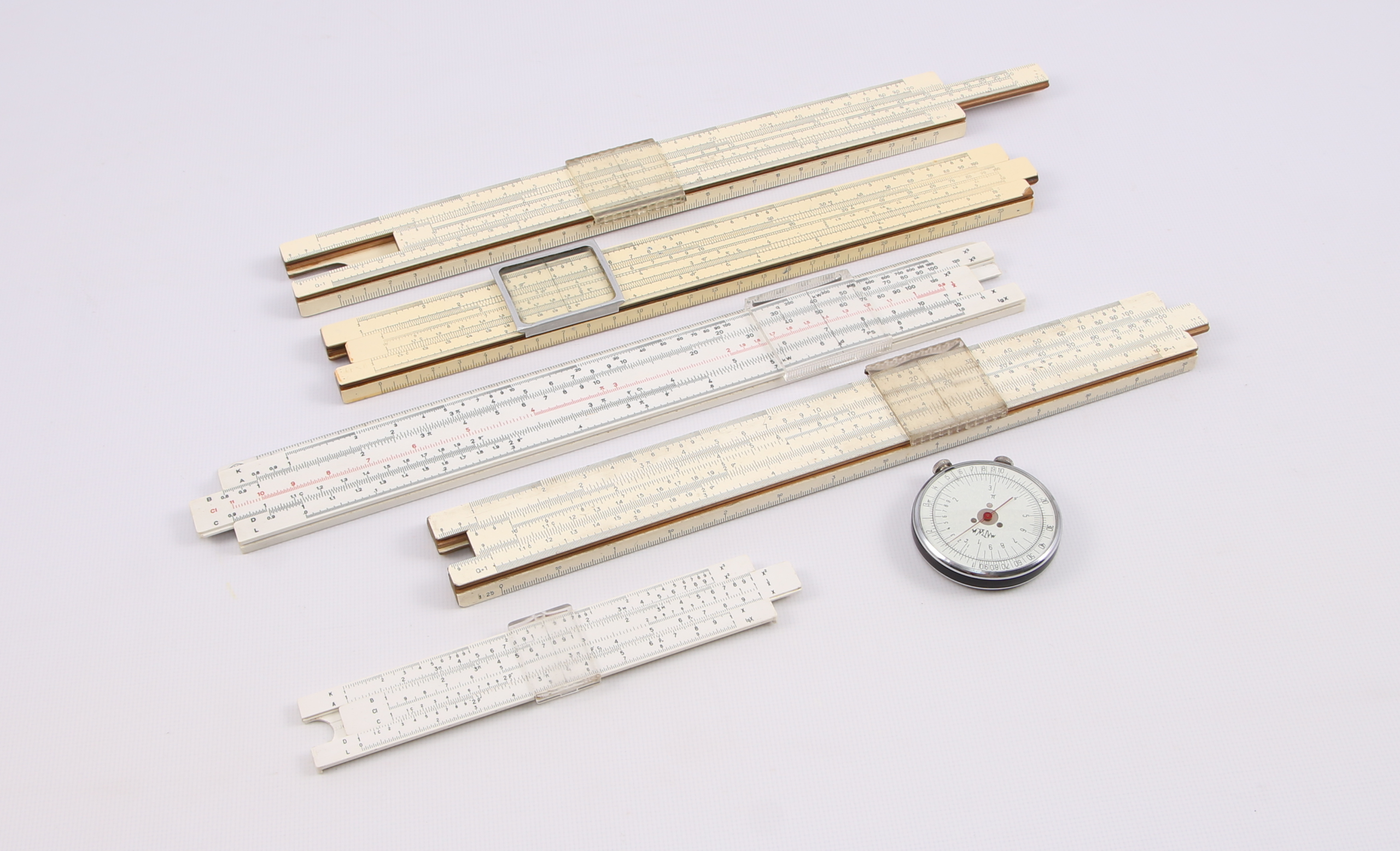
Rules were discarded in enormous numbers in the mid-1970s, cleared out of drawers and offices as obsolete junk, which is why so many turn up in house clearances with their cases and manuals intact.
There is now an active collector and research community, surviving rules trade at real prices, specialist examples command a premium, and the better instruments are in essentially the condition they left the factory in – because an engraved celluloid scale on seasoned hardwood has almost nothing in it to degrade.
That durability is the quiet point. An instrument built in 1960 to three-figure accuracy still reads to three-figure accuracy today, with no battery, no firmware, no cable and no account. It does one thing, it does it exactly as well as it ever did, and the only reason it is in a drawer is that something faster arrived – which is a different kind of obsolescence from being worn out.
Four Years Is Not Enough Time to Do Anything
Almost every trade in this series died slowly. This one died in about four years, and the difference matters.
The jute mills had fifteen years to watch the shipping container arrive. The linoleum works had about the same against vinyl. The sail lofts, the stocking factories, the pram makers, the tin box works – all of them had a decade or more between the first sign of trouble and the end. That is long enough to diversify, to retool, to go upmarket, to find the part of the business the new thing could not do.
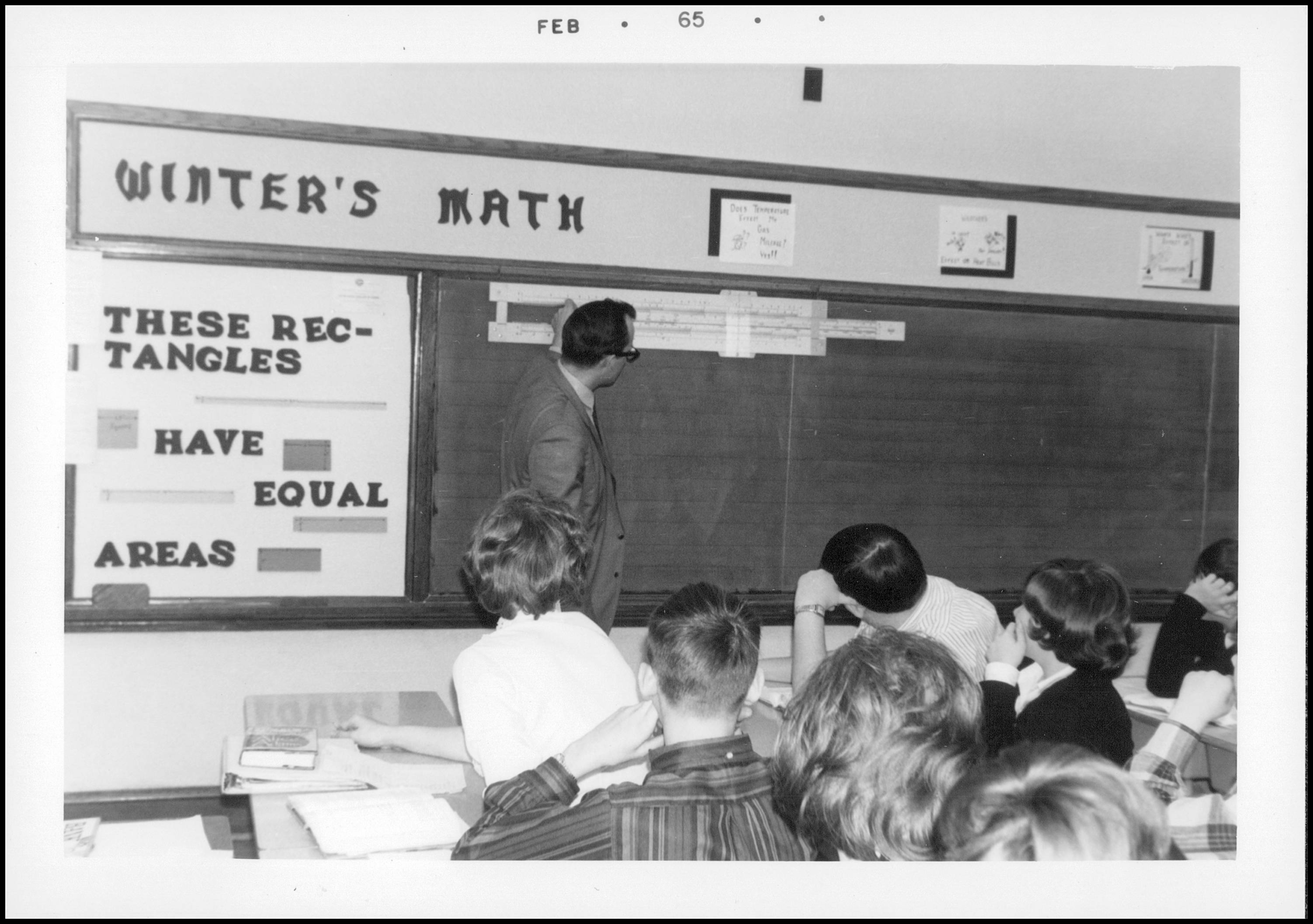
The slide rule had no such window. In 1970 it was the standard calculating instrument of every technical profession on earth, taught in every engineering school, with mature manufacturers and full order books. By about 1975 it was over. Electronic calculators arrived, dropped in price faster than anybody had modelled, and took the entire market.
The manufacturers were not caught unaware. They could see calculators perfectly well. What they could not do was respond, because four years is less than the time it takes to develop a new product line, and because the thing they were extraordinarily good at – precision mechanical manufacture, dividing engines, hand fitting, seasoned hardwood – conferred no advantage at all in electronics. Several tried to sell calculators and found they were simply buying somebody else’s product to put their name on.
So they closed. Firms with a century of accumulated precision engineering capability went from healthy to gone inside a single product cycle, and their dividing engines went for scrap.
The general point is not about slide rules. It is that the usual advice to incumbent businesses – watch for disruption, diversify early, move to where you cannot be undercut – quietly assumes you have time. Sometimes the replacement does not arrive gradually. Sometimes a thing that has been the standard for three hundred years is finished in four, and no amount of foresight would have saved a company whose entire skill base was in the wrong material.
If there is a slide rule in a leather case in your family, it belonged to somebody who used it every working day and then stopped, abruptly, in about 1975.
And it still works exactly as well as it did then.
Like our content? Follow us for more.