There is a class of invention that is invisible because it is too small to notice, and fastenings are the clearest example on any person’s body right now.
The problem they solve is not obvious until it is stated. A garment that fits the body closely must be larger than the body at some point during putting it on, and smaller afterwards. Something has to open and close.
That is a real design requirement and it has several possible solutions, each with different properties — how quickly it opens, how securely it holds, how much it costs to make, whether it can be operated one-handed, whether it survives washing.
The history of clothing is substantially a history of those trade-offs, and the reason so many solutions coexist is that none of them wins on every criterion.
What Came Before Buttons
The earlier solutions were adequate and shaped what clothing could be.
Wrapping and draping requires no fastening at all, relies on the weight and friction of the cloth, and produces garments that are loose, adjustable and easy to make from uncut lengths of fabric.
Belts and sashes hold a wrapped garment closed and add adjustment, which is why they appear universally.
Pins and brooches are the significant early fastening. A pin passed through two layers holds them together, and the development of a pin with a catch to secure the point produced a reliable and reusable device.
Ties and laces are the other major family — a cord passed through openings and knotted, which is strong, adjustable and slow.
All of those work. What none of them does well is hold a close-fitting garment closed along a long opening quickly, which is the specific job the button does.
Like our content? Follow us for more.
Why Buttons Took So Long

Buttons as ornaments are very old. Buttons as fasteners, with a corresponding hole, are substantially later, and the gap is the interesting part.
The reason is that the button is not the invention. The buttonhole is.
A button alone is a small object that can be attached to cloth and looks decorative. It becomes a fastening only when paired with a hole that is the right size, positioned correctly, and — critically — reinforced so that it does not tear open under the tension of use.
That reinforcement is a sewing technique rather than an object, and it requires the edge of the hole to be worked so that the fabric cannot fray or split.
Once that existed, a row of buttons could hold a garment closed along its whole length, which made close-fitting tailored clothing practical for the first time.
The consequence was substantial. Clothing could be cut to the shape of the body rather than draped over it, which changed what garments looked like and introduced a whole craft concerned with fit.
There is a criterion that only became explicit recently. A fastening that requires fine finger movement, two hands or significant force excludes anybody who cannot supply those, and designs addressing that have developed substantially.
Magnetic closures, larger pulls, loop tabs and one-handed mechanisms are all answers to a requirement that was always present and was not previously treated as a design input.
The Trade-Offs Each Solution Makes
Once the problem is understood as a set of competing requirements, the variety makes sense.
Buttons are cheap, repairable, survive washing indefinitely, work with any fabric and require two hands and a certain amount of dexterity. They are slow relative to alternatives and they can come off.
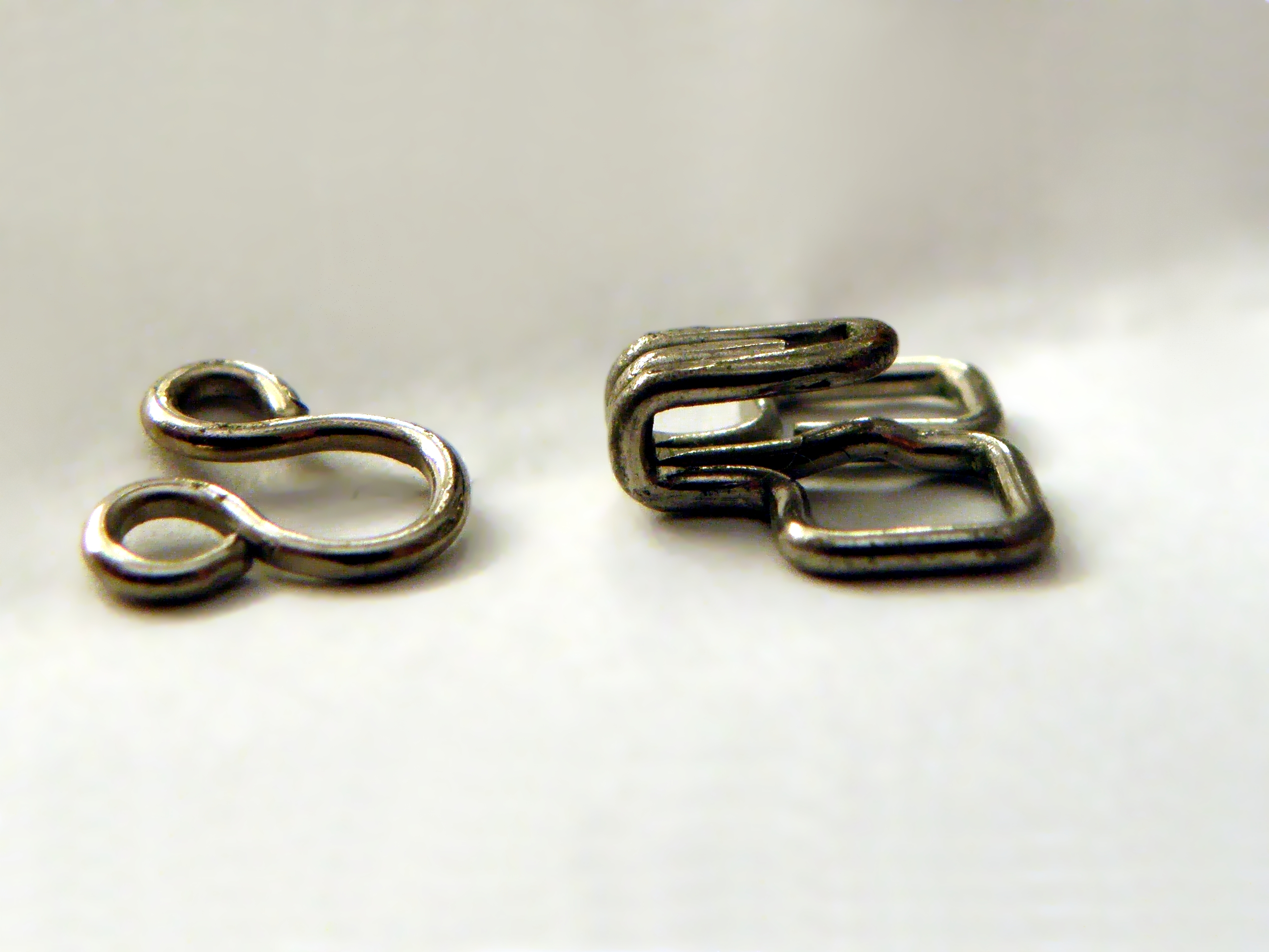
Hooks and eyes hold under tension better than buttons and are less bulky, which is why they appear where a smooth line matters, and they are fiddly.
Laces distribute tension across many points and adjust continuously, which is why they persist in footwear where fit matters more than speed, and they are the slowest option of all.
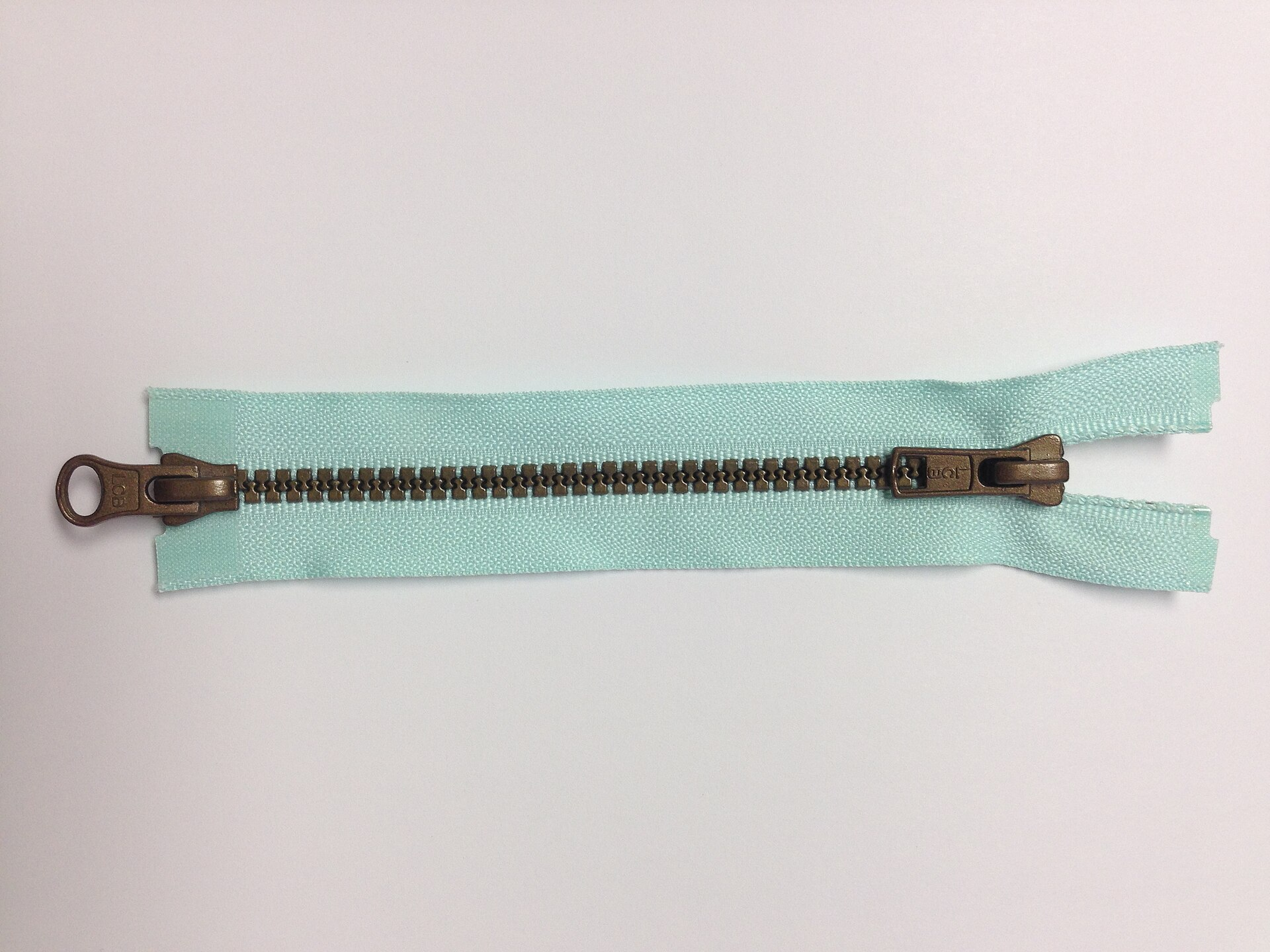
Zips are fast, close along a whole seam at once and provide a continuous closure, and they are comparatively expensive, difficult to repair, and fail in ways that render the garment unusable rather than slightly damaged.
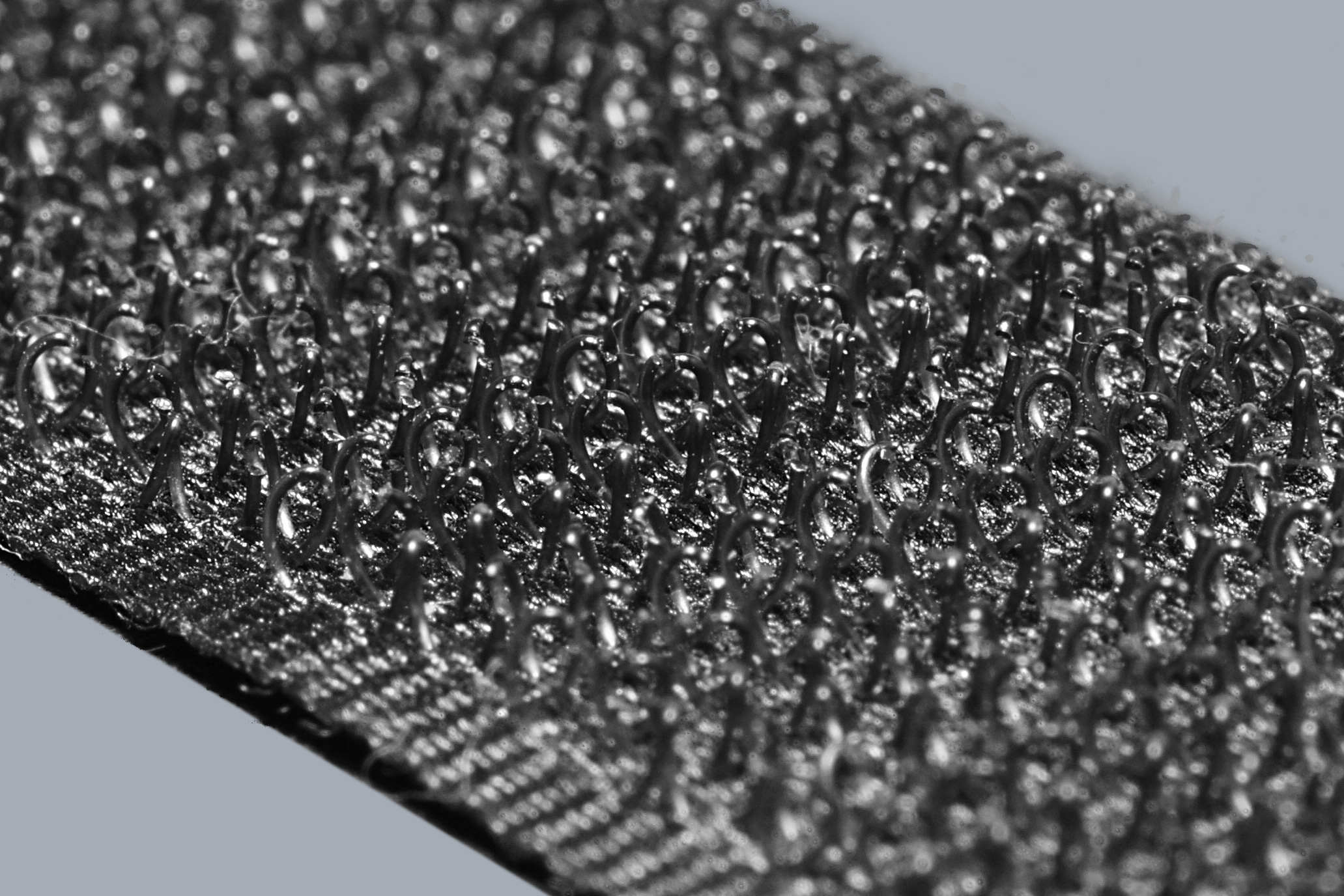
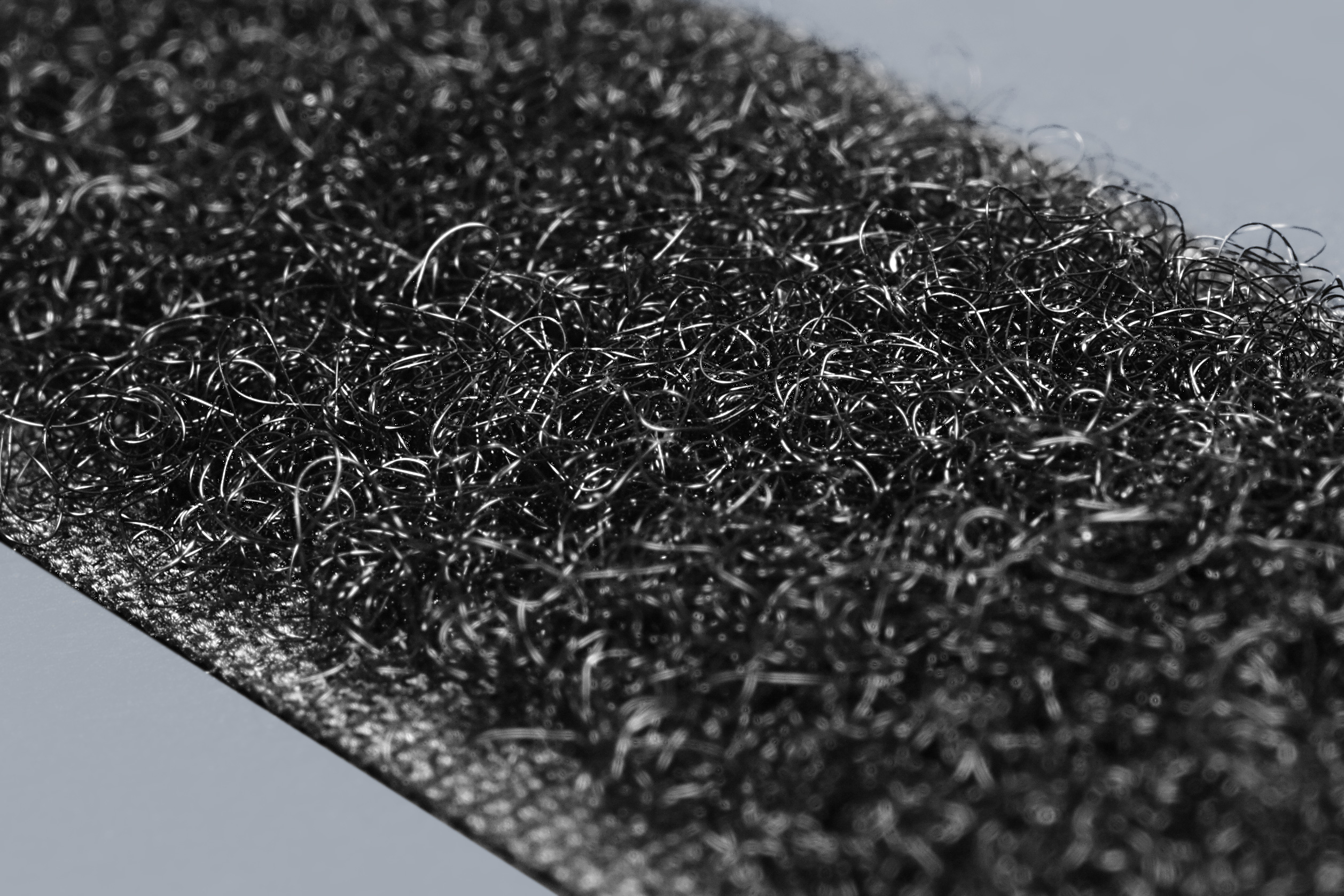
Hook-and-loop tape is fast, requires almost no dexterity, and is noisy, collects debris and degrades with use.
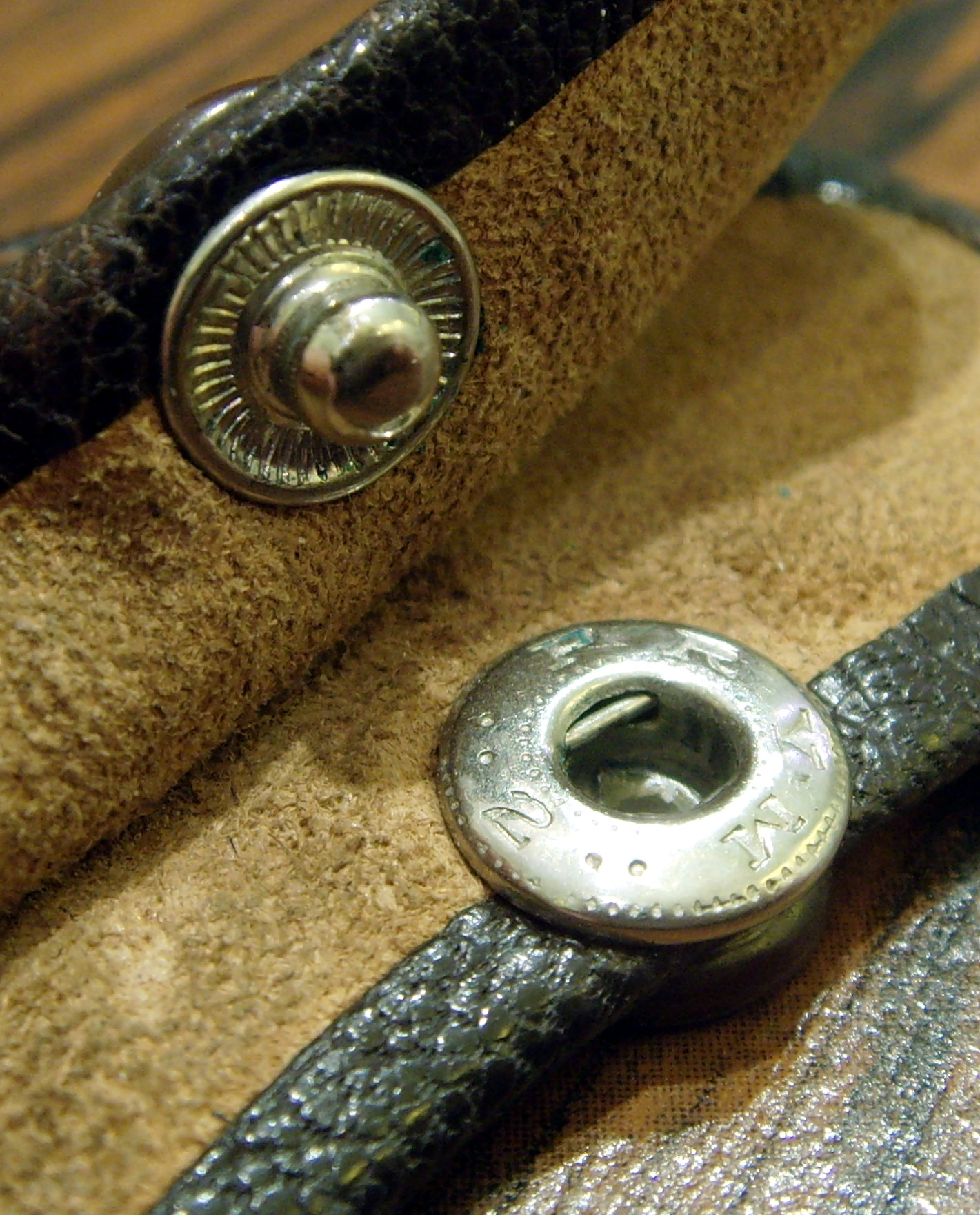
Snap fasteners are quick and secure enough for light tension, and pull apart under load.
Each of those is the best answer to a different weighting of the same criteria, which is why the arrival of a new one has never eliminated the old ones.
There is a naming detail worth including. The word describing the device is imitative of the sound it makes, adopted commercially long after the mechanism existed, and it displaced several earlier and more descriptive terms.
A product acquiring its common name from a noise rather than from its function is unusual and is part of why the earlier history is so easily forgotten.
Why the Zip Was Hard
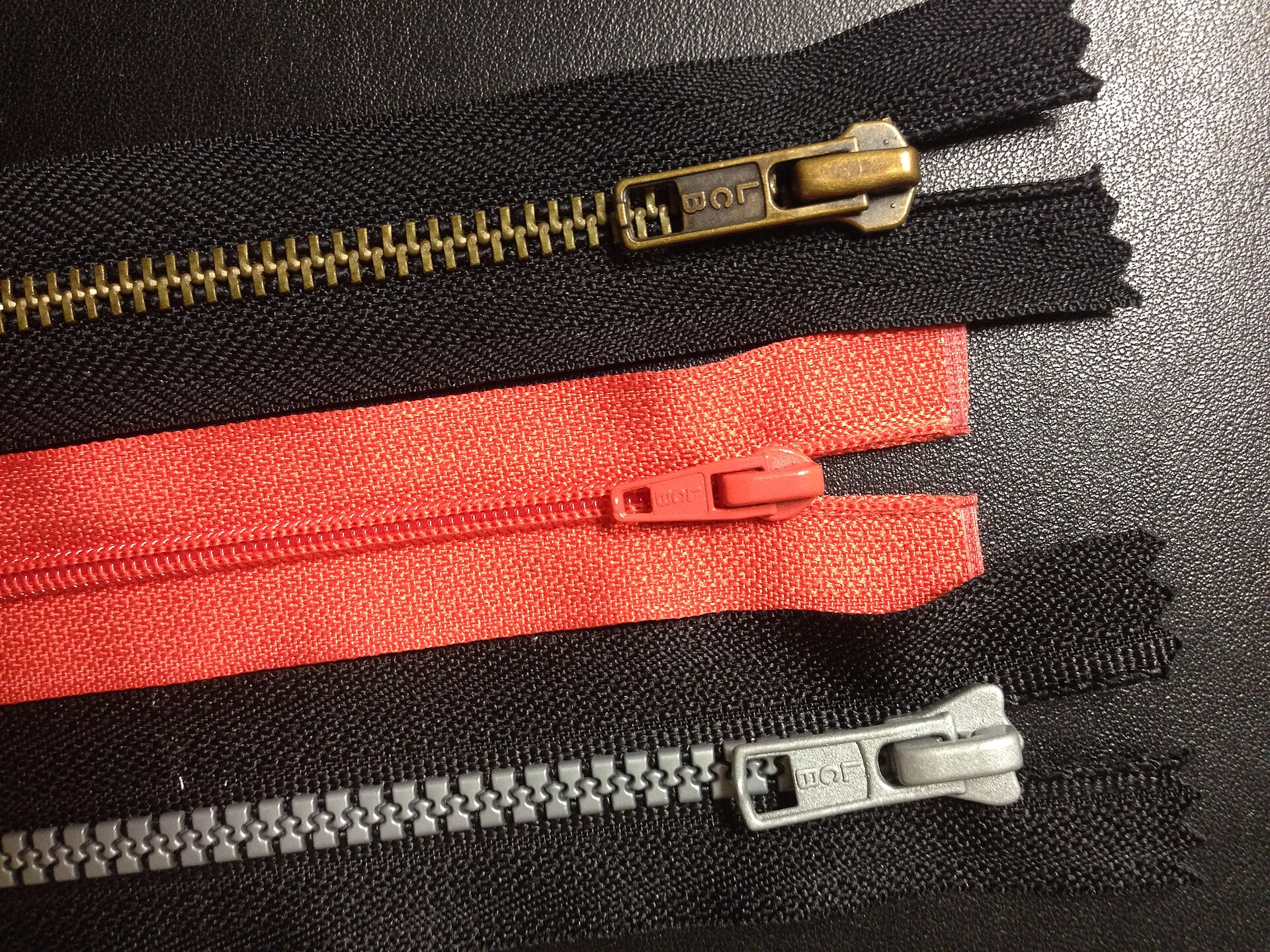
The zip deserves particular attention because it is the fastening that took longest to get right, and the reason is instructive.
The concept — a device that joins two edges progressively along their length — is easy to state and extremely difficult to implement.
Early versions were unreliable, jammed, came apart under load and were expensive to manufacture, which meant that despite the idea being demonstrated, it took decades before a version existed that worked well enough to adopt.
The eventual solution involved interlocking elements shaped so that a slider forces them into engagement and out of it, with the geometry doing the work rather than any spring or catch.
Even then, adoption was slow, and it entered clothing through applications where the advantage was worth the cost before spreading generally.
That pattern — a good idea requiring an enormous amount of engineering before it becomes a good product — is extremely common and is systematically underappreciated, because the finished object looks like the idea.
The Ones Built Into the Cloth
A separate category solves the problem without adding a device at all.
Elastic fabric changes the requirement entirely. A garment that stretches can be larger during putting on and smaller afterwards without any opening, which removes the need for a fastening.
That is why elasticated clothing has no buttons, and why the development of stretch fabrics changed clothing design as much as any fastening did.
Wrap-and-tuck solutions do the same with structure rather than material, using the garment’s own geometry to hold itself closed.
And magnetic closures, which are recent in general use, apply a different physical principle to the same requirement, with their own trade-offs around strength and interference.
The general point is that a fastening is one answer to a requirement, and changing the material or the shape can remove the requirement instead.
The Ones That Are Not Meant to Be Undone
A final category is worth including because it inverts the requirement.
Some fastenings are designed to be closed once and never opened. Rivets, stitching and heat-sealed seams hold permanently, and the whole design brief is different — strength and durability with no consideration of speed or convenience.
Between the two extremes sits a category designed to fail deliberately. A fastening that gives way under a defined load protects whatever it is attached to, or the person wearing it, by separating rather than transmitting force.
That principle appears wherever a garment or an item could otherwise catch on something, and the fastening’s job is to be the weakest point rather than a strong one.
There is also a category designed to be difficult on purpose. Closures intended to resist opening by children, or to show evidence of having been opened, are solving a requirement in which ease of use is a disadvantage.
Those inversions clarify the whole subject. A fastening is not simply a thing that holds; it is a negotiated answer to how easily something should open, for whom, under what load, and how many times — and once the question is framed that way, the variety stops looking accidental and starts looking like a set of deliberate answers.
Why It Is Worth Noticing
The reason to think about fastenings is what they demonstrate about small components generally.
They are invisible because they are small, reliable and universal, and none of those properties came free. Each represents a set of decisions about cost, speed, durability and dexterity, made by somebody, and refined until it stopped being noticeable.
They also constrain what is possible above them. Tailored clothing required a reliable long closure. Certain garments require a fastening that survives immersion, or extreme cold, or being operated by somebody wearing gloves.
And the persistence of every solution is the most telling detail. A person today may be wearing buttons, a zip, a lace, a hook and an elasticated waistband simultaneously — five solutions to one problem, spanning several thousand years of development, all still current because each is best at something.
Which is unusual. Most technologies replace their predecessors, and the ones that do not are generally the ones where the requirements truly differ rather than the ones where the old version is merely sentimental.
Like our content? Follow us for more.