
Life expectancy — the average number of years a person born today can expect to live — is one of the most revealing statistics about a country, reflecting its healthcare, diet, lifestyle, and quality of life. And the global ranking of where people live longest holds real surprises: the leaders are not necessarily the richest or most powerful nations, but often smaller countries and territories with particular combinations of diet, healthcare, and social factors. Perhaps most striking of all is where the United States lands — well down the list, despite its enormous wealth. Here are ten of the world’s longest-living places, with America’s ranking revealed along the way. (This is a look at national statistics, not health advice.)
1. Hong Kong — The World’s Longevity Leader

This dense Asian territory consistently posts one of the highest life expectancies on Earth.
Hong Kong regularly tops or nears the top of global life-expectancy rankings, with average lifespans commonly cited above 85 years — among the highest anywhere in the world. This is remarkable for one of the most densely populated places on Earth, and researchers attribute the longevity to a combination of factors: a strong healthcare system, a diet featuring plenty of fish, vegetables, and traditional foods, active lifestyles with lots of walking, and strong social and family structures. Hong Kong’s status as a longevity champion, despite its crowded urban intensity, upends the assumption that long life requires quiet rural surroundings, and it consistently leads the world’s tables.
Like our content? Follow us for more.
2. Japan — The Land of the Long-Lived

Japan is famous worldwide for its exceptional longevity and its many centenarians.
Japan is perhaps the world’s most famous longevity nation, consistently ranking near the top with an average life expectancy commonly cited around 84 years and home to an extraordinary number of centenarians. The Japanese diet — rich in fish, vegetables, soy, and rice, and often eaten in moderation — is frequently credited, along with an excellent healthcare system, active lifestyles, and strong community bonds. The island of Okinawa in particular is legendary for its concentration of very long-lived residents. Japan’s sustained position among the longest-living nations has made it a global model for healthy aging, studied intensely by researchers seeking the secrets of a long life.
3. Switzerland — Europe’s Longevity Leader

The prosperous Alpine nation tops the European life-expectancy rankings.
Switzerland consistently ranks among the world’s longest-living countries and often leads Europe, with life expectancy commonly cited around 84 years. The Swiss benefit from a top-tier healthcare system, high standard of living, clean environment, active outdoor lifestyles amid the Alps, and a prosperous, stable society — a combination that supports exceptional longevity. Switzerland demonstrates the strong link between wealth, quality healthcare, and long life, though as America’s ranking will show, wealth alone doesn’t guarantee a top position. The Swiss enjoy not just long lives but healthy ones, adding the country to the small group of global longevity leaders.
4. Singapore — The Healthy City-State

This prosperous Asian city-state combines cutting-edge healthcare with long lifespans.
Singapore ranks among the world’s longevity leaders, with life expectancy commonly cited around 84 years, built on a highly regarded healthcare system, high standard of living, and an emphasis on public health in the compact, prosperous city-state. Like Hong Kong, Singapore shows that dense urban environments can produce exceptional longevity when paired with excellent healthcare, good diet, and strong social organization. The country’s investment in health and its efficient medical system have helped its residents achieve some of the longest lifespans in the world, making Singapore another Asian standout near the top of the global rankings.
5. Italy — The Mediterranean Advantage

Italy’s celebrated Mediterranean diet helps it rank among the world’s longest-lived nations.
Italy consistently ranks among the world’s longest-living countries, with life expectancy commonly cited around 83 to 84 years, and its longevity is frequently credited to the famous Mediterranean diet — rich in olive oil, vegetables, fish, whole grains, and moderate wine, and often shared in social, family settings. Combined with a good healthcare system and a culture that values food, family, and an unhurried pace of life, these factors help Italians live notably long lives. Certain regions of Italy, like Sardinia, are especially renowned for their concentrations of very old residents, and Italy stands as a European longevity leader and a model of eating well for a long life.
6. Spain — Another Mediterranean Champion
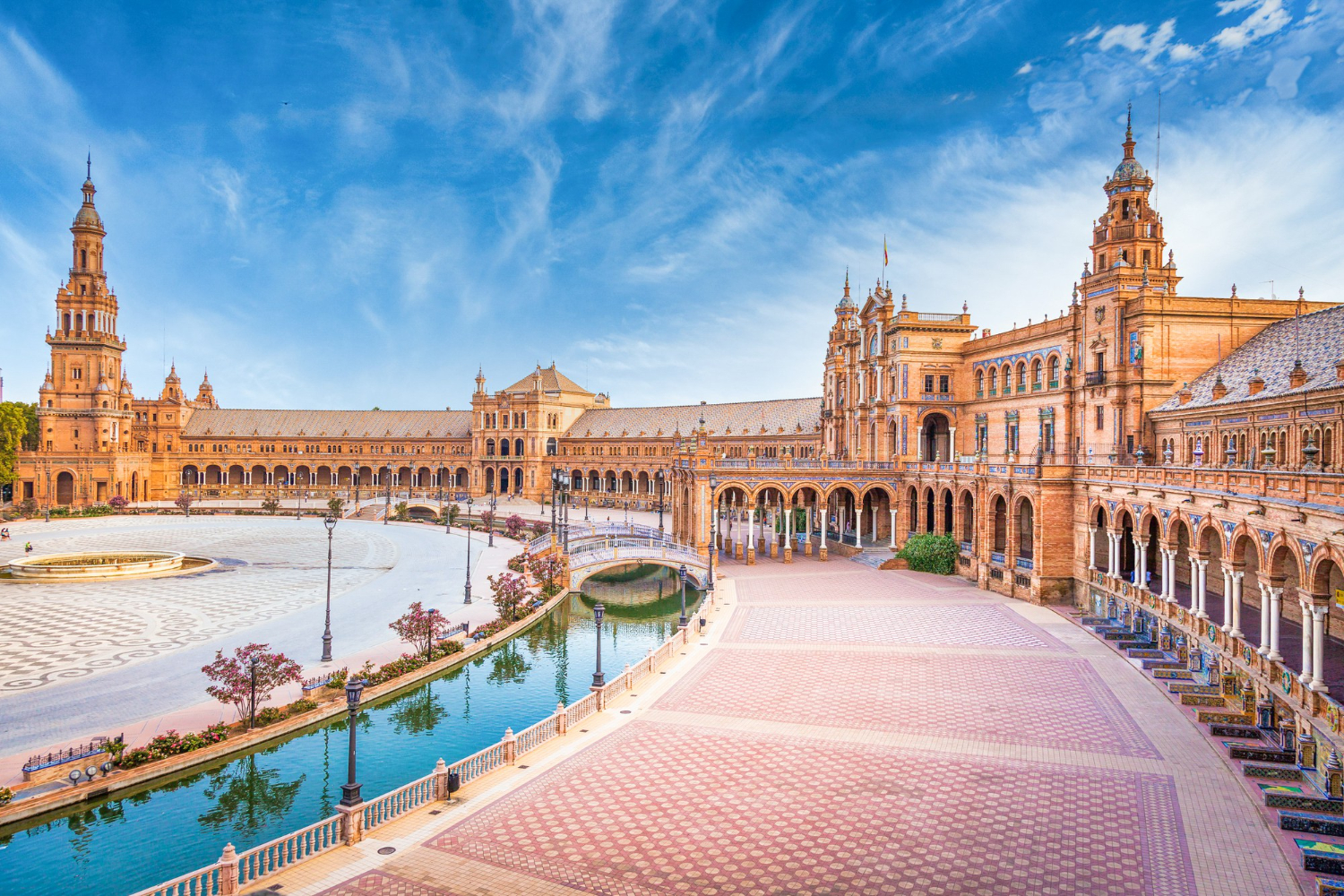
Spain’s healthy diet and lifestyle place it near the very top of global longevity.
Spain ranks among the world’s longest-living nations, with life expectancy commonly cited around 83 to 84 years, sharing in the Mediterranean advantages enjoyed by its neighbors: a healthy diet rich in fresh produce, olive oil, and fish, an active and social lifestyle, and a strong healthcare system. Spain is often projected to climb even higher in longevity rankings in coming decades. The Spanish combination of good food, strong social connections, midday rest, and quality healthcare exemplifies the Mediterranean model of long life, and cements Spain’s place among the elite group of countries where people can expect to live well into their eighties.
7. Australia — The Southern Hemisphere Leader

Australia combines high living standards with excellent longevity.
Australia ranks among the world’s longest-living countries, with life expectancy commonly cited around 83 to 84 years, benefiting from a high standard of living, strong healthcare system, active outdoor lifestyle, and generally healthy diet. As one of the leading nations of the Southern Hemisphere on longevity, Australia demonstrates the familiar formula: prosperity, quality medical care, and an active, outdoor-oriented culture combine to produce long lifespans. Australians enjoy some of the longest lives in the world, and the country consistently appears near the top of global rankings, a healthy and prosperous standout in its part of the world.
8. Iceland — The Nordic Standout

This small, healthy island nation ranks among the world’s longevity leaders.
Iceland consistently ranks among the world’s longest-living countries, with life expectancy commonly cited around 83 years, standing out as the Nordic leader in longevity. The small island nation benefits from an excellent healthcare system, clean environment, a diet featuring plenty of fish, active lifestyles, and a strong, cohesive society with high levels of trust and social support. Iceland’s combination of pristine environment, quality healthcare, and strong social fabric produces exceptional longevity, and it exemplifies how smaller nations with high social cohesion and good living standards can achieve some of the longest lifespans on Earth.
9. The United States — Wealthy, but Lagging Behind

Despite its enormous wealth, America ranks well below the world’s longevity leaders.
Here’s the reveal that surprises many: the United States, one of the wealthiest and most medically advanced nations on Earth, ranks notably lower in life expectancy than one might expect, with figures commonly cited around 77 to 79 years — well behind the leaders and behind many other developed countries. Experts have long studied this gap, pointing to a complex mix of factors that keep American longevity below that of peer nations despite the country’s wealth and cutting-edge medicine. The United States thus stands as the ranking’s great puzzle: proof that national wealth and advanced healthcare technology alone do not automatically translate into the longest lives, and that the factors behind longevity are more complex than money.
10. South Korea — The Rising Longevity Star
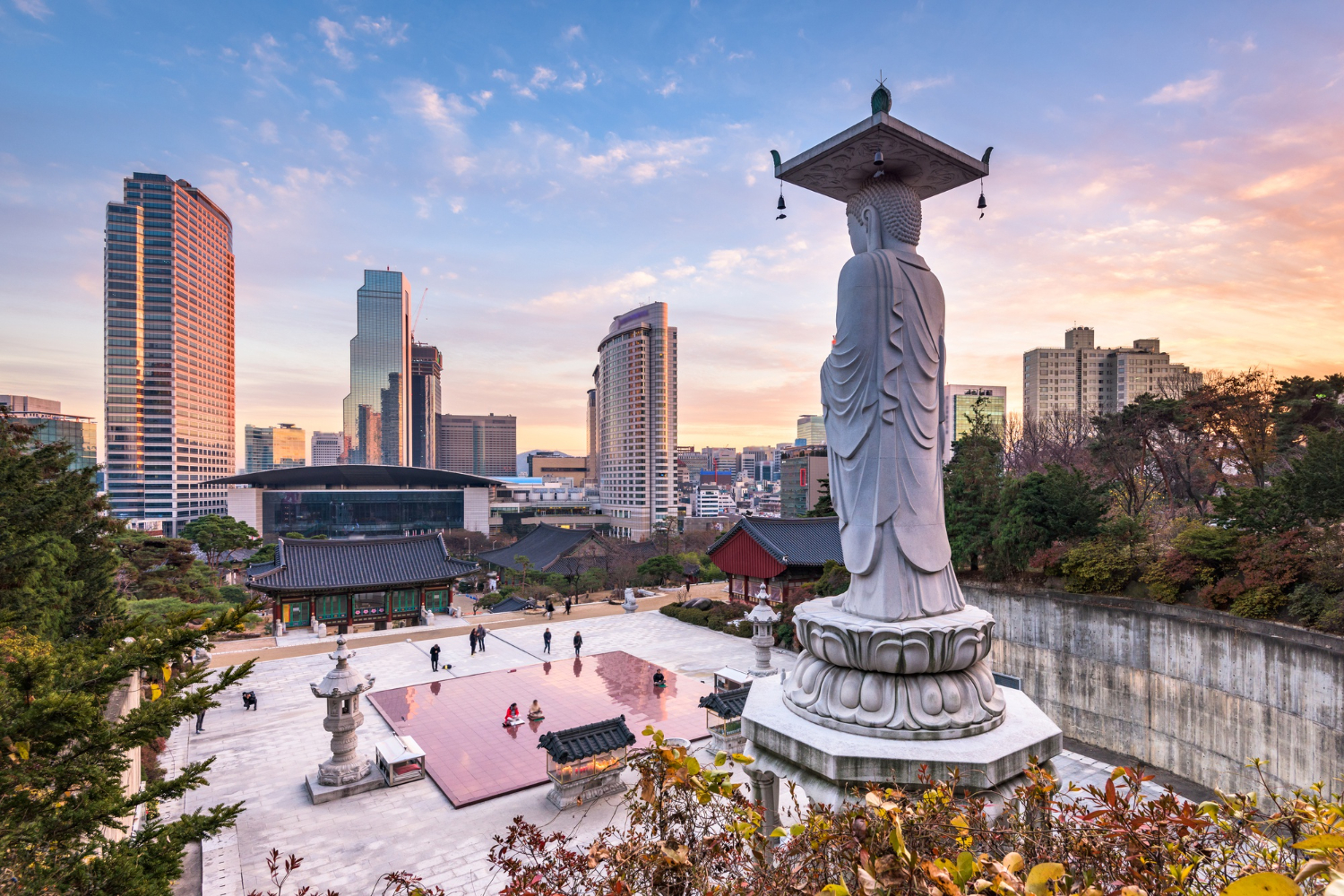
South Korea has surged up the rankings and is projected to lead the world in the future.
South Korea rounds out the list as one of the world’s fastest-rising longevity nations, with life expectancy commonly cited around 83 to 84 years and climbing — and some projections suggest South Korea could achieve the highest life expectancy in the world in the coming decades. The country’s dramatic improvement reflects rapid economic development, major investments in healthcare, and a traditional diet rich in vegetables, fermented foods, and fish. South Korea’s remarkable ascent up the global longevity rankings makes it a nation to watch, a striking example of how quickly a country’s health outcomes can improve, and a fitting close to a list dominated by nations that have cracked the code of the long life.
Reading the Longevity Scoreboard

Hong Kong and Japan at the top, a strong showing from Mediterranean Europe and Asia, and a wealthy United States ranking well below the leaders — the global life-expectancy rankings reveal that long life comes not simply from money but from a blend of diet, healthcare, lifestyle, and social connection. The biggest lesson is the America puzzle: one of the richest nations on Earth, out-lived by many countries with a fraction of its wealth.
For travelers and the curious, the list doubles as a map of places that have prioritized the conditions for a long, healthy life, from the Mediterranean coasts of Italy and Spain to the fish-rich diets of Japan and Iceland. And for Americans, the ranking is a thought-provoking reminder that wealth is not the whole story of a long life — a real national puzzle that researchers continue to examine. The countries at the top offer no single magic formula, but a consistent pattern of good food, strong healthcare, active living, and close social bonds. That’s the recipe the longest-living nations share, written across the top of the global scoreboard.
Like our content? Follow us for more.