Everything about a lake follows from how its basin was made. Ice, movement of the crust, volcanic collapse, dissolving rock and a river changing its mind all produce lakes, and they produce completely different ones. Here are seventeen.
1. Ice Gouged It Out
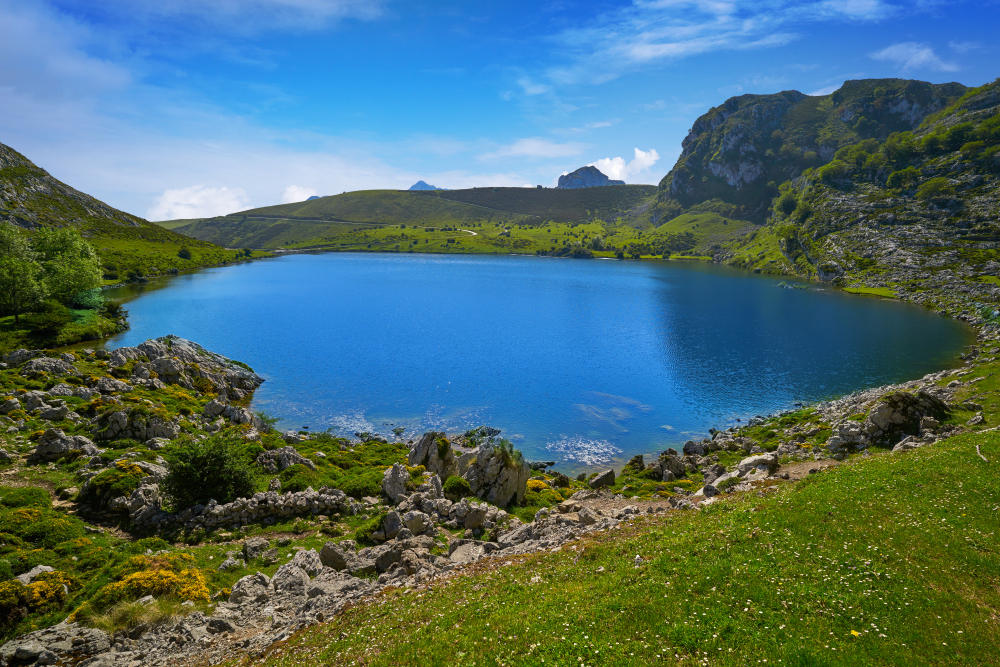
A glacier flowing over rock excavates hollows where the rock is weaker or where the ice was thickest, leaving basins that fill after the ice retreats.
They are frequently deep relative to their area. Glacial scour is the process behind an enormous proportion of the world lakes.
Like our content? Follow us for more.
2. Or Ice Left Debris Across the Valley
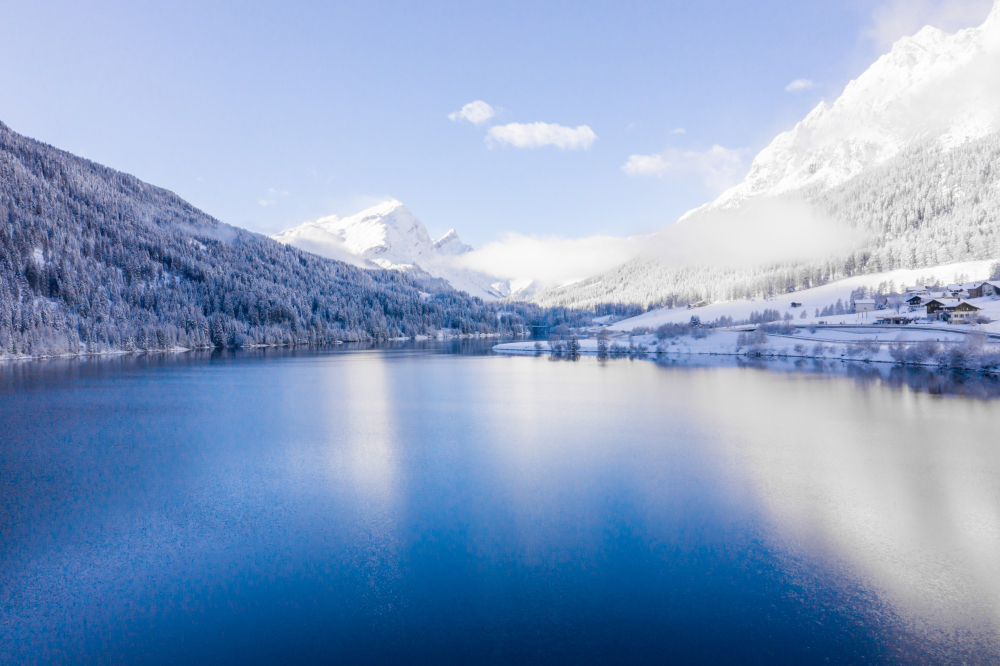
A glacier depositing rock and sediment at its limit can leave a ridge that blocks the valley, impounding water behind it once the ice has gone.
The dam is loose material rather than rock. Moraine damming is glacial lake formation by deposition rather than excavation.
3. Or a Buried Block of Ice Melted
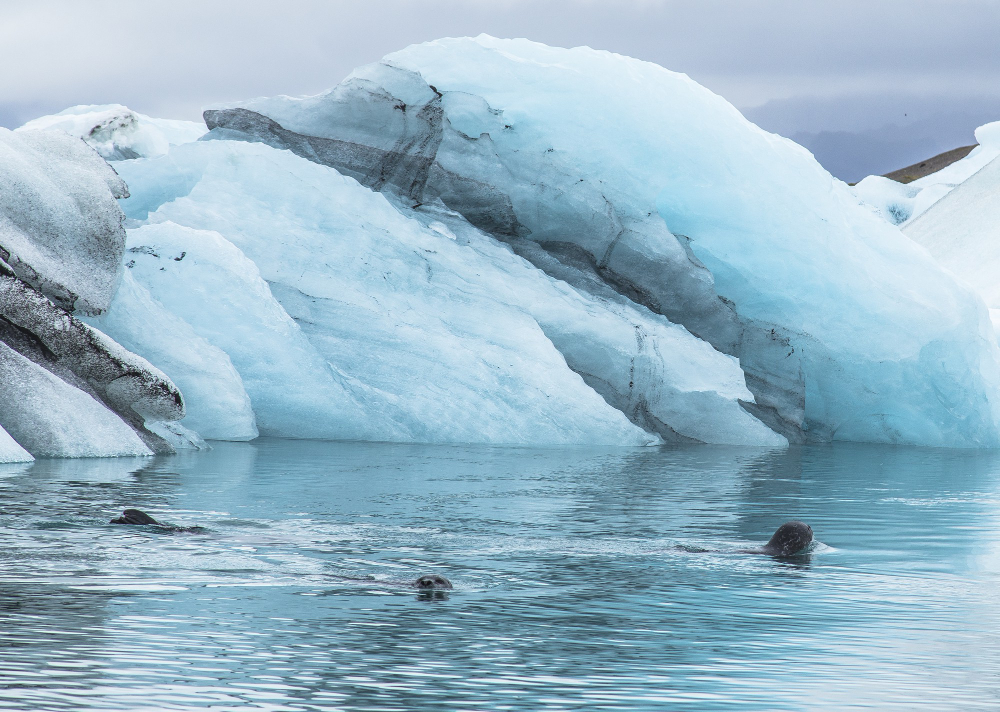
Ice detached from a retreating glacier and buried in sediment melts slowly, leaving a depression where it was that fills with water.
The result is round, steep-sided and isolated. The kettle hole is the lake left by something that is no longer there.
4. The Ground Pulled Apart
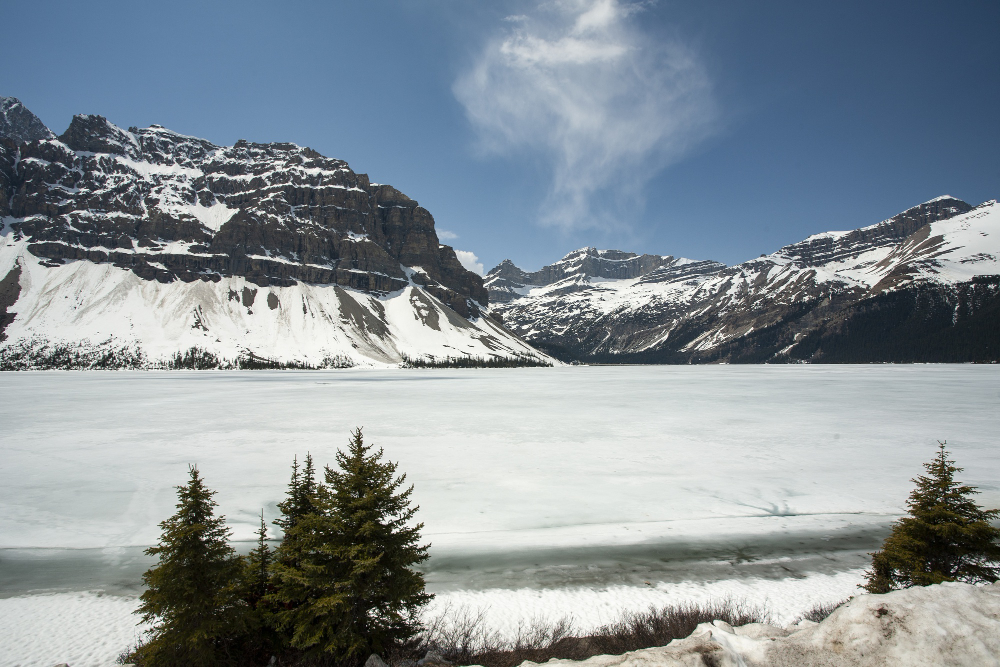
Where the crust is being stretched, blocks drop between faults to form long straight deep valleys, and those hold the deepest and oldest lakes on the planet.
They are hundreds of metres deep and millions of years old. Rift basins are the lakes with the longest continuous history.
5. Which Makes Them Unlike Anything Else
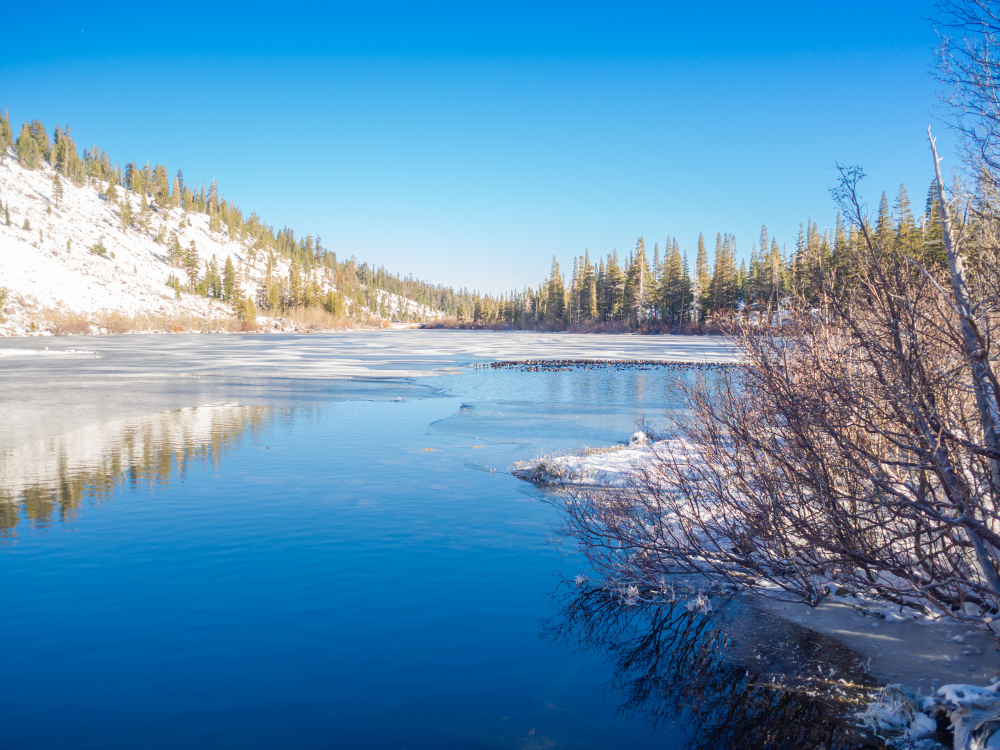
Because rift lakes persist for enormous periods, they accumulate species found nowhere else and sediment records covering timescales no other lake type reaches.
Isolation plus time produces endemism. Extreme longevity is why these lakes matter scientifically.
6. The Volcano Emptied and Collapsed
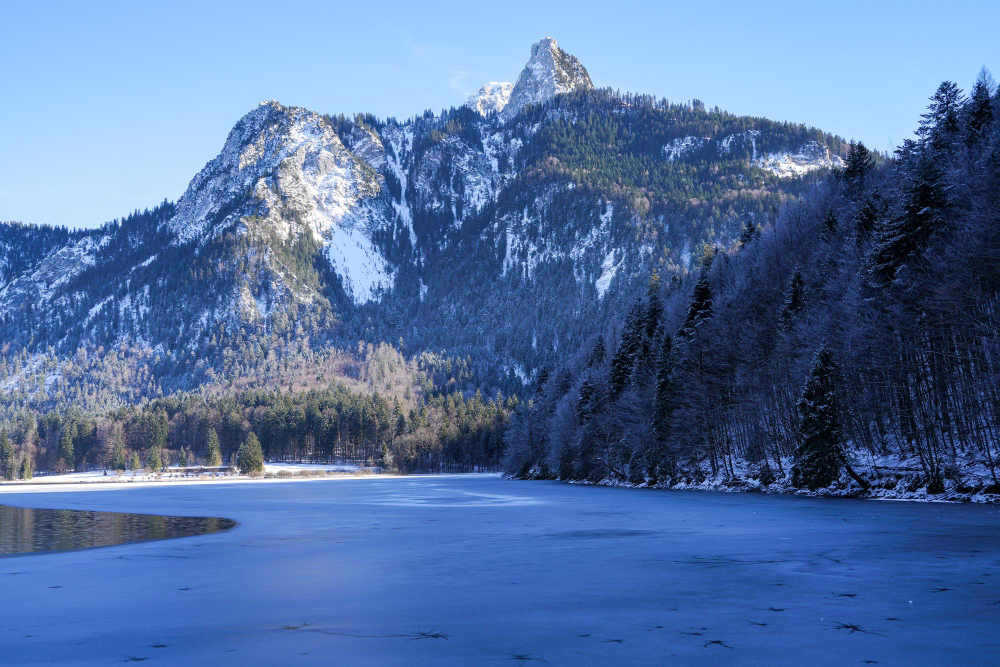
When a magma chamber empties, the ground above can subside into it, leaving a basin far larger than any vent and generally circular.
The resulting lakes are round and unusually deep. Caldera collapse is the volcanic route to a large basin.
7. Or Lava Blocked the Drainage
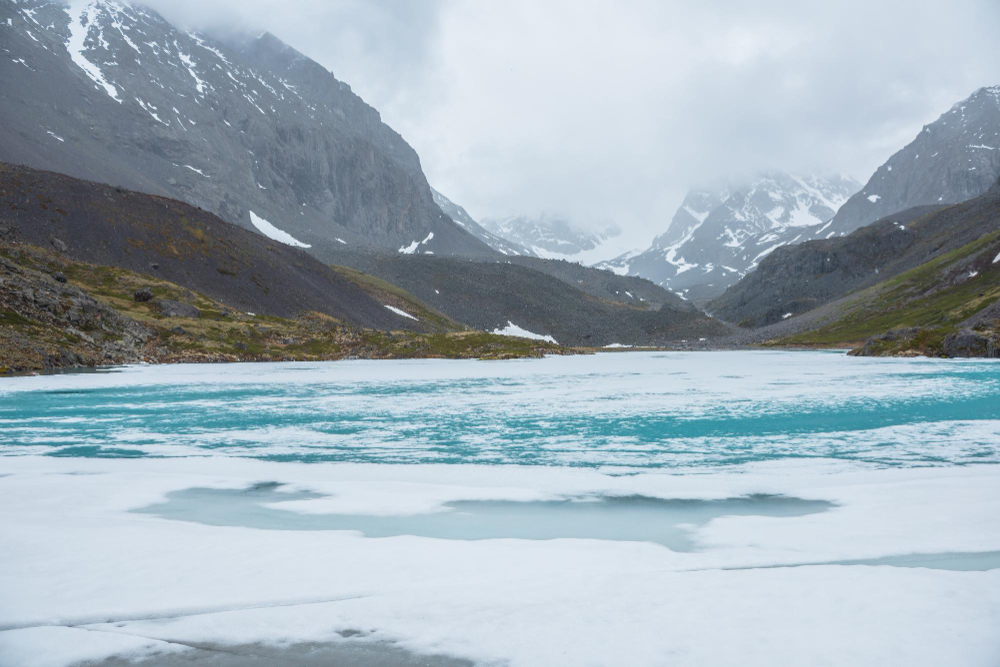
A flow crossing a valley dams the river, and water accumulates behind it until it finds a route over or around.
The dam is younger than the valley. Lava damming is the volcanic version of a landslide block.
8. The Hillside Fell Into the Valley
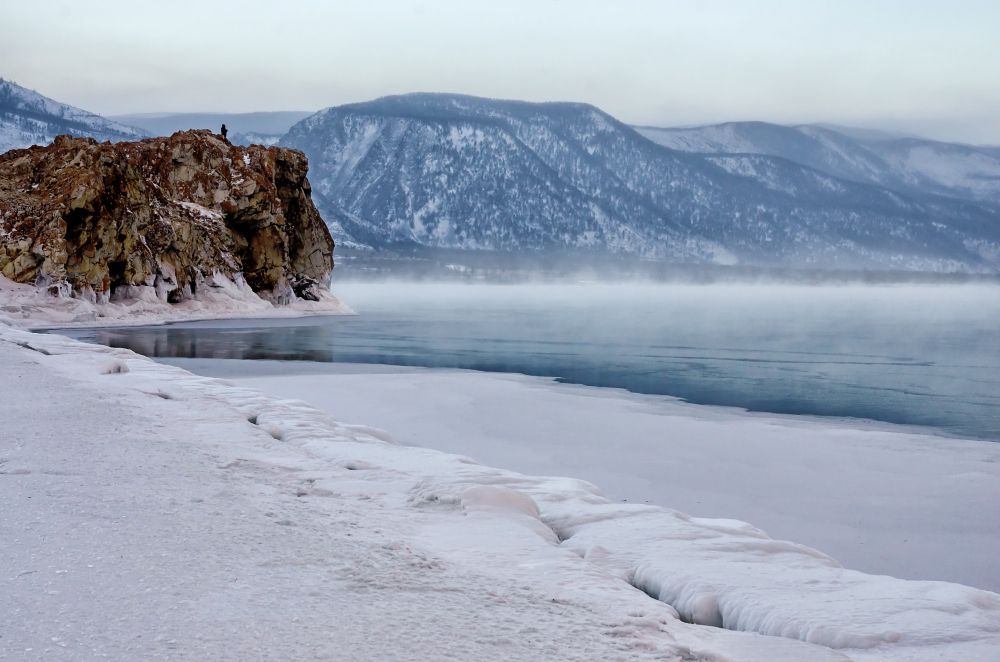
A landslide can block a river completely, creating a lake upstream that may last for years or may be breached quickly.
They are among the most short-lived lakes there are. Landslide damming is basin formation by accident.
9. The River Cut Off a Bend
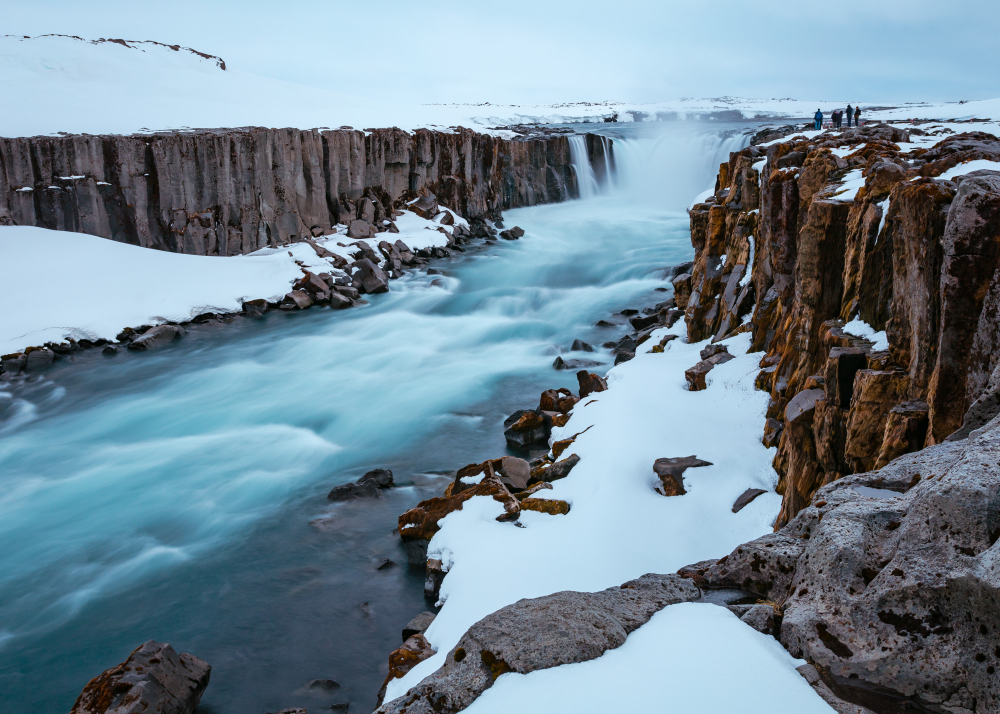
Where a meandering river shortens its course, the abandoned loop is left as a curved lake separated from the channel.
The shape identifies the origin immediately. The cut-off meander is the lake a river left behind.
10. The Bedrock Dissolved
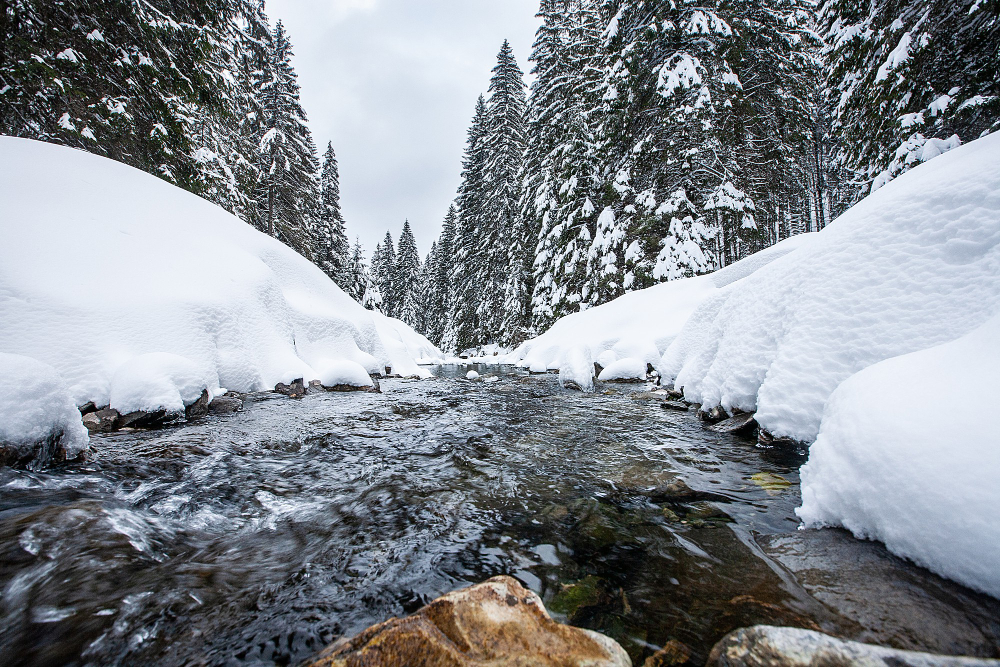
Where soluble rock lies beneath, groundwater removes it and the surface subsides, producing steep circular basins that can be extremely deep for their width.
They can appear suddenly. Solution basins are lakes formed by rock going into solution.
11. The Sea Was Shut Out
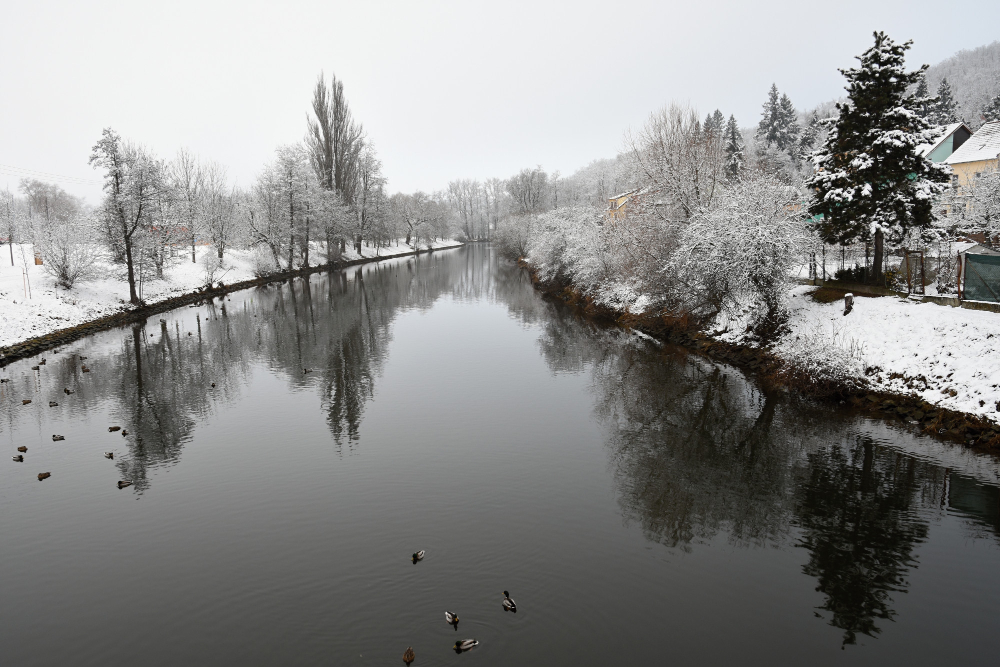
Sand bars, spits and barriers can close off a coastal inlet, leaving a body of water separated from the sea and fed partly by rivers.
Salinity varies with how complete the separation is. Coastal lagoons are lakes made by deposition along a shore.
12. The Wind Dug Down to the Water
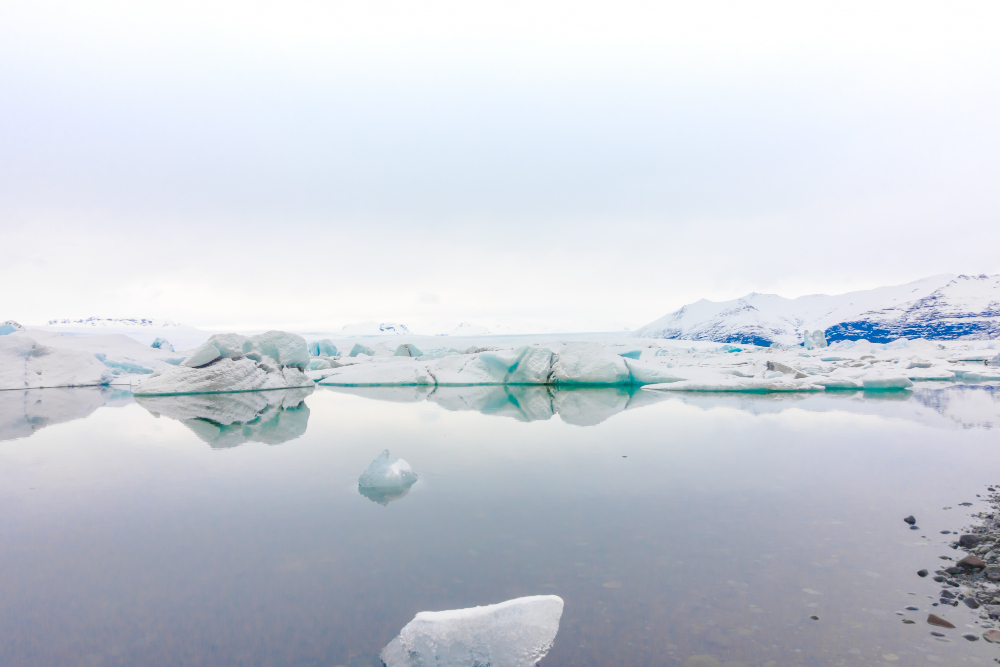
In arid regions, wind can excavate loose material until the hollow reaches the water table, at which point water appears and further excavation stops.
The depth is set by the water table. Deflation basins are lakes limited by where the groundwater sits.
13. Something Built a Dam
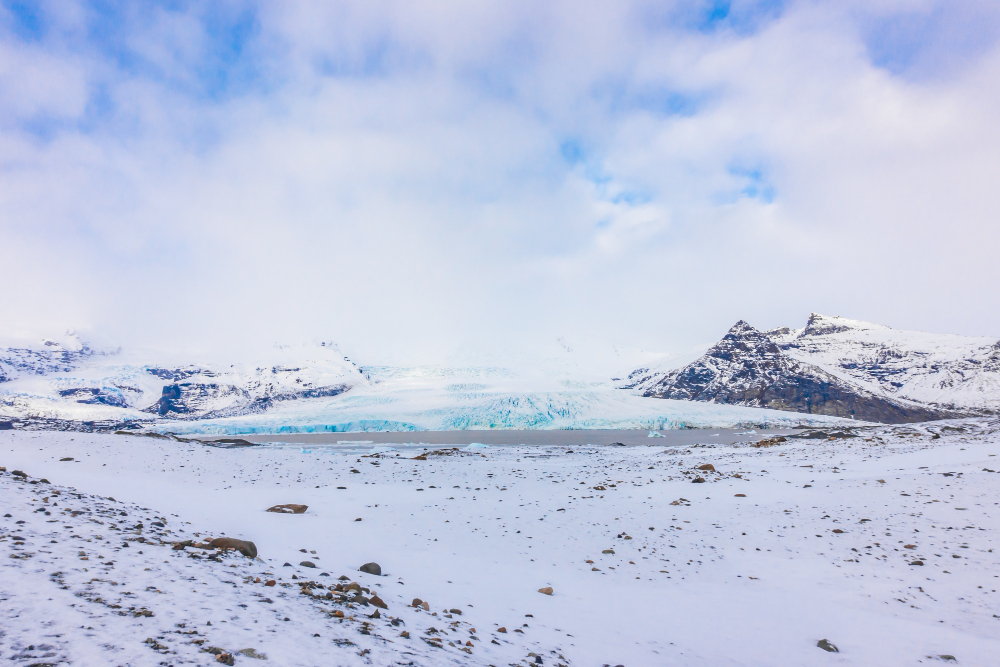
Both beavers and people impound water deliberately, and the resulting bodies function as lakes while differing in shape and shoreline from natural ones.
Straight edges and a wall give them away. Constructed lakes are the ones with a builder.
14. Something Hit the Ground
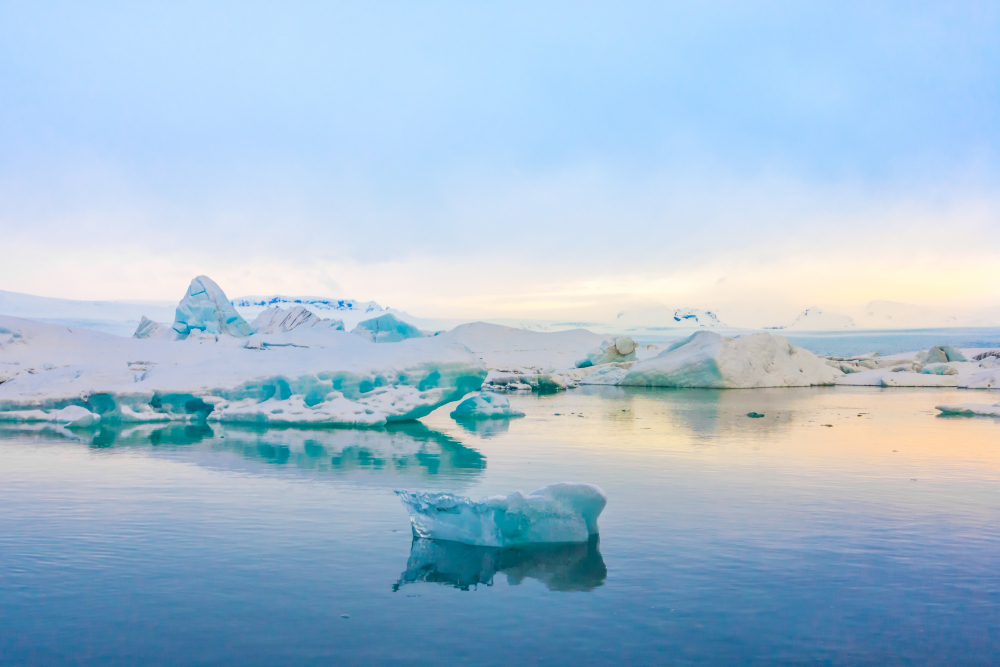
A small number of lakes occupy impact craters, which are circular, rimmed and generally identifiable by the rock disturbance around them.
They are rare and unmistakable. Impact basins are the least common origin on this list.
15. Nothing Flows Out
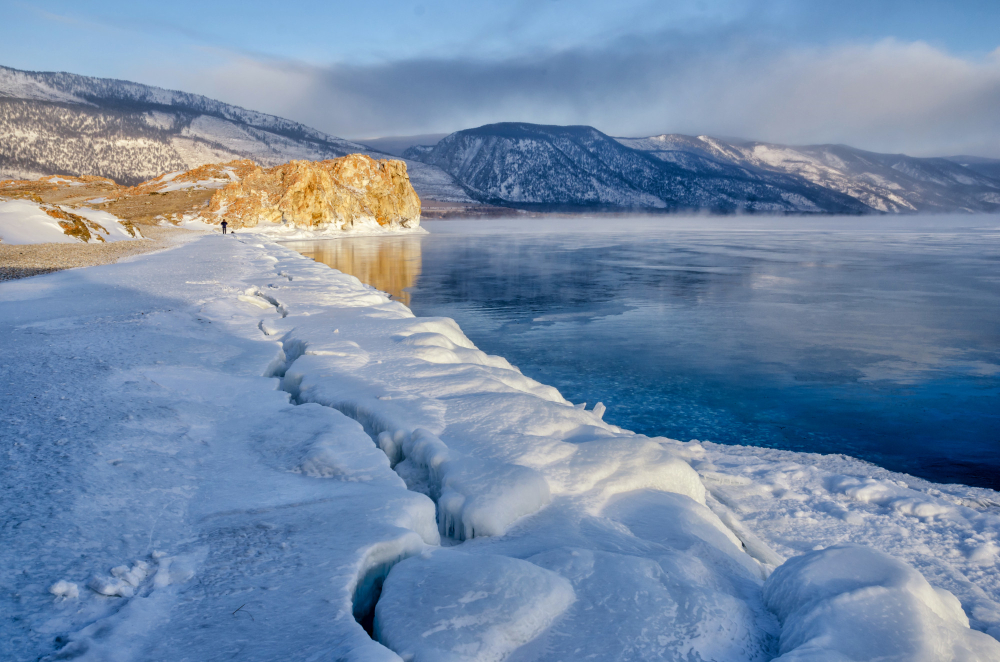
Where a basin has no outlet, water leaves only by evaporation, so dissolved minerals arriving in rivers accumulate and the lake becomes progressively saltier.
Some are far saltier than the sea. Closed basins are why an inland lake can be brine.
16. The Layers Never Mix
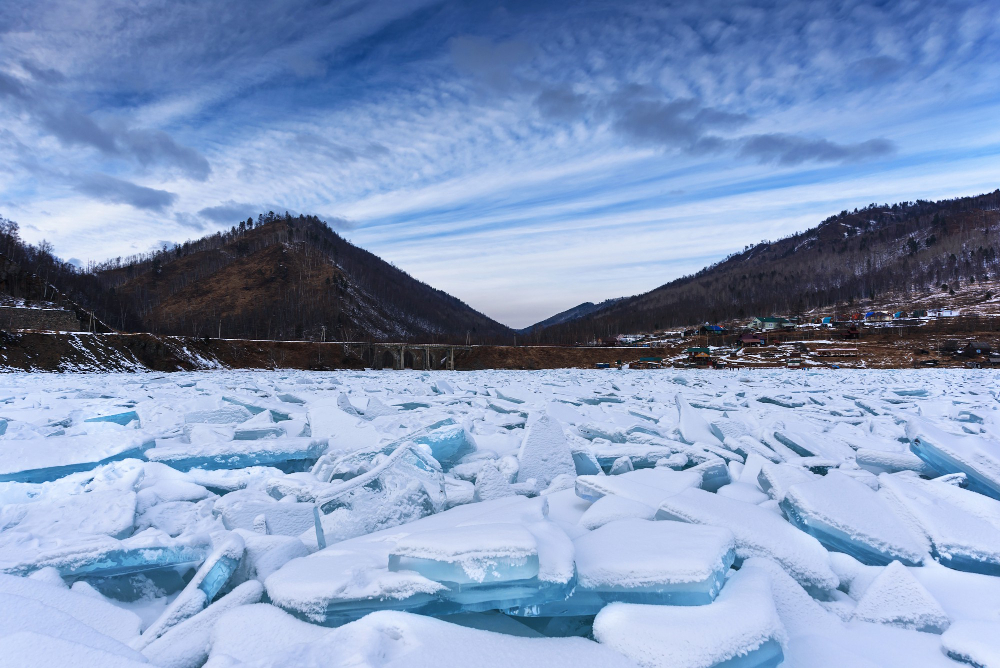
Some lakes have deep water that does not circulate with the surface, generally because it is denser, which leaves the bottom without oxygen and undisturbed for very long periods.
Sediment there records history in annual layers. Permanent stratification is the condition that makes a lake an archive.
17. All of Them Are Filling In
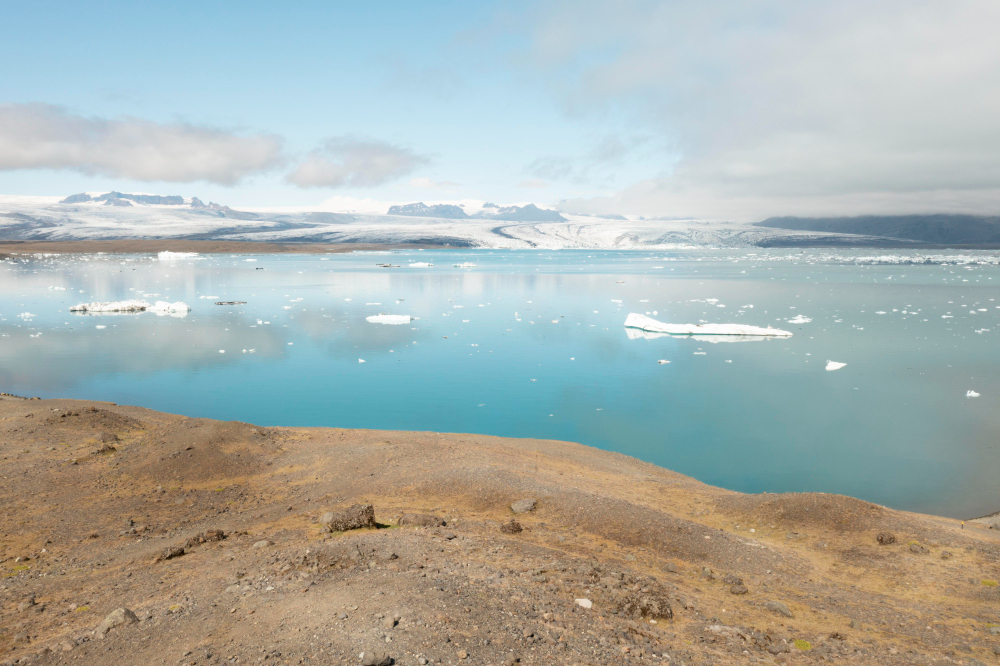
Every lake receives sediment from its inflows and loses it only slowly, which means every lake is gradually becoming a wetland and then dry land.
The timescale varies enormously. Inevitable infilling is why lakes are geologically temporary.
The Water Is Easy, the Hole Is Not
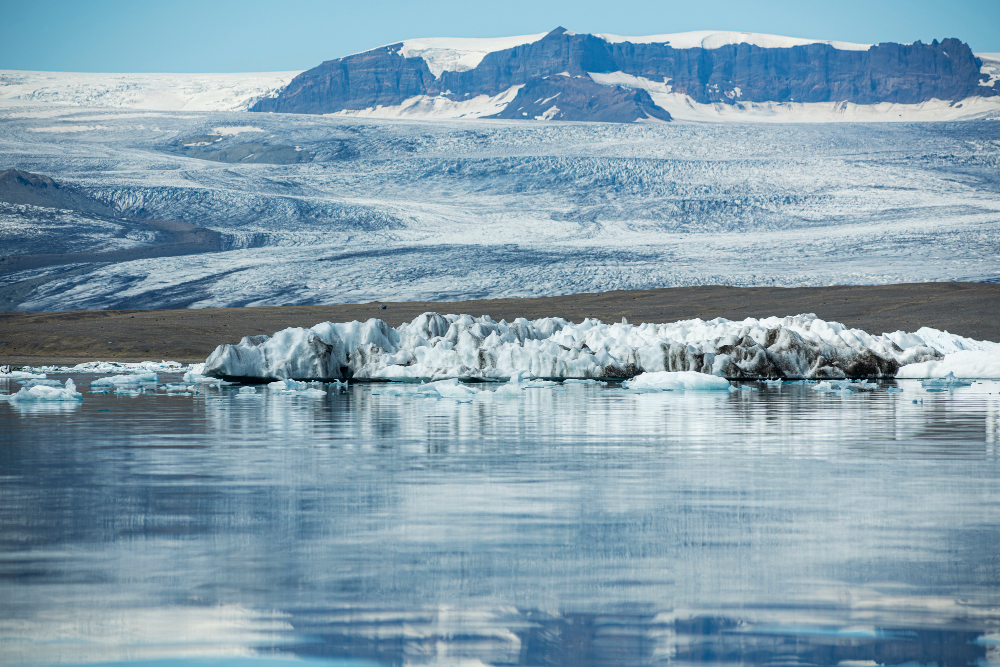
Ice, faulting, volcanic collapse, dissolving rock, a river cutting a corner or wind reaching the water table – each digs a different basin, and the basin decides the depth, the shape and the chemistry.
Practical notes: lake water is substantially colder below the surface than at it, regardless of the air temperature, and the change with depth can be abrupt rather than gradual. Depth can increase sharply within a short distance from shore in glacial and solution basins, and areas near inflows and outflows carry current that is not visible. Local information is the guide rather than the appearance of the surface.
Like our content? Follow us for more.