

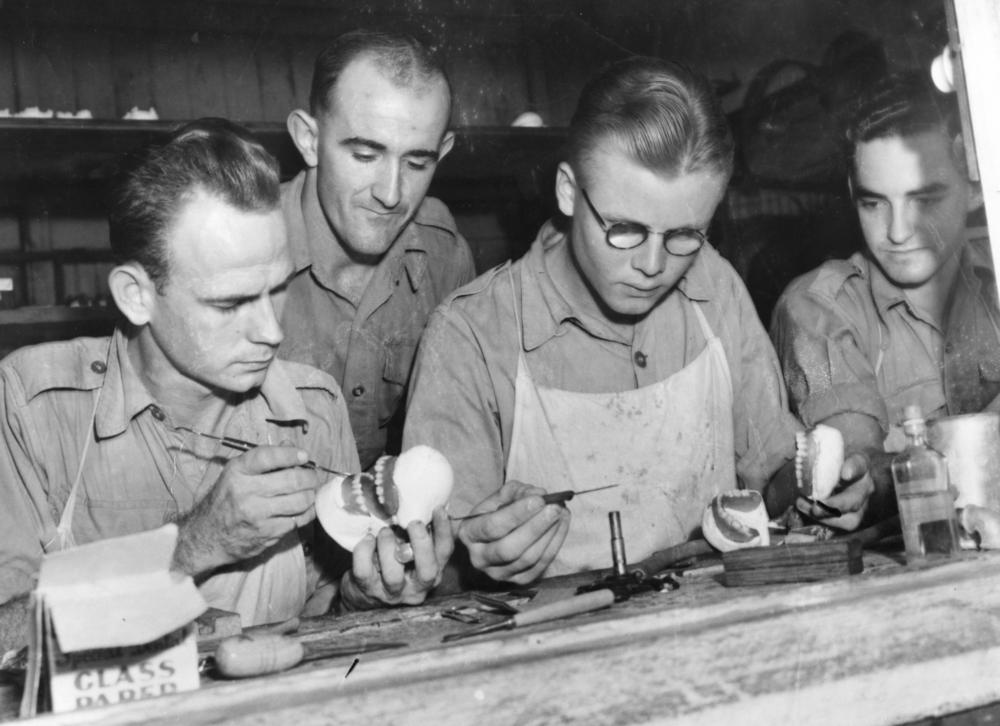
In 1960 losing your teeth was an ordinary expectation of middle age, and dental laboratories were built at a scale that assumed it.
A denture began as an impression that set hard in the mouth and came out in pieces for the technician to reassemble. It was built up in wax and carved by hand, then invested in plaster, the wax boiled out, and acrylic packed into the cavity and cured. Metal frameworks were cast by spinning molten alloy. Gold was weighed like money.
And the technician never met the person it was for.
Here are seventeen things that were ordinary in a dental laboratory in 1960, and what became of each one.
1. Almost Everybody Expected to Lose Their Teeth and the Lab Was Built Around That
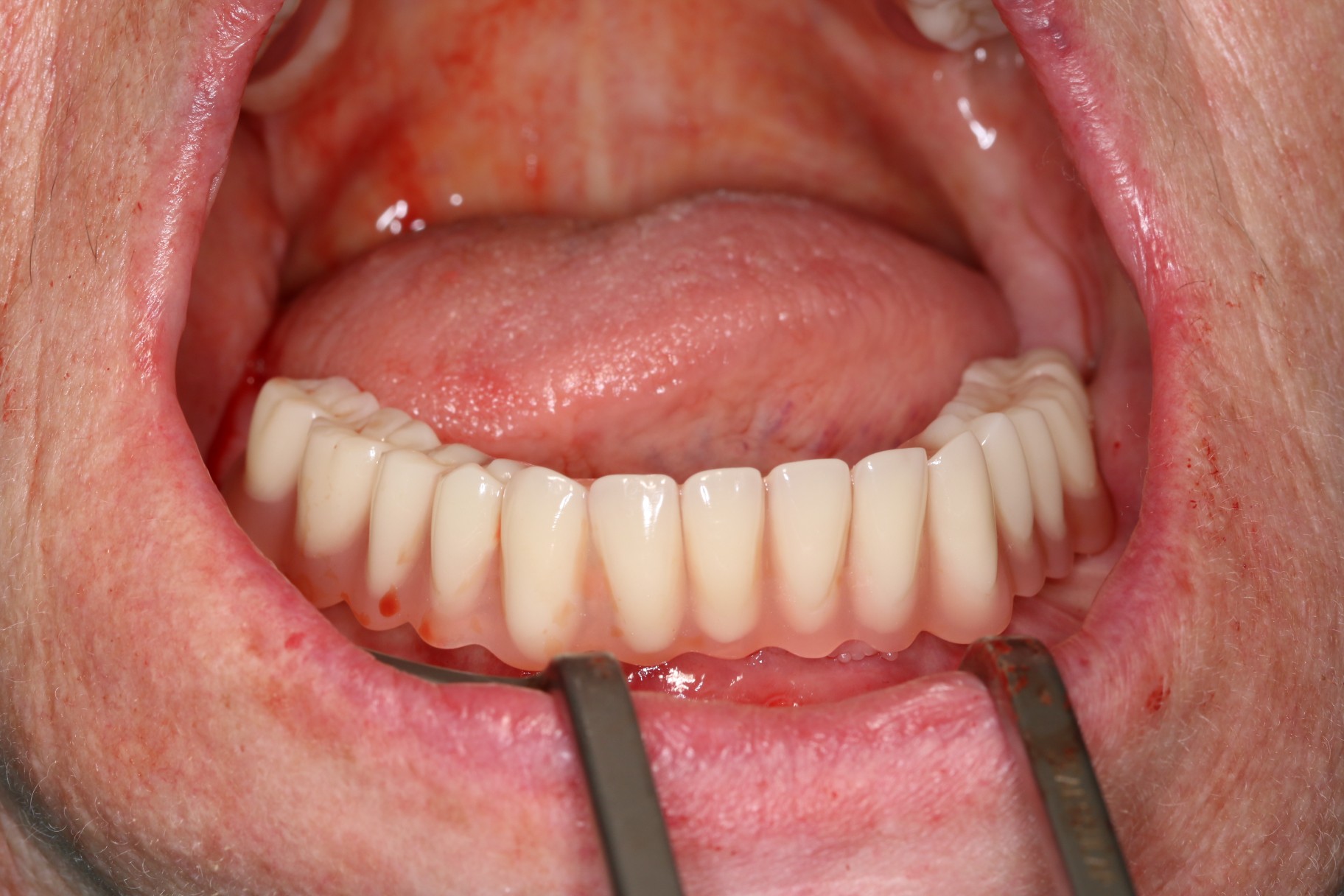
Full dentures were an ordinary expectation of middle age rather than an exception, and dental laboratories existed at a scale that assumed a large share of the adult population would need them.
Fluoridation where adopted, fluoride toothpaste, better preventive care and a shift to saving rather than extracting teeth reduced full denture work enormously over subsequent decades. The change in expectation is the largest fact here: a generation grew up assuming their teeth were temporary, and the generation after it did not.
Like our content? Follow us for more.
2. Full Clearances Were Performed and Sometimes Given as Presents
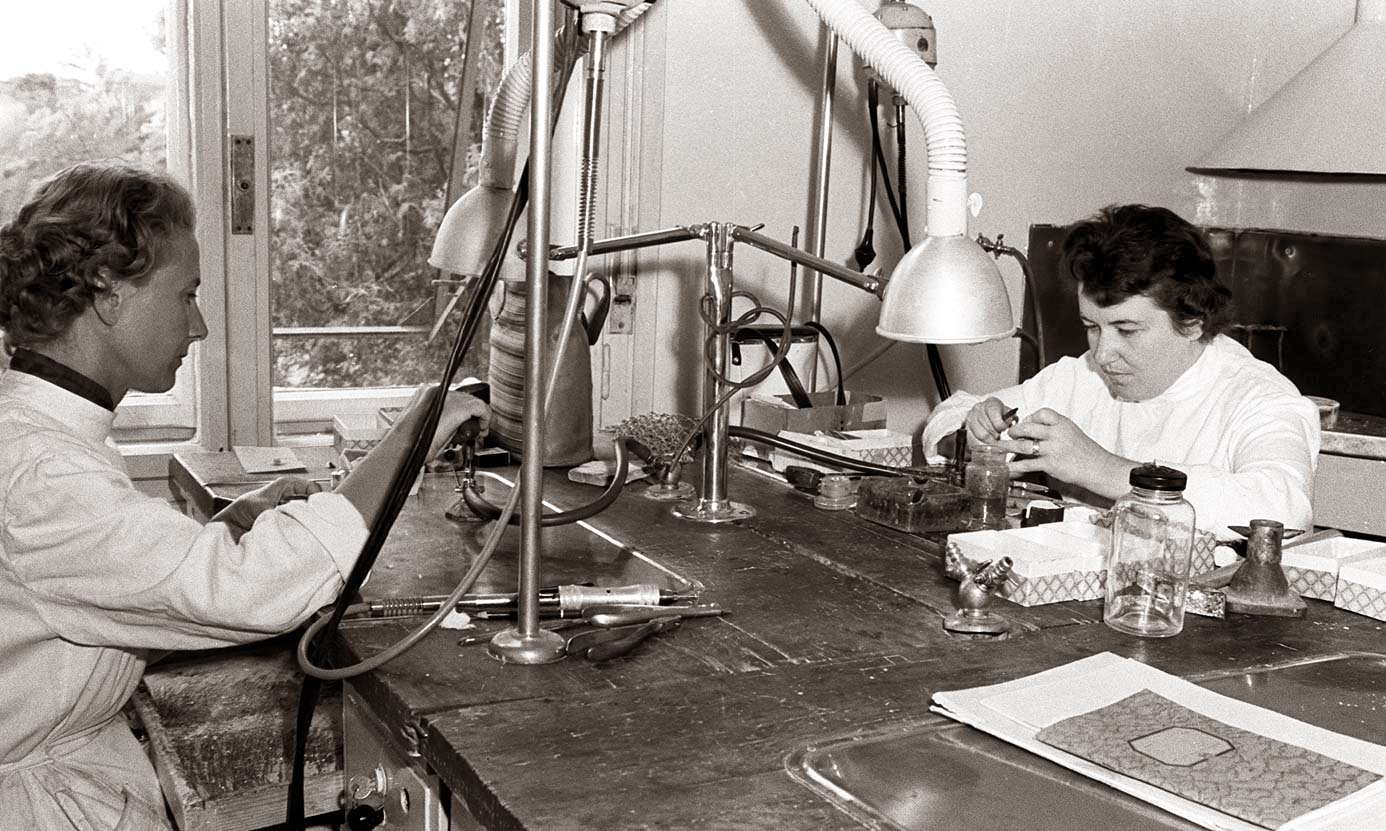
Extracting all remaining teeth and fitting dentures was a recognised course of action, and in some places it was given to young people as a twenty-first birthday or wedding gift, on the reasoning that it avoided a lifetime of trouble and expense.
The practice ended as preventive dentistry developed and as the long-term consequences of removing healthy teeth became better understood. It is included because it was real and widespread, and because it is the clearest illustration of how completely the thinking changed – the reasoning was not stupid given what was then available, and the outcome for the people involved was permanent.
3. The Impression Materials Set Hard and Came Out in Pieces
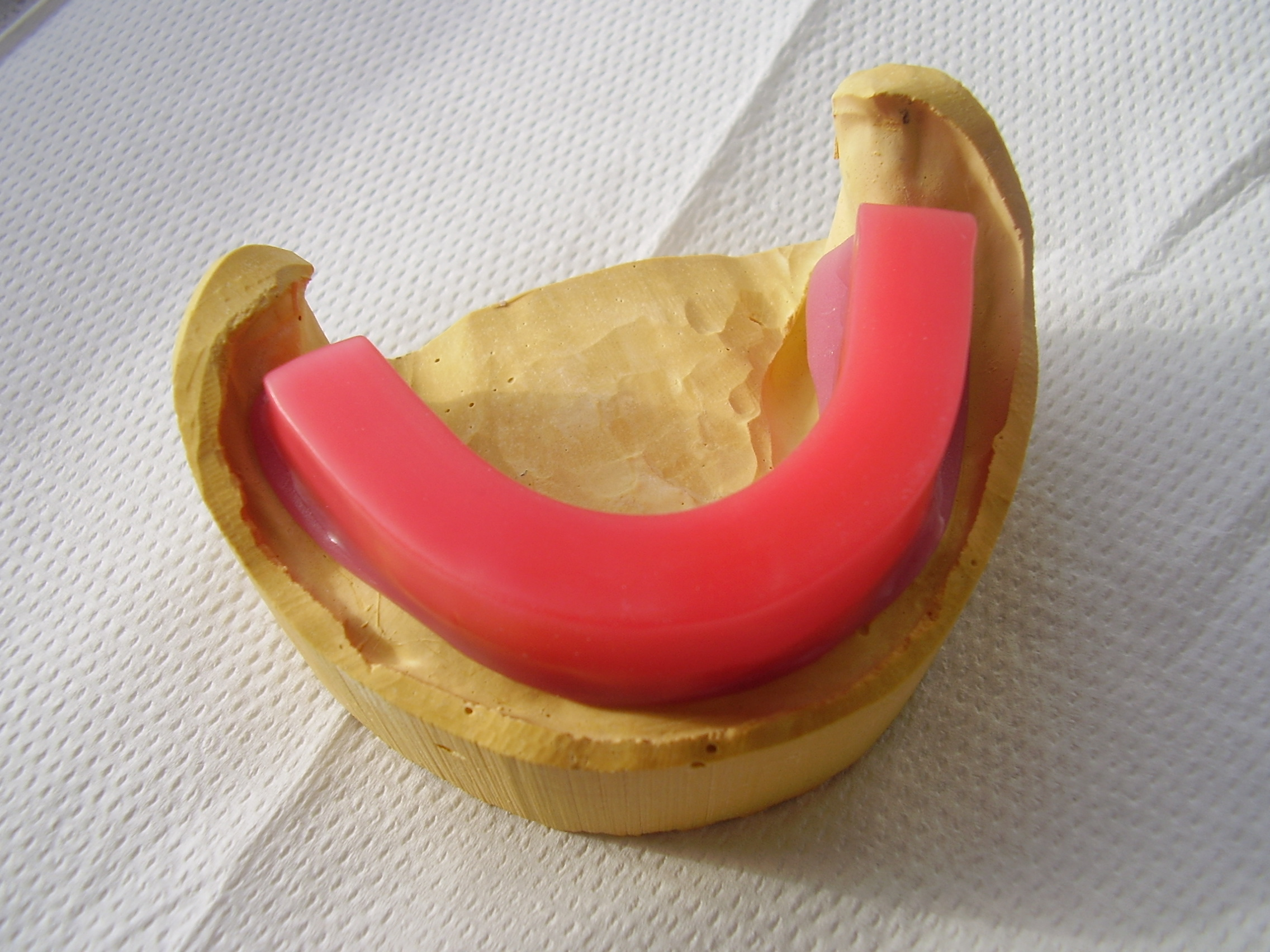
Early impression compounds and plasters set rigid in the mouth, which meant removing them from undercuts broke them, and the technician reassembled the fragments to produce a working model.
Elastic impression materials that flex out of undercuts intact, and now digital scanning that takes no impression at all, replaced them. Reassembling a broken impression accurately is a skill that existed because the material was wrong, and it disappeared the moment the material improved.
4. The Models Were Cast in Plaster and the Lab Was Full of Dust
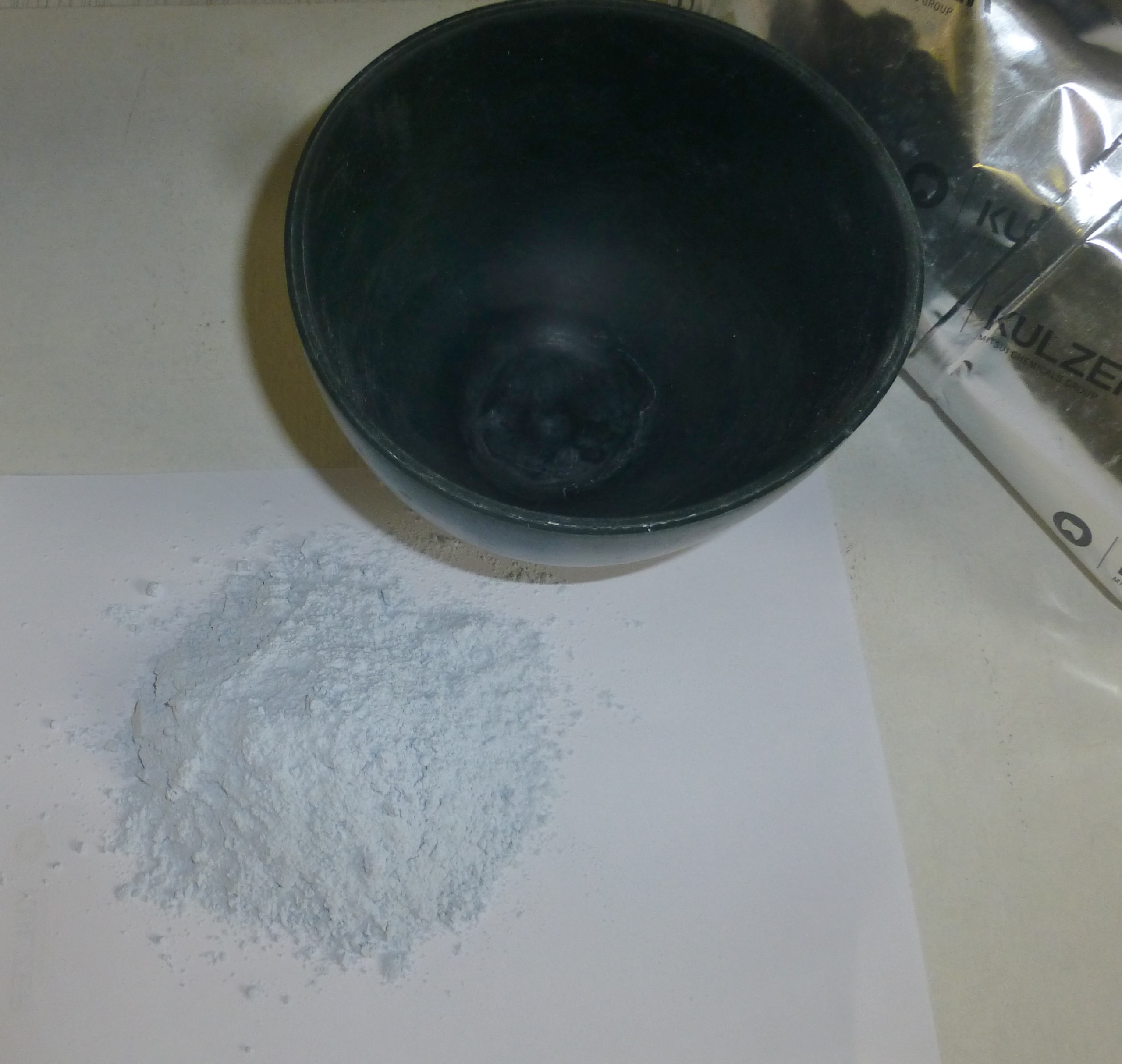
Working models were cast in plaster and stone, trimmed on wet grinding wheels, and the whole operation generated a continuous fine mineral dust in rooms where benches were close together.
Extraction at the trimmer, enclosure, and increasingly digital workflows that produce no model at all have changed the atmosphere. Stated as occupational history only. Anybody with that work history should raise it with their own doctor rather than with an article.
5. The Teeth Were Selected From a Tray by Eye
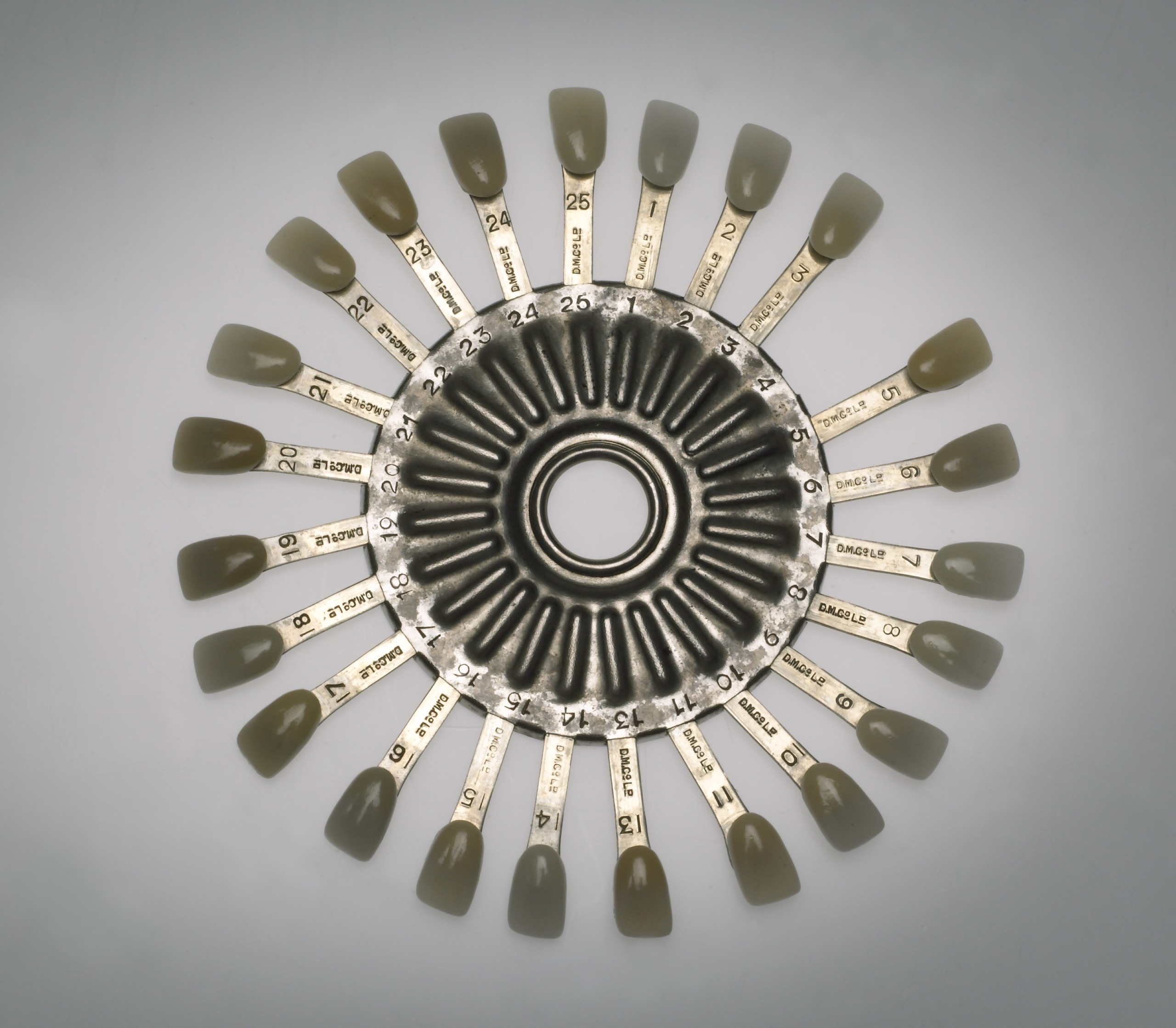
Artificial teeth came as manufactured sets in a range of shades, shapes and sizes, and the technician chose them by holding a shade guide against the patient’s complexion or by working from a note on the prescription.
Shade matching is now done with instruments and digital imaging, and teeth can be milled individually. The old method depended on the technician’s colour judgement under whatever light the lab had, and a set of teeth that looked right on the bench and wrong in daylight was a common and expensive problem.
6. Everything Was Carved in Wax First
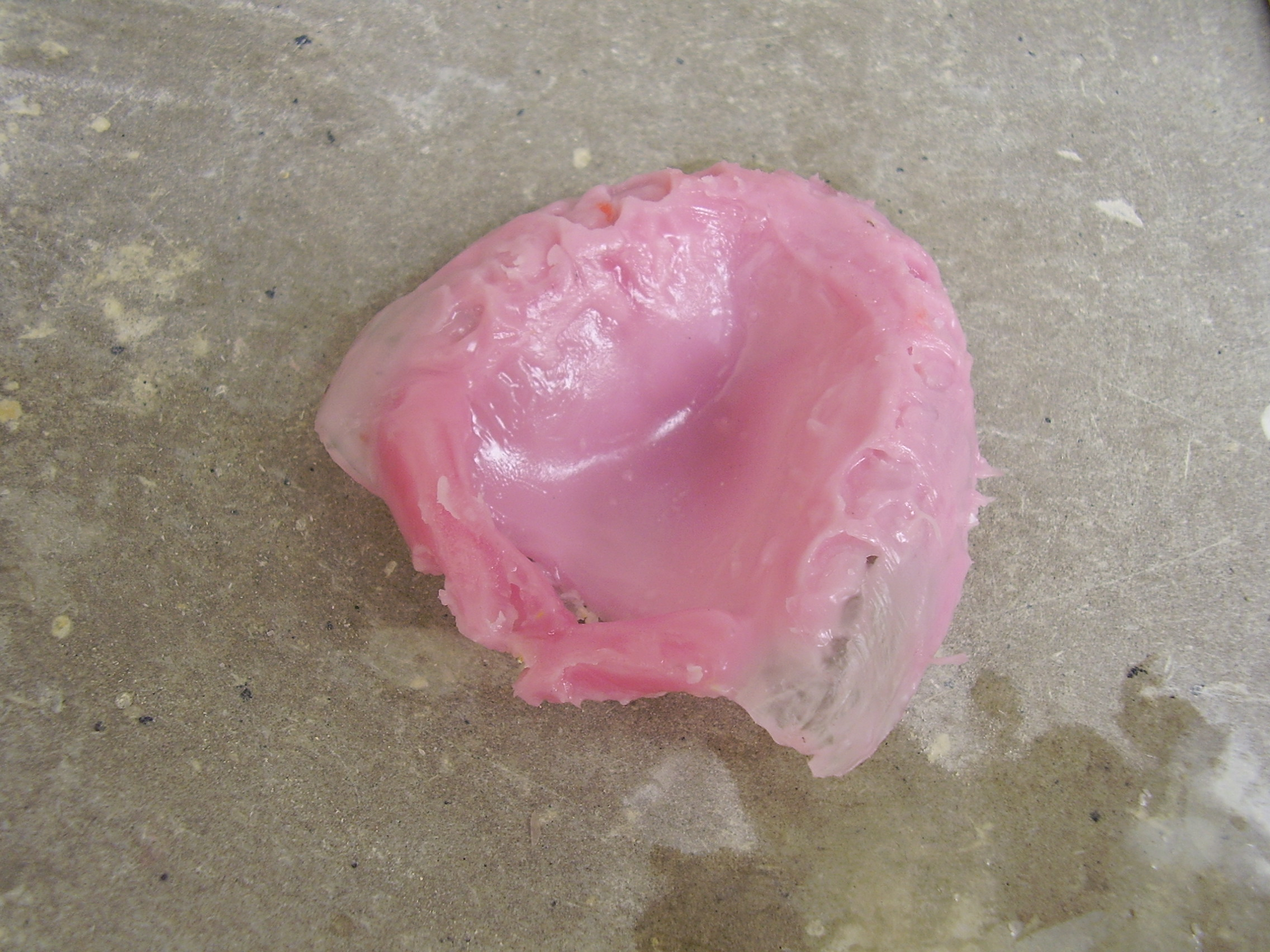
A denture was built up in wax on the model – the teeth set in wax, the gum contours carved by hand – so it could be tried in the mouth and adjusted before anything was made permanent.
Wax try-ins remain standard practice for conventional dentures and digital design has replaced the carving in many workflows. The wax stage is the one that determines whether a denture looks like teeth or like dentures, and the carving of it was the most artistic operation in the building.
7. The Final Processing Involved Boiling the Wax Out and Packing Resin In
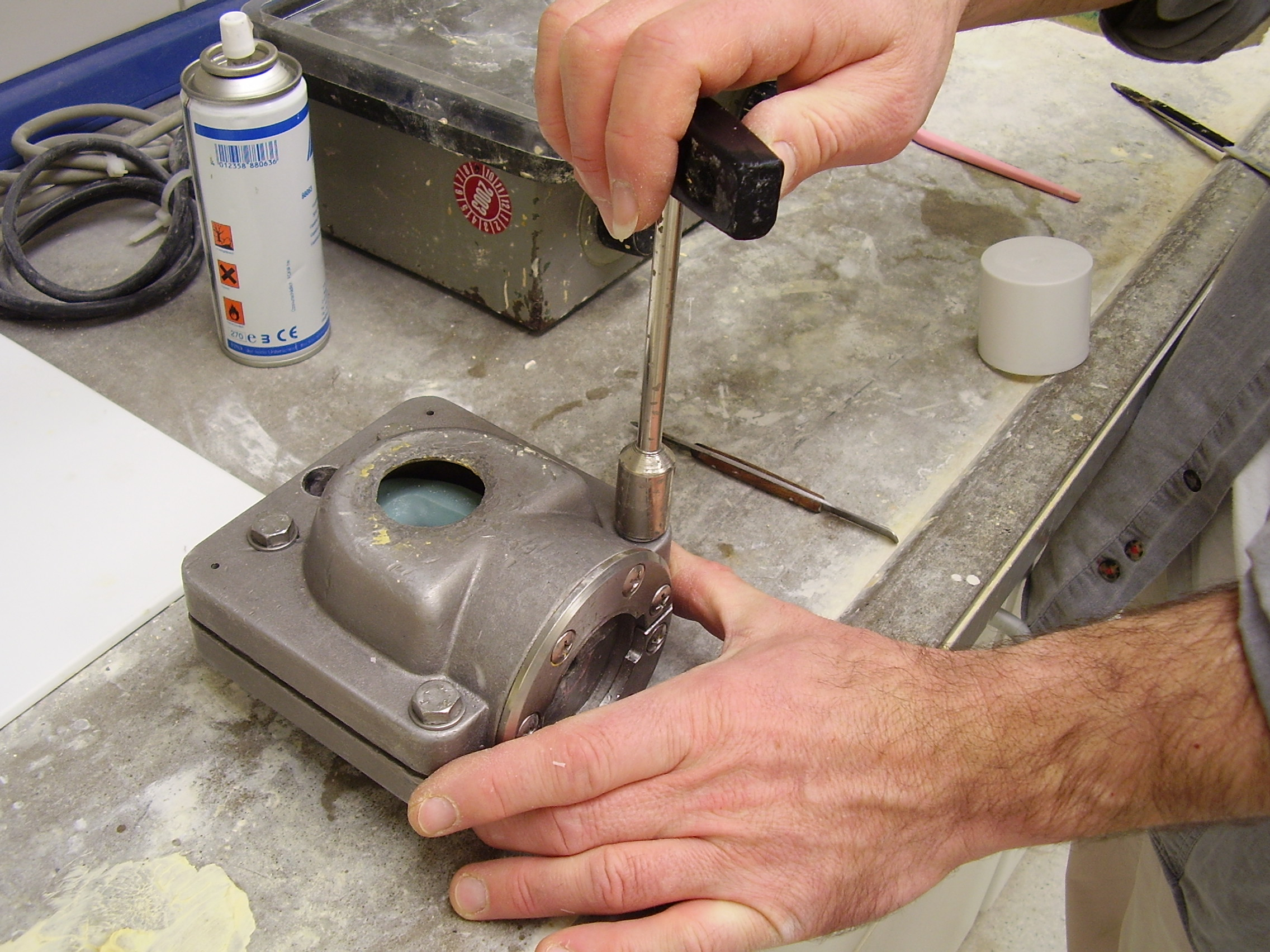
The wax model was invested in plaster in a flask, the wax boiled out leaving a cavity, and acrylic resin packed in and cured under heat and pressure – a sequence taking hours with several points at which it could go wrong.
Injection moulding, light-cured materials and milling from solid blanks have replaced much of it. The lost-wax principle involved is the same one used for casting metal and for making bells, which is a surprising piece of common ancestry between three completely unconnected trades.
8. The Acrylic Monomer Was Breathed All Day
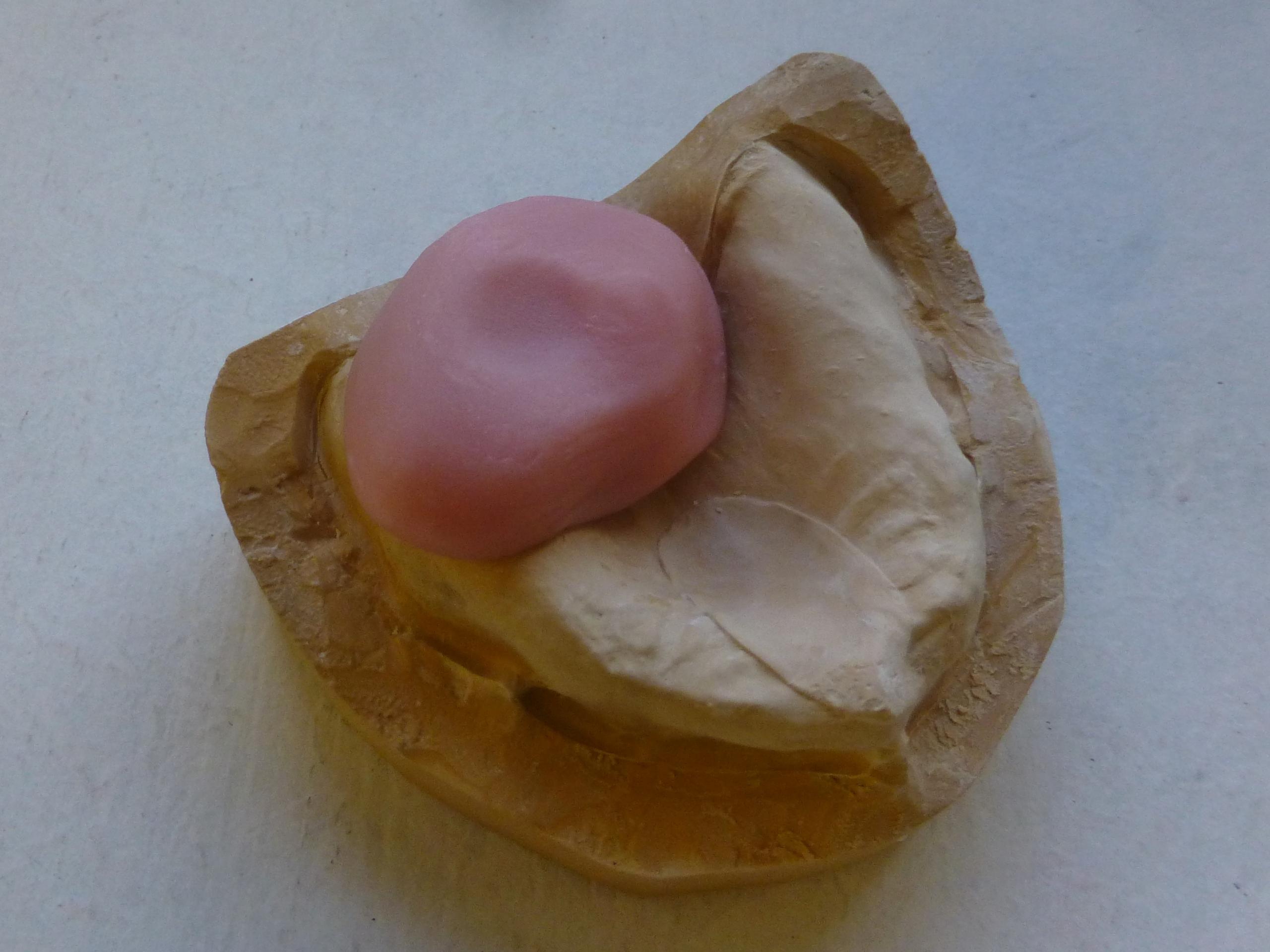
Mixing and packing acrylic resin released vapour continuously in rooms with little extraction, and the smell of a dental laboratory was unmistakable to anybody who had been in one.
Extraction, enclosed mixing, pre-dosed capsules and material changes have reduced exposure substantially. Included as occupational history only; anybody with that work history should discuss it with their own doctor.
9. Metal Frameworks Were Cast by Spinning Molten Alloy Into a Mould
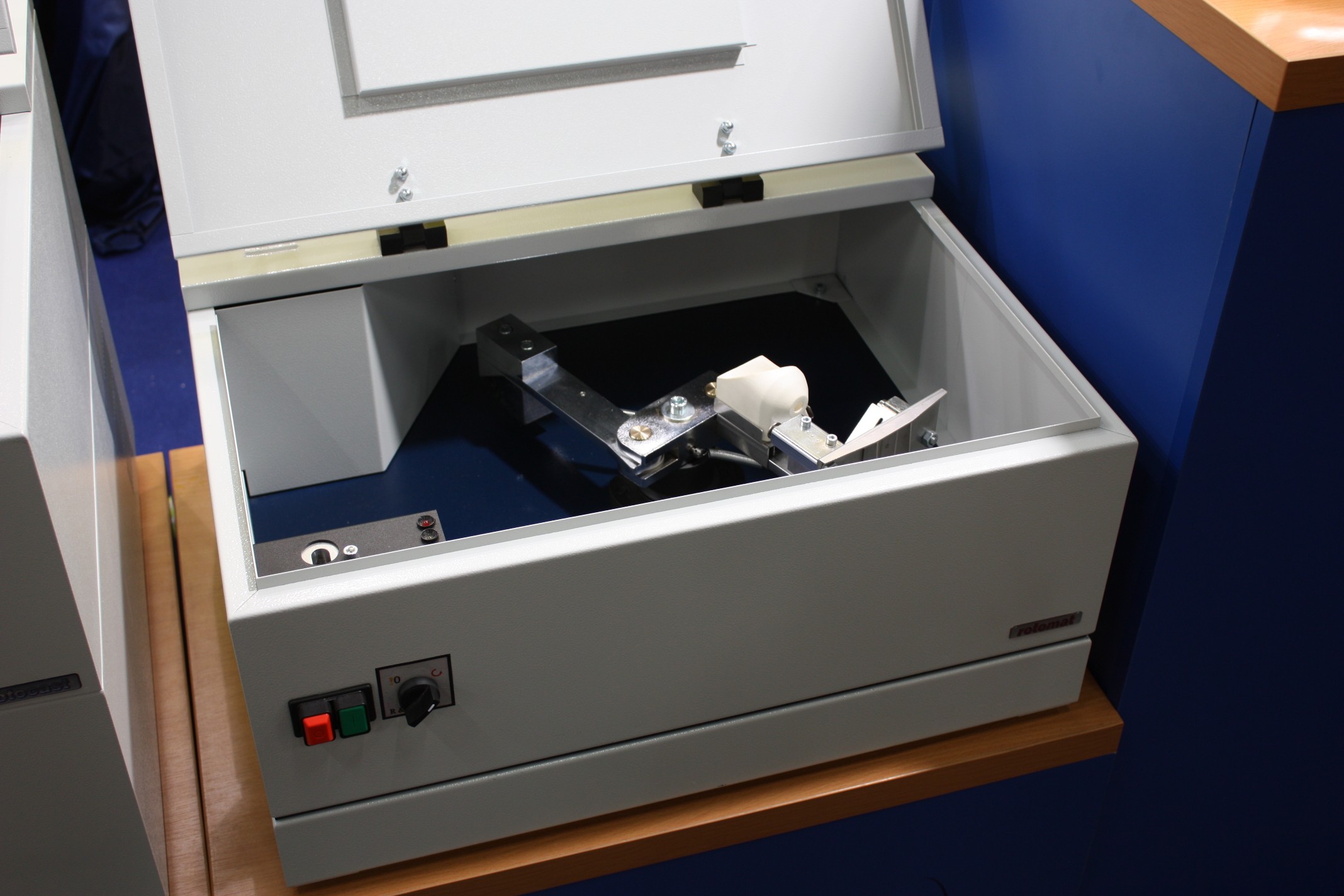
Partial denture frameworks were cast by melting alloy and throwing it into the mould with a centrifugal casting machine – a spring-loaded arm that spun the crucible and the flask together at speed.
Milling, laser sintering and modern casting equipment have largely replaced the spinning caster, which is still found and still works. It is a genuinely alarming-looking machine, it does the job precisely because centrifugal force fills fine detail that gravity will not, and the principle has not been improved on.
10. Gold Was a Standard Material and Was Weighed Like Money
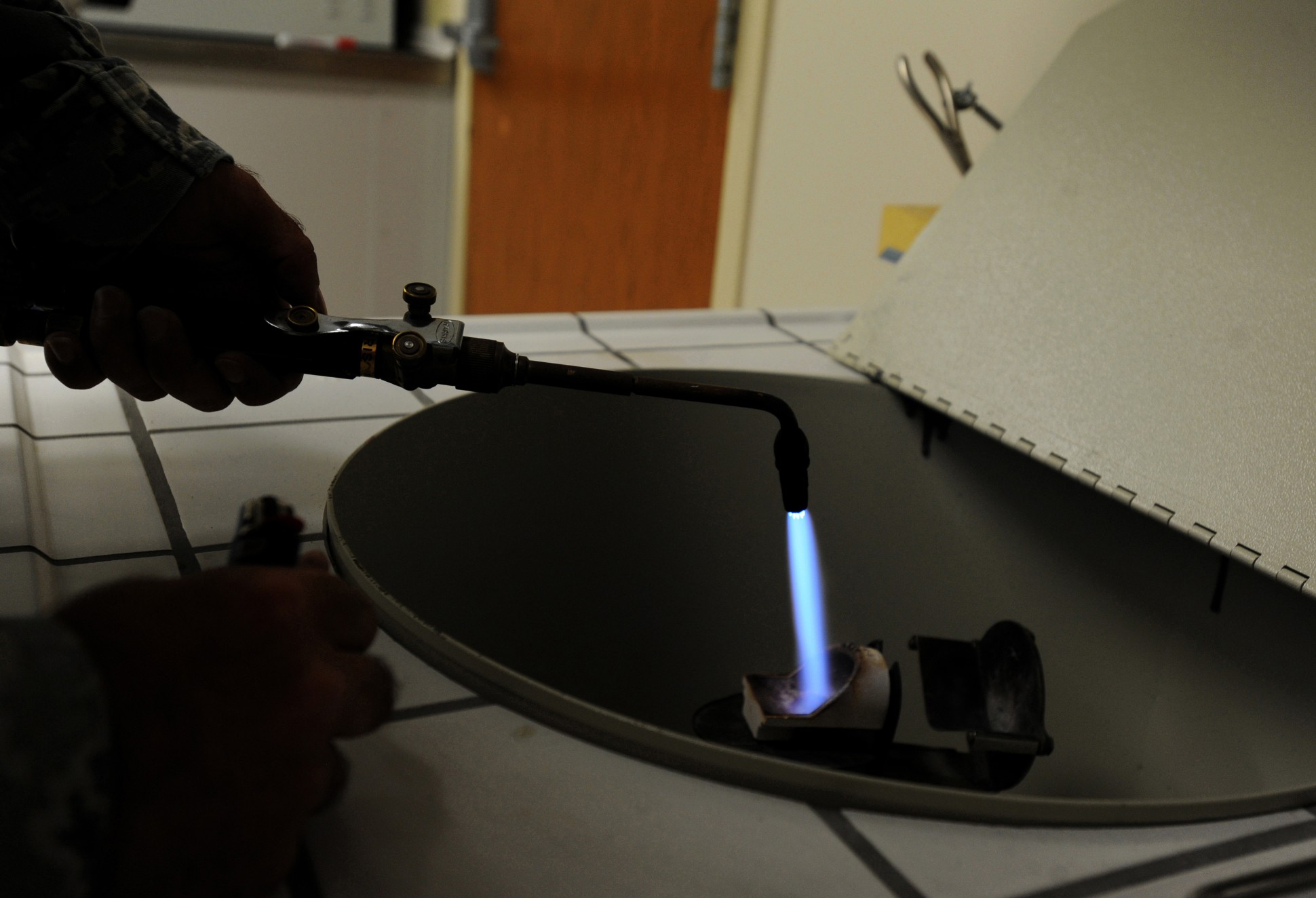
Gold alloys were used routinely for crowns, inlays and framework, which meant the laboratory held and worked a precious metal, with scrap collected, recorded and reclaimed down to the floor sweepings.
Base metal alloys, ceramics and milled zirconia displaced gold for most purposes on cost and on appearance. Gold is still an excellent dental material on technical grounds – it wears at a similar rate to tooth and seals well – and it lost almost entirely to the preference for something tooth-coloured.
11. The Technician Never Met the Patient
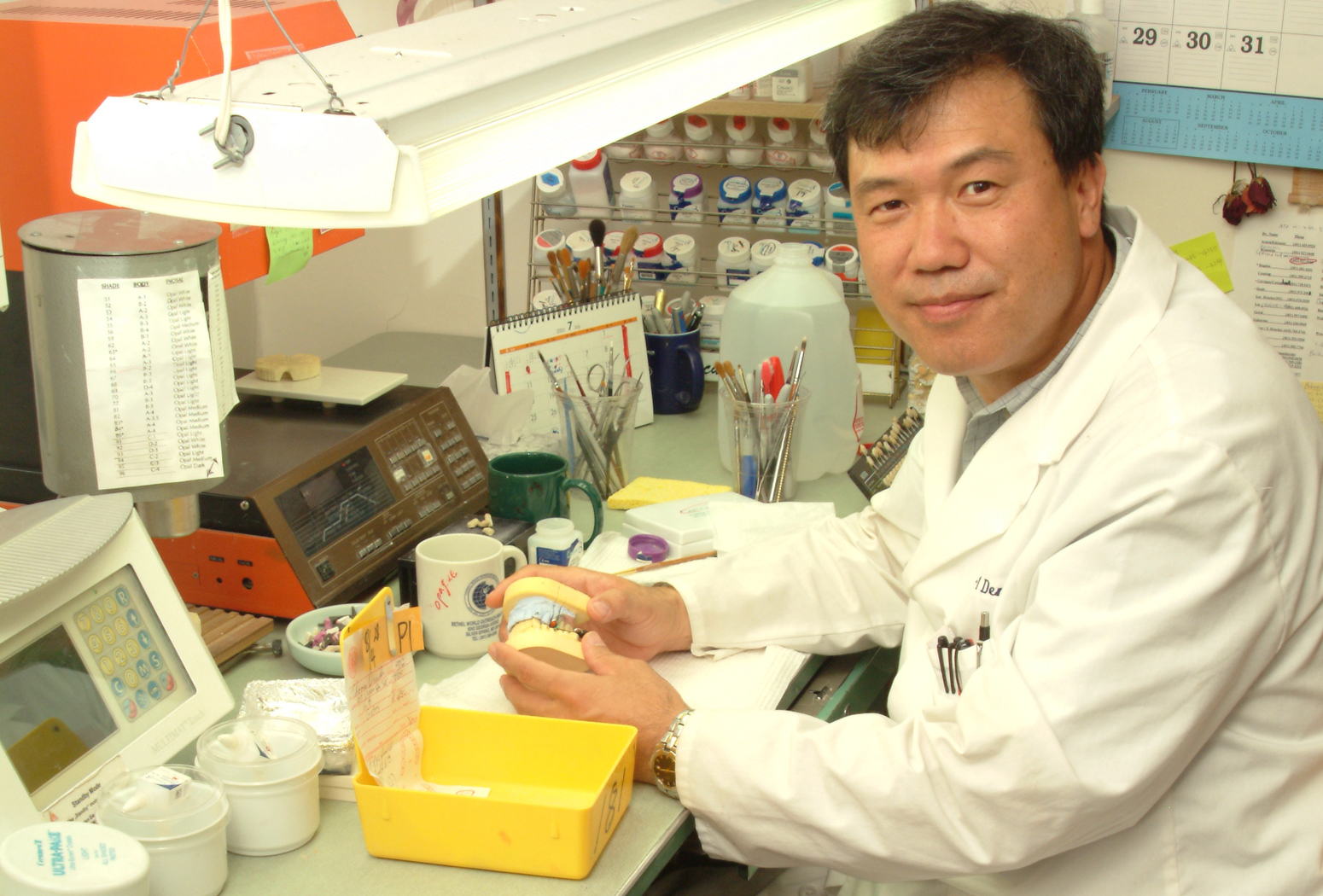
Work arrived with a prescription and a model, was made to written instruction, and went back – with the technician having no contact with the person whose mouth it was for and frequently no feedback about whether it fitted.
Digital workflows, photography and in some practices on-site laboratories have improved the communication. The separation was the trade’s fundamental frustration: a technician was making a highly individual object for a person they could not see, from a description written by somebody else, and learned about failures only when work came back.
12. The Work Came Back and the Technician Fixed It Without Explanation
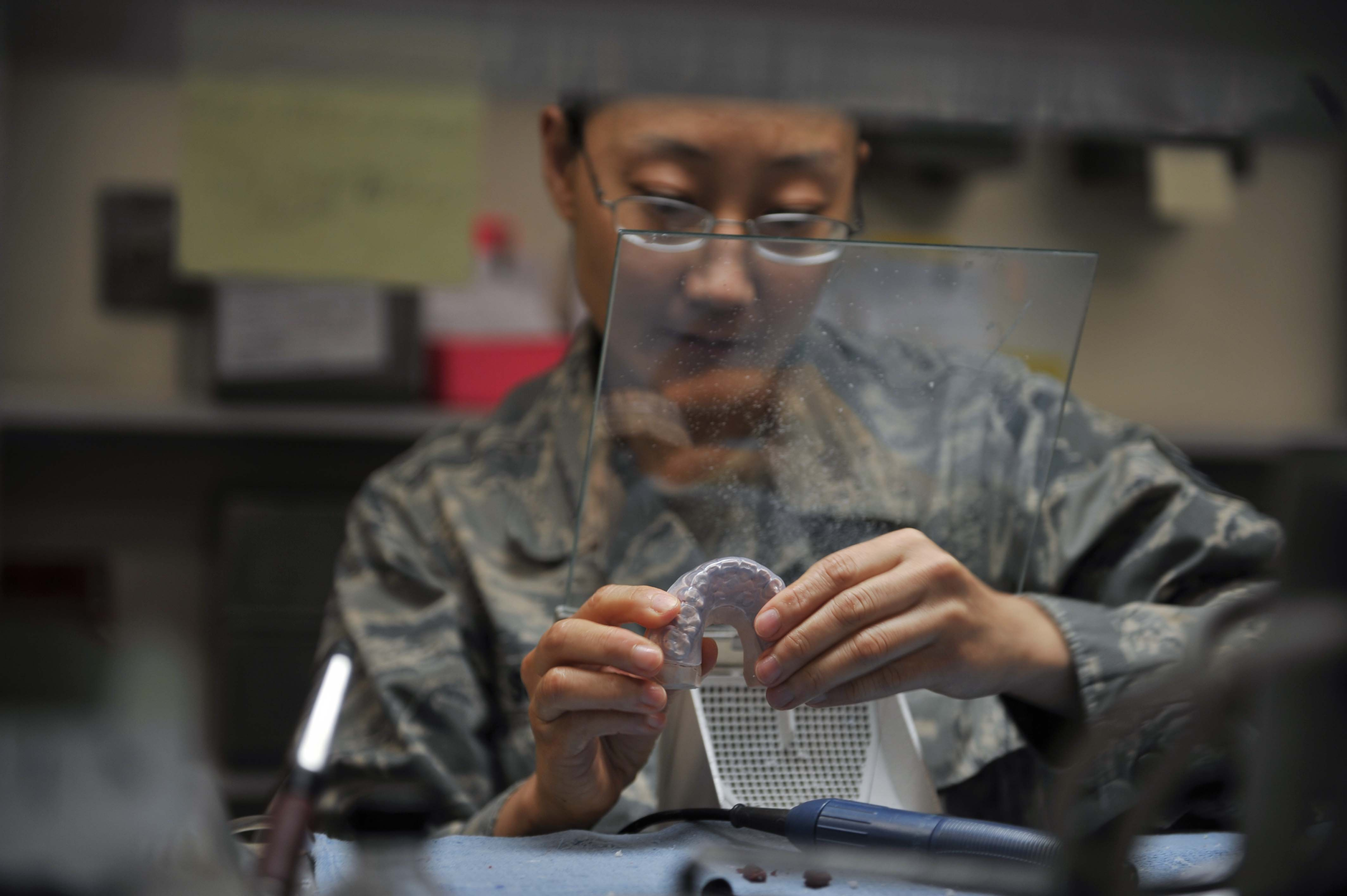
Remakes and adjustments arrived with minimal information about what was wrong, and the technician diagnosed the problem from the returned appliance itself.
Structured feedback and direct communication between clinician and laboratory are now normal where the relationship works well. Reading a returned denture to work out what had gone wrong – from the wear marks, the pressure spots and the way it had been adjusted – was a real diagnostic skill developed entirely because nobody was telling them.
13. It Was a Trade Learned by Apprenticeship With No Formal Qualification
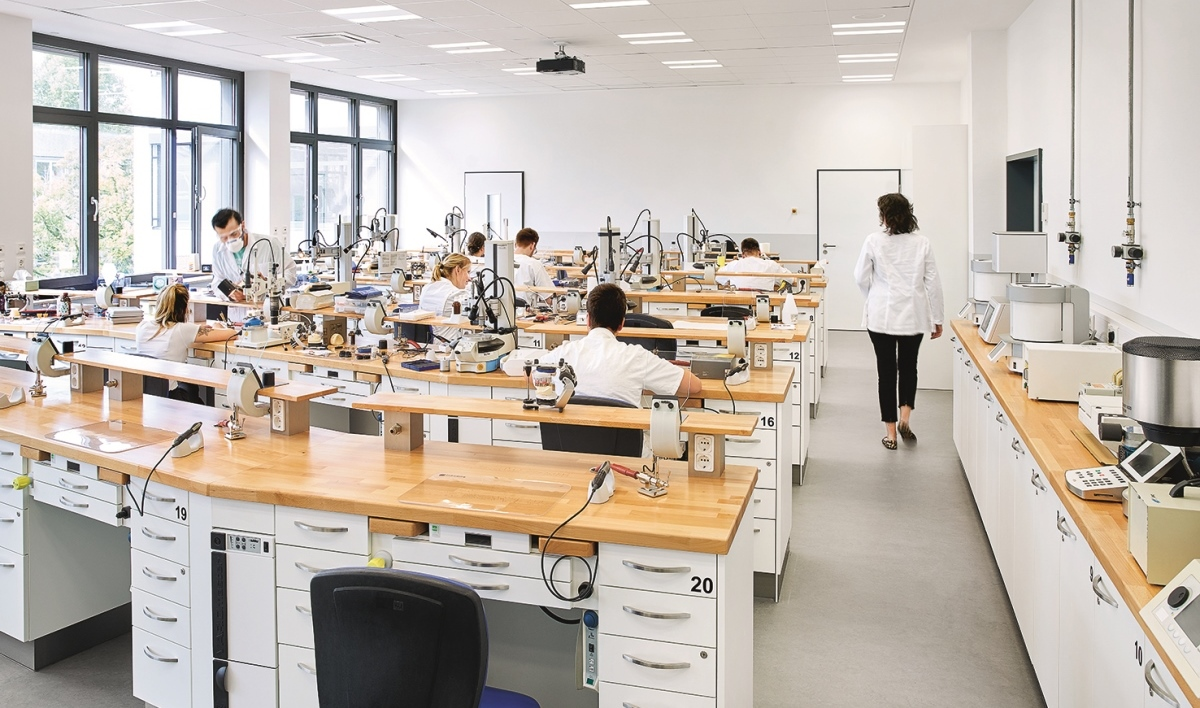
Technicians trained by working beside somebody for years, with the skills transmitted by demonstration and correction rather than by any defined curriculum.
Formal qualifications, registration requirements and defined scopes of practice now apply in most places. The apprenticeship produced extremely capable people and no portable evidence of it, which is the standard problem with transmitted craft knowledge and the reason registration was introduced.
14. The Laboratories Were Small, Numerous and Everywhere
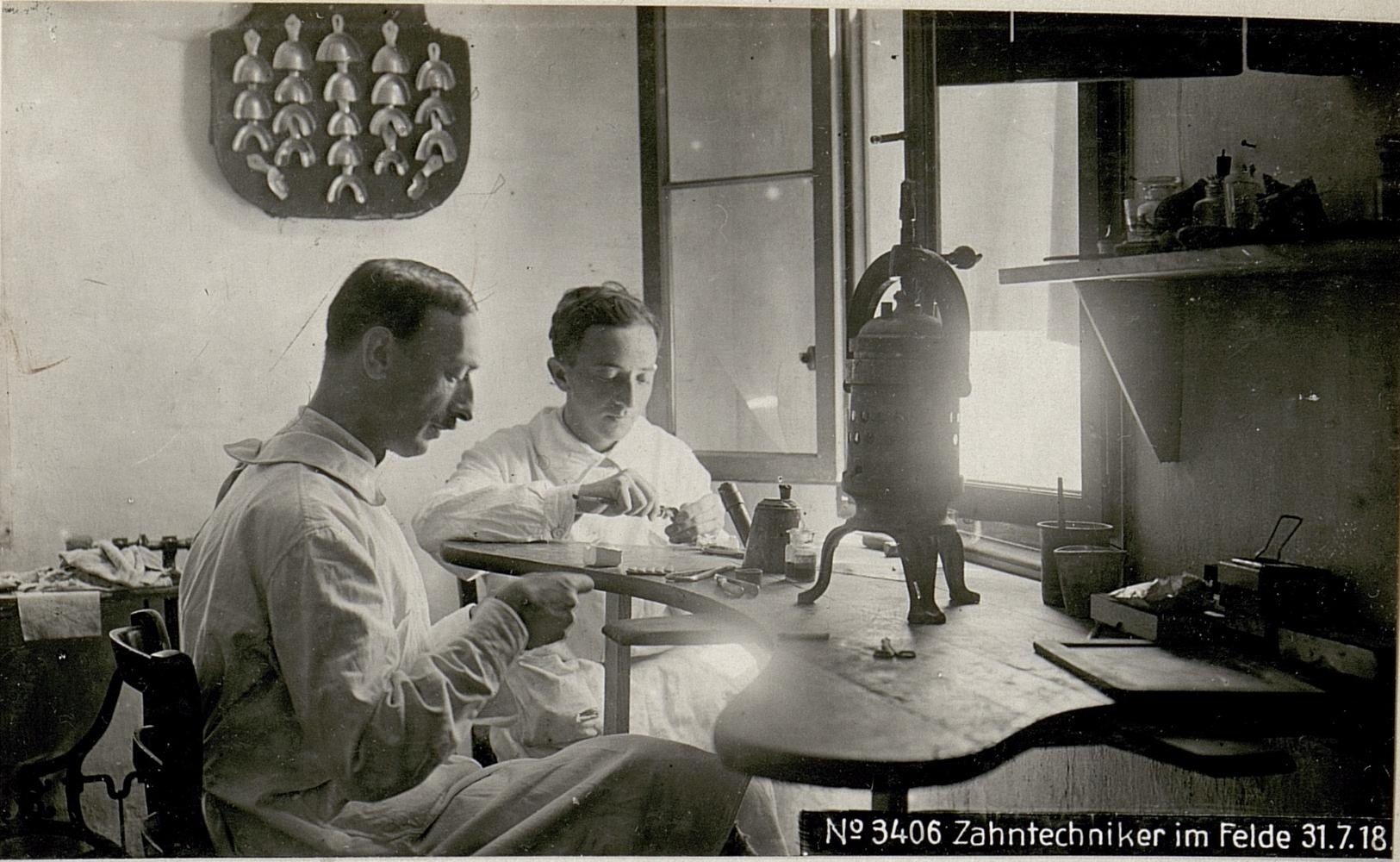
Most towns had several independent laboratories, frequently one or two people working above a shop, serving the local practices.
Consolidation into larger laboratories, and then substantial offshoring of routine work, reduced their number enormously. The small local lab could turn work round in a day because it was two streets away, which is an advantage that no amount of cost saving elsewhere fully replaces and which is why some work has come back.
15. Nobody Expected the Scanner
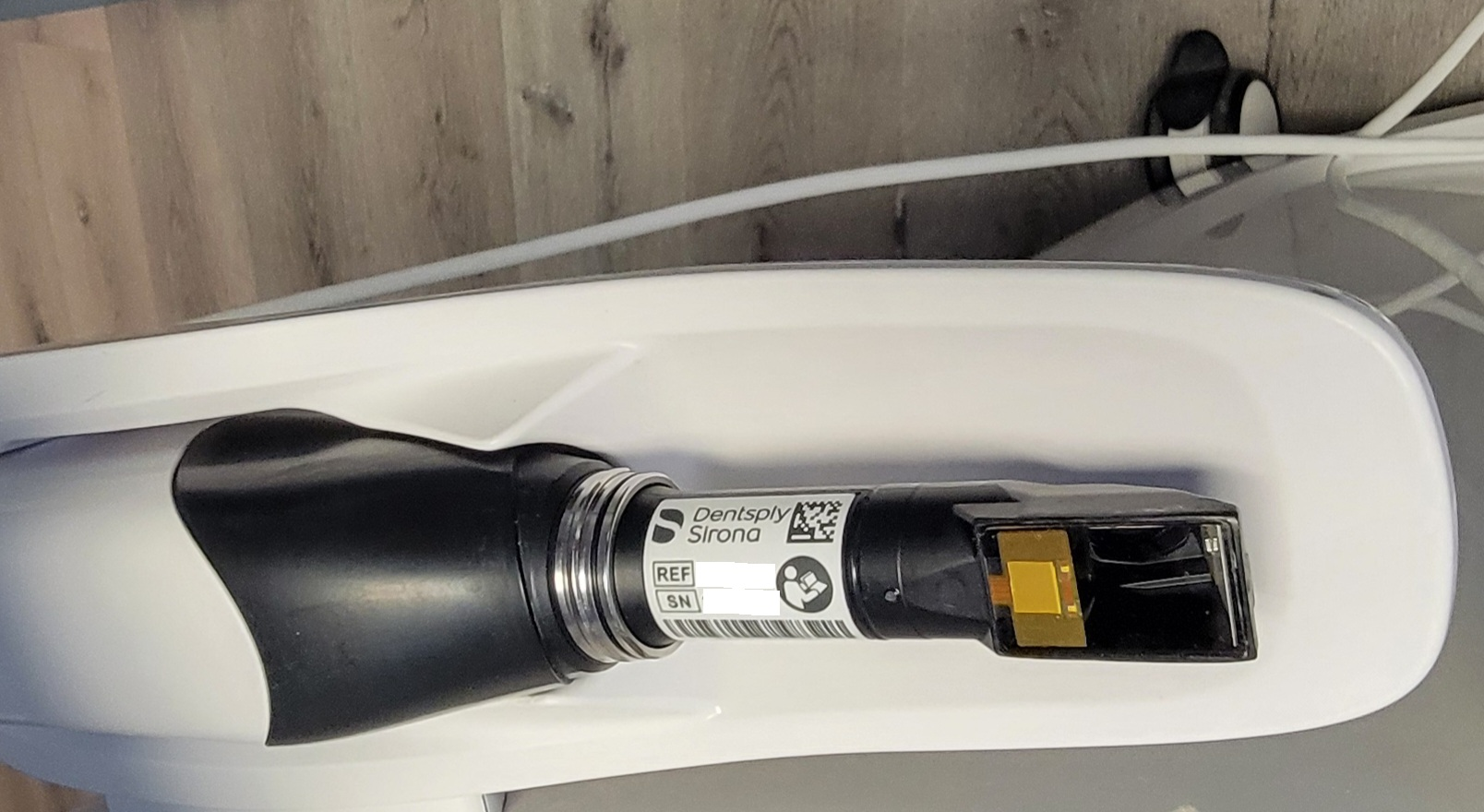
In 1960 an impression was a physical negative of a mouth, a model was a physical positive, and every stage of the process produced an object.
Intraoral scanning, digital design and milling or printing have removed the impression, the model and the wax from a growing share of the workflow entirely. It is one of the fastest and most complete digital transitions in any craft trade, and it happened to a profession that had worked in plaster and wax, essentially unchanged in principle, for over a century.
16. The Skill Being Lost Is Not the One Anybody Predicted
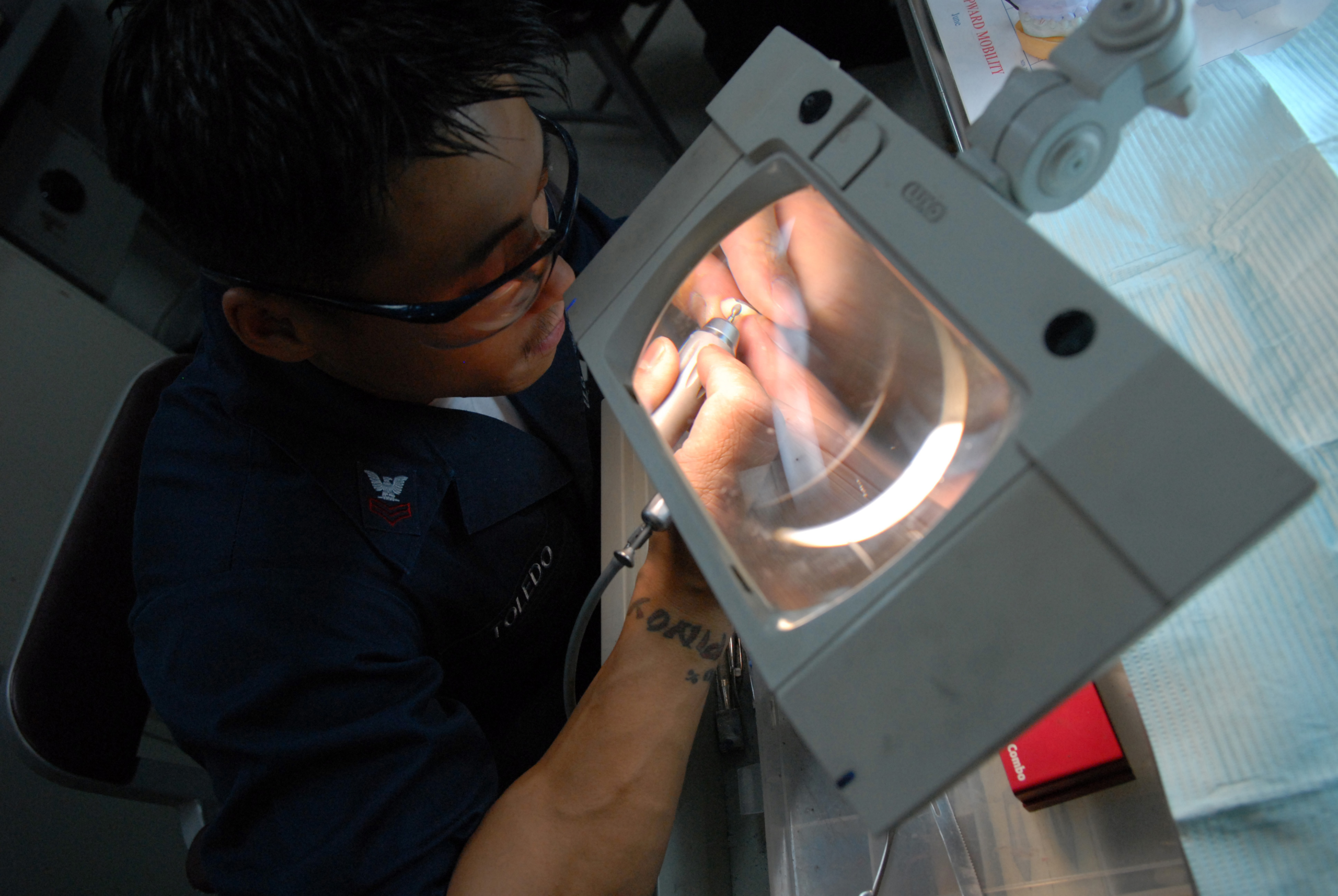
The assumption was that digital methods would remove the manual dexterity – the carving, the packing, the finishing.
They largely have, and what has turned out to be harder to replace is the judgement: knowing what a denture should look like in a particular face, how much to reproduce the irregularity of real teeth, when a technically perfect result will look wrong. That is an aesthetic judgement built from seeing thousands of faces, it does not transfer into software easily, and the technicians who have it are the ones the digital workflows are still routed through.
17. The Work Is Invisible by Definition and That Is the Measure of It
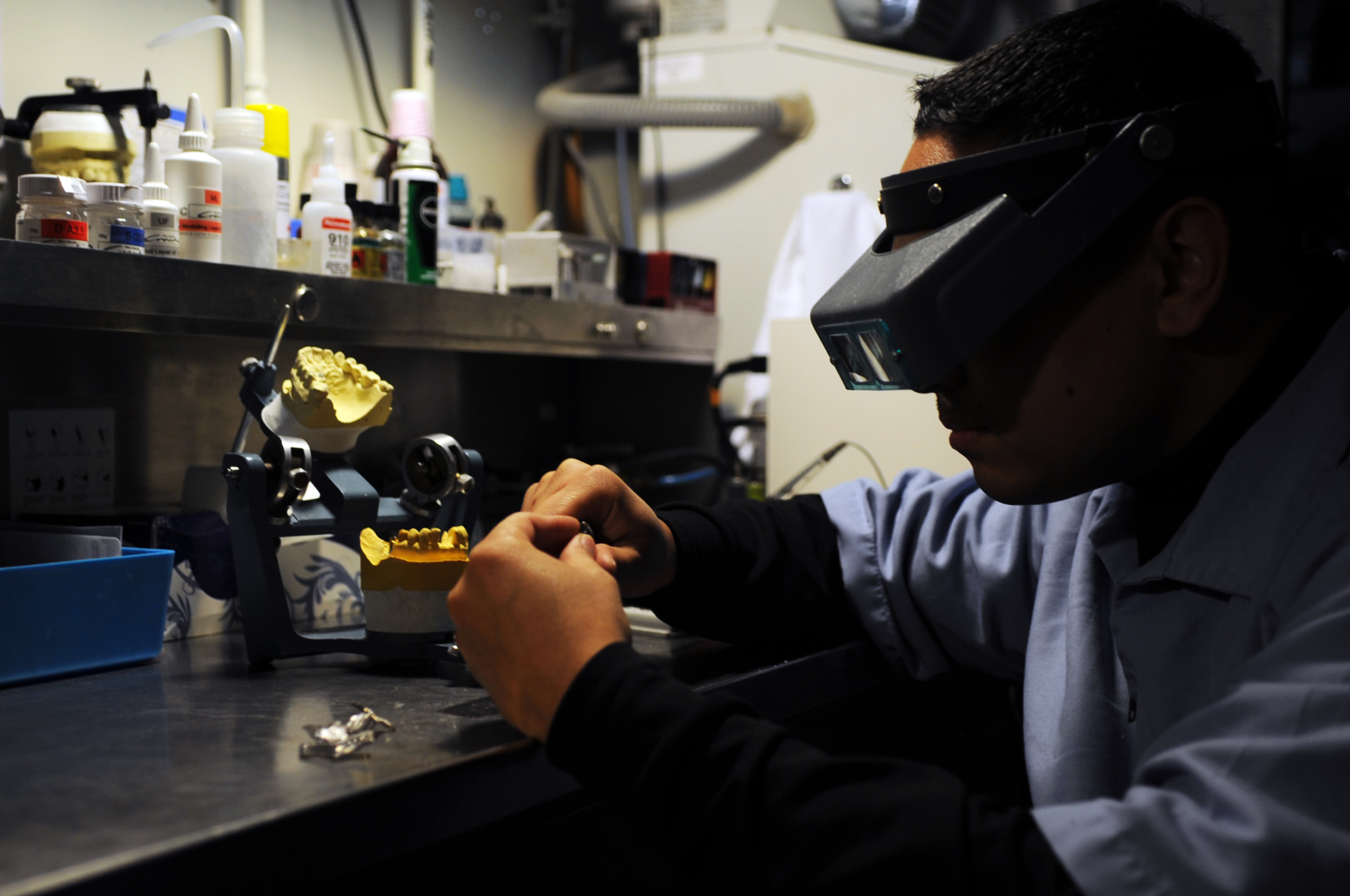
A denture, crown or bridge that is noticed has failed. The entire object of the trade is to produce something nobody remarks on.
Unchanged, and it is why the trade is so little known. Almost everybody has encountered this work, in themselves or in somebody close to them, and essentially nobody can name the occupation that produced it – a craft whose definition of success is that you cannot tell it was done.
The Judgement Outlasted the Dexterity
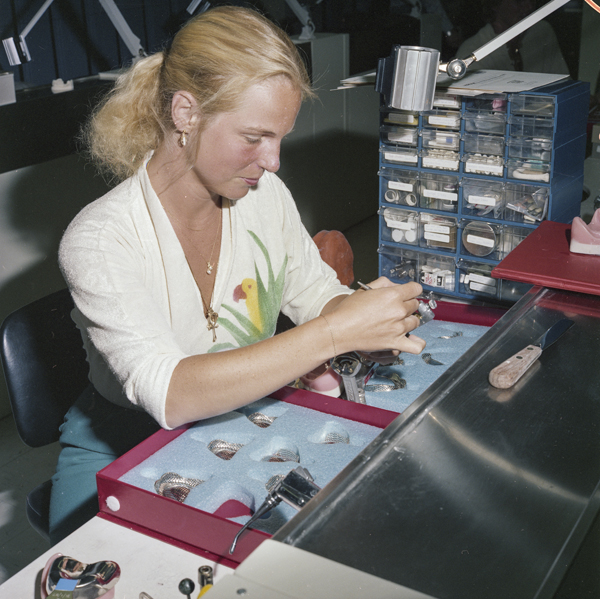
The expectation about digital methods in this trade was that they would replace the hands, and that has largely happened.
Scanning removed the impression. Design software removed the wax carving. Milling and printing removed the packing, the flasking and much of the finishing. A substantial proportion of what a 1960 technician spent the day physically doing is now performed by machines, better and faster and more consistently.
What did not transfer is the judgement, and the specific judgement is aesthetic.
A set of teeth that is geometrically perfect – even, symmetrical, correctly proportioned, the right shade – frequently looks wrong in an actual face. Real teeth are not even. They are slightly rotated, slightly different from each other, worn unequally, and the irregularity is what makes them read as teeth rather than as an appliance. Reproducing the right amount of imperfection, for a particular person, in a particular face, at a particular age, is the thing that separates work nobody notices from work everybody notices.
That judgement is built from having seen a very large number of faces and a very large number of outcomes, and from having been wrong often enough to develop an eye. It is not a rule, it cannot be specified, and the attempts to encode it in software produce defaults that are better than nothing and not as good as a person who knows.
So the digital workflows have ended up routed through exactly the people whose manual skills they replaced, doing the one part of the job that was never about the hands.
Which is a reasonable thing to notice about automation generally. The visible skill – the dexterity, the speed, the physical craft – is frequently the part that automates. The invisible one, the judgement that nobody wrote down because nobody could, is the part that stays.
If you were a technician you will know what the monomer smelled like and how long it stayed in your clothes.
And if you have ever had this work done well, you have no idea who did it, which is exactly the point.
Like our content? Follow us for more.
