In 1960 watercress was grown in shallow gravel beds fed continuously by spring water, on farms that existed where the geology put the spring and nowhere else.
It was cut by hand, by people in waders, bent double, standing in the water – including in midwinter, when the crop is at its best and the water coming out of the ground is warmer than the air above it.
And it was packed with ice and put on a train the same morning, because once cut it lasts hours.
Here are ten things that were ordinary on a watercress farm in 1960, and what became of each one.
1. The Beds Were Fed by Springs and the Water Decided Everything
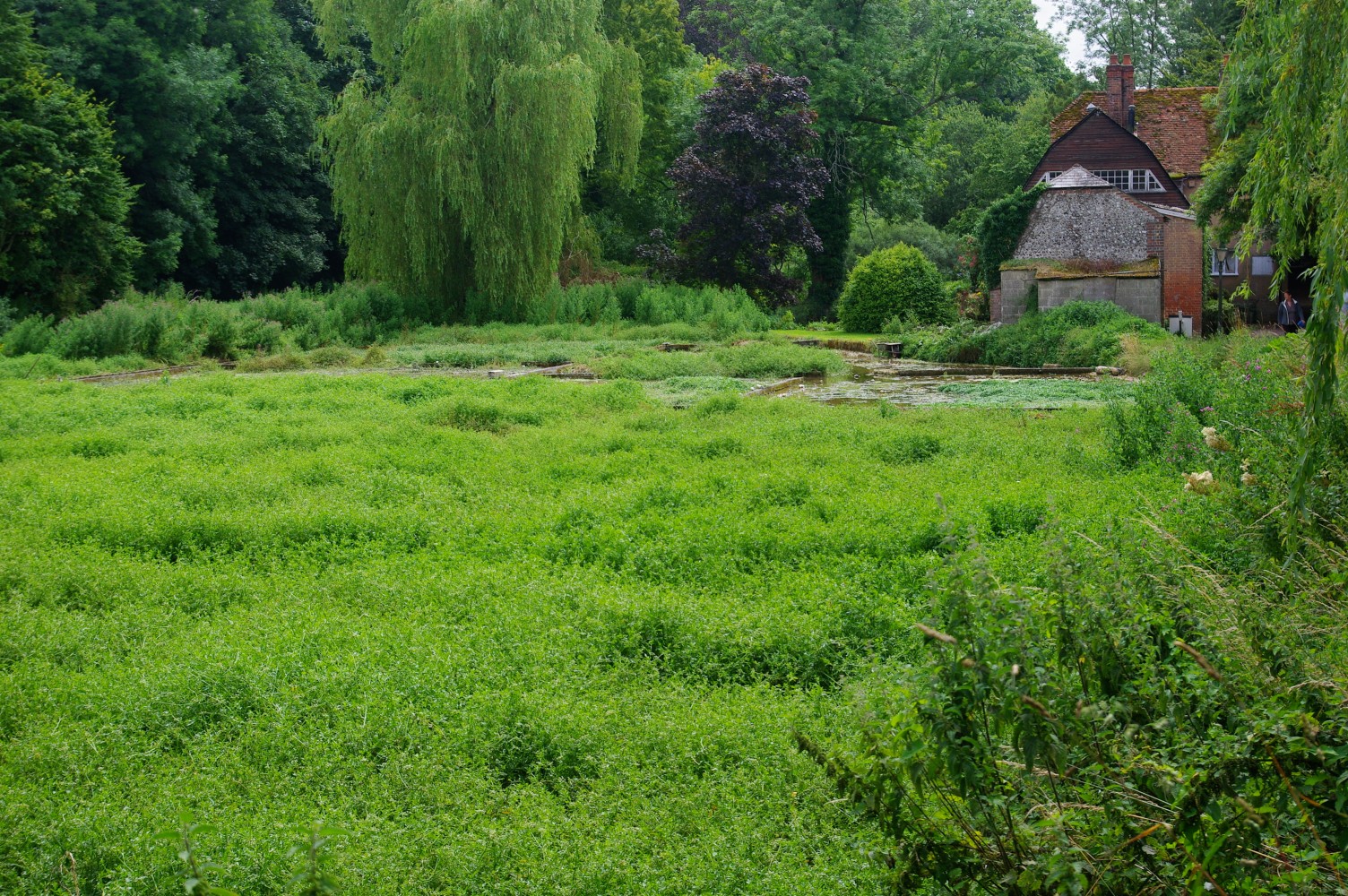
Watercress grows in shallow gravel beds through which clean water flows continuously, and the crop depends entirely on a spring producing water of the right purity at a steady temperature all year.
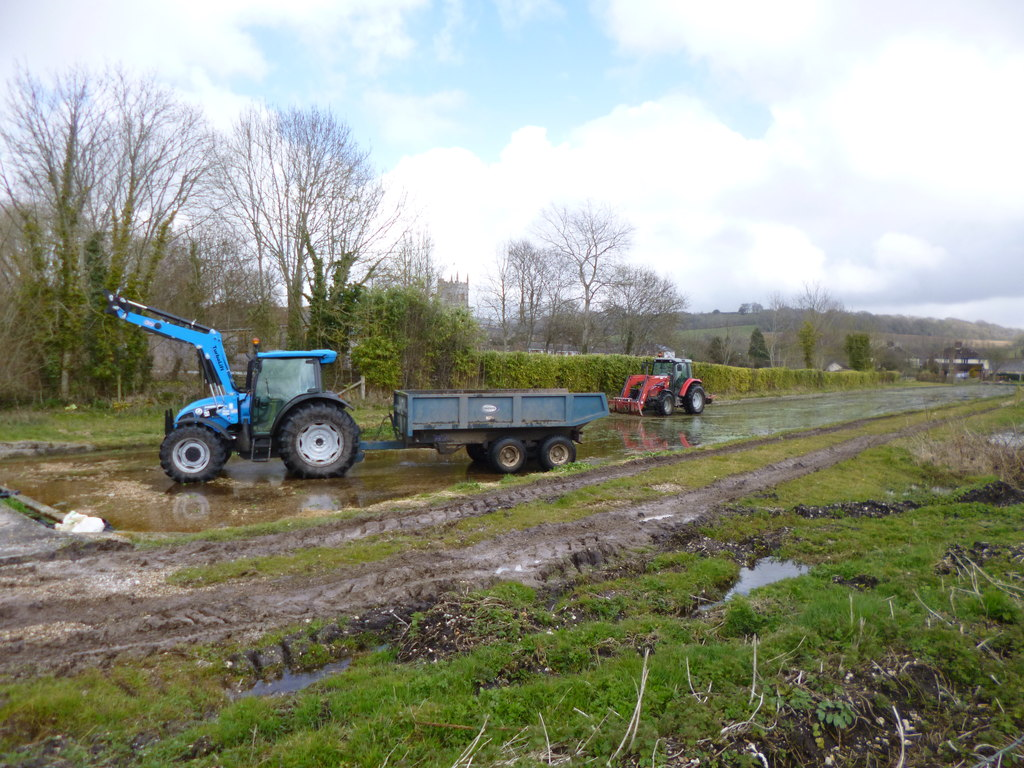
Unchanged, and the same springs are still in use, because there is no substitute for the water. A watercress farm cannot be sited by convenience – it exists where the geology puts the spring, which is why the industry is found in a small number of specific places and nowhere else at all.
Like our content? Follow us for more.
2. The Water Came Out of the Ground at the Same Temperature All Year
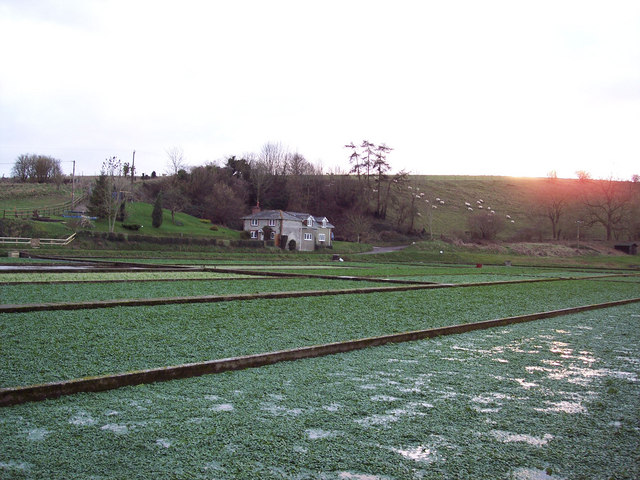
Spring water emerges at a near-constant temperature regardless of the season, which means the beds do not freeze in winter and do not overheat in summer, and the crop grows through months when nothing else does.
Still the fundamental advantage and the reason the crop is viable. A winter vegetable harvested fresh from open beds in frost, with no glass and no heating, is an unusual thing, and it exists purely because the water arrives warm from underground.
3. Everything Was Cut by Hand, Bent Double, Standing in Water
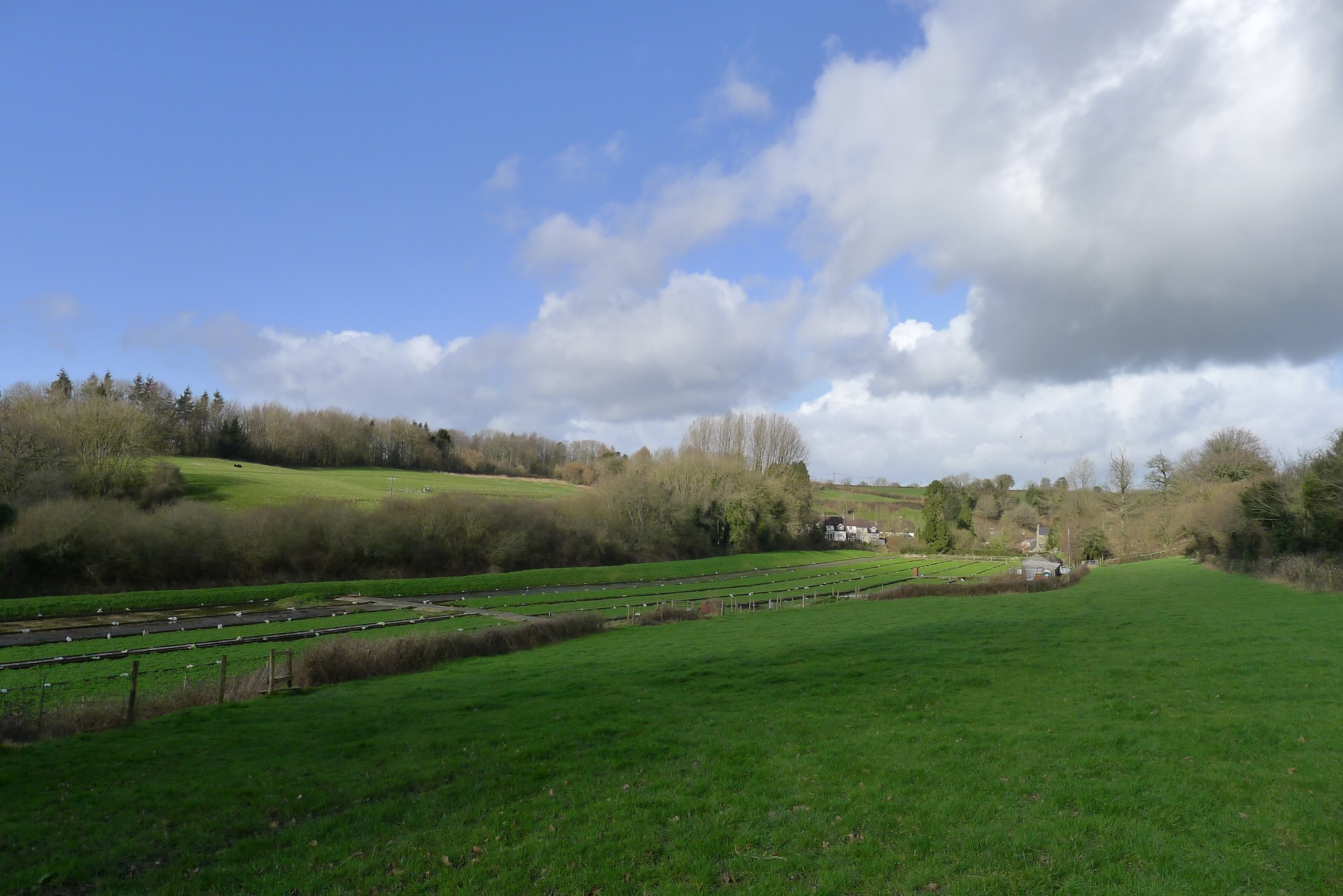
Harvesting meant standing in the bed in waders, bending to cut bunches by hand with a knife, and carrying them out, in all weathers, including in the middle of winter when the crop is at its best.
Mechanical harvesters are used on some beds and a great deal is still cut by hand, because the plant is delicate and the beds are not uniform. Cutting watercress in January, standing in flowing water in a frost, is the detail that defines the job, and the water being warmer than the air is the only thing that makes it possible.
4. The Crop Went Out by Rail the Same Day
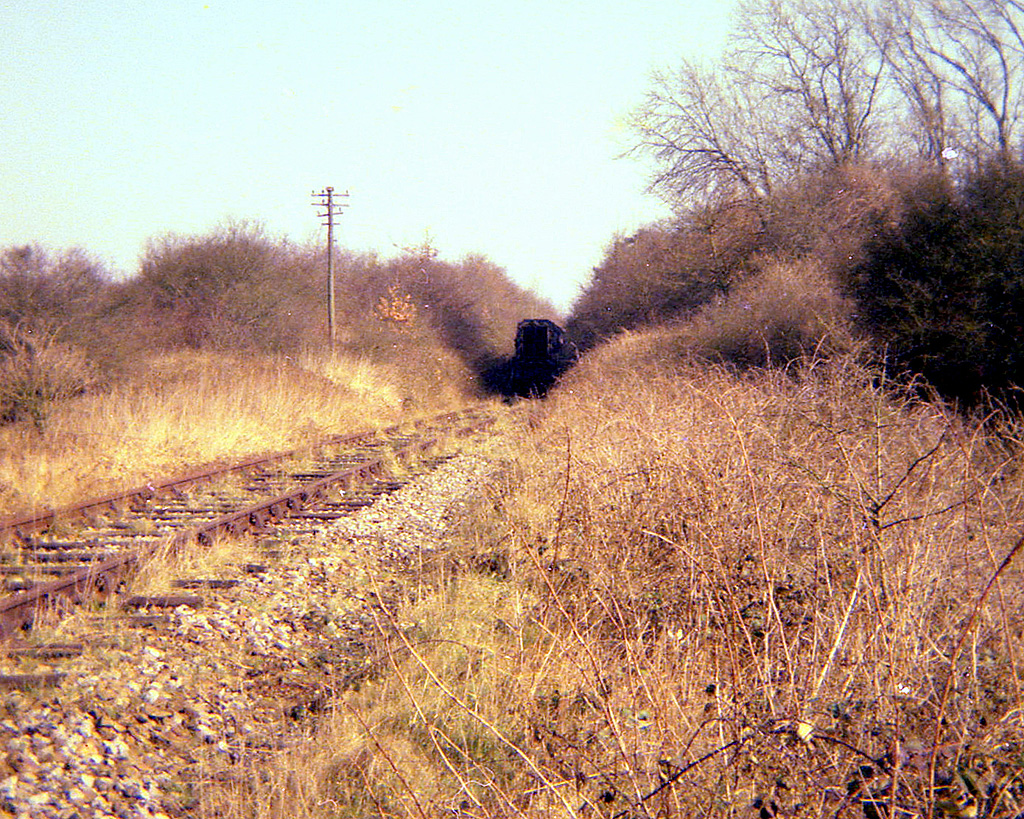
Watercress deteriorates within hours of cutting, so it was cut in the morning, packed in baskets with ice, and put on a train to reach city markets the same day – with some lines carrying so much of it that they were known for it.
Refrigerated road transport and modern cold chain replaced the trains, and the fundamental urgency is unchanged. The dedicated rail services existed because the only way to sell a crop with a life measured in hours was to move it faster than it could spoil, and the entire economics of the farm depended on the timetable.
5. The Beds Were Cleaned Out and Rebuilt by Hand Between Crops
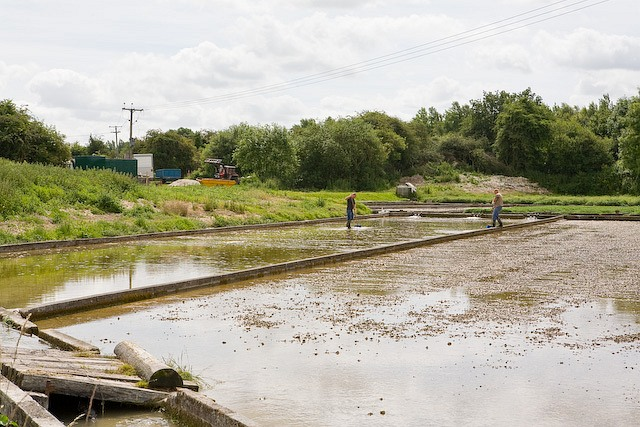
Between cuttings the beds were drained, cleared of old growth and weed, the gravel raked and levelled, and the flow re-established – heavy wet work repeated continuously around the harvest cycle.
Mechanised bed management handles some of it and the work remains substantially manual. The beds are the farm’s infrastructure, they silt and foul continuously, and a poorly maintained bed produces a poor crop regardless of the water.
6. The Purity of the Water Was Tested and Mattered Enormously
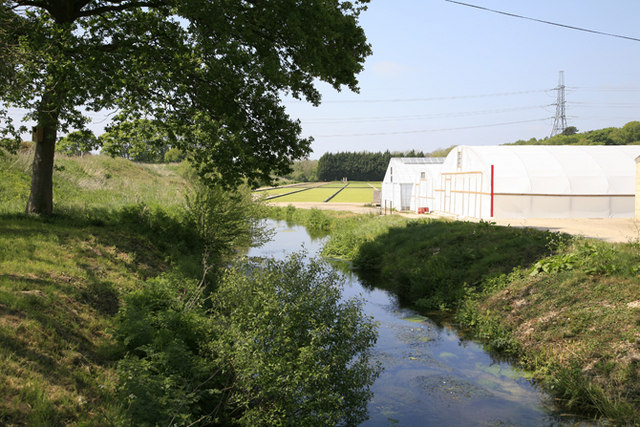
A crop grown in flowing water and eaten raw depends entirely on that water being clean, and contamination upstream is a direct route to the consumer with no cooking step in between.
Water testing, catchment protection, washing and modern food safety management now govern it comprehensively. The risk was understood in 1960 and the controls were far lighter, and the reason this crop attracts the regulation it does is simply that there is nothing between the bed and the plate.
7. The Farms Were Small, Family Run and Had Been for Generations
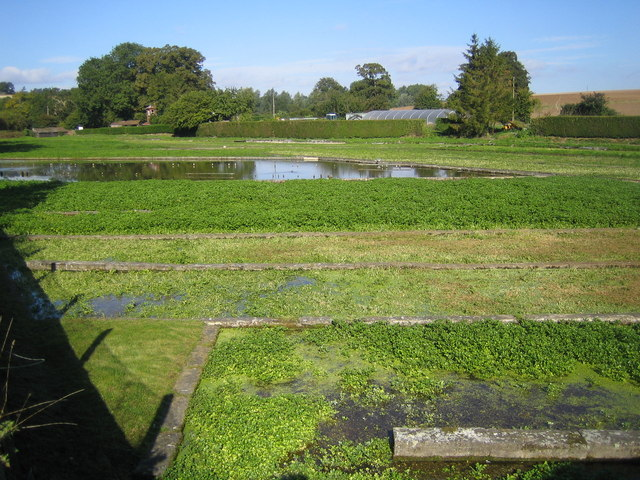
Watercress growing was a family business, on a handful of beds, passed down, with the same families on the same springs over long periods.
Consolidation into a small number of larger growers followed supermarket supply, which requires volume, consistency and year-round availability that a small farm cannot provide. The springs are still the same springs, and in several cases the same families are still there at a different scale.
8. The Crop Was Sold Loose by the Bunch From a Basket
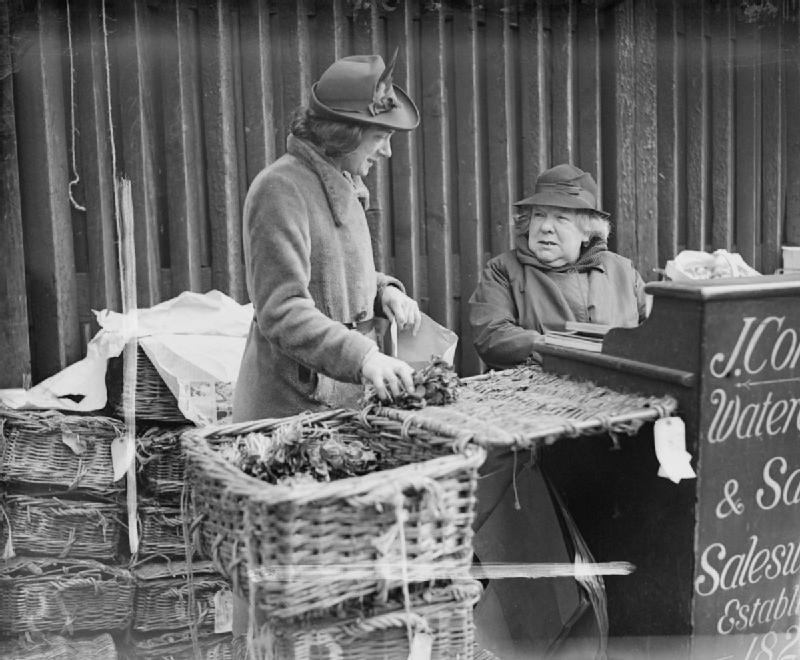
Watercress went to market in bunches, tied, packed in baskets, and was sold loose by weight or by bunch from a stall or a barrow.
Sealed bags with modified atmosphere extended the life from hours to days and moved the product into supermarkets, which is what made national distribution possible. The bag is the single innovation that saved the crop commercially, and it also ended the market stall version of the trade entirely.
9. It Was Eaten Far More Widely Than It Is Now
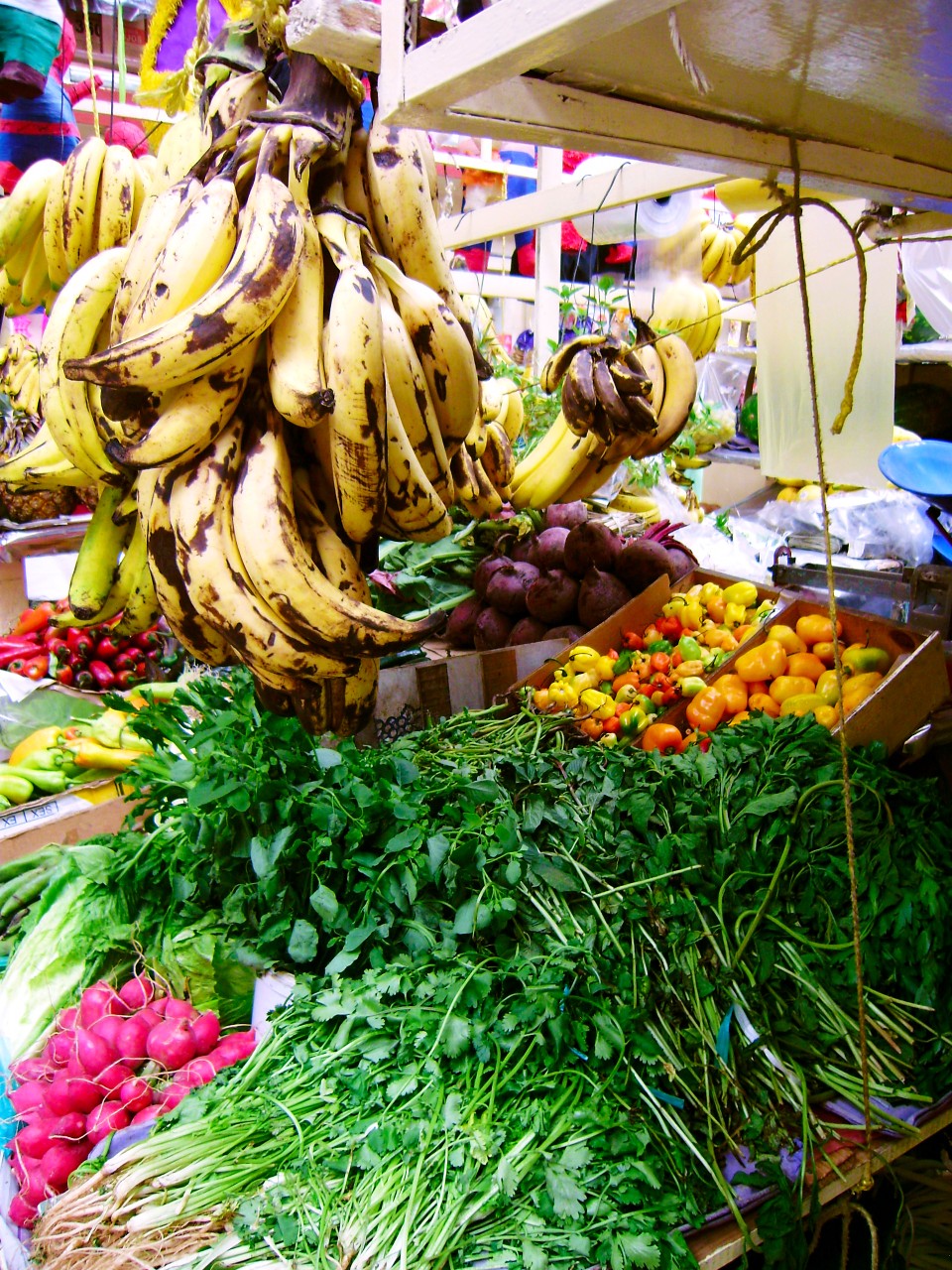
Watercress was a cheap, common and popular food, eaten in quantity, particularly in cities, and sold in enormous volumes.
Consumption declined sharply through the second half of the century before a partial recovery driven by bagged salads and by nutritional interest. It went from a staple of the urban poor to a premium salad ingredient within a few decades, which is a reversal in social position that has happened to several foods and rarely so completely.
10. Nobody Was Calling It Anything Special
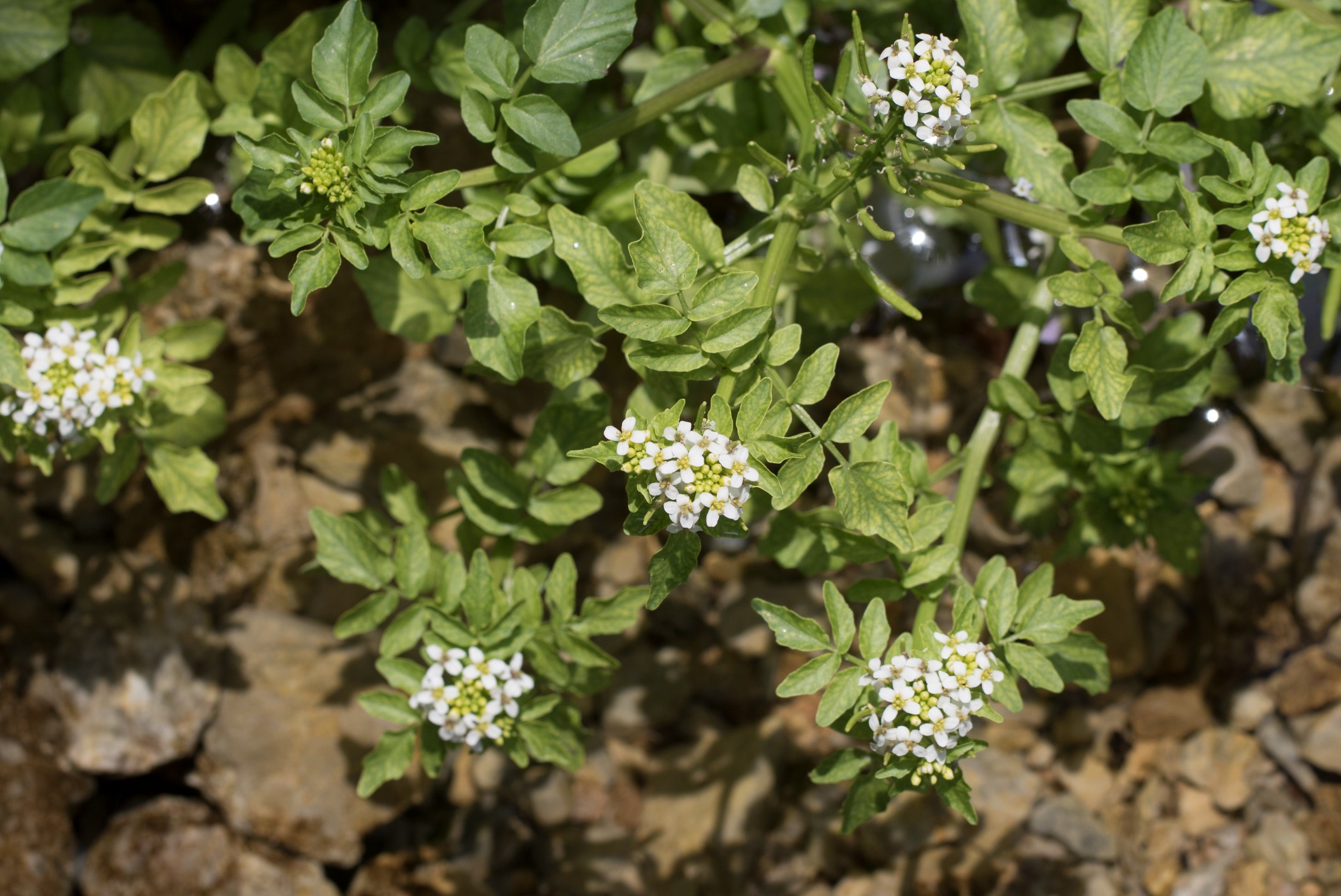
In 1960 it was simply a cheap green vegetable that grew in water, with no particular claims attached to it.
It has since been examined nutritionally and found to be unusually dense in several respects, and it is marketed accordingly. The sensible position is that it is a genuinely nutritious leaf and that claims made for any single food should be treated with the caution all such claims deserve – the crop has not changed, the analysis is newer, and the marketing is newer still.
The Bag Saved It
Of all the things on this list, the one that determined whether this crop had a future was a plastic bag.
Watercress cut in the morning is finished by evening. That single fact shaped the entire industry for its whole history. It determined that farms had to be near a railway, that the crop went to market the same day, that it was sold loose from a basket by somebody who had received it hours earlier, and that it could only be sold within reach of a fast connection from the beds.
It also meant the crop could not enter a supermarket. A supermarket supply chain involves a distribution centre, a delivery round and a shelf life measured in days, and a leaf that is unsellable by teatime cannot participate in any of that. As food retail moved into supermarkets through the second half of the century, watercress was structurally excluded, and consumption fell accordingly.
What changed it was packaging – a sealed bag with the atmosphere inside it adjusted, which slows respiration and extends usable life from hours into days.
That is not a change to the crop, the farm, the beds or the water. It is a change to the few grams of film around it, and it moved the product from a same-day market stall item to something that can be grown, packed, distributed nationally and sat on a shelf.
Which is worth noticing whenever packaging is discussed purely as waste. It is waste, and some of it is unnecessary, and a considerable amount of it is the only reason a given food is available at all outside the place it is grown.
The springs are still running at the same temperature they always did. The beds are still cut by people standing in water. The thing that decided whether any of that continued was a bag.
If you ever bought it loose by the bunch from a stall, that was a crop cut that morning.
And if there is a spring-fed bed near you that is no longer worked, it is probably still running.
Like our content? Follow us for more.