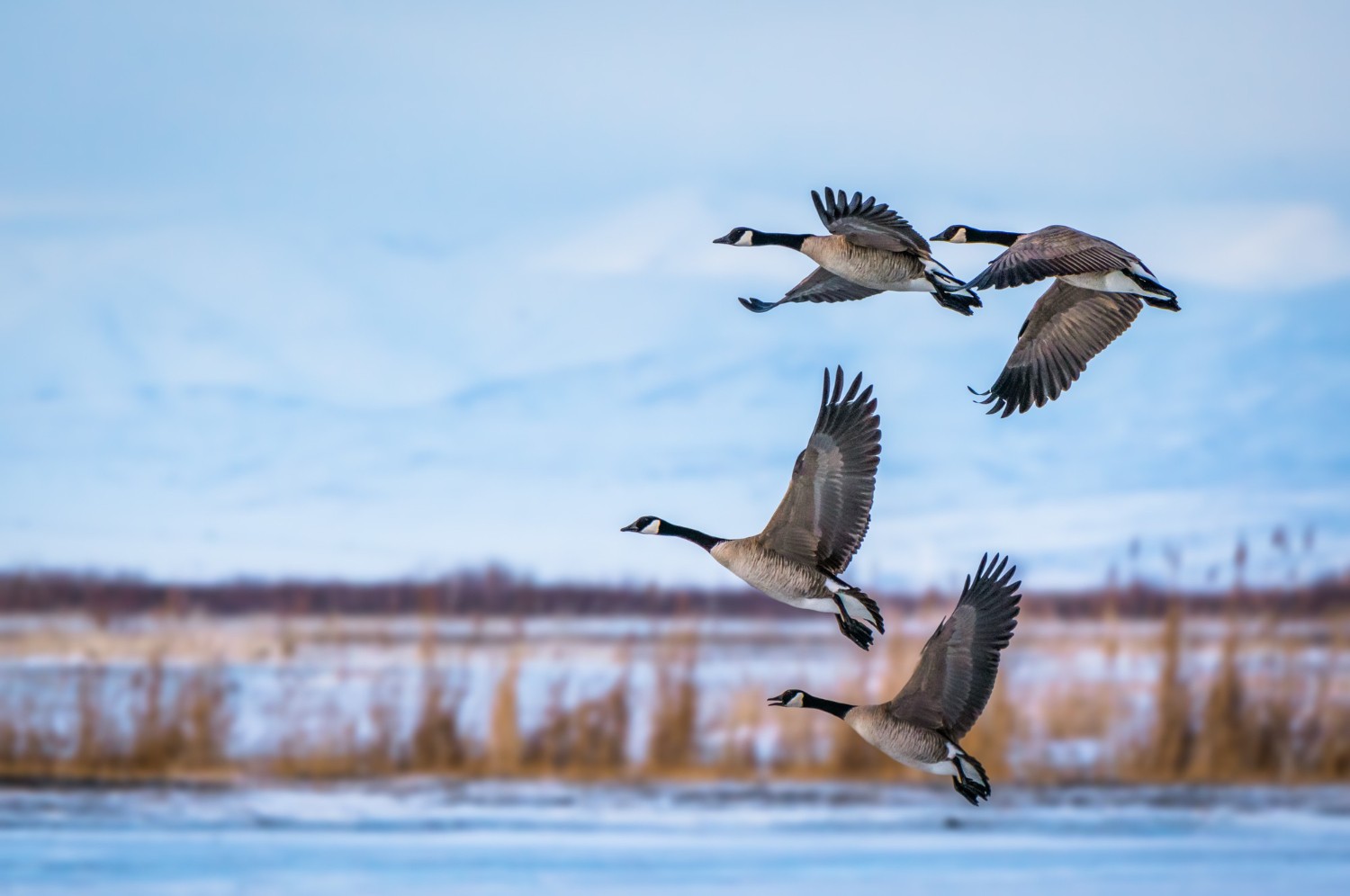
Animal navigation combines several systems at once, which is why removing one rarely stops an animal entirely. Here are seventeen of the tools involved.
1. Reading the Earth’s Magnetic Field

A range of animals detect the planet’s magnetic field and use it for orientation, and in some cases apparently for position as well as direction.
The receptor mechanism is still debated, with competing proposals involving iron particles and light-sensitive proteins in the eye. Magnetic sensing is the navigation method whose existence is certain and whose mechanism is not.
Like our content? Follow us for more.
2. The Sun, Corrected for Time of Day

Using the sun as a compass requires knowing the time, because its position changes continuously through the day.
Animals doing this run an internal clock alongside the observation, and shifting that clock experimentally shifts their heading predictably. Sun compass navigation is the method that only works with a working clock attached.
3. Polarised Light Patterns

Light scattered in the atmosphere is polarised in a pattern related to the sun’s position, and many insects can see that pattern directly.
It works when the sun itself is obscured, which is why an overcast sky does not disable them. Polarised light is the navigational cue that is invisible to us and obvious to a bee.
4. Star Patterns

Some night-migrating birds orient by the stars, learning the rotation of the night sky rather than memorising individual constellations.
Raised under an artificial sky rotating around a different point, they orient to that point instead. Star navigation is the method learned from watching the sky turn.
5. Landmarks and Route Memory
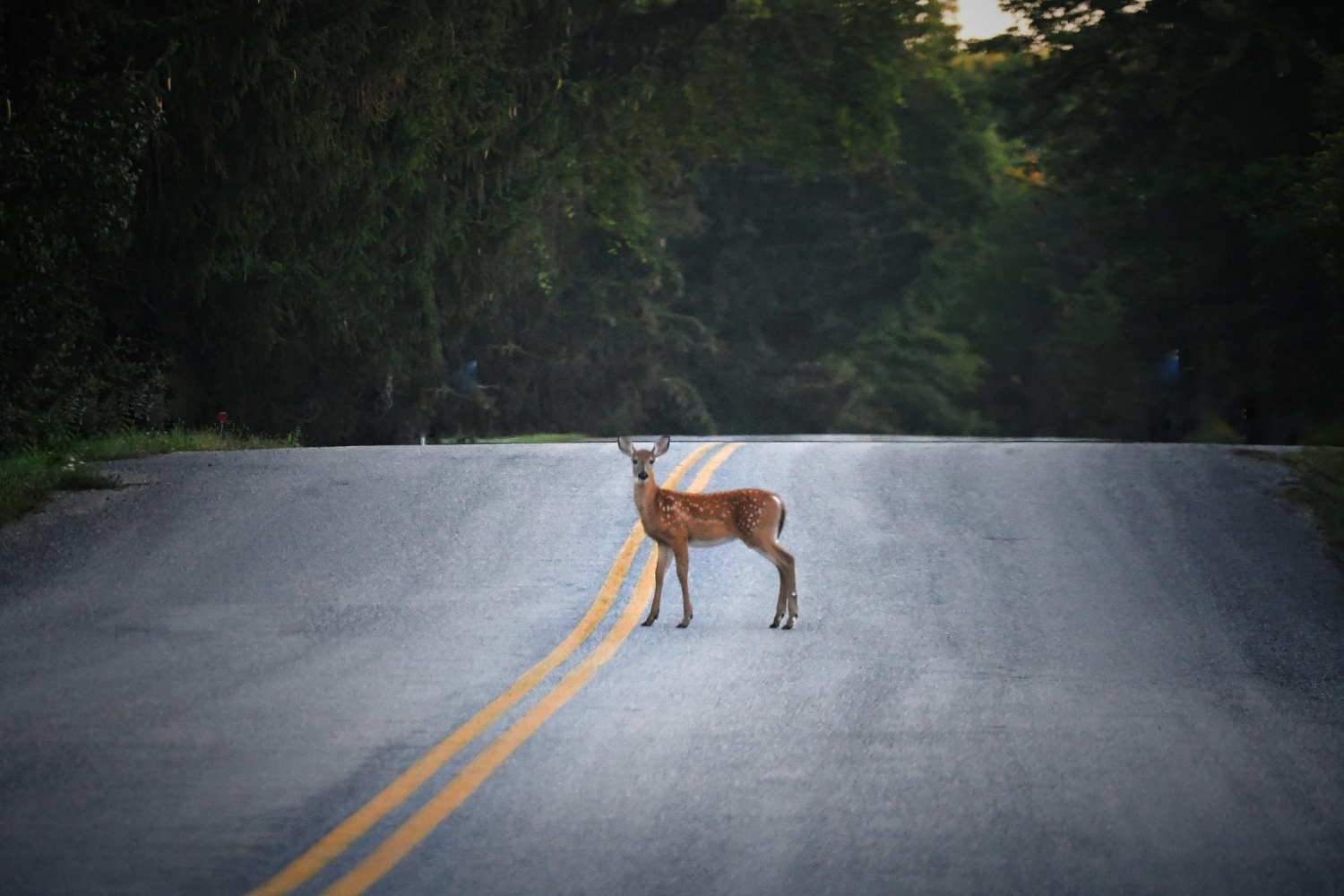
Many animals simply learn the landscape – coastlines, ridgelines, rivers, individual trees – and follow remembered features.
It is the least exotic method and probably the most used. Landmark memory is the navigation system that works exactly the way ours does.
6. Smell Maps
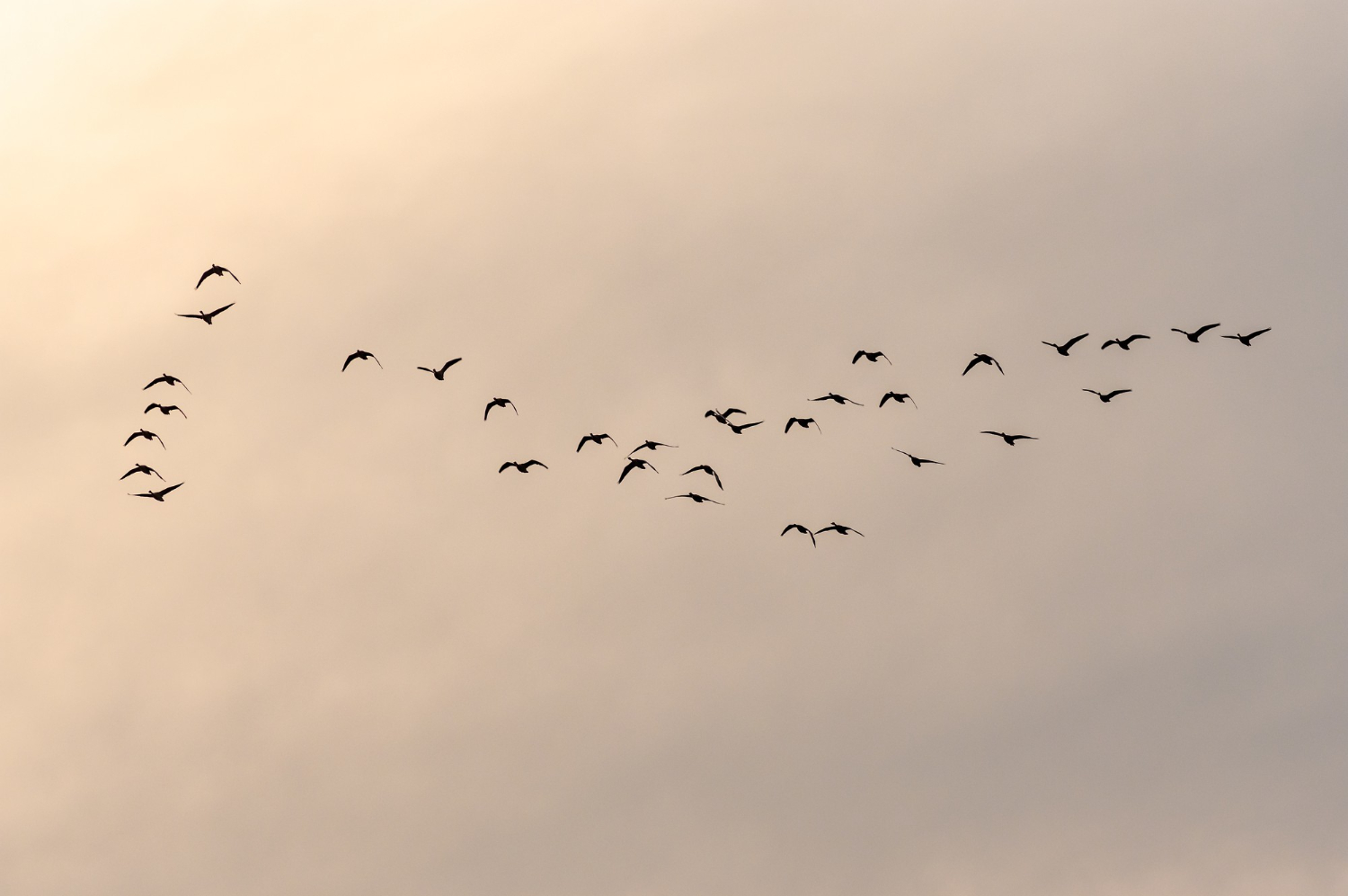
Some birds appear to build a map from airborne odours, associating particular smells with particular directions from home.
Interfering with the sense of smell disrupts homing in some species and not others, which is part of why the topic is contested. Odour mapping is the navigation method with the most argument attached to it.
7. Following Someone Who Knows
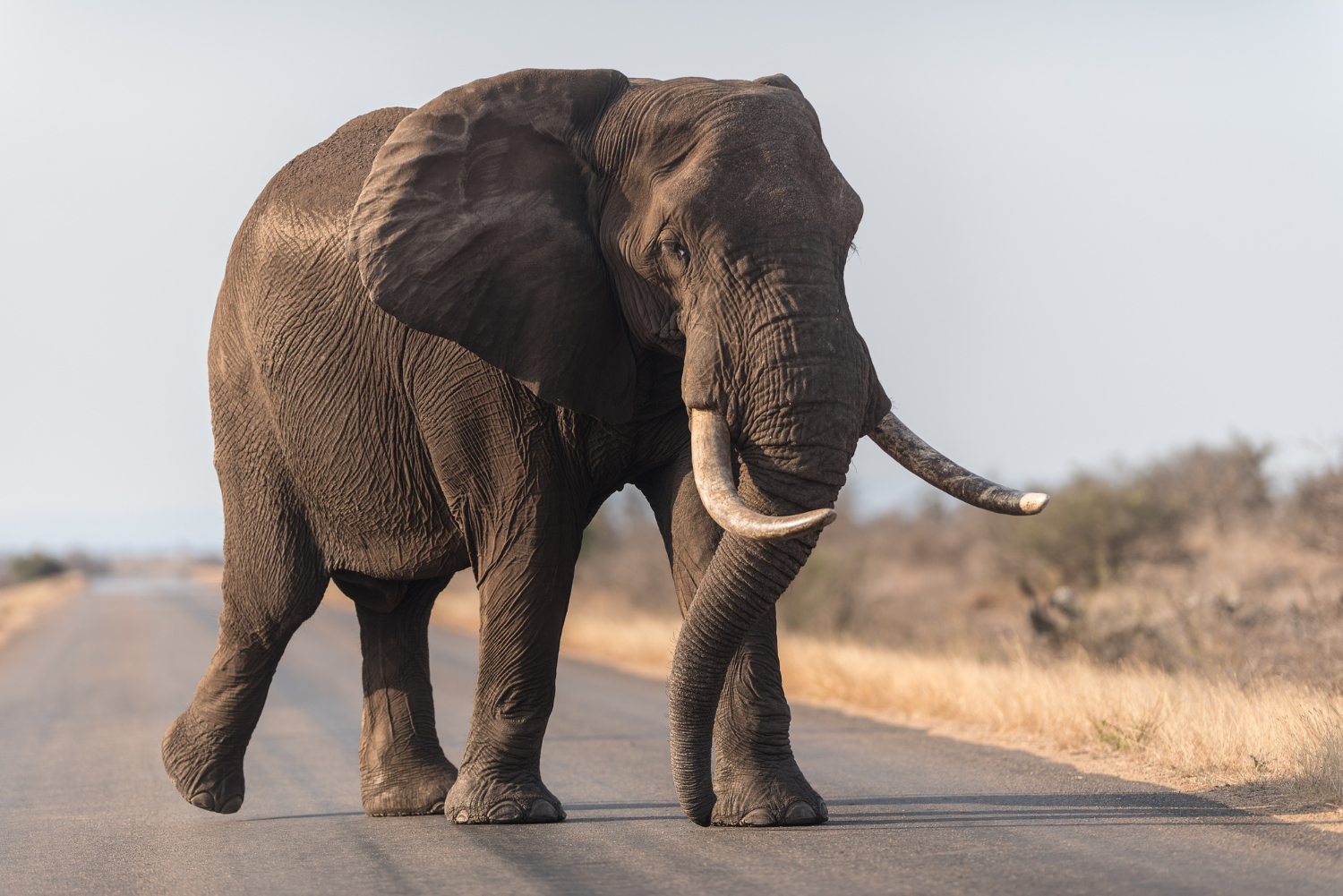
A substantial amount of animal navigation is social – young animals travelling with experienced adults and learning the route.
In some species removing the experienced individuals disrupts migration for a generation. Social learning is the navigation method where the map is held by the group rather than the individual.
8. Dead Reckoning
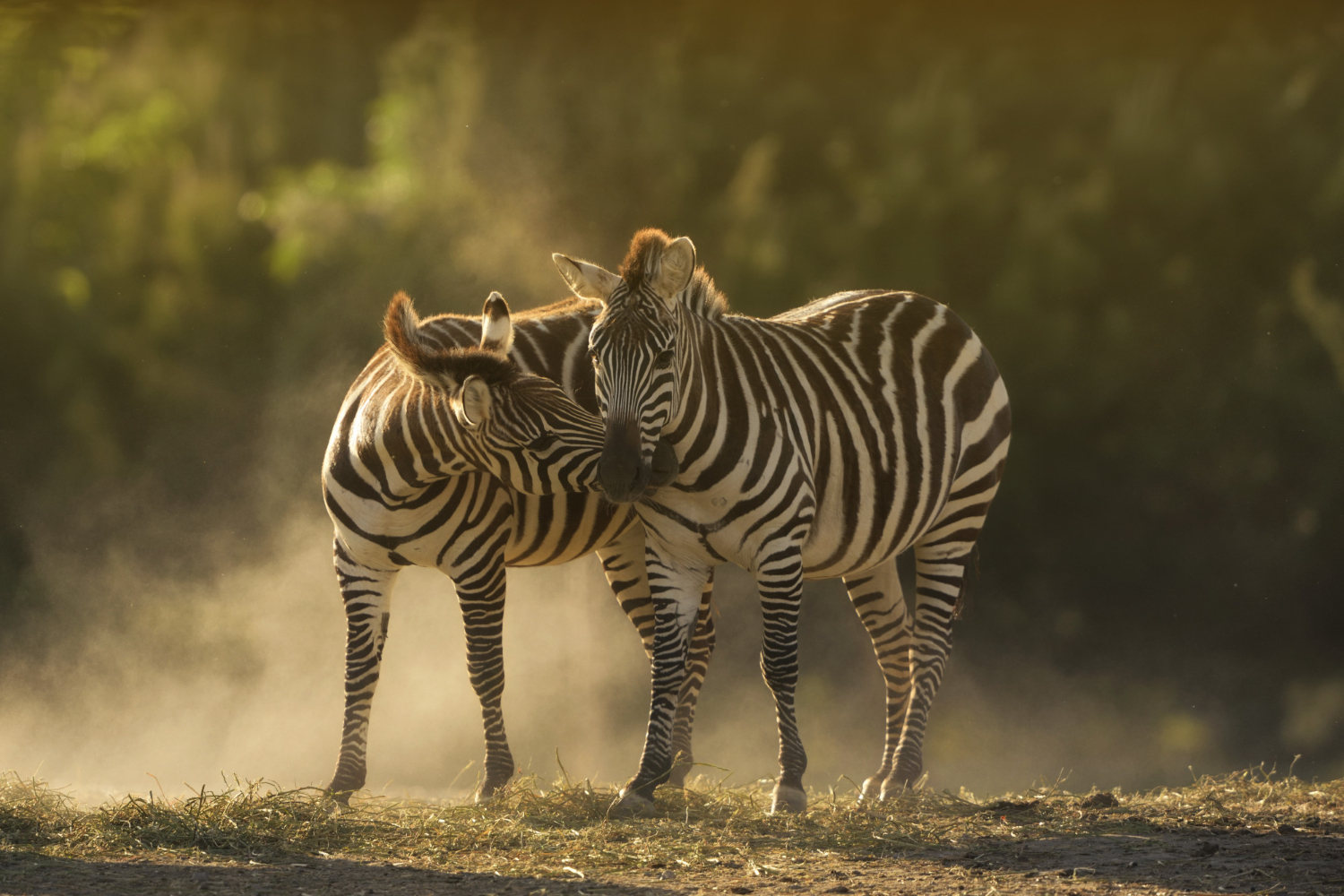
Keeping track of every step and turn taken from a starting point, and computing the direct route home from that record.
Desert ants are the classic demonstration, returning in a straight line across featureless ground after a wandering outbound journey. Dead reckoning is the navigation method that requires no external reference at all.
9. Counting Steps
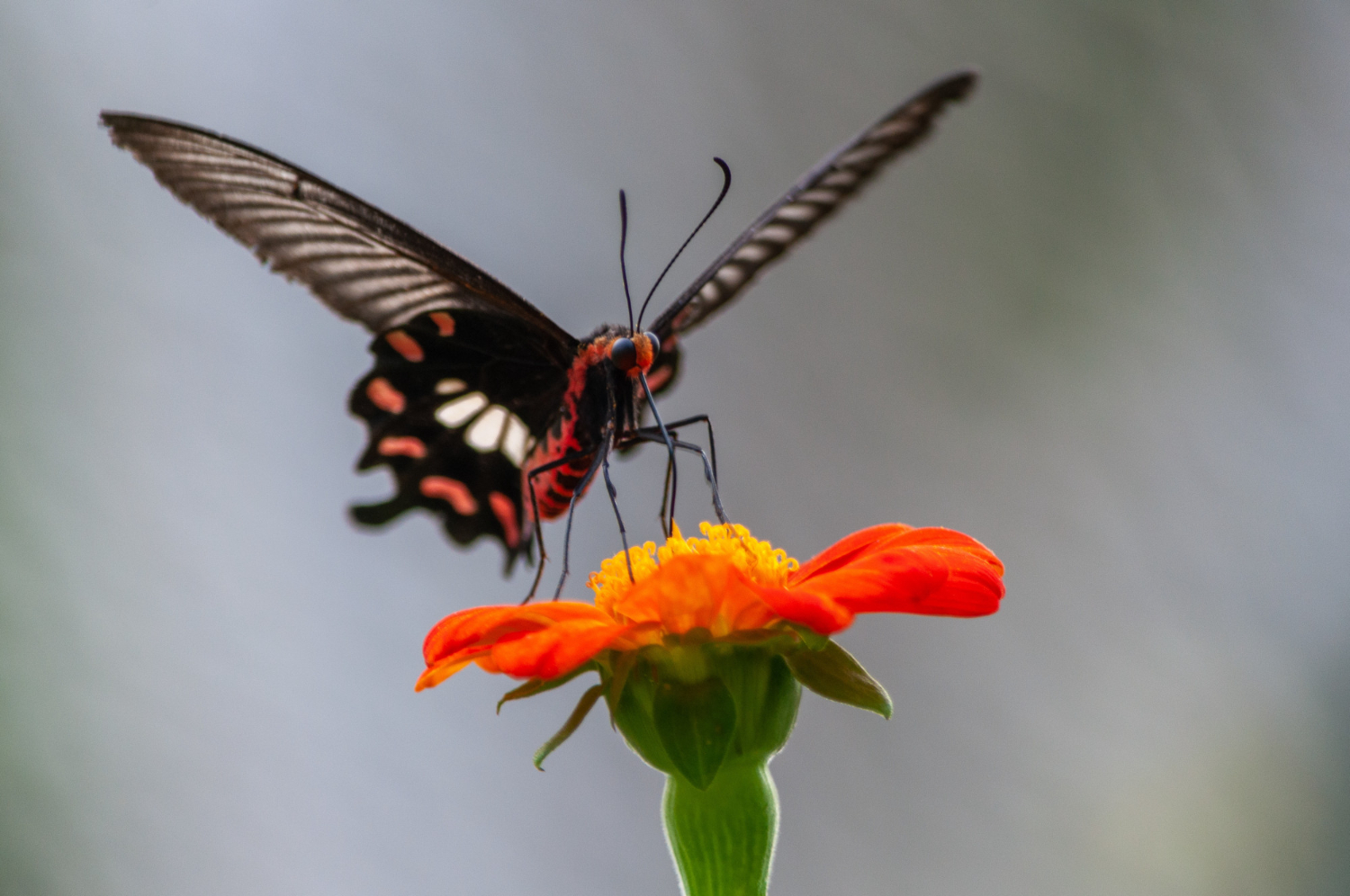
Related to dead reckoning, some insects appear to gauge distance by counting strides, which can be tested by altering leg length experimentally.
Ants with lengthened or shortened legs overshoot or undershoot home by a predictable margin. Step counting is the navigation method proven by giving an ant stilts.
10. Wave and Swell Direction
Ocean swells travel in consistent directions over long distances, and some marine animals and seabirds appear to use them as a directional reference.
Human navigators in the Pacific used the same cue, reading swell patterns to hold a course. Swell reading is the navigation method humans and animals arrived at independently.
11. Infrasound

Very low frequency sound travels enormous distances, and some animals appear sensitive to it, potentially detecting distant terrain or weather.
Evidence here is suggestive rather than settled. Infrasound is the navigational cue that is plausible and least demonstrated.
12. Chemical Trails
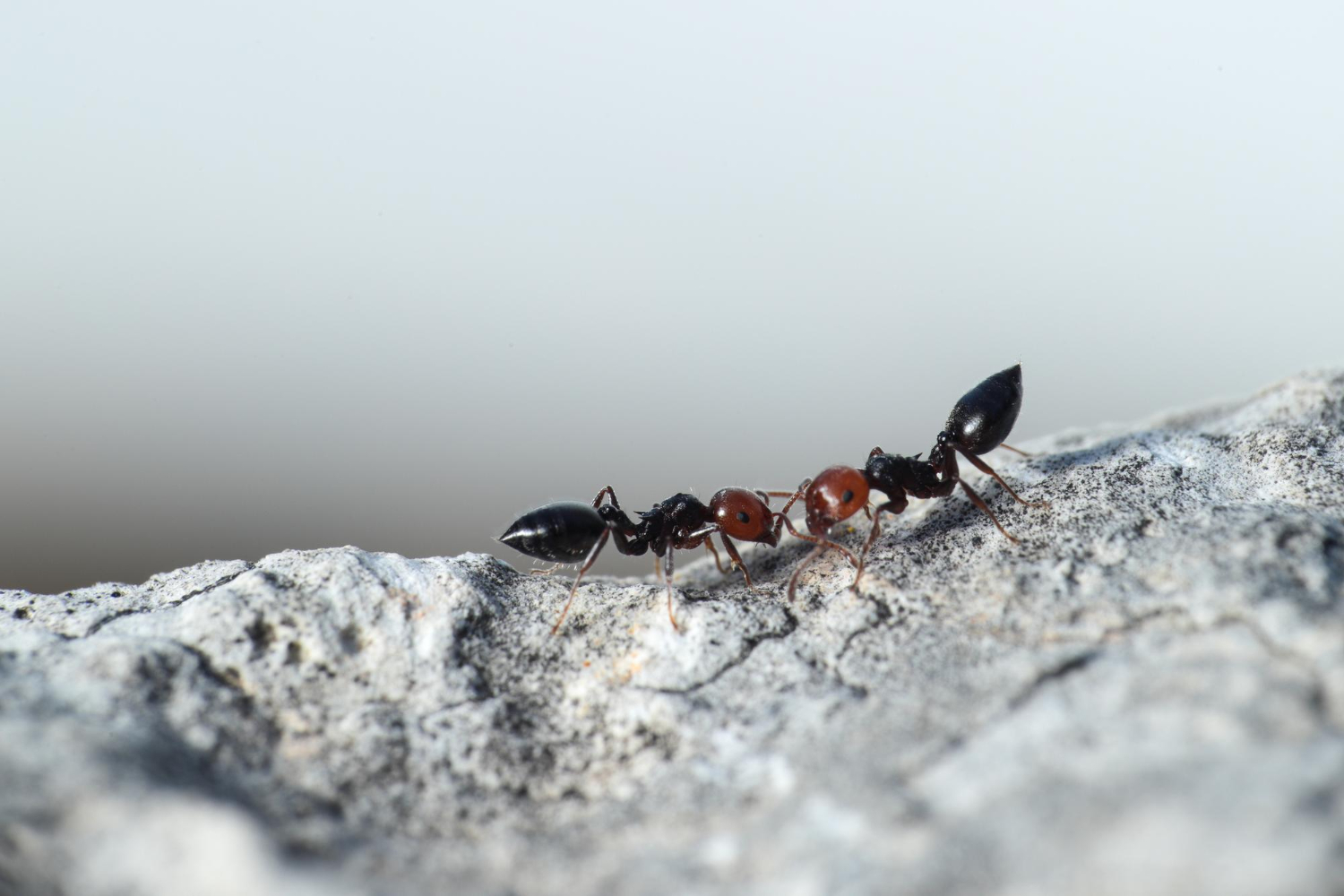
Ants and other social insects lay and follow scent trails, with the strength of the trail encoding how good the destination is.
The system is self-correcting, since shorter routes accumulate stronger trails. Chemical trails are the navigation method where the map is written on the ground by everyone using it.
14. Water Chemistry and Natal Streams
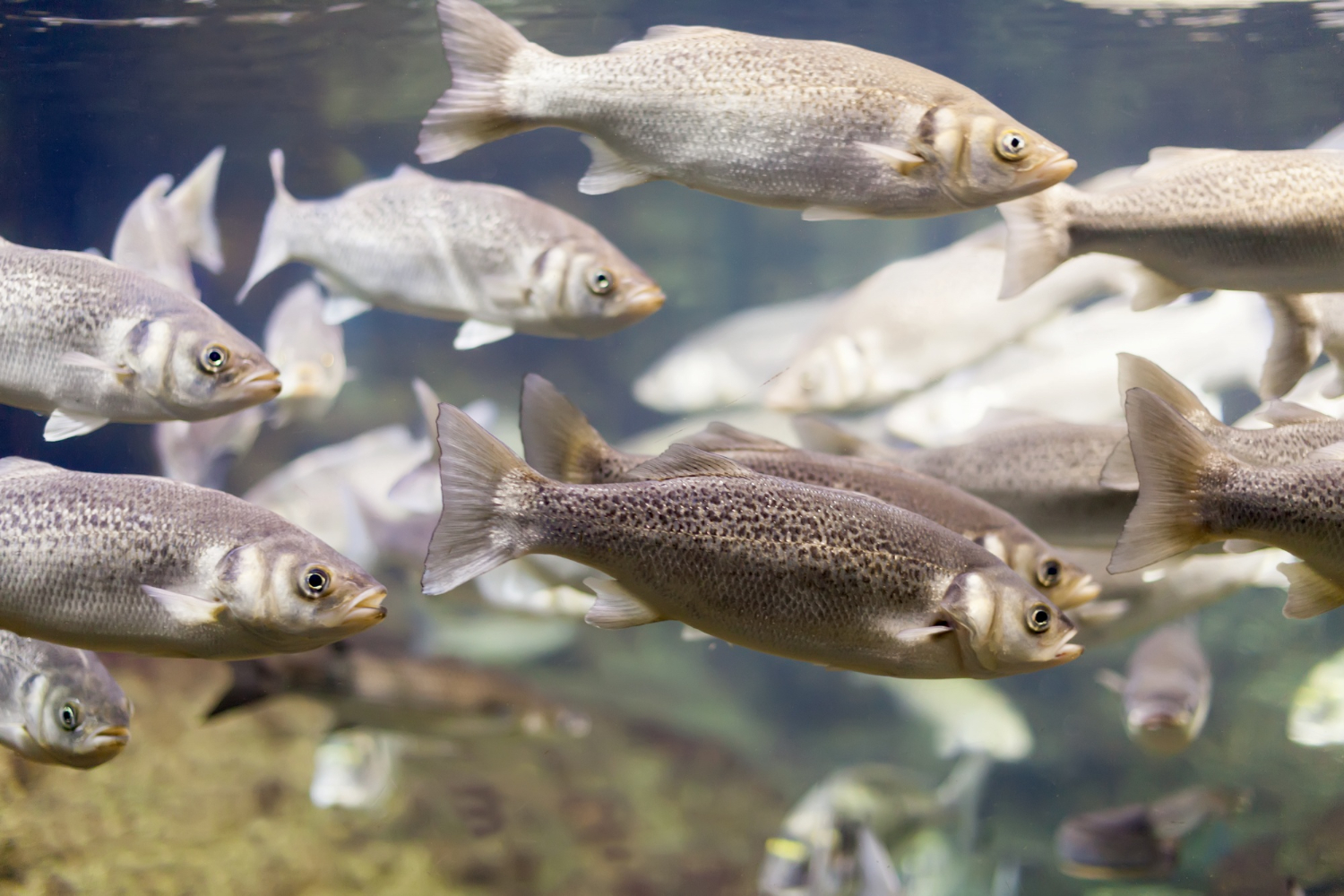
Salmon return to the stream they hatched in, apparently identifying it by its specific chemical signature learned as juveniles.
Magnetic cues appear to handle the ocean leg and smell the final approach. Natal stream homing is the navigation task that switches methods at the coast.
15. Echolocation for Local Navigation
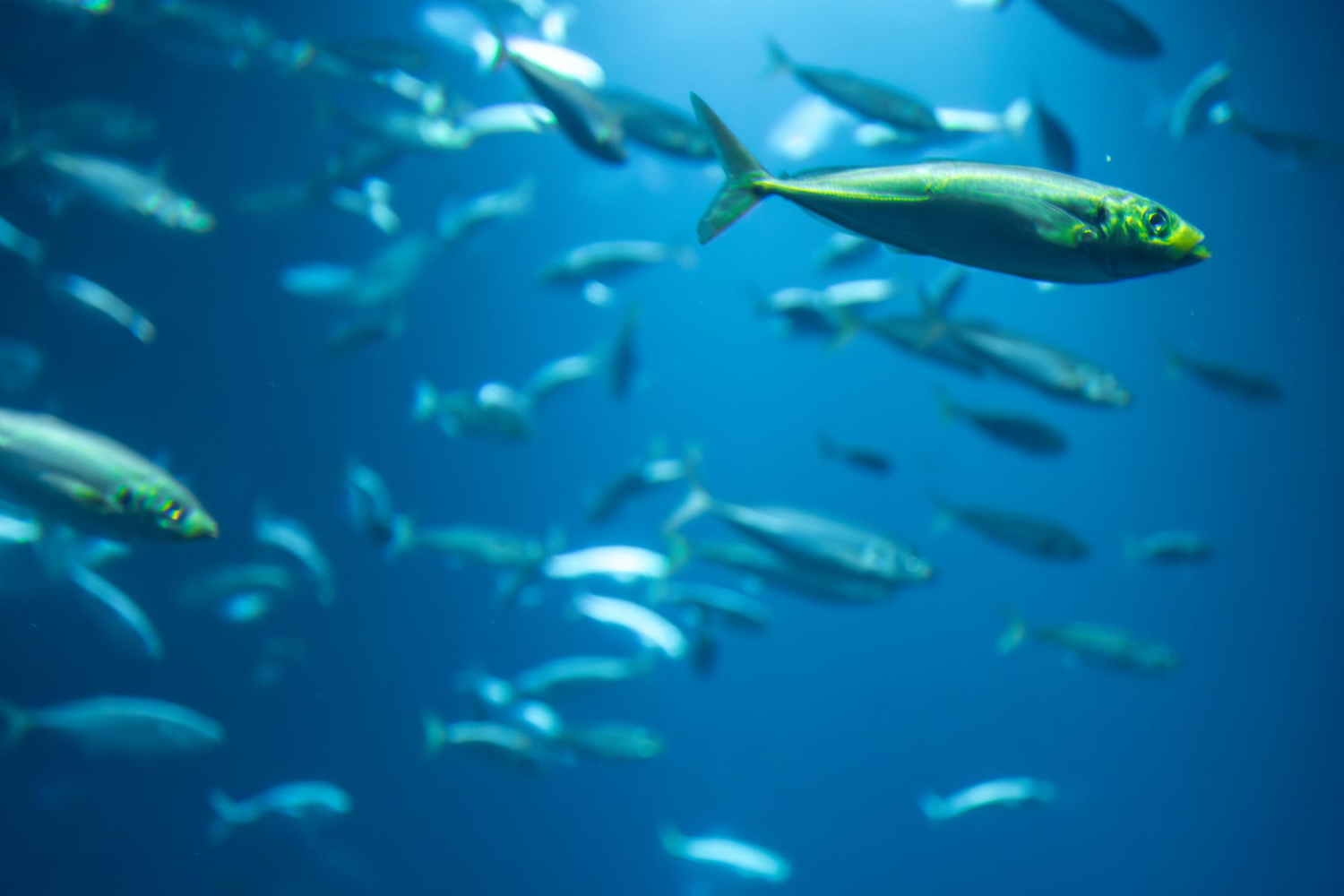
Bats and some marine mammals build a picture of their immediate surroundings from returning sound, which is orientation rather than long-distance navigation.
It maps the next few metres extremely precisely and says nothing about where home is. Echolocation is the navigation method that solves the near problem rather than the far one.
16. Inherited Direction and Distance
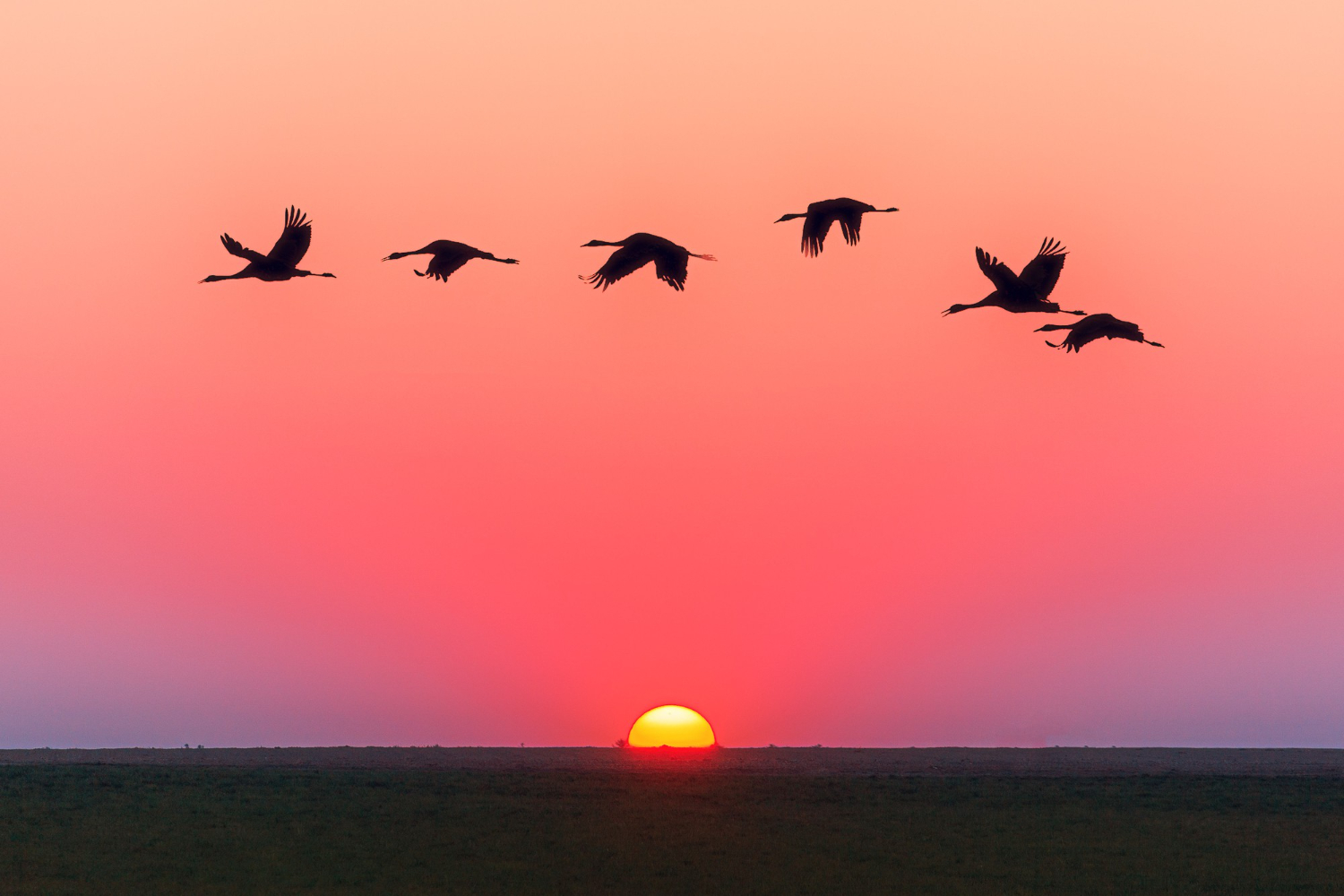
Some young birds migrate alone, without adults, to places they have never been – which implies the route information is inherited rather than learned.
Cross-breeding populations with different routes produces offspring that fly an intermediate heading. Inherited routes are the navigation method that arrives with the animal.
17. Using Several Systems at Once
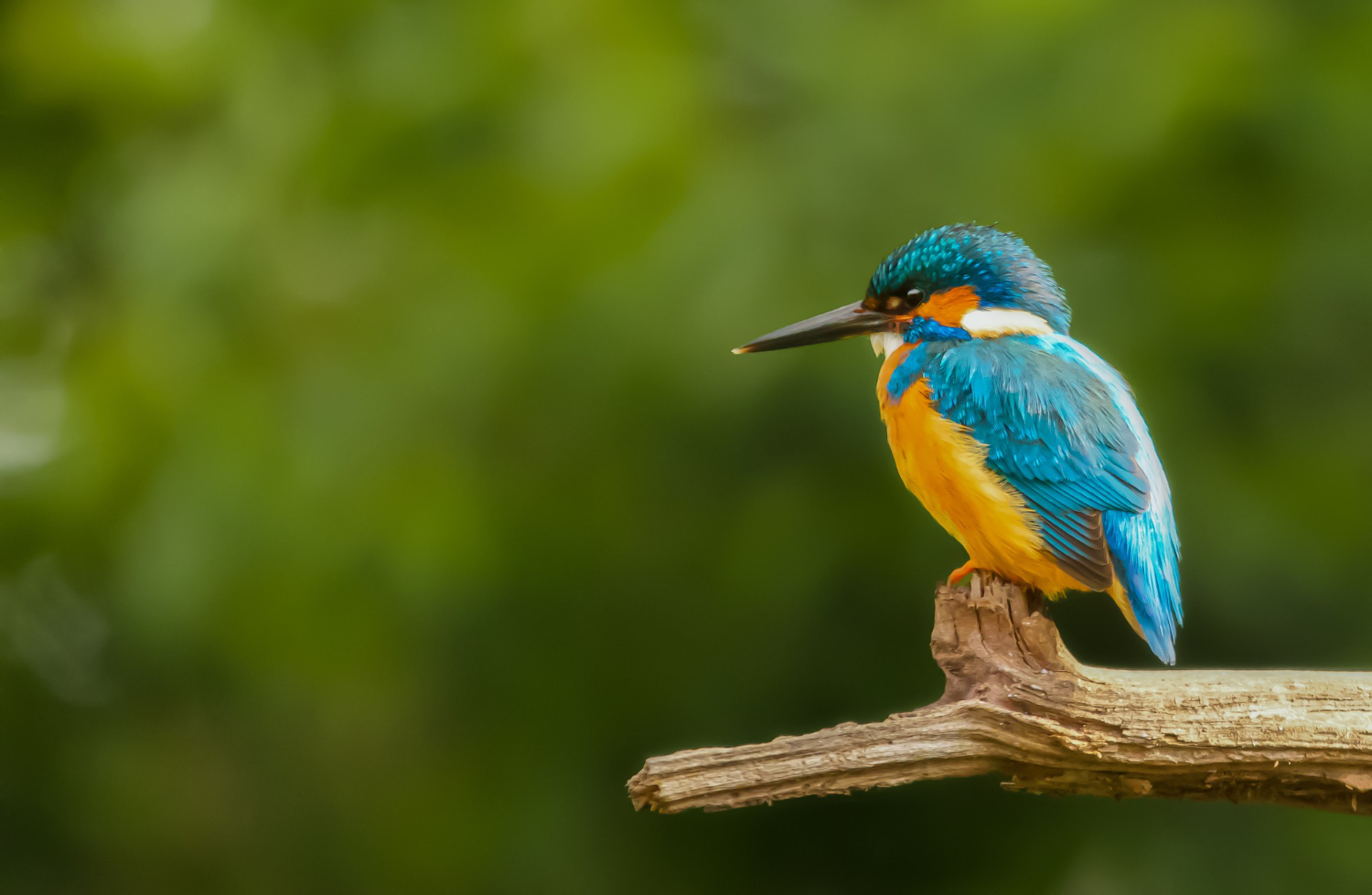
The most consistent finding across the field is that animals combine cues and switch between them, weighting whichever is currently reliable.
Which is why disabling one system so often fails to disorient an animal completely. Combining systems is the actual answer to how animals navigate, and the reason single-cue experiments keep producing partial results.
Several Maps, Running Together
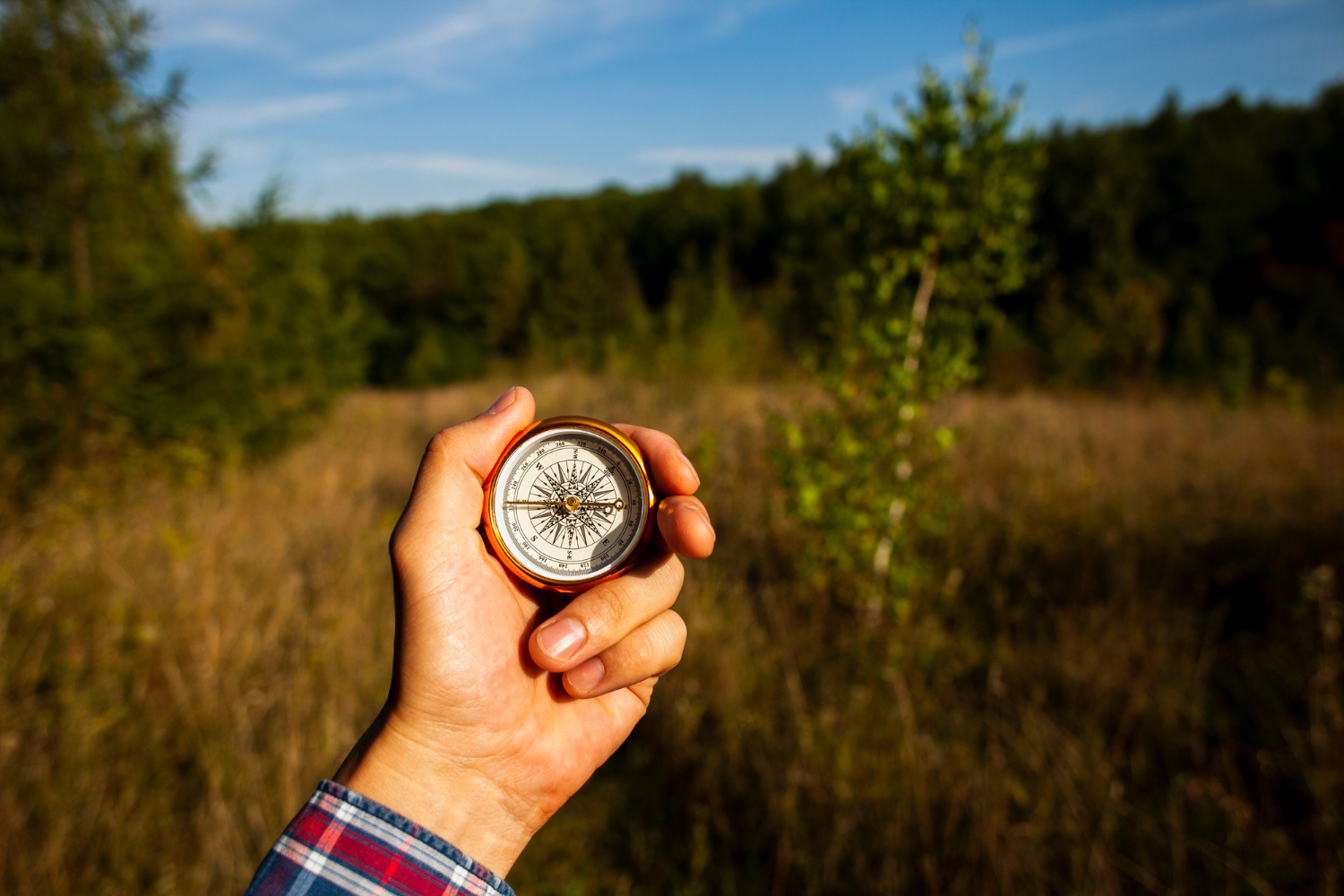
The recurring lesson is redundancy. Animals rarely rely on one method, and the interesting research question is less which cue they use than how they decide which to trust at any moment.
What is striking is how much remains unresolved. Magnetic sensing is demonstrated and its mechanism disputed; odour mapping is supported in some species and not others; infrasound is plausible and thinly evidenced. This is an active field rather than a settled one, and the honest summary is that we know a great deal about what animals can do and substantially less about how.
Like our content? Follow us for more.