For a child growing up in the 1970s, the bedroom was a personal kingdom, and it came furnished with a very particular set of objects that nearly every kid of the era would recognize. From the bedspread to the lamp on the nightstand, the 1970s kid’s room reflected the styles, technology, and pastimes of the decade. Many of these once-common items have since vanished or transformed beyond recognition. Here are the thirteen things you’d find in a typical 1970s kid’s bedroom, each a small time capsule of childhood in the decade.
1. The Chenille or Candlewick Bedspread

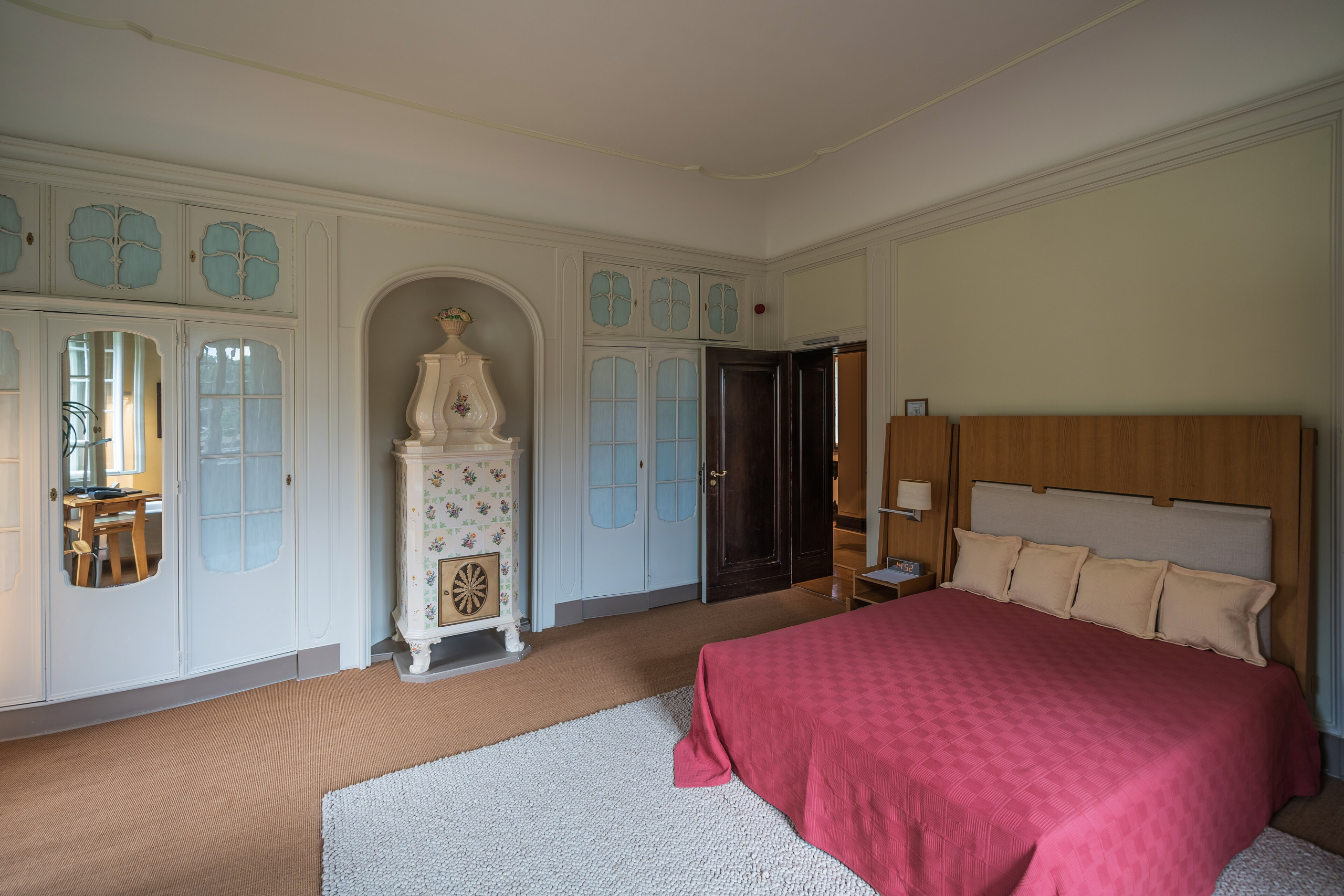
The bed was usually topped with a textured chenille or candlewick bedspread, often in a bold color or with a raised tufted pattern. These heavy, fuzzy spreads were a staple of the era’s bedrooms, warm and durable and instantly recognizable by their distinctive raised designs.
The textured spread was practical and long-lasting, frequently handed down or kept for years. Its nubby surface and bold colors fit right into the decade’s love of texture and warmth. As bedding styles changed toward lighter comforters and duvets, the heavy chenille spread faded from popularity. For many who grew up then, the feel of that tufted bedspread is a vivid tactile memory of childhood bedrooms past.
Like our content? Follow us for more.
2. Wood Paneling or Bold Wallpaper
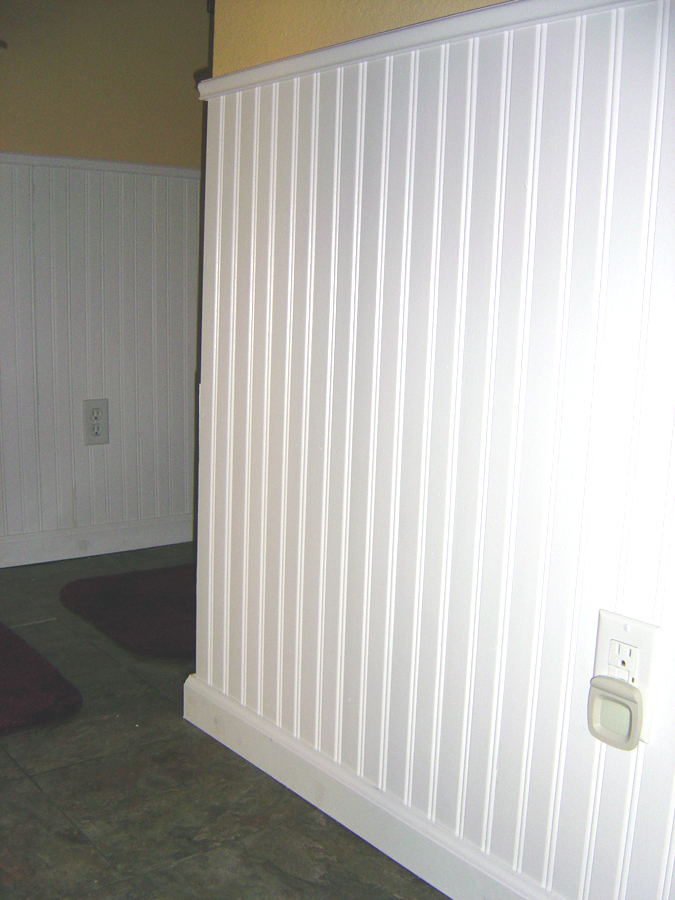
The walls were rarely plain. Many 1970s kids’ rooms featured wood-grain paneling, that warm, dark, faux-wood sheeting that covered walls throughout homes of the era, or else bold patterned wallpaper in bright colors and busy designs.
Wood paneling gave rooms a cozy, cabin-like feel and was enormously popular throughout the decade. Where there wasn’t paneling, there was often loud wallpaper with stripes, florals, or character themes. These wall treatments defined the look of the era’s interiors. As tastes shifted toward painted walls in lighter colors, the dark paneling and busy wallpaper came to feel dated, but they remain instantly evocative of the 1970s home.
3. Posters on the Walls
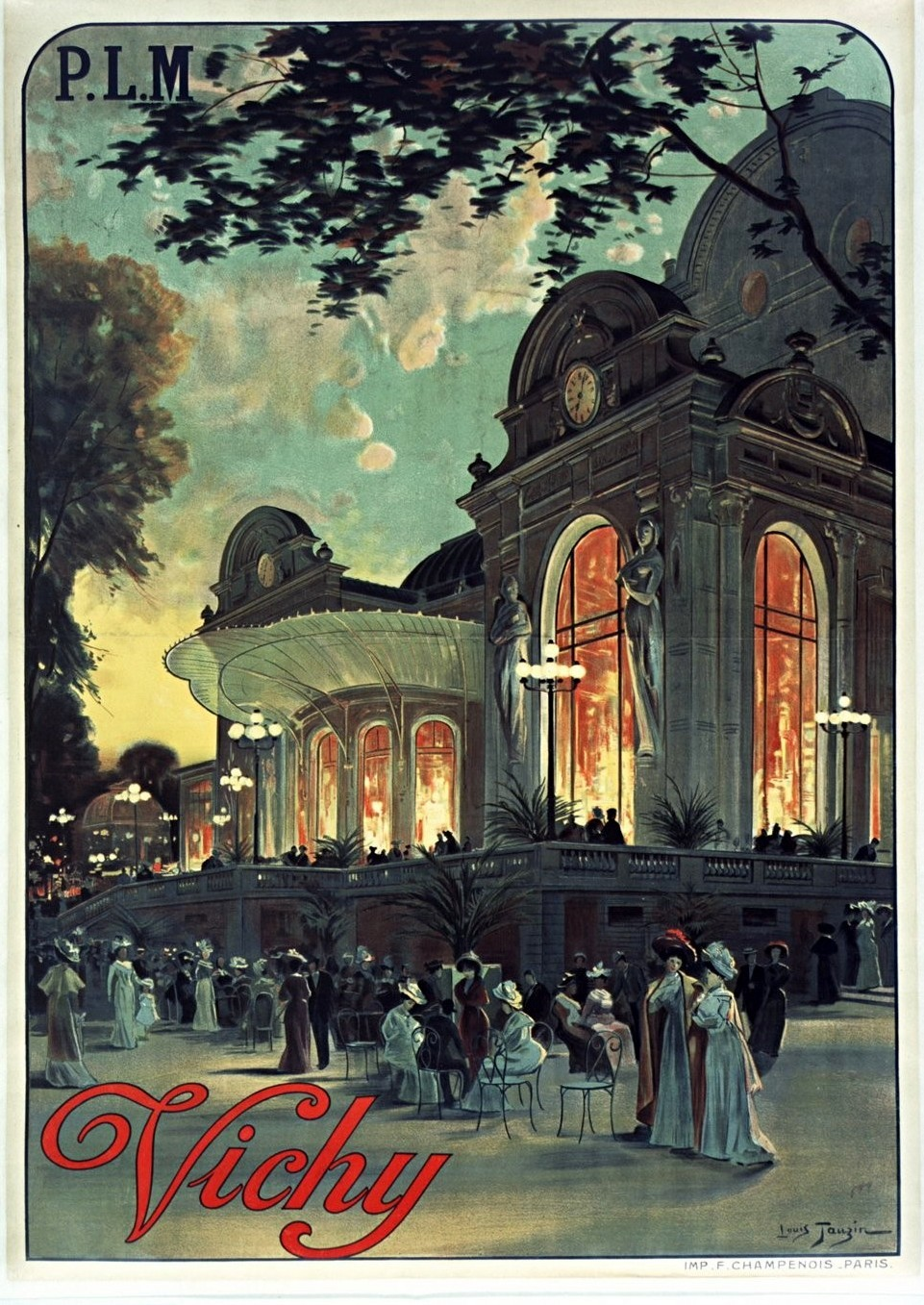
Personalizing the room were posters, taped or tacked to the walls. Kids covered their space with images of favorite musicians, sports figures, cars, animals, or pinups of the era’s heartthrobs, often torn from magazines or bought at the mall.
The poster-covered wall was a key form of self-expression for kids and teens, declaring their interests and identity. Black-light posters that glowed under special bulbs were especially prized. Layers of tape marks and pinholes were a small price for a personalized room. While posters remain popular, the specific icons and the magazine-page collages of the era capture a particular moment, and that wall of carefully chosen posters is a cherished memory of growing up in the decade.
4. A Portable Record Player
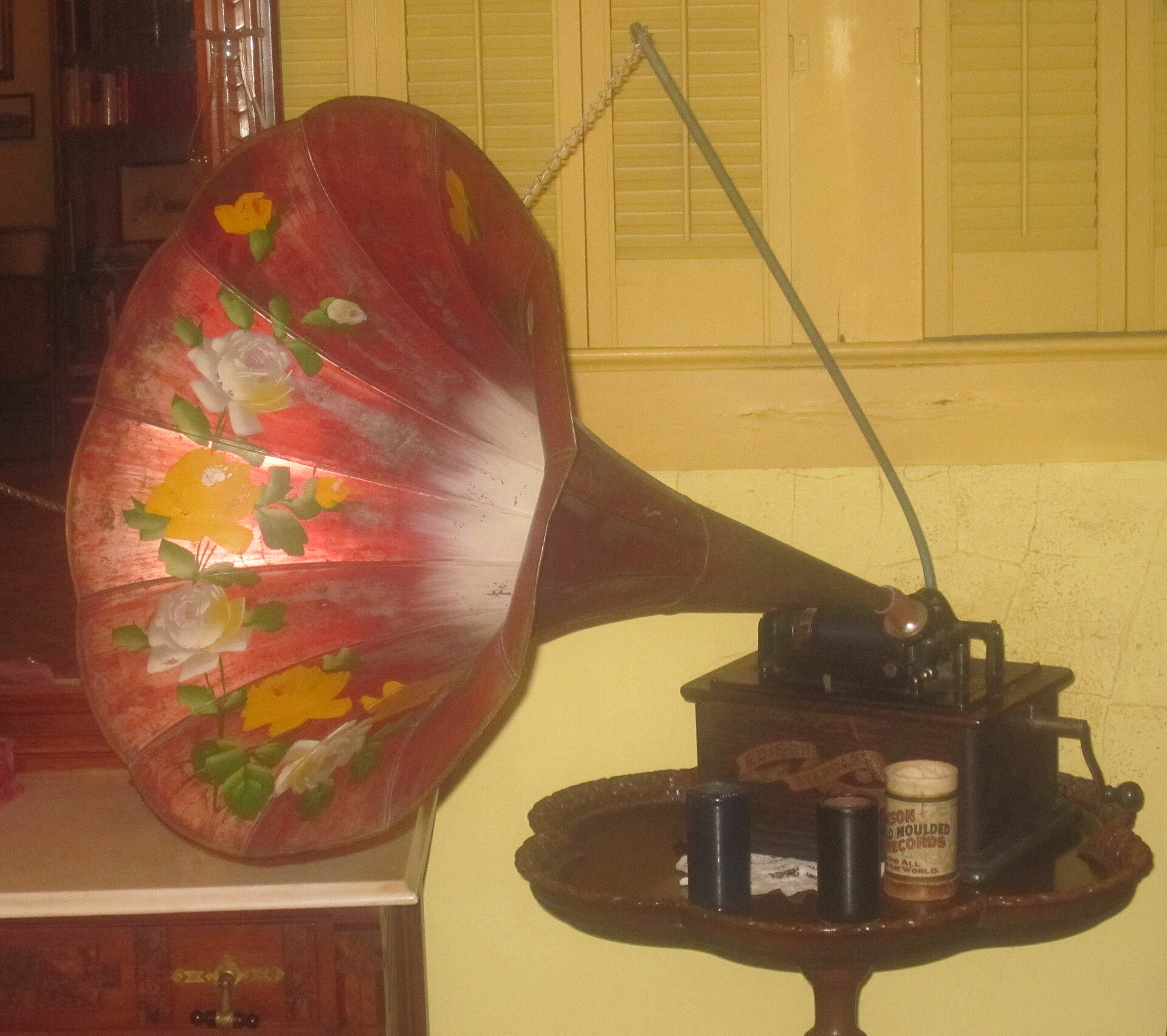
Music came from a portable record player, often a compact, self-contained unit with a lid, perfect for a kid to play 45s and LPs in their own room. These small turntables were a prized possession and the center of a young person’s music world.
Spinning a stack of 45-rpm singles or a favorite album was a beloved bedroom activity, and the record player let kids build their own little music collections. The portable design meant it could move from room to room. As cassettes, then later formats took over, the bedroom record player faded. For those who grew up then, the sound of a needle dropping on a 45 in their own room is pure nostalgia.
5. A Transistor or Clock Radio
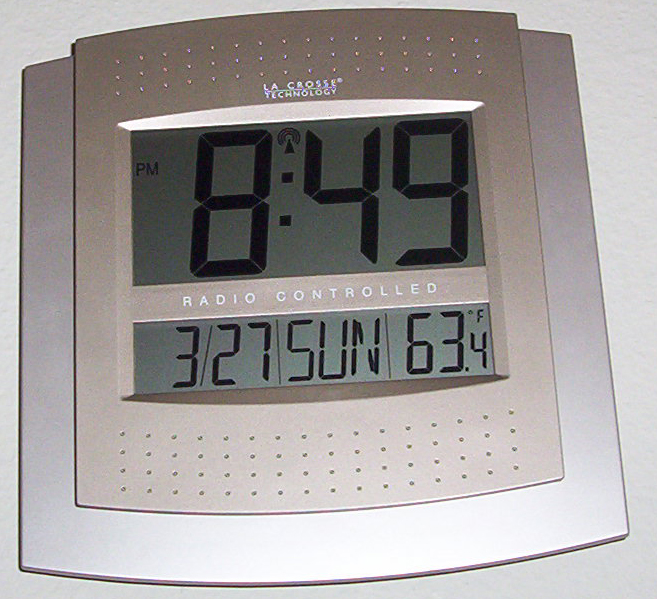
Alongside or instead of the record player was a radio, often a small transistor radio or a clock radio on the nightstand. The radio brought music, late-night DJs, and the outside world into the bedroom, frequently listened to softly after lights-out.
The clock radio that woke kids for school with a blast of music or a buzzer was a bedroom staple, and the little transistor radio let them tune in to favorite stations. Many a kid fell asleep listening to the radio under the covers. These devices connected young people to music and culture before personal screens existed. The glowing dial of a clock radio on the nightstand is a small but evocative detail of the era’s bedroom.
6. The Beanbag Chair
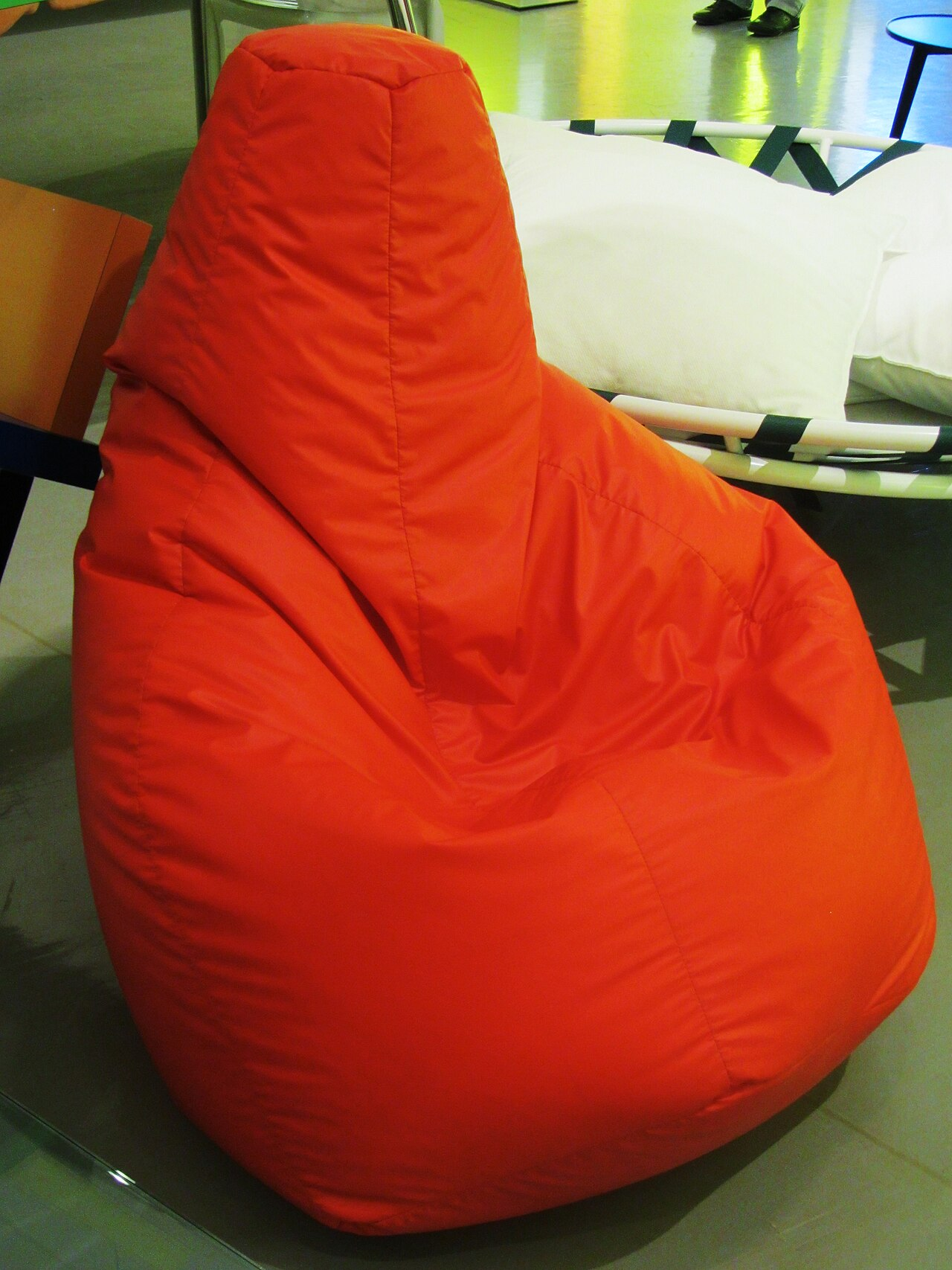
For seating, nothing said the era like a beanbag chair, that shapeless, vinyl-covered bag filled with foam pellets that molded to whoever flopped into it. Often in a bright color, the beanbag was the ultimate casual, fun seating for a kid’s room.
Plopping into a beanbag to read, listen to music, or watch a small TV was a quintessential 1970s pastime, and the squishy, conforming chair was beloved by kids. Its vinyl surface had a distinctive feel and sound. The beanbag perfectly fit the era’s relaxed, informal style. While beanbags have come and gone in popularity, the classic vinyl beanbag chair remains one of the most iconic pieces of 1970s kid-room furniture, instantly recognizable to anyone who grew up then.
7. A Toy Box or Hope Chest
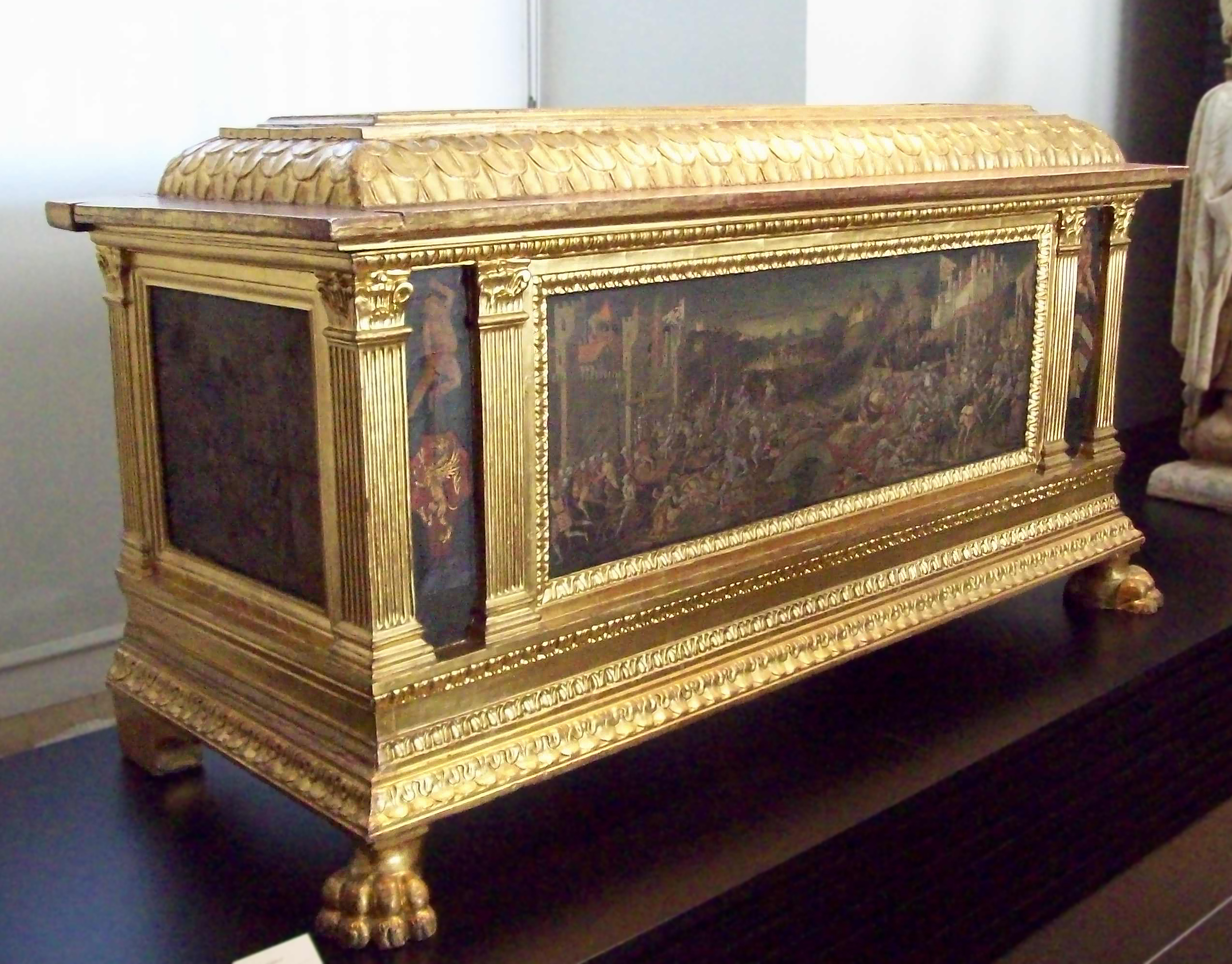
Storage for toys and treasures came in the form of a toy box or chest, often a wooden or vinyl-covered trunk where games, toys, and belongings were tossed and kept. Every well-stocked kid’s room had somewhere to stash the accumulated treasures of childhood.
The toy chest was a practical fixture, a catch-all for the era’s toys and games, and digging through it was part of playtime itself. Some were decorated with characters or bright colors. The simple act of opening the toy box to find a favorite toy is a warm childhood memory. As storage styles changed and toy collections evolved, the classic toy chest became less central, but it remains a beloved symbol of a 1970s childhood bedroom.
8. Bunk Beds or a Trundle Bed
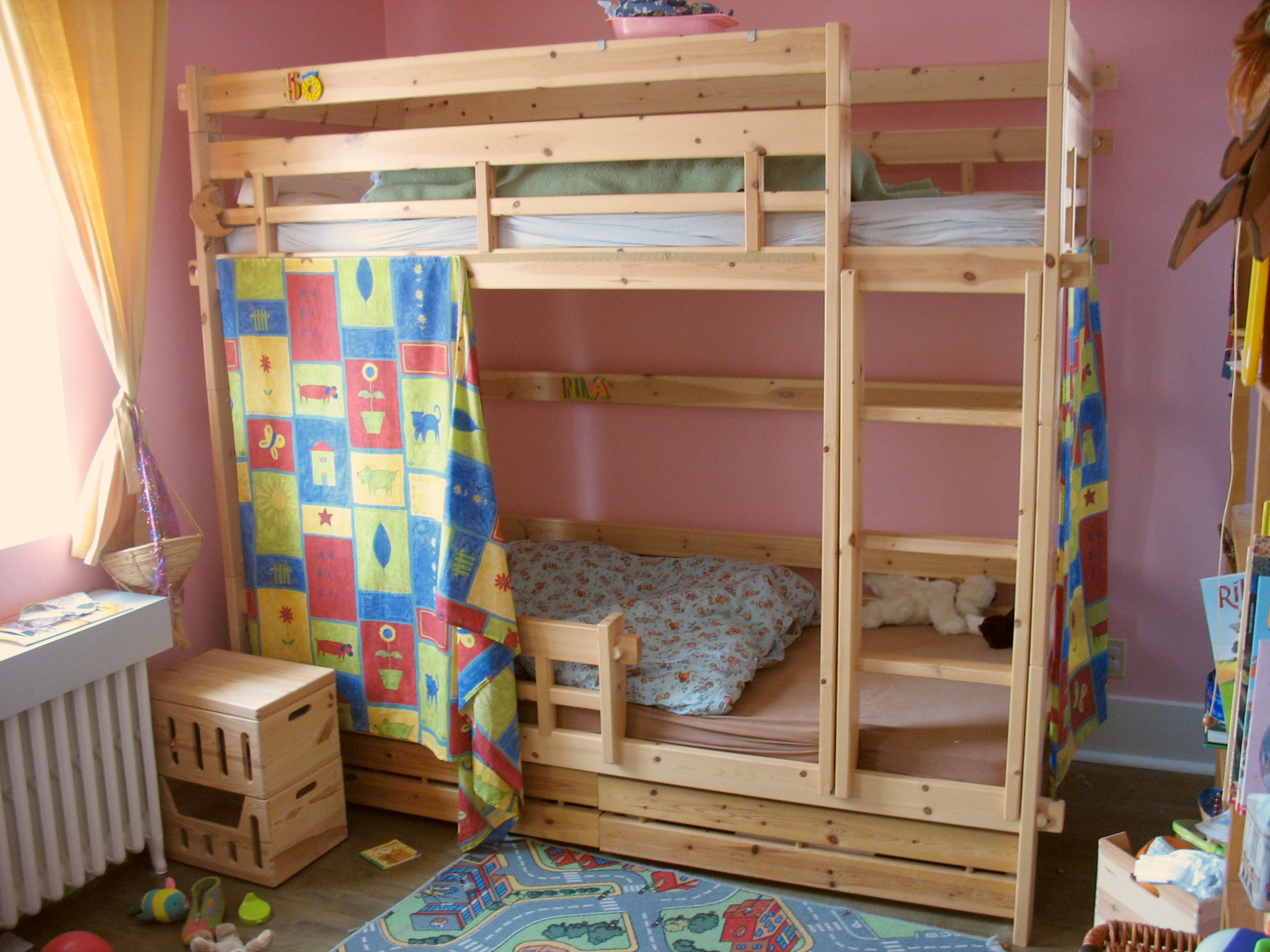
In shared rooms, or for kids who simply loved them, bunk beds were a common feature, stacking two beds to save space and add a sense of adventure. Trundle beds, with a second mattress that rolled out from underneath, were also popular for sleepovers.
Bunk beds were beloved by kids, who often fought over the coveted top bunk, and they made the most of limited space in homes with multiple children sharing a room. The trundle bed made hosting a friend overnight easy. These space-saving beds were practical and fun, turning bedtime into something of an adventure. The memory of climbing to the top bunk or rolling out the trundle for a sleepover is a classic piece of 1970s childhood.
9. A Shag Throw Rug
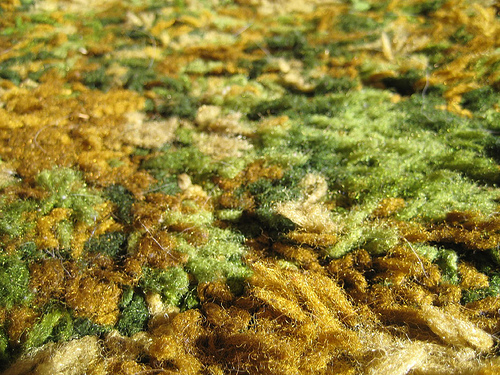
Underfoot, the era’s love of shag extended into the bedroom, often in the form of a soft, deep-pile throw rug in a bright color. The shag rug added warmth, comfort, and a splash of the decade’s signature texture to the room.
A plush shag rug was a cozy spot to sit and play, and its long fibers and bold color were unmistakably of the era. Like the shag carpet found throughout 1970s homes, the throw rug fit the decade’s fondness for soft, textured surfaces. As tastes changed, deep shag fell out of favor. But the memory of sinking bare feet into a soft shag rug in a childhood bedroom is a small, sensory piece of 1970s nostalgia.
10. A Lava Lamp or Novelty Lamp
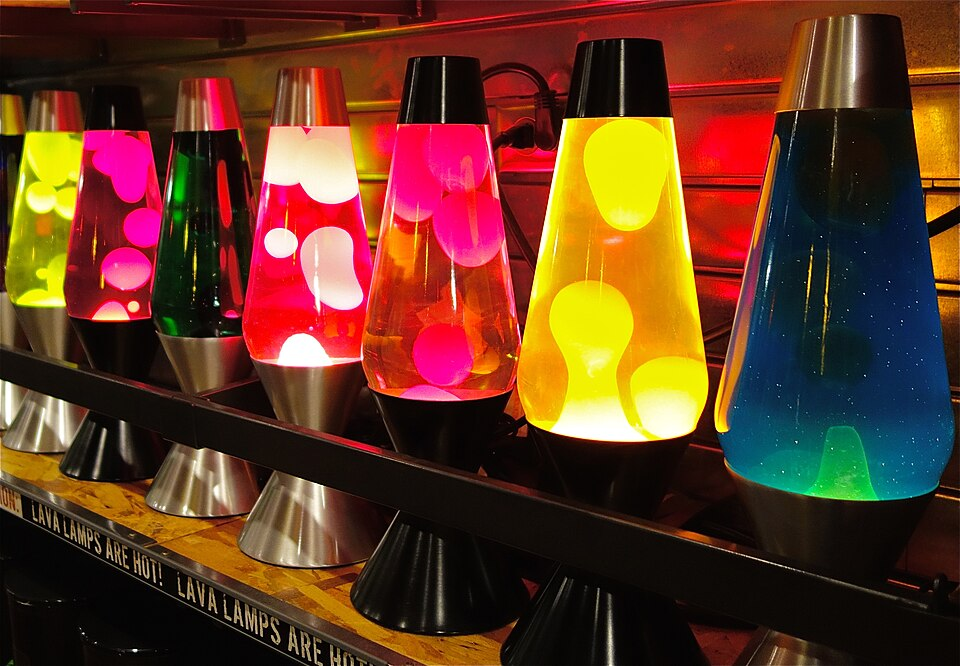
Glowing in the corner was often a lava lamp, that mesmerizing lamp filled with slowly rising and falling blobs of colored wax. Along with other novelty lamps and black lights, it added atmosphere and a touch of psychedelic flair to the room.
Watching the hypnotic blobs ooze up and down a lava lamp was a beloved bit of bedroom entertainment, and the lamp’s glow set a mood unlike any ordinary light. Black-light setups that made posters glow were also popular. These novelty lights captured the era’s playful, experimental spirit. The lava lamp in particular has become an enduring icon of the decade, and its gentle, shifting glow remains one of the most evocative features of a 1970s kid’s room.
11. Model Kits and Built Models
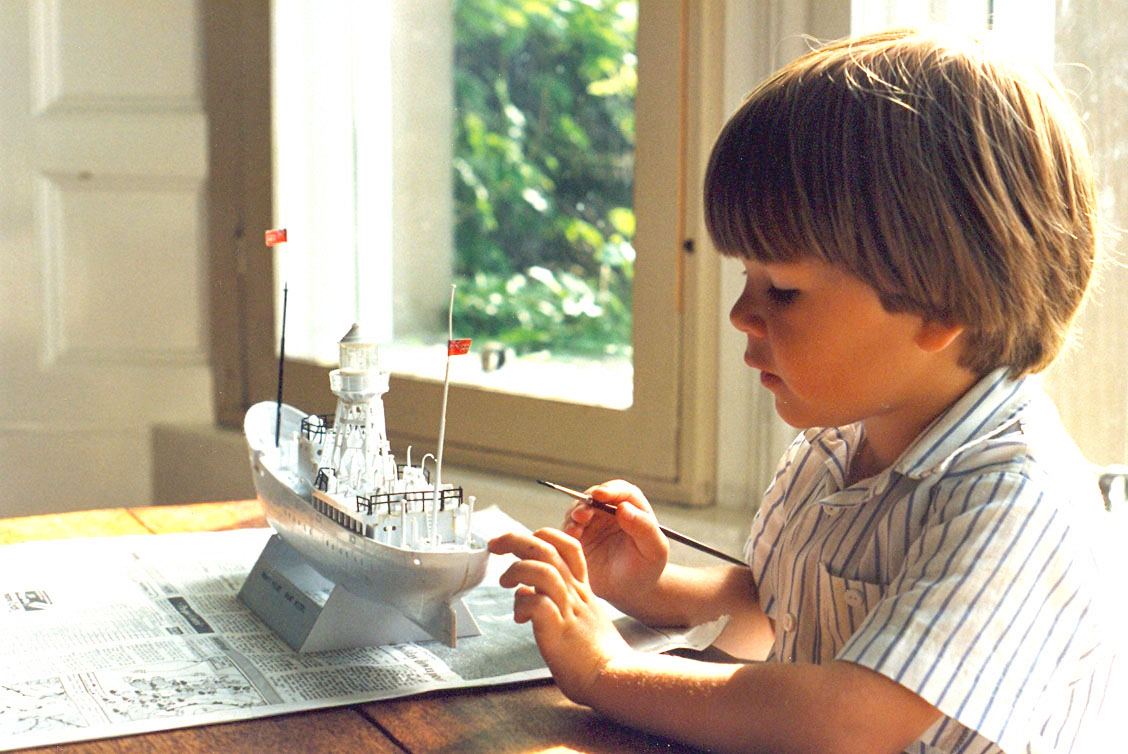
On shelves and dressers sat the results of a popular hobby: built model kits. Many kids spent hours assembling and painting plastic models of cars, planes, ships, and monsters, then proudly displaying their finished creations around the room.
Building models taught patience and care, and a shelf lined with finished kits was a point of pride. The hobby was hugely popular among kids of the era, who collected and assembled models of all kinds. The smell of model glue and paint is a specific memory for many. As pastimes shifted, model-building became less universal, but the displayed collection of carefully built and painted models remains a classic feature of the era’s bedrooms.
12. A Bulletin Board of Mementos
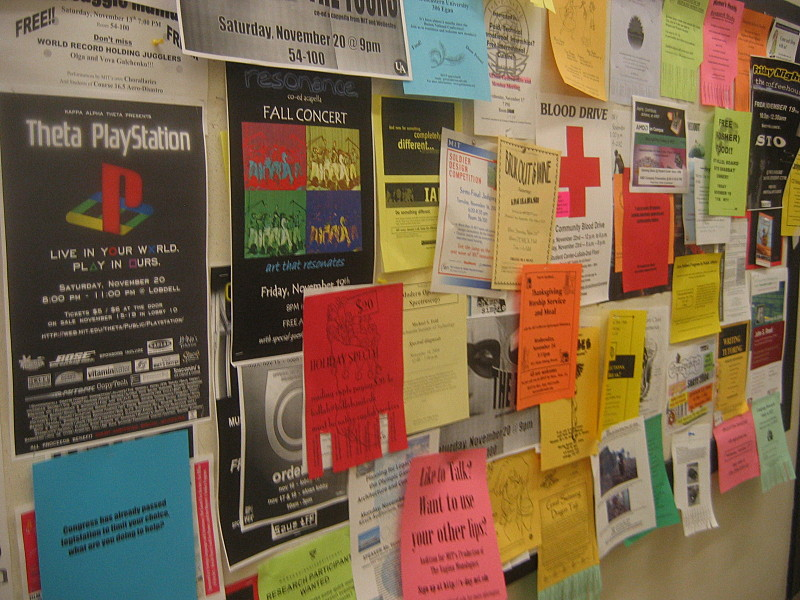
Pinned to the wall was often a cork bulletin board, covered in the small treasures of a young life: ticket stubs, photos, ribbons, notes, postcards, and clippings. The board was a personal collage that grew and changed over time.
The bulletin board let kids curate and display the bits and pieces that mattered to them, from award ribbons to photos of friends. It was a low-tech, ever-evolving scrapbook on the wall. Adding a new memento was a small ritual of recording one’s life. While the idea endures, the physical cork board crowded with paper keepsakes captures a pre-digital way of holding onto memories, and it remains a fond detail of the era’s personalized bedrooms.
13. A Globe and the School Corner
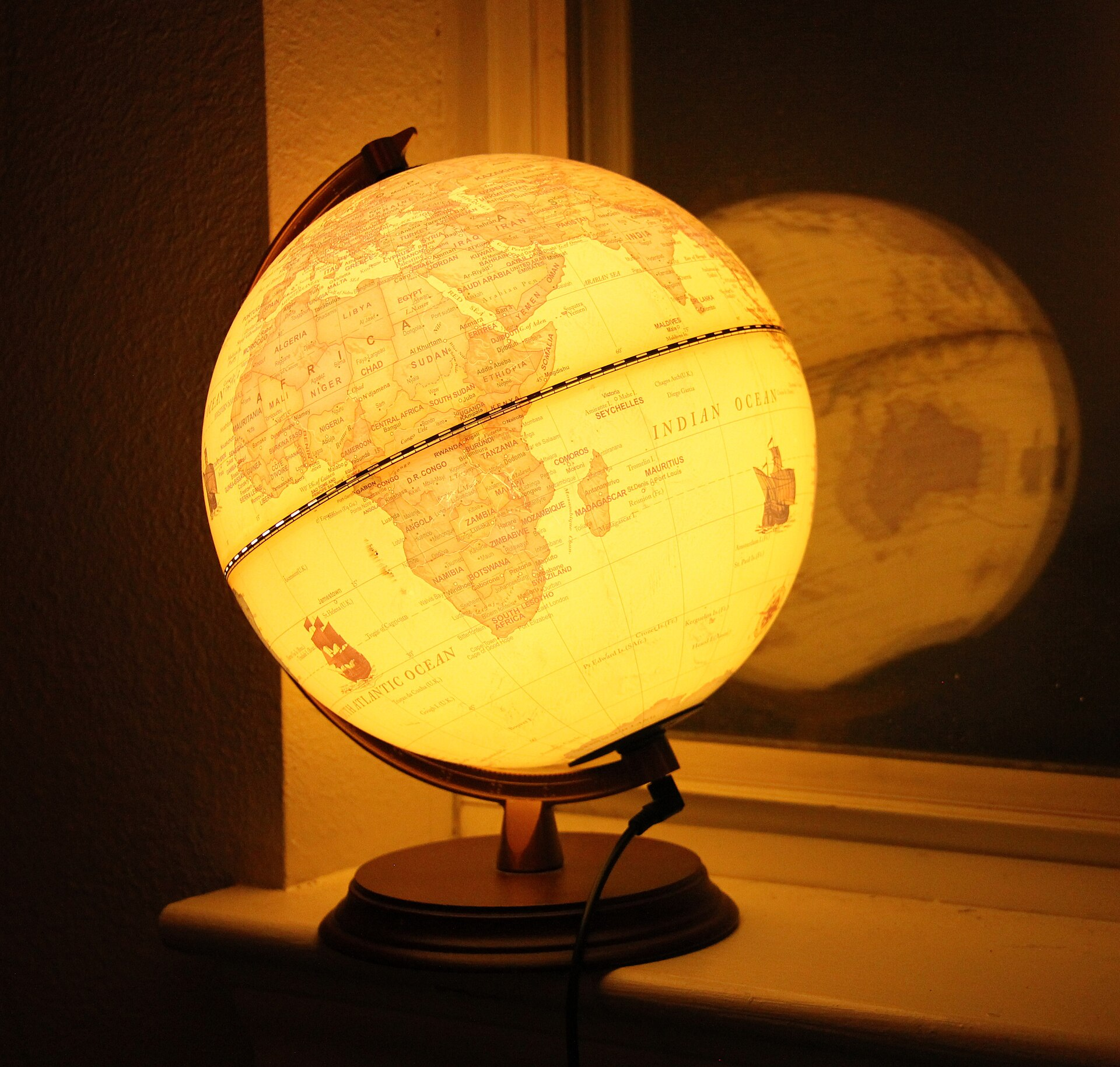
Finally, many rooms had a small study area, often with a spinning globe, a stack of schoolbooks, and perhaps a volume or two of the family encyclopedia borrowed for a report. This little corner was where homework happened and curiosity about the wider world took shape.
The spinning globe was both a study tool and a source of daydreams, and the small desk or table held the supplies of school life before computers. Giving the globe a spin and stopping it with a finger to see where you’d “travel” was a favorite idle game. This analog study corner reflected childhood learning in the era. The globe in particular is a charming, evocative object that anchors the memory of a 1970s kid’s room.
Looking Back at the 1970s Kid’s Room
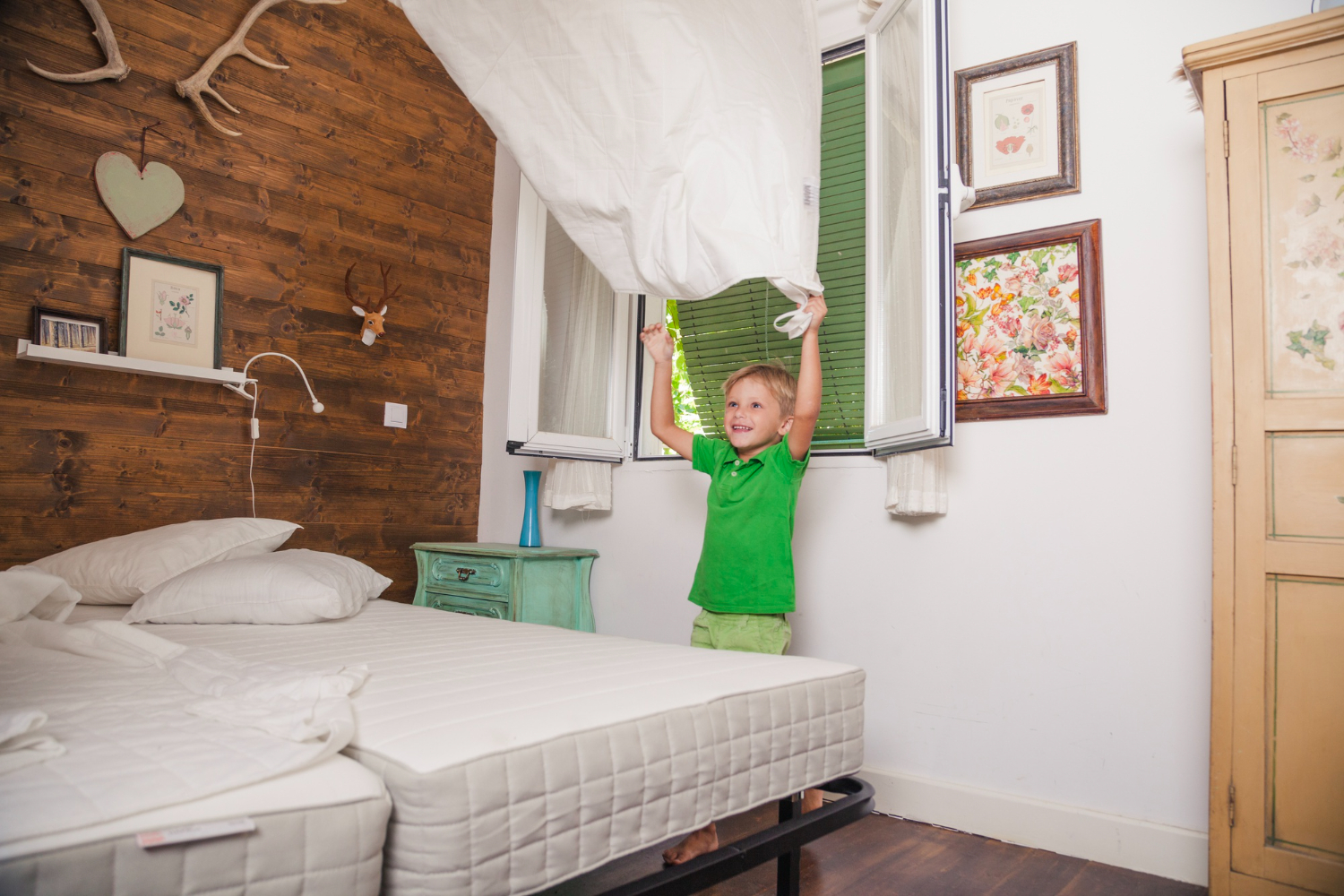
Taken together, these thirteen features capture a childhood bedroom that was personal, textured, and full of analog charm. The 1970s kid’s room reflected the decade’s styles and the pastimes of a pre-digital childhood, built around music, hobbies, and self-expression rather than screens. It was a space kids made their own with posters, mementos, and treasured belongings.
Many of these items faded as technology and tastes changed, with screens and digital devices reshaping how kids spend time in their rooms. Yet for those who grew up with chenille bedspreads, lava lamps, and walls covered in posters, these vanished details stir warm nostalgia for a particular kind of childhood. The 1970s kid’s bedroom was a small world of its own, and remembering it is a delightful trip back to the decade.
Like our content? Follow us for more.