


The Advertisement Was Everywhere and the Offer Was Genuine
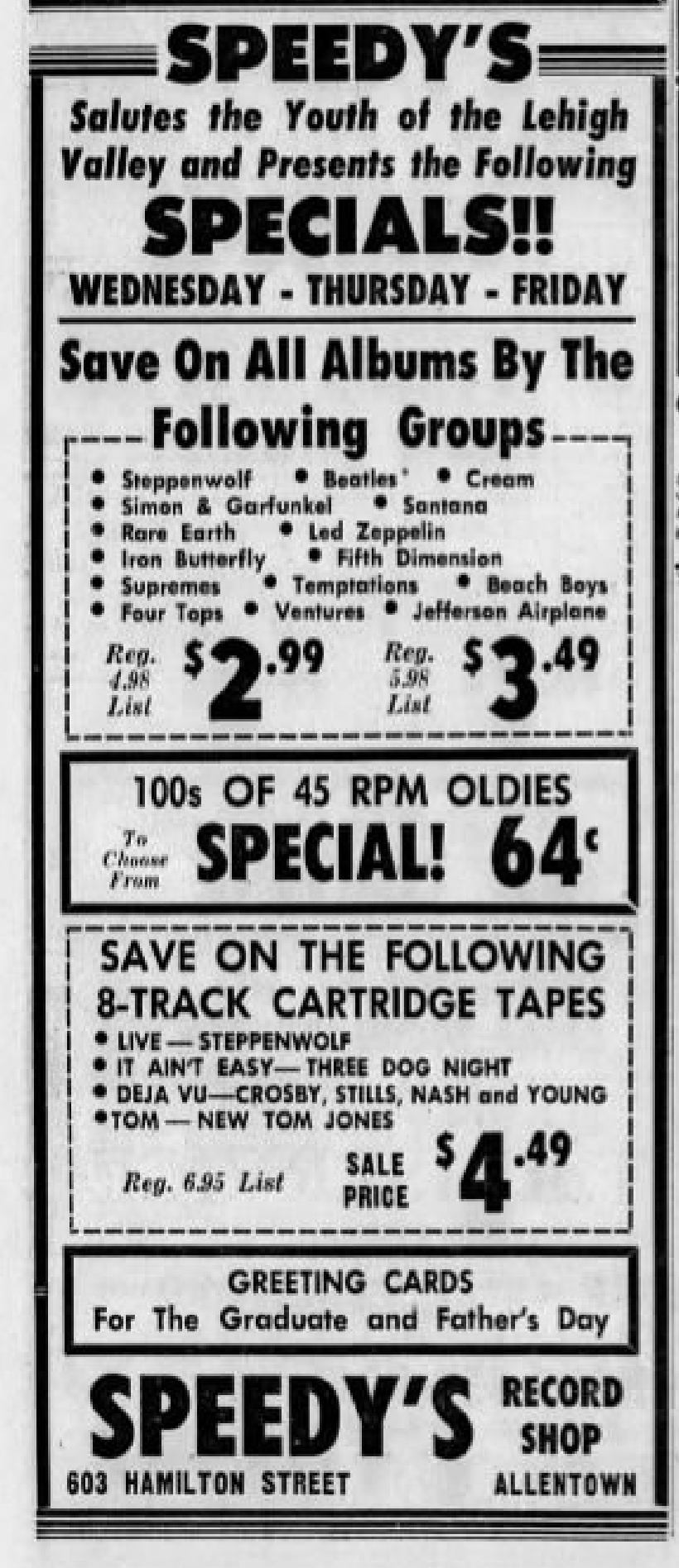
The pitch ran in magazines, Sunday newspaper inserts, comic books and on the back of catalogues: a dozen albums for a token amount – a penny, a dollar, sometimes nothing – in exchange for agreeing to buy a stated number more over the following year or two.
The coupon was a grid of small squares, one per album, with the titles printed in minuscule type and a space to stick on the perforated stamps or write in the catalogue numbers. You filled it in, posted it with your penny, and waited.
And the albums arrived. That is the thing worth establishing, because the arrangement is remembered as a swindle and the headline offer was not. A dozen records turning up in a box for a penny was exactly what had been advertised, and for a teenager with no money it was the single largest acquisition of music they would make.
Like our content? Follow us for more.
The Obligation Was the Actual Product

What you had signed was a contract. In exchange for the introductory dozen you agreed to buy a specified number of albums – commonly eight, ten or twelve – at the club’s regular price over a defined period.
The regular price was the point. Club prices were at or above retail, and shipping and handling was charged per item on top, which meant the albums you were obliged to buy cost noticeably more than the same records in a shop.
So the economics are straightforward once laid out. The club gave away twelve albums and recovered the cost across the ten you were committed to, on which it made a full margin plus a handling charge. A member who fulfilled the obligation and left had received a genuine discount overall. A member who did not read the terms had agreed to something they did not understand.
Neither of those is fraud. But the second group was large, and the business was designed with them in mind.
The Negative Option Is the Mechanism That Made It Work

Here is the part that generated every family’s story about it.
Each month the club mailed a magazine or card naming a featured selection for your chosen category. If you wanted it, you did nothing. If you did not want it, you had to return the card by a stated date saying so.
That is a negative option: silence is consent. Forget to post the card, lose it, be away, or simply not open the envelope, and the album arrived with an invoice.
It worked on human behaviour with considerable precision. Monthly deadlines are easy to miss, a card is easy to mislay, and the effort required to decline was deliberately greater than the effort required to accept. A substantial share of club revenue came from records nobody had chosen.
And the returns process was correspondingly awkward – refuse delivery, or repackage and post it back at your own trouble, with the invoice continuing to arrive in the meantime until the paperwork caught up.
The Selection Was the Club’s and That Shaped What People Owned
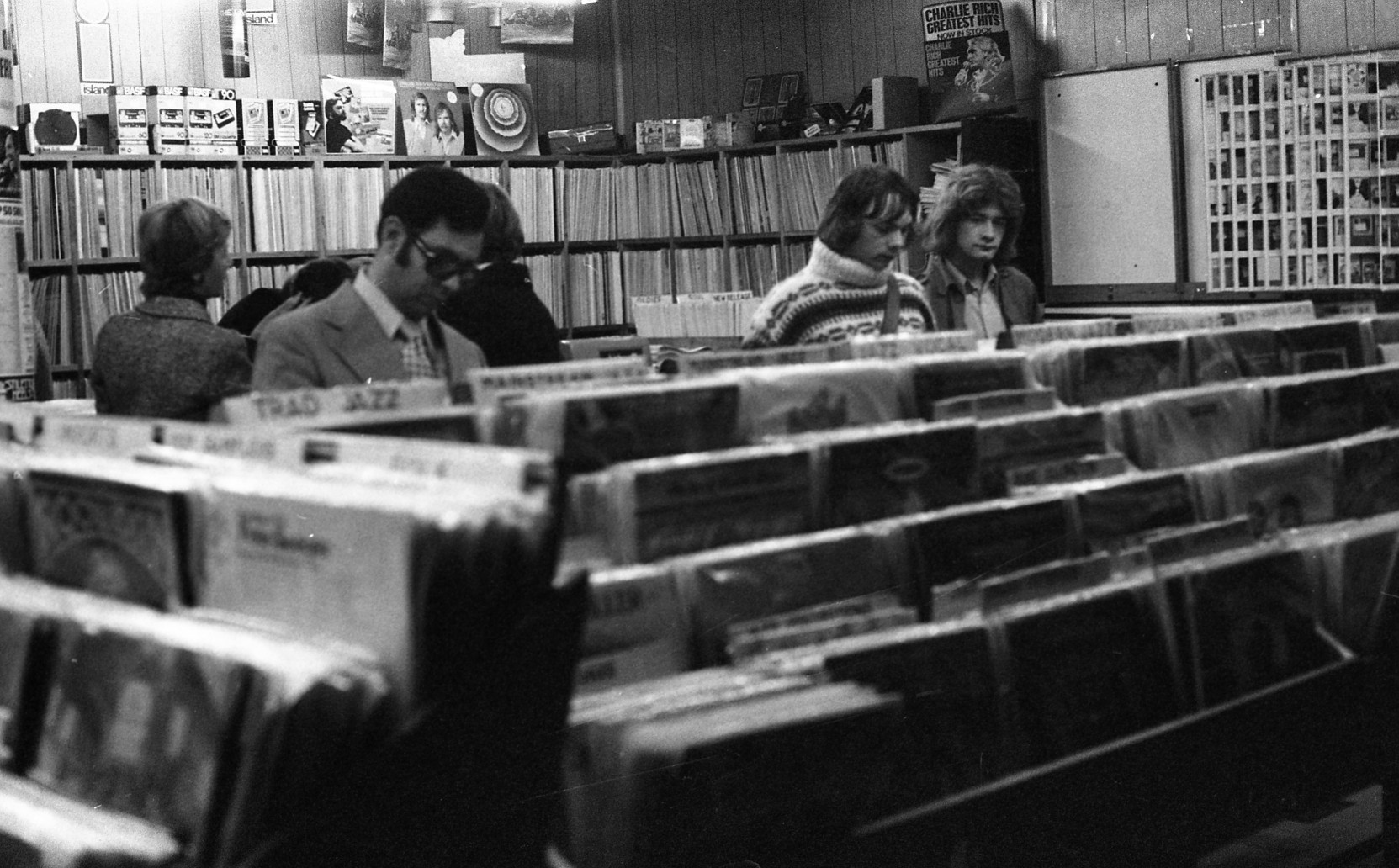
You chose a broad category when you joined – popular, country, classical, easy listening – and the featured selection each month came from the club’s catalogue rather than from the whole market.
Clubs were operated by or licensed from record companies, which meant their catalogues were weighted towards their own labels. An artist on a label with no club arrangement was simply not available, and a member who wanted that record had to buy it in a shop.
So the collections these clubs built were lopsided in a particular way. A household’s shelf would contain a dozen albums nobody had chosen, several from labels they had no particular attachment to, and conspicuous gaps where the records they actually wanted ought to have been.
An enormous number of people’s first substantial record collection was assembled this way, which means a generation’s music ownership was shaped in part by which companies ran mail-order divisions.
The Pressings Were Club Editions and Collectors Can Tell
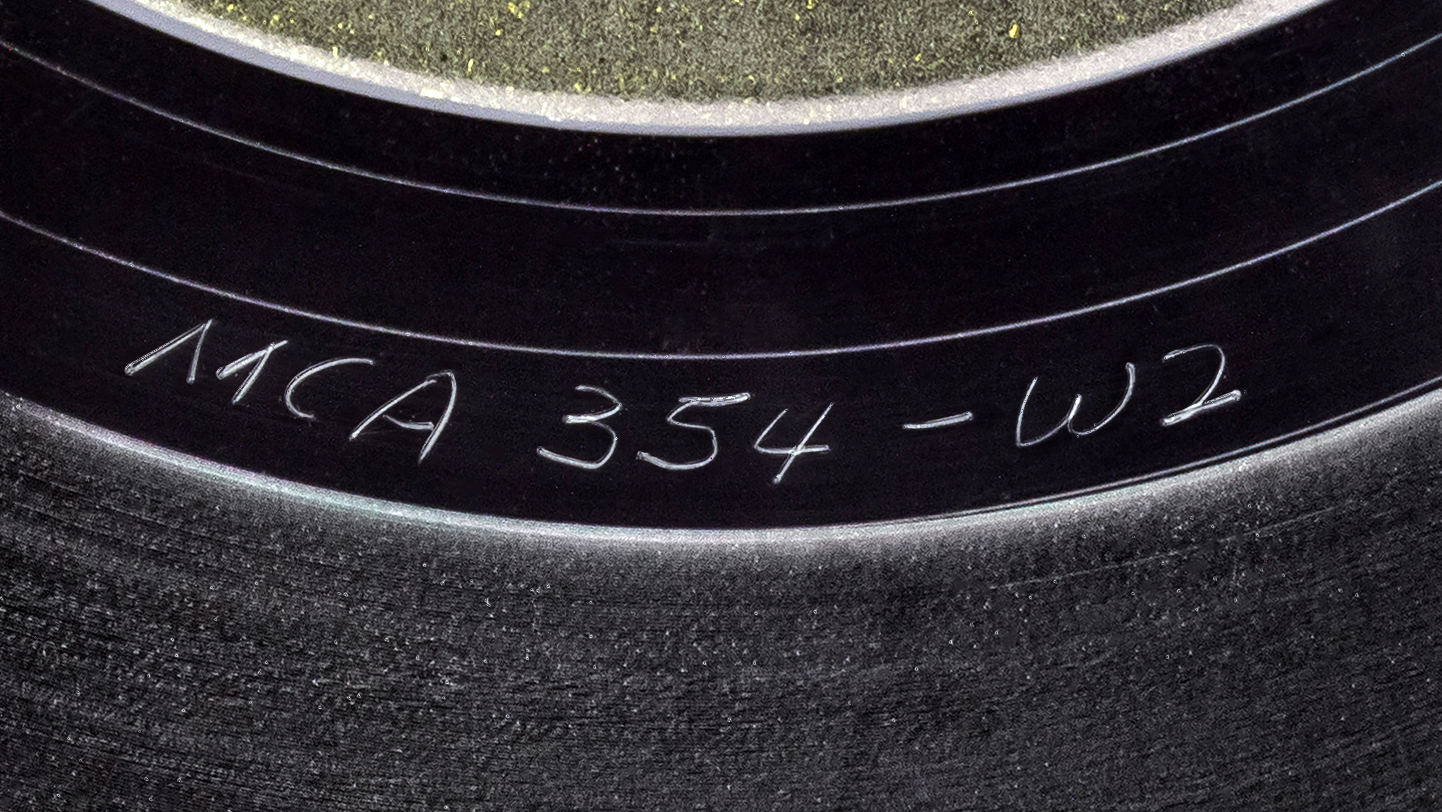
Club copies were pressed separately, frequently at different plants, and are physically identifiable – a club catalogue number, a distinctive marking in the runout groove, occasionally different sleeve printing or a label variation.
The sound quality argument has run for decades and is more nuanced than either side allows. Some club pressings came from different masters or were pressed on thinner vinyl at high volume, and are audibly worse. Others came off the same plates as the retail copies and are indistinguishable.
What is not in dispute is the collector market’s view: for most titles a club pressing is worth less than the original retail issue, sometimes substantially, because collectors prefer first pressings and club copies are not first pressings.
So the twelve albums for a penny carried a cost that nobody mentioned at the time. The records a household acquired cheaply are, fifty years later, the ones worth the least – which is a fitting conclusion to the whole arrangement.
The Box Arriving Was a Genuinely Significant Household Event

Whatever the economics, the delivery itself deserves describing, because it is the part people remember with uncomplicated pleasure.
Twelve albums is a heavy parcel. It came in a plain corrugated box, taped, with the records in their sleeves stacked flat and packed with filler, and the whole thing had taken four to six weeks to arrive after the coupon went out – long enough that a teenager had given up expecting it.
Opening it was an event conducted on a living room floor. Twelve records at once, when the normal rate of acquisition was one every few weeks if you were lucky, is a transformation of a collection rather than an addition to it – and for a great many people it was the moment they went from owning a handful of records to owning a shelf.
There is also the specific experience of having chosen twelve titles weeks earlier from tiny print and then confronting what you had actually picked. People consistently report two or three they could not remember selecting, one they had chosen on the strength of the name alone, and at least one that became a permanent favourite entirely by accident.
That last part is worth something. A system that made you commit to twelve titles sight unseen, with no way to hear any of them first, produced discoveries that a recommendation engine optimising for what you already like does not.
Everybody Knew Somebody Who Gamed It and It Mostly Did Not Work
The folklore is extensive: joining under a variant of your name, using a middle initial, signing up a pet, using a relative’s address, taking the twelve and never buying the ten.
Some of this happened. Clubs ran credit checks and address matching, pursued unfulfilled obligations through collection letters and in some cases through agencies, and maintained lists of addresses that had already taken an introductory offer.
What mostly happened instead is more mundane. People joined, received the twelve, bought some of the ten, drifted, accumulated unwanted albums through the negative option, received increasingly firm letters, eventually settled or were written off, and did not join again.
The volume of complaints was substantial enough to attract regulatory attention, and the rules around negative option plans – disclosure of the obligation, the notice period, the right to return unsolicited shipments – were tightened specifically in response to this industry.
The Monthly Magazine Was Doing More Work Than the Catalogue
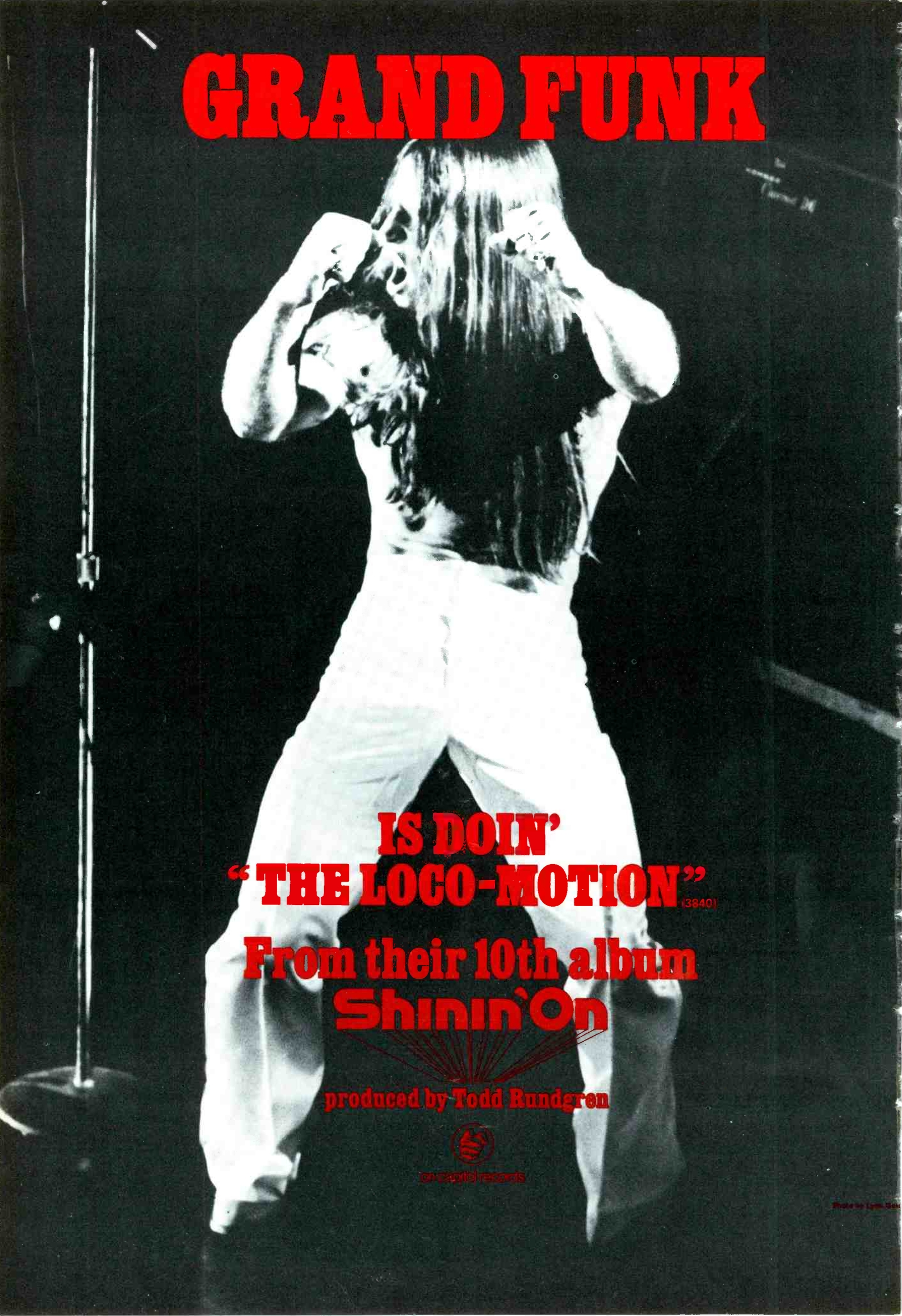
The envelope that arrived each month was not a bare card. It was a small magazine, and it was a considerably better piece of marketing than people gave it credit for.
Inside was the featured selection, prominently placed, with the decline card attached. Around it were the alternates – the titles you could choose instead – plus bargain sections, special offers, bonus plans under which buying one album earned credit towards another, and features on artists written to read like journalism rather than advertising.
The bonus arithmetic was the clever part and it was genuinely hard to follow. Credits, half-credits, qualifying purchases, offers that counted towards the obligation and offers that did not – presented clearly enough to be technically disclosed and complicated enough that very few members could say with confidence how many albums they still owed.
That ambiguity worked in one direction. A member uncertain whether they had fulfilled their commitment tends to buy another one to be safe, and a member who has lost track of the count is not going to write and ask.
So the magazine performed three jobs at once: it sold the featured album to everybody who forgot to decline, it sold the alternates to everybody who remembered, and it kept the obligation just opaque enough that nobody was certain when they had finished.
It Was How a Lot of Households Got Music At All
The defence of the clubs, and it is a real one, is distribution.
A household in a small town in 1975 had access to whatever the local shop stocked, which might be a rack in a drugstore or a department store with two hundred titles. There was no other way to obtain a record that nobody locally had decided to carry.
The club catalogue listed thousands. For anybody outside a city, mail order was not a cheaper alternative to a record shop – it was the only shop, and the selection was a hundred times what was otherwise available.
That is why membership figures were enormous and why people joined knowing roughly how the arrangement worked. Paying over retail for albums you were obliged to buy is a reasonable trade if the alternative is not being able to buy them.
The clubs did not end because people worked out they were a bad deal. They ended because the distribution problem they solved was solved better – first by larger retail chains, then by online mail order, then by streaming – and a negative option plan has nothing to offer against a catalogue of everything.
Like our content? Follow us for more.
