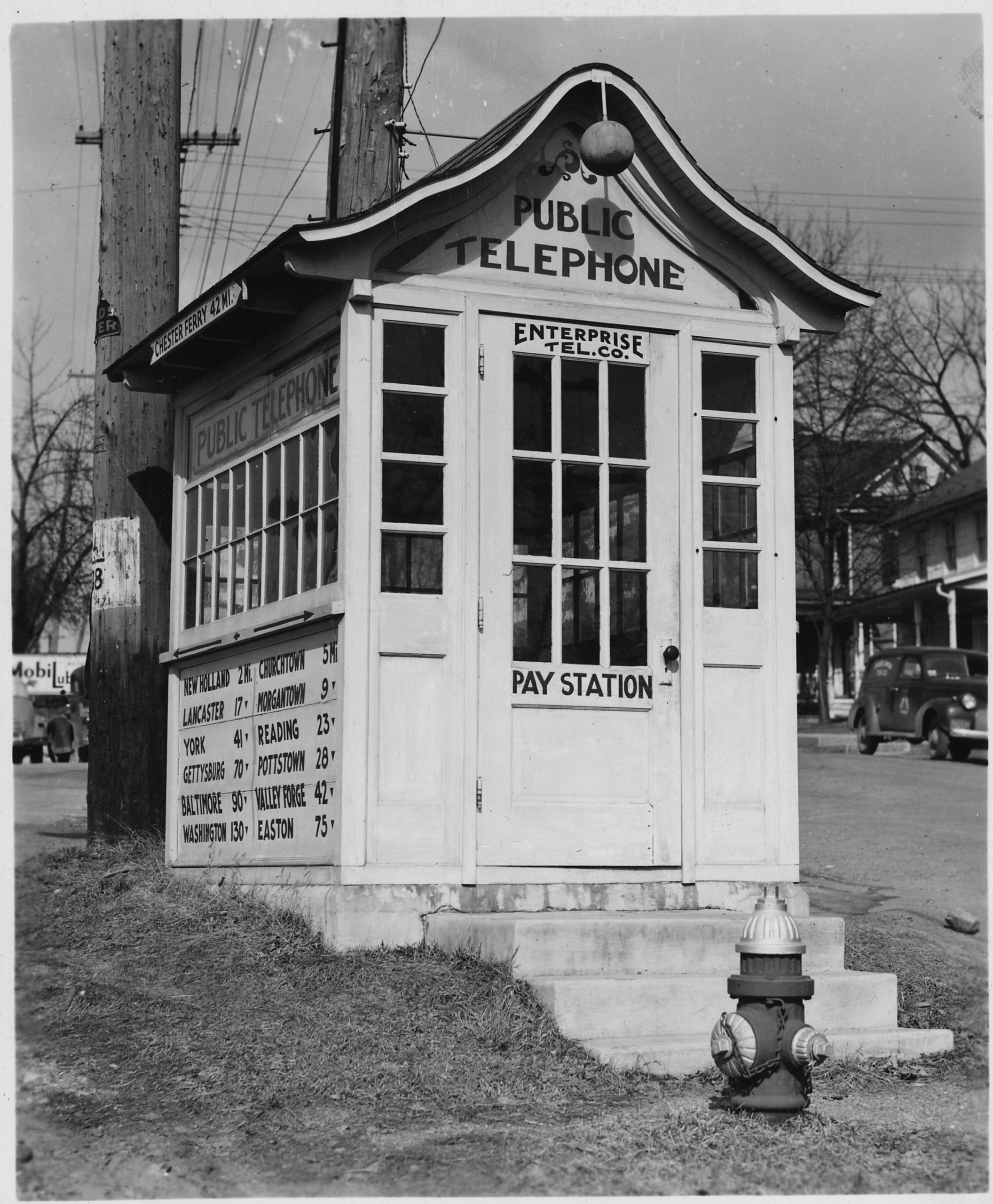
You pulled the folding door closed behind you and a light came on overhead, and sometimes a small fan started up.
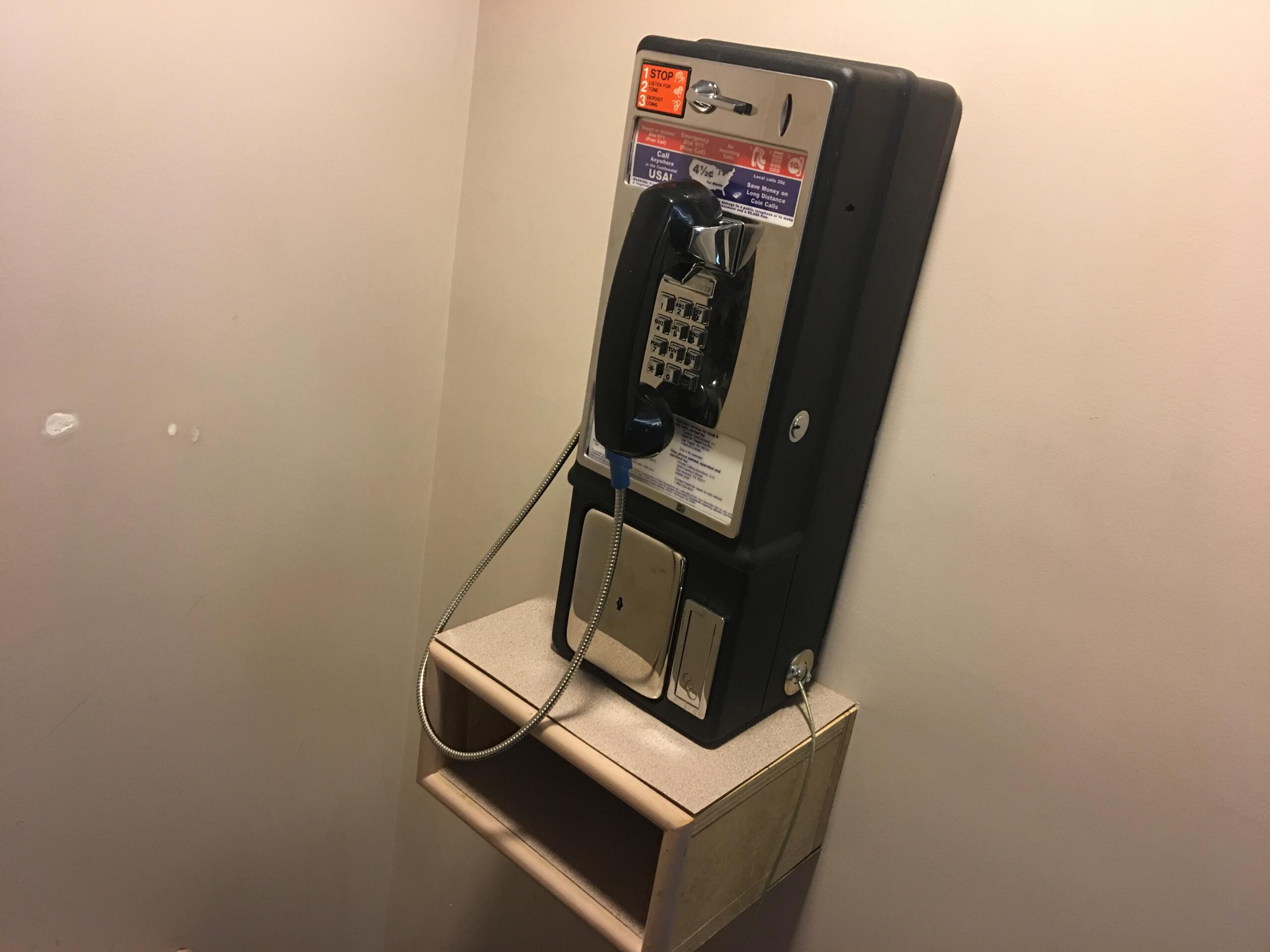
There was a directory on a chain, a shelf, a metal cord with no slack in it, and a slot. You put in a coin, and then you were in a small lit room on a public street having a private conversation, which is a combination that no longer exists anywhere.
A Local Call Cost a Dime for a Very Long Time
The price is the part people get wrong in both directions.
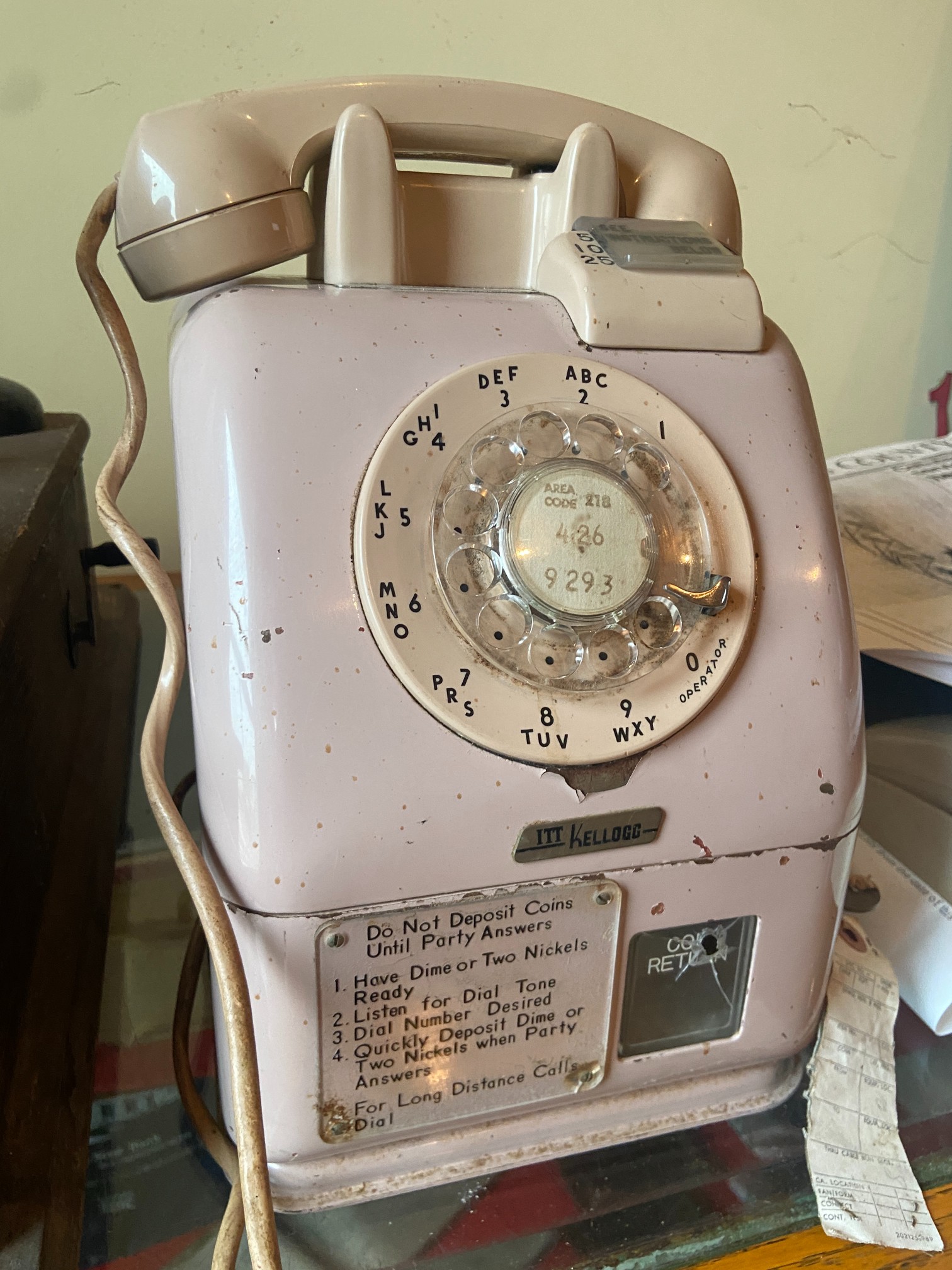
For decades a local call from a public telephone in the United States cost a dime, and that dime bought an untimed call. You could talk for an hour. The rate was set by regulated tariff rather than by a market, it was identical across enormous areas, and it stayed at that level long enough that a whole generation treated a dime and a phone call as the same thing.
That changed through the 1980s. Local calls moved to a quarter in most places, and then they began to be timed, so that the coin bought a few minutes and a recorded voice interrupted to ask for more.
The untimed local call is the thing that vanished first, and it went quietly. It was not a feature anybody advertised; it was simply how the thing had always worked, and then it was not.
Like our content? Follow us for more.
Long Distance Was a Different and Frightening Matter
A long-distance call from a booth was an operation.
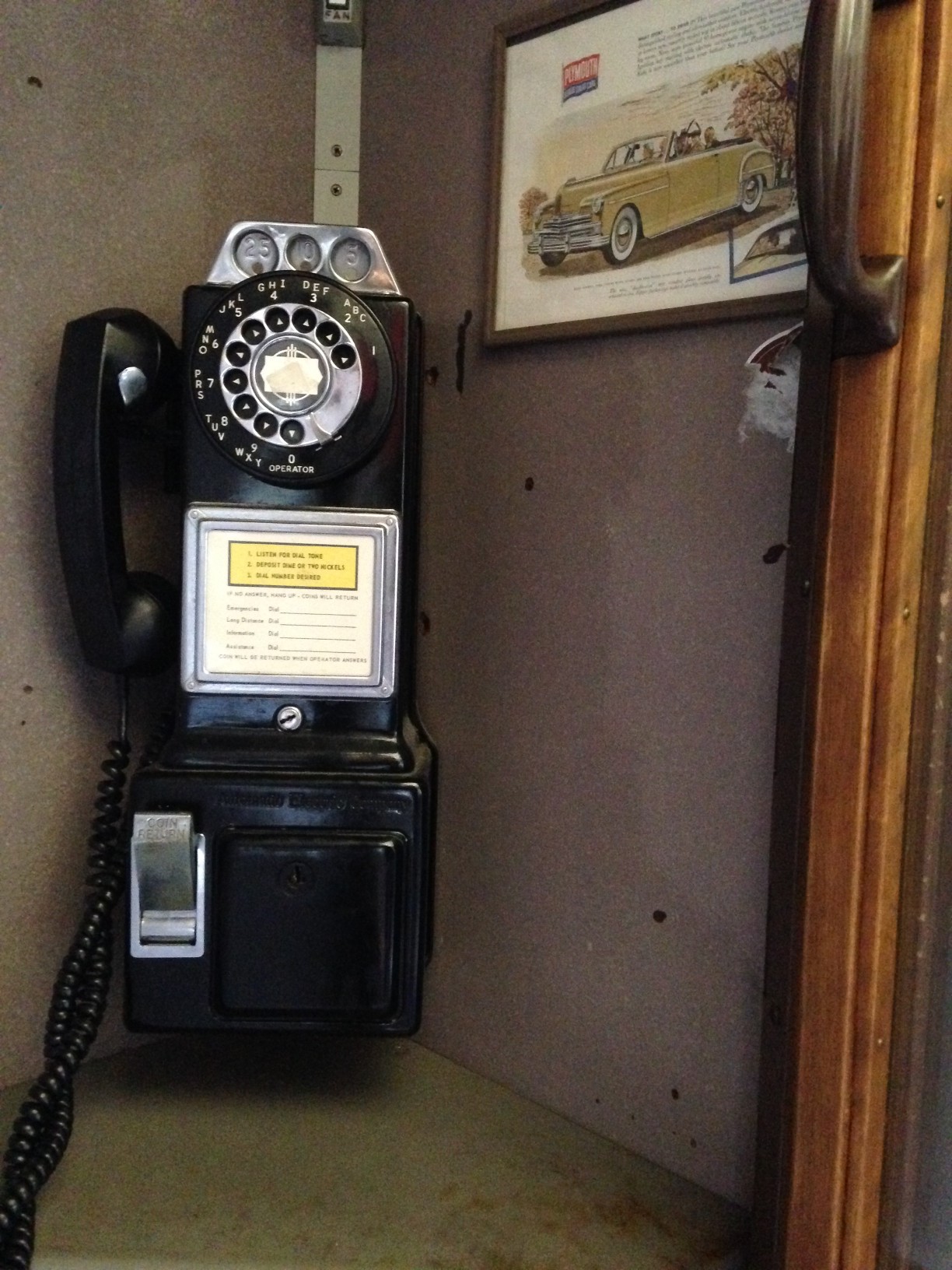
You dialled, and an automated voice or a live operator told you how much to deposit for the first three minutes. You fed in coins, each one chiming a different tone as it dropped, and those tones were how the system knew what you had paid – a nickel, a dime and a quarter each struck a different bell inside the mechanism, and the equipment at the exchange was listening.
Three minutes later the voice came back and asked for more. So the whole conversation ran against a clock with an audible referee, and people learned to say what mattered in the first two minutes.
The alternative was to reverse the charges. You asked the operator to place a collect call, she asked the person at the other end whether they would accept it, and if they said no it cost nothing – which is why families developed codes. Calling collect and giving a name that was really a message, so the person at the other end could decline the charge and still receive the information, was common enough to be understood as a normal practice rather than a trick.
The Booth Could Receive Calls, and That Was the Important Part
Here is the function that modern readers consistently miss, and it was arguably the booth’s main social use.
A public telephone had its own number, printed on the instrument, and it would ring. Anybody could call it.
For a household with no telephone – and that was a very large number of households, especially poorer, rural and urban ones – the booth on the corner was a working address. You gave somebody the booth’s number and a time, you stood by it, and the call came.
It was how people arranged job interviews when they had no line at home. It was how somebody travelling told a family they had arrived. It was how teenagers arranged to speak privately. And it meant that a corner telephone was not just an outgoing facility but a fixed point in a neighbourhood where messages could land.
That capability was removed long before the booths were. Incoming calls to payphones were progressively disabled through the 1980s and 1990s – for reasons involving illegal use of the phones as contact points – and once a payphone could not ring, it was only half of what it had been.
Everything in It Was Attached to Something
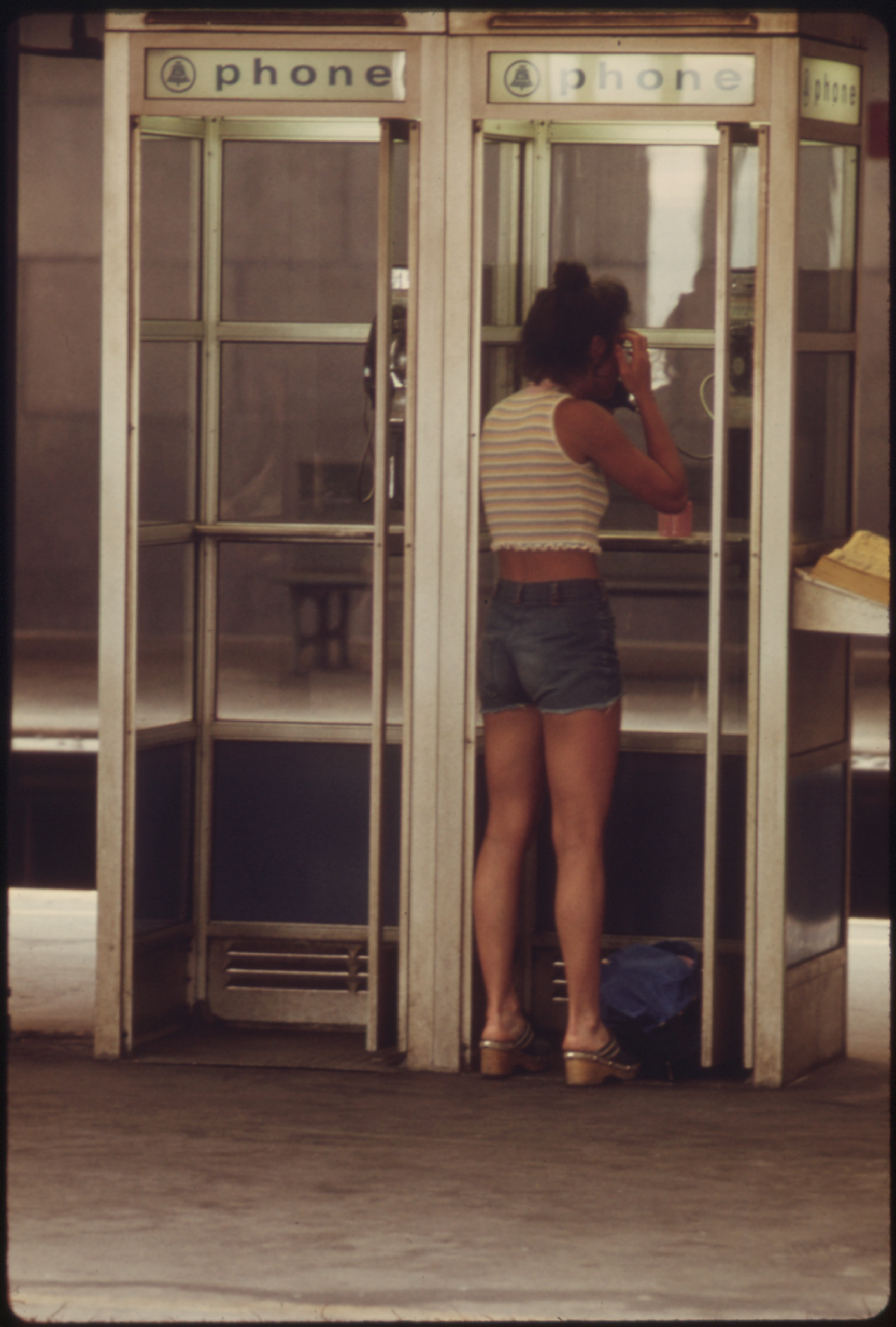
The fittings tell you what the operating environment was like.
The handset hung on a steel armoured cord with almost no slack, so it could not be carried away or wound round anything. The directory, when there was one, was chained to the shelf and bolted into a steel binder. The shelf was steel. The coin box was a separate locked vault emptied on a route by a collector with a key.
And the coin return was checked by everybody. Running a finger into the return slot on passing was a universal reflex, performed by adults and children alike, on the reasonable basis that a call failing to connect returned the money and the previous caller might not have noticed. A surprising number of people can remember the amount of the largest sum they ever found that way.
It Was Shelter, and That Mattered More Than Anybody Planned
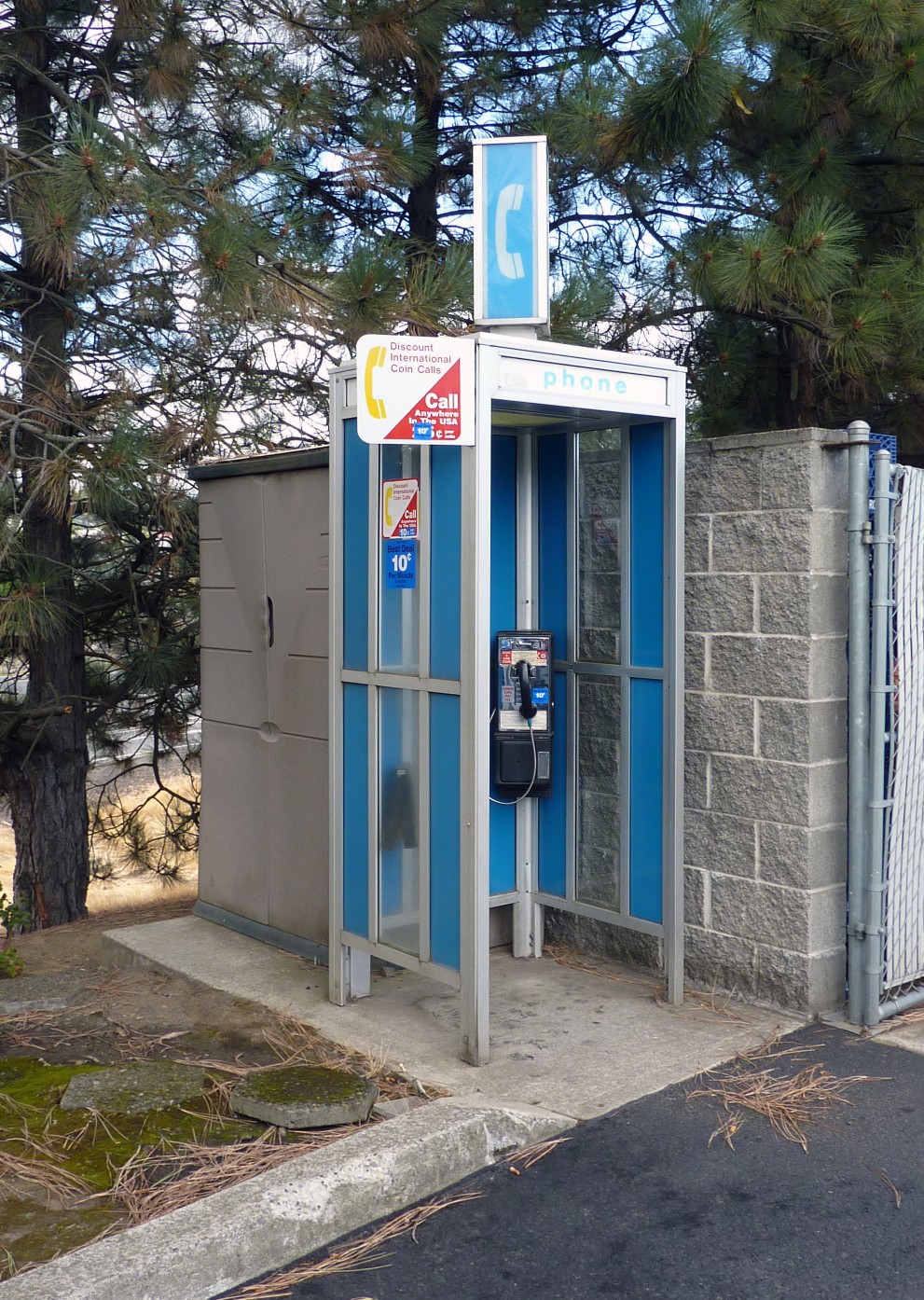
The enclosed booth – glass panels, folding door, light, often a fan or a small heater – was designed to make a telephone usable on a noisy street.
But a lit, enclosed, dry space on a public pavement that anybody may enter for free does a great many other things at the same time. People sheltered in them from rain. People used them to get out of the wind to light a cigarette or read a letter. People stood in them to have an argument where nobody could hear. And a person with nowhere else to be could stand in one, legitimately, for as long as a call might reasonably take.
The booths were replaced from the 1970s onwards by open hoods and half-shells mounted on a post – cheaper, easier to maintain, more visible to passers-by – and every one of those secondary uses went with the door. That was not an unintended consequence. Removing the door was partly the point.
What Finished Them, in Order
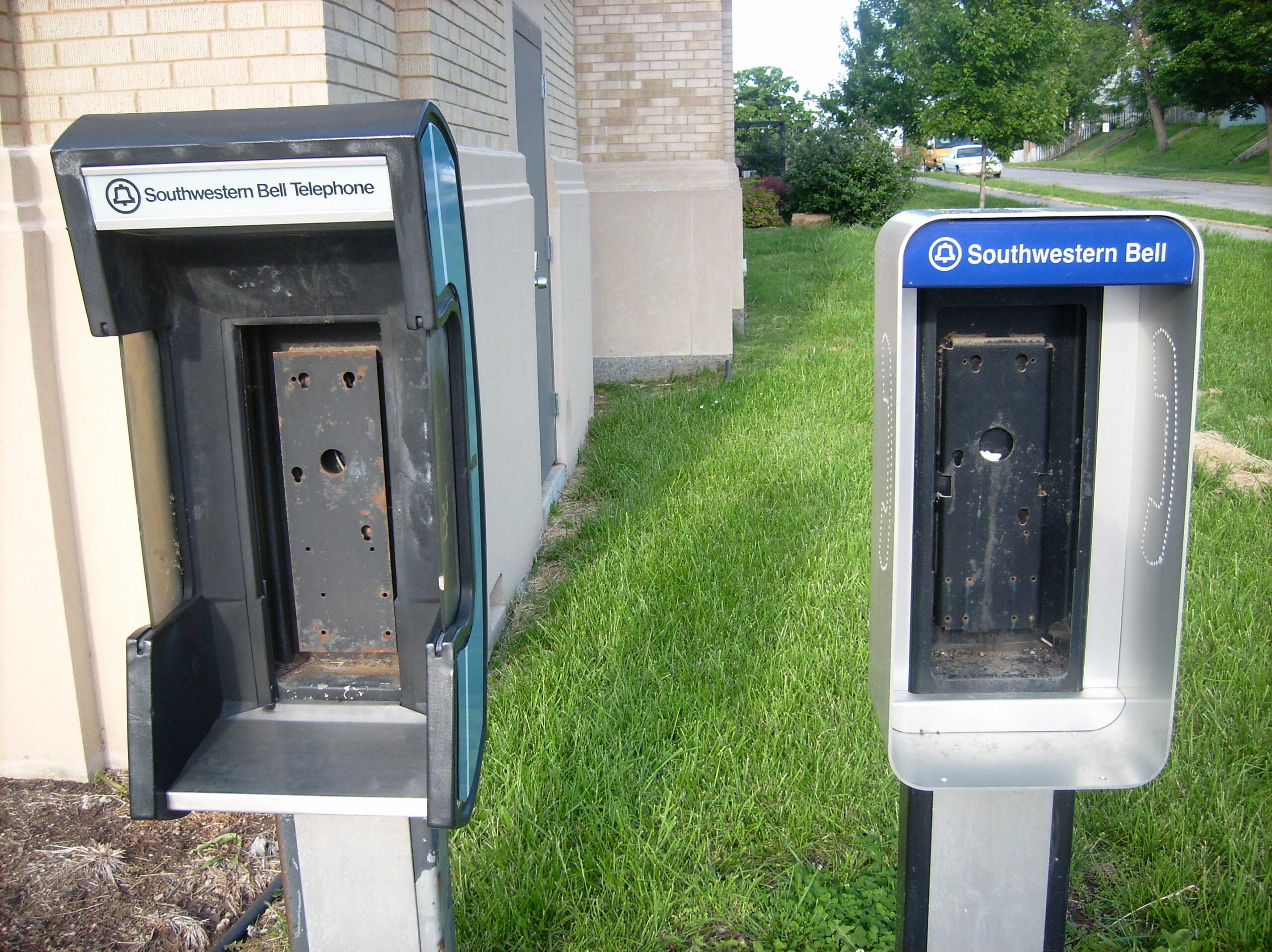
Vandalism and maintenance came first, and they are genuinely why the enclosed booth became the open hood. A glass box on a street is expensive to keep glazed, and a locked coin vault on a quiet corner attracts attention.
Then the economics of the coin. A payphone’s revenue is coins collected by a person driving a route, and as call volumes fell the collection cost did not, so the marginal phone stopped paying for its own servicing long before it stopped being used.
Then the mobile phone, which did not merely compete but removed the entire premise – that a telephone is a fixed object in a place, and that you go to it.
And then, quietly, a policy question that nobody really settled. Payphones were in places where mobile coverage was poor and in neighbourhoods where many people had no phone of their own, and removing them took away the last public telephone in a great many areas. Some jurisdictions required a minimum provision for a while. Most of that lapsed.
There Are Still Some, and Where They Are Tells You Something
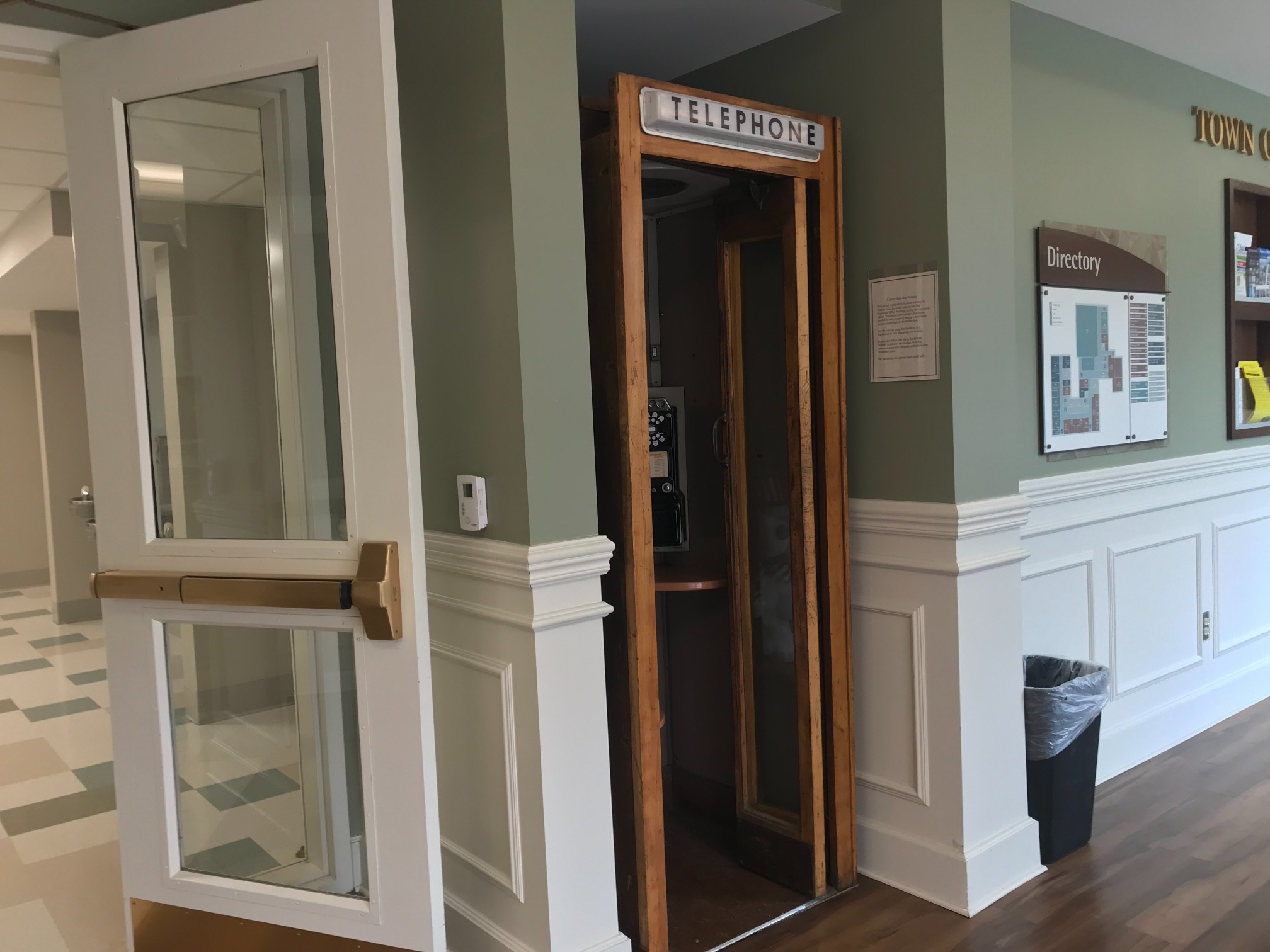
Public telephones were never abolished, and a surprising number survive in places where the original argument still holds.
They remain in national parks and remote recreation areas, where coverage is poor or absent and somebody needs a way to report a problem. They remain in some transport terminals, hospitals and courthouses, where a person may arrive without a working phone and need to reach somebody immediately. They remain in a handful of cities as deliberate provision, and in a few places as preserved objects with a plaque.
And they remain, in significant numbers, in correctional facilities, where they are the primary means of contact and where the economics are the opposite of a street corner – a captive user base and tariffs that have been the subject of sustained public argument.
The pattern is consistent and it is informative. Public telephones have survived exactly where the person using one has no alternative, which was always the strongest case for having them, and nowhere else.
The Twist: The Thing We Replaced Was Not the Call
If you describe the payphone as a way to make a call, then the mobile phone is a complete replacement and better in every respect, and that is the standard account.
But the booth was two things, and only one of them was replaced.
It was a device for making calls, which is now in everybody’s pocket, infinitely better. And it was a piece of public infrastructure – a free-to-enter, lit, sheltered, universally available point in a street that belonged to nobody and could be used by anybody, including somebody with no money, no phone, no address and no particular business being there.
Nothing replaced the second thing. A mobile phone is a private possession that requires an account, a device, a balance and an address to bill. It is not available to a person who has none of those, which is the exact person the corner booth served best.
So the honest summary is not that payphones became obsolete. It is that a public utility was replaced by a private product, which is a better product for almost everybody and no product at all for a few – and the few were the ones standing by the booth at seven o’clock, waiting for it to ring.
Like our content? Follow us for more.